A Taste of Home: Namah's Darshini-Style QSR Is Mumbai's Most Authentic South Indian Opening Yet
/Mumbai just got a whole lot more delicious and a whole lot more soulful. Namah, a Bengaluru-inspired darshini-style QSR, has arrived in Andheri West's Four Bungalows, bringing with it the kind of warmth, nostalgia, and comfort that only a deeply rooted South Indian dining experience can offer.
Namah is built around a philosophy as old as hospitality itself: Namma Mane, Nimma Mane: My Home is Your Home. It's a belief that shapes everything here, from the food on the plate to the stone beneath your feet.
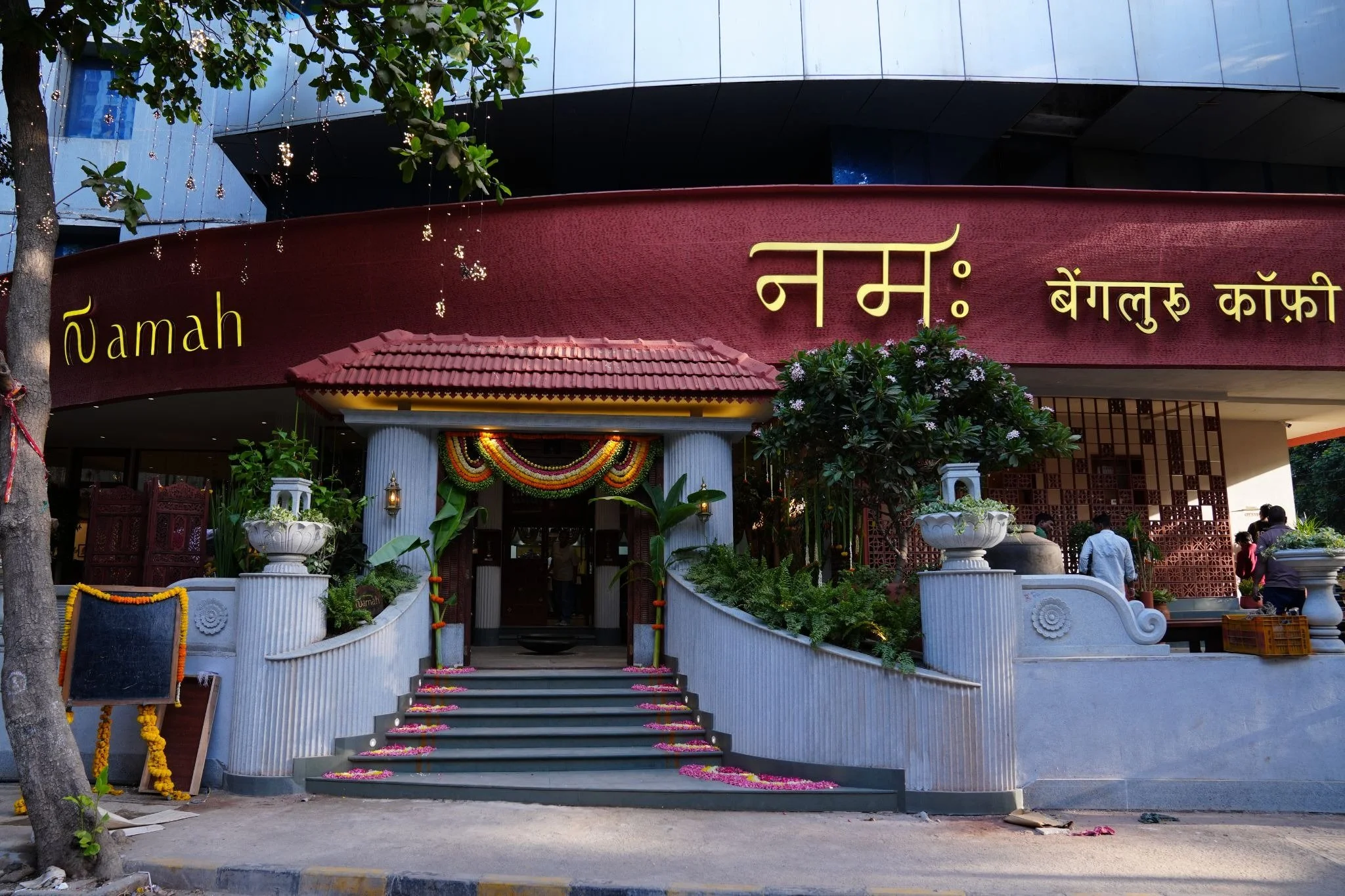
From the moment guests step inside, Namah begins to transport them. A Padipura, the traditional gateway of a South Indian home, forms a striking first impression, immediately transporting guests out of Mumbai and into something far more familiar. Beyond it, a flower-decked gazebo draws its inspiration from the Totimane, the ancestral courtyard that sits at the heart of every Kannada home. Amphitheatre-style seating, landscaped courtyards, an adorned Ganesh idol, and the arresting "Wall of South" come together to create a space that feels less like a restaurant and more like a homecoming.
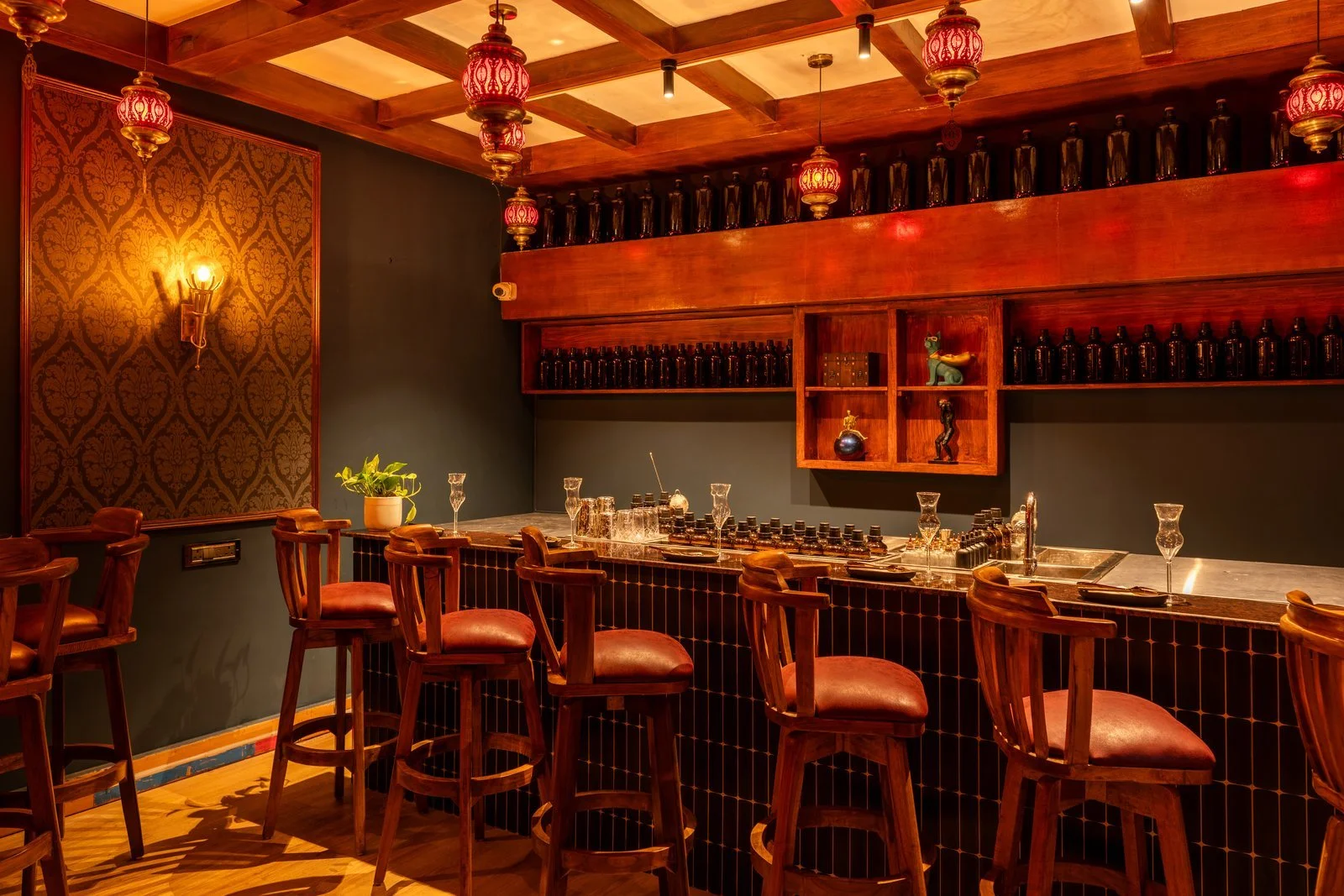
The material palette tells its own quiet story. Kota flooring with inlays of white marble and Jaisalmer stone reinterpret traditional South Indian motifs in a contemporary language. Sadarahalli stone runs across textures, pillars, fountains, and railings. Layers of terrazzo, terracotta tiles, and abundant greenery soften the interiors into something that feels organic, lived-in, and deeply comforting. Several architectural and decorative elements have been thoughtfully sourced from across Karnataka and South India, adding layers of regional character and authenticity to the space.
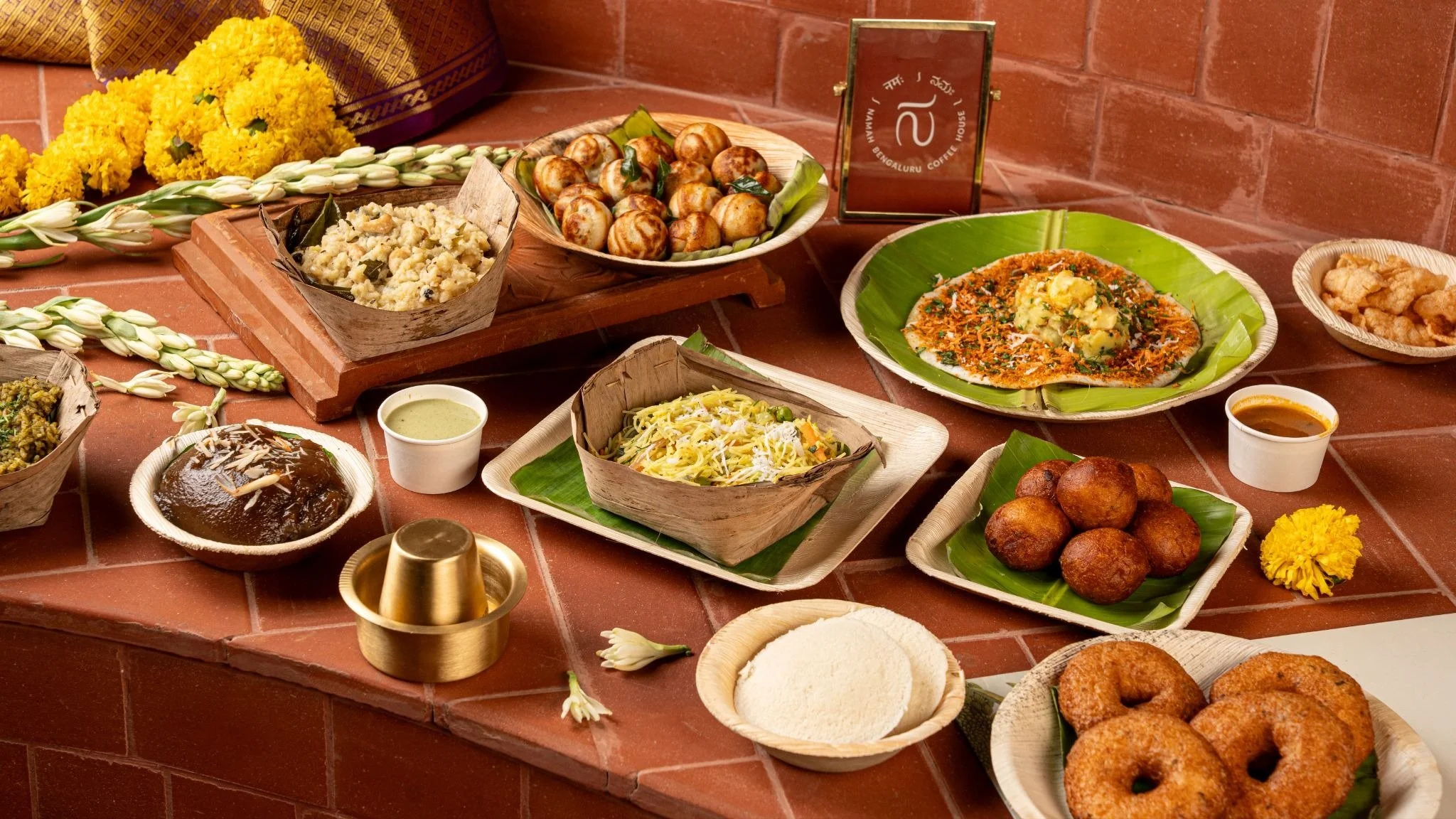
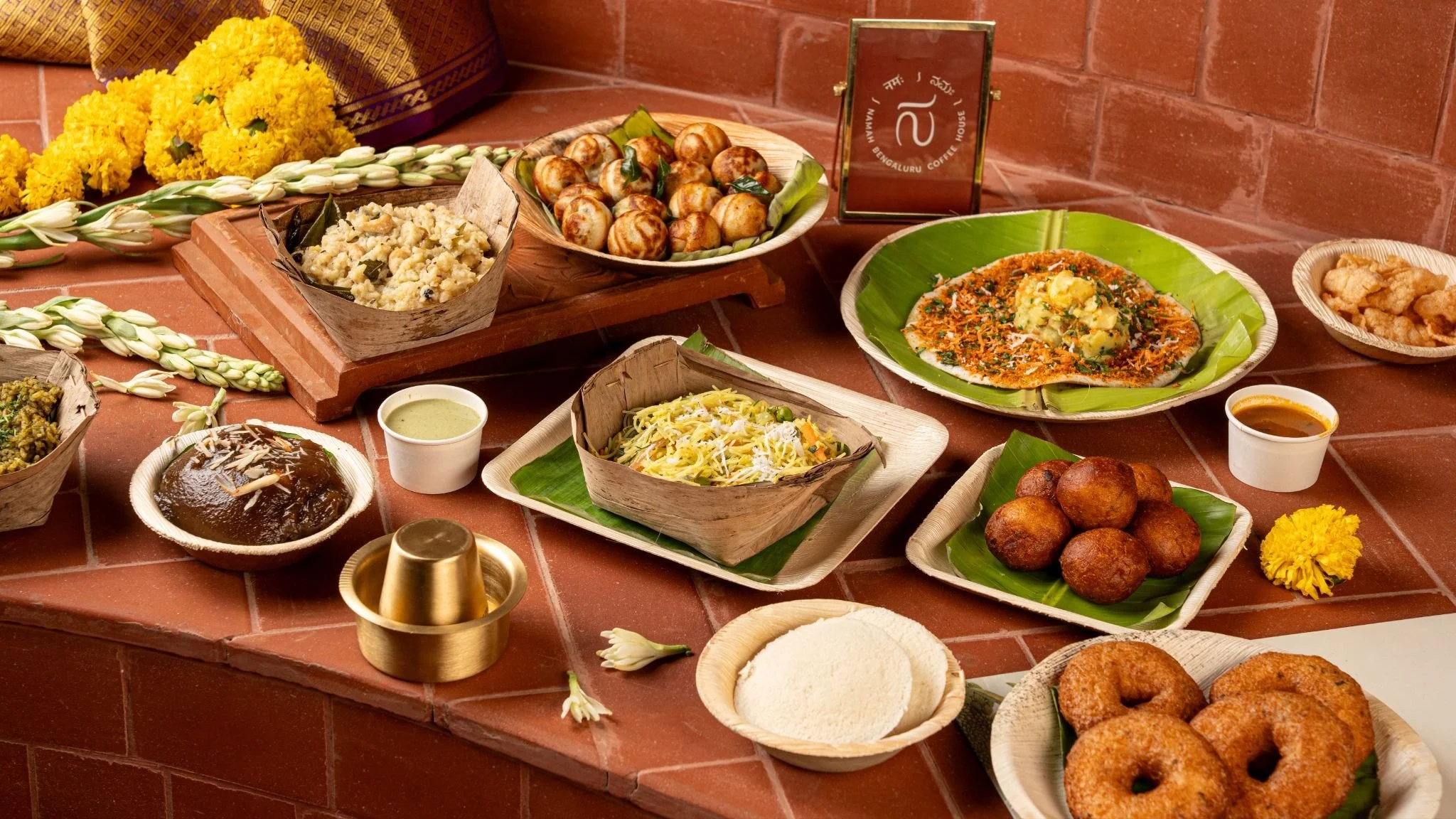
The menu is where Namah truly earns its place. The Idli and Vada Junction alone is a love letter to the form: Mallige Idlis so soft they barely hold their shape, Thatte Idlis served the flat, wide Bengaluru way, and the signature Ghee Podi Mini Idlis arriving in a pool of coconut gatti chutney, tomato chutney, and sambar. The Tindi Terminal reaches further into the regional map. Mangaluru Buns, pillowy and subtly sweet, arrive with veg khorma and coconut chutney. Goli Baje, the beloved Coastal fritters, come with neer chutney. Khara Pongal is paired with raitha, red coconut chutney, and sandige. Paniyaram, Shavige Bhaat, and Khara Bhaat round out a section that reads like a tour of Karnataka's breakfast culture.
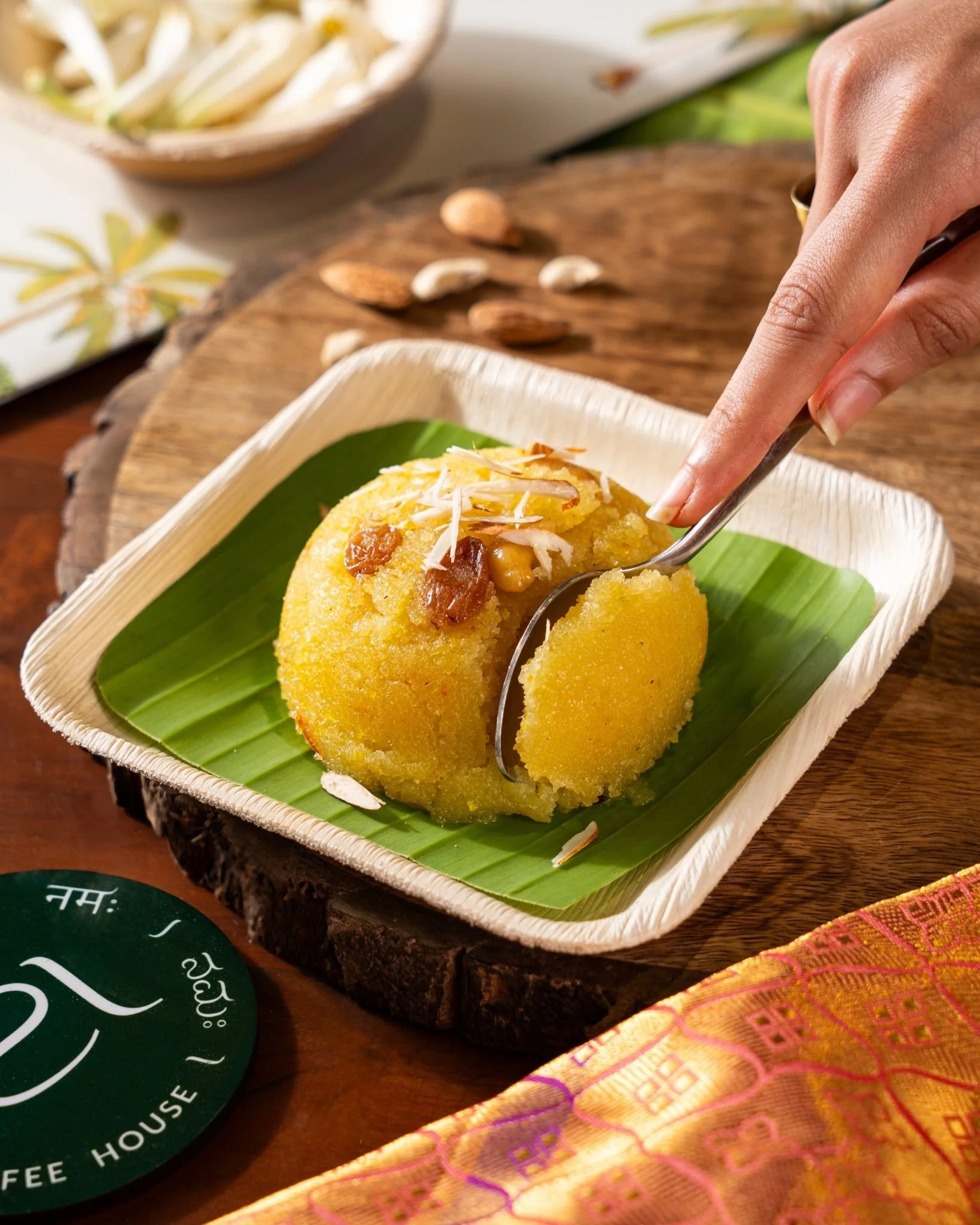
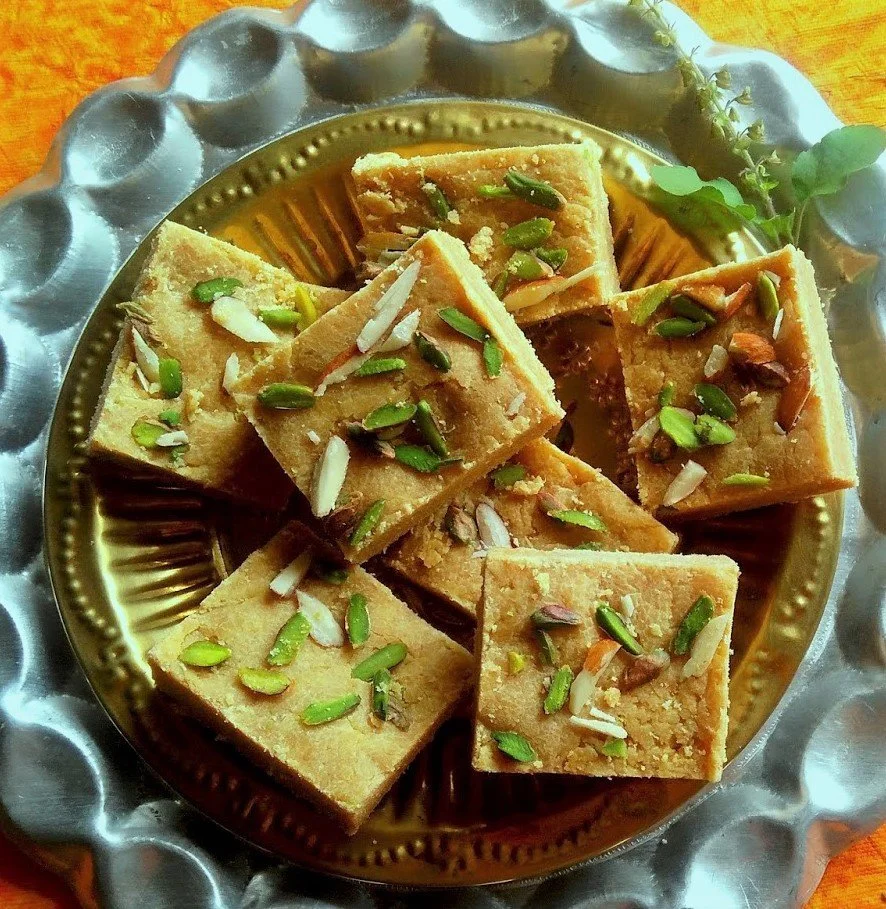
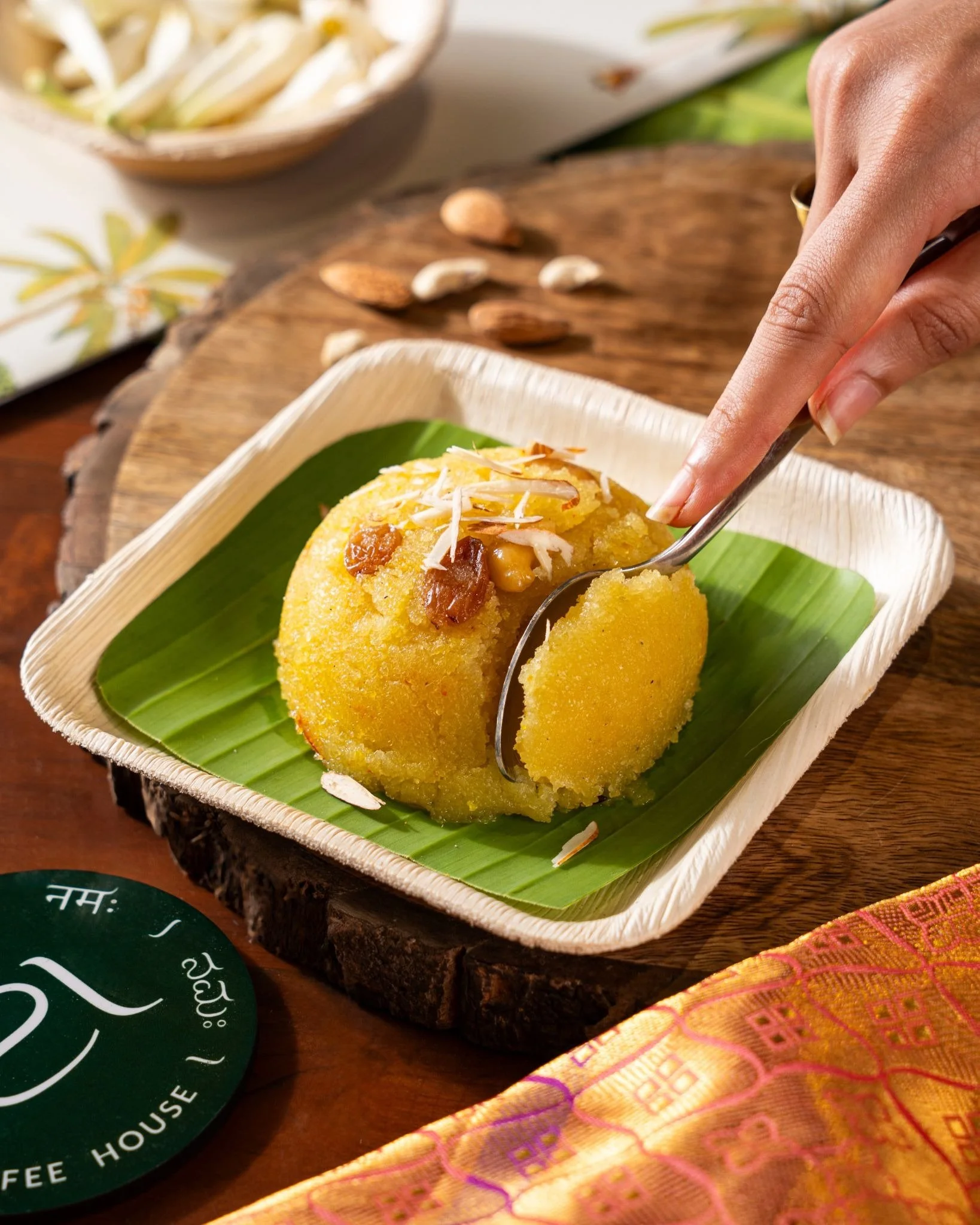
Desserts carry the same regional conviction. Obbattu, the ghee-drenched puran poli of Karnataka, is served with badam milk. Ada Pradhaman and Pineapple Bhaat are topped with shredded badam. Mysore Pak and Wheat Halwa made with palm jaggery complete a dessert section that feels like the final chapter of a meal at someone's grandmother's home.
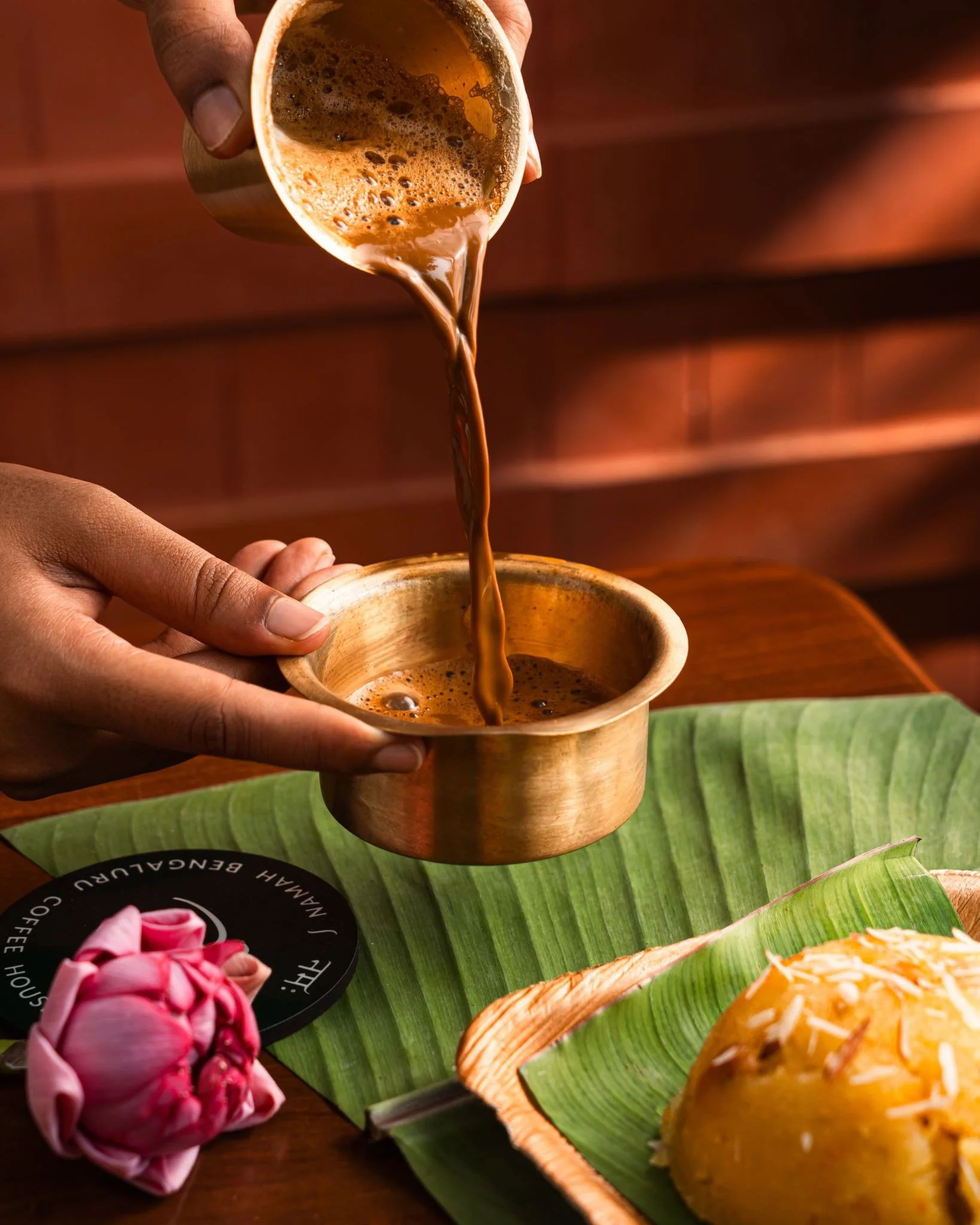
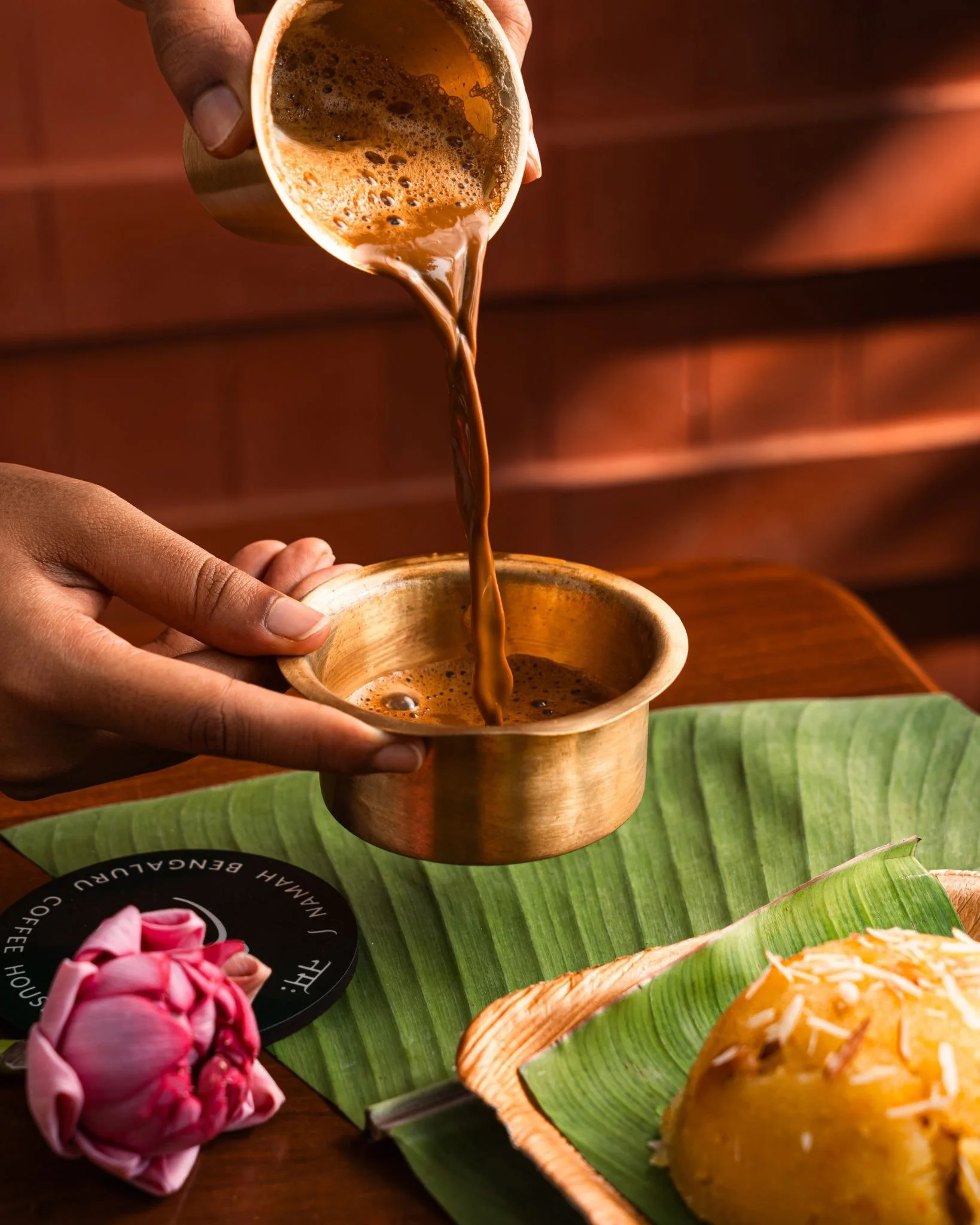
On the beverages front, the Filter Kaapi anchors everything, available hot, iced, as a milkshake, and in the now-famous Filter Coffee Softy. Alongside it sit softy flavours including Salted Caramel with Cookie, Tender Coconut, and Guava Chilly, as well as fresh juices, Masala Majjige, and Tender Coconut Juice, a beverage menu that is as thoughtful as everything else on the table.
At a time when Mumbai diners are chasing authenticity, regionality, and the kind of comfort that feels genuinely earned, Namah couldn't have arrived at a better moment. This is South Indian dining not as a passing trend, but as a culture; a space where food, design, tradition, and emotion come together to recreate the feeling of being welcomed home