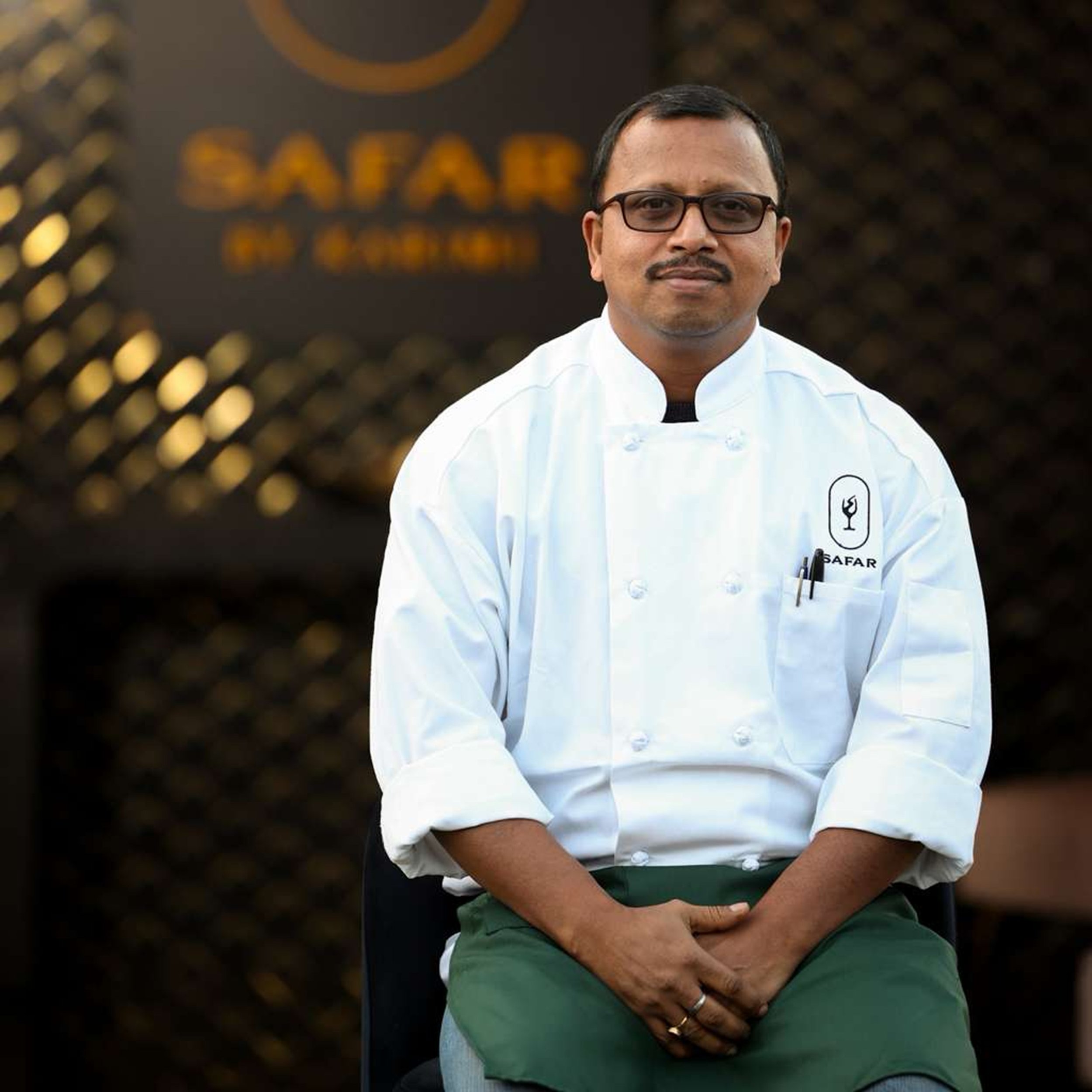
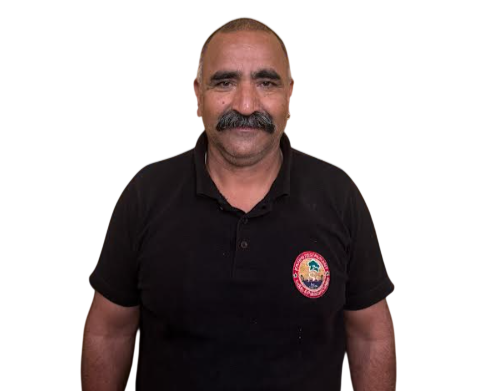
Exclusive Interview | Chef Amarjeet Singh Thakur, Chef De Partie - BBQ | Safar by Karimi in Cupertino California
/
A chef’s success is not defined by technical ability alone, but by the time, energy, and talent invested in the craft of the profession
Chef Amarjeet Singh Thakur, Chef De Partie - BBQ
How did it all start? Share your culinary journey with us.
My culinary journey started over two decades ago with a passion for traditional Indian food. I was particularly interested in cooking in a tandoor. My first experience was as a young cook in Jammu, India, where I learned the fundamentals of discipline, flavors and techniques by working in busy restaurants and, later, hotels throughout Mumbai and Bangalore. Over time, I moved through a variety of great restaurants and hotels and focused on building skills in cooking Mughlai, Punjabi, and North Indian dishes, while remaining faithful to traditional, rustic cooking techniques using charcoal. The support I received from guests and others helped reinforce my belief in the value of honest and soulful cooking. I now work as a BBQ chef in California at SAFAR by Karimi and am proud to represent the authentic, true-style grilling traditions of India to people around the world.
What are your earliest memories of the kitchens you worked in?
Cooking in the kitchen taught me the three core values of being disciplined, working with fire and putting in many hours next to the tandoor. At Plaza Restaurant in Jammu, I worked as a tandoori cook. I learned how to control the fire, how to judge when food needed to come out and respect the ingredients I used. After that, I worked at Copper Chimney in Mumbai. Working at Copper Chimney showed me how to prepare food efficiently while maintaining consistent quality and was my introduction to the importance of precision. Later in my career, I worked at a variety of other restaurants, including N.H. Restaurant and Bar and Sheesha Rooftop, where I received instruction in how to be an effective leader and coordinate well with others when under pressure. When I finally became Tandoor Master Chef at Hotel Gold Finch in Bengaluru, I had gained both the confidence and the clarity needed in my abilities. All of my experiences in the earlier kitchens helped me develop my work ethic and lifelong passion for traditional tandoor cooking.
A dish your patrons/guests love?
People always come back for my tandoori platter, especially for the charcoal grilled chicken and seekh kebabs. The chicken and kebabs are cooked in the traditional way, in a tandoor. I used a simple and consistent marinade with yogurt, fresh spices, and enough time for the chicken and kebabs to marinate properly before cooking them. My guests found the perfect smokiness, tenderness, and depth of flavor without taking away from the taste of the meat itself. This dish reflects my philosophy about Punjabi cuisine. I believe in using traditional techniques and cooking in a rustic way rather than using too much of anything. It doesn’t matter if you are in India or outside of India; this tandoori platter will always remind you of home, will make you feel warm, and is a true representation of authentic Punjabi food. This dish is representative of everything I stand for as a chef: respecting tradition, cooking over an open fire, and cooking for the right reason.
A dish that you love but do not have on your menu?
Traditional Punjabi khatta meat is an incredible dish I love to prepare, even though it is not usually included on my menus. Khatta meat is slow-cooked using charcoal and contains very few seasoning ingredients, as it is cooked with very low spices and naturally sour. Khatta meat is extremely representative of how Punjabis cook at home; thus, it emphasizes patience, instinct and balancing the flavours rather than focusing on how it looks once plated. Although khatta meat does not typically showcase itself in commercial settings, it shares many elements of Punjabi cooking — rustic, honest, full of flavour. Khatta meat is a great reminder & representation of what Indian cooking represents traditionally; it has always been about time and skill rather than being on trend. Khatta meat represents everything I fell in love with about food; it represents the food telling a story, and it creates memories and connects families through flavours.
What according to you does it take to become a successful chef?
Chef success involves more than technical ability; it involves an investment of time, energy and talent into the profession. A chef's path through the kitchens in Jammu and Mumbai and beyond has taught me that consistency, hard work and a desire to continue to learn will allow one to be a successful chef. The understanding of food products, developing a good command of fire (tandoor cooking) and being aware of the need to follow the hygiene and safety requirements will be very helpful in laying the groundwork for a successful career. The chef must have a foundation of good leadership, strong communication skills and the ability to work under pressure while remaining calm. Humility and passion for cooking are the most important ingredients of success in the kitchen; every day a chef should have the motivation and dedication to produce quality ingredients (or food) that resonate with his/her guests and create a lasting impact on them.
What advice would you give to a young culinary student?
To all young culinary professionals, my advice is to understand that there are basic techniques that need to be mastered before one can truly develop as a chef. This takes time, discipline, and a significant amount of practice in the kitchen! You must first learn about good food safety and hygiene practices and basic skills such as cutting/knifing, cooking with fire, preparing a meal, and the understanding of ingredients before jumping onto temporary food crazes or trends! Above all else, always remain true to your roots, culinary heritage and the methodology of preparing actual food. Authenticity is the foundation of your culinary identity. When you combine passion for creating delicious food with perseverance, it will lead to a long and rewarding career as a chef.
What instruments/ equipment/devices you cannot imagine working without?
When I cook with the tandoor oven, it is my sole piece of equipment that I cannot do without. It makes the entire dish; and the way it cooks all the ingredients together by means of live fire and charcoal, is what makes it so special. Working with charcoal and fire creates a more intimate relationship between the cook and the tandoor, allowing for a greater amount of control over the cooking process. I also strongly believe that a chef's knife is one of the most important pieces of kitchen equipment for creating consistency in how a chef cuts and prepares ingredients. In addition to these two essential kitchen tools, I use traditional cooking tools such as wooden skewers, temperature gauges and simple hand tools; instead of relying on more complex and automated equipment, as these keep the process honest and true to technique.
Your favourite ingredient is?
I love cooking with yoghurt. Yoghurt has been a staple ingredient in North Indian and Tandoori cultures for many centuries. In addition to the added depth of flavour and tenderizing properties, yoghurt helps to create balanced spice mixes and also provides moisture to foods cooked on tandoor and charcoal grill. When creating my own Naan breads and Mughlai dishes, I've depended heavily on yoghurt for its ability to enhance the marinated meats without overpowering them with its own distinct flavour. With its moisture content, Yoghurt has enabled me to create the type of cooking experience that will impress even the most discerning diners.
Name chefs, you find amazing or chefs work you admire?
I have a lot of respect for chefs that stay true to their culture while growing and changing over the years. I think Vikas Khanna is doing a great job showcasing Indian food around the world in a genuine and heartfelt way. I have a lot of respect for chefs like Sanjeev Kapoor, who made Indian cuisine accessible to many, and Ranveer Brar, who tells a story with their food. They all remind us of the importance of our roots, as well as our craft and knowledge of our culture. As a chef specialised in tandoor and regional Indian, I get inspired by chefs who preserve their heritage yet show it off with honour and intention.
What books should every chef read?
All chefs, regardless of experience level, should read books that not only improve their cooking techniques but also enhance their appreciation of traditional cookery methods. Two such books that focus on these areas are On Food and Cooking (Harold McGee), which provides foundational knowledge of culinary principles; and The Complete Indian Cookbook (Sanjeev Kapoor), which teaches about the different flavours associated with Indian cooking in a systematic way. There are several famous Indian chefs, such as Atul Kochhar and Vineet Bhatia, who both inspire chefs with their worldwide success in promoting authentic Indian dishes made using a variety of techniques, including tandoor-style cooking. Chefs need to learn about food science, culture, and discipline in order to grow as professionals over time.