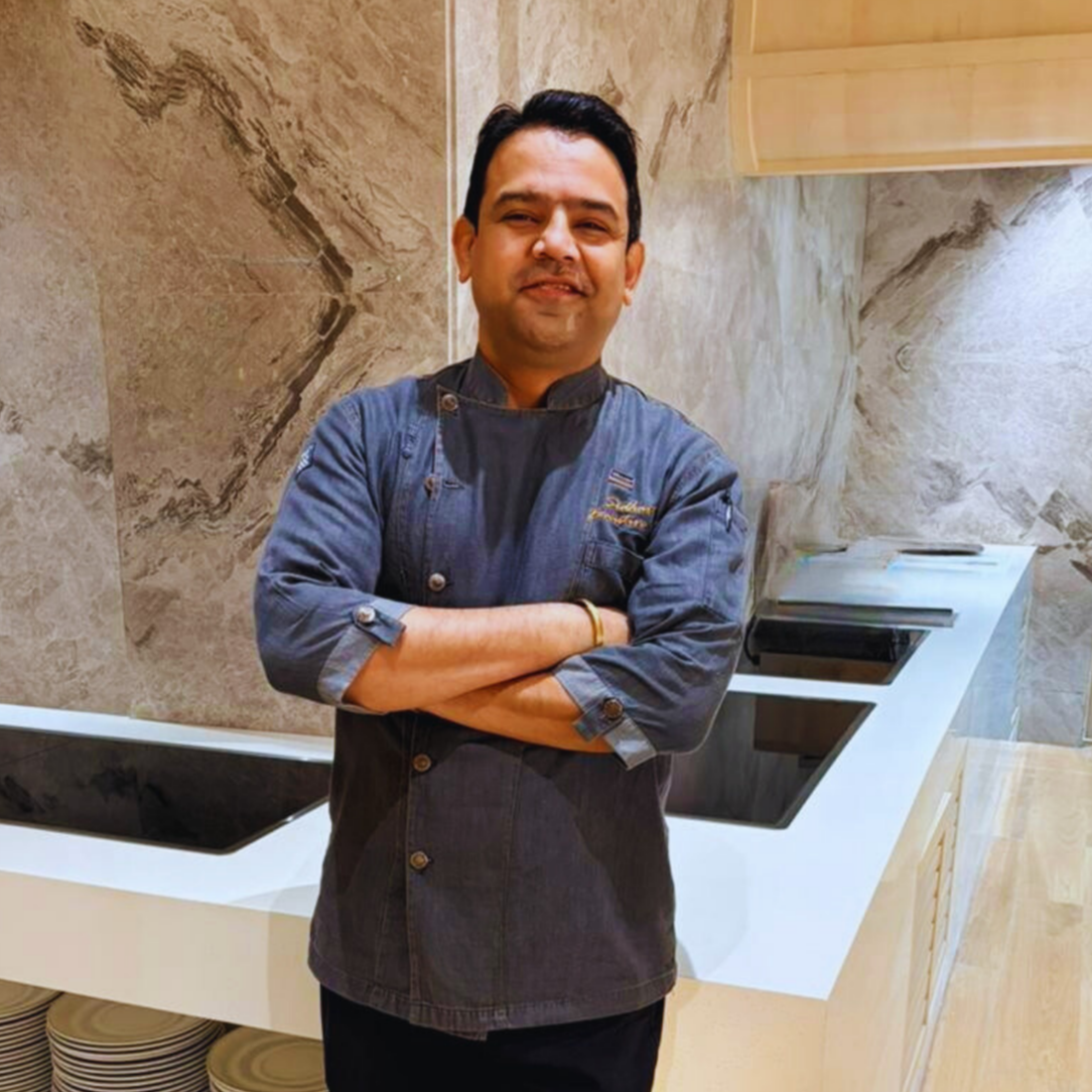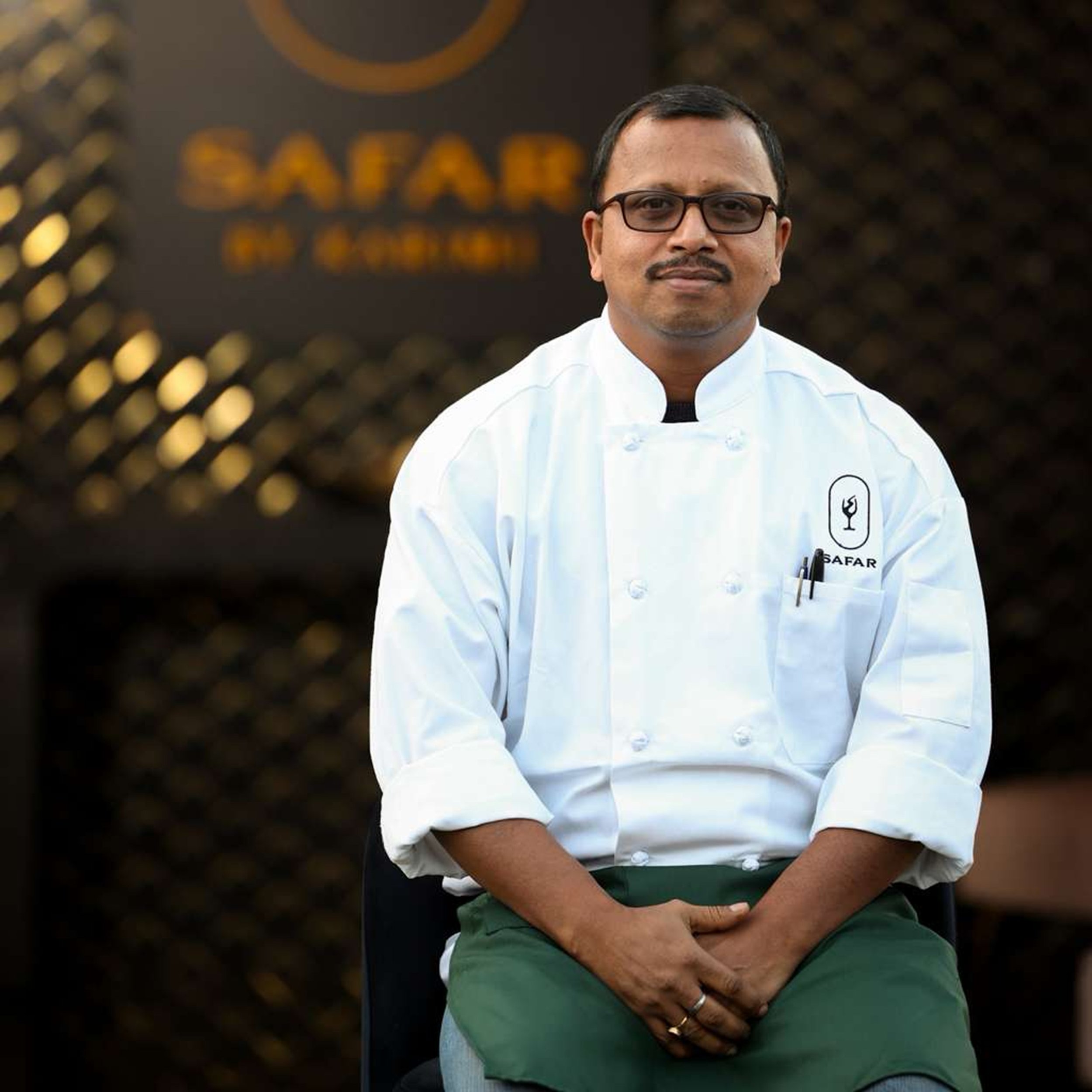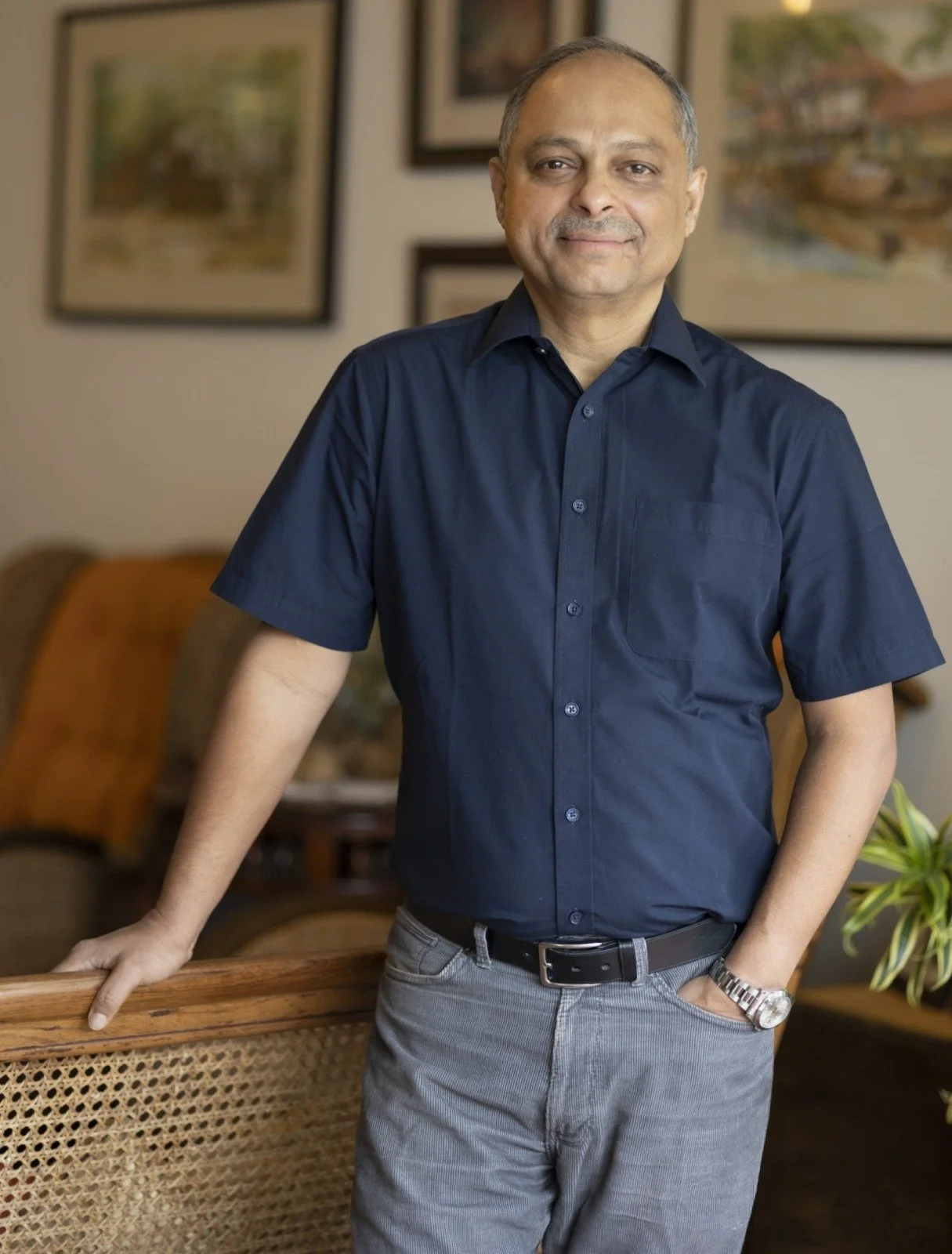
Exclusive Interview | Chef Sumanta Nandi, Head Chef, SAFAR by Karimi in Cupertino, California.
/Becoming a successful chef requires far more than just knowing how to prepare recipes; it takes discipline, dedication, commitment to excellence, respect for ingredients and culinary traditions
How did it all start? Could you share your culinary journey with us?
I began my journey in the culinary world with my childhood kitchen experience in India where I learned the importance of discipline, respect for ingredients and consistency. My experience working with several iconic brands such as Copper Chimney and Ramee Guestline in Juhu played an important role in developing my core foundations in Indian and Tandoori Cuisine. Over time, my kitchens expanded as I took on more leadership roles throughout India, including work at Hotel Hindustan International in Kolkata and Hotel Parallel in Udaipur, gaining valuable international exposure working in Malta, Europe, which broadened my perspective. Each of these different opportunities has allowed me to refine my style of cooking while combining traditional and contemporary methods. Currently, I am the Head Chef at SAFAR by Karimi located in Cupertino, California, focusing on Combining Food with Culture, and Memory through thoughtfully designed and prepared Scoped Dishes.
What are your earliest memories of the kitchens you worked in?
The recipes of the kitchen I grew up in were based around discipline, energy, and quiet acquisition of knowledge. My earliest memories of cooking were created at restaurants like Copper Chimney and Ramee Guestline in Juhu, which were very busy kitchens but still valued the integrity of the processes behind the dishes. My experiences during these long days taught me how to make a variety of gravies and marinades, and also the need for consistency in terms of taste – when you sent out a dish, it had to be perfect every time. The senior chefs were strict, but they were always happy to share their knowledge, and that is how I learned that to cook requires both good technique and patience. The foundations of my working life were formed during that time, as well as a respect for the quality of the ingredients. In addition to the recipes I learned to create, I learned the importance of teamwork and humility, as well as how much a well-structured kitchen relies on rhythm, trust and attention to detail.
A dish your patrons/guests love?
Guests of SAFAR by Karimi keep returning for one specific dish, the Tandoori Lamb Chops. The Tandoori Lamb Chops represent not only what SAFAR by Karimi stands for heritage, technique, depth of flavour but also demonstrate the precise cooking method that elevates traditional North Indian spices through quality ingredients. Guests who dine at the restaurant appreciate the familiarity associated with the classic North Indian flavour profile, while simultaneously understanding how the meticulous cooking method and high quality of the ingredients have elevated it to a new level. For guests who are enjoying this dish for the first time, it takes them back to the memory of large festive gatherings where they enjoyed similar meals, while at the same time feeling refined and contemporary like a preferred meeting place for food lovers everywhere.
A dish that you love but do not have on your menu?
Although the Brimley restaurant currently does not serve ilish bhapa, a traditional Bengali dish of steamed hilsa fish prepared with mustard, green chiles and mustard oil, I do have many wonderful memories associated with it - monsoons and my family kitchen in Bengal. The flavor of hilsa is very nuanced, which makes sourcing consistent quantities of hilsa challenging for our restaurant here in California due to its seasonal availability. Therefore, in addition to logistical challenges, this type of dish also presents a challenge with regards to how the person consuming it will appreciate and feel about it because I think many dishes are best enjoyed in their area of origin where the climate, regional ingredients and cultural context combine naturally.
What according to you does it take to become a successful chef?
Becoming a successful chef requires far more than just knowing how to prepare recipes; it takes discipline, dedication, commitment to excellence, respect for ingredients and culinary traditions. Each chef should strive to learn something new every day; whether learning about regional flavor profiles, improving their cooking processes or adapting to different kitchen styles, cultures, etc. Patience is also an important factor, as advancement within the culinary field usually occurs gradually and via hands-on experience. However, more than anything else; the chef must approach cooking with sincerity. When a chef combines their skills as a craftsman with their passion for cooking and their memories of home, they build relationships with their customers regardless of where that customer is located in the world.
What advice would you give to a young culinary student?
I encourage my young culinary students to approach their culinary journey with patience, curiosity, and as much hands-on experience as possible. Culinary Arts is not just about following a recipe; it encompasses everything from learning about ingredients and techniques to actually experiencing the story behind every dish you create. Travel, experiment, and explore different cultures and their unique ways of cooking; you will learn something new from each adventure. Every mentor and experience you have within the kitchen, whether locally or internationally, is valuable. Always recognise the importance of discipline and consistency. Learning to connect food with emotions and culture is as important as learning how to prepare a meal. Cooking should always be about expressing yourself and telling a story through your food that connects with others, so continue to stay humble and always maintain your passion for cooking.
What instruments/ equipment/devices you cannot imagine working without?
A few kitchen tools are indispensable to my cooking. A sharp chef's knife, Quality pans and a reliable tandoor are key when it comes to true flavor in both traditional Indian and fusion cuisine. Thermometers, timers, and spice grinders help me to create the ideal dish. Despite the advantages of modern technology, I also enjoy grinding my spices using a mortar and pestle.
Your favorite ingredient is…?
Ghee is my favorite ingredient. It is so simple and yet it can be incredibly transformative! The depth and complexity of Indian Cuisine, and the ability for ghee to enhance nearly any flavor profile regardless of the type of food being made, has had a lasting impact on me. Ghee adds warmth, aroma, and an almost soulful element to any dish. For me, cooking is about much more than just using techniques; it has always been about creating a connection with people through food, and evoking emotions and memories through my cooking. Ghee also represents this philosophy as it is a humble ingredient that has many uses and a long cultural history. It is a great way to incorporate a modern, refined touch to all of the dishes I prepare, regardless of where I am; in India or at SAFAR by Karimi in Cupertino.
Name chefs, you find amazing or chefs work you admire?
The creativity, culture, and history brought to food by chefs are incredibly impressive. Chef Vikas Khanna has shown the world how to combine tradition with innovation and globalize Indian cuisine. Other chefs, such as Gaggan Anand, push the boundaries of progressive Indian cuisine with their modern flavors, and Sanjeev Kapoor continues to influence chefs for generations with his accessible but elegant style of cooking. All of these chefs, along with many others, have illustrated that food is not just about taste, it is a means by which we connect with one another, preserve our heritage, and create lasting memories. They challenge me to think outside the box when creating new dishes while also teaching me to remain true to my cultural roots.
What books should every chef read?
A chef’s career evolves from far more than their experiences in the kitchen but from all the ideas, techniques, and experiences that are learned along the way and through education. I believe that chefs should be reading about all aspects of culinary arts. Classic books such as Harold McGee's ON FOOD AND COOKING provide scientific analyses of cooking theory while THE PROFESSIONAL CHEF written by the Culinary Institute of America establishes core techniques needed by chefs to become successful. There are many other important books to read, particularly for the chef-to-be, on ideas about how to be resilient and creative and to know the realities of being a working chef.