Beyond SOPs: Bridging the Gap Between Hospitality Education and Operational Excellence | By Sanjeev Kumar FIH, Founder & Managing Director, HOSPI Sigma™
/Ask a General Manager about their newest management trainee and you will often hear: "Bright, well trained, knows the theory. Give them six months." Ask the same GM why the breakfast queue builds at 8.15 every Sunday, or why the same housekeeping complaint keeps coming back, and the answer is usually: "We've retrained the team. It's in the SOP."
Both answers point to the same gap. We are very good at teaching people what to do. We are far less deliberate about teaching them how to think when what they were taught stops working.
What SOPs can and cannot do
Standard operating procedures are essential. They make service repeatable, protect brand standards and give new colleagues a starting point. But an SOP describes the process on an ordinary day, and hotels rarely have ordinary days. A conference group arrives early, two room attendants call in sick, the laundry is late, and the procedure no longer fits.
At that point performance depends on judgement, not the binder. If the team has never learned to treat a process as something to examine and improve, they improvise. Some improvisations are excellent. Many become workarounds, and workarounds quietly become "how we do things here". Months later the SOP says one thing, the floor does another, and nobody can explain why.
Why retraining often doesn't stick
When a problem recurs, the reflex is to retrain. Sometimes that is right. Often the cause sits elsewhere: a pantry layout that adds steps, a shift handover that relies on memory, a room-ready status that reaches front office twenty minutes late. Retraining people to work harder around the process treats the symptom and tires the team.
This is where continuous improvement belongs in hospitality. At its simplest it asks three questions. What exactly is happening? Why? What small change would stop it happening again? A good duty manager asks these instinctively. The difference is answering them with evidence rather than opinion, and making it a habit rather than a heroic effort.
What it looks like on the floor
Instead of chasing late room releases, map the time between "room cleaned" and "room released". The delay is often in communication, not cleaning.
Instead of counting complaints, sort four weeks of them by cause. A few causes usually account for most of the noise, and that is where effort should go.
Instead of a monthly food-waste figure, ask the kitchen to log what was discarded, and why, for one week. Buffet overproduction looks very different itemised by dish and time.
Instead of ending a briefing with "Any issues?", ask "What slowed you down yesterday?" The answers are your improvement list.
None of this needs software or consultants. It needs the habit of looking at the work itself.
Where education comes in
Hospitality programmes build strong technical knowledge: food production, front office, revenue, guest service. Less often taught is structured problem-solving in live operations: how to observe a process, measure it simply, find the root cause and test a fix.
Graduates with that skill contribute from day one, because they can help improve an operation rather than only follow it. They also tend to become supervisors sooner, because leading people is easier when you understand the system they work in.
Educators can build this in without rewriting the curriculum. Internship reports could include one small improvement project with before-and-after evidence. Case studies could open with an operational problem rather than a model. Industry partners could set students real problems to analyse, turning a placement from observation into contribution.
What hotels can do
For owners and GMs, the start is modest. Treat recurring problems as information, not irritation. Give supervisors time to investigate one issue properly each month. Recognise the colleague who removed a problem as much as the one who handled it heroically.
Consistency, lower waste and healthier margins rarely come from one big initiative. They come from many small, well-understood improvements, made by people who were taught to look for them.
The gap between education and operations will not close with more SOPs. It closes when the classroom and the hotel teach the same thing: how to make tomorrow's shift run a little better than today's.
About the author
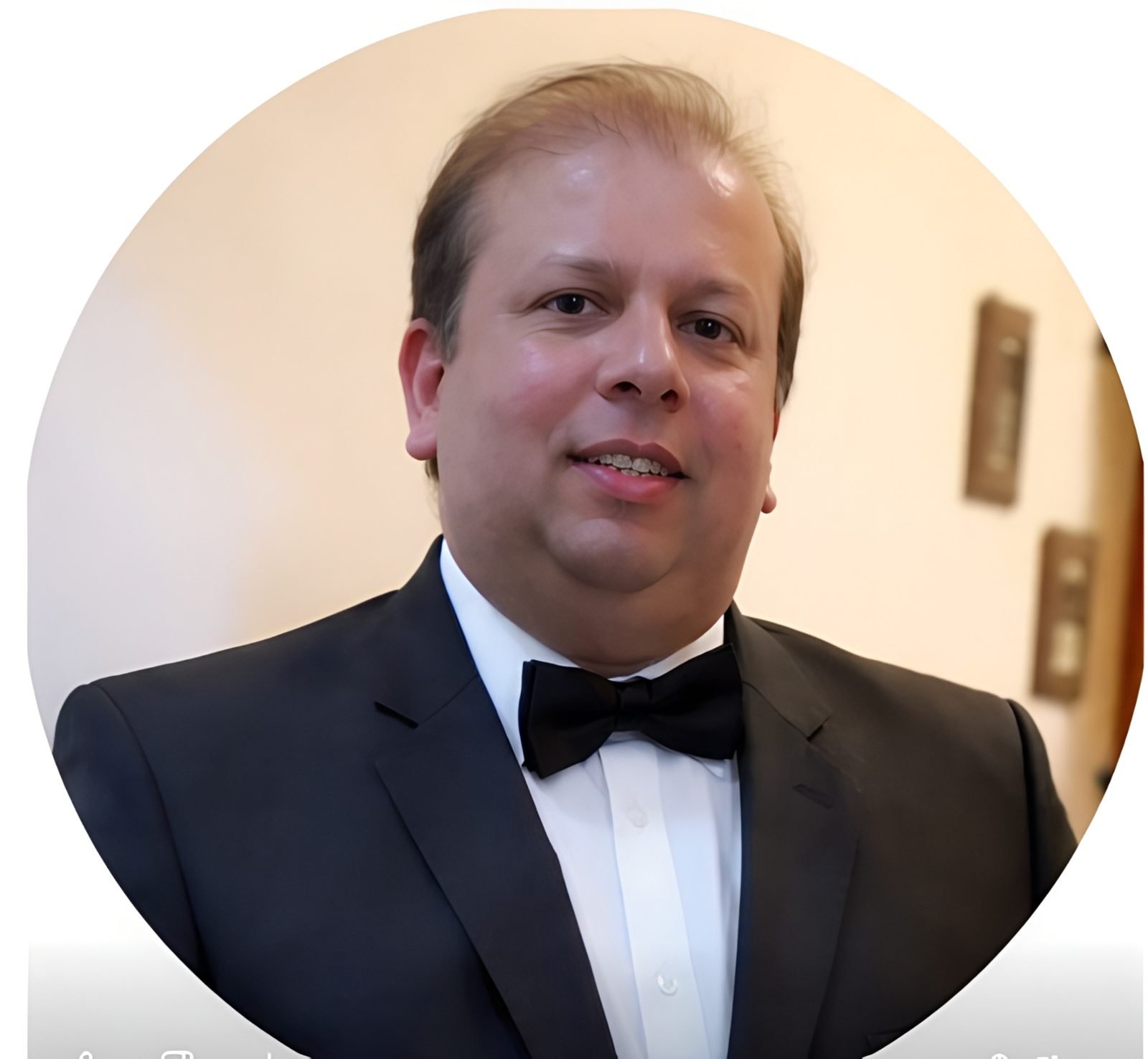
Sanjeev Kumar FIH is Founder and Managing Director of HOSPI Sigma™, a UK-based, CPD-accredited hospitality capability and business excellence company. He has more than 35 years of experience across hospitality operations and continuous improvement, with roles at Taj, ITC, Starwood, Premier Inn, Sodexo and Lloyds Banking Group. He is a Fellow of the Institute of Hospitality, a Lean Six Sigma Black Belt, an ISO 9001 and ISO 14001 Lead Auditor and a PRINCE2 Practitioner. HOSPI Sigma™ won Best for CPD at the Business Awards UK Independent Education Awards 2026 and Hospitality Professional Development Innovator of the Year 2026 (Glasgow) at the SME News Scottish Enterprise Awards.
Website: www.hospisigma.com | LinkedIn: Sanjeev Kumar | HOSPI Sigma™