Ancient Indian Cooking Techniques That Elevate Today’s Grilling
/Grilling can be interpreted in recent times to be an international fad, like anything else.... The concept of grilling and everything that goes with it (cook with heat, add smoke from flame, heat slowly with wood) was devised in India thousands of years ago by trial and error from our ancestors.
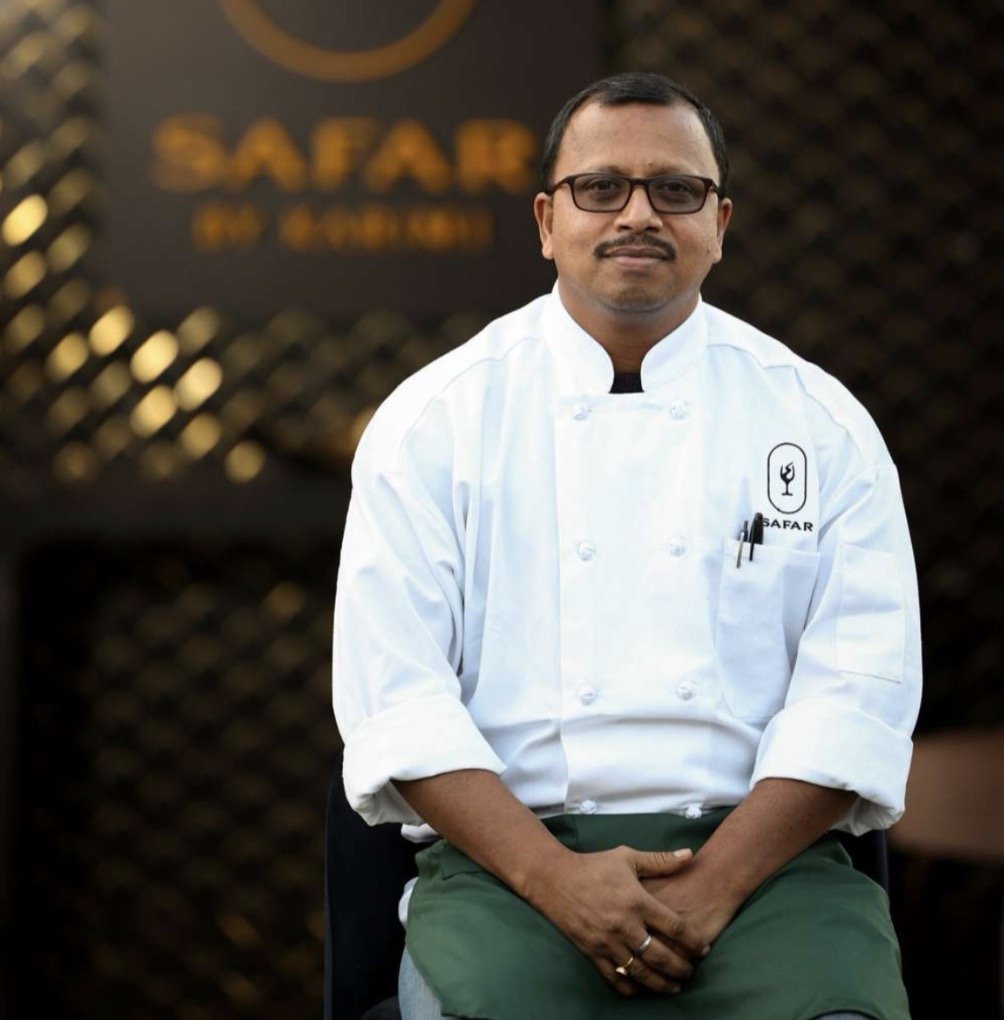
The methods of cooking used in Ancient Indian kitchens influence today, and have always been a part of cooking, giving us the special flavours, fragrances and textures of cuisines in every region of our world says Chef Sumanta Nandi, Head Chef, SAFAR by Karimi in Cupertino California.
Tandoor – the First-Generation Grill
It is undeniable that prior to the establishment of charcoal grills and steel gas grids, the Tandoor Grill was the world’s first high-temperature cooking device. The Tandoor, which uses clay, can be heated with coal or firewood, and cooks between 450C and 500C (between 840F to 1,000F). This extreme heat creates a very high kinetic energy for the meat and bread (naans) cooked inside the Tandoor, allowing the meat and bread to develop a crusty exterior while retaining moisture in the middle. The unique smoky aroma and flavour are only available from cooking with a Tandoor, thus today’s cooking devices cannot reproduce that flavour.
Dhungar – The Process of Smoking Food
Long before the invention of modern day smoker boxes and smokeless charcoal grills, Indian chefs perfected the technique of infusing food with smoke using dhungar. This technique involves heating a piece of charcoal until it is bright red, placing it in a bowl and adding (pouring) ghee or spices to the charcoal, which releases aromatic smoke. The bowl is placed over the top of the dish being prepared; the smoke from the charcoal gets trapped inside the dish as the dish is sealed. This infuses the dish with the full spice and charcoal flavour from the ghee and spices that were added to the charcoal.
Sigdi Cooking - Cooking Slowly over Low Heat Creates Rich Flavours
Sigdi, the traditional Indian charcoal cooking stove, provides the first example of a way to control cooking temperature over an extended period of time. Unlike tandoors that produce intense heat, sigdi allows for steady and lower temperatures. Cooking over this type of temperature allows the spices to fully bloom and flavour the marinade and the meat by allowing for even heating while the meat stays moist. Today’s grillers have embraced the benefits of slow cooking and have duplicated the slow and low technique of a sigdi by using smoker grills and low-and-slow BBQ methods. The same results are achieved through the combination of patience and precision and produce incredibly tender and rich in flavour meats.
Marinating with Ancient Wisdom
Marinating has been practiced in India for millennia as a way to tenderise & flavour meats. The product created using yoghurt is a natural enzyme that helps to maintain the integrity of the meat whilst also providing a more succulent texture. The various spices used in the marinade (turmeric, cumin, garlic, ginger, etc.), not only enhance the taste of the meat, but they also have medicinal & digestive properties. The use of marinades in modern grilling is still common, with many people using marinades to produce moist food which layers on flavours.
Cooking in Banana Leaves and Clay
Cooking with banana leaves & in clay pots is an ancient practice in India. Both methods were originally created to trap steam Cooking with banana leaves imparts a mild sweetness & earthy scent and it keeps the food from drying out, much like the process of foil grilling, but producing a richer end product. Clay pots radiate heat evenly and impart mineral qualities to the food cooked within them. Both of these methods are examples of steam-grilling or trapping heat, allowing the ingredients to steam in their juiciness.
Ancient Indian cooking techniques have demonstrated that the best grilling is not only based on heat; it is also about knowing how to use smoke, flavours & time. Today, as many kitchens around the world are being inspired by different cultures, these techniques will continue to help enrich the griller’s experience, adding more depth, aroma, & tradition to the process.