From Chai Breaks to Beer O’Clock: How Beverage Rituals Are Defining India’s Day
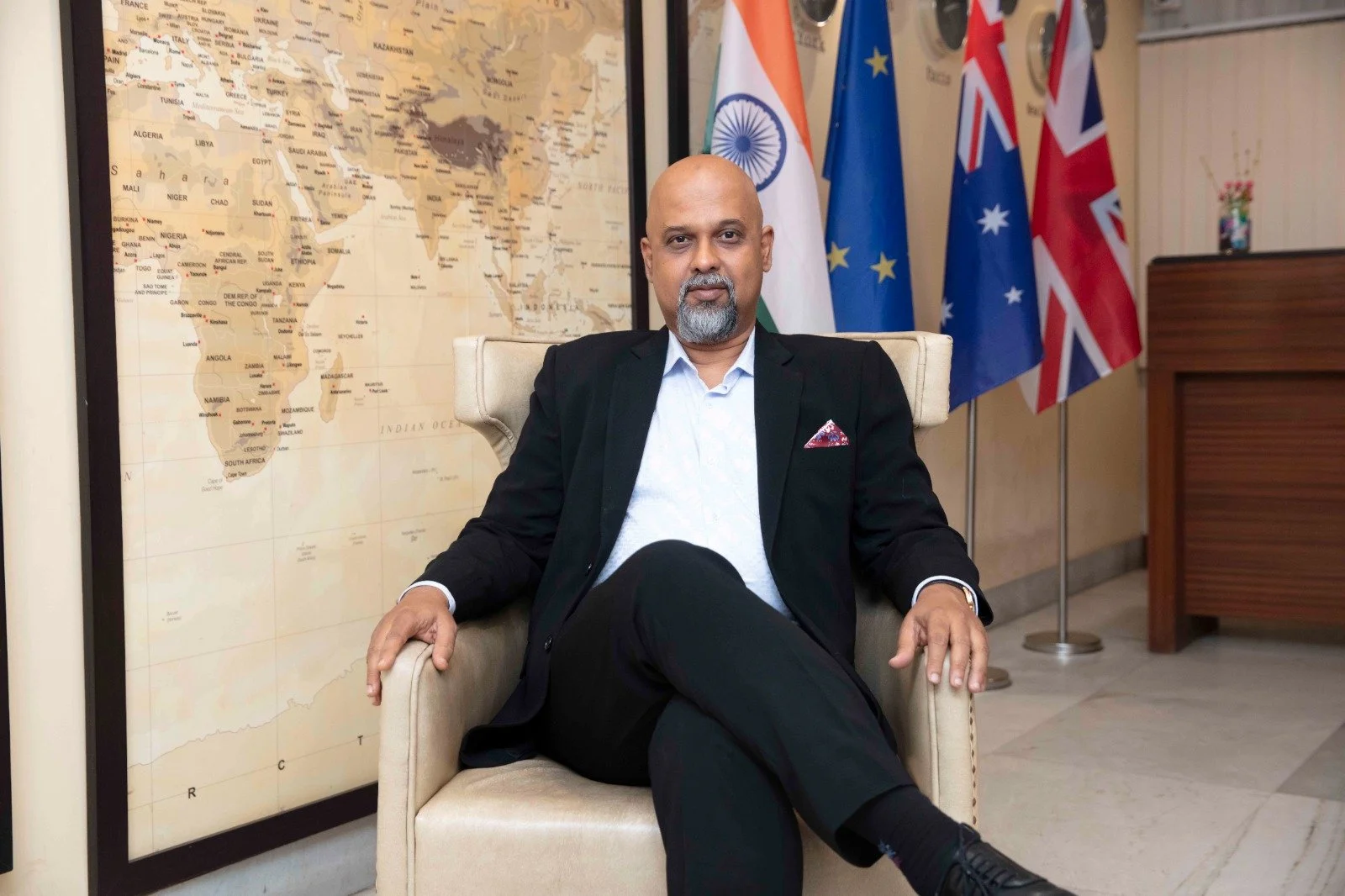
/By Vedant Kedia, Chief Growth Officer, Mount Everest Breweries Ltd
India has always had a strong relationship with beverages. From the first cup of chai in the morning to the coffee break between meetings, drinks have long been part of how the day is structured. They create pauses, mark transitions and often become associated with particular people, places and routines.
Chai is perhaps the clearest example. It has never been only about the beverage itself. It is part of conversations at home, breaks at work and evenings spent with friends and family. The familiar invitation to have a cup of tea often means making time for a conversation or extending a moment together. The ritual surrounding the drink can be just as important as the drink itself.
That idea is now extending into a wider beverage landscape. Coffee has developed its own set of occasions, moving from the breakfast table into cafés, workplaces and social settings. A coffee run can be a break in the middle of a busy day, while meeting over coffee has become an everyday part of how people connect. The occasions may be different, but the underlying behaviour remains familiar: beverages give structure to moments that might otherwise pass unnoticed.
Beer has found a similar space in the evening. “Beer o’clock” is less about a fixed time than what that time represents. It is the point at which the pace of the day changes, work gives way to leisure and there is an opportunity to spend time with others. Whether it is an after-work drink, a weekend gathering or a relaxed evening at home, the occasion gives the beverage its meaning.
This is also influencing the way consumers think about what they drink. Choices are becoming increasingly connected to context. The same person may reach for something different depending on the time of day, the setting, the company or the kind of experience they are looking for. Beverage choices are therefore becoming less about a fixed routine and more about the moment.
There is also greater curiosity around the beverages themselves. Consumers are exploring different styles, flavours and formats, but this curiosity does not necessarily exist in isolation. It is often connected to the occasion in which a drink is being enjoyed. A new beverage can become interesting because it fits a particular setting or offers a different experience from what someone is used to.
For the beverage industry, this makes understanding occasions as important as understanding products. The way people consume beverages is closely tied to how they live, work and socialise. As those patterns change, new rituals naturally emerge alongside the more familiar ones.
This does not mean that older rituals are disappearing. Chai remains deeply woven into everyday life, just as coffee continues to hold its place across work and social settings. What is changing is the number of occasions available to consumers and the range of beverages that can belong to them.
The shift is perhaps best understood not as a change in what India drinks, but in how beverages fit into everyday life. A drink can provide a pause during a busy afternoon, become the reason to catch up with someone or mark the transition from one part of the day to another. These small moments give beverages a significance that goes beyond consumption.
From chai breaks to coffee runs and eventually beer o’clock, the drinks may change, but the role they play remains much the same. They help us divide the day into moments, create space for connection and give everyday routines their own sense of occasion. As India’s beverage culture continues to evolve, it is these rituals around the drink that may prove just as important as the drinks themselves.
About the author

Vedant Kedia is Chief Growth Officer and Whole Time Director at Mount Everest Breweries Ltd (MEBL).