Service Recovery Doesn’t Begin with Compensation — It Begins with Ownership
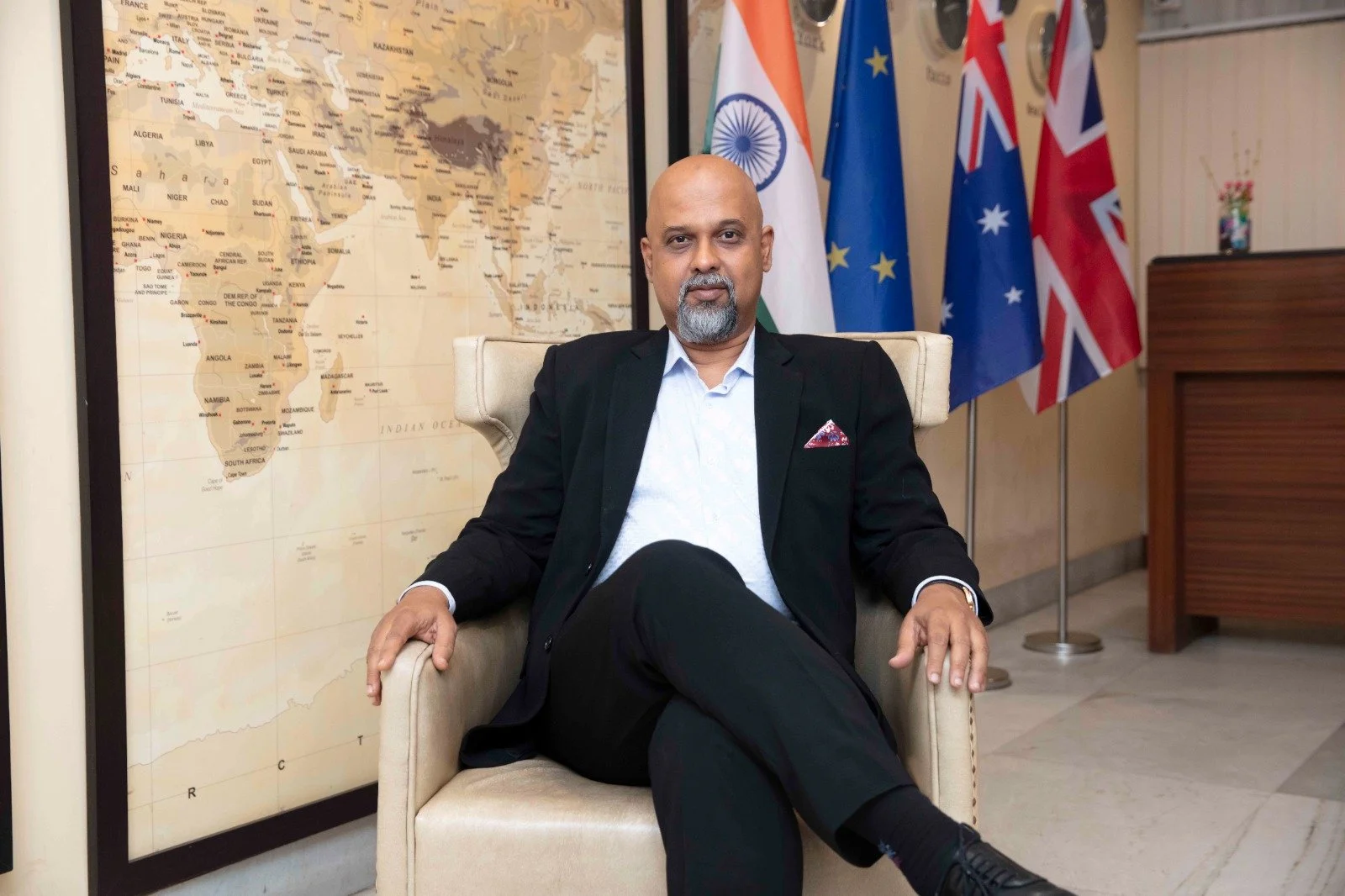
/By Gagandeep Singh Chawla, hospitality professional
After spending many years in Front Office operations, I have learned that when a guest is upset, compensation is rarely the first thing they are looking for.
They want someone to take ownership.
A room may not be ready. A request may have been missed. There may be noise, a billing error or a service expectation that was not met. Whatever the reason, the situation usually becomes more difficult when the guest has already explained the problem to two or three people.
Then another employee says, “Let me check with the concerned department.”
Technically, that may be the correct process. From the guest’s point of view, however, nobody owns the problem.
When an unhappy guest approaches the Front Desk, I believe the first responsibility is not to defend the hotel or immediately offer something complimentary.
It is to understand what has happened.
Let the guest finish.
Do not interrupt too quickly with an explanation. Do not start deciding who was responsible while the guest is still speaking. And, whenever possible, do not make the guest repeat the complete story to another colleague.
A simple sentence such as, “I understand the situation. Let me take care of this,” can change the direction of the conversation.
But those words only work when the employee actually follows through.
Ownership means that even when another department must solve the operational problem, somebody remains responsible for the guest’s experience until it is resolved.
Hotels need procedures. They create consistency and protect both the guest and the organisation.
But hospitality cannot be operated entirely through scripts.
Two guests experiencing exactly the same problem may require completely different responses.
One guest may simply want the problem corrected quickly. Another may want an explanation. Someone else may be upset because the failure affected an important meeting, family occasion or travel schedule.
That is where Front Office judgement becomes important.
The employee needs to understand not only what went wrong, but what the problem meant to that particular guest.
This judgement develops through experience, observation and leadership support. Teams become confident decision-makers when managers discuss real situations with them rather than only telling them which rule was followed incorrectly.
There are situations where compensation is appropriate. An upgrade, meal, transportation arrangement or other gesture may recognise a genuine inconvenience.
But compensation should support recovery, not replace it.
If a guest has been passed between departments for an hour, giving something complimentary without addressing the underlying frustration can feel transactional.
Sometimes the most effective recovery costs the hotel nothing.
A manager personally following up.
A promised call being made at the promised time.
An employee remembering the issue when the guest returns to the desk.
A clear explanation instead of another vague assurance.
These actions communicate something important: we have not forgotten you.
Front Office employees often meet guests at the moment when their frustration is highest.
Responding emotionally usually makes the situation worse.
The ability to remain calm does not mean being passive or accepting inappropriate behaviour. It means separating the guest’s frustration from your own reaction and concentrating on what can actually be solved.
During busy operations, this is particularly difficult. Phones are ringing, arrivals are waiting, rooms are being coordinated and several departments may need attention simultaneously.
Yet the guest standing in front of you does not experience the hotel’s workload. They experience their interaction with you.
That is why leadership under pressure is such an important Front Office skill.
One of the simplest service-recovery principles is also one of the most frequently missed: go back to the guest.
If you promised something in ten minutes, update them even if the final solution is taking longer.
After the issue is resolved, check again.
“Is everything comfortable now?”
That small follow-up converts a completed task into a completed guest experience.
After years in hospitality, I have come to believe that guests do not expect perfection every time. Hotels involve people, systems and thousands of daily interactions. Things will occasionally go wrong.
What guests remember is what happened next.
Service recovery therefore does not begin with the value of the compensation.
It begins the moment one person decides:
This guest’s problem is now my responsibility.
About the author

Gagandeep Singh Chawla is a hospitality professional with 19 years of experience across Guest Services, Front Office leadership and Duty Management.
Connect with him on LinkedIn.