OMO Launches the Ferment Lab and OMO For Later - Deepening its Exploration of Time, Seasonality and Preservation

A new chapter in OMO's exploration of fermentation, bringing its philosophy of preservation, seasonality and craft from the kitchen to everyday life.
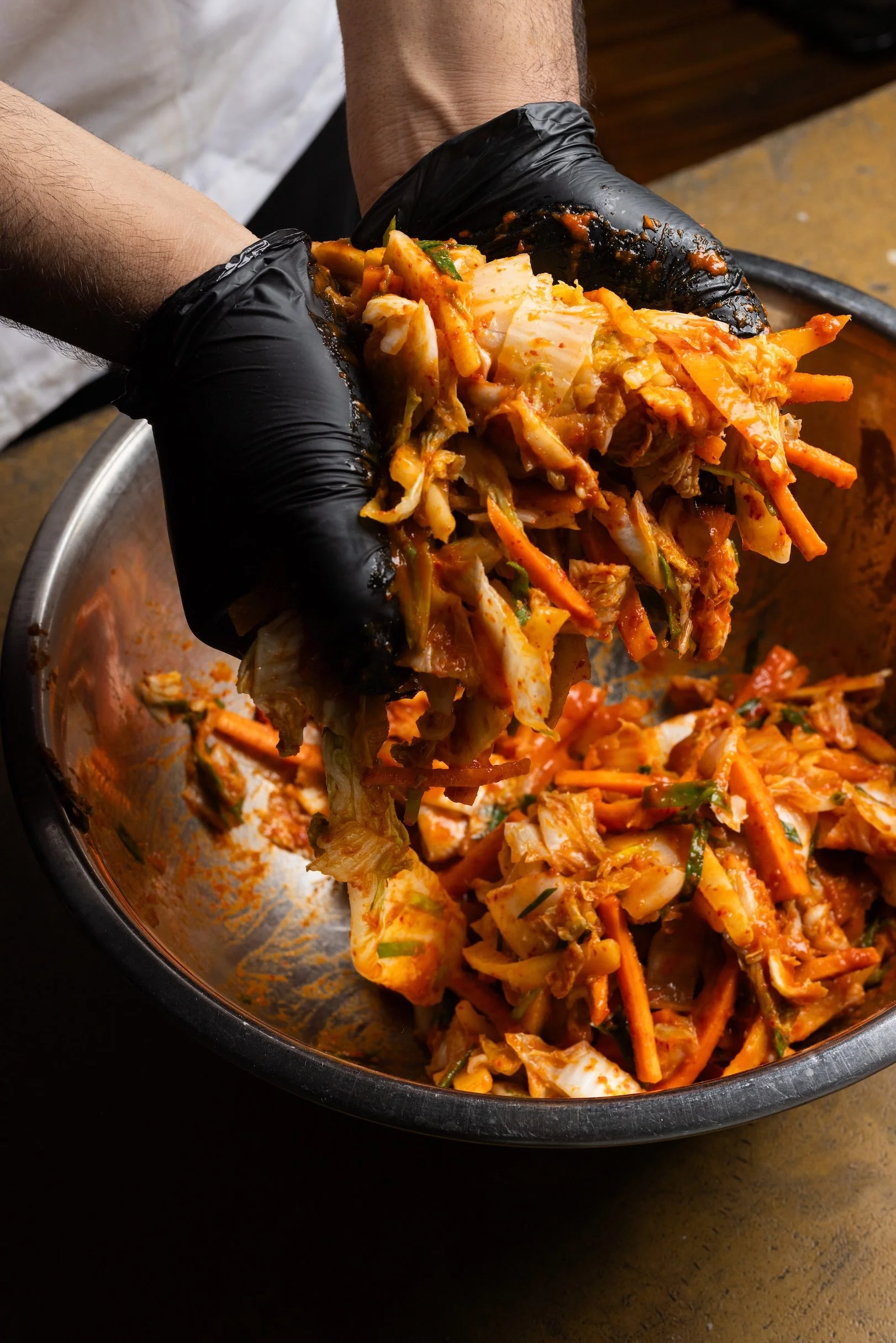
Gurgaon, August 2026: OMO, the contemporary produce-forward restaurant at DLF Galleria, Gurgaon, introduces The Live Alchemy and OMO For Later, two new initiatives that build on a philosophy that has quietly shaped the restaurant since its inception. Rooted in the belief that time is as important an ingredient as anything that arrives in the kitchen, the Ferment Lab brings together OMO's ongoing exploration of fermentation, while OMO For Later extends that work beyond the restaurant through a thoughtfully curated collection of ferments, preserves, beverages and pantry staples. Together, they reflect OMO's commitment to seasonality, preservation and ingredient-led cooking.

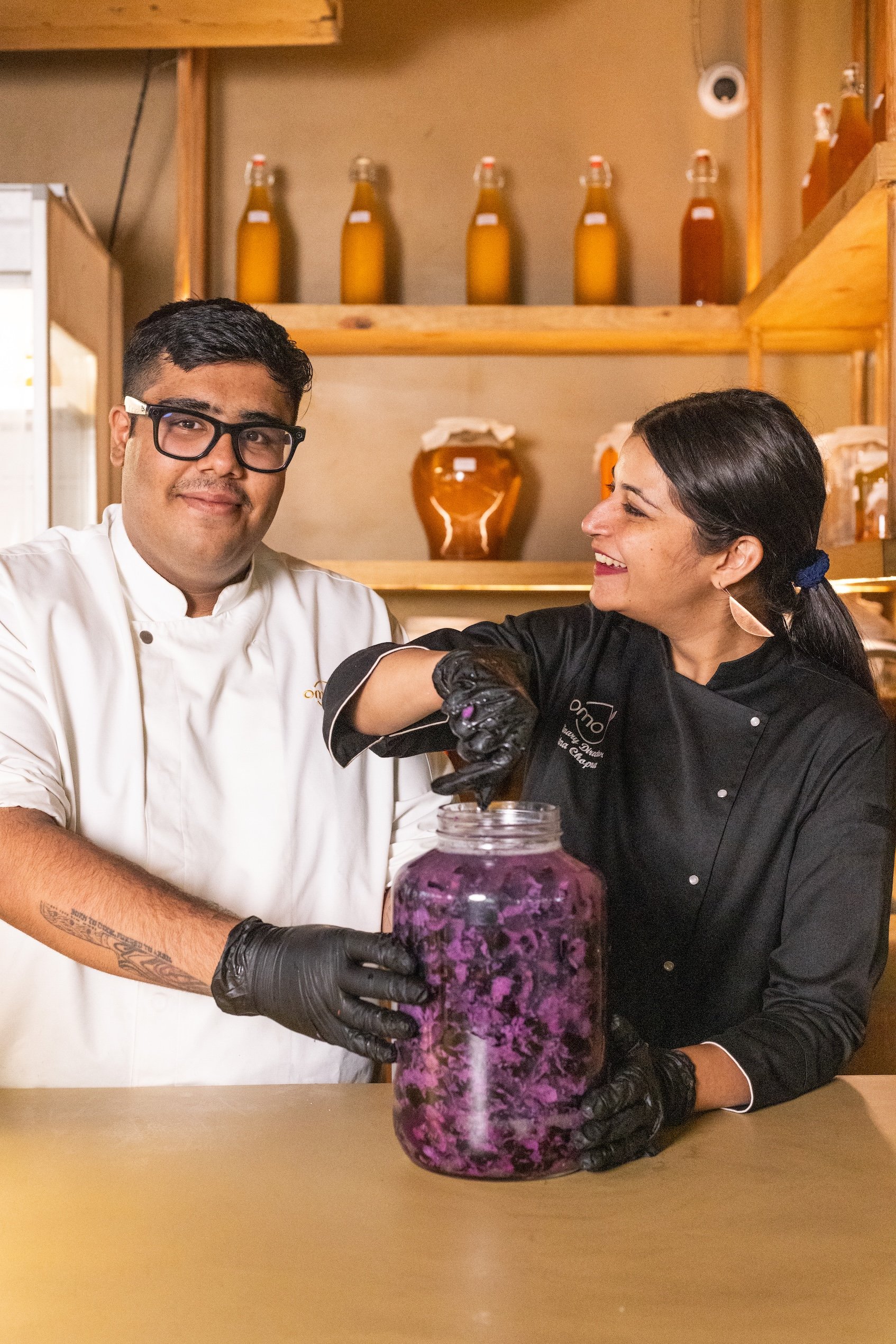
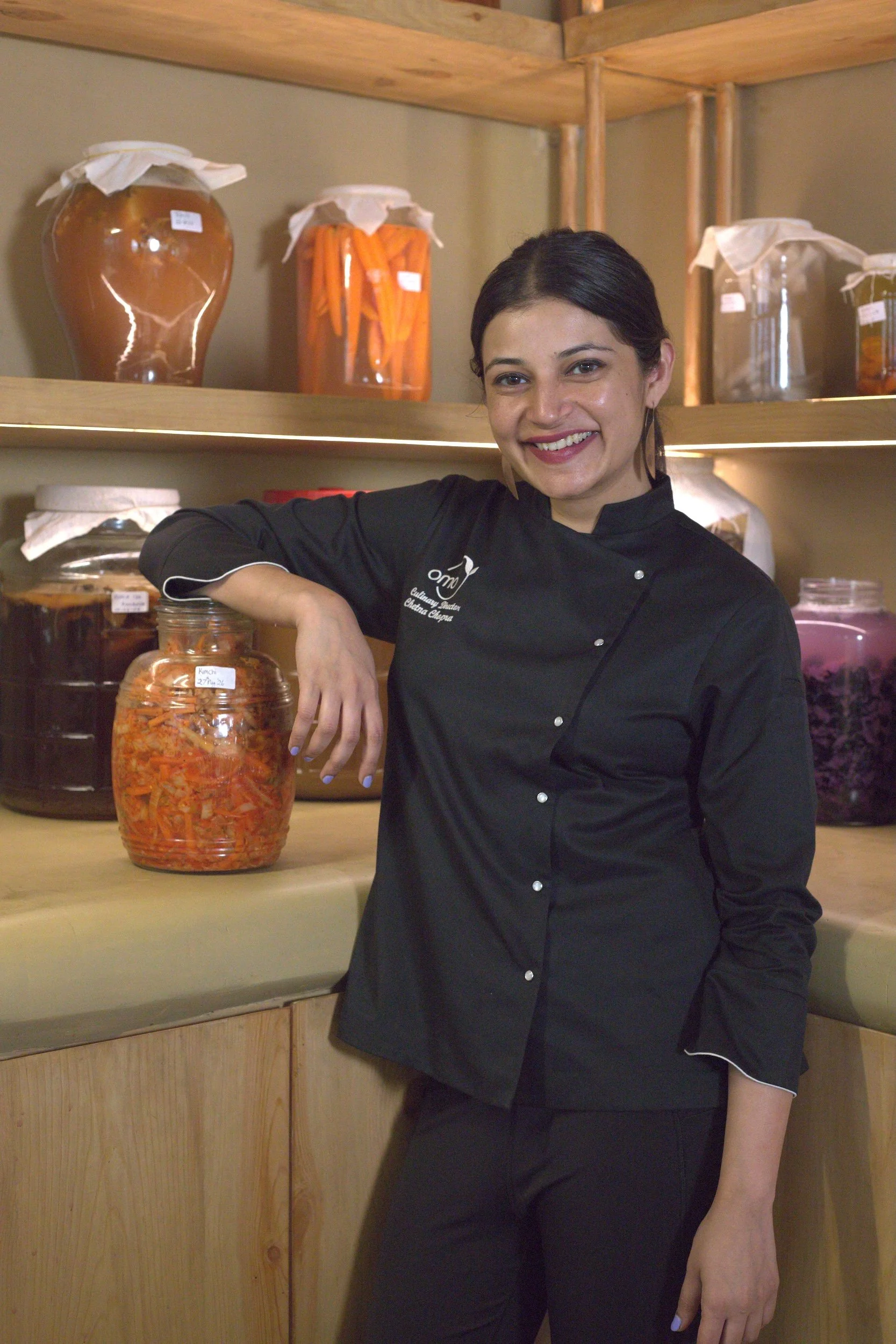
Since opening its doors, OMO has championed an ingredient-led approach to cooking under the leadership of Chef Chetna Chopra, Culinary Director, OMO. Her travels across India and interactions with growers, artisans and local communities have shaped a culinary philosophy rooted in seasonality, preservation and a deep respect for provenance. These influences continue to define OMO's cuisine, where vegetables take centre stage and techniques such as fermentation, preservation and live-fire cooking are used to unlock flavour, minimise waste and celebrate India's diverse food traditions.

For Chef Chetna Chopra, the Ferment Lab is less a new chapter and more a continuation of a lifelong curiosity. "I've always been interested in what happens when ingredients are given time. Some of the most exciting flavours emerge when you're willing to wait. Growing up, fermentation was everywhere around us, in pickles, batters, preserves and drinks that quietly carried seasons forward and ensured nothing went to waste. At OMO, fermentation has never existed as a separate idea. It has always been part of how we cook, how we preserve, how we build flavour and how we connect with ingredients. The Ferment Lab is simply a way of sharing that journey more openly. It is also an opportunity to learn from and celebrate the incredible fermentation traditions that already exist across India."

For OMO, fermentation is not an additional layer but a philosophy embedded at the heart of the kitchen. The Ferment Lab functions as the R&D ground for the entire kitchen ecosystem, a space where every element of the menu from condiments to centrepiece dishes, is shaped by ongoing experimentation with time, flavour and preservation. 

The Lab also carries a strong zero-waste ethos, built around upcycling ingredients that would otherwise be discarded from the kitchen. Banana peels are transformed into a Mexican-inspired Tepache, while the stems of oyster mushrooms are fermented to lend umami depth to OMO's in-house hot sauce turning kitchen trim into some of the restaurant's most distinctive flavours.

The Ferment Lab brings this philosophy to life through ongoing research, experimentation and collaboration including field trips across India to learn directly from local fermentation traditions, most recently an R&D trip to Darjeeling, which brought back the millet-based fermented drink Tongba.Its work is reflected across the OMO menu through house-brewed kombuchas, rice ferments, fruit wines, ginger beers, preserves and condiments developed in-house. Seasonal creations such as Sticky White Rice Ferment, Black Sticky Rice Ferment, Wild Ginger Beer, Bael Kanji, Jamun Wine and Tongba sit alongside dishes including the Black Rice Kimchi Fried Rice, Avocado Dosa with fermented tomato sesame chutney, Watermelon Aguachile, Tender Coconut Ceviche, Naga Chilli Cauliflower and Mango Caldin Curry.Through the Live Alchemy Bar, guests can further explore these techniques through tastings, workshops, collaborations and conversations centred around fermentation, seasonality and indigenous food traditions.

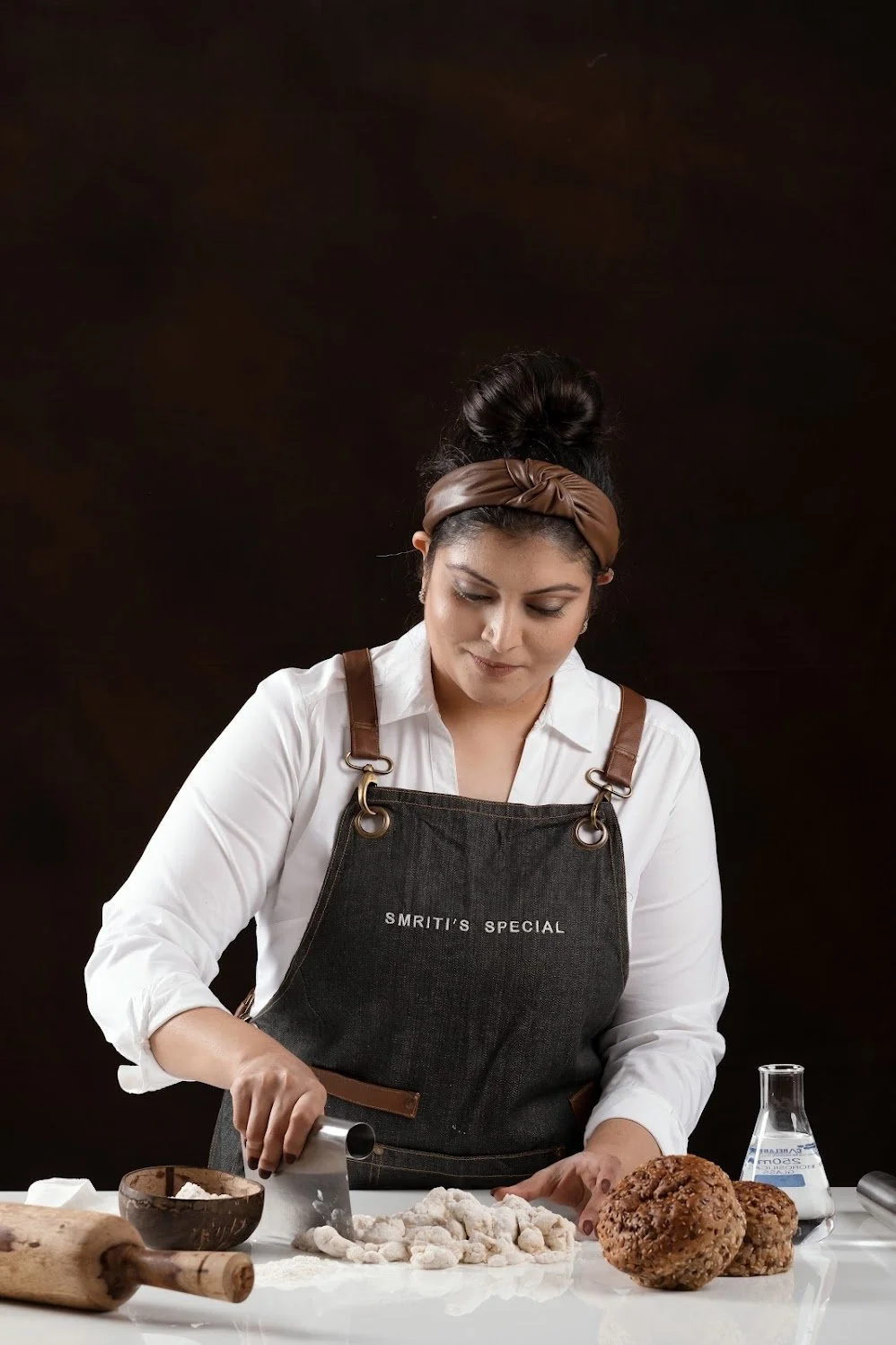
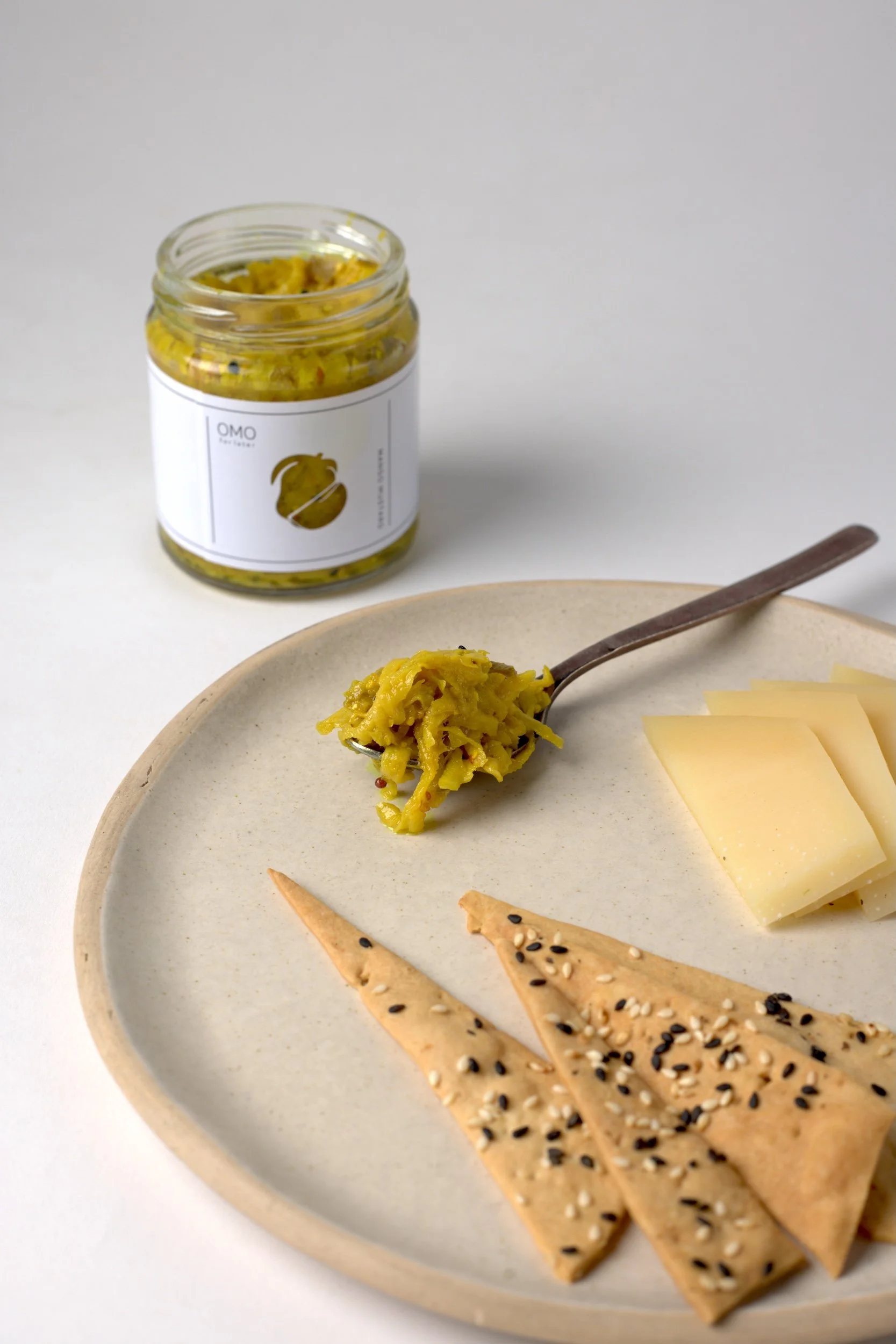
Launched alongside the Ferment Lab, OMO For Later is OMO's first retail offering, bringing the restaurant's ingredient-led philosophy into homes through a curated collection of ferments, preserves, condiments and beverages. The first collection includes seasonal kombuchas such as Mango & Turmeric, Pineapple & Mint, Pomegranate & Rose, Orange & Gondhoraj Lime and Kashmiri Plum Umeboshi, alongside chutneys, relishes, flavoured butters, fermented crackers, homemade turmeric sourdough bread, Mango Shorshe (a Bengal-inspired spicy, sweet and salty raw mango relish) and OMO's signature Naga Chilli Hot Sauce. Designed as an extension of the OMO kitchen, OMO For Later allows guests to continue their relationship with OMO beyond the dining table, bringing its flavours, pantry staples and preservation practices into everyday life.
OMO Gurgaon’s New Menu Turns the Spotlight on India's Harvest

In its first major menu refresh in two years, OMO unveils a new menu shaped by India's regenerative farms, seasonal harvests, fermentation and regional food traditions.

GURGAON,  2026: OMO, the ingredient-led restaurant from Bright Hospitality known for placing ingredients ahead of cuisine, unveils a reimagined menu that marks the most significant evolution of the restaurant’s culinary philosophy since the restaurant opened. Led by Chef Chetna Chopra and built around India's regenerative farms and the people who cultivate them, the new menu is anchored by four defining pillars: seasonality, fermentation, place and interpretation.

Moving beyond its earlier approach of exploring Indian produce primarily through European technique, OMO's latest menu broadens its perspective by drawing equally from regional Indian recipes, preservation traditions, forgotten ingredients and contemporary global cooking. Each dish carries its own reference point and journey across India's diverse terroirs, making the menu less a collection of recipes and more a reflection of India's rich and evolving culinary landscape.

"This isn't fusion. We're not combining cuisines for novelty. It's adaptation, finding new ways to express Indian ingredients, traditions and memories through contemporary techniques and formats. Guests who've visited OMO before will still recognise our ingredient-led DNA, but they'll discover a menu that's far more confident in drawing from India's regional food traditions while remaining open to the world," said Chef Chetna Chopra.

Built Around the Harvest

Rather than designing dishes first and sourcing ingredients to match, OMO has built its new menu around what its partner farmers grow, and when. The kitchen now works directly with a close network of growers and cooperatives across the country. All rice is sourced from Amar Khamar, mushrooms from The Shroomery, and grains and most vegetables from Tijara, while India's "exotic" produce is sourced directly from origin. Indigenous and heirloom varieties, many cultivated by smallholder and women-led farming cooperatives in the Sundarbans and the lower Gangetic plains, take centre stage in place of imported staples.

For Chef Chetna, the approach is not about reviving forgotten luxury but revealing the extraordinary value in everyday food traditions. Rather than elevating festive food, the menu celebrates the ingredients, techniques and flavours that have long shaped everyday Indian cooking.

Fermentation as Everyday Practice

Fermentation remains one of OMO's defining pillars, but rather than existing as a standalone experience, it now runs throughout the menu. It appears across condiments, sauces, preserved ingredients, beverages and flavour development, becoming an integral part of the kitchen's approach to respecting seasonality, reducing waste, extending the life of ingredients and building complexity over time.

Stories Told Through Ingredients

The menu's signature dishes bring this philosophy to life through the journeys of ingredients across regions and traditions. Bandel and Potato Wontons bring together two chapters of West Bengal's history on a single plate; the wonton nodding to Tangra's Chinese communities, and Bandel cheese tracing its roots to the Portuguese settlement of Bandel. Jackfruit Croquette with Phalsa Compote and Coconut Salan celebrates jackfruit on its own terms rather than as a meat substitute, pairing a Hyderabadi-inspired coconut salan with seasonal phalsa and saffron sourdough sheermal, tracing a journey from tropical orchards to the Deccan plateau and the northern plains. Corn Ribs with Sankeshwari Chilli and Black Garlic reinterpret a globally familiar street-food format through flavours that travel from Bengal to Maharashtra and the Himalayan foothills.

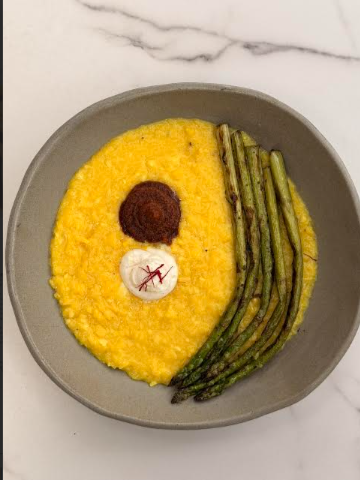
Among the menu's most ambitious reinterpretations is the Saffron Risotto with Moringa Marrow, which reimagines the classic Risotto alla Milanese entirely through Indian ingredients. In place of imported rice, the dish is built on Karpurkanti, a low-yielding indigenous variety grown by women farmers in the Sundarbans, while moringa pods finished with warming nihari spices stand in for the richness of traditional beef marrow. Darima Farm goat cheese, charred fiddlehead ferns, jhuri aloo and fragrant gondhoraj lime butter complete a dish that begins in Milan, draws its rice from the Sundarbans, borrows the soul of nihari, and finishes rooted in Bengal.

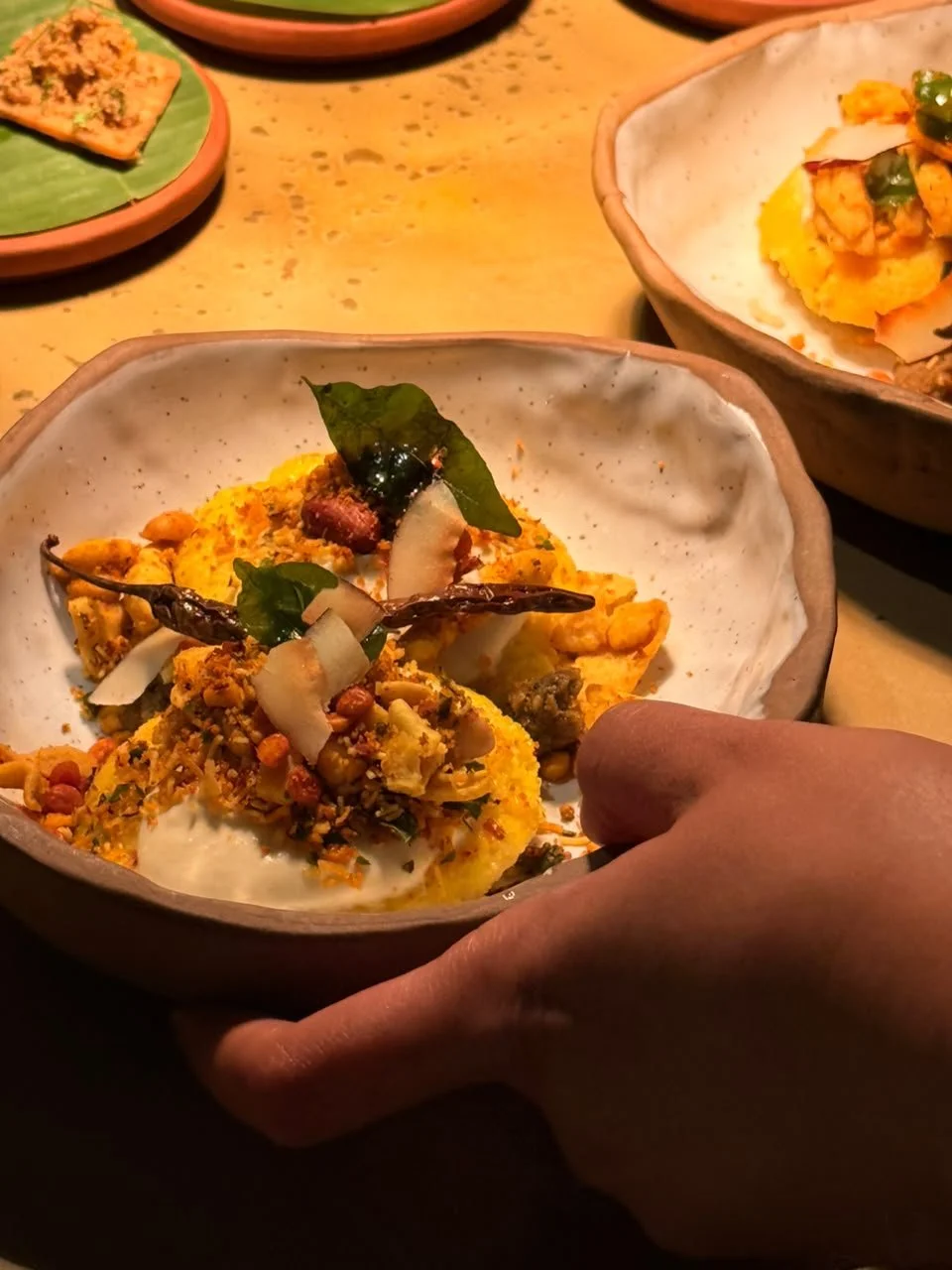
Regional and global traditions continue to meet across the menu. Curd Risotto with Kurkuri Bhindi reimagines the comfort of South Indian curd rice through the texture of an Italian risotto, made with Radhatilok, an indigenous rice variety from the Sundarbans and the lower Gangetic plains, and finished with mango shorshe, smoked ghee, crisp appalam and a lentil-curry leaf furikake. Gnocchi with Raw Mango Beurre Blanc, Crispy Morning Glory and Spiced Bengal Gram reworks a classical French sauce through the brightness of raw mango and the wetlands greens of eastern India.

Global comfort formats are reimagined through an Indian pantry as well. Maitake Sando, made with mushrooms from The Shroomery and crusted in poha rather than panko, reinterprets the Japanese sando; Kachori with Mole pairs Jaipur's iconic Rawat kachori with a Mexican mole made from single-origin cacao sourced directly from growers in Idukki. Mango Caldin Curry draws on a gentle Goan home-style curry, layering fresh and lacto-fermented mangoes with Kerala's heirloom red Matta rice, while Pazham Pori, Kerala's beloved banana fritter, is served simply with coconut milk gelato and spiced jaggery caramel to close the meal.

Fermentation extends into the menu's beverages as well: Jamun Wine treats one of the monsoon's most fleeting fruits with the patience traditionally reserved for grapes, while Bael Kanji reinterprets the classic North Indian fermented kanji using bael in place of black carrot.

Together, these dishes reflect OMO's belief that meaningful adaptation begins with ingredients and their origins, rather than recipes alone.

The Story Behind the Menu

At its heart, the new menu reflects OMO's own evolution. Fermentation, regional ingredients, GI-tag produce, farmer partnerships and individual dishes all contribute to that larger story, inviting guests to first experience the restaurant through its ingredient-led approach before discovering the thinking behind every plate.

More than a collection of new dishes, the menu invites diners to trace food back to its source, from the fields and the seasons to the quiet craft of growing and preserving. Every plate reflects OMO's continued commitment to conscious cooking, Indian-grown produce and the connection between land and table.