
Will AI Kill the Night Audit? How Automation is Redefining the Midnight Shift in 2026
/![[HERO] Will AI Kill the Night Audit? How Automation is Redefining the Midnight Shift in 2026](https://cdn.marblism.com/LXUE9-Sf_yO.webp)
It is 2:00 AM. The lobby is quiet, save for the hum of the air conditioning and the occasional soft chime of an elevator. For decades, this has been the domain of the night auditor, the lone sentinel balancing ledgers, chasing pennies, and manually "rolling the date" while the rest of the world sleeps.
But as we step further into 2026, the scene is changing. The mountain of paper receipts is gone. The frantic search for a missing ₹500 transaction from the coffee shop is being handled by an algorithm in milliseconds. At hospemag, we’ve been watching this shift closely, and the question on everyone’s lips is: Is AI going to kill the night audit?
Let’s be honest, the term "night audit" often conjures images of dusty ledgers and green eyeshades. But today, it’s the frontline of the hospitality tech revolution. Whether you’re a GM at a boutique property or part of a growing chain like Suba Hotels Limited, understanding this evolution is critical.
The "Virtual Reset Button": What is the Night Audit Today?
In its simplest form, a night audit is the process of reviewing and reconciling all financial activities that occurred during the business day. Because hotels operate 24/7, they don’t have a natural "closing time" like a retail store. The night audit acts as the "virtual reset button", ensuring every cent is accounted for before the sun comes up.
Historically, this meant the auditor had to manually verify room rates, post taxes, reconcile Food & Beverage (F&B) outlets, and handle guest check-ins or check-outs. It was, and often still is, a high-pressure role. One tiny error at 3:00 AM could throw off the entire General Ledger by 8:00 AM.
For a truly deep dive into the terminology, we often look at how this role integrates with every department, from Housekeeping to the Director of Engineering, like Sachin Patil at The Ritz-Carlton Pune.

From Green Eyeshades to AI Algorithms: A Brief History
The history of the night audit is essentially a history of how we track value. In the early 20th century, auditors wore literal green visors to reduce eye strain from working under dim lamps, hand-writing every laundry charge into leather-bound ledgers.
By the 1980s and 90s, the Property Management System (PMS) arrived. It was a game-changer, but the "audit" was still a manual trigger. You had to stop all front-desk operations for 30 minutes to an hour while the "system ran." If you’ve been in the industry long enough, you remember the dread of the system crashing mid-audit.
Fast forward to 2026. We are entering the era of the Real-Time Audit. Automation tools now reconcile transactions as they happen. If a guest buys a sandwich at a new restaurant launch, AI flags the revenue against the inventory and the guest folio immediately. The "shift" isn't a block of time anymore; it’s a continuous stream of data.
The Great Debate: Tool vs. Threat
So, back to our big question: Is AI a threat?
If your definition of a night auditor is "someone who manually enters data into a spreadsheet," then yes, that role is effectively dead. But if you see the night auditor as a "systems manager" and "guest experience guardian," then AI is the best teammate they’ve ever had.
Why AI is a Tool:
- Error Detection: AI doesn't get tired at 4:00 AM. It can spot a mismatched POS-to-PMS transaction in a heartbeat.
- Workflow Management: Automation can handle "standard" tasks, like emailing folios or updating room statuses, freeing the human to handle the unexpected.
- Revenue Protection: AI tools now match bank deposits with PMS revenue automatically, flagging missed revenue before it becomes a problem.
Why the Human is Irreplaceable:
Let’s paint a picture. An automated system can process a payment, but can it handle a guest who arrives at 2:00 AM after a canceled flight, exhausted and frustrated? Can it discern when a guest needs a sympathetic ear or a room upgrade because their luggage was lost?
In 2026, we’re seeing a shift where "the future hotel shift looks a lot less like clicking through screens and a lot more like AI agents executing processes while humans focus on the actual hospitality part." It’s about the "human element" that Heidi Grimwood often speaks about, the soul of the service.

Operational Impact: Reclaiming the Night
The operational benefits of automating the night audit are staggering. By reducing the manual "clack-clack" of the keyboard, hotels are seeing:
- Faster Day-End Closures: What used to take four hours now takes four minutes of oversight.
- Enhanced Security: AI can monitor for internal fraud or unusual transaction patterns in real-time.
- Cross-Departmental Fluidity: With real-time data, the morning shift doesn't have to wait for the "audit to finish" to see the day’s projections.
We’ve seen this kind of innovation across the board, from AI-powered service robots in Kolhapur to advanced meta-search strategies. The tech is here to make our lives easier, not more robotic.
Impact on Employee and Guest Satisfaction
If there’s one thing we’ve learned at hospemag, it’s that happy staff equals happy guests.
For the Employee:
Working the "graveyard shift" has historically been isolating and tedious. By removing the boring data-entry parts of the job, we’re making the role more attractive. Night auditors in 2026 are being rebranded as Night Managers or Night Guest Experience Leads. They are empowered with data, not burdened by it. It builds that specific "hospitality grit" needed for leadership roles without the burnout of manual reconciliation.
For the Guest:
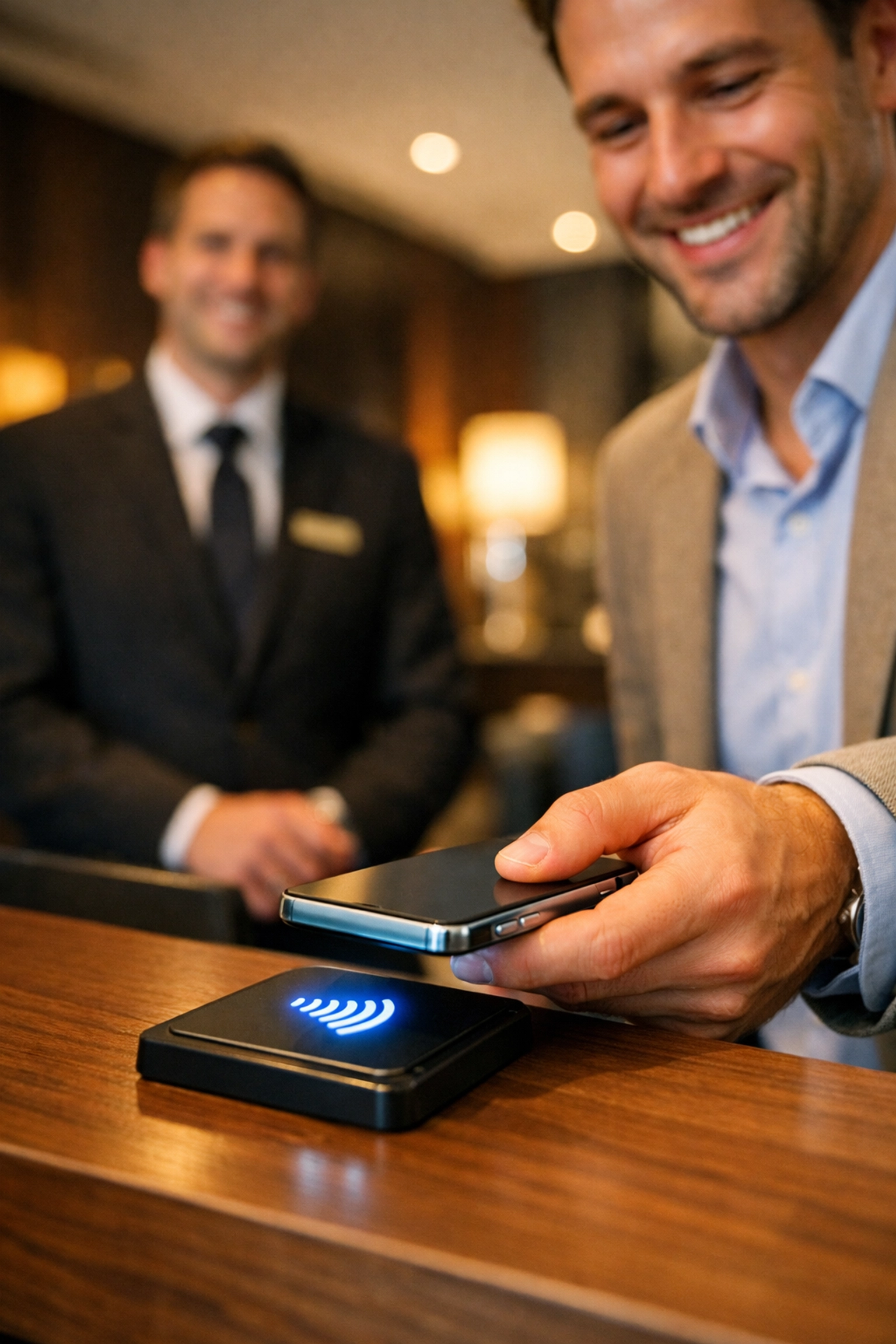
Have you ever tried to check in at 1:00 AM only to be told, "Sorry, the system is down for the night audit"? In 2026, that phrase should be banned. Automation allows for a "seamless audit," meaning the guest never sees the gears turning. Whether they are staying at a luxury wellness address like 7 Ocean in Gurgaon or a vibrant hostel like The Hosteller, the expectation is 24/7 service without technical hiccups.
The "GM-in-Waiting": The Future Outlook
If you’re looking to climb the ladder, don’t sleep on the night audit. In fact, we call it the "GM-in-Waiting" role. Because an auditor sees the 360-degree view of the business: how Housekeeping affects the Front Office and how F&B revenue flows into the General Ledger: they develop a holistic understanding of hotel operations.
In the future, we expect the night audit to evolve into a strategic oversight role. Imagine an auditor who spends their night:
- Analyzing AI-generated revenue reports to suggest price tweaks for the next day.
- Managing automated guest messaging systems to ensure personalized service.
- Overseeing property-wide sustainability metrics in real-time.
As we look toward events like the 16th IIHTTRC 2026, it’s clear that the intersection of technology and human spirit is where the magic happens.

Final Thoughts: Embrace the Change
So, will AI kill the night audit?
No. It is killing the tedium of the night audit. It is killing the errors of the night audit. But the need for a human presence: a protector of the house and a guardian of the guest experience: is stronger than ever.
Automation is simply giving the night auditor their time back. Time to be a host. Time to be a leader. Time to ensure that every guest who walks through those doors at 3:00 AM feels just as welcomed as the one who arrives at 3:00 PM.
Let’s stop fearing the "robot" and start celebrating the "reset." Because in the world of hospitality, the sun always rises on a new opportunity to excel.
Ready to see how else the industry is changing? Check out our latest Business Travel Report 2026 or explore the newest hotel openings across the globe!
Prepare to witness the dawn of a new era in the front office: one midnight shift at a time!