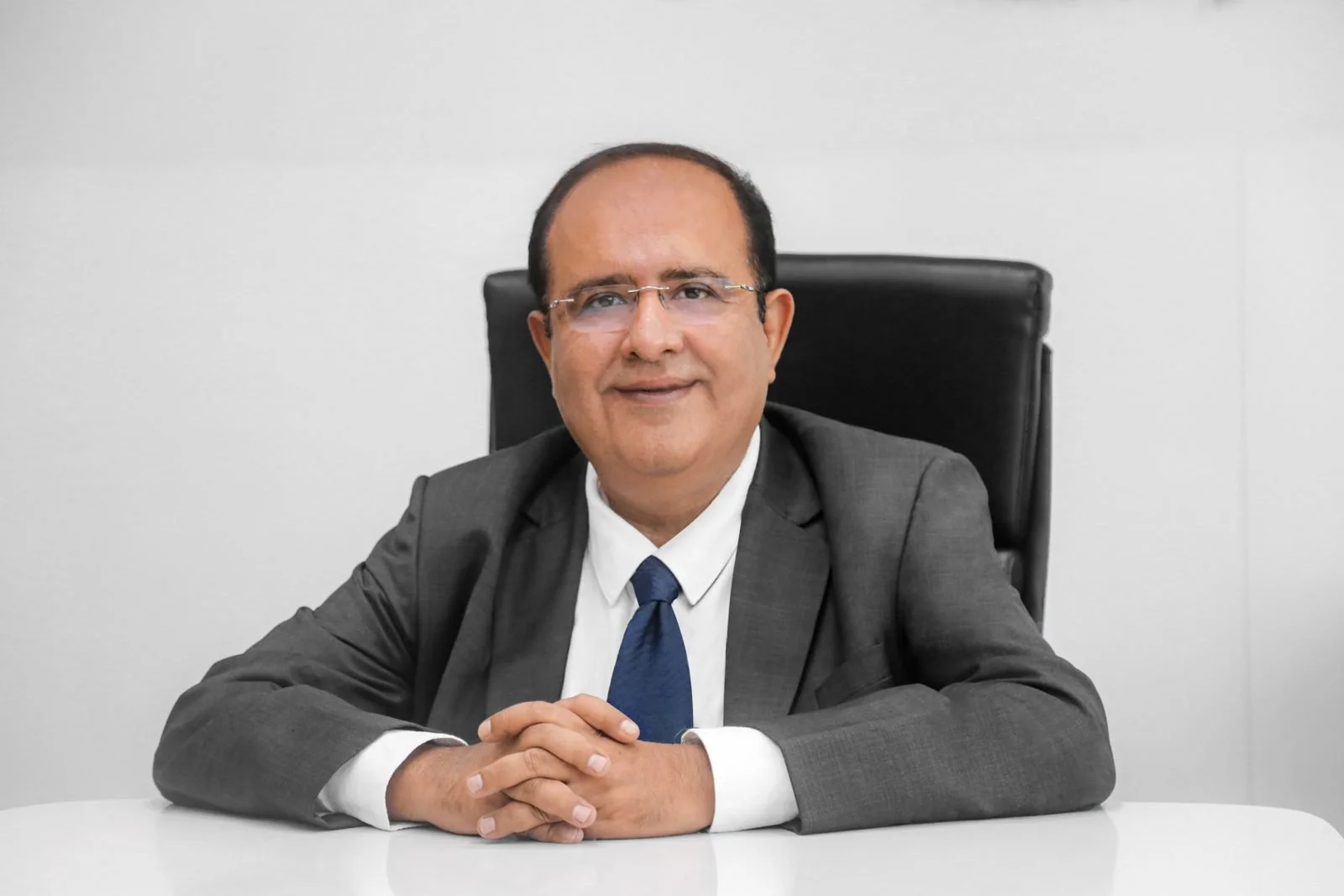
Stop Selling Dishes. Start Selling Experiences | Meliá Pattaya Hotel’s Director of Food and Beverage, Paul-Edouard Gillard
/
1. What are your 3–5 non-negotiable best practices when it comes to menu design?
For me, a menu should achieve much more than listing dishes. It should tell a story, guide guest decisions, and be commercially intelligent.
My five principles are:
• Every menu must have a clear identity.
• Less is often more—focus on signature dishes rather than trying to satisfy everyone.
• Design for profitability without compromising authenticity.
• Create visual hierarchy that naturally guides guests towards hero items.
• Most importantly, design an experience, not just a meal.
At Meliá Pattaya Hotel, this philosophy led us to completely reposition Yitong Chinese Restaurant & Sky Bar from a traditional Chinese restaurant into a destination centred around authentic Chinese dining rituals and memorable experiences.
2. How do you decide on the structure and flow of a menu?
I always think about the guest journey rather than categories.
A guest doesn't simply order appetizers and mains—they progress through an experience.
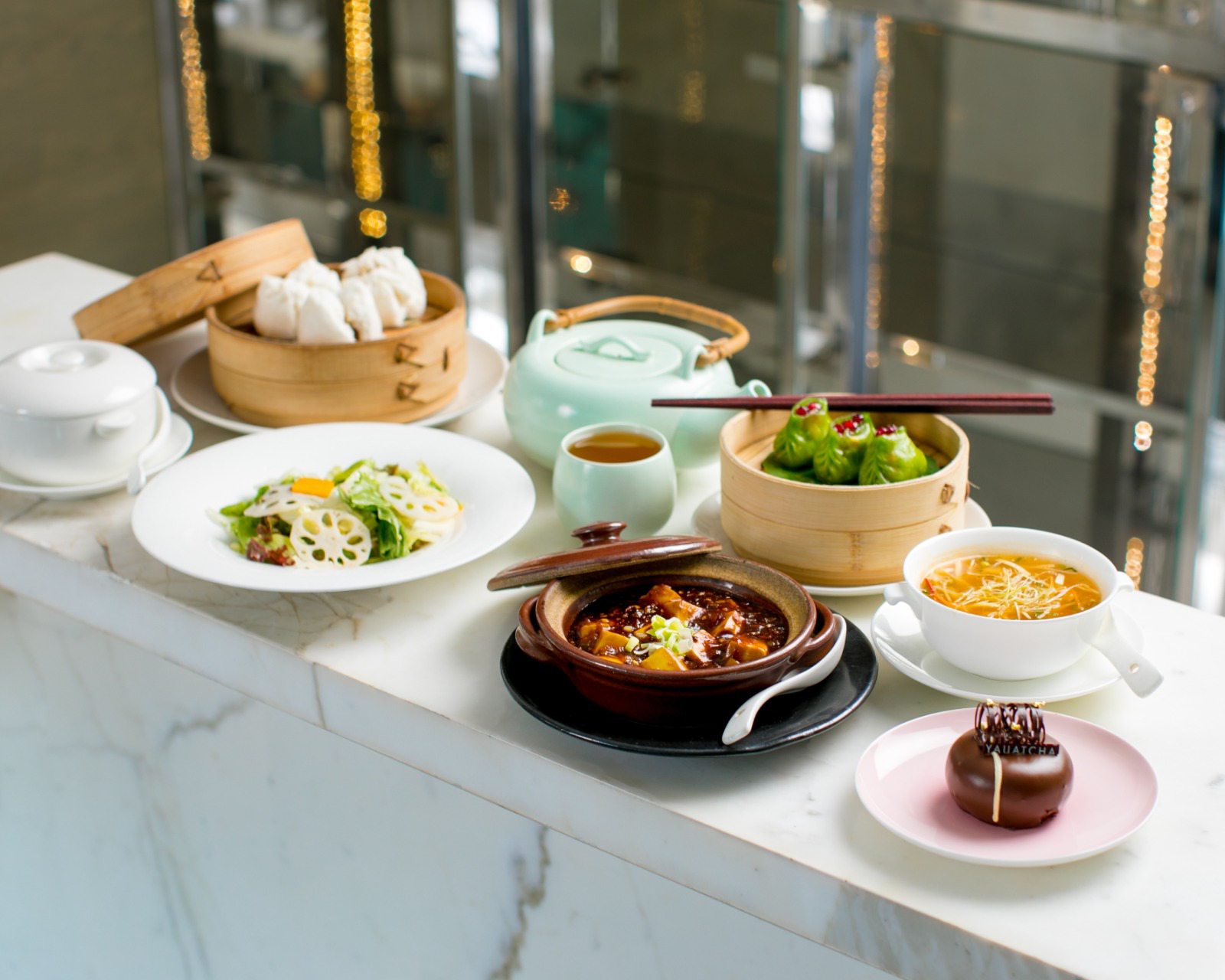
At Yitong Chinese Restaurant & Sky Bar, for example, we start by introducing our tea ritual before the meal begins. From there, guests naturally discover dim sum, signature roasted meats, seafood specialties and finally desserts. Every page builds anticipation while encouraging exploration of the restaurant's unique identity.
3. How much does the story behind a dish influence how you describe it?
The story often sells more effectively than the ingredient list.
Guests increasingly seek authenticity and emotional connection. Rather than simply writing "Peking Duck", we present it as one of the signature experiences of Yitong Chinese Restaurant & Sky Bar, served following traditional carving techniques inspired by Cantonese dining culture.
Stories create memories, and memories create returning guests.
4. Is there a dish on your current menu that you're particularly proud of?
Rather than one dish, I am proud of creating an entire experience around Yitong Chinese Restaurant & Sky Bar.
We introduced experiences such as:
• Traditional Tea Ritual
• Unlimited Weekend Dim Sum
• Kitchen Delight evenings with Chinese Opera
• Signature Peking Duck
Each individual element strengthens the identity of the restaurant, but together they create something guests remember long after they leave.
A great restaurant should be remembered for how it made guests feel, not simply for what they ate.
5. How do you measure whether a menu is actually working?
Sales are only one indicator.
I look at:
• Contribution margin
• Product mix
• Guest feedback
• Repeat visits
• Social media engagement
• Online reviews
• Average spend per guest
If guests are talking about an experience, taking photos, recommending it to friends and returning, then the menu is doing its job.
6. How often do you revisit or refresh your menu?
I don't believe in changing menus simply because six months have passed.
Menus should evolve based on guest behaviour, seasonality, operational feedback and commercial performance.
Sometimes a small adjustment to layout or pricing has a greater impact than introducing ten new dishes.
7. How do you ensure the menu reflects the identity and positioning of your property?
The menu is one of the strongest expressions of a hotel's brand.
At Meliá Pattaya Hotel, each outlet has its own personality:
• Lay Beach delivers a vibrant beach club atmosphere.
• Den offers a modern premium izakaya experience.
• Yitong Chinese Restaurant & Sky Bar celebrates refined Chinese dining traditions while remaining approachable for international travellers.
The menu should immediately communicate where the guest is and why that venue is unique.
8. What's one menu decision you've made that had a surprisingly significant impact?
One of the biggest decisions was shifting our focus away from simply selling dishes to creating signature experiences.
For Yitong Chinese Restaurant & Sky Bar, we built experiences around tea rituals, unlimited dim sum weekends and themed Chinese cultural evenings rather than relying solely on new recipes.
The result was stronger guest engagement, increased destination appeal and a clearer market position.
People rarely travel across a city for another fried rice—but they will travel for an experience they can't find elsewhere.
9. Where do you see menu experiences heading in the next five years?
Menus will become increasingly personalised, but they must never lose their human element.
Technology and AI will help analyse guest preferences, dietary requirements and purchasing behaviour. However, hospitality remains about emotion.
The future belongs to menus that combine intelligent personalisation with storytelling, theatre and authentic human interaction.
10. What does a truly great menu experience look like?
A great menu disappears.
Guests shouldn't feel like they're reading a catalogue—they should feel excited about beginning an experience.
If they leave remembering the story, the atmosphere, the people and the emotion rather than simply recalling what they ordered, then the menu has achieved its purpose.