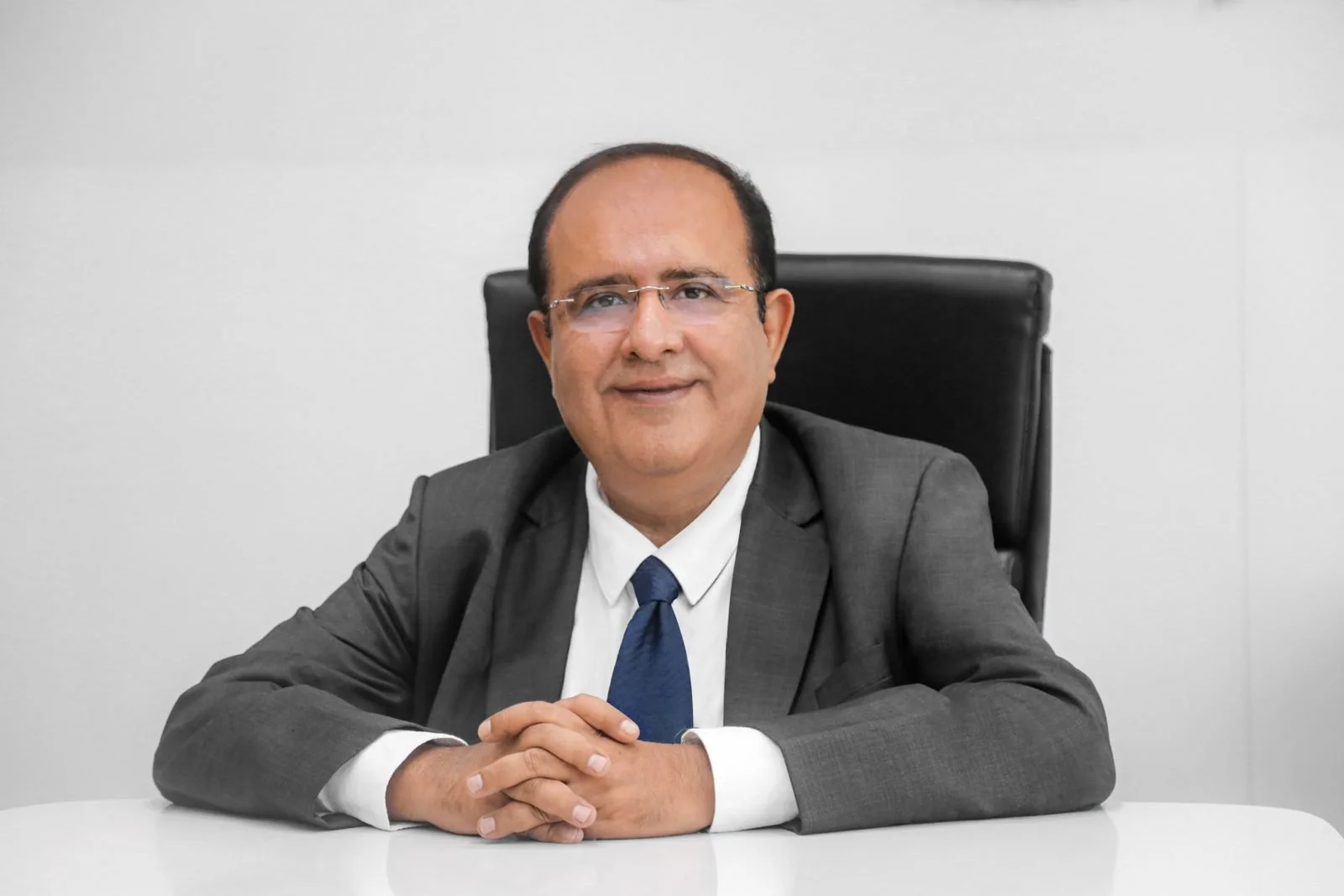
Menus Should Become Smarter Without Losing Their Soul | Chef Suksant Chutinthratip, known as Chef Billy, Executive Chef, Meliá Chiang Mai
/
What are your 3–5 non-negotiable best practices when it comes to menu design?
A menu should be beautiful, practical, and authentic.
"For me, a menu is the first conversation between the kitchen and the guest.
A great menu doesn't try to say everything—it says the right things clearly."
✓ Every dish must have a purpose.
✓ Keep the menu focused rather than overwhelming.
✓ Seasonal ingredients should shape the menu.
✓ Balance creativity with operational consistency.
✓ The menu must reflect the restaurant's identity.
What's a common menu design mistake you see — and what would you do differently?
“Too many choices create confusion.
I'd rather offer fewer dishes executed exceptionally well than dozens that compete for attention.
Guests remember exceptional meals, not long menus."
How do you translate your culinary vision into the language and design of a menu?
"Our menu reflects not only flavors but also where ingredients come from, who grows them, and why each dish deserves its place.
The menu should invite curiosity, not confusion."
How much does the story behind a dish influence how you describe it on the menu?
“Every dish has a story, but I don't believe every dish needs a long paragraph.
Through our 360-Degree Cuisine philosophy, the story is about the people, the place, and the purpose behind it.
We highlight a local producer, celebrate seasonal ingredients from nearby communities and respect traditional cooking techniques. These details help guests appreciate that every menu choice reflects a thoughtful journey from source to table. The story should enrich the experience, not distract from it.”
Is there a dish on your current menu that you're particularly proud of — and how did it find its way there?
For me, Mai's Samplers perfectly reflects our 360-Degree Cuisine philosophy. It is about celebrating local identity, supporting sustainable sourcing, preserving culinary traditions, and creating an experience that is both meaningful and memorable. If guests leave the table with a deeper appreciation for Northern Thailand's people, culture, and ingredients, then the dish has achieved far more than simply satisfying their appetite.
How do you decide what makes it onto the menu — and what doesn't, no matter how good it tastes?
I always ask one simple question: “if we remove this dish tomorrow, would anyone miss it?”
If the answer is no, it probably doesn't belong on the menu. Every dish should earn its place.
My simple framework is:
✓ Does it represent who we are?
✓ Can the team execute it consistently?
✓ Will guests want to order it again?
How does a menu shape guest expectations before a single dish arrives at the table?
My menu communicates style and value.
"The dining experience begins long before the food arrives."
What do you wish guests understood better about how a menu is built and why choices are made?
"Every dish represents chef’s hard work before it reaches the table."
How do you measure whether a menu is actually working — commercially and experientially?
"The best menus satisfy both guests and the business.”
By keep monitoring guest feedback, repeat orders and profitability.
How often do you revisit or refresh your menu — and what triggers that process?
Not because we're bored, because seasons change, ingredients change.
Then menu change but signature dishes remain.
How does the kitchen's capacity and team capability influence what ends up on the menu?
A menu should respect the team. I’ve never design dishes that team cannot execute consistently.
"Consistency is one of the highest forms of quality."
How do you handle the tension between a chef's creative ambitions and the realities of scale and cost?
Great chefs think beyond seasonal buying and zero waste.
How do you ensure that technology enhances the menu experience rather than making it feel transactional?
Technology should remove friction, not remove people.
Examples: QR menus, Allergen information, Translations but personal interaction remains essential.
"Hospitality will always be human."
What role does AI have in menu planning, costing, or design — and where do you see it going?
"AI can support decisions by analytics but it cannot replace a chef's intuition."
Where do you see menu experiences heading in the next five years?
"Menus will become smarter without losing their soul.”
With local sourcing, digital integration and transparency.
How do you think sustainability, provenance, and ethical sourcing will reshape menus going forward?
Through our 360-Degree Cuisine philosophy, I view sustainability begins long before the first ingredient arrives in the kitchen. It starts when we write the menu. Every decision from selecting seasonal produce to choosing cooking techniques and portion sizes has an impact on food waste, sourcing, and the overall sustainability of the dining experience.
One of the most important changes I see is a stronger commitment to working with local producers.
Building relationships with nearby farmers, and artisan suppliers allows us to showcase the best ingredients at their natural peak while supporting the local economy and reducing the environmental footprint associated with transportation. Provenance will be about understanding the people, traditions, and ecosystems behind it.
If you could redesign the concept of a menu from scratch, what would you do differently?
"I'd simplify it. Less text. More storytelling. More seasonal flexibility.”
The best menu helps guests choose confidently rather than giving them more choices.
What does a truly great menu experience look like to you — as a professional and as a guest?
The food should exceed expectations. My guests should remember the experience not just the dish.