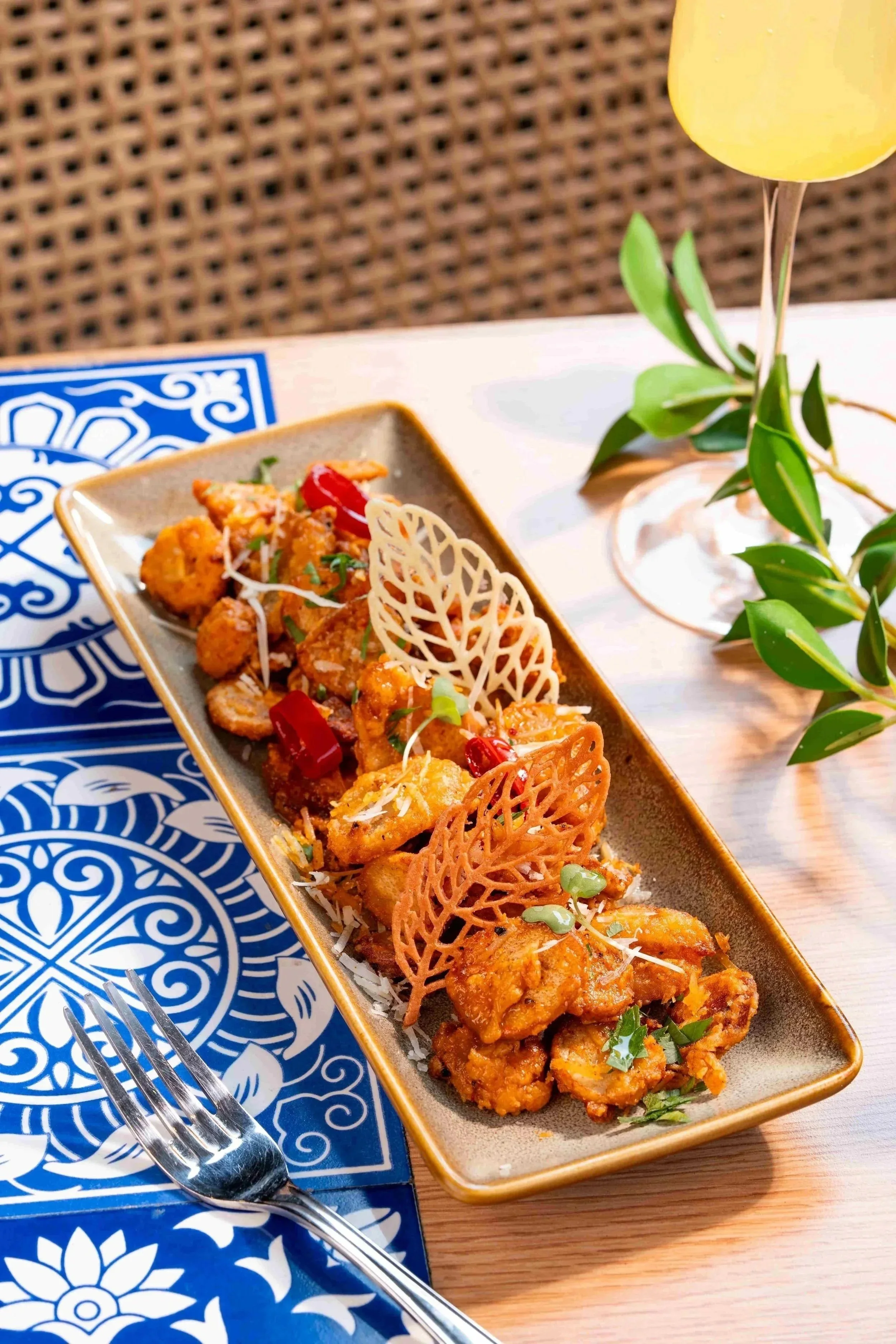
The Business of Menus: Why Menus Are Hospitality's Most Powerful Business Tool By Saurab Gahoi, Senior Vice President, Ramee Group of Hotels
/
In hospitality, menus have long been viewed as a simple list of dishes and prices. Today, however, they have evolved into strategic business tools that shape guest experiences, influence purchasing behaviour, and drive profitability. A well-crafted menu does much more than showcase offerings; it tells a brand's story, guides consumer choices, and directly impacts revenue.
Menu as a Business Tool
Menus sit at the intersection of commerce and experience. Every element, from item placement to descriptions and pricing, plays a role in influencing guest decisions. In many ways, a menu is a silent salesperson. It communicates the brand's personality, reflects culinary philosophy, and determines how guests perceive value. For hospitality brands, menus are no longer operational documents; they are strategic assets that shape both guest satisfaction and business performance.
The Science Behind Menu Design
Menu engineering is rooted in psychology. Research shows that guests' eyes naturally gravitate toward certain sections of a menu, making placement a critical factor in driving sales. Restaurants strategically position high-margin dishes in prime locations to increase visibility and purchase likelihood.
Descriptions matter too. Guests are more likely to order dishes with evocative storytelling or detailed ingredient narratives. Pricing strategies also influence behaviour; removing currency symbols or using rounded pricing can subtly affect spending decisions. Increasingly, menus are being designed to create an intuitive and frictionless guest experience.
Menu Engineering and Profitability
Successful menu strategy balances guest preferences with commercial outcomes. Hospitality operators often categorize menu items into four groups: Stars (high popularity and high profitability), Plow Horses (popular but lower margins), Puzzles (high margin but low popularity), and Dogs (low margin and low popularity).
This framework helps businesses optimize pricing, redesign offerings, and make data-driven decisions. Effective menu engineering ensures that guest satisfaction and profitability work hand in hand rather than in opposition.
Consumer Trends Shaping Menus
Today's consumers are more informed, health-conscious, and experience-driven than ever before. There is growing demand for clean-label ingredients, plant-forward dishes, functional foods, and locally sourced produce. Guests increasingly seek personalization, whether through dietary preferences, customizations, or unique culinary experiences.
At the same time, menus are becoming powerful storytelling platforms that celebrate regional cuisines, sustainability practices, and cultural heritage. Consumers are not just buying meals; they are buying experiences and values.
Technology and Data-Driven Menus
Technology is transforming menu management. POS systems and guest analytics provide valuable insights into ordering patterns, enabling operators to refine offerings in real time. Digital menus and QR-based ordering have enhanced convenience while creating opportunities for dynamic updates and targeted recommendations.
Artificial intelligence is expected to further revolutionize menu planning by predicting demand, optimizing inventory, and personalizing recommendations based on guest preferences and behavioural data.
The Future of Menus
The future of menus lies in personalization, flexibility, and sustainability. Dynamic digital menus that adapt to guest preferences, time of day, or inventory availability are likely to become increasingly common. Wellness-driven offerings and sustainable sourcing will move from being differentiators to industry expectations.
Ultimately, menus are no longer just about food—they are about shaping experiences, influencing choices, and building stronger connections with guests. As hospitality evolves, businesses that view menus as strategic growth levers rather than static documents will be best positioned to thrive in an increasingly competitive landscape.