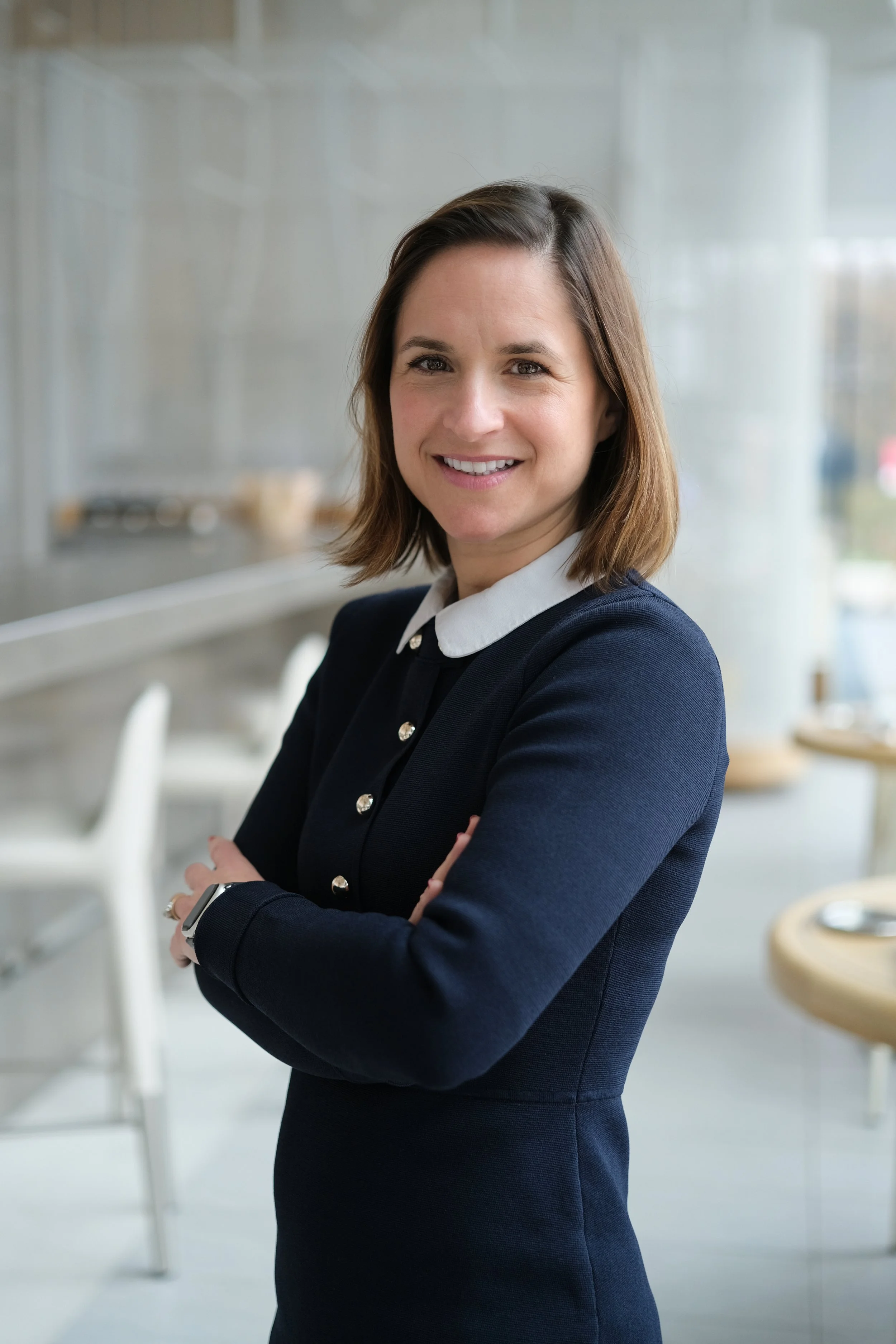
Cooking is a dialogue: cuisine as a universal language By Karine Hyon Vintrou – Managing Director, École Ducasse

Cuisine is often described as codified. This reflects a historical reality: culinary practices have been formalised over time, shaped by figures such as Auguste Escoffier, who helped organise and structure a shared body of techniques and repertoires.

In many ways, this codification functions much like that of a language. Cuisine draws on a vocabulary (ingredients), a grammar (techniques), and a form of syntax (the way flavours are composed and arranged). Like any language, it only takes on meaning through use, interpretation and context.

Yet cuisine, like language, is never limited to its rules. Above all, it enables communication. And it is precisely this role that is becoming increasingly central: cuisine no longer merely expresses identity, it brings together influences, practices and individuals from different worlds.

A language shaped by movement

No language develops in isolation, and the same holds true for cuisine. Culinary traditions have always evolved through borrowing, adaptation and exchange. The story of the tomato, introduced to Europe in the 16th century through transatlantic trade, reminds us that what we consider “typical” is often the result of centuries of integration.

What sets today’s context apart is the intensity of these exchanges. Ingredients, techniques and ideas now circulate at unprecedented speed, turning cuisine into a true space for dialogue.

A shared foundation

This dynamic is reflected in professional trajectories. In hospitality, international mobility has grown significantly.

Professional kitchens now bring together individuals trained across very different cultural landscapes. Each arrives with their own references, habits and, in a sense, culinary “accents”.

And yet, despite this diversity, collective work remains possible. Why? Because beyond spoken languages, there is a shared foundation: a common culinary logic. In this sense, cuisine operates as a universal language, structured enough to create understanding, yet flexible enough to welcome variation.

A context that reinforces its role as a language

Recent developments have only strengthened this dimension. The digital dissemination of culinary knowledge has transformed how skills are transmitted: techniques, recipes and presentation styles now spread almost instantly across the world.

At the same time, environmental constraints and sourcing challenges are reintroducing the need for local adaptation. Chefs must work with what is available, while still drawing inspiration from global references.

This tension reinforces cuisine’s role as a language: a system capable of translating diverse influences into specific contexts, rather than simply reproducing them.

Teaching how to speak, not just how to execute

In this environment, training chefs goes far beyond teaching technique. It means enabling them to “speak” this language in all its complexity: to understand its foundations, but also its nuances, its variations and its cultural subtleties.

This requires exposure to diversity, the development of interpretation skills, and the ability to combine different influences while maintaining coherence.

Training chefs today means shaping professionals who can engage in dialogue, who can understand, respond and create with others.

A language that reconnects

In a fragmented world, cuisine remains one of the rare spaces where mutual understanding is still possible. This mediating role is far from insignificant: history shows that many diplomatic moments have unfolded around a shared meal, where conversation takes on a different tone, often more open and more human.

The table encourages listening. It creates a setting in which disagreements can be approached differently, and where distance can be reduced. In this sense, cuisine becomes a language of openness, one that requires curiosity, an acceptance of difference, and the ability to turn it into connection rather than division.

From this perspective, cooking is not simply about production. It is about taking part in a wider conversation.

A language is only as meaningful as those who share it. Cuisine is no exception.

How Rooftop Dining is Evolving with Changing Guest Preferences

Discover Fame Garden at Planet Hollywood Thane, where rooftop dining transcends food, offering stunning views, ambiance, and unforgettable experiences.

At Fame Garden, the rooftop dining destination at Planet Hollywood Thane, guest expectations have evolved significantly in recent years. Dining today extends far beyond food and beverages; it is increasingly driven by ambience, design, comfort, scenic city views and the desire for memorable experiences that create a lasting impression.

The growing popularity of rooftop dining reflects a broader shift towards experiential dining, where the setting plays an equally important role as the menu itself. Guests are seeking open-air spaces that offer a sense of exclusivity and escape from the pace of urban life, while providing the perfect backdrop for social gatherings, celebrations and meaningful connections.

Alongside this trend, there is rising interest in sustainable dining practices, mindful consumption and authentic culinary experiences. Modern diners are placing greater value on quality, craftsmanship and concepts that align with contemporary lifestyle preferences. At Fame Garden, this evolution is reflected through thoughtfully curated food and beverage offerings, with craft cocktails, premium beverages and innovative pairings designed to complement the cuisine and elevate the overall guest experience.

As guest preferences continue to evolve, rooftop destinations are increasingly becoming lifestyle-led dining spaces where atmosphere, hospitality and culinary excellence come together to create distinctive and memorable moments.

Drāvida Debuts in New York's East Village with a Fresh Take on Indian and South Asian Diaspora Cuisine

Chef Aarthi Sampath's first restaurant brings deeply rooted, global dishes to a New York dining context

Mumbai/New York, 2026: Drāvida, a chef-driven restaurant disrupting traditional Indian dining and offering an intimate, transportive experience rooted in South Asian diaspora culture and craft, has opened its doors in Manhattan's East Village. The concept, from acclaimed chef, television personality, and culinary entrepreneur Aarthi Sampath, is an intimate journey through the South Asian diaspora. Influenced by the cuisines of India, Sri Lanka, Pakistan, Nepal, Trinidad, Guyana, and beyond, Drāvida is personal and rooted in tradition, celebrating authenticity and diversity.

"I wrote the concept for Drāvida in 2019, and now, the vision is coming to life. This restaurant is for New Yorkers who haven't seen their food represented - for the communities that built this city and whose cuisines haven't always had a place at the table," said Chef Aarthi Sampath. "My 13 years of experience as a New York chef have shaped everything about this space. The city is direct, demanding, and honest, and so is the food. I want people to walk in and feel like they belong here - to feel at home in a place that reflects where they come from and where they are."

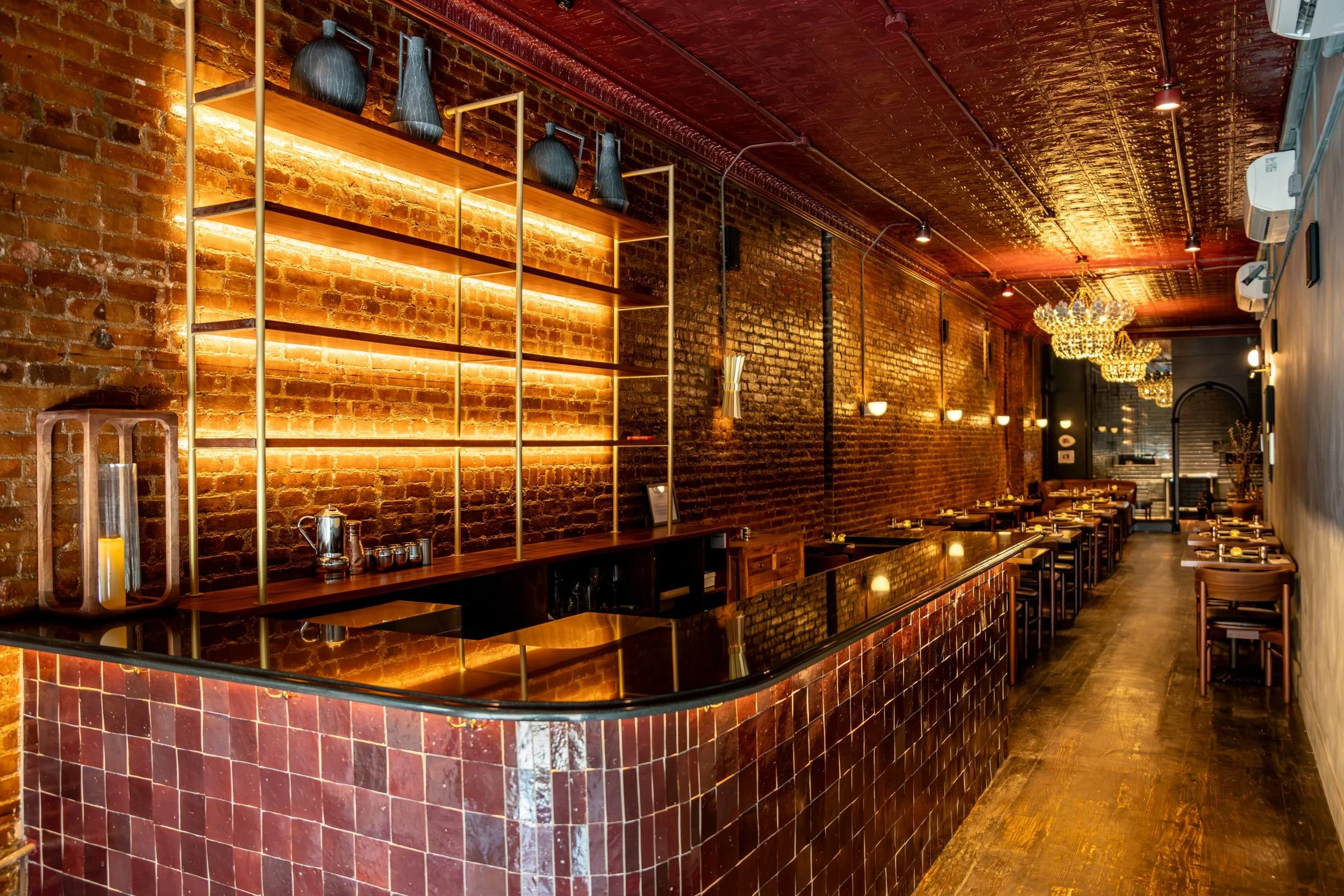
Located at 211 1st Avenue, Drāvida reflects the movement of South Asian flavours across regions and generations. The menu focuses on bold, high-quality cooking, featuring dishes more commonly found in homes than restaurants, adapted for a broader New York audience. Born of love and deep-rooted inspiration from global cuisines, Drāvida is designed to deliver an immersive and personal culinary experience, where each dish reflects heritage and innovation.

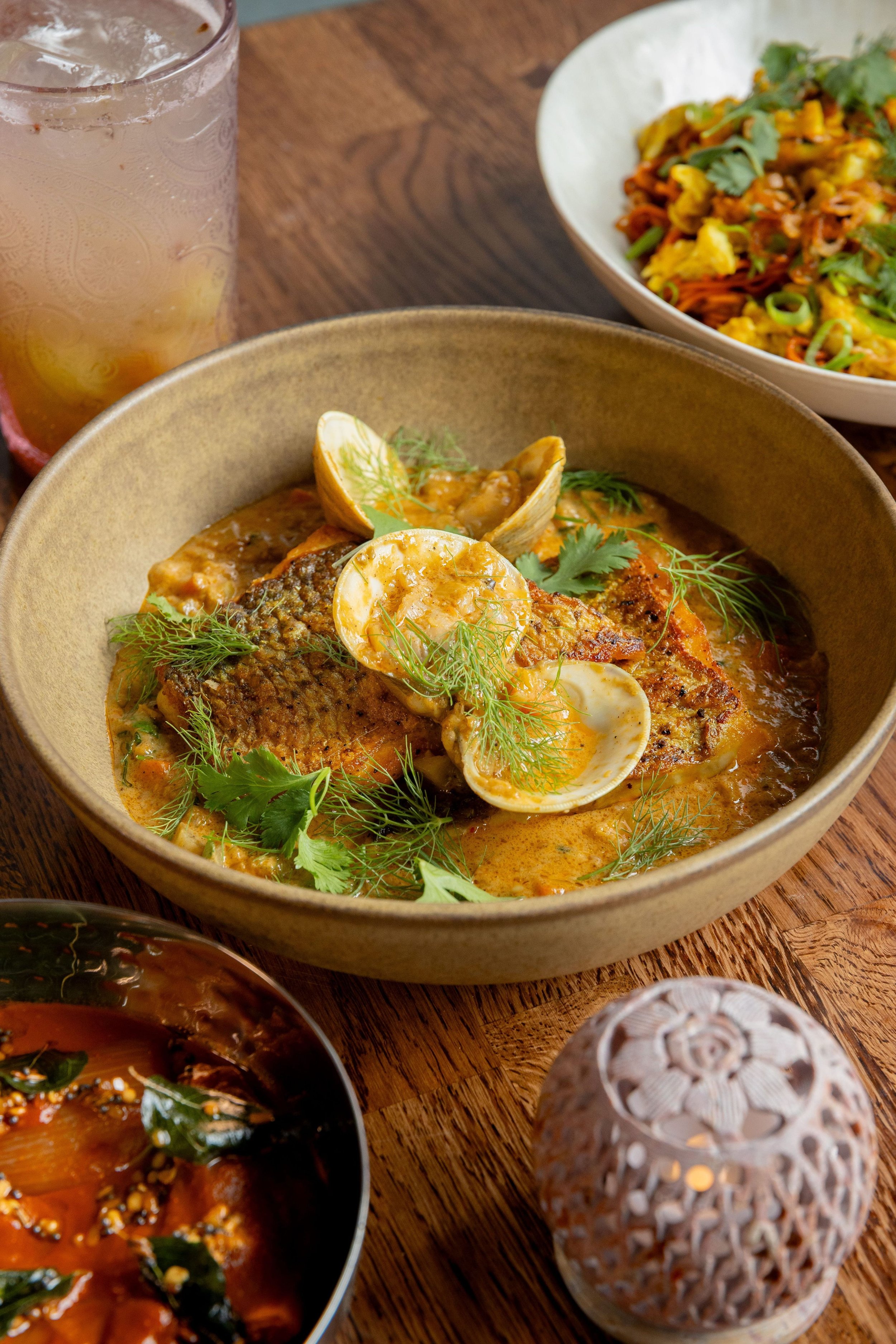
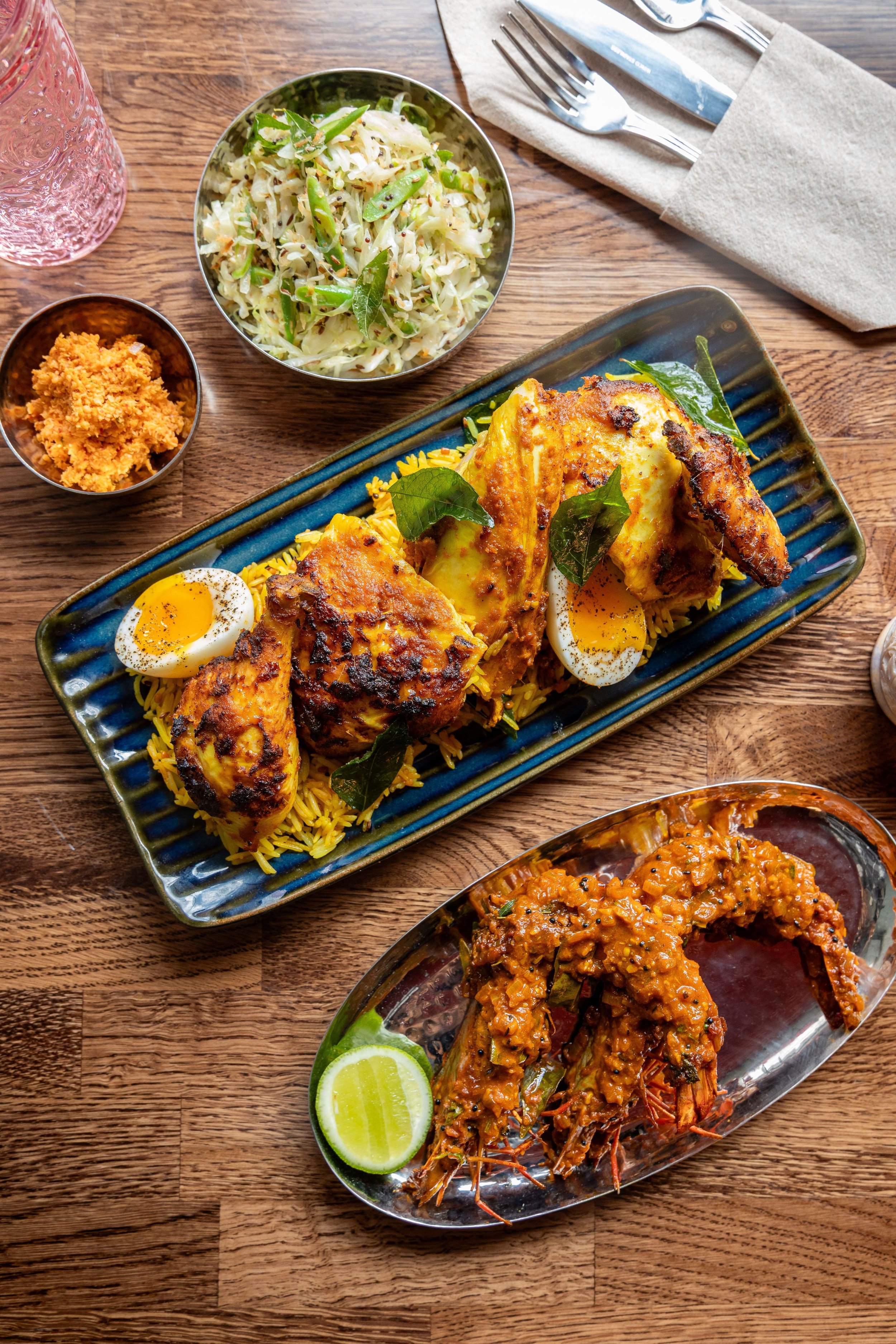
The menu features regional sub-cuisines and diaspora influences, including lesser-seen culinary traditions and the impact of South Asian migration across the Caribbean, Africa, and other regions. Highlights include Doubles, a popular Trinidadian street snack; Oxtail Bunny Chow, a South African favourite served in bread; Idli & Shrimp, bringing together South Indian comfort and Indonesian influences; and the Nasi Kandar Feast, a hearty Indo-Malay spread of rice, curries, and accompaniments. 

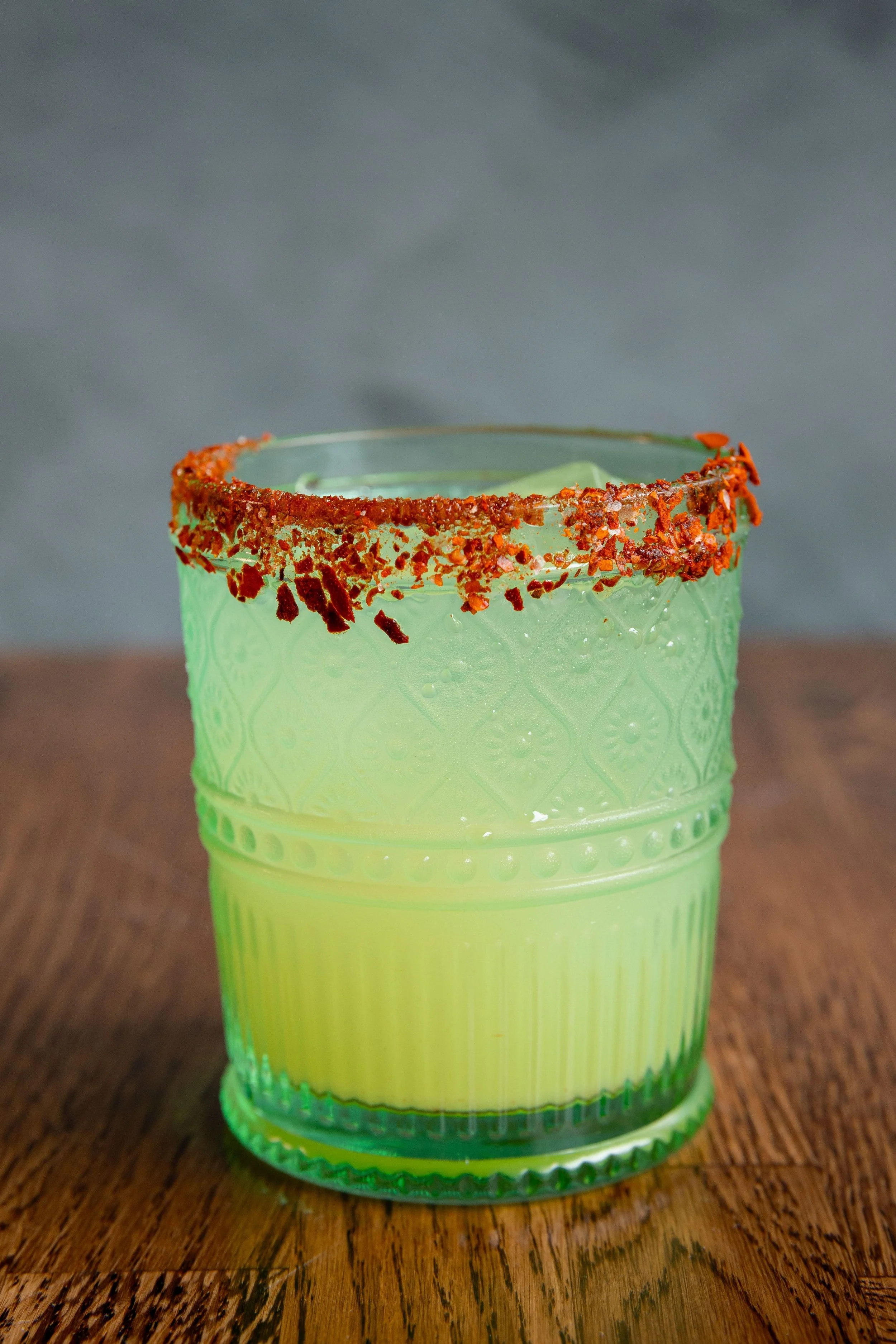
Complementing the food is a cocktail program that reimagines familiar South Asian flavors in unexpected ways, from the tropical Passionfruit Lassi and the floral, citrus-forward Dravida Highball to the indulgent Orange Cream, inspired by nostalgic dessert flavors. Together, the drinks reflect the same balance of tradition and innovation that defines the cuisine.

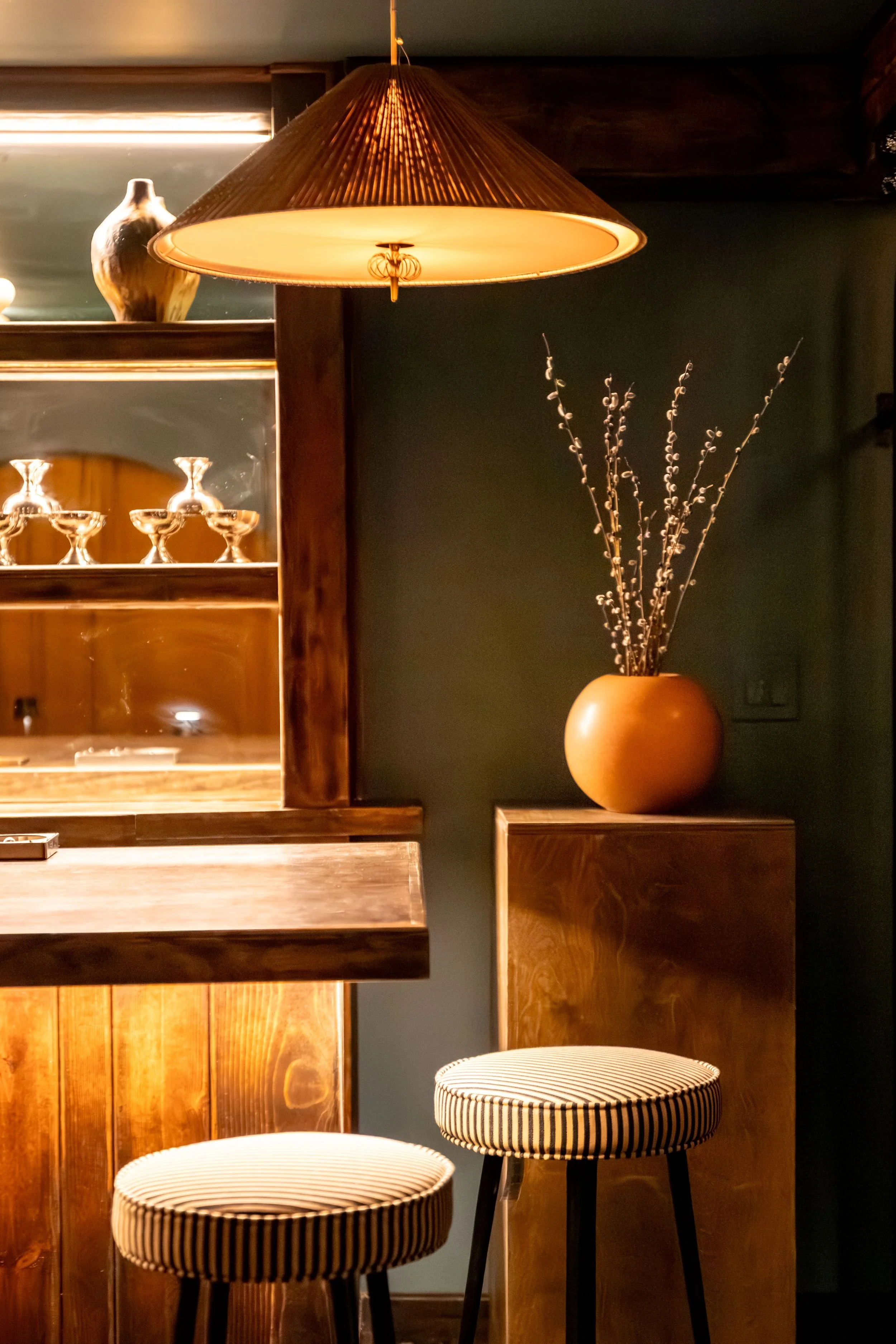
Drāvida occupies two floors in a restored 100-year-old building that includes original brick ovens. A 20-seat downstairs speakeasy, Jam and Jaggery, offers a straightforward, welcoming ambiance with a separate bar serving unique cocktails and small plates.

Chef Aarthi's path to opening Drāvida spans more than a decade in the culinary industry. After moving to the U.S. from Mumbai in 2013, she trained in leading kitchens, including Junoon, The Breslin, and the Rainbow Room, before launching her own ventures. She gained national recognition through Food Network—with wins on Chopped and Beat Bobby Flay—and reaches a broad audience through CookUnity, where she sells approximately 50,000 meals weekly across U.S. markets.

Building Brand Identity Through Strategic Menu Planning -Pratik Shinde, General Manager, Lotus Eco Beach Resort, Murud

1. How do you ensure the menu reflects the identity and positioning of your property or brand?

To ensure that the menu reflects the identity and positioning of the property or brand, consider the following strategies:

  1. Understand Your Brand Identity: Clearly define your brand's mission, values, and target audience. This understanding will guide the selection of menu items that align with your brand's essence.

  2. Incorporate Local and Seasonal Ingredients: Use locally sourced and seasonal ingredients to create dishes that resonate with the regional culture and culinary traditions, reinforcing a sense of place.

  3. Curate a Cohesive Theme: Develop a menu that tells a story or follows a specific theme that complements your property's identity. This may include the cuisine type, presentation style, and overall dining experience.

  4. Focus on Signature Dishes: Create unique signature dishes that reflect your brand's personality and differentiate your property from competitors. These dishes should embody the core values of your brand.

  5. Consider the Guest Experience: Align the menu with the overall guest experience you wish to provide. This includes the atmosphere, service style, and dining format, ensuring that every aspect of the dining experience is consistent with your brand.

  6. Regularly Update the Menu: Periodically review and update the menu based on guest feedback, culinary trends, and seasonal changes, while ensuring it remains aligned with your brand identity.

By implementing these strategies, you can create a menu that not only appeals to your target audience but also effectively communicates and reinforces your brand identity.

2. How involved are you in menu decisions — and where do you draw the line between roles?

My involvement in menu decisions aligns with the collaborative process of creating offerings that meet both customer preferences and operational feasibility. I contribute by analyzing market trends, customer feedback, and dietary requirements to inform menu development. However, I recognize that the final decision-making typically rests with the Executive Chef or Corporate Chef, whose culinary expertise and vision ensure that the menu aligns with the restaurant's identity and standards. My role is to provide data-driven insights and strategic support rather than dictate or override culinary decisions.

3. What role does the menu play in driving revenue beyond just food and beverage sales?

The menu plays a crucial role in driving revenue beyond food and beverage sales in several ways:

  1. Brand Positioning: A well-crafted menu reflects the restaurant's brand identity, influencing customer perceptions and attracting the target demographic. This alignment can lead to increased customer loyalty and repeat visits.

  2. Upselling Opportunities: Thoughtfully designed menus can encourage upselling by highlighting premium items, pairing suggestions, or limited-time offers, significantly enhancing average check sizes.

  3. Cost Control and Profitability: A menu that emphasizes high-margin items can improve overall profitability. By strategically pricing and promoting these items, restaurants can optimize their food cost ratios.

  4. Seasonal and Limited-Time Offerings: Introducing seasonal dishes or limited-time offerings creates excitement and urgency, encouraging customers to visit more frequently and try new options.

  5. Cross-Promotion: Menus can also promote additional revenue streams such as merchandise, catering services, or special events, making them an effective marketing tool.

  6. Customer Experience: A well-organized and visually appealing menu enhances the overall dining experience, encouraging longer stays and additional purchases such as beverages, desserts, or add-ons.

  7. Data Collection and Analysis: Modern digital menus often provide valuable analytics on customer preferences and purchasing patterns, helping businesses refine menu offerings and execute targeted marketing campaigns.

  8. Online Presence: For restaurants offering online ordering or delivery, a compelling digital menu can attract more customers and expand revenue beyond the physical dining space.

4. How do you align menu strategy with broader business goals — occupancy, loyalty, events, or F&B mix?

Aligning menu strategy with broader business goals such as occupancy, loyalty, events, and food and beverage (F&B) mix involves a multifaceted approach:

  1. Market Analysis: Conduct a thorough analysis of market trends and customer preferences to identify menu items that can attract more guests and increase occupancy.

  2. Target Audience: Understand the demographics and preferences of your key customer segments. Tailoring the menu accordingly helps enhance guest loyalty and encourages repeat visits.

  3. Seasonal and Local Ingredients: Incorporate seasonal produce and locally sourced ingredients into the menu. This supports local suppliers while creating opportunities for promotions and seasonal campaigns.

  4. Event-Centric Offerings: Develop menu items specifically designed for themed dinners, festive occasions, or seasonal celebrations to drive attendance and occupancy during key periods.

  5. F&B Mix Optimization: Evaluate the existing food and beverage mix to identify opportunities for improvement. A balanced selection enhances the guest experience and increases average spend per guest.

  6. Feedback Mechanisms: Implement systems to gather guest feedback on menu items. This information helps refine offerings to better meet customer expectations and business objectives.

  7. Cross-Promotion: Use the menu to support loyalty programmes and promotional campaigns. For example, offering exclusive menu benefits to loyalty members encourages repeat business.

  8. Financial Analysis: Regularly assess the financial performance of menu items, focusing on high-margin dishes that support overall profitability and business goals.

  9. Staff Training: Ensure that team members are well-informed about the menu and can confidently recommend items that support occupancy, loyalty, and revenue initiatives.

By integrating these strategies, the menu becomes a powerful tool that not only satisfies guests but also supports the property's broader business objectives.

5. As a leader, what do you look for when evaluating a menu for the first time at a new property?

When evaluating a menu for the first time at a new property, I focus on several key factors:

  1. Alignment with the Concept: The menu should reflect the property's overall theme, brand identity, and target audience.

  2. Quality of Ingredients: I assess the sourcing and quality of ingredients to ensure they meet our standards for freshness and sustainability, as these directly influence flavour and presentation.

  3. Diversity and Balance: A well-rounded menu should offer a variety of options catering to different dietary preferences while maintaining a balanced mix of flavours, textures, and cuisines.

  4. Price Point: I evaluate whether the pricing aligns with the expectations of the target market and reflects the value of the dining experience.

  5. Seasonality and Local Influence: Incorporating seasonal ingredients and local culinary influences enhances guest appeal and strengthens community engagement.

  6. Innovation and Creativity: I look for unique dishes or creative interpretations of classics that differentiate the property from competitors and generate guest interest.

  7. Operational Feasibility: The menu should be practical for the kitchen team to execute efficiently, considering available equipment, staff skills, and service timelines.

  8. Guest Experience: Ultimately, I assess how the menu contributes to the overall guest experience and whether it complements the property's desired ambiance and service style.

By evaluating these elements carefully, I can determine the menu's potential to strengthen the property's reputation and deliver exceptional guest satisfaction.

6. How do you create a menu that works across different guest segments — leisure, business, local, international?

To create a menu that effectively caters to leisure, business, local, and international guests, I consider the following strategies:

  1. Research and Understand Guest Preferences: Conduct surveys, gather feedback, and analyse dining trends to understand the tastes, dietary requirements, and cultural preferences of each guest segment.

  2. Diverse Offerings: Develop a menu with a broad range of options. Leisure guests often seek comfort food and memorable dining experiences, while business travellers value quick, healthy meals. Local guests appreciate regional favourites, and international travellers often look for familiar flavours alongside authentic local cuisine.

  3. Seasonal and Local Sourcing: Incorporate seasonal ingredients and locally sourced produce to enhance freshness, support local suppliers, and create a strong sense of place.

  4. Flexible Menu Design: Offer customisable options, such as build-your-own meals or sharing plates, to accommodate varying dining preferences and occasions.

  5. Cultural Sensitivity: Be mindful of cultural differences and dietary practices. Clear menu descriptions and options for vegetarian, halal, kosher, and other dietary preferences help ensure an inclusive dining experience.

  6. Balanced Pricing Strategy: Provide a range of price points that cater to different budgets, offering premium selections for business travellers while maintaining accessible options for local guests.

  7. Feedback and Continuous Improvement: Regularly collect guest feedback from all customer segments and refine the menu to ensure it remains relevant, appealing, and responsive to changing preferences.

By implementing these strategies, the menu can successfully serve a diverse clientele while enhancing the overall guest experience.

7. What's one menu decision you've made that had a surprisingly significant impact on the business?

One menu decision that had a surprisingly significant impact on the business was the introduction of a seasonal, locally sourced dish. By focusing on fresh, regional ingredients, we enhanced the quality and flavour of our offerings while attracting guests who value sustainability and support local agriculture. This initiative resulted in increased customer engagement and repeat visits, as guests appreciated the unique and regularly changing menu options. It also strengthened our brand image, differentiated us from competitors, and ultimately contributed to higher sales and improved profitability.

The Business of Menus: Why Menus Are Hospitality's Most Powerful Business Tool By Saurab Gahoi, Senior Vice President, Ramee Group of Hotels

In hospitality, menus have long been viewed as a simple list of dishes and prices. Today, however, they have evolved into strategic business tools that shape guest experiences, influence purchasing behaviour, and drive profitability. A well-crafted menu does much more than showcase offerings; it tells a brand's story, guides consumer choices, and directly impacts revenue.

Menu as a Business Tool

Menus sit at the intersection of commerce and experience. Every element, from item placement to descriptions and pricing, plays a role in influencing guest decisions. In many ways, a menu is a silent salesperson. It communicates the brand's personality, reflects culinary philosophy, and determines how guests perceive value. For hospitality brands, menus are no longer operational documents; they are strategic assets that shape both guest satisfaction and business performance.

The Science Behind Menu Design

Menu engineering is rooted in psychology. Research shows that guests' eyes naturally gravitate toward certain sections of a menu, making placement a critical factor in driving sales. Restaurants strategically position high-margin dishes in prime locations to increase visibility and purchase likelihood.

Descriptions matter too. Guests are more likely to order dishes with evocative storytelling or detailed ingredient narratives. Pricing strategies also influence behaviour; removing currency symbols or using rounded pricing can subtly affect spending decisions. Increasingly, menus are being designed to create an intuitive and frictionless guest experience.

Menu Engineering and Profitability

Successful menu strategy balances guest preferences with commercial outcomes. Hospitality operators often categorize menu items into four groups: Stars (high popularity and high profitability), Plow Horses (popular but lower margins), Puzzles (high margin but low popularity), and Dogs (low margin and low popularity).

This framework helps businesses optimize pricing, redesign offerings, and make data-driven decisions. Effective menu engineering ensures that guest satisfaction and profitability work hand in hand rather than in opposition.

Consumer Trends Shaping Menus

Today's consumers are more informed, health-conscious, and experience-driven than ever before. There is growing demand for clean-label ingredients, plant-forward dishes, functional foods, and locally sourced produce. Guests increasingly seek personalization, whether through dietary preferences, customizations, or unique culinary experiences.

At the same time, menus are becoming powerful storytelling platforms that celebrate regional cuisines, sustainability practices, and cultural heritage. Consumers are not just buying meals; they are buying experiences and values.

Technology and Data-Driven Menus

Technology is transforming menu management. POS systems and guest analytics provide valuable insights into ordering patterns, enabling operators to refine offerings in real time. Digital menus and QR-based ordering have enhanced convenience while creating opportunities for dynamic updates and targeted recommendations.

Artificial intelligence is expected to further revolutionize menu planning by predicting demand, optimizing inventory, and personalizing recommendations based on guest preferences and behavioural data.

The Future of Menus

The future of menus lies in personalization, flexibility, and sustainability. Dynamic digital menus that adapt to guest preferences, time of day, or inventory availability are likely to become increasingly common. Wellness-driven offerings and sustainable sourcing will move from being differentiators to industry expectations.

Ultimately, menus are no longer just about food—they are about shaping experiences, influencing choices, and building stronger connections with guests. As hospitality evolves, businesses that view menus as strategic growth levers rather than static documents will be best positioned to thrive in an increasingly competitive landscape.

From Vision to Menu: Chef Rajdeep Rana on Curating Memorable Dining Experiences

1. How do you translate your culinary vision into the language and design of a menu?

Ans: Our outlet menus reflect our philosophy of fresh, seasonal, and thoughtfully crafted cuisine. The language is simple yet engaging, allowing the ingredients and techniques to speak for themselves while making it easy for guests to order.

2. How much does the story behind a dish influence how you describe it on the menu?

Ans: Every great dish has a story to tell, but the menu only gives a hint. We use the menu to spark curiosity, while our service and chef teams share the stories of travel and the learnings gained from working with different craftsmen.

3. What's the right amount of narrative—when does menu language become too much, or not enough?

Ans: The right balance is clarity with personality. Guests should quickly understand what they're ordering while still looking forward to more interactive engagement with the team.

4. How do you write menu descriptions that create desire without overpromising?

Ans: We focus on authenticity. Honest descriptions highlighting key ingredients, flavours, and cooking techniques create interest without overpromising.

5. How do you balance celebrating local or seasonal ingredients with maintaining guest familiarity?

Ans: We introduce regional and hyperlocal ingredients in familiar formats. This allows guests to explore new flavours while enjoying dishes they already know.

6. Is there a dish on your current menu that you're particularly proud of—and how did it find its way there?

Ans: I'm particularly proud of our regional Indian specialties that showcase local ingredients with contemporary presentation. They reflect the essence of India's diverse culinary heritage.

7. How do you decide what makes it onto the menu—and what doesn't, no matter how good it tastes?

Ans: A dish must deliver consistently and align with our culinary benchmarks. Great taste alone isn't enough; it also needs operational consistency, quality ingredients, and the ability to deliver a memorable guest experience.

Balancing Innovation and Efficiency: Vijay Gupta on Modern Menu Planning and Operations

1. How do you approach menu design differently for degustation versus casual or all-day dining formats?
A: A carefully planned story. We control the portion sizes and timing to highlight seasonal themes and reduce waste. Designed for speed and flexibility. We focus on quick-cooking dishes and use ingredients across multiple plates to keep service fast.

2. How often do you revisit or refresh your menu — and what triggers that process?
A: Since our menu is entirely paperless and QR-code-based, we can update it instantly! Daily Adjustments: We do not wait months to print new menus. If a local crop is ready, or if a dish sells out, we update the digital menu in seconds.

3. How do you manage menu changes without disrupting guest loyalty or operational consistency?
A: We never touch our top signature dishes that regular guests love. These favourites continue to deliver the familiar flavours and experiences that guests return for, providing consistency while allowing room for innovation elsewhere on the menu. New dishes are first introduced as daily or seasonal specials, allowing the kitchen to evaluate guest feedback, monitor demand, and refine recipes before deciding whether they deserve a permanent place on the menu. Servers taste every new dish before it is introduced to guests, ensuring they understand its flavours, ingredients, preparation, and story. This enables them to confidently answer questions, make informed recommendations, and provide a more engaging dining experience.

4. How do you handle the tension between a chef's creative ambitions and the realities of scale and cost?
A: Changing menus normally costs a lot of money in paper and printing. Our QR system allows our chefs to test creative ideas for free. We match our electric utility costs directly to our recipes, ensuring every creative dish is highly energy-efficient to cook.

5. How does the kitchen's capacity and team capability influence what ends up on the menu?
A: Electric kitchens require us to manage our total power draw. We plan menus so we do not turn on every heavy electric oven at the exact same minute. Cooler Workspace: Electric cooking releases less ambient heat than open gas flames. This keeps our team less fatigued, energized, and cooking at their best.

6. How do you design a menu that holds up across different day-parts, seasons, or outlet types?
A: The menu is adapted to suit changing weather conditions and seasonal preferences. During Pune's hot summer months, lighter, refreshing dishes with fresh ingredients are featured to complement the climate, while the monsoon season brings comforting, hearty, and warm preparations that offer guests a more satisfying and seasonal dining experience. Versatile sauce bases and foundational preparations are developed to be used across multiple dishes, allowing the kitchen to efficiently create both quick, casual lunch offerings and more refined, upscale dinner plates. This approach improves consistency, reduces preparation time, minimizes waste, and provides flexibility across different dining occasions.

7. What's the hardest operational constraint you've had to work around in menu planning?
A: Our biggest challenge is managing total power limits during massive weddings while keeping our Wi-Fi strong for the QR menus. We design our menu dishes so they can be cooked using different types of electric gear, ensuring the kitchen never overloads the hotel's power grid.

Thoughtfully Curated: The Future of Restaurant Menus by Francis Thomas, General Manager at The Orchid, Passaros

1. Where do you see menu experiences heading in the next five years?

The way people dine is changing, and menus are changing with them. Guests are no longer looking at a menu just to choose a meal; they're looking for an experience. They want fresh, seasonal ingredients, dishes with a story, and flavours that reflect the local culture while still offering something new. There is also a growing demand for healthier choices and greater flexibility for different dietary preferences. At the same time, sustainability will continue to play an important role, with a stronger focus on responsibly sourced ingredients and reducing food waste.

Over the next five years, menus will become more dynamic, with a stronger focus on seasonality, sustainability, and regional flavours. While trends will continue to evolve, the essence of a great dining experience will remain the same: quality food, genuine hospitality, and memorable moments that keep guests coming back.

Suggested image: A chef presenting a beautifully plated seasonal dish with a modern printed menu on the table, highlighting fresh local ingredients.

2. What's the most exciting shift you're seeing in how menus are being imagined and designed today?

One of the most exciting shifts is that menus are becoming more thoughtful and ingredient-focused. Instead of offering an extensive list of dishes, there is a greater emphasis on quality, seasonality, and well-balanced flavours. Every dish is being created with a clear purpose, whether it's highlighting local ingredients, celebrating regional recipes, or presenting familiar flavours in a fresh way.

Another noticeable change is the growing interest in menus that can cater to a wider range of preferences. Guests appreciate having choices that suit different lifestyles and dietary needs without making them feel like an afterthought.

Overall, menu design today is about creating a meaningful dining experience where every dish tells a story and leaves a lasting impression.

Suggested image: A chef carefully plating a farm-to-table dish with fresh herbs and seasonal produce in a contemporary restaurant kitchen.

3. Is the traditional printed menu at risk of disappearing — and would that be a loss?

The printed menu still has a special place in the dining experience, especially in a restaurant setting. It gives guests a chance to explore the offerings at their own pace and adds to the overall experience of sitting down for a meal. A well-designed menu also reflects the restaurant's personality and identity.

While some aspects of dining will continue to evolve, we don't believe the printed menu will disappear anytime soon. It remains a simple, familiar, and welcoming part of hospitality. Rather than being replaced, it will continue to evolve alongside changing guest preferences while retaining its value as an important touchpoint in the dining journey.

Suggested image: An elegantly designed printed menu placed on a fine-dining table with cutlery, glassware, and a plated entrée.

4. How do you think sustainability, provenance, and ethical sourcing will reshape menus going forward?

Sustainability, provenance, and ethical sourcing are becoming an important part of how menus are planned. Guests today are more interested in knowing where their food comes from and appreciate restaurants that make thoughtful choices when it comes to ingredients.

Going forward, we expect to see a stronger focus on seasonal produce, locally sourced ingredients where possible, and responsible sourcing practices. This not only supports local producers but also helps deliver fresher flavours and reduces unnecessary waste.

At the same time, sustainability is not just about sourcing; it's about creating menus that are mindful, balanced, and make the best use of ingredients. These practices are gradually becoming a natural part of good hospitality rather than just a passing trend. At The Orchid Passaros, these principles are an important part of our philosophy. We strive to make mindful choices in sourcing and menu planning while delivering a memorable dining experience that reflects our commitment to quality and responsible hospitality.

Suggested image: A chef selecting fresh vegetables from local farmers or arranging locally sourced ingredients on a kitchen counter.

5. What's one thing about menus that the industry hasn't figured out yet — and should?

One area the industry can continue to improve is finding the right balance between creativity and simplicity. Sometimes menus try to offer too many choices or use complicated descriptions, which can make it harder for guests to decide what they want.

A good menu should be easy to understand, thoughtfully curated, and focused on quality rather than quantity. It should help guests make confident choices while reflecting the restaurant's identity. As the industry evolves, creating menus that are both engaging and easy to navigate will become even more important.

Suggested image: A minimalist restaurant menu alongside a carefully curated selection of signature dishes.

6. If you could redesign the concept of a menu from scratch, what would you do differently?

If we were to rethink the concept of a menu, we would focus on making it more intuitive and experience-led. Instead of simply listing dishes by category, the menu could guide guests through different flavours, moods, or occasions, making it easier to discover something they'll truly enjoy.

We would also give more importance to the stories behind the ingredients and the inspiration for each dish. When guests understand what makes a dish unique, it creates a stronger connection with the food and the overall dining experience.

At the end of the day, a menu should do more than present options; it should reflect the restaurant's personality and help create a memorable experience for every guest. This is also the philosophy we aim to bring to The Orchid Passaros, where every dish is thoughtfully curated to create a meaningful connection with our guests.

Suggested image: A guest browsing a beautifully designed experiential menu while being served an artistically plated signature dish.

7. What does a truly great menu experience look like to you — as a professional and as a guest?

A truly great menu is one that is clear, well-curated, and reflects the restaurant's identity. As a hospitality professional, I believe every dish on the menu should have a purpose and consistently deliver on quality, flavour, and presentation. It should be easy for guests to understand while offering enough variety to suit different tastes without feeling overwhelming.

Today's guests are also far more conscious about what they eat. Providing information such as caloric values and making it easier for guests to make informed choices adds to the overall dining experience without taking away from the enjoyment of the meal.

As a guest, I appreciate a menu that makes choosing enjoyable rather than confusing. I enjoy discovering dishes that feel authentic, use fresh ingredients, and leave a lasting impression. This is the experience we strive to create every day at The Orchid Passaros, where a thoughtfully curated menu, transparent information, attentive service, and memorable flavours come together to leave a lasting impression on every guest.

Head Chef- Abhishek Gupta, The Leela Ambience Gurugram on The Business Of Menus

How much thought goes into the words on a menu? In this edition of All Things Menu, the culinary leadership at The Leela Ambience Gurugram Hotel & Residences shares how menus are crafted to reflect authentic flavours, evolving guest preferences, and the art of storytelling. From balancing narrative with simplicity to showcasing signature dishes rooted in provenance and craftsmanship, this conversation explores how every menu becomes an extension of the hotel's culinary philosophy.

Read More