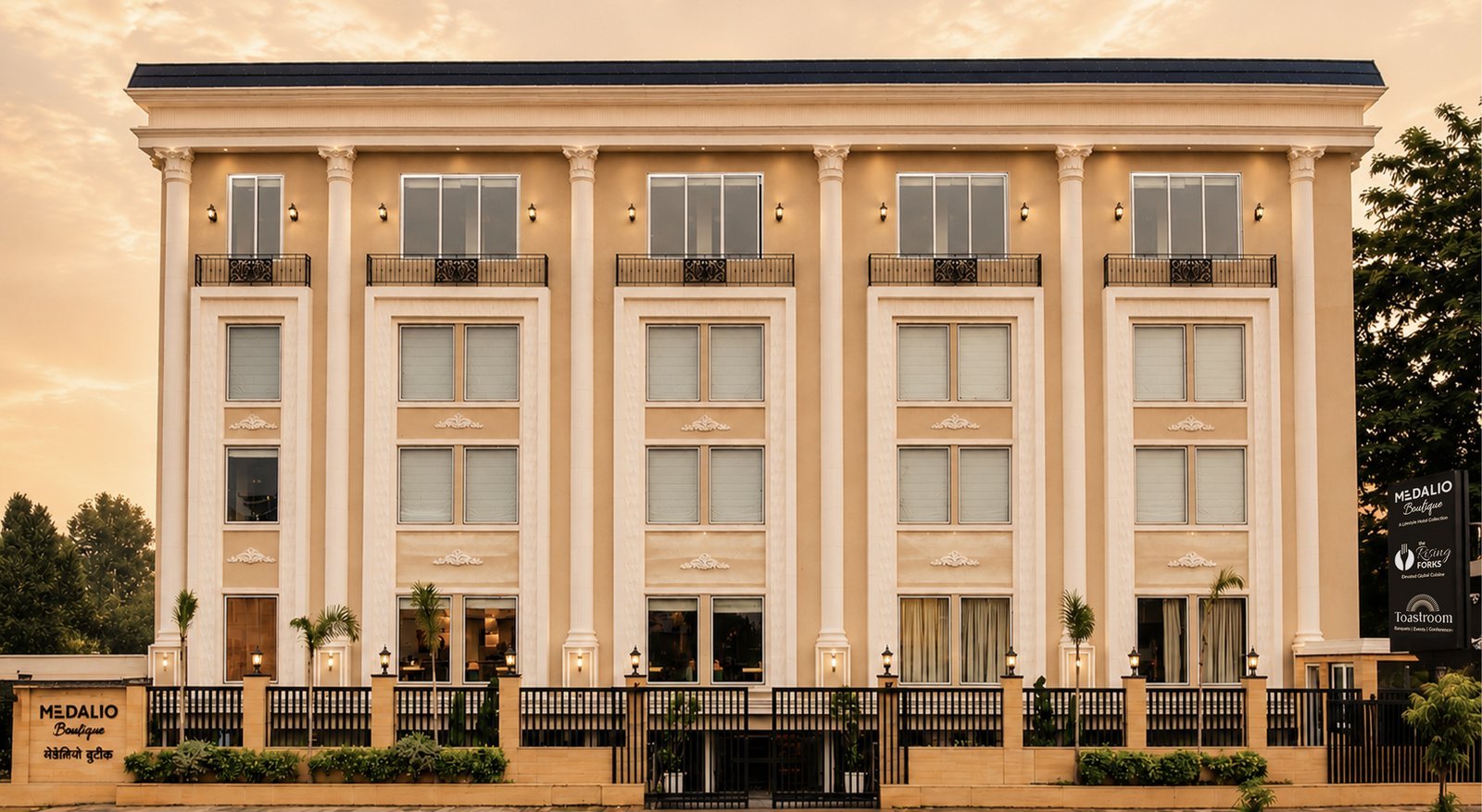
The Digital Deadbolt: Is Your Hotel’s Wi-Fi More Vulnerable Than Your Front Door?
/![[HERO] The Digital Deadbolt: Is Your Hotel’s Wi-Fi More Vulnerable Than Your Front Door?](https://cdn.marblism.com/SyuC1K30O_7.webp)
Let’s be honest: when we think of "Security & Loss Prevention," most of us still picture a sturdy deadbolt, a heavy-duty safe, and a security guard patrolling the hallways at 3:00 AM. We think of physical barriers. We think of preventing someone from walking out the front door with a 50-inch TV or breaking into a guest’s room to snag a stray watch.
But if there’s one thing we’ve learned at hospemag, it’s that the "modern burglar" doesn’t need a crowbar or a mask. They don’t even need to be in the building. They just need a laptop, a latte, and a seat in your lobby.
In 2026, the frontline of hotel security has shifted. It’s no longer just about the strength of your door frames; it’s about the strength of your encryption. Welcome to the era of the "Digital Deadbolt."
The Laptop is the New Crowbar
Imagine a guest, let’s call him "The Ghost." He’s sitting in your stylish lounge area, looking every bit like the digital nomads we love to host. He’s sipping an oat milk latte, browsing on a sleek MacBook, and occasionally checking his watch. To your staff, he looks like a high-value guest catching up on emails. To your network, he’s a predator.
With a few lines of code and a cheap Wi-Fi pineapples (a device used for network penetration), The Ghost can create a "Man-in-the-Middle" attack. He sets up a fake Wi-Fi network that looks exactly like yours, maybe he calls it "Guest_HighSpeed_Premium", and waits. As soon as a guest connects, he’s inside. He can see every password they type, every credit card number they enter, and every sensitive corporate email they send.

This isn’t just a guest problem; it’s a hotel problem. When a guest’s data is compromised while staying under your roof, your reputation is the first thing to burn. We’ve seen the industry evolve through various summits, like the AI Impact Summit 2026, where the conversation is rapidly moving toward how we protect the "invisible" assets of our guests.
Why Your Door Locks Aren’t Enough
You might be thinking, "But Penny, we just upgraded to the latest RFID keycards. Our rooms are fortresses!"
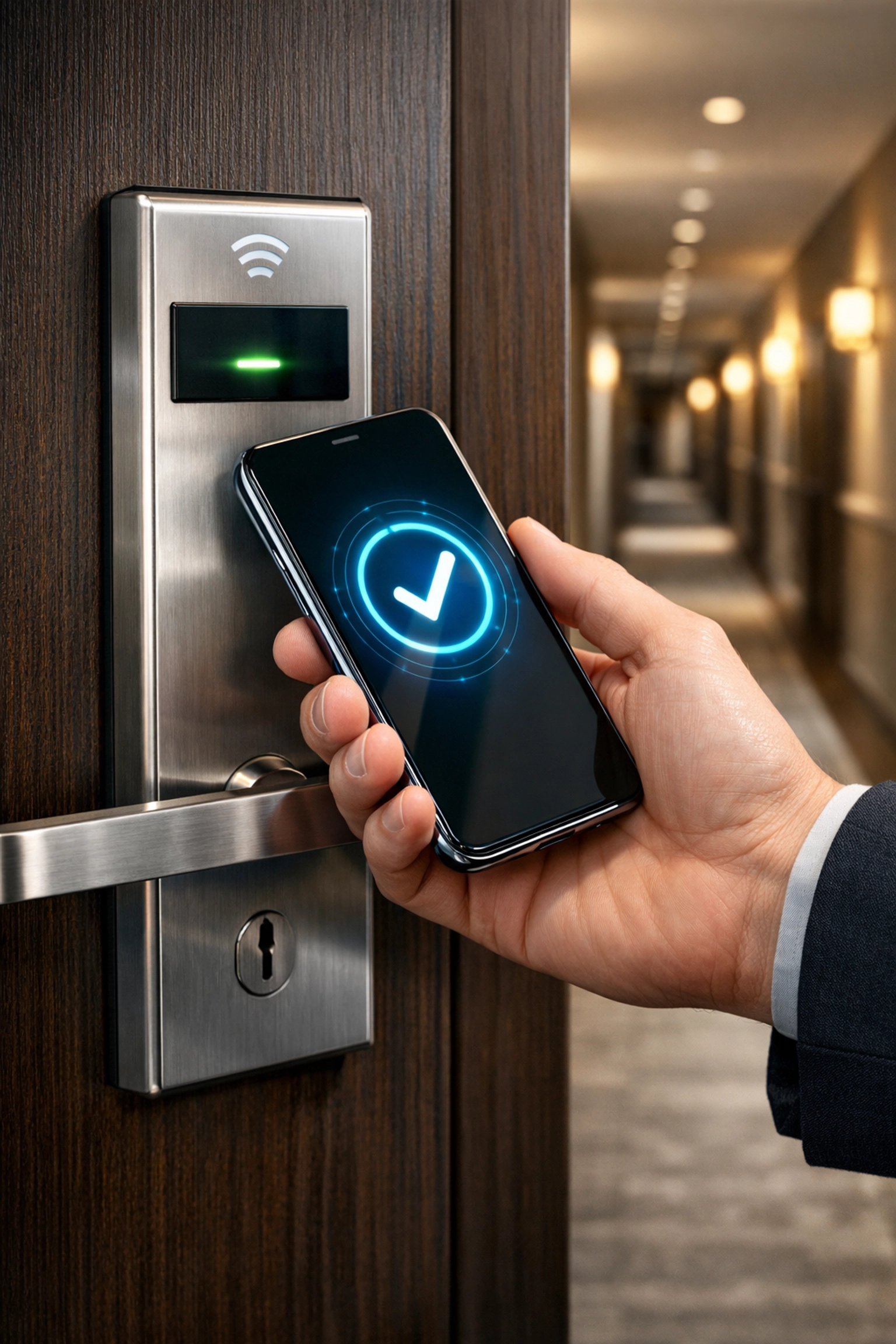
Well, let’s look at the reality. Recent industry research has sent shockwaves through the sector by revealing that certain electronic RFID locks, used in millions of rooms worldwide, contain software vulnerabilities. An attacker doesn't need to pick the lock; they just need to "spoof" it. By reading the data on one single keycard (even an expired one from the checkout box!), they can generate a master key that overrides the physical deadbolt.
When the software is compromised, the hardware becomes irrelevant. This is why we call it the Digital Deadbolt. If your network isn't secure, your physical security is just theater.
The Data Gold Mine: Why Hackers Love Hotels
Hotels are a "one-stop shop" for hackers. Think about the sheer amount of data we hold:
- Credit Card Info: Obviously.
- Passport Details: Often required for international check-ins.
- Personal Habits: Where they eat, what they buy, who they travel with.
- Corporate Secrets: Business travelers are often working on confidential projects over hotel Wi-Fi.
If a hacker gets into your Property Management System (PMS), they haven't just stolen a TV, they’ve stolen the keys to thousands of lives. This is a massive "Loss Prevention" issue. The financial loss from a data breach, lawsuits, GDPR fines, and the massive hit to your brand equity, dwarfs the cost of a few stolen towels.
We’ve seen incredible innovations in the industry lately, from new boutique additions like Arka Suites to the expansion of The Hosteller. But as we grow and secure more funding, we also become bigger targets. Every new launch is a new door that needs a digital lock.
The Human Element: Training Your Frontline
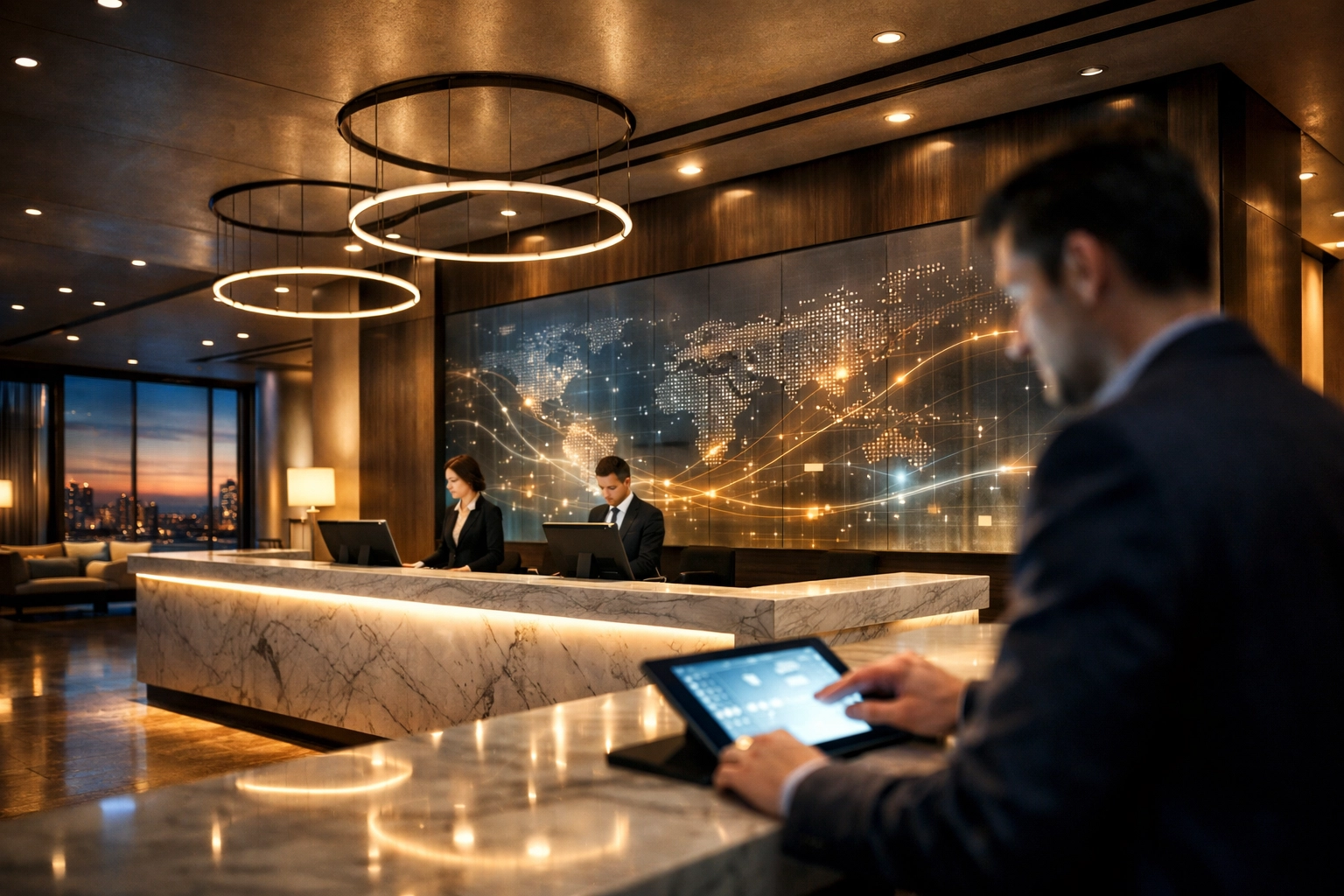
Let’s talk about your team. Your front desk staff are your first line of defense, but they can also be your biggest vulnerability. Social engineering is a favorite tactic for modern thieves.
“Hi, I’m from the IT department. We’re seeing some lag on your terminal, could you give me your login credentials so I can run a remote diagnostic?”
If your team hasn’t been trained to recognize these "phishing" attempts, they’ll hand over the keys to the castle with a smile and a "thank you for fixing the lag." Cybersecurity isn't just an "IT department thing." It’s a culture. Every employee, from housekeeping to the GM, needs to understand that a suspicious USB drive found in the lobby is just as dangerous as an unidentified package.
AI: The Double-Edged Sword
As we look toward the future, AI is both our greatest ally and our most sophisticated threat.
The Good: We are moving toward "Predictive Security." AI systems can now monitor network traffic in real-time. If it notices a weird spike in data being uploaded from a guest room at 2:00 AM, it can automatically flag it or kill the connection. AI can also help in biometric authentication, ensuring that the person using the "digital key" on their phone is actually the guest who checked in.
The Bad: Hackers are using AI too. They use it to craft perfectly written phishing emails or to run "brute-force" attacks on your Wi-Fi passwords at speeds humans can't match.
The race is on. To stay ahead, hoteliers must invest in AI-driven cybersecurity tools that act as a 24/7 digital sentry.
Actionable Tips: Building Your Digital Deadbolt
If you’re feeling a little spooked, good. That means you’re paying attention. Here is how we recommend you start hardening your hotel’s digital perimeter:
- Segment Your Wi-Fi: Never, ever have your administrative computers (the ones with the credit card info) on the same network as the guest Wi-Fi.
- Implement WPA3: If your routers are still running WPA2, it’s time for an upgrade. WPA3 provides much stronger encryption for public networks.
- Encourage VPNs: Put a little card in the room or a note on the Wi-Fi login page suggesting guests use a VPN for sensitive work. It shows you care about their privacy.
- Regular Audits: Don't wait for a breach to find out you have a hole. Hire "ethical hackers" to try and break into your systems once a year.
- Update Your Hardware: Those RFID locks from 2015? They might need a firmware patch or a complete replacement. Check with your vendors today.
The Bottom Line
Security and Loss Prevention used to be about what we could see and touch. Today, it’s about what flows through the air and lives in the cloud. Whether you are running a luxury palace in New Delhi or a trendy new street food restaurant in Goa, your digital footprint is your most vulnerable asset.
Let’s stop thinking of cybersecurity as a "tech cost" and start seeing it for what it is: the ultimate insurance policy. A guest might forgive a slow check-in or a lukewarm soup, but they will never forgive a compromised identity.
It's time to lock the digital door. Because if a laptop in the lobby is the new crowbar, your Wi-Fi shouldn't be the open window.
Prepare to witness the dawn of a new era in hotel safety: one where the most important security guard is the one you can’t see! 🔒💻🏨