Marriott International Introduces Ask Bonvoy™ a New AI-Powered Search Experience Transforming Travel Exploration

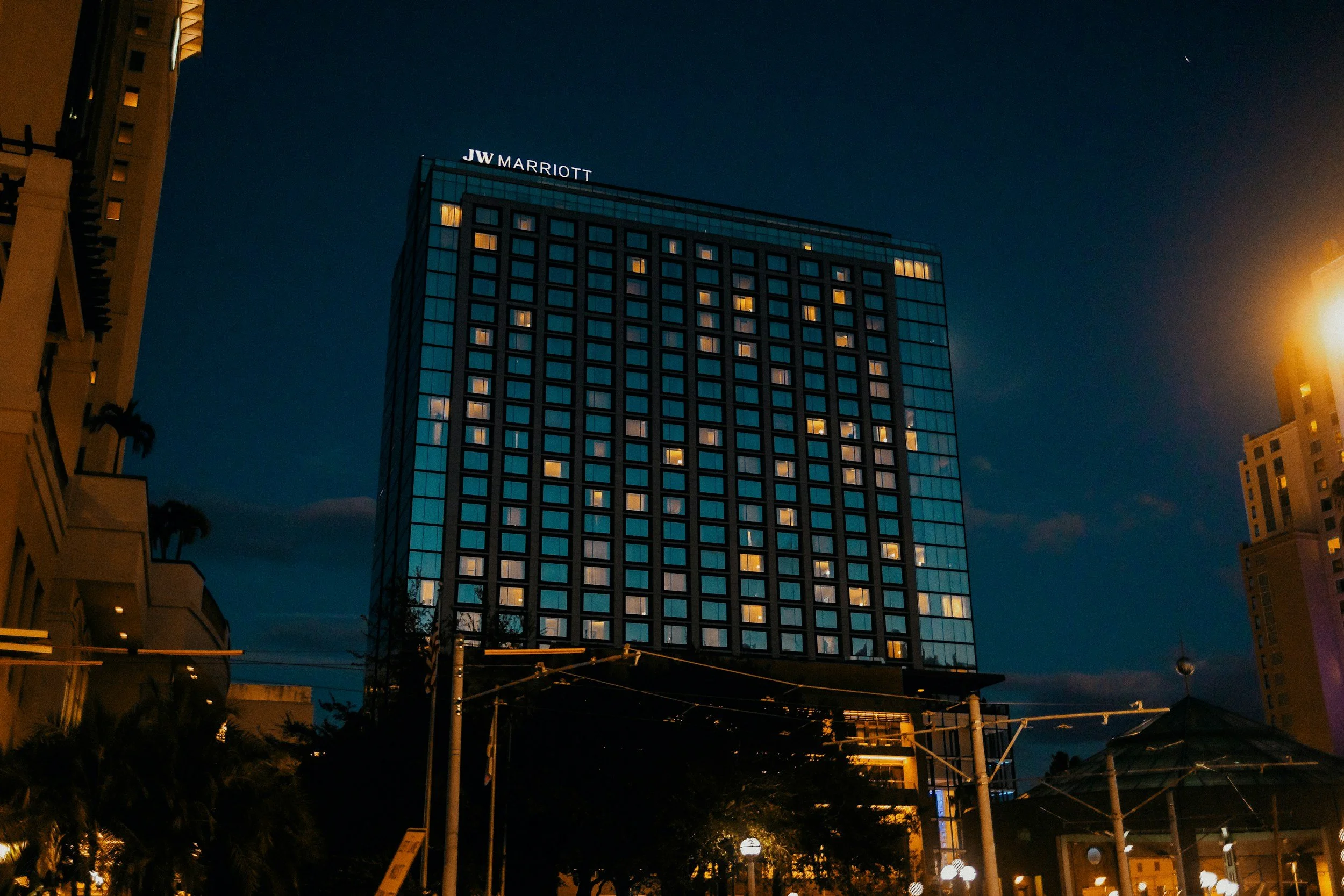
Marriott International launches Ask Bonvoy, a new conversational, natural language search experience designed to help Marriott Bonvoy members more intuitively explore the Marriott Bonvoy portfolio of approximately 10,000 properties in 146 countries and territories.

  • Ask Bonvoy is launching in beta and will initially be available in U.S. English on Marriott.com and in the iOS and Android Marriott Bonvoy mobile apps to a subset of Marriott Bonvoy members and users who sign up for Marriott Bonvoy.

  • As part of Marriott’s commitment to enhancing the Marriott Bonvoy experience, Ask Bonvoy is designed to make it easier for members to explore stays, amenities and experiences. Over time, Ask Bonvoy will be made available to Marriott’s nearly 283 million Marriott Bonvoy members and global travelers who sign up for the Marriott Bonvoy program.

Marriott International, Inc. (Nasdaq: MAR) today announced the beta launch of Ask Bonvoy™, a new conversational, natural language search experience designed to help travelers more intuitively discover incredible destinations across the Marriott Bonvoy® portfolio of approximately 10,000 properties in 146 countries and territories. Ask Bonvoy is designed to help travelers search for stays and plan their trips using conversational language, delivering customized results that lead to unforgettable experiences.

Ask Bonvoy will launch in beta and will initially be available in U.S. English on Marriott.com, and in the iOS and Android Marriott Bonvoy mobile apps to a subset of Marriott Bonvoy members and users who sign up for Marriott Bonvoy. This measured rollout reflects Marriott’s commitment to delivering a seamless customer experience, allowing Ask Bonvoy to scale gradually to adjust to real-time feedback and improve performance. A full, global release of the experience is planned for later this year.

“For nearly a century, Marriott has embraced change and been a leading innovator in the industry,” said Anthony Capuano, President and CEO, Marriott International. “Ask Bonvoy builds on that legacy, bringing conversational AI to the heart of how travelers explore Marriott’s extraordinary global portfolio. Today’s beta launch is a powerful example of our continued investment in technology as we aim to make travel planning easier, more intuitive, and more personal.”

Powered by Marriott’s proprietary AI architecture, Ask Bonvoy interprets a natural language search query, identifies a member’s trip purpose, and provides users with relevant and curated results from Marriott’s portfolio of thousands of properties around the world. Responses are grounded exclusively in Marriott owned, verified property data rather than open web content, fostering greater reliability for guests looking to understand hotel features and amenities such as dining options, spa experiences and recreational offerings like golf.

“Travelers are increasingly looking for faster, more intuitive ways to search, explore, and plan their trips,” said Drew Pinto, Executive Vice President and Chief Revenue & Technology Officer, Marriott International. “Grounded in Marriott’s own data and backed by the power of Marriott Bonvoy’s portfolio of offerings, Ask Bonvoy is designed to meet travelers in a modern way at every point in their journey, whether they know exactly where and when they’d like to travel or are just beginning their trip discovery. Our measured launch allows us to learn directly from our customers on how they like to search so we can refine and adapt before we scale globally. We are excited to launch Ask Bonvoy as Marriott continues to transform the future of travel.”

Your browser does not support the video tag.

Ask Bonvoy is designed to complement the existing search function on Marriott.com and in the Marriott Bonvoy Apps. Members using Ask Bonvoy in beta can continue to search using traditional dates and location filters, while also choosing to explore destinations and properties through more conversational prompts such as travel purpose, location attributes, and desired amenities such as dining, spa and golf options. Once users have identified their stay within the Ask Bonvoy platform, the experience will seamlessly hand off to Marriott’s existing booking capabilities to complete reservations. As Marriott continues to refine the Ask Bonvoy experience, the model will support loyalty points-based searches over time.

The launch of Ask Bonvoy is the latest step in Marriott’s digital and technology transformation journey. Marriott actively collaborates with numerous tech companies and is partnering with Google on its forthcoming Google AI Mode travel product and with Open AI on its Ad Pilot Program. In 2024, Marriott launched an industry-leading natural language search capability on its Homes & Villas by Marriott Bonvoy platform.

Over time, Marriott plans to make Ask Bonvoy available to its nearly 283 million Marriott Bonvoy members and global travelers who sign up for the Marriott Bonvoy program and book exclusively on Marriott.com and the Marriott Bonvoy Apps.

NOTE ON FORWARD-LOOKING STATEMENTS

This press release contains "forward-looking statements" within the meaning of United States federal securities laws, including statements related to the beta launch of Ask Bonvoy; opportunities to scale and improve Ask Bonvoy performance; the expected full global launch of Ask Bonvoy; the continued evolution of the Ask Bonvoy experience, including as relates to loyalty points-based searches; and similar statements concerning possible future events or expectations that are not historical facts. Marriott cautions you that these statements are not guarantees of future performance and are subject to numerous evolving risks and uncertainties that the company may not be able to accurately predict or assess, including the risk factors that Marriott describes in its U.S. Securities and Exchange Commission filings, including the company's most recent Annual Report on Form 10-K or Quarterly Report on Form 10-Q. Any of these factors could cause actual results to differ materially from the expectations we express or imply in this press release. We make these forward-looking statements as of the date of this press release and undertake no obligation to publicly update or revise any forward-looking statement, whether as a result of new information, future events or otherwise.
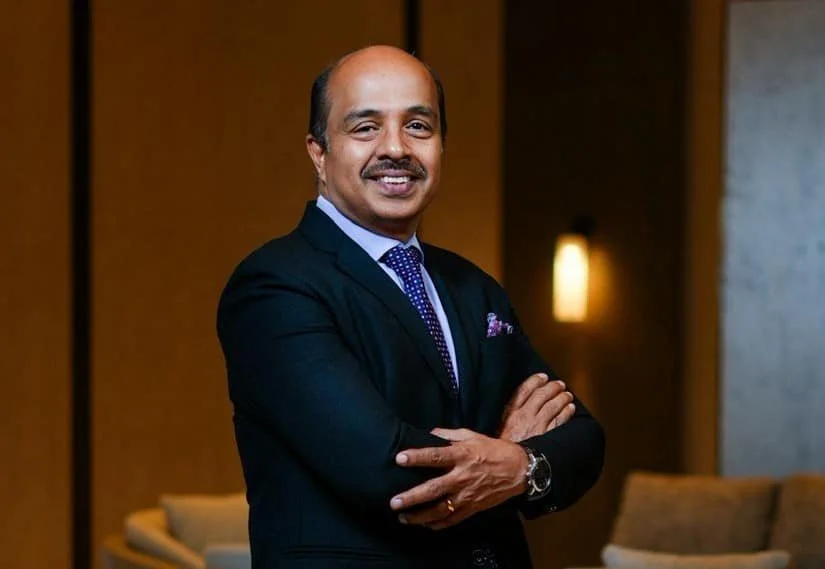

Manufacturing, AI and Hospitality: Tamil Nadu’s blueprint for the future

An in-depth perspective on how Tamil Nadu’s institutional strength, infrastructure, and human capital continue to drive sustained economic momentum.

Tamil Nadu’s growth story is often spoken about in numbers, rankings, and recent investment announcements. But to truly understand why the state continues to outperform, attract global capital, and create inclusive prosperity, one must look deeper, into its long institutional memory, its early investment on infrastructure and human capital, and its rare ability to sustain economic momentum across decades, governments, and industries.

As someone who has witnessed the state’s evolution not just as a business leader but as a long-term investor in its cities, people, and culture, I believe Tamil Nadu represents one of India’s most complete development models, one that blends industrial strength with social outcomes, and modern economic ambition with deep-rooted civilizational evolution.

Early industrial foundations

To draw a growth trajectory and highlight significant milestones, Tamil Nadu’s industrial journey did not begin after Independence. It began much earlier, at a time when large parts of India had limited access to electricity. The Pykara Hydroelectric Project in the Nilgiris was commissioned in the year 1932. It was the first hydroelectric project launched and successfully implemented by the state, was among the highest in Asia at the time and continues to stand among the significant hydroelectric projects in the world.

This early access to reliable power changed the destiny of entire regions. Coimbatore, once a trading center, transformed into an industrial powerhouse. Power-driven looms replaced manual labor, enabling scale, productivity, and competitiveness. By 1947, Coimbatore was already known as the “Manchester of India.” Simultaneously, match factories flourished in Sivakasi, leather tanneries emerged in Ambur and Dindigul, and small engineering workshops spread across towns and districts.

By the time India attained Independence, Tamil Nadu was not seen as an agrarian backwater but as a state with industrial muscle memory, an economy that had already tasted manufacturing-led growth.

Post-independence industrial growth

Post-1947, the momentum accelerated. Railway coach manufacturing came to Chennai, heavy electrical equipment manufacturing to Tiruchirappalli and defense vehicle manufacturing to Avadi. Each large public sector unit became an anchor around which entire ecosystems developed. Suppliers, foundries, machine shops, component manufacturers, and small engineering firms grew in concentric circles around these factories.

Through the 1960s, 70s, and 80s, Tamil Nadu quietly but steadily built one of India’s strongest manufacturing bases. Tiruppur emerged as a global knitwear export hub producing 90% of India’s cotton knitwear exports, Karur specialized in home textiles and is knows as the “Textile Capital” of Tamil Nadu, Salem strengthened its position in steel and is referred to as “Steel City of South India”, Erode became synonymous with turmeric and is called “Turmeric City” or “Manjal Maanagaram”, and Coimbatore evolved into a center for precision engineering and pumps.

This was not accidental growth. It was the outcome of continuity, planning, and the consistent strengthening of institutions.

Liberalisation and transformation

The 1991 economic liberalization opened a new chapter for Indian states. Tamil Nadu responded swiftly and decisively. In 1992, it became one of the first states in India to release a comprehensive industrial policy. Land was allocated quickly, approvals were fast-tracked, single-window clearances were implemented, and infrastructure was prepared in advance. Importantly, promises were followed by delivery.

The defining moment came in 1995, when Tamil Nadu won the bid for Ford Motor Company’s first manufacturing facility in India. Competing against several other states, Tamil Nadu prevailed because it was faster, clearer, and more reliable in government procedures. Ford’s arrival triggered a cascade. Hyundai followed, then Nissan, Renault, BMW, and several others. Chennai earned its global moniker as the “Detroit of Asia.”

What stood out was that institutions worked regardless of political changes. Industrial financing bodies, land development corporations, and small industry support agencies continued to function with professionalism and predictability. This institutional stability is one of Tamil Nadu’s greatest but least advertised strengths.

Infrastructure and connectivity

Manufacturing needs three fundamentals: power, transport, and connectivity. Tamil Nadu invested in all three for decades. Electricity reached rural areas early, allowing industries to flourish across districts rather than clustering in one city. Industrial growth spread across urban centers and rural towns alike.

A strong road network connected small cities to ports. Ports on both coasts enabled exports at scale. Cars assembled in Chennai could reach a ship within hours. Today, the state has over 7,000 kilometers of national highways, extensive rail connectivity, seven airports, and major ports supporting global trade.

This distributed model ensured resilience. Growth was not concentrated in one geography or one sector.

Culture and tourism

Beyond industry, Tamil Nadu’s cultural depth and natural diversity make it uniquely positioned for the experience economy. With over 4,00,000 temples, the state is a spiritual powerhouse. Temple tourism is vibrant and deeply embedded in everyday life. Tamil Nadu is also India’s cultural capital, home to one of the world’s oldest living classical languages, rich scientific traditions, and timeless art forms.

Its natural landscapes are remarkably diverse, from the hill stations of Ooty, Kodaikanal, and Coonoor to the Western Ghats, dense forests, pristine beaches, mangroves like Pichavaram, and expansive plains. With India’s second-longest coastline stretching over 1,076 kms, the state offers heritage port towns, marine adventure, and thriving coastal cultures. Five national parks, multiple wildlife and bird sanctuaries, and rich biodiversity make it a haven for eco-tourism.

This combination of connectivity, culture, cuisine, and climate makes Tamil Nadu an emerging destination for tourism, weddings and large-scale celebrations. The market is conducive, supported by strong infrastructure, road connectivity, and a culinary tradition that is both diverse and deeply rooted.

Investing in human capital

Equally important was Tamil Nadu’s sustained investment in people. Engineering colleges, ITIs, and polytechnics multiplied. Technical skills became abundant. The early implementation of the mid-day meal scheme ensured children stayed in school, reducing dropout rates and improving nutrition. Those children are today’s factory workforce, literate, disciplined, and trainable.

The outcomes are striking. Around 80 percent of students complete school. Nearly half of young adults attend college. Tamil Nadu has one of the highest literacy rates in India and one of the strongest primary healthcare networks, with more doctors in primary health centers than most states. These indicators reflect a population that is high on capability, aspiration, and adaptability.

Women have played a transformative role. Over 40 percent of India’s female manufacturing workforce is in Tamil Nadu, powering sectors such as textiles, garments, electronics, and assembly lines. This has had far-reaching social and economic implications, making growth more inclusive and sustainable.

A diversified, future-ready economy

Tamil Nadu never relied on a single industry. Its policies deliberately enabled diversification across textiles, automobiles, electronics, aerospace and defense, semiconductors, life sciences, IT, engineering, renewables, and electric vehicles. Traditional strengths were continuously modernized and integrated into global supply chains. Each sector reinforced the others, spreading risk and deepening supplier networks.

Today, Tamil Nadu is India’s fastest-growing large state economy, having grown by around 11 percent last year when India needs to grow at 8 percent annually to reach developed status by 2047. Manufacturing growth in the state is more than three times the national average. One-fourth of the state’s economy is driven by manufacturing. Tamil Nadu has the highest number of factories in India, accounting for over 15 percent of the country’s total factory count, and 100 percent of its districts are industrially developed.

It is India’s second-largest economy with an estimated GDP of over ₹31 lakh crore. The state is the largest exporter of electronic goods, the largest exporter of textile products, and the second-largest exporter of engineering goods. It produces nearly one-third of India’s textiles and around 40 percent of the country’s electric vehicles. Apple manufactures a significant share of iPhones here. Tamil Nadu leads in cars, two-wheelers, electronics, and technology support jobs.

The next wave of investments

The Tamil Nadu government has articulated ambitious economic goals, including achieving a $1 trillion economy through sustained double-digit growth, industrial expansion, and foreign and domestic investments. Government efforts focus on making the state a preferred destination for global businesses while nurturing SMEs.

Global investors continue to commit tens of billions of dollars to Tamil Nadu. In 2025 alone, the state attracted investments exceeding ₹2 lakh crore, focused on future technologies. Electronics and semiconductors, aerospace and defense, electric mobility, renewable energy, data centers, shipbuilding, and man-made fibres are seeing unprecedented activity.

The state has launched the Tamil Nadu Artificial Intelligence Mission to integrate AI across sectors, improve governance services, and boost technological research and innovation. It is set to host India’s first sovereign AI park, with an investment of around ₹10,000 crore. This initiative is expected to create thousands of high-skilled deep-tech jobs and build a robust, inclusive AI ecosystem rooted in public interest, positioning the state and the country as leaders in scaled AI deployment.

Where AI Enhances Hospitality—Without Replacing the Human Touch

Hospitality has always been defined by people—the warmth of a welcome, the intuition of service, and the creation of memorable experiences. As artificial intelligence (AI) becomes more integrated into hotels and travel services, its role is not to replace human interaction, but to strengthen it.

AI now shapes the guest journey before arrival, analysing booking behaviour, preferences, and travel purpose to personalise stays in advance. This ensures guests feel recognised, while staff can focus on genuine engagement rather than last-minute data collection. It also improves room allocation, balancing loyalty status, preferences, and operational constraints to reduce errors and enhance satisfaction.

Behind the scenes, predictive analytics drive operational efficiency—optimising staffing, energy use, and housekeeping schedules. For international travellers, AI-powered translation tools bridge language barriers, helping staff confidently serve diverse guests. Over time, AI builds a memory of guest preferences, ensuring returning visitors are welcomed with familiarity and care.

Perhaps most importantly, AI reduces the cognitive load on frontline teams. By handling routine alerts and decisions, it allows employees to remain calm, attentive, and present—qualities that define true hospitality.

AI’s greatest contribution lies in its quiet support. It works in the background, enabling efficiency and personalisation, while leaving the heart of hospitality—human warmth and connection—untouched.

PHA Delhi Chapter Hosts Insightful Webinar on AI in Facility Management

Marking its presence in the National Capital Region, the Professional Housekeepers Association-Delhi Chapter successfully organized its inaugural session—a webcast titled ‘Explore the Future of Facility Management Through AI’—on February 22, 2025. The webinar aimed to provide valuable insights into the evolving role of Artificial Intelligence (AI) in facility management, highlighting its transformative impact on operations, efficiency, and sustainability.

The session witnessed an overwhelming response, with more than 100 participants including PHA YUVA members, faculty members, and industry professionals from all over India. The keynote speaker for the event was the esteemed Mr. Ramkumar Neelakandan, Head of IT Operations, Technology & Innovation at Noida International Airport.

In his address, Mr. Ramkumar provided an in-depth analysis of AI’s role in automating facility operations, minimizing manual intervention, and enhancing operational efficiency. He emphasized the significance of AI-driven energy optimization, advanced security systems, and IoT integration in modern facility management. Additionally, he addressed key challenges such as data security concerns, implementation costs, and workforce adaptation to AI technologies.

The webinar was highly engaging, featuring an interactive Q&A session where participants actively exchanged thoughts and queries. The speaker’s real-world expertise and practical examples enriched the discussion, making it an enlightening experience for attendees. Fulfilling PHA’s objective of bridging the gap between industry and academia, the session effectively enhanced participants’ understanding of AI-driven facility management, equipping them with practical knowledge and industry insights. Through its thought-provoking discussions and expert-led dialogue, the webinar served as a pivotal step toward embracing AI innovations in the facility management sector.

In his concluding remarks, Mr. Ramkumar, the session’s expert speaker, commended PHA’s mission and vision, acknowledging its efforts in fostering industry-academia collaboration. He also expressed his enthusiasm for future initiatives aimed at furthering knowledge exchange and professional growth in the field.

Skyscanner Launches New Generative Ai Tool

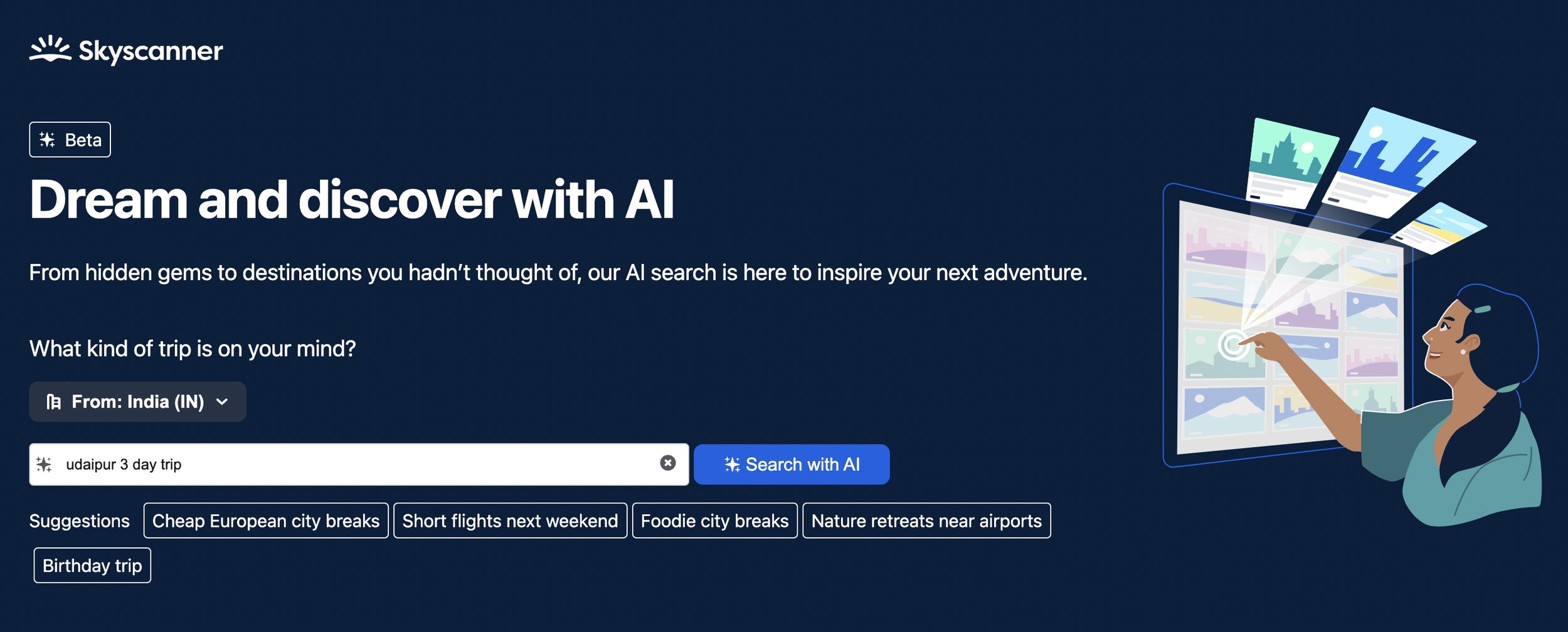
Global travel marketplace Skyscanner has launched a new search discovery and inspiration tool, powered by generative AI. Called “Dream and discover with AI”, the tool is initially launching in beta in Australia, India, and Singapore to test traveller behaviour when it comes to using AI for trip planning, with other markets set to follow.

Powered by Open AI’s Chat GPT technology, travellers can ask open ended statements and questions such as “Best cities for cultural tours” or “What are some hidden gems in Europe?”. It also includes a variety of prompts ranging from “Short flights next weekend” to “Foodie city breaks”. The tool will then generate travel ideas and recommendations as well as three destination suggestions with links to the best flight options for each.

Unlike other generative AI travel tools and chatbots, imagery is combined with rich destination descriptions to highlight the unique characteristics of each suggestion. Upon deciding a destination, travellers are taken straight into Skyscanner’s flight search funnel to choose their flight.

Piero Sierra, Chief Product Officer at Skyscanner commented:

“Generative AI is such an exciting technology that we as a travel industry are only just beginning to apply. 56% of travellers are coming to Skyscanner for inspiration so with this beta launch we are looking to understand how it might help travellers in the discovery phases of the travel planning journey, and importantly how they engage with the technology versus existing tools. This one of many experiments we are running to see how generative AI can be incorporated into the core Skyscanner proposition – helping travellers plan and book their trip with ease and confidence - in the future.”

The beta phase will allow Skyscanner to gather feedback, engagement, and conversion data to optimize and enhance future traveller first product development.

www.skyscanner.co.in/discover-with-ai

LTC Hospitality Pvt. Ltd. expands its portfolio with the launch of THE ROBOT RESTAURANT – YELLOW HOUSE, Lucknow

A New and Appealing Concept of Robots as Waiters to provide a futuristic dining experience


Lucknow, August’23: Culinary enthusiasts in Lucknow have a reason to celebrate as the much-anticipated THE ROBOT RESTAURANT – YELLOW HOUSE opens its doors in the city. The restaurant stands at the forefront of the culinary landscape, seamlessly blending technology, tradition, and taste to create an unparalleled dining experience. The restaurant, which has its roots in Jaipur now expanding its horizons to Lucknow, unveiled its latest outlet marking its first foray into the non-vegetarian culinary landscape of the city, thereby introducing a harmonious fusion of global culinary delights with Indian flair.


THE ROBOT RESTAURANT – YELLOW HOUSE has earned its reputation as a trailblazer in the realm of innovative fusion cuisine. The restaurant's fusion of global flavors with an Indian twist has garnered attention far and wide. With the backing of LA Delight Hospitality Private Limited, the restaurant chain is set to elevate the city's dining scene to new heights.


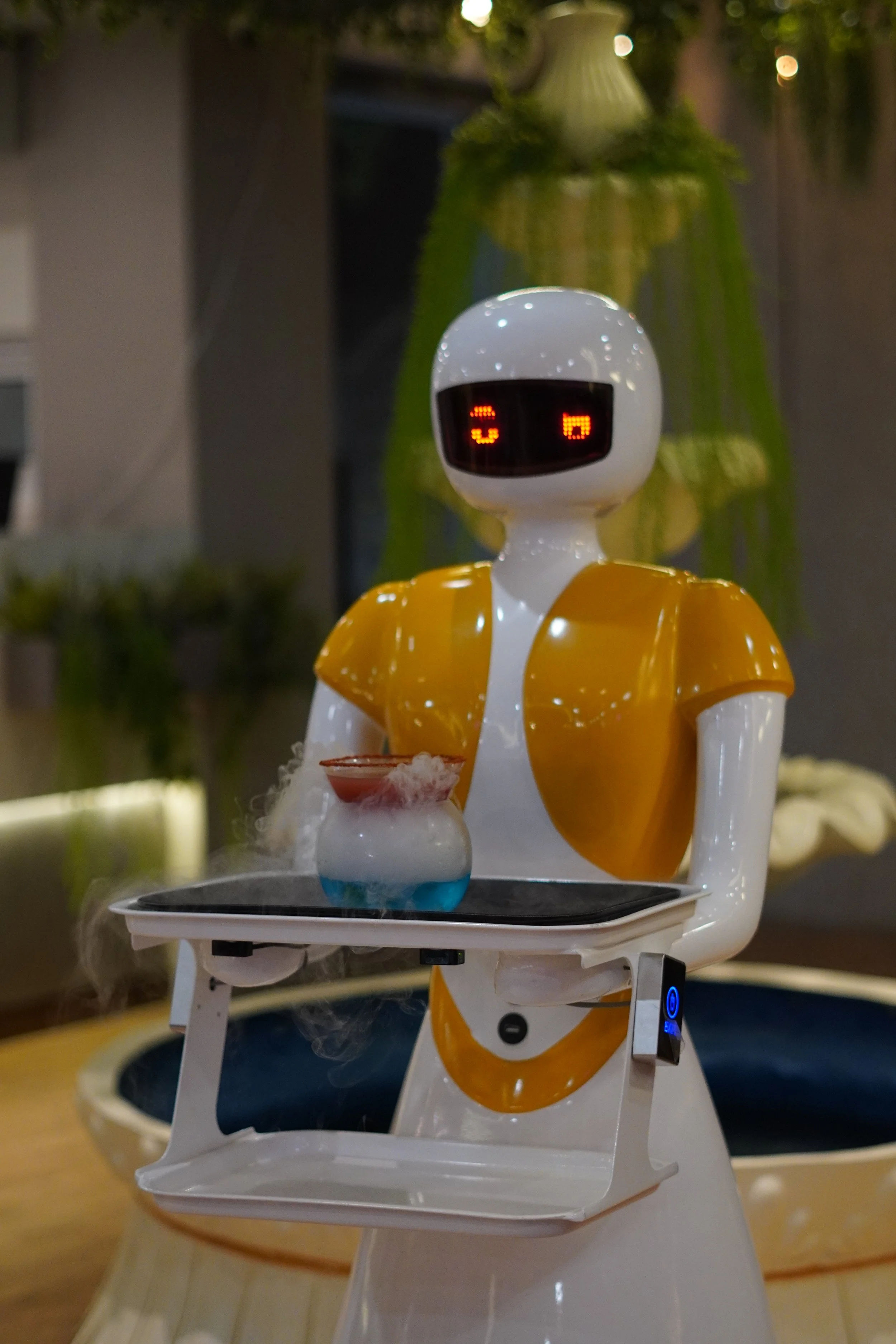
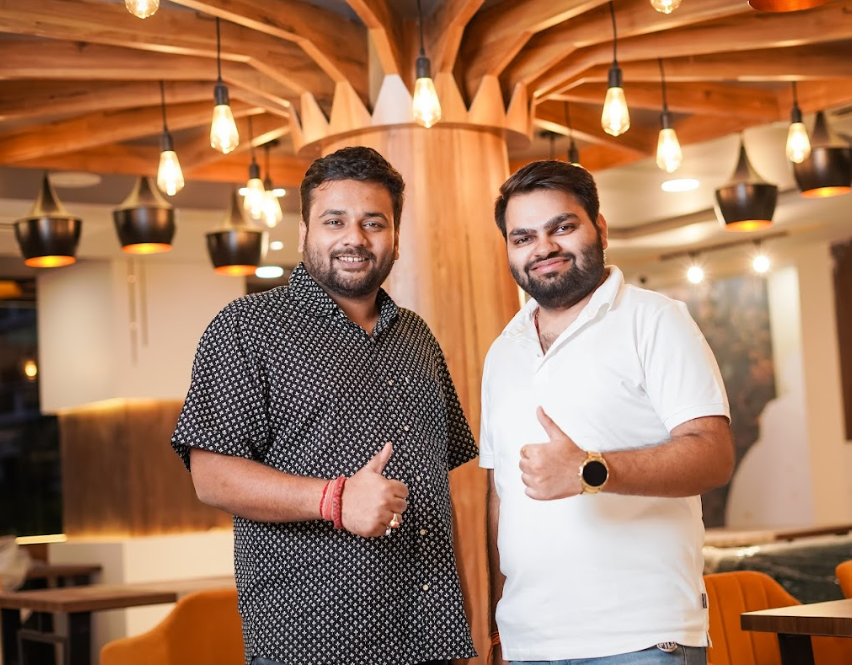
“What sets THE ROBOT RESTAURANT – YELLOW HOUSE apart is its seamless integration of cutting-edge technology and culinary finesse”, said Aniket Shrivastava, Director of LA Delight Hospitality PVT LTD. “The restaurant proudly presents, ROBOT RUBY and ROBOT DIVA, the robotic servers that meticulously deliver each dish to patrons' tables. This high-tech addition underscores the establishment's commitment to delivering an impeccable dining experience”, he further added.


With the introduction of their inaugural non-vegetarian outlet, the restaurant radiates enthusiasm in presenting Lucknow's culinary aficionados with an exceptional amalgamation of worldwide flavors interwoven with indigenous tastes. The diverse and extensive menu speaks to patrons of all age brackets, guaranteeing an indelible dining experience for each visitor.

Some of the highlights from the restaurant's expansive menu include the tantalising Mutton Korma, Handi Chicken, Dal Bukhara, delicacies from the global platter like Sushi, Bao's, and variety of Dimsums, drinks such as Foxy, Chamatkar, and many more that showcases their commitment to redefining dining through flavor, taste, and experiences that leave a lasting impression.


The restaurant takes pride in delivering a superior taste under the strictest hygiene standards. Each dish, untouched by human hands, is elegantly served by the charismatic ROBO RUBY AND DIVA. The intrigue deepens as patrons discover that the robotic servers are powered by artificial intelligence, with data from each table seamlessly integrated into their operations. The robots themselves are a resplendent shade of yellow—a hue that symbolizes the very essence of hunger. The robots themselves embody a whimsical charm that resonates particularly well with young patrons. This establishment is fully equipped to cater to special occasions such as birthdays, anniversaries, corporate gatherings, and kitty parties, even offering decoration services to elevate these moments.

Commenting on the launch, Harshit Surana, Founder and Director of LTC Hospitality Private Limited, said, “THE ROBOT RESTAURANT – YELLOW HOUSE upholds its commitment to excellence through competitive pricing, the use of fresh and high-quality ingredients, impeccable service, and adherence to stringent health protocols. The restaurant embodies the essence of Lucknow's hospitality and tourism industry, inviting patrons to embark on a gastronomic journey that marries tradition and innovation.”


Rest GPT AI

Let AI generate a free online ordering storefront for your restaurant