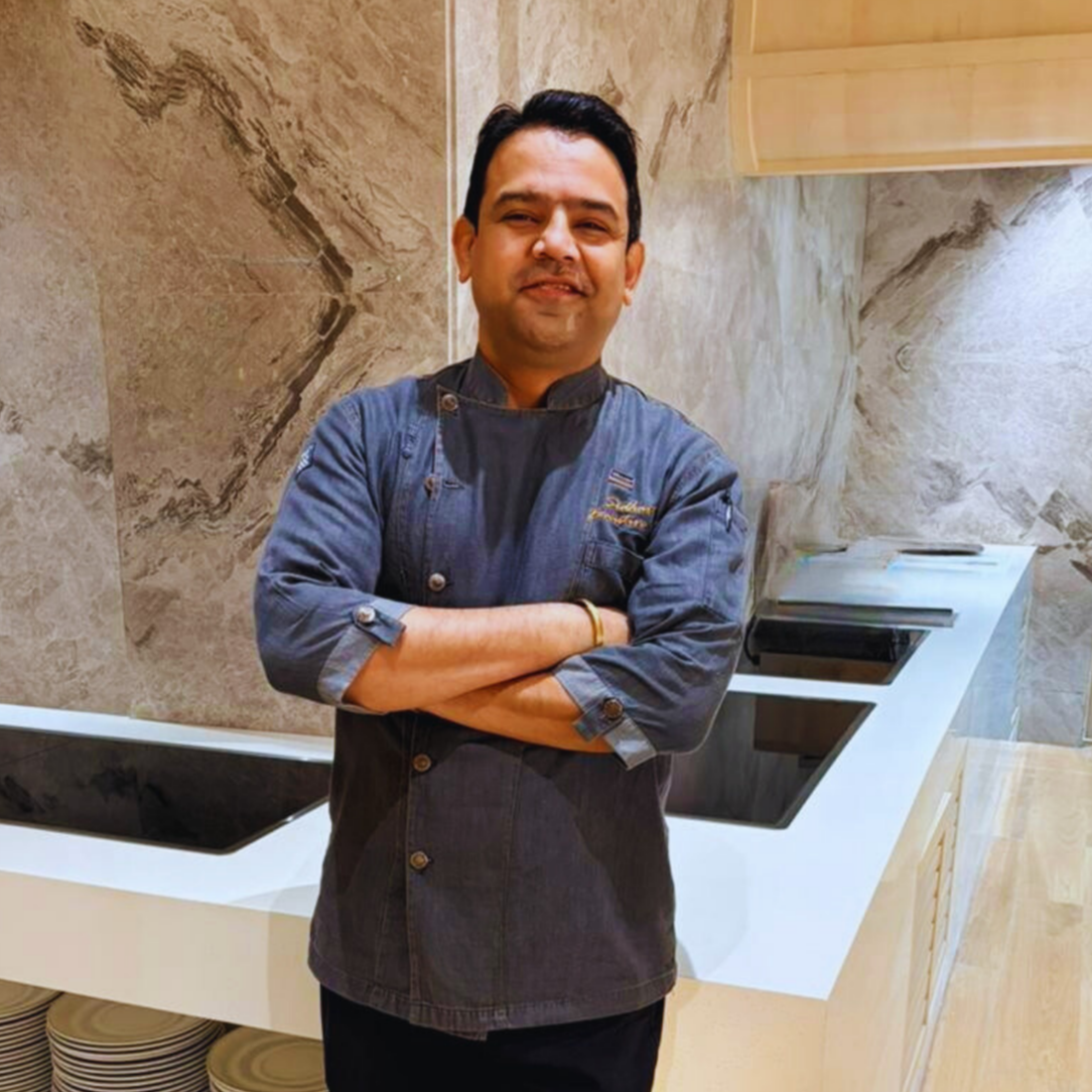
Ingredient Ideology | Ways with Green Peas By: Celebrity Master Chef – Dr. Kaviraj Khialani

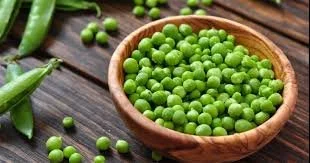
Calm, composed, versatile superfood great in its nutritive offering is how it has been defined by many foodies and gourmet lovers. Also called as garden peas, they are small spherical seeds that come from pods. One of most adored and used ingredient in many kitchens from our all-time favorite aloo mattar, pea pulao, mattar aur pyaaz ki Kachories, parathas with green pea filling, mattar paneer korma and more.

Green peas or mattar are one such ingredient which is naturally sweet legume rich in a number of our daily dietary requirements. The composition of this small yet wonderful ingredient is the pod and the pea within. The pods are rich in fiber and some of the softer varieties are consumed as well like the snow peas etc.

They are low in calories and good for our system and eases digestion as well to an extent,100 gms of green peas have around 81 calories approx. and its varied preparations from soups, salads, dips, stir fries and curries make them all the more interesting to incorporate into our diet plans.

Health benefits of Green Peas/ Mattar:

*Green peas are considered as heart healthy food and their consumption in our diet in a number of healthy ways can add to the value of our system.

* Good for our skin, they contain fair amounts of fiber and anti-oxidants which protect us in many ways.

* Peas are also a good source of all the essential vitamins and minerals we need in our body like folate, iron, phosphorus and more.

* Green peas are considered one of the best sources of plant based proteins for us and they increase the levels of certain proteins in our body which reduce number of calories consumed in a day as well.

*They are relatively low in glycemic index which is a measure known to check how quickly our blood sugar rises after eating food.

Uses of Green Peas or Mattar in our Kitchen:

  • One of my all-time favorite with green peas is a bhuna mattar aur makkai ka shorba, peas and corn roasted and then tempered to a nice light soup, besides the Pudina mattar broth, cream of green peas soup, pea and lentil puree soup.

  • Green peas are popular in Indian and both western cuisines as well from the fresh pea mash with fried fish, pea quenelles in sun dried tomato sauce, pasta with pea pesto and basil, green pea soup with bacon and sunflower seeds, pea and potato croquettes, mashed potatoes with smoked peas, pea roesti and hash browns stuffed with minted pea mixture.

  • Indian recipes like mattar filling inside the famous Kachories, cooked mashed spiced peas filling inside parathas, in doughs for puries, also try adding dehydrated pea flour/powder into your dough for making parathas etc it is tasty as well and the list gets even bigger looking at the way we add it to our subzis.

  • Mattar paneer, mattar aloo, Gobi mattar ki subzi, makhana mattar korma, pea pulao, mattar ka kofta in mildly spiced Indian gravies. while most of us love the winter fresh green peas, cleaning them is fun and storing them in our freezer keeps a bit of stock in hand as well,but we do have frozen options as well with green peas.

  • I also tried using green peas in a puree form converting it into gravies as well with addition of little spinach puree and cashew paste and coconut milk, turned out nice with chicken and cheese koftas & also with soy chunks and mushrooms.

  • Green peas with rice also has a great connect from the basic ones to the layered ones, try peas with brown rice in a pulao form by flavoring with cinnamon and add a few chopped dates into it and give it a dum for few mins.

  • From the stir fry concepts, to adding them to dips and spreads green peas are handy, helpful, tasty and easy to include in almost every dish we wish to add content color and value.


Here are a few Simple & Tasty Recipes using Green Peas or Mattar:
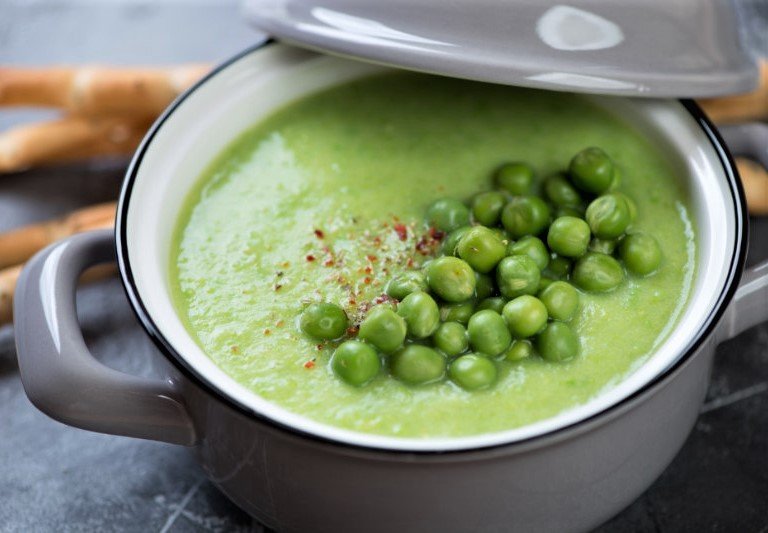
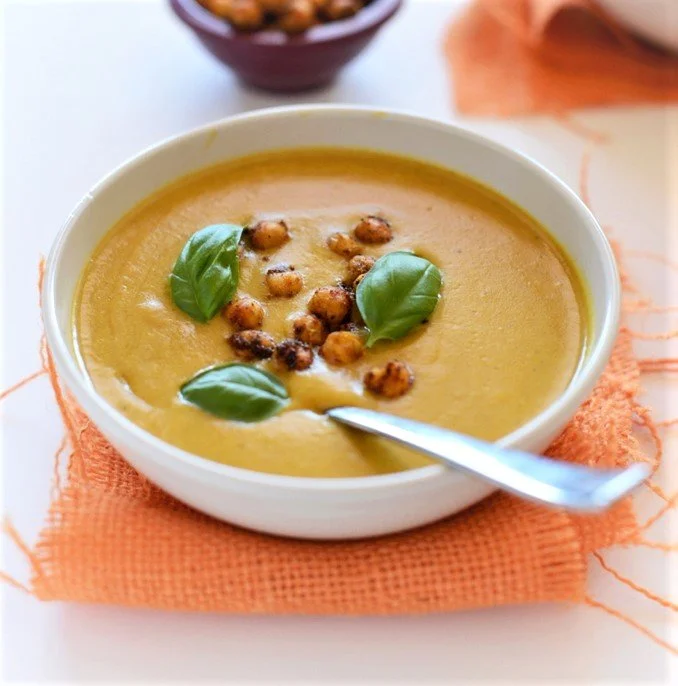
Recipe-1] HARE MATTAR KA DILKHUSH SHORBA

Ingredients

Green peas- 2 cups fresh/frozen.

Olive oil/ oil/ butter- 1 tbsp.

Bayleaf- 1 no

Garlic- 1 tsp chopped

Onion- 1 small chopped

Salt and pepper to taste

Herbs- fresh or dried as per choice

Chili flakes- 1 tsp.

Potato-1 med sized peeled and cubed.

Roasted crushed jeera-1/2 tsp

Garam masala powder-1/4 tsp.

Water/vegetable stock-4- 5 cups

Flax seeds/ melon seeds/ pumpkin seeds- 2 tsp for garnish

Low-fat cream/fresh cream/almond cream- 1 tsp garnish

Method:

1. Prepare all the ingredients for the soup.

2. Heat oil in a pan, add in the Bayleaf, onions, garlic and saute for a few seconds.

3. Add in the green peas, potato, salt and all spices, flavorings, herbs etc and mix well for 30 seconds.

4. now add in the liquid and bring to a boil, simmer for 10-15 mins and cool, puree and strain the soup well.

5. bring it back to a boil, check for seasonings, adjust the texture and serve hot.

Chefs Variations: 

For Veg: to make it more nutritious try adding ginger, green chili, soy chunks/ tofu as an option.

For added green color, we can also add spinach leaves, fresh basil leaves, broccoli etc as well.

For Non-Veg: can use chicken stock as well to make the soup and later add boiled chopped chicken in the soup and bring to a boil.


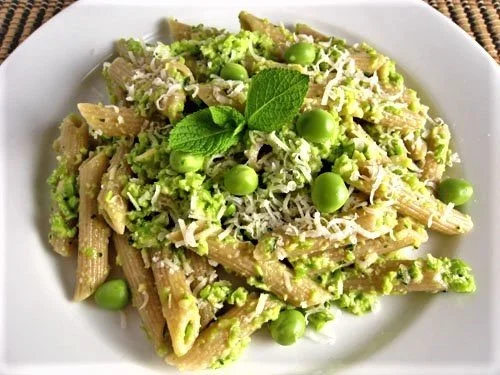
Recipe- 2] MATTAR GASHTI WALA PESTO PASTA

Ingredients:

For the Mattar Pesto:

Green peas- 1 cup boiled

Green chili- 1 tsp chopped

Fresh coriander leaves- ½ cup

Fresh mint leaves- ¼ cup

Fresh basil leaves- 1/2cup

Salt and pepper to taste

Lime juice- 2 tbsp.

Garlic- 1 tsp chopped

Oil/olive oil- 3-4 tbsp.

Chilled water- 2-3 tbsp.

Cashews/ almonds/ peanuts- 2-3 tbsp.

For the Pasta:

Use any choice of pasta as desired- penne/fusilli/macaroni etc to be boiled until just cooked and refreshed with cold water, a little sprinkle of olive oil and kept aside.

To Assemble the Dish:

Sliced saute mushrooms/ Babycorn/ blanched broccoli/ zucchini cubes/ roasted or grilled brinjal slices/ cooked sliced tandoori chicken/ saute masala prawns/ sliced grilled fish/scrambled eggs/ shredded double fried eggs/sun-dried tomatoes/canned tuna fish etc can all be a choice of additional ingredients which we can add to our pasta dish.

Elements of Garnish: 

Parmesan cheese shavings- ¼ cup or any cheese of your choice can be used. 

Cherry tomatoes- 4-5 cut 1 x2

Black olives/ green olives- 4-5 sliced

Fresh herbs like parsley/basil/coriander/mint etc.


Method:

1. Prepare the mattar pesto dressing and keep chilled in the fridge.

2. Work on the boiled pasta and keep it chilled as well.

3. In a mixing bowl combine together the sauce and pasta and choose from the add on list and incorporate that as well here and toss the salad well.

4. Arrange the dressed pasta on a salad/serving plate and choose from the garnishes and serve immediately.


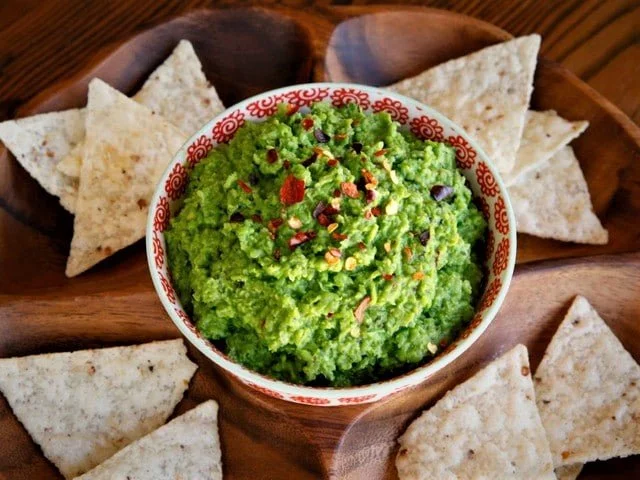
Recipe-3] KHUSHNUMA HARE MATTAR KA DIP

Ingredients

Green peas- 1 and a half cup boiled.

Blanched spinach leaves- 1 cup

Fresh coriander and mint-1 cup mix

Green chili-2 no cut

Garlic-1 tsp chopped

Celery- ¼ cup stem part cut

Olive oil/oil- 3-4 tbsp.

Salt and pepper to taste

Roasted crushed peanuts- 2-3 tbsp.

Chilled water-3-4 tbsp.

Method:

1.Prepare all the ingredients for the dip.

2. Using a grinder jar, we shall combine all these ingredients and blend it into a coarsely smooth texture, chilled water will help us to get the desired texture without discoloring it.

3. Add lime/rock salt/ chaat masala as per taste/add any seeds like sunflower/ roasted sesame seeds/pomegranate seeds etc for a crunch as well.

4. Chill the dip until being served, drizzle a little olive oil/sesame oil etc on top and serve with crackers/sticks of veggies/lavash/ toasted garlic bread/grilled or baked potatoes/chicken on skewers etc. I also tried adding tofu/cream cheese/grated cheese/grated paneer into the same dip as well for variety.

Ingredient Ideology | Monsoon Special: Chaat Pe Charcha By: Dr. Kaviraj Khialani- Celebrity Master Chef.

Chaat is an umbrella term for a wide range of roadside foods that usually feature some kind of fried dough with various ingredients that typically create a spicy, tangy, or salty flavour, though some chaat are sweet. Chaat is also referred to as a family of savoury snacks that originated in India, typically served as an hors d'oeuvre or at roadside tracks from stalls or food carts across South Asia in India, Pakistan, Nepal and Bangladesh. The different kinds of Chaat names from the collection are Aloo and Peas Chaat, Aloo Paneer Chaat, Sprouts Chaat, Raw Mango Chaat, Palak Chaat, Idli Chaat, Boondi Chaat, Cutlet Chaat, Oats Chaat, etc. There are almost more than 500 varieties of Chaat across the country in various states, cities and smaller places as well. In India, “chaat” is a word that describes more than just a set of snacks: It's a way of life, and a category of food that hits practically every element that makes something crave able—sweet, sour, tangy, spicy, and crunchy.

The original chaat is a mixture of potato pieces, crisp fried bread dahi vada or dahi Bhalla, gram or chickpeas and tangy-salty spices, with sour Indian chili and saunth (dried ginger and tamarind sauce), fresh green coriander leaves and yogurt for garnish, but other popular variants included alu tikkis or samosa. There are those who say the word chaat originated from its literal meaning 'to lick'. It was so delicious that people licked their fingers and the bowl made of peepal leaves, called donas, in which it is often served. Others think it originated from the term chatpati (tangy). However, no one truly knows the origin.

Though Chaats are prepared with a mixture of various ingredients yet, they are not so unhealthy to eat. But, there is Chaat like Aloo Tikki chaat and samosa chaat can be unhealthy especially for the people who are trying to lose weight. In short, Samosa Chaat is made when samosa is broken into bite-sized pieces and served with masala, chutney, and spices. Even though it's amazing street food, it can also be made at home. It's the perfect dish to experiment with because there are so many different sauces and spices to try it with.

Here are a few easy to toss- mix- assemble and relish options for a Sunday evening with Chaats:

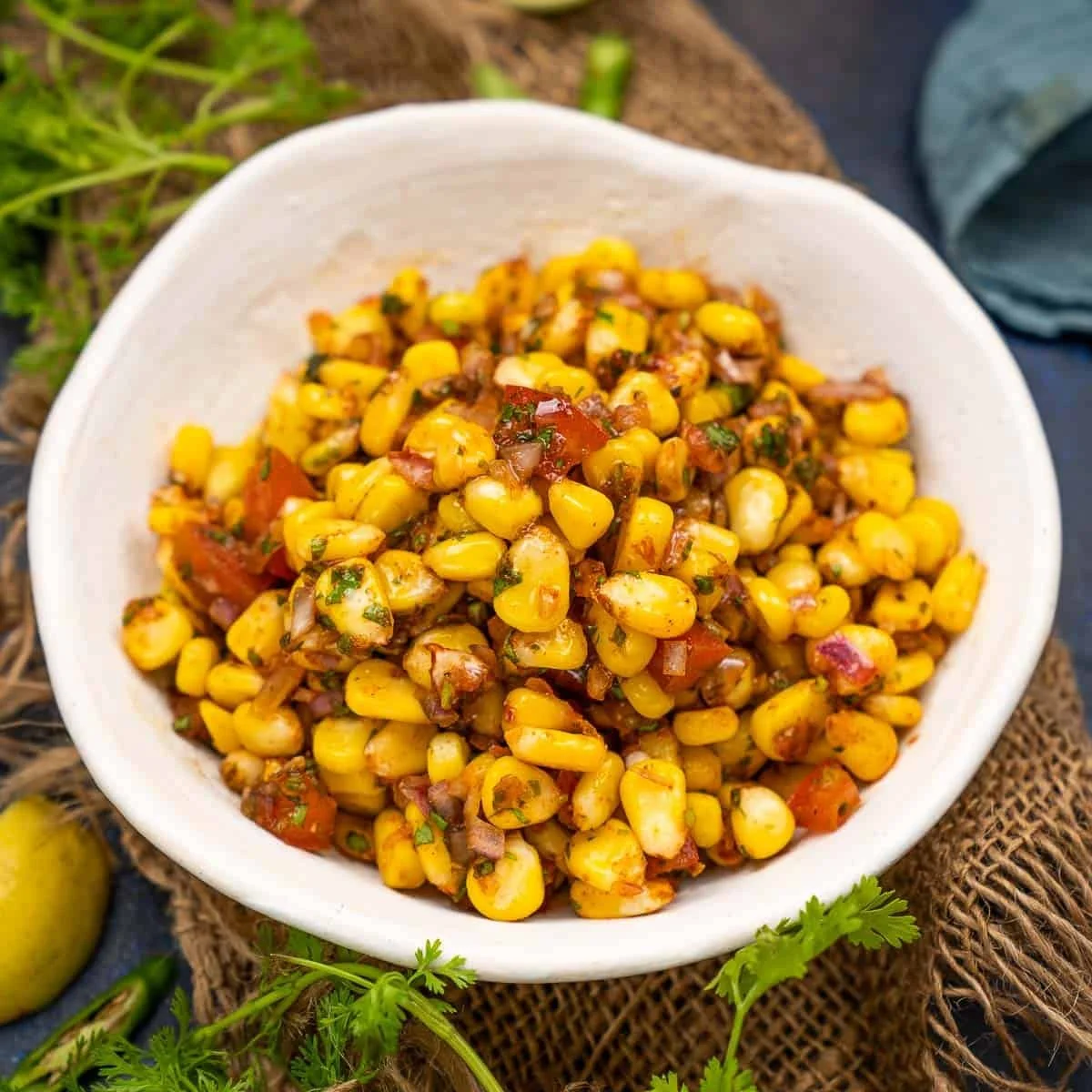
Recipe-1] CHATPATA MAKKAI WALA CHAAT

Ingredients:

Oil-2 tsp

Ginger-1 tsp chopped

Green chili-1 tsp chopped

Onion-1 small chopped

Tomato- 1 small chopped

Mint leaves- 8-10 no

Coriander leaves- 1 tbsp. chopped

Chaat masala-1/2 tsp

Lime juice-1 tsp

Tomato ketchup-1 tsp

Red chili sauce-1 tsp

Aamchur powder-1/2 tsp

Imli chutney- 2-3 tsp

Flat papdis- 4-5 no

Nylon sev- 2-3 tbsp.

Fresh anardana- 2-3 tbsp.

Method:

1. boil the American sweet corn until tender and keep aside.

2. prepare all the cutting- chopping of the ingredients as listed, keep it all chilled until used.

3. heat oil add ginger, chilies, corn and saute for a few seconds, add salt to taste, lime juice, chaat masala and all other sauces and flavourings.

4. add in the boiled corn, onions, tomatoes, mint, coriander leaves and give it all a nice mix. Add in boiled potato cubes as well for a little more volume in the chaat.

5. toss the chaat well just before serving and assemble it all on a serving plate and garnish with anardana, coriander, imli chutney and serve it chilled.

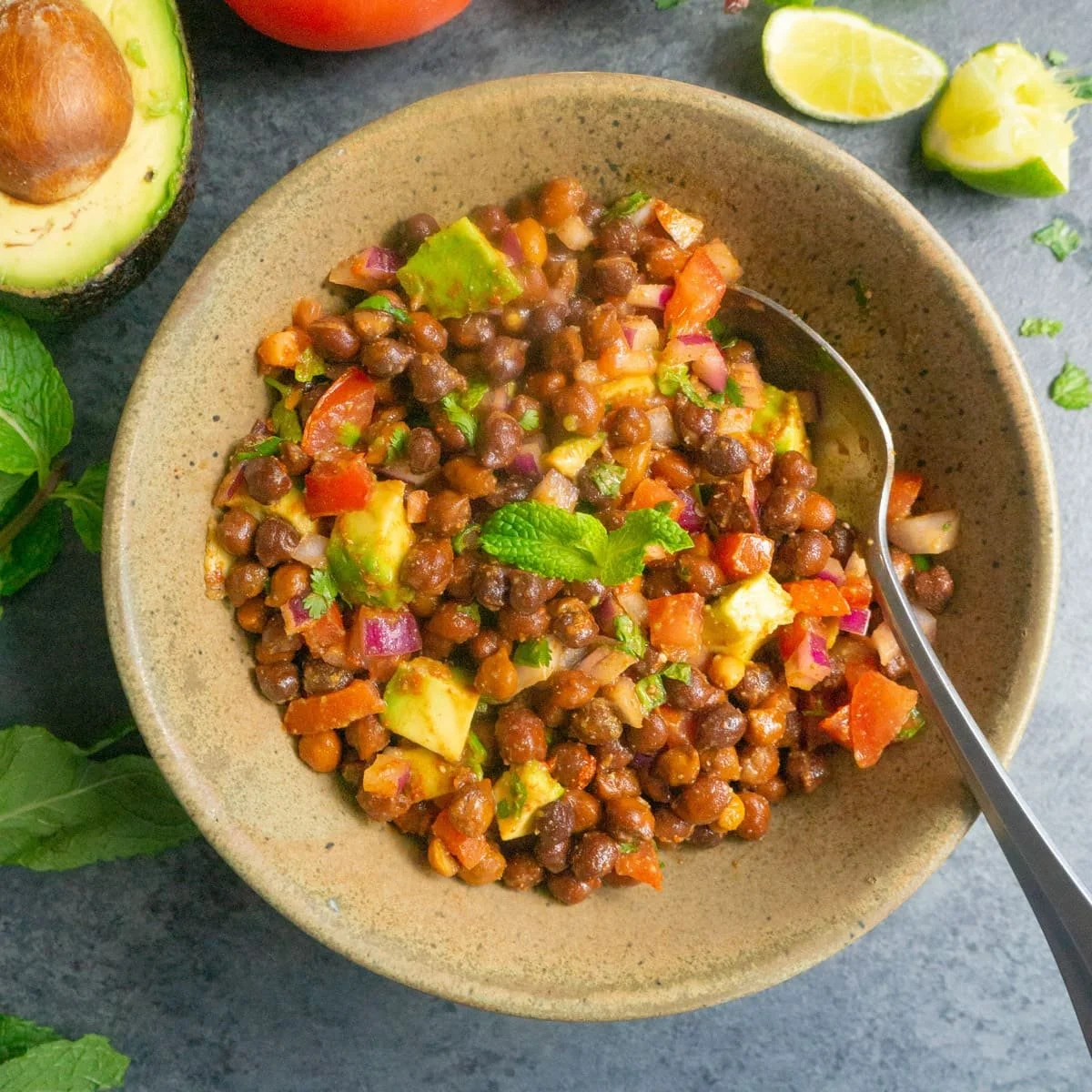
Recipe-2] KALA CHANA FIRANGI CHAAT.

Ingredients:

Oil- 2 tsp

Garlic- 1 tsp chopped

Ginger-1 tsp chopped

Green chilies -1 tsp chopped

Kala chana- 2 cups boiled

Boiled potatoes-1 cup peeled and diced

Salt to taste

Black pepper to taste

Chaat masala-1/2 tsp

Schezuan sauce- 2 tsp

Lime juice-2 tsp

Tomato ketchup-1 tsp

Onions-1 small chopped

Tomatoes-1 small chopped

Coriander-2 tbsp. chopped

Mint leaves- 8-10 no

Lightly toasted peanuts- 2-3 tbsp.

Method:

1. prepare all the ingredients for the chaat masti mazaa for Sundays.

2. in a mixing bowl toss up together the ingredients for the chaat one by one, add

In seasonings to taste, sauces, chutneys and mix well.

3. add in the variety of veggies as per taste and give them all a nice mix.

4. add in a little cream cheese as well to balance the spice if needed.

5. garnish the chaat well with elements like sev, puries, coriander, chaat masalas and chutneys and offer them immediately garnish with toasted or roasted peanuts, mint, coriander and serve chilled.


Recipe- 3] MAKHANA MASTI CHAAT

Ingredients;

Makhanas- lotus seeds-1 cup

Oil-2 -3 tsp

Salt to taste

Black pepper- to taste

Lime juice-2 tsp

Peanut butter- 2-3 tbsp.

Boiled corn-1/2 cup

Boiled potatoes-1/2 cup diced

Cucumber-1/2 no peeled and cut

Tomatoes- ½ cup diced

Boiled chicken cubes- ½ cup

Sliced chicken sausages-1/2 cup

Tomato ketchup-2- 3 tsp

For more options on veggies:

Saute sliced zucchini

Sliced saute mushrooms

Sliced black and green olives

Fresh herbs/ parsley/ micro-greens

Method:

1. prepare all the ingredients for the chaat recipe as listed.

2. lightly toast the makhanas in oil on a medium flame and add a little salt and pepper into the makhanas and remove, allow to cool.

3. in a mixing bowl, combine together all the ingredients for the makhana chaat recipe. Start with the basic ones, add the sauces, ingredients to flavour the makhanas. I also tried it personally with peanut butter, tomato ketchup, a dash of imli chutney, and mint-coriander.

4. add in the chutneys, seasonings to taste and give it all a nice toss. Set the chaat into small bowls, add makhanas towards the end and sprinkle some more chaat elements onto the chaat bowls and serve it immediately.

5. for garnishing Chaats we can also use grapes, kiwi, berries, orange segments, cubed papaya etc, also be an option to be used in Chaats.

Recipe- 4] PAKODE WALI CHAAT

Ingredients:

Assorted pakodas- onion bhajiyas, potato bhajiyas, moong dal pakodas,

Mix veggie pakodas, paneer pakodas, boiled egg pakodas, chicken pakodas etc can be used.

Onions- ½ cup chopped

Tomatoes-1/2 cup chopped

Mint leaves- 8-10 no

Coriander leaves-2 tbsp. chopped

Peanut butter chutney-2-3 tbsp.

Red chili sauce-1-2 tsp

Garlic red chili chutney-2-3 tsp

Imli chutney- 2-3 tsp

Curd- ½ cup beaten.

Chaat masala-1/2 tsp

Roasted crushed jeera-1/2 tsp

Red chili powder-1/2 tsp

Lime juice- 2-3 tsp

Fresh fruits- pomegranate seeds or sliced dragon fruit.

Method:

1. to prepare the chaat elements, ensure all the ingredients are freshly cut and kept chilled.

2. choose between the pakodas as per choice and taste. Take 2-3 varieties of the pakodas for this chaat recipe.

3. the chaat is to be assembled just before serving, we need to keep all the choice of toppings, chutneys etc ready with us for this session.

4. the pakodas can be fried and assembled as chaat while they are a little warm as well similarly the moong dal pakodas can also be served while a little warm with toppings.

5. ensure the elements of the chaat are handy and ready to use once we start the assembly process. Add the toppings randomly on the pakodas, use squeeze out bottles to remove out the assorted topping sauces, chutneys etc on the chaat.

6. garnish the chaat with assorted garnishes from the classics to the creative ones and make it look nice, attractive and tempting.


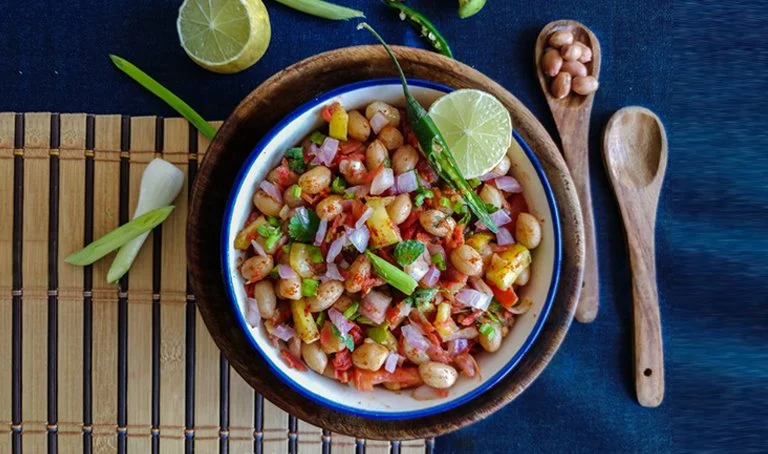
Recipe- 5] PEANUT WALI KHASTA MAZAA CHAAT

Ingredients;

Peanuts- 1 and a half cup, boiled, fried/ roasted.

For non-veg- boiled/grilled/tandoori chicken sliced

For veg- paneer tikka- cut sliced/ cubes

For the chaat dressing:

Oil-1 tsp

Imli chutney-2-3 tbsp.

ginger juliennes-2-3 tsp

lime juice-2-3 tsp

mango pickle masala-2 tsp

tomato ketchup-2-3 tsp

raisins- 2-3 tsp

date puree-2-3 tsp

white vinegar-1 tsp

brown sugar-1- 2 tsp

mint and coriander- 2-3 tbsp.

onions- ½ cup chopped

tomatoes- ½ cup chopped

green chilies- 1 tsp chopped

chaat masala-1/2 tsp

salt and crushed pepper to taste

method:

1. prepare all the elements for the chaat and keep it all ready to toss.

2. choose between the veg and non-veg options for the chaat combination.

3. peanuts are a good choice to add into chaat and goes well with potatoes, boiled chana, 

Rajma, chauli etc.

4. assorted fruits like apples, pears, orange segments, ripe papaya cubes, grapes etc.

5. add in the assorted chutneys, sauces, chaat ingredients as needed and give it all a nice toss.

6. we can also use papdis, sev, bhujiya, crushed mathhri and other crunchy stuff as well like soya sticks, namkeen chiwda etc can also add taste and volume into the chaat. Garnish and serve immediately.

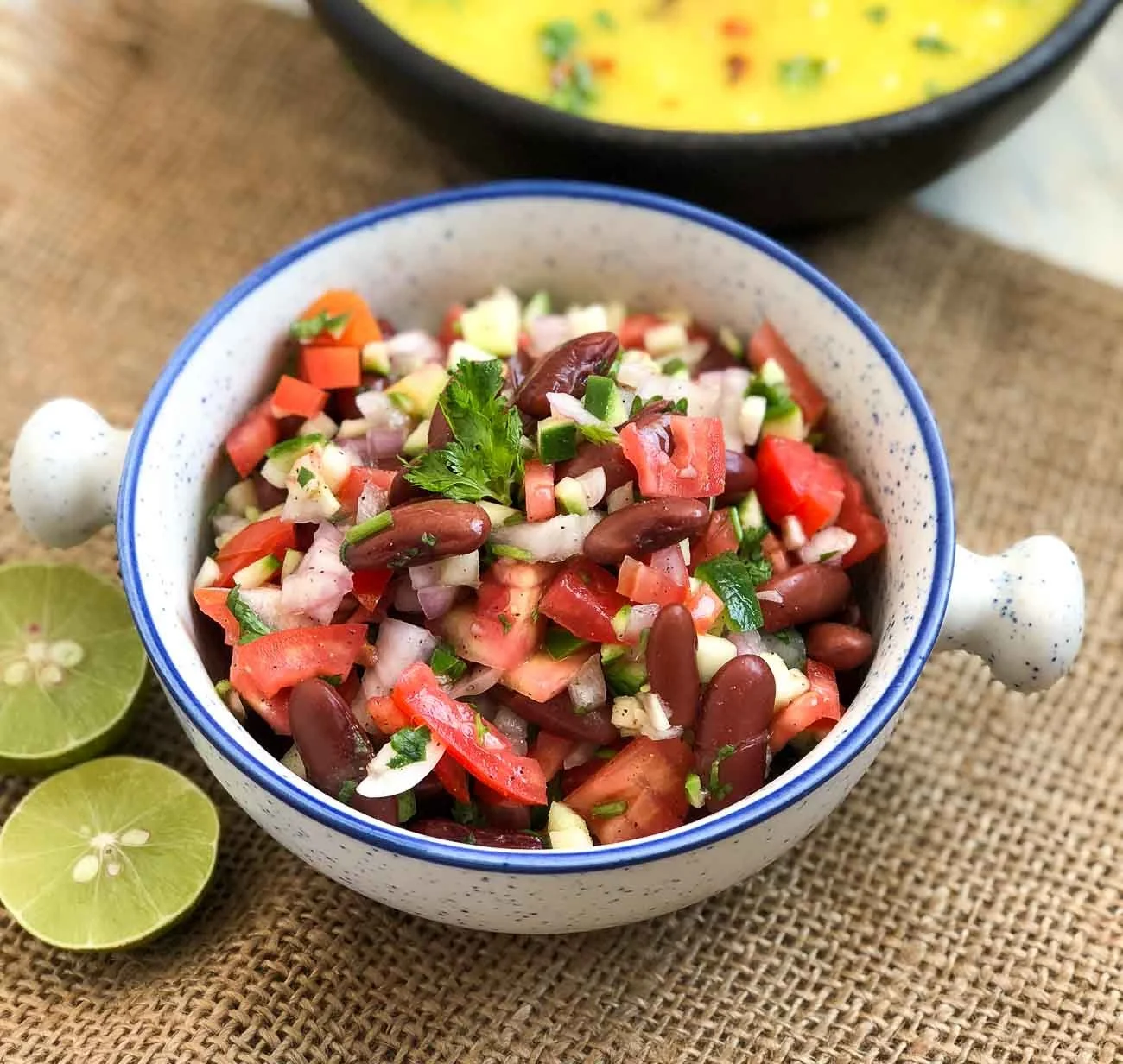
Recipe- 6] RAJMA AUR KAIRI WALI CHAAT

Ingredients:

Boiled rajma- 2 cups

Boiled cubed potatoes- 1 cup

Onion-1/2 small chopped

Tomatoes- ½ cup chopped

Green chilies- 1 tsp chopped

Lime juice- 2 tsp

Chaat masala powder- ½ tsp

Kala namak- ½ tsp

Raw mango- ½ cup cut

Imli chutney-1/4 cup

Green chutney- ¼ cup

Tomato ketchup-1 tsp

Roasted crushed jeera-1/2 tsp

Red chili powder-1/4 tsp

Flat papdi-1/2 cup

Nylon serv-1/2 cup

Assorted fruits-1/2 cup cut

For garnish- 

Assorted nuts

Assorted greens

Sliced dates

Method:

1. prepare all the ingredients for the chaat and ensure they are all cut and kept chilled.

2. boil the rajma and keep aside, boil potatoes and peel, cut into cubes and keep aside.

3. prepare all the other ingredients as well for the chaat and keep it handy.

4. fruits, garnishes, toppings, options for veg and non-veg need to be checked.

5. just before serving the guest. We need to add everything from rajma to veggies and kairi into the mixing bowl and add 

Seasonings, chutneys, sauces as per taste and give it all a nice toss, mix.

6. assemble the chaat into small glasses, mini portion bowls etc and place colorful garnishes on the chaat and ensure it is looking fresh. Serve the chaat immediately and relish it.

How Tech is Elevating Event Engagement and Personalization in 2025 by Shivam Mishra, Senior Event Manager at SKIL Events

There was a time when corporate events meant ballroom banquets, basic AV, and a barely there app with a PDF agenda. Not anymore. In 2025, technology isn’t just supporting events—it’s transforming them. As shared by Shivam Mishra, Senior Events Manager at SKIL, these insights reflect firsthand experience from the field.

For those of us who’ve spent the better part of two decades in this space, the shift has been seismic. And for event managers in India, especially those planning large-format MICE events, sales kick-offs, leadership summits, or incentive travel programs, tech is no longer a ‘nice-to-have’; — it’s core to the experience.

Let’s unpack how:

1. Hyper-Personalised Journeys through AI & Data

Gone are the days of sending one-size-fits-all agendas. Today, AI tools curate bespoke experiences for each delegate. From recommending breakout sessions based on past interests to adjusting F&B choices as per dietary history, events are becoming deeply personal.

Take, for instance, a financial services leadership offsite in Jaipur we executed last year. Delegates received personalised event apps showing tailored agendas, room assignments, table seating based on networking preferences, and push notifications for content most relevant to their roles.

2. Frictionless Mobility and Check-ins

Integrated travel tech now ensures seamless airport-to-ballroom journeys. Smart itineraries, automated flight updates, in-app check-ins, and facial-recognition-based entry eliminate queues and confusion. SKIL Events recently deployed this for a 1,200-pax incentive movement across Vietnam, with under 5% dependency on physical helpdesks. The feedback? ‘Best-handled logistics we’ve seen.’

3. AR, VR & Mixed Reality for Deeper Immersion

Today’s delegates don’t just want to watch—they want to feel. VR booths for factory simulations, AR-enhanced product demos, or immersive brand tunnels using projection mapping are helping brands tell stories like never before.

One of our clients, a leading manufacturing major, wanted to showcase their new plant design at a global distributors’ meet. Instead of a 2D walkthrough, we created a VR experience of the future facility. The result? Decision-makers spent nearly 3x longer at the experience zone than at any other booth.

4. Real-Time Engagement Tools

Polling, sentiment tracking, heat maps of delegate movement, gamified feedback – we now have the tools to read the room in real time. This means content can be tweaked on the go, breakout sessions moved, or even food preferences updated instantly.

We once swapped out an underperforming speaker slot with a popular unscheduled fireside chat just by tracking live engagement and app analytics. The audience never knew—but the energy in the room said it all.

5. Tech-Driven On-Ground Engagement Installations

Interactive walls, kinetic LED structures, motion-sensor installations, and AI-powered brand games are redefining physical engagement. These aren’t just decorative elements – they are experience amplifiers.

At a recent annual partner meet, we designed a dynamic LED tunnel that responded to delegate movement and transformed brand values into light and motion. It became the most photographed spot at the venue and drove organic social shares far beyond expectations.

6. Post-Event Memory Making

Event tech doesn’t switch off after the final applause. Auto-generated aftermovies, personalised photo timelines, session recordings, one-click networking follow-ups – all ensure the event lives far beyond the closing act. These aren’t vanity metrics; they’re brand memory triggers.

For one international bank’s India roadshow, we created custom AI-edited highlight reels for each city within 24 hours, pushing them through their internal comms. Result? 30% higher post-event recall in their leadership feedback survey.

Final Thought

Technology isn’t replacing the human element in events – it’s enhancing it. In an age where attention spans are short and expectations are sky-high, integrating tech meaningfully can make the difference between a forgettable gathering and an unforgettable experience.

At SKIL Events, we don’t chase trends. We build tailored engagement ecosystems that blend creativity, logistics, and technology to bring every brief to life – with precision, emotion, and impact.

Because in the end, it’s not just about what people saw. It’s about what they felt. And what they took back with them.


Shivam Mishra is a passionate and performance-driven events professional with over 8 years of experience in curating unforgettable experiences across India’s dynamic events landscape. An MBA in Events Management, Shivam specializes in end-to-end event execution—from creative ideation and planning to flawless on-ground delivery. His core strength lies in turning a client’s vision into a tangible, impactful experience, with a strong emphasis on customer delight and innovation.

Currently serving as Senior Event Manager at SKIL Events, Shivam leads high-impact corporate events, conferences, and product launches, combining creative thinking with operational expertise. His work reflects a deep understanding of emerging trends, client psychology, and brand strategy. Prior to this, he has held key roles with industry leaders like Delve-Serwiz, IBFW Hospitality, and Mustang Events, handling everything from luxury weddings to B2B conferences, often under high-pressure environments.

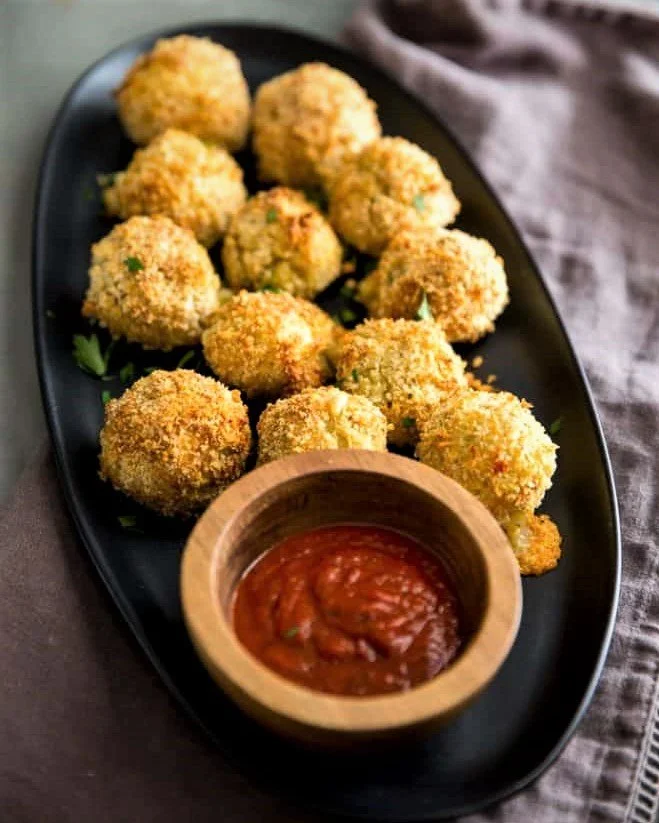
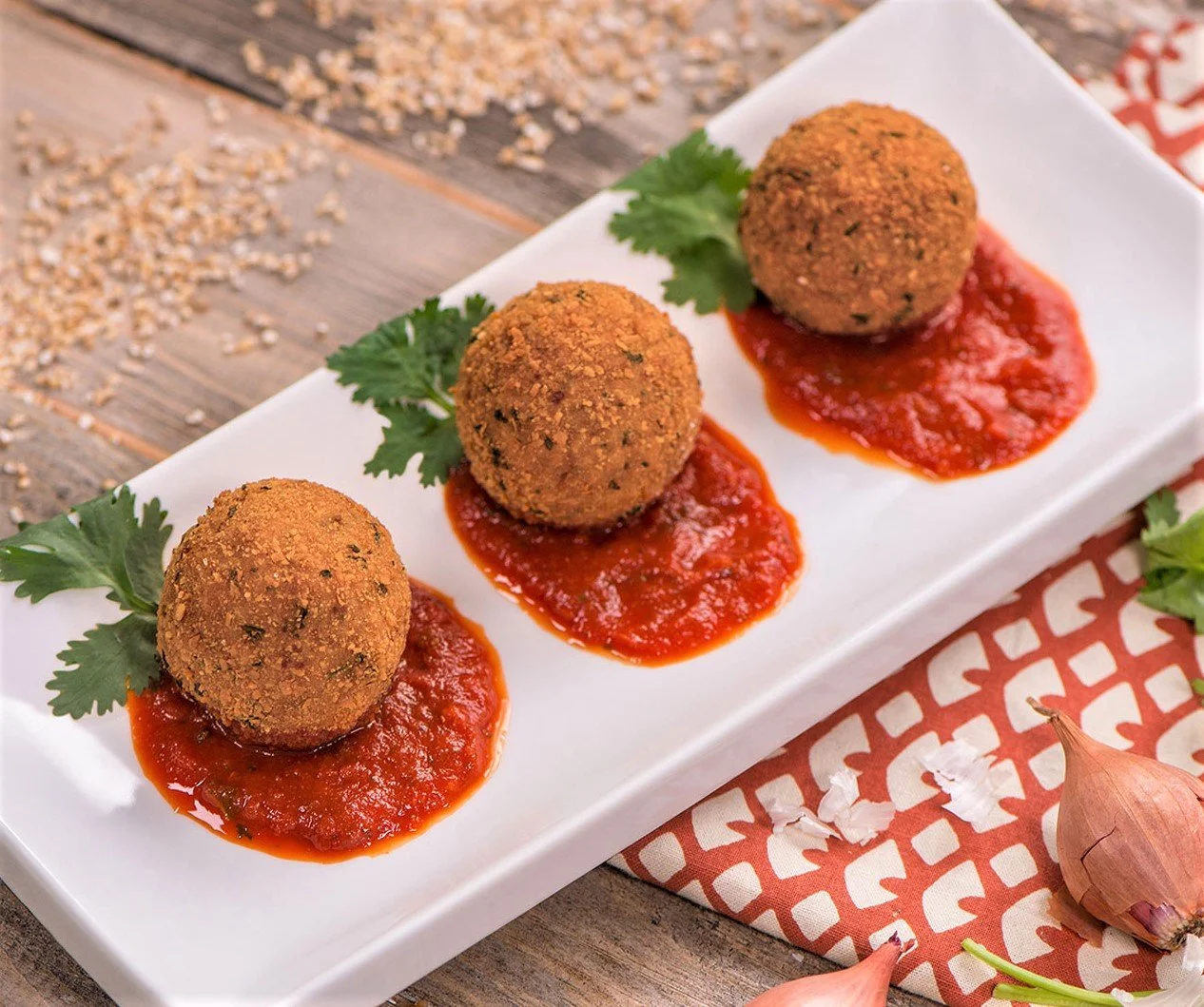
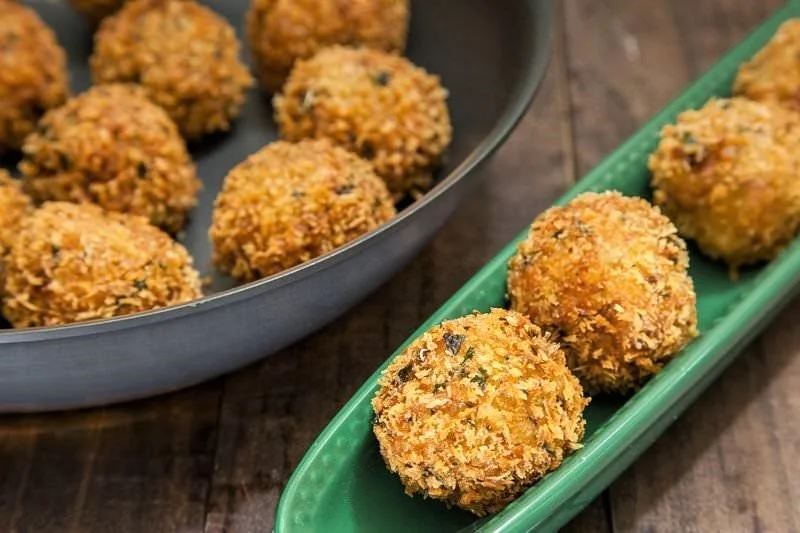
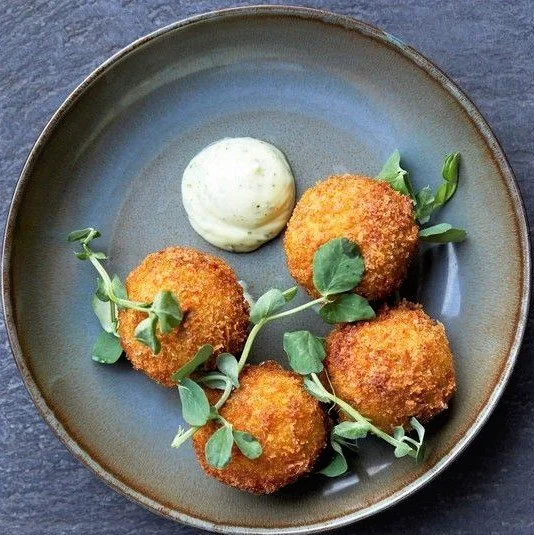
Ingredient Ideology | Desi Ways With Arancini – Snacky Bites To Enjoy By: Dr. Kaviraj Khialani:  Celebrity Master Chef.

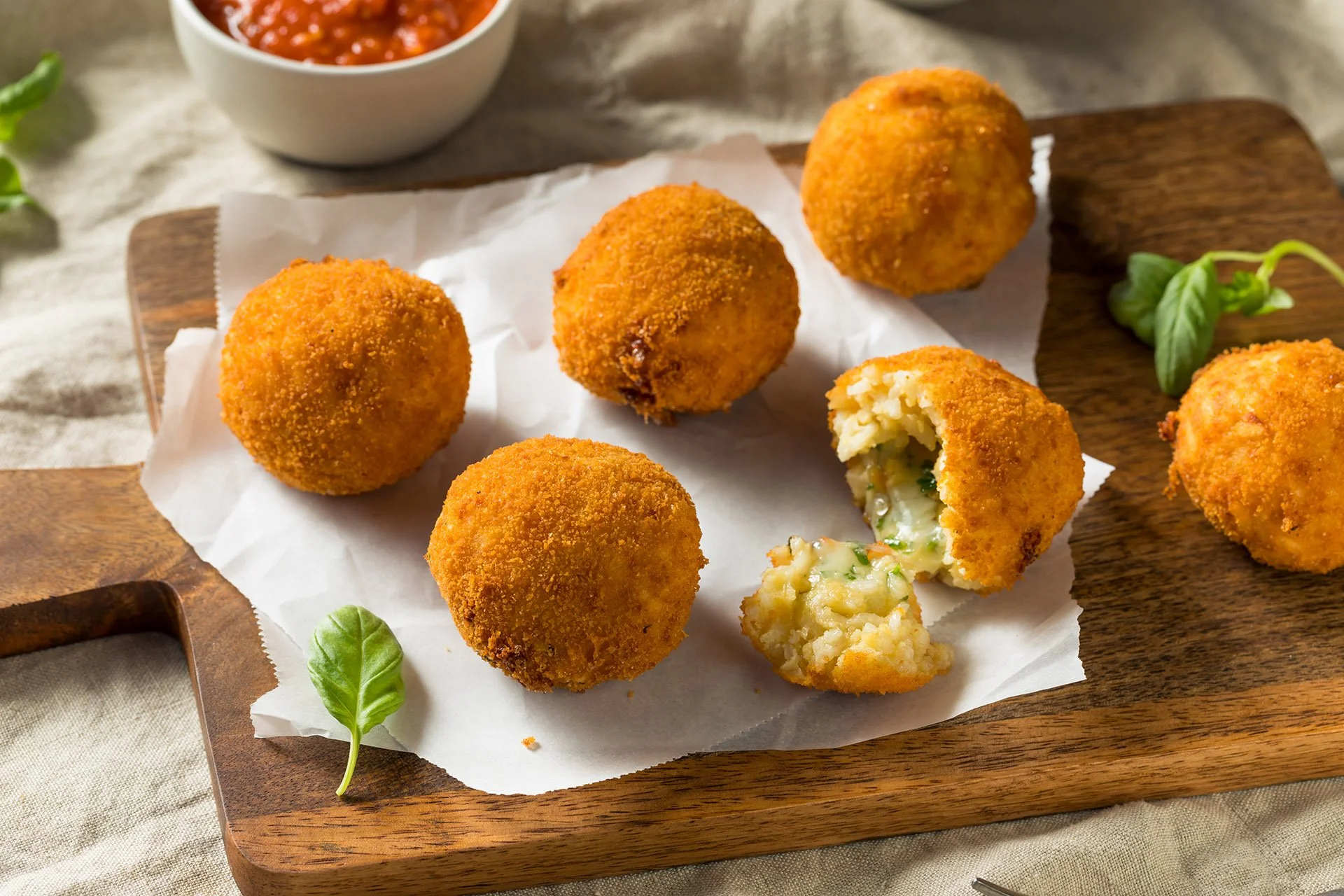
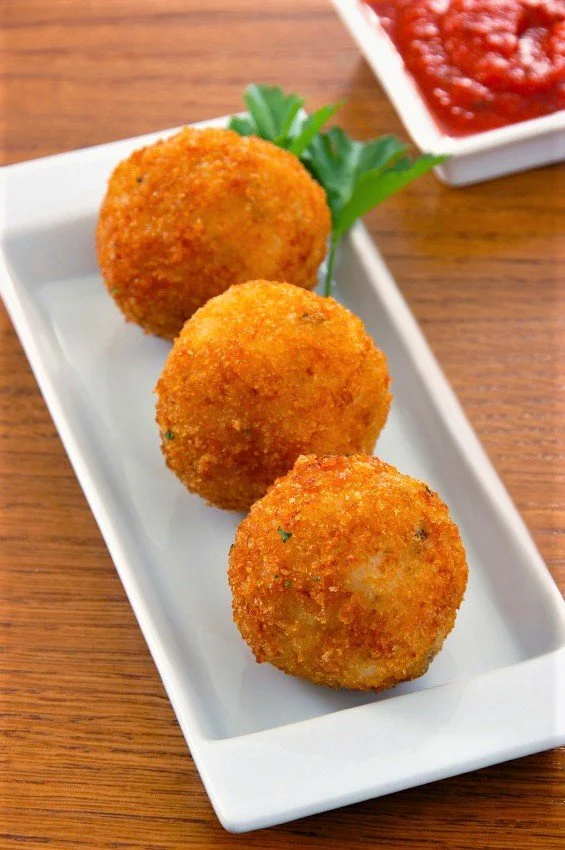
Arancini is a concept from Italian cooking, preparing snack bites using their rice preparation called risotto made with the classic Arborio rice has been a favorite of many of us around the globe by now, and somehow it is one of those snacks that can suit the needs of almost all of us to deal with those hunger pangs! The authentic recipe however sticks to their basic recipe and mild flavors be it veg or non-veg it is easy to adapt it here to our taste to make it more Chatpata and interesting to please our palates.

The essential of a good Arancini concept is rice and cooking it right and seasoning it well, the stuffing in the center is an absolute delight to bite into and that feeling when the cheese comes oozing out being served fried piping hot is just too difficult to express in words. Here is an attempt to get that concoction fused in a desi innovative style for all of us to relish.

Recipe-1] CHEESY MUSHROOM ARANCINI

Ingredients:

For the rice and mushroom mixture:

Boiled starchy/cooked white rice- 1 and a half cup

Salt and pepper to taste

Oil-1 tsp

Butter-1 tsp

Garlic – 1 tsp chopped

Onion-1 small chopped

Green chilies-1/2 tsp

Fresh mushrooms-4-6 med sized, sliced.

Capsicum- ½ no, chopped.

Red chili powder-1/4 tsp

Garam masala powder-1/4 tsp

Parsley/coriander-1 tbsp. chopped

Mixed herbs-1/2 tsp

Cheese-1/2 cup, small cubes or grated/shavings

Fresh cream/ white sauce-1/2 cup

For coating and frying:

Maida – water batter-1 cup, thick to coat

Bread crumbs-1 and a half cup

Salt and pepper to taste

Oil to deep fry.

To serve with:

Chili- mayo dip, walnut coriander chili pesto, green mint and cucumber dip, hung curd and garlic dip, tomato ketchup, sweet chili and tamarind dip, hot garlic chutney, peanut butter dip, soy- pepper dip etc.

Method:

1. Prepare all the ingredients for the recipe as listed.

2. We can use leftover white/brown rice as well for these kind of snacks.

3.Heat oil and butter in a pan saute the onion and garlic for a few seconds, add in the mushrooms and capsicums, salt, pepper, herbs, spices as per taste and mix well.

4. Cook on a medium flame for 2-3 mins, add in little fresh cream, the cooked rice and mix well, continue cooking for 8-10 mins, turn off the flame, add in the fresh parsley/ coriander leaves, mix and allow to cool.

5. Apply oil on the hands/fingers and divide the mixture into 10-12 equal portions and turn them into lemon sized balls.

6. Flatten each portion and place a small portion of cheese cube/grated cheese/ shavings and seal it up, chill for 30 mins.

7. Prepare the batter and dip each portion in it, coat it well then give it a coat of bread crumbs and dust off the excess. Heat up oil in a kadai and fry them on a medium flame for 4-5 mins, until nice and golden color, remove on a kitchen paper, drain off excess oil. Arrange them on a serving platter with a dip of your choice and serve hot.


Recipe-2] CORN AND COCONUT ARANCINI

Ingredients

For the rice – corn & coconut mixture:

Boiled starchy/cooked white rice- 1 and a half cup

Salt and pepper to taste

Oil-1 tsp

Butter-1 tsp

Garlic – 1 tsp chopped

Onion-1 small chopped

Green chilies-1/2 tsp

Boiled sweet corn- 1 cup, crushed.

Tender coconut flesh/malai- ½ cup shred.

Red Capsicum- ½ no, chopped.

Red chili powder-1/4 tsp

Garam masala powder-1/4 tsp

Chaat masala-1/4 tsp

Parsley/coriander-1 tbsp. chopped

Mixed herbs-1/2 tsp

Cheese-1/2 cup, small cubes or grated/shavings

Fresh cream/ white sauce-1/2 cup

For coating and frying:

Maida – water batter-1 cup, thick to coat

Bread crumbs-1 and a half cup

Salt and pepper to taste

Oil to deep fry.

To serve with:

Chili- mayo dip, walnut coriander chili pesto, green mint and cucumber dip, hung curd and garlic dip, tomato ketchup, sweet chili and tamarind dip, hot garlic chutney, peanut butter dip, soy- pepper dip etc.

Method:

1. Prepare all the ingredients as listed for the recipe.

2. We can use leftover white/brown rice as well for these kind of snacks.

3.Heat oil and butter in a pan saute the onion and garlic for a few seconds, add in the boiled crushed sweet corn and red capsicums, salt, pepper, herbs, spices as per taste and mix well.

4. Cook on a medium flame for 2-3 mins, add in little fresh cream, the cooked rice and mix well, continue cooking for 8-10 mins, turn off the flame, add in the fresh parsley/ coriander leaves, tender coconut flesh mix and allow to cool.

5. Apply oil on the hands/fingers and divide the mixture into 10-12 equal portions and turn them into lemon sized balls.

6. Flatten each portion and place a small portion of cheese cube/grated cheese/ shavings and seal it up, chill for 30 mins.

7. Prepare the batter and dip each portion in it, coat it well then give it a coat of bread crumbs and dust off the excess. Heat up oil in a kadai and fry them on a medium flame for 4-5 mins, until nice and golden color, remove on a kitchen paper, drain off excess oil. Arrange them on a serving platter with a dip of your choice and serve hot.


Recipe-3] DESI COTTAGE CHEESE ARANCINI

Ingredients

For the rice and cottage cheese mixture:

Boiled starchy/cooked white rice- 1 and a half cup

Salt and pepper to taste

Oil-1 tsp

Butter-1 tsp

Garlic – 1 tsp chopped

Onion-1 small chopped

Green chilies-1/2 tsp

Paneer-1/2 cup grated

green Capsicum- ½ no, chopped.

Red chili powder-1/4 tsp

Garam masala powder-1/4 tsp

Chaat masala-1/4 tsp

Parsley/coriander-1 tbsp. chopped

Mixed herbs-1/2 tsp

Cheese-1/2 cup, small cubes or grated/shavings

Fresh cream/ white sauce-1/2 cup

For coating and frying:

Maida – water batter-1 cup, thick to coat

Bread crumbs-1 and a half cup

Salt and pepper to taste

Oil to deep fry.

To serve with:

Chili- mayo dip, walnut coriander chili pesto, green mint and cucumber dip, hung curd and garlic dip, tomato ketchup, sweet chili and tamarind dip, hot garlic chutney, peanut butter dip, soy- pepper dip etc.

Method:

1. Prepare all the ingredients as listed for the recipe.

2. We can use leftover white/brown rice as well for these kind of snacks.

3.Heat oil and butter in a pan saute the onion and garlic for a few seconds, add in the paneer and green capsicums, salt, pepper, herbs, spices as per taste and mix well.

4. Cook on a medium flame for 2-3 mins, add in little fresh cream, the cooked rice and mix well, continue cooking for 8-10 mins, turn off the flame, add in the fresh parsley/ coriander leaves mix and allow to cool.

5. Apply oil on the hands/fingers and divide the mixture into 10-12 equal portions and turn them into lemon sized balls.

6. Flatten each portion and place a small portion of cheese cube/grated cheese/ shavings and seal it up, chill for 30 mins.

7. Prepare the batter and dip each portion in it, coat it well then give it a coat of bread crumbs and dust off the excess. Heat up oil in a kadai and fry them on a medium flame for 4-5 mins, until nice and golden color, remove on a kitchen paper, drain off excess oil. Arrange them on a serving platter with a dip of your choice and serve hot.


Recipe-4] ACHARI POTATO & SAUSAGE ARANCINI

Ingredients

For the rice – potato and sausage mixture:

Boiled starchy/cooked white rice- 1 and a half cup

Salt and pepper to taste

Oil-1 tsp

Butter-1 tsp

Garlic – 1 tsp chopped

Onion-1 small chopped

Green chilies-1/2 tsp

Potato boiled- 1/2 cup grated

Chicken sausages-2 no, chopped.

Mango pickle masala- 1 and a half tsp

Red chili powder-1/4 tsp

Garam masala powder-1/4 tsp

Chaat masala-1/4 tsp

Parsley/coriander-1 tbsp. chopped

Mixed herbs-1/2 tsp

Cheese-1/2 cup, small cubes or grated/shavings

Fresh cream/ white sauce-1/2 cup

For coating and frying:

Maida – water batter-1 cup, thick to coat

Bread crumbs-1 and a half cup

Salt and pepper to taste

Oil to deep fry.

To serve with:

Chili- mayo dip, walnut coriander chili pesto, green mint and cucumber dip, hung curd and garlic dip, tomato ketchup, sweet chili and tamarind dip, hot garlic chutney, peanut butter dip, soy- pepper dip etc.

Method:

1. Prepare all the ingredients as listed for the recipe.

2. We can use leftover white/brown rice as well for these kind of snacks.

3.Heat oil and butter in a pan saute the onion and garlic for a few seconds, add in the sausage and boiled mashed potatoes salt, pepper, herbs, spices as per taste and mix well.

4. Cook on a medium flame for 2-3 mins, add in little fresh cream, the cooked rice and mix well, continue cooking for 8-10 mins, turn off the flame, add in the fresh parsley/ coriander leaves, mango pickle masala and mix and allow to cool.

5. Apply oil on the hands/fingers and divide the mixture into 10-12 equal portions and turn them into lemon sized balls.

6. Flatten each portion and place a small portion of cheese cube/grated cheese/ shavings and seal it up, chill for 30 mins.

7. Prepare the batter and dip each portion in it, coat it well then give it a coat of bread crumbs and dust off the excess. Heat up oil in a kadai and fry them on a medium flame for 4-5 mins, until nice and golden color, remove on a kitchen paper, drain off excess oil. Arrange them on a serving platter with a dip of your choice and serve hot.


Recipe-5] SPICED KEEMA MATTAR ARANCINI

Ingredients

For the rice and spiced chicken mixture:

Boiled starchy/cooked white rice- 1 and a half cup

Salt and pepper to taste

Oil-1 tsp

Butter-1 tsp

Garlic – 1 tsp chopped

Onion-1 small chopped

Green chilies-1/2 tsp

Chicken keema-1 cup

Green peas-1/2 cup boiled.

Tomato puree-2 tsp

Tomato ketchup-2 tsp

Red chili powder-1/4 tsp

Garam masala powder-1/4 tsp

Chaat masala-1/4 tsp

Parsley/coriander-1 tbsp. chopped

Mixed herbs-1/2 tsp

Cheese-1/2 cup, small cubes or grated/shavings

Fresh cream/ white sauce-1/2 cup

For coating and frying:

Maida – water batter-1 cup, thick to coat

Bread crumbs-1 and a half cup

Salt and pepper to taste

Oil to deep fry.

To serve with:

Chili- mayo dip, walnut coriander chili pesto, green mint and cucumber dip, hung curd and garlic dip, tomato ketchup, sweet chili and tamarind dip, hot garlic chutney, peanut butter dip, soy- pepper dip etc.

Method:

1. Prepare all the ingredients as listed for the recipe.

2. We can use leftover white/brown rice as well for these kind of snacks.

3.Heat oil and butter in a pan saute the onion and garlic for a few seconds, add in the chicken keema and boiled peas, salt, pepper, herbs, spices as per taste and mix well add in the tomato puree, ketchup and mix.

4. Cook on a medium flame for 10-15 mins, add in little fresh cream, the cooked rice and mix well, continue cooking for 8-10 mins, turn off the flame, add in the fresh parsley/ coriander leaves, mix and allow to cool.

5. Apply oil on the hands/fingers and divide the mixture into 10-12 equal portions and turn them into lemon sized balls.

6. Flatten each portion and place a small portion of cheese cube/grated cheese/ shavings and seal it up, chill for 30 mins.

7. Prepare the batter and dip each portion in it, coat it well then give it a coat of bread crumbs and dust off the excess. Heat up oil in a kadai and fry them on a medium flame for 4-5 mins, until nice and golden color, remove on a kitchen paper, drain off excess oil. Arrange them on a serving platter with a dip of your choice and serve hot.


Recipe-6] TEMPERED TOFU ARANCINI

Ingredients:

For the rice and tempered tofu mixture:

Boiled starchy/cooked white rice- 1 and a half cup

Salt and pepper to taste

Oil-1 tsp

Butter-1 tsp

Cumin seeds-1/2 tsp

Curry leaves-5-6 no

Garlic – 1 tsp chopped

Onion-1 small chopped

Green chilies-1/2 tsp

Firm tofu- 1/2 cup, crumbled

Red/green/yellow capsicums-1/4 cup, chopped mix.

Red chili powder-1/4 tsp

Garam masala powder-1/4 tsp

Chaat masala-1/4 tsp

Parsley/coriander-1 tbsp. chopped

Mixed herbs-1/2 tsp

Cheese-1/2 cup, small cubes or grated/shavings

Fresh cream/ white sauce-1/2 cup

For coating and frying:

Maida – water batter-1 cup, thick to coat

Bread crumbs-1 and a half cup

Salt and pepper to taste

Oil to deep fry.

To serve with:

Chili- mayo dip, walnut coriander chili pesto, green mint and cucumber dip, hung curd and garlic dip, tomato ketchup, sweet chili and tamarind dip, hot garlic chutney, peanut butter dip, soy- pepper dip etc.

Method:

1. Prepare all the ingredients as listed for the recipe.

2. We can use leftover white/brown rice as well for these kind of snacks.

3.Heat oil and butter in a pan saute the cumin seeds, curry leaves and then add in the onion and garlic for a few seconds, add in the crumbled tofu and colorful capsicums, salt, pepper, herbs, spices as per taste and mix well.

4. Cook on a medium flame for 2-3 mins, add in little fresh cream, the cooked rice and mix well, continue cooking for 3-4 mins, turn off the flame, add in the fresh parsley/ coriander leaves and mix and allow to cool.

5. Apply oil on the hands/fingers and divide the mixture into 10-12 equal portions and turn them into lemon sized balls.

6. Flatten each portion and place a small portion of cheese cube/grated cheese/ shavings and seal it up, chill for 30 mins.

7. Prepare the batter and dip each portion in it, coat it well then give it a coat of bread crumbs and dust off the excess. Heat up oil in a kadai and fry them on a medium flame for 4-5 mins, until nice and golden color, remove on a kitchen paper, drain off excess oil. Arrange them on a serving platter with a dip of your choice and serve hot.

Ingredient Ideology | Monsoon Special: Cuppa Soup To Relish By: Dr. Kaviraj Khialani- Celebrity Master Chef.

The concept of soups is truly an age old one and not many are really always in favor of having a bowl full of goodness and rather binge into junk and fast foods as a preferred choice. There is a need for creating a balance in our meals these days especially during pandemic times when we need to keep our immunity levels on a high besides being a little choosy since it is also monsoon time and we need to be careful on what is coming into our kitchen and getting cooked and finally being dished out on our plates.

The idea of a good soup is simply discussed as being wholesome, nutri-rich and full of flavor, colors and should be appealing to the eyes, palate and the senses on the whole. Soups are one of the simplest things to make in a kitchen without much fuss and irritation, it just calls for a little wise decision making, picking the right combinations and cooking it just right and pouring the delicacy piping hot into our soup bowls and relishing goodness especially with the downpour and monsoon season all across.

While we hear of clear soups, cream soups, puree soups, broths, hot and cold soups, ethnic and international favorites from many countries like minestrone soup from Italy, french onion soup from France, mulligatawny popular from south India and sri-lanka, seafood chowder soup from America, the chilled refreshing soup called gazpacho from Spain and Manchow, hot-n-sour, shark fin soup from china to name a few!

“SOUPS to me are an interesting concept of creating formulae of wonders in the pot while cooking and simmering them to perfection to bring out an enticing mélange of flavor mixes into the soup bowls and excite the diners and foodies to surprises & treats”- Chef Kaviraj.

Here are a few simple- easy and healthy soup recipes for our readers:

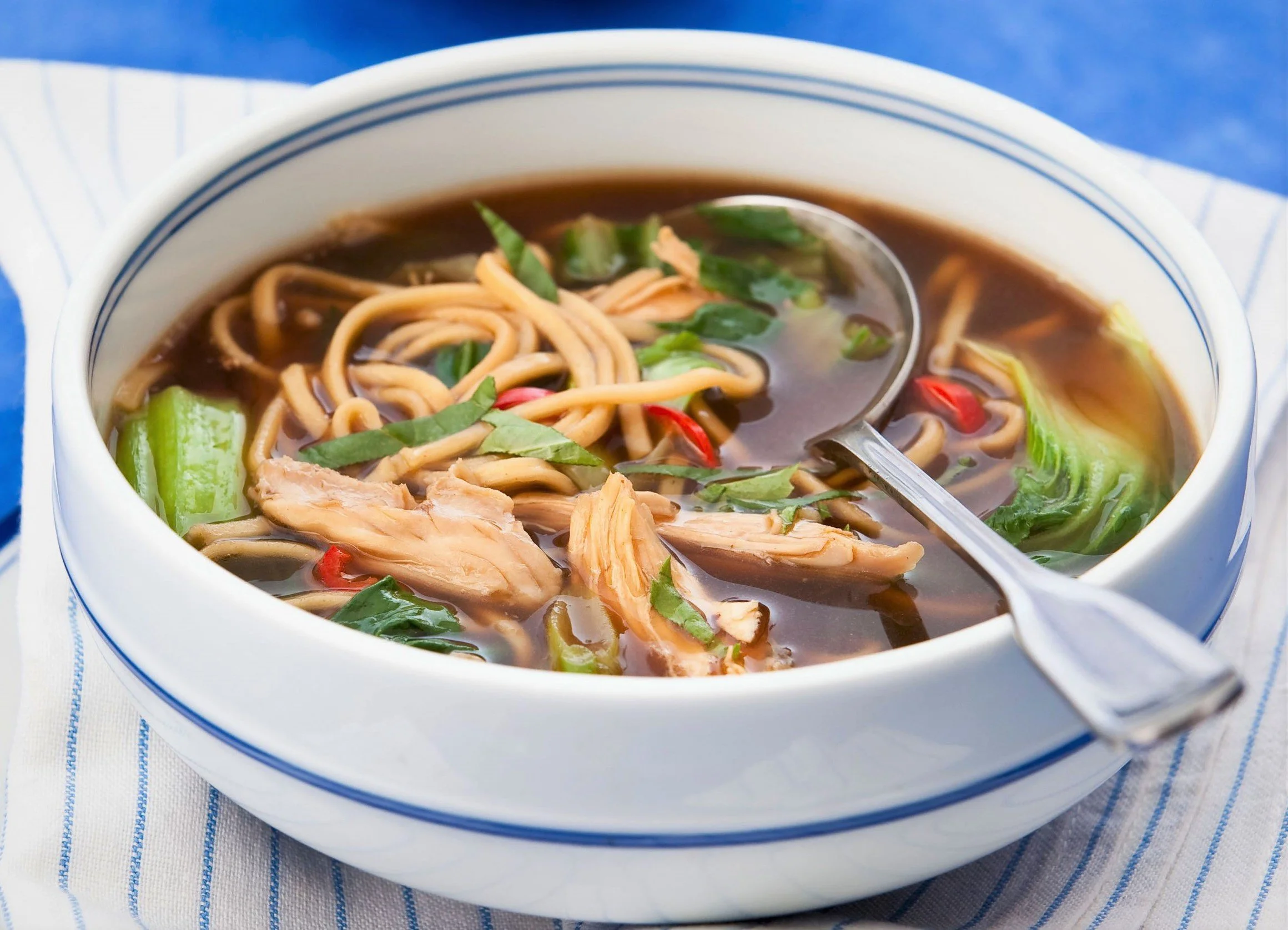
Recipe-1] ASIAN CHICKEN NOODLE SOUP

Ingredients

Oil-2 tsp

Garlic- 1 tsp chopped

Ginger-1 tsp shredded

Green chilies- 1 tsp chopped

Spring onion- 2-3 sliced

Carrots- ¼ no shredded

Celery-1 stalk, chopped

French beans-3-4 sliced

Capsicums-1/2 no shredded

Boiled noodles- 1 cup

Boiled shredded chicken- 1 cup- optional

Salt and pepper to taste

Chili flakes-1/2 tsp

Soy sauce- 2 tsp

Schezuan sauce-2 tsp

Water/chicken stock- 2-3 cups

Corn flour-2 tbsp. solution to thicken

Spring onion greens-2 tbsp. for garnish.

Method:

1. Heat oil in a pan, add in the garlic, ginger, chilies and onions and saute for a few seconds.

2. Add in the assorted veggies and saute for 30 seconds, add in the water or stock, salt, pepper, chili flakes, sauces bring to a boil, simmer for 3-4 mins.

3. Add in the corn flour solution and mix well slightly thicken the gravy in the pan add in the boiled noodles and chicken pieces if desired or else serve with vegetables. Cook all of it together for 2-3 mins and serve hot garnished with spring onion greens.


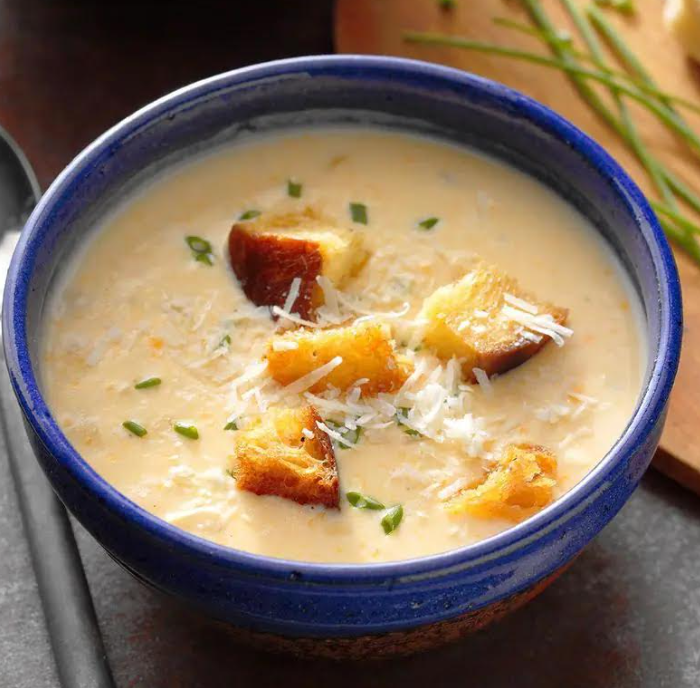
Recipe-2] HERBED ONION POTATO SOUP

Ingredients

Oil-1 tsp

Butter-1/2 tsp

Garlic-2-3 cloves- sliced

Onion-1 med sized, sliced

Potatoes-1-2 medium sized, peeled and chopped

salt and pepper to taste

mixed herbs-1/2 tsp

chili flakes-1/2 tsp

water/veg stock- 3-4 cups

almond/ cashew paste-2 tsp

white sesame seeds/ flax seeds/ sunflower seeds- 2 tsp

parsley-2 tsp chopped

cream-2 tsp

method:

1.Prepare all the ingredients for the soup and keep ready.

2. Heat oil and little butter in a saucepan add in the garlic, onions, potatoes and saute them for 1 min.

3. Add in the salt, pepper, herbs, chili flakes and mix well, add water or stock bring to a boil and simmer the soup for 25-30 mins.

4. Cool it down a little and puree the soup, strain it and bring it back to a boil add little water or stock if needed, add in the cashew/almond paste, cream and check for seasonings.

5. Serve the soup hot garnished with fresh herbs/parsley/coriander/ lightly toasted seeds of your choice.

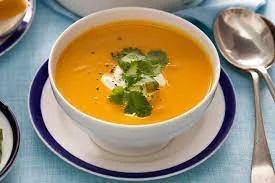
Recipe-3] NUTTY PUMPKIN COCONUT SOUP

Ingredients

Oil- 1 tsp

Butter-1/2 tsp

Bayleaf-1 no

Peppercorns-3-4 no

Ginger-1 tsp chopped

Green chilies- 1 tsp chopped

Curry leaves- 4-5 no

Turmeric powder-1/4 tsp

Onion-1/2 no chopped

Water/veg stock- 3-4 cups.

Yellow pumpkin- 150 gms peeled, chopped

Potatoes-1-2 small, peeled and chopped

Coconut milk-1/2 cup thick

Almonds/cashews/walnuts- 2 tsp chopped.

Sunflower seeds/chia seeds- 1 tsp

Coriander/parsley-2 tsp chopped.

Method:

1. Prepare all the ingredients for the soup and keep ready.

2. Heat oil and butter in a pan add in the Bayleaf, peppercorns, curry leaves, ginger, chilies, onions and saute for a minute.

3. Add in the pumpkin and potato cubes and saute, add in the salt, turmeric powder, pepper, herbs, chili flakes as per taste and mix.

4. Add water/stock and bring to a boil, simmer for 20 mins.

5. Cool, remove the Bayleaf, puree and strain the soup and bring it back to a boil, add in the nuts, seeds and adjust the texture, add coconut milk, mix and simmer for 3-4 mins.

6. Serve hot garnished with fresh coriander/parsley/coconut cream.


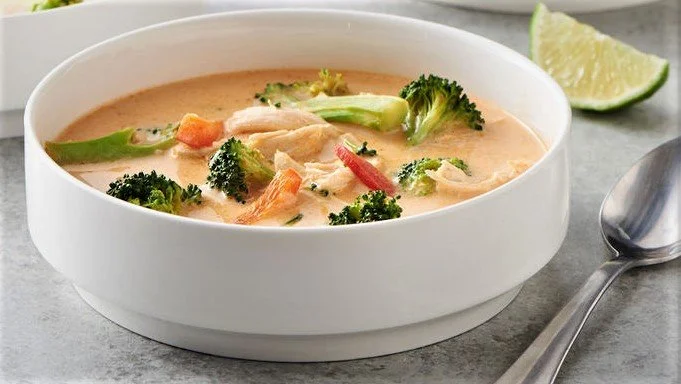
Recipe-4] SEAFOOD – COCONUT VEGGIE SOUP

Ingredients

Oil-1 tsp

Butter-1/2 tsp

Garlic- ½ tsp chopped

Ginger- 1 tsp chopped

Green chilies- 2 slit

Onion-1/2 no chopped

Broccoli-1/2 cup florets

Carrots-1/2 cup sliced

Zucchini-1/4 cup cubes

Boneless fish cubes-1 cup

Cleaned prawns-1/2 cup

Salt and pepper to taste

White wine-2 tsp 

Water/stock- 3-4 cups

Coconut milk-1 cup thick

Thai red curry paste- 2 tsp

Lemon grass-3-4 pieces

Fresh basil-3-4 no.

Corn flour solution-2 tbsp.

Lime juice-1 tsp add and serve

Roasted crushed peanuts-2 tsp.

Method:

1. Prepare all the ingredients for the yummy soup recipe.

2. Heat oil and butter in a pan add in the ginger, garlic, onions, chilies and saute, add in the lemon grass, basil, Thai curry paste and little water or stock and cook for 1-2 mins.

3. Add in the assorted veggies, salt and pepper to taste and allow to simmer and cook for 8-10 mins until just done. Now add in the wine, prawns and fish and carefully mix them in allow to cook for 3-4 mins on a medium flame.

4. Now add in the coconut milk and little corn flour water solution to thicken the soup slightly, simmer for 2-3 mins and serve hot garnished with fresh basil, roasted crushed peanuts, a splash of lime juice, coriander.

Recipe-5] VEGGIE WONDER SOUP

ingredients

oil-1 tsp

butter-1/2 tsp

Bayleaf- 1 no

Peppercorns-2-3 no

Garlic- 1 tsp chopped

Ginger-1 tsp chopped

Red chilies-1-2 slit

Onions-1/2 no chopped

Potatoes-1 med sized, peeled and cubed

Green peas-1/4 cup boiled

Babycorn-2-3 sliced

Mushrooms-2-3 sliced

Carrot-1/2 no sliced

Salt and pepper to taste

Water/veg stock-2-3 cups

Turmeric powder-1/2 tsp

Coriander powder-1/2 tsp

Cashew/almond paste-2 tsp

Milk-1/2 cup

Cream-1 tbsp.

Coriander/parsley-2 tsp chopped.

Method:

1. Prepare all the ingredients for the soup and keep ready.

2. Heat oil and butter in a pan add in the Bayleaf, peppercorns, garlic, ginger, red chilies and onions and saute for a few seconds.

3. Add in the assorted veggies of your choice, add seasonings, herbs, and flavor the soup as desired with powdered spices.

4. Add in water/stock bring to a boil, simmer for 15-20 mins and add in the milk, cream, cashew/almond paste and slightly thicken up the soup and simmer for 3-4 mins.

5. Check the soup for texture, salt and balance and adjust it accordingly. Add some parsley/coriander/seeds/nuts/micro-greens etc and serve the soup hot.

Ingredient Ideology | Ways With Sandwiches By: Dr. Kaviraj Khialani- Celebrity Master Chef

Sandwich is one of the concepts which dates back in history where a famous British statesman named John Montagu also known as the 4th earl of sandwich and had a passion for gambling once put across his request to his server at a casino to assist him putting together the parts of the contents of his platter in the form of assembling them in between two slices of bread which made him concentrate on his cards and was much convenient in enjoying his put together bite. It is since then sandwiches have seen much development happening in its ingredients, breads, spreads, fillings, toppings and garnishes.

While some sandwiches are hot, some are cold, there are also small bite sized open sandwiches called canapes which are also known as Zakuskies in Russia. From the veg to the eggs, diary, poultry, meat, seafood, charcuterie products like ham, sausages, bacon and now even vegan & keto diet varieties of sandwiches are truly a foodie’s delight!

Here are a few interesting ideas with Sandwiches.

Recipe-1] TRIO HERBED TOMATO- SPINACH SANDWICH

Ingredients

4-6 slices of white/brown bread/multi-grain loaf.

2 tsp olive oil.

1 tsp chopped garlic.

1 small onion sliced.

½ bunch spinach cleaned and blanch the leaves & refresh.

Salt and crushed black pepper to taste.

½ tsp mustard paste.

1-2 tbsp. butter.

1- 2 tomatoes sliced and de-seeded.

¼ cup cheese grated- processed/parmesan cheese.

10-12 no fresh basil leaves.

½ tsp chili flakes.

To serve with:

Tossed salad/ chips/ tomato ketchup/ dips.

Method:

Pre-prep all the ingredients for the sandwich, slightly toast the bread slices and then cool, apply a spread of butter and mustard paste on the bread slices. In a separate pan, saute the garlic in olive oil and add in the blanched spinach leaves, add salt and pepper to taste, cook for 2 mins and remove, cool. Place the tomato slices, basil leaves, saute spinach, cheese and chili flakes in between the two slices of bread. Pre-heat the sandwich griller or toaster and once the desired color and texture is achieved, cut into triangles and serve hot with accompaniments.


Recipe-2] COWBOY’S PASSION TANGY CORN SANDWICH

Ingredients

4-6 slices of white bread/ brown bread/ herbed bread. 

2 tsp peanut butter.

1 tsp oil.

1 tsp garlic- chopped.

Salt and pepper to taste.

1 cup American sweetcorn, boiled.

½ cup green/red capsicums, cut into small cubes.

½ tsp mixed herbs.

½ tsp chili flakes.

2 tsp tomato ketchup

2 tbsp. grated cheese

2-3 sliced black/green olives.

1 tsp parsley, chopped.

Method:

Pre-prep all the ingredients for the sandwich. Heat oil in a pan saute the garlic, onion, corn and capsicums for 2-3 mins. Turn off the flame add in the grated cheese, salt, pepper, herbs & chili flakes, olives, parsley and mix well and allow to cool. Separately mix together the peanut butter and tomato ketchup into a smooth spread to apply on the bread slices. To assemble the sandwich, apply butter on one slice and the peanut tomato spread on the other slice, place the corn- capsicum-cheese mixture cover and place the sandwich on the hot griller/toaster or hot plate and cook well on both sides, serve hot.


Recipe-3] THE LAYERED PERSONA SANDWICH

Ingredients

4-6 slices of bread-white/brown/ multi-grain 

2 tsp butter

2 tsp mayonnaise

Salt and pepper to taste

1 cup assorted lettuce leaves.

1 red ripe tomato, sliced

1 ripe avocado- peeled, stones and sliced.

2 tbsp. cream cheese.

2 no chicken breasts, boiled/grilled and sliced.

2 no boiled eggs sliced.

2-3 no jalapenos- sliced.

8-10 no fresh basil leaves.

Method:

Pre-prep all the ingredients for the sandwich. Slightly toast the slices of bread on both sides and apply a spread of butter and mayonnaise. Assemble a few lettuce leaves, few slices of boiled eggs, sliced avocado with a little cream cheese over it, tomato slices, jalapenos, sliced cooked chicken breasts, we can also alternate with slices of ham and salami or bacon as well. Place a few basil leaves as well in between the layers. Once the sandwiches are set lightly brush them with melted butter on the surface and place them on a hot griddle/pan and heat on both sides for a couple of minutes, cut and serve with ketchup and chips.


Recipe-4] CHICKEN MAYO CROISSANT SANDWICH

Ingredients:

3-4 no plain or cheese croissants- slice them open horizontally.

For the filling:

½ cup mayonnaise or hung curd could also be substituted.

½ cup boiled chopped or shredded chicken.

2 no cubes of hard boiled eggs-optional.

Salt and pepper to taste

2-3 cheese slices –optional

¼ cup shredded cabbage- white or purple

Lettuce leaves- as needed to place in the sandwich.

4-5 no slices of cucumber

4-5 no sliced tomatoes.

3-4 no sliced olives- black or green.


Method:

Assemble all the ingredients for the tasty croissant stuffed sandwich. Slit the croissants and keep aside, in a mixing bowl combine together the mayonnaise with the boiled chicken, add in some diced boiled eggs as well if desired, add in seasonings, cabbage and few olives and mix well. Place the crispy lettuce leaves inside the croissant followed by sliced cucumbers, the mayo chicken filling, cheese slices, tomato slices and finally close the croissant lightly secure with a toothpick if needed and serve it at room temperature.


Recipe-5] TUNA – POTATO & OLIVE CREAM CHEESE SANDWICH

Ingredients:

4-6 slices brown/multi-grain bread

½ cup mayonnaise

Salt and pepper to taste

½ tsp mustard paste

2-3 tbsp. sliced black/green olives

½ can tuna fish tin, oil or water to be drained off completely.

1 no boiled peeled cubed potato

2 tsp cream cheese/ feta cheese

½ tsp chili flakes

½ tsp mixed herbs

½ cup lettuce leaves

3-4 no cherry tomatoes or tomato slices

2-3 jalapeno peppers sliced.

4-5 slices of cucumber

1 small onion sliced.

Method:

Assemble and pre-prep all the ingredients for the tuna potato sandwich. Slightly toast the bread slices first, apply a little butter on them and keep aside. In a mixing bowl combine together the tuna fish with boiled cubes of potato into mayonnaise, mustard paste, seasonings, herbs, chili flakes to taste and mix well. Place this filling with cucumber, tomato, jalapenos, onions, olives, cream cheese in between two slices of buttered toasts and secure them in place. Cut the sandwiches into fancy shapes and assemble them on a serving plate or platter and serve with a bowl of tossed salad or a healthy shake to go along.


Recipe-6] PEPPERY COTTAGE CHEESE SANDWICH

Ingredients:

4-6 slices of white/brown bread

For the filling:

2 tsp oil

1 cup paneer grated

1 small onion chopped

½ chopped green capsicum

1 green chili chopped

Salt and pepper to taste

½ tsp chaat masala

1 tsp schezuan sauce

2 tsp tomato ketchup

2 tsp grated cheese

½ cup lettuce leaves

2 tbsp. butter to apply on the bread slices.

Method:

Apply a little butter on the sliced bread and keep aside. Heat oil in a pan and saute the onions add in the chili and capsicums followed by the grated paneer. Add in the seasonings, sauces to taste and give it a nice mix for a couple of mins on a medium flame. Remove from the flame and allow to cool completely and now add cheese and mix. Finally, to assemble the sandwiches place a little lettuce leaves on the buttered bread, place the prepared spicy and tangy paneer filling and secure the sandwiches. Heat a tava/ oven and slightly toast the sandwich on both sides and serve hot with assorted dips and sauces/a bowl of freshly tossed sprout salad goes well too.


Ingredient Ideology | Steaming: The Way To Good Health By: Dr. Kaviraj Khialani- Celebrity Master Chef

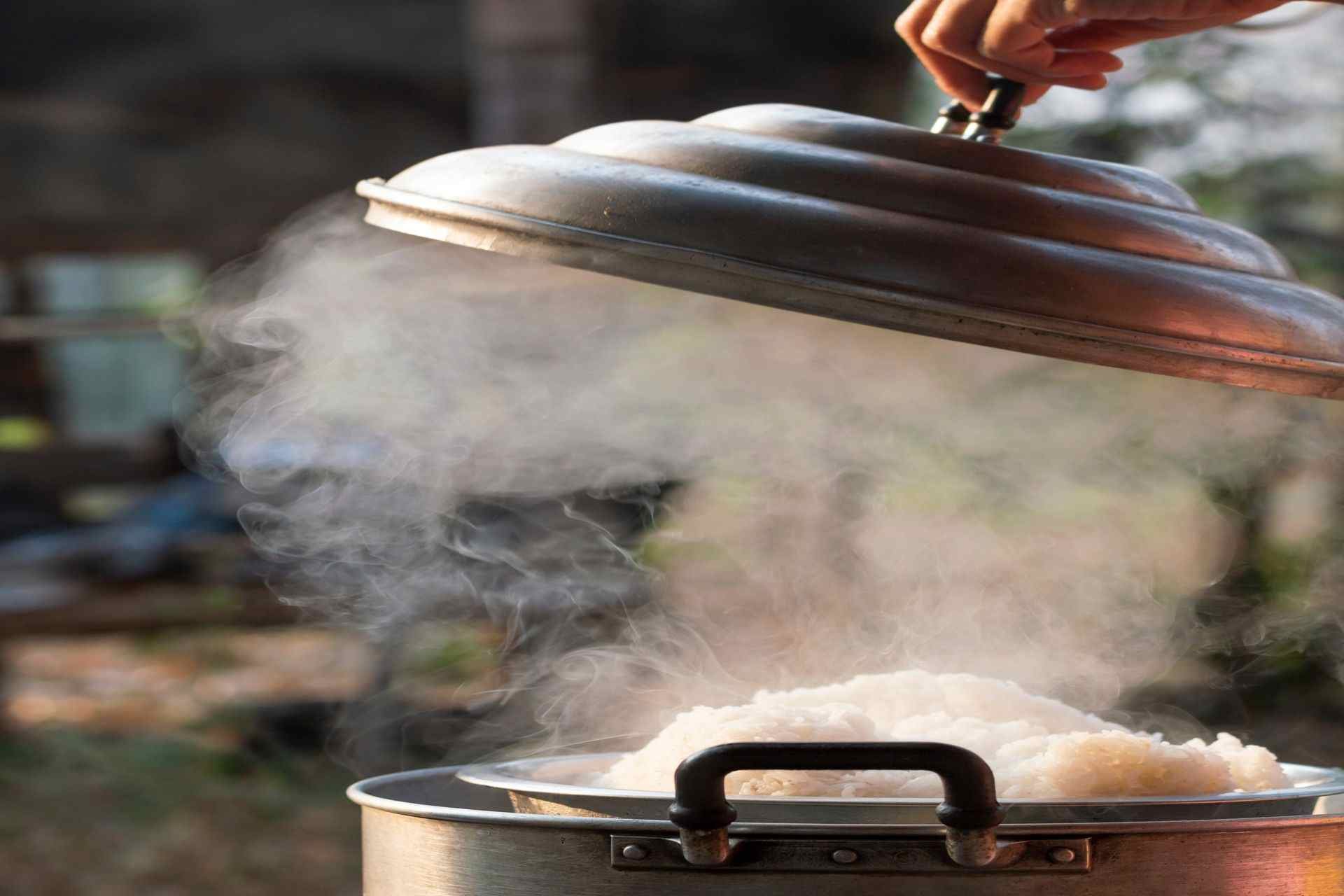
Steaming is a method of cooking that requires moist heat. The heat is created by boiling water, which vaporizes into steam. The steam brings heat to the food and cooks it. Unlike boiling, the food is separate from the water and only comes into direct contact with the team. Steaming is a method of cooking using steam. This is often done with a food steamer, a kitchen appliance made specifically to cook food with steam, but food can also be steamed in a wok. In the American southwest, steam pits used for cooking have been found dating back about 5,000 years. Steaming is considered a healthy cooking technique that can be used for many kinds of foods. Because steaming can be achieved by heating less water, and because of the excellent thermodynamic heat transfer properties of steam, steaming can be as fast, or faster, than cooking in boiling water, as well as being more energy efficient.

Steaming works by boiling water continuously, causing it to vaporize into steam; the steam then carries heat to the nearby food, thus cooking the food. The food is kept separate from the boiling water but has direct contact with the steam, resulting in a moist texture to the food. This differs from double boiling, in which food is not directly exposed to steam, or pressure cooking, which uses a sealed vessel, but which is capable of pressure steaming or submerging.

Such cooking is most often done by placing the food into a food steamer, typically a circular container made of metal or wood and bamboo. The steamer usually has a lid that is placed on the top of the container during cooking to allow the steam to cook through the food. When a steamer is unavailable, food can be steamed inside a wok, supported over boiling water in the bottom of the wok by a metal frame. Some modern home microwave ovens include a structure to cook food by steam vapour produced in a separate water container, providing a similar result to being cooked on stove. There are also specialized steam ovens available. In Japan, glutinous rice is steamed to prepare Mochi rice cakes. Traditional Japanese sweets or Wagashi making involves steaming rice or wheat dough for making Mochigashi and Manju.

In Western cooking, steaming is most often used to cook vegetables—it is rarely used to cook meats. However, steamed clams are prepared by steaming. With Chinese cuisine, vegetables are usually stir fried or blanched and seldom steamed. Seafood and meat dishes are steamed. For example: steamed whole fish, steamed crab, steamed pork spare ribs, steamed ground pork or beef, steamed chicken and steamed goose.

Rice can be steamed too, although in Chinese cooking this is simply referred to as "cooking" rather than "steaming". In Thailand steaming is the definition of minimalist cooking. Wheat foods are steamed as well. Examples include buns and Chinese steamed cakes. Similarly, in Mexican and Central American cuisine, tamales are made by steaming a dough made from nixtamalized maize (called masa) in wrappers made from corn husks or banana leaves; the dough can be stuffed or left plain.

Steamed meat dishes (except fish and some dim sum) are less common in Chinese restaurants than in traditional home cooking, because meats usually require longer cooking times to steam than to stir fry. Commercially sold frozen foods (such as dim sum) formerly had instructions to reheat by steaming, until the rise in popularity of home microwave ovens, which have considerably shorter cooking times.

Here are a few easy to make, healthy and nutri-rich steamed recipes.

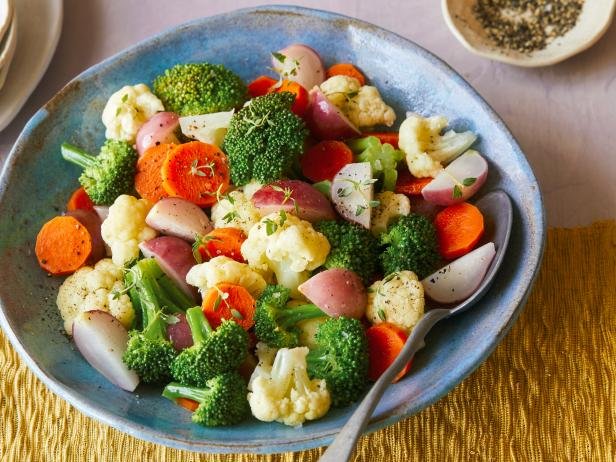
Recipe-1] STEAMED VEGGIE PLATTER

Ingredients:

Choice of vegetables/ seasonal availability based:

Carrots- 1 cup cubes

French beans-1/2 cup cut

Green zucchini- ½ cup cubes

Yellow zucchini- ½ cup cubes

Asparagus- 10-12 pieces, cut

Cauliflower- 10-12 florets

Broccoli- 10-12 florets

Fresh mushrooms- 4-5 no, cut 1 x 2

Baby potatoes- 3-4 no cut 1 x 2

Snow peas- 100 gms

Red/ green/ yellow bell peppers- ½ cup cubed

For the dressing/ flavouring sauce to go along the steamed vegetables:

Olive oil-2 -2 tbsp.

Star anise- 1-2 no

Garlic- 3-5 cloves

Salt and crushed black pepper to taste

Mustard paste- ½ tsp

Soy sauce- 1-2 tsp

Tomato sauce-2-3 tsp

Parsley- 1 tbsp. chopped

Lime juice- 2-3 tsp

Mixed herbs- ½ tsp

Chili flakes-1/2 tsp

Method:

1. Prepare all the vegetables as per choice/ availability and liking for the recipe.

2. The vegetables need to be checked for quality, freshness and also to ensure there are no foreign or unwanted particles, worms etc in the cauliflower/ broccoli etc.

3. As a preventive measure it is also recommended to place the vegetables in salted water with a few drops of white vinegar in it and allow the vegetables to release out any such unwanted materials, rinse the vegetables thoroughly and keep them ready for steaming.

4. The steamer needs to be well set and the compartments to be decided as well on what to place where and how much. Steaming equipment’s can be working via electricity and also on gas.

5. Pre-heat the steamer, add water as needed to start with the process and place the assortment of veggies as per recipe and cover the steamer well and allow to start the cooking process.

6. Need to keep a check on the steamers for water content which may need to be refilled gradually, turn them off immediately once the cooking is done as per requirement, allow the contents in the steamer to stand on rest for a couple of mins and then either refresh with ice-cold water or allow to cool naturally.

7. Finally the ingredients for the sauce to be worked on, heat oil in a saucepan add in the ingredients one by one and allow the sauce to heat up a little for 2-3 mins, check for seasonings and adjust as needed, remove and serve it warm alongside the steamed veggies.

Recipe-2] SOY MUSTARD MARINATED CHICKEN

Ingredients:

Chicken legs/ thighs/ breast pieces- 750 gms, cut

For the marination:

Oil/ olive oil- 2-3 tbsp.

Mustard paste- 2 tsp

Lime juice- 2-3 tsp

Salt and pepper to taste

White vinegar-1 tsp

Mixed herbs- ½ tsp

Chili flakes-1/2 tsp

Soy sauce- 2-3 tbsp.

Red chili sauce- 2-3 tsp

Green chili sauce- 2-3 tsp

Celery-1 stalk cut into pieces

Bay leaf- 2 no

Crushed black peppercorns tsp

Method:

1. Prepare the cuts of chicken for the steamed recipe. I usually prefer to use thighs for this recipe. 

2. Wash the chicken well, skin may be removed for this recipe. apply the marination on the chicken pieces add a little white wine as well if desired into the marination, keep refrigerated for 30-45 mins.

3. Prepare the steamer/ steaming equipment for cooking the chicken pieces and ensure the water levels are up to the mark. Once chicken is done with marinating stage, place the pieces on the steamer and also add in a few small peeled shallots, some celery pieces, some sweet potatoes etc.

4. Check on the chicken after around 4-5 mins, turn the sides and ensure even cooking, using a brush the marinated can be applied on the chicken at regular intervals while cooking in order to prevent drying up of the chicken during cooking.

5. In a saucepan take in the rest of the marinated liquid and add a little corn flour and water solution and thicken up the liquid content a little and the same can be served with the chicken which has been steamed. Arrange the chicken pieces with assorted vegetables and drizzle the marination sauce over and serve hot with bread rolls, butter, glass of white wine.

Recipe- 3] STEAMED GINGER LIME PRAWNS

Ingredients:

Prawns – large/ medium size- 750 gms, cleaned- tail on.

For the marination:

Oil / olive oil

Salt and pepper to taste

Orange segments- ½ cup

Lemon grass- 3-4 pieces

Kaffir lime leaves- 3-4 no

Slit thai red chilies-2-3 no

Slit green chilies-2-3 no

Lime juice- 2-3 tsp

Ginger juliennes- 2- 3 tsp

White wine-2-3 tbsp. optional

Mustard paste-1 tsp

Coriander leaves- 2-3 tbsp. roughly cut

Sweet lime slices- 3-4 no

To serve with: 

Lemon garlic butter sauce, dill mayo sauce, butter garlic pepper sauce etc.

Method:

1. Prepare the prawns to start with, clean, de-vein them and rinse them well under running water, soak them in salt, vinegar water for 3-4 mins, refresh.

2. In a mixing bowl, prepare the marination and mix it well, add in the prawns and mix them well. allow them to steep in the marination for 20-30 mins in the fridge.

3. Prepare the steamer and adjust the water levels etc in it and pre-heat to the steaming point. Place a bed of banana leaf or butter paper at the base and then arrange the prawns in the steamer and lightly brush with the marination as well.

4. Cover and close the steamer and allow the prawns to steam and cook within for around 4-6 mins, apply a little marination using a brush in between during the cooking process as well to maintain the juicy texture of the prawns.

5. Once well done and cooked, turn off the steamer and remove the ready to eat prawns into a serving plate/platter and line up the choice of sauces to go alongside and enjoy the ginger lime prawns.

Recipe- 4] STEAMED HONEY CHILI LIME FISH

Ingredients:

Fish fillets- with center bone/ boneless chunky fish- 500- 750 gms

For the marination:

Oil/ olive oil- 2-3 tsp

Lime juice- 2-3 tsp

Lemon zest – 1 tsp

Lemon grass- 5- 8 pieces

Lemon leaves- 4-5 no

Fresh basil leaves- 4-5 no

Slit red chilies- 3-4 no

Slit green chilies- 3-4 no

Salt and pepper to taste

Thai red curry paste-2-3 tsp

Honey- 2-3 tsp

Soy sauce- 2-3 tsp

Chili vinegar- 2-3 tsp

White wine- 2-3 tbsp. optional

Fresh herbs- parsley/ dill/ coriander- few sprigs

Assorted veggies/ greens to go alongside with the steamed fish.

Choice of greens- spinach/ asparagus/ snow peas/ green zucchini etc

Method:

1. Start up with the pre-preparation for the fish. Clean, wash and prepare the cuts.

2. In a mixing bowl, combine together the marination contents and mix them well, now add in the fish pieces, mix well and keep refrigerated for 20 mins.

3. In the meantime, prepare the steamer and ensure the water levels are followed and met up with, pre- heat the steamer for a few mins and then create a bed of banana leaf or butter paper and place the fish fillets/ cuts and brush them with a little more of the marination.

4. Cover and close the steamer and allow the fish to cook up well inside with the steam and within 5-7 mins it should be ready. Check for doneness, turn off the steamer, meanwhile keep the presentation plate ready along with all garnishes and accompaniments and finally dish out the steamed fish.

5. The leftover marination can be heated up in a saucepan, a little coconut milk can be added to it and fresh basil leaves, a little corn flour and water solution to thicken up the sauce and serve it alongside the steamed fish and a bowl of steamed rice.

Recipe- 5] CITRUS LOBSTER STEAMED DELIGHT

Ingredients:

Lobster- 2 pieces, meat removed, shells washed and blanched.

For the marination of the lobster flesh:

Oil / olive oil- 2-3 tbsp.

Salt and pepper to taste

Lime juice- 2-3 tbsp.

Cumin seeds- 1 tsp, roasted and crushed.

Garlic- 1 tsp chopped

Ginger-1 tsp chopped

Red chili flakes- ½ tsp

Mixed herbs-1/2 tsp

Lime slices- 4-5 no

Curry leaves- 10-12 no

Lemon grass- 5-6 pieces

For the sauce to go along with the steamed lobster:

Butter- ¼ cup

Garlic- 1 tsp sliced

Parsley- 2- 3- tbsp. chopped

Shallots- 5-7 no, sliced

Salt and crushed black pepper to taste

Lime juice- 2-3 tbsp.

White wine-2-3 tbsp. optional

Cherry tomatoes- 6- 8 no

Method:

1. Prepare the lobster to start with and pre-prep the lobster flesh and the shells, keep aside.

2. In a mixing bowl, combine the contents of the marination and mix it well. add in the lobster pieces and gently mix them, place in the refrigerator for 30 mins for resting.

3. Meantime, we can get ready with the steamer/ steaming equipment and adjust the water levels as needed within. Line up a little banana leaf/ butter paper and then place the marinated pieces on top and cover.

4. Start the steaming process and allow the lobster to cook well on all sides, turn it over occasionally and brush with a little marination too along the way, it will take around 8- 10 mins to get this done and finally once ready, turn off the steamer and prepare the sauce to go along side in a pan and continue with the plating of the lobster recipe, serve it hot.

Recipe- 6] STEAMED STUFFED CHICKEN BREASTS

Ingredients:

Chicken breasts- 500- 750gms, 3 – 5 pieces.

For the marination on the chicken breasts:

Oil- ¼ cup

Salt and pepper to taste

Lime juice- 2 tsp

Mustard paste-1 tsp

White wine- 2-3 tsp opt

All spice powder-1/2 tsp

Fresh herbs- 2 varieties- 2-3 tbsp.

Honey- 2-3 tsp

Chili flakes- ½ tsp

Mixed herbs- ½ tsp

Capsico sauce- 1 tsp

Red chili sauce- 2 tsp

Brown sugar- 2-3 tsp

For the stuffing of the chicken breasts:

Boiled mashed potatoes- 2 -3 cups

Oil-2 tbsp.

Garlic- 2 tsp chopped

Ginger-1 tsp chopped

Green chilies- 1 tsp chopped

Salt and pepper to taste

Red chili flakes-1/2 tsp

Mixed herbs- ½ tsp

Garam masala powder-1/2 tsp

Grated cheese-1/2 cup

Olives- 2 tbsp. sliced black

Olives- 2 tbsp. sliced green

Parsley/ coriander leaves- 2 tbsp. chopped

Green peas -1 cup boiled

For the sauce to go along with the chicken:

Mayonnaise -1 cup

Olive oil-2 tsp

Curry leaves- 10-12 no

Slit red chilies- 2-3 no

Shallots- 2-3 tbsp. sliced

Coriander leaves- 2 tbsp. chopped

Lime juice-2 tsp

Cream cheese- 2-3 tsp

Capsico- ½ tsp

Peanut butter-2 tsp

Assorted seeds- 2 tsp, pumpkin, sunflower, flax seeds

Method:

1. To start with the recipe, work on the chicken breast pieces, remove the bone inside and retain the skin ideally to maintain the moisture content.

2. We can now proceed since we have slit the chicken breasts open and the idea is to marinate them inside out and then place a little stuffing in between each opened up breast and then close, seal and place it for steaming and getting it cooked.

3. To proceed with the recipe, heat oil in a pan add in the ingredients for the stuffing and cook them all well for 3-4 mins, turn off the flame add in cream cheese and mix, cool the stuffing, place a little in between each chicken breast piece and close, seal the chicken breasts and allow to chill for 20 mins in the freezer.

4. Prepare the sauce to go alongside with the chicken, in a mixing bowl combine together all the contents of the sauce starting from mayonnaise and mix well, it is a cold sauce which is going along so no cooking here as such, mix well, chill for 20 mins.

5. Now prepare the steamer for the cooking of the chicken breasts which have been stuffed and chilled by now, place the pieces on a bed of banana leaf/ butter paper, close it well and cover the steamer, allow the chicken to cook in the steam for 20-25 mins, check on the water level along the way. 

6. Once the chicken is well cooked, turn off the steamer, arrange the chicken pieces on a serving plate accompanied by some chilled sauce/dip and serve the chicken. Ideally slice the breasts 1 x 2 or 1 x 3, so that the inside filling is a little visible as well, serve.

Ingredient Ideology | The Grape Trivia By: Dr. Kaviraj Khialani- Celebrity Master Chef

A grape is a fruit, botanically a berry, of the deciduous woody vines of the flowering plant genus Vitis. Grapes can be eaten fresh as table grapes, used for making wine, jam, grape juice, jelly, grape seed extract, vinegar, and grape seed oil, or dried as raisins, currants and sultanas. They have said to be introduced by the Phoenicians carried the grape into France about 600 BC. The Romans planted grapes in the Rhine valley not later than the 2nd century. The nutrients in grapes may help protect against cancer, eye problems, cardiovascular disease, and other health conditions. Resveratrol is a key nutrient in grapes that may offer health benefits. Grapes are a good source of fiber, potassium, and a range of vitamins and other minerals.

It is said that grapes have been around for almost 66 million years Amazingly, the oldest-known grapes grew in central India long before humans existed. Scientists discovered fossilised grapes, which were dug from sediment, that have since suggested an age of around 66 million years plus now. While some still try and look out for the reason why it is addressed as a grape? the simple reason being A grape is a small, sweet fruit that grows in clusters on a vine. Dried grapes are known as raisins, and this versatile berry is used to make many other products, including jelly, juice, and wine. Experts believe the word grape comes from an Old French verb, graper, "catch with a hook" or "pick grapes off the vine."

Grapes come in many colors, including green, red, black, yellow, pink, and purple. "White" grapes are actually green. "White" grapes are actually green in color, and are evolutionarily derived from the purple grape. Mutations in two regulatory genes of white grapes turn off production of anthocyanin’s, which are responsible for the color of purple grapes. While it is also believed that Grapes are a good source of potassium, a mineral that helps balance fluids in your body. Potassium can help bring down high blood pressure and lower your risk of heart disease and stroke. Most people don't get enough of this nutrient, so eating grapes can help fill the gap.

Talking of how many varieties of grapes are known to us? Humans have been cultivating grape vines (Vitis vinifera, a different species than the table or concord grape) for wine since the Neolithic era. There are now more than 10,000 wine grape varieties in the world, but only a few varieties have achieved widespread popularity and acclaim. Another term associated with grapes is bloom, known as the "bloom," the waxy, silvery-white substance on the surface of grapes, blueberries, and certain plums acts as a barrier against insects and bacteria and helps to seal in the fruit's moisture. The bloom is also a sign of freshness, since it fades with time and handling.

Grape is a versatile crop that can adjust to any type of climate. The ideal climate is in the Mediterranean region. In Europe, America, Australia and Russia, it is grown under temperate conditions, while in Afghanistan, Iraq, Iran, China, Pakistan, Israel and North India it is grown under sub-tropical conditions. Are grapes good for skin? Yet another query which pops up from most foodies and connoisseurs, and the reply being filled with Vitamin C and antioxidants, grapes can help to revitalize your skin. In fact, they can even protect your skin from cancer-causing ultraviolet radiation and free radicals that can, on a lesser scale, cause wrinkles and dark spots, grapes are truly good for the skin. While they are great for overall health, grapes are loaded with sugar and fats, which makes them the wrong fruit to eat while on a strict weight loss diet. 100 grams of grapes may contain 67 calories, and 16 grams of sugar, which means regular intake of these tiny delights could cause weight gain. Can grapes make you drunk? Well, grapes contain no alcohol (or very little, if they have begun to “rot” (ferment) they may have trace amounts of alcohol, but your stomach would fill up before you could eat enough to get even the little bit drunk). So the answer is, you can't get drunk from eating fresh grapes.

Here are a few Health Benefits of GRAPES:

1. Grapes are a great immunity boosting fruit and useful ingredient in a number of ways.

2. Grapes also aid in weight loss in some cases, if used and consumed wisely and in moderation with a balanced angle.

3. Grapes help in our digestion as well, need to have them once in a while to benefit from its qualities and plus points.

4. Grapes helps to lower cholesterol and regulates the blood pressure in the body as well.

5. Grapes help strengthen our bones and also are also considered good for hydration.

6. Grapes are rich in health and also protecting anti- oxidants. 

7. Grapes increase good cholesterol levels in our body. 

8. Grapes support muscle repair in our body and wear and tear is taken care of.

9. Grapes are also considered to be good for the skin and anti- aging as well.

10. Grapes improve the functioning of the human brain and overall supports the well-being being good for the eyes as well.


Here are a few Easy to Prepare – Yummy Recipes using Grapes:


Recipe-1] CITRIC GRAPE COOLER

Ingredients:

Green grapes- 200 gms, cleaned and washed

Amla/indian gooseberry- 1-2 pieces, boiled, mashed

Lemon juice-2 tsp

Sugar syrup-2-3 tsp

Mint leaves- 10-12 no

Fresh basil leaves- 4-5 no

Ginger juice- 1 tsp

Crushed ice- 1-2 cups

Aerated drink- as desired, suggested to use sprite/ 7 up

Method:

1. Prepare all the ingredients for the citrus cooler drink recipe.

2. In a blender combine together the green grapes, the Amla pulp, few mint leaves and basil leaves and adding a little crushed ice and few drops of water, blend it into a nice mash.

3. Add a little roasted crushed cumin powder/ black salt as well into the prepared pulp or rub it on the rim of the glass being served.

4. Place some crushed ice at the base of the glass, add in the prepared grape mash, add some basil leaves, sugar syrup to balance the taste, top it up with the chilled aerated beverage, lightly stir and enjoy the cooler.


Recipe-2] GRAPE AND SPICY CAULI ROAST

Ingredients:

Cauliflower- 400gms, cleaned, florets

Red grapes/California grapes- 250 gms

For the marination:

Olive oil/ oil-2 tbsp.

Mustard paste- 1 tsp

Lime juice- 2 tsp

Salt and crushed black pepper to taste

Mixed herbs- ½ tsp

Chili flakes-1/2 tsp

Roasted crushed cumin powder-1/2 tsp

Roasted crushed fennel seeds-1 tsp

Brown sugar-2 tsp

White vinegar-2 tsp

Parlsey-2-3 tbsp. chopped

To serve with:

Yogurt- mint- garlic dip/sauce

Garlic mayonnaise

Minted yogurt sauce

Garlic tahini dip

Schezuan mayonnaise dip

Method:

1. Pre-heat the oven to 170 degrees celsius and assemble all the ingredients for the recipe.

2. Prepare the cauliflower florets, blanch them in boiling water for 3-4 mins, remove and cool.

3. Grease a roasting tray with a little oil/butter and prepare the marination on the tray add in the cauliflower and grapes and rub them with the marination.

4. Place the tray in the oven for roasting and cooking the cauliflower and grapes for around 20-25 mins, turn it occasionally inside to ensure even cooking.

5. Remove once done, serve it warm on a platter/bowl and place assorted dips and sauces alongside to enjoy the Cauli and grape recipe.


Recipe-3] HEALTHY GRAPE SALAD

Ingredients:

For the base of the salad:

Iceberg lettuce leaves/ Lollorosso lettuce- 1 cup mix

For the body of the salad:

Green grapes/ red grapes- 1 cup assorted

Green apple- 1 no, cut into slices

Pear- 1 small, sliced

Cherry tomatoes- 3-4 cut 1 x 2

Walnuts- 5-6 no

Black currants/ raisins- 2-3 tsp

For the dressing of the salad:

Olive oil- 2-3 tbsp.

Mustard paste-1 tsp

Brown sugar- 1-2 tsp

Lime juice- 2-3- tsp

Ginger juliennes- 2 tsp

Honey- 2-3 tsp

Crushed black pepper- 1 tsp

Salt to taste

White vinegar-1 -2 tsp

For the garnish of the salad:

Fresh herbs/ parsley/mint/ basil leaves- as desired

Assorted seeds- pumpkin/ chia/ sunflower seeds-1-2 tsp

Method:

1. Assemble all the ingredients for the salad recipe.

2. In a mixing bowl /jar combine together the ingredients for the dressing and give them all a nice shake/stir and keep aside.

3. Assemble the salad leaves for the base on a serving plate/bowl.

4. In a mixing bowl, place all the ingredients for the body of the salad and drizzle in the dressing just before serving, give the salad a nice toss and place it on the base of lettuce leaves.

5. Garnish the salad appropriately and serve it immediately.

Recipe-4] NUTTY CHEESE WRAPPED GRAPES

Ingredients:

Green grapes/ red grapes- 150 gms, cleaned and washed

For the marination on the grapes:

Olive oil- 2-3 tsp

Mixed herbs- ½ tsp

Chili flakes- ½ tsp

Salt and pepper to taste

Chaat masala-1/2 tsp

Chopped coriander-2- 3 tsp

Lime juice-2 tsp

Honey-2 tsp

For the coating on the grapes:

Cream cheese- 1 cup

Chopped green chilies-1 tsp

Chili flakes-1/2 tsp

Crushed black pepper-1/2 tsp

Parsley- 1 tbsp. chopped

For the final coating:

Assorted nuts to be chopped

Pista-2-3 tsp

Almonds- 2-3 tsp

Cashews-2-3 tsp

Wanuts-2-3 tsp

Method:

1. Prepare all the elements of the recipe and keep it ready, choose slightly bigger sized grapes for this recipe and not the very small ones.

2. In a mixing bowl, prepare the marination for the grapes, apply it well and keep aside for 10 mins.

3. We can now prepare the cream cheese coating mixture and coat every grape using a tong into the cream cheese and immediately roll it up into the assorted dry fruit mixture to give it a nice crusty texture and look. Place the grapes on a butter paper and refrigerate for 20-25 mins.

4. Now arrange the set chilled grapes on a serving platter and using toothpicks offer these delicacies to the guests with a glass of wine to enjoy and relish a tempting mouth burst of flavors

Recipe-5] GRAPE ON A SWEET NOTE

Ingredients:

Green grapes/ red grapes/ California grapes- 200 gms.

For the creamy mixture:

Hung curd-1 cup, beaten up

Fresh cream- 2-3 tbsp. sweetened, whipped

Honey-2-3 tsp

For the layers in the dessert:

Crushed digestive biscuits- 1 cup or cake crumbs/brownie crumbs can also be used.

Sliced kiwi fruit- ½ cup

Sliced strawberries- ½ cup

Mixed fruit jam-2-3 tbsp. or marmalade/ jelly etc can be used.

Chocolate chips- 2-3 tbsp.

Rabdi/custard/phirni/Aamras etc can also be added.

For the nutty flavor and crunch:

Coconut/ peanut/ mix fruit / cashew chikki- 2-3 tbsp. crushed.

Mint/ cherries/ assorted nuts/ seeds for garnish.


Method:

1. Prepare all the elements of the recipe and keep them ready.

2. Decide the layers of the dessert and pre-prep all the contents.

3. Using chilled glasses start with the curd mixture/ any choice as listed above can be layered.

3. Place the crushed digestive biscuits/cookies in between add fresh fruits, sliced grapes in the layers along with others, add chocolate chips etc and repeat the layers.

4. Chill the glasses for around 1-2 hours in the fridge and then serve it garnish with assorted nuts/ chikki/ mint/ seeds etc and enjoy the dessert.


Recipe-6] GRAPE AND BERRY SMOOTHIE COMFORT

Ingredients:

California grapes/ red /black grapes- 150 gms

Dates- 4-5 no chopped

Soy milk/ milk- 2-3 cups

Honey- 2-3 tbsp.

Chia seeds- 1-2 tsp soaked for 20 mins

Raisins- 2-3 tsp

Walnuts- 2-3 tsp

Cranberries- 2-3 tbsp.

Yogurt-2-3 tsp

Banana-1 ripe, peeled and chopped

Flax seeds- 1-2 tsp

Method:

1. Prepare all the ingredients for the healthy grape smoothie recipe.

2. In a blender jar, combine together the ingredients with the grapes, fruit, nuts, banana and adding little milk blend it all together.

3. Adjust the texture using curd, milk, honey and dates to get a nice contrast in the taste and flavor.

4. Allow the smoothie to chill for around 10-12 mins before being poured out and served. Pour the healthy shake into tall glasses, add chia seeds, assorted nuts and seeds, herbs as desired and serve it.

Ingredient Ideology | YAM Special Recipes to Relish By: Dr. Kaviraj Khialani- celebrity master chef.

INTRODUCTION TO YAM OR SURAN:

Suran, also known as yam or elephant foot yam, is a tropical tuber widely cultivated for its starchy edible root. Belonging to the Dioscoreaceae family, Suran is a staple in many Asian and African cuisines. Its unique appearance, characterized by a rough, scaly exterior resembling an elephant's foot, contributes to its distinctive identity. This versatile tuber is not only a source of nutrition but also holds cultural significance in various regions where it is consumed.

ORIGIN OF YAM OR SURAN


The exact origin of Suran can be traced to Southeast Asia and is believed to have been cultivated for centuries. It is thought to have originated in regions encompassing India, Malaysia, and Indonesia. Over time, Suran spread to other tropical and subtropical areas, becoming a significant part of the culinary landscape in many countries. As a hardy and adaptable crop, Suran thrives in warm climates with well-drained soil, making it well-suited for cultivation in diverse regions across Asia, Africa, and parts of the Americas.

HEALTH BENEFITS OF YAM/SURAN:

Yam, including Suran, offers various health benefit:

Rich in Nutrients: Yam is a good source of essential nutrients such as carbohydrates, fiber, vitamin C, vitamin B6, potassium, and manganese.

Digestive Health: The fiber content in yam supports digestive health by promoting regular bowel movements and preventing constipation.

Antioxidant Properties: The presence of antioxidants, especially vitamin C, helps neutralize free radicals in the body, potentially reducing the risk of chronic diseases.

Blood Sugar Regulation: The fiber and complex carbohydrates in yam contribute to stable blood sugar levels, making it a suitable option for those managing diabetes.

Heart Health: Potassium in yam supports heart health by helping regulate blood pressure, reducing the risk of cardiovascular diseases.

Immune System Support: Vitamin C and other antioxidants in yam play a role in supporting the immune system, helping the body defend against infections and illnesses.

Bone Health: Yam contains minerals like manganese and potassium, which are important for maintaining healthy bones.

Weight Management: The fiber content in yam can contribute to a feeling of fullness, potentially aiding in weight management by reducing overall calorie intake.


USING YAM/SURAN IN KITCHEN

Suran, or elephant foot yam, is a versatile ingredient that can be used in various culinary applications. Here are some common ways to use suran in the kitchen:

Curries and Stews: Suran is often used in traditional curries and stews. Its starchy texture absorbs flavors well, making it a great addition to spicy and aromatic dishes.


Frying and Roasting: Suran can be cut into slices or cubes and fried or roasted. This method enhances its natural sweetness and creates a crispy exterior.

Grilled or Barbecued: Suran can be marinated and grilled or barbecued for a smoky flavor. It works well with various spices and marinades.

Soups and Broths: Adding suran to soups and broths can provide a hearty and substantial element. Its texture complements liquid-based dishes.

Stir-Fries: Suran can be included in stir-fries with a mix of vegetables and sauces. Its firmness holds up well in high-heat cooking.

Chips or Fries: Thin slices of suran can be deep-fried or baked to create chips or fries. This offers a crunchy and flavorful snack.

Grated in Batters: Grated suran can be added to batters for pancakes, fritters, or pakoras, enhancing the texture and nutritional content.

Pickling: Suran can be pickled in various ways, adding a tangy and spicy element to your meals.

RECIPES USING YAM/SURAN

1. Suran Stir-Fry:

Ingredients:

  • 1 medium-sized suran (elephant foot yam), peeled and diced

  • 1 onion, finely chopped

  • 1 tomato, chopped

  • 1 green chili, finely chopped

  • 1 teaspoon ginger-garlic paste

  • 1/2 teaspoon turmeric powder

  • 1 teaspoon cumin seeds

  • 1 teaspoon coriander powder

  • Salt to taste

  • Fresh coriander leaves for garnish

  • Cooking oil

Instructions:

  1. Heat oil in a pan, add cumin seeds, and let them splutter.

  2. Add chopped onion and green chili, sauté until onions are golden brown.

  3. Stir in ginger-garlic paste and sauté for a minute.

  4. Add diced suran, turmeric powder, coriander powder, and salt. Mix well.

  5. Cover and cook on medium heat, stirring occasionally until suran is tender.

  6. Add chopped tomatoes and cook until they are soft and the suran is cooked through.

  7. Garnish with fresh coriander leaves and serve hot.

2. Suran Chips:

Ingredients:

  • 1 large suran (elephant foot yam), peeled and thinly sliced

  • 1 tablespoon rice flour

  • 1 teaspoon red chili powder

  • Salt to taste

  • Oil for frying


Instructions:

  1. In a bowl, mix rice flour, red chili powder, and salt.

  2. Toss the thinly sliced suran in the spice mixture, ensuring even coating.

  3. Heat oil in a pan for deep frying.

  4. Fry the suran slices in batches until they are golden brown and crisp.

  5. Remove from the oil and place on absorbent paper to drain excess oil.

  6. Serve the suran chips as a crunchy snack or as a side dish.

3.Suran Curry:

Ingredients:

  • 1 medium-sized suran (elephant foot yam), peeled and diced

  • 1 onion, finely chopped

  • 2 tomatoes, pureed

  • 1 tablespoon ginger-garlic paste

  • 1 teaspoon turmeric powder

  • 1 teaspoon red chili powder

  • 1 teaspoon garam masala

  • Salt to taste

  • Fresh cilantro for garnish

  • Cooking oil

Instructions:

  1. Heat oil in a pan, sauté onions until golden brown.

  2. Add ginger-garlic paste, diced suran, and cook until suran is slightly tender.

  3. Mix in tomato puree, turmeric powder, red chili powder, garam masala, and salt.

  4. Cook until suran is fully cooked, and the curry reaches desired consistency.

  5. Garnish with fresh cilantro and serve with rice or flatbread.

4. Suran Masala Roast:

Ingredients:

  • 1 large suran (elephant foot yam), peeled and cut into cubes

  • 2 tablespoons oil

  • 1 teaspoon mustard seeds

  • Curry leaves

  • 1 tablespoon sambar powder

  • Salt to taste

Instructions:

  1. Heat oil in a pan, add mustard seeds and curry leaves.

  2. Add suran cubes, sambar powder, and salt. Roast until suran is golden brown.

  3. Stir occasionally, ensuring even coating of masala.

  4. Once suran is tender and roasted, remove from heat.

  5. Serve hot as a side dish or snack.

5. Suran Kebabs:

Ingredients:

  • 1 cup boiled and mashed suran

  • 1/2 cup boiled and mashed potatoes

  • 1/2 cup breadcrumbs

  • 1 teaspoon garam masala

  • 1 teaspoon chaat masala

  • Salt to taste

  • Oil for frying

Instructions:

  1. Mix mashed suran, potatoes, breadcrumbs, garam masala, chaat masala, and salt.

  2. Shape the mixture into small kebabs.

  3. Heat oil in a pan, shallow fry the kebabs until golden brown.

  4. Serve with mint chutney or your favorite sauce.

6. Yam Pineapple Salad:

Ingredients:

  • 2 cups yam, peeled and diced

  • 1 cup pineapple chunks, fresh or canned

  • 1/2 cup red bell pepper, diced

  • 1/4 cup red onion, finely chopped

  • 1/4 cup fresh cilantro, chopped

  • 1/4 cup unsweetened coconut flakes (optional)

  • 2 tablespoons olive oil

  • 1 tablespoon lime juice

  • 1 teaspoon honey or maple syrup

  • Salt and pepper to taste

Instructions:

  1. Peel and dice the yam into bite-sized pieces. Boil in salted water until tender but still firm. Drain and let it cool.

  2. If using fresh pineapple, peel and dice it into chunks. In a bowl, combine the cooled yam, pineapple chunks, diced red bell pepper, chopped red onion, and fresh cilantro.

  3. In a small bowl, whisk together olive oil, lime juice, honey or maple syrup, salt, and pepper. Adjust the sweetness and acidity according to your taste.

  4. Pour the dressing over the yam and pineapple mixture. Gently toss to coat all the ingredients evenly.

  5. If using coconut flakes, add them to the salad and toss again.

  6. Refrigerate the salad for at least 30 minutes to allow the flavors to blend and the salad to cool.

  7. Serve the yam pineapple salad chilled as a side dish or a refreshing appetizer.

  8. Garnish with additional cilantro before serving, if desired.


INSTRUCTIONS:

  1. Choose a suran that feels firm and heavy for its size.

  2. Look for a smooth, unblemished skin without soft spots or signs of decay.

  3. Use a sharp knife to remove the rough, scaly skin of the suran.

  4. Suran contains oxalate crystals that can cause skin irritation. To minimize this, rub your hands with oil before handling or wear gloves.

  5. Suran is versatile and can be boiled, fried, roasted, or incorporated into various dishes.

  6. Suran has a neutral taste and can absorb flavors well. Pair it with spices, herbs, and seasonings to enhance its taste in various dishes.

  7. If not using immediately, immerse cut suran in water with a little lemon juice or vinegar to prevent browning.

  8. Store suran in a cool, dry place. Once cut, store it in the refrigerator for a few days.

CONCLUSION:

Suran, or elephant foot yam, is a versatile and nutritious tuber with a rich culinary history. From its origins in Southeast Asia to its widespread cultivation in various tropical regions, Suran has become a staple in many cuisines. Its unique appearance, characterized by a scaly exterior resembling an elephant's foot, adds to its distinct identity.Suran offers a range of health benefits, including being a good source of nutrients, supporting digestive health, and contributing to heart health and immune system support. Its adaptability to different cooking methods makes it a versatile ingredient in the kitchen.Whether you're a seasoned chef or a home cook, incorporating Suran into your culinary repertoire can bring a unique and nutritious element to your dining experience.

Green Hospitality Starts with Clean Machines: Embracing Sustainable Operations By Mr. Varun Handa - Strategic Lead  - BSC, Hospitality  Kärcher India

Green hospitality begins not with marketing slogans but with the tools that maintain every guest-facing surface—and clean machines lie at the heart of this transformation. By integrating sustainability into the design of cleaning equipment and operations, hospitality leaders can maintain the highest hygiene standards while conserving energy, water, and materials. From ergonomic, whisper-quiet vacuums to intelligent scrubber-driers, modern cleaning systems deliver both environmental and operational excellence. In this article, our leadership team outlines how clean-machine ethics, rooted in guest experience, operator wellbeing, and product stewardship, serve as the foundation for truly sustainable hospitality.

Hospitality is a 24/7 showcase, and cleanliness shapes every guest’s first impression. Leading properties choose equipment that combines powerful performance with quiet operation and effortless handling—ensuring public areas remain pristine without disturbing patrons or staff. Ergonomic design minimizes operator fatigue, reduces turnover, and promotes consistent cleaning quality. Moreover, by retiring outdated manual tools in favor of battery-powered sweepers and compact dry vacuums, teams can swiftly address high-traffic zones with minimal noise and zero emissions at the point of use.

Hospitality cleaning demands machines that disappear into the background—quiet enough to run during check-in hours and compact enough for narrow corridors and small alcoves. This “only the best is good enough” mindset drives us to specify vacuums under 60 dBA that still deliver commercial-grade suction, as well as scrubber-driers engineered for both textured and smooth floors. Investing in quiet, versatile cleaning tools not only elevates guest comfort but also underscores an operator-centric culture where ease of use and noise reduction are non-negotiable.

Beyond operator comfort, sustainable operations hinge on reducing resource consumption at every step. Advanced scrubber-driers now integrate adjustable pressure settings and roller-brush technologies that deliver deeper clean in a single pass, cutting energy and water use by up to 40% per cycle. On-board metering systems ensure precise detergent dosing, eliminating wasteful overuse and reducing chemical runoff. These features align with our commitment to responsible resource stewardship across product lifecycles.

Water scarcity is a growing global concern, and cleaning processes must adapt accordingly. By equipping machines with quick-change nozzles and optimized flow regulators, hotels can slash rinse-cycle volumes by half without compromising hygiene standards. In larger properties, capturing and recirculating rinse-water for pre-clean or landscaping applications further extends conservation gains—transforming waste streams into operational assets.

Sustainability isn’t only hardware-driven; it flourishes where machines communicate and learn. Connected cleaning platforms monitor usage patterns, flag maintenance needs, and optimize cleaning schedules to avoid energy-intensive peak periods. This predictive approach reduces unplanned downtime, extends equipment lifespan, and ensures cleaning resources are allocated precisely when and where they’re needed—minimizing idle time and unnecessary wear.

True sustainability encompasses the full product journey—from raw materials to end-of-life recycling. We source components with low embodied carbon and robust recyclability profiles, while requiring manufacturing partners to adhere to strict environmental and social standards. At end-of-service, equipment is returned, refurbished, or responsibly dismantled, keeping materials in use and out of landfills. This cradle-to-cradle philosophy underpins our pledge to “be the difference” in both guest environments and the communities we serve.

Technology alone cannot drive sustainability—people do. Comprehensive training programs reinforce best practices for machine operation, resource conservation, and guest-centric service. By empowering staff with intuitive interfaces and clear impact metrics, we foster ownership and pride in sustainable cleaning routines. As a result, team members become ambassadors of green hospitality, embedding eco-friendly habits into every shift.

Embracing clean-machine ethics transforms routine housekeeping into a strategic pillar of green hospitality. By prioritizing ergonomic, low-impact equipment and embedding sustainability into design, materials, and operations, hotels achieve hygienic excellence while safeguarding resources. As guest expectations evolve, this integrated approach delivers both superior experiences and meaningful environmental returns—proving that the path to true hospitality begins with the machines we trust to clean.

ABOUT MR. VARUN HANDA

STRATEGIC LEAD – BSC & HOSPITALITY | KÄRCHER INDIA

Mr. Varun Handa is at the helm of Kärcher India's hospitality strategy, steering its expansion, innovation, and sustainability initiatives. Under his leadership, the brand has strengthened its national presence, introduced cutting-edge cleaning solutions, and reinforced its commitment to environmental responsibility. His focus on ‘Make in India’ drives localized production, ensuring tailored offerings for Indian consumers. Beyond business growth, Mr. Handa champions cultural preservation, overseeing Kärcher’s efforts in maintaining iconic heritage sites. With a customer-first approach, he continues to position Kärcher as a reliable partner in operational excellence for the hospitality sector.


Ingredient Ideology | Dabeli Delights By: Dr. Kaviraj Khialani- Celebrity Master Chef.

A delicious all-day munch to satisfy a snack bite!

Dabeli has that genius blend of softness and crunch. A dabeli is made of buttered pao, grilled on a tawa, split open & stuffed each vendor insinuates his own special flavours into the dish. Apparently, dabeli was invented by one Keshavji Gabha Chudasma in one of the port town of Kutch. The name Dabeli comes from the act of pressing a filling made with spiced mashed potatoes with simple ingredients. It has its origin in the Gujarati language. So it is essentially a snack where a potato filling is pressed into a paav or a bun. 

Dabeli is believed to have been invented in the 1960s by Keshavji Gabha Chudasma in Mandvi in Kutch district of Gujarat. It is the most popular fast food from Gujarat and Gujarati people love to have Kutchi Dabeli during the whole days, it is a very simple but very unique and interesting recipe made from Aloo or Potato Masala Mixture and Bun Rolls or Pav which is also used in Vada Pav, Pav Bhaji, Misal Pav, Usal Pav, etc.

One of the very basic recipe of a dabeli masala calls for Whole Spices – To make this Dabeli Masala at home, you will need an array of spices that are roasted until aromatic and then ground to make a powder. These spices include coriander seeds, cumin seeds, sesame seeds, fennel seeds, cloves, black peppercorns, cinnamon, star anise, dry red chilies, and bay leaves.

While some foodies also try finding out the difference between a dabeli and a vada pav, Dabeli or Dabeli is the Gujarati cousin of Mumbai's vada pav, unlike vada-pav, dabeli is sweet and spicy and crunchy which makes it my personal favourite between the two at times for a change. The pomegranate pearls, chutneys, onions and peanuts all come together to add flavour and a unique texture to the potato mix. Today this concept of dabeli has gained its popularity the world over and has been well accepted by fans, foodies and followers.

“Dabeli is just too amazing to relish & it is also possible to innovate with this concept as well, I tried a mexican peri- peri spiced dabeli with salsa and olives, an Italian dabeli with sun-dried tomato garlic chutney laced on an herbed chili potato mash with choice of herbs and flavors.”- Chef Kaviraj Khialani- Celebrity Master Chef.


Here are Three easy to make Dabeli Recipes for that perfect Snack Bite:

Recipe-1] DILDAAR DABELI

Ingredients

For the fresh mix of dabeli spice:

Coriander seeds- 1 tsp

Cumin seeds-1 tsp

Fennel seeds- ½ tsp

Black pepper powder-1/2 tsp

Cinnamon stick- ½ inch piece

Black cardamom-1 piece

Cloves- 2-3 no.

Star anise-1 no

Bay leaf-1 no

White sesame seeds- 1 tsp

Dry coconut- 2tbsp.

Red chili- 2-3 no

Turmeric powder-1/2 tsp

Aamchur powder-1/2 tsp

Salt to taste

Sugar-1 tsp

For the potato mixture:

Potatoes- 3 medium sized, peeled, mashed

Tamarind chutney- 2-3 tsp

Water-1/4 cup

Oil-2 tbsp.

Salt to taste

Coconut- 2tbsp. grated

Coriander leaves- 2tbsp. chopped

Roasted/fried peanuts-2-3 tbsp.

Nylon sev- ¼ cup

Fresh pomegranate seeds-1/4 cup

For serving the dabeli:

Pav- 5-6 pieces

Butter-2-3 tbsp.

Green mint-coriander chutney- 2-3 tbsp.

Tamarind chutney-2-3 tbsp.

Onions-2 small, chopped

Method:

1. Prepare all the ingredients for the dabeli recipe.

2. Start with the dry roasting of the spices for a few mins as listed under dabeli masala and cool completely.

3. Make a dry powder mix of the same and keep in an airtight container and use the dabeli masala as needed.

4. Now to prepare the potato mixture, heat oil/ghee in a kadai, and add in the prepared dabeli masala mix- blend it with ¼ cup water and tamarind chutney and allow it to cook for 30 seconds, add in the boiled mashed potatoes and mix well.

5. Remove the prepared potato mixture into a plate. Allow to cool, top it up with the other ingredients like coconut, coriander, pomegranate and sev.

6. Now comes the assembling part of the dabeli. Slit open the pao, apply little butter/chutney, and tamarind chutney, place the cooked and cooled potato mixture in the center. Press it down well and add in some onions, heat up a tava, grease it well and cook the dabeli on both sides to a nice light crusty color, remove and coat the sides with nylon sev and serve hot as a snack.


Recipe-2] TEEKHI- MEETHI DABELI

Ingredients

For the fresh mix of Dabeli spice:

Coriander seeds- 1 tsp

Cumin seeds-1 tsp

Fennel seeds- ½ tsp

Black pepper powder-1/2 tsp

Cinnamon stick- ½ inch piece

Black cardamom-1 piece

Cloves- 2-3 no.

Star anise-1 no

Bay leaf-1 no

White sesame seeds- 1 tsp

Dry coconut- 2tbsp.

Red chili- 2-3 no

Turmeric powder-1/2 tsp

Aamchur powder-1/2 tsp

Salt to taste

Sugar-1 tsp

For the spicy- sweet stuffing mixture:

Potatoes- 3 medium sized, peeled, mashed

Schezuan chutney-2-3 tsp.

Fried Manchurian balls- 10-12 no

Water-1/4 cup

Sweet- n- sour jaggery imli chutney-2-3 tsp

Oil-2 tbsp.

Salt to taste

Coconut- 2tbsp. grated

Coriander leaves- 2tbsp. chopped

Roasted/fried peanuts-2-3 tbsp.

Nylon sev- ¼ cup

Fresh pomegranate seeds-1/4 cup

For serving the dabeli:

Pav- 5-6 pieces

Butter-2-3 tbsp.

Green mint-coriander chutney- 2-3 tbsp.

Tamarind chutney-2-3 tbsp.

Onions-2 small, chopped

Method:

1. Prepare all the ingredients for the dabeli recipe.

2. Start with the dry roasting of the spices for a few mins as listed under dabeli masala and cool completely.

3. Make a dry powder mix of the same and keep in an airtight container and use the dabeli masala as needed.

4. Now to prepare the potato mixture, heat oil/ghee in a kadai, and add in the prepared dabeli masala mix- blend it with ¼ cup water and tamarind chutney & little schezuan chutney and allow it to cook for 30 seconds, add in the boiled mashed potatoes and fried Manchurian balls and mix well.

5. Remove the prepared potato and Manchurian ball mixture into a plate. Allow to cool, top it up with the other ingredients like coconut, coriander, pomegranate and sev.

6. Now comes the assembling part of the dabeli. Slit open the pao, apply little butter/chutney, and tamarind chutney/ schezuan chutney, place the cooked and cooled potato mixture in the center add in some onions. Press it down well and heat up a tava, grease it well and cook the dabeli on both sides to a nice light crusty color, remove and coat the sides with nylon sev and serve hot as a snack.

Recipe-3] DILKHUSH DABELI

Ingredients

For the fresh mix of Dabeli spice:

Coriander seeds- 1 tsp

Cumin seeds-1 tsp

Fennel seeds- ½ tsp

Black pepper powder-1/2 tsp

Cinnamon stick- ½ inch piece

Black cardamom-1 piece

Cloves- 2-3 no.

Star anise-1 no

Bay leaf-1 no

White sesame seeds- 1 tsp

Dry coconut- 2tbsp.

Red chili- 2-3 no

Turmeric powder-1/2 tsp

Aamchur powder-1/2 tsp

Salt to taste

Sugar-1 tsp

For the spicy- sweet stuffing mixture:

Potatoes- 3 medium sized, peeled, mashed

Peanut butter-2-3 tsp blended with 3-4 tbsp. water.

Grated carrots-1/4 cup

Boiled green peas-1/4 cup

Tomato ketchup-2-3 tsp

Water-1/4 cup

Sweet- n- sour jaggery imli chutney-2-3 tsp

Oil-2 tbsp.

Salt to taste

Coconut- 2tbsp. grated

Coriander leaves- 2tbsp. chopped

Roasted/fried peanuts-2-3 tbsp.

Nylon sev- ¼ cup

Fresh pomegranate seeds-1/4 cup

For serving the dabeli:

Pav- 5-6 pieces

Butter-2-3 tbsp.

Green mint-coriander chutney- 2-3 tbsp.

Tamarind chutney-2-3 tbsp.

Onions-2 small, chopped

Cheese- ¼ cup grated

Method:

1. Prepare all the ingredients for the dabeli recipe.

2. Start with the dry roasting of the spices for a few mins as listed under dabeli masala and cool completely.

3. Make a dry powder mix of the same and keep in an airtight container and use the dabeli masala as needed.

4. Now to prepare the potato mixture, heat oil/ghee in a kadai, and add in the peas, carrots and any other veggie of your choice as well like cut and blanched french beans, or some fresh sprouts, add in the prepared dabeli masala mix- blend it with ¼ cup water and tamarind chutney & little schezuan chutney and allow it to cook for 30 seconds, add in the boiled mashed potatoes and mix well.

5. Remove the prepared potato mixture into a plate. Allow to cool, top it up with the other ingredients like coconut, coriander, pomegranate and sev.

6. Now comes the assembling part of the dabeli. Slit open the pao, apply little butter/chutney, and tamarind chutney/ schezuan chutney, place the cooked and cooled potato mixture in the center. Press it down well and add in some onions, grated cheese, heat up a tava, grease it well and cook the dabeli on both sides to a nice light crusty color, remove and coat the sides with nylon sev and serve hot as a snack. 

Ingredient Ideology | A Fishy Fare To Relish By: Dr. Kaviraj Khialani- Celebrity Master Chef

One of the most loved fish varieties around the world, known for its delicate texture and sharp flavor, tuna fish is one of those choicest varieties to add to our menus once in a while to relish the uniqueness and treat our palate and taste buds. Be it a tuna potato salad, a burger, filling for a sandwich, baked dish or cutlets, tuna has somehow impressed the seafood lovers!

Tuna fish are elongated, robust, sleek and streamlined fishes; they have a rounded body that tapers to a slender tail base and a forked or crescent-shaped tail. In color, tunas are generally dark above and silvery below, often with an iridescent shine. They have a conspicuous keel on either side of the tail base; a row of small fin lets behind dorsal and anal fins, and a corselet of enlarged scales in the shoulder region. Another notable feature is a well-developed network of blood vessels below the skin that acts as a temperature-regulating device associated with long-term, slow swimming.

Their delicious taste, global availability, and healthy components make it an ideal replacement for red meat or for those who like to add some healthy variety to their diets. Japan is the highest consumer of fresh tuna, while US is highest consumer of canned tuna. Other common species of tuna are Bluefin, albacore and big eye. Japan, Indonesia and Philippines are the top tuna catchers. The taste of tuna fish makes it perfect for eating as a tuna steak, in “burger” form, as a spread with mayonnaise on crackers or bread, in tuna salad, or any number of other varieties. It is versatile, delicious, inexpensive, and very good for us.

Here are a few health benefits of TUNA FISH:

  • Immunity Boosting Ingredient: Tuna fish consists of good amounts of vitamin C, zinc, and manganese, all of which are considered antioxidant in nature. Antioxidants are one of the body’s defence mechanisms against free radicals, the harmful by-products of cellular metabolism that can cause cancer and other chronic diseases. However, the real champion of tuna’s immune system-boosting potential is selenium. 

  • Heart Healthy Food: Tuna fish has its significant impact on heart health.  Tuna fish consists of good amount of omega-3 fatty acids which helps to reduce coronary heart disease and also reduce omega-6 fatty acids and cholesterol in the arteries and blood vessels. Additionally, it often replaces foods with high saturated fat content, further lowering the risk of heart diseases of various types.

  • Energy Support System: B complex of vitamins has been associated with a wide range of health aspects, but as a whole, they are mainly involved in improving the metabolism and increasing the effectiveness of our organ systems, while also protecting the skin and increasing energy. By consuming tuna fish frequently, you can guarantee that you are active, energetic, and healthy.

  • Tuna For Kidney Health: Potassium mineral present in Tuna helps with the fluid balance and regular functioning of the kidneys. Kidney cancer is one of the most frequent cancer types in the world, and it develops from the inadequate functioning of organs. Including tuna fish in your diet is one of the best options to fight kidney disease.

  • Tuna Benefits Eye Health: Macular degeneration which causes vision to deteriorate is the main cause of blindness in people over the age of 50. The omega-3 fatty acid present in tuna prevents the occurrence of this condition. Tuna also protects individuals from dry eye syndrome which is a significant ocular complaint.

Here are a few of my all-time favorite delicacies with TUNA:

Recipe-1] TUNA POTATO SALAD WITH HERBED MAYONNAISE

Ingredients

For the base of the salad:

Assorted lettuce leaves- iceberg, Lollorosso, cos etc

For the body of the salad:

Tuna fish- 140gms, canned, drain it well before using.

Potato- 2 med sized, boiled, peeled, cubed.

Eggs-2 no, boiled, cut into wedges.

Shallots- 2-3 no chopped

Celery-1 stalk, cut finely

Boiled macaroni pasta-1/2 cup

For the dressing of the salad:

Mayonnaise-3/4th cup

Mustard paste-1/2 tsp

Capsico/ tabasco-1/2 tsp

Salt and pepper to taste

Mixed herbs-1/2 tsp or fresh herbs-2 tsp

Lime juice-1 tsp

For the garnish of the salad:

Micro-greens/ herbs- for garnish

Olives- black or green- 3-4, sliced.

Method:

1. Prepare all the ingredients for the tuna potato salad recipe.

2. In a mixing bowl combine together the ingredients for the dressing, mix well and chill for 20 mins.

3. In a salad toss bowl, combine together the body of the salad with the tuna fish and add in the dressing, using a spoon and fork lightly toss the salad.

4. Arrange the base of the salad on the serving plates, salad bowls etc and portion out the chilled salad and garnish with greens/boiled egg wedges, olives etc.

Recipe-2] CHEESY TUNA CUTLETS

Ingredients:

For the cutlet mixture:

Tuna fish- 150 gms, canned, drain well before use.

Potatoes- 2-3 med sized, boiled, peeled and grated.

Salt and pepper to taste

Green chilies- 1 tsp chopped

Onion-2 tbsp. chopped

Parsley- 1 tsp chopped

Mustard paste-1/2 tsp

Mixed herbs-1/2 tsp

Chili flakes-1/2 tsp

Bread crumbs-1/2 cup

Maida/corn flour-1/4 cup for binding, coating

Oil-to fry the cutlets

Egg-1 no

For the dip to go along:

Mayonnaise-1/2 cup

Capsico/ tabasco sauce-1/2 tsp

Garlic-1 tsp chopped

Capsicum-1/4 chopped

Parsley-1 tsp chopped

Salt and pepper to taste

Tomato ketchup-2 tsp

White vinegar-1/2 tsp

Raisins-1 tsp chopped

Method:

1. Prepare all the ingredients for the recipe and keep ready.

2. In a mixing bowl combine together the grated potatoes with seasonings, and tuna fish and binding agents and mix well.

3. Shape up the mixture into a firm mixture and divide into 8-10 portions and apply little oil on the fingers and shape them into round cutlets and chill for 20 mins.

3.Dip them into beaten egg then maida, again egg and then breadcrumbs or use a thick batter of maida and water and then breadcrumbs.

4.Deep fry/ shallow fry the tuna cutlets to a nice golden color and serve hot with some fresh green tossed salad and the chilled dip as prepared.

Recipe-3] TUNA PEAS TOSSED SALAD

Ingredients:

For the base of the salad:

Crunchy assorted lettuce leaves- 1 cup.

For the body of the salad:

Tuna fish- 1 cup, canned, drained well

Chickpeas- 1 cup boiled

Cucumber- 1 no sliced

Cherry tomatoes- 4- 5 cut 1x2

Spring onions- 2-3 no sliced

Olives- 3-4 no, black and green

For the dressing of the salad:

Olive oil-3-4 tbsp.

Lime juice-2 tsp

White vinegar-2 tsp

Honey-2 tsp

Mixed herbs-1/2 tsp

Chili flakes-1/2 tsp

Parsley/ spring onion greens-2 -3 tsp chopped

For the garnish of the salad:

Assorted greens/ micro-greens- 2 -3 tsp

Method:

1. Pre-prep all the ingredients for the tuna salad recipe.

2. In a mixing bowl combine together the ingredients for the dressing and give it a nice mix, keep it chilled until being used.

3. Arrange the base of the salad leaves on the serving plate or salad bowls.

4. Toss together the body of the salad including tuna fish and other ingredients with the chilled dressing and portion it onto the base on the plates.

5. Garnish the salad appropriately as desired using variety of colors from herbs/olives to gherkins/ jalapenos etc.

Recipe-4] TUNA PASTA TOMATO TRIO

Ingredients:


Tuna fish- 1 cup, canned, drained well before being used

Penne/ choice of pasta- 1 cup boiled

Olive oil-2 tsp

Garlic-1 tsp

Onion-1 small chopped

Green chili-1 tsp chopped

Tomato-1 no de-seeded and chopped

Potatoes-1/2 cup boiled, cubed.

Capsicum- red-1/2 no, cut into cubes

Salt and pepper to taste

Lime juice-2 tsp

Vinegar-1 tsp

Parsley-2 tsp chopped

Gherkins/ olives/ jalapenos-1-2 tbsp. sliced

Roasted crushed peanuts-1-2 tbsp.

Tomato ketchup-2 tsp

Micro-greens/ herbs/ nuts and seeds- for garnish.


Method:

1. Prepare all the ingredients for the warm tossed salad.

2. Heat oil add garlic, onions, chilies, add in the capsicums and toss well.

3. Add in pasta, tomato, potato cubes, salt, pepper, herbs, chili flakes and all the liquids, toss well. Cook for 2 mins, turn off the flame.

4. Add a dash of lime towards the end and garnish with colorful ingredients from cherry tomatoes, black olives, to flax seeds, micro-herbs and greens, peanuts, serve this salad warm!


Recipe-5] TUNA BALLS IN CREAMY TOMATO SAUCE

Ingredients:

For the tuna ball mixture:

tuna fish-1 cup, canned, drained well before using

oil-2 tsp

ginger-garlic paste-1 tsp

salt and pepper to taste

mixed herbs-1/2 tsp

chili flakes-1/2 tsp

boiled mashed potato-1 cup

grated cheese-2 tbsp.

breadcrumbs-1/2 cup

maida/cornflour-1/4 cup

egg-1 no

oil to fry

for the creamy tomato sauce:

olive oil-1 tbsp.

garlic- 1 tsp chopped

onion-1 small chopped

tomato puree-1 cup

water-1/4 cup

salt and pepper to taste

fresh basil leaves- 4-5 no

sugar-1 pinch

fresh cream-2-3 tbsp.

cream cheese-2 tsp

parsley-2 tsp chopped

sliced olives- 2-3 tsp.

white wine-2 tbsp. opt

method:

1. To prepare the tuna ball mixture, heat oil in a pan saute the ginger-garlic paste, add in the mashed potatoes, all seasonings, herbs and mix well, add in the tuna fish, cheese mix well and turn off the flame. Cool slightly add in little egg, the breadcrumbs, maida and shape into small lemon sized balls and chill for 30 mins.

2. Prepare a thick batter of maida and water and dip the tuna balls in it followed by coating with bread crumbs and deep fry, remove and keep aside.

3. To prepare the sauce, heat oil and add in the garlic, onions and saute them for a few minutes, add in tomato puree, seasonings and herbs, add a little water and cook for 2-3 mins, add white wine and cook for another minute, now add in the olives, full fat cream and slowly blend it in also add in the cream cheese and mix.

4. Just before serving add in the fried tuna balls into the creamy tomato sauce and cook for a minute, remove and serve hot garnished with greens/herbs.


          Recipe-6] TUNA VEGGIE BUNS

Ingredients:

          For the burger buns:

Burger bread/buns- 4-5 no sliced open

Butter-2 -3 tsp to apply inside the buns.

Sliced onions-1/4 cup

Sliced tomatoes-1/2 cups

Sliced cucumber-1/2 cup

Assorted lettuce leaves-1 cup

Salt and pepper to season them.


For the tuna mixture:

Tuna fish- 1 cup, canned, drained well before use.

Mayonnaise-1/2 cup

Spring onion-2-3 no chopped

Green chili-1 tsp chopped

Salt and pepper to taste

Mustard paste-1/2 tsp

Chopped dill leaves- 2 tsp

Lime juice-2 tsp

Cream cheese-2 tsp

Sliced olives- 2-3 tsp

Gherkins-1-2 tsp sliced.


Method:

1. Pre-prep all the components of the yummy tuna buns.

2. Lightly toast or warm the burger breads and spread a little butter inside, place a few assorted salad leaves.

3. Arrange the assorted sliced veggies inside the bun.

4. In a mixing bowl combine together the tuna fish with the other ingredients, mix well and place a few spoons of it on the sliced veggies and close the buns, secure with a toothpick if desired.

5. Serve them warm or chilled it tastes equally good, serve it with chips, pickled olives, gherkins, or some mashed potatoes/ a tossed green salad.


Role Of Being An Educator In Today’s Times!!!Article By: Dr. Kaviraj Khialani- Celebrity Master Chef

EDUCATOR: is one such strong word which comes with a lot of impressions and mindset which would typically stand for disciplined approach towards sharing of knowledge & imparting of skills & brushing up on the talent updates in any field that it may apply to. Though teaching & educating has always been regarded as one of the most noble professions out of all it comes with a lot of pros and cons as well which we need to look at over a period of time and have to adapt- adjust & apply the needed changes as well with times of change.

Let me express my views when it comes to defining an educator:

E – Expressive

D- Determined.

U- Understanding.

C- Consistent

A-Admirable

T- Tolerant

O- Observant

R- Restorable


Education from school was always very enchanting for most of us and while some have very good memories of school time with friends and mates of those times, some of us are still in touch with school time friends and often meet and look back in times and speak about how we were then and now, the change elements with time in life and its impact as well from personal to professional lives.

I somehow didn’t like maths during school times and would somehow manage to pass the number game and move on to the next grade, though my overall numbers would be pretty good and high on the whole. The fact that I wanted to develop myself in the said subject I opted for private tutions as well at home to enhance by know how and mathematics skills, collaborated with a gold medalist maths teacher who came down to teach me for an hour three times a week during early hours of the evening after having a post lunch power nap.the expectations she had about me and her subject expertise didn’t somehow match on the number grid and her way of teaching would not gel with me, she would expect me to pick things up on a high speed level and for me it would need sometime to get used to it. Tried adjusting with her for a few days and finally decided to give it up and I somehow managed the guts to tell her on the face that she didn’t know how to teach! It left her furious and razed up but I couldn’t manage it somehow so had to give it a break from the gold medal angle to a self-study angle. The moral of this example is that you may have a bucket full of knowledge with you but if you do not use it mug by mug or little by little and use it effectively in the benefit of someone it would be a waste.

I came across many such instances where people thought they knew a lot and when it came to prove themselves it was a game over session. Even while I am writing this article right now it is taking me back into memory lane where even during my 10th standard exams I had a support system of coaching in maths it was a struggle period for me to get over it and finally come out clean with shining colors. 

These instances since childhood were also some of the reasons I chose to be into teaching and training in my area of expertise. The observations since then and knowledge gained over the years helped me to be a better person and brought out the best from within me to come out as a shining star- best teacher- outstanding trainer and filled up my caps with a lot many feathers associated with teaching and sharing of knowledge from certifications to national awards and more.

Experience is the best teacher in life! Is something we all agree with but my aspect would be to check on whether you have been a good student as well over the years to learn from your mistakes. While some don’t agree with this some say let it be…life goes on! For me the best part of life is that it goes on as well as gets more rocking with time. We all come across funny- fancy & fussy people in life who are around us to make a point, to judge us and to make us feel vulnerable too at times! But the educational learning we must pick from here is that we need to be rock hard- consistent and powerful enough to make life more valued and worth living. 

Some of the essentials ideally needed or should possess by an Educator would be as below:

K Y C: KNOW YOUR CONTENT – while being into educating minds it is important not to have too many cooks spoiling the broth but to rather have one pot which dishes out a perfect dish once prepared properly step by step using the correct list of ingredients. As teachers we need to bear this in mind that social media has today taken a great toll on all of us and we should ensure that our facts & figures are realistic & apt.


B A D: BE ABLE to DELIVER – it is important for any educator or teacher/trainer to ensure that he/she has the basic essentials needed which is a flair for delivery. It is the first stage towards being successful that whether or not the audience/ students are able to understand you what you want to say or does it leave them in doldrums- doubts and confusions. I have often evaluated people those who wish to get into education line but themselves are not even clear with their dialogue delivery and self-introduction too at times.


H L O: HAVE LEARNING OUTCOMES-Education without a purpose is like a biryani without masala! So lets get this right and correctly put here that we need to be completely sure of what we are going to teach our audience, be it a practical demo of a French recipe from scratch or from delivering a seminar on how to get selected in an interview and get your desired dream job! The outcomes should be laid down at the start enabling the crowd to understand and see how to get there and what can go wrong as well all along the way and road to success. 

 W O W : WORDS OFFER WISDOM – an educator should be well aware of his context of words and the kind of vocabulary as well which needs to be used effectively while delivering the topic or presenting a demo or even addressing a seminar or a webinar. The choice here needs to be influencing, impressing, and also inculcating the thought and need to continue listening to the speaker. A lot of teachers do not make the best use of this quality that words offer wisdom, it should spark something interesting in the minds of the audience and they should feel like being there for your next session as well, they should want to be present in every class of yours in order to absorb, get motivated and take the best from you when it comes to knowledge- skills and abilities. An educator should always bear in mind that the listener is one who not only wants to benefit by being in your session but also wants to feel the change, be the change for the future.


E S I : EXPRESS – SHARE & INSTILL – students look up to their teachers and educators in a number of ways. Firstly it is the first impression which is created, the body language, the dressing, the approach, the eye contact, the smile, the voice- tone – pitch everything matters so much here! We are judged in matter of seconds by our audience be it the way we carry ourselves, our shoes, our hairstyle, the way we introduce ourself etc. Second factor that also plays a role here is that preparedness of the educator for the session be it theory or practical. Besides the tutorial being shared it is also how we do every bit of it, the thoughts we express, the way we share our inputs and what qualities we want to instil in the students also matters. For instance, in my sessions, I often observed students getting more conscious about their outlook, smart appearance, smarter way of expressing and sharing their points and overall instilling sense of punctuality and discipline in their outlook which is the need of the hospitality industry.

R A C: REVISE- ASSESS- CONFIRM- the very fact that an educator must keep in mind that all five fingers cannot be same- a universal truth, therefore not every student in the class will understand everything at one go. It has to be an on-going process by constantly revising stuffs, the topics done last time in class should be randomly taken up again and the ones who don’t seem to be very confident on the same should be made to speak, if not correct they would now ensure that they need to get it right. So therefore, assessing of our students in class is very important. I often indulge in cross revising as well which means practical menus being revised in theory class and theory facts and definitions being revised in practical briefings as well. It really works well in my training sessions as students are prepared at all times with the revision aspect with makes them retain things for a long time.


A M P : APPRECIATE – MOTIVATE & PREPARE- the very fact that our hospitality industry is very competitive and analysing types it is very important for educators to let the students know that the real-time world is a different one altogether as compared to college life. As hospitality educators we need to acknowledge the efforts put in by the students and appreciate them in a way that makes them do even better. They need to be motivated at all times in order to have their mind working on better things to do and moving ahead in a positive direction to make a great career. Be it interviews or exams an educator needs to ensure that the students know it all and are able to grasp as much as possible from our side. Sharing of content- notes- ppts- information and facts must be done by all on a regular basis. At times there will be some issues which may pop up but doesn’t mean that we are here to give up anytime soon!


On a concluding note: being stern, being strict and being sensitive towards tolerance doesn’t mean that we are not in favour of the world becoming a better place to live in! it is just that some of us have our own way of looking at things and that isn’t a crime. We all know that educating the minds of tomorrow raising the levels of perfection too and also ensuring that everything falls in place. Time management- work management- self management, space management, resource management you name it all. Overall, a candidate needs to feel accomplished and contended that he/she made the right choice and feels confident enough to face the challenges of the real work in a very smart way!


----------------------------------------------------------------------------


Ingredient Ideology | The Sabudana Fiest By: Dr. Kaviraj Khialani- Celebrity Master Chef.

Introduction to Sabudana:

Sabudana, also known as sago or tapioca pearls, is a popular ingredient in Indian cuisine, particularly during fasting. It is made from the starch extracted from the pith (center) of the sago palm stems or the cassava plant. Sabudana is commonly used to make various dishes such as khichdi, kheer (pudding), vada, and papad. During fasting in Hindu culture, sabudana is often consumed as a permissible food item. It is rich in carbohydrates, making it an excellent source of energy. However, it is low in other nutrients like protein and fiber. Sabudana pearls are typically small, round, and white, although sometimes they can be found in other colors like yellow or brown. They are often soaked in water before cooking to soften them, as they are quite hard when dry. After soaking, they become translucent and plump. Sabudana dishes are not only enjoyed during fasting but also as a delicious snack or breakfast option. The versatility of sabudana allows for a wide range of recipes, both sweet and savory, making it a beloved ingredient in Indian cuisine.


Origin of Sabudana:

The origin of sabudana can be traced back to Southeast Asia, where it is believed to have been consumed for centuries. It is derived from the starch extracted from the pith of various palms, including the sago palm (Metroxylon sagu) and the cassava plant (Manihot esculenta). Sago has been a staple food in many parts of Southeast Asia, including Indonesia, Malaysia, and the Philippines, where it has been cultivated for its starchy center. The process of extracting the starch and turning it into small pearls likely evolved over time, leading to the creation of sabudana as we know it today. In Indian cuisine, sabudana became popular as a fasting food during Hindu religious observances. Its use during fasting periods likely spread through cultural exchanges and migrations, particularly as Indian communities settled in various parts of Southeast Asia. Over time, sabudana became integrated into Indian culinary traditions, leading to the development of numerous dishes enjoyed across the country. While the exact historical timeline of sabudana's introduction to India is not well-documented, it is now widely consumed and cherished as a versatile ingredient in Indian cooking, especially during fasting periods and as a part of festive celebrations.


HEALTH BENEFITS OF SABUDANA:

Sabudana offers several health benefits, although it is primarily known for its high carbohydrate content, which provides a quick source of energy. Here are some of the health benefits associated with consuming sabudana:

1. Rich in Carbohydrates: Sabudana is predominantly composed of carbohydrates, which are essential for providing energy to the body. It is especially useful during fasting periods when individuals need sustained energy without consuming regular meals.

2. Gluten-Free: Sabudana is naturally gluten-free, making it suitable for individuals with gluten intolerance or celiac disease.

3. Easily Digestible: Sabudana pearls are easy to digest, making them a gentle option for those with digestive issues or during periods of illness.

4.Low in Fat: Sabudana is low in fat, making it a good choice for those following a low-fat diet or trying to manage their fat intake.

5. Source of Iron: While sabudana is not a particularly rich source of micronutrients, it does contain small amounts of iron, which is important for maintaining healthy blood cells and preventing iron deficiency anemia.

6. Versatile: Sabudana can be used in a variety of dishes, both sweet and savory, providing culinary versatility and allowing individuals to incorporate it into their diet in different ways.

7. Rich in Tryptophan: Sabudana contains tryptophan, an essential amino acid that plays a role in serotonin production. Serotonin is a neurotransmitter that regulates mood, appetite, and sleep, so consuming foods rich in tryptophan may contribute to overall well-being.


RECIPES USING SABUDANA 

1. Sabudana Khichdi:

Ingredients:

  • Sabudana (sago pearls): 200g

  • Potatoes: 2 medium (diced)

  • Peanuts: 50g (roasted and crushed)

  • Green chilies: 2-3 (finely chopped)

  • Cumin seeds: 1 teaspoon

  • Ghee (clarified butter): 2 tablespoons

  • Curry leaves: 8-10

  • Salt: to taste

 Instructions:

  1. Wash sabudana thoroughly and soak in water for 4-5 hours.

  2. Heat ghee in a pan, add cumin seeds, curry leaves, and green chilies. Sauté for a minute.

  3. Add diced potatoes and cook until they are soft.

  4. Add soaked and drained sabudana along with crushed peanuts and salt. Mix well and cook for 5-7 minutes until sabudana pearls turn translucent.

  5. Garnish with chopped coriander leaves and serve hot.


2. Sabudana Kheer (Tapioca Pudding):

Ingredients:

  • Sabudana (sago pearls): 100g

  • Milk: 500ml

  • Sugar: 100g (adjust according to taste)

  • Cardamom powder: 1/2 teaspoon

  • Saffron strands: a few (optional)

  • Almonds and pistachios: 25g (sliced)

 Instructions:

  1. Rinse sabudana and soak in water for 1 hour.

  2. Boil milk in a heavy-bottomed pan, then add soaked sabudana.

  3. Simmer and cook until sabudana pearls turn translucent, stirring occasionally.

  4. Add sugar, cardamom powder, and saffron strands. Mix well and cook for another 5-7 minutes.

  5. Garnish with sliced almonds and pistachios. Serve warm or chilled.


3. Sabudana Vada (Tapioca Fritters):

 Ingredients:

  • Sabudana (sago pearls): 200g

  • Potatoes: 2 medium (boiled and mashed)

  • Peanuts: 50g (roasted and crushed)

  • Green chilies: 2-3 (finely chopped)

  • Coriander leaves: a handful (chopped)

  • Cumin seeds: 1 teaspoon

  • Salt: to taste

  • Oil: for frying

  Instructions:

  1. Soak sabudana in water for 4-5 hours, then drain excess water.

  2. In a bowl, mix soaked sabudana, mashed potatoes, crushed peanuts, chopped green chilies, coriander leaves, cumin seeds, and salt.

  3. Divide the mixture into small portions and shape them into patties.

  4. Heat oil in a pan, fry the patties until golden brown and crispy on both sides.

  5. Serve hot with chutney or yogurt.

4. Sabudana Thalipeeth (Tapioca Pancakes):

   Ingredients:

  • Sabudana (sago pearls): 150g

  • Potatoes: 2 medium (boiled and mashed)

  • Roasted peanuts: 50g (crushed)

  • Green chilies: 2-3 (finely chopped)

  • Cumin seeds: 1 teaspoon

  • Coriander leaves: a handful (chopped)

  • Salt: to taste

  • Oil: for frying

  Instructions:

  1. Soak sabudana in water for 4-5 hours, then drain excess water.

  2. In a mixing bowl, combine soaked sabudana, mashed potatoes, crushed peanuts, chopped green chilies, cumin seeds, coriander leaves, and salt. Mix well.

  3. Heat a non-stick pan, grease it with oil, and spread a portion of the mixture evenly to form a pancake.

  4. Cook on medium heat until both sides are golden brown and crispy.

  5. Serve hot with yogurt or chutney.


5. Sabudana Papad (Tapioca Wafers):

   Ingredients:

  • Sabudana (sago pearls): 200g

  • Salt: to taste

  • Black pepper powder: 1/2 teaspoon

  • Cumin seeds: 1 teaspoon

  • Water: as needed

   Instructions:

  1. Rinse sabudana and soak in water for 6-8 hours.

  2. Drain excess water and blend soaked sabudana into a smooth paste.

  3. Transfer the paste to a bowl, add salt, black pepper powder, and cumin seeds. Mix well.

  4. Grease plastic sheets or plates with oil. Spread a thin layer of the sabudana paste on the sheets.

  5. Dry them under the sun until completely dried and firm.

  6. Once dried, carefully remove the papads from the sheets and store them in an airtight container.

  7. Fry in hot oil or roast over flame before serving.

6. Sabudana Bhel (Tapioca Salad):

 Ingredients:

  • Sabudana (sago pearls): 150g

  • Potato: 1 medium (boiled and diced)

  • Tomato: 1 medium (diced)

  • Onion: 1 small (finely chopped)

  • Green chilies: 1-2 (finely chopped)

  • Coriander leaves: a handful (chopped)

  • Lemon juice: 2 tablespoons

  • Roasted peanuts: 50g (crushed)

  • Salt: to taste

  • Chaat masala: 1 teaspoon

  • Sev (fried gram flour noodles): for garnish

 Instructions:

  1. Soak sabudana in water for 4-5 hours, then drain excess water.

  2. In a large mixing bowl, combine soaked sabudana, diced potatoes, tomatoes, onions, green chilies, coriander leaves, crushed peanuts, lemon juice, salt, and chaat masala. Mix well.

  3. Garnish with sev before serving.

  4. Serve immediately as a crunchy and tangy snack.

CONCLUSION 

In conclusion, sabudana, also known as sago or tapioca pearls, is a versatile ingredient that plays a significant role in Indian cuisine, especially during fasting periods. Originating from Southeast Asia, sabudana has been incorporated into various dishes across cultures and has gained popularity for its unique texture and culinary adaptability. Despite being primarily composed of carbohydrates, sabudana offers several health benefits, including being gluten-free, easily digestible, and a source of energy. It can be used in a multitude of recipes, both sweet and savory, providing endless possibilities for culinary creativity. From traditional favorites like sabudana khichdi and kheer to innovative dishes like sabudana vada and papad, there are numerous ways to enjoy the delicious flavors and textures of sabudana. Whether you are looking for a comforting meal during fasting periods or a delightful snack to savor any time of the day, sabudana dishes are sure to satisfy your taste buds. With its rich history, nutritional benefits, and versatility in the kitchen, sabudana remains a beloved ingredient cherished by many across the globe. Incorporate sabudana into your cooking repertoire to add a touch of Indian flavor and wholesome goodness to your meals.

Places | Vibrant Vibes From Vietnam By: Dr. Chef Kaviraj Khialani

Summer of 2025 !!! Time to visit a new destination, a new place of tourist interest & a destination to go get some new positive vibes has always been on the charts the moment a year full of routines & work takes a slow down for some-time. It is quite a must these days to take off from work for a few days and refresh your mind- body & soul and bring back a new afresh entity back to work & routine lifestyles amidst all that goes on in life all the time.

This summer nothing else but Vietnam worked out to be one of the most preferred and accepted places to visit and after a brain storming session on this one with family friends and associates the buck stopped there. A plan that is usually last minute in my case took up its charge and after comparing a couple of itenaries and detailing the go signal was given. I usually have been going all by myself for international trips and arranging hotels and sight-seeing etc too on my own at my own leisure and preferred timings etc but this time somehow it worked out for going with a group tour! It was veena world and after having received some good feedback from close ones I finally made up my mind to go with them. The sales team from Mr. Ritesh & Ms. Sakshi were very helpful and shared an eye for detail all through the planning and understanding phase to the day we actually took off. 

Having packed up light this time keeping in mind the amount of movement and walking all through the tour was a good change too. arriving at the airport for a flight post mid-night was a good feel at the same time the anxiety of meeting new people, co-travellers on the same group too was ticking up. At the airport we met Mr. Akshay Vaidya, our tour manager from veena world who did his very best in terms of pre- departure check-list being shared via WhatsApp time and again ensuring all was in place for everyone. Upon check in for the flight there was ice- breaking amongst the fellow tour members at the airport itself while the formal one happened little later.

The flight was pretty convenient and after a five-hour journey we reached Hanoi the capital of Vietnam and there we were scheduled to check into our Cruise for a one night two day stay. The cruise experience was good, so was the food and the quality offered. We also enjoyed kayaking boat ride there and had a nice evening demo session of Vietnamese food being shown to us by the chefs on cruise.one of the most attractive places to visit in Hanoi was also the train station which has a train track in the center of the road and shops and cafes on both sides where we can sit and enjoy some soft beverages and coffees etc and the trains pass right through the center in front of us every few mins and the sound, visual effect and feeling is just amazing!

Some of the fellow friends and co travellers on this tour i wish to mention here include Harshit Patil & Rekha Kolte mam, Yatish Shaha sir and family, Kedia sir & Rosy mam, Bhisham Karia sir & family, Kiran Sukhija mam, Sheetal mam & Rakesh Punjabi sir, Vijay sir & Tej mam, Vishal Bhosale sir & family and each and every member of our tour was just too good and amazing company to be with.

The sit down pre set menu dinner was interesting as well since the plates well crafted and portioned kept coming on the table course by course finally ended with some yummy juicy fresh fruits. The night stay was comfortable on the cruise, next morning we had activities to commence from a golf session, to a tai chi session, nice healthy breakfast on cruise, visit to the local caves there and then we had to leave for our next set of local sight-seeing as listed followed by a flight to Danang! 

Danang is a great place to visit and here there was a quite a few things to see as well. On the way we were also served some yummy sugar cane juice and fresh tender coconut water which was just too good and the quantity of water in them was really worthy. Danang had a number of places to offer for us and one by one from museums to gem galleries, from pagodas to shopping areas it was a engaging trip here for all of us. We also enjoyed the under-water puppet show which showcased a lot about Vietnamese culture.

Our days started pretty early here at Vietnam from wake-up calls around 6 am onwards ensuring we all were ready before time and had a good breakfast too and were able to get onboard the coach to ensure that there wasn’t too much traffic on our ways as the journeys here are quite long. Bana Hills was a great place of attraction here to check out, the golden bridge with the hands, just too good to be there by cable car ride and pictures galore! the natural scenic beauty of Vietnam is just too catchy and captures the eyes to level next.

Danang as a place overall was a good one and we all had a nice visit here and as we moved along the group too started mingling more and friend lists increased and by now, we were more like family and extended family too! days were pretty hectic and the list of things to do was ticking by one by one and the guides including the local ones with us from Mary to Nancy & Chin all did a great job by explaining every little minute detail about each place of significance and historic importance. Once we got back to the hotels in the evening post dinner then we would choose between going out by ourselves to the local markets or to stay in rooms- relax and unwind, while some of us also chose to dip into the pool inside the hotel and chill there with conversations and gupshup!

The trip was also special for us as this year Vietnam completed fifty years of independence and there were huge celebrations and parades all over the cities celebrating the special day for all of them.

Our final city on this tour was Ho Chi Min City also called Saigon! This place yet was at level next where we had a number of things to see from the Cu Chi tunnel to the local post office, the museum with the war remnants and a pagoda with Buddhist importance here we also got to see the lady buddha- known as goddess of mercy! During these road journeys in our ac coach, we also had some activities like riddles, a magic show, food antakshari and more for adding some value to our time and keeping us all entertained and awake too.

The lunches and dinners planned for us included a mix of Indian cuisine to some Vietnamese local food as well which was good to try out for a change. While the Indian restaurants here like the Benares, taste of India and tandoor also served some decent food which not only was filling but was also keeping in mind veg options and chatpata khana to suit our palate and senses. Having Indian food in any foreign country is always a challenge and a feeling that hope it suits our system and hope it is worthwhile having it amidst all the travel lined up. The food included salad, raita, main course gravies, side dishes, dal and roti, naans etc. sweet dish too was a part of the buffets which was good too. while the temptations kept rising as we saw samosas, pakora’s and even pani puri for us during these meals over-eating was something which we all avoided.

Ho Chi Min city was our last city to explore on our trip and all of us were eagerly waiting for the shopping at Ban Than Market area where we visited on the last day of the trip, though we had limited time with us, we all made the most of it and picked up the bare minimum we could as luggage weight too was a concern for the flight back to India. Some of us also visited the Saigon center mall as well to check out some stuffs but nothing like the local markets. All of us made the most of the time available and picked up souvenirs and small handicrafts on the way back as memories for friends & families.

On a concluding note: the last few hours were a little filled with mixed reactions for most of us, while some of us were missing home by now, ghar ki chai etc while some of us just had a few thoughts popping up randomly that wish we had some more time together as in the last one week most of us got free with each other and chats, conversations and gupshup just wanted some more days to spend by in each other’s company. But as we know that all the good things in the world need to come to an end, so was this trip as well which left us with many good memories to cherish forever and the experience with satisfaction, smooth operations all through the trip and most importantly sober and good co-travellers on the group made it all happen! It was a good trip for me overall and I would love to explore some other parts of the world too in the same manner and similar kind of planned approach and execution strategies. I wish to extend my special thanks to our tour manager, the local tour guides at Vietnam to the wonderful food and hospitality extended to us all the way from start to the end of this blissfully crafted must have vacation to Vietnam!

The Role of Local and Authentic Culinary Experiences in Hospitality | Inputs by- Manish Sharma, Co-Founder Karigari

In today’s evolving hospitality industry, offering local and authentic culinary experiences has become a key differentiator for hotels, resorts, and restaurants. Modern travelers are increasingly seeking more than just comfortable accommodations; they desire immersive cultural encounters, with food being a central element of their journey.

Enhancing Guest Experience

One of the primary benefits of incorporating local cuisine into hospitality services is the enhancement of the guest experience. Tourists often view food as a gateway to understanding the culture, traditions, and history of a destination. By offering regional specialties prepared using authentic methods and locally sourced ingredients, hotels and restaurants can create a memorable and unique dining experience.

Boosting Local Economies

Supporting local farmers, fishermen, and artisans by sourcing ingredients from nearby markets not only ensures freshness and quality but also strengthens the local economy. This approach fosters sustainability and community engagement, allowing the hospitality sector to contribute positively to the destination’s economic well-being.

Sustainability and Ethical Considerations

With sustainability becoming a major concern in the travel and hospitality industry, focusing on local and seasonal ingredients helps reduce carbon footprints associated with food transportation.

Additionally, promoting indigenous and organic produce encourages responsible consumption and supports traditional farming methods, preserving biodiversity and culinary heritage.

Marketing and Competitive Advantage

A well-curated local dining experience serves as a strong marketing tool. Hotels and restaurants that emphasize authentic culinary offerings stand out in a competitive market. Social media and digital platforms amplify the impact of these experiences, as guests often share their food journeys online, further promoting the destination and its unique flavors.

Culinary Tourism and Destination Appeal

Culinary tourism has witnessed significant growth, with travelers deliberately choosing destinations known for their food culture. By integrating cooking classes, food tours, and farm-to-table experiences, the hospitality sector can attract food enthusiasts and culinary adventurers looking to explore beyond traditional sightseeing.

Challenges and Considerations

While integrating local cuisine into hospitality services presents numerous advantages, challenges such as maintaining consistency, meeting diverse dietary preferences, and ensuring hygiene standards must be addressed. Collaborating with experienced local chefs and continuously innovating menus can help overcome these challenges while maintaining authenticity.

Conclusion

The role of local and authentic culinary experiences in hospitality extends beyond just food—it embodies culture, sustainability, and community engagement. As travelers increasingly seek deeper connections with their destinations, integrating regional flavors into hospitality offerings enhances guest satisfaction, supports local economies, and fosters sustainable tourism. Emphasizing these elements allows hospitality businesses to create meaningful, lasting impressions that go beyond traditional service expectations.

Are branded residences just an upgraded version of luxury homes? By CEO Atmosphere Living India, Mr. Sandeep Ahuja

The segment of luxury real estate has also undergone a tremendous change. Luxury living in India is evolving at a great pace. Nowadays, most people have branded purses and shoes, and they also spend and invest in the products that opulence takes place. And real estate market is no exception.

That is, luxury housing is no longer merely about owning a grand property in a prestigious location, but about creating an environment that offers unparalleled comfort, privacy, and exclusivity, replete with the latest advances in design, technology, and sustainability.

The Global consultancy Knight Frank's Wealth Report 2024 states that this number will increase to 19,908 ultra-high-net-worth individuals valued at more than US$ 30 million in 2028 from 13,263 in 2023. Sale and resale of luxury assets will be in a growth trend, particularly within the Indian luxury real estate market.

To pace with changing needs, developers are introducing the most contemporary global amenities. The one concept that has driven all of its prospective eyeballs crazy is the branded residency. Under this concept, very luxurious houses are managed in some arrangement between the developers and a hotel chain, along with the name being associated with some hotel, including lifestyle benefits, quality services, dry cleaning, and a personal butler. For example, want to get ready for that one party in your circle? There is a salon on the ground floor, apart from a coffee lounge to relax after work. There is always get professional aid to help you manage your life while living in a house. Of course, it’s a flat that provides its guests with hotel service. For example, the private chef or the possibility of selecting dishes from a menu served in the room.

Though, both luxury and branded residences are a testimony of growing affluent class in the India, but are quite different from each other. According to Bain and Company, the luxury market in India is expected to grow to 3.5 times its current size and reach US $85 to $90 billion by 2030 as the economy is growing rapidly.

These reports place India as the fastest-growing luxury market all over the world. The demand for luxury housing in India has also been immense and such housing are solely operated by the developing company. The heated pools and spas, community gardens to garden own herbs and veggies, a 24x7, games, a business centre and a coffee bar, a fitness center with high-end cardio and strength training equipment. Moreover, these houses emphasize building a home with the concept of net zero carbon emissions.

This meant that the smart cities, where infrastructure and service amalgamation created an impact on the luxurious housing market.

As per the data by JLL, the premium and luxury segments saw the highest growth in sales. Premium projects (Rs 3-5 crore) witnessed a 107 per cent Y-o-Y surge, while luxury projects (Rs 5 crore and above) experienced a 96 per cent increase.

Today, high-end buyers seek living spaces that connect seamlessly with smart city infrastructure-on a self-driving car, a medical center, or other such services. High-end housing is no longer a declaration of a front-and-center piece of earth real estate. Instead, it’s all about creating an environment for unmatched comfort, seclusion, and exclusivity set within the best in design, technology, and sustainable practices. As the luxury buyer evolves, so too will what it means to live in luxury housing terms of wellness, experiential living, and being globally connected. That way, luxury housing will continue to be a mark of prestige, achievement, and the epitome of contemporary life for generations to come.

Key trends are therefore defined by the changing nature of needs and priorities of the HNWs, like wellness oriented living, remote work adaptations, going beyond living, luxury housing is now a place of distinct experiences. Luxury market is a commodious market, branded residences are not just different but the two sides of the same coin.


About Sandeep Ahuja

Sandeep Ahuja is Managing Director of Atmosphere Living, one of the finest Luxury residence brands working on creating a unique offering within the real estate and hospitality segment. He is responsible for operations in Indian, Sri Lanka, Dubai and Maldives.

With a seasoned career in media, hospitality and retail, he has worked with brands such as Tata Housing, Barista Coffee Company, among others. He is an innovative, self-driven, and result-oriented individual with sharp business acumen. During his time at Tata Housing, he acquired 26 projects, valued at USD 3 billion, spanning 10 vibrant cities and set up operations in international markets. As head of “New Business Initiatives” he also introduced the ‘Riva’ Senior Living project in Bangalore. Sandeep is venturing into new horizons with his contagious enthusiasm and progressive ideas and is rewriting the rules of luxury for homes, crafting a world where exceptional living becomes a reality.

An expert in business development, strategy planning and retail, sales, and entrepreneurship, he holds an executive Leadership Program, Business Administration and Management from prestigious University of Michigan.

Along with pursuing his business goals and personal interests, he believes in a healthy life and maintains a work life balance and has a positive mind set. He is a result driven, self-motivated and resourceful director with a proven ability to develop and strengthen management teams in order to maximize company profitability and efficiency.

The Taste of Meghalaya: Iconic Dishes to Try by Dr Himanshu Talwar

Often referred to as the Abode of Clouds, Meghalaya nestled in the northeastern part of India, is known its breathtaking waterfalls, unique living root bridges, and rich tribal heritage. The cuisine of the region is characterized by its simplicity and the use of locally sourced ingredients, with a focus on rice, meat, and a variety of vegetables.

The food is often mildly spiced, allowing the natural flavours of the ingredients to shine through. Let’s explore some iconic dishes from Meghalaya:

Jadoh - Jadoh is a quintessential Khasi dish, celebrated for its robust flavours and comforting qualities. It features red rice, a staple in Meghalaya, cooked with tender pieces of meat, typically chicken or pork. The rice is infused with spices like ginger, turmeric, and sometimes bay leaves, giving it a warm, earthy flavour. Often garnished with crispy fried onions, Jadoh is served alongside a tangy chutney made from local ingredients, enhancing its taste.

Dohneiiong - Dohneiiong is a delectable pork dish that highlights the region’s affinity for rich, flavorful meat preparations. The pork is marinated in a mixture of spices and then slow-cooked until tender, allowing the flavours to meld beautifully. The star ingredient, black sesame seeds, is ground and added to the dish, lending a nutty, aromatic quality that distinguishes it from other meat dishes.

Typically served with steamed rice, Dohneiiong’s unique flavour profile makes it a must-try for anyone exploring the region’s cuisine.

Tungrymbai - Tungrymbai is a cherished traditional dish among the Khasi people. This dish primarily features fermented soybean, which is simmered with a medley of vegetables like potatoes and beans, creating a hearty and nutritious meal. The fermentation process imbues the soybeans with a distinctive umami flavour that enhances the overall taste of the dish. Tungrymbai is typically served with steaming hot rice, making it a comforting staple in many households.

Khar - Khar is a signature dish of Meghalaya, renowned for its unique use of alkaline ingredients. The dish features raw papaya and a special alkaline water extracted from the ashes of the “khar” plant, which gives it a distinct taste and aroma. Typically cooked with a choice of meats, such as fish or pork, Khar is seasoned with a blend of spices, including turmeric and ginger, resulting in a complex flavour profile, often enjoyed during festive occasions.

Pukhlein- Pukhlein is a traditional rice snack beloved in Meghalaya for its delightful texture and slightly sweet flavour. Made from glutinous rice flour, the dough is shaped into small, round discs and deep-fried until they reach a golden-brown hue, creating a crispy exterior. The inside remains soft and chewy, making it a perfect tea-time treat. Pukhlein is often enjoyed as a standalone snack or served with local tea.

Sohmynken - Sohmynken is a popular fish dish that highlights the freshness of local ingredients, particularly the abundant fish found in Meghalaya’s rivers. The fish is typically marinated with a blend of spices and herbs, such as garlic, ginger, and green chilies, allowing it to absorb the flavours deeply. It can be either grilled or steamed, preserving its natural taste and moisture. The dish is usually served with steamed rice, making it a wholesome meal.

Bamboo Shoot Curry – This beloved dish from Meghalaya showcases the region’s deep connection with local flora. Tender bamboo shoots, harvested from the abundant bamboo forests, are cooked with a variety of seasonal vegetables and aromatic spices, creating a flavourful and hearty curry. The natural sweetness of the bamboo shoots balances beautifully with the spices, making it a delightful dish. Often served with steamed rice, this traditional curry is nutritious and wholesome.


Dr Himanshu Talwar is an industry veteran with various articles, columns, travelogues, and write-ups published specifically on Tourism, Hospitality, and Aviation to his credit.

Empowering Women: Overcoming Challenges in the Hospitality Sector by Haninder Sachdeva, CEO, Eight Continents Hotels & Resorts

In the realm of hospitality, women have long played a pivotal role in shaping guest experiences, managing operations, and driving innovation. Yet, despite their significant contributions, women continue to face unique challenges within the industry. From limited opportunities for advancement to persistent gender biases, navigating these obstacles requires resilience, determination, and a collective commitment to empowerment. In this article, we explore the challenges women encounter in the hospitality sector and discuss strategies for fostering inclusivity, promoting leadership opportunities, and empowering women to thrive in this dynamic field.

Understanding the Challenges

The hospitality industry encompasses a wide array of sectors, including hotels, restaurants, event planning, tourism, and more. Historically, women have been concentrated in certain roles within these sectors, such as housekeeping, front desk operations, and administrative positions. While these roles are essential to the functioning of hospitality businesses, they often lack the visibility and prestige associated with leadership positions.

One of the primary challenges facing women in the hospitality sector is the pervasive gender bias that can hinder their career advancement. Stereotypes about gender roles and abilities can influence hiring decisions, promotion opportunities, and workplace dynamics. Women may encounter unconscious bias during recruitment processes, performance evaluations, and team interactions, which can undermine their confidence and limit their professional growth.

Furthermore, the hospitality industry is known for its demanding schedules and fast-paced environment, which can present additional hurdles for women, particularly those with caregiving responsibilities. Balancing work and family commitments can be especially challenging in roles that require long hours, irregular shifts, and frequent travel. Without adequate support systems in place, women may find it difficult to achieve work-life balance and pursue career progression.

Despite these challenges, women in the hospitality sector are forging ahead, breaking barriers, and redefining traditional roles. Organizations and industry leaders have a crucial role to play in creating a more inclusive and supportive environment for women to thrive. This involves implementing policies and practices that promote gender equality, diversity, and inclusion at all levels of the organization.

Empowering Women: Strategies for Change

One strategy for empowering women in the hospitality sector is to provide mentorship and professional development opportunities. Mentoring programs can pair women with experienced leaders who can offer guidance, support, and career advice. By fostering meaningful connections and sharing insights, mentors can help women navigate challenges, build skills, and advance their careers within the industry.

Additionally, investing in leadership development programs can help women cultivate the skills and competencies needed to succeed in leadership roles. These programs can provide training in areas such as strategic thinking, decision-making, communication, and team management. By equipping women with the tools and resources they need to excel, organizations can help them overcome barriers and reach their full potential.

Another key aspect of empowering women in the hospitality sector is promoting diversity and inclusion in recruitment and hiring practices. This involves actively seeking out diverse candidates, eliminating bias from job descriptions and interview processes, and creating a welcoming and inclusive workplace culture. By embracing diversity, organizations can tap into a broader talent pool, foster innovation, and better reflect the diverse needs of their guests.

Furthermore, advocating for policies that support work-life balance and flexibility can help women juggle their professional and personal responsibilities more effectively. This can include offering flexible scheduling options, telecommuting opportunities, and parental leave policies that accommodate the needs of employees at different stages of life. By prioritizing employee well-being and flexibility,

organizations can attract and retain top talent, including women in the hospitality sector. Beyond organizational initiatives, industry-wide collaborations and advocacy efforts are essential for driving systemic change and addressing the root causes of gender inequality in the hospitality sector.

This can involve partnering with industry associations, educational institutions, and government agencies to promote gender diversity, advocate for policy reforms, and raise awareness about the importance of gender equality in the workplace.

Summing- Up

While women in the hospitality sector face various challenges, they also possess tremendous resilience, talent, and potential. By recognizing and addressing the barriers that women encounter, we can create a more inclusive, equitable, and empowering environment where all individuals have the opportunity to thrive. Through mentorship, professional development, diversity initiatives, and advocacy efforts, we can harness the full potential of women in the hospitality sector and drive positive change within the industry. Together, we can build a future where women are valued, respected, and empowered to lead in the dynamic world of hospitality.

Author


Haninder Sachdeva,

CEO,

Eight Continents Hotels & Resorts