THE TURMERIC TRIVIA
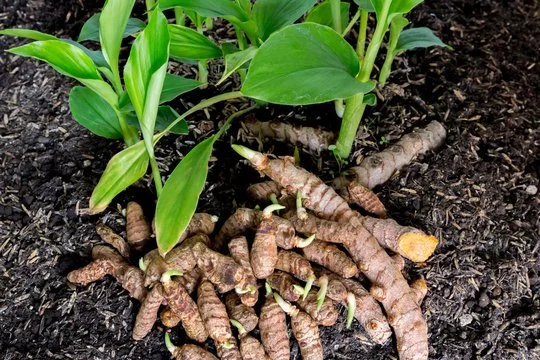
Turmeric, also known as the golden herb of India, is a plant in the ginger family, is native to Southeast Asia and is grown commercially in that region, primarily in India. Its rhizome (underground stem) is used as a culinary spice and traditional medicine. Historically, turmeric was used in Ayurveda and other traditional Indian medical systems, as well as Eastern Asian medical systems such as traditional Chinese medicine. In India, it was traditionally used for disorders of the skin, upper respiratory tract, joints, and digestive system. Today, turmeric is promoted as a dietary supplement for a variety of conditions, including arthritis, digestive disorders, respiratory infections, allergies, liver disease, depression, and many others. Turmeric is a common spice and a major ingredient in curry powder. Curcumin is a major component of turmeric, and the activities of turmeric are commonly attributed to curcuminoids (curcumin and closely related substances). Curcumin gives turmeric its yellow color.
Turmeric dietary supplements are made from the dried rhizome and typically contain a mixture of curcuminoids. Turmeric is also made into a paste for skin conditions. Turmeric is a yellow spice and medicinal herb that originated in India. The orange pulp inside the stem contains the potent plant compound curcumin.
Turmeric and curcumin have a variety of interesting biological activities, but they’re challenging to study because curcumin is unstable (it easily changes into other substances) and has low bioavailability (not much of it reaches the bloodstream) when it’s taken orally. In addition, curcumin products may differ in composition or contain more substances than expected, which makes the results of research on these products difficult to understand and compare. Because the actions of turmeric and its components in people are complex and not well understood, no clear conclusions have been reached about whether these substances have benefits for health conditions. Turmeric and conventionally formulated curcumin products are probably safe when taken orally or applied to the skin in the recommended amounts. Efforts have been made to develop curcumin products with increased bioavailability, and many modified products are already on the market. Improving bioavailability might lead to increases in harmful effects as well as desirable ones. Turmeric may be unsafe for use during pregnancy in amounts greater than those commonly found in food. Little is known about whether it’s safe to use turmeric in amounts greater than those commonly found in food while breastfeeding.
Turmeric is used in Ayurveda to balance vata, pitta, and kapha, though, in excess, it can aggravate pitta and vata. It has many beneficial effects for rasa and rakta dhatus (the blood and plasma of the circulatory system). It also kindles Agni (digestive fire), helping reduce Kapha and ama (toxins). In Ayurvedic practices, turmeric is thought to have many medicinal properties including strengthening the overall energy of the body, relieving gas, dispelling worms, improving digestion, regulating menstruation, dissolving gallstones, and relieving arthritis. Turmeric is used in Ayurveda to balance all three Doshas—vata, pitta, and kapha. If taken in excess however, it can aggravate pitta and vata. From an Ayurvedic point of view, turmeric has the following properties: warming, pungent, light, dry and digestive. Turmeric is Tridoshic, meaning it serves to balance all three Doshas. Despite being warming, this magic spice is great for balancing fiery Pitta just be careful not to overdo it. Adding ¼ teaspoon three times as day with your meals is a wonderful way to include turmeric in your daily diet. As tea, enjoy 2-3 cups throughout the day in combination with other supportive herbs such as ginger, triphala, green tea, or lemon. Turmeric Active - The essential turmeric blend for the active lifestyle. The recommended turmeric dosage is between 150-250 mg of curcumin and 1000-1500 mg of turmeric root powder per day. This is a safe amount of turmeric to take daily and should be enough to yield significant health benefits to those who remain consistent with turmeric supplements.
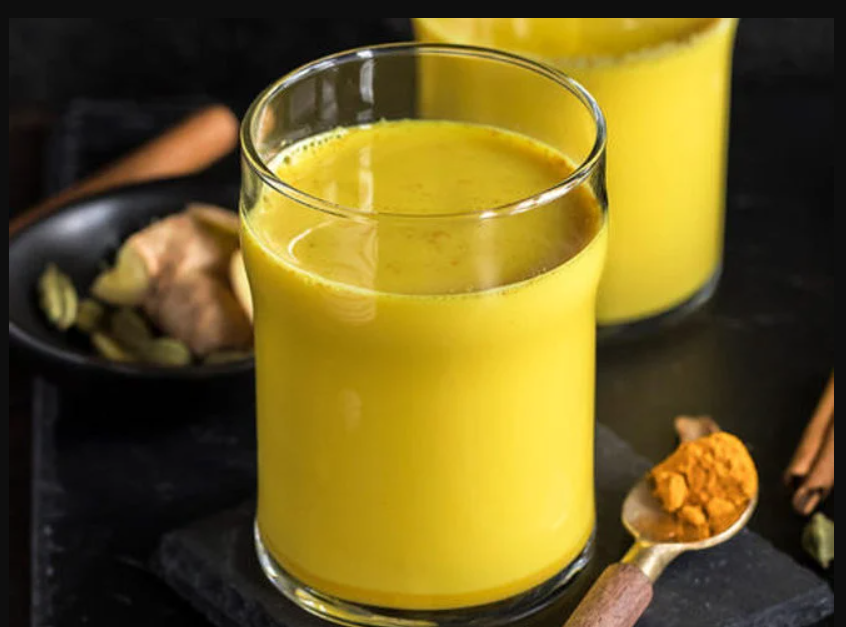
Turmeric has been used as a medicine for centuries to treat wounds, infections, colds, and liver disease. Studies have shown that curcumin, a compound in turmeric, may reduce inflammation in the body. Turmeric has antioxidant properties and one study shows that it may protect your body from free radicals by neutralizing them. Another study suggests that turmeric's antioxidant effects may also stimulate the activity of other antioxidants. So, by eating turmeric with good fats, like avocado, olive oil or coconut oil, you're more likely to absorb more of it into your bloodstream. This is also why turmeric is commonly mixed with warm milk—any kind of milk including coconut, cow, or almond. However, People who should not take turmeric include those with gallbladder problems, bleeding disorders, diabetes, gastroesophageal reflux disease (GERD), infertility, iron deficiency, liver disease, hormone-sensitive conditions and arrhythmia. Pregnant women and those who are going to undergo surgery should not use turmeric.
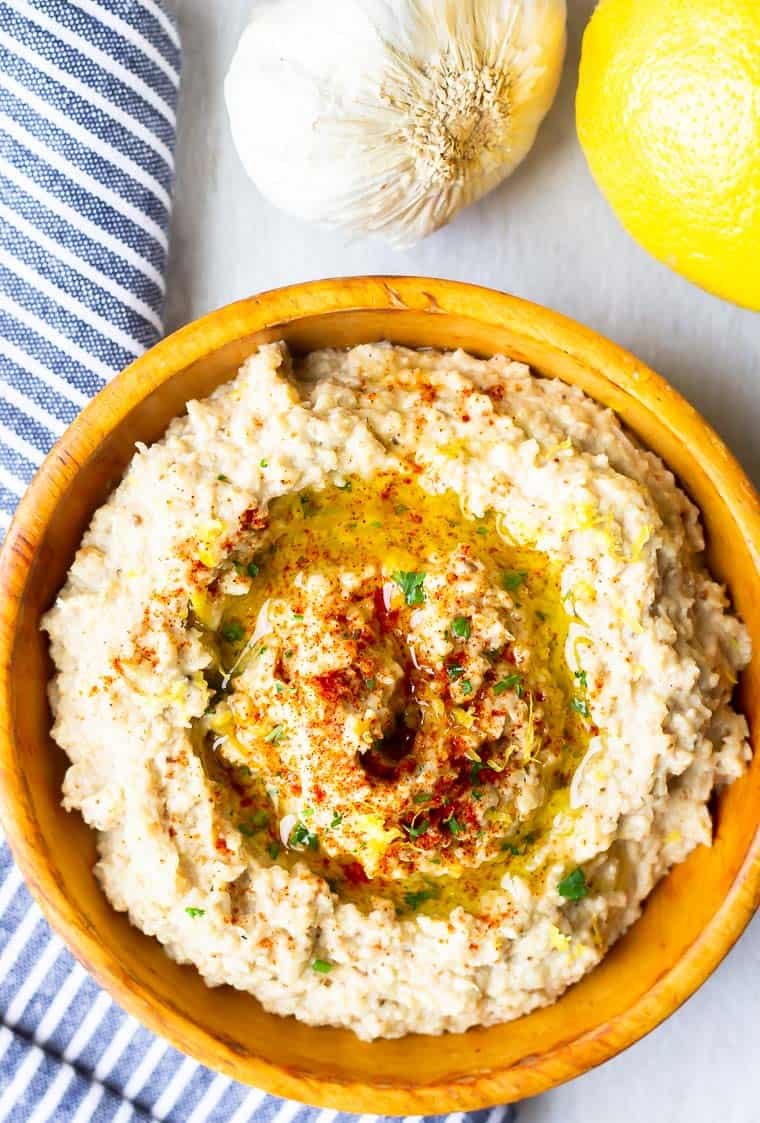
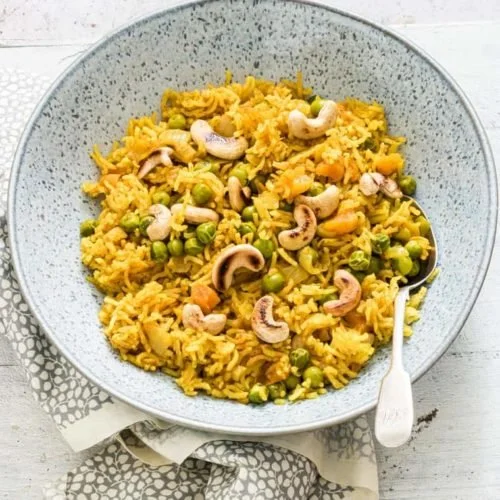
Let us now look at a few easy to make healthy and nutritious recipes using Turmeric.