Upselling: The Win-Win Revenue Driver in Hospitality
/Explore modern upselling strategies in hospitality—how smart, guest-focused techniques boost revenue and elevate guest experience worldwide.
Read MoreExplore modern upselling strategies in hospitality—how smart, guest-focused techniques boost revenue and elevate guest experience worldwide.
Read More
You know that feeling when you're in a new city and completely lost? Your phone's dead, Google Maps isn't helping, and you're standing there wondering where to even start. Now imagine having someone who not only knows exactly where you need to go, but also has insider tips on the best route, the perfect lunch spot along the way, and maybe even a shortcut that locals use.
That's your hotel concierge in a nutshell.
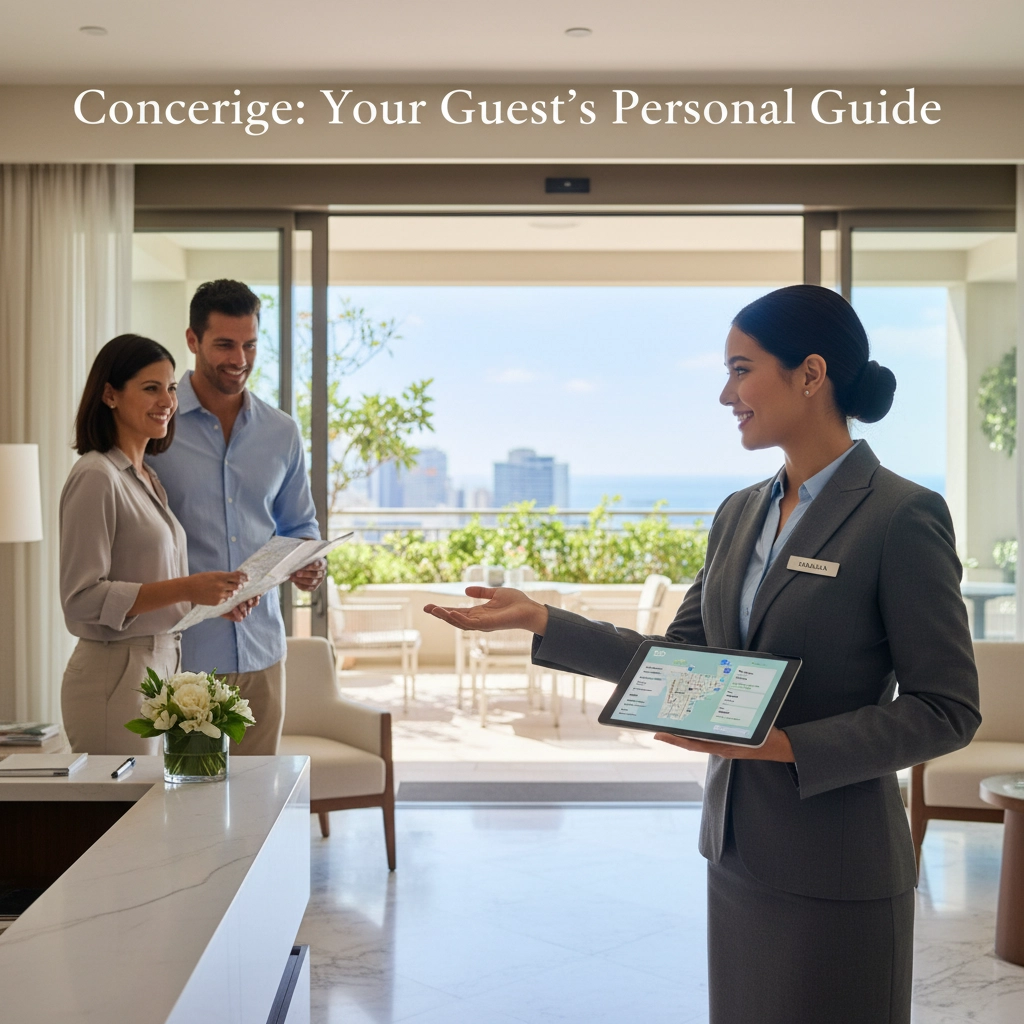
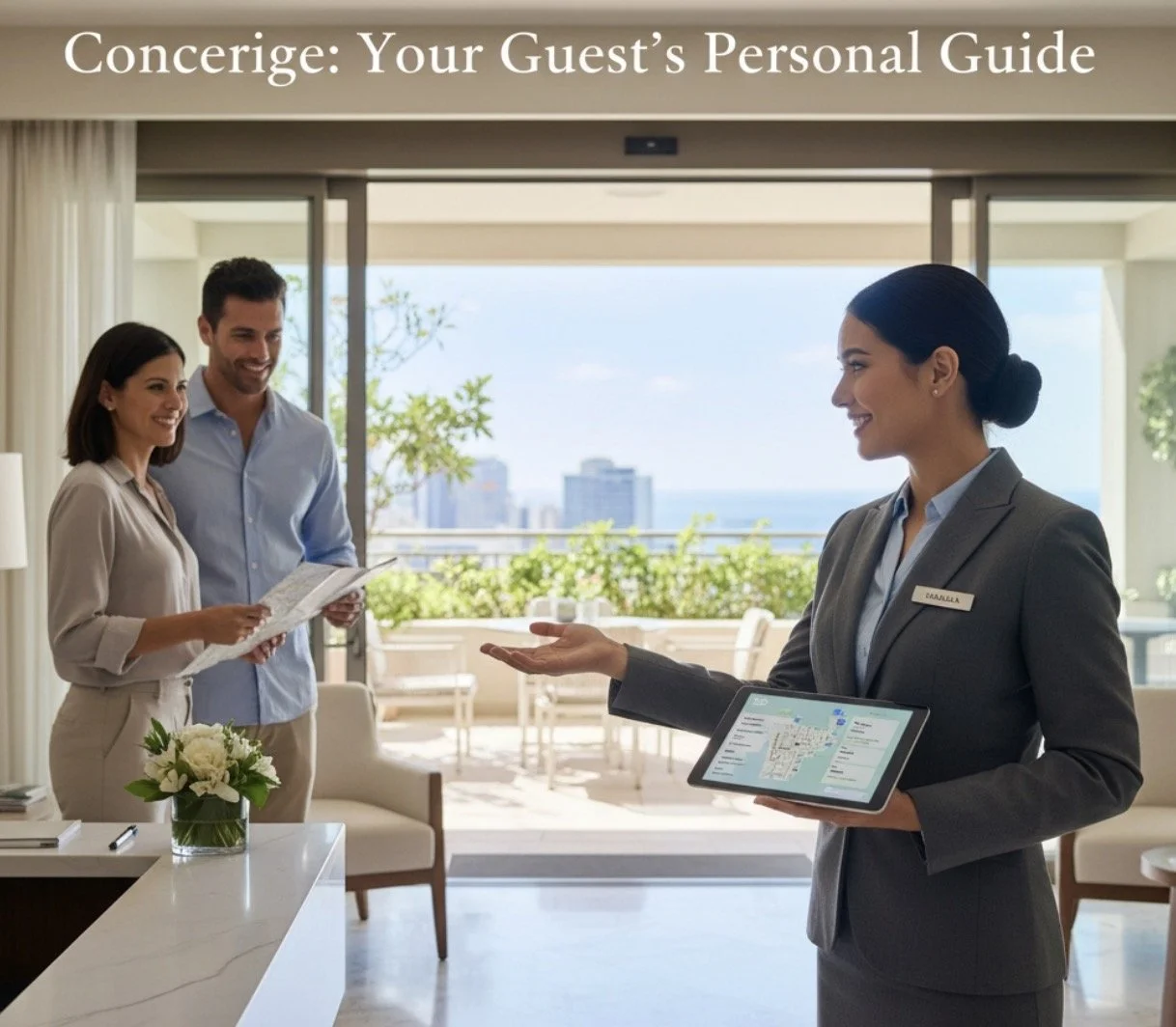
Let's be honest, the word "concierge" sounds pretty fancy, doesn't it? But at its core, a concierge is simply your guest's personal problem-solver and local expert, all rolled into one friendly face.
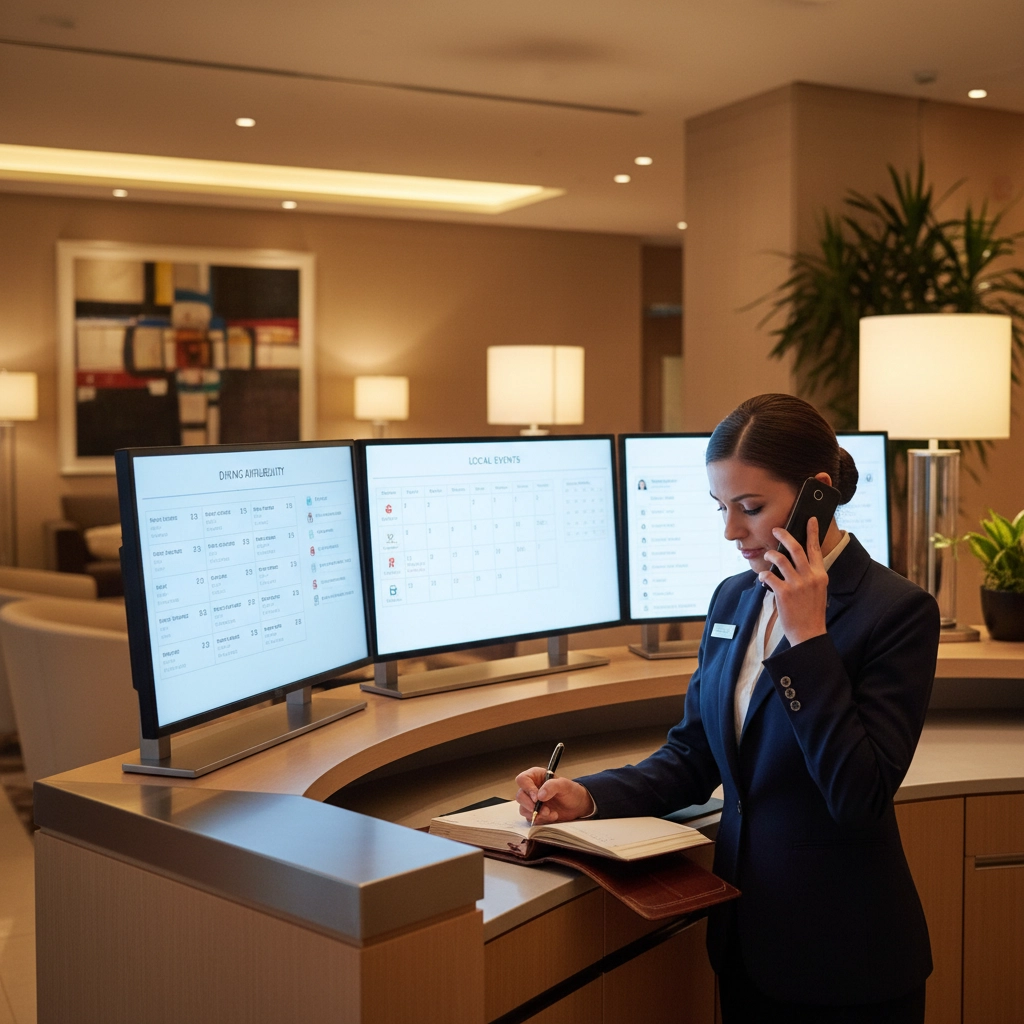
Think of them as the ultimate multi-tasker: part travel guide, part personal assistant, part local historian, and part miracle worker. They're the ones guests turn to when they need dinner reservations at that impossible-to-book restaurant, directions to the nearest pharmacy at 2 AM, or help planning a surprise proposal that'll make their partner cry happy tears.

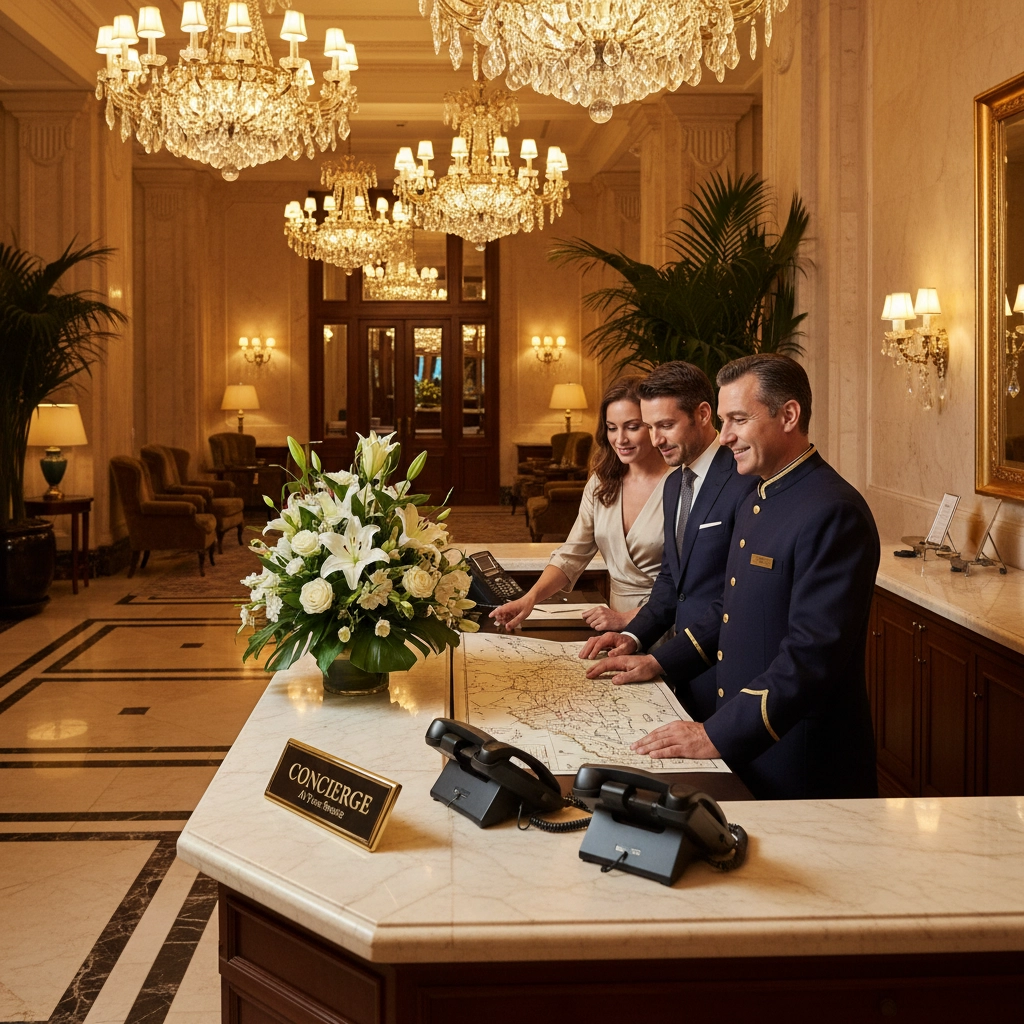
In the hotel world, concierges are stationed either at the front desk or have their own dedicated area in the lobby. They're usually easy to spot, they're the ones with the warmest smiles, multiple phone lines ringing, and that slightly magical ability to make the impossible happen.
The role goes way beyond just handing out city maps (though they do that too). Modern concierges are cultural ambassadors, local experts, and guest experience enhancers who can transform an ordinary stay into something truly memorable.
Here's something we've noticed: in our hyper-connected world, you'd think guests would just Google everything. But the opposite is happening. People are craving that human touch more than ever.
Guests Want Authentic Experiences
Sure, anyone can find the top 10 tourist attractions online. But your concierge knows which attractions are worth skipping, which hidden gems tourists never discover, and which local festivals are happening this weekend. They're your guests' shortcut to authentic, local experiences.
Time Is Everything
Business travelers especially don't have time to research and plan. They need someone who can instantly recommend the best coffee shop for their 7 AM meeting, arrange same-day dry cleaning, and book a table at a restaurant that perfectly matches their dietary restrictions, all while they're checking emails.
Problem-Solving in Real Time
Flight delayed? Concierge finds alternative dinner plans. Restaurant closed unexpectedly? They have three backup options ready. Lost passport? They know exactly which embassy office to call and what documents you'll need. They're basically professional problem-solvers.

The Personal Touch Factor
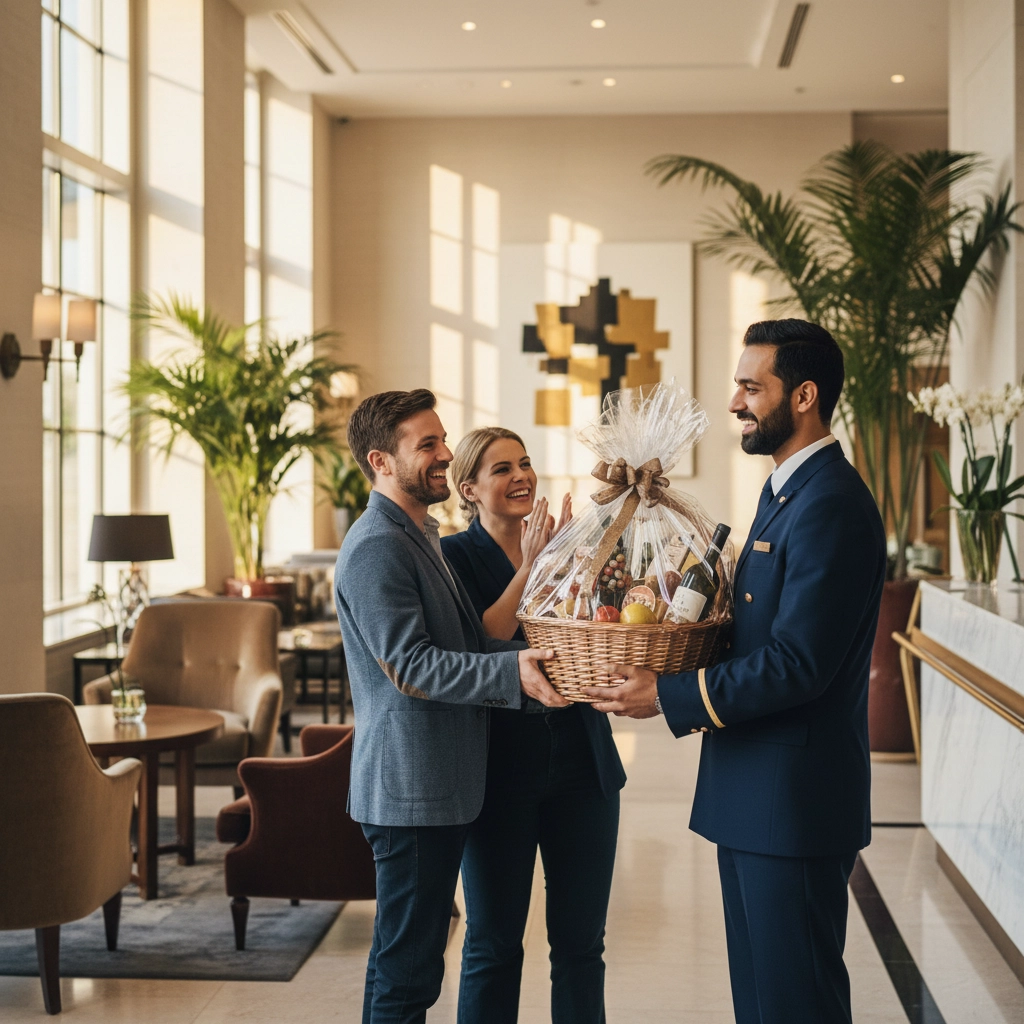
Guests remember the concierge who remembered their anniversary, arranged roses in their room, and made sure the restaurant had their favorite wine ready. That's the kind of service that turns first-time visitors into lifelong brand advocates.
After watching countless concierge teams in action, we've noticed some patterns among the truly exceptional ones:
Know Your City Inside and Out
The best concierges don't just know the tourist spots, they know which taxi driver speaks four languages, which florist stays open late for emergencies, and which restaurant chef will customize a dish for dietary restrictions. They're constantly exploring, building relationships, and updating their local knowledge.
Build a Network That Actually Works
Great concierges have contacts everywhere: restaurant managers who'll squeeze in last-minute reservations, tour guides who speak multiple languages, spa therapists who make house calls, and even veterinarians for pet emergencies (yes, that's a thing).
Keep a digital rolodex updated with:
Listen First, Recommend Second
Here's where many concierges go wrong, they jump straight to recommendations without understanding what the guest actually wants. A business traveler looking for dinner has different needs than a couple celebrating their anniversary or a family with young kids.
Ask the right questions:

Document Everything
The best concierge teams keep detailed guest preference profiles. Mrs. Smith always wants restaurants within walking distance. Mr. Johnson has a severe nut allergy. The Peterson family loves adventure activities. This information makes repeat visits seamless and personal.
Follow Up, Always
Don't just make the reservation and disappear. Check in with guests about their experiences. Did the restaurant meet expectations? Was the tour guide knowledgeable? This feedback helps you refine recommendations and shows guests you genuinely care about their experience.
Start Building Your Local Knowledge Base
If you're new to the concierge role or looking to improve your team's performance, begin with these practical steps:
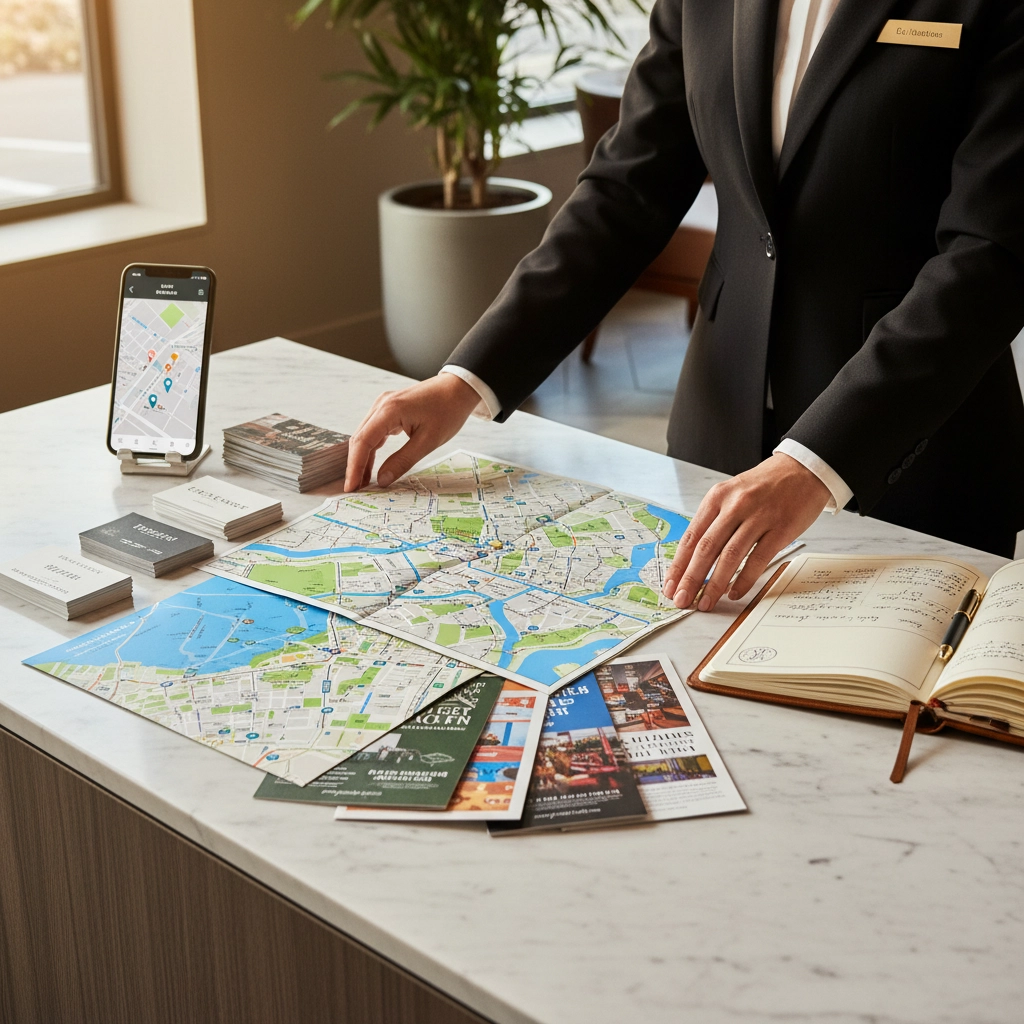
Create neighborhood maps with insider information, not just attractions, but practical details like which entrance to use, best times to visit, and what to avoid.
Develop relationships with local business owners. Visit restaurants during slow periods, introduce yourself to managers, and ask about their specialties and reservation policies. Most are happy to help because you're bringing them business.
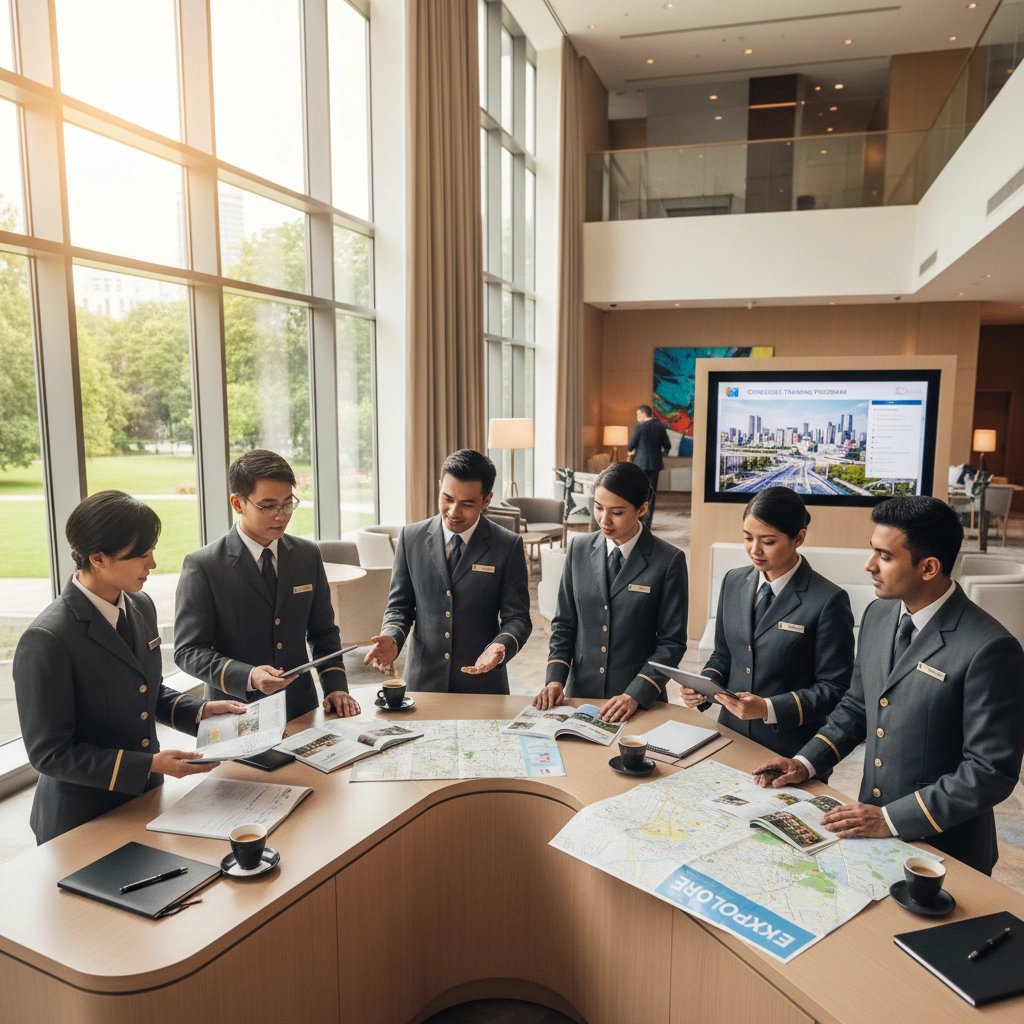
Train Your Team in Cultural Sensitivity
Different cultures have different expectations around service, tipping, dining times, and communication styles. Make sure your team understands these nuances, especially if you serve international guests regularly.
Embrace Technology Without Losing the Human Touch
Yes, use apps and online tools to stay updated on events, restaurant availability, and local happenings. But remember, guests can access most of this information themselves. Your value lies in the personal curation and insider knowledge you provide.

Handle the Impossible Requests Gracefully
Every concierge has stories about impossible requests. Maybe someone wants dinner reservations at a restaurant that's been fully booked for months, or tickets to a sold-out show, or help finding their childhood teddy bear that they left in a taxi.
The key isn't always saying yes: it's how you handle the no. Offer alternatives, explain the situation honestly, and show that you've made a genuine effort to help.
Create Standard Operating Procedures
While every guest request is unique, having clear procedures helps your team handle common situations consistently:
What separates good concierges from great ones? They remember that behind every request is a real person with real feelings and expectations.
Maybe it's the business traveler who's been on the road for weeks and just wants a quiet dinner somewhere that feels like home. Or the couple celebrating their 25th anniversary who want something special but not too flashy. Or the family with teenagers who need activities that won't result in eye rolls and dramatic sighs.
The magic happens when concierges connect with guests on a human level, understand what they're really looking for (which isn't always what they're asking for), and use their local expertise to create experiences that exceed expectations.

Remember, in a world where everything is increasingly automated and digital, the concierge role represents something precious: genuine human connection and personalized service. When done right, concierges don't just solve problems; they create memories, build relationships, and turn ordinary trips into extraordinary experiences.
That's the real power of being your guest's personal guide. And honestly? In our industry, there's nothing more rewarding than seeing that moment when you've helped create something truly special for someone.

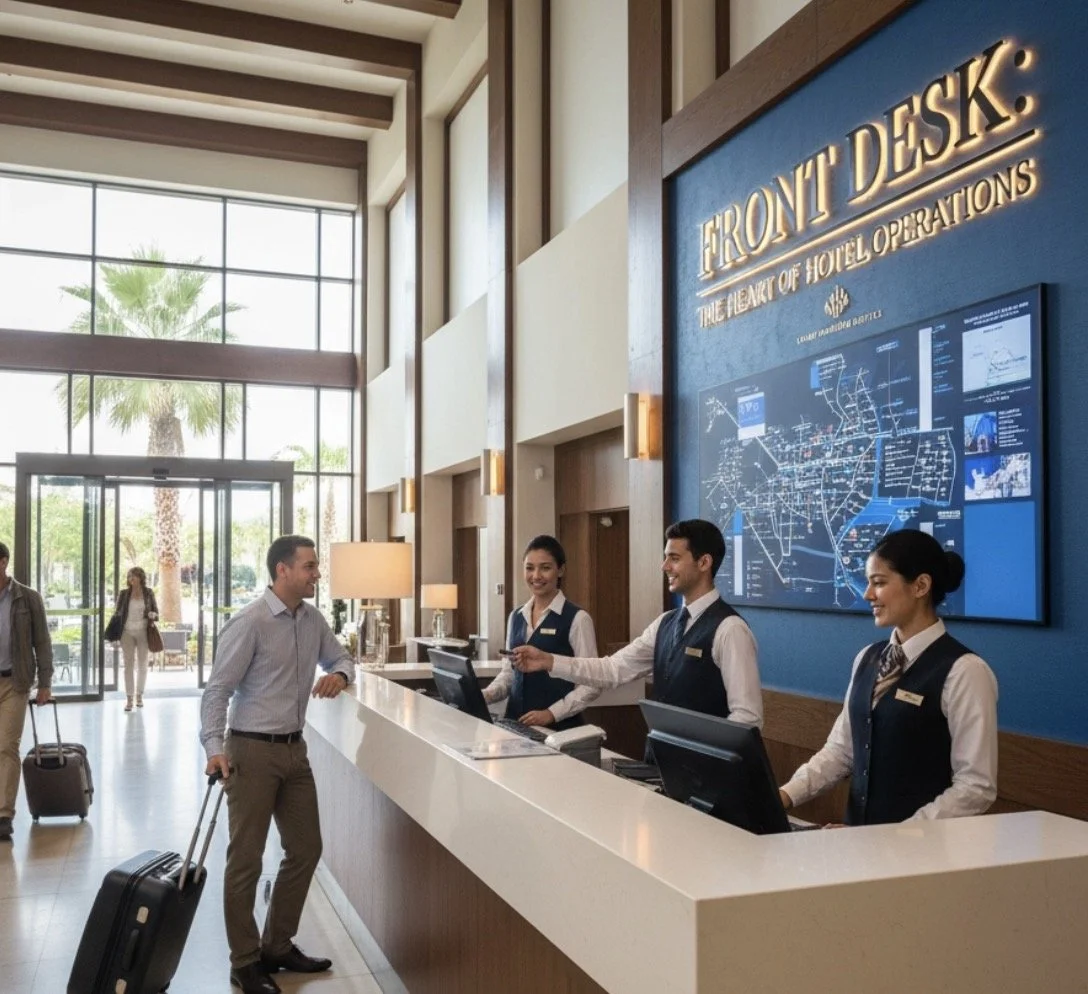
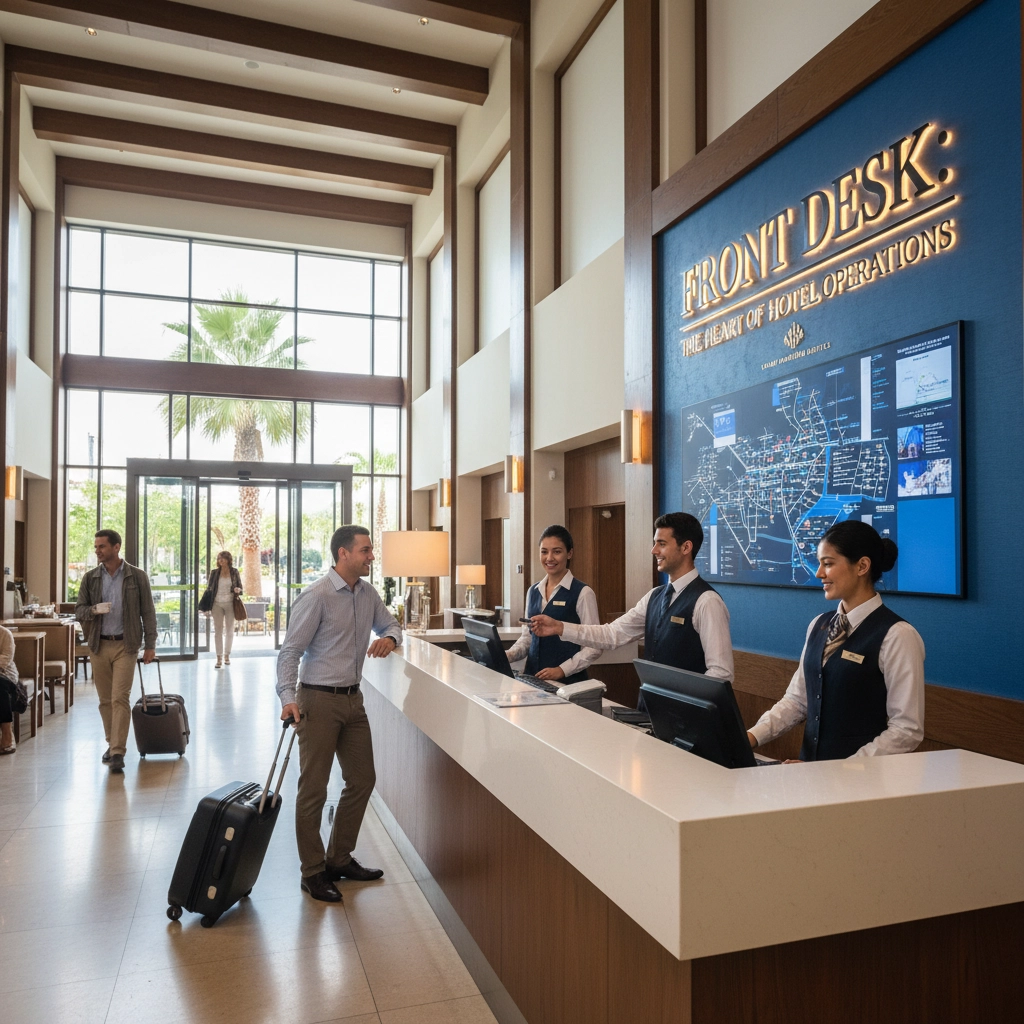
Walk into any hotel lobby, and there's one area that immediately draws your attention: the front desk. It's where the magic begins, where first impressions are formed, and honestly, where the entire guest experience can make or break. We like to call it the heart of hotel operations, and there's a very good reason for that.
The front desk is the central operational hub of any hotel property. It's that welcoming counter where guests check in, check out, and seek assistance throughout their stay. But let's be honest: it's so much more than just a reception area. The front desk serves as the primary interface between guests and the property, the coordination center for all hotel departments, and the nerve center where information flows to ensure smooth operations.
Think of it as the conductor of an orchestra. Every department: housekeeping, maintenance, concierge, food and beverage: looks to the front desk for direction, communication, and coordination. It's where guest requests are received, processed, and delegated to the right teams.
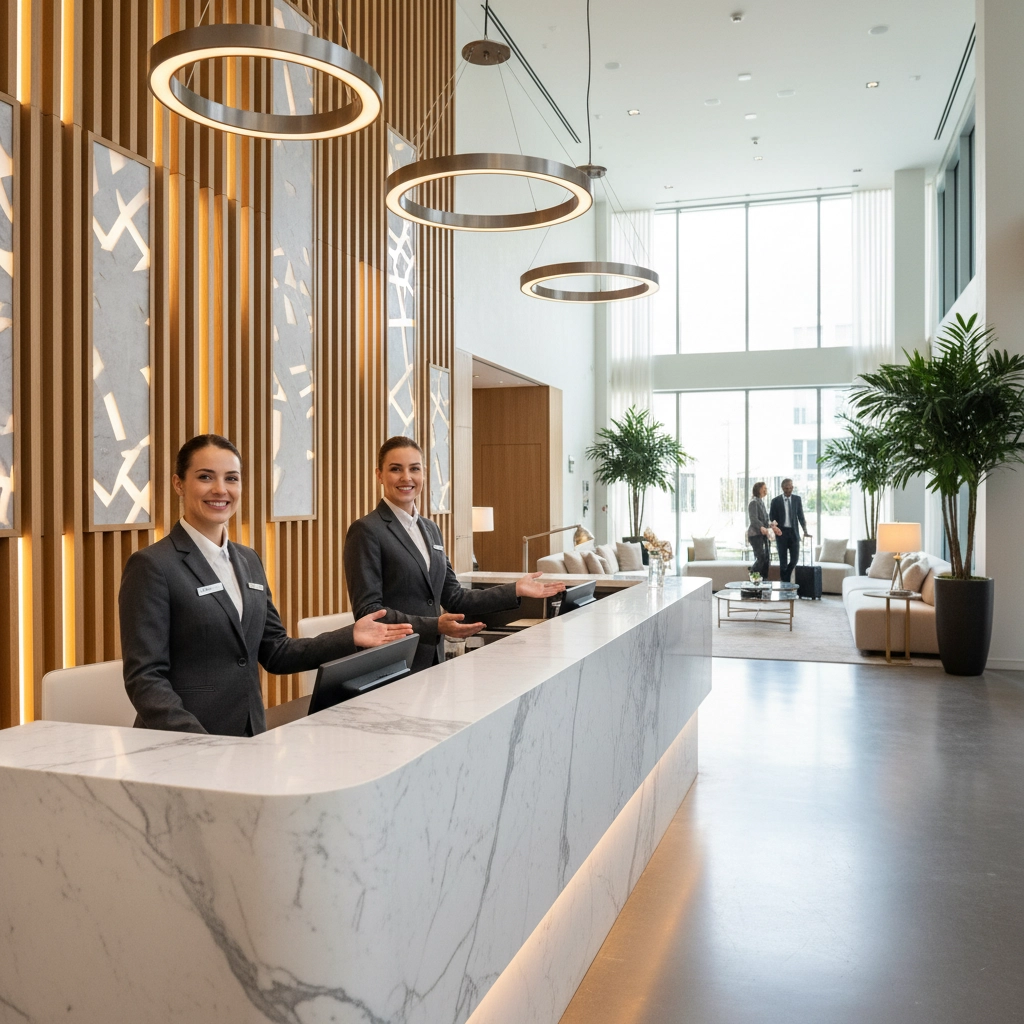
In today's hospitality landscape, the front desk has evolved from a simple check-in counter to a strategic business operation center. Here's why it deserves its title as the heart of hotel operations:
We all know that first impressions matter, but in hospitality, they can determine the entire trajectory of a guest's stay. The moment guests walk through your doors, their interaction with front desk staff begins shaping their perception of your property. A warm smile, efficient service, and genuine hospitality at the front desk can transform a routine business trip into a memorable experience.
Let's talk numbers for a moment. The front desk isn't just about service: it's a powerful revenue generator. From upselling room categories and promoting spa treatments to suggesting dining experiences and local tours, your front desk team has countless opportunities to boost your bottom line. When done right, these interactions feel like genuine recommendations rather than sales pitches.
Every department in your hotel relies on the front desk for information flow. Housekeeping needs to know which rooms require priority cleaning, maintenance needs reports about room issues, and the concierge needs guest preference updates. The front desk serves as the central communication hub that keeps your entire operation running smoothly.
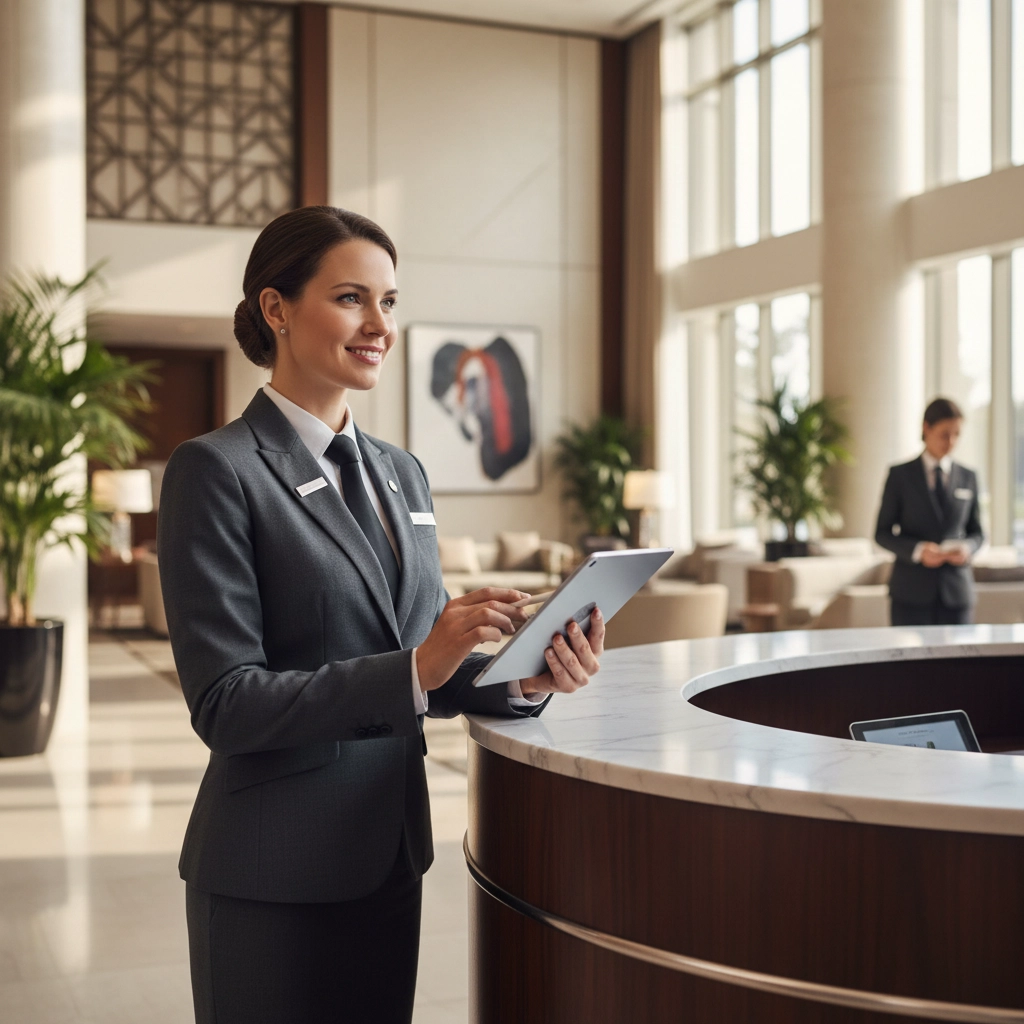
Understanding what makes a front desk operation successful means recognizing the diverse range of responsibilities that fall under this department:
Guest Services: Check-ins, check-outs, reservation management, and handling guest inquiries form the foundation of front desk operations. But the best teams go beyond these basics to anticipate needs and exceed expectations.
Administrative Functions: Managing guest databases, processing payments, maintaining calendars, and generating reports might not be glamorous, but they're essential for smooth operations.
Problem Resolution: When guests have concerns: from room temperature issues to billing questions: the front desk is typically their first point of contact. How these situations are handled can turn a negative experience into a positive one.
Interdepartmental Coordination: Communicating guest requests to housekeeping, coordinating with maintenance for repairs, and working with accounting for billing issues requires strong organizational and communication skills.
After working with countless hotels, we've identified several best practices that separate exceptional front desk operations from merely adequate ones:
Modern property management systems can streamline many front desk functions, but technology should enhance human interaction, not replace it. Train your team to use systems efficiently while maintaining genuine, personalized service.
The more you know about your guests, the better you can serve them. Maintain detailed profiles that include preferences, special occasions, and past experiences. A guest who finds their favorite newspaper waiting at check-in or receives a congratulatory amenity for their anniversary will remember that attention to detail.
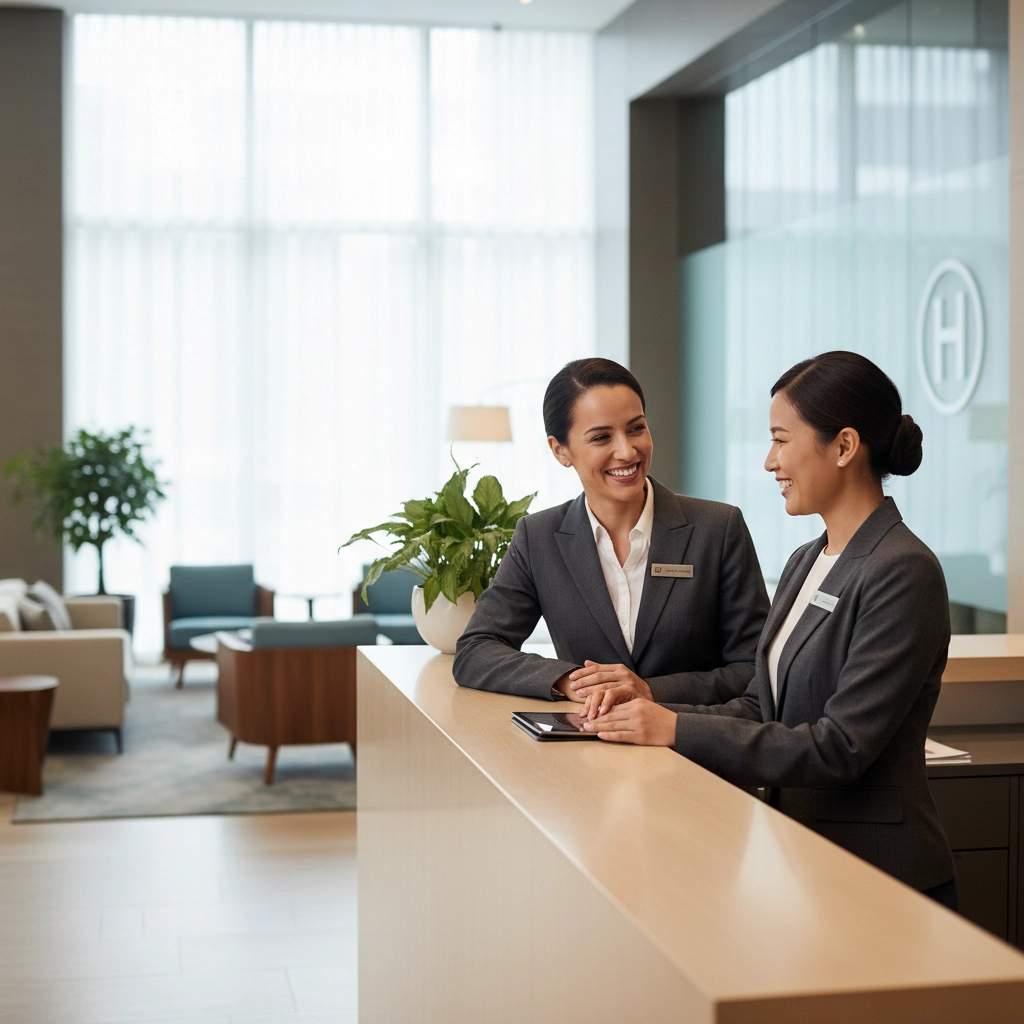
Front desk operations don't stop when your day shift ends. Ensure all team members can handle various responsibilities, from basic concierge services to emergency procedures. This flexibility improves service consistency and staff satisfaction.
Consistency is key in hospitality. Develop clear SOPs for common scenarios: guest complaints, upgrade requests, payment issues, and emergency situations. This ensures every guest receives the same high level of service regardless of which team member assists them.
Don't wait for guests to ask questions or report problems. Anticipate needs and communicate proactively. If there's construction nearby, mention it during check-in along with your plan to minimize disruption. If you know a guest has an early flight, offer wake-up call services.
Here's where the business side of hospitality really shines. Your front desk team can significantly impact your revenue with the right approach:
Strategic Upselling: Train staff to identify genuine opportunities for upgrades based on guest profiles and preferences. A business traveler might appreciate a room with better WiFi and workspace, while a couple celebrating might value a room with a view.
Package Promotion: Bundle services like dining credits, spa treatments, or local experience packages. Present these as value-adds that enhance the guest experience rather than additional costs.
Local Partnership Revenue: Develop partnerships with local restaurants, attractions, and service providers. When your front desk team makes recommendations that result in bookings, you can earn commissions while providing valuable service to guests.
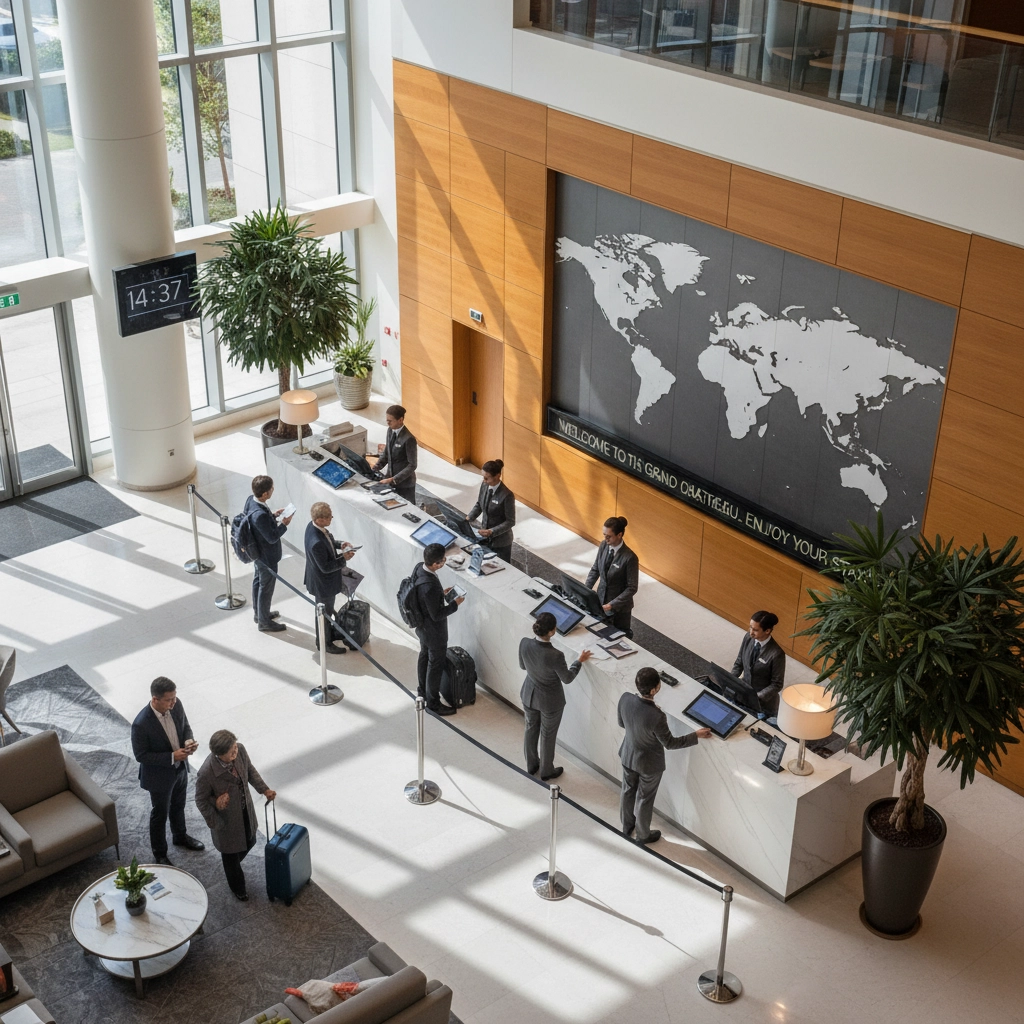
Let's be honest: front desk operations come with their fair share of challenges. Here are some common issues and practical solutions:
High Staff Turnover: The front desk role can be demanding, leading to burnout and turnover. Combat this with comprehensive training programs, career development opportunities, and competitive compensation packages.
Technology Integration: New systems can overwhelm staff and frustrate guests. Implement changes gradually, provide thorough training, and always have backup procedures in place.
Managing Guest Expectations: With online reviews and social media, guest expectations are higher than ever. Set realistic expectations during booking and check-in, then work to exceed them through exceptional service.
Language Barriers: In today's global hospitality market, language differences can create challenges. Consider multilingual staff training or translation technology to bridge communication gaps.
Investment in your front desk team pays dividends in guest satisfaction and operational efficiency:
Product Knowledge: Your team should be experts on every aspect of your property: from room features and amenities to local attractions and dining options.
Soft Skills Development: Communication, empathy, problem-solving, and cultural sensitivity are crucial for front desk success. Regular training sessions can help develop these skills.
Emergency Preparedness: Front desk staff often serve as first responders in emergency situations. Ensure they're trained in safety procedures, medical emergencies, and crisis communication.
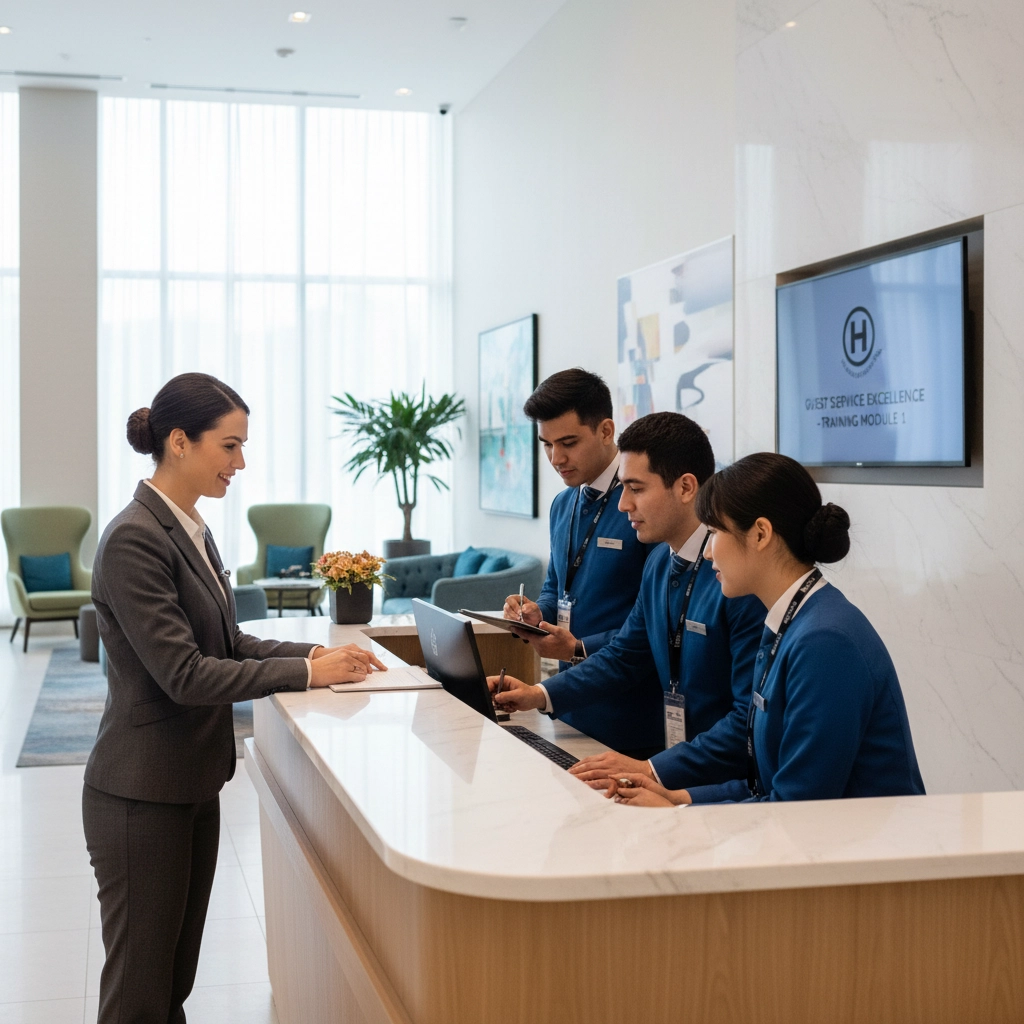
As hospitality continues to evolve, so does the role of the front desk. We're seeing trends toward:
Digital Integration: Mobile check-in, keyless entry, and AI-powered guest services are changing how guests interact with front desk services.
Personalization Technology: Advanced guest profiling and preference tracking enable more personalized service delivery.
24/7 Virtual Assistance: Chatbots and virtual concierges complement human staff to provide round-the-clock service.
Despite these technological advances, the human element remains irreplaceable. Technology should enhance the guest experience, not replace the warmth and personal touch that defines great hospitality.
The front desk's role as the heart of hotel operations isn't just a metaphor: it's a reality that successful properties embrace and optimize. When your front desk operates at its peak, every other department benefits. Guest satisfaction increases, revenue grows, and operational efficiency improves.
Remember, your front desk team represents your brand's values and sets the tone for every guest interaction. Invest in their training, provide them with the tools they need, and empower them to create exceptional experiences. Because at the end of the day, hospitality is about people serving people, and the front desk is where that human connection begins.
The heart of your hotel operations beats strongest when your front desk team feels valued, well-trained, and empowered to exceed guest expectations. Make that investment, and watch as it transforms not just your guest experience, but your entire operation's success.

Explore modern upselling strategies in hospitality—how smart, guest-focused techniques boost revenue and elevate guest experience worldwide.
The term "Bell Service" has become synonymous with the seamless hospitality experience guests expect when they arrive at a hotel.
primary purpose is to reconcile the daily financial transactions and ensure the accuracy and completeness of the hotel's financial records.As a hospitality professional, you are continuously striving to maximize revenue and profitability for your property. To achieve this, it is crucial to have a strong grasp on revenue management concepts and metrics such as RevPAR, which stands for Revenue per Available Room. In this article, we will delve into the intricacies of RevPAR and how it impacts your overall business performance.
RevPAR is a key performance indicator (KPI) that measures the average revenue generated per available room in a hotel or any accommodation establishment over a specific period of time. It is widely regarded as one of the most important metrics in revenue management, as it provides an accurate reflection of a property's financial performance.
RevPAR is calculated by dividing the total room revenue by the number of available rooms during a certain period. The formula for RevPAR is as follows:
`RevPAR = Total Room Revenue / Number of Available Rooms`
For example, if a hotel generates $100,000 in room revenue and has 100 available rooms over a month, the RevPAR would be $1,000 ($100,000 / 100 rooms).
RevPAR is a significant metric because it allows hospitality professionals to evaluate and compare the revenue performance of different hotels, both within their own portfolio and against their competitors. By analyzing RevPAR, hoteliers can observe the impact of pricing strategies on room revenue and make informed decisions to maximize profitability.
Furthermore, RevPAR provides insights into demand fluctuations, enabling properties to adjust pricing and inventory strategies accordingly. Understanding RevPAR trends allows for better forecasting, highlighting busy and lean periods and assisting in revenue management decisions.
To effectively manage RevPAR and drive revenue, it is essential to consider various factors that may impact this metric. While a comprehensive discussion of each factor is beyond the scope of this article, it is important to be aware of the following concepts:
1. Average Daily Rate (ADR): The average rate charged for each occupied room.
2. Occupancy Rate: The percentage of rooms occupied during a given period.
3. Room Mix: The distribution of room types and their corresponding rates.
4. Length of Stay (LOS): The average duration of guest stays.
5. Market Segmentation: Dividing the market into distinct groups for targeted pricing and marketing strategies.
6. Competitor Analysis: Assessing the strengths and weaknesses of competitors to differentiate offerings.
7. Seasonality: Recognizing the impact of seasonal demand patterns on RevPAR.
8. Events and Conferences: Leveraging major events and conferences to boost RevPAR.
9. Distribution Channels: Evaluating the performance and cost-effectiveness of different distribution channels.
10. Revenue Management Systems: Utilizing technology to optimize pricing and inventory decisions.
By understanding these factors and leveraging them effectively, hospitality professionals can improve RevPAR and drive overall profitability.
RevPAR is a critical metric in revenue management, allowing hospitality professionals to gauge a property's financial performance and make informed strategic decisions. By analyzing RevPAR and its influencing factors, hoteliers can optimize revenue and drive profitability. To succeed in a competitive landscape, practitioners must stay abreast of industry trends, embrace technology, and continuously refine their revenue management strategies.
Additional Concepts:
1. Average Daily Rate (ADR)
2. Occupancy Rate
3. Room Mix
4. Length of Stay (LOS)
5. Market Segmentation
6. Competitor Analysis
7. Seasonality
8. Events and Conferences
9. Distribution Channels
10. Revenue Management Systems
Explore modern upselling strategies in hospitality—how smart, guest-focused techniques boost revenue and elevate guest experience worldwide.
Group rates are special discounts and benefits specifically tailored to accommodate a large number of people traveling together.
The term "Bell Service" has become synonymous with the seamless hospitality experience guests expect when they arrive at a hotel.
Read Moreprimary purpose is to reconcile the daily financial transactions and ensure the accuracy and completeness of the hotel's financial records.Read MoreYield Management in Hotels: Maximizing Revenue through Strategic PricingRead Moreeverything hospitality
only hospitality
Explore modern upselling strategies in hospitality—how smart, guest-focused techniques boost revenue and elevate guest experience worldwide.