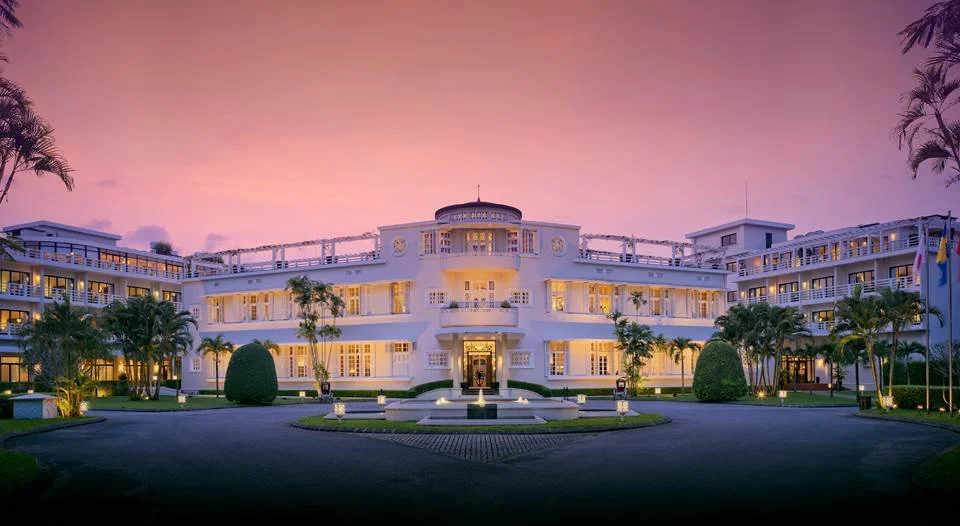
Housekeeping: Foundation of Guest Experience
/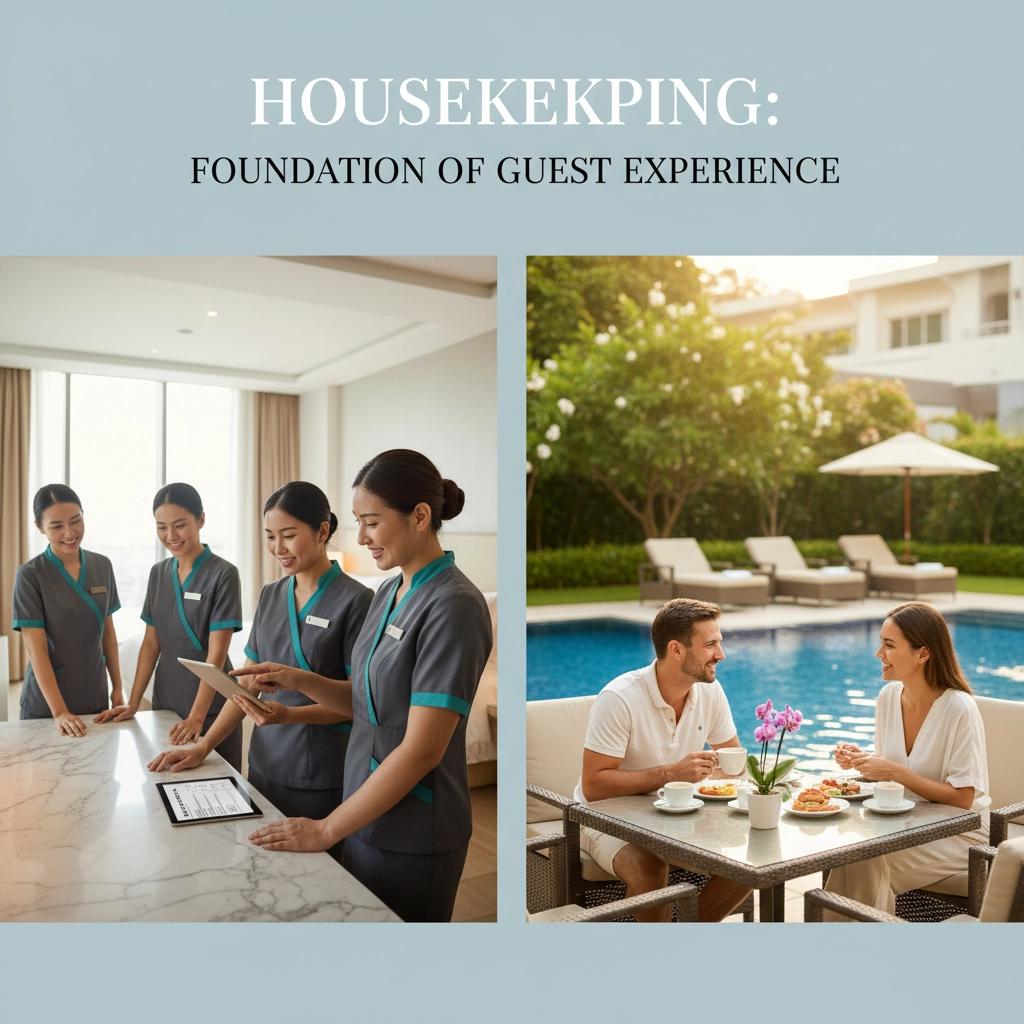
Let's be honest: housekeeping is where the magic really happens. While front desk creates the first impression and F&B delivers memorable moments, housekeeping builds the foundation that makes everything else possible. It's the department that transforms empty spaces into welcoming sanctuaries, turning four walls and a bed into someone's home away from home.
Defining Modern Housekeeping
Housekeeping in today's hospitality landscape goes far beyond the traditional image of making beds and emptying trash bins. We're talking about a comprehensive department responsible for maintaining cleanliness, comfort, and safety across every guest touchpoint: from the moment someone steps into the lobby until they check out.
Modern housekeeping encompasses guest rooms, public areas, back-of-house spaces, and increasingly, specialized services like deep sanitization protocols and eco-friendly cleaning practices. The department includes room attendants, public area cleaners, laundry staff, supervisors, and management: all working together to create an environment where guests feel secure, comfortable, and genuinely cared for.

But here's what many people don't realize: housekeeping staff often serve as the first real point of contact guests have after checking in. They're the ones responding to requests for extra pillows at midnight, addressing maintenance issues, and sometimes even providing local recommendations. In many ways, they're unofficial ambassadors for your property.
The Business Foundation: Why Housekeeping Matters More Than Ever
The numbers don't lie, and they're pretty striking. According to recent industry research, 78% of guests identify cleanliness as the most crucial factor when choosing where to stay. Not location, not price, not amenities: cleanliness. That statistic alone should make every hospitality professional sit up and take notice.
Our hospemag research team has been tracking guest behavior patterns, and here's what we've discovered: 95% of guests are likely to report negative experiences, compared to 87% who share positive ones. The top reasons for those negative reviews? Room cleanliness, pests, and odors: all directly tied to housekeeping performance.
Think about it this way: you could have the most stunning lobby design, world-class restaurants, and a prime location, but if a guest walks into their room and finds dusty surfaces or stained linens, that's what they'll remember. That's what they'll write about in their TripAdvisor review.
The economic impact is equally significant. Properties with consistently high cleanliness scores see:
- Higher occupancy rates
- Increased repeat bookings
- Better online review scores
- Premium pricing power
- Reduced operational costs from fewer complaints and rebookings
Evolution: From Cleaning to Experience Creation
The housekeeping department has undergone a remarkable transformation over the past decade. We've witnessed a shift from task-oriented cleaning to experience-focused service delivery.
Technology Integration
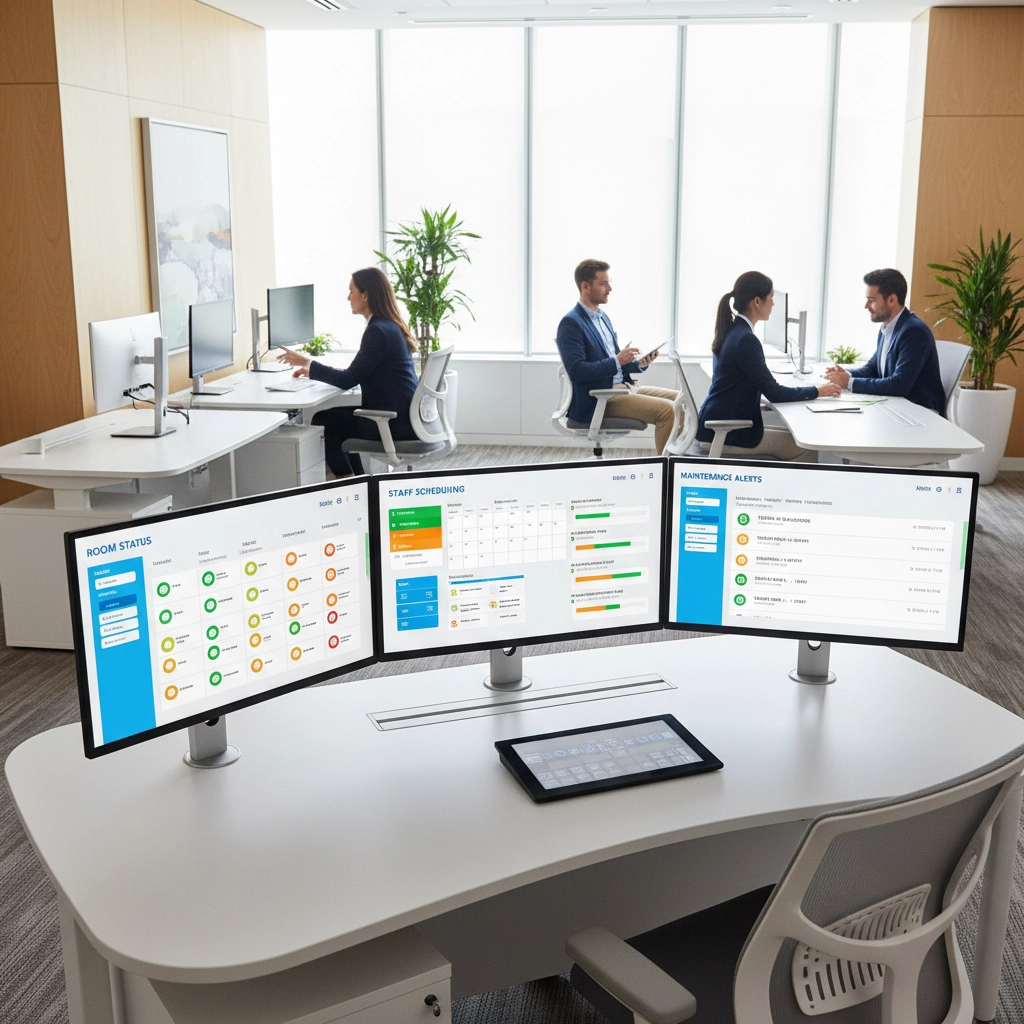
Modern housekeeping operations now leverage sophisticated management systems. Properties like the Four Seasons use integrated housekeeping software that tracks room status in real-time, optimizes staff schedules, and even predicts maintenance needs before issues arise. The Ritz-Carlton has implemented mobile apps that allow housekeeping staff to communicate instantly with front desk, maintenance, and management: ensuring seamless coordination.
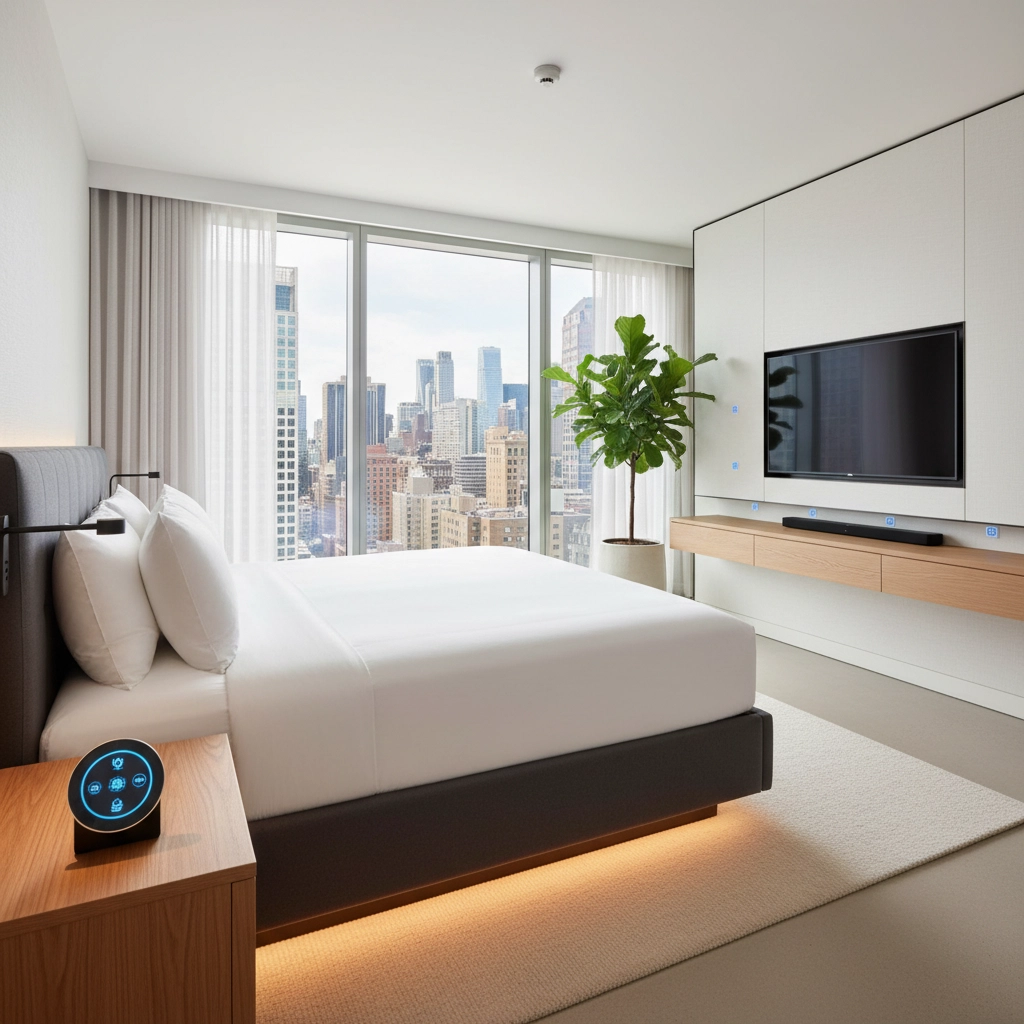
Smart rooms at properties like the Marriott International portfolio now include sensors that can detect occupancy, automatically adjusting cleaning schedules and notifying housekeeping when rooms are ready for service. This technology doesn't replace human expertise: it enhances it.
The COVID-19 Catalyst
If there was ever a defining moment for modern housekeeping, it was the pandemic. Suddenly, cleaning protocols that were once "nice to have" became absolutely essential. The emergence of what we call "Generation Clean": travelers who prioritize health and safety above all else: has permanently elevated housekeeping's strategic importance.
Properties worldwide had to reimagine their approach. Enhanced cleaning protocols, contactless service options, and transparent communication about sanitization practices became standard. Hotels like Hilton introduced "CleanStay" programs, while Marriott launched "Commitment to Clean": both recognizing that housekeeping excellence had become a competitive differentiator.
Sustainability Focus
Today's housekeeping departments are also sustainability champions. The Westin Hotels have implemented comprehensive linen and towel reuse programs, while properties like 1 Hotels have revolutionized cleaning with entirely organic, locally-sourced products. This evolution reflects changing guest expectations: modern travelers want clean spaces that don't compromise environmental responsibility.
The Future: Where Housekeeping is Heading
Looking ahead, we see several exciting trends reshaping the housekeeping landscape:
Automation and Robotics
While full automation isn't realistic (or desirable), we're seeing smart integration of technology. Robot vacuum cleaners are already deployed in some luxury properties for routine maintenance, while UV sanitization equipment has become standard for deep cleaning protocols. The key is using technology to enhance human capabilities, not replace them.
Predictive Analytics
The most forward-thinking properties are implementing predictive housekeeping: using guest data, booking patterns, and historical information to optimize cleaning schedules and anticipate needs. Imagine knowing which rooms will likely need extra attention based on guest preferences or length of stay.
Specialized Skills Development
Tomorrow's housekeeping professionals will need expanded skill sets. Beyond traditional cleaning expertise, we're seeing demand for:
- Sustainability knowledge and eco-friendly practices
- Basic technology troubleshooting for smart room features
- Enhanced guest service and communication skills
- Understanding of health and safety protocols
- Cultural sensitivity for international guests
Wellness Integration
Housekeeping is increasingly involved in wellness programming. Some properties now offer aromatherapy room preparation, circadian lighting setup, and even meditation space creation as part of their housekeeping services.
Global Best Practices: Learning from the Leaders
Let's examine what excellence looks like in practice:
The Ritz-Carlton Approach
The Ritz-Carlton's housekeeping philosophy centers on "creating experiences." Their room attendants undergo extensive training not just in cleaning techniques, but in anticipating guest needs. They're empowered to spend up to $2,000 to resolve guest issues without management approval: demonstrating how much the brand values housekeeping's role in guest satisfaction.
Singapore Airlines' SilverKris Lounge Standards
While not a hotel, Singapore Airlines' lounge housekeeping sets the global benchmark. Their teams clean and reset spaces every 15 minutes during peak hours, maintaining an environment that feels perpetually fresh and welcoming.
Aman Resorts' Personalized Service
Aman properties train housekeeping staff to remember guest preferences from previous stays: preferred pillow types, room temperature settings, even bathroom amenity preferences. This attention to detail creates loyal guests who return specifically because they feel genuinely cared for.

Practical Implementation Tips
Based on our research and industry observations, here are actionable strategies for housekeeping excellence:
- Invest in Training: Regular skill development programs that cover both technical cleaning methods and guest service excellence
- Empower Your Team: Give housekeeping staff authority to resolve minor guest issues immediately
- Use Technology Wisely: Implement systems that enhance efficiency without replacing human judgment
- Focus on Details: Train staff to notice and address small issues before they become big problems
- Measure and Improve: Regular quality audits, guest feedback analysis, and continuous improvement processes
The Strategic Imperative
Here's what the hospemag research team wants every hospitality professional to understand: housekeeping isn't a cost center: it's a profit driver. Properties that invest in housekeeping excellence see direct returns through higher guest satisfaction, improved online reputation, and increased revenue per room.
The most successful hotels treat their housekeeping departments as strategic assets. They provide competitive compensation, comprehensive training, and advancement opportunities. They recognize that excellent housekeeping creates the foundation upon which every other guest experience is built.
For those entering the hospitality industry, understanding housekeeping's critical role isn't optional: it's essential. Whether you're planning a career in operations, sales, or management, appreciating how housekeeping impacts every aspect of the business will make you a more effective hospitality professional.
The future belongs to properties that recognize housekeeping as experience creation, not just facility maintenance. Because in an industry built on creating memorable moments, every perfectly cleaned room, every thoughtfully arranged space, and every small gesture of care contributes to the magic that keeps guests coming back.
After all, luxury isn't just about thread count and marble bathrooms: it's about the feeling guests get when everything is exactly as it should be. And that? That's the housekeeping difference.