Leveraging Technology Adoption to Enhance Service Design by Dr. Jayaram
/ Editor HospemagFaculty Profile & Description
India’s first Doctor of Philosophy in Hospitality Revenue Management, Master of Personnel Management, Bachelor of Arts (Honours) Hospitality Management (UK) and Diploma in Hotel Management, Catering Technology and Applied Nutrition, Dr. Jayaram, a Senior Professor leads passionately from the front with 25 years experience at IHM-Aurangabad.
An alumnus of Cornell School of Hotel Administration’s General Manager’s Program and Indian Institute of Management, Ahmedabad’s Revenue Management Program, he has contributed to Curriculum Development as Subject Expert on AICTE’s All India Board for Tourism and Hospitality Management. He joined the Institute in 1996 after working in Hotel Operations for 7 years essaying various operations, marketing, sales and revenue management responsibilities.
He currently teaches an Innovation module, known as a transformational experience for students. He has won the Best Faculty award over 4 years, alongside the Dewang Mehta National Educational Award twice in a row in 2018 and 2019. The 8th World Education Congress recognizes him as 251 Fabulous Global Education Leaders. He now leads the Strategic Innovation Domain with a vibrant team of faculty members developing new research writing and incisive models with a signature passion and commitment.

The economic constraints in the pandemic times have resulted in a poor response towards ecological commitments by most of the hotel chains turning a blind eye to the idea of sustainability. Identifying and offering the right training related to economic resource planning, sustainability practices, and eco–friendly behaviour is a need of the hour for achieving long-term sustainability goals.
The most challenging task for hospitality leaders would be to keep their associates engaged as we exit lockdowns. Mr. Rakesh Katyayani denotes that due to a reduced workforce, the risk of employees disengaging from routine tasks raises the possibility of heightened work pressure. This article advocates that industry leaders must keep their employees motivated and engaged in achieving sustainable results.
The lines between technology users on both sides of the service encounter today lie obscured. The nature of digital service design requires an innate flexibility for service providers to improvise and respond based on rapidly changing e-consumer stimuli. Open access systems, robust security mechanisms, privacy protection commitments and respect for the growing power of interactive technologies will be the basis for future service design.
The Covid-19 pandemic has resulted in organizations and individuals being gravely affected by the external environment with varying magnitudes. This unprecedented crisis has witnessed an increased complexity in the role of leadership.. This article explores the mindset changes accelerated as a result of Covid-19 and leadership styles that are best suited in a post-pandemic context.
It is critical for hospitality industry to pivot itself and embrace technology with open arms to address human needs for social connections and personal safety . While, the industry has shown its dynamic capabilities by its agile response during the pandemic which inspires a lot of confidence in its ability to be able to be a part of the change to be able to move forward.
Due to the pandemic, consumer confidence and willingness to dine out has experienced a major slump. Today, more than ever, creating trust in the minds of the consumers about the safety of operations in the establishment is critical for them to return. Chef Anant Bhamkar shares his opinion on Food production operations. And in this article, he advises food entrepreneurs and managers to demonstrate practices ensuring lesser food handling, preventing contact transmission, and ensuring food safety.
With hotels, and resorts preparing to re-open their operations, it is critical for them to execute preventive maintenance of mechanical systems to avoid any perils of biohazards, contamination and address hygiene concerns. In this article, Mr Khalid Pervez has shared five critical action points that need to be carried out to create aseptic and clean environmental conditions using modern technology.
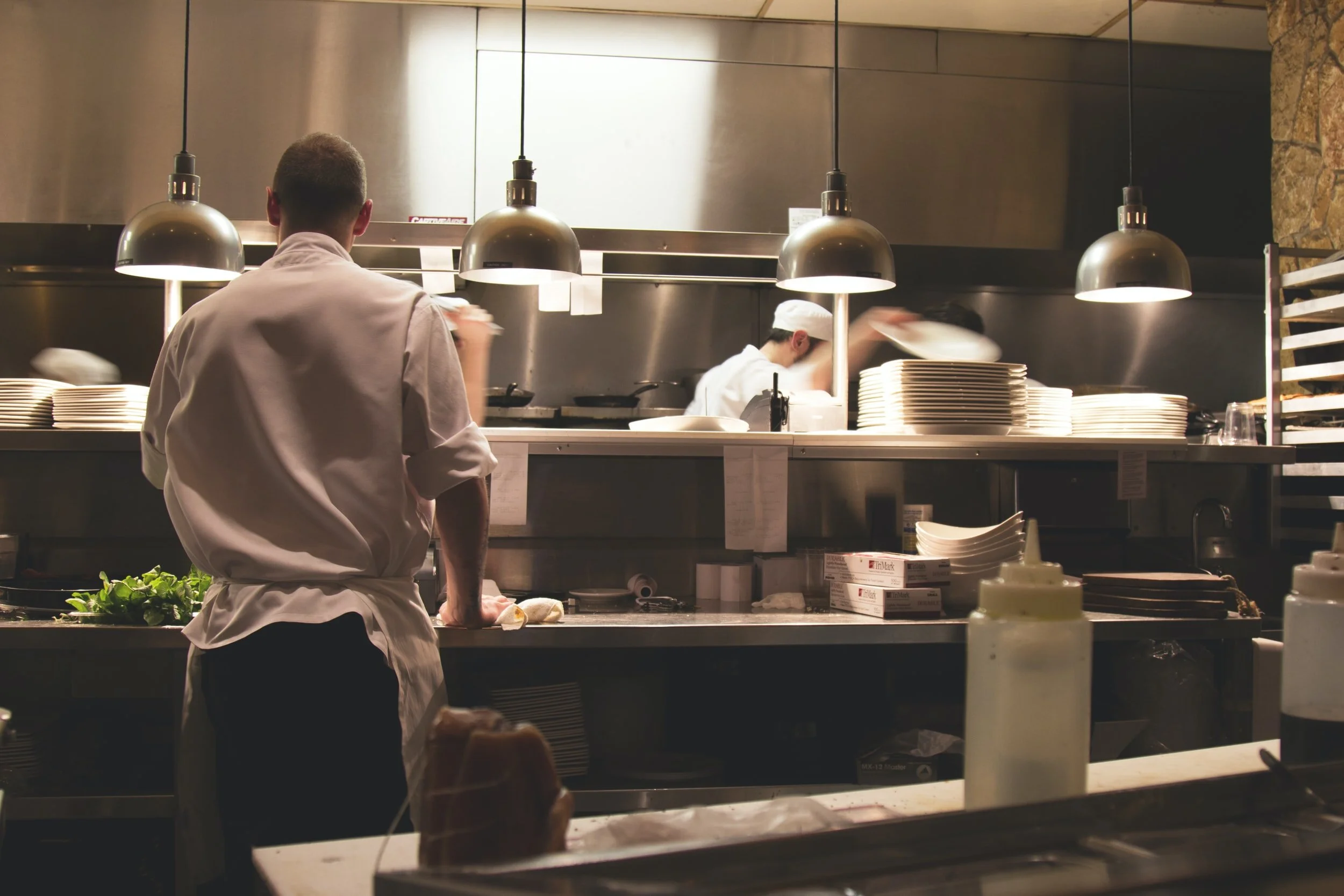
Back-end operations and Kitchen planning in restaurants continue to be compromised due to a lack of technical expertise. In this article, Chef Samir Mulaokar emphasises the importance of Facilities planning and Kitchen Design for achieving greater business yield.