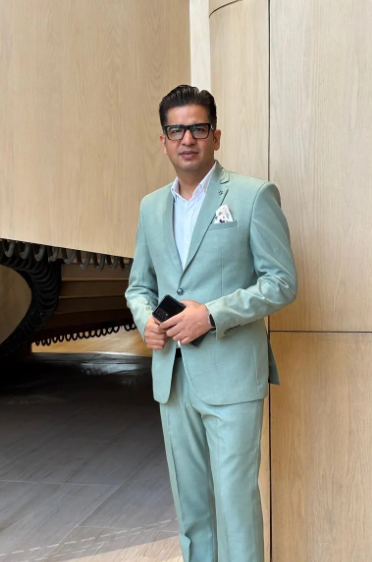
Thoughtfully Curated: The Future of Restaurant Menus by Francis Thomas, General Manager at The Orchid, Passaros

1. Where do you see menu experiences heading in the next five years?

The way people dine is changing, and menus are changing with them. Guests are no longer looking at a menu just to choose a meal; they're looking for an experience. They want fresh, seasonal ingredients, dishes with a story, and flavours that reflect the local culture while still offering something new. There is also a growing demand for healthier choices and greater flexibility for different dietary preferences. At the same time, sustainability will continue to play an important role, with a stronger focus on responsibly sourced ingredients and reducing food waste.

Over the next five years, menus will become more dynamic, with a stronger focus on seasonality, sustainability, and regional flavours. While trends will continue to evolve, the essence of a great dining experience will remain the same: quality food, genuine hospitality, and memorable moments that keep guests coming back.

Suggested image: A chef presenting a beautifully plated seasonal dish with a modern printed menu on the table, highlighting fresh local ingredients.

2. What's the most exciting shift you're seeing in how menus are being imagined and designed today?

One of the most exciting shifts is that menus are becoming more thoughtful and ingredient-focused. Instead of offering an extensive list of dishes, there is a greater emphasis on quality, seasonality, and well-balanced flavours. Every dish is being created with a clear purpose, whether it's highlighting local ingredients, celebrating regional recipes, or presenting familiar flavours in a fresh way.

Another noticeable change is the growing interest in menus that can cater to a wider range of preferences. Guests appreciate having choices that suit different lifestyles and dietary needs without making them feel like an afterthought.

Overall, menu design today is about creating a meaningful dining experience where every dish tells a story and leaves a lasting impression.

Suggested image: A chef carefully plating a farm-to-table dish with fresh herbs and seasonal produce in a contemporary restaurant kitchen.

3. Is the traditional printed menu at risk of disappearing — and would that be a loss?

The printed menu still has a special place in the dining experience, especially in a restaurant setting. It gives guests a chance to explore the offerings at their own pace and adds to the overall experience of sitting down for a meal. A well-designed menu also reflects the restaurant's personality and identity.

While some aspects of dining will continue to evolve, we don't believe the printed menu will disappear anytime soon. It remains a simple, familiar, and welcoming part of hospitality. Rather than being replaced, it will continue to evolve alongside changing guest preferences while retaining its value as an important touchpoint in the dining journey.

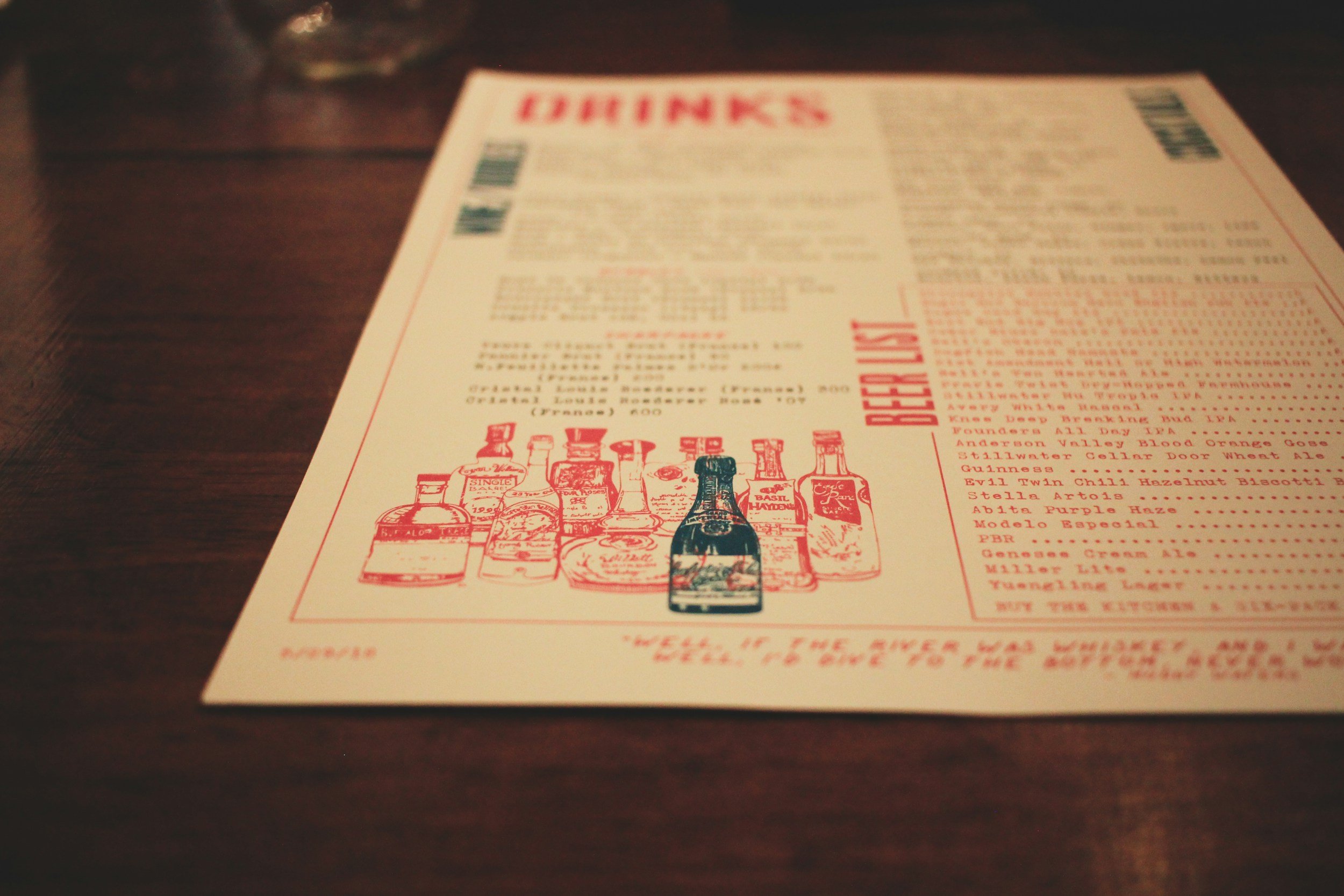
Suggested image: An elegantly designed printed menu placed on a fine-dining table with cutlery, glassware, and a plated entrée.

4. How do you think sustainability, provenance, and ethical sourcing will reshape menus going forward?

Sustainability, provenance, and ethical sourcing are becoming an important part of how menus are planned. Guests today are more interested in knowing where their food comes from and appreciate restaurants that make thoughtful choices when it comes to ingredients.

Going forward, we expect to see a stronger focus on seasonal produce, locally sourced ingredients where possible, and responsible sourcing practices. This not only supports local producers but also helps deliver fresher flavours and reduces unnecessary waste.

At the same time, sustainability is not just about sourcing; it's about creating menus that are mindful, balanced, and make the best use of ingredients. These practices are gradually becoming a natural part of good hospitality rather than just a passing trend. At The Orchid Passaros, these principles are an important part of our philosophy. We strive to make mindful choices in sourcing and menu planning while delivering a memorable dining experience that reflects our commitment to quality and responsible hospitality.

Suggested image: A chef selecting fresh vegetables from local farmers or arranging locally sourced ingredients on a kitchen counter.

5. What's one thing about menus that the industry hasn't figured out yet — and should?

One area the industry can continue to improve is finding the right balance between creativity and simplicity. Sometimes menus try to offer too many choices or use complicated descriptions, which can make it harder for guests to decide what they want.

A good menu should be easy to understand, thoughtfully curated, and focused on quality rather than quantity. It should help guests make confident choices while reflecting the restaurant's identity. As the industry evolves, creating menus that are both engaging and easy to navigate will become even more important.

Suggested image: A minimalist restaurant menu alongside a carefully curated selection of signature dishes.

6. If you could redesign the concept of a menu from scratch, what would you do differently?

If we were to rethink the concept of a menu, we would focus on making it more intuitive and experience-led. Instead of simply listing dishes by category, the menu could guide guests through different flavours, moods, or occasions, making it easier to discover something they'll truly enjoy.

We would also give more importance to the stories behind the ingredients and the inspiration for each dish. When guests understand what makes a dish unique, it creates a stronger connection with the food and the overall dining experience.

At the end of the day, a menu should do more than present options; it should reflect the restaurant's personality and help create a memorable experience for every guest. This is also the philosophy we aim to bring to The Orchid Passaros, where every dish is thoughtfully curated to create a meaningful connection with our guests.

Suggested image: A guest browsing a beautifully designed experiential menu while being served an artistically plated signature dish.

7. What does a truly great menu experience look like to you — as a professional and as a guest?

A truly great menu is one that is clear, well-curated, and reflects the restaurant's identity. As a hospitality professional, I believe every dish on the menu should have a purpose and consistently deliver on quality, flavour, and presentation. It should be easy for guests to understand while offering enough variety to suit different tastes without feeling overwhelming.

Today's guests are also far more conscious about what they eat. Providing information such as caloric values and making it easier for guests to make informed choices adds to the overall dining experience without taking away from the enjoyment of the meal.

As a guest, I appreciate a menu that makes choosing enjoyable rather than confusing. I enjoy discovering dishes that feel authentic, use fresh ingredients, and leave a lasting impression. This is the experience we strive to create every day at The Orchid Passaros, where a thoughtfully curated menu, transparent information, attentive service, and memorable flavours come together to leave a lasting impression on every guest.


Predictive Analytics in Hospitality: Forecasting Trends and Optimizing Operations by Nimish Pitale, Director of Sales & Marketing, Sheraton Grand Palace Indore

The hospitality industry has always relied on understanding guest needs and anticipating market trends. Today, with access to better data and technology, hotels are able to make more informed decisions that improve both guest experiences and business performance.

Predictive analytics is helping hospitality professionals gain valuable insights from historical and current data to better understand booking patterns, guest preferences, and market demand. Rather than reacting to changes after they happen, hotels can plan ahead and make decisions with greater confidence.

One of the key areas where predictive analytics is making a difference is revenue management. By studying past trends, seasonal demand, booking pace, local events, and market conditions, hotels can forecast occupancy levels more accurately and adjust pricing strategies accordingly. This helps maximize revenue opportunities while ensuring competitive positioning in the market.

Predictive analytics also supports more efficient hotel operations. Accurate forecasts allow teams to plan staffing requirements, manage inventory, and allocate resources effectively. Whether it is preparing for a high-demand period or managing quieter seasons, better forecasting helps maintain service standards while controlling costs.

Guest experience is another area benefiting from data-driven insights. Understanding guest preferences and travel behavior allows hotels to offer more personalized experiences, relevant promotions, and tailored services. Guests increasingly expect hospitality brands to understand their needs, and predictive insights help hotels meet those expectations more effectively.

As the industry continues to evolve, the ability to make informed decisions quickly has become increasingly important. Predictive analytics is not about replacing human judgment; it is about providing teams with the information they need to make smarter decisions and plan for the future.

For hospitality businesses, success has always been about delivering exceptional experiences while operating efficiently. Predictive analytics strengthens both objectives by helping hotels better understand their guests, anticipate market changes, and optimize day-to-day operations. As technology continues to advance, those who embrace data-driven decision-making will be better positioned to adapt, grow, and succeed in an increasingly competitive marketplace.

Beyond the Plate: The Psychology and Science of High-Yield Menu Design

When opening or running a restaurant, operators pour immense energy into recipes, interior décor, and staff training. Yet, they frequently treat the menu as an afterthought, a basic checklist of dishes and prices. In reality, a menu is not just a piece of paper; it is your silent salesperson. Designed well, it guides choices, increases profitability, and elevates the guest experience. Designed poorly, it creates decision paralysis, frustrates diners, and leaks revenue. In fact, menu engineering—the strategic combination of psychology, layout structure, and positioning—has been shown to increase overall restaurant profitability by up to 15% without altering a single price point.

1. Eliminate Menu Bloat: The 7-to-10 Rule A massive mistake many rookie restaurateurs make is trying to offer something for everyone, resulting in crowded menus. Too many options cause cognitive overload and decision fatigue. Overwhelmed guests panic and default to safe, low-margin options rather than exploring higher-value signature items. Keep individual categories limited strictly to 7 to 10 items. Break lists down logically into intuitive, themed sections such as Brunch Favourites, Lighter Bites, or Sweet Treats. This structuring reduces cognitive load, speeds up table turnover, and helps diners order with confidence.

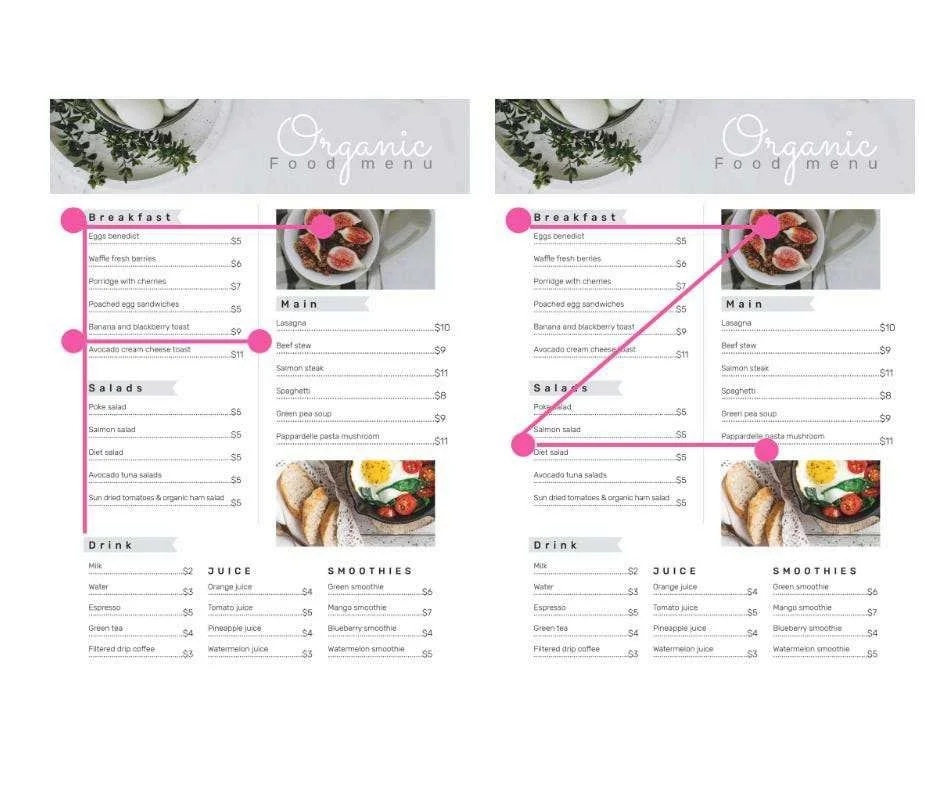
2. Design for Layout Hotspots and Gaze Motion Theory Diners do not read menus cover-to-cover like a book; they scan them rapidly. Eye-tracking neuroscience proves that guests typically follow F-shaped or Z-shaped visual patterns.

  • Capitalise on Prime Real Estate: Diners’ eyes naturally land on hotspots first—top-left, top-centre, and bottom-right areas of a page. For cultures reading right to left, this reverses to the top-right. Place your highest-margin, brand-aligned dishes in these zones. Avoid burying them in low-attention areas like the middle-left.

  • Master the Primacy & Recency Effects: Diners remember the first and last items listed in any section. Position a high-margin signature dish at the top and another irresistible upgrade at the bottom. Place low-margin utility dishes in the middle where they won’t steal focus.

3. Subvert Pricing Friction How a price is positioned alters perception. The goal is to keep focus on the culinary experience rather than the transaction.

  • Keep the price close to the description, formatting it as a unified offer.

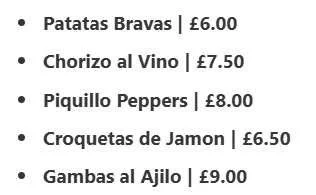
  • Premium venues often drop currency signs and use rounded numbers (e.g., 17 instead of £17.00). This strips away spending triggers and signals confidence.

  • Place high-margin dishes next to expensive specials. A £18 pasta looks appealing when adjacent to a £24 seafood special.

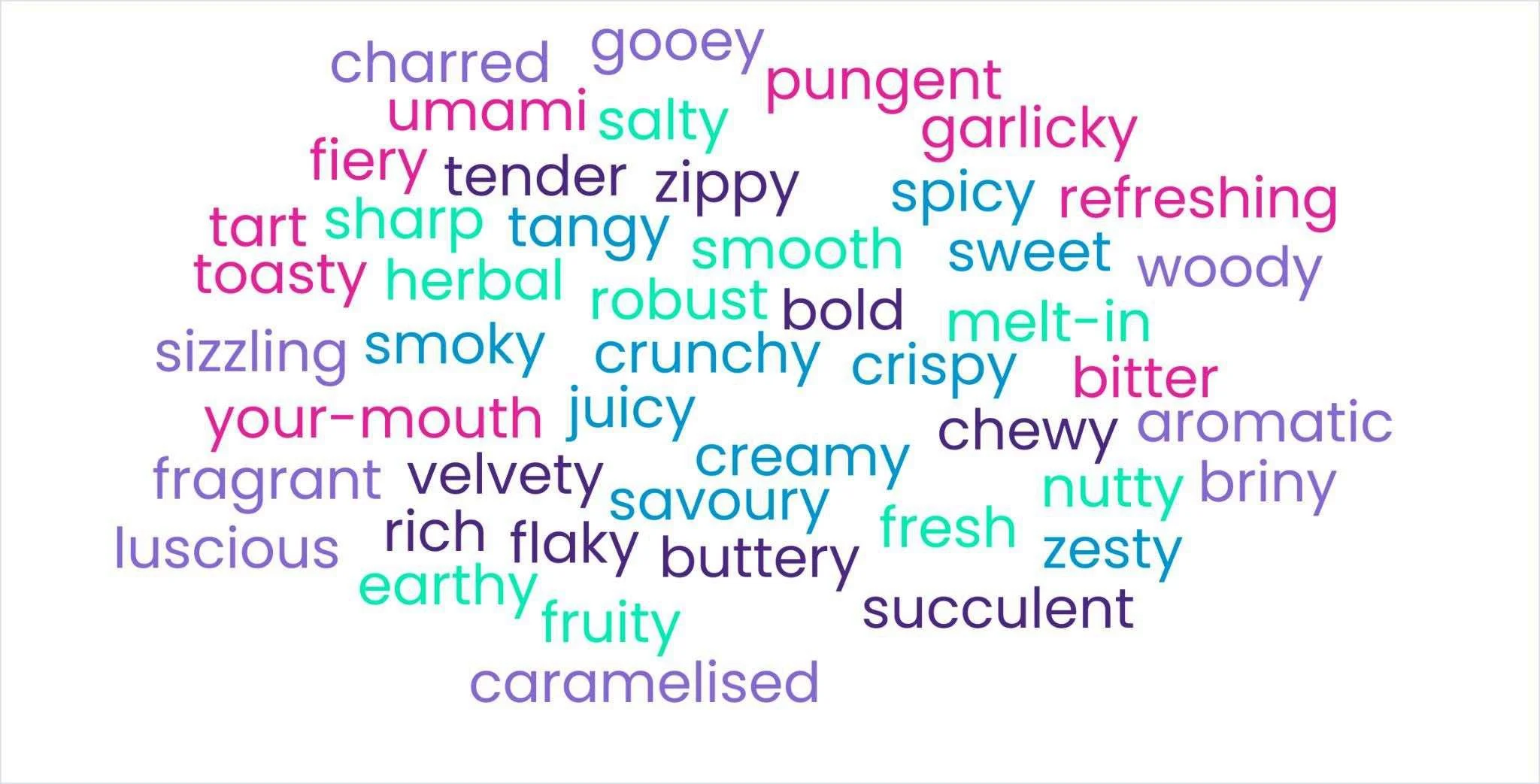
4. Deploy High-Impact Sensory Descriptors Storytelling directly impacts perceived value. Updating wording makes dishes more enticing.

  • Replace generic terms: “Roasted Chicken” becomes “Juicy, tender chicken with a crispy golden crust.”

  • Use vivid words detailing textures, preparation methods, and sourcing origins. Guests are up to 56% more likely to order when descriptions are sensory-rich.

  • Avoid uninspired or overused terms like good, nice, foodie, yummy, mouthfeel, or moist.

5. Adopt a Phygital and Transparent Mindset Modern diners, especially Gen Z, expect convenience and visibility.

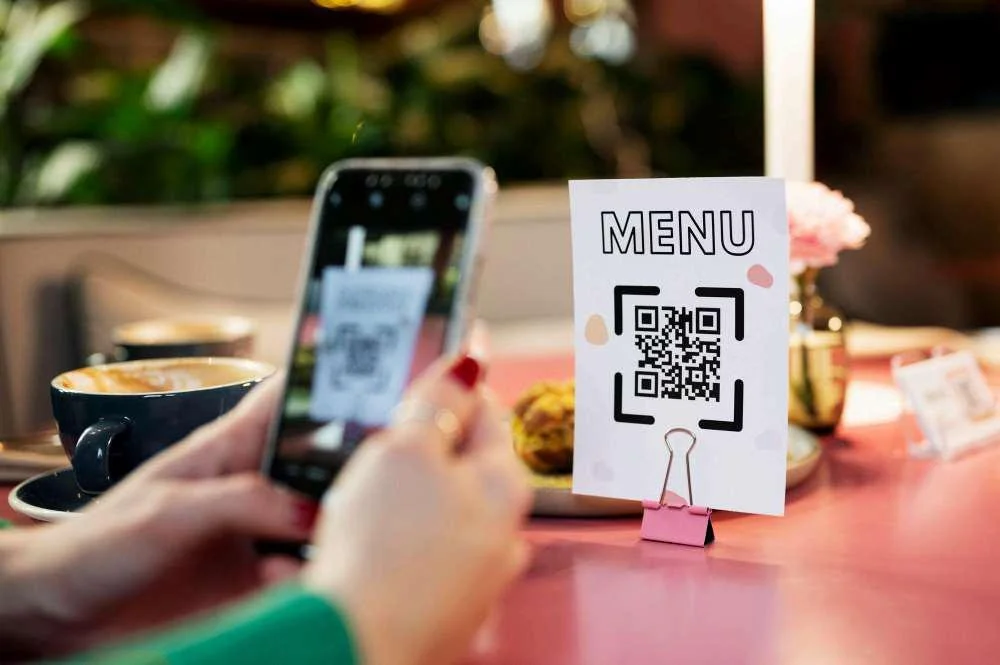
  • Provide both physical and digital menus. QR codes are useful, but relying solely on digital is risky due to lighting, Wi-Fi, or preference.

  • Digital menus should be responsive HTML with clear headings, text contrast, and schema tags for accessibility and search verification.

  • Highlight dietary restrictions, calorie counts, allergen alerts, and sustainable sourcing metrics directly on the menu.

Final Checks Before printing or publishing, conduct a physical environment test. Review the menu in the actual dining space under service lighting. If contrast is too soft, text forces squinting, or layout causes hesitation, the design is costing you orders.

Menu Strategy & Design – Sandeep Sharma, FnB Manager, The Orchid Chandigarh on The Business of Menus

Sandeep Sharma, FnB Manager, The Orchid Chandigarh


1. What are your 3–5 non-negotiable best practices when it comes to menu design?

A well-designed menu should balance guest experience with operational efficiency. My key principles are:

  1. Clarity over complexity: Guests should be able to navigate the menu quickly without feeling overwhelmed.

  2. Brand consistency: The menu should reflect the restaurant's identity, cuisine, and overall dining experience.

  3. Strategic profitability: High‑margin and signature dishes should be highlighted naturally without appearing overly promotional.

  4. Operational practicality: Every item should be something the kitchen can execute consistently, especially during peak hours.

  5. Regular review: Menus should evolve based on guest feedback, seasonality, ingredient availability, and sales performance.

2. How does the physical layout of a menu influence what guests order and is this intentional?

Absolutely. Menu layout has a significant impact on ordering behavior. Guests tend to notice certain sections first, so placing signature or high-value dishes in visually prominent positions is intentional. Grouping items logically, limiting clutter, and using subtle visual cues helps guests make decisions more comfortably. The objective is to guide rather than pressure guests, creating a seamless dining experience while supporting business goals.


3. How do you decide on the structure and flow of a menu, what comes first, what's featured, what's buried?

The structure should mirror the guest's dining journey. We usually begin with appetizers and sharing plates, followed by mains, sides, desserts, and beverages. Within each section, signature dishes, chef's recommendations, or seasonal specials are positioned where they're most likely to be noticed. Less frequently ordered or highly specialized items may appear later in the section, but they remain easy to find for guests specifically seeking them. Every placement is driven by both guest convenience and menu performance data


4. How does the format (print, digital, chalkboard, verbal) change the way you design the menu experience?

Each format serves a different purpose.

  • Print menus focus on readability, storytelling, and a premium tactile experience.

  • Digital menus allow dynamic updates, rich visuals, dietary filters, and personalized recommendations.

  • Chalkboards work best for daily specials and seasonal offerings because they create a sense of freshness and flexibility.

  • Verbal menus rely heavily on staff training, ensuring recommendations are engaging, accurate, and consistent.

Regardless of the format, the goal is always to make choices simple and enjoyable.

5. What role does white space, typography, and visual hierarchy play in guiding guest decisions?

These elements are fundamental. White space reduces visual fatigue and makes the menu easier to scan. Typography establishes readability and reflects the restaurant's personality, whether it's fine dining or casual. Visual hierarchy through headings, spacing, and subtle emphasis helps direct attention toward signature dishes or chef's recommendations without overwhelming the guest. Effective design should feel effortless rather than obviously persuasive.


6. How do you design differently for degustation or tasting menus versus casual à la carte formats?

A degustation or tasting menu is about storytelling. The design is typically minimal, elegant, and focused on showcasing the progression of the culinary journey, often revealing just enough information to create anticipation.


An à la carte menu, on the other hand, prioritizes flexibility and ease of comparison. Guests need clear categories, concise descriptions, dietary information where appropriate, and pricing that supports informed decision-making. The design must accommodate a broader range of choices while remaining intuitive.

7. What's a common menu design mistake you see and what would you do differently?

One of the most common mistakes is trying to offer too many choices. Overly long menus can overwhelm guests, slow decision-making, increase kitchen complexity, and dilute the restaurant's identity.

I believe in a curated approach: fewer dishes executed exceptionally well, using predominantly locally sourced produce, supported by thoughtful design and strategic placement. A concise menu not only improves operational consistency but also gives guests greater confidence in their selections and enhances the overall dining experience.


Head Chef- Abhishek Gupta, The Leela Ambience Gurugram on The Business Of Menus

How much thought goes into the words on a menu? In this edition of All Things Menu, the culinary leadership at The Leela Ambience Gurugram Hotel & Residences shares how menus are crafted to reflect authentic flavours, evolving guest preferences, and the art of storytelling. From balancing narrative with simplicity to showcasing signature dishes rooted in provenance and craftsmanship, this conversation explores how every menu becomes an extension of the hotel's culinary philosophy.

Read More

How Menu Language Shapes Appetite, Perception, and Value

# Reading Between the Lines

How Menu Language Shapes Appetite, Perception, and Value

By Hospemag | The Business of Menus

A guest doesn't taste a dish when they open a menu.

They read it.

And in those few seconds between scanning a description and placing an order, something remarkable happens. Expectations are formed. Emotions are triggered. Value is assigned. Hunger becomes anticipation—not through aroma or presentation, but through words.

Before the first bite reaches the table, the menu has already begun telling a story.

This is the often-overlooked power of menu language. Every adjective, every place name, every reference to heritage or craftsmanship influences how guests perceive quality, justify price, and ultimately decide what to order. In hospitality, words are not decoration. They are commercial tools.

More Than a List of Dishes

For decades, menus were largely functional documents: a list of dishes accompanied by prices. Today, they have evolved into one of the most influential touchpoints in the guest journey.

A thoughtfully written menu communicates far more than ingredients. It reflects a restaurant's personality, reinforces its brand promise, sets expectations, and shapes the dining experience long before the first course arrives.

Consider these two descriptions:

Butter Chicken
Tender chicken cooked in a creamy tomato gravy.

Now compare it with:

Grandmother's Butter Chicken
Slow-cooked overnight using a family recipe, finished with hand-ground spices, fresh cream, and charred tandoor chicken.

The ingredients may be nearly identical. The emotional response is not.

The second description offers context, authenticity, and craftsmanship. It transforms a familiar dish into an experience worth paying for.

The Psychology of Appetite

Menu language works because people rarely make purchasing decisions based solely on logic. Dining is an emotional experience, and words activate imagination.

Terms such as slow-roasted, handcrafted, charcoal-grilled, house-cured, or wood-fired suggest care and technique. References to places—Malabar, Kumaon, Amalfi, Kyoto—evoke culture and travel. Even sensory adjectives like crispy, velvety, smoky, or buttery stimulate mental imagery before the food reaches the table.

When guests can picture the dish, they are more inclined to order it.

The menu becomes an invitation to imagine.

Stories Create Value

Guests don't simply buy food.

They buy stories.

A grilled fish may satisfy hunger. A line explaining that it is sourced daily from a local fishing community, paired with seasonal vegetables grown by nearby farmers, creates meaning beyond the plate.

Storytelling transforms commodities into experiences.

Luxury hospitality has long understood this principle. Fine dining menus frequently reference provenance, chef philosophy, seasonal inspiration, and artisan producers because these narratives reinforce perceived quality.

Importantly, storytelling does not require luxury ingredients. A humble lentil soup becomes memorable when guests learn it follows a family recipe perfected over generations or celebrates a regional culinary tradition.

Authenticity often carries greater value than extravagance.

The Language of Luxury

Luxury menus tend to avoid exaggeration.

Instead of relying on words like best, ultimate, or delicious, they communicate confidence through restraint and specificity.

Rather than saying:

"Amazing grilled salmon with vegetables."

A luxury menu might read:

"Line-caught Norwegian salmon, roasted over cedar wood, served with baby asparagus, citrus beurre blanc, and herb oil."

Specificity creates credibility.

Guests interpret detailed descriptions as evidence of quality and expertise.

The less a restaurant tries to convince people it is exceptional, the more exceptional it often appears.

Descriptive Doesn't Mean Long

One common misconception is that effective menu descriptions must be lengthy.

They don't.

The best menu copy is economical. Every word earns its place.

Effective descriptions answer three essential questions:

  • What makes this dish distinctive?

  • Why should I choose it?

  • What experience can I expect?

Anything beyond that risks slowing decision-making.

A menu should inspire curiosity, not overwhelm.

Words That Increase Perceived Value

Certain language consistently enhances guest perception when used honestly.

Descriptions that reference:

  • Heritage and tradition

  • Regional identity

  • Cooking technique

  • Ingredient provenance

  • Craftsmanship

  • Seasonality

  • Chef philosophy

often increase both perceived quality and willingness to pay.

For example:

"Stone-ground mustard."

feels more intentional than:

"Mustard sauce."

Similarly,

"Freshly baked sourdough from our in-house bakery."

communicates greater value than:

"Bread."

These subtle differences accumulate across an entire menu.

When Storytelling Becomes Fiction

There is, however, a fine line between storytelling and embellishment.

Today's diners are increasingly informed. Authenticity matters.

Invented family recipes, misleading sourcing claims, or exaggerated ingredient descriptions can quickly erode trust.

The strongest menu narratives are grounded in truth.

If the tomatoes genuinely come from a nearby farm, say so.

If the chef learned a technique during years working in Italy, tell that story.

If the dessert celebrates a local festival, explain its significance.

Real stories resonate because they are believable.

Language Must Match the Brand

Not every restaurant should sound the same.

A luxury hotel restaurant, an artisanal café, a modern cocktail bar, and a neighbourhood eatery each require a distinct voice.

A playful burger brand may embrace humour and personality.

A heritage restaurant may focus on culture and nostalgia.

A wellness café might emphasise freshness, balance, and sustainability.

The objective is consistency.

Guests should recognise the brand's personality before they take the first bite.

The Operational Side of Menu Writing

Great menu language is rarely created by chefs alone.

The most successful menus emerge from collaboration between culinary teams, marketing professionals, designers, and operators.

Chefs understand the food.

Marketers understand communication.

Operators understand profitability.

Together, they create menus that are not only appealing but commercially effective.

This collaborative approach ensures that menu language aligns with operational realities while supporting the restaurant's business goals.

The Future of Menu Storytelling

Digital menus are opening entirely new possibilities.

A QR menu can offer expanded stories about producers, highlight chef recommendations, showcase preparation videos, provide allergen information, and personalise recommendations based on previous orders.

Artificial intelligence may soon tailor menu descriptions to individual guest preferences or dynamically highlight dishes most likely to appeal to specific diners.

Yet even as technology evolves, one principle remains unchanged:

People connect with stories.

Whether printed on textured paper or displayed on a smartphone, the words still matter.

Final Thoughts

A menu is often the first meaningful conversation a restaurant has with its guests.

It introduces the brand, sets expectations, communicates value, and shapes decisions long before service begins.

Every description carries commercial weight.

Every sentence influences perception.

Every carefully chosen word has the potential to transform an ordinary dish into a memorable experience.

In an industry where margins are tight and differentiation is increasingly difficult, the language of a menu is no longer simply copywriting—it is strategy.

Because sometimes, the most profitable ingredient on the plate isn't an ingredient at all.

It's the story that convinced the guest to order it.

Novotel Mumbai International Airport Launches “Little Hearts by Novotel” — A Heartfelt Welcome for the Hotel’s Youngest Guests 💛

By Hospemag Editorial Team

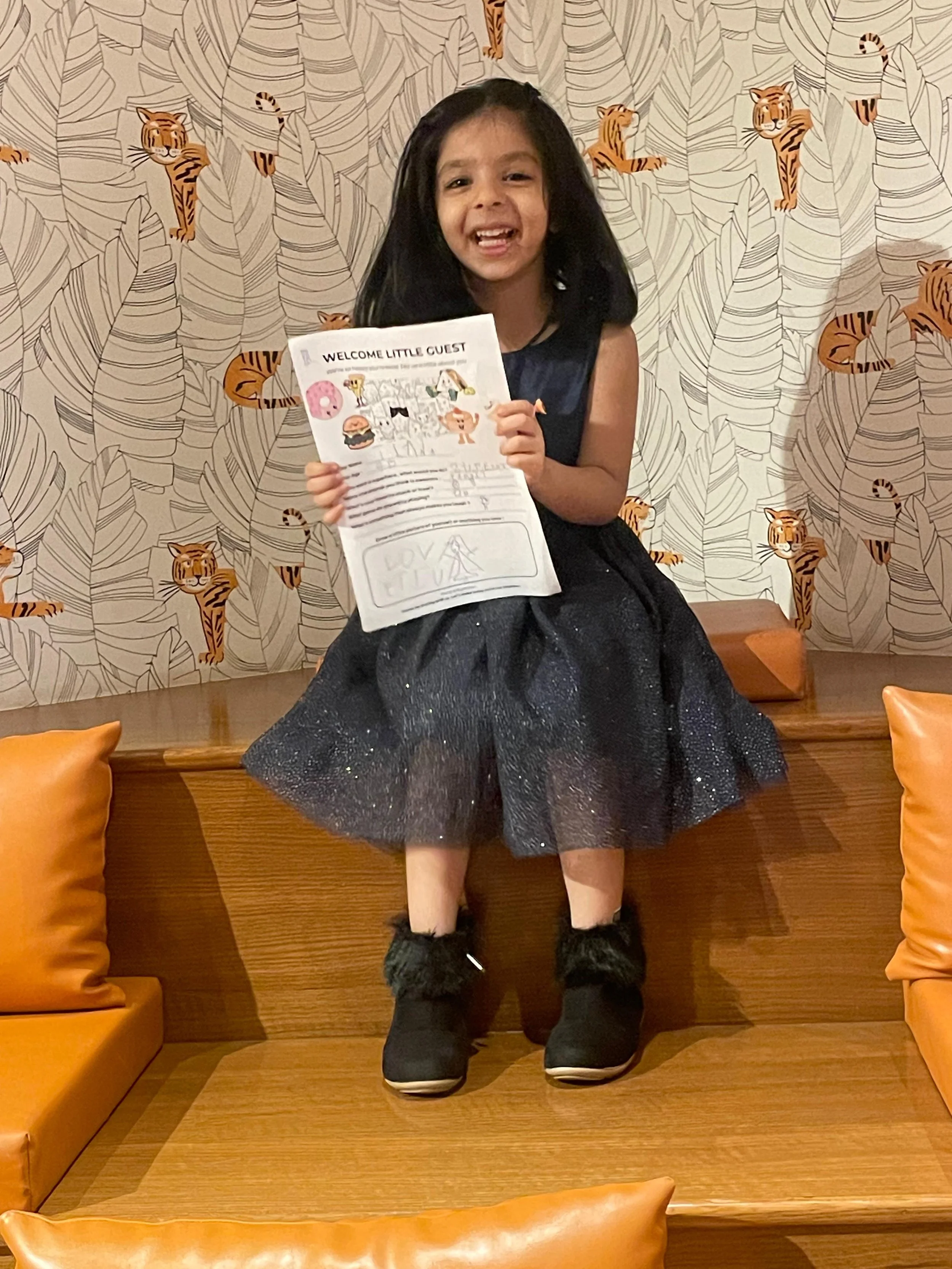
Novotel Mumbai International Airport just dropped something adorable — and honestly, it’s giving wholesome hospitality goals. The hotel has launched “Little Hearts by Novotel,” a first-of-its-kind initiative that makes even the tiniest guests feel like VIPs (Very Important Playmates?).

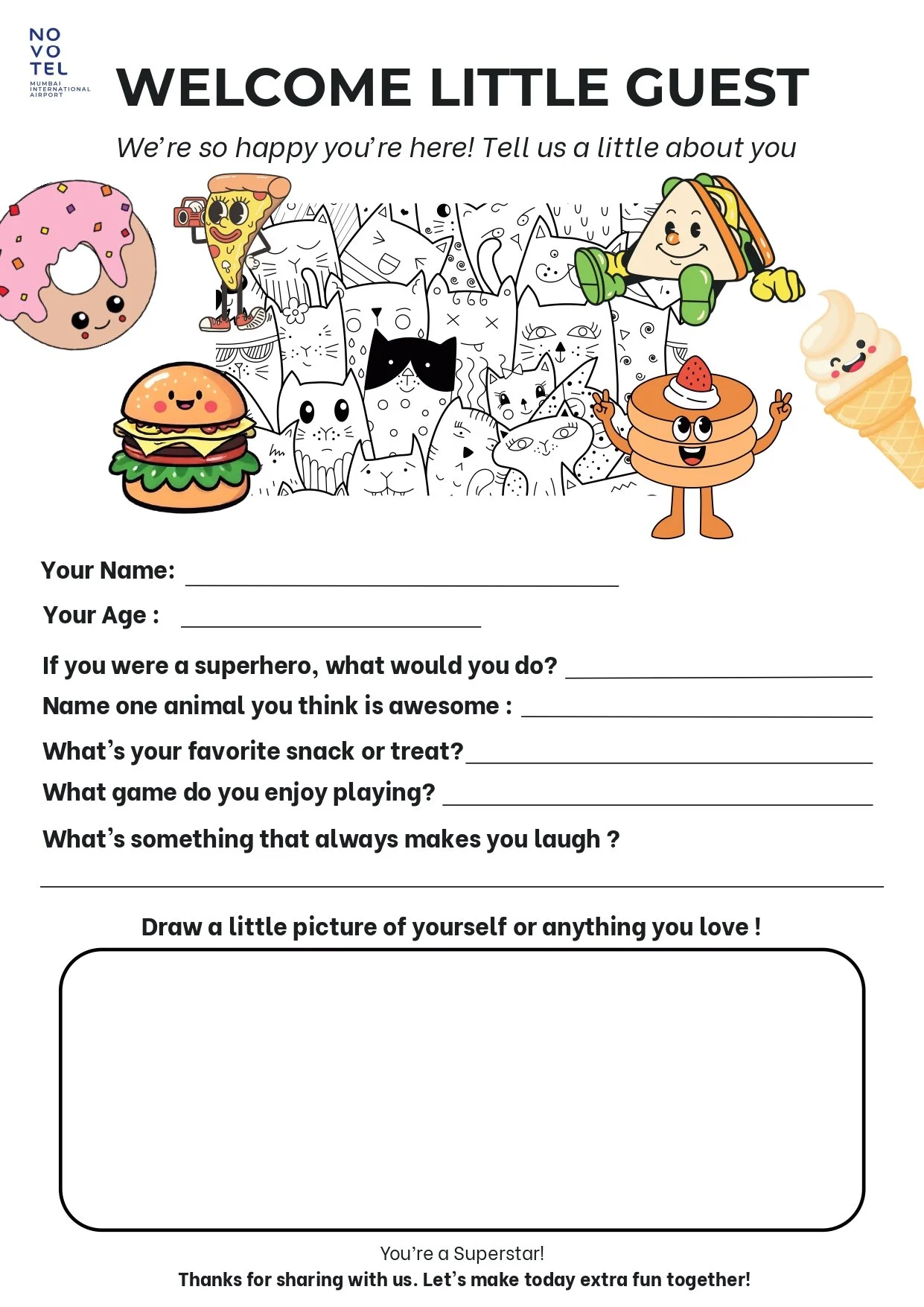
From the moment they arrive, kids get their own special registration card — because why should adults have all the check-in fun? Each child also receives a sustainable teddy bear, lovingly crafted from eco-friendly materials. It’s cute and conscious — a symbol of warmth, care, and mindful hospitality.

“Our goal is to ensure every guest feels special — and that includes our little ones,” said Rachita Sood, General Manager, Novotel Mumbai International Airport. “With ‘Little Hearts by Novotel,’ we’re creating joyful first impressions while staying true to our sustainability promise.”

Tanvi Bhamare, Marketing Communications Manager, added: “‘Little Hearts by Novotel Mumbai International Airport’ reflects our unwavering commitment to family-friendly and sustainable hospitality. This initiative is unique in combining creativity, personalization, and environmental responsibility, ensuring that kids not only feel welcomed and valued but also learn the importance of sustainability. Seeing the delight on our young guests’ faces reinforces the impact of thoughtful, innovative experiences.”

Deepika Jatwani, Guest Experience Manager, shared: “This is a truly special initiative designed to make kids feel celebrated from the moment they arrive. From the personalized registration cards to the sustainable teddy bears, every detail has been carefully crafted to create joyful, memorable experiences that children and their families will cherish.”

At Hospemag, we love when hoteliers make hospitality real. When they think beyond check-ins and amenities — and into memories. “Little Hearts by Novotel” does exactly that. It’s thoughtful, creative, and so full of heart.

👏 Big cheers to the Novotel Mumbai International Airport team for reminding us that the future of hospitality is personal, purposeful, and delightfully playful.

💫 Because when you make your youngest guests smile, everyone checks in happy.


The One Thing You Can’t Miss at The Legacy Mandawa: The Puppet-Making Workshop

The One Thing You Can’t Miss at The Legacy Mandawa: The Puppet-Making Workshop

In the heart of Mandawa, where frescoed havelis whisper centuries of stories, there’s one experience that stands out—not just for its charm, but for its deeper connection to the town’s soul: the Puppet-Making Workshop at The Legacy Mandawa.

Hosted within the serene courtyards of the heritage hotel, this workshop is more than just a creative session—it’s a living tribute to the dying art of traditional Rajasthani puppetry, also known as kathputli. Guests sit shoulder-to-shoulder with local artisans, many of whom come from families that have been practicing this craft for generations. With nimble fingers and vibrant threads, they bring characters to life—each puppet a tale in itself, with its own costume, color, and charm.

What makes this workshop unforgettable isn’t just the hands-on experience, but the rare cultural immersion it offers. In a world leaning heavily on digital entertainment, witnessing these storytellers revive folklore through handcrafted puppets is a grounding reminder of India’s artistic heritage.

For the artisans of Mandawa, this isn’t just a job—it’s a lifeline. The workshop helps preserve their craft, generates income, and inspires a new generation to value tradition over trends.

Come for the history, stay for the hands that keep it alive. And don’t forget to take home your own puppet—a keepsake made not just with string and cloth, but with history and heart.

The One Experience You Must Not Miss | The Angsana Velavaru Way

In the heart of the Dhaalu Atoll, far from the rhythm of routine, lies a place where time slows and connection deepens. At Angsana Velavaru, romance is not merely an element of the stay – it is thoughtfully woven into the fabric of the experience.

What sets Velavaru apart is not just its location – thought the panoramic vistas of sky meeting sea are undeniably striking – but the way it curates intimacy through setting, service, and sentiment. Couples may choose between a distinctive collection of beachfront villas, where verdant gardens meet ivory sand, or the exclusive InOcean Pool Water Villa, which float serenely above the lagoon, entirely detached from the main island. Here, privacy is effortless, and every horizon feels like it belongs only to you.

Yet, the most unforgettable element of a stay at Angsana Velavaru is the way it champions meaningful shared experiences. Each moment is an invitation to reconnect – be it through a signature spa ritual designed for two, a sunset cruise across the atoll, or a private cooking class where flavours and stories intertwine. A cinema beneath the stars offers a quiet celebration of companionship, with only the sound of waves to accompany your evening.

Dining, too, is reimagined as a celebration of togetherness. Imagine starting the day with a floating breakfast served in your private pool, or lingering over afternoon tea with the sea as your backdrop. As dusk falls, tailored dining experiences unfold – on quiet stretch of beach, atop of a villa’s rooftop deck, or on an overwater v-deck bathed in candlelight. Each setting is a considered as the cuisine it hosts.

For those marking a special milestone, Velavaru offers bespoke proposals, vow renewals, and intimate weddings, each thoughtfully designed to reflect the couple’s story. From the smallest details to the grandeur of the occasions, every element is handled with care and quiet elegance.

If there is one you must not miss at Angsana Velavaru, it is the rare opportunity to truly disconnect from the world – and to reconnect, deeply and meaningful, with one another. Because in a place this evocative, love isn’t merely celebrated. Its remembered.

Angsana Velavaru
South Nilandhe Atoll | Republic of Maldives
Telephone: +960 676 0028
Email: reservations-velavaru@angsana.com
www.angsana.com

ANGSANA VELAVARU

Angsana Velavaru, an all-inclusive premium resort in the virtually untouched South Nilandhe Atoll surrounded by sparkling turquoise waters and ocean views as far as the eye can see. This vibrant tropical getaway offers 79 private villas, all with beach frontage, and a cluster of 34 InOcean Villas, the first standalone collection of water villas in the Maldives, perched one kilometre from the main island. With its spacious island-based villas and stilts over the water, exquisite dining experiences, “101 Things To Do” – from watersports, diving lessons to rejuvenating spa treatments and beyond, Angsana Velavaru, offers the best stage to #SenseTheMoment and create beautiful memories with loved ones, family, and friends.

Radisson Blu Plaza Resort & Convention Centre, Karjat by Sanket Sinkar, Director of Operations, Radisson Blu Plaza Resort & Convention Centre, Karjat

At Radisson Blu Plaza Resort & Convention Centre, Karjat, the check-in experience is thoughtfully designed to reflect the serene yet contemporary spirit of its surroundings. It’s more than just a process—it’s the first warm touchpoint in a guest’s journey. Most guests arrive with their rooms pre-assigned, and preferences already noted discreetly. The traditional front desk has evolved into a space of reassurance and personalization, where the team simply affirms details, answers local queries, or offers subtle upgrades when available.

From the moment guests arrive, they’re greeted with a grand welcome—offered a refreshing welcome drink and provided with luggage assistance, setting the tone for a stay that’s both luxurious and effortless. Every step of the arrival is orchestrated to be seamless yet memorable.

The lobby itself echoes this ethos. It’s not just a transitional space but a haven of calm, comfort, and functionality. Comfortable seating areas and a warm aesthetic invite guests to pause and unwind. The design reflects a hospitality philosophy that values purpose over pretense—where every element, from layout to lighting, serves to enhance the guest’s ease.

What sets Radisson Blu Karjat apart is its attention to detail. Guest preferences such as language, room accessibility, or dietary considerations are often accommodated in advance, without the guest having to request them. These thoughtful gestures make arrivals feel intuitive and personalized.

In a fast-paced world where first impressions are made in moments, Radisson Blu Plaza Karjat ensures those moments are smooth, welcoming, and just a bit better than expected.


The Impact of a Thoughtful Check-In Experience – At DoubleTree by Hilton Goa Panaji by Harshad Nalawade, General Manager, DoubleTree by Hilton Goa Panaji

At DoubleTree by Hilton Goa Panaji, a guest’s first impression begins the moment they step into our warm and inviting lobby. Greeted with our iconic warm chocolate cookie—a signature DoubleTree gesture—and a refreshing locally inspired welcome drink, guests are immediately enveloped in a sense of comfort and care. This heartfelt welcome, paired with genuine smiles and sincere hospitality, sets the tone for the stay ahead. After a long journey, it’s not just about arriving—it’s about arriving to warmth, recognition, and home-like hospitality.

Today’s check-in experience goes beyond the transactional. It has evolved into an opportunity to create a personal connection. Whether it’s a surprise room upgrade, a thoughtful amenity aligned with guest preferences, or a simple “Welcome back,” each interaction is designed to make our guests feel seen, valued, and appreciated.

A delightful touch that sets us apart is our dedicated kids’ check-in counter—where our youngest guests are greeted with their own special welcome. With engaging activities, mini treats, and a playful atmosphere, we make sure that even children feel like VIPs from the very beginning of their stay.

Technology plays a crucial supporting role in this journey. Tools like Kipsu WhatsApp Messaging Technology, a Hilton initiative, allow us to connect with guests even before they arrive—understanding their needs, honoring their preferences, and building rapport in advance and during the stay. Digital innovations such as mobile check-in and digital key access add convenience without sacrificing the human touch. At DoubleTree, we believe technology should enhance—not replace—the warmth and attentiveness of our team.

The ambiance of our lobby—a modern, well-lit, and aesthetically curated space—further amplifies that first impression. It’s a silent yet powerful message: you are in good hands.

Ultimately, when guests are treated as individuals—not just bookings—it cultivates emotional resonance and brand loyalty. The check-in moment isn’t just a procedure; it’s the opening scene in a hospitality story worth remembering.


The Human Touch in Food & Beverage Service Training by Kim Chau Huynh

In the Food & Beverage (F&B) industry, exceptional service is just as important as the quality of the food. As the hospitality landscape continues to evolve, it's becoming increasingly clear that the human touch is what sets outstanding F&B establishments apart from the rest. Effective F&B service training must go beyond technical skills, incorporating mentorship, experiential learning, and soft skills development to create a truly memorable dining experience.

The Importance of Human Connection in F&B Service In today's digital age, guests are craving authentic, human connections more than ever. A warm smile, a genuine greeting, and attentive service can make all the difference in creating a loyal customer. F&B service training programs must prioritize the development of soft skills, such as empathy, active listening, and conflict resolution, to ensure that staff can provide exceptional, personalized service.

Mentorship in F&B Service Training

Mentorship plays a vital role in F&B service training, providing new staff members with guidance, support, and valuable insights from experienced colleagues. A mentorship program can help to:

1. Reduce training time: By pairing new staff with experienced mentors, training time can be significantly reduced, allowing new staff to become productive more quickly.

2. Improve knowledge retention: Mentorship programs can help new staff retain knowledge and skills more effectively, as they have a dedicated resource to answer questions and provide feedback.

3. Enhance soft skills development: Mentors can provide guidance on soft skills, such as communication, teamwork, and problem-solving, helping new staff to develop these essential skills.

Experiential Learning in F&B Service Training

Experiential learning is a powerful training methodology that involves hands-on experience and real-world application. In F&B service training, experiential learning can take many forms, including:

1. On-the-job training: New staff learn by doing, working alongside experienced colleagues to develop practical skills.

2. Role-playing exercises: Staff practice different service scenarios, developing their communication and problem-solving skills.

3. Service simulations: Staff participate in simulated service experiences, applying their knowledge and skills in a realistic, low-risk environment.

Soft Skills Development in F&B Service Training

Soft skills are essential for delivering exceptional F&B service. Some key soft skills to focus on in F&B service training include:

1. Communication: Clear, effective communication is critical in F&B service, ensuring that guests' needs are met and expectations are exceeded.

2. Empathy: F&B staff must be able to understand and respond to guests' emotions, providing a supportive and caring service experience.

3. Problem-solving: F&B staff must be able to think critically and creatively, resolving issues and complaints in a timely and effective manner.

4. Teamwork: F&B service is a team effort, requiring staff to work collaboratively and supportively to deliver exceptional service.

Implementing Human-Centric F&B Service Training

To implement human-centric F&B service training, consider the following strategies:

1. Incorporate mentorship programs: Pair new staff with experienced mentors to provide guidance, support, and valuable insights.

2. Use experiential learning methodologies: Incorporate on-the-job training, role-playing exercises, and service simulations to develop practical skills and soft skills.

3. Focus on soft skills development: Prioritize the development of essential soft skills, such as communication, empathy, problem-solving, and teamwork.

4. Emphasize the importance of human connection: Train staff to understand the value of authentic, human connections in creating a memorable dining experience.

Conclusion

The human touch is what sets outstanding F&B establishments apart from the rest. By incorporating mentorship, experiential learning, and soft skills development into F&B service training programs, hospitality organizations can create a truly memorable dining experience that keeps guests coming back. Remember, in the F&B industry, it's the humanconnection that makes all the difference.

The human touch in training – Mentorship, experiential learning & soft skills by Srinivasa Rao, Cluster Director HR, Hilton and Hilton Garden Inn Bengaluru Embassy

At Hilton and Hilton Garden Inn Manyata, we know that while technology helps us work smarter, it is the human connection that truly sets hospitality apart. In a world that’s constantly changing, training our teams means more than just ticking boxes—it’s about building confidence, character, and a genuine sense of purpose.

Mentorship is at the heart of our culture. It is not just about guidance, it is about sharing experiences, offering support, and helping each other grow. Experiential learning brings our training to life, letting team members step into real situations, learn by doing, and grow through every challenge.

And then there are the soft skills—the empathy, communication, and emotional intelligence that turn everyday service into unforgettable moments. These are the skills that bind us as a team and leave lasting impressions on our guests.

As we move forward, we remain deeply committed to training that puts people first—because in the end, it’s not just about what we do, but how we make people feel that truly matters.


Humanizing Excellence: The Role of Personalized Training in Hotel Housekeeping by Dr. Rachna Chandan

In the dynamic world of hospitality, housekeeping plays a vital role in delivering exceptional guest experiences and driving satisfaction. While technological innovations and automation are revolutionizing the sector, the importance of human interaction cannot be overstated. As hotels integrate smart systems, it is crucial to recognize the enduring value of human-centered training in providing outstanding service.

From the cleanliness of rooms to the attention to detail in every aspect of the hotel experience, housekeeping staff are essential in creating a memorable and enjoyable stay. As hotels strive to differentiate themselves in a competitive market, the human touch provided by well-trained housekeeping staff can be a key factor in building guest loyalty and driving repeat business

Mentorship has long been a cornerstone of professional development in the hospitality industry. In hotels, housekeepers brings lots of experience and institutional knowledge that is invaluable to newcomers. Structured or informal, mentorship programs offer guidance, and hands-on training which help new employees build both competence and confidence. A mentorship pairing in hotel housekeeping might involve an experienced housekeeper shadowing a new recruit, offering feedback, and modeling best practices. Such practices helps in enhancing technical skills development, inculcating service culture and brand values, provide emotional support and thrive confidence building to the new employees. This can lead to improved job satisfaction, reduced turnover, and increased productivity, ultimately driving business success. By sharing their knowledge and expertise, mentorship program will also be a rewarding experience for mentors and help in developing leadership skills, and can reinforce their own knowledge.

Housekeeping is a profession that requires practical skills and hands-on experience. To effectively train hotel staff, experiential learning is an approach that emphasizes real-world practice over theoretical instruction. It involves activities such as role-play, job shadowing, and supervised practice, which allow new employees to gain firsthand experience in managing everyday tasks and challenges. This method helps in improving procedural knowledge, develop critical thinking and decision-making skills. By incorporating experiential learning into their training programs, hotels can ensure that their housekeeping staff are equipped with the skills and knowledge needed to provide exceptional service and maintain high standards of quality.

While technical proficiency is essential in housekeeping, it is soft skills that elevate service from satisfactory to outstanding. Attributes like empathy, communication, teamwork, and conflict resolution play a pivotal role in guest interactions and internal collaboration. Effective training programs embed soft skills development through scenario-based exercises and group activities. Such training empowers housekeepers to navigate sensitive situations with professionalism and care, ultimately enriching the guest experience.

As the hospitality industry increasingly embraces AI, robotics, and automated systems, the risk of depersonalizing service grows. However, technology should be viewed as an enabler, not a replacement for human connection. By prioritizing mentorship, experiential learning, and soft skills in providing training to the housekeepers, hotels can cultivate a workforce that is not only technically skilled but also emotionally intelligent and service-oriented. These human-centered practices foster team morale, reduce turnover, and contribute to a consistent, high-quality guest experience.

In a sector where every detail matters, the quality of housekeeping can make or break a guest’s impression. Training that preserves the human touch, rooted in empathy and providing real-world experience, ensures that housekeeping staff continue to be the unsung heroes of hospitality. By investing in comprehensive, people focused training, hotels can build a culture of excellence that stands out in an increasingly automated world, earning guest loyalty and a reputation for exceptional service.

Author details

Dr. Rachna Chandan
Associate Professor, & HOD-Housekeeping Department
Banarsidas Chandiwala Institute of Hotel Management & Catering Technology, New Delhi
Editor-Voice of Housekeepers e-infozine, Professional HouseKeepers Association

The Rise of On-Demand Training: How Netflix-Style Learning is Shaping Hospitality

The hospitality industry thrives on agility—employees must adapt quickly, whether mastering a new POS system, handling a guest complaint, or learning safety protocols. Traditional training methods (long classroom sessions, bulky manuals) no longer fit today’s fast-paced environment. Enter on-demand learning: a Netflix-style approach where employees access bite-sized, engaging training exactly when they need it.

From LinkedIn Learning to Duolingo for language skills, and custom Learning Management Systems (LMS), hospitality businesses are leveraging just-in-time training to boost retention, efficiency, and employee satisfaction. Let’s explore how this shift is revolutionizing the industry.

Why On-Demand Training Works for Hospitality

1. Flexibility for a 24/7 Industry

Hospitality never sleeps—neither should training. On-demand platforms allow employees to learn:

  • During downtime (e.g., between shifts, slow hours).

  • On any device (smartphones, tablets, back-office computers).

  • At their own pace, reducing overwhelm.

2. Higher Engagement & Retention

Like Netflix or YouTube, modern learners prefer:

  • Short, focused videos (3-10 minutes) over hour-long lectures.

  • Interactive quizzes and instant feedback.

  • Personalized recommendations (e.g., "Housekeepers, watch this 5-minute refresher on chemical safety").

3. Just-in-Time Learning for Real-World Problems

Instead of memorizing outdated manuals, employees can:

  • Quickly search "How to handle an overbooked room" before a guest arrives.

  • Watch a 1-minute demo on operating a new coffee machine.

  • Practice language skills via Duolingo before assisting an international guest.

Key Platforms Driving On-Demand Hospitality Training

1. LinkedIn Learning & Udemy for Business

  • Pros: Vast libraries on soft skills (customer service, conflict resolution) and technical skills (revenue management, Excel for hospitality).

  • Use Case: A hotel chain assigns a 10-minute course on "De-escalating Guest Complaints" to all front-desk staff.

2. Duolingo & Babbel for Language Training

  • Why it matters: 47% of hospitality workers interact with non-native speakers daily (Source: Rosetta Stone).

  • Gamified learning: Employees earn badges for completing daily 5-minute language drills.

3. Custom LMS (Learning Management Systems)

Platforms like TalentLMS, Axonify, or Hotel Academy offer:

  • Mobile-friendly microlearning (e.g., daily 2-minute safety tips).

  • AI-driven recommendations (e.g., "Based on your role, here’s a refresher on check-in procedures").

  • Tracking & compliance (automated alerts for mandatory training).

4. YouTube & TikTok-Style Training

Some brands create internal video libraries with:

  • 60-second "how-to" clips (e.g., "Folding napkins like a pro").

  • Guest service role-plays (e.g., "How to say no politely").

Success Stories: Hospitality Brands Using On-Demand Learning

1. Marriott’s "Marriott Bonvoy Training" App

  • Employees access mobile-friendly courses on brand standards, safety, and career growth.

  • Gamification (badges, leaderboards) increases completion rates by 35%.

2. McDonald’s "Fred@Work" Chatbot

  • An AI assistant answers employee questions in real-time (e.g., "How do I process a refund?").

  • Reduces manager interruptions by 40%.

3. Hilton’s Virtual On-Demand Workshops

  • Frontline staff take self-paced courses on leadership, sustainability, and tech skills.

  • Result: 80% of employees say it improves confidence in their roles.

How to Implement Netflix-Style Learning in Your Business

  1. Start Small: Pilot a microlearning module (e.g., "3-minute wine service basics").

  2. Leverage Existing Platforms: Use LinkedIn Learning or a custom LMS—no need to build from scratch.

  3. Make it Mobile-First: Ensure content works on smartphones (where employees already spend time).

  4. Encourage Social Learning: Let staff share tips via internal chat (e.g., Slack or WhatsApp groups).

  5. Track & Adapt: Use analytics to see which courses are most popular and improve weak spots.

The Future: What’s Next?

  • AI-Powered Personalization: Imagine a system that suggests training based on an employee’s past mistakes (e.g., "You struggled with upselling—watch this 4-minute tutorial").

  • Voice-Activated Learning: "Hey Alexa, how do I handle a food allergy request?"

  • Augmented Reality (AR) Job Aids: Scanning a QR code to pull up a housekeeping checklist overlay.

Conclusion

Hospitality training is no longer about rigid schedules and binders—it’s about instant, engaging, and relevant learning. By adopting Netflix-style on-demand training, businesses can:
✔ Reduce onboarding time
✔ Improve guest satisfaction (better-trained staff = happier customers)
✔ Boost employee retention (studies show accessible training increases job satisfaction).

Your turn: Have you tried on-demand training in your hotel or restaurant? What worked (or didn’t)? Share your thoughts below!

Where Learning Lives: Mentorship, Meaning, and the Magic of Experience by Sharin Joseph, Commercial Director, Conrad Bengaluru

In an era of digital acceleration and AI-powered training modules, the hospitality industry and indeed most service-oriented sectors, faces a pivotal question: can technology truly replicate the impact of human connection when it comes to professional development? While platforms and tools offer efficiency and scale, the most transformative learning still happens through real people, real experiences, and real conversations.

From the front desk to the boardroom, the heartbeat of hospitality is human. Training models that prioritize mentorship, experiential learning, and soft skills do more than shape competent professionals, they shape leaders who understand nuance, empathy, and authenticity.

Mentorship: More Than Just Career Advice

Some of the most enduring lessons in a professional journey come not from formal training, but from real-world interactions with those who have faced similar situations. Mentorship adds dimension to learning offering practical insights, perspective, and encouragement in moments where theory alone may fall short. Whether it is managing a difficult guest interaction or building confidence in leadership, the presence of a mentor can be transformative. Many industries have long valued mentorship as a way to foster continuous learning and create a culture of mutual support. In hospitality especially, senior professionals often credit their early growth to mentors who helped shape not just their careers, but also their mindset. More than just guidance, mentorship is a commitment to people, it enables growth, builds resilience, and reminds us that success is rarely achieved in isolation.

Experiential Learning: Because Theory Only Gets You So Far

Experiential learning bridges the gap between knowing and doing. In hospitality, where service is both an art and a science, the ability to think on one’s feet, read a room, or navigate the unexpected often stems from lived experience and not just academic instruction. This is why hands-on exposure has become integral to many hospitality learning journeys, where students rotate across real service environments that challenge their judgment, empathy, and resilience. Beyond the industry, there is a growing recognition that immersive learning builds confidence and capability in ways that traditional methods often cannot. When individuals are encouraged to participate actively rather than observe passively, learning becomes instinctive, embedded, relevant, and ultimately, transformative.

Soft Skills: The Underrated Superpower

Technical expertise may open doors, but it is often soft skills that shape how far one goes. In hospitality and beyond, the ability to communicate with clarity, lead with empathy, and adapt to evolving situations is what sets enduring professionals apart. Yet, these qualities are frequently viewed as supplementary rather than essential. As roles grow more complex and team structures more fluid, organisations are beginning to reframe soft skills as core capabilities. Whether it be through informal coaching, cross- generational learning, or creating space for emotional intelligence to be exercised on the floor. The message is clear; people do not just need to know what to do, they need to know how to do it with grace, clarity, and context.

Ultimately, what ties these pillars together is the understanding that professional development is, at its core, a human experience that thrives on connection, trust, and lived insight. As automation and digital transformation continue to redefine workplaces, the value of people-driven learning remains vital. While digital tools can enhance training, they cannot replicate the depth of human-led development. Mentorship, experiential exposure, and the refinement of soft skills such as communication, empathy, and adaptability contribute not only to stronger performance but also to greater workplace cohesion and personal growth.

These competencies are best nurtured through shared experience, thoughtful guidance, and meaningful professional relationships. In this context, learning becomes more than the transfer of knowledge; it becomes a process of collaboration, introspection, and continuous evolution.

The human touch in training – Mentorship, experiential learning & soft skills by Monika Gupta, Director of Talent and Culture, Grand Mercure Mysore and ibis Styles Mysuru

The human touch in training is especially relevant in this dynamic world of artificial intelligence aids and online training courses making it crucial to employ human interaction in career development. Although technology provides enormity and efficiency, it cannot substitute the subtle direction, empathy, and individual development that results from human interaction. At Grand Mercure Mysore and ibis Styles Mysuru, we believe that training with mentorship, and soft-skill development and learning that is experiential helps to develop essential qualities such as adaptability, creativity, and authenticity for success in a contemporary workplace.

Mentorship: Personal Direction for Development

Mentorship is more than simply imparting knowledge or technical competence. At its heart, the goal is to establish natural, trust-based connections that support professional growth, as well as personal development. Good mentors inspire as well as instruct to promote trust and respect. Mentors may help mentees to design their own growth paths and career paths by learning each person’s particular ambitions, problems, and strengths.

Mentorship helps to create a culture of honesty, courtesy, and empowerment in business or service-oriented settings. People who feel seen and encouraged are more likely to develop into confident, goal-oriented professionals who serve with both ability and spirit.

Experiential Learning: Learning by Doing

Real learning takes place not just through webinars or in classrooms but in the course of genuine labor. Having experiential learning enables people to gather knowledge through reflecting, taking action, and receiving feedback. Sharing our own experiences, setbacks, and knowledge as mentors helps to make the professional paths relatable and relevant for those we impart our knowledge and guidance upon.

Experiential learning in a supportive atmosphere sets the scene for trial and error. This helps to develop resilience, analytical thinking, and self-awareness in addition to practical abilities. It transforms understanding into wisdom.

Soft Competencies: The Foundation of Professional Achievement

While technical ability may help to secure your employment, it is your soft capabilities that allow you to prosper. In modern interconnected workplace settings, one needs communication, empathy, adaptability, emotional intelligence, cooperation and teamwork.

These abilities are best grown throughout life experience, introspection, and organic interactions with individuals.

Building high-performing teams also depends on soft skills. They help to lower friction, foster cooperation, and establish surroundings where people feel free to grow and provide ideas. Since they offer the surroundings and consistency for soft skill development to take hold, mentoring partnerships are critical in developing these talents.

It is indeed vital that the human element is not discretionary in a society controlled by artificial intelligence-driven instruction and virtual tools. One grows by connection, not only by information.

Through genuine mentorship, practical experiences, and emotional intelligence, professionals have the circumstances not just to succeed but to blossom as individuals and teammates. It’s a philosophy that resonates strongly with Grand Mercure Mysore and Ibis Styles Mysuru. As leaders, teachers, and mentors, then, it is our duty to give first priority and preserve these human qualities in our coaching, assistance, and empowerment of others.

The Human Touch In Training by Purnima Kumari, Courtyard by Marriott Pune Chakan

In the hospitality industry, the human touch plays a pivotal role in shaping the training and development of employees. As an HR, I strongly believe that effective training goes beyond just theory and technical knowledge. True success comes from mentorship, experiential learning, and the development of soft skills. These elements are what transform employees into exceptional professionals who can deliver memorable experiences for our guests.

Mentorship is one of the most impactful aspects of training. It fosters a sense of connection and trust between employees and experienced professionals. A mentor serves as a guide, offering support, advice, and insights gained from their own experiences. By pairing new employees with mentors, we help them integrate into the culture and values of the organization. This relationship not only enhances their technical skills but also boosts their confidence in handling real-world challenges. Mentorship builds a network of support that encourages continuous learning and personal growth, creating a strong foundation for long-term success.

Experiential learning is another crucial element in our training approach. The hospitality industry thrives on real-time interaction with guests, which makes hands-on learning far more effective than theoretical lessons. We provide our employees with immersive, on-the-job experiences, such as shadowing experienced colleagues, participating in role-playing exercises, and engaging in live operational situations. These experiences allow employees to apply what they’ve learned in a practical setting, sharpening their problem-solving skills and ability to adapt to ever-changing scenarios. By learning through experience, employees develop a deeper understanding of their role and are better equipped to handle challenges with confidence and efficiency.

Finally, soft skills are at the heart of creating exceptional guest experiences. Skills like communication, emotional intelligence, conflict resolution, and empathy are essential for understanding and meeting guest needs. These qualities are not easily taught through formal training, but instead are nurtured through consistent practice and mentoring. We place a strong emphasis on emotional intelligence and communication in our training programs, ensuring that employees are not only skilled in their tasks but also capable of connecting with guests on a personal level. Strong soft skills help employees navigate difficult situations with tact and create positive, lasting impressions.

In conclusion, the human touch in training—through mentorship, experiential learning, and a focus on soft skills—is essential in developing employees who can provide exceptional service and contribute to the success of the organization. By investing in these elements, we cultivate a team of skilled, compassionate professionals dedicated to delivering high-quality service and creating memorable experiences for every guest.