RUSSIAN FARE TO SHARE
It has been observed that not many people think of Russian food as being internationally renowned when compared to some more widespread cuisines, but there are more and more people around the world who are discovering it and learning to appreciate its qualities. Russian food derives from the great geographical expanse of this country and its multicultural character, which has resulted in a great variety of dishes.
Given the characteristic cold climate of this region of the world, the country has a lot of delicious traditional dishes to help people keep warm. People that discover Russian food for the first time, are often surprised by the variety of ingredients and flavors, which is influenced by its connection to Europe, Asia and the Middle East.
It is also said that Russian food derives from an innumerable wealth of dishes, due firstly to the multicultural character of the country and secondly to its vast geographical size. Many dishes we consider today as typically Russian, are in reality of Polish, French or Italian origin. They arrived at the court of Catherine II through the Empress’s contacts with Western Europe.
Russia’s gastronomic foundations are based on the peasant food of rural populations located in places with an extremely cold climate. Many of the different dishes of soups and stews with meat and fish, are prepared by adding spices to native dishes using some techniques from the Mongols and Tatars in the 13th century.
Many of the Russian dishes are influenced by the ancient silk road as well as the proximity to the Caucasus, as well as the proximity it had with the Ottoman Empire. Russian food is very rich in variety, but also hyper caloric because more energy is needed to withstand the low temperatures they suffer in winter.
As the climate in Russia is almost always cold, most dishes are eaten hot. Soup is one of the main dishes and there are of many different types, they also accompany most of the dishes with rye bread, which is even cheaper than wheat white bread.
Caviar is one of a specialty in Russia. There are two types: the red salmon caviar that we can order in any restaurant or food house, and black caviar, which you’ll only find in expensive restaurants. In fact, for Russians at home, the most normal thing is to eat red caviar on a slice of white bread without toasting with butter. The black is reserved for special occasions, such as Christmas. Did you know the word “caviar” comes from the Persian word “khavah” which means “egg”?
Russians don’t conceive a lunch without soup as a first course, and for dessert they usually have a sweet accompanied by black tea with lemon, which they drink every hour of the day. And yes, the drink that most people drink in Russia is not always vodka, it is tea too! And what about vodka? To take it, Russians have their own protocol first of all, you must exhale through your mouth, then drink it in one gulp and then take a breath.
One of the most popular dishes in the country is the Russian salad, only that in Russia it’s not called that: it’s known as Olivier salad and takes the name of the Belgian chef who invented it while working in Saint Petersburg. As bread is so important in Russian food, there is the tradition to welcome important guests with a dish of “bread and salt”. Although potatoes are a common ingredient of Russian food, for a long time Russian people only ate turnips, they didn’t know potatoes. King Peter brought the first potatoes from his foreign voyages, but Russians didn’t know how to eat it for some years.
Surprisingly, breakfast in Russian food usually consists of a cup of tea or coffee and a sandwich with some butter, cheese or ham, or some bakery, just for simplicity going along with choice of breads. The most traditional non-alcoholic drink is Kvass (after Coca-Cola). By the way, due to the climate, soft drinks are usually served without ice, if you want it, order it separately.
Some Popular Russian Delicacies:
1. Olivier salad: t’s known as Russian salad around the world. Olivier is a variant of potato salad invented in the 1860s by the Chef Lucien Olivier. The original was made with caviar, grouse, smoked duck, beef tongue and it had its own secret sauce, but today it is prepared with much simpler ingredients: boiled potatoes, carrots, eggs, peas, pickles, and chicken or meat.
2. Shades of Caviar: Quality caviar may be the most expensive food in the world, with most exclusive one’s costing thousands of dollars. The best caviar is that of sturgeon caught in the Caspian Sea in Azerbaijan, Iran and Russia. It consists of gelatinous pearls that explode in the mouth, and it has an intense taste of brine and fish. Red and black coloured caviar are most popular.
3. Chebureki: The word Chebureki was adopted from the Crimean Tatar language and means literally ‘raw cake’. This dish is very popular in Tatar and Russian cuisine, but also in Asian and Caucasian menus. It’s a kind of fried patty with a filling of minced meat and onion. It’s made with a single piece of dough that folds over the filling in a crescent shape.
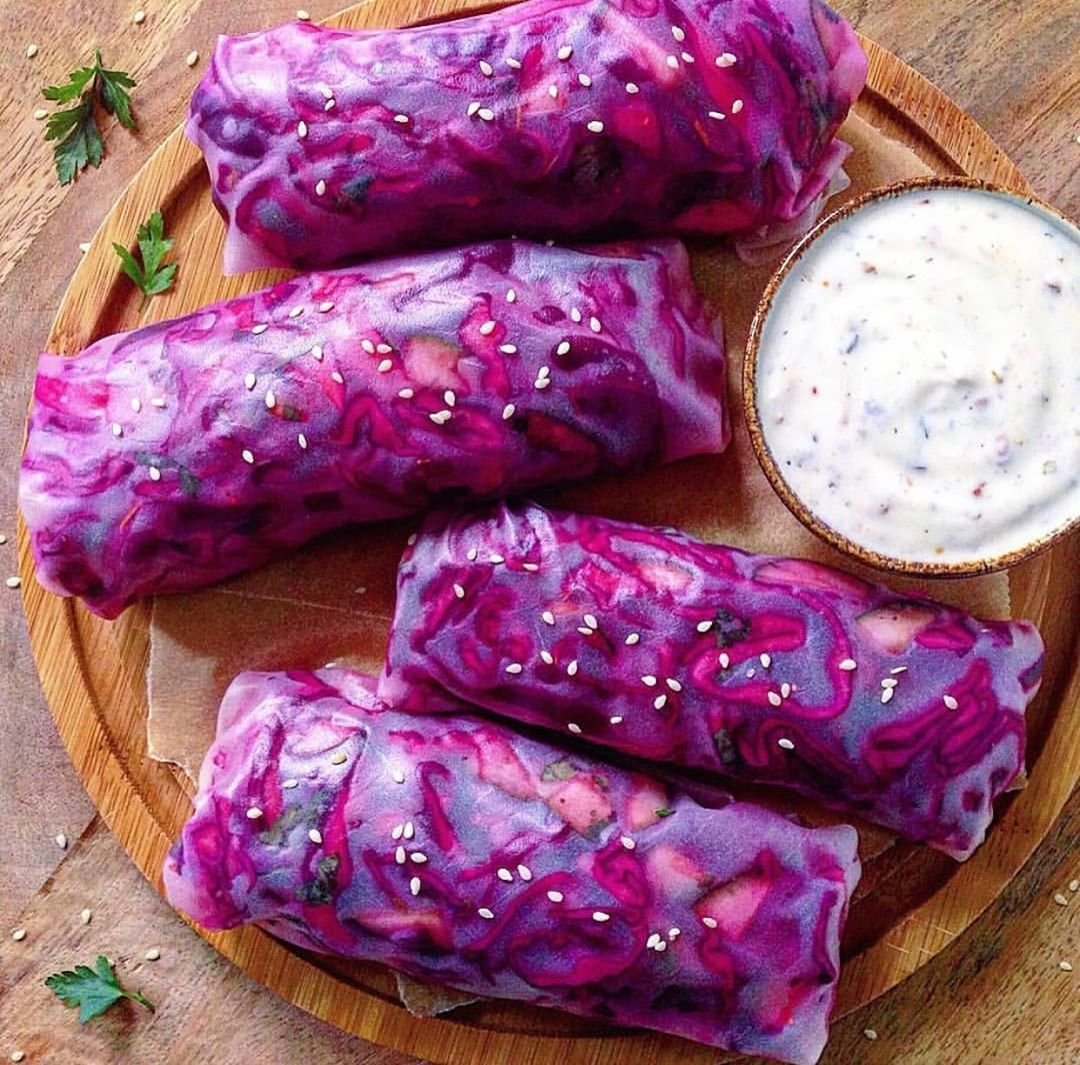
4. Borscht: Borscht is a beet soup native to Ukraine that was quickly adopted as a Russian specialty. Beet is its main ingredient and the one that gives it its intense and characteristic color. It is prepared with sautéed meat and vegetables, among which we can find cabbage, carrots, onions and potatoes and it can be served hot or cold.
5. Okroshca: This concept relates from Russia which is a cold soup, perfect for hot summer days. Traditionally, it’s cooked with Kvass, and it usually includes meat or mortadella, radish, cucumbers, chives, cooked potatoes and eggs.
6.Uja: this is also a very traditional Russian soup that is prepared with sliced fish fillets. They mainly use Salmon or Cod Fish. To this Russian spoon dish are also added some vegetables cut into pieces such as, for example, potato, carrot or onion.
7. Black Russian Cake- This is an extremely moist and delicious cake. The coffee liqueur gives it an exceptionally rich and unique flavor. It is wonderfully complemented when served with coffee drinks as an after-dinner treat. What made the dessert “Russian”? Quite likely the name transferred from “Russian tea,” which in the late 1800s meant any drink containing rum (not vodka, surprisingly). Red wine and sherry are found in some of the tea and Russian cake recipes. Russian Royal Cake is made with walnut, poppy seed, cherry and chocolate cake layers frosted with Dulce De Leche Buttercream then drizzled with Chocolate.
8. Cabbage Piroshky - Piroshky are the ultimate Eastern European and Russian street food! These are little hand-pies made with fluffy easy dough and filled with either sweet or Savory fillings. Some of the fillings include braised cabbage piroshky is one of the favorites of many foodies. These vegetable piroshkies are filled with cabbage, carrots, mushrooms, onion and bell pepper. You can even add diced kielbasa sausages as well for more flavor.
Popular Ingredients in Russian Food
Russian cuisine and gastronomy includes a great variety of ingredients, but the following are the most used.
Meats and Fish.
They are used in all types of dry dishes and soups. These ingredients include lamb, pork or beef meats. In the case of fish, they are mainly freshwater fish such as carp and sudak, but also fish found in northern areas of the country like sturgeon, salmon, pike and trout.
Assorted Vegetables
The most popular are cabbage, potatoes and cold tolerant greens. Pickling cabbage, cucumbers and tomatoes are used in brine to preserve other vegetables for winter use.
Variety Fruits- In Russia there is a great tradition of preserving the fruits, vegetables and mushrooms grown during the summer. The compotes and jams are made of fruits and berries like strawberry, raspberry, blueberry and others.
Choice of Breads- There are several types, the most typical is black bread, made from rye flour; there are many types of this bread and it’s very healthy. There is also normal bread called white bread made from wheat flour.
Milk & Dairy Products- In Russia there is a great variety and tradition of eating dairy products, many of which aren’t known in other countries. In stores you can buy many kinds of cottage cheese “tvorog”, “kefir” – a drink similar to yogurt.
Herbs and Spices used commonly in Russian Cooking:
Parsley: Mainly used in salads and also to decorate dishes.
Pepper: Russians use mainly black pepper.
Allspice: It’s often used in unground form in marinades and canned foods.
Sage: Mainly used in fish dishes, but also in legumes, vegetables, jams and marmalade.
Horseradish: The root of this plant is used in many spicy sauces for meat and fish dishes.
Dill: Dill weed simply makes sense in a Russian diet of fish and milk-based dishes.
Tarragon: When used in any Russian recipes with vinegar and/or mustard, tarragon is delightful.
Garlic: It offers a taste that is versatile enough for a great variety of dishes and it stores well for use in winter cooking.
Here are a few of my select all-time favourite recipes from Russian Cuisine: