Fairmont Fujairah Beach Resort announces the launch of ‘Miles of Memories’ staycation summer campaign

FAIRMONT FUJAIRAH INSPIRES TRAVELERS TO MAKE MILES OF MEMORIES 

- Join the Call of the Open Road – “Miles of Memories” Summer Road trip Getaway; the unique staycation and guest experience travel program -


FUJAIRAH, June, 2022 – Fairmont Fujairah Beach Resort announces the launch of ‘Miles of Memories’ staycation summer campaign aiming at inspiring local residents to move from dreaming to planning their next trip and staycation to create new memories during the summer season.


With short-distance leisure travel quickly becoming a preference, the latest campaign will enable consumers to reconnect with family and friends, revitalize the spirit of summer travel season and rediscover the magic of road trips. Under this initiative, Fairmont Fujairah will offer a series of reconnection moments consumers have been missing; positioning the hotel as the leisure destination first choice for local staycations and as a place to make summer memories.  

“Road trips are perceived as the sources of enjoyment for friends, families and anyone looking to have summer fun, and local travelers crave connections, seeking out the reliable, friendly destination and welcoming experiences that our hospitality can provide, said Abdel Rahman Abdel Shafi, General Manager of Fairmont Fujairah Beach Resort. Fairmont Fujairah Beach Resort is here to help you revitalize the spirit of Summer in an entertaining and playful environment; showcasing the attractions and leisure experience the resort has to offer, with miles of rewarding stays, dining credit savings, fun activities, and converting travel rewards into amazing memories that we’ll cherish forever. 

With Fairmont Fujairah, travelers can now hit the road, create their path to discovery, with the whole family, and friends, and enjoy luxury accommodation and an array of daily leisure activities from the aqua gym, beach volleyball, and table tennis, sunset yoga, dancing lessons and much more. 


The campaign creatives attempt to capture some of the ways people enjoy travel, including depictions of vacationers driving up the highway, up to the hotel room to a beautiful view to the distinctive attractions and F&B experiences. The re-imagined campaign is styled in the format of video which will be launched across social media platforms, taking viewers on a road trip journey and redefining what it means to be on a miles of memories staycation. 

‘Miles of Memories’ Summer Travel campaign highlights the hotel and resort as a destination like nowhere else where visitors can experience bucket list attractions, rewards, savings, and tick off their holiday goals’.

Join the call of the open road and start creating your summer memories. Your Room is waiting - please visit: https://www.fairmont.com/fujairah

About Fairmont Fujairah Beach Resort

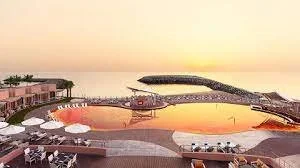
Fujairah is known for its wonderful backdrop of the Al Hajar Mountains, vast stretches of beaches and laid-back relief from the bustle of city life. Fairmont Fujairah Beach Resort boasts the UAE’s first destination beach club concept of its kind. Spanning over 2,600 sq. m., Lava Beach Club features 840 sq. m. free-form pool tiled to represent flowing lava in vivid hues of orange and yellow. Presenting a uniquely inspired portfolio of six outlets, each one invites its guests to experience something a little different, especially the hotel’s signature restaurant – The Copper Lobster; boasting the freshest seafood as well as catch-of-the-day dishes in a gastro bar setting. A modern interpretation of luxury infused with Arabesque design and furnishings, each room and suite is fitted with a private al fresco balcony where you can take in views of the ocean or the marina.


About Fairmont

Fairmont Hotels & Resorts connects guests to the very best of its destinations worldwide, providing travelers with memorable travel experiences, thoughtful and attentive service, and luxury hotels that are truly unforgettable. Each Fairmont property reflects the locale’s energy, culture, and history through locally inspired cuisine, spirited bars and lounges, and distinctive design and decor. With more than 70 hotels globally and many more in development, the Fairmont collection boasts some of the most iconic and distinctive hotels in the world. This extraordinary collection includes The Plaza in New York, The Savoy in London, Fairmont Grand Del Mar, Dubai’s Fairmont The Palm, Fairmont Peace Hotel in Shanghai, Fairmont San Francisco, and Fairmont Le Château Frontenac in Québec City. Fairmont is part of Accor, a world-leading travel & lifestyle group and digital innovator offering unique experiences in more than 4,000 hotels, resorts, and residences, as well as in over 2,600 of the finest private homes around the globe. For more information or reservations, please visit fairmont.com.


New Launch | launch of Pune's first ever Nikkei Style Food Restaurant called Soy Como Soy by Iceberg Hospitality

launch of Pune's first ever Nikkei Style Food Restaurant called Soy Como Soy

COME AS YOU ARE, EAT AS YOU’VE NEVER EATEN BEFORE: SOY COMO SOY BRINGS NIKKEI STYLE FOOD TO PUNE


Nikkei cuisine, a harmonious blend of Japanese and Peruvian culinary traditions, has sparked a global interest among chefs, restaurateurs, and diners alike in the past few years. With Soy Como Soy, Iceberg Hospitality founded by Manpreet Uppal and Sandy Singh brings this harmonious blend of vibrant flavors and traditions to diners’ plates in Pune.


SOY COMO SOY

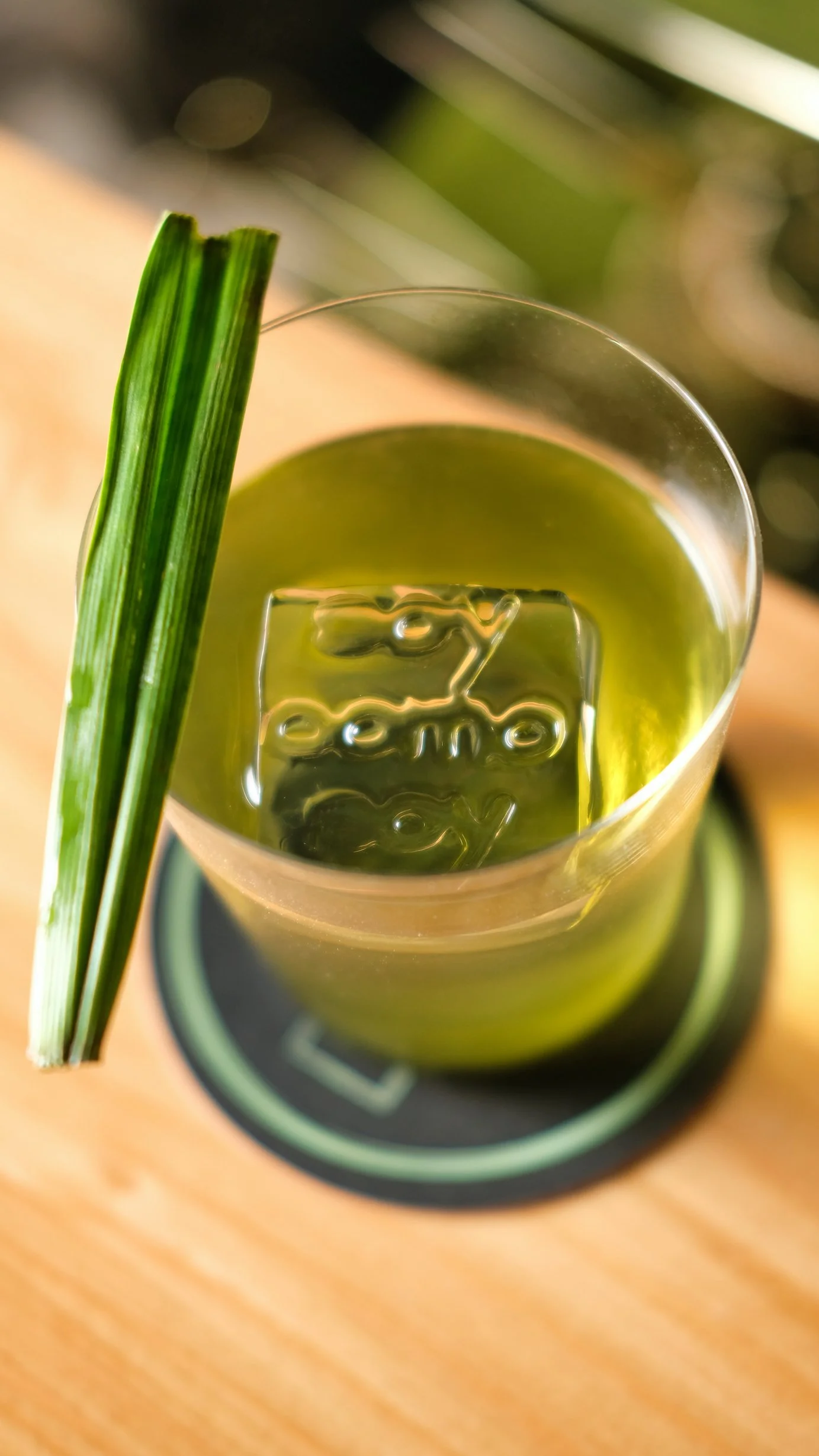
 Spanish for ‘I am what I am,’ Soy Como Soy embraces the unapologetic, bold nature of Nikkei cuisine while also paying tribute to ‘soy,’ the indispensable Asian condiment. Channeling the intrigue and intimacy of a speakeasy, the vibrancy, and individuality of an izakaya and the brightness of Nikkei cuisine, Soy Como Soy promises to indulge plates and palates in textures, aromas and flavors like never before. The launch of the place wason 8th May 2022. 


THE FOOD


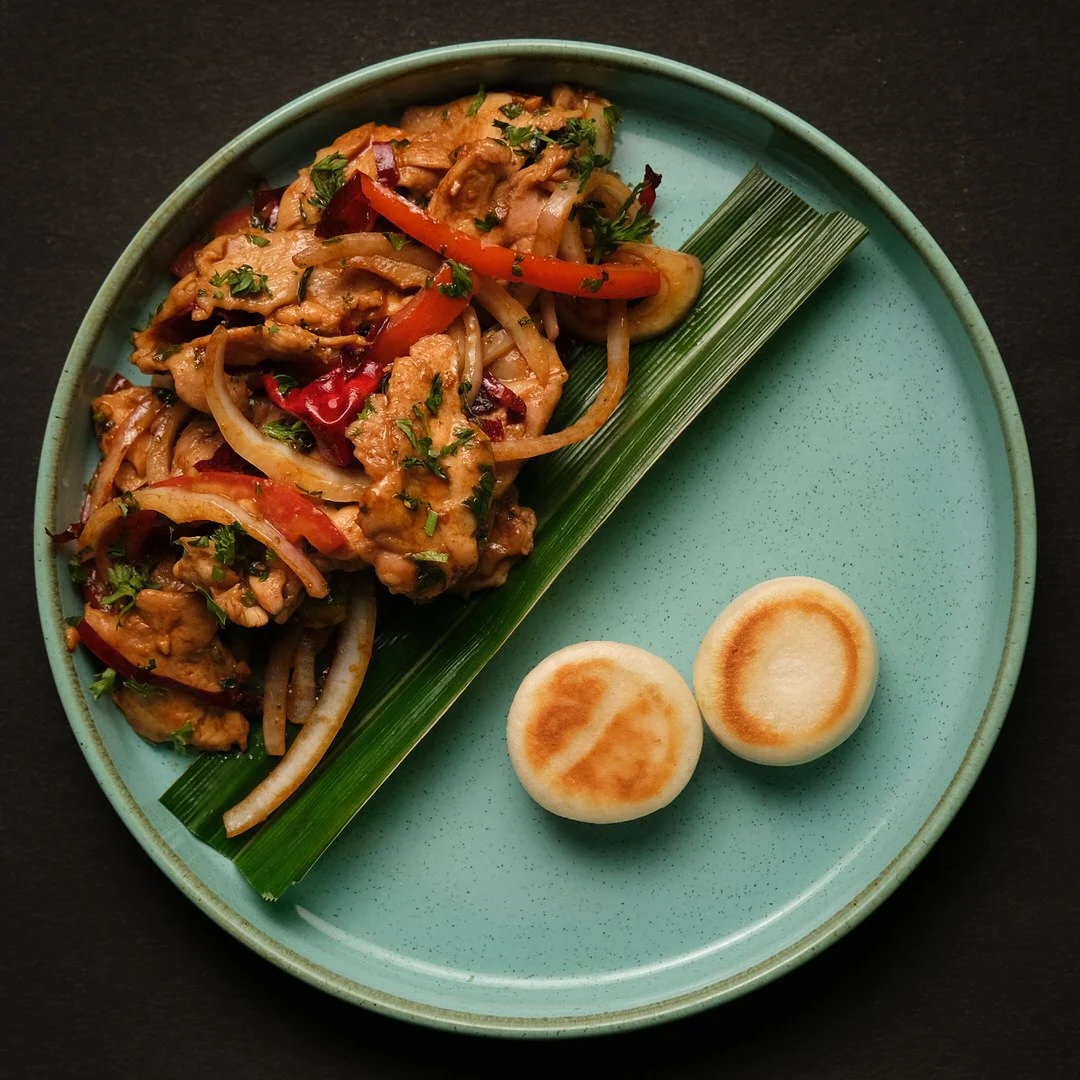
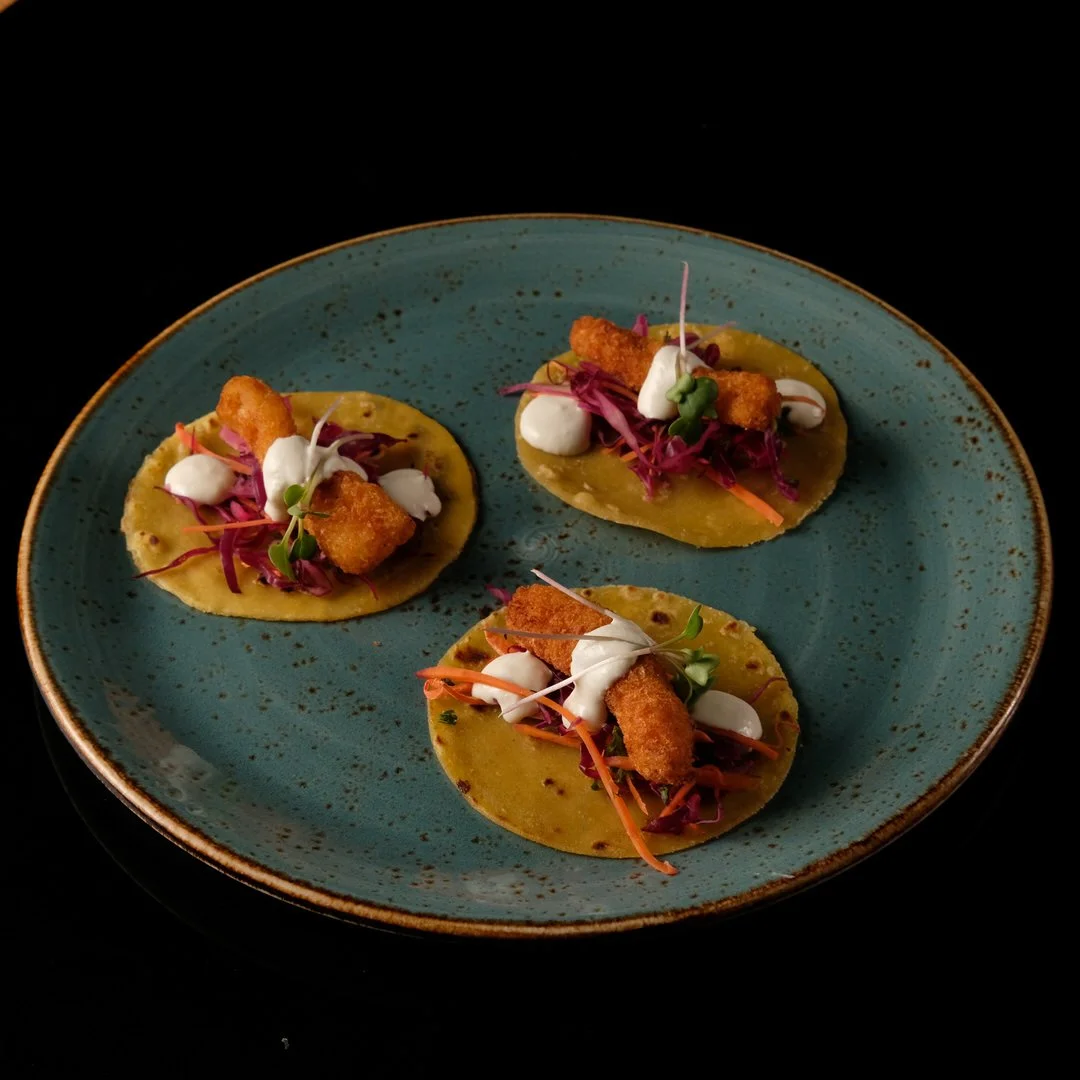
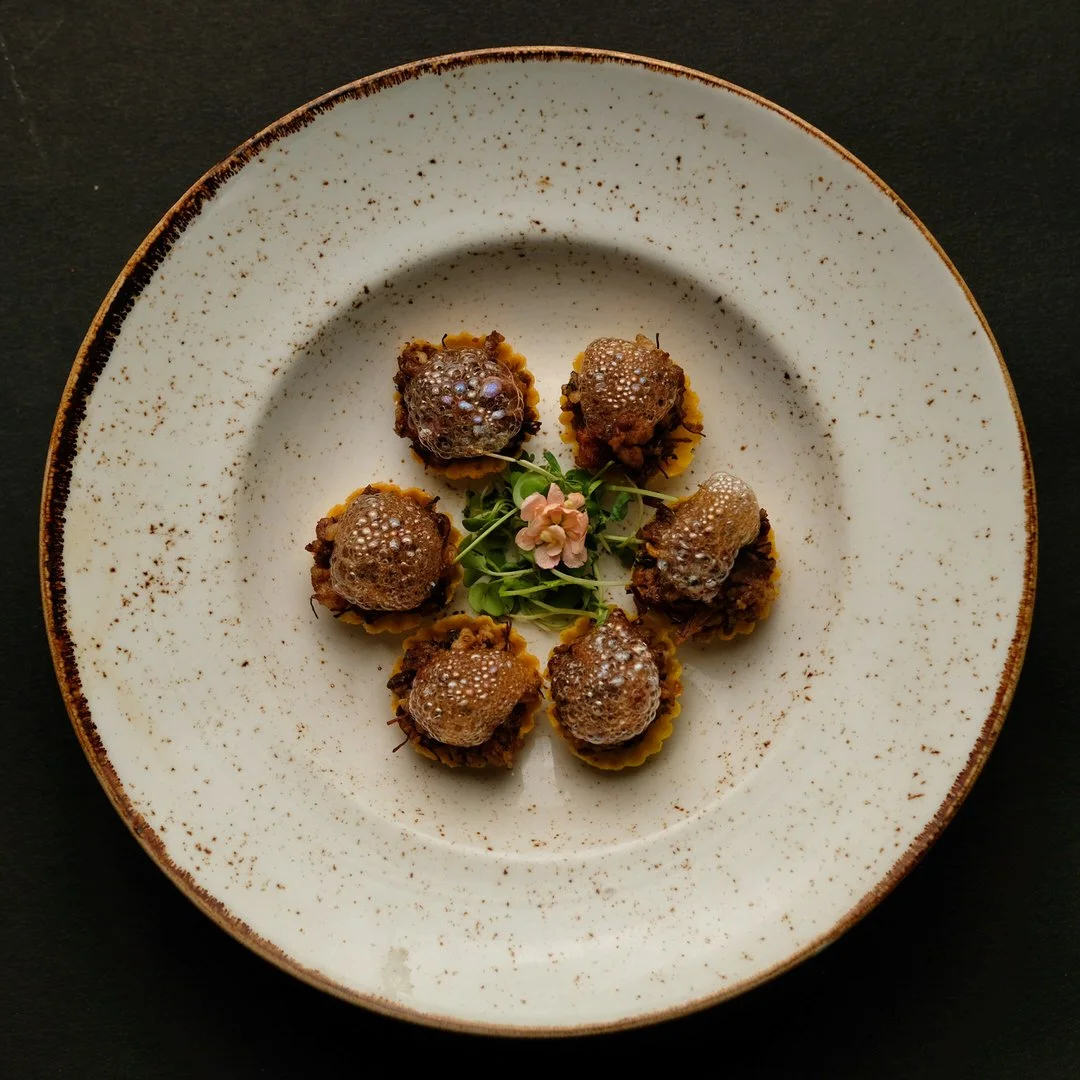
Like the essence of Nikkei, the menu at Soy Como Soy is a blend of Iceberg Hospitality’s two successful brands, Kinki – Asian Kitchen & Bar and  Pali Cartel, a gourmet food delivery service that brought global delicacies the city had never seen before. Helmed by chefs Rohit Vishnani, Sumair Singh and Richa Choudhary, the Soy Como Soy menu is a smorgasbord of Asian and Peruvian cultural influences. Delicate flavours come together with punchy notes in refined fusion cooking. Some standout appetizers from the menu include Squid Ink Maricos Fritos & Piman Aioli, Tofu Circulo, Nikkei BBQ Style Roast Eggplant, and New Zealand Lamb Chops with a lemongrass soy reduction and the Lomo Saltado – Peruvian stir fry b**f with pisco and toasted bao. Given the importance of fresh fish in the two cultures, the Soy Como Soy Cold Bar, Sushi & Sashimi take centre stage with many offerings including the Macapuno Ceviche with house-smoked Hamachi, Salmon Tiradito and Hamachi Carpaccio. The Cold Bar also features delicious vegetarian options like Avocado Miso Tartare with truffle, togarashi and tapioca chips, Vietnamese Summer Rolls & Beet Carpaccio. You will also find umami flavours bursting from fresh tacos, robata skewers and baos with options like Corn Ribs, Ebi Wrapped in Bacon Skewers and Katsu Eggplant Bao. 


THE DRINKS


Conceptualized by Drinks India Company and headed by Yangdup Lama, the consulting firm that also owns and runs some of the most awarded bars in the country – Cocktails & Dreams Speakeasy and Café Lungta in Gurgaon and Sidecar in Delhi, the Soy Como Soy Bar Menu features flavour-forward craft cocktails that capture the Nikkei essence. Soy Como Sours see Pisco, the staple drink of Peru blending effortlessly with signature Japanese flavours, pickled ginger finding its way into the stunningly refreshing Chilcanitos and sweet Peruvian sugar snap peas pairing themselves with Japanese sake in the Sake Snap.


At Soy Como Soy, you come as you are and leave as you please. Once you get a taste of everything it has to offer, though, there will always be a plate and a cocktail (or two!) that will make you stay.


Other Information:

Address: Soy Como Soy, near Royal Orchid Golden Suites, Opp Marigold, Kalyani Nagar, Pune 

Contact Number: 9529378565

Meal for two: Rs.3000/- with alcohol 


ITC’S THREE LEED ZERO CARBON-CERTIFIED HOTELS CREATE GLOBAL MILESTON

ITC’S THREE LEED ZERO CARBON-CERTIFIED HOTELS CREATE GLOBAL MILESTONE

 ~Experience ITC Hotels' timeless spirit of innovation #LoveNatureLivezero~


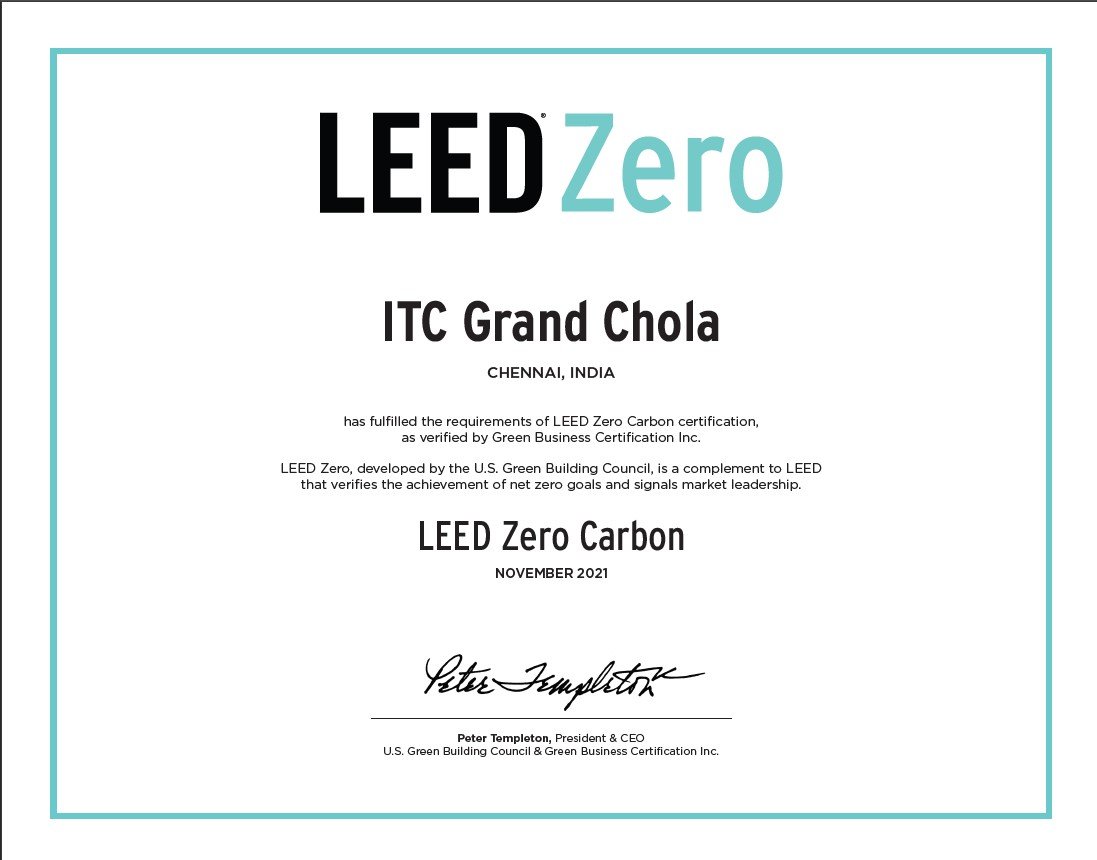
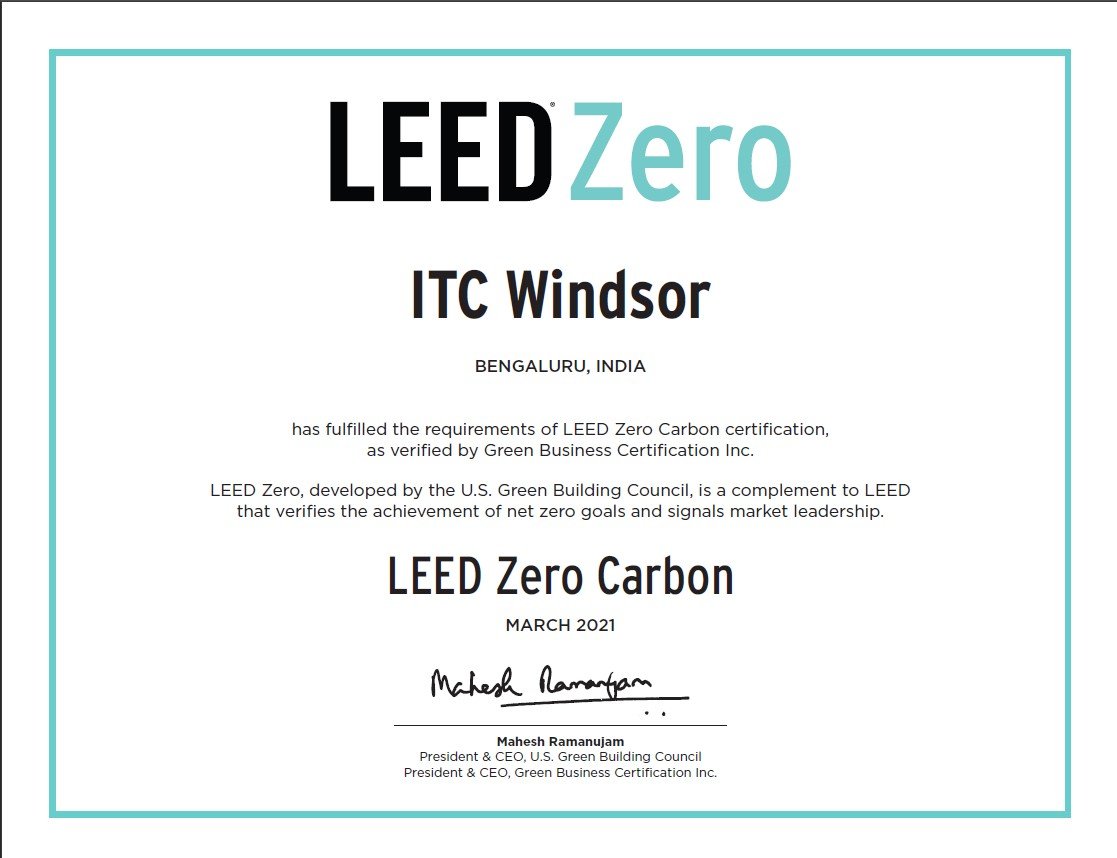
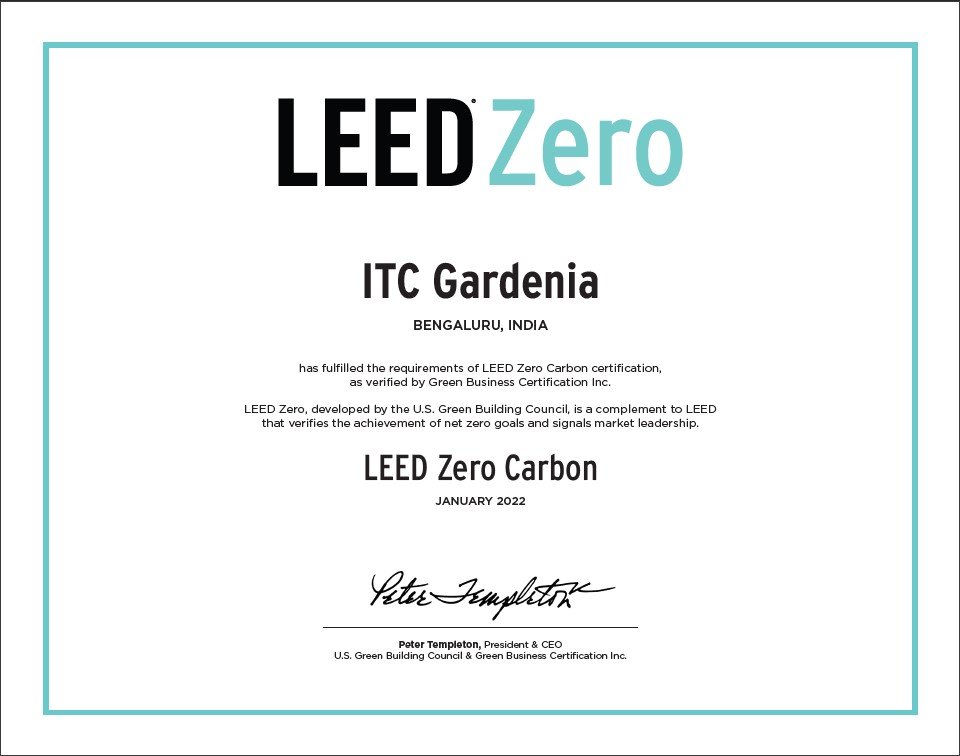
Delhi, Jun 2022- Reaffirming its credo of ‘Responsible Luxury’ with a comprehensive focus on sustainability, health, and hygiene, ITC Hotels is proud to announce that 3 of its properties in India have been ranked as the world’s top 3 LEED® (Leadership in Energy & Environmental Design) Zero Carbon certified hotels, a first-of-its-kind achievement globally. 

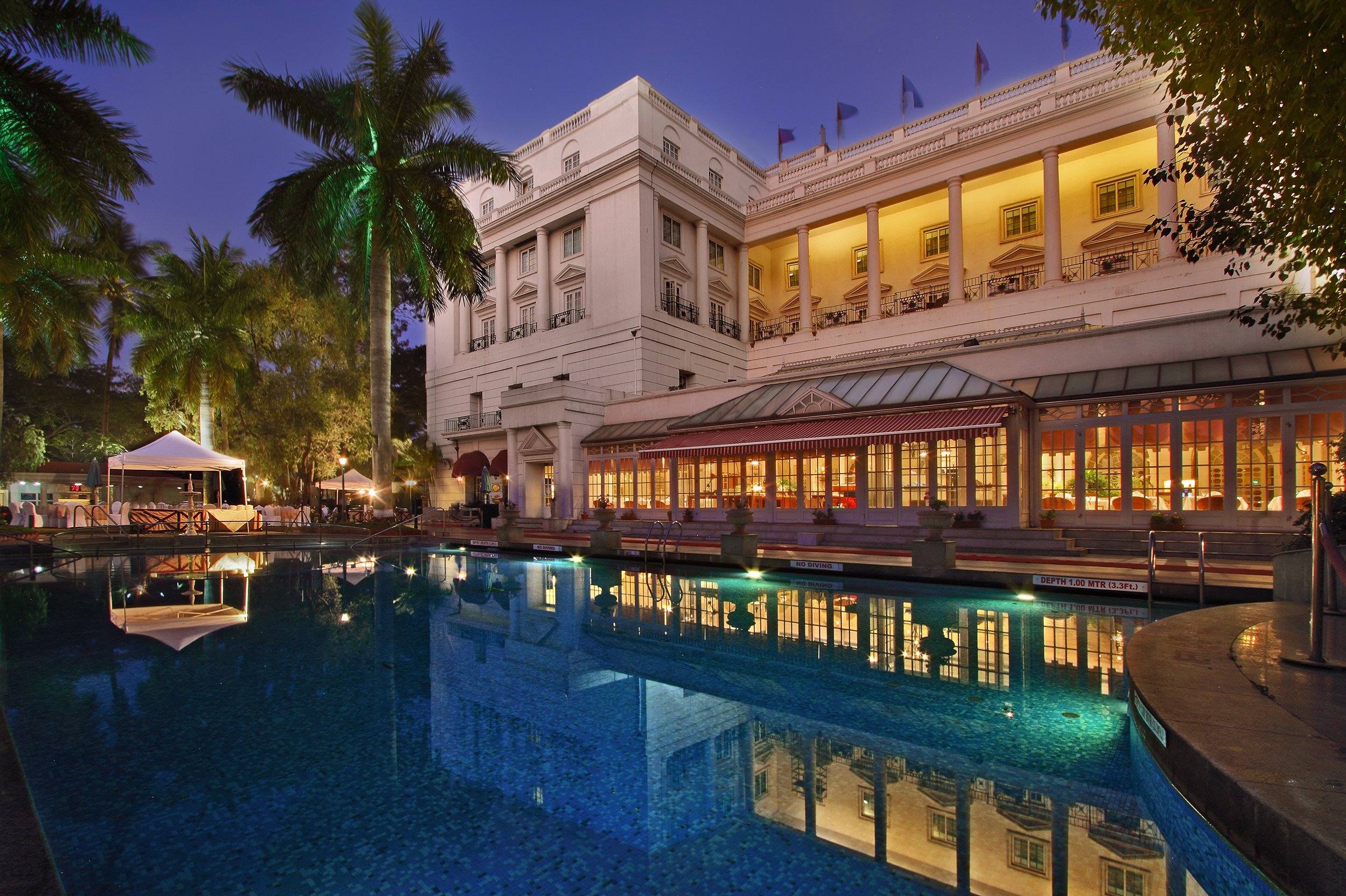
ITC Windsor, Bengaluru, became the 1st hotel in the world while ITC Grand Chola is one of the largest hotels in the world to have received the prestigious LEED Zero Carbon Certification. ITC Gardenia has become the third hotel in the world to receive the certification. 

LEED Zero Carbon recognizes buildings operating with net-zero carbon emission and LEED® Platinum is the highest rating awarded by U.S. Green Building Council (USGBC). ITC Hotels is the world's largest chain with the maximum number of LEED Platinum Certified Properties as per USGBC.

From using renewable energy and recycling solid waste to conserving water, actively mitigating single-use plastic and reducing the carbon footprint at every step, ITC Hotels have been delivering luxury experiences with planet positive offerings embedded in product, processes, people & progress. Over 40% of consumable food materials used at ITC Hotels is sourced locally and the properties have adopted infra-red based efficient cooking in the kitchen leading to near 20% energy savings. 

 Living up to its promise of ‘Responsible Luxury’, ITC Hotels launched a path-breaking “WeAssure program, adopting the highest standards and protocols in health, hygiene, safety and infection control management. For this initiative, ITC Hotels became the first hotel chain in the world to receive Platinum level certification under DNV's My Care Infection risk management program. In addition, the hotel group introduced waste segregation methods to achieve more than 99% waste recycling and also pioneered the mitigation of single-use plastic. 


Anil Chadha, Divisional Chief Executive, ITC Hotels, stated, “ITC Hotels is committed towards sustainability and consistently works to achieve its vision of offering patrons an experience of 'responsible luxury. We pride ourselves on the milestones that we have achieved in our endeavor toward contributing to the Planet. Three of our luxury properties have put India on the global stage by being recognized by LEED as Net Zero Carbon Certified hotels. This achievement is not ours alone but of all our associates and guests who believed in us and shared the same value system. I would like to acknowledge the efforts of ITC Hotels in ensuring that we preserve the elements of sustainability. We shall continue in this direction with our promise to Mother Earth.”


All ITC Hotels have organic waste converters with most of them being equipped with Onsite Bio- Methanation plants. The group has reduced freshwater consumption by almost 50% with strategic conservation, treatment, and reuse over the last 5 years. 57% of electrical consumption at ITC Hotels & Welcomhotels is met through renewable sources. These include ITC Grand Chola, ITC Windsor, ITC Gardenia, ITC Maratha, ITC Grand Central, ITC Mughal, Welcomhotel Chennai, Welcomhotel Coimbatore, Welcomhotel Bengaluru, and Welcomhotel Sheraton New Delhi, which are powered by renewable electrical energy. ITC Hotels’ current carbon emission level is 61 kg per overnight guest stay and 58 kg per sqm per annum against the 2030 target of 65 kg and 129 kg respectively. These milestones have been accomplished through the implementation of various renewable energy and energy efficiency initiatives.

Some of the pioneering eco-friendly initiatives of ITC Hotels are highlighted below:

  • The design of every ITC Hotel is based on Green Building guidelines and standards which are energy efficient, utilize renewable energy, conserve and recycle water while taking concrete steps to preserve the eco-system around them.

  • The hotels have witnessed up to 20% increased efficiency with the installation of a programmable HVAC (Heating Ventilation and Air Conditioning) control called the Automated BMS System

  • Key sustainability initiatives are executed in identified hotels. They include in-house production of water with the help of atmospheric water generators, rainwater harvesting, daylight harvesting, solar heating, food waste composting, biogas generation, and the switchover from HSD/biodiesel fired boilers to renewable electrical energy based boilers for steam application. 

All ITC Hotels and Welcomhotels are ISO 14001 Environment Management System and ISO 22000 Food Safety Management Certified. ITC Kohenur has received the 5-star Green Rating for Integrated Habitat Assessment (GRIHA) for incorporating various sustainable practices in building design & operation. ITC Sonar is the only hotel in the world to earn carbon credits under the UNFCCC (United Nation Framework Convention on Climate Change) Kyoto Protocol’s Clean Development Mechanism.


All ITC Hotels & Welcomhotels have implemented COVID Mitigation in Conditioned Space in its HVAC system. The advanced oxidation patented technology neutralizes indoor air pollutants, bacteria and viruses. This technology cell creates photo hydro ions and destroys more than 99% of microbes present in the conditioned space. It is an active technology, where the ions neutralize every airborne organic contaminant it locates.


ITC Hotels is also committed to supporting local artisans while reviving and popularising ancient cuisines and is actively engaged in keeping alive India's time-honored rituals that promote well-being. Walmart, WelcomJawan, WelcomTheatre, Responsible Dining through Local Love, Eat Wisely and Food Sherpa are some of its signature programs that have defined Responsible Luxury.

About ITC Hotels:

ITC Hotels is the largest chain of hotels in the world, which has the maximum number of LEED Platinum Certified Properties (as per USGBC on June 2020, ). Continuing with its Planet Positive Promise, ITC Hotels launched Sunya Aqua or zero-kilometre water in glass bottles across the chain over a decade back and have taken this lead further and pioneered the mitigation of single use plastic from its operations pan India. 


CULINARY DIASPORA FROM NEPAL A Land of Goodness in Food & Tourism By Dr. Kaviraj Khialani- Celebrity Master Chef.

CULINARY DIASPORA FROM NEPAL

A land of goodness in food & tourism

Nepal: A Brief introduction:

It is a landlocked country in South Asia and is bordered by China and India. It is located in the Himalayas and contains eight of the world's ten highest peaks. The government system is a federal parliamentary republic; the chief of state is the president, and the head of government is the prime minister. Nepali/Nepalese cuisine comprises a variety of cuisines based upon ethnicity, soil, and climate relating to Nepal's cultural diversity and geography. Nepalese cuisine comprises a variety of cuisines based upon ethnicity, soil, and climate relating to Nepal's cultural diversity and geographyDal-bhat-tarkari is eaten throughout Nepal. 

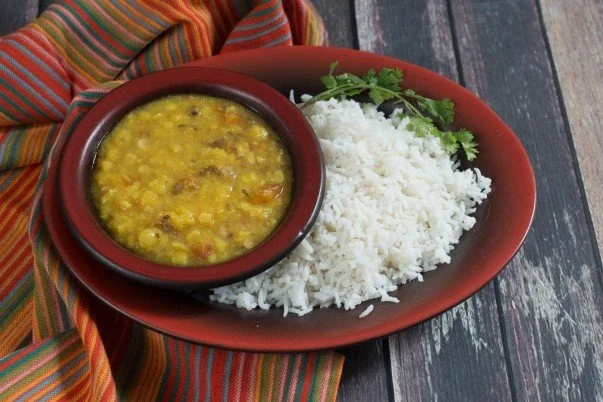
Dal is a soup made of lentils and spices, served over boiled grain, bhat—usually rice but sometimes another grain - and a vegetable soup, tarkari. Condiments are usually small amounts of spicy pickle which can be fresh or fermented, mainly of dried mustard greens called as 'gundruk ko achar' and radish known as 'Mula’ and of which there are a considerable number of varieties. Other accompaniments may be sliced lemon or fresh green chili and fried papad (thin, crisp disc-shaped food). Dhindo is a traditional food of Nepal. For many, Nepal's greatest attraction is its people. The Hindu, Buddhist, and other cultural heritage sites of Nepal, and the year fair weather are also strong attractions. Nepal is the country of Mount Everest, the highest mountain peak in the world, and the Birthplace of Gautama Buddha- Lumbini.

An overview of Nepal: The beautiful country of Nepal, famous for its towering mountain peaks and home to eight of the 10 highest peaks in the world, also has a burgeoning culinary scene. The geographic and cultural diversity of this landlocked country produces an abundance of dishes that are just as unique and rich in taste and flavour. Read on to find out what the food of Nepal is like. You will also discover the most traditional and popular Nepalese dishes you have to try Much of the cuisine is variations on Asian themes. Momos is a Nepalese-style dumpling filled with minced meat in flour dough, given different shapes, and then cooked by steaming. It is one of the most popular foods in Nepal and the regions of Sikkim, Darjeeling and Kalimpong in India where ethnic Nepalese have a presence. Momos were originally filled with buffalo meat but are now commonly filled with goat or chicken, as well as vegetarian preparations. Special foods such as sel rotifinni roti, and patre are eaten during festivals such as TiharSel roti is a traditional Nepali homemade ring-shaped rice bread which is sweet to taste. Other foods have hybrid Tibetan and Indian influence.

Nepal has a variety of street food or snacks as well. And while you can find appealing options from the food cart vendors, I do recommend trying them with caution and particularly if you have a strong stomach. Nepal is not unlike other developing countries where the pollution is a problem. Food hygiene is also a questionable topic. The street food is vibrant and tasty, so if you’re like me you probably won’t want to miss out on the opportunity. However, to be on the safe side, you can try these foods in restaurants instead, the prices may be higher but so is the hygiene standard. Always go for freshly prepared meals. Local foods are, in general, safer than foreign foods as the ingredients and preparation are a daily ways of life. Dishes such as dal bhat are cooked at high temperatures, thus killing any bacteria. 

Chow Mein is a Nepali favorite in modern times based on Chinese-style stir-fried noodles. It is one of the most beloved everyday staple lunches in Nepali/Nepalese households.

Nepali Cuisine refers to the food items eaten in Nepal. Nepal is a small land-locked country situated in South East of Asia, bordered by China and India. The influence of western culture is easily seen on Nepali Cuisine with fast food becoming very popular among youngsters. Burgers, sandwiches, momos, Chowmein and various cold drinks are very popular. However, the staple food is Dal - bhat - Tarkari. Dal is a lentil soup, bhat is boiled rice/pressure cooker rice while Tarkari is a veg component. Nepali people eat Dal - bhat - Tarkari twice a day as lunch and dinner. The taste is enhanced by pickle or Achar / Chutney. Food items are not consumed by cutlery instead Right hand is used. Food is cooked in the home itself in the Home kitchen. The Nepali kitchen is very clean and everyone is not allowed to enter in the kitchen as purity is strictly maintained in food items. 

The Nepali Staple Diet Overview: it consists primarily of rice, wheat, corn and lentils, in addition to fresh vegetables and meats. A typical Nepali everyday meal can be characterized by Dal (lentil soups), Bhat (steamed rice), and Tarkari (vegetable preparations), also known as “The Trinity,” supplemented by some meat preparation. Dal bhat Tarkari is eaten throughout the country. Tarkari varies from season to season while meat items as side dishes are consumed usually in festivals, and weekends. Around 80% of Nepalese are Hindus so cattle meat is considered sacred and taboo. The popular meat is Mutton, chicken among Brahmin, chhetris while aadibaashi, who never takes pork or buffalo. Nepali food uses various spices which are used either whole, grounded or in roasted form. It gives a distinct flavor to the dish. The food of Nepal is considered Healthier than India as cream are not used in cooking, oil and spices are not used at extreme level. They eat together either sitting or in dining table. No shoes are allowed in kitchen and touching other foods while eating is considered bad. Nepali cuisine has its distinct taste and fruits and vegetables are available throughout the season in Terai. The land is also very suitable for Agriculture than Hilly and mountain region so Tearai is also called the granary of Nepal. Dairy products are also extensively eaten. Milk, curd, ghee is available in all houses every day.

FEATURES OF NEPALI ETHNIC/ REGIONAL CUISINE: -


Nepal has cultural and geographical diversity which resulted in a variety of cuisines. It is a multi-ethnic and multi-cultural country. The ethnic group of Nepal has its own special Cuisine. Some features of Nepali Ethnic and Regional Cuisine are: -


1. The Newari Cuisine: 

The Newars are indigenous people living in the capital of Nepal ' Kathmandu, Newari Cuisine has more than 200 dishes with all dishes primarily made from Buffalo. No part of Buffalo is wasted, every part is used in the preparation of various dishes with different names. The dishes have distinct taste and flavour. Chhoila, kachila, kwanti are their signature dishes. Newars House have high income and feast are common among them. Their dessert are also traditional like Juju dhau yomari to name a few.


2. The Himalayan Cuisine:


The Himalayan region is bordered by Tibet so it's influence is easily seen on Himalayan Cuisine. Himalayan region of Nepal is not suitable for Agriculture as it receives heavy snowfall throughout region. Potato is a staple crop here and dishes are mainly made of potato. There are no good Transportation facilities so goods and food items need to be either transported by Air or by animals. Himalayan people grow Millet, barley, and buckwheat and they take warm food to keep themselves warm like soup, thukpa, strong alcohol, and butter tea. They raise yak, sheep so yak and sheep meat, milk is very common here. Dhindo is also their primary dish 


3. The Thakali Cuisine :


The Thakali are the people living in thak khola valley. Their Cuisine is the fusion between Himalayan and Tearai cuisine. They take sheep meat and is common there. Similarly, rice, maize and pulses are transported from lower region. Thakali Cuisine has very distinct taste and food items are very tasty. They have migrated to different places of Nepal and flourished their cuisine throughout Nepal.


4. The Khaas Cuisine :


It is typical hilly area Cuisine. Dal-bhat-tarkari is eaten two times a day similarly, the hilly area is not so productive so the crops they grow don't last a year due to which other grains like wheat, Maize, barley, millet are popular. They make gundruk, sinki and various Achar which are available throughout a year. Fruits like lemon, mango, apple is common here and meat are taken as side dishes along with curd. The Tarkari consumed here is seasonal vegetables grown in own land with own efforts. 


5. The Lohorung Cuisine :


It is the cuisine from Eastern region of Nepal. The most important contribution by Lohorung Cuisine is tongba which is millet base eaten by adding warm water. The homeland of Lohorung Cuisine is sankhuwasabaha district.


6. The Tearai Cuisine :


Tearai has the most fertile land so a lots of crops, legumes, and vegetables grow throughout the year. Rice is eaten throughout the year. Similarly, Tearai cuisine consists of Maithili cuisine in the East, tharu Cuisine in West, and Bhojpuri cuisine in the center. Fruits like litchi, mango, papaya are grown and various fish, crabs are also consumed which is fished in local land, and river. The cuisine of Tearai is bit spicier than another cuisine of Nepal.


Let us discuss a few important dishes from NEPALI CUISINE:

1. TONGBA: Better known as 'Tibetan Hot Beer', this is a very famous local beer that you'll find people sipping from a cast like vessels through bamboo straws. It is millet-based alcohol and is also a traditional drink in Nepal. It is a warm beverage and is normally consumed in large quantities.


2. CHOILA: Also a part of the extensive Newari cuisine, this food in Nepal is a spicy one made with water buffalo meat. There are also other variants of Chhoila that use duck meat or normal meat. This is a hot and spicy savory dish served with rice flakes. This is also a part of the Samay Baji and is a very famous dish during festivities


3. SAMAY BAJI: One of the main dishes in Nepalese food, the Samay Baji is a gourmet dish that has been passed on along the generations of Nepali people. It is a platter containing barbecued buffalo meat, boiled egg along with beaten rice, and spicy potato salad. It is a traditional dish that is served on auspicious occasions in the Newari culture. This dish is a must-try in Nepal, if you are a person who loves perfectly cooked meat and spicy dishes.


4. THUKPA: It is a noodle soup, served in the mountains of Nepal during winters. It can have meat, egg or simply just vegetables. It is normally served along with a dish called Momos. This dish carries along with it a lot of inspiration from the Tibetan and Chinese cuisines. The meat used in Thukpa can be goat, lamb, chicken or even yak. This dish is more like a survival kit against the shivering cold on the mountains. Along with a great taste, it provides the locals with the perfect nutrients they need.


5. CHATAMARI: Normally referred to as the Nepali Pizza, this Newari snack is actually not so close to a pizza when it comes to taste. It's rather a rice flour crepe cooked with toppings including coriander, minced meat, eggs, chopped onions, chilies and a lot of spices. It is only because of its round shape and appearance that it is referred to as a type of pizza. Quite a different dish amongst other food in Nepal, this one is a must-try. 


6. JUJU DHAU: Also known as the 'king curd', Juju Dhau is a type of yogurt. It is a creamy, thick, and sweet dish normally preferred as a dessert. Made with buffalo milk, this dish is very famous among the Newari’s people and is a must try if you are visiting Bhaktapur. You'll find a lot of street-side vendors selling Juju Dhau in Bhaktapur.


7. GORKHALI LAMB: It is a collection of assorted flavors all stuffed into one package. Gorkhali lamb is essentially a curry dish that is prepared by slow-cooking the lamb in the curry along with potatoes and onions. It is then removed from the curry, grilled and covered with a layer of spicy chili mix giving it an intense flavor. It is then put back into to curry to cook for a bit longer. Lamb is one of the favorites of the Nepalese and this dish will surely be something worth trying.


8. GUNDRUK: This is a condiment or a side dish often accompanied by Dhido. It is considered as the national food in Nepal. It is actually fermented or pickled green and leafy vegetables. It is made by storing mustard, radish and cauliflower in an earthen pot which is then left to be pickled until the veggies inside release acidic juices and have undergone fermentation.


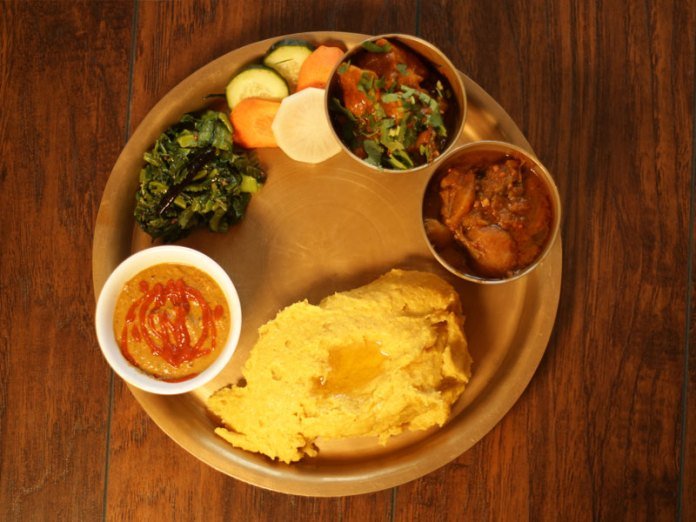
9. DHINDHO: Look into the corners of Kathmandu and in the Thamel region, you'll find a hidden delicacy, the Dhindo or Dhido Thali. It is actually a thick porridge prepared by boiling stone-ground cornmeal, buckwheat flour, millet flour with salt in water. It is the staple diet of the rural areas and is eaten with butter, vegetable curries, pickles, buttermilk and yoghurt.


10. YOMARI: A sweet dish prepared from rice dough and stuffed with a sweet paste made of coconut, sesame seeds and molasses, Yomari is a festival food in Nepal, made only during the festival of Yomari Punhi. This festival is celebrated each year in the winters to thank the Gods for a good harvest. This dish is very famous is Kathmandu and you might also find its spicy version made with lentil. Traditionally, the sweet snack is prepared on the December full moon in preparation for the winter crop harvest celebration among Newer communities. Yomari is more than just a festive sweet as it is inextricably linked with Newari identity. There’s a place in Patan city, called The Village Cafe, where you can get a taste of this delicacy.


11. EVEREST BEER: This local Nepali beer is made with rice and is a cheap buy. You might want to give it a go if you are a beer fan. There is also another local alcohol called Raksi which is the traditional beverage of Limbu people and it is normally served with pork or beef meat.


12.NEPALI SAMOSA: Samosas are typically a famous Indian delicacy but you get them fresh onto your plate in Nepal as well. It is a spicy dish and is a mixture of mashed potato and spices stuffed in a triangular envelope made of white flour. This is then fried to make the shell crunchy. If you're not a fan of spicy food, you might want to take a nibble and taste it first. These delicacies are served with a sweet red coloured Chutney and you might want to have them fresh off the pan.


13. SEL ROTI: A fusion of doughnut and bagel, Sel Roti is one of the most sought after snack in Nepal during festivals like Tihar and Dashain. It is a circular rice flour bread which is deeply fried to make it crunchy on the outside and soft on the inside. It is crispy and sweet and tastes best with yoghurt or veggies. Being a popular festival food in Nepal, this dish is a must on your culinary bucket list. 


14. BARA OR WO: Wo is a kind of pancakes made by the Newari people of Nepal. The Newari’s are an indigenous group of locals in the Kathmandu valley. Wo is made with ground lentil (green or black) batter during the 'Sithi Nakha', a Newari festival. These Dal patties are light and perfect for snacks. For non-vegetarians, Bara can also be added with minced chicken and battered egg.


15. MOMOS: The next very popular dish is Momos. This is one of the favourites for tourists and is a must try for everyone visiting Nepal. Momos are small envelopes of white flour stuffed with veggies or minced lamb or chicken. They are served with different kinds of sauces and mayonnaise which makes the combination a delicious snack. This food in Nepal has taken India by storm and is a popular street food across many countries as well. 


16. DAL BAHT: The staple food of each Nepali household, Dal Bhat is mainly rice served along with lentil soup and vegetable curry or chicken (or meat). This meal is the most beloved one amongst Nepali people as it's wholesome and provides with the needed nutrition.

17. Sekuwa : Known as Nepali styled meat barbecue, this is one of the very popular foods in Nepal that tourists simply have to indulge in. The grilled meat can either be pork, chicken, mutton, or a mixture of those. The meat is marinated with a combination of unique Nepali spices and herbs before being skewered on a stick and roasted in wood charcoal. You can enjoy the meat sticks as they are or they can be served with puffed rice and some pickles. Sekuwa can easily be found in a typical street food stall. However, one authentic place to try this tasty treat is at “Bajeko Sekuwa,” a famous food-chain designated for this particular food only and can be found in major cities in Nepal.

18. KWATI: A traditional Nepalese dish, kwāti is a thick stew comprising nine different varieties of sprouted beans. It literally translates to “hot soup,” with ‘kwa’ meaning hot and ‘ti’ meaning soup. The nine varieties include mung bean, black gram, field bean, rice bean, chickpea, soybean, cowpea, field bean, and garden pea.Sprouted beans are known for their enhanced levels of protein among many other great nutrients. Imagine how much of a protein boost you’ll get from a combination of 9 types of sprouted beans – well, that’s kwāti. High in nutrients, this dish can be eaten with rice or roti. This is one of the most typical dishes of the Brahmin and Newar tribe. It is often prepared as a ritual significance during the monsoon season in Nepal and enjoyed during the festival of Guni Punhi and Rakshya Bandhan.In addition to its ritual significance, Kwāti is eaten as a delicacy and for its health benefits. No wonder it is dubbed ‘the healthiest food of all’ and believed to cure a cold and cough instantly. A must try dish from Nepal.


Do’s & Don’ts while we eat food in Nepal!

There are quite a few rules to keep in mind when it comes to table manners and eating in Nepal. First of all, for the most part, the people of Nepal eat with their hands. Tourists might find it uncomfortable and can opt for spoons and forks instead. But if you want to eat the local way, remember to use your right hand. The reason is, as with some other cultures in the world, the left hand is considered “dirty” and it would be extremely rude to touch food with it. Another mealtime etiquette, is to avoid sharing eating utensils and drinking glasses. In a different scenario, you might, as a nice gesture, feel like offering another person a taste of your food. However, that would come across as strange in Nepali culture, so please, add it to your list of things to avoid. Another aspect to bear in mind is that in Nepali society, the elderly is highly respected. This can be clearly observed during meal times, when people hold off eating until the elderly start. You are also expected to wait for them to finish their meals before leaving your table. It may sound constricting, but when in Nepal, do as the Nepalese do.Please remember not to eat beef in front of a Hindu or Buddhist when visiting the country. Last but not least, try to finish everything on your plate. Any food left untouched or uneaten is taken as a message conveyer that it is not good enough.

ON A CONCLUDING NOTE

Nepal’s food is as culturally diverse as it is geographically and ethnically. But many of us are not aware of its richness and are more likely to be informed about the global cuisines than our own. Though food is an epitome of the culture and they have an intrinsic relationship, little attention is paid to understand, explore, and promote Nepali food culture, which defines who we are. Similar to other cultures around the world, food is at the centre of any festivals and celebrations in Nepali culture. 

This is more evident in Newar community than any other. Bhoye, a lavish elaborated Newar feast organised during festivals, jaatras and special occasions, is an integral part of the Newar culture. The rich food culture can be attributed to its fertile valley, vibrant cross-border trading and a historically well-to-do economy. Making a yomari—a steamed rice flour cake filled with chaku—and sapumicha—buffalo tripe filled with bone marrow—are examples of the ingenuity of Newar cuisine as we discussed above as well.

One of the peculiar flavoring and my favorite ingredients is aromatic-nutty roasted mustard oil. The world is yet to discover. In embracing the commercial global cuisine, we are also forgetting our own ethnic food culture and heritage. It is imperative to preserve and promote Nepal’s rich and diverse food culture not just simply for the sake of tourism but most importantly to preserve our own variegated heritage, history, culture and identity, and for our next generation to experience.

Food connects us in a level that no other thing does and understanding other food culture will help us appreciate and respect each other’s culture more. I am sure this brief and to the point information about food and cuisine of Nepal has given as a fair idea on the cuisine and eating habits. Let us try to incorporate, adapt into, share and promote this very interesting & tasty cuisine as well around us spreading the good thoughts, good vibes and flavors!

Pedal to these top cycling destinations, as determined by Booking.com travellers

Pedal to these top cycling destinations, as determined by Booking.com travelers


Whether pedaling along a serene river in the countryside or freewheeling down mountainous terrain, there’s nothing more energizing than a cycling holiday. This is a journey that you can take at your own pace. While it may seem like hard work at first, cyclists can be rewarded for their efforts with the most incredible views and hidden gems discovered, proving that there’s no better way to explore a destination than by bicycle.

So, this World Bicycle Day, Booking.com, the global leader in connecting travelers with the widest choice of incredible places to stay, shares five top cycling destinations across the world, as endorsed by hundreds of thousands of Booking.com travelers.

Amsterdam, the Netherlands

The charming Dutch capital is known for having about two bikes for every resident, so wherever you go on two wheels – you won’t be alone! Topping the charts for destinations endorsed for cycling by Booking.com travelers, cycling in Amsterdam is a way of life thanks to its unbeatable network of bike paths, cycle routes, and flat landscape. Rent a city bike and pedal like a local along the canals or through one of Amsterdam’s beautiful parks. While in Amsterdam, check another authentic Dutch experience off the bucket list by staying at the Houseboat Ms 3 Gebroeders, a houseboat hotel located just 350 metres from Amsterdam Central Station and surrounded by a variety of cafes and restaurants. Want to get out of the hustle and bustle? Head out of the city centre to these Dutch countryside destinations.


Copenhagen, Denmark

The Dutch are known for cycling, but they are not the only ones to know that life is better on two wheels. Denmark is also a top bicycle-friendly country. Highly endorsed by Booking.com travelers for cycling, the Danish capital Copenhagen gives Amsterdam a ride for its money. While zipping around Copenhagen on two wheels, take a break and rest your head at the Copenhagen Island Hotel.  Located close to the famous bicycle bridge (aka the “cykleslangen” or Cycle Snake), the hotel offers ultra-modern and stylish rooms, Wi-Fi, and access to the gym and sauna. But, most importantly, it offers guests bicycle hire to allow them to enjoy Copenhagen as the locals do – by bicycle!


Valencia, Spain

Valencia is manageable in size and boasts nearly 80 kilometres of bicycle paths, explaining its appeal to those with a passion for cycling. And unlike the previous two European destinations mentioned, Valencia enjoys a pleasant Mediterranean climate all year around, making the sun-drenched city perfect to explore by bicycle all year around. While enjoying this mediaeval town, stay at the Flatsforyou Bed and Bike. These centrally located apartments feature private sun terraces, Wi-Fi and funky decorations made out of bikes – not to mention bicycle hire.


Moab, USA

For the more experienced cyclists, pack your mountain bike and helmet and head to Arches National Park just outside of Moab, Utah to explore the many adventurous slick-rock trails, which comes highly endorsed for mountain biking by Booking.com travelers. While kicking up some dust on these world-class trails, keep your eyes open for dinosaur tracks and fossils and the ever-more modern rock art. Stay at the Aarchway Inn, a unique inn located just a five minutes drive from Arches National Park Entrance Station. It offers guests complimentary Wi-Fi, shuttles to the National Park, and last but not least, an outdoor pool and hot tub - perfect for relaxing after an intense day of a mountain bike.


Riva del Garda, Italy

Riva del Garda opens its doors to the mountain bike season with 40,000 visitors and 3,000 athletes tail whipping into the tiny town for various bike fairs, marathons, and exhibitions. With a thousand meters of trails for all abilities, breath-taking scenery, and unparalleled natural beauty, Riva del Garda is a mountain biking lover’s dream. After a full day of cycling, relax your tired legs at the Du Park Grand Resort and make use of its two swimming pools, wellness facilities, and fitness center. Bike rental is available for those who want to explore the surrounding area but don’t travel with their bicycle.


Sustainable Practices By Nourish Organics a Clean Food Company

Sustainability Practices by Nourish Organics

Today food companies are taking all measures to reduce not only their carbon footprint but its environmental impact across their entire supply chain. Sustainability has become a crucial value that more and more companies have embedded into their practices and operations.

At Nourish Organic, we believe we have a responsibility to both reduce our impact on the planet through our organic and sustainable practices, as well as give something back to the organizations who work hard to protect it.

Founded by Seema Jindal Nourish Organics is a clean food company that aims at making Nutrition that fits your lifestyle through sustainable, organic food with a wide range of wholesome, multi-grain breakfast cereals, nutrient-dense cookies, on-the-go snacks, seed & nut combinations and fruit+fibre based health bars. 

As a pioneer in clean-label packaged food, all Nourish Organics products are 100% natural, free of processed sugar, preservatives, genetically modified foods, trans-fats or artificial flavour. Each variant is made with locally sourced organic ingredients that are wholesome, rich in fiber, high on plant-based protein, and packed with essential fats, vitamins & minerals through a bounty of nuts, seeds & dried fruit. 

Sustainability is something that's always been important to us at Nourish Organics and we strongly believe that sustainability isn't just a trend—it's an ethos that guides our every action, from the moment we source our ingredients to the moment we package them up and send them out into the world.

Here are some of the ways we practice sustainability in our business:

Natural pest control: Instead of using harmful chemicals like pesticides or fumigants, we employ traditional methods like burning cow dung or neem leaves alongside chili peppers to ward off flies and mosquitoes without harming your health or polluting the air. High-frequency sound machines to ward off rodents are used.

Composting our waste: We compost all of our organic waste, including food scraps. By composting instead of sending it to the landfill, we reduce waste while also recycling nutrients back into the soil.

Donating our edible products: If there are foods that are still good but can't be sold because they don't meet our high standards for quality and freshness, we donate them to local shelters or food banks so they can be enjoyed by others in need. We've donated freshly made products stuck with us due to covid lockdowns. 


Frontline Performance Group and HM Corp Partner to Fuel Growth and Empower Hoteliers in Indian Hospitality Marketplace

Frontline Performance Group and HM Corp Partner to Fuel Growth and Empower Hoteliers in Indian Hospitality Marketplace 

Gurugram (India), June 2022: Frontline Performance Group (FPG), the world leader in frontline technology and training, today announced its partnership with HM Corp, a tourism and hospitality management advisory, led by seasoned luxury hotelier Hemant Mediratta, to deliver FPG’s groundbreaking software, powerful e-Learning, and superior champion certification program to the Indian hospitality marketplace.

“After years of work in India, we believe in its incredible potential, and we are honored to join forces with such a professional and reputable partner that extends distribution, access, and in-market sales resources,” said Paul McLoughlin, FPG President, International. “Whilst leveraging HM Corp for sales, FPG’s team will deliver all elements of our industry-leading platform and support services, our mission is to empower hotels throughout India to reach their greatest potential.”

Hospitality is among the top drivers of economic growth and foreign exchange in India; the country is ranked 10th in the world for its travel & tourism contribution to GDP (Source: World Travel & Tourism Council). By empowering hotels to deliver enhanced guest experiences, better-paid frontline employees, and thriving bottom lines, FPG and HM Corp hope to further fuel economic growth and accelerate post-pandemic recovery in India.

FPG’s performance management software application, IN-Gauge, empowers hotel teams at all levels—from the frontline, to on-property management, and above-property leadership—to measure performance, forecast revenue, audit sales, and train their teams with a comprehensive e-Learning library. The business supports the world’s leading hotel companies and ownership groups including Accor, Hilton, IHG, Marriott as well as numerous independent chains and properties. Programs are active in over a dozen languages within every level of the hotel chain, from city-center all-suite properties to luxury destination resorts.

“We are thrilled to deliver the world’s leading upsell training and technology solution to hotel owners and chains throughout India, enabling them to optimize returns, guest satisfaction and employee morale,” said Hemant Mediratta, Founder - HM Corp. “The FPG offering truly empowers people, which has been a critical need in the Indian and global marketplace.”


Eclat Insights | The Zone of Proximal Development & Some Ideas On What To Do With It

Eclat Insights | The Zone of Proximal Development & Some Ideas On What To Do With It

The zone of proximal development (ZPD) is the distance between what a learner is capable of doing unsupported, and what they can do supported. It is the range where they are capable only with support from someone with more knowledge or expertise ("more knowledgeable other")

Think of it in terms of learning how to drive a car. Parents and driving instructors guide driving students along the way by showing them the mechanics of how the car operates, the correct hand positions on the steering wheel, the technique of scanning the roadway, etc. As the student progresses, less and less instruction is needed, until they are ready to drive on their own. This is the concept of scaffolding.

Scaffolding is a process through which a teacher or a more competent peer helps a student in their ZPD as necessary and tapers off this aid as it becomes unnecessary—much as workers remove a scaffold from a building after they are complete construction.

source
Why is it relevant to Hospitality & Service Industries?

I have been thinking about trainees this week: Industrial Trainees (ITs), Hotel Operations Trainees (HOTs) & Management Trainees (MTs). While the level of knowledge (and what is expected of them) may vary, the common thread is the 'learner' part of the designation/role. Trainees by definition, need to train. While there are some very good models the industry uses - buddy system, a mentor system, learning checklists, projects etc, I was on the quest for a meta-model. I think I have it.

Instinctively this concept makes sense. Allow me to detail this a little bit and you will see it works for any team member, not just trainees.

Actionable Insights

  • Use JDs /Check Lists for Tasks.

Create Job Descriptions / Job Lists with 3 columns against each item. Mark each of your team members on:

Column 1: Cannot Do (even with guidance)

  • Column 2: Can Do With Guidance / Aid

  • Column 3: Can Do Unaided

For the trainees or new joiners, the entire list may start with everything in the first column.  

As your team member progresses through the skill levels, you can also use this to measure learning outcomes or progress.

Go Slow

  • Make sure the learner learns something just out of her comfort zone or current knowledge.

  • Once that is done, then add another level.

  • Challenge the learner, but do not make the skill to be learnt in one go, so difficult that they lose heart or give up.

Go Deeper

This is the vertical integration concept. If someone has been able to learn a skill or a task, you can use The Zone of Proximal Development to add knowledge/skill to a deeper level.  

For example, if someone can finally take a reservation by themselves, see if you can then push them to learn to take a group reservation by themselves. If they can serve one table or manage one table in a restaurant, push it to two or three.

You can also go deeper by complexity or responsibility. i.e. if your team member can finally park a sedan as a valet, can you get them to park a luxury car? If they can park 10 in an hour, can they park 20?

Use this method to create specialists in your team.

Go Wider

This is the horizontal integration concept. If your team member has learnt how to take a Room Service Order? can they learn how to deliver it, then serve, then clear it. 

For the same skill, once the basics of taking an order are done, learn how to suggest, and upsell.

Use this method to create generalists (cross-trained) in your teams

Learn how to make a reservation > then learn how to welcome > then check in > then escort the guest to the room > then how to check a room > make a room (so on and so forth)

Want to make this WOW? 

  • Take the Task Check List example above. A Wow would be to add a fourth column, 'Can Teach' or 'Can Aid Others'. Use this to create departmental trainers.

  • Measure yourself as a leader on the number of people in your team who can teach others how to do things the right way. (the right way is the way we do it here for most organizations)

  • Get HR to use this tool for recruitment. At the recruitment stage, use the job list and the columns like an assessment sheet. You may still go ahead and hire someone who does not have proficiency in everything, but at least everyone in the system is aware of the work required.

  • Use Groups to challenge and help each other grow. You can make groups based on skill levels, or for specific skills or processes. Give points, run competitions. Make it fun to learn and teach.

  • Use this for potential assessment. Rather than the 'management feels' concept, see how much a particular team member has grown (learned, done) over the last year. Team members who demonstrate the ability to learn are more valuable. The ability to grow is potential.

AWARD | Niraamaya Wellness Retreats bags multiple awards by TripAdvisor for its retreats in Kerala

Adjudged TripAdvisor’s Travellers’ Choice – Best of the Best for the year 2022.

Niraamaya Wellness Retreats has been awarded TripAdvisor’s “Travellers’ Choice – Best of the Best” award for the year 2022 for its multiple retreats in Kerala.

Niraamaya Retreats Backwaters And Beyond, Kumarakom has been ranked 8th in the category of Top Luxury Hotels in India and 11th in the category of Top Small Hotels in India. Niraamaya Retreats Cardamom Club, Thekkady has been ranked 24th in the category of Top Mountain Lodge & Resort in the World, 9th in the Top Small Hotels in Asia, and 4th in the category of Top Small Hotels in India. The newest entrant in their growing portfolio, Niraamaya Retreats Samroha, Athirappilly is already creating waves and has been ranked 22nd in the category of the Top Hotels in India.

Travelers’ Choice Awards: The Best of the Best awards instituted by the travel platform “TripAdvisor” is given to the best resorts and hotels in the world. These awards are based on guest reviews and Niraamaya Wellness Retreats has been amongst the top-ranked hotel brands with votes and support through excellent reviews from many travelers around the globe.

TripAdvisor Travellers’ Choice awards recognize the world’s finest hotels, committed to the highest standards of quality and service excellence. It was founded on the principle of celebrating extraordinary hotels that have quality service and encourages them to maintain excellence within a highly competitive industry. It is all about congratulating hotels that have taken the extra step by providing the guests with outstanding experiences.

“After a grueling and extremely challenging period that the hospitality industry has seen recently, these awards are a testament to the hard work, skill, and passion that our teams possess. It is an honour for us to be recognized by our guests and be a part of the top 1% of the hotels worldwide. I consider myself privileged to lead a team that strives to excel at service delivery every single day.” said Allen Machado, Chief Executive Officer of Niraamaya Wellness Retreats.

George Bennet Kuruvilla is now the General Manager at The Ritz-Carlton Bangalore

George is a seasoned hospitality leader with over 28 years of luxury and has managed various national and international assignments

George Bennet Kuruvilla is newly appointed as the General Manager for the iconic and first 277- key Ritz-Carlton in India, located in the epicenter of Bangalore. George hails from a prolific career with excellence in spearheading the opening and large operations of flagship hotels and resorts across the country and globally.

With a remarkable record of building productive teams, implementing best practices and operational efficacy, George has an intrinsic knowledge of the intricacies of crafting personalized experiences and indelible memories for guests. His dynamism, commitment complemented with a hand-on approach, and strategic acumen have resulted in exceptional guest appreciation metrics along with achieving financial results. George in his last assignment at Westin Pune Koregaon Park formed the entire edifice of the team and achieved significant outcomes.

George is a seasoned hospitality leader with over 28 years of luxury and has managed various national and international assignments with The Oberoi Hotels and Resorts, Taj Hotels, and Hyatt Hotels Corporation to name a few.  Under his able leadership, hotels have won multiple accolades in guest satisfaction and improved revenues through maximizing employee productivity. His impeccable style, humility, and ability to empower bring the best in every team he leads.

In his current role at The Ritz-Carlton, Bangalore, George is pitched to play a focal role in enhancing operational efficiency and delivering the legendary Ritz-Carlton Gold Standards of Service by enlivening the credo.

George graduated from IHM, Mumbai, and holds a post-graduation from the Oberoi Centre for Learning and Development, beginning his career in 1992 as a management trainee with The Oberoi Group. He has also completed the General Managers Program at Cornell University.

A passionate golfer, George has a flair for languages and is a food aficionado. His wife Ritu, son Neel and daughter Zara will be accompanying him to Bangalore. He believes, “When the going gets tough, the tough get going.”

Appointment | Syamjith Venugopal joins Holiday Inn Cochin as Food and Beverage Manager

His endeavor is to garner a motivated and engaged team that delivers on the brand promise.

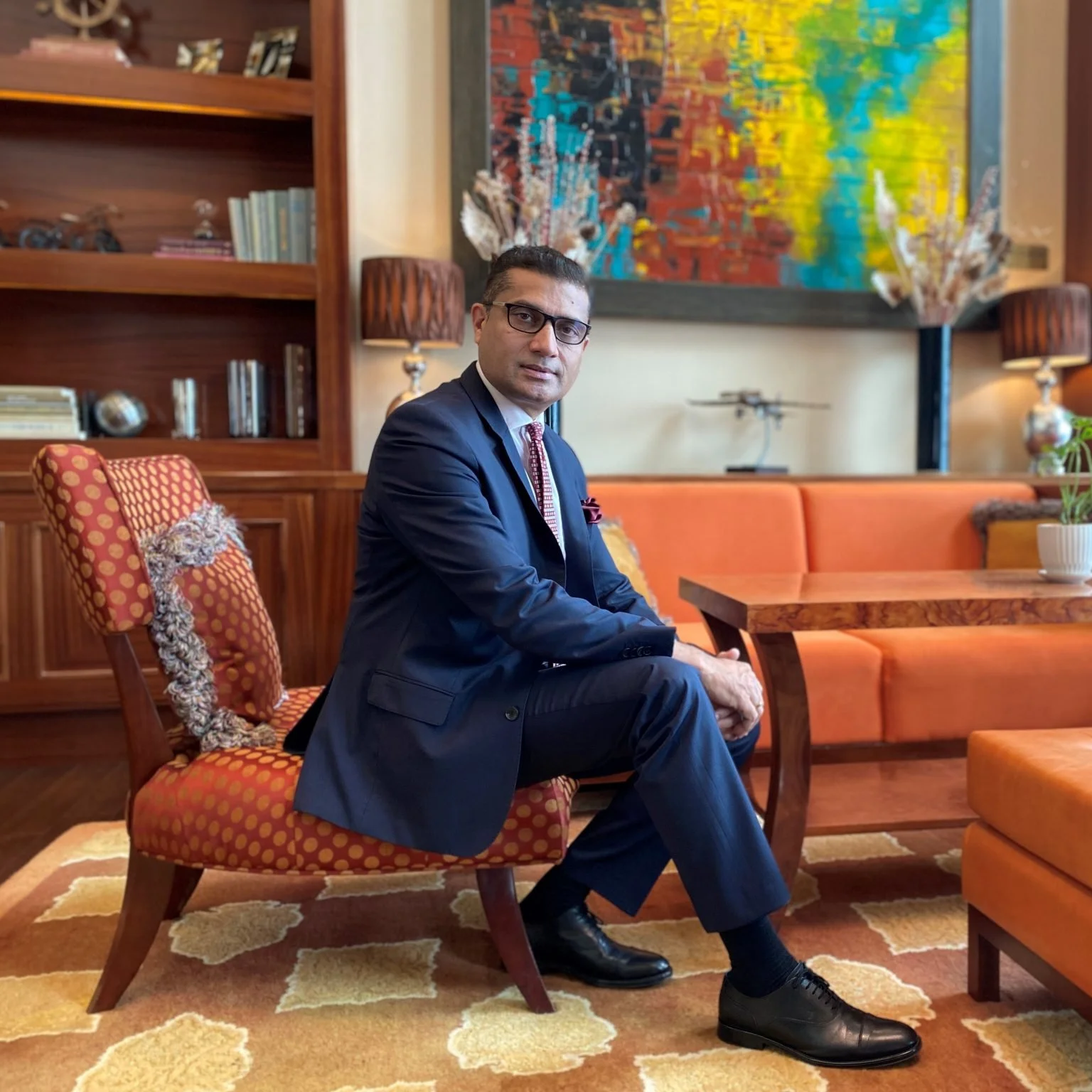
Syamjith Venugopal joins Holiday Inn Cochin as Food and Beverage Manager. A passionate hotelier with an extensive experience of around 17 years in the hospitality industry. 

Syamjith’s last assignment was with Casino Hotel Kochi as Assistant General Manager and Corporate Food and Beverage Operations Manager where he was overlooking Hotel Operations of Casino Kochi and Food and Beverage Operations of Properties under CGH Earth. He has also worked with renowned hotel Brands like Zone by the Park Coimbatore, Le Meridien Kochi, Radisson Blu Kochi, and La Cigale Doha Qatar. 

His endeavor is to garner a motivated and engaged team that delivers on brand promise. He also wants to build future leaders and foster an environment that allows people to flourish and grow. With Food and Beverage his core strength he wants to create unique and new experiences. 

Outside the realm of work, he enjoys spending time with family, photography, and bike rides.

Appointment | Courtyard by Marriott Aravali Resort Appoints Shibendu Ray Chaudhury as Executive Chef

He comes with an impressive set of footprints and 14 years of rich experience earned over the course of his career.

Shibendu Ray Chaudhury, Executive Chef, Courtyard by Marriott Aravali Resort.

With over 14 years of experience in the hospitality industry, Shibendu Ray Chaudhury joins the soon-to-be-launched Courtyard by Marriott Aravali Resort as the Executive Chef. He will be spearheading the culinary team where he will direct and oversee Food and Beverage operations that would entail, menu innovations, simplifying and localizing cuisines, and helping curate personalized dining experiences that will contribute to an enhanced guest experience. 

He comes with an impressive set of footprints and rich experience earned over the course of his career. His fascination for creating delectable food and presenting it in all its simplicity and goodness, while not compromising on taste or style, gained him a lot of recognition and appreciation.

Before his stint with Courtyard by Marriott Aravali Resort, Shibendu worked with many renowned hotels such as Taj Bengal Kolkata as Chef de Partie, the Grand Hyatt Goa as Sous Chef, Fairmont Jaipur as Executive Sous Chef and Renaissance Mumbai Convention Centre and Lakeside Chalet Marriott Executive Apartments as Multi-Property Executive Sous Chef. In his career, he has implemented and designed various new menu concepts, led and encouraged training programs, and fostered a healthy and competitive team spirit that has him working with a dedicated and high-performance team.  In recognition of his exemplary work and dedicated efforts Shibendu has been awarded the Times Food and Nightlife Award 2017-18 for Best All-Day Dining Restaurant in Goa and the Times Food and Nightlife Award 2019-20 for Best Buffet in Mumbai Suburbs awarded to Lake View Café

Chef holds a degree in B. Sc in Hotel Management from IHM Kolkata.  Shibendu is a very creative individual who loves retro music of different genres – English, Bengali, and Hindi. In his free time, he is often sketching and exploring niche markets around the city.

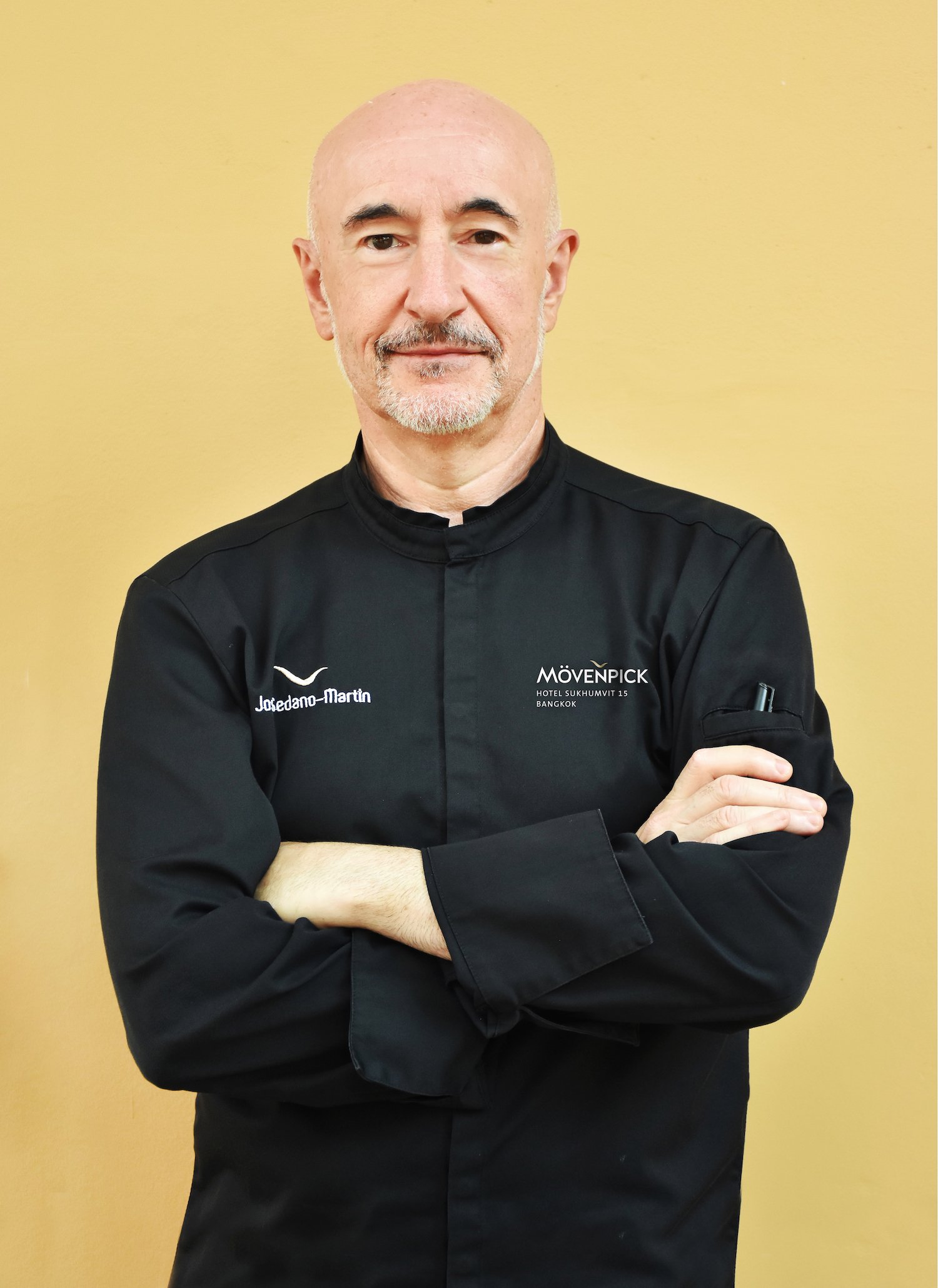
Appointment | Josu Sedano-Martin has recently been appointed Executive Chef at Mövenpick Hotel Sukhumvit 15 Bang

Josu Sedano-Martin has recently been appointed Executive Chef at Mövenpick Hotel Sukhumvit 15 Bang

Josu hails from Bilbao, Basque Country, Spain and he is a graduate of the Basque Culinary Academy with further studies in Hospitality Management with Cornell University. 

In a career which expands over 20 years, Josu has held positions as Executive Chef and F&B Director and worked for InterContinental, Hilton Hotels and LHW properties in Europe and in exclusive locations like Seychelles, Maldives and the Caribbean. 

In 2018 he joined Accor Hotels Asia for the opening of the exclusive Mövenpick Kuredhivaru in Maldives while his next move took him to Thailand to the equally unique Mövenpick Asara Resort in Hua Hin. 

Josu is a member of Slow Food International and is passionate about farm-to-table concepts. He loves to cook with the products from his herb and vegetable patch. He also enjoys playing golf, tennis, running and watching his hometown football team, Athletic Bilbao. 

ABOUT MOVENPICK


In Switzerland, in 1948, Ueli Prager created Mövenpick, a revolutionary dining concept where anyone could enjoy a taste of good wine, good times and the good life. Today, that same brand of welcoming hospitality lives on in every Mövenpick hotel, where everyone can appreciate life’s essential pleasures, through moments of true indulgence. With more than 100 hotels and resorts around the world and another 50 planned by 2025, Mövenpick remains true to its Swiss heritage and rich culinary legacy, honouring its founder’s promise to do things well by doing things right. In recognition of the brand’s holistic approach to sustainability, and its deep commitment to local environments and communities, Green Globe has named Mövenpick the world’s most sustainable hotel company every year since 2017. Mövenpick is part of Accor, a world leading hospitality group consisting of more than 5,200 properties and 10,000 food and beverage venues throughout 110 countries.


movenpick.com | all.accor.com | group.accor.com


Sheraton Grand Pune welcomes Erica Gomes at the Senior Sales Manager

She will be using her 12 years of abundant sales experience to identify and target groups that will generate business for the hotel

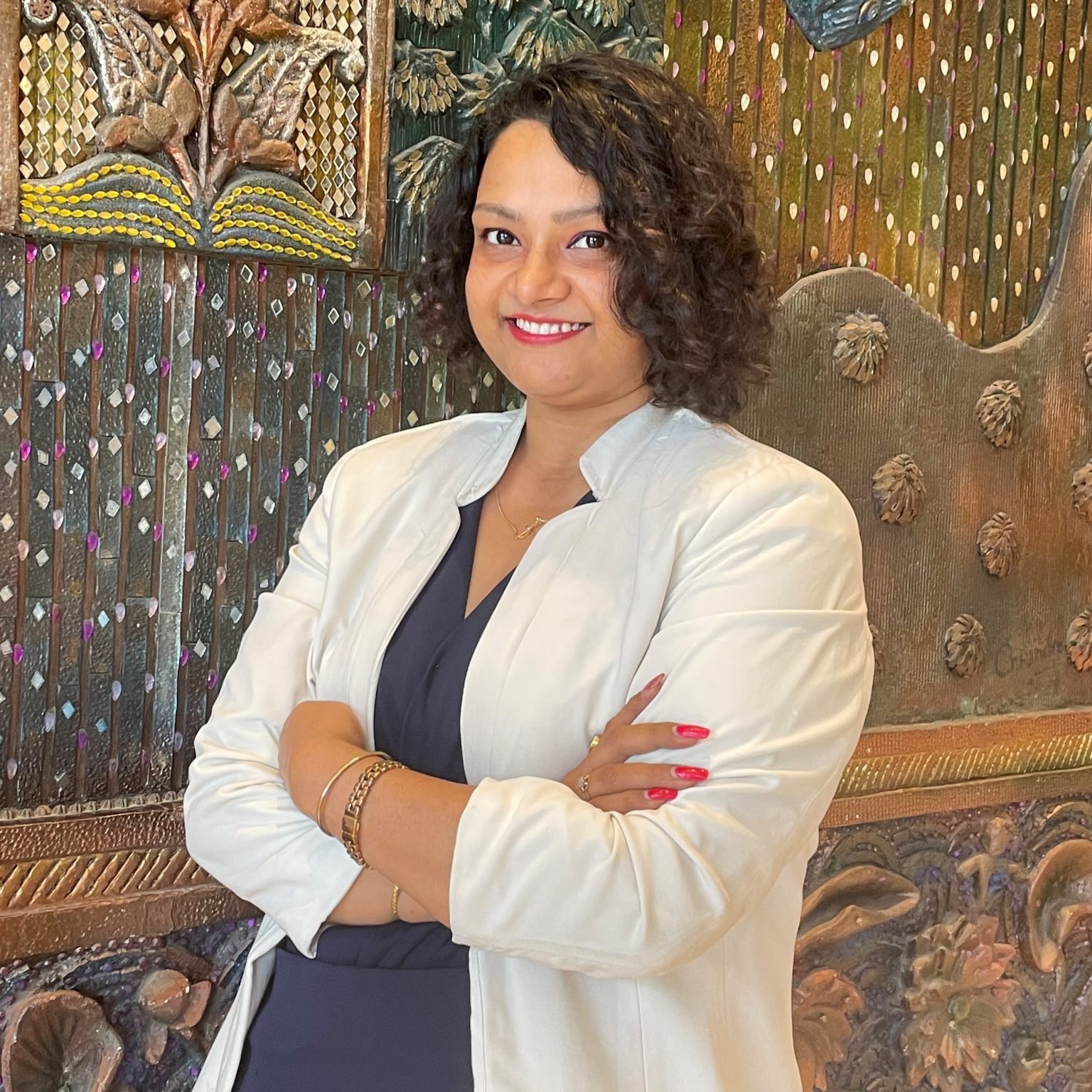
Sheraton Grand Pune announces the appointment of Erica Gomes as the Senior Sales Manager at the hotel. Erica has been a part of the hospitality industry for almost 12 years and has an extensive experience in sales and marketing.

Erica has a Masters in Hospitality and International Human Resource Management from the Indian School of Business Management, Mumbai. Post this she has been a part of various Indian and International hotel chains such as InterContinental Hotels Group, Four Seasons, Marriott International, and Accor Hotels. Erica has also worked extensively in the middle-east market.

Erica strives to be a result-oriented resource and is dedicated to meeting deadlines and exceeding sales revenue goals. At Sheraton Grand Pune, Erica will be using her 12 years of abundant sales experience to identify and target groups that will generate business for the hotel. She will also be in charge of using company-wide programs, sales developments, WSO customer events, and reporting for group business development.

When she is not busy achieving her targets, Erica loves to spend her time watching documentaries and reading good books. Some of her favorite books are Shantaram and Mrs. Escobar. She enjoys listening to trance music as well.

JW Marriott Debuts in Germany

A Haven of Inspired Luxury and Genuine Hospitality Awaits at JW Marriott Hotel Frankfurt

JW Marriott, part of Marriott Bonvoy’s global portfolio of 30 extraordinary hotel brands, has made its debut in Frankfurt, Germany with the opening of JW Marriott Hotel Frankfurt. With purposeful design, extraordinary service and a commitment to holistic well-being, the property offers an elevated stay in the city, encouraging guests to connect with the world around them and revitalize the mind, body and spirit.

“With each new opening, JW Marriott brings with it a legacy of luxury hospitality combined with the brand’s foundation of holistic well-being,” said Bruce Rohr, Global Brand Leader, JW Marriott. “Travelers to the storied German city staying at JW Marriott Hotel Frankfurt will now have access to JW Marriott’s genuine service, comfortably modern design and of course guiding principles of a well-being lifestyle that can be seen and felt throughout the guest experience.”

Inspired Design
Each of the 219 guestrooms and suites features floor-to-ceiling windows offering sweeping views of the sparkling city skyline and River Main, offering a moment of reflection. Directly connected to the shopping area Zeil, the hotel offers guests an unbeatable location just steps away from the heart of Frankfurt.

The hotel will soon complete a transformative renovation, bringing to life the JW Marriott brand’s serene sensibility married with modern technology catering to the sophisticated, mindful traveller. Combining thoughtful interiors and fashionable state-of-the-art amenities, the hotel is a serene retreat within the heart of the thriving metropolis.

Embracing local touches that encourage moments of reflection, JW Marriott Hotel Frankfurt has enlisted Hartwig Ebersbach, one of the most famous painters in Germany, to create 230 paintings which are delicately placed throughout the hotel. While the paintings are not for sale, guests can marvel at the depictions and inspirations that Hartwig Ebersbach gathered during his journeys around the globe.

Culinary Delights
JW Marriott Hotel Frankfurt embraces the brand’s focus on authentic and sustainable dining experiences with two concepts for guests. Located on the first floor, Max on One offers modern French cuisine with an Asian twist in a metropolitan atmosphere. Perfect for after dinner drinks, guests can enjoy Ember Bar & Lounge, a chic cocktail and champagne lounge with an extensive gin and wine list.

Furthering the brand’s commitment to nourishing the body as well as the spirit, JW Marriott Hotel Frankfurt produces its very own delicious honey from a colony of bees that reside on the hotel’s rooftop. The honey is served fresh from a honeycomb during breakfast while also being incorporated into delectable dishes served during lunch and dinner.

An Urban Sanctuary
JW Marriott Frankfurt is designed with guests’ well-being in mind. Guests of the hotel are encouraged to take a moment for themselves to truly discover the experiences that will leave them feeling revitalised and refreshed both during and after their stay.

This World Environment Day, Booking.com lists Top Destinations for More Sustainable Stays in 2022 

This World Environment Day, Booking.com lists Top Destinations for More Sustainable Stays in 2022 


Mumbai, June, 2022: Celebrated by millions of people across the globe, World Environment Day aims to create awareness and encourage action for the protection of the environment. And while one can practise sustainability in multiple aspects of one’s life, travelling sustainability can be a traveller priority, especially with easing of COVID-19 restrictions and resumption of travel. 


This World Environment Day, Booking.com has compiled a list of destinations across the globe with the highest percentages of Travel Sustainable properties on their platform*. Travel Sustainable badge recognizes the impactful efforts properties worldwide are making to help protect the planet and contribute positively to their local communities. From trend-setting cities to stunning natural parks and destinations making a concerted effort to manage their travel volumes more consciously, there is plenty of inspiration for the 94% of Indian travellers who say that sustainable travel is important to them** – no matter where their sense of adventure and exploration might take them.


  1. Hoedspruit, South Africa

Nestled beneath the majestic Northern Drakensberg Mountains, the scenic town of Hoedspruit is surrounded by the largest privately-owned conservation area in the world. The town is located in the heart of the UNESCO registered Kruger to Canyons Biosphere where the local community takes part in several recycling and conservation initiatives, and showcases local produce at the Lekker Farmer’s market to support the surrounding area. Known as one of the best places for a safari in South Africa, visitors can immerse themselves in the beautiful surroundings by respectfully observing the incredible wildlife in their natural habitat. To witness the admirable work the town does with regards to protecting animals, visitors can spend time at – and make a contribution to – the Moholoholo Wildlife Rehabilitation Centre and the Hoedspruit Endangered Species Centre.

2. Stockholm, Sweden 

Spread across fourteen islands, Stockholm is widely regarded as one of the most environmentally friendly cities in Europe – and celebrated as an international role model for climate action, having taken multiple measures to ensure a net positive impact. The Swedish capital uses renewable energy sources and recycles 99% of the city’s solid waste. It also has one of the cleanest – and tastiest – tap waters in the world, so there’s no need to buy bottled water. Since the city is relatively compact, there are options to explore it more sustainably, with a great public transport system and many sights within walking distance. The city offers a community bicycle program that allows people to rent one of 1,000+ bicycles that are scattered throughout Stockholm. Visitors can also explore the city from the water: an evening city kayaking tour offers the unique experience of paddling through Stockholm’s waterways to admire the architecture and landmarks, ending with a traditional Swedish meal. 


3. Arusha, Tanzania 

Known as Tanzania’s safari capital and a wonderful stopover for keen hikers heading to scale Mount Kilimanjaro, Arusha is exactly halfway between Cairo and Cape Town. With the breathtaking dormant volcano of Mount Meru as a backdrop, Arusha is easily explored by foot and is known for its environmental efforts such as tree planting initiatives, sustainable agricultural volunteering programs, and a water sanitation project which visitors to the area can support. The East African city is also known for its monumental clock tower and various cultural tourism programs on offer, including a tour of the Olpopongi Maasai Cultural Village and Museum where visitors can experience the local Maasai culture firsthand. This is an ideal way to learn more about and connect with the local community – perfect for the 69% of Indian travellers who say they want to have authentic experiences that are representative of the local culture when they travel**. 


4. Merzouga, Morocco

Merzouga is a charming small village in south-east Morocco, located near the stunning Erg Chebbi desert, known for its magical sand dunes and wide range of wildlife. Visitors can trek to nearby ancient Berber villages that still act as oases in the expansive desert to immerse themselves in local history and culture. For early risers, the desert at dawn provides stunning sunrise views, and those taking part in the two-hour Erg Chebbi Sunset Dunes Walk will experience equally transcendent twilight hues passing across the dramatic landscape as the sun goes down. Morocco itself is a leading destination in terms of its environmental commitments, with a sustainable development model and goals to source 100% renewable energy by 2050. 


5.Puerto Iguazú, Argentina

Located where Brazil, Paraguay and Argentina meet, Puerto Iguazú is home to the magnificent Iguazú National Park – a UNESCO World Heritage Site and voted one of the Seven Natural Wonders of the World. With 275 waterfalls, the most renowned and arguably most stunning is the semicircular Devil's Throat, more than 269 feet (82m) high and located at the very heart of the national park. For those wanting to explore with minimal impact, the luscious landscape is accessible by foot via the many hiking trails, or reachable by the Ecological Train that crosses the jungle. Visitors can observe the wildlife in the surrounding tropical forest; with over a thousand different species of animals and plants, it’s part of a larger ecosystem that runs through most of Latin America. To help preserve biodiversity and protect the park, as well as the local community, the hospitality sector has kickstarted several initiatives including litter and street cleaning to ensure the numbers of tourists do not adversely affect the area and the people who live there.


6. Boracay, Philippines

An idyllic tropical island destination, Boracay is the stuff Instagram dreams are made of. Featuring no fewer than 17 stunning beaches and coves, including the stunning 2.5 miles (4km) long White Beach, visitors have stretches of pristine sand and sea to surf, kiteboard, and snorkel, or to simply relax and soak up the sunshine. Things haven’t always been so dreamy for Boracay: in the past, the island took the difficult decision to close to visitors for six months due to the negative impact of too many tourists. After refocusing their efforts and allowing the island’s ecosystems to start to recover, Boracay is now responsibly welcoming visitors again, managing volumes with a daily tourist limit. The island has also implemented an array of sustainable eco-tourism practices, including the adoption of electric tricycles, and now relies on solar power as their main energy source, seeking to ensure a long and healthy future. 


7.                   Villa de Leyva, Colombia

Located northeast of Colombia’s capital Bogotá, the charming town of Villa de Leyva is known for its rich history and traditional whitewashed architecture. In the heart of the town lies the stunning Plaza Mayor, home to the city hall, museums, hotels and shopping passages for visitors to explore and support the work of local artisans. Visitors should consider timing their trip to coincide with the annual tree festival, the Festival del Árbol, which is held in October to celebrate the natural wonders the town has to offer. A celebration of the region’s indigenous plants, the festivities include everything from lectures on conservation and sustainable tourism to performances from local musicians. 


8.  Amsterdam, Netherlands

Given its warm and welcoming atmosphere, its historic canal houses, cozy cafes, and small boutique shops, it’s no wonder the Dutch capital is so popular with travellers. Although Amsterdam has struggled for years with what some might call ‘too much of a good thing,’ in terms of tourism, it’s actively addressing the issue by encouraging visitors to explore outside of the crowded city center and its infamous red-light district. By redirecting travellers to its many charming neighborhoods, the hope is to spread the positive socio-economic benefits of tourism more evenly throughout the city and surrounding areas. On a national level, the Dutch government is rewarding sustainable initiatives, taxing polluting activities, making investments in soft mobility and encouraging the use of public transport and bicycles. Amsterdam is also committed to reducing CO2 emissions and has fostered an increasingly popular vegan and vegetarian food scene, making it easier for both visitors and locals alike to eat more mindfully.


9. Toronto, Canada

Known for its live music scene, acclaimed museums and galleries, the iconic CN Tower and an incredible skyline, Ontario’s capital and Canada’s largest city is also a fantastic destination for those with an eye on traveling more responsibly. Mesmerizing and modern, Toronto is best discovered through a tour with a local guide to escape the tourist trail and discover local markets and hipster hangouts. In efforts to address climate change, the environmentally-conscious Toronto is actively supporting the take-up of electric vehicles, offering carbon offset credits, and even introduced a Green Roof Bylaw in 2009, requiring buildings to have a green roof for vegetation to grow. As Toronto is now blessed with incredible fruit and vegetable growers and nearby farms just outside of the city, the farm-to-table ethos has been adopted widely by many of the city’s most popular restaurants, where visitors can enjoy delicious food grown close to home. 


10.  Rishikesh, India

At the base of the Himalayas and located right on the Ganges River, Rishikesh is a beautiful city surrounded by rippling rivers and majestic mountains. An exquisite and calming place to nurture the soul, visitors can tap into the rejuvenating vibe by participating in wellness activities like a sound healing session. A world renowned destination for yoga, meditation, and hiking, the city has also taken multiple measures to be more sustainable, including becoming vegetarian by law and actively encouraging plant-based eating to support the environment. Rickshaws, one of the main traditional transport options in the city, have been fitted with CNG-powered engines in an effort to reduce pollution, while local artists are producing art installations using single-use plastics. 


*Destinations selected from the top 200 destinations selected based on volume of properties with a Travel Sustainable badge and sorted by highest share of overall properties that have the badge.

** Research commissioned by Booking.com and independently conducted among a sample of 30,314 respondents across 32 countries and territories (1,000 from USA, 958 from Canada, 1,009 from Mexico, 1,001 from Colombia, 1,003 from Brazil, 1,017 from Argentina, 1,000 from Australia, 486 from New Zealand, 998 from Spain, 1,003 from Italy, 996 from France, 495 from Switzerland, 980 from the UK, 998 from Germany, 1,014 from the Netherlands, 991 from Belgium, 985 from Denmark, 984 from Sweden, 964 from Croatia, 976 from Russia, 1,008 from Israel, 1,002 from India, 1,004 from China, 925 from Hong Kong, 1,006 from Thailand, 988 from Singapore, 1,002 from Taiwan, 1,004 from Vietnam, 1,004 from South Korea, 1,003 from Japan, 1,006 from South Africa and 504 from Kenya ). In order to participate in this survey, respondents had to be 18 years of age or older, had to have traveled at least once in the past 12 months and must be planning to travel in 2022, and be either the primary decision maker or involved in the decision making of their travel. The survey was taken online and took place in February 2022.


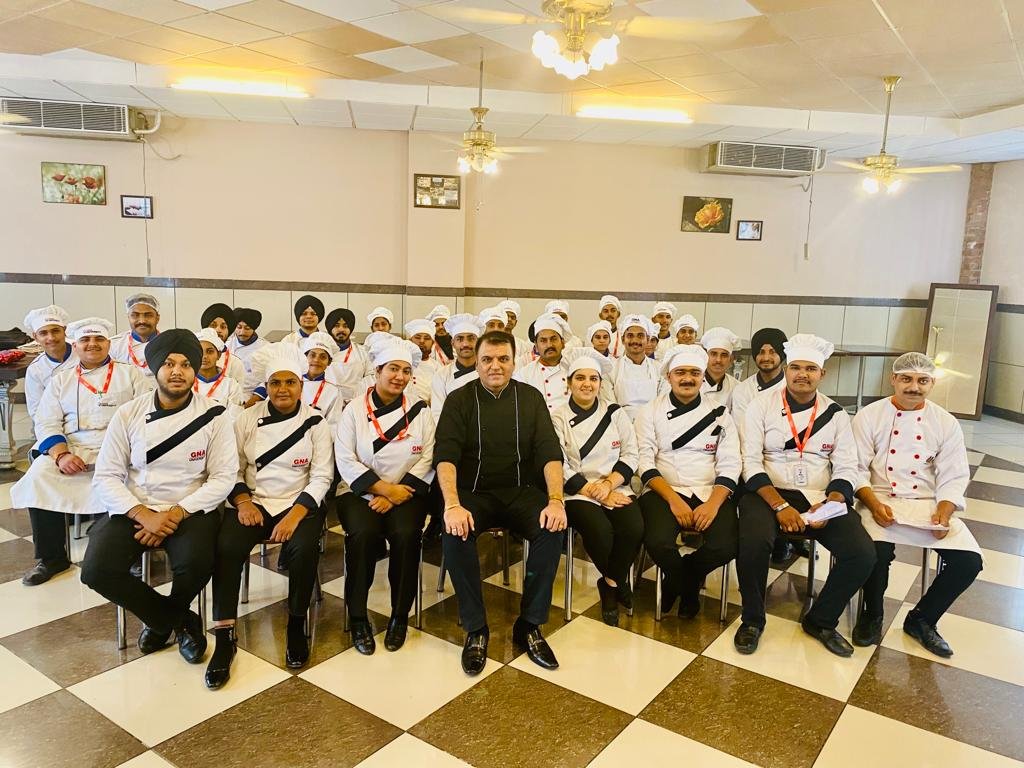
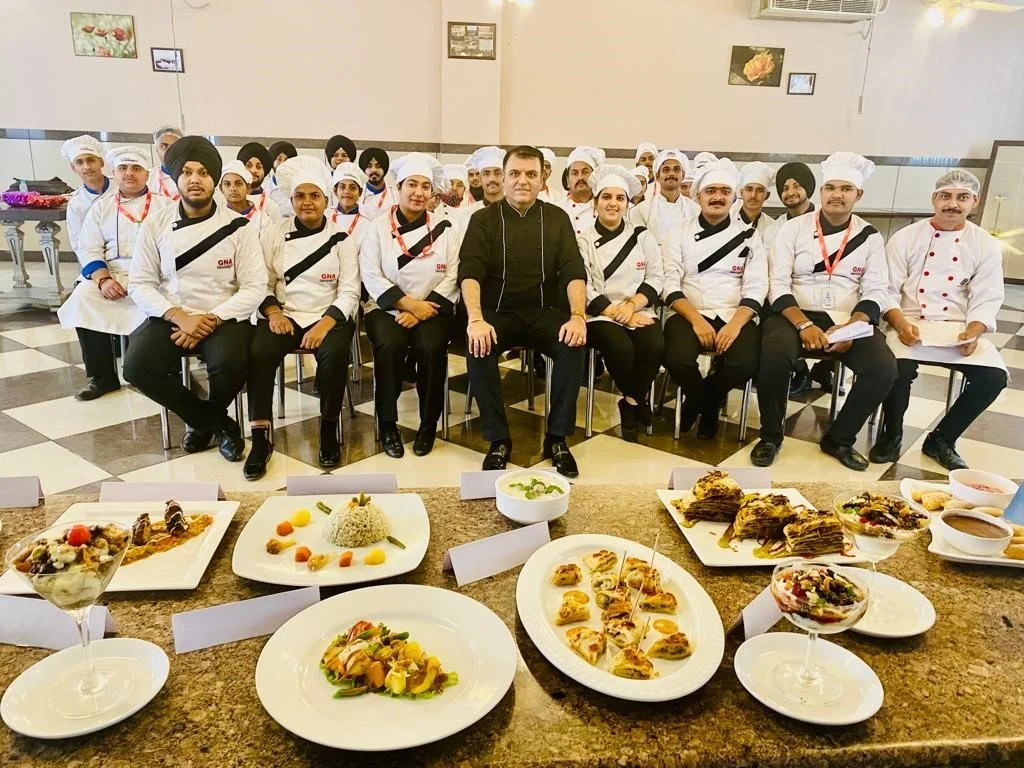
Celebrity Master Chef – Dr. Kaviraj Khialani conducted a 3-day Global Gastronomy Workshop – Food from around the world with a twist of taste at GNA University, Phagwara- Punjab.

Celebrity Master Chef – Dr. Kaviraj Khialani conducted a 3-day Global Gastronomy Workshop – Food from around the world with a twist of taste at GNA University, Phagwara- Punjab.

Keeping in mind the current culinary trends and latest twists and turns to have the interest levels pepped up for young budding culinarians, celebrity master Chef Kaviraj Khialani presented a global twist with fusion cooking in an attempt to have the desi flavours revamping themselves with an international look and vice versa. The intent of this 3-day workshop from 23rd to 25th May 2022, pre-dominantly was to share ideas, knowledge and information about global cuisines with the young wanting to be chefs at the esteemed GNA University at Phagwara, Punjab.

The workshop started off with a seminar room presentation in which the importance of knowing basic’s in culinary was discussed, a formal presentation on the art of fusion cooking was presented starting from its origin to the modern outlook. Chef Kaviraj made this session a very interactive one and the students too participated whole-heartedly and shared their experiences with cooking, baking and innovating with foods.

The session also laid importance on understanding various cooking methods, how to mix- n- match regional foods with fusion, the know-how aspects of how to blend spices, masalas, sauces, condiments etc to create new combinations and concoctions to impress a foodie in a number of ways possible. Chef also discussed various examples from our day to day cooking from a dal fry to jeera aloo, to our favourite pao bhaji, sooji ka sheera, aloo paratha and many more sharing ideas on how we can create new recipes using our foundation recipes. 

The seminar session also presented 100 ways with fusion recipes which were shared with all the participants in the form of handouts especially designed for the workshop which were a great take away from the session in terms of how and where we can innovate and create fusion in our daily cooking. the students found this part very informative and interesting since the names given to the fusion dishes too were different, unusual and with a punch of humour. Besides this Chef Kaviraj also handed out 100 most popularly asked questions for culinary interviews and vivas from indian cuisine to international as well with hints and tips on how to answer them aptly and to the point, this was appreciated by the participants as it would be helpful for them in the coming semesters at college.

The 2nd and 3rd day of the workshop were totally practical and hands on in the training kitchen and labs, the students were asked to divide themselves into 3 teams and groups of 10-12 each per team by which it would be easy to divide the work and the mis-en-place for the menus to be done on the said days. There were totally 3 teams and each team did 1 menu of around 5-6 dishes per day and 2 menus totally in 2 days were completed by each team. The emphasis here was on pre-planning, organising, and dividing the tasks equally among team members who also had to carry out tasks related to bakery as well. the student’s enthusiasm was worth watching and the excitement to work on day 2 and day 3 was the best part to observe at the end of day 1 of the seminar.

The management team of the university also visited the presentation room to check out the presentations of the students in teams and their menus which they found pretty impressive and in good spirit it was a break from routine sessions and practicals as well from the faculties point of view. The students were asked to present their respective concepts of the global fusion menus and to get confident on how to speak effectively with a sense of pride about what is appearing on the plates!

The students were very tempted to try out their dishes and menus by the end of the presentations on both the days and they loved sharing their dishes with the other teams as well in order to have an open learning session and that is what really works when it comes to cooking and food. The reactions and expressions of some of the students were worth watching when they tasted some really new and unimaginable recipes during these sessions and the wow factor just took over everyone!  Some of the most liked dishes from the fusion desk included international chinese Manchurian chaat platter, palak paneer tadke wala lasagne baked to perfection, chicken mehlokhiya with Mashkool rice, layered phirni and flaky pastry dessert enlaced with blueberries and nuts to name a few. Indian, Chinese, Thai, Arabic, Mexican, Malaysian, Filipino, Sri-Lankan, French, Italian were few of the cuisines picked for this workshop. The top 5 students among both the teams after a thorough observation on all days were also offered a token of appreciation by chef kaviraj for their exemplary performance!
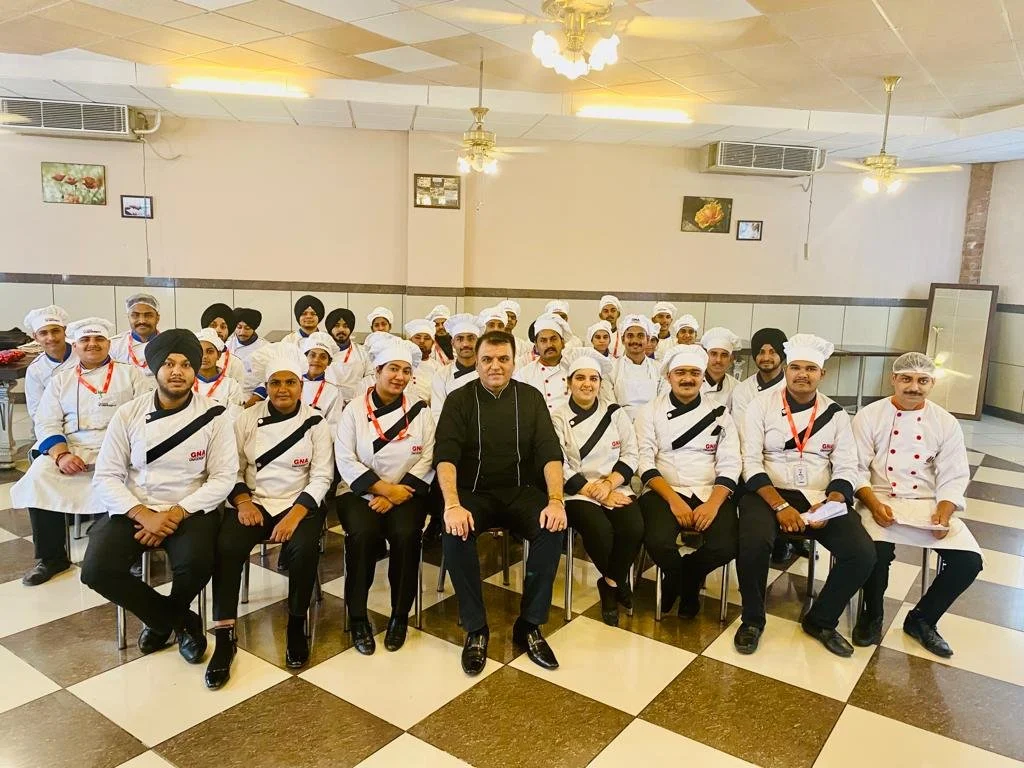
“my experience at GNA University has been amazing! The students taking up culinary arts are so focussed, they love to be in the kitchen, want to get into doing things practically, they are not only open to discussions and food talk sessions but also want to get their hands on trying new ways out with the regulars. The students have been very cooperative and have exhibited an awesome interest and impeccable presentation styles as well during the 3-day global gastronomy workshop”. 

Mr. Gurdeep Singh- President of GNA University also offered a token of gratitude and appreciation to Dr. Kaviraj Khialani for having conducted this global gastronomy workshop for the students and along with him the vice-chancellor, dean- academics and head of department too extended their best wishes to Chef Kaviraj for this great task well executed.

On day 3 we also had a certificate of appreciation which was signed by Chef Kaviraj and handed over personally to each participant with a photo session as well to leave back memories ever after.

These kind of sessions are very helpful for the students and they develop a sense of confidence and motivation for them to work on their area of interest and stay committed towards making a bright career in the near future too. It would be nice if more colleges and universities across India start accepting this idea and fact of knowledge sharing by we experts with the students and also a platform where they can ask questions, clarify doubts and even showcase their own talents as well summarised chef Kaviraj Khialani as he concluded the workshop with a note of thanks and best wishes for all.

------------------------------------------------------------------------------


Appointment | Priyanka Majumder joins as Front Office Manager at Grand Mercure Bengaluru Gopalan Mall

She brings in over 10 years of extensive experience in front office management, revenue management, guest service, customer support

Priyanka Majumder joins Grand Mercure Bengaluru at Gopalan Mall as the Front Office Manager. She brings in over 10 years of extensive experience in front office management, revenue management, guest service, and customer support. In her last role, she was the Front Office Manager at the Pride Hotel Bengaluru heading the departmental operations and assisting in revenue management.

“Priyanka with her diverse experience and her pleasing and calm demeanor will be will be a great addition to our team where she can lead the guest experience and loyalty,” says Sachin Maheshwary, GM of Grand Mercure Bengaluru Gopalan Mall, welcoming Priyanka to the team.

After graduating from IHM Bhubaneshwar, Priyanka began her career with Hyatt Regency as the Guest Service Officer. Over the course of her career, she has worked with many renowned hotel brands including Hyatt, IHG and Lalit. She has previously worked with Accor as the assistant manager – Front Office at Novotel Kolkata Hotel and Residences.

Priyanka has a deep artistic inclination and spends leisure time enjoying recitations and practicing creative painting and singing.

NEW LAUNCH | thinKitchen™ introduces four new brands – Mikasa, KitchenCraft, La Cafetière and London Pottery

thinKitchen™ introduces four new brands – Mikasa, KitchenCraft, La Cafetière and London Pottery

  • Beautiful on-trend pieces by Mikasa are made with care, be it for relaxed entertaining or a dinner party. Mikasa makes every dining experience special and a moment to savour.

  • Established in 1850 KitchenCraft is a market leader in all types of kitchen and homewares products and accessories

  • London Pottery collection has been designed to help consumers maintain a sense of wellbeing ticking the boxes for mindful brews, everyday cuppas & infusion friendly brewing

  • Serving café culture since 1967, the La Cafetière’s range is designed for relaxed moments

National, May 2022: thinKitchen™ - India’s leading omnichannel retailer offering global, premium kitchen and homeware brands, recently announced the launch of four new international brands – Mikasa, KitchenCraft, London Pottery and La Cafetière.  With these new launches thinKitchen™ adds to its portfolio of dinnerware, glassware, serveware and beverages alongwith the addition of a new category of planters to its homeware range. With an aim to further enhance its consumers dining and home experience.


Mikasa’s, beautiful on-trend pieces are made with care, be it for relaxed entertaining or a dinner party. Mikasa makes every dining experience special and a moment to savour. thinKitchen presents the Satori Collection by Mikasa – this tableware collection is inspired by Japanese cuisine, embossed with Seigaiha wave pattern design, the traditional Japanese sign for good luck, energy and happiness. This collection is perfect for those who love oriental cuisine. Julie Collection by Mikasa - made from high quality European crystal, glassware from the Julie collection is beautiful and functional. Serenity Collection by Mikasa - This beautiful dinner collection, in earthy and warm tones of taupe, slate grey and dusky pink is versatile and designed for modern day living.


KitchenCraft, which is UK's premium inspiring kitchen and homeware brand, established in 1850. The KitchenCraft range at thinKitchen includes playful ceramic planters and multi-purpose bowls. The on-trend planters will bring fun and playfulness to the home, while the creative and vibrantly coloured range of bowls are ideal for daily use and can instantly brighten up any table.


Following KitchenCraft is London Pottery, designed by UK’s celebrated ceramist David Birch. The range at thinKitchen includes ceramic teapots and stoneware mugs with features developed over years from drip free spouts to ceramic filters and lids designed to stay put while pouring. London Pottery ranges are made of high-quality material and are the perfect choice for loose leaf or floral infusion brews.


With the goal to fulfil a growing consumer desire to emulate the café experience at home, thinKitchen™ has introduced La Cafetière. Serving café culture since the year 1967, La Cafetière's collection is intended for relaxing moments and enjoying coffee at its best in the comfort of the home.


Speaking on these global launches in India, Anand Baldawa, CEO, thinKitchen™ shared, “We are pleased to introduce these global brands to the thinKitchen portfolio. It is a matter of pride for us to present these brands to the discerning India consumer. We aim to help create a stylish and sustainable kitchen space and make the dining and culinary experiences mindful, elegant and full of memories “


About thinKitchen™

thinKitchenTM is India’s leading omnichannel retailer offering global, kitchen and homeware brands. It offers premium and quality cookware, prepware, glassware, dinnerware and serveware alongwith homeware and products for kids in India. thinKitchen™ enables a healthy, happy, nourished life by helping you create a mindful, stylish and sustainable kitchen space, which blends thoughtful global designs, unique aesthetics and innovative functionality.


Appointment | Ankush Ahuja joins Hilton Goa Resort as the F&B Manager

Goa, May 2022: Ankush Ahuja is a seasoned hotelier with a rich experience of over 13 years in the industry. In his new role at Hilton Goa Resort, Ankush would be spearheading the functioning on overseeing all aspects of food and beverage operations and repositioning of the food and beverage outlets. 

Over the years, he has worked with the finest hospitality leaders such as Marriott International, Starwood Hotels & Resorts, Centara Hotels & Resorts, Taj Hotels &Resorts, Carlson Rezidor and YUM Restaurants International. On his last assignment with 'The B Premier Boutique Collection, Doha' as Assistant Food & Beverage Manager, he incorporated unique menus for the restaurants, maintaining brand standards and operational excellence. He is a leader with the right skills to undertake Guest Relationship Management, Revenue Management, Food Promotion, Staffing and more.

With his wide spectrum of knowledge in budget analysis, effective cost planning,managing key relations, implementing and optimizing procedures, team leadership and development, Ankush will be bringing forth his expertise to maximize revenue and rightfully connecting with the customers to ensure that their requirements are met while maintaining the highest standards along with compliance with the food and safety regulations.

On Ankush’s appointment, Amandeep Singh Grover, General Manager, Hilton Goa Resort expresses, “We are delighted to appoint Ankush as the F&B Manager as his expertise in the food and beverage industry will facilitate the hotel in promoting our outlets and will ensure a smooth functioning of the teams working under him.”