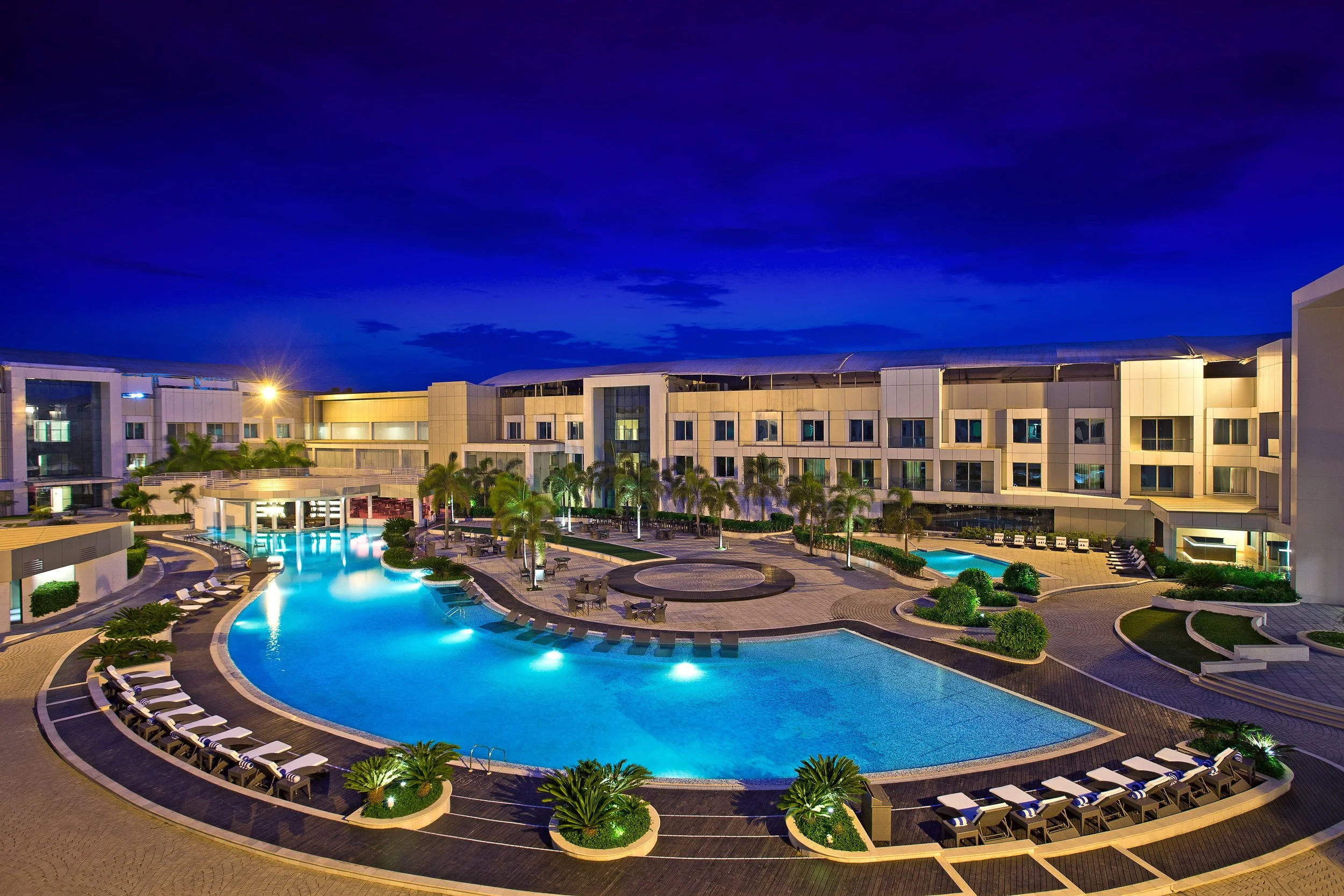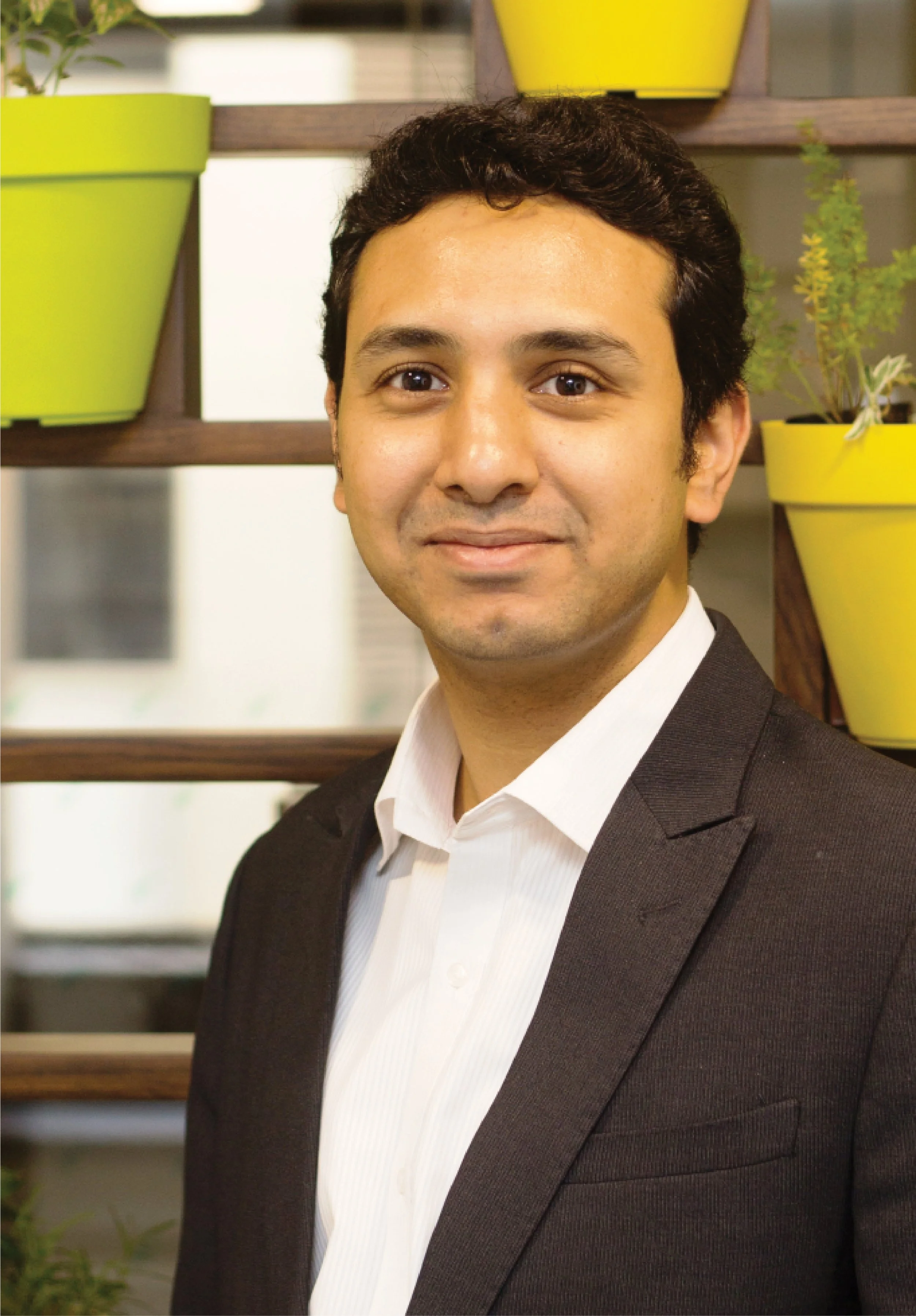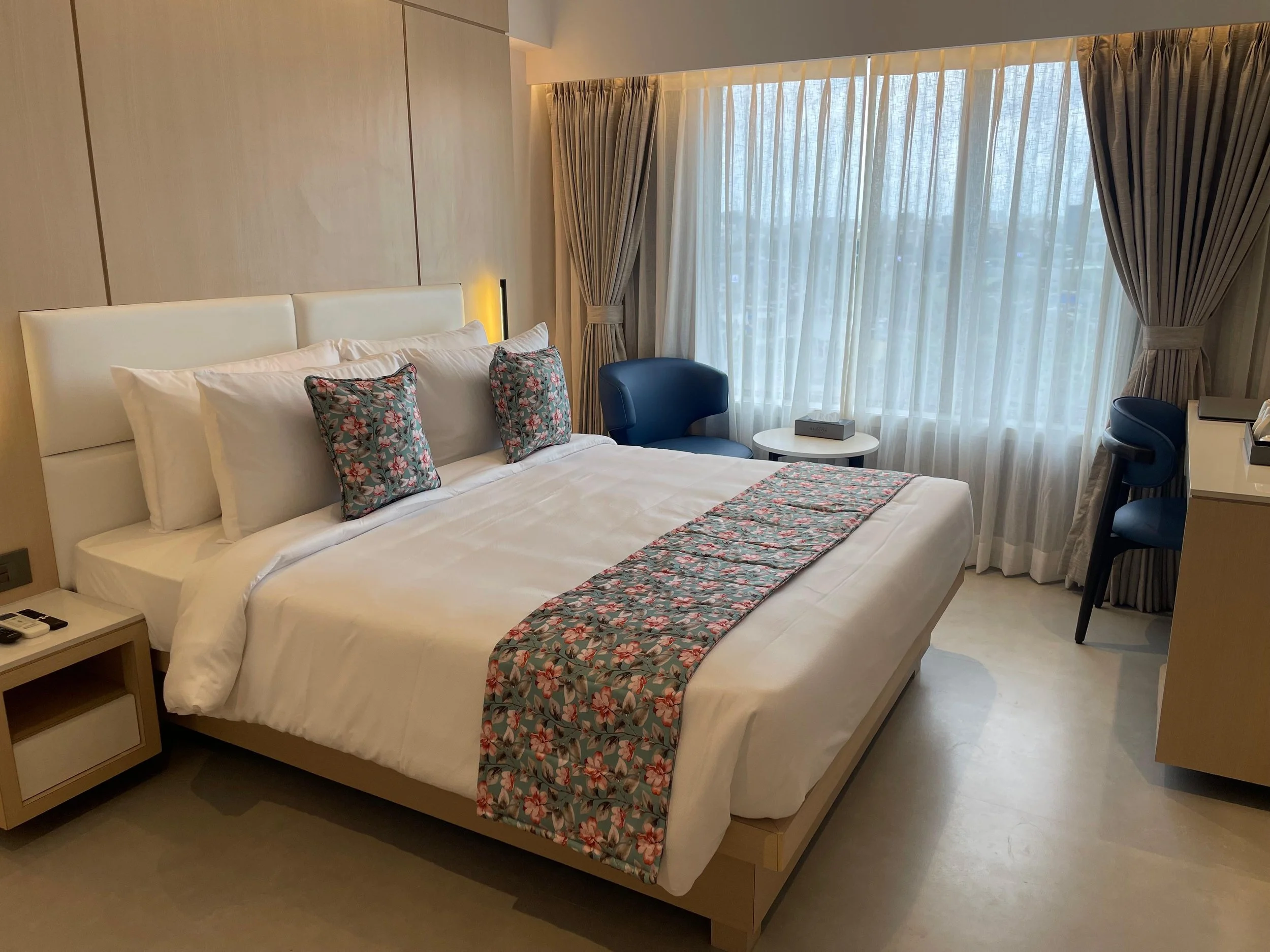
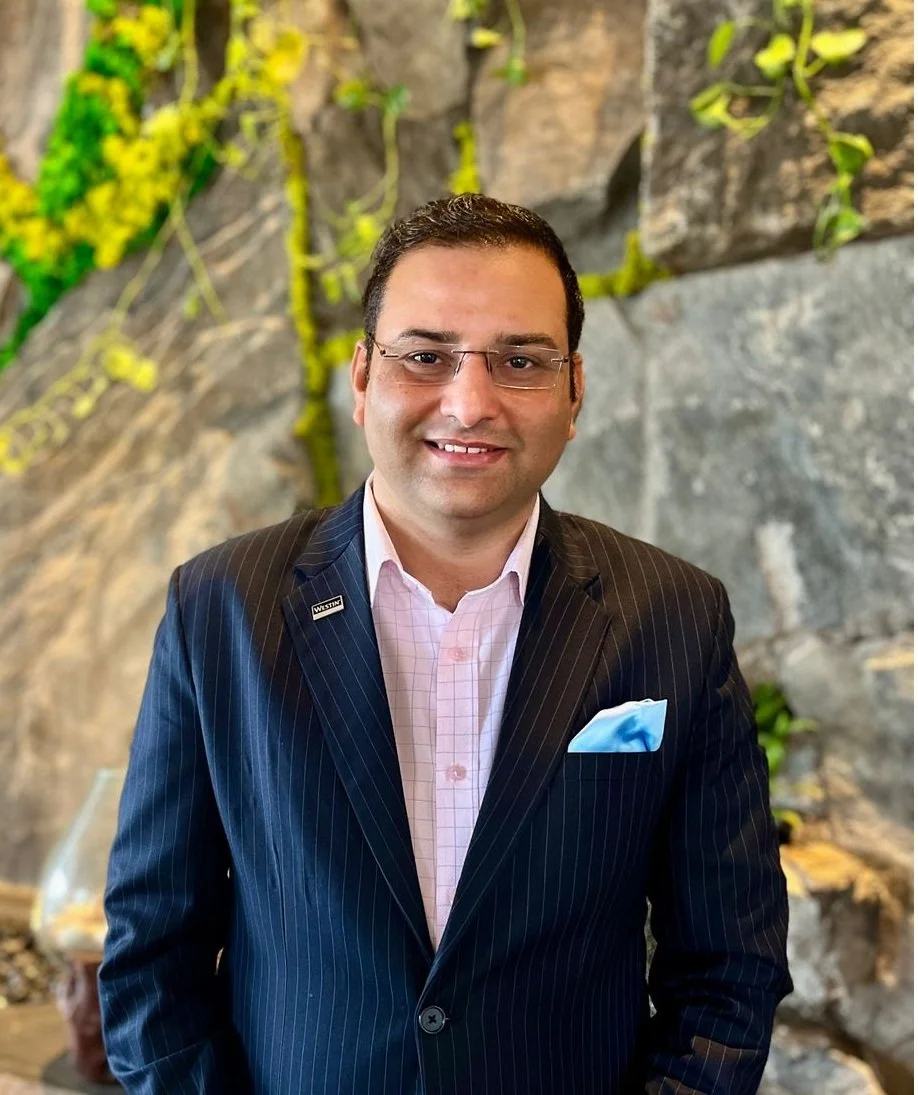
The ‘Wed-in-India’ Trend: Why Domestic Destinations Are Surpassing International Hotspots by Akarsh Mathur, General Manager at The Deltin Daman

For years, destination weddings in Europe or Southeast Asia were seen as the ultimate mark of aspiration for Indian couples. Yet today, a noticeable shift is underway. More and more families are choosing to host weddings within India, and the reasons go beyond convenience. Economic growth, cultural pride, social media influence, and government support are converging to make domestic destinations not just an alternative but the preferred choice. The outcome is a thriving wedding tourism sector that is reshaping how Indians celebrate life’s most important milestone.

India’s appeal begins with the sheer diversity of venues on offer. Couples can exchange vows in royal palaces in Rajasthan, host cocktail nights on the beaches of Goa, or celebrate amidst the tranquil backwaters of Kerala. Every region provides a unique setting, allowing weddings to reflect both grandeur and individuality. Lesser-known locations such as Daman, Khajuraho, and Mussoorie are also drawing attention, offering distinctive ambiences that feel fresh yet rooted in Indian heritage. The variety available ensures that couples can find something to match not only their aesthetic preferences but also their budgets, creating backdrops that rival anything abroad.

The economics behind this trend are equally compelling. India’s wedding industry is estimated at around $130 billion, already larger than many international markets. Rising disposable incomes mean that millennials and Gen Z couples are willing to spend significantly on weddings, but they want that investment to reflect their identity and values.

Choosing a domestic location keeps money within the country, circulating across a vast ecosystem of florists, caterers, designers, photographers, and hospitality providers. Families also recognize the value in supporting local businesses while ensuring that their money goes further, delivering scale and quality that international options often cannot match.

Celebrity culture has amplified the shift. Bollywood weddings at palatial hotels and heritage forts set aspirational benchmarks, while the visuals flood social media, influencing millions.

Couples no longer see Europe’s castles or Thailand’s resorts as the pinnacle of glamour. Instead, they find inspiration in photoshoots at Udaipur’s lakeside venues or Jaipur’s ornate courtyards. In an era where Instagram posts carry as much weight as personal albums, the photogenic quality of Indian locations is irresistible. Every mandap framed against centuries- old architecture or sunset coastline becomes content that validates the choice to stay local and inspires the next wave of weddings.

Cost and convenience add another layer of appeal. Destination weddings abroad can involve unpredictable expenses, complicated logistics, and stress over visas, currency exchange, and transportation. By contrast, Indian resorts and hotels increasingly offer all-inclusive packages covering décor, catering, and guest accommodation. This predictability makes weddings easier to plan and often more affordable at a comparable level of luxury. Families can focus on celebrating rather than troubleshooting international travel issues, while guests enjoy smoother participation without the hurdles of passports and flight connections.

The Indian government has also recognized the potential of wedding tourism. Initiatives like “Wed in India” are actively promoting domestic venues, highlighting heritage properties, and streamlining processes for families. The campaigns are designed to keep billions in outbound spending within the country, boosting both tourism and hospitality. States are competing to position themselves as wedding hubs, improving infrastructure, offering incentives, and showcasing cultural experiences that can be woven into ceremonies. This official backing reassures couples and planners that India is not only capable of hosting large-scale celebrations but eager to do so with professionalism.
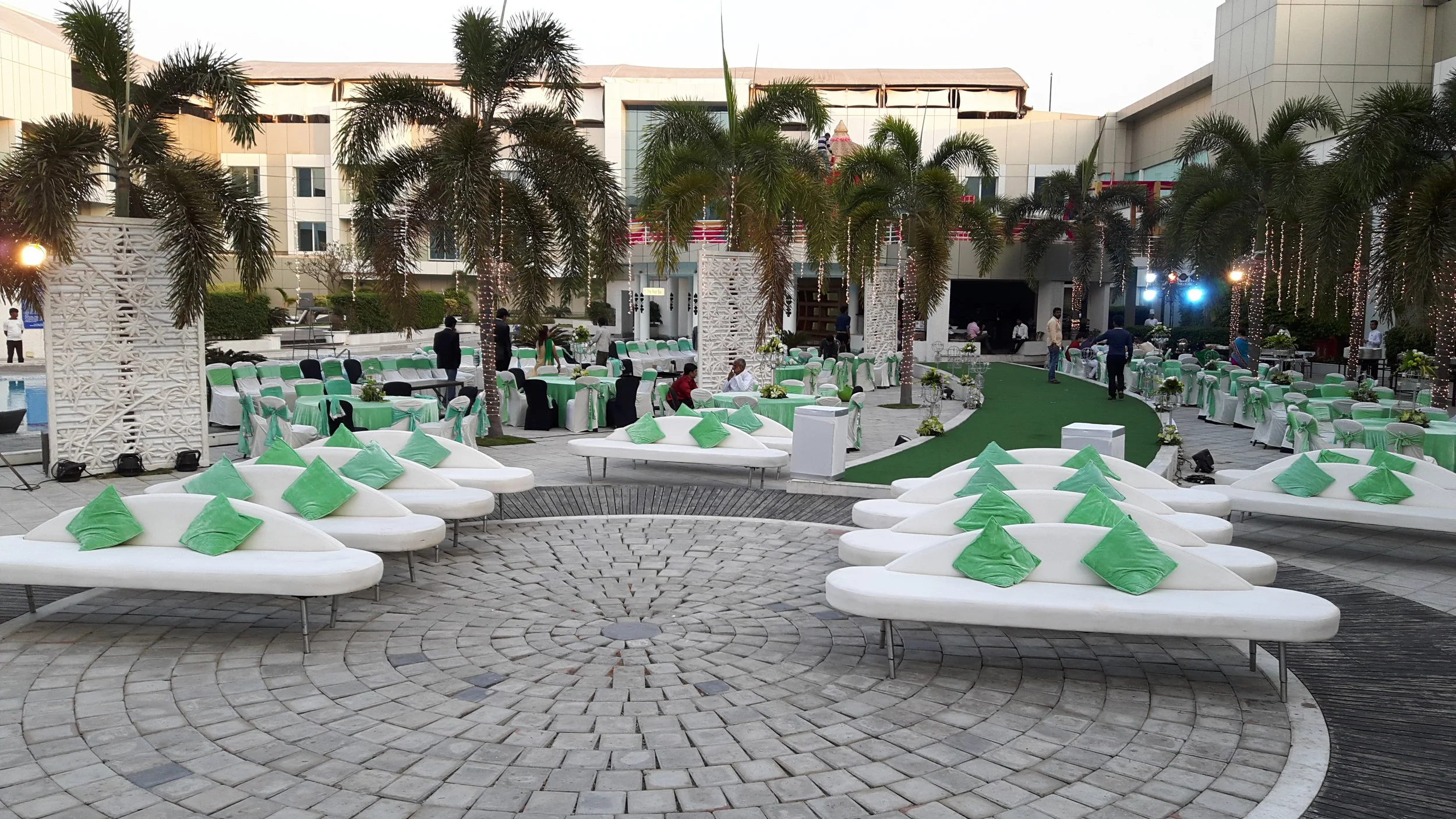
Beyond economics and logistics, domestic weddings align with the emotional fabric of Indian families. Weddings here are not just about two individuals but about extended kinships and communities coming together. Hosting celebrations in India ensures that rituals and customs remain authentic and accessible. Elderly relatives, who may struggle with international travel, can comfortably attend. Large guest lists, often stretching into hundreds, become manageable when families are not constrained by international caps or costs. The result is a stronger sense of connection and cultural continuity, something that cannot always be replicated abroad.

Sustainability adds yet another dimension. Flying hundreds of guests overseas creates a significant carbon footprint. Domestic weddings reduce that impact while channeling spending into local economies. Many couples are now consciously choosing venues with eco-friendly practices, from reducing single-use plastics to supporting community artisans for décor and gifts. This alignment with responsible tourism reflects a generational shift where values matter as much as visual appeal. Celebrations become an opportunity to create social impact, marrying personal joy with collective responsibility.

Innovation within India’s wedding industry has further cemented the shift. Professional planners, equipped with world-class technology and design expertise, are offering highly personalized experiences that rival global standards. Couples can choose themes ranging from minimalist chic to traditional opulence, complete with digital invitations, drone photography, and interactive guest engagement. Luxury fashion, custom décor, and culinary experimentation are all available at scale, with the flexibility to adapt to every budget. The combination of cultural richness and modern innovation makes domestic weddings a compelling blend of heritage and progress.

Taken together, these factors explain why domestic destinations are outpacing international ones in popularity. India offers an unmatched mix of beauty, convenience, economic value, and cultural depth. What once required a foreign stamp on the passport is now proudly found within the country’s borders. Couples are not just saving money or simplifying logistics, they are redefining what aspiration means in a globalized yet locally rooted era.

The “Wed in India” trend signals more than a preference; it is a statement of confidence in India’s heritage, economy, and future. And as the industry continues to expand, domestic weddings are likely to remain the gold standard for celebrating love in the world’s most vibrant democracy.

Akarsh Mathur, General Manager at The Deltin Daman

How a Social Media Search for a Healthy Snack Led Shamita Shetty to Her Next Big Venture

Mumbai, October, 2025:: Some of the best partnerships aren't planned; they simply develop naturally. Actress and wellness advocate Shamita Shetty wasn't looking to start a company, she was just looking for a snack. But a craving for a truly clean, delicious spread led her on an unexpected path, starting with a simple question to her social media followers.

The responses flooded in, but one, in particular, stood out. It was from Swati Soni, a passionate home chef and the founder of Meve Jars, who sent over a sample of her handcrafted nut spreads.

It only took one spoonful. Here was a spread that delivered rich flavour without sacrificing its principles, made with 73% real nuts and a clean label free from preservatives. It was the solution she hadn't found on any shelf. She knew instantly this wasn't just a product to enjoy, but a brand she had to be a part of.

Shamita explains"It's rare to find something that ticks all the boxes: clean ingredients, nourishing, and it tastes incredible. After I tried it, I just kept thinking about it, and a simple endorsement deal didn't feel right. I realised I didn't just want to be a face on a poster, I wanted to get involved and help grow the business. That’s why I reached out with a bigger idea—to join her as a co-founder and build this brand together."

For Swati Soni, whose brand began as a kitchen experiment, the call from Shamita was surreal. "When Shamita called and said she wanted to be my partner, I almost couldn't believe it," Swati admits. "She just got it. She understood what Meve Jars is about; real food, clean ingredients, no compromises. All I ever wanted was to share what I make with people, and with her by my side, that’s becoming a reality in a way I never expected."

This partnership is powered by two passionate women united by a common objective: to make healthy snacking accessible and genuinely fun for mindful eaters. While Swati stays focused on developing delicious, nutrient-balanced products, Shamita is leveraging her voice, expertise, and influence as a wellness advocate to introduce the brand to a discerning audience.

In a market demanding healthier food options and full transparency, Meve Jars is ready to offer a new experience of indulgence. This partnership is more than a business deal; it is a mission to amplify the brand's reach and foster a community of conscious eaters who know they never have to choose between health and flavour.

The Fern Hotels & Resorts Continues South India Expansion with Bengaluru Signing Announces Signing of Abhimaani Beacon Hotel Bengaluru

Mumbai, October 2025: The Fern Hotels & Resorts, India’s leading environmentally sensitive hotel chain, is pleased to announce the signing of Abhimaani Beacon Hotel Bengaluru. This strategic addition marks another important step in the group’s expansion across South India, bringing the total number of hotels in the region to 13, both operational and opening shortly.

Sharing his thoughts on the expansion, Mr. Suhail Kannampilly, Managing Director, The Fern Hotels & Resorts, said, “Bengaluru continues to thrive as a centre of innovation, enterprise and cultural richness, making it an essential destination in our growth strategy. The signing of Abhimaani Beacon Hotel Bengaluru reflects our commitment to strengthening our presence in key metropolitan hubs.”

The hotel will feature 55 well-appointed guest rooms, offering a harmonious mix of comfort and convenience. The accommodations are designed to appeal to both business and leisure travellers, with an emphasis on spaciousness, functionality and a warm, welcoming atmosphere. Guests at the property will also have access to a range of thoughtfully curated facilities including an all-day dining restaurant, a vibrant rooftop bar and wellness amenities. For corporate and social gatherings, the hotel will offer two banquet halls and a board room, making it an ideal venue for events of varying scale.

The upcoming property will be located in Rajajinagar, one of Bengaluru’s prominent business and residential districts with excellent connectivity to major commercial centres, shopping districts and cultural landmarks of the city and is poised to cater to a diverse range of travellers with its seamless blend of comfort, style and convenience

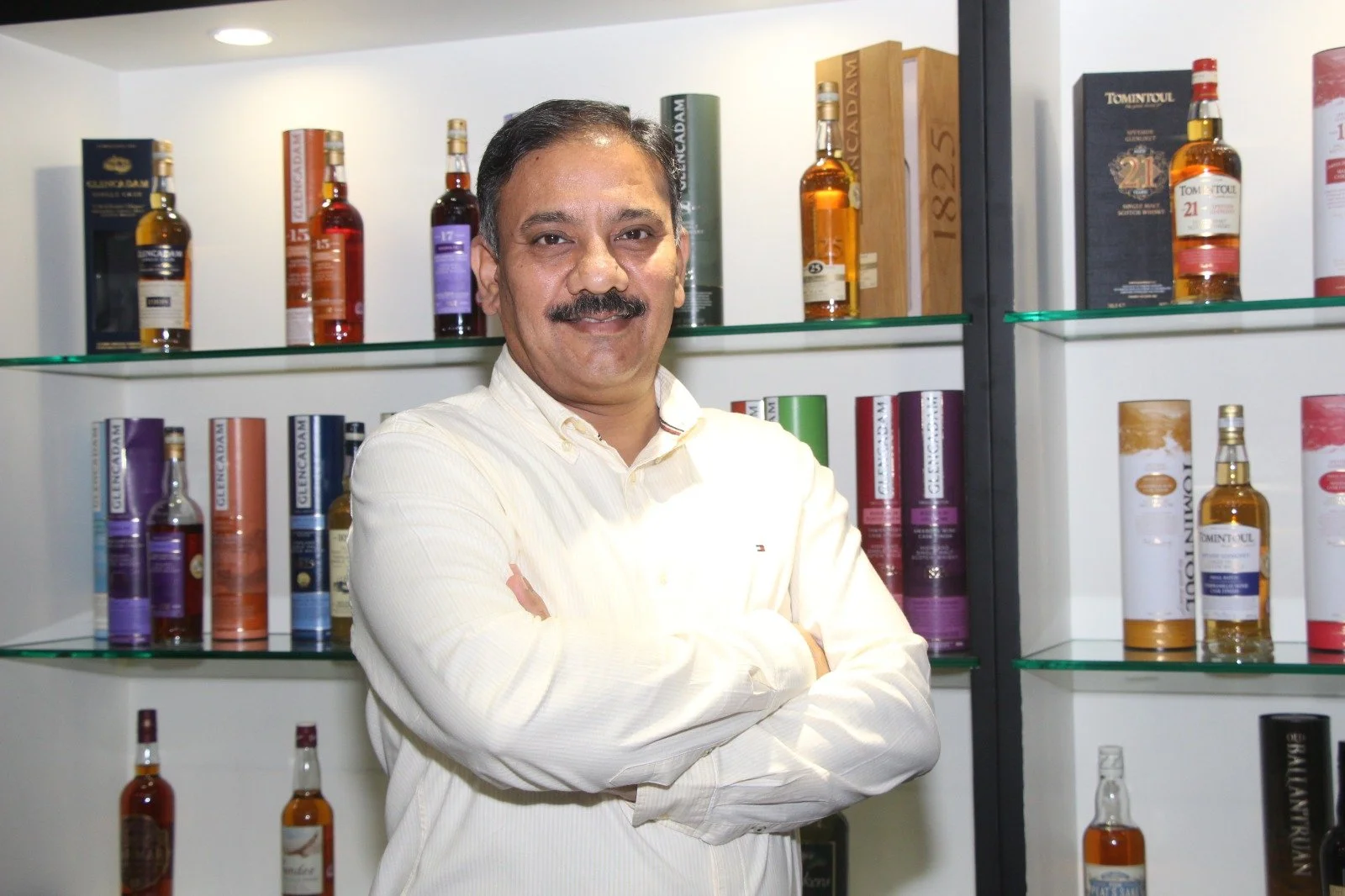
Scotch and Social Life: India’s Festival Companion by Mr. Hasan Bakhtawar, COO of Angus Dundee India Pvt. Ltd.

India has entered its busiest months of celebration. Durga Puja has filled neighbourhoods with gatherings, Diwali preparations are building across the country, and Christmas followed by New Year will bring the year to a close. Through this stretch of events, Scotch whisky remains a constant; shared at weddings, exchanged during festivals, and poured in homes and clubs alike.

From Rare Indulgence to Everyday Companion

Scotch first arrived through colonial clubs, where officers and dignitaries introduced it into exclusive circles. In the decades after Independence, bottles remained scarce, usually carried home from overseas trips or secured at duty-free shops. Families stored them carefully, opening one only for momentous occasions: a marriage celebration, an anniversary dinner, or the arrival of a respected guest. Offering Scotch meant extending one’s finest.

Economic liberalisation in the 1990s changed that scarcity. Liquor shops in large cities began to stock international labels, while hotel bars offered wider choice. Scotch moved from occasional indulgence into social routines; appearing at birthday parties, corporate evenings, and Sunday gatherings. With rising affluence and exposure to global trends, it became part of India’s wider drinking culture.

Blended Scotch played a crucial role in this spread. Its affordability and adaptability suited local preferences, whether poured neat, with soda, or over ice. Distribution networks carried it into tier-2 and tier-3 towns, where it became a fixture at community celebrations. At the same time, metropolitan audiences embraced it for its consistency and versatility, making blends the backbone of Scotch’s popularity across the country.

Signals of Aspiration and Shifting Rituals

Cinema reinforced Scotch’s association with confidence and success. On-screen characters sipping whisky turned it into a cultural shorthand for style and authority. Even as direct advertising faced restrictions, brands found visibility through sports, music, and lifestyle events, reinforcing Scotch as an aspirational choice.

The hospitality sector added new layers. Tastings at hotels introduced patrons to the vocabulary of flavour, from smoky finishes to oaky undertones. Enthusiast clubs grew in cities, giving Scotch a community dimension. Meanwhile, households began setting up their own bars, a trend accelerated during the pandemic. What once belonged to banquet halls now also sat in living rooms, poured as comfortably at a small dinner as at a formal reception.

Festivals have given Scotch an additional role as a gift. Diwali hampers often include bottles alongside sweets, Christmas dinners frequently feature whisky at the table, and New Year’s Eve toasts are incomplete without it. In professional settings, Scotch is exchanged as a token of goodwill. Its ability to move seamlessly between personal and professional contexts highlights its wide social acceptance.

References

IWSR Drinks Market Analysis, 2023 – India is the world’s largest whisky market by volume.

Confederation of Indian Alcoholic Beverage Companies (CIABC), 2022 – Scotch imports touched 5.2 million cases, with festive demand driving seasonal peaks.

The Drinks Business, 2022 – Blended Scotch continues to account for the majority of Scotch consumed in India.


Royal Orchid Hotels opens its first upscale brand ICONIQA near Mumbai airport

Royal Orchid Hotels introduces ICONIQA Hotels & Resorts, its visionary upscale lifestyle brand. The brand’s flagship property, strategically positioned adjacent to Mumbai International Airport’s Terminal 2, claims to mark a transformative entry into the premium hospitality segment with cutting-edge design, technology-driven service, and immersive guest experiences tailored for the modern traveler.

The debut property in Mumbai features 291 meticulously designed rooms with many firsts across the hotel – In-room Smart Laundry Closets, 24/7 WhatsApp Concierge, a strategic focus on various Food and Beverage offerings including Mumbai’s first poolside day club – among a slew of thoughtfully designed facilities and elements throughout the hotel.

“ICONIQA is a bold vision of what hospitality can be, where every element is designed for the new-generation traveler who craves experiences over conventions. Today’s guests seek vibrant spaces that reflect their lifestyles, spark inspiration, and elevate every moment. With ICONIQA, we’re not just launching a brand; we’re setting a new standard for immersive, intuitive hospitality that delivers extraordinary value at every touchpoint.” – Chander K. Baljee, Chairman & Managing Director, Royal Orchid Hotels Ltd.
Royal Orchid Hotels is accelerating its growth across its collection of brands to over 345 properties by 2030. In the upscale lifestyle segment, ICONIQA, primarily operated through flexi-lease and ownership structures, will amplify the group’s focus on future-guest ready hospitality while maintaining high ROCE. This ambitious roadmap positions the company to capture India’s booming travel market while exploring select international opportunities.

“Mumbai is a city on the move, a nexus for business, culture, and global connectivity. ICONIQA answers its energy and ambition with future-ready design, smart technology, and thoughtful experiences that go beyond traditional hotel stays. We’re proud to unveil a hospitality concept that is as dynamic as the destinations it serves, redefining upscale lifestyle travel for India and beyond.” – Arjun Baljee, Founder of ICONIQA Hotels & Resorts and President, Royal Orchid Hotels Ltd.

ICONIQA will feature on Royal Orchid Hotels’ fast-growing rewards program called Regenta Rewards. This loyalty program is growing fast, now boasting over 600,000 members and projected to surpass 1 million by March 2026

The Fern Hotels & Resorts Expands in Mumbai with the Launch of Galaxy Beacon Hotel Mumbai, Santacruz

Mumbai, October 2025: The Fern Hotels & Resorts, India’s leading environmentally sensitive hotel chain, is pleased to announce the opening of Galaxy Beacon Hotel Mumbai, Santacruz, marking another significant milestone in its strategic expansion. Located in one of Mumbai’s most prominent business districts, the hotel caters to both business and leisure travellers seeking comfort, connectivity and convenience. With this launch, The Fern Hotels & Resorts expands its portfolio to 12 properties in Mumbai and 40 across Maharashtra, operational and opening shortly.

Mr. Suhail Kannampilly, Managing Director, The Fern Hotels & Resorts, stated, "Mumbai continues to be one of India’s most dynamic hospitality markets and the launch of Galaxy Beacon Hotel further strengthens our presence in the city. Designed to meet the evolving expectations of today’s urban traveller, the hotel offers a seamless blend of location, service and thoughtful design, making it well-positioned to serve both business and leisure guests.”
Galaxy Beacon Hotel features 70 thoughtfully appointed rooms and suites ensuring a comfortable stay. Guests can enjoy curated culinary experiences at Golden Wave, the hotel’s multi-cuisine restaurant and bar that serves an eclectic menu that combines Indian and Pan Asian influences with handcrafted cocktails and an elegant ambience. Complementing this is the 24x7 in-room dining service, including a specially designed night menu that caters to late-night cravings.
The hotel also caters to Mumbai’s growing demand for modern event venues. The hotel houses three flexible banquet and meeting spaces ranging from Vallabh I (700 sq. ft.), Vallabh II (1100 sq. ft.) and the larger Vallabh Banquet Hall (1,800 sq. ft.), each offering adaptable layouts suitable for conferences, board meetings, training sessions and social celebrations. All venues are equipped with modern AV facilities and versatile seating configurations, making them ideal for a wide range of corporate and private events.

Guests benefit from the hotel’s prime location, just 1.7 km from Chhatrapati Shivaji Maharaj International Airport, 7 km from Dadar Railway Station and 20 km from Chhatrapati Shivaji Maharaj Terminus (CSMT), making it an excellent base for both domestic and international travellers. Whether for a quick business trip, a city staycation or hosting a corporate or social event, Galaxy Beacon Hotel Mumbai, Santacruz promises a refreshing and responsible hospitality experience.

Layers of Luxury: Veneers Transforming Hotel Interiors By Parul Mittal, Director, Greenlam Industries

In the hospitality industry, décor a silent language that whispers comfort, luxury, and unforgettable moments, with a deep immersive experience. From the sweep of every surface to the subtle details that define the setting, design shapes the spirit of a space and leaves a powerful and lasting impression. Among these, flooring and veneers have always played a decisive role, offering both a visual anchor and a tactile sense of warmth.

Engineered wood floors and veneers are increasingly becoming the material of choice for hotels and lounges because they combine timeless elegance with the durability required in high-traffic spaces.

Where Beauty Meets Balance

For centuries, exotic hardwoods such as teak and rosewood have defined the language of luxury in interiors and design. Their distinctive grains, rich hues, and natural warmth bring depth and dimension to any interior space.

While the charm of exotic hardwoods is undeniably classic, contemporary hospitality calls for finishes that marry beauty with balance, style with strength, and grace with greater sustainability. Engineered wood answers this call with remarkable refinement. Crafted with a genuine hardwood surface supported by multiple core layers, it carries the timeless look of fine timber while delivering superior stability, versatility, and vitality. Hotels can thus retain the sumptuous spirit of hardwoods, reimagined with resilience and responsibility for today’s world.

Balancing Aesthetics with Practical Needs

The beauty of a hotel interior is constantly challenged by the realities of heavy use. Flooring, in particular, bears the brunt of rolling luggage and bustling crowds. While traditional hardwood, though visually appealing, can succumb to warping and expansion, engineered wood offers a robust solution. Its multi-layered construction delivers superior stability and resilience, maintaining its integrity even with changes in temperature and humidity. Beyond aesthetics and durability, ease of maintenance is a crucial consideration for hotels. Engineered floors and veneers excel in this area, resisting stains, scratches, and everyday wear with remarkable resilience leading to reduced maintenance costs and minimal disruption. This also makes them particularly well suited to spaces that must always appear impeccable, such as guest suites and lounges.

Sustainability and Responsibility

As global hospitality pivots towards eco-conscious practices, material choices take on added significance. Guests today often seek out hotels that prioritise sustainability, and this extends to interior finishes. Engineered wood floors contribute persuasively and positively here, as they require only a thin slice of real hardwood compared to solid wood planks. This reduces pressure on natural forests while still preserving and presenting the authentic appeal of wood.

Brands like Mikasa Floors & Mikasa Decowood Veneers from Greenlam Industries are ensuring that this balance between design luxury and environmental responsibility is maintained. With responsibly sourced veneers and thoughtful manufacturing, such products allow hotels to align themselves with sustainability goals without compromising on aesthetic or functional performance.

Bridging Tradition and Contemporary Design

Another advantage of engineered wood surfaces lies in their design flexibility. While they capture the timelessness of teak, oak, or walnut, they can also be adapted to contemporary interior trends. Patterned flooring such as herringbone and chevron, or sleek wall claddings that pair wood with glass or stone, enable hotels to create distinctive identities.

This ability to bridge heritage with modernity ensures that hospitality spaces remain both classic and current appealing across generations of travellers. A grand colonial-style lounge and a modern boutique hotel can both employ engineered wood surfaces, tailored to their unique design philosophies.

Natural Materials as Design Narratives

In modern hospitality, luxury is less about opulence and more about authenticity and agility. Today’s discerning guests gravitate toward spaces that feel genuine, grounded, and gracefully designed. Here, natural materials, most notably wood, shape the story. Each grain whispers a tale; each surface beckons a touch. Unlike synthetic stand-ins, wood carries charm, character, and continuity, infusing interiors with warmth and wonder that linger long after a guest’s stay.

By seamlessly blending natural aesthetics with modern design, engineered wood veneers and floors empower hoteliers to infuse even the most demanding spaces with warmth and character. Brands like Mikasa enable designers to retain the organic essence of wood while meeting the rigorous performance standards of global hospitality.

Hospitality interiors must constantly evolve to meet changing consumer expectations, yet the appeal of wood has remained unchanged for centuries. Engineered wood floors and veneers bring this timeless material into today’s design language, offering durability, sustainability, and versatility.

As hotels increasingly seek to differentiate themselves through experiences, materials like engineered wood will continue to be central, not just as surfaces, but as storytellers that seek to embody warmth, luxury, and care.

Holiday Inn Agra Celebrates “Giving for Good Month” with Heartfelt Community Initiatives

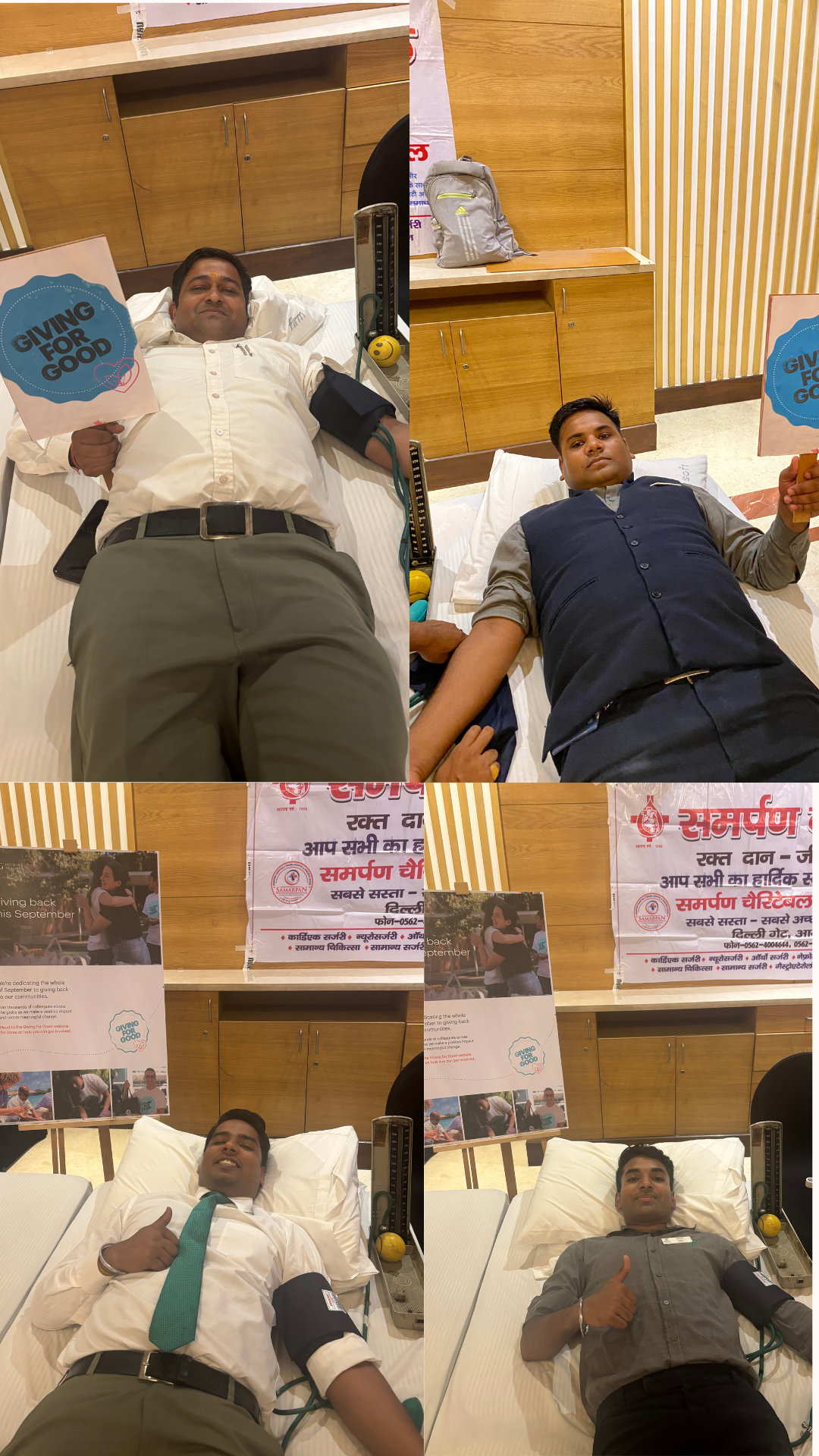
At Holiday Inn Agra, we believe that true hospitality goes beyond the walls of our hotel—it extends into the community we serve. This September, as part of IHG’s global initiative “Giving for Good Month,” our team came together to organize a series of meaningful activities aimed at spreading kindness, care, and support to those around us.

The month-long celebration was marked by enthusiastic participation from our team members across departments. Together, we engaged in impactful initiatives, including:

🌱 Tree Plantation Drive – Contributing to a greener tomorrow by planting trees and promoting sustainability.

🩸 Blood Donation Camp – Encouraging employees and locals to donate blood and save lives.

🎓 College Visit – Interacting with students to share insights on hospitality and inspire future professionals.

🐄 Gaushala Visit – Extending care to animals by providing support at a local Gaushala.

👕 Clothes Donation at Second Chance – Donating clothes to those in need, fostering dignity and warmth.

🍲 Food Service at Maa Annapurna Old Age Home – Sharing meals and meaningful conversations with the elderly, bringing smiles and comfort.

🧹 Cleanliness Drive Outside Hotel Premises – Joining hands to keep our surroundings clean and welcoming.

Each initiative reflected our commitment to sustainability, compassion, and social responsibility. The spirit of “Giving for Good” not only strengthened our bond with the community but also reinforced our belief that small acts of kindness can create a big impact.

At Holiday Inn Agra, we are proud to contribute to this global movement and will continue to find ways to serve with purpose—because hospitality means caring for people, places, and the planet.

Blue Ocean Beverages Launches KAMA Kaapi Rum- India’s First Monsoon Malabar Coffee-Infused Rum

National, September, 2025: Blue Ocean Beverages Pvt. Ltd. announces the launch of KAMA Kaapi Rum, a first-of-its-kind Indian spirit that unites two timeless indulgences – the soulful depth of coffee and the smooth richness of rum.

Crafted in small batches, KAMA Kaapi Rum is born in Chikmagalur, the birthplace of Indian coffee. At 1,040 meters above sea level, rare AAA-grade Arabica, the single-estate coffee beans are grown in red earth, monsooned by rains with cool mountain air. These beans are roasted to a medium-dark profile, cold-brewed to capture their earthy and woody notes, and infused into cane and molasses spirits. The result is a rum layered with chocolate, nutty undertones, and lingering caramel – bold yet comforting, familiar yet exciting. What makes KAMA Kaapi Rum stand apart is not just its craft but also its scale – each batch produces only 1,296 hand-numbered bottles, making every sip part of a rare story. “KAMA” means passion. “Kaapi” means coffee. Together, they symbolise a spirit that honours heritage while inviting discovery.

India has always had a love story with coffee, and rum has been a celebratory spirit across generations. With KAMA Kaapi Rum, we’ve brought these two worlds together. It’s not just a drink; it’s an experience – one that captures India’s essence in every pour.

TASTING NOTES

Nose: The spirit opens with the inviting aroma of medium-dark roasted coffee, layered with earthy depth and gentle woody accents that reflect its Chikmagalur origin.

Palette: On the palate, KAMA Kaapi Rum is smooth and indulgent, unfolding rich chocolaty tones balanced by delicate nutty undertones. Each sip is rounded and harmonious, creating a warm yet refined experience.

Finish: The finish lingers gracefully with earthy and woody notes, leaving behind a deep, satisfying impression that echoes long after the last sip.

KAMA Kaapi is available in select cities: Goa, Bengaluru, and Delhi. KAMA Kaapi Rum marks the beginning of a new chapter in India’s craft-spirits movement.

Pricing: Goa: INR1,200, Karnataka (Bengaluru): INR 2,405 Delhi: INR 1,640

Summit Hotels & Resorts Makes Luxury Debut with ‘The Summit’ in Siliguri

Eastern India’s largest hospitality chain enters the luxury segment with a flagship urban resort set to redefine city hospitality standards

Siliguri, September 2025: Summit Hotels & Resorts, Eastern India’s largest hospitality chain, announced its formal entry into the luxury hotel market with the launch of its flagship brand, The Summit, in Siliguri. Scheduled to open in May 2027, this landmark property signals a bold strategic expansion for the brand, long known for its mountain-based portfolio, into the high-end urban hospitality space.

Located in the heart of Siliguri, the critical gateway to Darjeeling, Sikkim, and Bhutan, Rhe Summit is conceived as Eastern India’s first true urban luxury resort. The 100-room property, with each room featuring a private balcony, will offer an elevated combination of city convenience and resort indulgence. Designed by Vivek Singh Rathore, Partner at Salient and a Forbes India “Bold Club” honoree, the resort will integrate contemporary global design standards with Eastern India’s cultural and natural heritage, making it both an architectural landmark and the brand’s corporate headquarters.

Setting a new benchmark for tier-2 hospitality, The Summit will position Siliguri as a premier destination for luxury weddings, large-scale corporate events, and high-end leisure travel. The property will feature the largest banquet facilities in Eastern India, capable of hosting up to 2,000 guests and managing 10 simultaneous events. A complete wedding ecosystem, with multiple indoor and outdoor venues, accommodation for large parties, and dedicated planning services  will meet the growing demand in the region’s lucrative ₹1 crore-plus wedding market, which draws families from Bihar and Bengal. In the MICE segment, state-of-the-art conference technology will cater to the increasing corporate presence in Siliguri, offering premium meeting and event solutions previously unavailable in the city.

The lifestyle offering at The Summit will further differentiate it from existing hospitality options in the region. Guests will enjoy a diverse culinary programme spanning regional Himalayan specialties, international cuisine, rooftop dining with views of the city and mountains, and poolside grills. A dedicated wellness sanctuary will provide both traditional Himalayan therapies and contemporary beauty treatments, while a comprehensive recreational complex will introduce pickleball and squash courts, a multi-sport ground, indoor gaming zones, and a fully equipped fitness centre. Adding to Siliguri’s nightlife, the resort will house the city’s first 40-foot-high nightclub and lounge, offering panoramic views, international DJs, live entertainment, and premium mixology.

True to Summit’s commitment to responsible tourism, The Summit is targeting green building certifications, will create over 300 local jobs, and will work with local artisans and suppliers to bring authentic regional elements into its design and guest experience. The resort will also integrate water conservation measures and renewable energy solutions, ensuring that sustainability is embedded alongside luxury.

“This resort is our love letter to Siliguri and the entire region,” said Sumit Mitruka, CEO & Founder, Summit Hotels & Resorts. “For 15 years, we’ve welcomed guests to our mountain properties. Now, we’re bringing that same warmth and world-class hospitality to the city that’s been our home. The Summit is our bold step into the luxury market, a destination that will set new benchmarks for Eastern India and put Siliguri firmly on the national hospitality map.”

Industry observers have already noted the transformation of Siliguri into a sought-after wedding and events hub, with leading hotel brands eyeing entry into the market. While others are still in the planning stages, The Summit is already under development, making Summit Hotels & Resorts the first mover in addressing the critical gap for large, luxury event venues in Eastern India. The hotel represents the group’s largest single investment to date and forms a cornerstone of its vision to expand to 50 properties by 2030.

Ingredient Ideology | Snacky Bites Using Bread By: Dr. Kaviraj Khialani- Celebrity Master Chef.

Bread or double roti as it is commonly known as since times immemorial in our culinary history has been one of our all-time favorite and helpful buddy in our kitchens assisting us in so many ways working on recipes, helping bind and coat dishes, from the very basic bread butter sandwich to the classic club sandwiches, bread is one ingredient without which most of us feel lost and incomplete.

I still remember when I learnt my fundamental cooking I was first taught how to make good sandwiches, how to carefully remove the crusts of the slice breads, the application of butter etc and the choice of fillings, cutting and assembling of sandwiches on platters for our birthday parties etc it was so much fun working with bread and relishing its outputs.

There are of course a variety of them from our classic laadi Pao to the white bread, the brown variety, the multi-grain, the whole wheat concepts, the flour and seed combination breads to the designer rolls and international breads too each one of them has a different taste and outlook altogether.

Here are a few simple and easy recipes using our regular leftover/ couple of days old breads in our kitchens in a slightly twisted way and in a new look!


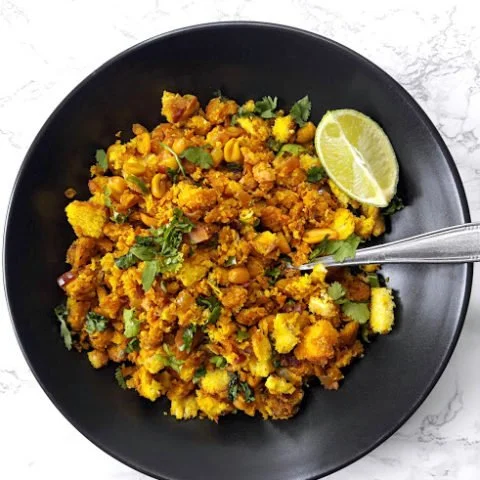
Recipe-1] Bread Ka Masaledaar Nashta 

[ quick fix bread snack]

Ingredients

Sliced bread/pao- 4-5 slices/3-4 no

Oil- 2 tbsp.

Cumin seeds- ½ tsp

Mustard seeds- ½ tsp

Curry leaves-10-12 no.

Onions-1 cup chopped

Tomatoes-1 cup chopped

Salt to taste

Aamchur powder-1/2 tsp

Water-1/2 cup

Coriander powder-1 tbsp.

Turmeric powder-1/2 tsp

Red chili powder-1/2 tsp

Coriander leaves-2 tbsp.

Lime-1 no

Roasted crushed peanuts-2 tbsp.

Method:

1. Cut the bread slices into small pieces using the crusts as well.

2. Heat oil in a pan, saute the cumin, mustard seeds, curry leaves, onions, add chilies to taste.

3. Add in the tomatoes and salt, all spices little water and cook for 3-4 mins on low flame.

4. Add in the bread, sprinkle little water over it and mix well, simmer cover and cook the bread in the masala for 3-4 mins.

5. Finally add in the aamchur powder, coriander leaves, peanuts, lime juice and mix well, add nylon sev or sev bhujiya on the top and serve as a snack/breakfast etc.


Recipe-2] OPEN FACED BREAD PIZZA BITES

Ingredients

Sliced bread/ bread loaf slices- 4-5 no

To apply on the bread:

Butter/cream cheese/ tomato ketchup/ schezuan chutney/green chutney/ pesto sauce/ peanut butter.

For the toppings on the bread pizza:

Onions, capsicums, tomatoes, boiled American corn, saute mushrooms, grilled paneer/tofu, leftover sliced tandoori chicken or seekh kababs, choose between ingredients like olives, gherkins, sun-dried tomatoes, non-veg like sausages, salami, ham etc.

The final topping before baking:

Grated cheese of your choice + mixed herbs + chili flakes + crushed black pepper corns + chat masala to taste mix well and place on the top and bake in a pre-heated oven or using a non-stick tava etc allow to cook and get a crusty base and cut into wedges and serve.

Method:

1. Assemble all the ingredients as per your choice for this quick snack.

2. Depending on availability decide the various parts of your pizza.

3. Pre-heat the oven to 180 degrees Celsius and bake the pizza and serve hot.


Recipe-3] TIL WALE BREAD KE TOAST

[Sesame toasts]

Ingredients

Sliced bread- white/brown- 4-5 no.

For the spread on the bread:
Butter/Cream cheese.

For the topping on the bread:

Veg- Option-1] paneer bhurji/grated paneer, capsicum, onion mixed with salt, pepper,

Chili flakes, herbs, and topped with white til/sesame seeds and little cheese toast and serve.

Veg- Option-2] mashed /grated potato with onion, tomato, chili, salt, pepper, chat masala, coriander leaves, mix well place on the bread slice top with cheese and til and toast.

Non-Veg- Options] boiled chopped chicken mixed with cheese sauce, herbs, chili flakes, boiled chopped eggs mixed with onion, tomato, chat masala, tomato ketchup, chili and coriander leaves, mix and place.

Method:

1. Prepare the ingredients for this interesting snack called til wale toast.

2. After choosing veg/non-veg toppings get the ingredients ready, apply a spread of butter/cream cheese on the slice of bread, place the topping of your choice.

3. Finally sprinkle the mixture of sesame seeds can use mix of black and white as well and cheese and mix well and get the toasts getting into the oven for toasting, serve hot.


Recipe-4] BREAD TOSS CHICKEN VEGGIE SALAD

Ingredients:

Leftover bread/slice bread/bread rolls- 4-5 slices.

For the base of the salad:

Assorted lettuce leaves- 1 cup or shredded cabbage.

For the body of the salad:

Boiled chicken cubes or grilled paneer cubes/tofu etc.

Cucumber- ½ cup cubes

Tomatoes- ½ cup cubes

Onions-1/4 cup cubes

Boiled beetroot/ sweet potatoes-1/2 cup

For the dressing:

Olive oil- 2 tbsp.

Lime juice-2 tbsp.

White vinegar-2 tsp

Sugar-1/2 tsp

Salt and crushed black pepper- to taste

Chat masala-1/2 tsp

Mixed herbs/chili flakes- ½ tsp

Tomato ketchup-2 tsp

For the garnish of the salad:

Cherry tomatoes/ olives/ gherkins/ micro greens/ sunflower seeds/flax seeds/ chia seeds- as desired.

Method:

1. Assemble all the ingredients for the salad.

2. Cut the bread into pieces and toast it slightly before add it in the salad.

3. In a mixing bowl combine together the ingredients for the dressing and mix well.

4. Just before serving add the body of the salad into the dressing add the bread lastly and toss gently.

5. Arrange the base on the serving plate or salad plates, place the tossed salad on top, garnish as desired and serve chilled.

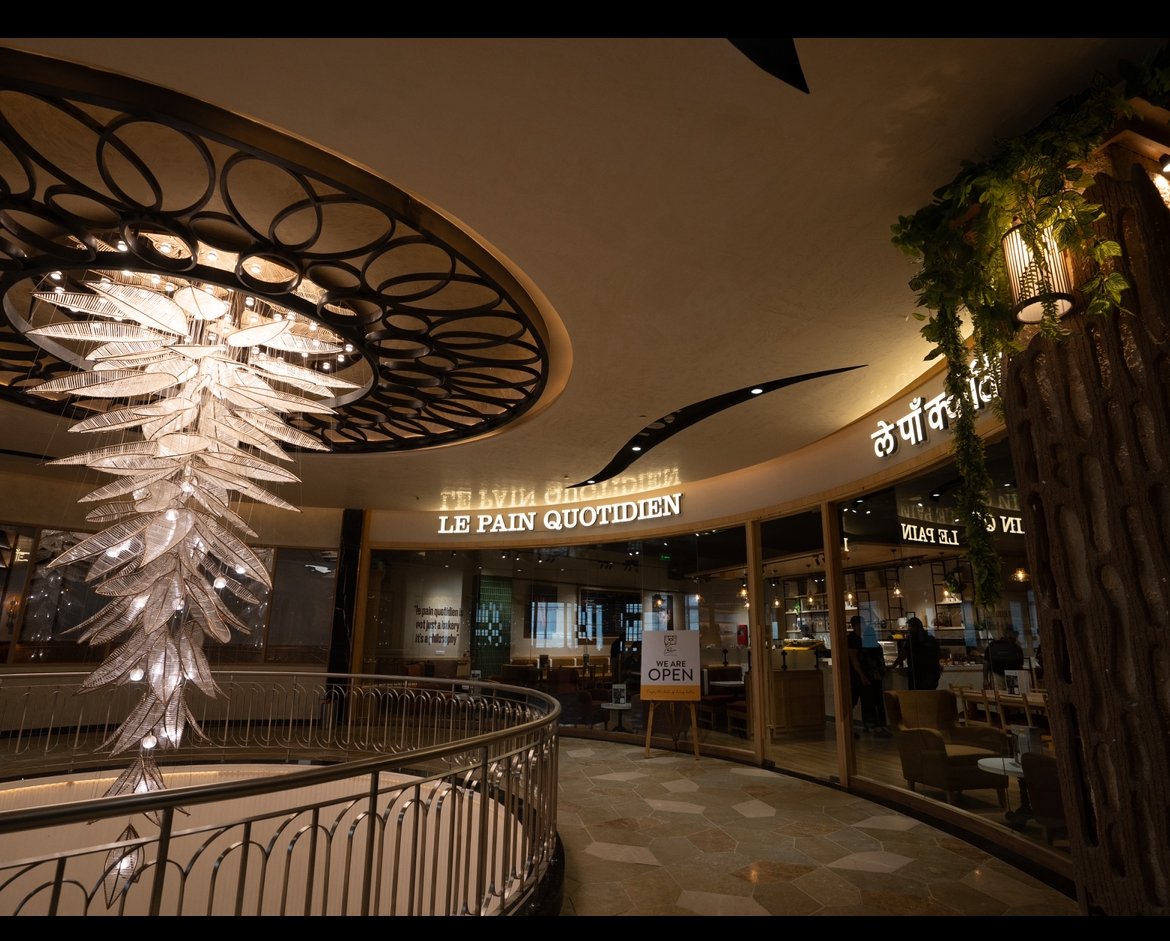
Le Pain Quotidien Opens its First Doors in India with Mumbai Launch

Mumbai, September 2025 - Le Pain Quotidien (LPQ), the globally renowned Belgian all-day dining bakery and restaurant brand, has officially launched in India with the opening of its first flagship outlet in Mumbai. At its heart, food is more than a meal, it is a moment of connection. With this debut, LPQ brings to India its legacy of artisanal breads, wholesome cuisine, and the iconic communal table, offering a dining experience that celebrates craft, simplicity, and conviviality.

The Mumbai flagship, introduced by master franchise partner Bake & Brew Private Limited, blends rustic Belgian charm with contemporary elegance. Guests can enjoy freshly baked organic sourdough, tartines, salads, hearty all-day dining, and locally inspired dishes alongside indigenous cocktails. Positioned in the city’s social and retail hub, the restaurant is designed as a vibrant gathering space for conversations, celebrations, and community connections.

Speaking on the launch, Brijesh Agrawal, Director, Bake & Brew Private Limited, said: “We are delighted to introduce Le Pain Quotidien to India with Mumbai as the first chapter of this exciting journey. Our vision is to create a space where people come together over honest food and meaningful conversations. This launch is just the beginning, and we are confident LPQ will resonate strongly with Indian guests who are seeking a dining experience that is both global in quality and local in spirit.”

With its India debut, Le Pain Quotidien becomes more than a dining destination - it becomes a reminder to pause, to connect, and to rediscover the taste of living better.

World Tourism Day 2025: Tourism and Sustainable Transformation-Mayfair Spring Valley Resort, Guwahati

"Travel today is no longer just about where people go. It is about how they engage with the places they visit and the impact they leave behind. At Mayfair Spring Valley Resort, we see this as an opportunity to redefine hospitality in a way that reflects the theme of this year’s World Tourism Day: Tourism and Sustainable Transformation.

Sustainability is not something we treat as an added feature. It is built into the way we operate every day. We focus on energy-efficient infrastructure, renewable energy use, water conservation, and sourcing produce locally. These choices help reduce our environmental impact while offering guests a more genuine connection to the region. When guests enjoy food grown nearby or spend time in nature guided by local knowledge, the experience becomes much more personal and meaningful.

We find that travellers today are increasingly looking for more intentional and rooted experiences. Whether it is a wellness retreat, a cultural exchange, or a simple nature walk, they want each part of their stay to carry purpose and depth.

Sustainable travel is not just the right thing to do. It is essential to create the kind of meaningful, lasting experiences that people remember long after their journey ends", says Pardeep Kumar Siwach, DGM- Accommodation at Mayfair Spring Valley Resort, Guwahati.


This Tourism Day, Discover Abhay Prabhavana: A Must-Visit Destination to Explore India’s Heritage and Indic Values

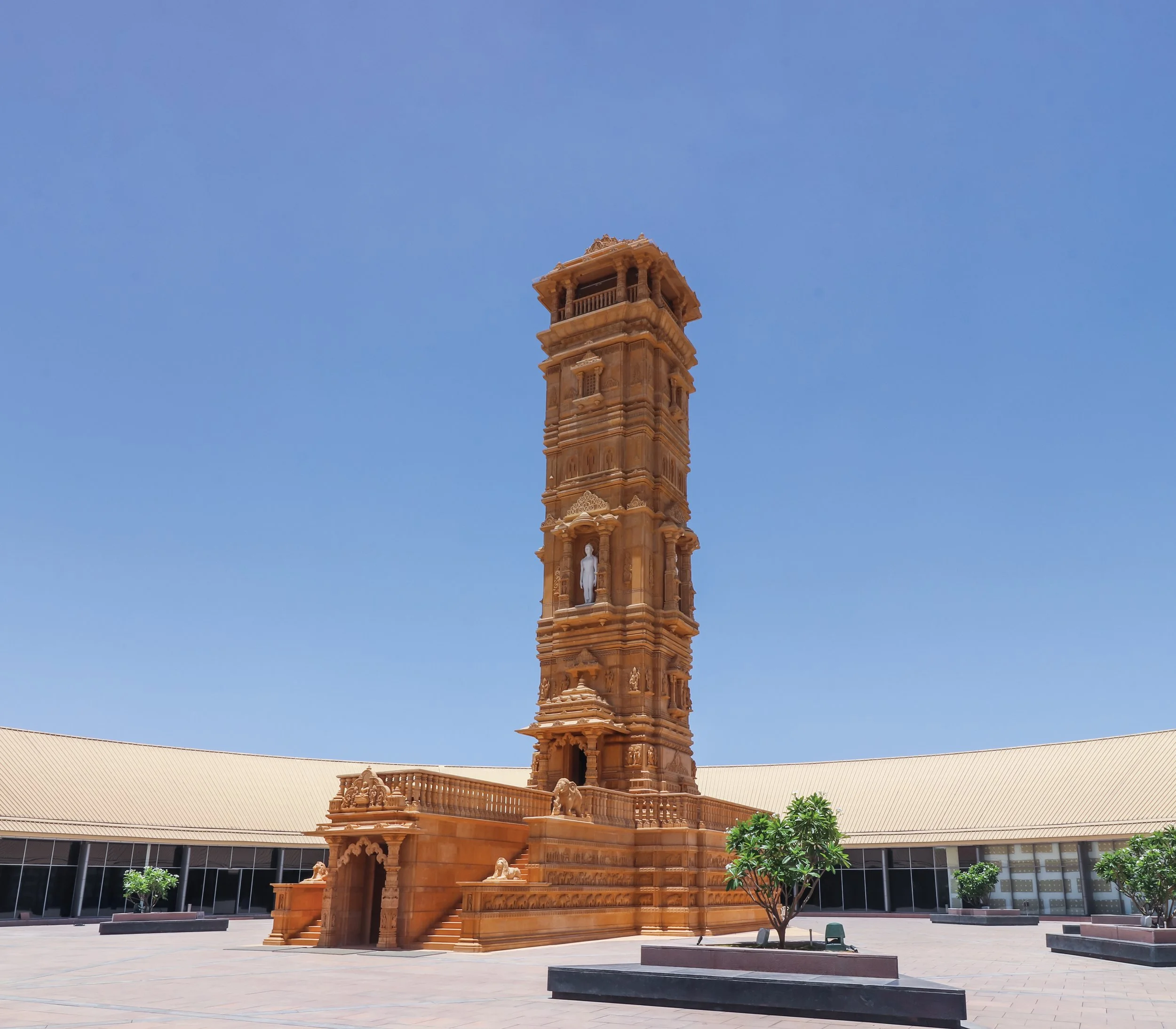
On the occasion of World Tourism Day, the Abhay Prabhavana Museum & Knowledge Centre is being celebrated as one of India’s most unique cultural destinations. Conceptualised as a “Museum of Ideas,” it offers visitors an immersive journey into India’s heritage, spiritual traditions, and enduring values that continue to shape civilization. For anyone travelling to India, or even exploring within the country: a visit here is an experience that should not be missed. The museum stands as a magnificent example of India’s living wisdom, where stories of the past unfold with a relevance that feels remarkably contemporary.

Spread across 65.5 hectares on the serene banks of the Indrayani River, Abhay Prabhavana is recognised among the largest private museums in the world. It brings together over 30 galleries, 350 commissioned artworks, monumental sculptures, and immersive storytelling that allow visitors to experience the roots of Indian thought in a modern & engaging format. From recreations of ancient heritage sites like Dholavira and Jal Mandir to technologically rich galleries on Indic philosophy, every element here connects travellers to India’s layered history.


Highlights include the 13.2-metre Art Deco-style statue of Rishabhdev, revered as the first teacher of civilisation, the 30.5-metre Manastambh symbolising elevation through humility, and the Plaza of Equanimity, a reimagined four-faced temple space where values take precedence over form. The museum also features the Sattva Food Court, offering delicious, high-quality vegetarian cuisine, making the visit a complete cultural retreat for families, students, and spiritual seekers alike.


Reflecting on the occasion, Dr. Abhay Firodia, Founder of Abhay Prabhavana, shared, “Tourism, at its best, is about discovery, learning, and reflection. Abhay Prabhavana was created to be a destination where visitors can connect with India’s timeless values, understand the wisdom of our traditions, and take away insights that enrich their own lives. On Tourism Day, I would like to invite travellers, students, and seekers of all ages to experience heritage as living knowledge i.e., something to be felt, remembered, and carried forward.”


At Abhay Prabhavana, every element speaks to both the eye and the mind. Expansive galleries unfold through storytelling and design, while sculptures and spaces carry a sense of balance and reflection. Technology enhances without overwhelming, allowing visitors to move easily between history & imagination. For travellers, it becomes less of a stop on an itinerary and more of a lived journey: one that deepens their understanding of India’s cultural and spiritual spirit.


Sterling Launches Sterling Kadumane Hills Sakleshpur –  An Exclusive Retreat for Relaxation and Reconnection

Sterling’s First Boutique Resort in Sakleshpur, 4th in Karnataka. Resort designed for Digital Detox, Immersive Wellness, and Rejuvenation

A Sanctuary for Urbanites Seeking Stillness, Nature, and Renewal

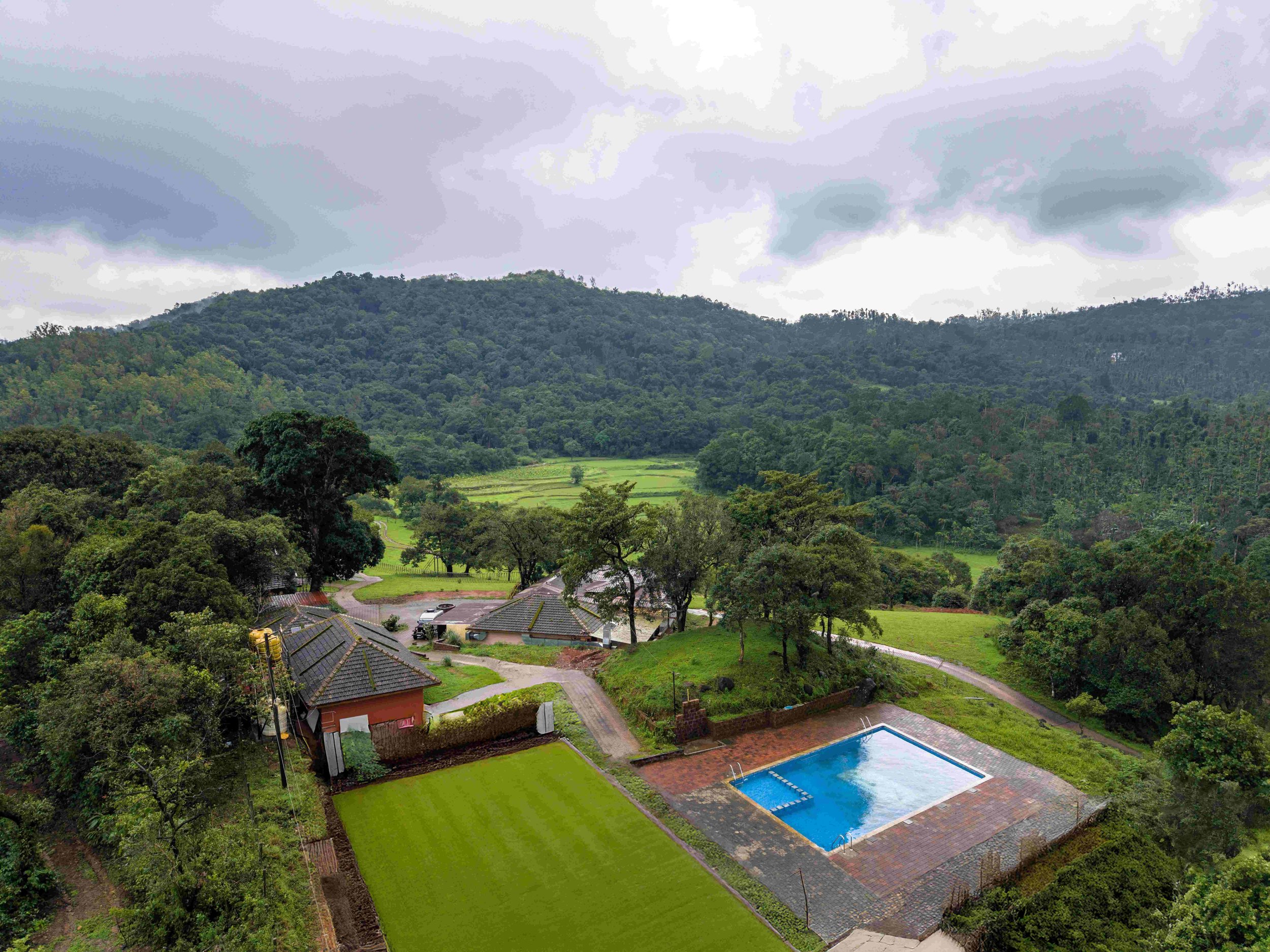
Chennai, Sept 2025: Sterling Holiday Resorts today announced the launch of Sterling Kadumane Hills Sakleshpur, an exclusive boutique resort created as a sanctuary for the urban dweller to pause, breathe, and reconnect with self and nature. Perched high on a lush hill in the Western Ghats, with breathtaking views across one of India’s most verdant landscapes, the arrival at the resort is an experience in itself, with the last leg accessed via the resort’s signature 4x4 jeep ride.

Spread across 14 acres of pristine hill terrain, Sterling Kadumane Hills blends seamlessly into its environment, with handcrafted wooden cottages offering panoramic valley and forest views. Guests are encouraged to immerse themselves in soulful outdoor experiences—sunrise treks, plantation walks, bonfire conversations, or simply pausing to watch clouds drift across the hills.

Dining at Rasavati celebrates wellness, with wholesome vegetarian and select specials of Malnad cuisine, inspired by age-old traditions. The resort’s wellness centre offers authentic Ayurvedic

therapies, creating a holistic haven where relaxation and healing go hand in hand. Adventure seekers can explore jeep rides to hidden waterfalls, spot exotic birdlife, or take in the grandeur of the famed Bisle Ghat viewpoint—known as “India’s Amazon.”

Sterling Kadumane Hills Sakleshpur is a milestone in our journey to create immersive, boutique resorts that redefine leisure travel. At Sterling, our vision is to go beyond conventional holidays and offer sanctuaries where guests can engage deeply with nature and with themselves. Set across 14 acres of lush hills, this property is designed as an expansive canvas for discovery—where wellness, slow travel, and mindful living come together. Sterling Kadumane Hills is not just a retreat, but a benchmark for the future of experiential hospitality in India,” said Mr. Vikram Lalvani, MD & CEO, Sterling Holiday Resorts.

Mr. Raghavendra, Owner, Kadumane Hills Resorts, added, “We are delighted to partner with Sterling, who bring not only deep expertise in hospitality but also a shared vision for ‘slow travel’ in this region. Together, we aim to create unique experiences that celebrate the culture, cuisine, and natural beauty of Sakleshpur. ”With its handcrafted cottages and serene hilltop atmosphere, Sterling Kadumane Hills offers an intimate, boutique environment—ideal for couples, families, wellness seekers, and offbeat travellers looking not just to rest but to return home renewed. The property is located 17 km from Sakleshpur town and ~224 km (5.5–6 hrs) from Bangalore via NH75. The nearest airport is Mangalore International Airport (~3.5 hrs).

About Sterling Holiday Resorts Ltd.

Sterling Holiday Resorts Limited is a leading hospitality company in India with a portfolio across 56 unique destinations, comprising over 66 resorts, hotels and retreats with over 3,400 operational keys. The company caters to leisure stays, Meetings and Conferences (MICE), destination weddings, reunions, picnics, and group travel. Its network of properties spans hills, beaches, jungles, waterfronts, adventure, heritage, pilgrimage, and drive-to locations.

Sterling has resorts at some of India’s best-loved holiday destinations, including Alleppey, Amritsar, Anaikatti, Athirappilly, Badami, Bokaro, Corbett, Chail, Coorg, Darjeeling, Dehradun, Gangtok, Gir, Goa, Godavari, Guruvayur, Haridwar, Jaisalmer, Kalimpong, Kanha, Karwar, Kodaikanal, Kufri, Lansdowne Forest Division, Lonavala, Madurai, Manali, Mount Abu, Munnar, Mussoorie, Nainital, Ooty, Panchgani, Pench, Puri, Pushkar, Ranthambore, Rishikesh, Rudraprayag, Sakleshpur, Sariska, Shimla, Srinagar, Thekkady, Tiruvannamalai, Tipeshwar, Udaipur, Vellore, Vythiri, Wayanad, Yelagiri, and Yercaud.

Sterling Holiday Resorts Limited is a part of Fairfax Financial Holdings Limited and a 100% independently managed, wholly owned subsidiary of Thomas Cook (India) Limited (TCIL), India’s leading integrated travel and travel-related financial services company.

For bookings and more information, visit www.sterlingholidays.com

GST Without ITC Undermines Affordability and Accessibility in India’s Tourism Sector, Says FHRAI

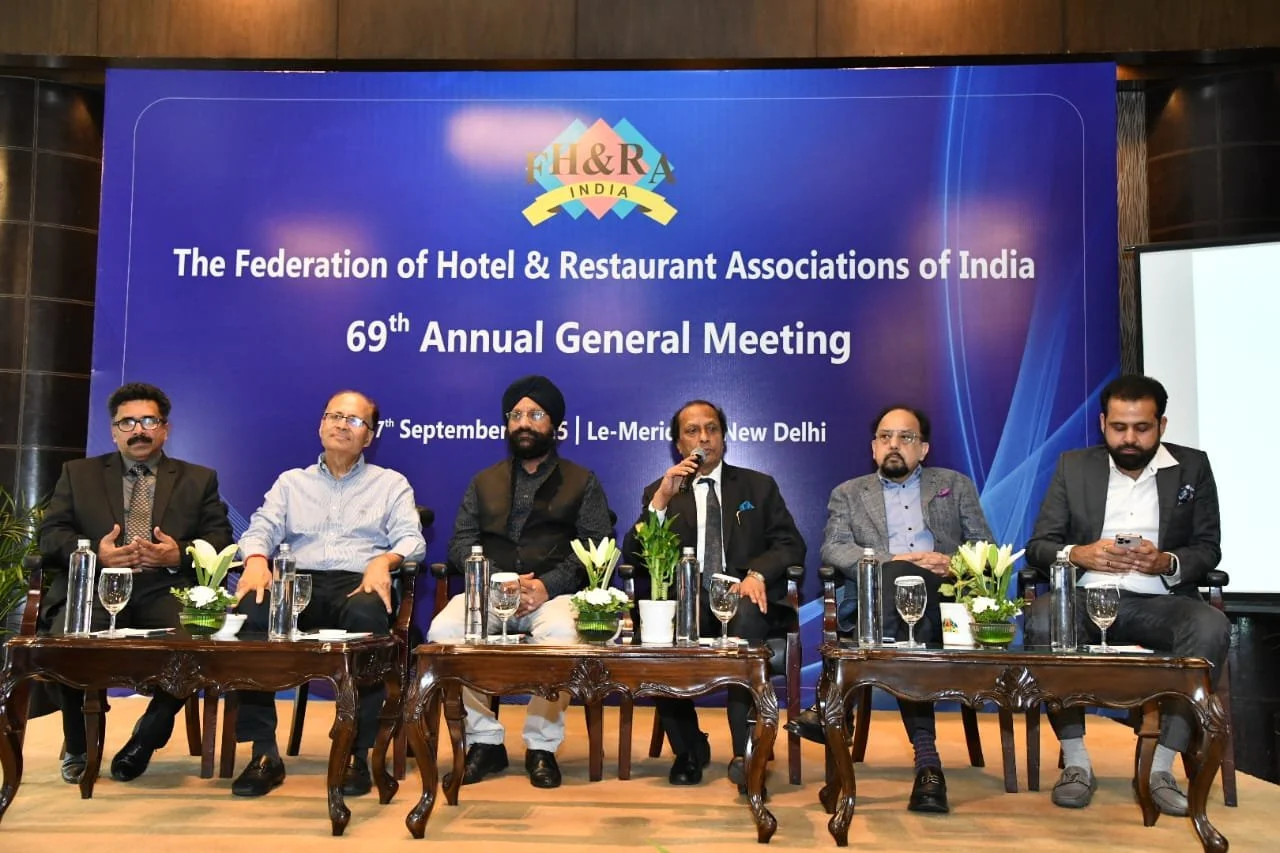
New Delhi, September 2025: On the occasion of its 69th Annual General Meeting, the Federation of Hotel & Restaurant Associations of India (FHRAI), representing over 1 lakh hotels and 5 lakh restaurants nationwide, convened a specially organised press meet at Le Meridien, New Delhi, to draw urgent attention to the policy challenges confronting India’s hospitality sector. The briefing was led by Mr. Surendra Kumar Jaiswal, the newly elected President of FHRAI, who outlined his vision for strengthening the industry and called for immediate government action to safeguard the future of hospitality, a sector that directly and indirectly supports over 60 million livelihoods.

In his address, Mr. Jaiswal highlighted that 90% of India’s hotels operate below a room tariff of ₹7,500, and are now subject to a Goods and Service Tax (GST) at 5% without Input Tax Credit (ITC). Although the recent revision in the GST rates is a continued effort to rationalize tax rates in order to benefit consumers, improve compliance, and support growth, it, he noted, has turned into an added cost for guests and created structural cost burdens on hotels, particularly in Tier II and Tier III cities. He stressed that the withdrawal of ITC has escalated unrecoverable costs on rentals, utilities, outsourced manpower, and capital expenditure, deterring investments and threatening the growth of domestic tourism. FHRAI called for reinstating ITC at the earliest and issuing a clarificatory circular to remove compliance ambiguities.

Beyond GST, Mr. Jaiswal also addressed persistent issues of copyright harassment, where multiple societies raise overlapping royalty demands, creating unjustified legal and financial pressures on hotels and restaurants. He urged the government to define the roles of copyright societies clearly, prevent multiple collections for the same content, and shield establishments from wrongful litigation.

A major part of FHRAI’s vision, as outlined by Mr. Jaiswal, is to secure both Infrastructure Status and full Industry Status for hospitality, which would unlock low-cost credit, encourage balanced regional development, and boost investments in smaller towns and cities. He also reiterated the need for ease of doing business reforms, including streamlined licensing norms and the implementation of a Single Window Clearance System.

Mr. Jaiswal reiterated that the hospitality industry, at its core, is not just about hotels, restaurants, and tourism; it's about the people. It is the collective effort of all the stakeholders and contributors that makes the industry unique. He acknowledged the contributions of farmers by calling them the backbone of industry and announced that during his tenure as President of FHRAI, his best efforts would be to bring the industry closer to the farmers so as to support their socio-economic growth.

Speaking at the press briefing, Mr. Surendra Kumar Jaiswal, President of FHRAI, said, “Our industry is one of the largest generators of employment and a key driver of India’s service economy. Yet, the GST framework without ITC has created inequities that threaten our competitiveness. We are not seeking concessions but fairness, clarity, and parity. By restoring ITC, addressing copyright ambiguities, and granting Infrastructure and Industry Status, the government can empower hospitality to support the vision of Viksit Bharat 2047 and secure India’s rightful place as a global tourism hub.”

The press meet concluded with FHRAI’s strong appeal to the government for urgent corrective measures, stressing that without decisive action, the sector risks losing competitiveness, investment, and its ability to contribute to India’s growth story.


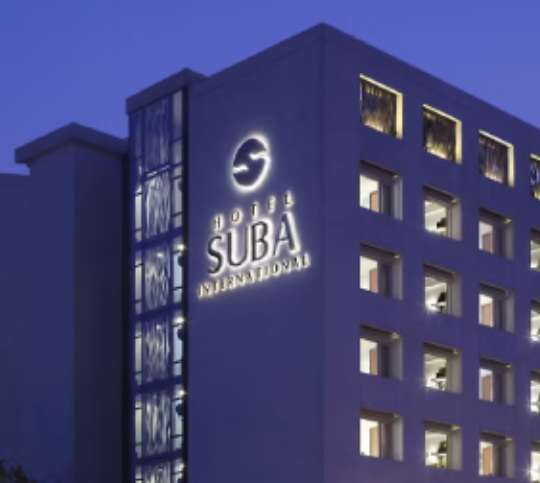
Suba Hotels IPO Receives Historic Anchor Participation; Ashish Kacholia, Mukul Agrawal, Sunil Singhania’s Fund and Capri Global Among Key Backers

Suba Hotels IPO Receives Historic Anchor Participation; Ashish Kacholia, Mukul Agrawal, Sunil Singhania’s Fund and Capri Global Among Key Backers

Mumbai, September 26, 2025 – Suba Hotels Limited, one of India’s fastest-growing mid-market hospitality chains, has created history with its Anchor Investor Book fully subscribed at the upper price band of ₹111 per share, ahead of its Initial Public Offering (IPO) opening on September 29, 2025.

The Company successfully raised ₹21.29 crore through the anchor allocation of 19,17,600 equity shares, marking a milestone with the participation of three of India’s most celebrated investors — Bengal Finance & Investment Pvt. Ltd. (Ashish Kacholia), Mukul Agrawal, and Sunil Singhania (via Bharat Venture Opportunities Fund), alongside Capri Global and other reputed institutions.
This collective participation of marquee investors in a single anchor round is a rare occurrence in the SME IPO space, underscoring strong conviction in Suba Hotels’ growth potential, asset-light business model, and nationwide expansion strategy.

Anchor Investors Allocation (Price ₹111/- per equity share)
Total Anchor Book: 19,17,600 equity shares allotted, raising ₹21.29 crore.

Ultra Premium Extra Virgin Olive Oil Enters Indian Market With the Launch of Coração do Vale

  • Leads Brand Connect brings Portugal’s Ultra Premium Extra Virgin Olive Oil to India - Brands it as Coração do Vale

  • Coração do Vale was launched by Shri Chirag Paswan, Ministry of Food Processing Industries, at World Food India 2025.

  • Coração do Vale will redefine gourmet indulgence for India’s discerning consumers and chefs.

New Delhi, September 2025: Leads Brand Connect, a leading advertising and brand marketing company engaged in promoting and marketing of various Indian and International brands, today announced the launch of Coração do Vale, Portugal’s premium extra virgin olive oil, in India at World Food India 2025. Coração do Vale is exclusively sourced from the famed olive groves of Baixo Alentejo—the cradle of Portuguese olive-growing traditions.

Coração do Vale was inaugurated by Shri Chirag Paswan, Ministry of Food Processing Industries, at World Food India 2025. Also present at the event were Eng. João Moura, Secretary of State for Agriculture, Government of Portugal, H.E. João Ribeiro de Almeida, Ambassador of Portugal to India, Eng. Altino Álvares, Executive President, PIBhub – Portugal India Business Hub (Chamber of Commerce), and Dr. Diolinda Silva, Executive Director, Portugal Foods – Portugal’s National Agro-Food Cluster.

The premium olive oil will redefine gourmet indulgence for India’s discerning consumers, chefs, and celebrities. Coração do Vale introduction to India is also a symbol of cultural offering as oil remains the soul of every Indian meal, used in celebration and in remembrance. Leads Brand Connect is bringing Coração do Vale to India through an MOU it has signed with Lagar do Vale, a prominent olive oil producer based in Baixo Alentejo, Portugal. The MOU will also deepen trade ties between India and Portugal that dates back to the 15th century.

Speaking on the launch, Richa Khandelwal, Managing Director, Leads Brand Connect, said, “We are overwhelmed to bring Coração do Vale, one of the finest ultra-premium Portuguese Olive oils to India. It is more than just olive oil. It embodies luxury, culture, and well-being and is exclusively crafted for food connoisseurs, celebrities and those who appreciate the finer things in life. This olive oil is a reflection of sophistication and authenticity of Portuguese olive oil. We are introducing Coração do Vale at a time when India gets into the festive mode.”

Delighted at entering the Indian market, João Carvalhal, MD, Lagar do Vale, said: “Being one of the largest producers of Olive oil in Portugal we always wanted to explore new

markets. Hence, we are in India. It is a dynamic market with a big young population and offers us a great opportunity. Most of the olive oil brands in India are from Italy or Spain but Portuguese Olive oil from the area of Baixo Alentejo is considered to be one of the best in the world. Our partnership with Leads Brand Connect is a win-win proposition for both of us. We are bringing a premium product to India and Leads Brand Connect always wanted to have such a product in their portfolio.”

Coração do Vale will be offered in 500 ml bottle size and distributed through its D2C website, coracaodovale.com. Released in limited batches, the olive oil will feature premium classic black and gold packaging that blends elegance with practicality, housed in a sleek tinted bottle crafted to protect it from light and preserve its freshness. It will be available only through pre-bookings.

Coração do Vale is crafted from a unique blend of indigenous olive varieties such as Arbequina, Arbosana, Cobrançosa, Picual, Cordovil, Verdeal, and Galega. These native Portuguese varieties of olives stand out due to their distinctive fruity and balanced profile. The fine combination of distinctive fruity and balanced profile makes Coração do Vale a true gourmet experience that appeals to refined palates.

About Leads Brand Connect

Leads Brand Connect is a leading advertising and brand marketing company, dedicated to creating impactful campaigns and innovative strategies that connect brands with their audiences.

With expertise in promoting and marketing a diverse portfolio of Indian and international brands, LBC combines creativity, market insights, and digital innovation to deliver measurable results.

From integrated brand communications and media planning to experiential marketing and digital solutions, LBC helps build lasting consumer relationships and achieve value-driven growth

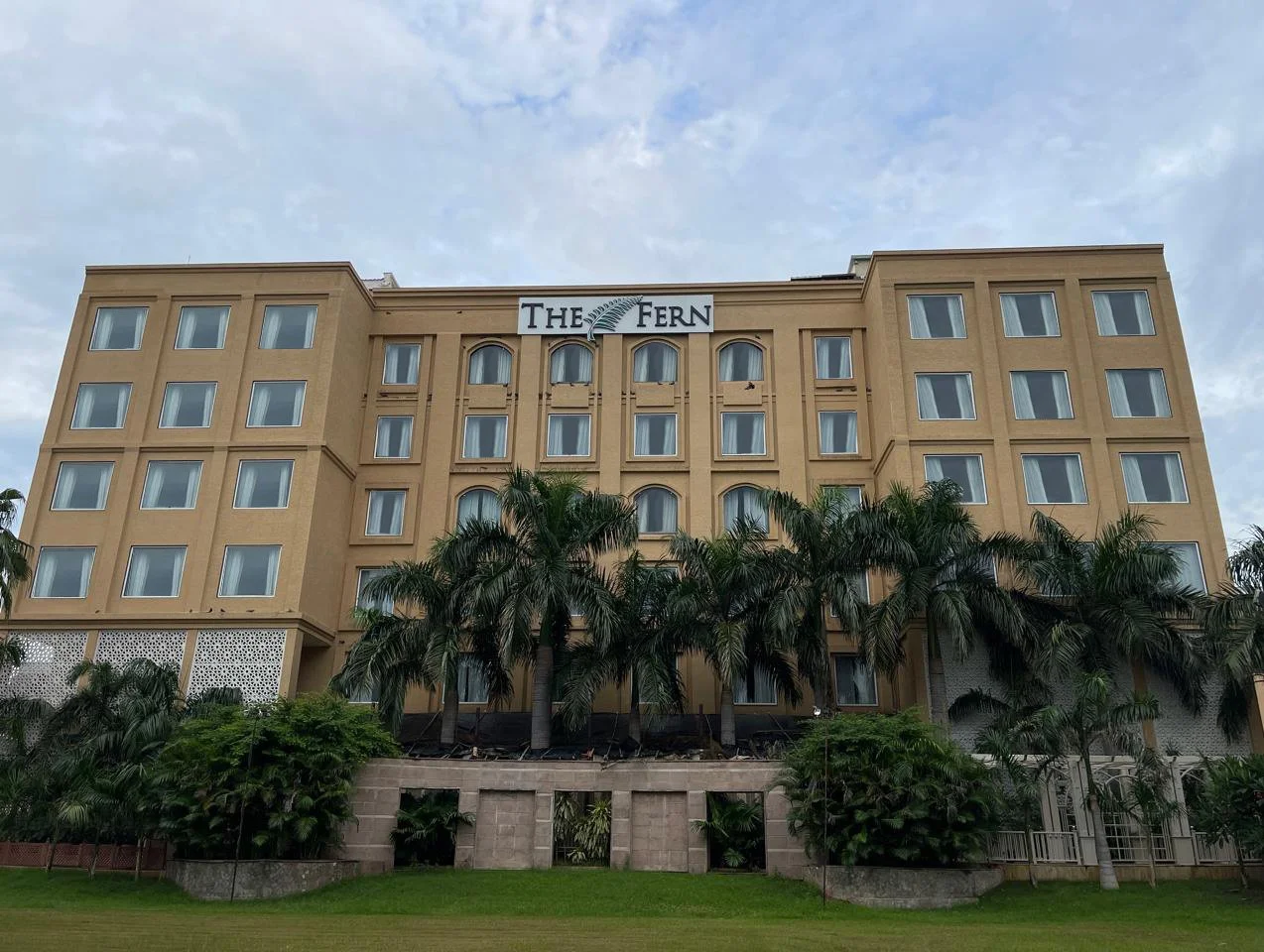
The Fern Hotels & Resorts Strengthens Its Presence in Rajasthan with New Launch: The Fern- An Ecotel Hotel, Kota

Mumbai, September 2025: The Fern Hotels & Resorts, India’s leading environmentally sensitive hotel chain, is pleased to announce the opening of its newest property in Rajasthan - The Fern - An Ecotel Hotel, Kota. Ideally situated near the city's prominent business and cultural landmarks, this 104-room upscale hotel reflects The Fern’s signature commitment to sustainable luxury and thoughtful service. This launch further strengthens the brand’s growing presence in Rajasthan, a key market in its nationwide expansion strategy. The company now has a total of 16 properties in Rajasthan, operational and opening shortly, and 136 hotels overall.

Mr. Suhail Kannampilly, Managing Director, The Fern Hotels & Resorts, stated, "Kota is fast transforming into a dynamic hub, balancing a rich heritage with modern economic development. With The Fern - An Ecotel Hotel, Kota, we aim to offer a hospitality experience that is equally suited to discerning business travellers, corporate gatherings, leisure guests and destination events. Every detail, ranging from eco-sensitive practices to curated guest experiences, has been designed to provide luxury with responsibility. This hotel marks a significant step forward in our vision of redefining sustainable hospitality across India's tier-II cities."

The hotel features 104 elegantly designed rooms and suites, where each accommodation is thoughtfully designed for both comfort and functionality, offering modern amenities, eco-friendly features and attentive, intuitive service. Guests can indulge in exceptional dining experiences at The Pepper House, the hotel’s contemporary rooftop all-day dining restaurant, offering a vibrant spread of regional and international cuisines in both indoor and alfresco settings. House Of Rocks, a chic rooftop bar and lounge, sets the tone for relaxed evenings with handcrafted cocktails, delectable small plates and panoramic city views. In addition, a 24-hour in-room dining service ensures convenience around the clock.

Designed as a premier venue for corporate events, weddings and social celebrations, The Fern - An Ecotel Hotel, Kota boasts an expansive 6,000 sq. ft. Sapphire Hall and the magnificent 78,000 sq. ft. Imperial Garden, providing versatile indoor and outdoor event spaces for every occasion ranging from high-powered conferences to grand receptions. Guests seeking relaxation and recreation can enjoy a well-appointed swimming pool, a state-of-the-art fitness centre and comprehensive wellness facilities.

Strategically located just 250 km from Jaipur Airport, 11 km from Kota Railway Station and 7 km from Kota Bus Stand, the hotel offers seamless access to the city’s educational institutions, business centres and popular tourist attractions. Whether it is for a business conference, a leisure escape or a grand celebration, The Fern-An Ecotel Hotel, Kota promises a stay experience that is immersive, refined and environmentally responsible.

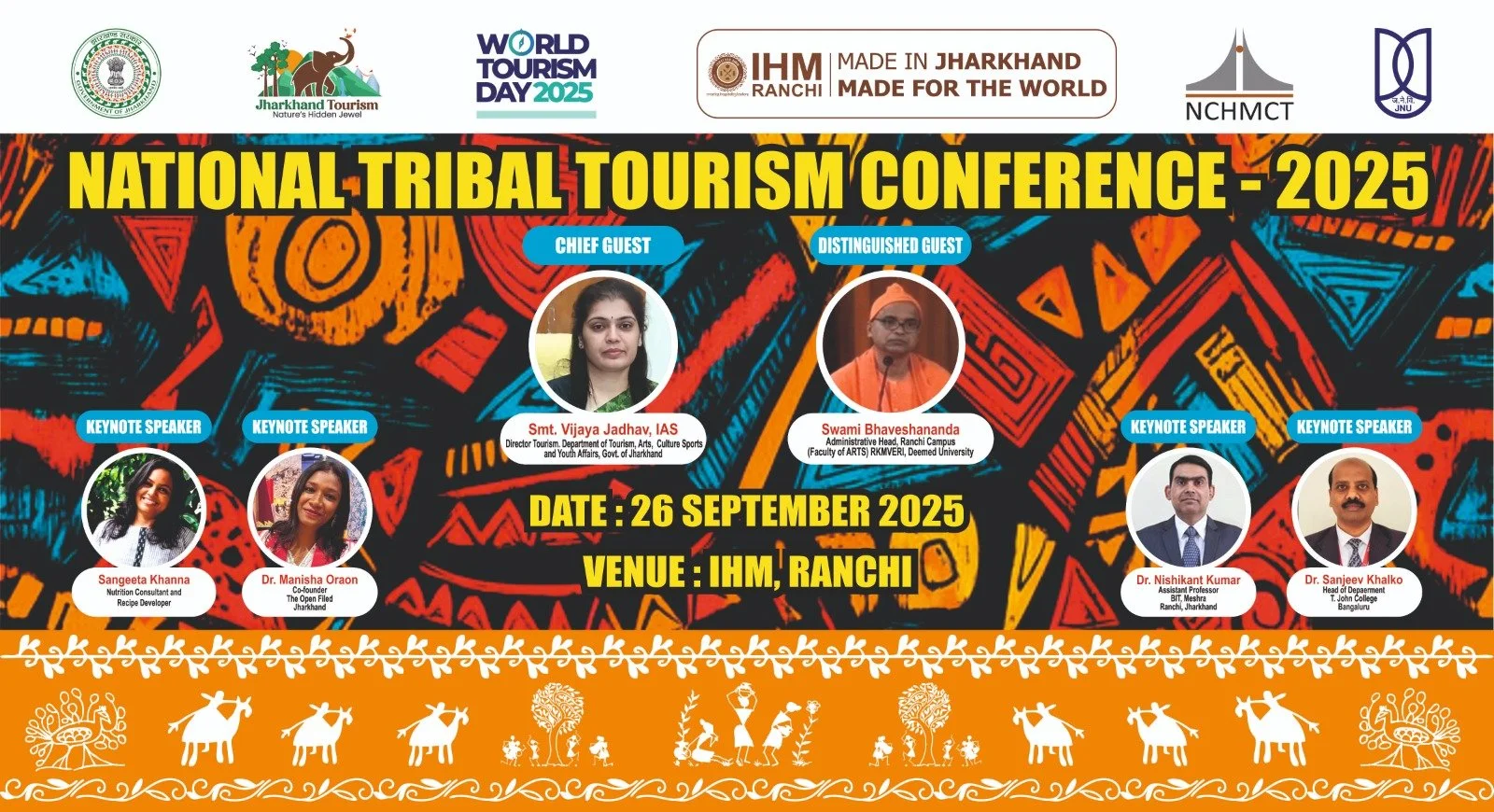
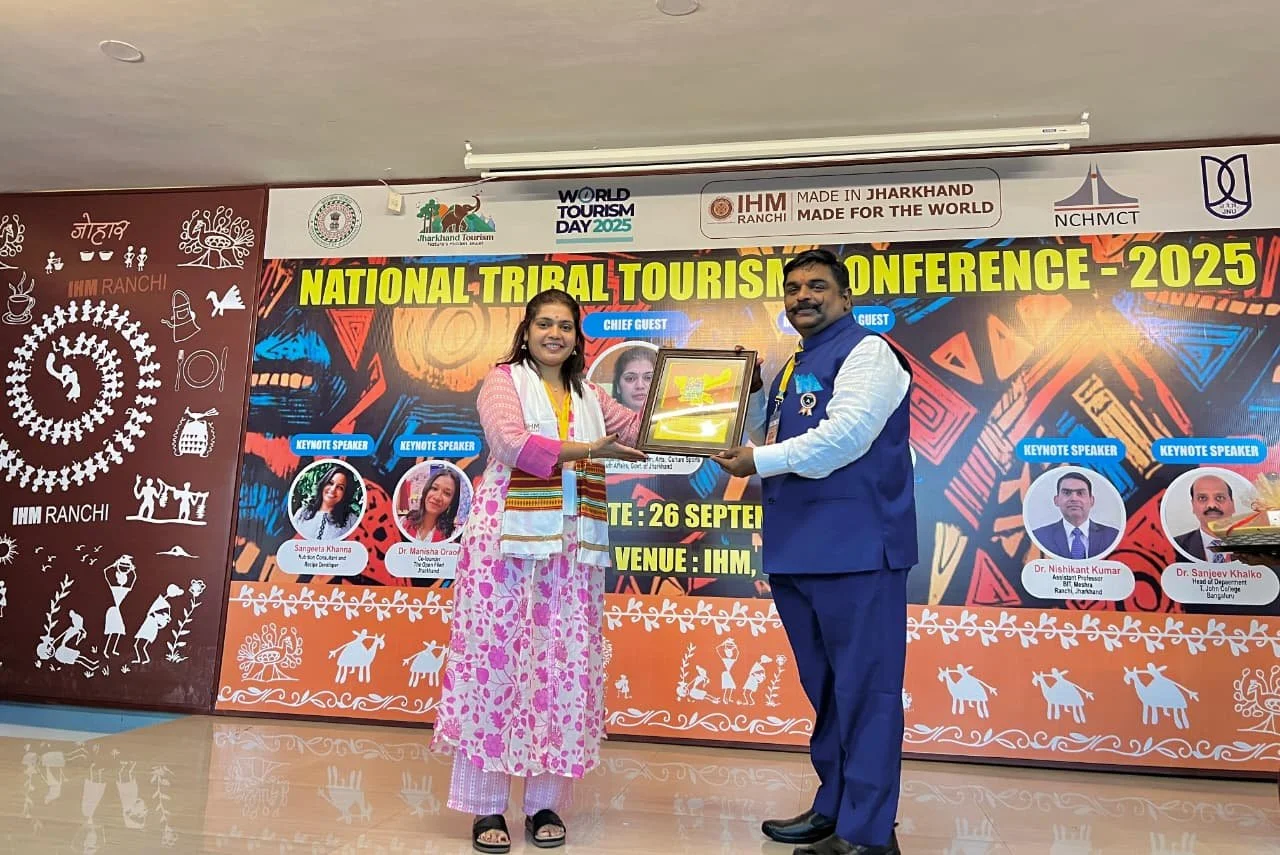
IHM Ranchi successfully organised First “National Tribal Tourism Conference 2025”

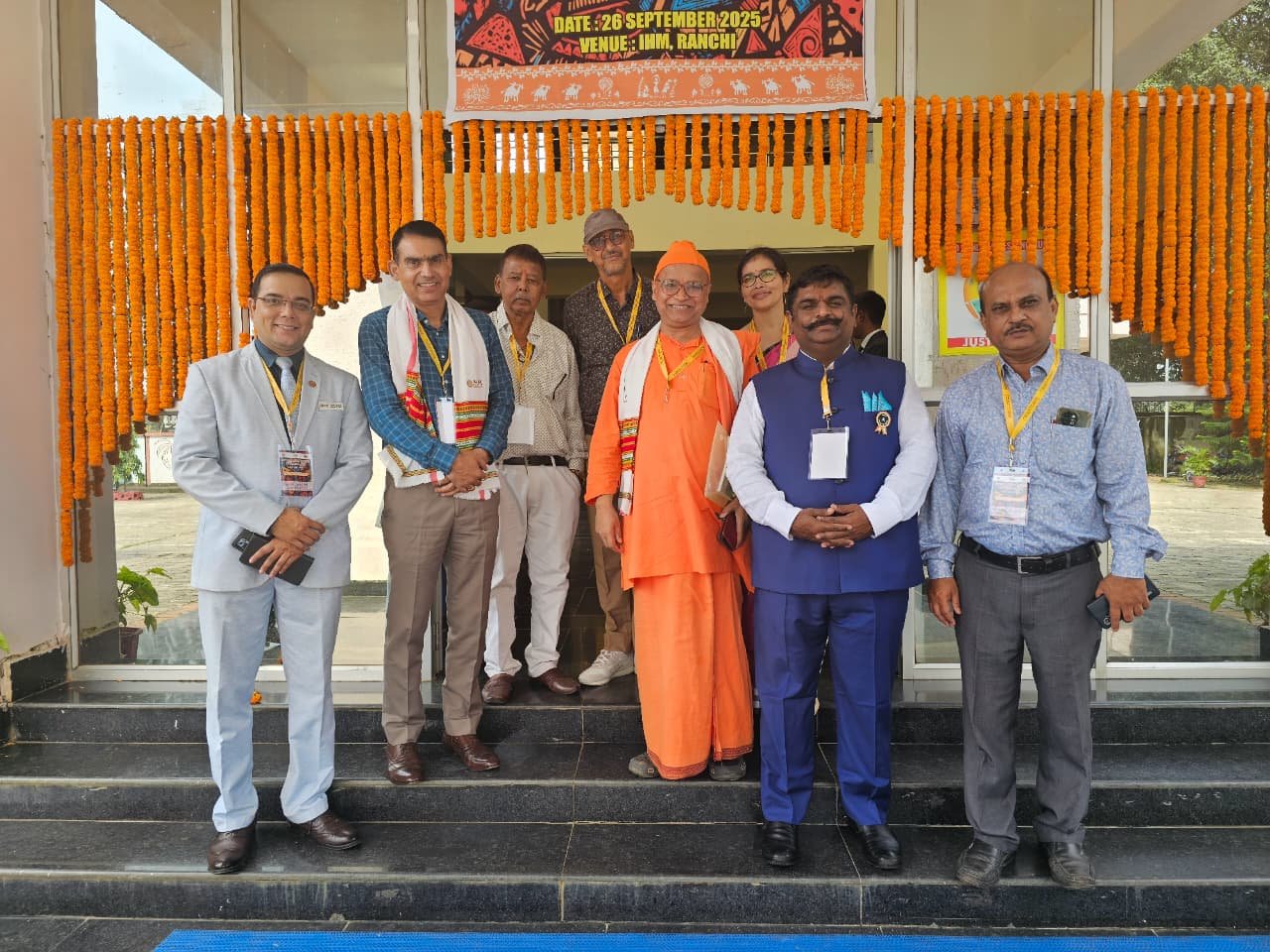
Institute of Hotel Management (IHM), Ranchi, hosted the inaugural National Tribal Tourism Conference 2025 on September 26, 2025, on the theme “Globalising Tribal Heritage: Inclusive, Responsible and Sustainable Tourism.” The conference aimed to showcase indigenous tribal culture and cuisine, provide a platform for international and domestic stakeholders to exchange ideas and best practices for tribal development through responsible tourism, discuss sustainable tourism policies that empower tribal communities while preserving their cultural integrity, and position Jharkhand as a prominent destination on the global tourism map.

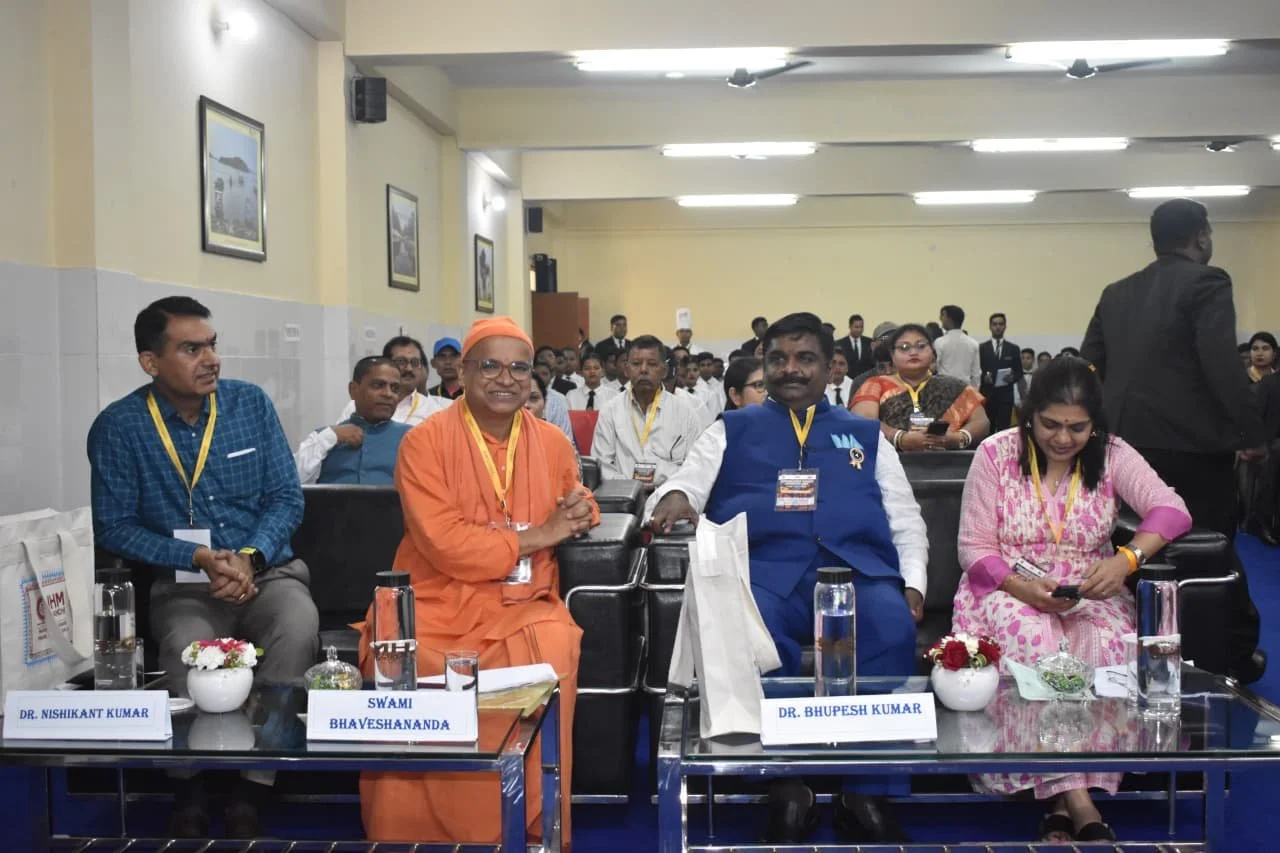
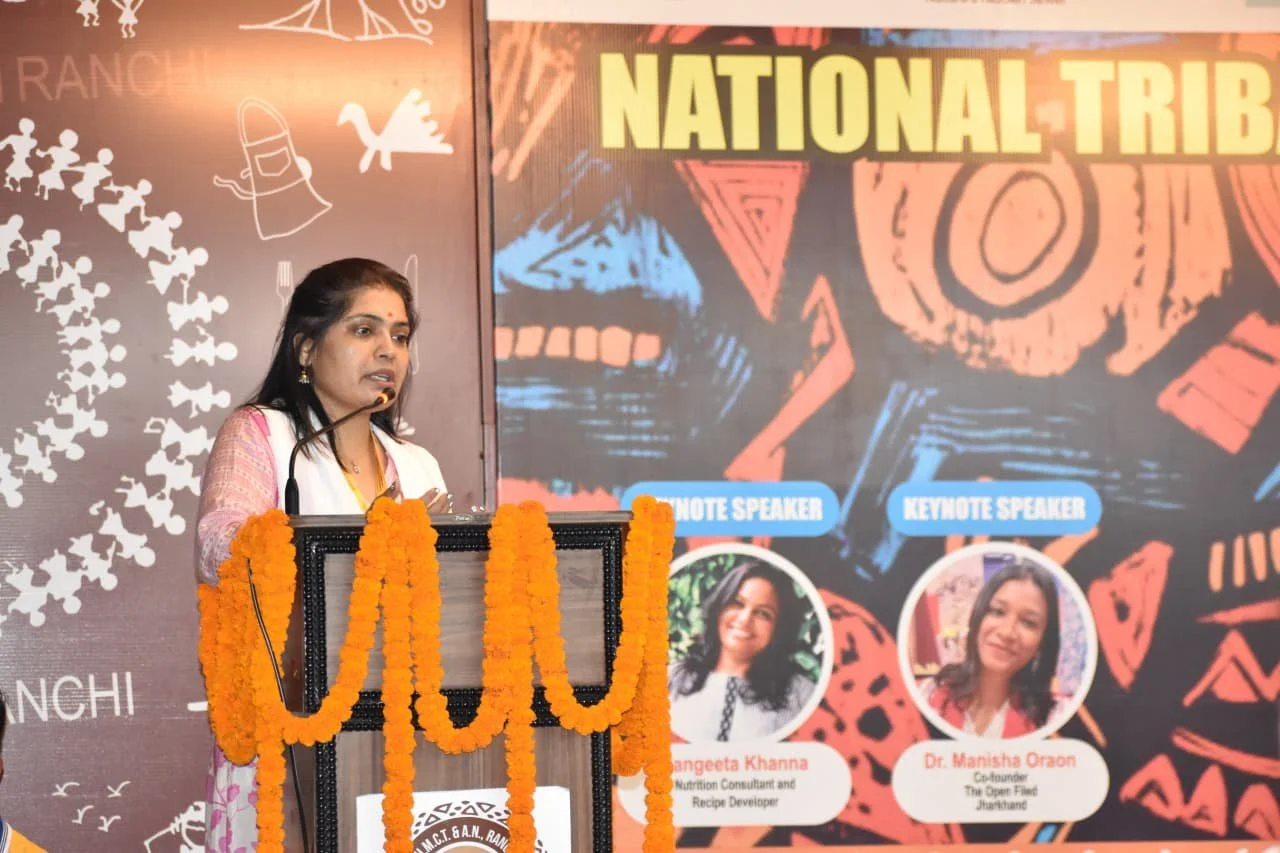
The event was graced by Ms. Vijaya Jadhav, Director of Tourism, Government of Jharkhand, as the Chief Guest; Swami Bhaveshanand, Secretary, Ramakrishna Mission Ashram, Morabadi, Ranchi, as the Distinguished Guest; and Dr. Bhupesh Kumar, Principal, IHM Ranchi, as the Presiding Officer. Faculty members, non-teaching staff, and students of the institute were also present.

Keynote speakers included Ms. Sangeeta Khanna, Culinary and Nutrition Consultant; Dr. Manisha Oraon, Co-founder and CEO, The Open Field, Jharkhand; Mr. Sanjeev Khalkho, Head of Department, Hotel Management, T. John College; and Dr. Nishikant Kumar, Associate Professor, BIT Mesra, Ranchi.

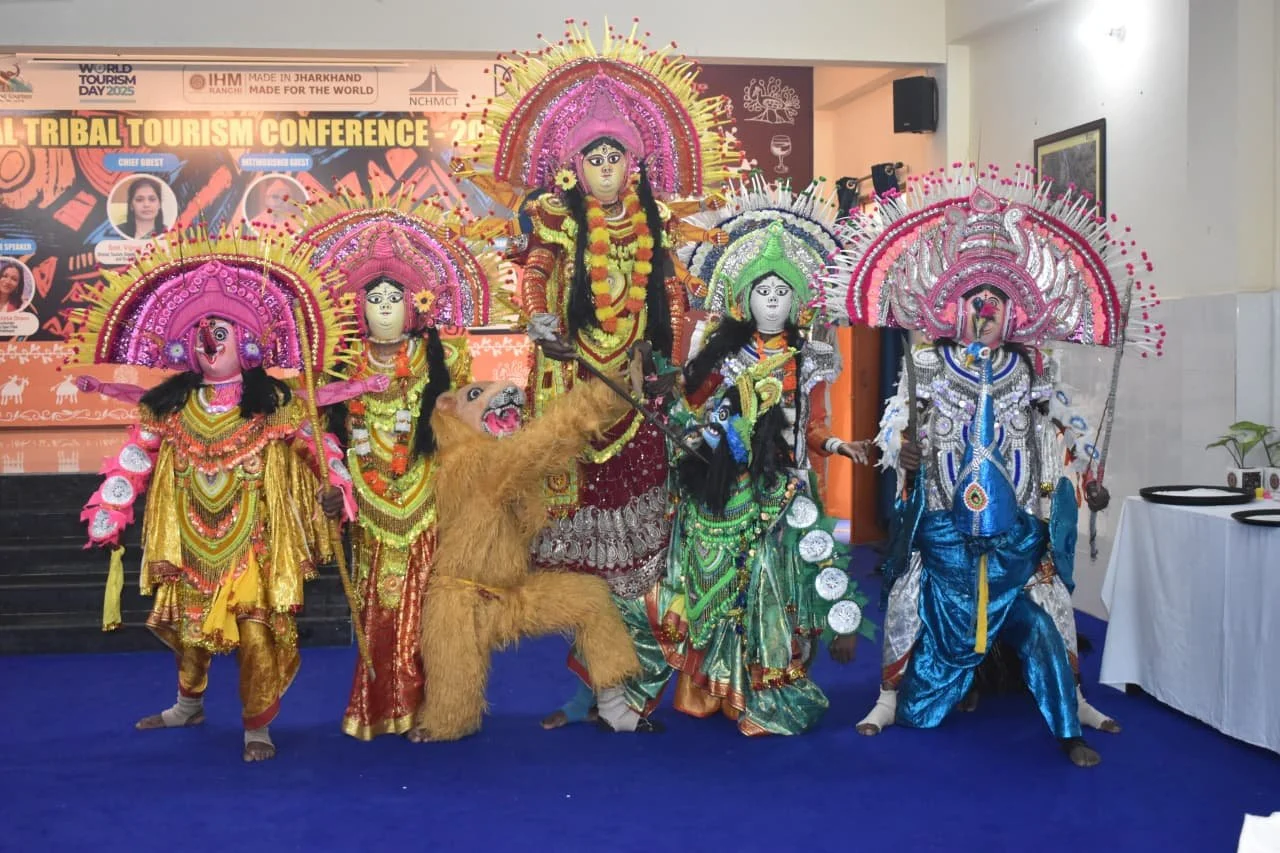
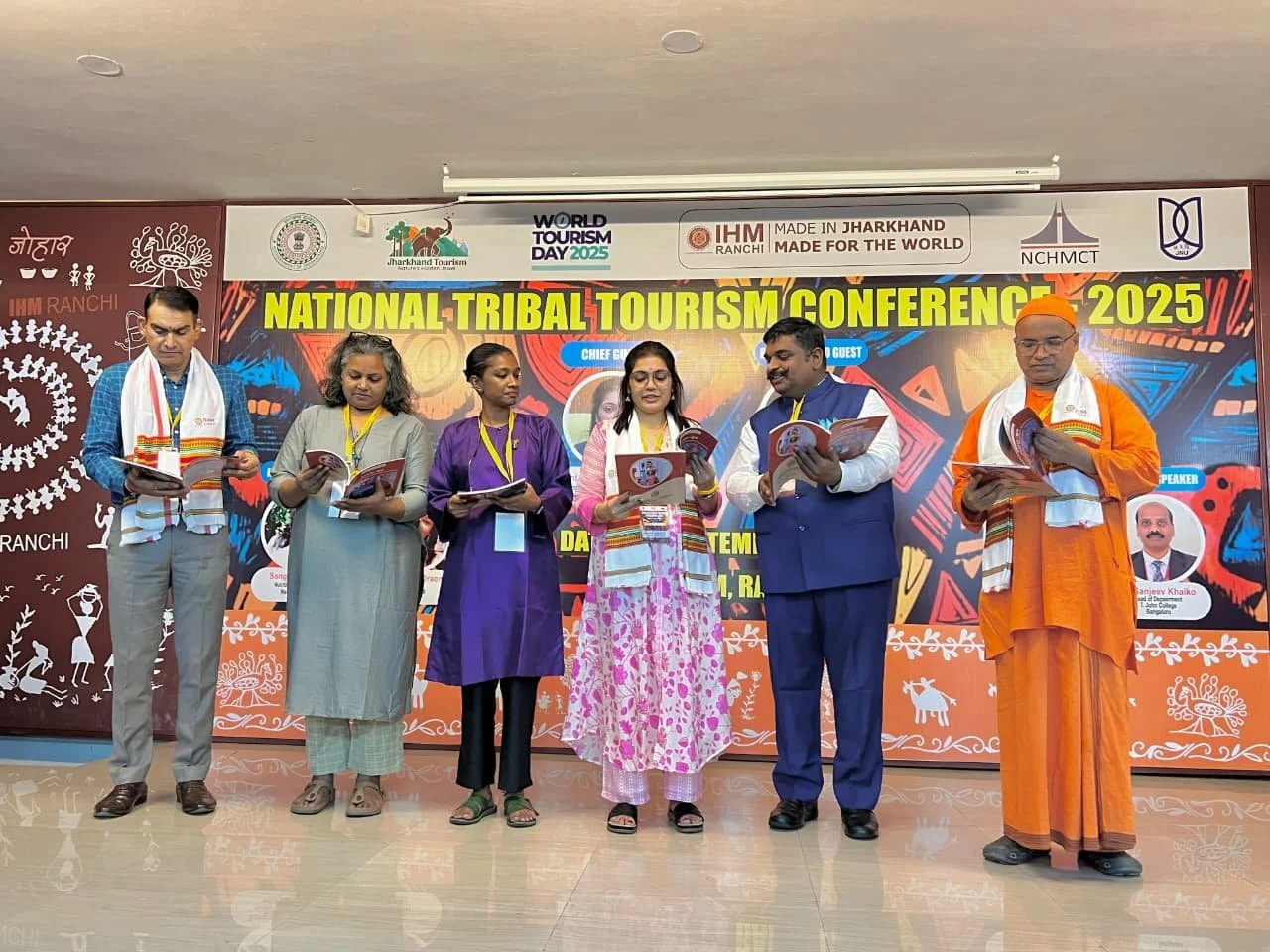
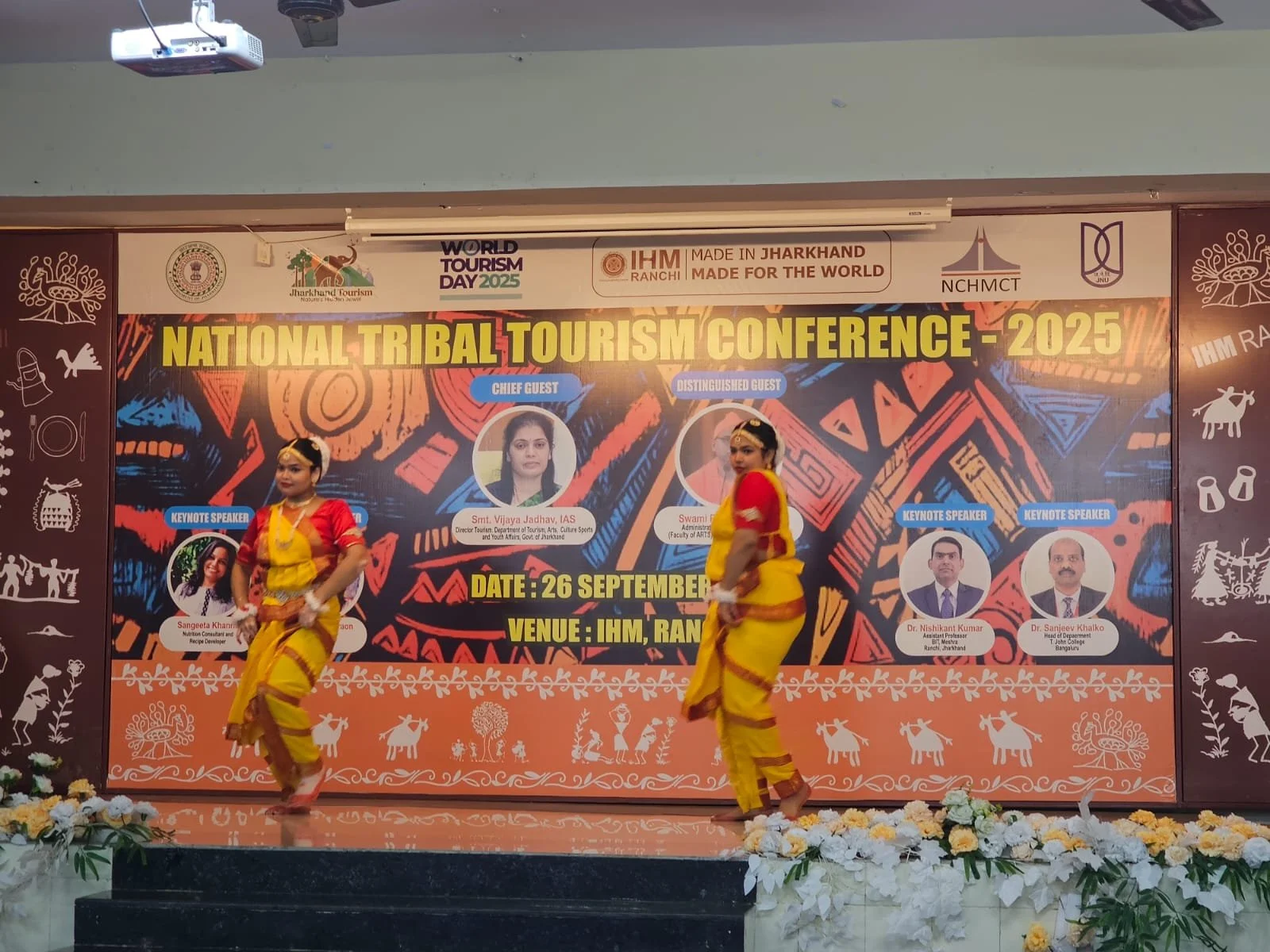
The conference commenced with the lighting of the ceremonial lamp by the Chief Guest and Distinguished Guest, followed by a devotional rendition of Ganesh Vandana by the students. This was succeeded by a mesmerizing Chhau dance performance by the State Manbhumi Chhau Dance Centre, Silli, Ranchi, which received widespread acclaim.

The institute also launched its inaugural annual magazine, Palash Vritt, along with the book Fundamentals of Marketing Skills.

Chief Guest, Ms. Vijay Jadhav, praised IHM Ranchi for organizing the Tribal Tourism Conference on the theme of "Globalizing Tribal Heritage" and appreciated the Chhau dance performance during Navratri. She stated that the conference's theme is unique, reflecting the distinct identity of Jharkhand. She emphasized the need to effectively showcase tribal culture and heritage alongside tourism, highlighting the state's art, culture, local cuisine, and unique tourism experiences. She also noted that while people from Jharkhand travel to other places, the state itself boasts numerous major tourist attractions, and we should recognize the immense tourism potential we possess. Furthermore, she highlighted the absence of gender inequality among the tribal communities in the state, where both men and women play a vital role in economic development.  She emphasized that sustainable development lessons can be learned from local tribal communities, citing traditions such as tying Rakhi on trees, the rich nutritional value of local cuisine, the medicinal properties of mahua, community-based homestays, dam-related festivals, and various other cultural practices. Regarding the association with IATO, she stated that tourism development is not the responsibility of one person, but of all citizens. Finally, she suggested that IHM Ranchi should organize this conference on a larger, global scale and consider what the global tribal community desires.


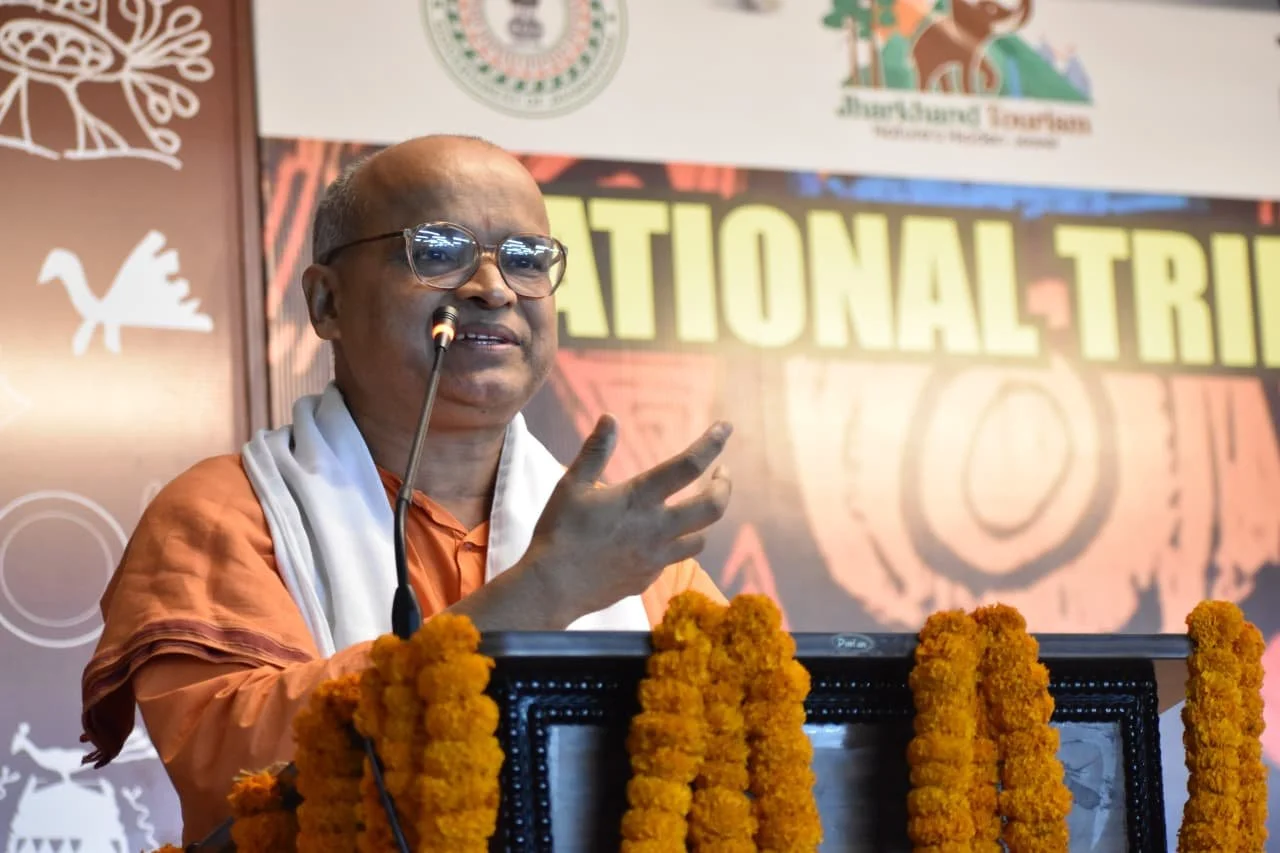
Distinguished Guest Swami Bhaveshanand praised IHM Ranchi for organising the event, reflecting on the importance of water, forests, and land. He elaborated on how homestays, local cuisine, tourism sites, and traditions are linked to economic growth, stressing the collective effort required for state development.

Dr. Bhupesh Kumar, Principal, IHM Ranchi extended his greetings to the dignitaries and attendees, expressed that the conference aims not only at academic discourse but also at promoting tribal culture and cuisine globally. He emphasised the importance of contributions from all stakeholders in presenting the state’s arts, culture, cuisine, and tourism on the world stage. Dr. Kumar highlighted Jharkhand’s potential for adventure tourism, describing tribal villages as micro-economies, and announced that the conference would be expanded to a global scale in the coming year. He underlined that the conference provides a platform for academicians, researchers, policymakers, and students to exchange experiences and explore the vast potential of tribal tourism in India.

Keynote presentations included Ms. Sangeeta Khanna on Jharkhand’s Environment and Tribal Culture: A Source of Inspiration for Sustainable Hospitality and Tourism, Dr. Manisha Oraon on From Forest to Plate: Establishing Jharkhand’s Tribal Cuisine as the Future of Sustainable Culinary Tourism, Dr. Nishikant Kumar on Roots, Routes, and Rewards: Reviving Tribal Tourism in Jharkhand as a Global Ethical Economy and Mr. Sanjeev Khalkho on Voices of the Forest, Tales of the Earth: Bridging Tribal Tourism and Cultural Heritage.

The conference also featured a technical session chaired by Dr. Nishikant Kumar (BIT Mesra, Ranchi), Dr. Manisha Oraon (The Open Field, Jharkhand), Dr. Ladli Rani (Assistant Professor, Ranchi University), and Dr. Pankaj Chatterjee (Assistant Registrar, RKDF University, Ranchi). Research papers were presented by participants including Mr. Ravi Kumar, Mr. Hare Krishna Chaudhary, Ms. Debanjana Sen, Mr. Naveen Gupta, Dr. Dilip Kumar Das, Dr. Sanjeev Khalkho, Mr. Himanshu Arya, Mr. Madhu Kumar, Mr. Sunil Kumar, Ms. Mahalakshmi R, Dr. P. Raja (PhD), Mr. Akash Banerjee, Dr. Ananya Mitra, Dr. Ajay Khattar, Mr. Arun Murugan E, Ms. Soumya Malviya, Dr. Lokeshwar Singh Jodhana, Mr. Ashish Sharma, Ms. Priya Sinha, Mr. Rahul Dev Singh, Mr. Ramanand Kumar Mishra, Ms. Shraddha Sharma, Dr. Manohar Sajanani, Dr. Prateek Ghosh, Ankit Baral, Ashutosh Pandey, Dr. Sadanandan Ariyaputhiri, Mr. Alok Kumar, Dr. Jaya Yadav, Dr. Anindita Bhardwaj, and Ms. Sanskriti Agrawal on diverse topics related to tribal tourism and cultural sustainability.