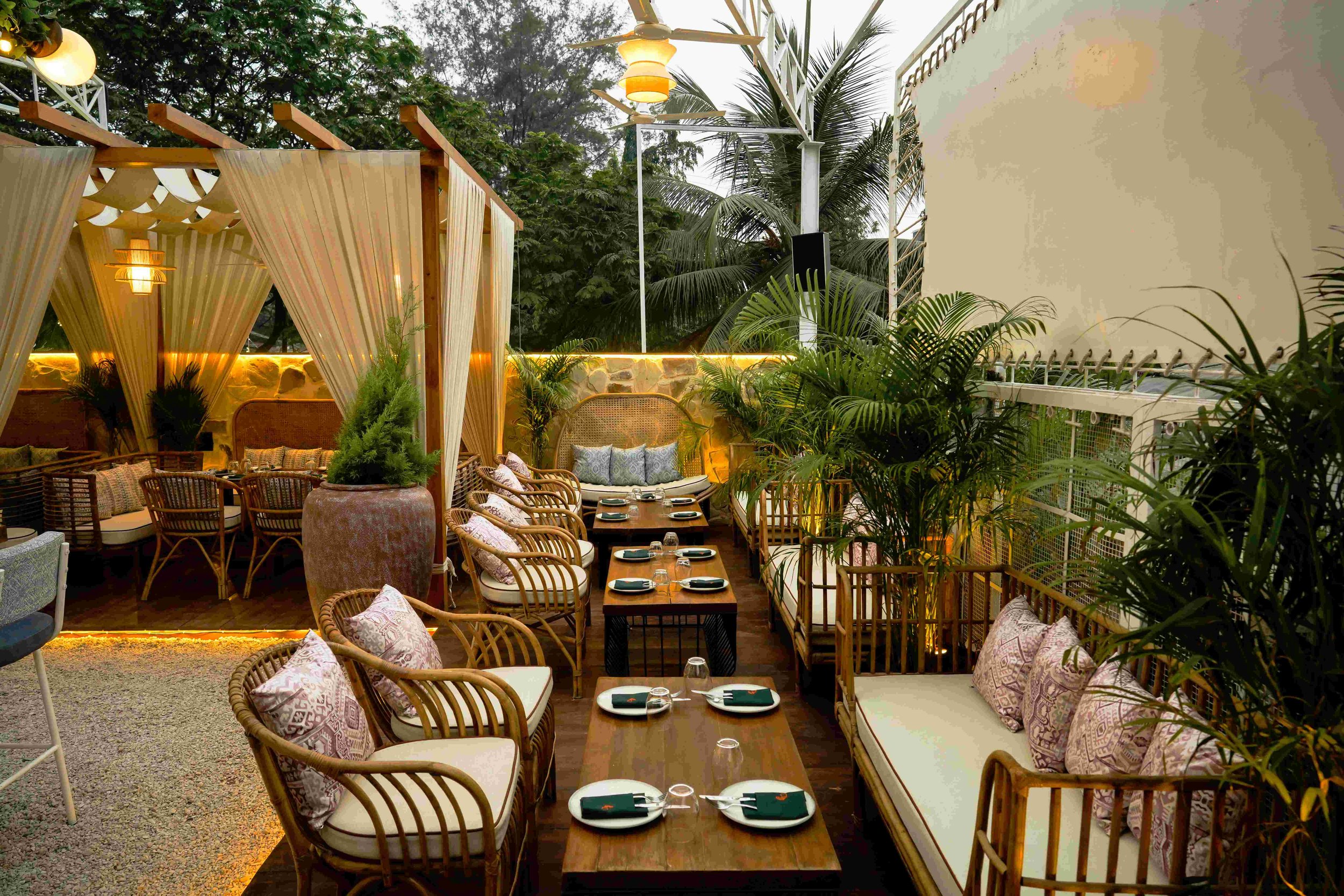
The Lind Hotels Expands Beyond Boracay

Independent Filipino brand sets sights on Coron and Siargao as it builds a multi-island portfolio

BORACAY, Philippines (April , 2026) – The Lind Hotels is expanding beyond Boracay, with Coron set to open next year and Siargao to follow.

The move marks a clear next phase for the independent Filipino brand, as it evolves from a single standout property into a carefully curated, multi-island portfolio shaped by a guest-first and adaptive approach.

The Lind Boracay, set on the prime stretch of Station 1 White Beach on the Philippines’ most famous paradise island, has long been the foundation of the brand. The reputation of the property, which was the first MICHELIN Guide-listed hotel on Boracay, has been built not only on location, but on a way of thinking that places the guest at the centre of every decision.

Indeed, the MICHELIN Guide recognition remains a meaningful milestone that continues to shape its positioning today.

Rather than following the rigid frameworks of international operators, the hotel was conceived as a place its founders would want to stay in themselves—personal, considered, and constantly evolving.

That mindset has translated into strong guest loyalty and steady growth, with repeat visitors forming a core part of the property’s success. Over the years, the hotel has continued to evolve in response to guest feedback, from introducing new dining concepts such as authentic Thai venue Yim to refining wellness and leisure offerings across the property.

“The question we always ask ourselves is simple: if we were the guest, what would we enjoy?” says Pierre Henrichs, COO of The Lind Hotels. “That mindset has guided everything we’ve built, and it continues to shape how we grow.”

The Lind Coron marks the first step in this next chapter. Slated to open next year, the new property will introduce a more personalized, villa-led experience, set on a peninsula that offers a sense of seclusion while remaining connected to the mainland. Designed to feel distinct from Boracay’s lifestyle-driven energy, the development will feature multiple restaurants, a dive centre, and a broader mix of recreational and wellness facilities.

The Lind Siargao, meanwhile, reflects a similar strategic approach: identifying destinations with strong appeal but limited high-quality supply. Often referred to as the surf capital of The Philippines, the teardrop-shaped island in Mindanao Province is one of the nation’s most idyllic hideaways. With few comparable properties currently operating on the island, the project represents an opportunity for The Lind Hotels to establish an early foothold in a fast-evolving market.

For the brand, expansion is not about scale for its own sake. Each location is selected for its long-term potential and its ability to support a distinct interpretation of the Lind experience.

“We chose to remain independent because it allows us to move quickly, adapt, and build something that truly reflects who we are,” says Henrichs. “We are not trying to grow everywhere at once. We want to do it properly, step by step.”

That independence has become a defining strength. Without the constraints of a global management structure, The Lind has been able to respond to changing guest expectations, refine its offering in real time, and maintain a clear sense of identity across its operations.

Looking ahead, the brand’s ambitions extend beyond its current pipeline. “We’ve built something in Boracay that people connect with,” says Henrichs. “As we expand into Coron and Siargao, the priority is to keep that same spirit—independent, adaptable, and always shaped around the guest.”
The Lind Boracay occupies a prime location on Boracay’s world famous White Sand beach

Views from the Coron resort showcase a pristine natural environment that has made the island a world-class destination for scuba diving 

Often referred to as the surf capital of The Philippines, Siargao is one of the nation’s most idyllic hideaways


Airbnb Data Shows How Indian Travellers Are Turning to Asia This Summer

Key Takeaways
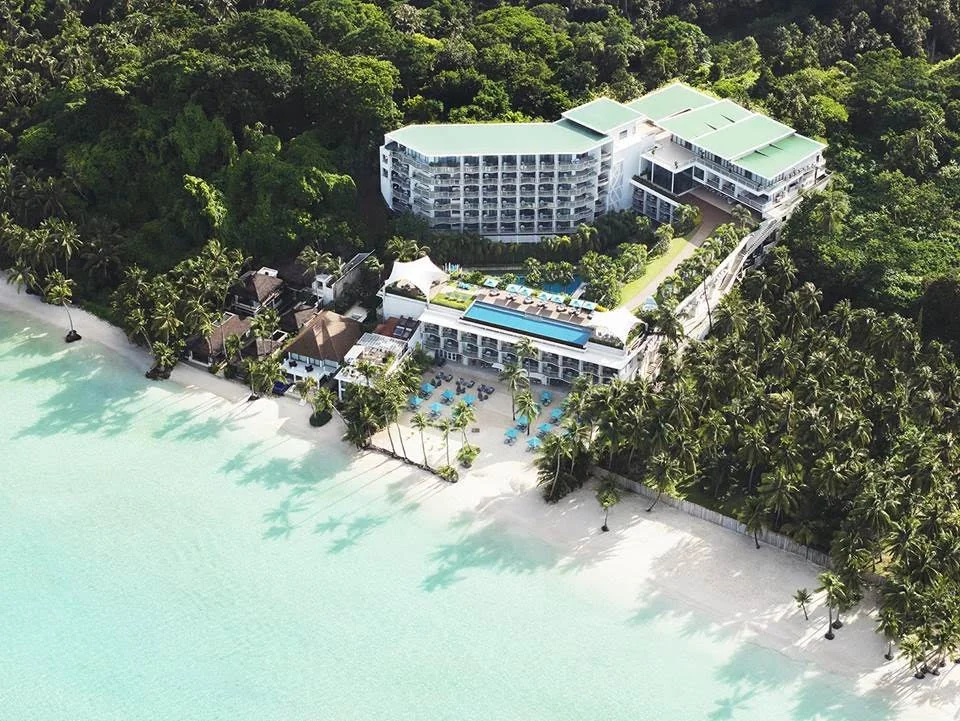
 International destinations across Asia like Osaka, Busan, Tokyo, Kuala Lumpur and Bangkok lead searches as Indians explore destinations closer to home

  • Within India, Thiruvananthapuram, Puri, Meghalaya and Jaipur saw great interest

  • Gen Z is leading travel demand, accounting for over 40% of searches and growing faster than all other generations

  • National, 21 April 2026: This summer, Indian travellers are choosing Asia. Powered by a generation raised on Korean dramas, Japanese aesthetics and Asian street food culture, destinations across Asia feel both familiar and exciting and travel interest is reflecting that. Travellers are exploring destinations that offer a compelling mix of cultural discovery, strong connectivity and convenient travel times, making Asia an appealing choice for summer getaways.


    According to Airbnb search data, Gen Z led this charge, accounting for over 40% of Airbnb’s summer searches this year and growing faster than any other generation at approximately 60% year-on-year.[1] This generation tends to travel more frequently and is increasingly planning trips around experiences, from concerts and festivals to cultural events and culinary exploration.


    Airbnb data reveals growing interest in destinations across Japan, South Korea and Southeast Asia. Osaka (over 85% growth in searches), Tokyo (over 90%) and Busan (over 95%) recorded some of the strongest increases in search interest among Indian travellers. This aligns with broader travel trends pointing to rising interest driven by pop culture fandom, culinary appeal and ease of travel. Kuala Lumpur (over 50%) and Bangkok (over 35%) continued to see steady demand, reflecting their strong connectivity and familiarity among Indian travellers.1


    Travel also remains a shared experience, with nearly 60% of searches driven by group and family travel, followed by over 30% from duo travellers, highlighting the importance of spending time together while exploring new destinations.1


    This interest in exploration is also shaping domestic travel trends. Within India, travellers are increasingly looking beyond established hotspots and exploring destinations that offer nature, heritage and cultural richness. Thiruvananthapuram (over 90% growth in searches), Puri (over 30%), Jaipur (over 70%) and Meghalaya (over 70%) have all seen strong growth in interest.1


    "What we are seeing this summer is travel driven by curiosity and culture," said Amanpreet Singh Bajaj, Country Head, Airbnb India and Southeast Asia. "Asia offers something rare: the familiarity of a culture Indian travellers love, and a chance to discover a new destination. That, paired with greater connectivity and the option to plan a meaningful yet short trip during a long weekend, makes Asia even more appealing to Indian travellers. It's interesting to see that Indian travellers are slowly moving beyond the templatized and obvious, both internationally and within India, and proactively seeking destinations that feel more personal, not just popular."


    As travel habits continue to shift, Asia is where Indian travellers are heading this summer, offering a sense of ease through its accessibility, affordability and range of experiences.

68% of Indian Travelers Likely to Use AI for Their Next Trip: Agoda

Nearly 9 in 10 Indian travelers (88%) trust or feel neutral about AI-generated travel recommendations

  • Interest spans entire trip planning journey, from destination discovery to dining recommendations

  • India,April 2026 - Indian travelers are increasingly turning to artificial intelligence (AI) to take the guesswork out of travel planning, not just for inspiration but across the journey from destination discovery to dining. According to Agoda's 2026 Travel Outlook Report, while one in three (33%) state they already use AI for travel planning, almost twice as many (68%) say they are likely to use it for their next trip. For a market that has always been quick to embrace technology, this indicates a growing appetite for AI across all stages of travel planning.

     

    Data from the report suggests that what Indian travelers want from AI goes beyond a simple search. When asked how they would use it, respondents pointed to recommendations for local attractions and activities (38%), personalized itinerary creation (37%), and destination suggestions (29%). Interest also extends to dining recommendations (23%) and budget management (22%). These findings point to a traveler who expects AI to be present in every stage of the trip-planning process, not as a shortcut but as a smarter way to plan.


    Sentiment towards AI-generated recommendations is broadly receptive, with nearly 9 in 10 respondents (88%) saying they either trust or feel neutral about such recommendations, including over half (53%) who express clear trust. This aligns with findings from Agoda's 2025 Travel Trends survey, in which nine in ten Indian travelers reported using travel apps when booking trips, pointing to an established comfort with technology in travel planning. For Indian travelers, embracing AI in travel planning is less a behavioral shift and more a natural progression, especially for a generation that has been planning and booking travel through a screen for over a decade.


    Agoda has previously explored this through its 2025 AI-powered Vacation Planner campaign, which invited Indian travelers to answer a set of questions about their preferences, generating customized itineraries and destination visuals, with personalized recommendations delivered by Bollywood celebrity Ayushmann Khurrana. The campaign was a real-world expression of the tailored, intuitive planning experience that travelers are increasingly looking for, and one that the 2026 survey findings reflect.


    Gaurav Malik, Country Director, Indian Subcontinent & Indian Ocean Islands at Agoda, said, “Indian travelers are showing a clear appetite for AI across every stage of trip planning, from discovering destinations to deciding what to eat and even budgeting. This is no longer an emerging trend but is fast becoming the baseline for how a well-planned trip comes together. At Agoda, we continue to offer a range of technology and innovations that make the entire trip planning experience more accessible, convenient, and personalized for every traveler.”


    As AI becomes a more natural part of how people research and plan their travel, India stands out as a market where AI adoption in travel is not just growing but gaining clear intent and direction

  • Through its platform, Agoda offers access to more than 6 million holiday properties worldwide, over 130,000 flight routes, and more than 300,000 travel activities, all bookable through a single platform. Travelers can explore options and make bookings through www.agoda.com and the Agoda mobile app.

Autograph Collection Hotels Debuts in India with Noormahal, Delhi NCR Karnal, A Collectors' Palace Where History, Art and Refined Design Converge

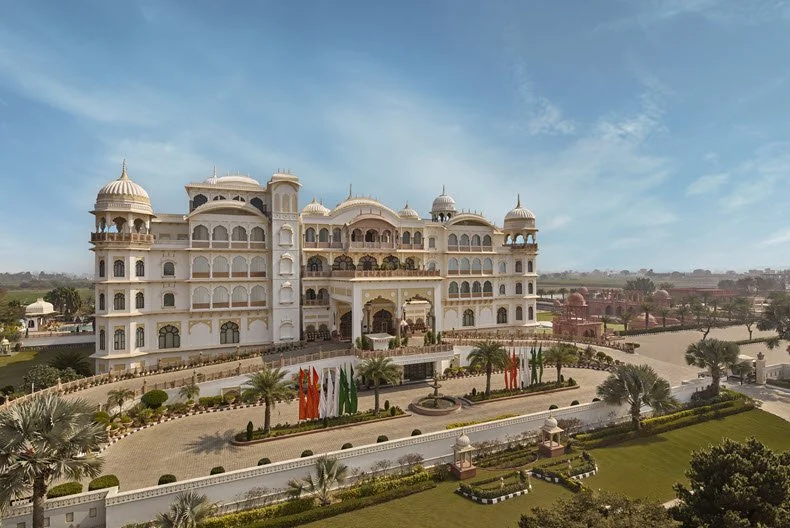
Autograph Collection Hotels, part of Marriott Bonvoy’s global portfolio of extraordinary hotel brands, announces its debut in India with the opening of Noormahal, Delhi NCR Karnal, Autograph Collection – a 176-room collectors’ palace along the historic Grand Trunk Road in Karnal, Haryana – making it Marriott Bonvoy’s 19th brand in the country.

“Autograph Collection Hotels are a product of clear vision, designed with heart, and express a strong sense of place. Noormahal embodies all of that, making it the ideal debut for the brand in India.” said Cristiano Rinaldi, Chief Lodging Product & Services Officer, Asia Pacific excluding China, Marriott International. “It’s a hotel where India’s regal heritage meets contemporary artistry, creating rich immersive moments for the modern design-conscious traveler. Noormahal is truly Exactly Like Nothing Else, and we are thrilled to introduce the Autograph Collection experience to India’s discerning travelers.”

Autograph Collection hotels are crafted with passion, each defined by a unique vision and story: Exactly Like Nothing Else. Handpicked for their artistry and distinct approach to design and hospitality, these properties create immersive moments that leave lasting impressions. At Noormahal, Delhi NCR Karnal, Autograph Collection guests can experience a signature Autograph Moment inspired by the elegance of royal courts. Styled in understated royal drapes and guests are photographed in a vintage aesthetic that echoes classic regal portraiture. Each portrait becomes a deeply personal keepsake – timeless, dignified and individual.

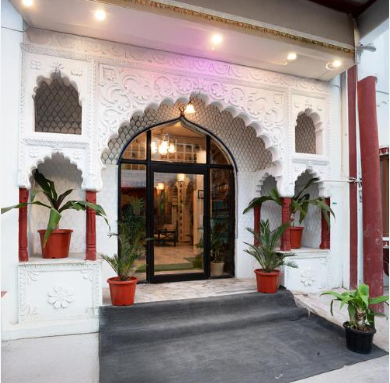
Situated along the historic Grand Trunk Road, Noormahal honors centuries of cultural confluence where Mughal, Rajput, Punjabi, and Persian artistry converged. The hotel houses one of the region’s most extensive art and artifact collections, creating a living museum elevated by refined design. Inspired by India's royal courts, the striking façade features sweeping domes, intricate jali work, and ornamental arches. Interiors echo this richness with layered textures, artisanal finishes, and expansive spatial design balancing tradition with modernity.

Set along the corridor between Delhi and Kurukshetra on NH44 Highway, the hotel is easily accessible from Delhi, Chandigarh, Ambala, and Ludhiana for leisure, staycations, and corporate gatherings. Chandigarh International Airport and the Indira Gandhi New Delhi International Airport are 2 hours away and the Karnal Railway Station is 15 minutes’ drive from the hotel. The property also serves as a resting spot and gateway to popular destinations including Amritsar and Patiala in Punjab, Shimla and Manali in Himachal Pradesh, and Dehradun and Mussoorie in Uttarakhand.

Guest Accommodations: Including Penthouses and Suites

The hotel features 176 guestrooms and suites, each designed as a private retreat balancing classical Indian aesthetics with modern comforts. Guest rooms incorporate rich textiles, bespoke furnishings, and carefully considered layouts that are both elegant and deeply personal. The hotel’s signature accommodations are Raja Niwas and Khwabgah, regal penthouses offering expansive living spaces, private terraces, dedicated butler service, and curated design elements, reimagining royal living for the modern guest.

Four Dining Venues: North-Western Frontier to All-Day International

Dining at Noormahal features four distinct venues showcasing regional depth, global influences, and time-honored culinary traditions. The Frontier Mail is a signature restaurant inspired by North-Western frontier culinary heritage, featuring bold flavors, slow-cooked techniques, and recipes from royal kitchens and historic trade routes. Colonel Saab offers all-day dining with modern interpretations of Indian classics, rich regional flavors, and continental and international favorites. The Polo Bar provides a sophisticated setting inspired by the elegance of polo culture, serving classic and contemporary cocktails in a regal yet relaxed atmosphere. The Cake Factory specializes in handcrafted dessert creations, completing the hotel’s culinary program.

Wellness & Recreation: Spa, Pool, Tennis, Pickleball, Ziplining, Rock Climbing

Beyond architectural grandeur, the hotel offers a holistic approach to leisure balancing restoration with activity. The spa features curated therapies including the signature Aroma Bliss experience, complemented by a gymnasium, outdoor pool, and relaxation spaces. Recreational facilities include Kids Play Zone and outdoor activities: tennis, pickleball, ziplining, and rock climbing for guests of all ages.

Event & Wedding Venues: 300,000+ Square Feet of Event Spaces Including Lawns

The hotel offers versatile event spaces for weddings, social gatherings, and cultural occasions of exceptional scale. The property’s iconic open lawns, Rani ka Bagh and Raja ka Bagh, alongside intricately designed venues including Sheesh Mahal and Darbar Hall, create a majestic canvas for grand and intimate celebrations. The expansive event capacity positions the hotel as a celebrated destination for landmark celebrations across North India.

Mahesh Singh Jasrotia, General Manager, Noormahal, Delhi NCR Karnal, Autograph Collection said, “Our vision is for Noormahal, Delhi NCR Karnal, Autograph Collection, to be intimately connected to North India’s surroundings, offering inspiring, dynamic experiences through refined hospitality and bespoke service. Every detail, from our grand venues to culinary offerings, is designed to create memorable moments and elevate the guest experience.”

Envisioned by Colonel Manbeer Singh Choudhary and Mrs. Binny Choudhary, descendants of Maharaja Ranjit Singh, Noormahal blends India’s royal heritage with modern elegance and uniquely captures regal history through its architecture, immersive experiences, and cultural authenticity.

The Cheat Bar: Eat Like You're Cheating, Feel Like You're Not

Developed by a nutritionist, high-protein no-sugar phab’s Cheat Bar flips the idea that

food has to taste bad to be good for you.

phab, the nutritionist-led snacking brand known for making better eating feel easy, has launched The Cheat Bar - a soft, fudgy, dessert-like protein bar designed to make indulgence and nutrition one and the same. 

With dessert-style flavours like Blueberry Cheesecake, Chocolate Hazelnut, and Chocolate Peanut Butter, the bars deliver the kind of taste people usually save for “cheat Days” - while packing 15g of organic vegan pea protein, no added sugar, and under 160 calories

They look indulgent, taste decadent, but function like a hardworking protein bar. No sugar crash, no calorie counting, no pretending to enjoy boring or bland protein. The idea behind The Cheat Bar is simple: People crave every day, not just once a week or once in a while. And food that’s actually good for you shouldn’t come with anxiety or rules attached.

phab created The Cheat Bar to solve a very real category problem. Most protein bars prioritise numbers over taste. Most desserts prioritise taste over how you feel after. Cheat Bars sit comfortably in between: indulgent enough to crave, smart enough to have daily. 

Gayatri Chona, nutritionist and founder of Phab says: “As a nutritionist, I’ve spent years watching people negotiate with food by saving joy for ‘cheat days’ and treating everyday eating like a boring chore. That’s not a fun way to go through life. I’ve always believed eating should make you feel good, and so we worked very hard to make Phab bars for anyone who wants pleasure and payoff in the same bite. The idea is that these bars feel indulgent and exciting, but still work for your lifestyle - whether that’s before the gym, after the gym, or even instead of gym. It’s dessert behaviour, with nutrition that actually delivers.”
Designed for modern snackers - from macro-counters and gym-goers to midnight munchers and dessert lovers, phab Cheat Bars are made to fit into everyday life. With this launch, phab continues its mission of reshaping how India experiences protein, moving it out of the gym aisle and into everyday life without losing flavour or fun.

Ingredient Ideology | The Cucumber Trivia… An Ideal Escort Especially In Summers…By: Dr. Kaviraj Khialani- Celebrity Master Chef

Summer Season Is The One We All Wait For On One Hand To Prepare A Number Of Delicacies Like Raw Mangoes Being Picked And Macerated Into Ceramic Pickle Jars, Keeping Them In The Sun And Shaking Them Often As A Part Of The Classical Home Style Pickle Making Concepts! On The Other Hand, It’s The Scorching Heat Which Raises The Temperature Of Not Only The Environment But Also Our Body Temperature Sees A Spike With The Rays Of The Sun Reaching Out All Over Offering Us A Good Dose Of Vitamin D, Water Content & Essential Nutrients!
Cucumber Is One Of Those Cooling Ingredient Which Is Available Close To Us And We Need To Ensure It Is A Part Of Our Diet And Plate Once In A While In Order To Utilise Its Beneficial Functions For Our Body. Most Of Us Do Include Cucumbers As A Part Of Salads Cut Sliced, Sprinkle Of Salt And Splash Of Lime Is What Is Found Most Commonly.

Cucumbers Are Easy To Use And Involve In Various Forms As Well In Our Diets And Recipes Besides The Kakdi Ka Raita With Pudina, It Is Also A Part Of Various International Recipes As Well In The Form Of Dips, Salsa, Cold Sauces And Also Relishes Which We Also Call As Kachumber In Indian Kitchens.

“Cucumbers Are A Great Source Of Nutrition &Water Content Which Not Only Keeps The Body Temperature In Control But Also Adds A Much Needed Crunch And Texture Into Summer Salads And Bites Too”- Dr. Kaviraj Khialani- Celebrity Master Chef.

Here Are A Few Simple And Easy Recipes With Cucumbers:

Recipe-1] Tossed Minted Spiced Cucumber Salad

Ingredients:

Cucumbers-150 Gms, Washed And Cubed/Sliced.

Assorted Lettuce Leaves- 1 Cup Or Shredded Cabbage. 

Red Onions- 1 No Sliced

Tomatoes- 1 Small Cubes

Cherry Tomatoes- 4-5 Sliced

Capsicums- 1 Small Cubed

For The Dressing:

Olive Oil-1 Tbsp.

Lime Juice- 2 Tbsp.

Salt And Crushed Black Pepper- To Taste

Mint Leaves- 10-12 No.

Chat Masala- ½ Tsp Or Rock Salt/ Sea Salt.

Roasted Crushed Cumin Powder- ¼ Tsp

Method:

1. Prepare All The Ingredients For The Salad.

2. In A Mixing Bowl Combine Together The Ingredients For The Dressing Mix Well And Add In The Cucumber And Other Vegetables.

3. Mix Well And Serve Chilled With Your Meals During Lunch/Dinner.


Recipe-2] Cucumber And Kidney Bean Salsa Salad

Ingredients:

Cucumber- 150gms Cubed

Boiled Rajma- 1 Cup

Olive Oil-1 Tbsp.

Garlic- 1 Tsp Chopped

Onion- 1 Small Chopped

Green Chili-2 No Chopped

Salt And Crushed Black Pepper

Tomatoes-1 Cup Chop.

Lime Juice Or Vinegar- 1 Tsp

Sugar-1 Tsp

Tomato Ketchup-1 Tbsp.

Mint And Coriander Leaves-2 Tbsp.

Roasted Crushed Peanuts- 1 Tbsp.

Flax Seeds/ Melon Seeds- 1 Tsp.

Method:

1. Prepare All The Ingredients For The Salad.

2. In A Pan Heat Oil Add Garlic, Onion, Chilies And Saute For 1 Min, Add In Tomatoes And Salt, Pepper Cook Well For 3-4 Mins.

3. Add In The Boiled Rajma, Mint And Coriander Leaves And Mix Well, Add Sugar, Vinegar And Little Tomato Ketchup As Well.

4. Cook For 2 Mins, Remove From Flame And Add In The Cucumber Cubes Once It Is Cold Mix Well And Serve As A Salad Garnish With Peanuts/Seeds/Greens And Herbs.


Recipe-3] Cucumber Cooler Bowl

Ingredients:

Cucumber- 150 Gms Peeled And Cut Into Small Pieces

Salt And Pepper To Taste

Bread Slice- 2 No Soaked In Water For 20 Secs And Squeezed.

Cashews- 1 Tbsp. Chop/Paste

Yogurt- ¼ Cup

Peanut Butter- 1 Tsp

Chilled Water- 1 Cup

Mint Leaves- 10-12 No.

Olive Oil- 1 Tsp

Roasted Crushed Cumin Powder- ¼ Tsp

Method:

1. Prepare All The Ingredients For The Refreshing Cold Soup.

2. In A Blender Jar Combine All The Ingredients And Adding Little Chilled Water And Curd Blend It Well.

3. Strain The Chilled Soup And In A Mixing Bowl Check For Salt And Add In Some Fresh Mint Leaves And Serve In Bowls/ Shot Glasses As Refreshers.

Recipe-4] Cucumber Coconut Tropical Salad

Ingredients:

Cucumber-100 Gms Cubed

Fresh Coconut Malai- ½ Cup Tender Coconut

Pineapple Cubes- ½ Cup

Mango Cubes- 1/2cup

Yellow/Green Tomatoes- ¼ Cup Cubes

Salt And Pepper To Taste

For The Dressing:

Fresh Pineapple Juice/Puree- ¼ Cup

Dates-1 Tbsp. Chop

Lime Juice -1 Tsp

Honey- 1 Tbsp.

Ginger Juice-1 Tsp

Mint Leaves- 10-12 No

Mustard Paste-1/2 Tsp

Sugar- 1 Tsp

Method:

1. Prepare All The Ingredients For The Recipe.

2. In A Mixing Bowl Combine All Ingredients For The Dressing.

3. Add In The Body Of The Salad And Toss Well.

4. Check For Seasoning And Adjust Accordingly.

5. Dish Out And Garnish With Nuts/Seeds/ Greens And Serve.

Earth Day with Himmaleh Spirits: Rooted in What Matters

What if a drink could tell a story of the land it comes from?

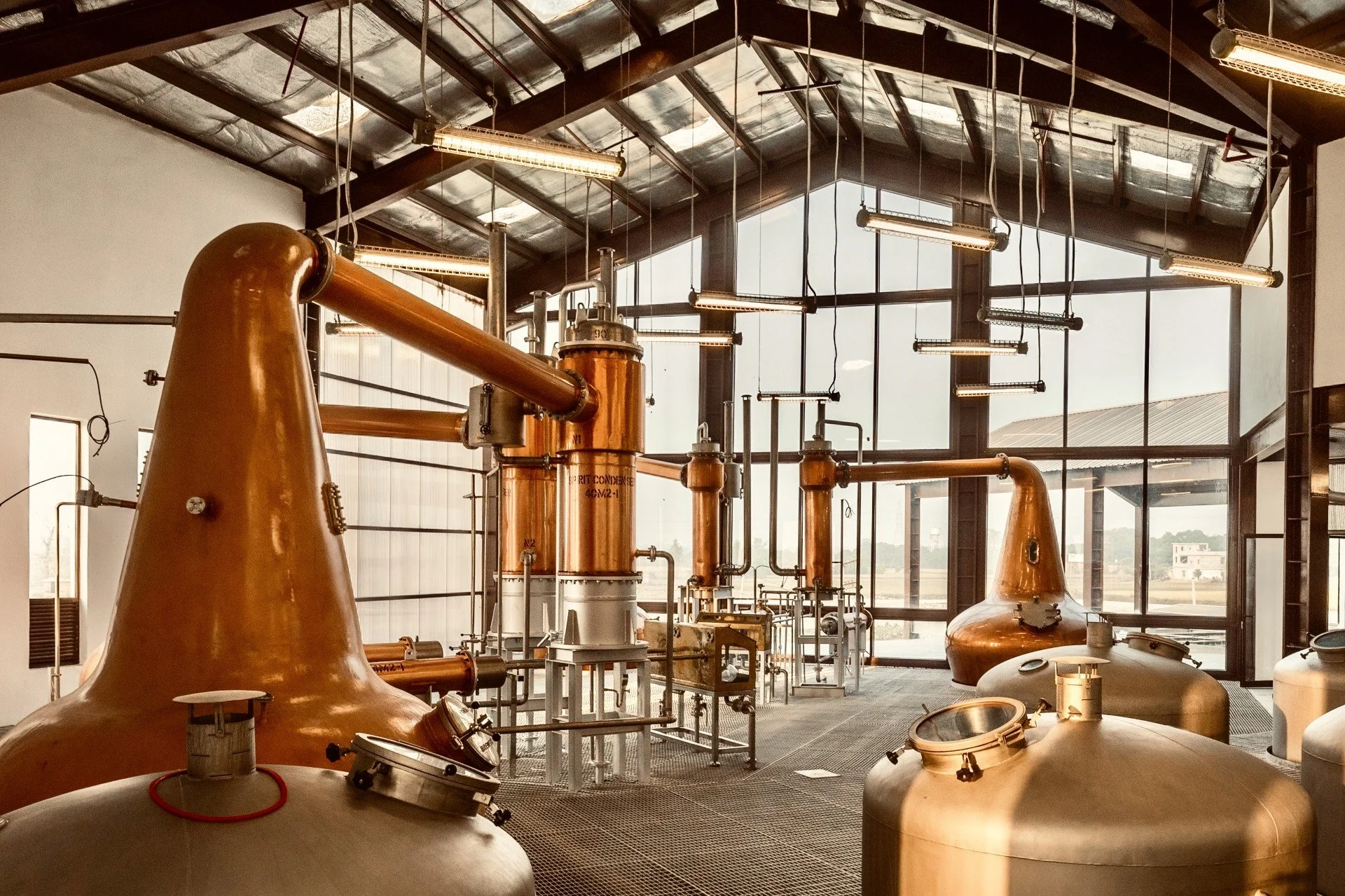
At Himmaleh Spirits, every bottle begins long before it reaches the glass. It starts in the Kumaon region of Uttarakhand, where the air is crisp, the water is pure, and the connection between people and nature is deeply respected.

This Earth Day, the idea is simple: go back to the source. This is exactly what Himmaleh Spirits stands for.

The distillery follows a true farm-to-bottle approach. Himalayan spring water is the soul of every spirit. Botanicals are handpicked, often by local communities who understand the land better than anyone else. This makes every product feel personal, rooted, and real.

Sustainability is built into the process. The distillery works towards zero-waste practices and ensures complete traceability at every step. This means knowing exactly where ingredients come from and how they are grown, while respecting the environment that provides them.

But the story goes beyond the land. It is also about the people who nurture it.

Many ingredients come through networks involving women from the Kumaon region. They are farmers, gatherers, and caretakers of both their homes and their environment. Their strength and resilience quietly shape the spirit of the brand. Supporting them is a core foundation.

Each creation from Himmaleh Spirits carries this philosophy forward. Whether it is a gin, coffee liqueur, rum, or whisky, the focus remains the same: honest ingredients, thoughtful crafting, and deep respect for origin.

On Earth Day, this becomes a reminder. Every choice matters. What we consume, how it is made, and who it impacts.

So the next time a Himmaleh drink is poured, take a moment. Think about the journey it has taken. The mountains it comes from. The hands that shaped it. The care that went into it.

Because when something is made with respect for the earth, it does not just taste better. It feels better too.

The Aamras Mango Cheesecake at Vanilla Beans →

Some stories start with a visit. This one started with a message.

When Vanilla Beans reached out to share their new mango collection, it came with a simple promise: Alphonso mangoes, treated with care, and desserts built around them. We asked if we could try it. They said yes. And somewhere between the first slice and the last bite, this turned into something we knew we had to share.

There’s something deeply nostalgic about a mango dessert done right, and this one gets it. Visually, it arrives like summer on a plate—bright mango layered generously over soft, cloud-like cream, the kind of thing you pause for a second before cutting into.

Then comes the first bite.

The texture is what lands first—soft, light, and fresh without trying too hard. It doesn’t lean on heaviness or overload you with sweetness. Instead, it steps back just enough to let the mango do what it does best. And here, it’s all about the aamras—rich, fragrant, and unmistakably Alphonso. It runs through the cheesecake in thick, generous layers, so every bite carries that sweet, sun-ripened depth.

The base brings in a quiet contrast—buttery, slightly crumbly, grounding all that silkiness above it. And the cream cheese layer sits right in the middle of it all, adding just enough tang to keep things from tipping into excess.

The cream, as always, plays it smart. Light, smooth, and balanced, it complements rather than competes. Nothing feels heavy. Nothing feels overdone. It’s indulgent, yes—but in a way that still feels clean and easy to go back to.

For something built around nostalgia, this feels considered. Not overworked. Not overthought. Just well made.

From the brand’s side, that intent is clear.

“The Aamras Mango Cheesecake is everything we believe a mango dessert should be — honest, unhurried, and completely uncompromising. We start with a buttery, biscuity base that gives way to a silky cheesecake layered with thick, aromatic aamras made from handpicked Alphonso mangoes — slow-cooked the way it’s done at home, no essence, no shortcuts. And then the finish: fresh mango cut into a flowering design on top, because something this beautiful deserves to be seen before it’s savoured. It’s our way of saying that when the ingredient is this good, it deserves reverence, not reinvention.”
— Rohit Desai, Co-Founder

Founded by Deepa and Rohit Desai, Vanilla Beans has built a quiet following in Bandra for cakes that lean into balance and texture rather than excess. This seasonal mango collection feels like a natural extension of that approach—letting Alphonso take centre stage, without overcomplicating what people already love about it.

This one’s available for a limited time, and honestly, it’s the kind of thing you don’t overthink.

If you’re ordering, start here.

Location: Bandra West, Mumbai
Availability: Seasonal

Order here: https://orders.vanillabeanscakes.com

P.S. While we had The Aamras Mango Cheesecake, here are some other goodies they tell us to keep an eye on:

Mango Fresh Cream Cake

Mango Cheesecake

Aamrasmalai Cake

Mango fresh cream cake X vanila bear

Tried & Tasted is our series on things we’ve actually experienced and would go back for. Got something you think we should try? Send it our way—we’re always up for the next great bite.

JW Marriott Mount Kenya Rhino Reserve Safari Camp – Reservations Now Open

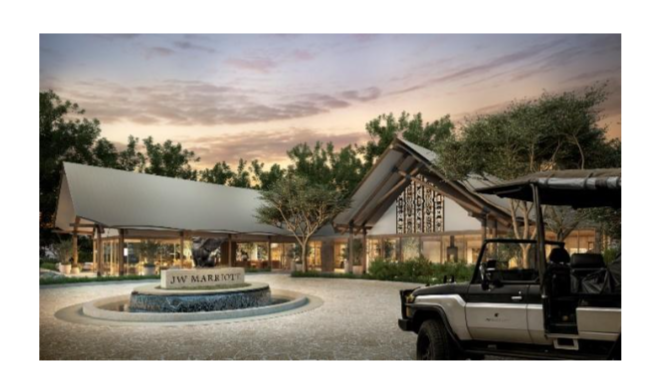
Nairobi, Kenya – April 2026: Reservations are now open for JW Marriott Mount Kenya Rhino Reserve Safari Camp, a luxury safari retreat owned and operated by Lazizi Solio Limited, set to welcome guests from July 2026. Nestled within the renowned Solio Game Reserve, one of Kenya’s oldest private rhino sanctuaries, the camp will bring JW Marriott’s signature blend of sophisticated design, exceptional service, and holistic wellbeing to the heart of nature.

Positioned between the slopes of Mount Kenya and the peaks of the Aberdare Ranges, the camp will feature 19 tented sanctuaries with sweeping mountain views, including an expansive two‑bedroom suite ideal for families or small groups. Each tent will offer spacious indoor and outdoor living areas, creating an intimate retreat where guests can pause, reflect, and reconnect with nature.

Guests will enjoy tranquil wellness spaces, including the brand’s signature Garden by JW, a fragrant oasis of botanicals inspiring both culinary and spa experiences. The Spa by JW will present a curated menu of restorative treatments rooted in balance and mindfulness, complemented by a fully equipped fitness centre and serene pool.

Dining will be anchored by three distinctive culinary experiences:

  • A traditional restaurant showcasing locally inspired cuisine

  • Outdoor dining in the garden beneath vast African skies

  • Immersive bush dining highlighting seasonal ingredients and regional flavours

Additional amenities include a retail boutique, library and games room, an atmospheric firepit, and the Map Room, a natural gathering point featuring a detailed map of Solio Game Reserve to plan daily adventures.

Beyond the camp, curated experiences will foster meaningful connections with nature and culture. Guests can embark on guided cycling safaris, day and night game drives, and nature walks, encountering rhinos, leopards, lions, plains game, and abundant birdlife.

Operating within the framework of Solio Conservancy’s established rules and regulations, the camp offers a safari shaped by low visitor numbers, ensuring time and space to engage thoughtfully with the setting.

The camp will also contribute to local initiatives, including supporting a nearby school with meals and operational assistance. Sustainability practices will be embedded across operations, with systems to reuse, recycle, and repurpose waste, compost organic materials, upcycle glass into locally crafted items, and partner with certified recyclers.

Construction materials, furnishings, and artwork have been sourced largely from Kenyan suppliers such as Kitengela Glass, Safari Bronze, and Ceramiqa, while the workforce will predominantly comprise Kenyan nationals, ensuring employment and training opportunities that strengthen local livelihoods.

Amid global economic slowdown, india’s real estate market continues to attract strong investment interest by sandeep ahuja, global ceo, atmosphere living

an interesting observation that has emerged over the last couple of years is the ever expanding role of domestic institutional capital. family offices, private equity funds, local investment platforms are playing a more active role in real estate investments. this helps to keep the deal pipeline going even as the flow of capital from around the world slows down. the participation of domestic players also gives the sector a much firmer financial footing and is also a reflection on the higher confidence in the long term outlook for india real estate.

simultaneously, global investors are also witnessing a paradigm shift in investment flows. capital, which till recently was outflowing from india to other markets such as emirates and global destinations, is now returning to india. investors are becoming more confident about the country’s growth story, stable demand base and focus on flexible regulations making it a more rewarding destination for the long term.

in many of the leading cities, the run up in supply is very strong in the premium and mid premium segments. consumers are demanding larger homes, full fledged amenities and knowledge enabled developments that enhance their lifestyle experiences. this trend continues to support developers building quality homes for consumers who would rather invest in these quality homes.

there are also a number of nris who had previously migrated to other countries but are now interested in repatriating to india or investing in india. as global variables and geopolitics have added to the instability and uncertainty in the global economy, india has emerged as a destination with significant growth and stability. such a fresh influx of nri demand currently is fueling the premium residential segment and evident in the current revival spirits for the long-term prosperity of the sectors.

commercial real estate persists as a strong investor proposition. india continues to attract global organisations to setup and expand their presence. sectors investing in office infrastructure and flexible workspaces, are driving consistent demand in commercial real estate. mumbai, bengaluru, hyderabad and delhi ncr are the major cities witnessing new office leasing and investment activity.

new market segments are also taking off. the boom in e-commerce is fueling demand for logistics and warehousing, while the proliferation of india‘s digital economy is opening up opportunities in the data centers space. similarly, housing in the form of student housing, co-living and healthcare real estate is also beginning to get increased interest from investors.

enhancement of the regulatory framework and higher transparency be used as tools for the promotion of the sector. policy measures and reforms undertaken by different stakeholders for promoting better governance and enhancing investor confidence have helped in bringing credibility and credibility to the sector. greater transparency and accountability will help in attracting institutional investments.

infrastructure is the backbone of property development. the magnitude of the investments happening across various cities is setting off new micro markets as well as improving connectivity. metros, airports, highways and other urban investments are increasing property values and new opportunities for developers and investors.

in addition, a relatively resilient and fast growing economy like india is appealing to an increasing number of domestic and foreign investors to have direct access to the real estate industry. benefiting from high growth levels and continuous urbanization, the country benefits from a growing inflow of investors into this asset class and overall bullishness towards india is a strengthening of investors confidence to invest.

in a time of all global uncertainties, the demand for safe plus long term appreciation opportunities, is of high. india real estate looks a promising avenue right now. the real estate industry has the capacity to weather the storm and hold tight to the bumpy road ahead, something that will greatly aid the growth story of the country.

Nara Thai introduces thai summer: a seasonal menu celebrating tropical abundance and long, unhurried meals

The beloved Thai restaurant launches its annual summer menu, drawing on vibrant produce and sun-soaked flavours from across Thailand and India

Mumbai, April 2026 — Nara Thai returns with Thai Summer, its annual seasonal menu inspired by the sun-soaked flavours and relaxed rhythms of tropical summers across Thailand and India. Rooted in the warmth and abundance of the season, this year’s edition moves beyond a single ingredient to present a more expansive and nuanced expression of summer dining through lighter meals, refreshing beverages, and dishes designed for slow, shared experiences.

At its core, Thai Summer reflects the way we naturally eat in warmer months that is fresh, vibrant and flavour-forward. Drawing on tropical produce, fragrant herbs, and citrus-led notes, the menu captures the balance that defines Thai cuisine, where sweet, spicy, tangy and savoury elements come together effortlessly.

The menu opens with a Raw Mango Salad—fresh raw mango and carrots tossed with roasted peanuts in a spicy, tangy Thai dressing, capturing the tart brightness of the early summer harvest. Small plates anchor the experience, reflecting Nara Thai’s signature approach to bold, shareable dining. Plant-based highlights include Stir-fried Mock Meat with Thai Roti, served with warm flatbread and shiitake stems, and Plant-Based Sweet & Sour with Betel Leaf, where mock meat is paired with pineapple, cucumber and tomatoes in a vibrant glaze, served with fragrant betel leaves.

For heartier options, the Grilled Chicken with Thai Roti delivers smoky, chargrilled flavours with roasted rice powder and Nam Jim, while Salted Thai Crispy Chicken Wings arrive golden-fried and seasoned with soy, fish sauce, burnt garlic and spring onions—offering a deeply savoury, umami-rich bite.

Desserts take their cues from the season’s most vibrant produce, leaning into both refreshment and indulgence. The Tropical Granita offers a clean, icy finish layered with citrus and pineapple, while the Mango Passion Fruit Sorbet balances sweetness with tartness, served over seasonal fruits. For a richer close, the Pandan Milk Toast with Brown Butter Ice Cream combines fragrant pandan, soft sponge, sago pearls and a buttery crumble.

The cocktail programme mirrors the spirit of summer, with mango, citrus and tropical notes at the forefront. Highlights include Phi Phi Fire, combining tequila with raw mango, yuzu and jalapeño for a sharp, vibrant kick; Golden Hour Fizz, where ripe mango meets chamomile and bubbles in a light, effervescent blend; Tropical Zest, featuring rum, pineapple and toasted sesame; and Citrus Mirage, balancing Aperol and Skinos with grapefruit and citrus.

“Summer is one of the most expressive seasons for Thai cuisine,” says Chef Sahil, Head Chef at Nara BKC. “The ingredients are naturally vibrant, refreshing and full of contrast. With Thai Summer, we wanted to capture that sense of ease—meals that feel lighter, more relaxed and meant to be shared.”

With Thai Summer, Nara Thai continues to bring its signature approach to Thai cuisine—balancing authenticity with seasonality—while creating a dining experience that feels vibrant, relaxed and rooted in the joy of coming together.

Thai Summer is available for a limited time.

Four Seasons Hotel Mumbai Unveils ‘Constellar’, the Name and Design Story Behind its 10,000-Square-Foot Ballroom Facility

Four Seasons Hotel Mumbai unveils ‘Constellar’, the official name and identity of its expansive 10,000-square-foot ballroom facility. This reveal marks a defining moment for the space, bringing together design, symbolism, and a distinct narrative that reflects the hotel’s architectural language and its legacy of refined hospitality.

Introduced earlier this year, the ballroom has already emerged as one of Mumbai’s most sophisticated and versatile venues for weddings, celebrations, and corporate gatherings. With the unveiling of ‘Constellar’, the space now carries a name and visual identity that deepen its presence and meaning .

The Design Story Behind Constellar

The name ‘Constellar’ is inspired by constellations, evoking a sense of connection, brilliance, and timeless beauty. The logo translates this inspiration into a refined visual form. At its core, the four-circle icon draws from the ballroom’s architectural detailing, particularly the repeated circular patterns seen at its grand entrance. These circles create a harmonious and elegant motif, bridging interior design with visual identity. A subtle star formed between the shapes reflects the idea of constellations in the night sky, reinforcing the name. The four circles also reference the Four Seasons legacy, embedding the brand’s essence into the design itself. The name and logo position ‘Constellar’ as a space where moments align and celebrations come together with effortless grace.

Constellar, inspired by constellations, redefines how we envision celebrations coming together with intention, beauty, and meaning. With Constellar, we have given our ballroom a distinct character rooted in contemporary design, advanced technology, culinary craftsmanship, and a passionate team. It is ultimately brought to life by our esteemed guests, who make each celebration unique and memorable,” shares Nitesh Gandhi, General Manager, Four Seasons Hotels Mumbai

A Ballroom Designed for Grand Celebrations

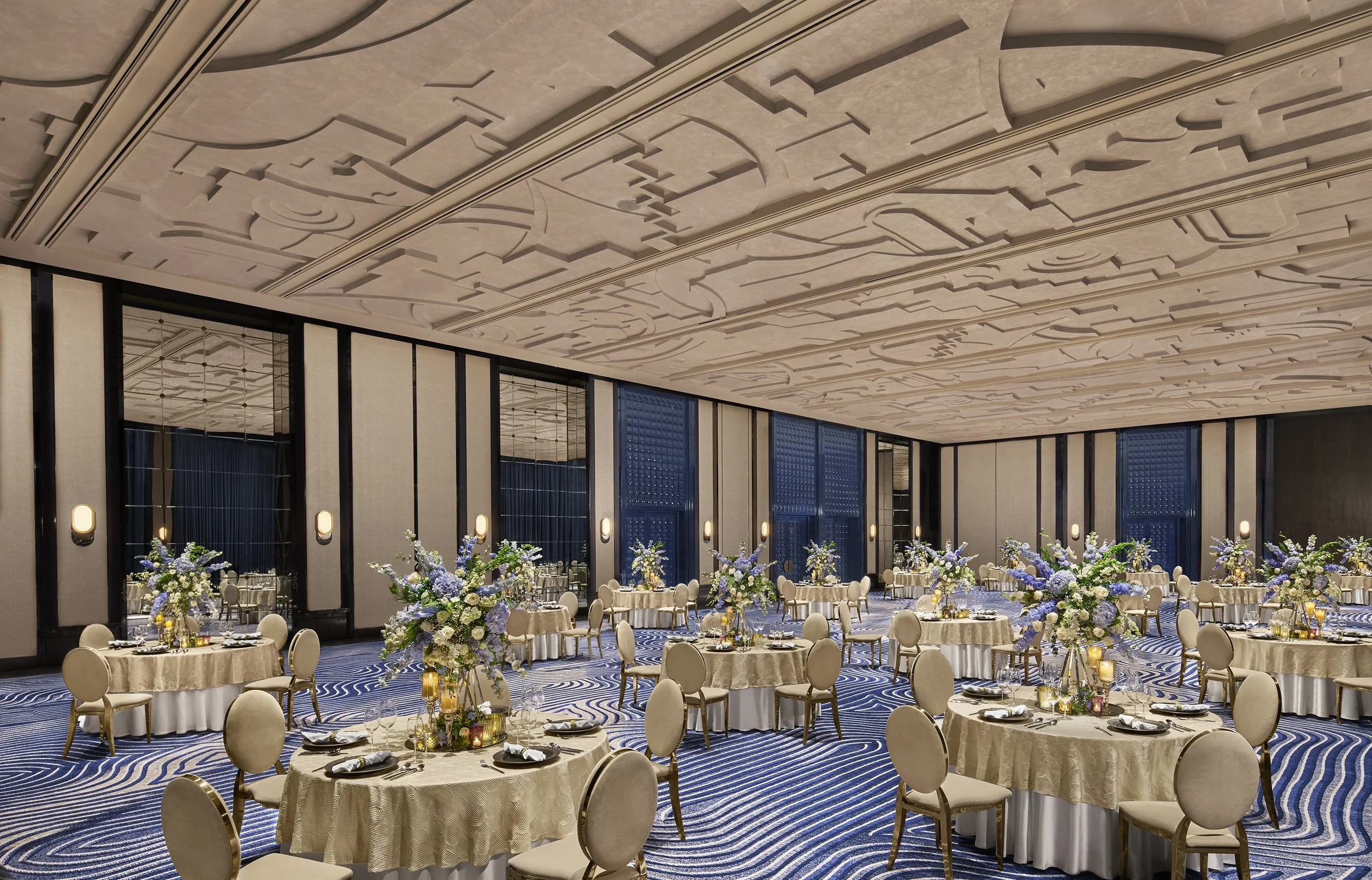
‘Constellar’ reflects the many elements that come together to create something truly extraordinary. Each star, formed through the interplay of design, represents what makes the space distinctive. Located in the heart of Worli, the 10,000-square-foot event facility combines scale with elegance, beginning with a 500-square-foot private arrival foyer that leads into a 1,300-square-foot pre-function area, and culminating in a 7,000-square-foot banqueting space anchored by a 5,700-square-foot pillarless hall with a 19-foot ceiling. Modern and contemporary interiors set a sophisticated tone, while a 1,000-square-foot LED wall, digital signage, and modular configurations introduce advanced technology and creative flexibility. Seamless connectivity to The Great Room ensures sleek transitions across weddings, soirées, and large-scale launches.

Every event is shaped by Four Season’s signature approach to personalised service, where dedicated specialists and meticulous details ensure each celebration feels intimate and memorable. With ‘Constellar’, this vision is brought to life through refined design and architecture, complemented by a deeper sense of meanin

Corporate Travel 2.0: How AI and Financial Integration Are Reshaping Business Mobility by Latika Bolar

As global business regains momentum, corporate travel is once again becoming central to how companies build relationships, enter new markets, and drive growth. While virtual interactions remain relevant, in-person engagement continues to play a decisive role in negotiations, partnerships, and execution on the ground.

What is changing, however, is the way organisations approach travel. The traditional model of bookings and itineraries is steadily giving way to more integrated, technology-led ecosystems. Companies today are seeking travel programmes that go beyond logistics—ones that can deliver efficiency, transparency, and strategic value.

At the core of this transformation is the growing role of artificial intelligence. AI-powered platforms are enabling businesses to analyse travel patterns, predict fare trends, and recommend optimised itineraries tailored to both cost and convenience. These systems are also helping organisations strengthen compliance by automatically flagging policy deviations, while improving traveller safety through real-time alerts and disruption management.

Alongside AI, financial integration is emerging as a critical lever in reshaping corporate travel. The convergence of travel management with services such as forex, payment solutions, and travel cards is enabling companies to manage expenses more seamlessly and gain tighter control over budgets.

This shift is reflected in Ebix’s evolving corporate travel strategy, particularly following its integration with Delphi World Money Limited. The alignment is creating a more unified ecosystem that combines travel services with financial solutions, offering a streamlined experience for corporate clients.

“Corporate travel today is no longer just about facilitating movement from one destination to another, it is increasingly about enabling smarter, more informed decision-making across the travel lifecycle. With AI-driven insights, organisations can optimise costs, improve compliance, and enhance traveller experience simultaneously. At the same time, integrating financial services like forex and payments into the travel ecosystem is helping businesses simplify processes and gain better control over spend. We are already seeing early momentum from this approach, and expect the corporate travel business to grow by 12–14% this quarter, driven by strong demand and the efficiencies unlocked through this integration.” says Latika Bolar, Chief Business Officer – Corporate Travel, Ebix Travels.

As the sector evolves, the next phase of corporate travel will likely be defined by this convergence of intelligence and integration—where technology not only supports travel, but actively shapes how businesses move.

Heritage Day 2026: Showcasing India’s Rich Hospitality Heritage

Heritage is not just about history t’s about the living traditions, cultural expressions, and stories that continue to shape our experiences today. In the world of hospitality, hotels play a unique role in preserving and showcasing this heritage, turning every stay into a cultural journey. From architecture inspired by the past to authentic cuisine and traditional guest experiences, hotels serve as bridges between generations and cultures. As we celebrate Heritage Day, it’s the perfect time to explore how the hospitality industry keeps traditions alive while creating meaningful, memorable moments for guests from around the world.

The Earth Amritsar, Trademark Collection by Wyndham

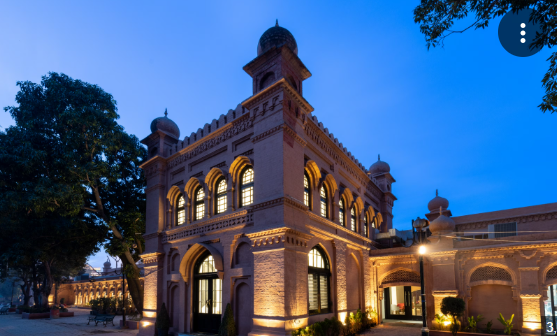
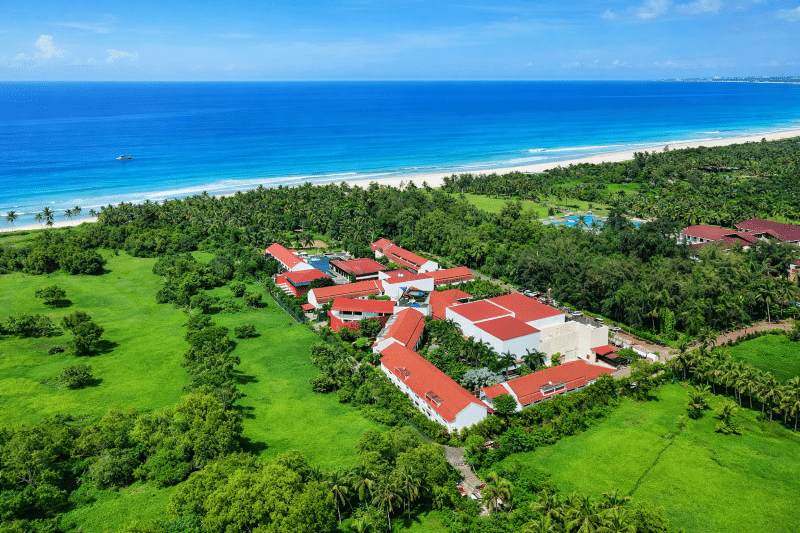
The Earth Amritsar Trademark Collection by Wyndham offers a stay that beautifully captures the essence of India’s rich cultural legacy. Housed within a 130-year-old building that once served as the Victoria Jubilee Hospital, the property has been thoughtfully restored to retain its historic charm while introducing contemporary comforts. Defined by its Victorian-style architecture, high ceilings, arched corridors, and expansive open spaces, the hotel reflects a seamless blend of old-world character and modern refinement. Located in the heart of Amritsar, it also provides easy access to the city’s most iconic landmarks, allowing travellers to fully immerse themselves in its spiritual and cultural fabric. Ideal for a meaningful summer escape, the experience goes beyond a traditional stay, offering guests an opportunity to engage with history, appreciate architectural heritage, and reconnect with the timeless stories that shape the destination.

Radisson Blu Hotels, Resorts and Spa- Udaipur

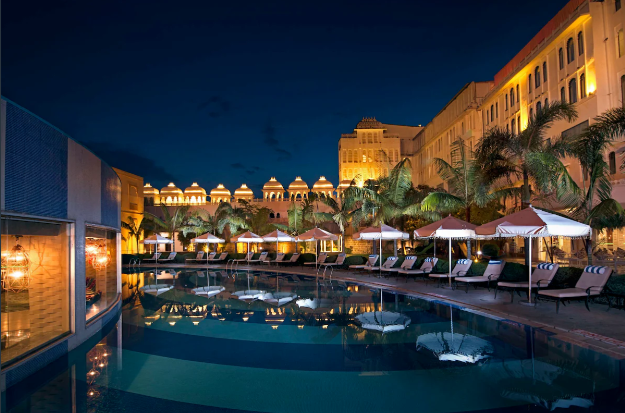
Nestled in the heart of the City of Lakes, the Radisson Blu Palace Resort & Spa, Udaipur, beautifully reflects the grandeur of Rajasthan’s royal heritage. Surrounded by serene landscapes and overlooking iconic lakes and palaces, the resort blends traditional elegance with modern luxury to create an immersive cultural experience. From its regal architecture and heritage-inspired suites to curated experiences like traditional dance, live music, and authentic Rajasthani hospitality, the property offers guests a glimpse into the region’s rich past. With its proximity to historic landmarks such as City Palace and Fateh Sagar Lake, every stay becomes a journey through time where heritage is not just preserved but thoughtfully brought to life.

Wyndham Grand Udaipur Fatehsagar Lake 

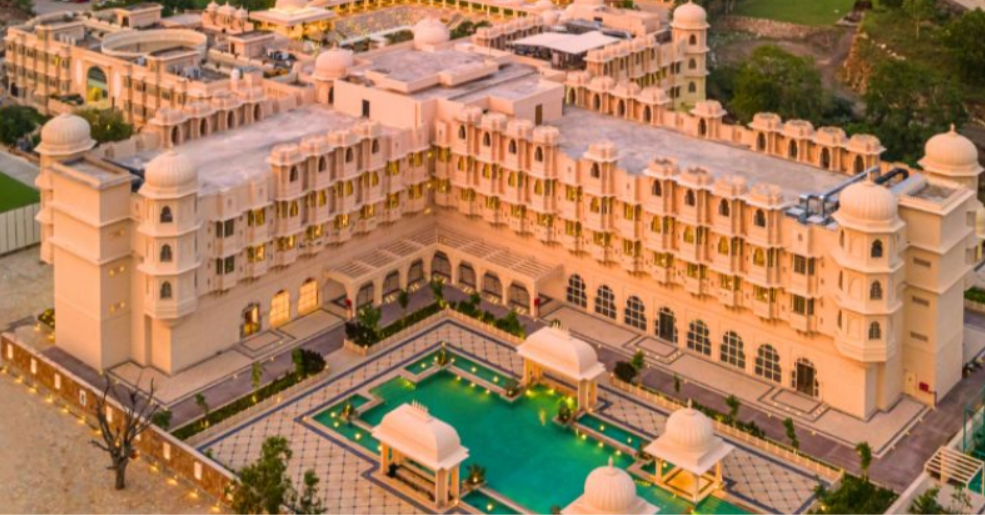
Nestled along the scenic Fateh Sagar Lake in Udaipur, the Wyndham Grand Udaipur Fateh Sagar Lake offers a luxurious escape that beautifully blends modern comfort with the timeless charm of Rajasthan’s royal heritage. Designed with palace-inspired architecture and spread across a sprawling estate, the resort captures the grandeur of Udaipur’s regal past while delivering a contemporary hospitality experience. Surrounded by the Aravalli Hills and close to cultural landmarks like Jagdish Temple and Shilpgram, the property allows guests to immerse themselves in the rich traditions, craftsmanship, and history of the region. From its elegant design to curated local experiences and authentic cuisine, every element reflects the spirit of Rajasthan. 

Stamps By Eight Continents Jodhpur

Located in the heart of Jodhpur, the iconic Blue City of Rajasthan, Stamps by Eight Continents offers a contemporary stay experience set against a backdrop of rich heritage and timeless culture. The property is strategically positioned close to some of the city’s most celebrated historical landmarks, including Mehrangarh Fort and Umaid Bhawan Palace, making it an ideal base for exploring Jodhpur’s royal legacy. Blending modern comfort with the essence of a heritage city, the hotel reflects the spirit of Rajasthan through its design sensibility, warm hospitality, and easy access to cultural attractions. Guests can experience the charm of old-world Jodhpur while enjoying contemporary amenities and urban convenience.

Stamps by Eight Continents, Pushkar

Located in the sacred heritage city of Pushkar, Rajasthan, Stamps by Eight Continents offers a contemporary stay experience deeply rooted in the destination's cultural and spiritual essence. Surrounded by centuries-old temples, ghats, and vibrant local bazaars, the property places guests at the heart of one of India’s most iconic pilgrimage towns. Pushkar, known for the Brahma Temple and Pushkar Lake, reflects a rich blend of mythology, tradition, and desert heritage. The hotel complements this setting with design elements inspired by Rajasthani art and local craftsmanship, creating a stay that connects modern comfort with the soul of the city. With immersive access to heritage walks, cultural experiences, and the vibrant atmosphere of Pushkar’s old town, the property serves as a gateway to exploring the city’s timeless charm. It is ideal for travellers seeking an authentic heritage city stay experience in Rajasthan.

India’s heritage cities continue to shape the future of experiential hospitality, where every stay becomes more than accommodation—it becomes a cultural encounter. Properties in destinations like Jodhpur and Pushkar demonstrate how modern hotels can seamlessly blend comfort with the essence of history, tradition, and local identity. As travelers increasingly seek meaningful and immersive experiences, heritage-driven destinations are emerging as key drivers of demand. Hotels that position themselves within these culturally rich cities are not just offering rooms, but curating journeys that connect guests to the spirit of the place.

Air India welcomes its first retrofitted B787-8 featuring new cabin interiors and livery

Air India today unveiled its first retrofitted, twin-aisle B787-8 (registered VT-ANT), marking the successful completion of a nose-to-tail cabin refresh of the first of 26 B787 aircraft.

The aircraft, which received comprehensive interior upgrades at Boeing’s Modification Center in Victorville, California, was subsequently painted in Air India’s striking new livery at AeroPro, an FAA Part-145 certified aircraft paint facility in San Bernardino, California.

Refreshed cabins, upgraded experience

As part of the retrofit, the aircraft interiors were completely reconfigured, transforming it from a two-class layout previously to a modern three-class configuration now with the installation of brand-new seats and inflight entertainment (IFE) system, and bringing the aircraft in line with Air India’s latest widebody product standards, as seen on its new bespoke Boeing 787-9 inducted in January 2026.

The first B787 took close to 12,825 manhours over 45 days for the retrofit, as teams progressed through a tightly choreographed workflow - from stripping out the legacy interiors to reconfiguring the cabins, installing new seats, carpets, wall laminates, overhauling galleys, lavatories, and rigorously testing the new seating and cabin components.

Refurbishing the first aircraft required a total of:

  • 475 metres of fabric for new seats across cabins

  • 167 metres of synthetic leather

  • 169 metres of carpet

  • 646 litres of paint

The aircraft exterior received a complete makeover as well, with a 20‑member specialist team dedicating over 5,700 hours over 18 days to strip the old livery and meticulously apply the new Air India colours. 

These custom-styled cabins now feature:  

  • 20 luxurious private suites in Business Class in a 1-2-1 layout, each offering privacy sliding doors, direct aisle access, 42-inch of pitch, fully flat 79‑inch bed, 17‑inch 4K QLED HDR touchscreen, multiple charging options, a softly lit cubby, vanity mirror, headphone hook, and a jaali‑inspired feature lamp.

  • 25 Premium Economy seats in a 2-3-2 layout, each offering enhanced privacy, 38‑inch pitch, 7‑inch recline, 6‑way headrest, calf and leg rest, 13.3‑inch 4K QLED HDR screens, Type A and C fast charging ports, and a bottle holder for added convenience.

  • 205 Economy Class seats in a 3-3-3 layout, each ergonomically optimised, offering 31/32‑inch pitch, 5‑inch recline, 11.6‑inch 4K QLED HDR touchscreen, and Type A and C charging ports.

Additional enhancements across cabins encompass new carpets and curtains, new wall laminates, galley overhauls, refresh of all lavatories, replacement or refurbishment of overhead bin panels, installation of a new Cabin Service System, and an updated Crew Application Panel interface.

The cabins feature customised versions of the Elevate Ascent seat in Business Class and RECARO PL3530 and CL3710 seats in Premium Economy and Economy Class, respectively. All seats are equipped with Thales’ state-of-the-art AVANT Up inflight entertainment (IFE) system.

Campbell Wilson, Chief Executive Officer & Managing Director, Air India, said: “This is a yet another proud milestone in our transformation journey as we welcome this transformed legacy B787 aircraft as a shining beacon of the new Air India. The retrofit of our first widebody aircraft is a visible symbol of the momentum behind Air India’s transformation. With 25 other 787s undergoing this comprehensive refresh, we are rapidly modernising the backbone of our long‑haul fleet and raising the bar for customers flying between India and the world."

Download image

Watch the film on our first retrofitted B787-8 here.

Progress of retrofit programme

Air India will be retrofitting 25 additional B787 aircraft over the next year, two of which are already undergoing the process, as part of a US$400 million investment to modernise the airline’s legacy fleet. The B787 retrofit programme has been jointly conceptualised and executed with Boeing, ensuring the highest standards of quality and safety in the aircraft and throughout the process.

Upon full completion of the B787 retrofit program by 2027, Air India aims to significantly upgrade the onboard product and passenger experience on over 300 flights per week to destinations across the United Kingdom, Europe, and Australia. Air India will subsequently retrofit 13 of its legacy B777-300ER aircraft.

This initiative forms a key part of Air India’s broader fleet modernisation efforts, delivering elevated comfort, privacy, and entertainment options while reinforcing the airline’s position as a premium global carrier.

Radisson Hotel Group marks Earth Day 2026 with sustainability initiatives in emerging India

Highlighting sustainability-driven initiatives across hotels in India, focusing on responsible growth, environmental impact, and community engagement.

April , 2026: At Radisson Hotel Group, sustainability is integrated into its expansion approach in India, especially across Tier 2 and Tier 3 cities. The focus remains on balancing growth with environmental responsibility through measures such as energy efficiency, resource conservation, community engagement, and more mindful guest experiences, with the aim of supporting long-term ecological and local resilience.

Hospitality at a Crossroads: The Challenge of Overtourism

As the global hospitality sector witnesses unprecedented growth, it also stands at a critical crossroads. The surge in travel demand, while a positive indicator of economic revival, has brought with it the mounting challenge of overtourism, placing immense pressure on natural ecosystems, local communities, and infrastructure. Destinations once celebrated for their pristine beauty are increasingly grappling with environmental degradation, resource strain, and unchecked development.

Earth Day as Action: Turning Intent into Impact

This Earth Day, RHG hotels across India are taking significant steps to translate intent into action, with a series of initiatives designed to foster awareness, reduce environmental impact, and inspire both guests and communities.

Radisson Resort & Spa Lonavala: Immersive Sustainability & Community Action

Radisson Resort & Spa Lonavala is marking Earth Day through a mix of guest engagement and operational measures, including nature walks, tree plantation and cleanliness drives. Ongoing efforts include solar energy use, water conservation, waste management, and reducing single-use plastics. Activities and locally sourced dining further highlight a focus on sustainability awareness and responsible consumption.

Park Inn by Radisson Navi Mumbai: Driving Grassroots Impact

Park Inn by Radisson Navi Mumbai is observing Earth Day through community-focused and resource conservation initiatives, including a street cleanliness drive around the hotel. It is also implementing minimum-pressure water usage across operations to reduce consumption while maintaining service standards.

Radisson Blu Ludhiana: Advancing Energy Transformation

Radisson Blu Ludhiana is reducing its environmental impact through operational changes, including a shift from diesel to electric boilers and heat pumps for laundry and hot water. This transition has lowered diesel use by around 200 litres per day, with notable cost savings.

Further measures include improved efficiency in laundry operations, plans to introduce solar energy, and ongoing efforts towards ISO 14005 certification to support structured environmental management.

Building a Sustainable Future for Hospitality

As the hospitality industry continues to grow, the path forward must be defined by responsibility, innovation, and collaboration. Through its sustainable initiatives and long-term strategy, Radisson Hotel Group reaffirms its commitment to shaping a more sustainable future, where tourism not only thrives but also preserves the very destinations it celebrates.

Planet Hotels reports strong growth driven by experiential travel demand

Rising occupancy, revenue gains, and strategic expansion reflect shifting traveller preferences across key markets.

April, 2026: Planet Hotels & Resorts has reported a strong year of growth, underpinned by rising travel demand, strategic market focus, and a continued emphasis on delivering distinctive guest experiences.

The group reported steady performance in 2025, with around 11% revenue growth and a 9% rise in occupancy across Thane and Goa. RevPAR also increased, supported by higher occupancy and more efficient revenue management.

Industry Trends Shaping Demand

This growth reflects wider industry trends, including a rise in domestic tourism, gradual recovery in corporate travel, and growing demand for experiential, destination-led stays. Travellers are increasingly seeking immersive, design-led spaces that go beyond basic accommodation.

Strengthening Presence in High-Demand Destinations

Planet Hotels & Resorts has aligned with these preferences through its presence in destinations such as Goa, Thane, Powai, and Manali. Vine Hills Resort & Spa Manali, in particular, draws travellers seeking mountain views and quieter, nature-led stays, contributing to its leisure portfolio.

Expansion Pipeline and Future Growth

Building on this momentum, the group is also advancing its expansion pipeline with upcoming projects across Goa, Haridwar, and Lucknow.

Leadership Perspective

Commenting on the growth, Atul Neharkar, AVP Sales, Planet Hotels & Resorts, said: “We are encouraged by the strong growth momentum witnessed over the past year, particularly across our key markets of Thane and Goa. This performance reflects not only robust demand but also our focused approach towards driving revenue and maximizing asset performance. Our continued emphasis on experiential hospitality and strategic expansion into high-potential destinations has further strengthened our market positioning.”

He further added: “The hospitality landscape is evolving rapidly, with guests seeking more curated and meaningful experiences. Our approach is centered on delivering memorable stays through thoughtfully designed spaces, personalised service, and a deep understanding of these changing preferences. As we grow, our focus will remain on innovation, consistency, and elevating the overall guest journey across all our properties.”

Tourism at a turning point – Rethinking how India grows

How shifting traveller expectations, overtourism, and sustainability are redefining the future of tourism in India.

Global tourism is undergoing a structural shift; from mass-driven sightseeing to experience-led immersive travel, as consistently highlighted by World Tourism Organization and World Travel & Tourism Council. India’s tourism demand too has moved towards experience-led, cultural, and nature-based travel, reflected in strong domestic tourism volumes; over 2.3 billion domestic visits annually (MoT); and rising interest in niche segments such as wellness, heritage, and eco-tourism.

Today’s tourist comprises of experience seekers, digital nomads and slow travellers, looking for local immersion rather than mere sightseeing. Health, wellness & sustainability are often top priorities for this new genre. According to UN Tourism, international arrivals recovered to ~95% of pre-pandemic levels by 2024, but growth is increasingly concentrated in fewer destinations, intensifying pressure.

Overtourism in turn, has resulted in Experience Collapse. The age of algorithm driven tourism has become visually repetitive. People go where photos look good. Driven by global capital that seeks scalability & uniformity, trending destinations “die” withing a couple of years due to lack of any cultural depth; same cafes, same beach clubs, same “aesthetics”.

Connectivity Is Rising and Planning Must Keep Pace

Connectivity is no longer an issue in India. In fact, with current initiatives for highways, airports, and rail, connectivity in India has never been better. Locations near airports, major expressways, important pilgrimage routes and heritage clusters are areas where it is possible to create integrated, contiguous tourism ecosystems. However, all of this requires disciplined master planning.

The land-use patterns, traffic flow, pedestrian experience and commercial programmes must all be aligned from the very beginning of the planning process. Often, Tourism demand is peak-loaded, while infrastructure is base-loaded.Over-development due to short-term planning has led to overcrowding, infrastructure fatigue and ecological degradation. Long-term, coordinated planning will create resilient places that are able to adapt over time and remain viable (sustainable) year round, not just in peak demand season.

At the ground level, this creates friction: communities face rising living costs and crowding, while global capital drives standardisation for scalability, often diluting local character. State policies—while progressive in intent (eco-tourism, homestays, PPP models)—are often slow to implement due to multi-agency approvals and regulatory overlaps. The result is a widening gap between evolving traveller expectations and what destinations can sustainably deliver.

Authenticity Will Outperform Replication

The tourism industry, which contributes significantly to many national economies, thrives on authenticity. Tourists do not cross continents to see replicas of modernity or merely to change their surroundings – they seek connection – with history, civilizations & other communities in search of meaning, curiosity & discovery.

The deeper value of heritage, however, is social. Historic environments foster continuity between generations, enabling citizens to locate themselves within a broader narrative. In societies undergoing rapid transformation, such continuity acts as emotional infrastructure. It anchors identity amid the instability of modernization. Communities that conserve their built and intangible heritage also tend to preserve social cohesion, because shared memory reinforces shared purpose.

The key to tourism in India is its extraordinary diversity. Each of its regions has unique materials, crafts, stories and landscapes. Traditional heritage areas, coastal communities, deserts, forests and river corridors exhibit this inherent character. In order for design to respect local climate, craft tradition and culture, it is essential that authenticity is built into the design and developmentmodel.

Sustainability Will Define Long-Term Viability

Tourism imposes great demand on natural resources. There is a continued threat (recurrent problem) of water shortage, solid waste and land use issues. Because of the physical demands of tourism on natural resources, sustainability cannot be merely a compliance issue, but will be a design requirement when developing tourism.

India stands out among emerging economies for its mandatory, structured ESG disclosure framework. By integrating ESG into governance through the People–Planet–Profit approach and BRSR reporting, India can build a sustainable, inclusive, and globally competitive tourism sector—positioning itself to lead and shape the future of global tourism evolution.The future of tourism development is in creating environments that work as living systems; rather than mere infrastructural projects.

Communities as the Real Custodians of Place

A thriving tourism industry cannot occur without community engagement. As such, communities play an important role in determining the outcome of a project as opposed to merely being on the periphery of development. When the local economy benefits from the presence of a tourism destination, it will remain vibrant. Conversely, when the local community feels displaced, the tourism destination will lose its authenticity. A memorable destination is not created solely by the physical characteristics; rather, it is created by the people that bring it to life.

Designing with an inclusive community approach will create continuity, resilience and longer-term viability in the destination.

Jasper Food Manufacturers Private Limited Honoured at Zepto Café Business

Partner Excellence Program in Bengaluru

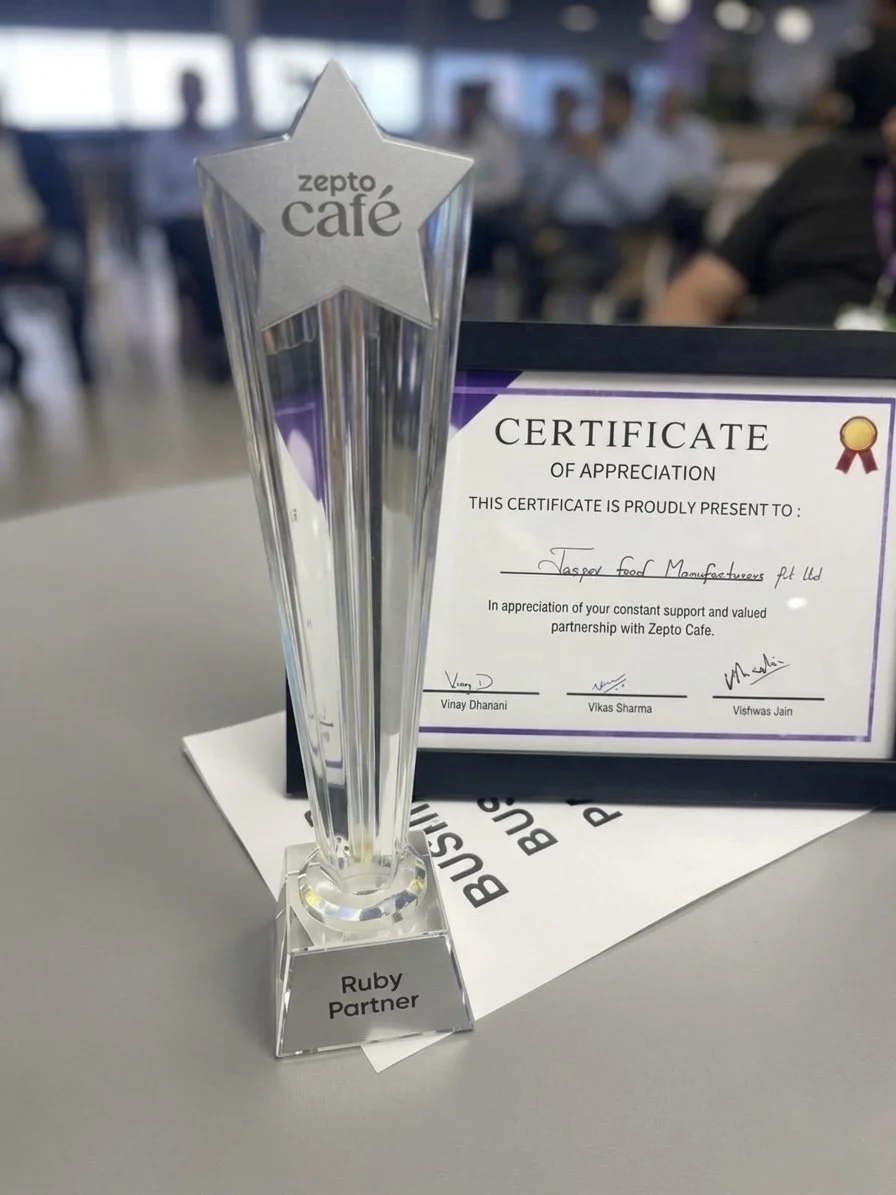
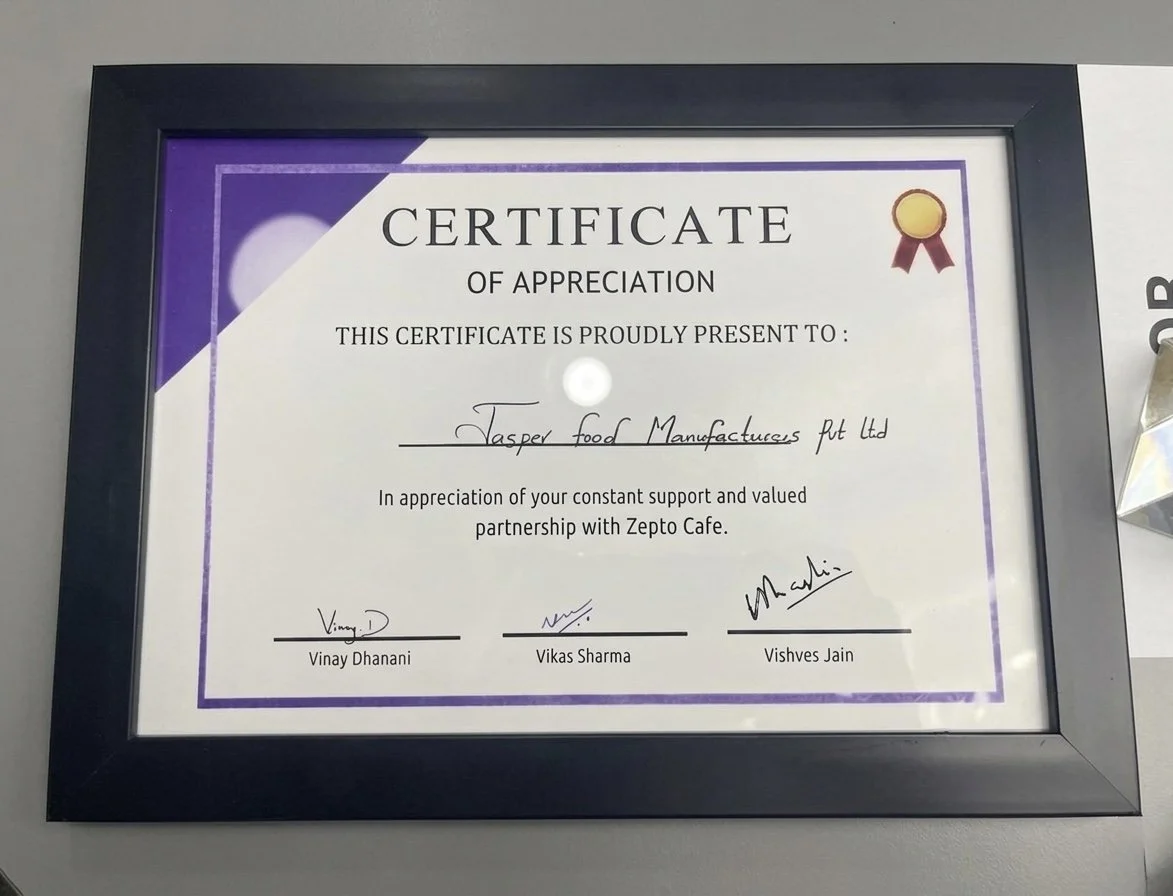
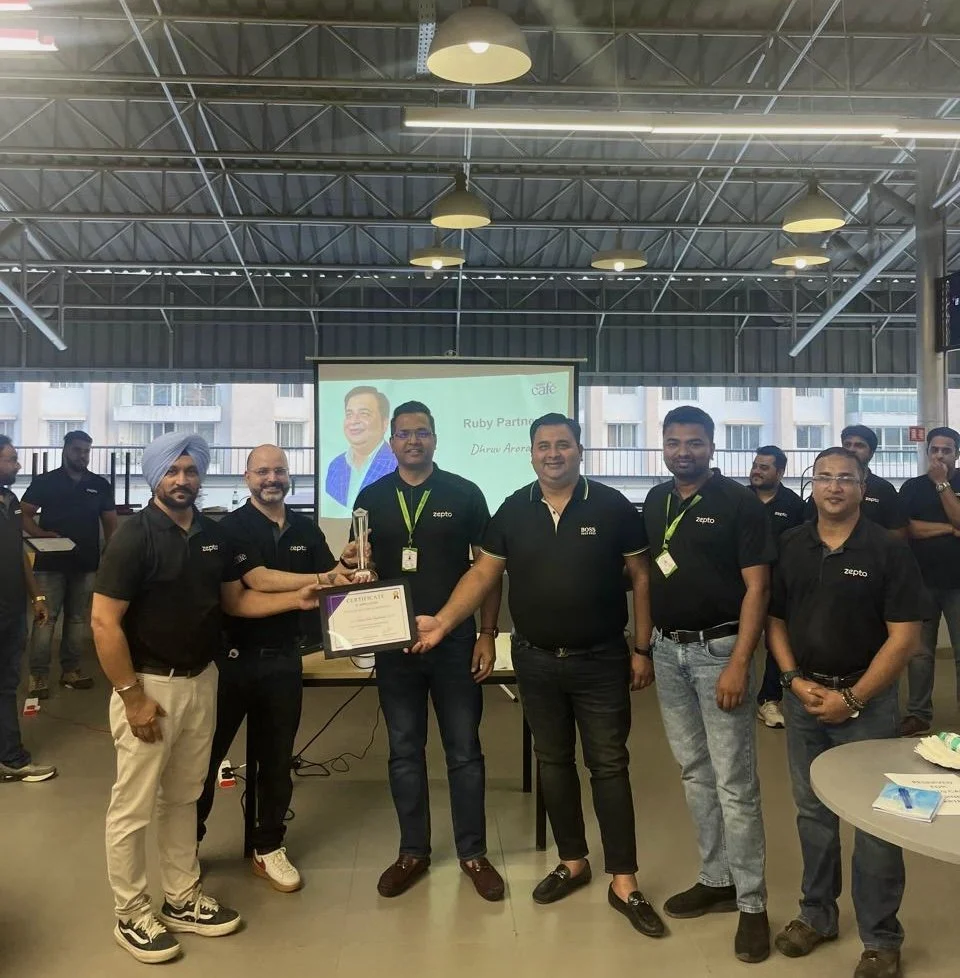
April, 2026 Jasper Food Manufacturers Private Limited (JFMPL) has been recognised for its outstanding performance and operational excellence at the Zepto Café Business Partner Excellence Program, held at Zepto HQ in Bengaluru today.

The recognition comes as part of Zepto Café’s flagship initiative aimed at strengthening its partner ecosystem by driving measurable performance across key metrics such as lead time adherence, fill rate, and quality ratings. Culminated in a partner conference celebrating top-performing collaborators across its network.

JFMPL stood out among multiple partners for its consistent delivery, high-quality standards, and ability to align with Zepto Café’s fast-evolving operational requirements in the quick commerce ecosystem. This recognition highlights Jasper’s commitment to reliability, efficiency, and long-term partnership building. These are critical factors in enabling seamless last-mile execution and customer satisfaction in high-demand environments.

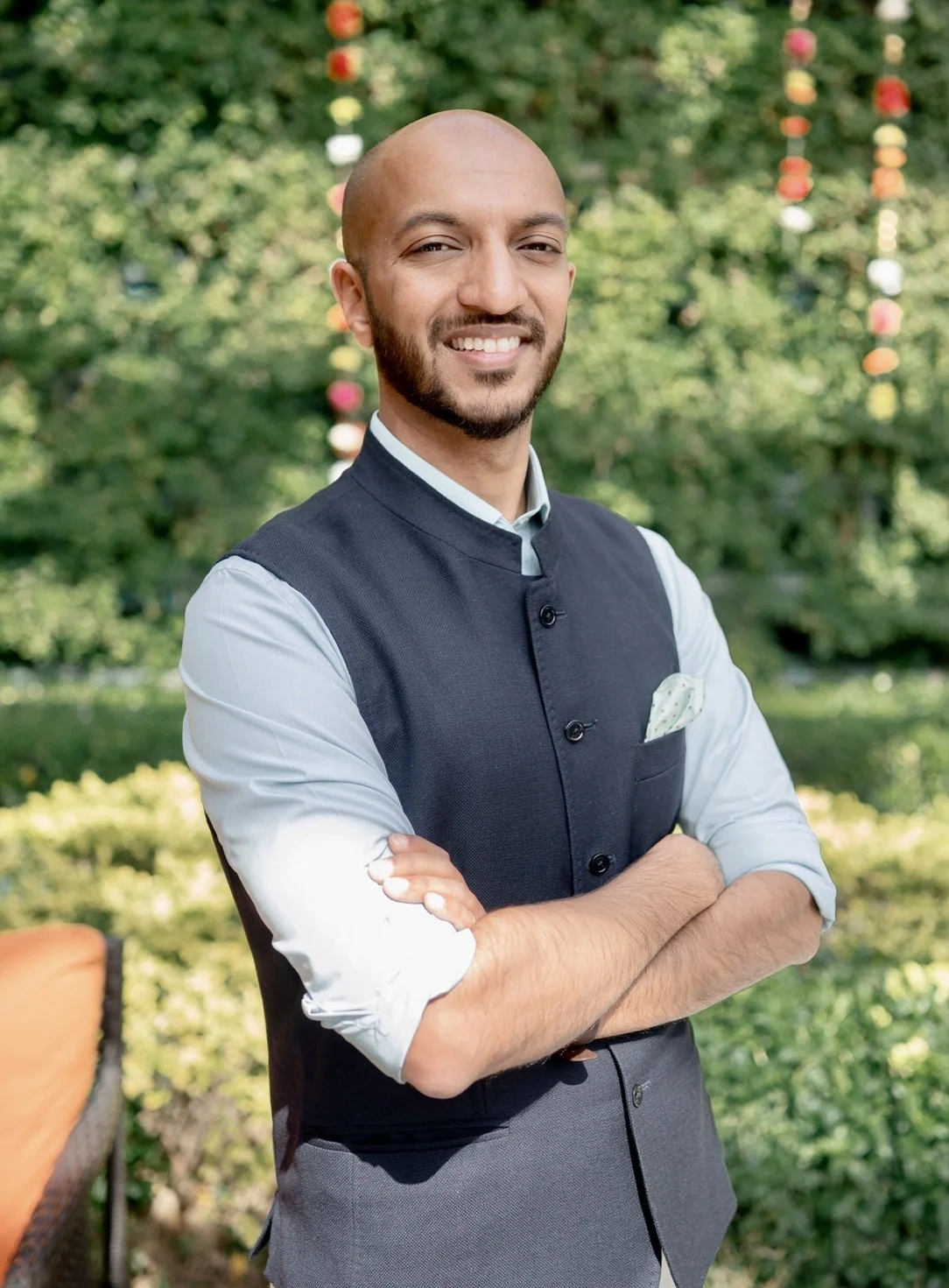
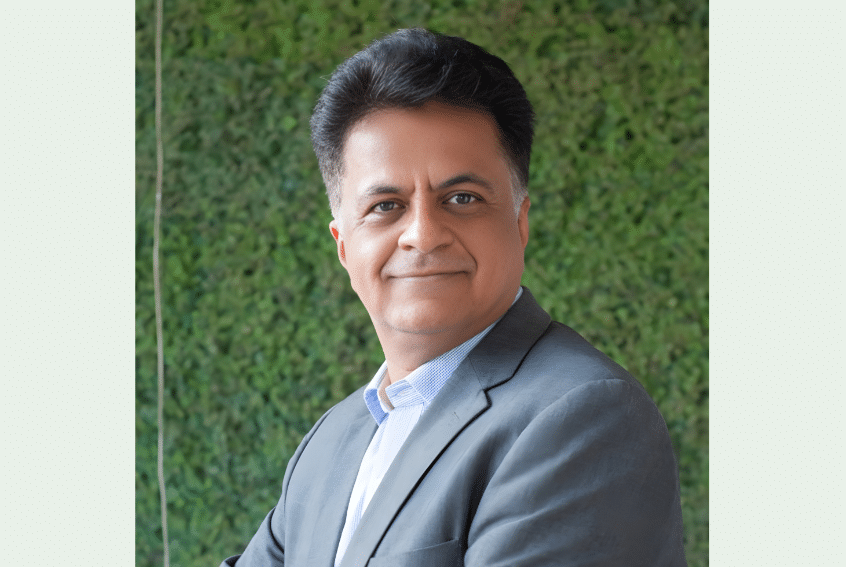
Dhruv Arora, Managing Director, Jasper Group said, “We are proud to be recognised by Zepto Café as a top-performing partner. This award reflects the discipline, agility, and ownership our teams bring to the table every single day. As the ecosystem becomes faster and more demanding, partnerships will increasingly be defined by consistency and trust, and this recognition reinforces that we are on the right path. We look forward to building on this momentum and setting even higher benchmarks together.”

The event concluded with an exclusive networking reception, bringing together key stakeholders and partners to further strengthen collaboration and future growth opportunities.

Amrit Bhawan Introduces a New Suite of Experiences That Reframe Haridwar Beyond Ritual

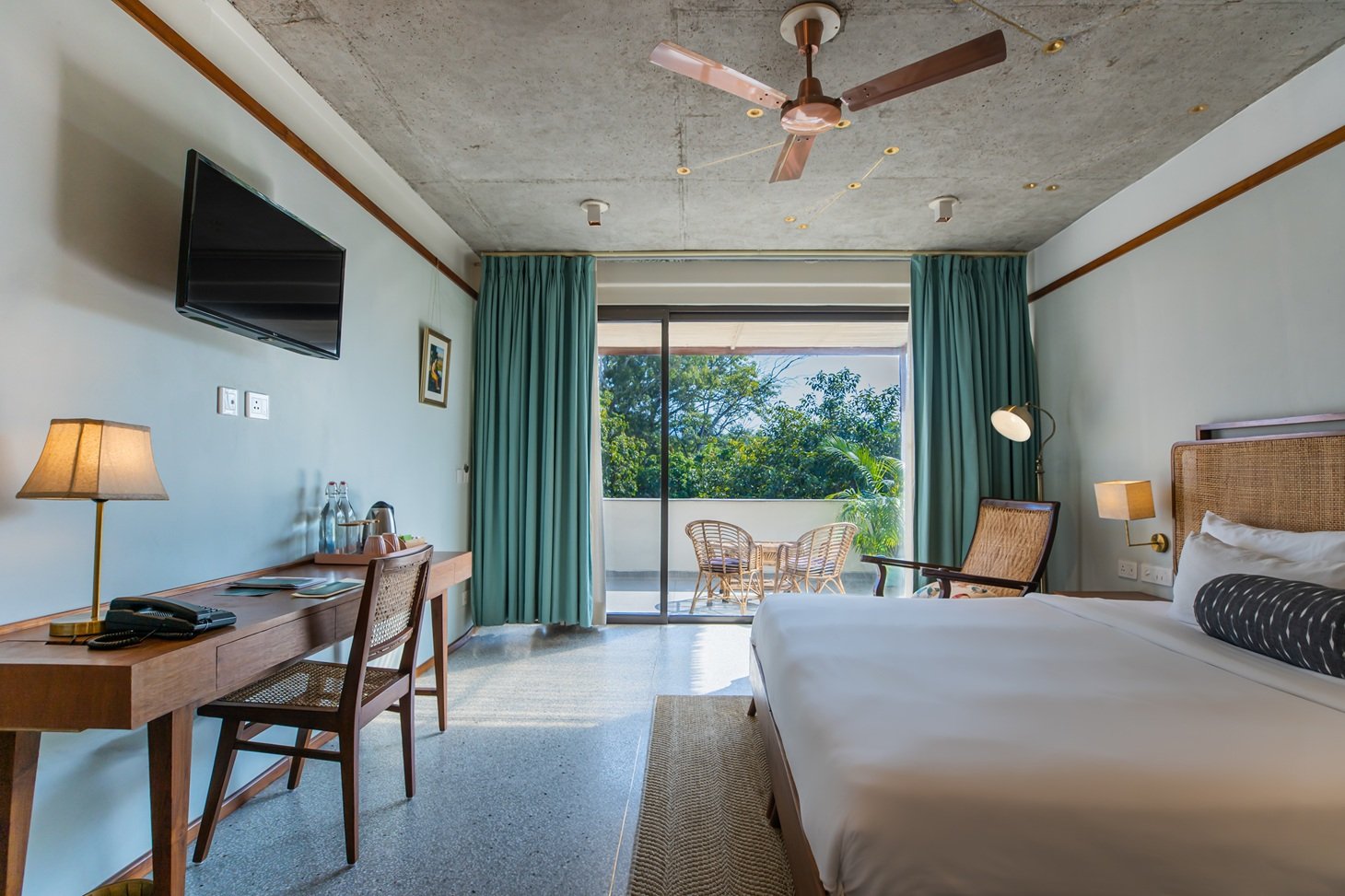
New Delhi,  April’26 –At a time when many journeys to Haridwar remain centred around ritual and religion, Amrit Bhawan is quietly reimagining how the city can be experienced. The riverside heritage retreat has introduced a new set of thoughtfully layered experiences that invite guests to engage with the destination through stillness, landscape, and lived culture rather than itinerary.

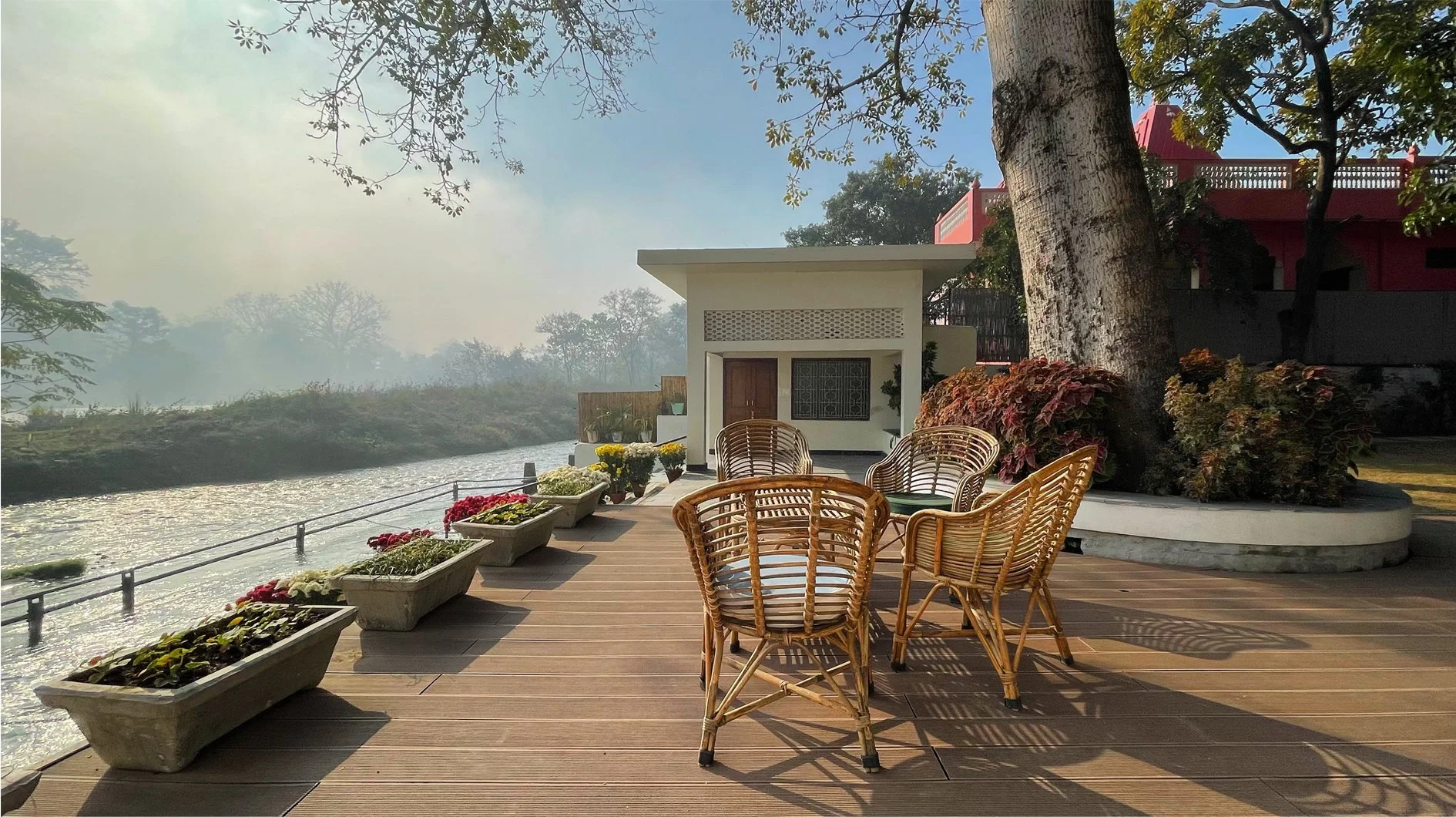
At the heart of this evolution is the restoration of the property’s private ghat. Now reimagined with a more open, accessible layout, the space allows for unhurried time by the river, whether through morning yoga, small gatherings, or moments of pause, while retaining the intimate, residential character that defines the eight-room home.

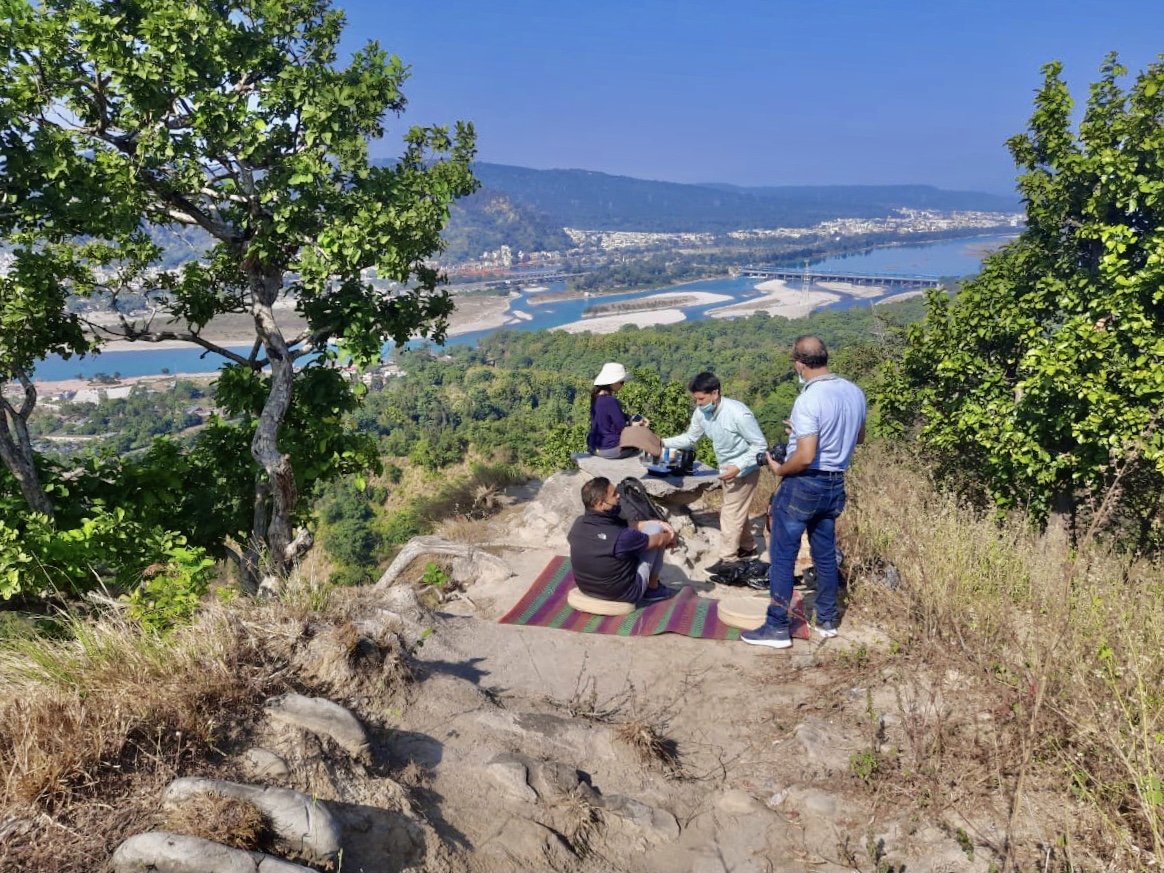
Beyond the immediate riverfront, the experiences extend into the surrounding region. A half-day journey into a village in Pauri Garhwal offers a glimpse into the rhythms of hill life from shared meals in local homes to walks that open into Himalayan views. Closer to Haridwar, a sunrise rose plucking experience, developed in collaboration with Perfume Tourism Kannauj, traces the journey of flowers from cultivation to distillation, revealing a quieter layer of the region’s relationship with scent, ritual, and craft.

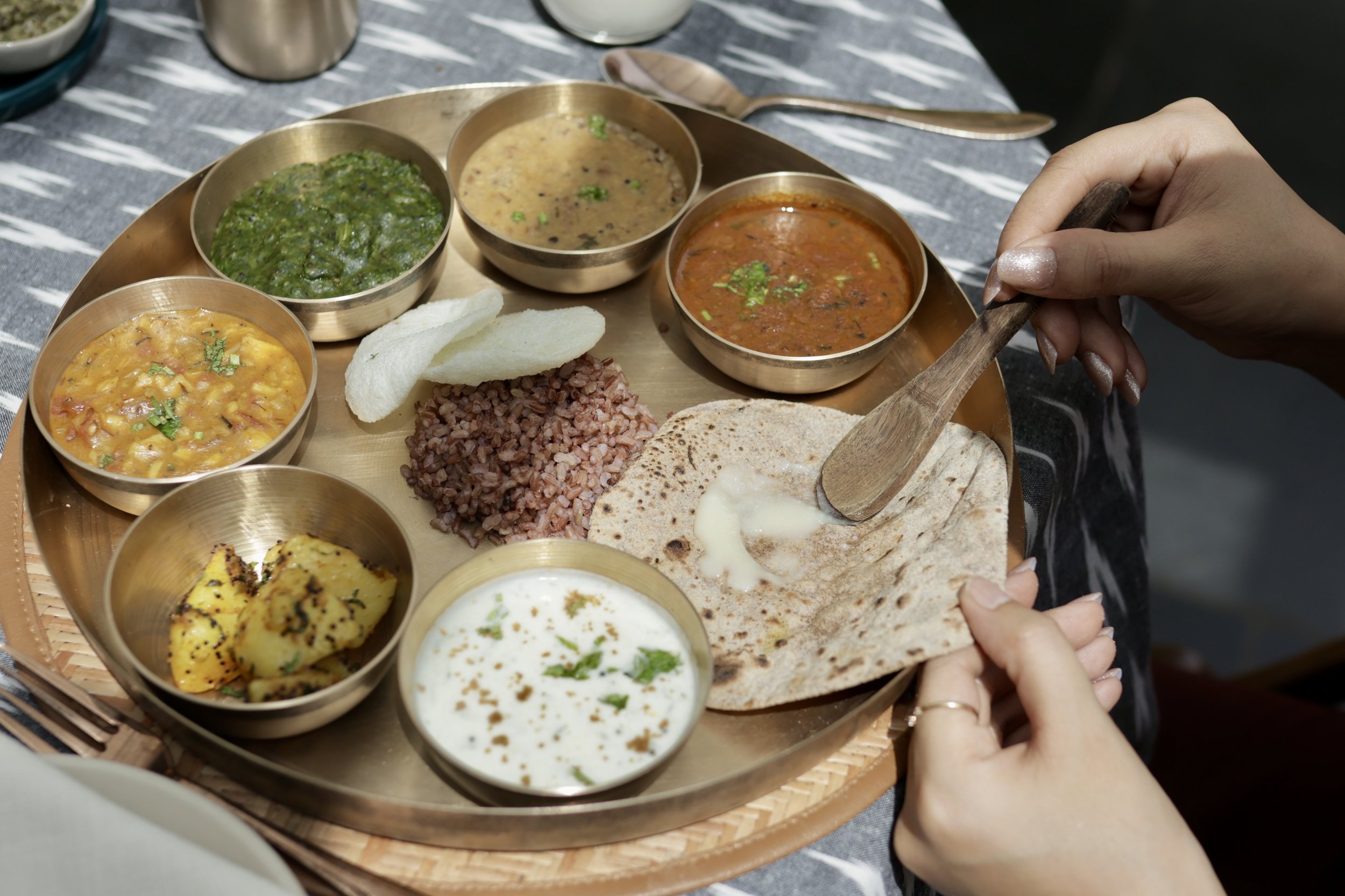
Within the house, a seasonal summer menu has also been introduced, drawing on cooling ingredients and regional flavours from buraansh sherbet and imli soda to simple pahadi dishes that reflect the landscape as much as the season.

“These experiences are not designed as additions, but as a way of re-engaging with the cultural and ecological context of a place. ” says Varun Bajaj, Founder and Managing Partner, Ekat Travel & Lodging and Founder of Amrit Bhawan. “For a long time, destinations like Haridwar have been experienced through a singular lens. What we are attempting is to widen that lens to create access to everyday life, local knowledge systems, and slower forms of travel that exist alongside, but often outside, the dominant narrative,” he further added

With these new Ekat Experiences, Amrit Bhawan continues to shape a more contemplative narrative of Haridwar, one that unfolds not through spectacle, but through a slower, more intimate engagement with the river, the region, and its everyday life.