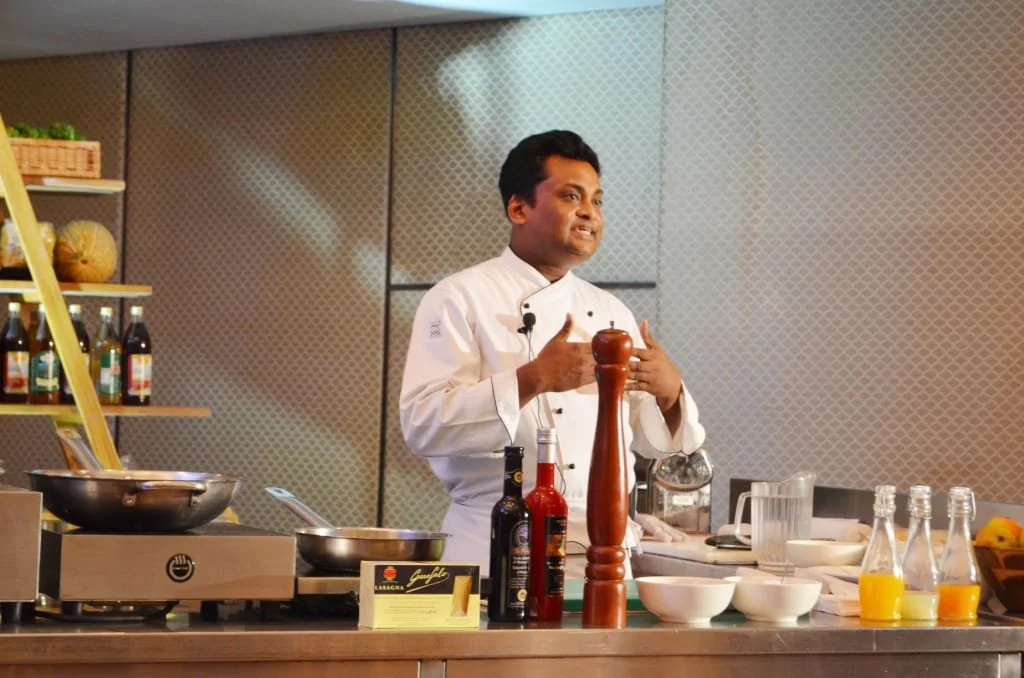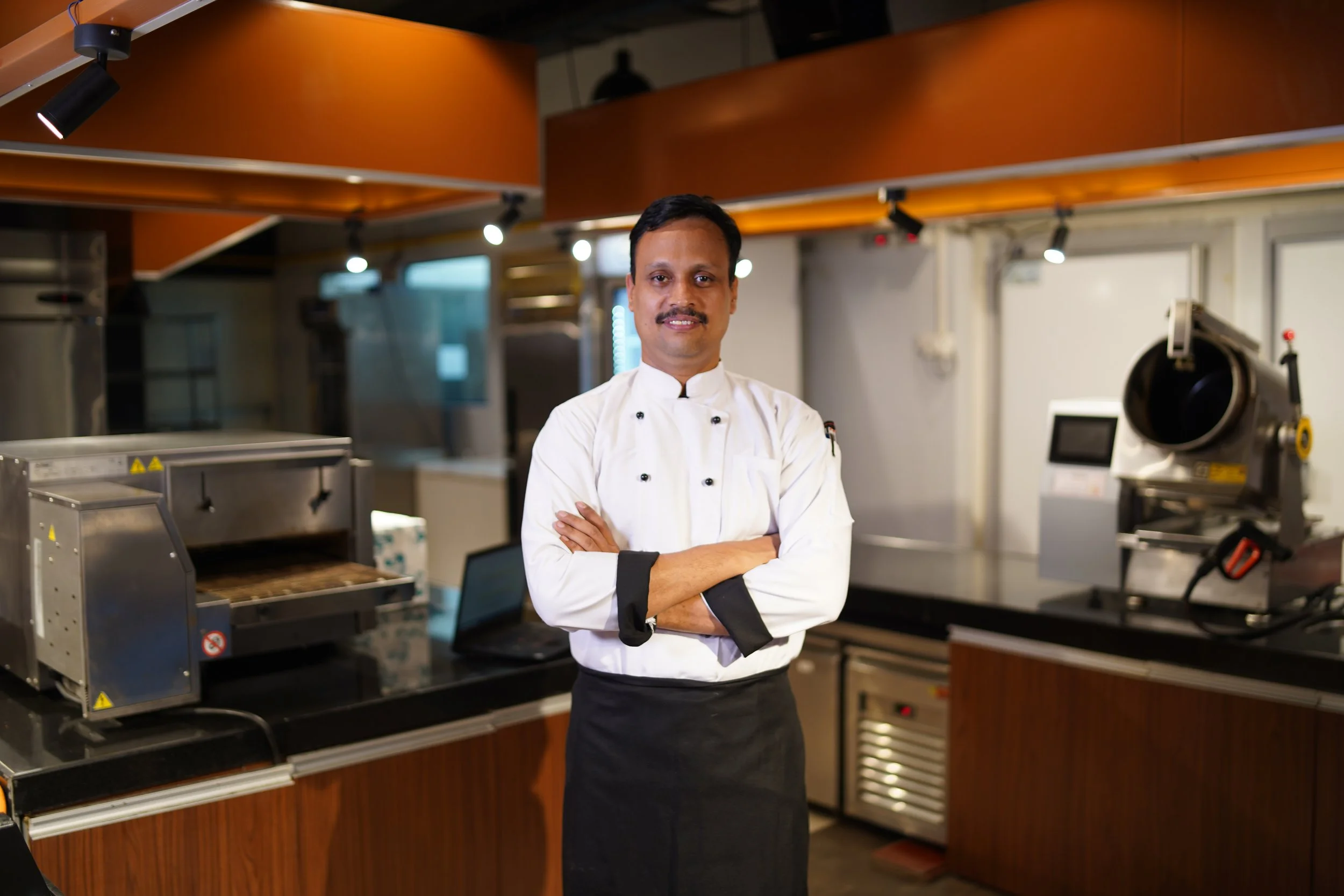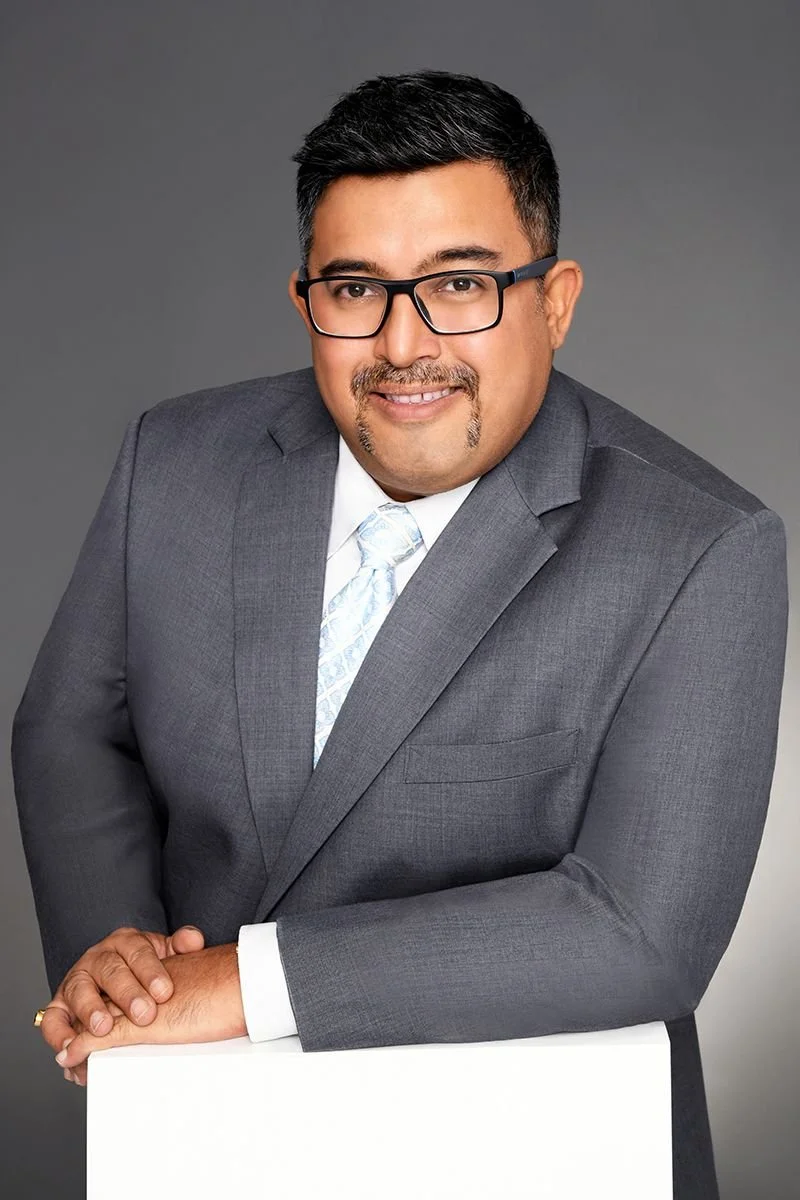
Exclusive Interview | Chef Siddarth Noronha, Executive Chef, Sheraton Grand Pune

Chef Siddarth Noronha

The culinary world is a vast and intricate landscape, and it takes time to master the craft. With patience and perseverance, you will hone your skills and develop a deep understanding of the art of cooking.

Editor: How did it all start? Share your culinary journey with us.

I have gained over 16 years of valuable experience working with prestigious hotel brands such as Hyatt, Accor, and Marriott. During this time, I have had the privilege of being a part of the teams at some of India's most iconic hotels, including Taj Mahal Mumbai, Grand Hyatt Mumbai, Grand Hyatt Goa, Hyatt Regency Mumbai, including various Accor properties in Goa and Mumbai.

Editor: What are your earliest memories of the kitchens you worked in?

I began my culinary journey with humble tasks such as peeling onions, de-shelling prawns, and breaking eggs. Additionally, I was responsible for preparing 45 liters of fresh orange juice each day. In the absence of a chef, I even manned the egg station, where I had the opportunity to engage directly with our esteemed guests.

Editor: A dish your patrons/guests love

As a culinary artist, I do not have a singular favorite dish that I recreate for guests as my creations are constantly evolving. I take pride in my creations and meticulously craft each dish with precision and creativity. However, my passion for excellence drives me to revisit and rework my creations months later with fresh eyes, refining them to new levels of perfection.

Editor: A dish that you love but do not have on your menu

Picture this - a succulent lobster Moilee, delicately spiced with aromatic flavors and served alongside a zesty lemon chili cookie with podi tuile, a perfect harmony of textures and flavors that is sure to tantalize your taste buds. And the best part? This delectable dish is not even on our menu yet!

But wait, there's more! As passionate culinary artisans, we are always seeking new ways to elevate our offerings, and we are thrilled to announce that we will be introducing this exquisite dish to our menu very soon. Stay tuned for the unveiling of this culinary masterpiece that is sure to leave a lasting impression on your palate

Editor: What according to you does it take to become a successful chef?

In the ever-evolving world of culinary arts, one must remain committed to perfection, and that starts at the table. As a passionate culinary artist, my focus is on every intricate detail of the food presented, ensuring that each dish is an unforgettable experience for my guests.

But my passion for excellence doesn't end there. Every day presents an opportunity to improve, to learn new tricks of the trade, and push the boundaries of innovation. Whether it's experimenting with unique flavor combinations or exploring the latest cooking techniques, I am committed to staying ahead of the curve and taking my craft to new heights. After all, there is no greater reward than the satisfaction of seeing my guests relish each and every bite.

Editor: What advice would you give to a young culinary student?

To the next generation of culinary talents, I offer this sage advice: patience, hard work, and passion are the keys to success. The culinary world is a vast and intricate landscape, and it takes time to master the craft. With patience and perseverance, you will hone your skills and develop a deep understanding of the art of cooking.

But beyond just hard work, it's crucial to enjoy what you do. Culinary arts are a labor of love, and it takes genuine passion to create something truly remarkable. Embrace the journey, savor every moment, and never lose sight of your love for the culinary arts. With dedication, passion, and an unrelenting pursuit of excellence, there is no limit to what you can achieve.

Editor: What instruments/ equipment/devices you cannot imagine working without?

A chef's knife is the cornerstone of a culinary artist's toolkit, an essential implement that no kitchen can function without. It is the epitome of a chef's mastery, representing years of experience and skill.

In addition to the chef's knife, mixers and other tools play a crucial role in any culinary endeavor, helping to bring to life the flavors and textures that make each dish unique. But it is the chef's knife that truly sets the stage for a masterful culinary creation, embodying the very essence of a chef's artistry and skill.

Editor: Your favorite ingredient is…

Garlic is, without a doubt, one of my all-time favorite ingredients. It possesses an unparalleled versatility that adds depth and complexity to a wide variety of dishes. The aroma of garlic sizzling in a skillet is nothing short of intoxicating, signaling the start of a culinary adventure.

The distinct crackle and pop that garlic emits as it cooks add an auditory layer to the sensory experience, further enhancing the dish's appeal. Whether used to add a subtle flavor to a sauce or as a dominant ingredient in a stir fry, garlic has the power to elevate any dish to new heights. Its ability to complement a broad spectrum of flavors is truly unparalleled, making it an indispensable ingredient in any culinary arsenal.

Editor: Name chefs, you find amazing or chef's work you admire.

The culinary world is teeming with talented chefs, but there are a few whose work styles have truly captivated me. Thomas Keller, for one, is a culinary legend whose focus on precision and attention to detail have earned him countless accolades.

Rene Redzepi is another chef whose innovative approach to Nordic cuisine has made him a household name. His emphasis on locally sourced ingredients and commitment to sustainability have set him apart as a true trailblazer.

The Roca Brothers are a family trio whose creativity and vision have helped establish their restaurant, El Celler de Can Roca, as one of the world's finest. Their imaginative dishes, inspired by the flavors of their Catalan heritage, are nothing short of masterpieces.

Chef Alex Atala's work style is similarly impressive, with a focus on using locally sourced ingredients to create bold and inventive Brazilian cuisine. And last but not least, Francis Mallmann's expertise in open-fire cooking has earned him a reputation as one of the world's most innovative chefs.

Each of these culinary masters has a unique approach to their craft, and their dedication to excellence is truly inspiring. Their work styles have challenged and inspired me to push the boundaries of my own culinary artistry, and I am grateful for the knowledge and inspiration they have imparted.

Editor: What books should every chef read?

As a culinary artist, I have found that reading is one of the most powerful tools for enhancing my craft. A vast and varied selection of books can offer insights into techniques, flavors, and cultures that you may not otherwise have access to.

Some of my personal favorites include the Éditions Larousse, a veritable treasure trove of culinary knowledge and techniques that can be applied to any style of cuisine. The infamous "Kitchen Confidential" by Anthony Bourdain offers a gritty, behind-the-scenes look at the restaurant industry that is as entertaining as it is informative.

For a more refined palate, "The French Laundry Cookbook" offers a peek into the meticulous and highly refined techniques of Chef Thomas Keller, a master of contemporary American cuisine. And for a taste of local inspiration, "Chefs' Favorites from the Taj" showcases the flavors and techniques of some of India's most celebrated chefs.

Each of these books offers a unique perspective and set of skills that can help take your culinary artistry to the next level. So grab a book, settle in, and prepare to be transported on a culinary journey like no other.


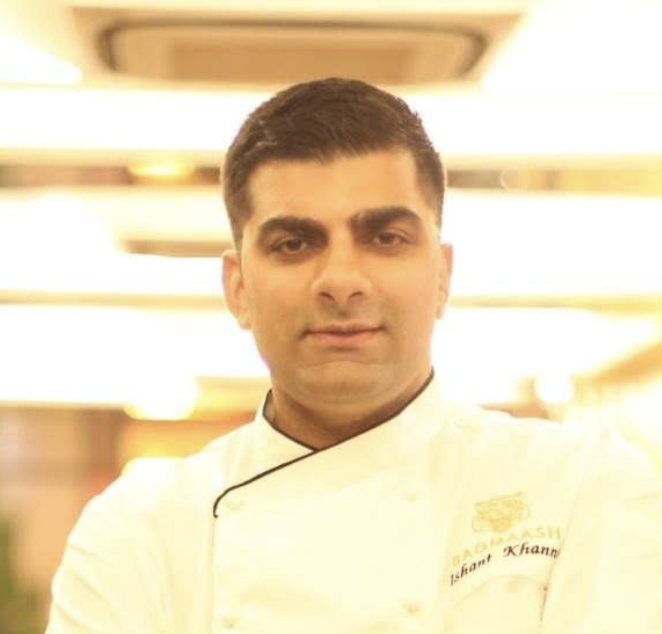
Exclusive Interview | Chef Ishant Khanna, Corporate Chef, Badmaash, VRO Hospitality

Exclusive Interview | Chef Ishant Khanna,  Corporate Chef, Badmaash, VRO Hospitality

What is one software you would like to see? 

A software which can give an insight into each recipe, from calculating the calories, protein, carbohydrates etc, to analysing the effect of each ingredient and giving a deeper understanding of the benefits and health hazards.

Read More

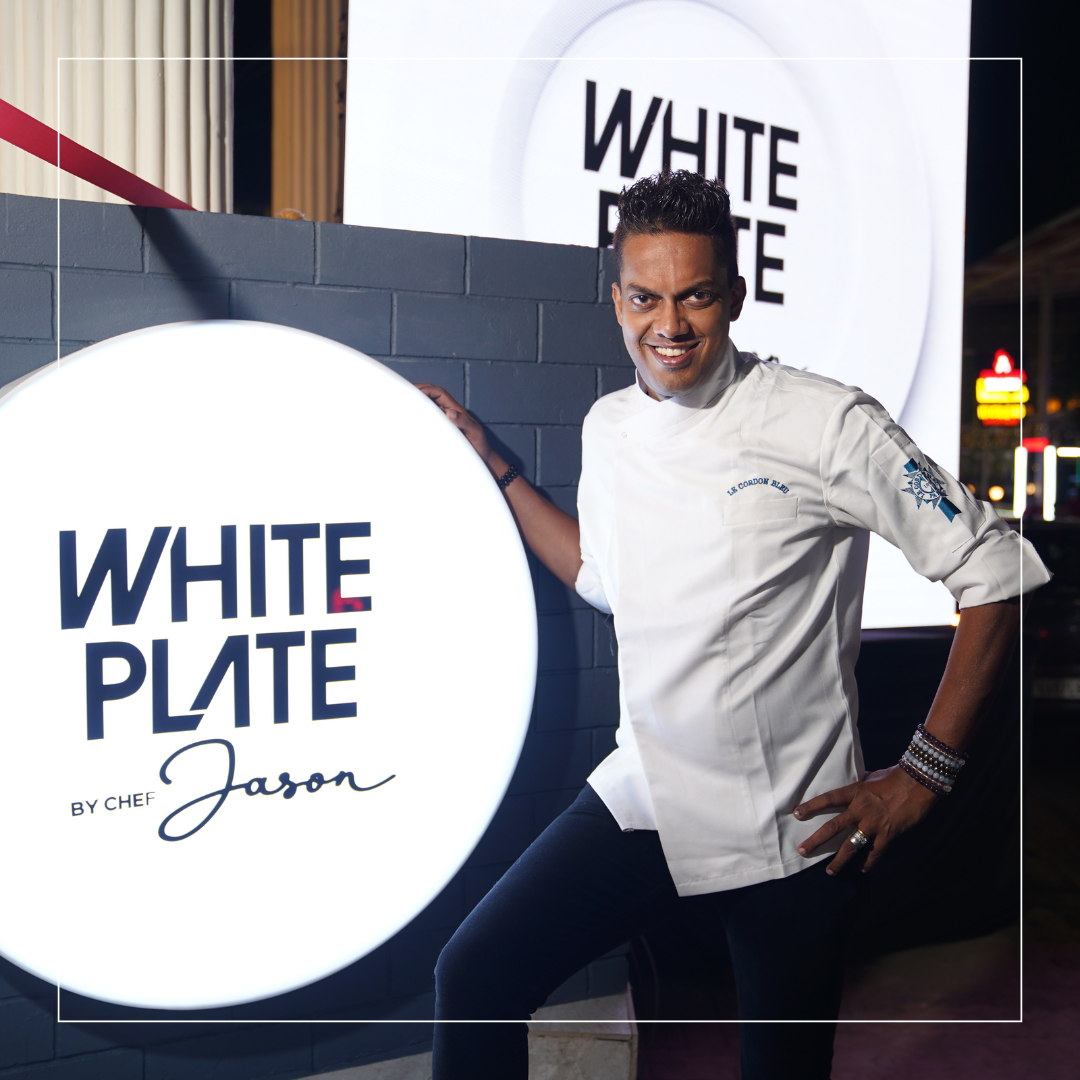
Exclusive Interview | Chef Jason, White Plate

Exclusive Interview | Chef Jason, White Plate

There is no substitute for hard work and diligence. One has to hone one’s craft with time, because the food and beverage segment is constantly evolving. Businesses that are able to innovate and stay ahead of the curve will be well-positioned to succeed in today’s competitive marketplace. Those that fail to innovate risk being left behind.

Read More

Exclusive Interview | Chef Playton Dias, Kamaxi College of Culinary Arts, Goa

Baking is an art form, with a bit of maths thrown in:

Chef Playton Dias

Working for 18 years in this industry has been a roller-coaster ride for Chef Dias. He has worked in a variety of trying job conditions facing labour scarcity, job stress and dealing with the complexities of working alongside colleagues from over 46 different nationalities. 

How did it all start? Share your culinary journey with us

Watching a baker in action can lead one to perceive baking as an art form, with the baker as the artist who combines a variety of flavors, textures, and aesthetics to create edible masterpieces. 

An art form, yes, but according to Chef Playton Dias, who is a faculty at the Goa-based Kamaxi College of Culinary Arts (KCCA) Bakery & Pastry section and the person in-charge of shaping the careers of young bakers for the future, to become a good baker, one needs to know a little bit about number crunching too. 

What are your earliest memories of the kitchens you worked in

He smiles as he recalls how he lived to relish his childhood dreams of becoming a chef on a cruise ship. 

“I had big dreams as a child. I always imagined myself working on a cruise ship,” says Dias who hails from Rivona village, a tiny, but picturesque hamlet in South Goa. 

After completing his studies and plying his trade as a chef at various starred hotels in Goa, Chef Dias embarked on a journey aboard on one of the many luxurious cruise liners operated by Princess Cruises, sailing along the US coastline and living his childhood fantasy to the fullest.  

His drive to reach the top is what enabled him to persevere in the face of adversity. There have been good times too, as he was able to travel to multiple countries and forge friendships across the globe. 

Name chefs, you find amazing or chefs’ work you admire

He holds great respect for Chef Andrej Brzeskot, a noted Corporate Pastry Chef. He spent a significant amount of time working as an Executive Pastry Bakery Chef with Chef Brzeskot at Princess Cruises. As a mentor, Chef Brzeskot has earned his admiration due to his work ethic and willingness to impart his knowledge to colleagues. He has gained valuable insights from Chef Brzeskot, particularly in areas such as chocolate art, entremets, and flavor matching. 

Your favorite ingredient is…

Dias states that his preferred ingredient is dark chocolate. He explains that dark chocolate has a more intricate flavor profile than milk chocolate due to its lower sugar content, which can improve the taste of baked goods. 

Dias believes that maintaining a healthy relationship with food is crucial for one's overall well-being, and dark chocolate can be a part of that balanced approach. Moreover, consuming dark chocolate has been associated with decreased stress levels and enhanced brain function. It's essential to remember that indulging in a chocolate treat should not lead to feelings of guilt or stress, and maintaining a positive and balanced attitude is key to a healthy relationship with food.

After several years of sailing the seas, Chef Dias decided to return to Goa and spend his days imparting knowledge to youngsters wanting to make a career in the global culinary industry at the KCCA.

“Teaching skills and techniques to the students here at KCCA gives me immense satisfaction. I see myself in these young students as they work towards learning the skills which will make them leading chefs of tomorrow, " says Chef Dias. 

What according to you does it take to become a successful chef?

He went on to talk about the four essential skills that a baker needs to adapt to for a successful career, which are patience, organizational skills, stress management, and the use of mathematics. "It may be surprising that I mentioned maths!', he says and quickly adds, "The use of maths and fraction conversion helps immensely while measuring ingredients." 

Referencing his time as a pastry chef on a luxury cruise liner, Chef Playton stresses the importance of adaptability in this industry.  

There are several difficulties one could run into in the kitchen on a ship, he says and there is always a need to work around challenging circumstances and come up with adequate solutions. 

“Being a baker can be rewarding, but it also requires a lot of effort, making problem-solving abilities crucial,” Dias says. 

What books should every chef read?

Cookbooks are a valuable source of knowledge that contains diverse information on ingredients, techniques, and ways to combine flavors. They also provide an understanding of the cultural and historical importance of different cuisines, making them a valuable resource for budding chefs. By learning from the experiences of successful chefs, young aspirants can enhance their craft and gain a deeper understanding. Chef Playton recommends several books, including all the editions of 'Professional Baking’ by Wayne Gisslen, ‘The Professional Pastry Chef’ by Bo Friberg, and ‘Making Dough’ by Russell van Kraayenburg, to help budding chefs improve their skills.

Keeping himself updated with the latest baking trends has helped Chef Playton to keep abreast of the ever-evolving food industry. There is always a demand for chefs, especially bakery chefs. Many are also venturing into starting their own entrepreneurial ventures and skilled chefs are the need of the hour.

What advice would you give to a young culinary student?

Dias urges his students to "learn with zeal and push their limits.”. He advises young talent to make notes about all the tricks they learn along the way which will come in handy in the future, perhaps when they jot down their own book of recipes. 

"Avoid the use of machines as much as possible as it will allow one to learn and perfect the handcrafting of all products. Finally, every little recipe you put together deserves to have its own place in your personal recipe book,” he says. 


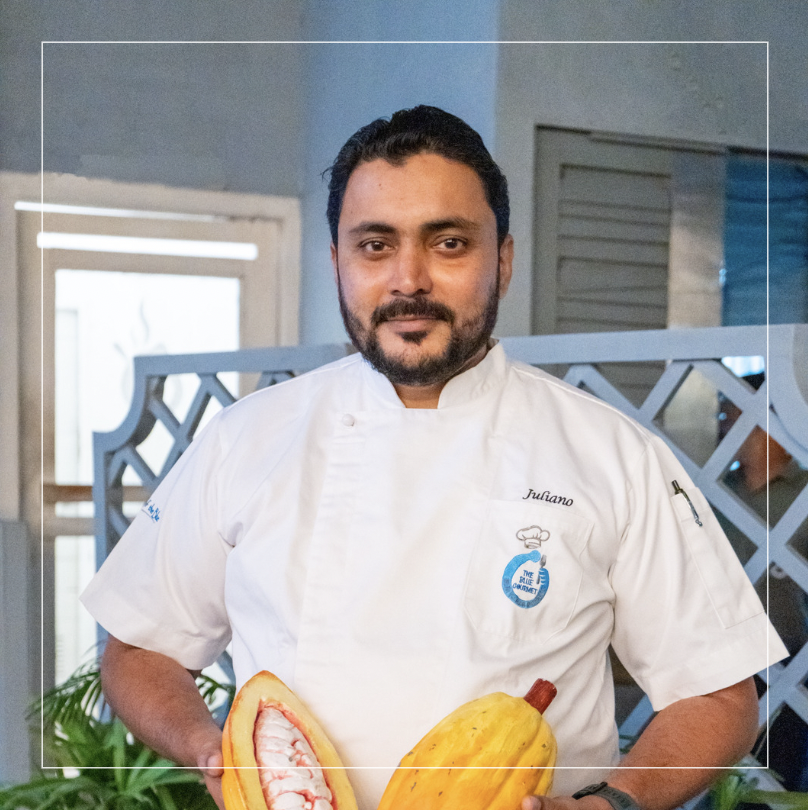
Exclusive Interview | Juliano Rodrigues, General Manager & Head Chef, Out of the Blue Mumbai

Exclusive Interview | Juliano Rodrigues, General Manager & Head Chef, Out of the Blue Mumbai

What advice would you give to a young culinary student?

Pursue your passions. I know it may sound trivial but try to work around things that you are good at. Sometimes it takes trying something to know whether you are good at it. Experience can teach you twice as much as education can. Try to partner with the right companies earlier on in your career to grasp all the necessary knowledge and learnings you need to upskill yourself.

Read More

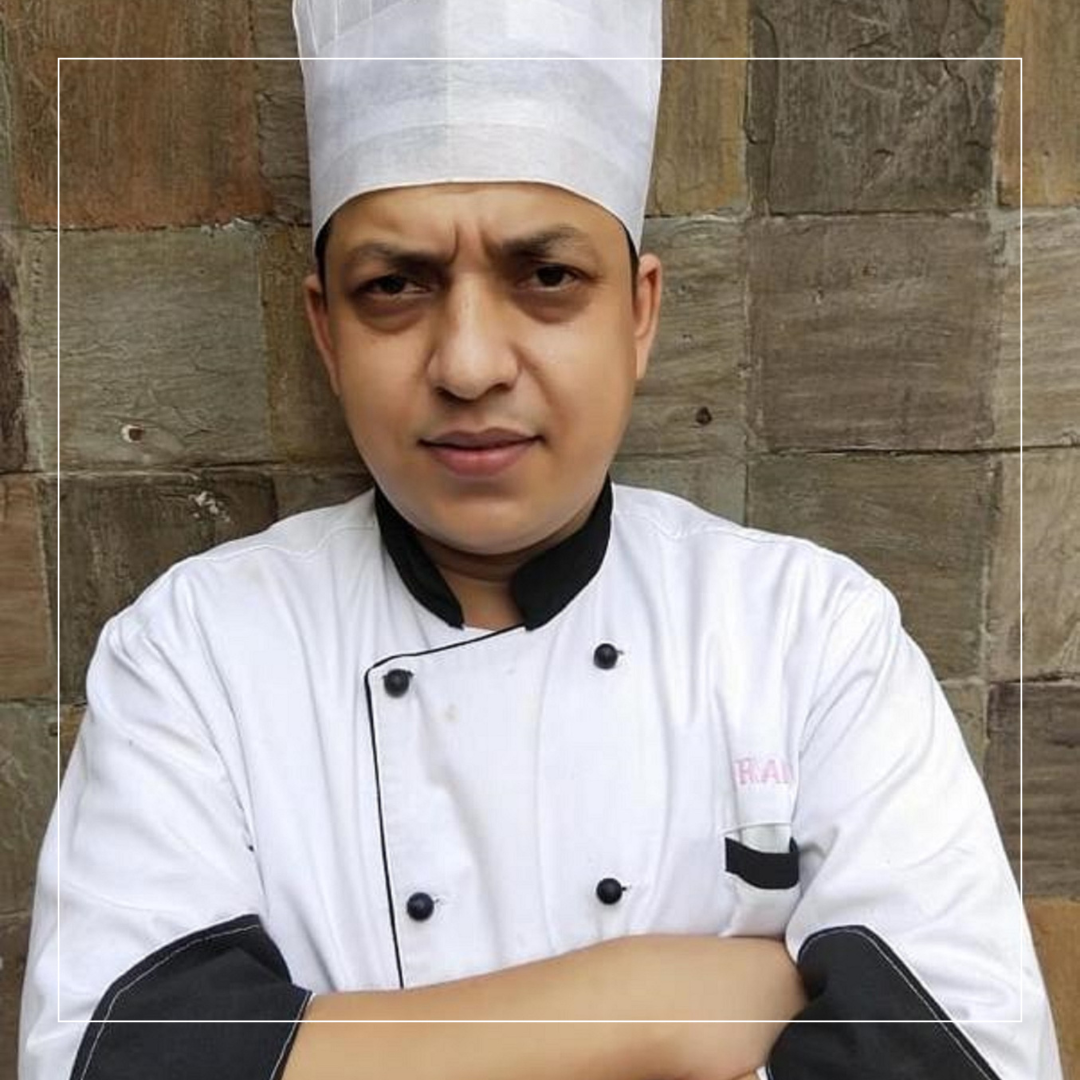
Exclusive Interview | Chef Ram Bahadur Budhathoki, Head Chef, Chowman Chain of Restaurants

Exclusive Interview | Chef Ram Bahadur Budhathoki, Head Chef, Chowman Chain of Restaurants

Since I come from Nepal, there’s a specific Nepali dish that always reminds me of home - the Sekuwa. It’s a traditional dish mostly made in Kathmandu, where I stay, where the meat is mixed in hard-sought herbs and roasted in a wood fire. It’s those herbs that transfer the flavours into the meat.

Read More

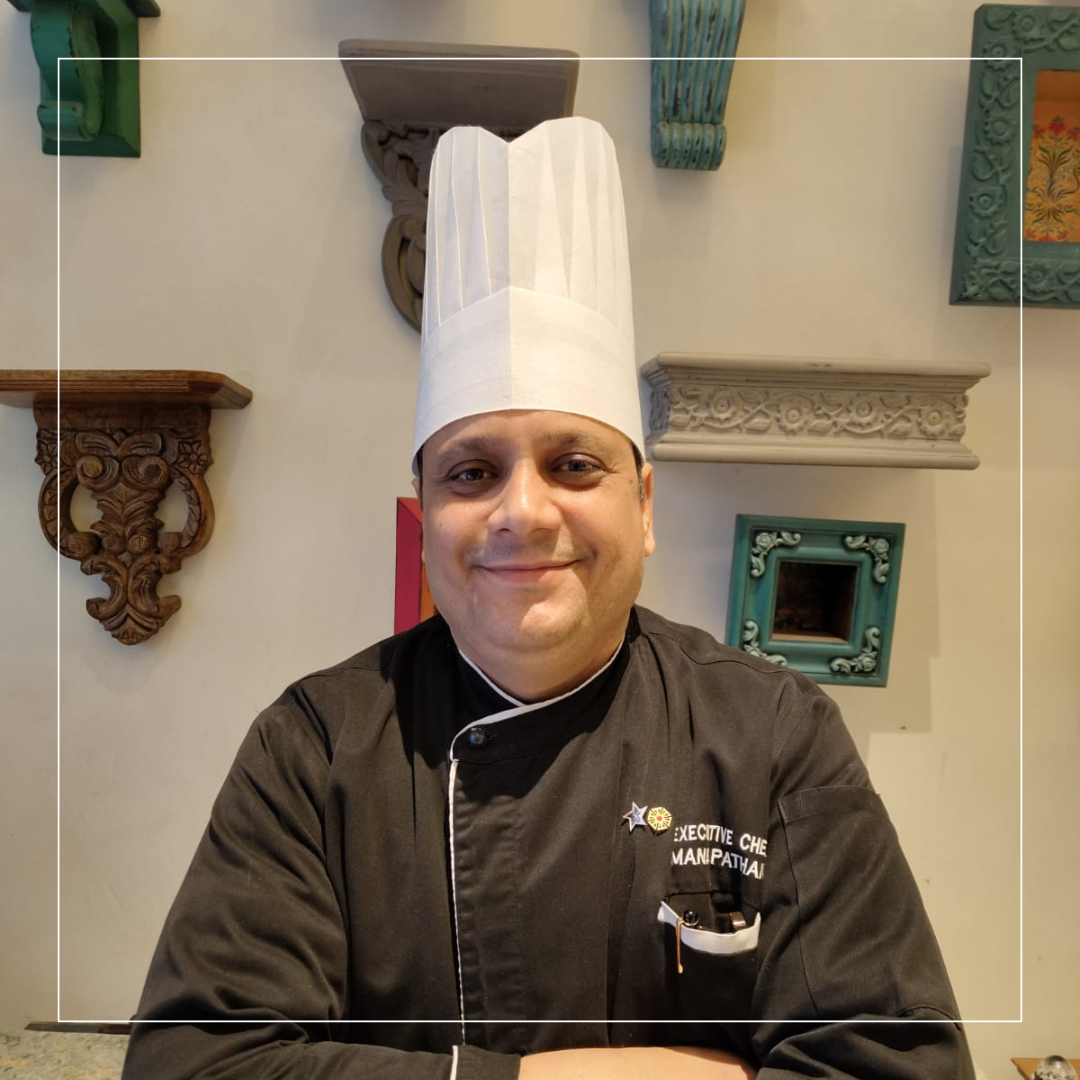
Exclusive Interview | Chef Mani Mohan Pathak, Executive Chef, Pilibhit House - IHCL SeleQtions

Exclusive Interview | Chef Mani Mohan Pathak, Executive Chef, Pilibhit House - IHCL SeleQtions

One more memory I’d like to share is from my home kitchen. It was probably the first time I was cooking bhindi. My mother had kept diced bhindi for making Bhujiya. As she got busy with other work, I promptly stepped in and asked if I may sauté the okra. Her positive response made me very happy and I started cooking immediately only to realise something was wrong. The okra turned out to be very sticky. Baffled, I asked my mother why that happened, and she smiled and asked if I had washed it? Well, not only had I washed it twice, I had done it after it was cut!

Read More

Exclusive Interview | Celebrity Chef Shipra Khanna, Judge @ Zee Café, Chef Vs Fridge Season 3

Exclusive Interview | Celebrity Chef Shipra Khanna, Judge @ Zee Café, Chef Vs Fridge Season 3

Vegan is really going to be big; people are going to be moving a lot towards healthy eating which are are already doing post the pandemic. People are really becoming conscious and choosing the food they want to eat so healthy food will really boom in India and worldwide whether it is plant-based recipes or vegan food.

Read More

Exclusive Interview | Michelin-star Chef Rohit Ghai, London

Exclusive Interview | Michelin-star Chef Rohit Ghai, London

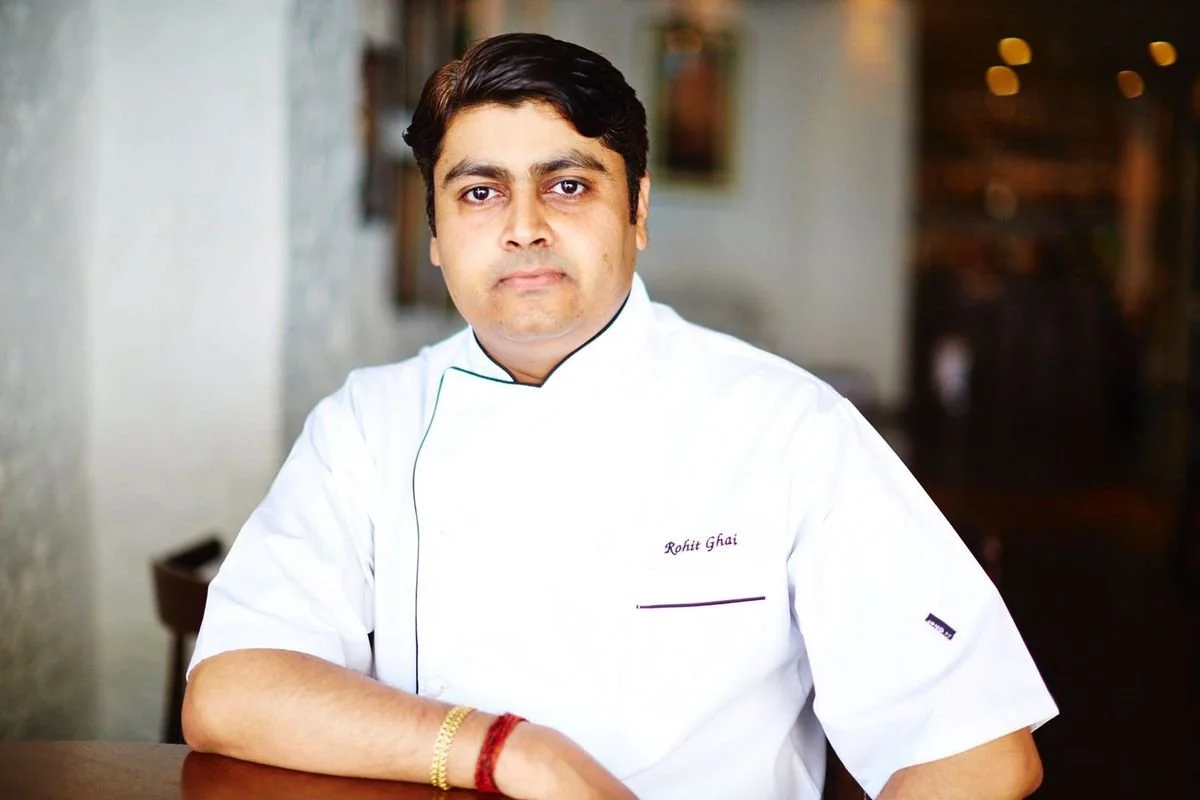
Chef Rohit Ghai is renowned for earning upmarket London restaurant Jamavar a Michelin Star in under a year, the first-ever Indian chef to achieve such an accolade in the UK. Rohit Ghai has become one of the culinary world’s most in-demand chefs after a hugely successful decade on the London restaurant scene. His award-winning skills attracted international praise, and Shangri-La Al Husn is delighted to welcome critically acclaimed Rohit Ghai and his esteemed team of chefs to the city of Muscat.

Read More

Exclusive Interview | Chef Mrinmoy Pal, Director, Chef Studio by Chef Moy and Runa

Exclusive Interview | Chef Mrinmoy Pal, Director, Chef Studio by Chef Moy and Runa

What according to you does it take to become a successful chef?

Nothing as such..once anybody starts loving his/her job definitely it will reward back but of course there has to be few good teachers who inspires, teach and motivate.I was fortunate enough to have all those. So love, passion, hard work..every thing so go side by side, there is not shortcut.

Read More

Exclusive Interviews | Saikat Das Culinary Trainer at Academy of culinary Arts and Hospitality Management,

How did it all start? Share your culinary journey with us

During my stint in IHM Kolkata, we used to do practicals for food production where I got a lot of interest in this subject when we used to cook something in our practical lab get me more attracted to this subject and the environment or the surrounding in the practical lab was so buzzing and the flavors of spices and the gravies make me more interested into this culinary world. Nevertheless, to say that my faculties at IHM Kolkata have played a very important role to inspire me to take up my career in the culinary industry.


What are your earliest memories of the kitchens you worked in

One of my found memory in kitchen was taking part in a cooking competition so The Story goes like this during my days in Kuwait where I was working in one of the five star hotel, one fine day my executive sous chef came to me and put his hand on my shoulder and said "Das pull up your socks boy you are going to participate in live cooking competition at HORECA exhibition Kuwait". So the confidence which my chef showed on me was amazing and keeping to his expectation we won the gold medal in live cooking competition in that event.


A dish your patrons/guest love

So one of the dishes which my guest used to love was the ‘Gambas al Ajilio’. This dish I got to learn from one of my Spanish chef basically this dish is kind of appetizer where the shrimps is prepared with sliced garlic, Spanish paprika, Dry sherry and a small piece of dry chili peppers cooked in confit method that is a slow cooking in oil the oil which we use is the olive oil. 


A dish that you love but do not have on your menu

One of the dish which I love to have given any day is Khichdi. Now the khichdi is such a comfort food that it will work when you are at home or sick or you're feeling lazy to cook or any given situation this comfort food will work. Now considering Khichdi is itself a wholesome meal where you get all kinds of nutrients in it whether it is carbohydrate from rice or protein from the lentils or the vitamins and minerals from the vegetables use in this so this comfort food will fill up all the nutrients which your body needs.


What according to you does it take to become a successful chef?

To become a successful chef the first thing is needed in you will be the learning attitude you cannot say that you have learned the skills and technique of culinary because when we talk about this culinary world it is a huge you cannot finish learning about the culinary in your lifetime it is it is endless ocean of knowledge and information which you will be getting. Now a days we have seen that the fresh graduates from the hotel schools tries to replicate the fancy plating and presentation of food but they need to understand that first they need to build a basics like different cuts of vegetables preparing the basic sauces and so on then they can move forward to start with the plate presentation the fancy presentation which they see in YouTube or in TVS or in the magazines. Second important thing to become a successful Chef will be the patients now a chef cannot be made in one fine day The Chef need to prepare himself from the very first day he enters in the kitchen and it will take long time now it depends upon the person to person how you will define this long time it can be one year it can be 5 years so it's depends up to you how much time you are going to take to prepare yourself as a chef. And the third important thing to become a successful chef will be the hard work without this nobody can succeed in their life


What advice would you give to a young culinary student?

Advice that I want to give to the young culinary students is that work on your basics the rest will follow you and always have a learning attitude. Also discipline is the key factor to become successful in your life.


Your favourite ingredient is

My favourite ingredient will be cardamom any given day because when you have this cardamom you get the sweetness of it you get the flavour of it and it always give you a soothing effect in your mouth which really makes me feel better.


Name chefs, you find amazing or chefs work you admire

One Chef who I really admire is ‘Marco Pierre White’ now I really admire his personality. The technique he shows is commendable.


What books should every chef read?

All the books have their own importance and have their own information but one book which really helps me out is ‘Larousse Gastronomique’.


What is the one tech/app/software feature you would like to see?  This could be for guests, operations, etc.

One feature I would really love to see in any app or software is how to calculate the nutritional value of the food which we are taking. This kind of technology we do have but it is not for common use and we can't see this in restaurants or in any F&B outlets.


Exclusive Interview | Chef Amit Shetty, Taki Taki, Lower Parel

In order to be a successful chef it will always require solid grounding and a good foundation and that comes with training and to be strong with basics 

Chef Amit Shetty

How did it all start? Share your culinary journey with us.

 I was one of those kids who loved sports a lot. Growing up at 15 at then when I realized to be in the kitchen. my uncle had a restaurant so seeing the buzz and busy environment. Since then I was very clear that I want to be in the kitchen as a chef 

 What are your earliest memories of the kitchens you worked in?

   It was when I use to go to surat for my vacation I use to spend my time in my uncle's restaurant in the kitchen. So passion started from there. Back then after completing SSC, I started working intern at a pizza joint just to learn the basics. Professionally it started from Trident Oberoi Bkc

 A dish your patrons/guests love.

Carpaccio is that one dish that guest at Taki Taki restaurant loves a lot fresh thin slice of fish with pickled garlic, ponzu dressing, and avocado tartare 

 A dish that you love but do not have on your menu,

The dish I love the most is the purest form of my mom-made Dal and Kori gassi .

 What according to you does it take to become a successful chef?

Dedication –it’s a very competitive industry and it requires passion and dedication.

   Training – in order to be a successful chef it will always require solid grounding and a good foundation and that comes with training and being strong with the basics 

  What advice would you give to a young culinary student?

learn how to hustle .respect everything and everyone in the kitchen. never stop learning. Don’t run behind money it will follow. always say “ yes chef “


 What instruments/ equipment/devices you cannot imagine working without?

 Being a sushi chef for me my knife is what makes magic. It’s the best equipment to work when it’s sharp


 Your favorite ingredient is…

My very favorite ingredients are garlic, soy sauce, and butter.

 Name chefs, you find amazing or chefs' work you admire.

I admire chef Sajid Patel executive chef of Marriott hotels and Heston Blumenthal .


 What books should every chef read?

 Larousse gastronomique .and The professional chef book.

Exclusive Interview | Gautam Mehrishi Executive Chef Marriott International

It takes passion and self-belief which inspire you every moment to be a great chef and be connected to roots and the skills that one has developed during the journey
— Chef Gautam Mehrishi

Editor: How did it all start? Share your culinary journey with us

My culinary journey started at a very early age with an introduction to fire in my grandmother's kitchen where she introduced me to the importance of fire in cooking. I was in charge of arranging all types of fire including wood, bio, cow dung cakes, and gas. then slowly came in the spices and then the final cooking part on the various types of stoves and solar cooking too in the sun. introduction to pickles and bread came a little later.

In fact, my first butchery lesson was at my paternal Grandfather's poultry farm with the most handsome-looking bird. By the time I reached in teens, food was already a passion, and then came the entry into a Hotel School where I actually learned what the industry was all about. First-ever commercial kitchen I entered was the at The Taj Mahal Hotel, Mumbai and the rest is history with my passion for the white coat grew stronger every day. The kitchens of The Taj Mahal Hotel, Mumbai still hold a divine pace attached very closely to my soul, it not only inspires me today but I also am grateful to each and every chef who mentored me and taught me all the relevant skills and majorly the importance of being hands-on even in your dreams.

After Taj, it was spread over career paths with national and international chains of hotels, bakeries, cafes, choclateria, central kitchens, food courts, cruise liners, and flight kitchens within India and around the world.


Editor: What are your earliest memories of the kitchens you worked in

My earliest memory is with the Garde Manger Kitchen of The Taj Mahal Hotel, Mumbai where I learned that the world talks about slow cooking but cold food cooked with amazing patience and perfection is such a great skill to acquire and possess that it can transform a medium skilled chef into an artist for life. Though the skill of this beautiful French art is diminishing and being taken over by the modern influx but these intricate skills are still transformational and defining.

The second memory is on the vessel M/S Seabourn kitchen where I worked with many nationalities and still was above the competition, showing my exemplary skills to be recognized on global platforms.

Editor: A dish your patrons/guests love

Although I love to cook something new and innovative whenever an opportunity arises making a " WELLINGTON" is always loved by the people I cook for.

Editor: A dish that you love but do not have on your menu

Pit Cooking and food are covered with various soils.

Editor: What according to you does it take to become a successful chef?

It takes passion and self-belief which inspires you every moment to be a great chef, being connected to roots and the skills that one has developed during the journey and gratitude towards people who have taught you on the way, towards all the opportunities, the ingredients and platforms of challenges is a must too.

Editor: What advice would you give to a young culinary student?

Be attached to your roots, understand soils, seasons, reactions of ingredients to various temperatures, understand structures of food which can be as simple as salt, follow your passion every moment and the desire to learn always, accept challenges as opportunities, and be attached to literature and life experiences of successful chefs.

Editor: What instruments/ equipment/devices you cannot imagine working without?

My paring and carving knife, slide chopper and sharpening steel. ( all of these are now with e for the last 2 decades and in absolutely stunning condition.

Editor: Your favorite ingredient is…

My vision

Editor: Name chefs, you find amazing or chefs’ work you admire

Hemant Oberoi

Uwe Walter Lohage

Anton Mossiman

My work is admired by many and the admiration for my approach to food is mesmerizing for many.

Editor: What books should every chef read?

Reading books where chefs tell their life stories is always inspiring and if connected to a food destination it’s a double whammy. For knowledge reading the Culinaria series from France, Spain and many countries is apt.

Keeping a Larousse dictionary should always be handy for reference and learning the traditional and newer culinary words.

Exclusive Interview | Abhiishek Sharma Director & Chef Consultant,White Wood Hospitality

“Learn- work- learn- work” that’s my simple philosophy for new candidates. Experience & Innovation is the best combination to grow. 
— Abhiishek Sharma

Editor: Tell us about your journey. How did it all start?

From a young age, I had an interest in pursuing a career in the food industry but we say that life doesn’t work according to your choices. After my school days I was strongly influenced for pursuing a course in Bachelor in science also as my interest I joined as a crew member at Mc Donalds India in 2001 continuing my studies.
Thus after struggling in the initial days of college life and not performing up to the mark. I realized that I have been on the Wrong track in life. 

And thus the journey of my life begins from being a Normal College boy to Becoming Chef Abhishek Sharma.
Completed my Graduation with a Bachelor of science and entered my dream course for Rajasthan University to pursue Hotel Management and Administration.
“Success is all about changing Dream into Reality”.

 After becoming a part of Rajasthan University. I Have Performed Excellent during my course and thus has been the University Gold Medalist of batch 2003-2007

“It’s  Never too Early ”.

 During my Course in Hotel management and administration. I have started working with many big brands and have completed their Project as a Chef Consultant. 

Today Team Abhiishek has completed their 100+ projects in north India, and now extending their hands to other parts of India, by starting the projects in  Pune, Mumbai, and other parts of eastern and southern India.


Editor: What do you think it takes to succeed in this industry?

Success in Hospitality Industry is simply based on 

  1. Innovations 

  2. Upgrade yourself with the latest trends

  3. Team Work


Editor: What are the attributes you look for while selecting or hiring?  If someone wants to work with you, what should they do?

To date, I have Interviewed approximately 1000+ candidates and today I have 560+ employees directly or indirectly connected with me.

My selection is based on-

  1. Commitment

  2. Active Participation

  3. Communication

  4. Attitude to gain more & more knowledge

  5. Leadership & Teamwork


Editor: What advice would you give to a young, aspiring hotelier for their internship?


“Learn- work- learn- work” that’s my simple philosophy for new candidates. Experience & Innovation is the best combination to grow. 


Editor: What are some of the trends you see impacting the hospitality industry?


  1. Global impact due to Covid-19

  2. Over Digitization

  3. Aggregators (Swiggy, Zomato, Dineout) Impact on profit margins.

  4. “Zero-Knowledge- New Players” opening unusual concepts is impacting the soul of the industry.


Editor: Two things you would like to change in the industry.

  1. anyone who wants to enter our industry should be mandatorily qualified/ Skilled by some recognized agency to work in the industry as an employee or employer.

  2. Government-based association to control aggregators margins.

Editor: What is your favorite interview question and why?

What is My USP which turns me from Abhishek Sharma to a successful Chef Consultant Abhishek? 

I like this question because it makes me feel very energetic & motivated to speak about my hard work. About my upcoming Restaurant Concepts, also like to share the story behind some successful conceptual brands.