Seclude Hotels Introduces Hampi 1800, a Restored Royal Residence in Sandur

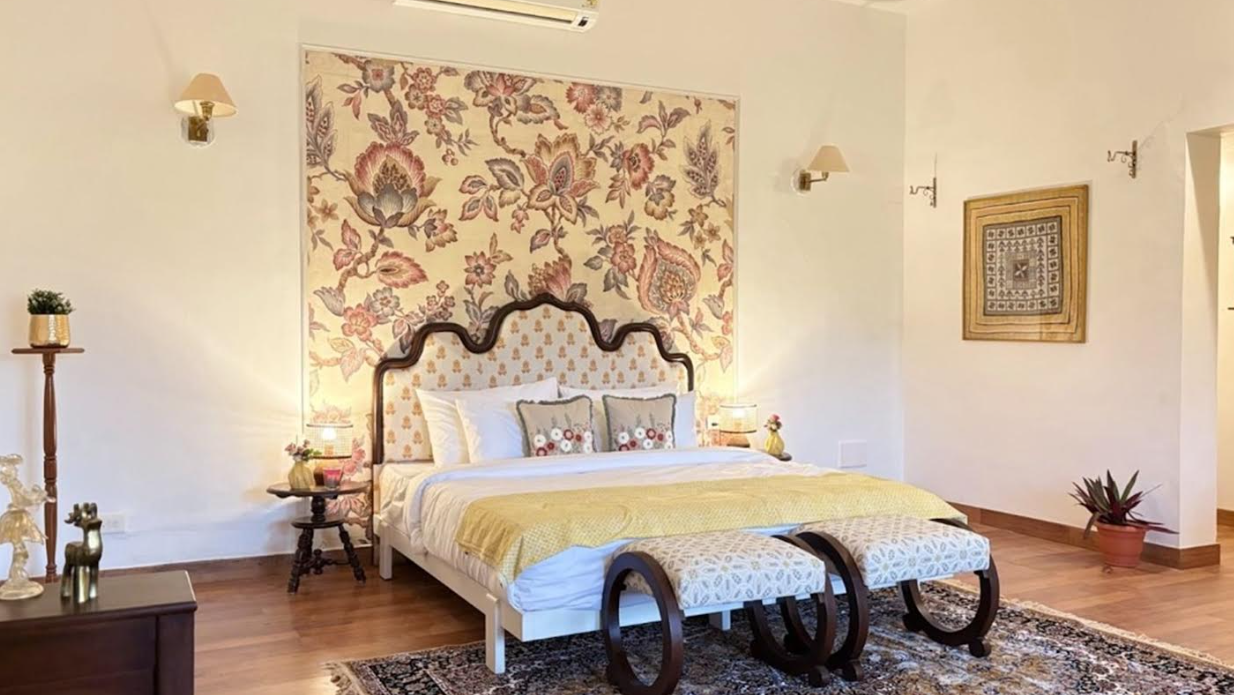
January 2026: Seclude Hotels has announced the launch of Seclude Hampi 1800, a six-bedroom royal heritage residence in Sandur, offering an intimate way to experience one of India’s most historically significant regions. Located close to the UNESCO World Heritage Site of Hampi, the property marks Seclude’s entry into a destination known globally for its monuments—but often underserved when it comes to meaningful places to stay.


One of the residences of the Royal family of Sandur, Seclude Hampi 1800 has been thoughtfully restored with a strong emphasis on preserving its original Character. Adding to its sense of continuity, the residence still has original carved artefacts, paintings and brass pieces that belong to the royal family. These elements have been carefully preserved and integrated into the restored spaces, allowing the home’s history to remain visible throughout the property.

Set amidst palm-lined gardens and built in the region’s traditional architectural style, the residence offers a quiet retreat away from conventional hotel environments, while remaining within easy reach of Hampi’s temples, bazaars, and historic ruins.

Each of the six rooms at Seclude Hampi 1800 is individually named, drawing from local history and the region’s cultural vocabulary. For example, Bazaar Yellow room draws inspiration from the historic Hampi Bazaar, once the heart of daily life and trade, while Lotus Pink room takes its name from the sacred lotus associated with Lord Vishnu, reflecting Hampi’s spiritual legacy.

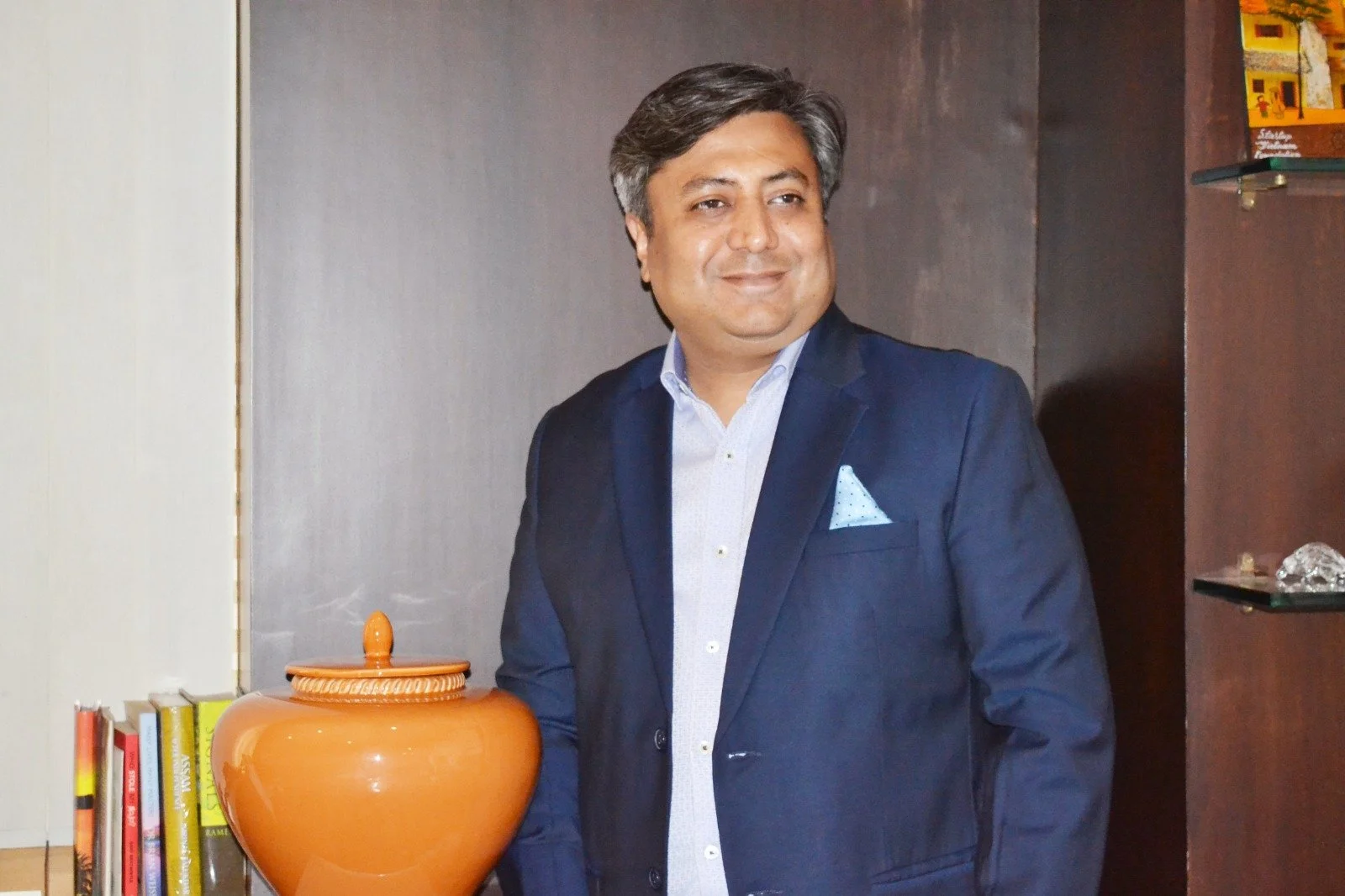
Commenting on the launch,Ramit Sethi, Founder of Seclude Hotels, said,“We chose Sandur because it reflects what Seclude stands for — offbeat destinations with a strong sense of story. Being so close to the rich, timeless heritage of Hampi gives this home a soul that you simply cannot recreate. It’s a place with character, shaped by its own story.”

Rohit Sethi, Founder of Seclude Hotels, added,“This home holds deep historical and emotional value. Our vision was not to convert it into a hotel, but to allow guests to experience it as a living heritage space — where stories, architecture, and hospitality come together naturally.”

From exploring Hampi’s vast temple complexes and royal enclosures to witnessing the famed musical pillars and taking coracle rides along the Tungabhadra River, the region offers a deeply immersive cultural experience.

With the launch of Hampi 1800, Seclude Hotels continues to build a portfolio of distinctive heritage homes that prioritise cultural context, thoughtful restoration, and understated hospitality—offering travellers not just a place to stay, but a sense of place to return with.

Sterling Unveils Udaipur Katha:A Rooftop Dining Experience Where Fire, Flavour, and Heritage Converge

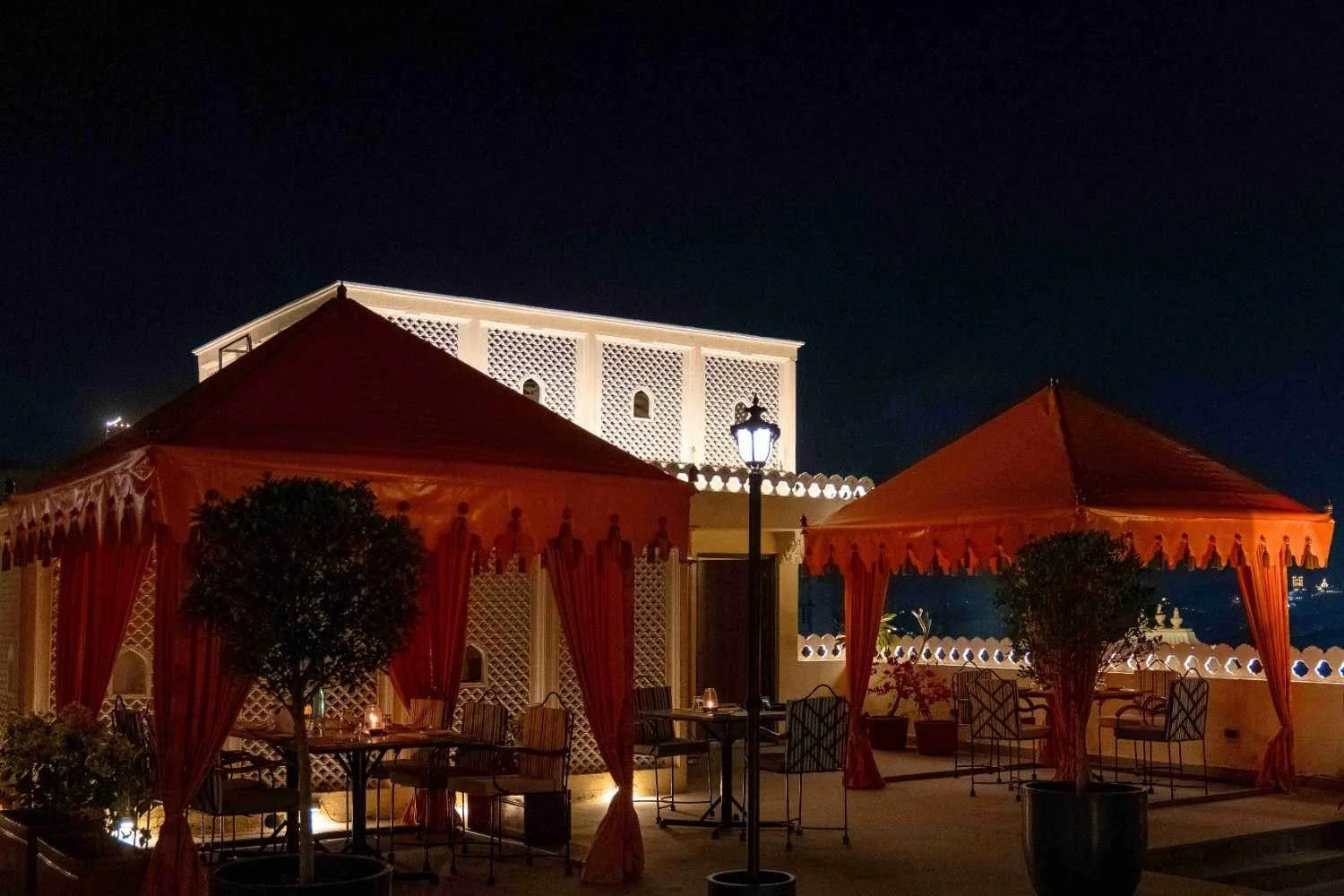
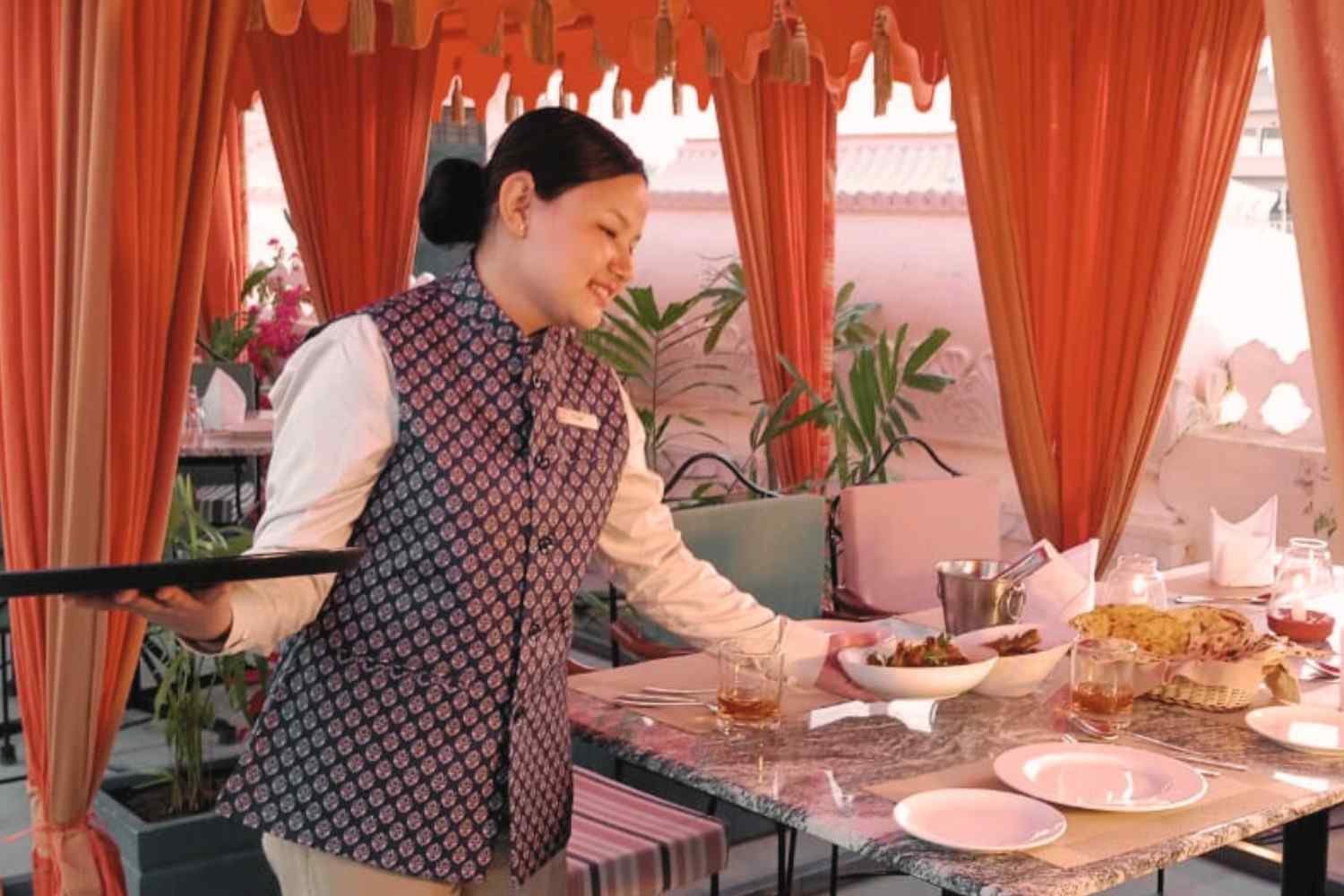
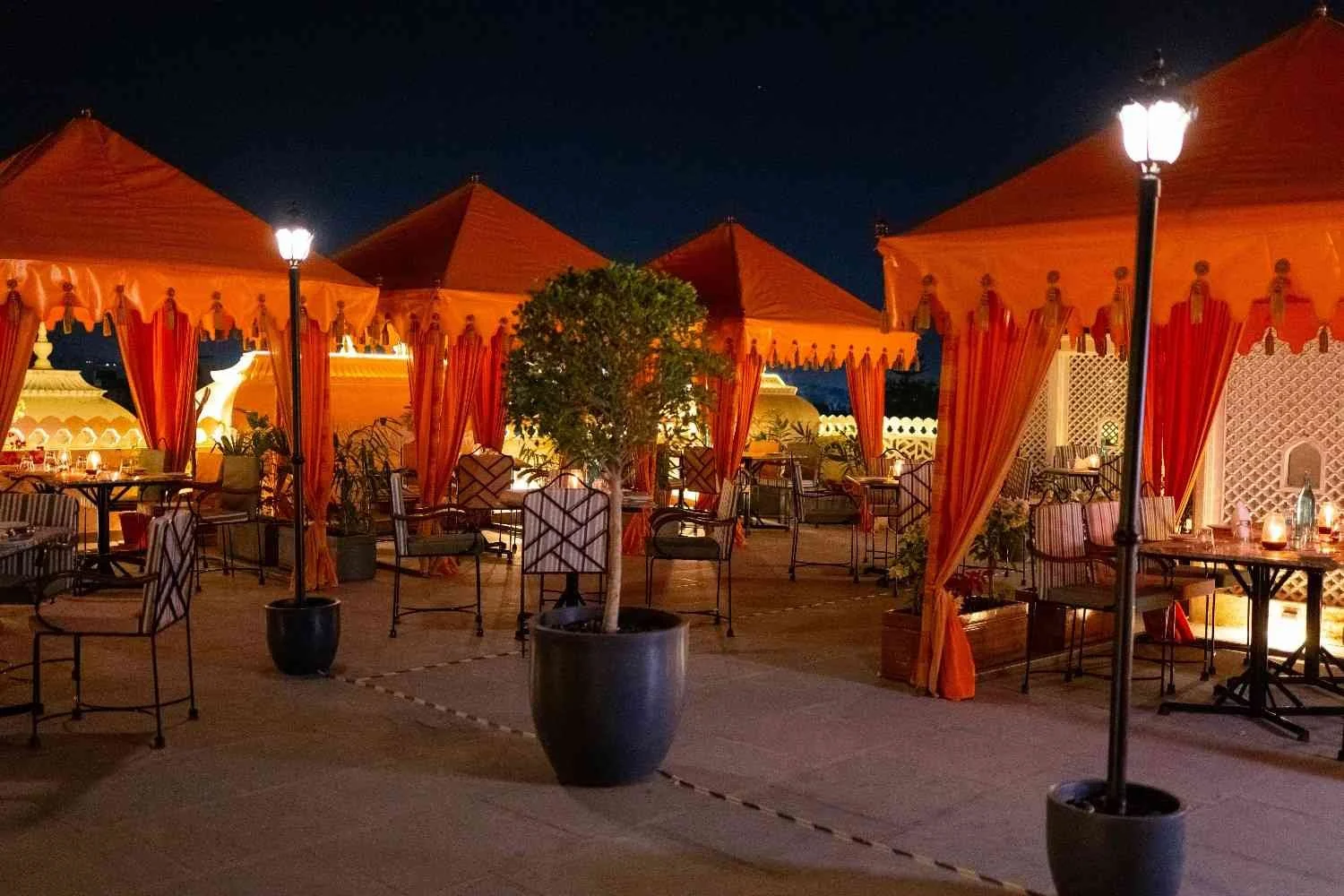
Udaipur, January 2026: As dining preferences across India evolve from transactional meals to immersive, story-led experiences, Sterling Holiday Resorts has introduced Udaipur Katha — a refined rooftop dining destination at Sterling Jaisinghgarh, Udaipur. Designed as a live-fire, open-sky culinary theatre, Udaipur Katha brings together regional heritage, artisanal cooking, and contemporary indulgence in a format that is both evocative and unhurried.

Set across two elevated terraces with panoramic views of the Aravalli ranges, Udaipur Katha reinterprets the evening meal as a ritual. Intimate jharokha-style cabanas, curated music under the stars, and live barbecue counters form a sensorial backdrop where food unfolds slowly, guided by flame, craft, and provenance.

Commenting on the launch, Dileep Nair, Senior Vice President – Customer Experience, Sterling Holiday Resorts, said, “Today’s diner is seeking depth — an experience that connects them to place, people, and culture. Udaipur Katha was conceived as a space where guests can unwind at sunset, savour fire-led cooking inspired by Mewar, and let the evening linger. It is designed to be experienced, not rushed.”

Udaipur Katha marks Sterling’s seventh destination-led restaurant concept and builds on the brand’s growing portfolio of acclaimed, hyperlocal dining formats across India like The Malabar (at Sterling Wayanad), Pahaare (at Sterling Darjeeling), Airavat (at Sterling Aravalli Udaipur), and award-winning restaurants like Amo Odisha (at Sterling Puri), Slate and Pearl (at Sterling Kodai Lake). From coastal flavours in the east to mountain-inspired kitchens in the north, Sterling’s specialty restaurants have been shaped by long-stay guest insights and a growing appetite for immersive culinary storytelling.

The menu at Udaipur Katha celebrates live-fire cooking through both indulgent and nuanced expressions. Dishes such as slow-grilled Laal Maas, saffron-infused kebabs, and charcoal-fired game meats draw from regal Rajasthani traditions, while thoughtfully crafted vegetarian plates like Jackfruit Shashlik, Smoked Kaddu Steaks, and Churma-Stuffed Sweet Potatoes spotlight desert produce, native spices, and age-old techniques. Each course is complemented by bespoke condiments and suggested beverage pairings, ranging from fine spirits to locally inspired mocktails.

Desserts such as Ghewar Cheesecake and Baked Churma Tart reinterpret familiar favourites with contemporary finesse, extending the narrative from grill to plate with warmth and nostalgia.

The launch comes at a time when rooftop and open-sky dining formats are emerging as preferred choices in heritage destinations, reflecting a broader shift toward slower, experience-rich dining. For Sterling, Udaipur Katha represents both a brand-defining statement and a strategic reimagining of destination dining — transforming rooftops into memory-driven social spaces.

Udaipur Katha is located at Sterling Jaisinghgarh, Udaipur, and is open for dinner service. Prior reservations are recommended.

Address to Udaipur Katha:

3, Trident Rd, opp. Haridas Ji Ki Magri, Shavri Colony, Udaipur, Rajasthan 313004.

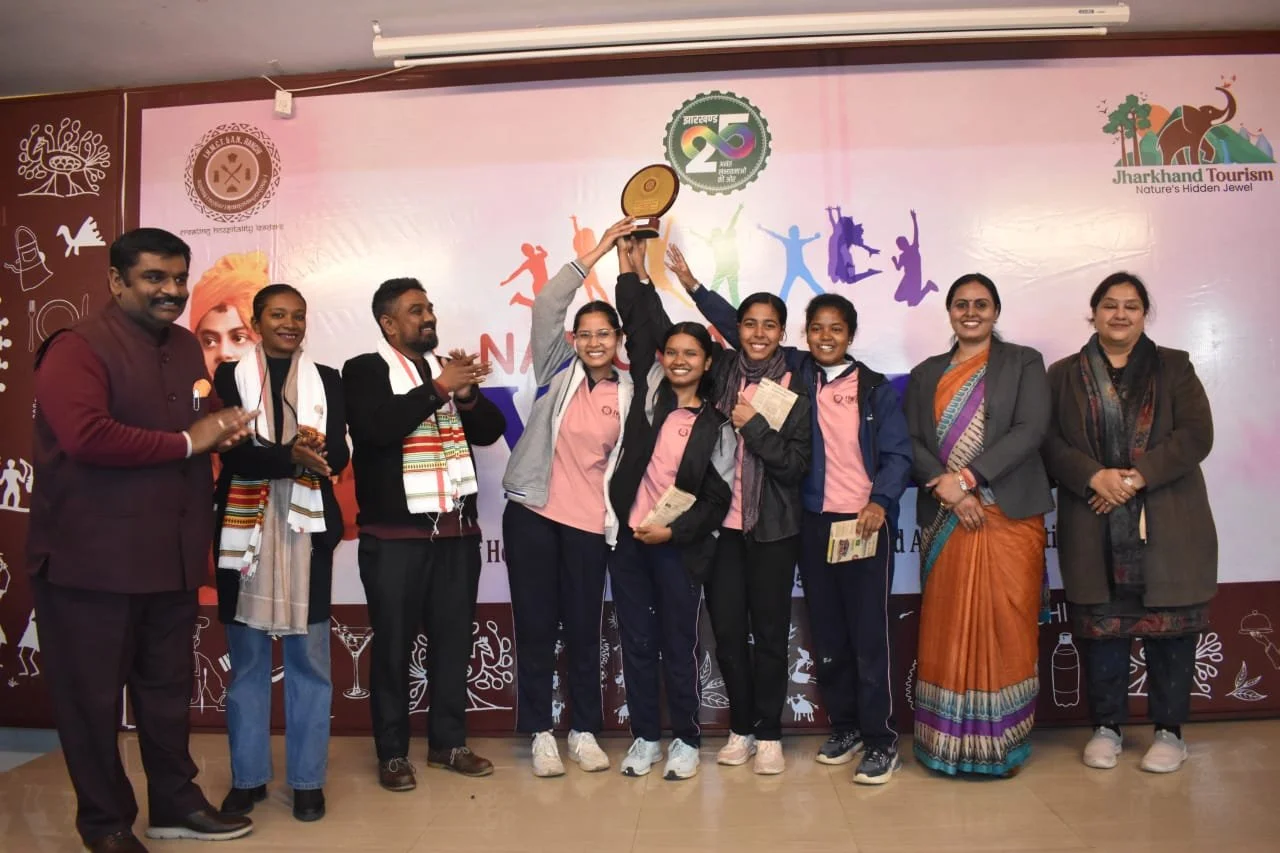
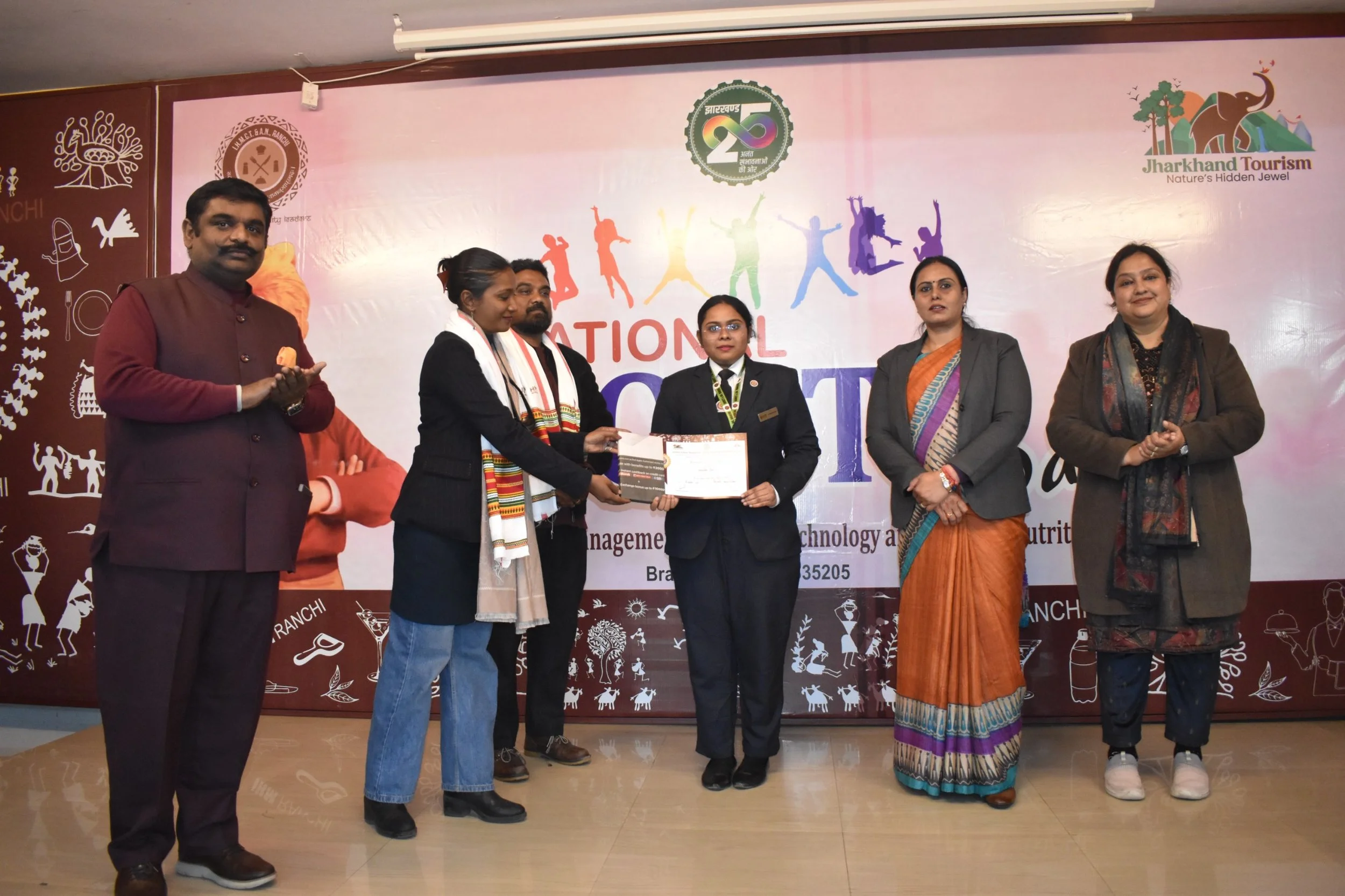
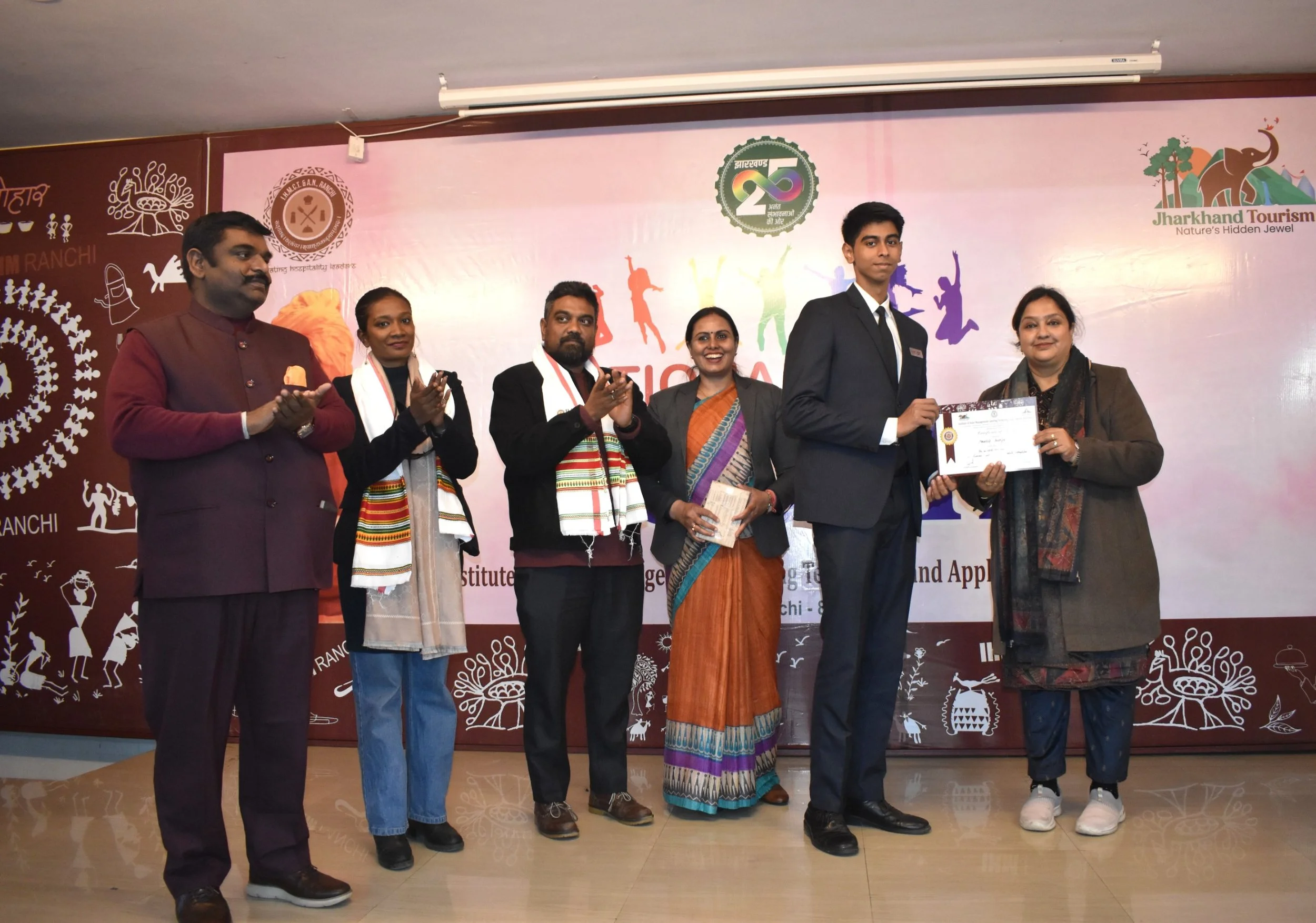
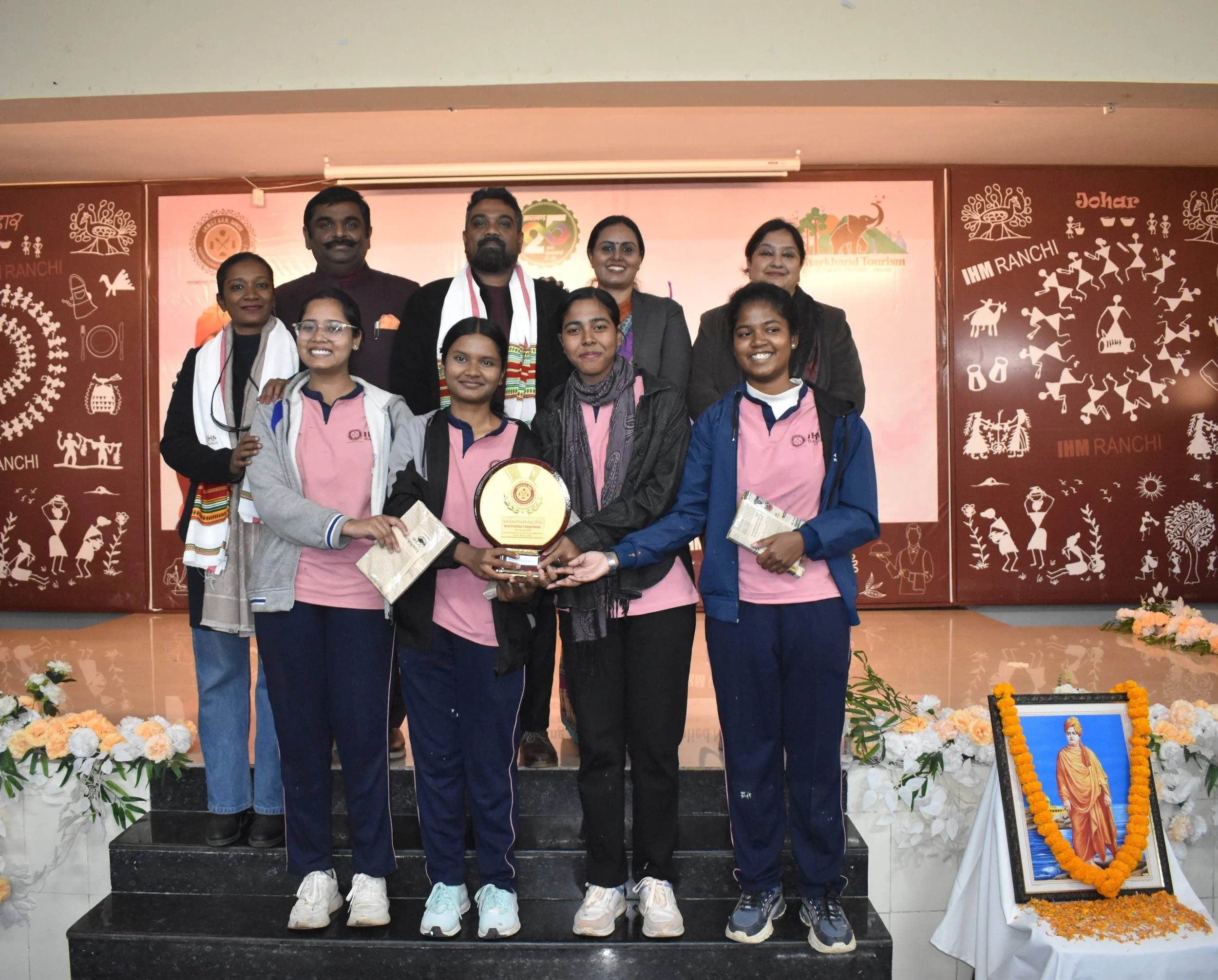
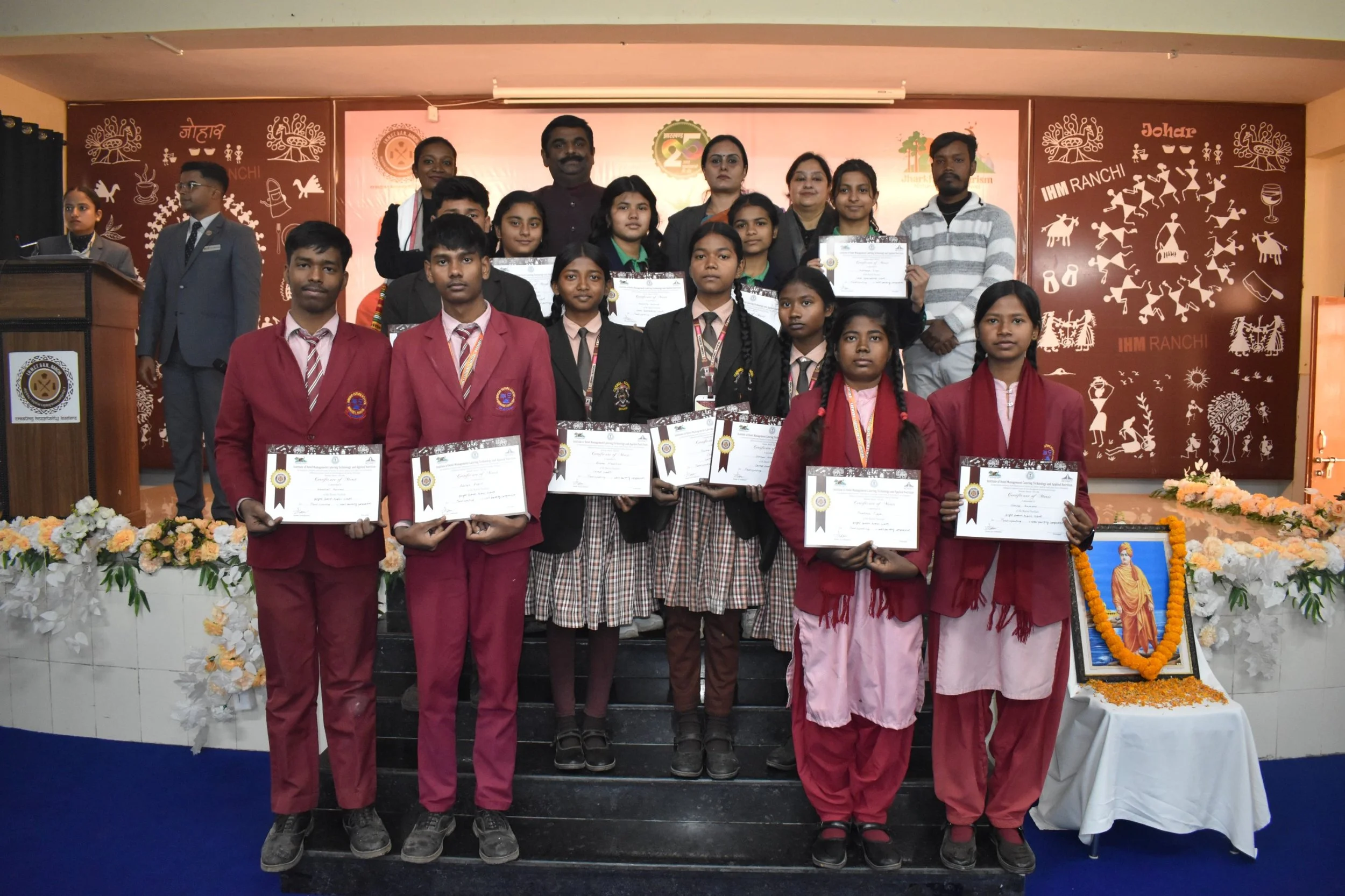
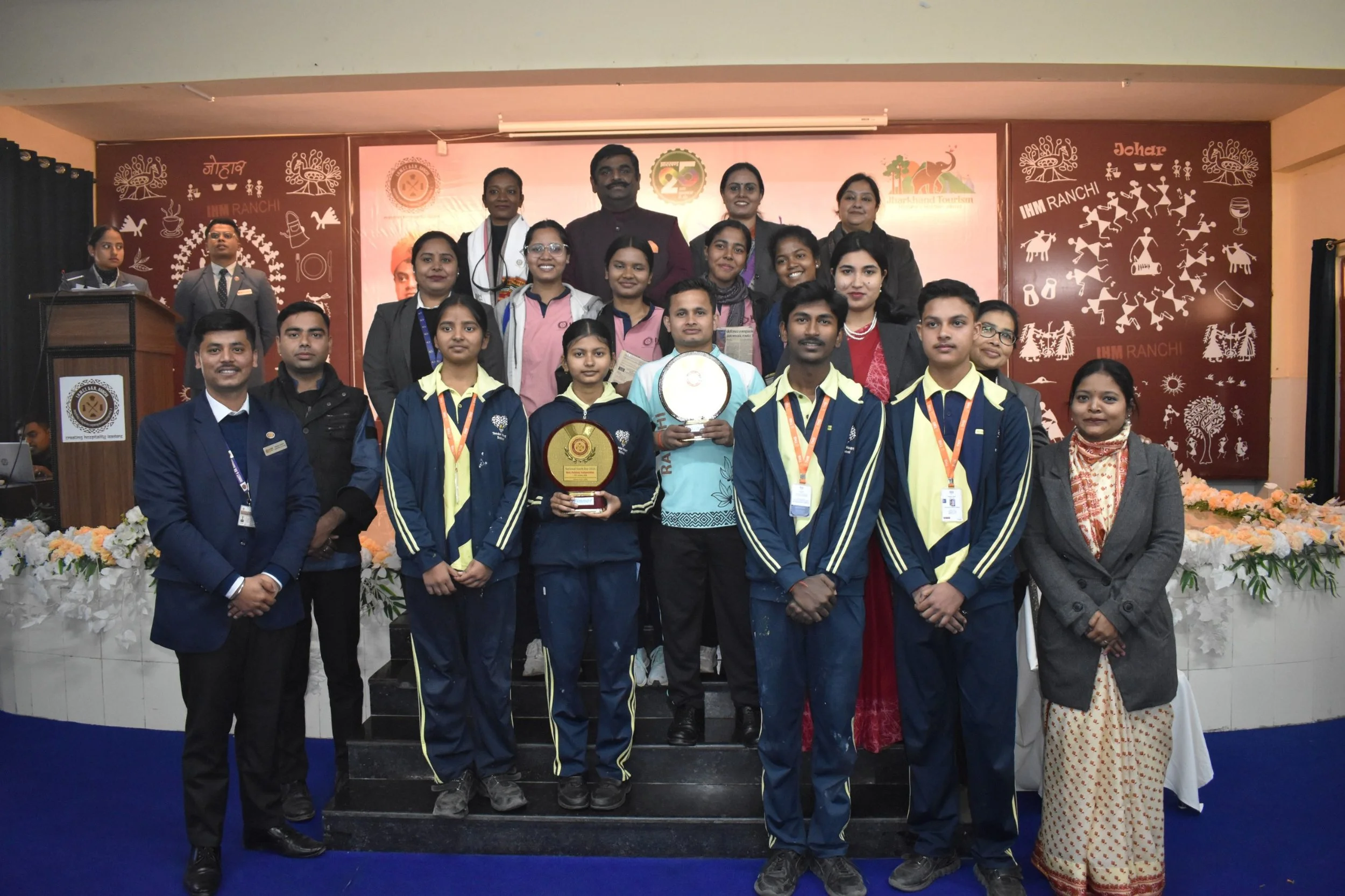
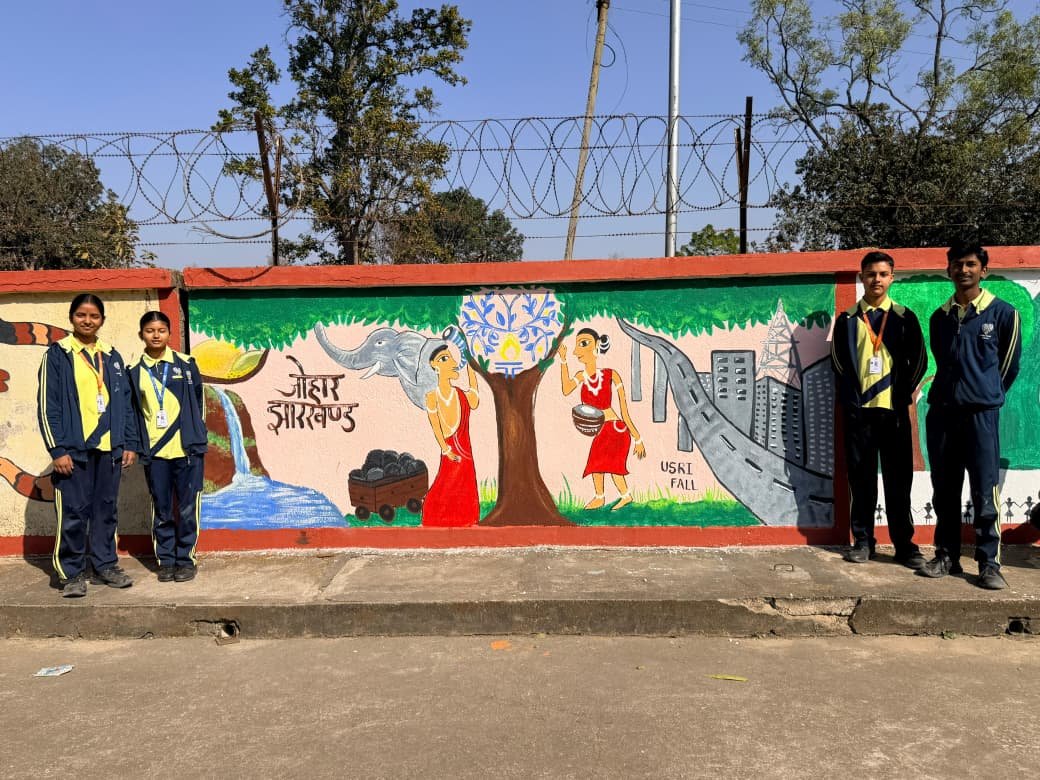
IHM Ranchi Successfully organised Wall painting and Debate competition to mark the occasion of National Youth Day


Institute of Hotel Management (IHM), Ranchi celebrated National Youth Day on the occasion of the birth anniversary of Swami Vivekananda, a great philosopher, spiritual leader, and an enduring inspiration for the youth, with immense enthusiasm and fervour.


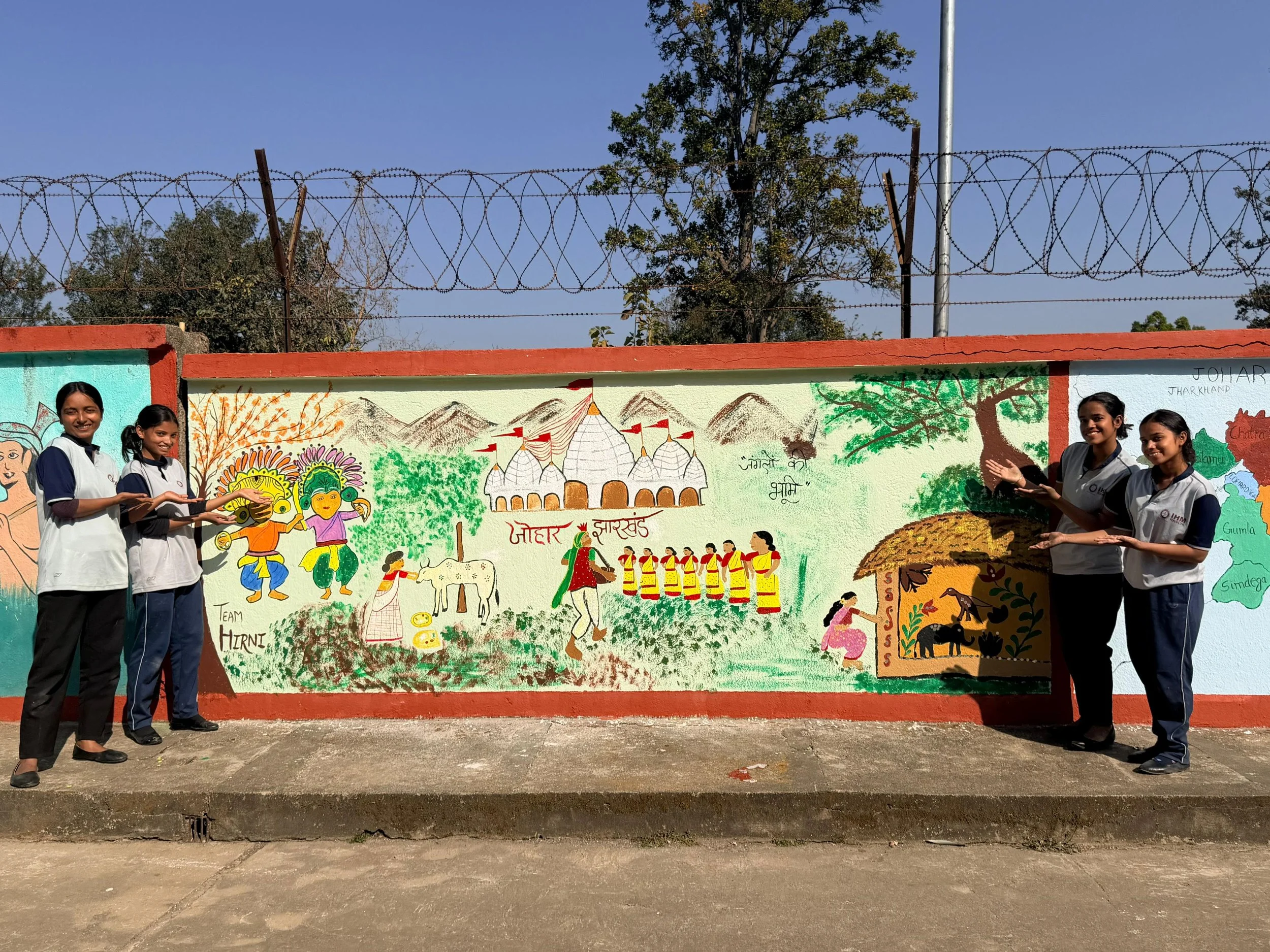
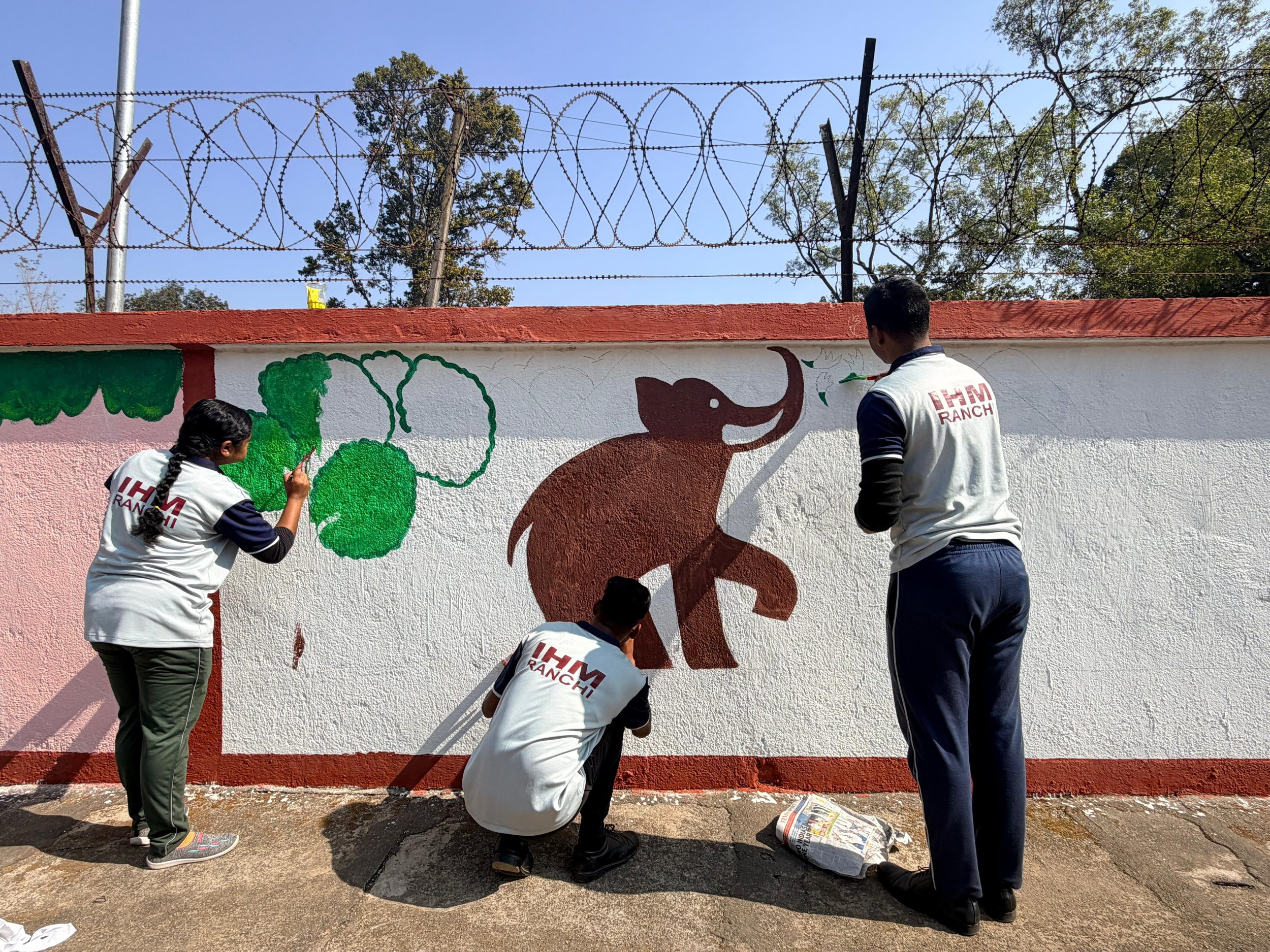
The campus resonated with youthful energy as IHM Ranchi organised a wall painting competition on the theme “Jharkhand@25” and a debate competition on the topic “Youth entrepreneurship is far more crucial than government jobs for Jharkhand’s future.” Adding a unique regional touch, all participating teams were named after Jharkhand’s renowned waterfalls.


Students from IHM Ranchi and prominent city schools including Tender Heart Secondary School, Ideal International School, Bright Future School, Carmel School and St. Maria School enthusiastically participated, participated enthusiastically in the competitions, showcased remarkable zeal and creativity.


The programme was graced by Dr. Shumbul Alam, Principal, Ideal International School, Daladali, Ranchi, as Chief Guest. Other distinguished guests included Ms. Shivangi Shukla, Vice Principal, Tender Heart Secondary School, Dr. Manisha Oraon, Co-founder, The Open Field, Khunti, Mr. Kumar Abhishek and Dr. Bhupesh Kumar, Principal, IHM Ranchi.


The formal ceremony began with floral tributes to Swami Vivekananda’s statue, ceremonial lamp lighting, and a spirited Jhumar dance performance by students of IHM Ranchi, reflecting Jharkhand’s rich cultural heritage.


Following this, the debate competition was held in the auditorium, where students confidently presented well-researched arguments and ideas. Ms. Aardra Purve and Mr. Arpit Tamang were declared winners, while Mr. Monodeep Banerjee and Ms. K. Tanishka Rao secured the runner-up positions.


In the school category of the wall painting competition, Usri Falls Team of Tender Heart School, Tupudana emerged as winners, with Ghaghri Falls Team of St. Maria School as runners-up. In the college category, Hundru Falls Team (second-year students) won first prize, while Hirni Falls Team (third-year students) secured the runner-up position. Winners were honoured with awards and books by Swami Vivekananda for their outstanding performances.

Addressing the gathering, Dr. Shumbul Alam applauded the institute’s initiative and the students’ enthusiasm, urging them to dream big and pursue their goals with sincerity and dedication.


Ms. Shivangi Shukla congratulated all participants on National Youth Day and extended her wishes on National Youth Day. She also advised students to remain focused on the topic while presenting their views during the debate competition.


Jury members Dr. Manisha Oraon and Mr. Kumar Abhishek lauded the participants for their preparation, creativity, and commitment.


In his address, Dr. Bhupesh Kumar, Principal, IHM Ranchi, highlighted Swami Vivekananda’s legacy as a powerful orator, thinker, and global spiritual leader. He stressed that debating and artistic expression help build confidence and that every student who stepped onto the stage was a winner. He encouraged students to follow Swami Vivekananda’s ideals of discipline, patience, determination, and unwavering focus to achieve success.


The competitions were coordinated by Ms. Komal Sharma and Mr. Rishabh Thakur, Assistant Lecturers at the institute. The event concluded with a vote of thanks and closing remarks by Dr. Anindita Bhardwaj, Head of Department, IHM Ranchi.


Sri Lanka Tourism Hosts Awareness Session to Reinforce Readiness and Strengthen India Market Engagement

Sri Lanka Tourism Hosts Awareness Session in New Delhi, Mumbai and Chennai To Reinforce Readiness and Strengthen India Market Engagement

The Sri Lanka Tourism Promotion Bureau (SLTPB) successfully conducted a Sri Lanka Tourism Awareness Session in New Delhi on 7 January, Mumbai on the 8 January and Chennai on the 9th January 2026, aimed at reaffirming Sri Lanka’s readiness to welcome visitors and strengthening tourism ties with the Indian travel trade and media.

An Awareness Session on Sri Lanka Tourism was successfully conducted in New Delhi, aimed at informing the Indian travel trade and media on Sri Lanka’s readiness to welcome visitors. The session was represented by Her Excellency Mahishini Colonne, the High Commissioner of Sri Lanka to New Delhi, Mr. Buddhika Hewawasam, Chairman, and Ms. Shirani Herath, Assistant Director of the Sri Lanka Tourism Promotion Bureau (SLTPB), Mr. Nalin Jayasundera, the President of the Sri Lanka Association of Inbound Tour Operators (SLAITO), Mr. Anura Lokuhetty, the Past President of The Hotels Association of Sri Lanka (THASL), and Mr. Fawzan Fareid, the Regional Manager – India, Bangladesh & Nepal of SriLankan Airlines. Ms. Priyanga Wickremasinghe, Consul General of Sri Lanka in Mumbai, while the Chennai session was attended by H.E. Dr. Ganesanathan Geathiswaran, Consul General of Sri Lanka in Chennai.

The distinguished panel shared valuable insights on destination readiness, connectivity, accommodation capacity, and collaborative opportunities between Sri Lanka and the Indian travel trade. The discussion reaffirmed Sri Lanka’s strong commitment to the Indian market, highlighting enhanced air connectivity, diverse tourism offerings, and close public–private sector collaboration. The interactive Q&A session further addressed trade and media queries, reinforcing confidence and strengthening partnerships to drive tourist arrivals from India.


Alivaa Hotels & Resorts has announced the addition of The Hoften Vibranta, Haridwar to its portfolio, marking the group’s third property in Uttarakhand

Alivaa Hotels & Resorts has announced the addition of The Hoften Vibranta, Haridwar to its growing portfolio, marking the group’s third property in Uttarakhand. This expansion strengthens Alivaa’s presence in one of India’s most iconic spiritual destinations while catering to the rising demand for midscale staycations.

The Hoften Vibranta is strategically located in Haridwar, a city revered as the Gateway of the Gods and known for its spiritual significance, daily Ganga Aarti, and the Kumbh Mela. With millions of pilgrims and tourists visiting annually, Haridwar has become a hub for both religious tourism and leisure travel. By entering this market, Alivaa Hotels aims to serve the evolving needs of travelers who seek accessible yet premium hospitality experiences.

The property is designed to reflect Alivaa’s ethos of blending modern comfort with cultural resonance. Guests can expect contemporary interiors, curated experiences tailored for both pilgrims and leisure travelers, and a strong focus on sustainability. The hotel is positioned to deliver quality accommodations at affordable prices, aligning with Alivaa’s strategy of targeting the midscale segment.

This addition is part of Alivaa Hotels’ broader growth strategy, which emphasizes expanding into destinations that combine cultural heritage with modern hospitality demand. With three properties now in Uttarakhand, the group has reinforced its foothold in the state and continues to build a portfolio that balances tradition with modernity.

The launch of The Hoften Vibranta, Haridwar underscores Alivaa Hotels’ vision of becoming a key player in India’s evolving hospitality landscape, offering travelers memorable experiences in destinations that matter most.

Ingredient Ideology - Steaming: The Way to Good Health By Dr. Kaviraj Khialani – Celebrity Master Chef

Introduction

Steaming is a method of cooking that uses moist heat. The heat is created by boiling water, which vaporizes into steam. The steam transfers heat to the food and cooks it. Unlike boiling, the food is kept separate from the water and only comes into direct contact with the steam.

Steaming is considered one of the healthiest cooking techniques. It preserves nutrients, requires less water, and is energy efficient due to the excellent heat transfer properties of steam.

History and Techniques

  • Ancient steam pits used for cooking have been found in the American Southwest dating back 5,000 years.

  • In Japan, glutinous rice is steamed to prepare Mochi rice cakes, while traditional sweets like wagashi often involve steaming dough.

  • In Western cooking, steaming is mostly used for vegetables, though seafood like clams are also steamed.

  • In Chinese cuisine, steaming is common for seafood and meat dishes such as whole fish, crab, pork spare ribs, and chicken.

Modern steaming can be done using:

  • Food steamers (metal, bamboo, or wood)

  • Woks with steaming racks

  • Microwave steamers

  • Specialized steam ovens

Benefits of Steaming

  • Retains nutrients and natural flavors

  • Produces moist, tender textures

  • Requires minimal oil or fat

  • Suitable for vegetables, seafood, poultry, and even dough-based dishes like buns and cakes

Healthy Steamed Recipes

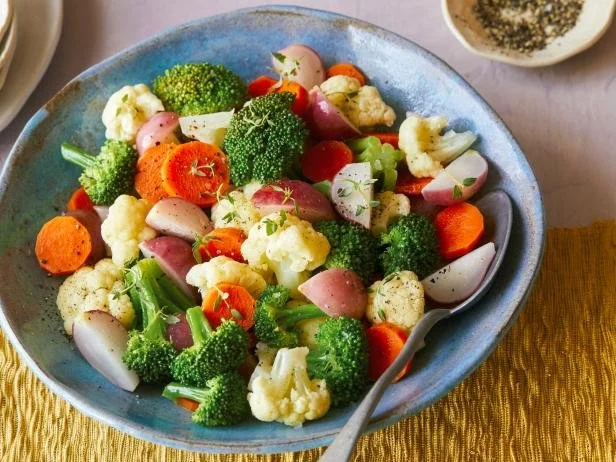
Recipe 1: Steamed Veggie Platter

Ingredients

  • Carrots – 1 cup, cubed

  • French beans – ½ cup, cut

  • Green zucchini – ½ cup, cubed

  • Yellow zucchini – ½ cup, cubed

  • Asparagus – 10–12 pieces, cut

  • Cauliflower – 10–12 florets

  • Broccoli – 10–12 florets

  • Mushrooms – 4–5, cut into halves

  • Baby potatoes – 3–4, halved

  • Snow peas – 100 g

  • Bell peppers (red/green/yellow) – ½ cup, cubed

For the dressing

  • Olive oil – 2 tbsp

  • Star anise – 1–2

  • Garlic – 3–5 cloves

  • Mustard paste – ½ tsp

  • Soy sauce – 1–2 tsp

  • Tomato sauce – 2–3 tsp

  • Parsley – 1 tbsp, chopped

  • Lime juice – 2–3 tsp

  • Mixed herbs – ½ tsp

  • Chili flakes – ½ tsp

  • Salt and crushed black pepper – to taste

Method

  1. Wash and prepare all vegetables. Soak cauliflower and broccoli in salted vinegar water for 5 minutes, rinse well.

  2. Preheat the steamer, add water, and arrange vegetables in compartments. Steam until tender.

  3. For the dressing, heat olive oil in a pan, add garlic, star anise, sauces, herbs, and lime juice. Cook for 2–3 minutes.

  4. Serve steamed vegetables warm with the dressing.

Recipe 2: Soy Mustard Marinated Chicken

Ingredients

  • Chicken (legs/thighs/breast) – 750 g, cut

For the marinade

  • Olive oil – 2–3 tbsp

  • Mustard paste – 2 tsp

  • Lime juice – 2–3 tsp

  • Soy sauce – 2–3 tbsp

  • Red chili sauce – 2–3 tsp

  • Green chili sauce – 2–3 tsp

  • White vinegar – 1 tsp

  • Mixed herbs – ½ tsp

  • Chili flakes – ½ tsp

  • Celery – 1 stalk, cut

  • Bay leaf – 2

  • Crushed black peppercorns – 1 tsp

  • Salt and pepper – to taste

Method

  1. Wash chicken, remove skin if desired. Marinate with all ingredients for 30–45 minutes.

  2. Preheat steamer, arrange chicken with shallots, celery, and sweet potatoes. Steam for 15–20 minutes, brushing with marinade occasionally.

  3. Thicken leftover marinade with cornflour slurry, serve as sauce.

  4. Plate chicken with vegetables, drizzle sauce, and serve hot with bread rolls or wine.

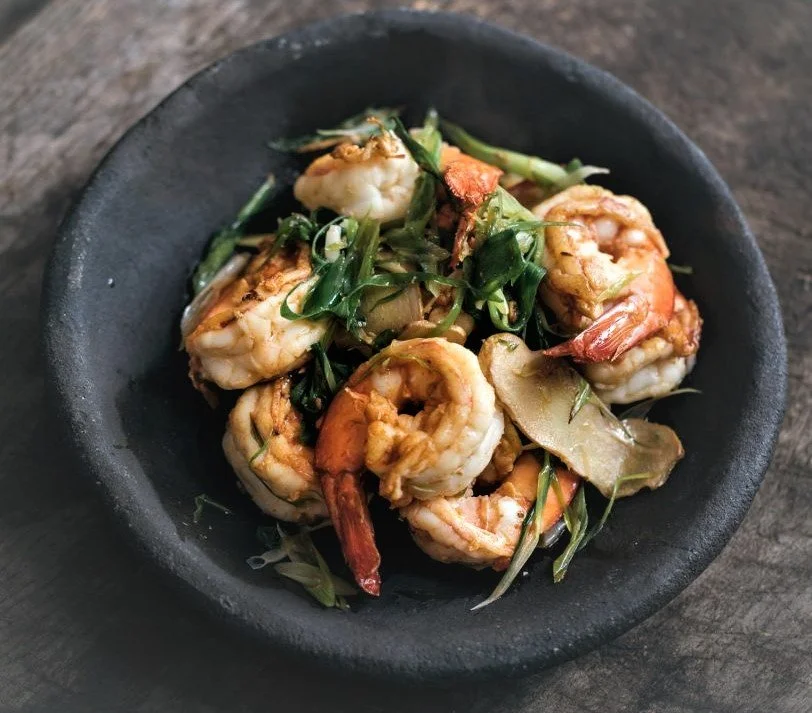
Recipe 3: Steamed Ginger Lime Prawns

Ingredients

  • Prawns – 750 g, cleaned, tail-on

For the marinade

  • Olive oil – 2 tbsp

  • Lime juice – 2–3 tsp

  • Ginger – 2–3 tsp, julienned

  • Orange segments – ½ cup

  • Lemongrass – 3–4 pieces

  • Kaffir lime leaves – 3–4

  • Thai red chilies – 2–3, slit

  • Green chilies – 2–3, slit

  • Mustard paste – 1 tsp

  • Coriander leaves – 2–3 tbsp, roughly cut

  • Sweet lime slices – 3–4

  • Salt and pepper – to taste

  • White wine – 2–3 tbsp (optional)

To serve with: Lemon garlic butter sauce, dill mayo, or pepper butter sauce.

Method

  1. Clean and devein prawns, soak briefly in salted vinegar water, rinse.

  2. Mix marinade, coat prawns, refrigerate for 20–30 minutes.

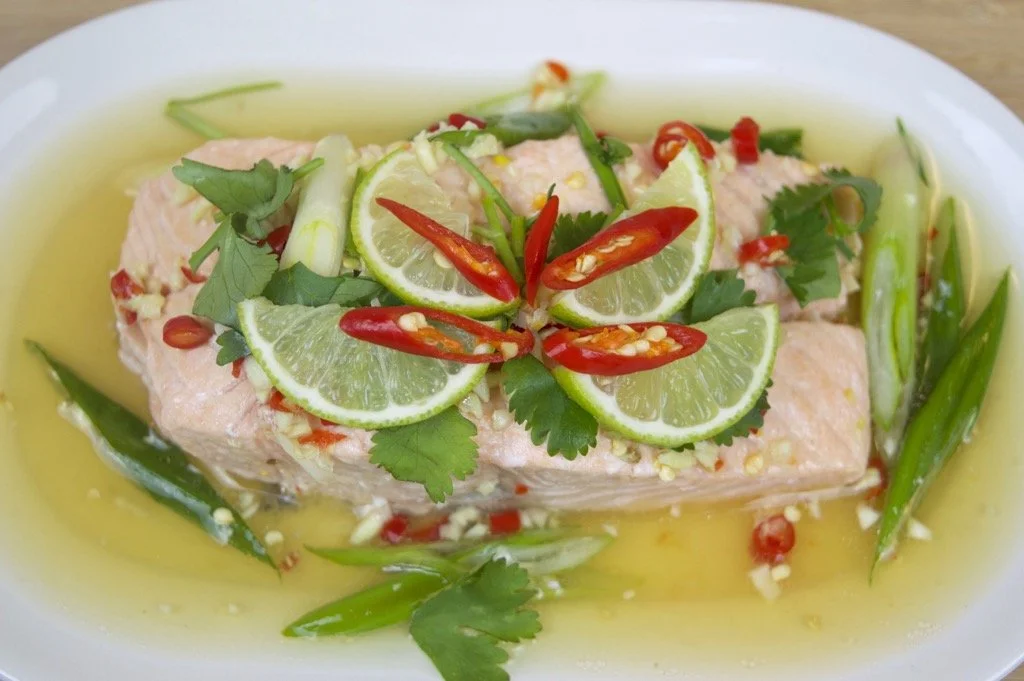
  3. Line steamer with banana leaf, arrange prawns, brush with marinade. Steam for 6–8 minutes.

  4. Serve hot with choice of sauces.

Recipe 4: Steamed Honey Chili Lime Fish

Ingredients

  • Fish fillets – 500–750 g

For the marinade

  • Olive oil – 2–3 tsp

  • Lime juice – 2–3 tsp

  • Lemon zest – 1 tsp

  • Lemongrass – 5–8 pieces

  • Lemon leaves – 4–5

  • Basil leaves – 4–5

  • Red chilies – 3–4, slit

  • Green chilies – 3–4, slit

  • Thai red curry paste – 2–3 tsp

  • Honey – 2–3 tsp

  • Soy sauce – 2–3 tsp

  • Chili vinegar – 2–3 tsp

  • Salt and pepper – to taste

  • White wine – 2–3 tbsp (optional)

  • Fresh herbs – parsley/dill/coriander

Method

  1. Marinate fish with all ingredients for 20 minutes.

  2. Line steamer with banana leaf, place fish, brush with marinade. Steam for 7–8 minutes.

  3. Heat leftover marinade with coconut milk and basil, thicken with cornflour slurry.

  4. Serve fish with sauce and steamed rice.

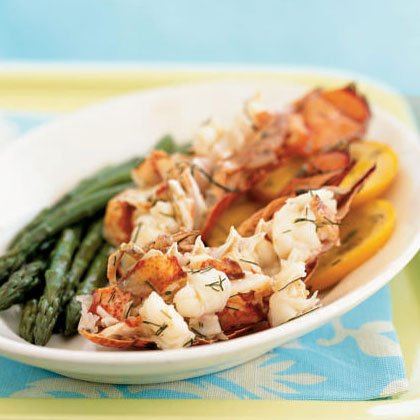
Recipe 5: Citrus Lobster Steamed Delight

Ingredients

  • Lobster – 2, meat removed, shells blanched

For the marinade

  • Olive oil – 2–3 tbsp

  • Lime juice – 2–3 tbsp

  • Garlic – 1 tsp, chopped

  • Ginger – 1 tsp, chopped

  • Cumin seeds – 1 tsp, roasted & crushed

  • Curry leaves – 10–12

  • Lemongrass – 5–6 pieces

  • Lime slices – 4–5

  • Red chili flakes – ½ tsp

  • Mixed herbs – ½ tsp

  • Salt and pepper – to taste

For the sauce

  • Butter – ¼ cup

  • Garlic – 1 tsp, sliced

  • Shallots – 5–7, sliced

  • Parsley – 2–3 tbsp, chopped

  • Lime juice – 2–3 tbsp

  • Cherry tomatoes – 6–8

  • White wine – 2–3 tbsp (optional)

  • Salt and pepper – to taste

Method

  1. Marinate lobster flesh for 30 minutes.

  2. Steam lobster for 8–10 minutes, brushing with marinade.

  3. Prepare sauce by sautéing garlic, shallots, parsley, lime juice, and cherry tomatoes in butter.

  4. Serve lobster with sauce hot.

Recipe 6: Steamed Stuffed Chicken Breasts

Ingredients

  • Chicken breasts – 500–750 g, 3–5 pieces

For the marinade

  • Olive oil – ¼ cup

  • Lime juice – 2 tsp

  • Mustard paste – 1 tsp

  • Honey – 2–3 tsp

  • Brown sugar – 2–3 tsp

  • Red chili sauce – 2 tsp

  • Capsico sauce – 1 tsp

  • Mixed herbs – ½ tsp

  • Chili flakes – ½ tsp

  • Salt and pepper – to taste

For the stuffing

  • Mashed potatoes – 2–3 cups

  • Garlic – 2 tsp, chopped

  • Ginger – 1 tsp, chopped

  • Green chilies – 1 tsp, chopped

  • Green peas – 1 cup, boiled

  • Grated cheese – ½ cup

  • Black & green olives – 2 tbsp each, sliced

  • Parsley/coriander – 2 tbsp, chopped

  • Mixed herbs – ½ tsp

  • Garam masala – ½ tsp

  • Salt and pepper – to taste

For the sauce

  • Mayonnaise – 1 cup

  • Cream cheese – 2–3 tsp

  • Olive oil – 2 tsp

  • Curry leaves – 10–12

  • Slit red chilies – 2–3

  • Shallots – 2–3 tbsp, sliced

  • Coriander leaves – 2 tbsp, chopped

  • Lime juice – 2 tsp

  • Peanut butter – 2 tsp

  • Assorted seeds – 2 tsp (pumpkin, sunflower, flax)

Method

  1. Prepare chicken breasts by slitting open and marinating inside and out.

  2. Cook stuffing ingredients in oil for 3–4 minutes, add cheese, cool, and fill chicken breasts. Seal and refrigerate for 20 minutes.

  3. Mix sauce ingredients, chill for 20 minutes.

  4. Steam stuffed chicken for 20–25 minutes.

  5. Slice breasts to reveal stuffing, serve with chilled sauce.


Conclusion

Steaming is a versatile, nutrient-preserving, and health-conscious cooking method. From vegetables to seafood and poultry, it offers endless possibilities for creating delicious, wholesome meals. With the right marinades and accompaniments, steamed dishes can be both flavorful and satisfying, making steaming a true way to good health.


Tourism in the Northeast: From Hidden Gem to India’s Next Hospitality Frontier By Vikas Agarwal, MD & CEO, SM Developers

Introduction

Tourism has long been one of the most powerful bridges between cultures, people, and economies. In recent years, Northeast India has emerged from the margins of the tourism map to becoming a sunrise player in the country’s hospitality and travel story.

The Turning Point

It was only in December 2014 that the Northeast saw its first five-star hotel open its doors. Within three years, two more followed. While this may seem late compared to other parts of the country, it marked a turning point. Since then, the region has steadily transformed. Today, with increased economic activity and rising tourist inflows, the hospitality sector in the Northeast is not just catching up but creating its own unique identity.

Growth in Numbers

  • Tourist footfall across the Northeast doubled in FY 2024-25.

  • States like Mizoram, Arunachal Pradesh, and Sikkim recorded over 100% growth, joining high-footfall states such as Assam and Meghalaya.

  • Improved air connectivity, better road networks, and upgraded airports have enabled travellers to reach destinations that once felt distant.

  • Assam’s Chief Minister Himanta Biswa Sarma projected that Guwahati will host 11 five-star hotels within the next three years, contributing directly to GDP growth and generating significant employment.

National Hospitality Context

This surge in interest is part of a larger national trend. Across India, the hospitality sector is witnessing robust expansion:

  • Investments are expected to reach USD 1 billion by 2028.

  • The industry is projected to touch nearly USD 60 billion in the same period (IDBI Capital).

  • Domestic travel is forecasted to grow from 2.5 billion trips in 2024 to 5.2 billion by 2030.

  • Revenue per available room (RevPAR) has seen strong growth, reflecting a demand-supply mismatch that benefits investors and operators alike.

Why the Northeast Stands Out

With its unparalleled natural beauty, rich cultural heritage, and enhanced connectivity, the Northeast has the right ingredients to become a global tourism hub. For a new generation of travellers seeking immersive and experiential holidays, the region offers authenticity that goes far beyond conventional tourism.

Global Travel Shifts

The pandemic reshaped travel preferences, with wellness, sustainability, and cultural immersion taking precedence. Travelers now seek destinations that combine peace and authenticity with modern comforts.

In the Northeast, boutique properties and luxury stays are responding to this demand by blending local art, material, and cuisine with world-class service.

  • Example: Rhino & River, a wildlife retreat near Pobitora, offers “farm-to-table” dining, village walks, birding trails, and Brahmaputra boat rides.

  • Luxury properties such as Vivanta Shillong and Novotel Guwahati signal confidence in the region’s potential to attract upscale visitors while raising benchmarks of quality.

Beyond Leisure: Corporate & Spiritual Tourism

The story is not only about leisure. Corporate travel, MICE (Meetings, Incentives, Conferences, Exhibitions), and spiritual tourism are also on the rise. The Northeast is increasingly hosting business gatherings and cultural events that once bypassed the region.

Employment & Community Impact

Hospitality is one of the most employment-intensive industries.

  • Every new hotel or resort creates hundreds of direct jobs and many more indirect opportunities in transportation, handicrafts, food supply chains, and local experiences.

  • For the youth of the Northeast, this sector represents not just jobs but also dignity of work and global exposure.

Sustainability Imperative

The Northeast is a biodiversity hotspot and home to fragile ecosystems. Tourism development must embrace sustainability through:

  • Eco-friendly design

  • Responsible sourcing

  • Community engagement

The goal should not be to replicate mass tourism models but to offer high-value, low-footprint experiences that benefit both travellers and local communities.

Conclusion

The Northeast today stands at a remarkable juncture. It is no longer a hidden corner of India but a vibrant region ready to welcome the world. With visionary policy support, growing investor confidence, and an evolving tourism landscape, the next decade could very well belong to the hospitality and tourism sector of the Northeast.

As someone deeply engaged in this sector, I see this not merely as an opportunity for business, but as an opportunity to reshape perceptions, create employment for thousands of young people, and give travellers memories that last a lifetime. The journey of tourism in the Northeast has just begun, and its future promises to be as diverse and extraordinary as the land itself.

A New Chapter in Mindful Drinking: Gracia Cero

Guilt-free way to raise a glass

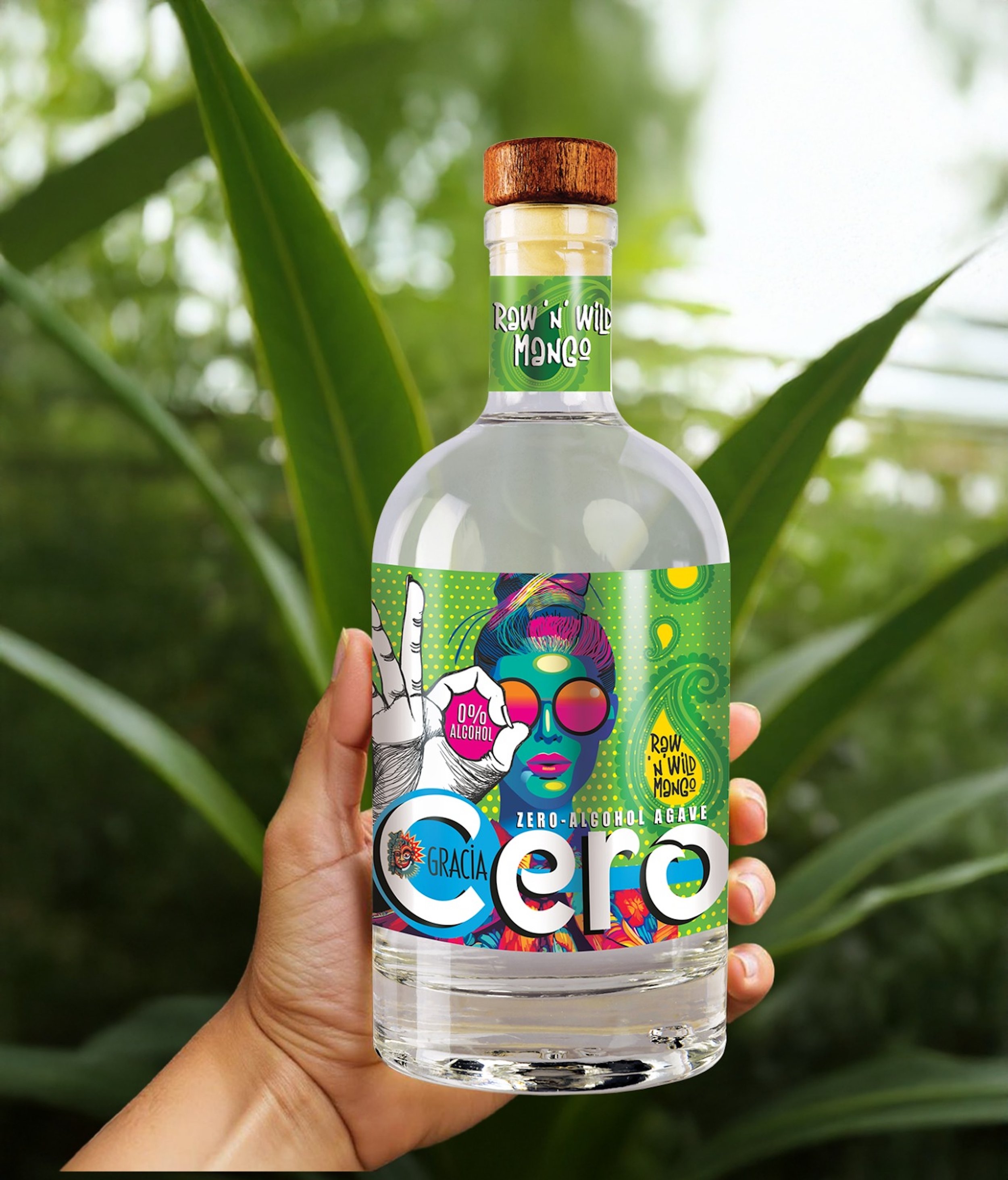
As mindful consumption takes centre stage this January, Gracia Cero by Kantala Spirits offers a refreshing alternative for those choosing balance without compromise. Positioned firmly as not anti-alcohol, Cero champions choice, moderation, and inclusivity, allowing modern consumers to enjoy social moments on their own terms.

Cero is India’s first non-alcoholic agave drink, crafted for those embracing Dry January, post-festive resets, or simply a more mindful way of drinking, without sacrificing flavour or experience. Designed for parties, work events, and everyday social occasions, it ensures no one feels left out of the celebration.


Completely sugar-free and non-alcoholic (0% ABV), Gracia Cero is a premium zero-alcohol agave drink with only 4 calories per serving. It delivers the goodness of agave minus the alcohol, making it an ideal choice for those focused on health, detox, or mindful living.


Available in two exciting flavours Raw ‘n’ Wild Mango and Pineapple Piñata Cero brings a fun, flavour-forward twist to the zero-alcohol category, proving that non-alcoholic drinks can still feel elevated and indulgent.


Whether driven by lifestyle choices, wellness goals, or a desire for moderation, Gracia Cero offers a guilt-free way to raise a glass without sugary mixers, next-day fatigue, or compromising social rituals. With Cero, mindful choices fit seamlessly into modern drinking culture.


Gracia Cero is where mindful choices meet modern taste.

For more information:

Pricing: Gracia Cero is priced at Rs.1299 per bottle

A New Chapter in Goa’s Culinary Story — Sabores Opens Its Doors

Goa, January 2026: Set against the sun-kissed, verdant landscape of Bambolim, located shortly before the quaint village of Siridao, Goa, Sabores makes its debut as a contemporary destination where the soulful flavours of Goa’s Portuguese heritage meet the elegance and refinement of modern design. Nestled within Clube de Palma, the intimate 60-seater restaurant evokes the serene charm of a Goan-Portuguese architecture, offering a culinary journey that is both warm and sophisticated, a celebration of nostalgia, craft, and the rich coastal cuisine of Goa.

Inspired by Mandovi’s Rio Rico, Sabores is the brainchild of Akshay Quenim from the owning family of this Goa landmark as well as founder of the much sought after dining destination in Goa : Tataki and Shoyu as well as Co-Chapter Head of NRAI Goa, and the founder of Banaba Kolhapur, a premium lifestyle and f&b dining destination for the HNIs of tier 2 and tier 3 cities. Drawing on his family’s deep hospitality heritage, Akshay brings together generational wisdom with contemporary sensibilities, crafting a space that honours tradition while embracing modernity.

A globally trained hospitality visionary, Akshay (Les Roches, Switzerland) infuses Sabores with a refined, narrative-driven philosophy where every element from cuisine to design, music, and storytelling is deliberately curated to create an emotionally resonant experience. The restaurant invites guests to savour a sophisticated interpretation of Goan-Portuguese cuisine, where heritage flavours are elevated through modern techniques and presented in a setting that balances intimacy, elegance, and timeless charm.

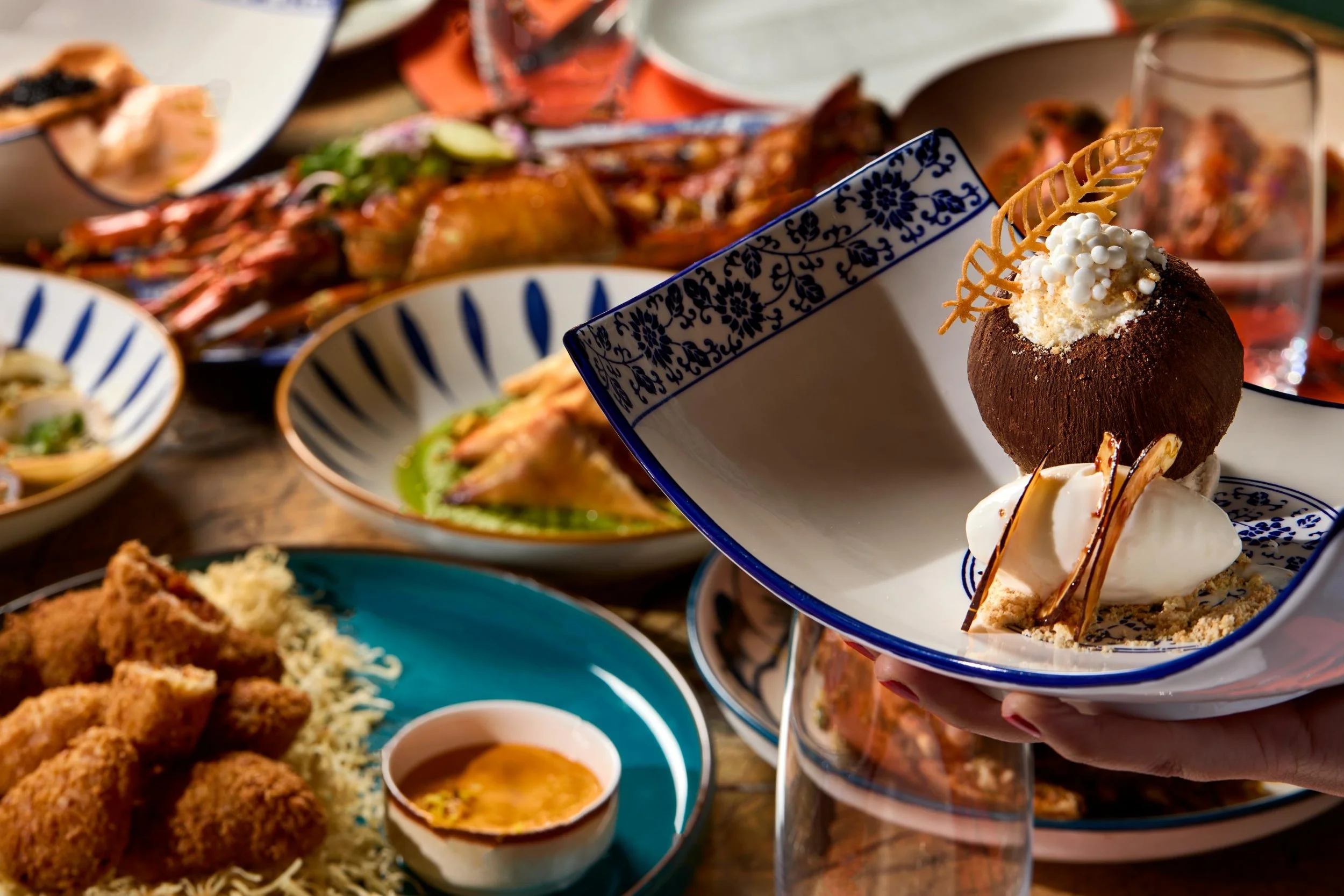
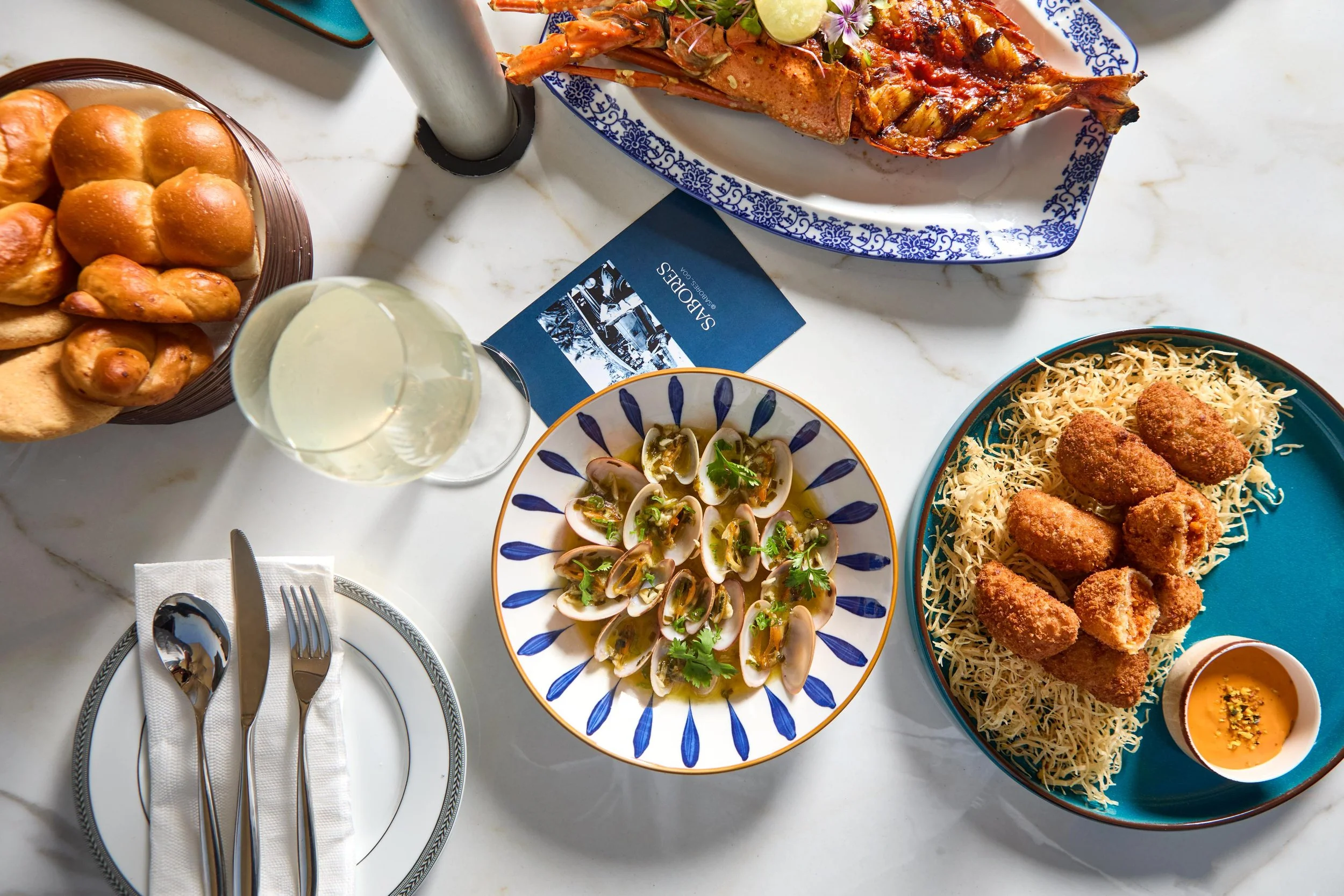
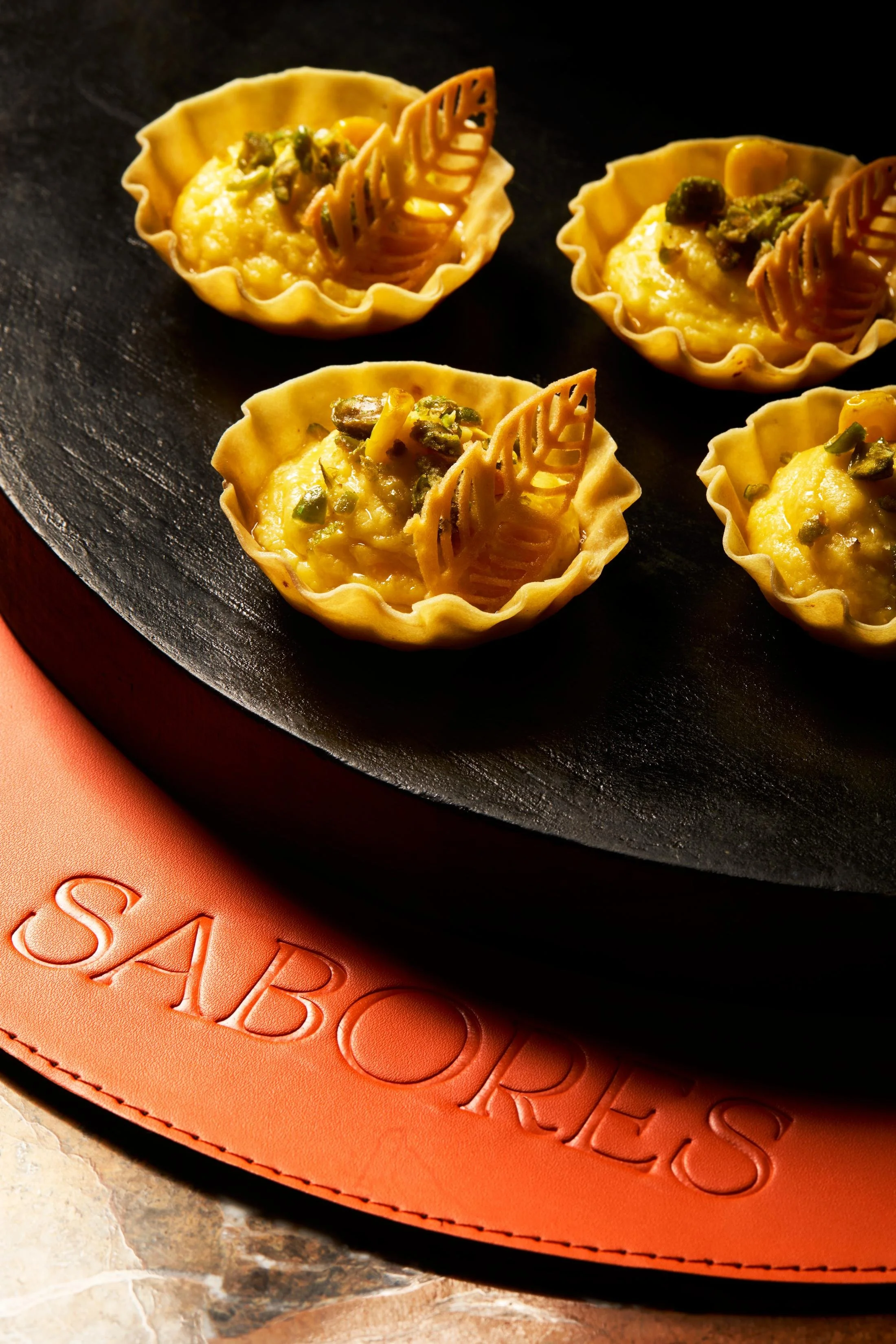
The culinary program at Sabores pays homage to Goa’s diverse Hindu and Christian traditions while drawing from Portuguese influences. - Goan Favourites showcasing dishes from both community traditions and Portuguese Signatures like Bacalhau (salted cod), a Portuguese classic; Bulhão Pato (clam), clams in garlic, coriander, olive oil and Lourenço Marques  prawns, spicy, coastal, vibrant, named after the former name of Mozambique while it was a Portuguese colony. Guests can expect thoughtful plates such as a hot prawn balchão, a sweet-spicy tender coconut carpaccio (A house special), rissóis de camarão (a popular goan snack done the original Goan-portuguese way), chicken cafreal, traditional Goan curries in multiple styles, wood-fired seafood, Choriso pulao, and classics like the Portuguese Bacalhau. A dedicated Bread Program offering Poie, Onde, Pao and celebratory dinner rolls served with an array house-made butters that include a Goan choriso flavour to a classic Café de Paris.

Complementing the food is a beverage menu crafted in collaboration with Pankaj Balachandran of Countertop India, one of the country’s most influential beverage design teams. Guided by Akshay Quenim’s vision, the cocktail list draws on Goa’s seasonal produce, flavour memories and global techniques. Highlights include  Toasted Banana Bread toasted poie, whiskey banana, coffee liqueur, chocolate, espresso, Mango Verde tart, vibrant mango meets tequila in a crisp refreshing highball, Flor De Palma frangipani flower infused vodka and many more.

Sabores Goa: A Cinematic Fusion of Heritage and Contemporary Design

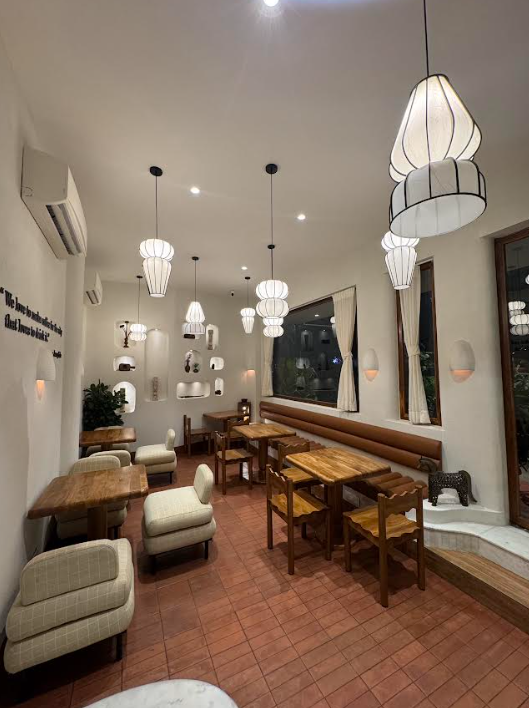
Designed as a serene architectural retreat, Sabores is a masterful interplay of heritage textures and modern sophistication, highlighting a Goan Portuguese architecture inspired structure. Traditional red semi-cylindrical tiled roofs, textured laterite walls, and vaulted ceilings harmonize with lush tropical greenery, creating a cinematic dialogue between Goa’s architectural legacy and contemporary design sensibilities. A rare symbol of wealth since the Portuguese era, terrazzo flooring at Sabores captures the essence of Goa’s most refined and affluent households. The journey begins at a tranquil poolside courtyard, where mirrored waterlines reflect the --inspired structure, setting a tone of quiet elegance. Inside, the dining room exudes understated luxury: warm cove lighting caresses sculptural metal installations, exposed brick, and polished stone, forming a restrained yet inviting palette that emphasizes mood, texture, and atmosphere over excess.

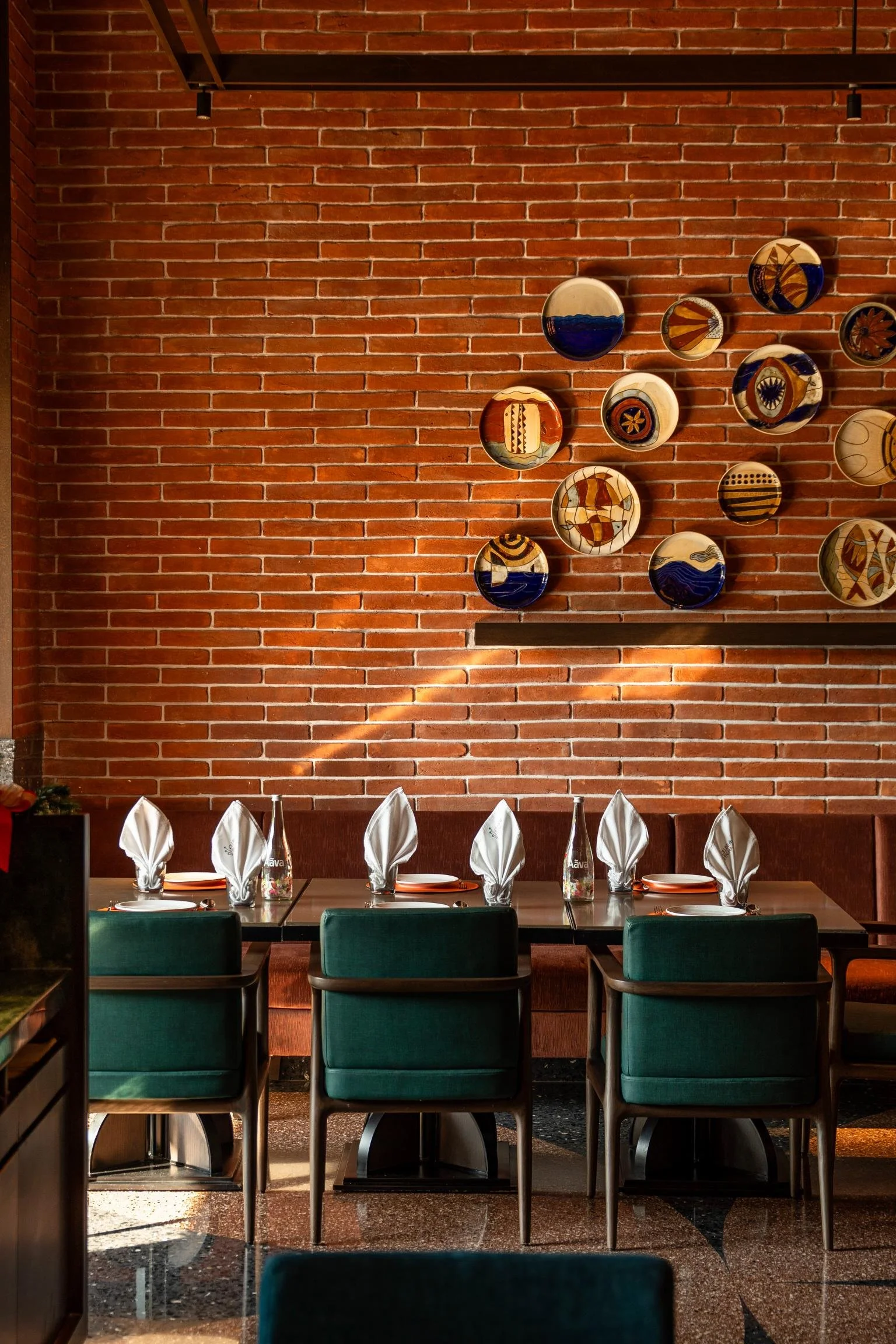
Deep teal seating, marble-topped tables, and rhythmically arranged lighting carve intimate enclaves across the space, while expansive glazing frames verdant views of the surroundings. As the sun dips toward the horizon, reflections in the glass amplify the ambient glow, crafting a warm, immersive vignette that transforms the restaurant into a living, breathing tableau of elegance and serenity.

At Sabores Goa, every meal becomes a celebration of legacy, craftsmanship, and the coastal spirit, offering discerning diners a rare opportunity to experience Goa’s rich culinary and cultural history reimagined for today’s sophisticated palate. Adding to the heritage experience will be postcard-style comment cards that allow guests to write to the kitchen highlighting a nod to Goa’s tradition of sending postcards home to regular Portuguese Fado Nights that honour musical culture.

Sabores and Akshay Quenim reimagine heritage as something interactive and alive in a modern day perspective. 

Sabores, Goa Fact Sheet:

  • Address: Clube de Palma, Phase 2, Aldeia de Goa, Bambolim, Goa

  • Footprint: Approximately 200 sq. meters

  • Seating Capacity: Around 60 covers, indoors

  • Instagram Handle: @sabores_goa 

  • Price: INR 3000 for 2 (approx) inclusive of alcohol  

Javaphile Café Opens in Worli, Bringing Its Speciality Coffee Rituals to the City’s Most Dynamic Neighbourhood

Mumbai, January 2026: Mumbai’s cherished neighbourhood café, Javaphile Café, marks a new chapter with the launch of its latest Flagship outlet in Worli, a locale that effortlessly balances legacy charm, modern living and an ever-evolving creative pulse. Known for its deeply rooted coffee culture, comforting all-day fare and inviting spaces, Javaphile’s Worli address is designed for those who appreciate quiet luxury, consistency and moments of pause in the middle of a fast-moving city.

More than just a new café opening, the Worli outlet represents Javaphile’s thoughtful expansion into a neighbourhood where mornings begin early, workdays run long and coffee breaks are treated as small but essential indulgences. The space reflects the brand’s signature warmth, cozy, unfussy and welcoming, making it equally suited for unhurried solo visits, informal meetings, relaxed brunches and extended work sessions that stretch well into the afternoon.

Coffee-First, Always

At its core, Javaphile remains deeply committed to coffee craftsmanship. The Worli café serves the brand’s full spectrum of brews from classic espressos, cappuccinos and flat whites to signature favourites like the Sea Salt Mocha, Spiced Latte and the much-loved Java Chip Frappe. Cold brew enthusiasts can explore refreshing variations such as Citrus, Elderflower, Sweet Lime, Cucumber and Cream Cold Brew, while purists can opt for manual brewing methods including Chemex, AeroPress, Origami Pour Over and French Press.

Comfort-Led Food, Elevated Thoughtfully

The food menu is designed to complement the coffee experience while standing strong on its own. Guests can expect comforting breakfast classics like Akuri Scramble on Toast, Shakshuka, indulgent Eggs Benedicts and flavour-forward Turkish Eggs. For those seeking wholesome, balanced meals, the café offers a range of grain bowls from Mediterranean and Asian Peanut Bowls to Chicken Makhani and Mexican Fajita Bowls alongside vegan chia bowls, gourmet tartines, hearty sandwiches and protein-rich wraps.

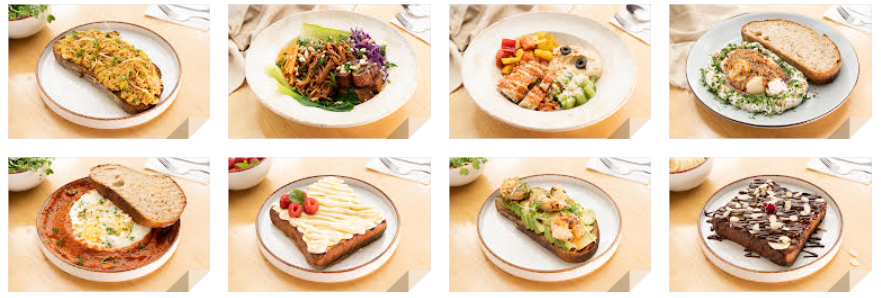
Desserts are a highlight, with indulgent French Toasts in flavours like Tiramisu, Raspberry Cream Cheese, Banana Chocolate and Blueberry, making the café a natural choice for leisurely brunches and mid-day breaks alike.


A Neighbourhood Space That Feels Familiar

Designed to blend seamlessly into its surroundings, Javaphile Café in Worli embraces a sense of familiarity from the very first visit. With friendly service, an approachable yet premium menu, the café delivers an experience that feels refined without being formal, an everyday luxury that fits effortlessly into daily routines.

Speaking about the launch, Suren Joshi, Founder of Javaphile Café, shares,
“Javaphile has always been about creating spaces where people feel comfortable enough to slow down, even if it’s just for a cup of coffee. Worli felt like a natural progression for us—a neighbourhood that values quality, routine and good food. This café is designed to be familiar, dependable and welcoming, whether you’re stepping in for five minutes or staying for hours.”

With its Worli opening, Javaphile Café continues to strengthen its presence across Mumbai, staying true to its core philosophy of good coffee, honest food and inviting spaces—while quietly becoming part of the city’s everyday rhythm.

About Javaphile Café:

Javaphile Café is a much-loved neighbourhood coffee destination in Mumbai, known for thoughtfully brewed coffee, comfort-led café fare and warm, unfussy spaces. With a strong focus on coffee craftsmanship and an approachable everyday experience, Javaphile brings together good coffee, honest food and inviting environments across its city locations.

Royal Orchid & Regenta Hotels Signs 43-Key Regenta Place Golden Castle in Baddi, Strengthening Presence in Himachal Pradesh

New 43-key signing marks a strategic entry into Asia's largest pharmaceutical hub, Baddi

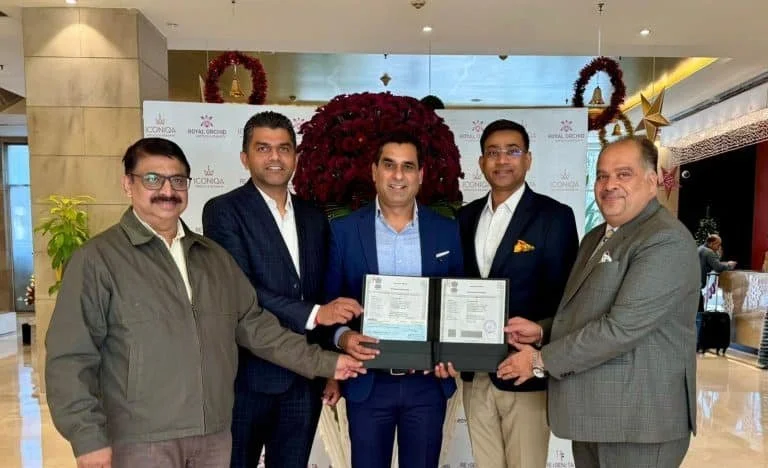
National: Royal Orchid Hotels Ltd. (ROHL), one of India's fastest-growing hospitality chains, is expanding its footprint in North India with the signing of a new 43-key property, Regenta Place Golden Castle, in Baddi, Himachal Pradesh. Baddi is widely known as Asia's largest pharmaceutical hub.

The property is strategically located on the Baddi Nalagarh Road, NH-105, and will operate under a Management Agreement, aligning with the group’s asset-light expansion strategy. Regenta Place Golden Castle is designed to be the perfect base for business travelers, as well as those planning social events like weddings.

The Regenta Place Golden Castle offers 43 spacious and well-appointed rooms, featuring modern amenities like LED TV, high-speed Wi-Fi, electronic safe, and mini-bar. The room categories include Suite Rooms (600 sq. ft., 2 units, with bathtub and hill view), Super Deluxe Rooms (350 sq. ft., 23 units, with roadside view), Deluxe Rooms (320 sq. ft., 9 units, with pleasing view of Hills), and Executive Rooms (250 sq. ft., 9 units, with pleasing view of the lawn).

Key facilities and services include PINXX, a multi-cuisine restaurant located on the Ground Floor offering Indian, Chinese, and Continental options; Sky Bar and Lounge, an open terrace bar and restaurant; two banquet halls (Orchid and Orchid-1) and one meeting room; and an expansive lawn spanning 12,000 sq. ft., ideal for weddings and social gatherings. Other amenities include a swimming pool, spa, 24-hour in-room dining, and high-speed Wi-Fi.

The property provides smooth connectivity, situated just 2 km from the Baddi Bus stand, 27 km from the Chandigarh Railway station, and 50 km from the Chandigarh Airport.

Speaking on the strategic signing, Mr. Arjun Baljee, President, Royal Orchid & Regenta Hotels, said: “Baddi's status as a major industrial and pharmaceutical hub makes it a key market for our business traveler segment. The signing of Regenta Place Golden Castle reinforces our strategy to establish a reliable, high-quality presence in important regional centers across North India, offering world-class service combined with exceptional comfort and value.”

PHA Announces 8th 'National Housekeepers Convention' in New Delhi on 30th May 2026

New Delhi – The Professional Housekeepers Association (PHA) is pleased to announce its 8th National Housekeepers Convention on 30th May 2026 at Eros Hotel, New Delhi, bringing together Housekeeping Professionals and Hospitality Leaders from across the country for a focused day of industry insight, dialogue, and excellence.

Theme: Stewards of Standards

The theme reflects the evolving role of housekeeping leaders as custodians of quality, safety, and consistency in hospitality operations. Today’s housekeepers go beyond maintaining cleanliness—they uphold brand promises, ensure guest trust, protect assets, and drive sustainable practices. The theme underscores leadership accountability in preserving and elevating operational benchmarks while adapting to innovation, technology, and changing guest expectations.

Convention Title: Leadership in the Art and Science of Housekeeping

The title highlights the dual nature of housekeeping—where art represents attention to detail, aesthetics, and guest-centric care, and science signifies systems, processes, technology, hygiene protocols, and performance metrics. The focus on leadership reinforces the strategic influence of housekeeping professionals in shaping service excellence and operational efficiency.

Convention Inspiration: Care – Create – Elevate

  • Care: Emphasizes people, purpose, and responsibility towards guests, teams, assets, and the environment.

  • Create: Encourages innovation, problem-solving, and adoption of smarter processes and tools.

  • Elevate: Inspires continuous improvement, professional growth, and pursuit of higher standards across the housekeeping function.

Together, the theme, title, and inspirations present a clear narrative—positioning housekeeping leaders as guardians of standards and drivers of excellence in modern hospitality.

The announcement follows the highly successful 7th National Housekeepers Convention, held on 17th May 2025 in Bangalore, which drew over 220 delegates and featured sessions on talent development, operational efficiency, sustainable housekeeping, and technology integration.

Key highlights from the 2025 Convention included:

  • Strategic keynote addresses on workforce empowerment and operational leadership

  • Case study presentations from major hotel chains showcasing best practices in linen management, cleanliness analytics, and guest-centric housekeeping

  • Solution showcase segments with innovations in housekeeping automation, eco-friendly chemicals, and productivity tools

  • Strong emphasis on skill development and career pathways for housekeeping professionals

Building on this momentum, the 2026 Convention will spotlight key trends shaping housekeeping operations, including AI-assisted workflows, sustainability standards, workforce training frameworks, digital quality assurance practices, and process excellence in housekeeping and facilities management.

Ms. Jayashree Nagaraj, Founder President and Chairperson, PHA, commented:
"Housekeeping has transitioned from a back-of-house function to a strategic pillar in hospitality operations. The overwhelming participation and quality of discourse at the 2025 Convention reaffirmed the industry’s commitment to excellence. In 2026, we aim to deepen this conversation with actionable insights and practical solutions tailored to modern operational realities."

Ms. Bharti Singh Kalappa, Founder Member, National Vice President & VP Operations, PHA-North Chapter, added:
"The New Delhi edition will extend the learning trajectory established in Bangalore, emphasizing operational innovation, sustainable practices, skill enhancement, and technologies that amplify housekeeping performance. We are curating an agenda that resonates with the challenges and aspirations of housekeeping leaders across hotel segments."

The 8th National Housekeepers Convention is expected to attract over 300 Housekeeping Professionals, Operations Leaders, Procurement Heads, Hospitality Educators, and Leading Suppliers of housekeeping products and solutions.

About PHA

The Professional Housekeepers Association (PHA) is a national professional body dedicated to advancing housekeeping standards across the hospitality and allied sectors. Through conventions, workshops, training, and industry partnerships, PHA fosters knowledge sharing, operational excellence, and professional development within the housekeeping community. Established in 2015 in Bangalore, PHA continues to synergize the housekeeping fraternity with collaborative initiatives and industry leadership.

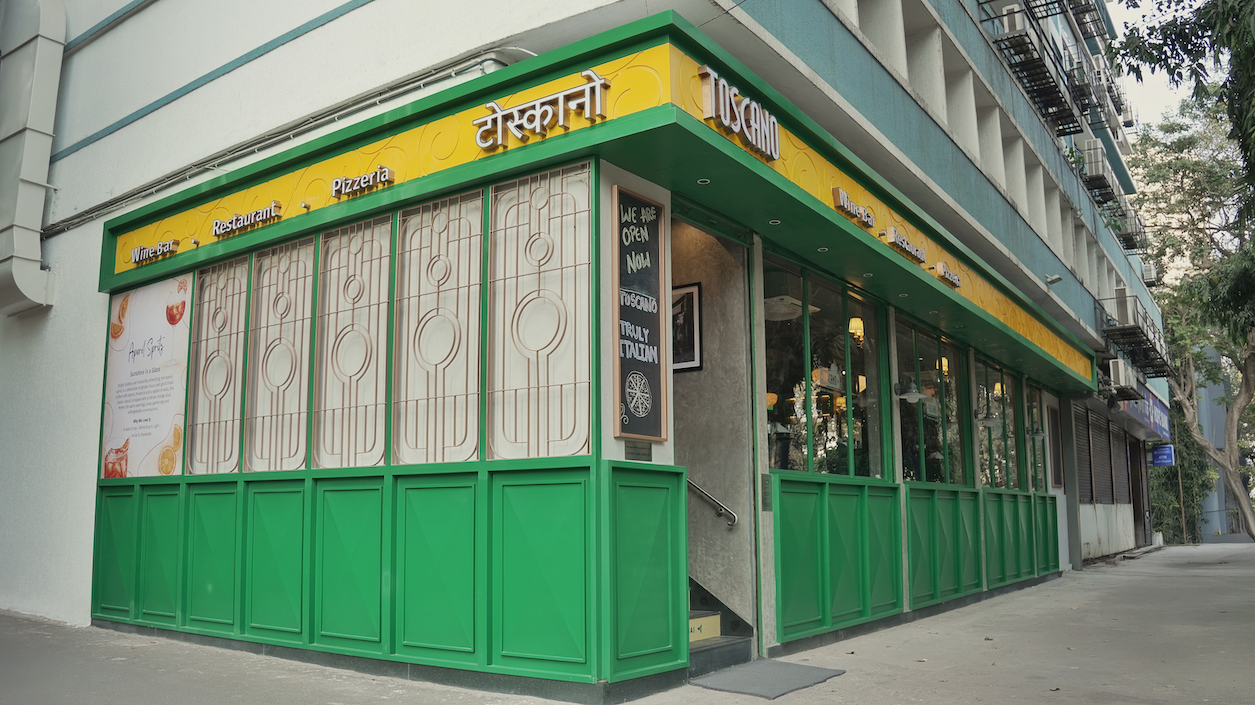
Italian Classics Get a New Address as Toscano Arrives in Nariman Point

Mumbai, January 2026: Toscano is known for serving authentic Italian cuisine, delivering a sophisticated fine-dining experience that extends well beyond its much-loved pizzas.

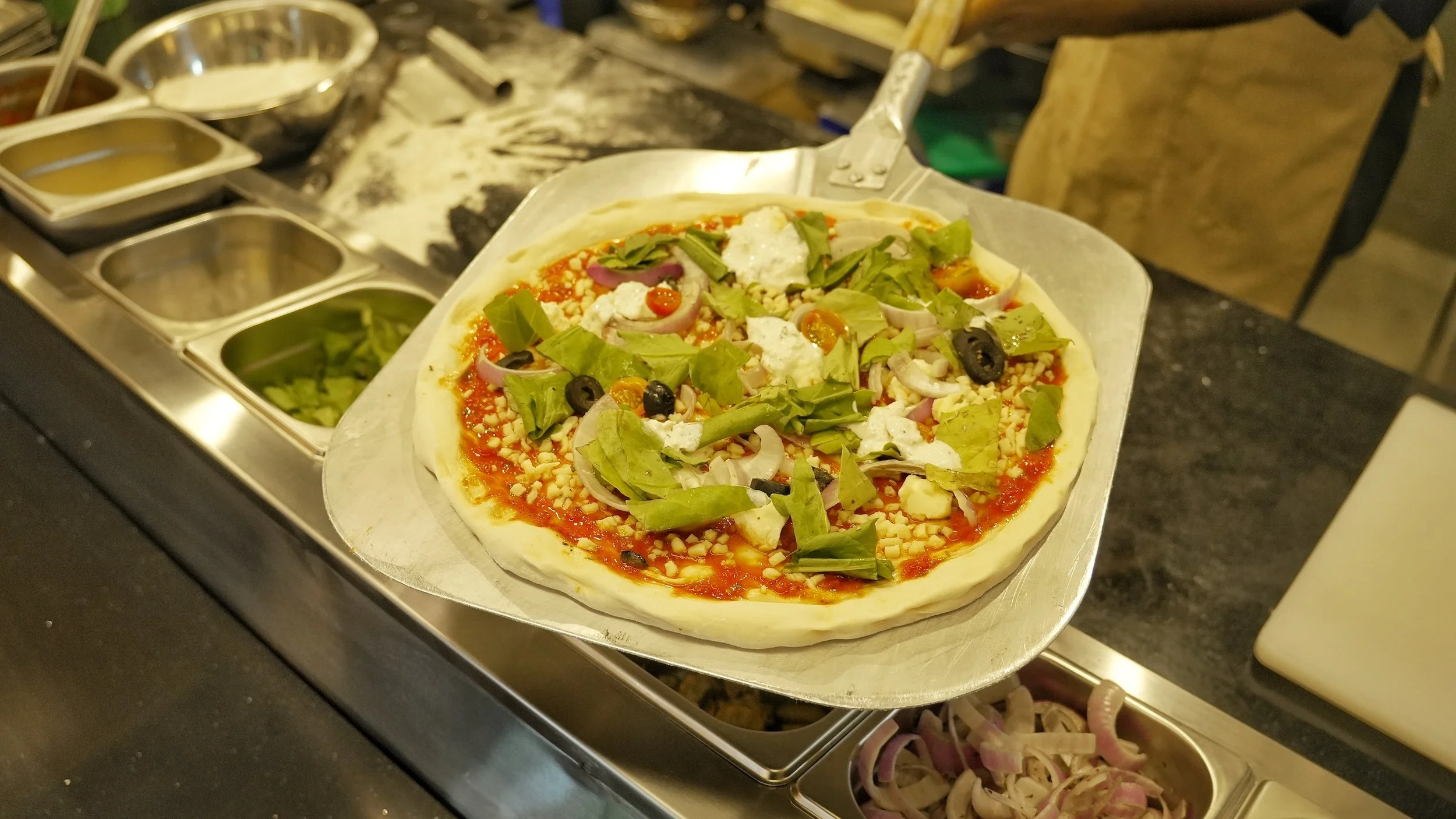
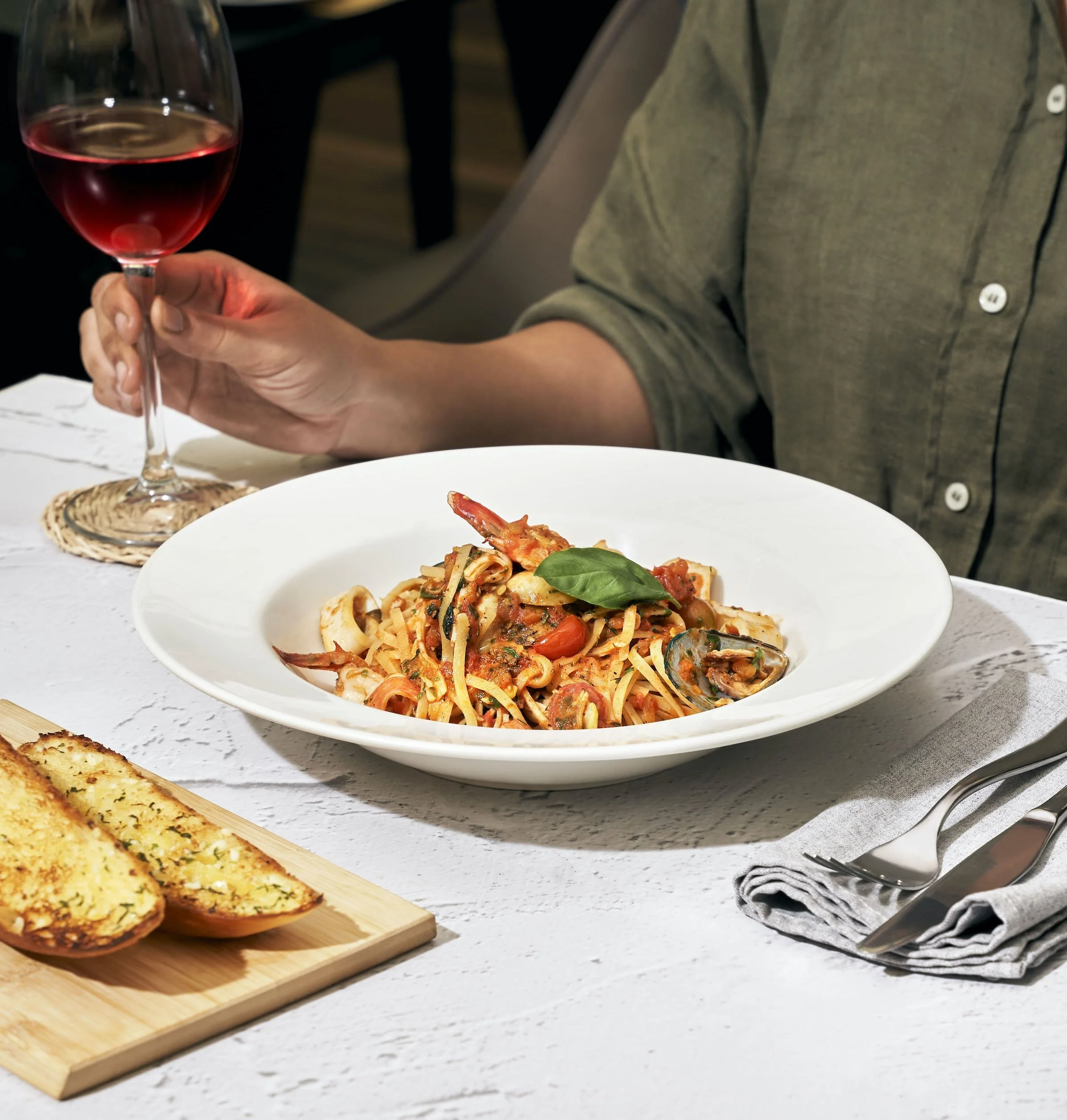
 The much-loved Italian restaurant chain continues its expansion in Mumbai with the launch of its third outlet at Nariman Point. After winning diners over with their Tuscan-inspired flavours in Andheri and Navi Mumbai, Toscano is now arriving at one of South Mumbai’s most iconic addresses. It brings the same familiar warmth of rich, handmade creamy pastas, crisp salads, classic grills, fresh sourdough pizzas and more. 


Toscano is the shared vision of Chef Jean Michel and Chef Goutham to make the true taste of Italy available across India. Chef Michel brings European techniques as Chef Goutham infuses them creatively to local sensibilities. Together, they craft traditional Italian recipes made using premium ingredients that deliver the authenticity of a faraway pizza land. Over the years, the brand has built a strong presence covering major cities like Bangalore, Chennai, Pune, Delhi, Hyderabad, and now expanding with its 3rd outlet within Mumbai. 


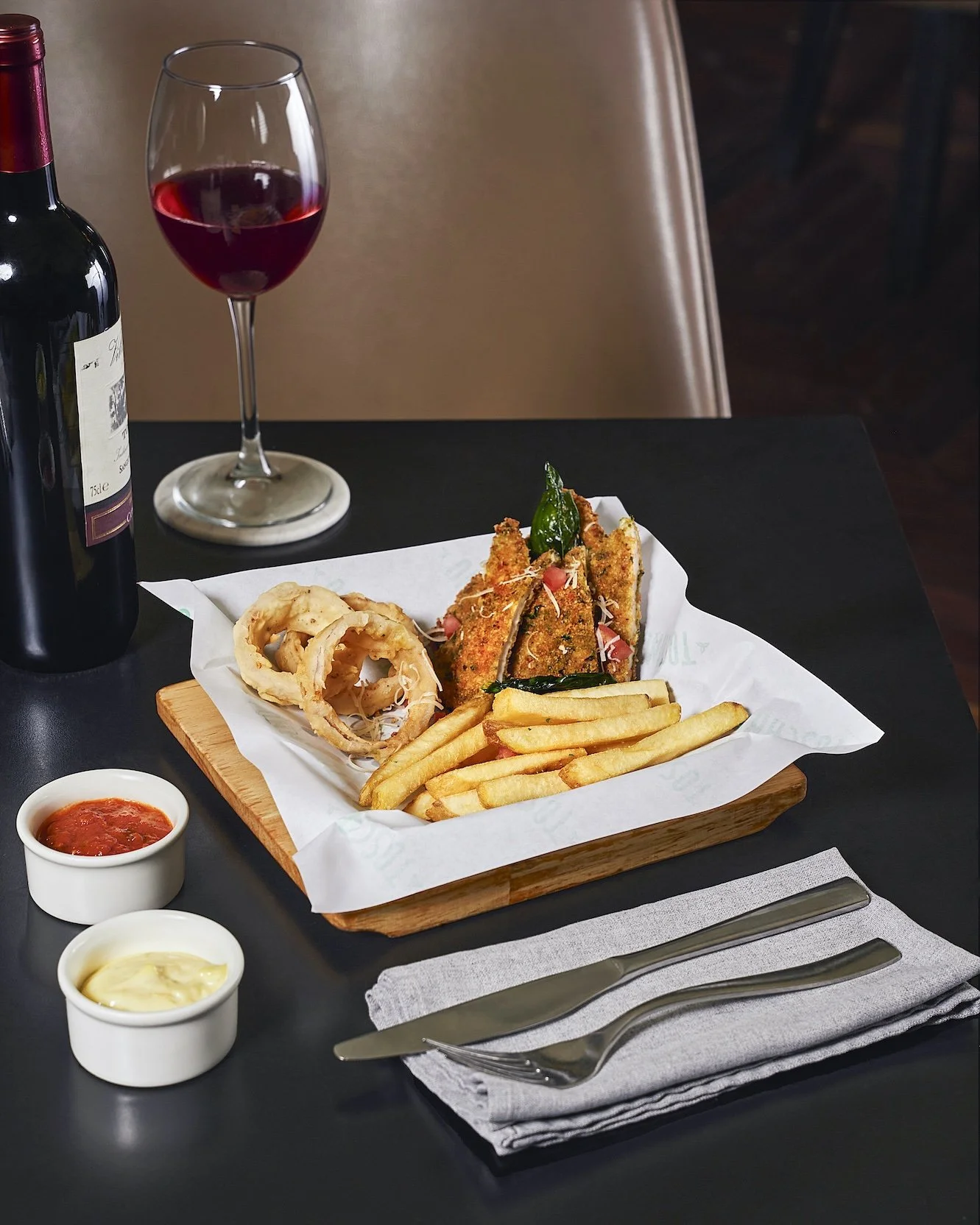
Favourites on their menu feature artisanal Sourdough pizzas, Insalata di formaggio di capra e pere (Goat Cheese & Roasted Pear Salad), Salmone Grigliato (Grilled Norwegian Salmon), Chicken di Toscano (Spinach & Ricotta Filled Chicken Breast, an Italian comfort food) and Spaghetti Aglio Olio. For a round of desserts, you can order from the classic Tiramisu or the indulgent Kahlua Mousse which is a crowd favourite.There are refreshing mocktails like Toscano Sling, Ginger Berry Fizz, Lychee Lemonade and more that complement your main course The entire menu celebrates Tuscan traditions while appealing to modern tastes.  

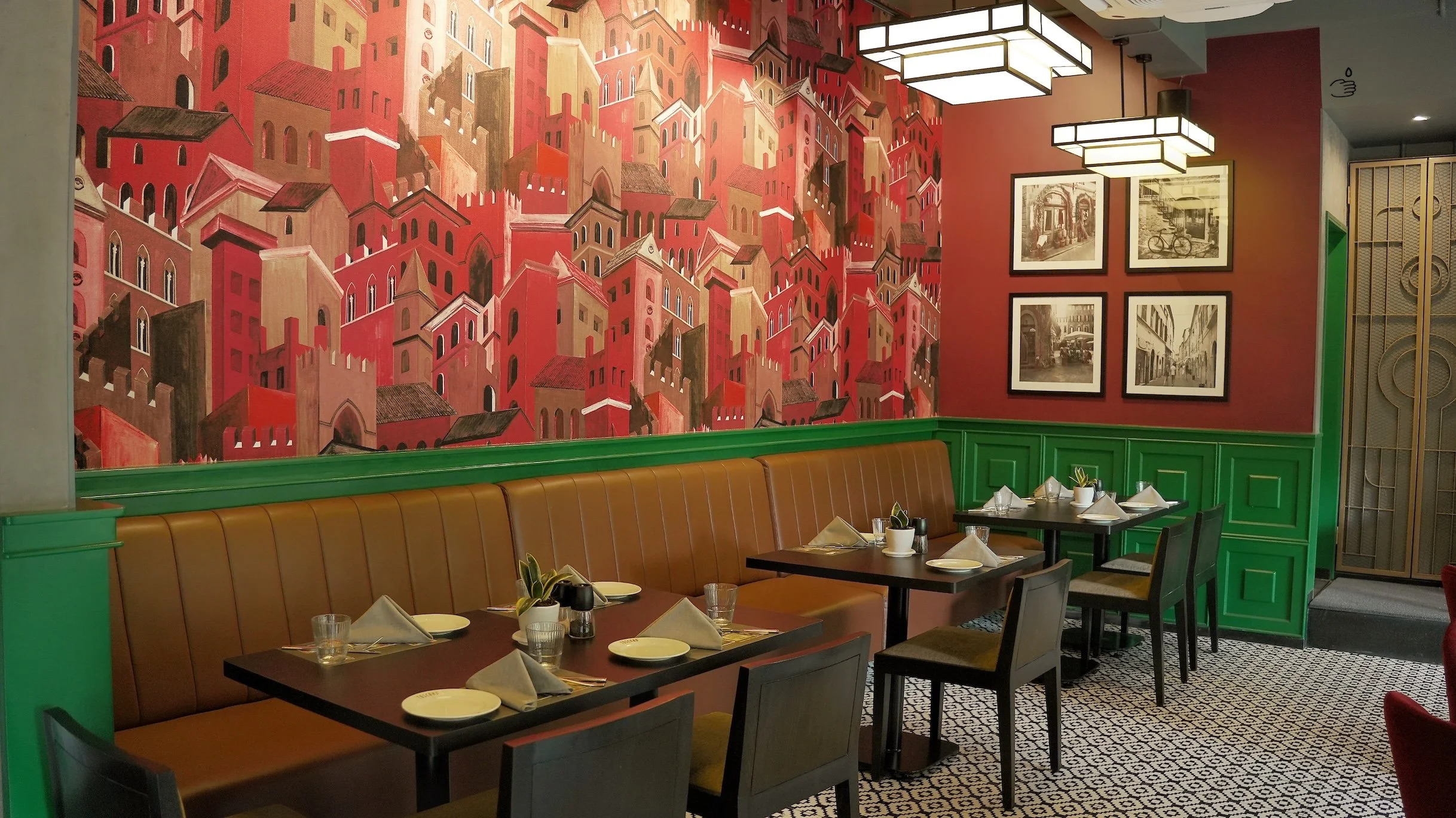
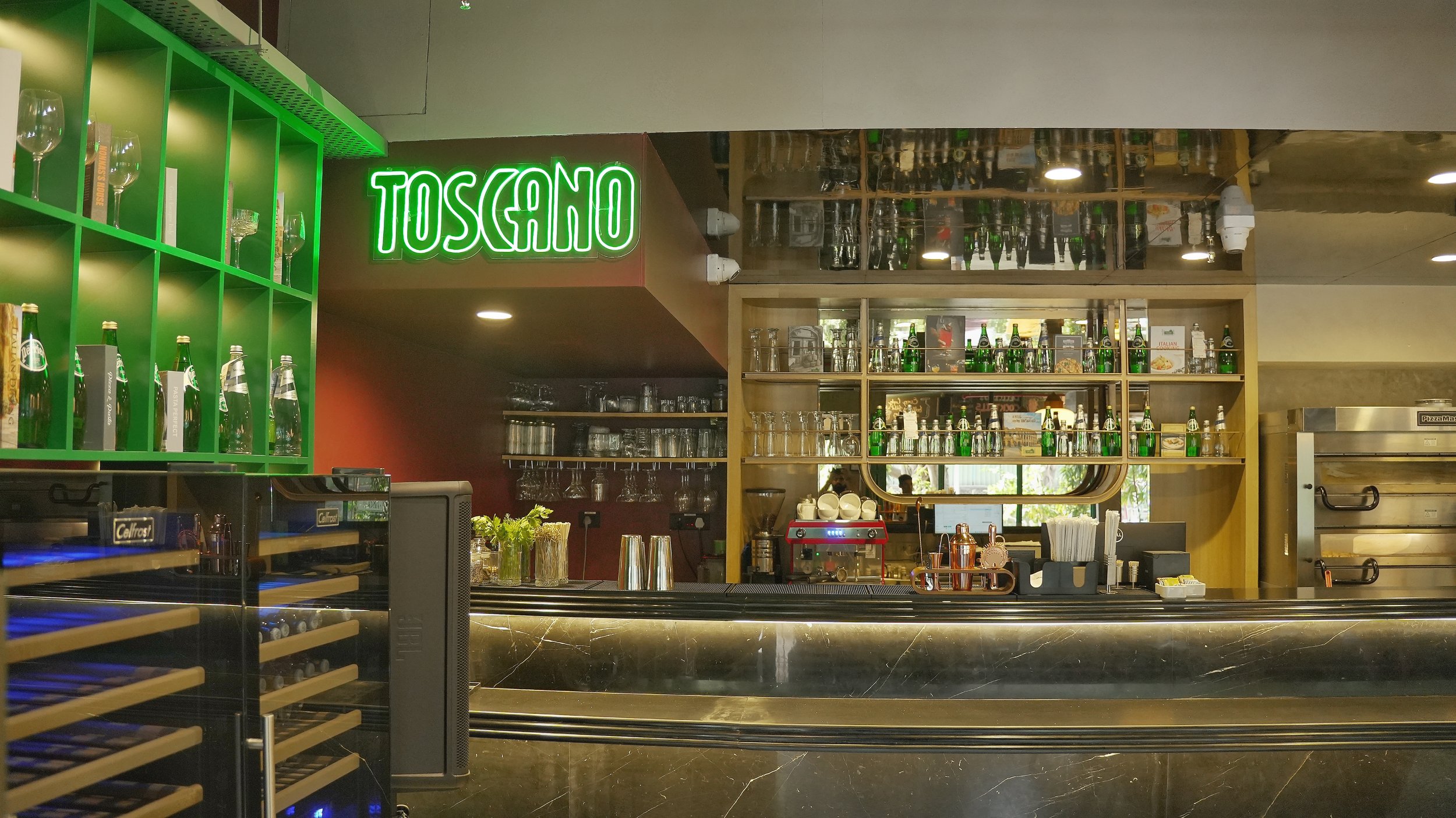
The interiors echo familiarity with earthy tones, warm lighting on the deep green and maroon accents. The spacious seating arrangements bring a little feel of enjoying pizzas and pastas in cozy European diners. With the new outlet, get ready to pair Toscano’s well-loved Italian flavours with one of Mumbai’s most iconic locations. Come in for a romantic date night, an after-work pizza outing or a family dine-out to relish the best creamy pastas. 

Address: Tulsiani Chambers, Next to Free Press Journal, Nariman Point, Mumbai, Maharashtra 400021

The Fern Hotels & Resorts Strengthens North India Presence with Budhni Signing Announces Crescent The Fern Budhni, Series by Marriott

Mumbai, January 2026: The Fern Hotels & Resorts, India’s leading environmentally sensitive hotel chain, is pleased to announce the signing of Crescent The Fern Budhni, Series by Marriott, located in Budhni, Madhya Pradesh. This strategic addition further strengthens the group’s presence in North India, taking the total number of operational and upcoming properties in the region to 21.

Sharing his thoughts on the signing, Mr. Suhail Kannampilly, Managing Director, The Fern Hotels & Resorts, said, “India’s hospitality growth story is increasingly being shaped by emerging destinations that are benefiting from infrastructure development, improved connectivity and evolving travel demand. This signing reinforces our commitment to disciplined growth while continuing to elevate guest expectations through sustainable and contemporary hospitality offerings. Our expansion under The Fern, Series by Marriott reflects a focused approach to building a balanced portfolio that combines location relevance, brand strength and long-term value creation.”

The upcoming hotel will feature 82 well-designed rooms and suites, offering a refined stay experience tailored to the needs of both business and leisure travellers. The accommodations will combine thoughtful design with modern comforts, ensuring a seamless and welcoming guest experience. Dining options at the property will include an all-day dining restaurant and a vibrant bar and lounge café, providing guests with diverse culinary choices in carefully curated settings suited for both casual dining and social interaction. For meetings and events, the hotel will offer well-appointed facilities, including one conference room and two banquet halls, making it an ideal venue for corporate gatherings, meetings and social celebrations of varying scale.

Strategically located in Budhni, the property is well positioned to serve travellers seeking quality hospitality in a growing regional market. Scheduled to open in the first half of 2026, Crescent The Fern Budhni, Series by Marriott, will further strengthen The Fern Hotels & Resorts’ presence in North India while reinforcing its commitment to sustainability, service excellence and market-led expansion.

FHRAI Concludes DPDP Rules 2025 Awareness Summit with Strong Emphasis on Data Protection and Cybersecurity

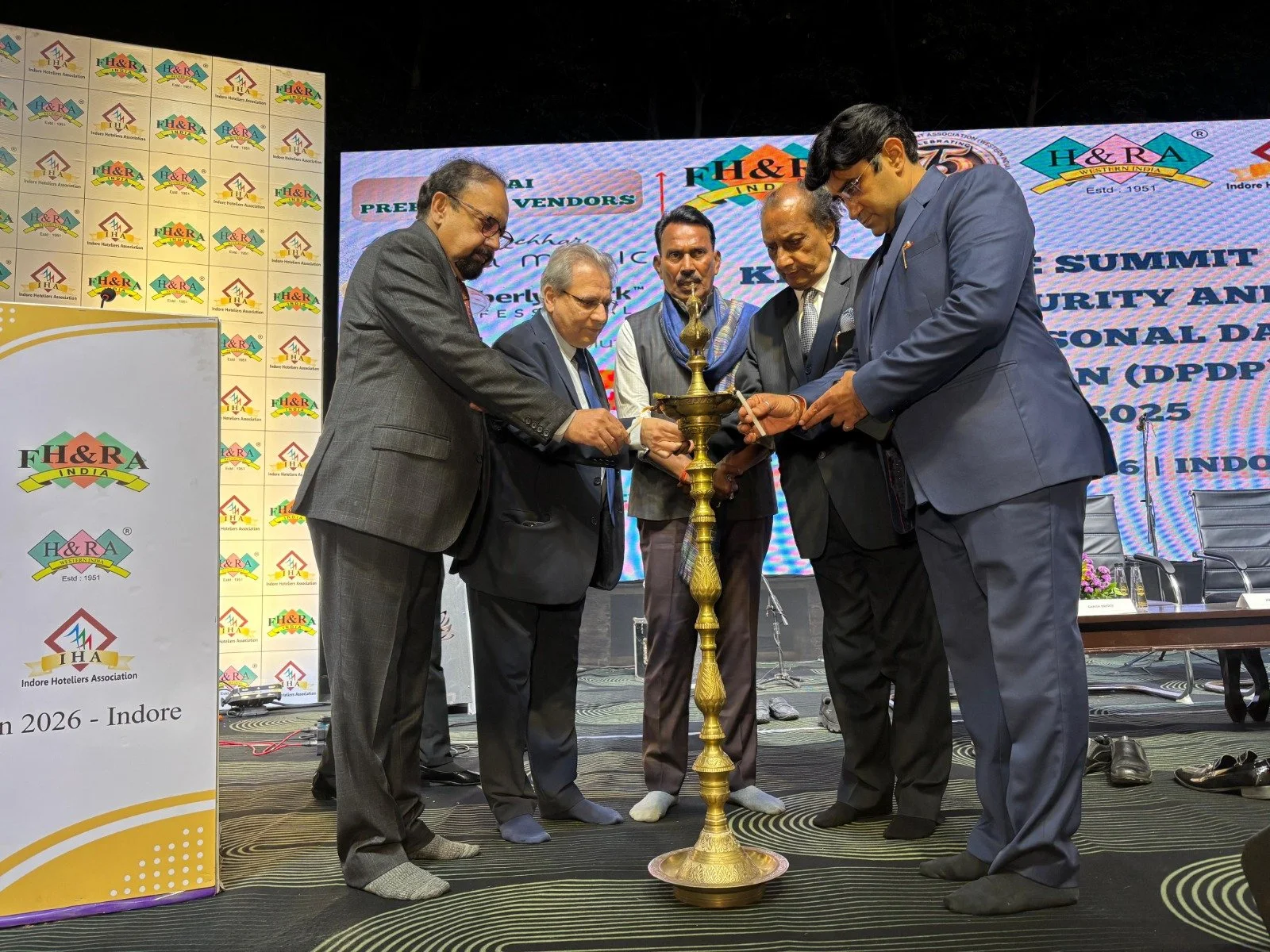
New Delhi, January 2026: The Federation of Hotel and Restaurant Associations of India (FHRAI), in association with the Hotel and Restaurant Association Western India (HRAWI), successfully concluded the Industry Awareness Summit on the Digital Personal Data Protection Rules 2025 at Omni Residency, Indore. The Summit focused on building clarity, preparedness and sector specific understanding of India’s new data protection framework and its relevance for the hospitality industry.

The Summit was organised in the context of the Digital Personal Data Protection Rules 2025 notified under the Digital Personal Data Protection Act 2023, which mark a significant shift in India’s approach to data governance. The discussions highlighted how data protection has emerged as a core operational and strategic priority, particularly for the hospitality sector, which relies extensively on digital platforms and technology driven services for guest engagement, service delivery and business growth.

The Summit was graced by Mr. Tulsiram Silawat, Hon’ble Minister of Water Resources, Govt. of Madhya Pradesh, as Chief Guest. Industry leadership was represented by Mr. Surendra Kumar Jaiswal, President, FHRAIMr. Jimmy Shaw, President, HRAWIMr. Garish Oberoi, HonySecretary, FHRAI, and Mr. Sumit Suri, Executive Committee Member, HRAWI and President, Indore Hotel Association. Other dignitaries included Mr. K Syama Raju immediate Past President of FHRAI and Mr Pradeep Shetty Past President of FHRAI.

Dr Mohan Yadav, Chief Minister Madhya Pradesh, said in a video message, “Madhya Pradesh has immense possibilities in the hospitality industry. We are supporting the industry by promoting all forms of tourism such as forest, religious, cultural etc. We expect lot of new hotel projects in the state with up to 30 per cent subsidy on investments for large projects.”

Mr. Tulsiram Silawat, Minister of Water Resources, Madhya Pradesh, said, “The Madhya Pradesh government dedicated the year 2025 to industry policies. We can assure you that the state’s tourism and hospitality policy is among the best in the country today. I also feel these discussions on Digital Personal Data Protection will give a new dawn and direction to the industry. We are determined to support the hopes and aspirations of hospitality industry, which is also in line with Hon’ble Prime Minister Modi’s vision for development of tourism.”

Speaking on the outcomes of the Summit, Mr. Surendra Kumar Jaiswal, President, FHRAI, said, “The Digital Personal Data Protection Rules 2025 represent a critical milestone for India’s digital economy. For the hospitality sector, compliance is directly linked to guest trust and long-term sustainability. This Summit has enabled our members to clearly understand their responsibilities and take practical steps towards building robust data governance and compliance frameworks.”

Mr. Jaiswal further said, “Inspired by the vision of our Honourable Prime Minister, the association has undertaken several initiatives to support the growth of the industry, many of which have already begun to deliver positive results. The Delhi government has assured us of a single-window clearance system for all licences, along with third-party fire safety audits, which we have been advocating for long. FHRAI and HRANI have been regularly advocating for the removal of the requirement of the Eating House Licence by the Delhi Police. This has now been abolished, which is a great relief for hospitality establishments. We have also proposed the adoption of dry fogging systems across hotels and restaurants in Delhi as an alternative to anti-smog guns, and thankfully this is under consideration. In addition, we are encouraging hospitality establishments to procure directly from Farmers Producers Organization, ensuring that the benefits of tourism reach the farming community as well.”

Speaking on the practical implications for hospitality operators, Mr. Jimmy Shaw, President, HRAWI, said, “For hotels and restaurants, the DPDP Rules 2025 translate into day-to-day operational changes from front-desk processes and online reservations to vendor management and payment systems. The Summit has been particularly valuable in demystifying compliance and equipping establishments, especially small and mid-sized operators, with clarity on how to embed data protection into routine business operations without disrupting service delivery.”

As a key outcome, the Summit enhanced industry readiness by strengthening understanding of organisational obligations and data governance standards, improving preparedness for consent management and breach handling, and encouraging closer collaboration between industry and regulators. The Summit reaffirmed FHRAI’s commitment to supporting the hospitality sector in achieving smooth and effective implementation of the Digital Personal Data Protection Rules 2025 while reinforcing transparency, accountability and consumer confidence.

Mr Garish Oberoi, HonySecretary, FHRAI presented the vote of thanks and expressed special gratitude to the Government of Madhya Pradesh during the inaugural session, adding, “With such a progressive tourism policy in place, we are extremely optimistic about the future of hospitality and tourism in the state.”

Mr. Sumit Suri, Executive Committee Member, HRAWI, and President, Indore Hotel Association, said, “Madhya Pradesh is emerging as a key state for the industry, supported by its attractive tourism policies, including subsidies for new hotel projects. We appreciate and thank the state government for consistently being cooperative and supportive of our industry.”

The deliberations provided participants with clear insights into the scope and applicability of the DPDP Rules, including consent and notice requirements, obligations of data fiduciaries and processors, protection of children’s data, breach preparedness and reporting, data principal rights, and compliance requirements for significant data fiduciaries. The discussions also addressed the hospitality sector’s extensive use of online booking systems, property management platforms, loyalty programmes, payment gateways, AI enabled guest services and third-party aggregators, all of which involve processing of sensitive personal data.

Royal Orchid & Regenta Hotels Ltd. has announced the signing of Regenta Suites & Residences Jaipur

Royal Orchid & Regenta Hotels Ltd. has announced the signing of Regenta Suites & Residences Jaipur, a new 60-key property located in Jaipur City Centre. The hotel will operate under a management agreement, reinforcing the group’s asset-light expansion strategy and strengthening its footprint in Rajasthan.

Royal Orchid & Regenta Hotels, one of India’s fastest-growing hospitality chains, continues to expand its portfolio with the addition of Regenta Suites & Residences Jaipur. The property, being developed by SSBC Group under the ownership of Madan Lal Yadav, is strategically positioned to cater to long-stay guests, business travellers, and families seeking larger and more flexible accommodation formats in the heart of Jaipur.

The new hotel will feature 60 suites and residences, offering spacious layouts designed to meet the needs of extended-stay guests while maintaining the brand’s hallmark of comfort and service excellence. Its central location in Jaipur City Centre ensures easy access to business hubs, cultural landmarks, and leisure destinations, making it an attractive choice for both domestic and international travellers.

This signing is part of Royal Orchid & Regenta Hotels’ asset-light growth strategy, which focuses on management contracts rather than ownership, allowing the company to expand rapidly across key urban and leisure-driven markets. With this addition, the group strengthens its presence in Rajasthan, a state known for its vibrant tourism and growing demand for upscale hospitality options.

The property is expected to play a pivotal role in meeting Jaipur’s rising demand for extended-stay accommodations, a segment increasingly popular among corporate travellers and families. By offering residences alongside suites, the hotel aims to provide flexibility, convenience, and a homely atmosphere within a luxury setting.

Royal Orchid & Regenta Hotels’ latest move underscores its commitment to strategic expansion and innovation in hospitality. The signing of Regenta Suites & Residences Jaipur not only enhances the brand’s portfolio but also contributes to Jaipur’s evolving hospitality landscape, positioning the city as a hub for both leisure and business travel.

In summary, the Regenta Suites & Residences Jaipur will bring a blend of luxury, convenience, and extended-stay comfort to the city, further cementing Royal Orchid & Regenta Hotels’ reputation as a leading player in India’s hospitality sector.

Royal Orchid Hotels Strengthens Central India Portfolio with New Signing in Gwalior, Madhya Pradesh

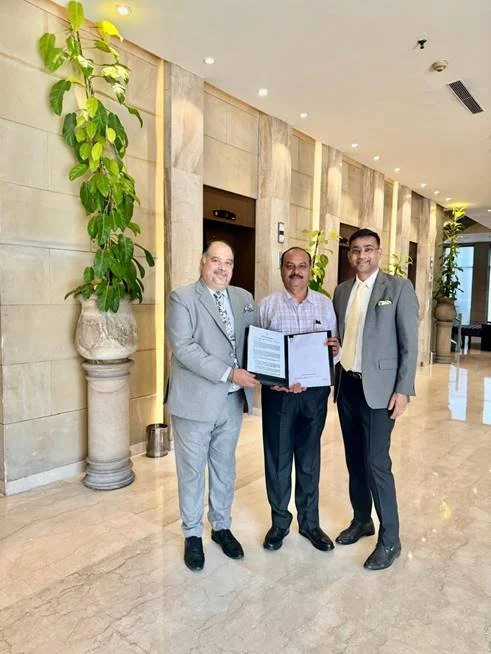
Bengaluru : Royal Orchid Hotels Ltd. (ROHL), one of India’s fastest-growing hospitality chains, today announced the signing of a new upscale hotel in Gwalior, Madhya Pradesh. Strategically located near the Gwalior Airport, this signing marks another significant step in ROHL’s expansion across emerging business and leisure destinations in Central India. The hotel will operate under a Management Agreement, reinforcing the group’s asset-light growth strategy.

This new signing also marks Royal Orchid & Regenta Hotels’ second property in Gwalior and the fourth hotel in the Madhya Pradesh region, where the group already operates one hotel each in Bhopal, Indore, and Gwalior. With this addition, ROHL continues to strengthen its presence and commitment to serving the growing hospitality demand across the state.

The upcoming Regenta Gwalior will open in two planned phases. Phase I will feature 71 well-appointed rooms along with multiple banquet venues designed to cater to weddings, corporate meetings, social gatherings, and MICE requirements.
Phase II will introduce an additional 30 rooms, increase the property’s overall inventory and strengthen its presence in one of Madhya Pradesh’s most promising hospitality markets.

Owned by Mr. Hoshiyar Singh Tomar (Oakwood Hotel Pvt. Ltd.), the property is designed to serve the growing demand from business travelers, transit guests, and tourists exploring Gwalior’s rich cultural and historical landscape. Its proximity to the airport, key industrial zones, and major landmarks like the Gwalior Fort and city temples positions the hotel as an ideal choice for both convenience and comfort.

Speaking on the strategic signing, Mr. Chander K. Baljee, Chairman & Managing Director, Royal Orchid Hotels Ltd., said, “Gwalior is an important cultural and economic centre, witnessing rising demand for quality hospitality. Signing Regenta Gwalior aligns with our commitment to expand in high-potential markets across India. We are confident that this new property will offer exceptional value and become a preferred address for travelers arriving in the region.”

Sharing his views on the partnership, Mr. Hoshiyar Singh Tomar, Owner, Oakwood Hotel Pvt. Ltd., said, “We are delighted to collaborate with Royal Orchid Hotels to bring the renowned Regenta experience to Gwalior. With its strategic location and thoughtfully planned phases, this property will redefine hospitality standards in the city. We look forward to a successful association and welcoming guests soon.”

Ingredient Ideology - Soy Milk Delights To Good Health  By: Dr. Kaviraj Khialani – Celebrity Master Chef.

These days we come across a lot of conversations among people with regards to choosing the right milk and getting away from animal-based products to an extent it has been observed that many are moving towards the other options now easily available and in fact offering the same or even better amount of nutrition benefits to our body, while most of us have had a habit of having a glass of milk a day it’s a good change switching over to soy milk!

Soy milk is one of the plant based healthy and nutritious ingredient produced by soaking & grinding soy beans, bringing the mix to a boil and then filtering out the particulates and this is how it emerges and further it is a stable emulsion of oil, water & protein. 

I often come across queries where people tend to ask if soy milk is a good option in our daily life with regards to culinary and international cooking in various recipes etc, and does it kind of give out the similar output as the regular milk would do?

The concept is pretty simple before we adapt to any change we need to first fully accept change! that is how life becomes 80% easy and for the rest 20% keep exploring is the way of life. Recently I also enjoyed a cuppa of turmeric latte made with soy milk and it was simply awesome!

Some people also always had a concern about its little pre-dominant taste and flavor, it is easy to overcome that as well with a few tricks in the kitchen by adding our spices, herbs and natural ingredients it just works fine.

The original form of soy milk is a natural byproduct of the manufacture of tofu. Being a part of plant based commodity soy milk is also naturally low in saturated fats and cholesterol free, which means that it is a great option to substitute regular milk for weight management systems all the way great up to the heart & its care.

Soy contains all the nine essential amino acids/fatty acids while being a fantastic source soy milk is also high in protein and has a perfect balance of fats and carbohydrates as a part of its composition. Soy milk also happens to be a great source of essential vitamins and minerals needed by us including Vitamin –A, Vitamin B-12 & Potassium which are required by us as a part of dietary requirements.

While some have tried it once or twice as a part of experiment and 


Health Benefits of Soy Milk:

  • Soy milk is beneficial and aids in maintaining optimal blood pressure in diabetic patients.

  • Soy milk is considered good for improving cardio- vascular health.

  • Soy milk is an instant energy booster and good for bones.

  • It is also regarded as an excellent weight loss supplement.

  • Soy milk improves our bodies lipid profile.

  • Helps and assists in treatment of arthritis.

  • Though it is not very high in calcium levels which is why we fortify soy milk based products & it does help us in constipation issues since it is light and easy to digest.

  • Soy milk is low in sugar and fat content as compared to regular cow milk.

  • Soy milk is full of fiber and gives us a feeling of fullness for a longer time also helps curb hunger pangs.


Culinary Uses of Soy Milk:


  • Besides having a glass full of this great milk I personally found it to be very useful in a number of ways from using it in health shakes and smoothies. It just blends itself and emulsifies beautifully into whatever healthy stuff comes its way in the blender. 

  • Soy milk after a little careful application and thought did work fairly well in a number of desserts and sweet dishes as well from the custards to the soufflé mixes, the chilled and set options to the softy versions.

  • A brown rice phirni with jaggery, cinnamon and soy milk was one variation to the real phirni which turned out nice.

  • Soy milk with oat meal and little vegan butter worked well for making a sauce for a baked dish to replace the white sauce.

  • Adding it to vegan cake mixes, cookies and even breads worked well in terms of color, flavor after being baked.

  • We also have recipes which have been including curd, ice-creams etc being made as well from soy milk which is truly worth a try.

  • Stews with soy milk turn to be delicate in texture and intense in flavors as well, a mix veg variety with a little cinnamon and coconut cream just makes it a wow factor.

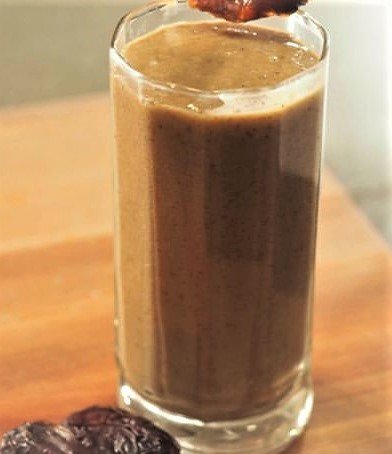
  • Health shakes and smoothie concepts have always been top of the charts for many of us when it comes to soy milk, a few good varieties would be the power packed dates with soy and little spice element attached, or the superfood avocado as well goes well into a smoothie concept with a little chia or sunflower seeds etc.


Here are a couple of recipes with soy milk which am sure all of you would love trying at your end, they are simple, varied at the same time there is a health element attached to all of them.


Recipe- 1] Healthy Soy Date Shake

Ingredients

Soy milk- 250 ml

Coconut milk- 100 ml

Date puree- 2- 3 tbsp.

Honey- 1 tsp

Cinnamon powder- 1 pinch

Chia seeds/ pumpkin seeds- 1 tsp

Nuts of your choice- Almonds, Pista, Cashews- 1 tbsp. chopped

Mint/basil for garnish as needed.


Method: 

1.Prepare all the ingredients for the recipe.

2. Combine the soy milk, date puree, a sliced banana for some more flavor, add in the nuts, honey, cinnamon powder.

3. Blend it all into a smooth mixture, check for taste and flavor.

4. Serve in a tall glass, garnish with fresh herbs/seeds as desired.


Chefs Variations:

Try the same shake with a combination of banana, chickoo and soy together along with a few slivered almonds and raisins.

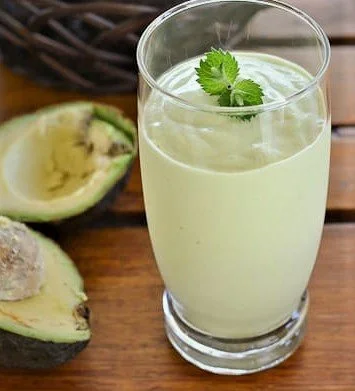
Recipe- 2] Soy Avocado Shake

Ingredients

Soy milk- 400 ml

Avocado-1 no.

Fresh mint- 4 to 5 leaves

Green cardamom powder- 1 pinch

Apricots- 3 to 4 chopped

Sliced cashews- 1 tbsp.


Method:

1. Prepare all the ingredients for the shake

2. Peel the avocado, remove the stone and use the flesh part.

3. In a blender jar, combine together all the ingredients

4. Run the mixer to blend all very well, to a smooth texture.

5. Pour the healthy shake into a tall glass, garnish with fresh mint/ nuts/ any seeds like flax seeds or assorted chia/ pumpkin etc.

Serve chilled.


Chefs Variations:

Try the same health drink with additions like berries/ walnuts/ papaya instead of avocado, pine nuts in place of cashews.


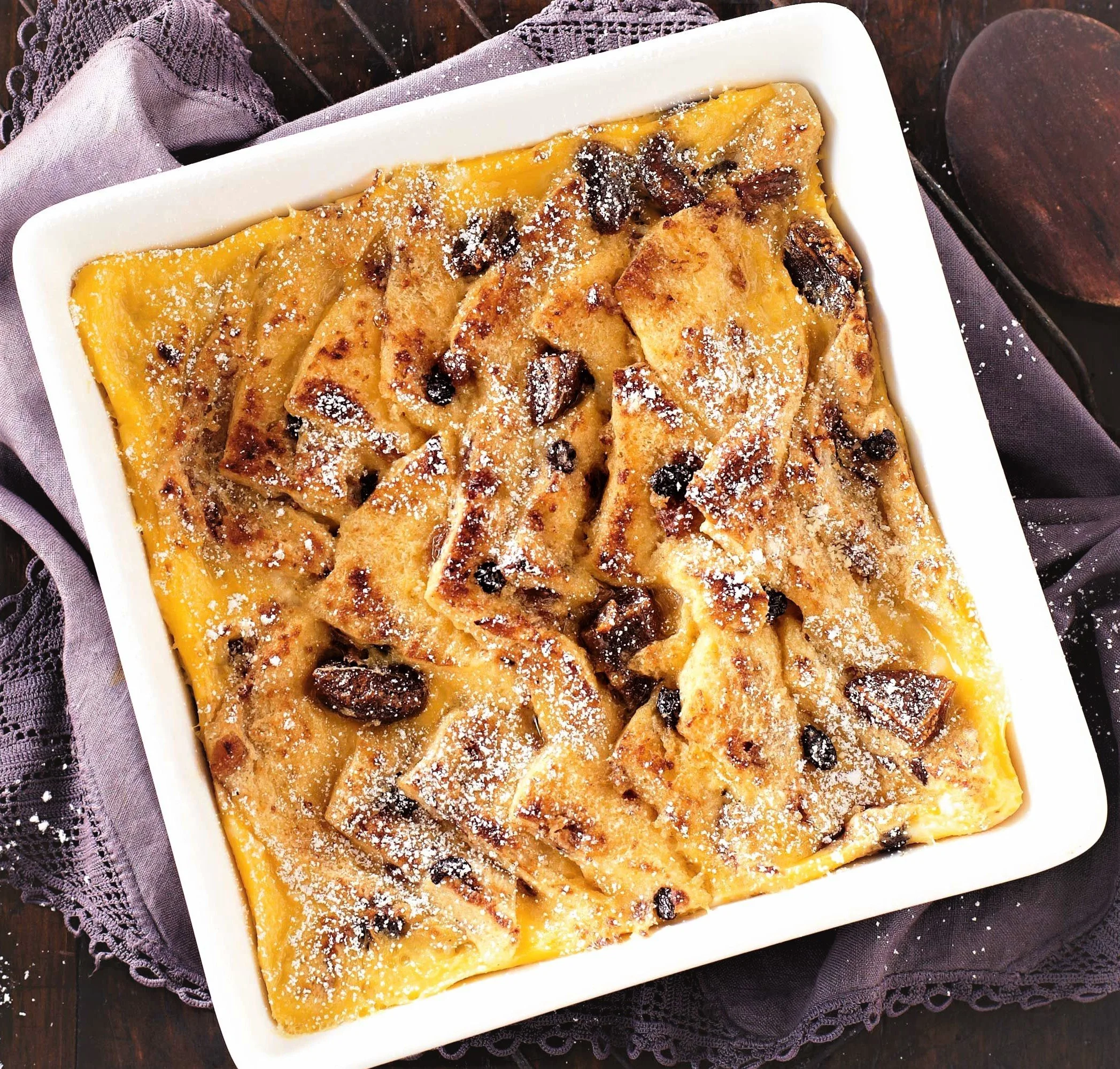
Recipe 3] Soy Baked Goodie Pudding

Ingredients

Soy milk- 2 cups

Brown bread- 2 to 3 slices/leftover bread/cake/croissants.

Turmeric- ½ tsp

Cinnamon stick- 1 inch. piece.

Jaggery- to taste[optional]

Peanut butter- 1 tbsp.

Raisins- 1 tbsp.

Sliced nuts- 1 tbsp.

Sliced assorted fruits- banana/ chickoo/ apples-1cup

Cherries/ nuts/mint/ chocolate chips for garnish.


Method:

1. Prepare all the ingredients for the recipe.

2. Warm the soy milk in a saucepan, add jaggery, turmeric, cinnamon stick and stir it well for few mins on a low flame, turn off the flame and add in a little peanut butter and mix.

3. In a baking dish, place the bread cut into small pieces, add a little butter/ vegan butter or almond/cashew butter if desired.

4. Pour the warm soy milk mixture with all the goodies loaded in it and evenly spread all over the dish.

5. Pre-heat an oven at 160 degrees Celsius for 10 mins, cover this baking dish with aluminum foil and bake for 15 to 18 mins.

6. Serve the pudding warm with tea/coffee or at the end of a light meal.

Chefs Variations: Try using leftover brownies as well the same way, also various fruits of your choice can be added tinned or fresh pineapple cubes, dates, pears stewed in a little cinnamon and jaggery syrup taste good too. It is also a good idea to use a little vegan cheese in this pudding, spread a little of it on the bread slices and then use them in the pudding.

______________________________________________________ 

Brief about the writer:

Dr. Kaviraj Khialani – celebrity master chef is a gold medalist and winner of several national awards and global recognitions having specialization in over 33 international cuisines he is also known as a Culinary Guru in India and Overseas. With over 21 plus years of experience with various sectors associated with hospitality like hotels, airlines, television and print media and also education field and is a well-known academician. A food designer, author, writer and consultant to food companies and f & b industry he loves to share his knowledge and has been featured in over 30 global publications so far.

How to Make It to Tripadvisor's Best Hotel List in 2026

heroImage

Let's be honest, making it onto Tripadvisor's Best Hotels list isn't just about luck. It's about consistently delivering experiences that make guests want to shout from the rooftops (or at least from their keyboards). With the 2026 awards likely analyzing reviews from January 2025 through December 2025, we're right in the thick of the evaluation period.

The good news? There's still time to make your mark. The challenging news? You're competing against the top 1% of over 1.6 million hotel listings worldwide. But hey, we love a good challenge, don't we?

Understanding What Tripadvisor Really Wants

Tripadvisor's algorithm isn't some mysterious black box, it's actually pretty straightforward. Three things matter most: how many reviews you get, how good those reviews are, and how recent they are. Think of it like a popularity contest where being talked about recently matters more than past glory.

The awards span ten categories, from Top Hotels and All-Inclusive to quirky niches like "One of a Kind" and "Pet-Friendly." This means you don't necessarily need to be the biggest or fanciest, you just need to be exceptional at what you do.

image_1

Start With Your Digital Foundation

Before anything else, make sure you actually exist on Tripadvisor. Sounds obvious, right? But you'd be surprised how many fantastic hotels are either poorly listed or not claimed by their owners.

Search for your property first. If it's already there (maybe a guest created it), click "Claim Your Business" and prove you're the real deal. If you're nowhere to be found, request a new listing with complete details, category, name, address, contact info, and your property's story.

Here's where most hotels drop the ball: photos. Upload at least 30 high-quality, original images. We're talking different room types, your stunning lobby, those Instagram-worthy amenities, and seasonal highlights. Skip the stock photos and graphic design tricks, authenticity wins every time.

Master the Art of Review Generation

Reviews are your lifeline, but getting them requires strategy, not just hope. Start with the basics: ask every guest during checkout. Yes, every single one. Make it conversational: "We'd love to hear about your stay on Tripadvisor when you have a moment."

Follow up with personalized emails containing direct review links. Don't just send generic messages; reference something specific about their stay. Did they mention loving the rooftop bar? Remind them about that sunset they photographed.

And here's something most hotels get wrong: don't cherry-pick who you ask based on whether you think they'll leave positive reviews. High review volume signals credibility, and even constructive criticism shows you're actively engaged with guest feedback.

image_2

Respond Like Your Reputation Depends On It (Because It Does)

Every single review deserves a response. Every. Single. One. Thank guests for positive feedback: make them feel like VIPs even after checkout. But the real magic happens in how you handle negative reviews.

Respond promptly and personally to criticism. Don't get defensive; get constructive. Show potential guests that you care about improvement and take concerns seriously. We've seen hotels completely transform their reputation simply by demonstrating they listen and act on feedback.

Remember, future guests read these responses just as carefully as the original reviews. Your response might be the deciding factor for someone choosing your hotel over the competition.

Create Experiences Worth Talking About

This is where the real work happens. Tripadvisor winners aren't just providing rooms and meals: they're crafting memories. What makes guests grab their phones and start typing enthusiastically about their stay?

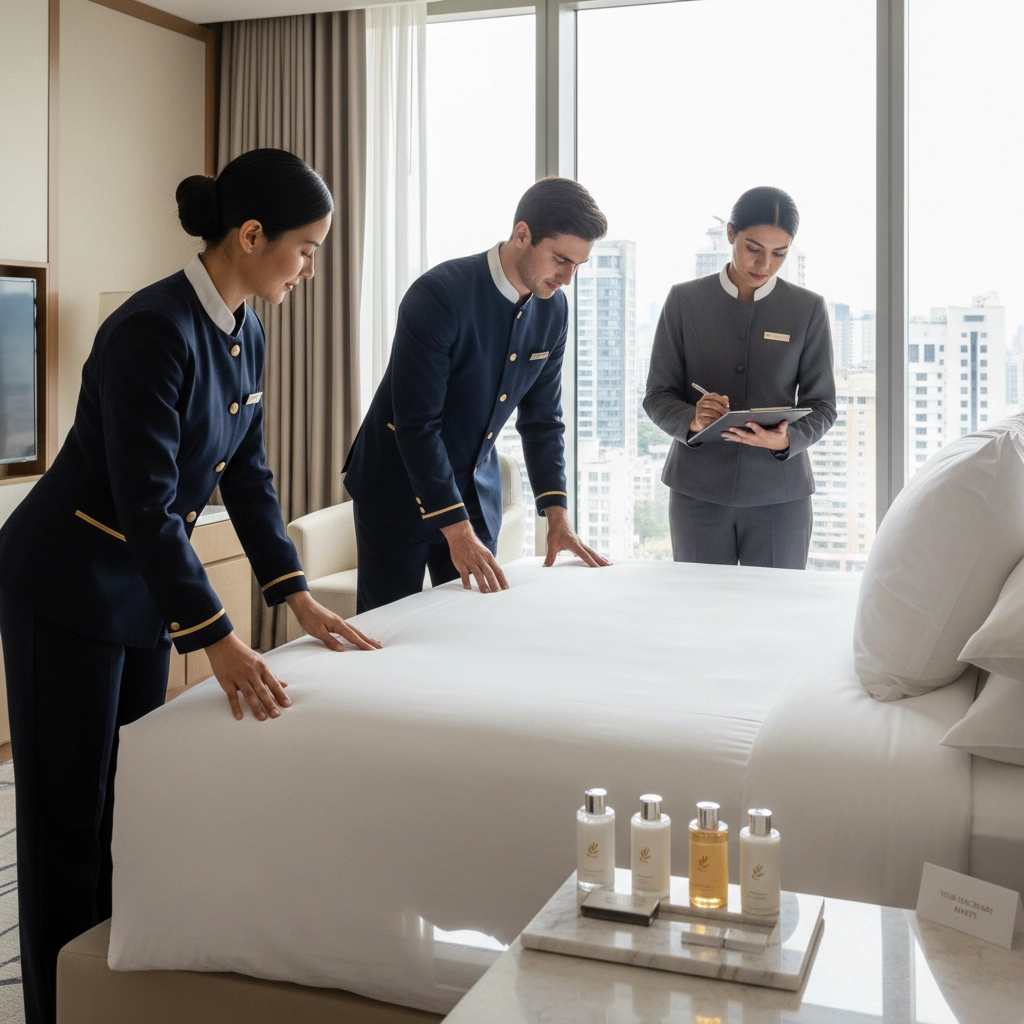
Maybe it's your concierge who somehow secured impossible restaurant reservations. Perhaps it's the housekeeping team that turned towels into elephants for a child's birthday. Could be your bartender who remembers every regular's favorite drink and asks about their kids by name.

These moments can't be manufactured, but they can be encouraged through team culture and guest-first thinking. When your entire team understands that they're memory-makers, not just service providers, magic happens.

image_3

Leverage Local Partnerships for Unique Experiences

Cookie-cutter experiences don't win awards. Partner with local artisans, restaurants, tour guides, and cultural sites to offer something genuinely unique to your destination. Guests don't just want a place to sleep: they want insider access to the best your city offers.

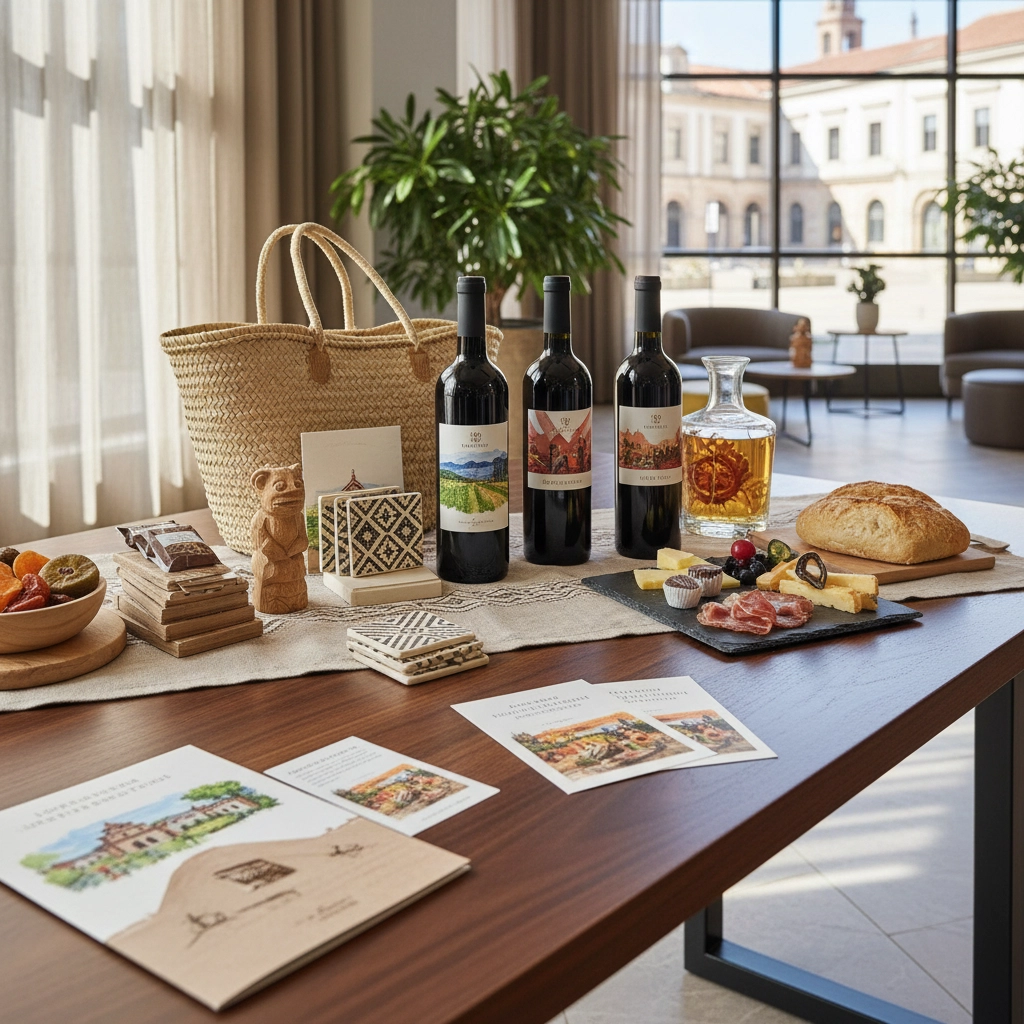
Develop packages that showcase local culture, seasonal experiences, or exclusive access to hidden gems. When guests feel like they've discovered something special through your hotel, they can't help but share that excitement in their reviews.

Perfect Your Operational Excellence

Behind every glowing review is flawless execution of the basics. Your WiFi needs to work perfectly. Rooms must be spotless. Check-in should be smooth. Breakfast should be consistent. These aren't exciting topics, but they're review killers when they go wrong.

Audit every touchpoint in your guest journey. Where do things typically go sideways? Fix those pain points before they become negative reviews. Sometimes winning awards is less about grand gestures and more about never dropping the ball on fundamentals.

Time Your Efforts Strategically

Since we're in the 2026 evaluation period right now, every review posted through December 2025 counts. Don't wait until next year to implement changes: start immediately. Focus on maintaining consistent excellence while actively encouraging review submissions.

Consider seasonal opportunities too. Holiday experiences, summer amenities, local festival tie-ins: each season offers chances to create memorable moments that translate into enthusiastic reviews.

image_4

Choose Your Category Battles Wisely

Study the award categories and identify where you can realistically compete. Are you genuinely luxury-level, or would you be stronger in the "Small and Boutique" category? Sometimes being a big fish in a smaller pond leads to more recognition than getting lost among mega-resorts.

If you have unique features: maybe you're pet-friendly with exceptional amenities for four-legged guests, or you offer truly one-of-a-kind experiences: lean into those differentiators. The 2025 winner, Secrets Akumal Riviera Maya, claimed recognition in three categories by excelling at what they do best.

Maintain Momentum Through Consistency

Here's what separates award winners from also-rans: consistency. One month of great service won't cut it. You need to deliver exceptional experiences month after month, creating a steady stream of positive, recent reviews that keep you top-of-mind with Tripadvisor's algorithm.

Track your review patterns. When do you typically get the most reviews? What experiences generate the most enthusiastic responses? Double down on what works while continuously improving areas that consistently receive criticism.

image_5

The Long Game Mindset

Making it onto Tripadvisor's Best Hotels list isn't a sprint: it's a marathon of excellence. Every guest interaction, every team training session, every operational improvement contributes to your reputation.

But here's the beautiful thing about this pursuit: even if you don't make the 2026 list, you'll have built systems and standards that create better guest experiences, more positive reviews, and ultimately, a more successful hotel. That's a win regardless of awards.

The path to Tripadvisor recognition runs straight through exceptional guest experiences, authentic engagement, and unwavering commitment to quality. Start where you are, use what you have, and remember: every world-class hotel started with a decision to be better tomorrow than they were today.

Your guests are waiting to be amazed. Are you ready to amaze them?

Ingredient Ideology! The Amla Trivia : Goodness Of Gooseberries By: Dr. Kaviraj Khialani- Celebrity Master Chef

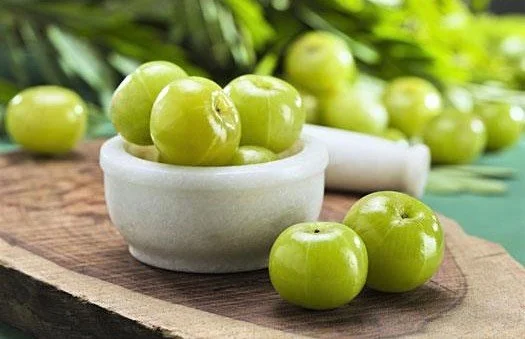
Amla also known as Indian Gooseberries or Amalaki in Sanskrit which means “Nectar of Life” in Ayurveda is a fruit that has long been revered in India as a nutritive tonic and beneficial ingredient. Amla are small round berries with a light pastel green skin translucent to look at making it appear as if it is segmented and in the center of the berry lies a hexagonal shaped stone with six small seeds. Indian gooseberry grows on trees found in the wild and cultivated in various parts of our country today. 

Amla is said to possess five of the tastes sour, bitter, pungent, astringent, sweet although sour is the dominating one. The berry is one of the three fruits in the Ayurvedic preparation which forms triphala and is a base for the rejuvenating formulae for a chavanprash consumed by many of us to boost our immunity and more. The marble like berries are not only used in variety of recipes but also highly referred and used in medicinal properties too in healing and treatment under Ayurveda.

Amla can be eaten fresh as it is though a light sprinkling of salt does make the bitterness and sourness a bit better as a mouthfeel to adapt to in for starters and at times we also soak it in a little salted water before cooking it since it reduced the pungency to an extent. Traditionally Amla has been used in India for making pickles and chutneys since it has both a dual sweet and sour application in our recipes of indian kitchens. Amla murabba is a popular sweet preservative served with hot puries as a breakfast dish as well in various parts of India. Amla can also be baked into tarts or juice as we all know being popular to be had on its own or to flavor vinegars and marmalades. 

Amla juice with honey or jaggery can be enjoyed as a refreshing healthy shot of goodness for our overall well-being. Dried Amla powder sprinkled onto our fruit salads. Ayurveda also says that Amla can help us balance the three Doshas namely kapha, vata and pitta thereby eliminating the underlying cause of many diseases. Amla holds a lot of religious significance too during the holy month of Karthik according to Hindu mythology the Amla tree is said to be germinated from the tears of lord brahma.

 These days Amla is available around us all year round which makes it more easy to include it in our daily dietary routines to help us stay fit.

Here are a few Health Benefits of AMLA:

1. Amla is said to be a complete powerhouse of essential nutrients for our body.

2. Amla improves our immunity levels and protects our body against any possible infections.

3. Amla is rich in vitamin- c and helps in de-toxification of our body.

4. Amla is also a rich anti-oxidant and eliminates toxins and improves body metabolism.

5. Amla helps reduce inflammation and is good for the eyes, hair, mental functioning and skin.

6. Amla is also considered for weight loss and weight.

7. Amla is also known to have anti-aging properties, helps in digestion and also lowers cholesterol levels.

Let us check on 10 uses of Amla in our kitchens:

1. Amla in making our classic style indian pickle.

2. Amla in an authentic sweet form called as Murabba.

3. Amla as a healthy drink with ginger, honey, lime as shots.

4. Amla in the form of condiments like chutney.

5. Amla as dehydrated form or powdered forms.

6. Amla infused water to be had as detox fluid.

7. Amla in the form of a tempered rice preparation.

8. Amla can also be prepared in curries or subzis, methi-Amla combination or Achari Amla ka tadka as a vegetable format.

9. Amla also finds its way in the form of Jams & candies too.

10. Amla as a snack option is good as Pudina-Amla aur chukandar ki tikki, as a side dish as a Amla- Anar ka Raita.


Here are a few recipes with The Indian Gooseberries- AMLA:

Recipe-1] AMLA GAJRELA RAITA

Ingredients:

Amla- 3-4 no cut and de-seed and boil/steam for 4-5 mins and cut into small pieces.

Carrot-1 med sized, peeled and grated.

Fresh grated coconut

Green chili- 1 no cut into small pieces.

Curd- 2 cups, beaten.

Salt to taste

Sugar if needed.

Mint leaves- 10-12 no

Coriander leaves- 2 tbsp.

For the tempering on the raita:

Oil- 2 tsp

Mustard seeds-1/2 tsp

Curry leaves- 10-12 no

Hing- 1 pinch

Cumin seeds-1/2 tsp

White sesame seeds-1/2 tsp

Method:

1. Prepare all the ingredients for the Amla raita.

2. In a mixing bowl combine the beaten curd, add salt and sugar to taste if needed.

3. Add in the grated carrots and steamed/boiled Amla pieces, green chili, coconut mint and coriander leaves and mix well.

4. Heat oil in a tadka pan and splutter-crackle the tempering ingredients for a few seconds and pour it into the raita, give it a nice mix and chill the raita for 20-25 mins and serve, to variate the raita further one can also add almonds, walnuts or raisins as well, we can also add flax seeds, pumpkin seeds etc to add a crunch to the raita.

Recipe-2] AMLA KA ANOKHA ANDAZ

Ingredients:

Amla- 10-12 no.

Ingredients for making the Amla pickle masala:

Kashmiri red chili powder- 1 tsp

Salt- ½ tsp

Mustard seeds- ½ tsp

Jaggery-2 tbsp. grated

Turmeric powder-1/4 tsp

Fenugreek seeds-1/2 tsp

Hing-1 pinch

Cumin seeds-1/2 tsp

Fennel seeds-1/2 tsp

Sesame oil/ regular oil- ¼ cup

Method:

1. To prepare the Amla achar firstly wash them well and prick it well with a fork and allow to remain in a sieve or colander for 15 mins and steam it over boiling water for 12-15 mins, there is an option of removing the seeds once steamed and cut into wedges.

2. On a tava lightly roast the fenugreek seeds, fennel seeds cumin seeds, mustard seeds, and once cooled prepare a fine dry powder of the same and keep aside.

3. In a mixing bowl, combine together the spice powders and all other spices and salt into the steamed Amla mix them all up very well.

4. Add in the soft grated jaggery and mix it into the jaggery mixture, now heat up the oil separately to smoking point and pour it over the Amla pickle and mix well, cover it and keep it in the fridge and shake the bottle occasionally and start using it from the 3rd day from day of preparation.

Recipe-3] MASALEDAAR AMLA

Ingredients:

Amla- 10-12 no cut into halves and stone removed.

Oil- 2 tsp 

Ghee- 2 tsp

Hing-1/4 tsp

Ajwain-1/4 tsp

Mustard seeds-1/2 tsp

Cumin seeds- ½ tsp

Ginger- 1 tbsp. chopped

Green chili-1 tsp chop

Red chili-1 no shredded.

Onion- 1 small chopped

Red chili powder-1/4 tsp

Turmeric powder-1/4 tsp

Coriander powder-1 tsp

Tamarind pulp-2 tsp or as per taste

Jaggery- 2-3 tsp or as per taste.

Salt to taste

Coriander leaves-2 tbsp. chopped.

Roasted crushed peanuts-1 tbsp. optional.

Method:

1. Prepare all the ingredients for the masaledaar Amla recipe.

2. Heat oil and ghee in a kadai and add in the hing, ajwain, ginger, onion and the seeds and allow to splutter for a few seconds, add in the cut Amla pieces which have been boiled in water with a little turmeric for 8-10 mins, remove the seed or stone from the Amla and cut into wedges.

3. Add in the green and red chili, the powdered spices, jaggery, salt, tamarind paste and little warm water as needed in order to get it all together. 

4. Cook this mixture on a low flame for 3-4 mins until jaggery is well dissolved and blended into the Amla subzi, I also like to add a tbsp. full of roasted crushed peanuts into this recipe for a crunch.

5. Check for balance of salt, sweetness and sourness and fine tune it, add a nice helping of fresh coriander leaves and serve the subzi with hot phulkas, rotis, with some fresh cut salad and a bowl of curd or raita.


Recipe- 4] TADKEWALA AMLA RICE

Ingredients:

Rice- 2 cups cooked- white or brown- boiled/ pre-cooked.

Oil- 2 tsp

Ghee- 2 tsp

Amla- 4- 5 pieces.

Jaggery- 2 tsp grated or as per taste.

Hing- ¼ tsp

Mustard seeds- ½ tsp

Split urad dal-1 tsp

Split Bengal gram-1 tsp

Cumin seeds-1/2 tsp

Red chilies-2 no slit

Green chili- 2 no slit

Curry leaves- 4-5 no

Turmeric powder-1/2 tsp

Salt to taste

Coriander leaves- 2 tbsp. chopped

Fresh desiccated coconut-2 tbsp.

Fried sliced cashews- 2 tsp.

Method:

1. Prepare all the ingredients for the Tadkewala Amla rice.

2. Heat oil and ghee in a kadai and add in the hing, red and green chilies and add in the split grams and other seeds for the tempering allow them to crackle and splutter for a few seconds, also add in the curry leaves.

3. Add in little water to prevent burning followed by the pre-cooked and boiled Amla wedges or cubes without the stone and seeds, add in the fresh coconut, powdered spices, salt and jaggery to taste in order to balance the Amla sourness and cook for 3-4 mins.

4. Now add in the cooked rice white or brown rice can be used as well give it a nice toss with the Amla, allow to cook for 2-3 mins and add in coriander leaves, nuts and seeds of your choice for garnish and serve hot with a bowl of curd, papad and pickle.

Recipe-5] AMLA KA COOLER

Ingredients

Amla- 5-6 no.

Sugar syrup/Jaggery syrup or powder/Organic Honey- any one sweetener can be used avoid sugar if possible, try coconut sugar.

Mint leaves- 10-12 no.

Roasted crushed jeera powder- ½ tsp.

Green cardamom powder-1 pinch optional.

Black salt-1/2 tsp or pink salt may be used.

Water and ice cubes as needed

Lemon juice-1 tsp.

Ginger- 1 tbsp. juice.


Method:

1. Assemble all the ingredients for the Amla cooler recipe.

2. Wash and cut the Amla remove the stone and seeds and cut into wedges. Using a mixer jar combine together the Amla, water approx. 1 cup, few mint leaves, roasted crushed jeera, black or pink salt and give it a nice blend.

3. Remove into a mixing bowl, add in the sweetener of your choice as per taste and mix well, add a dash of lime juice and ginger juice to balance it.

4. Place the mint leaves in your serving glasses and pour this nutritive and refreshing Amla cooler and serve it immediately.