The Speakeasy Comeback, Through the Hidden World of Room No. 102, Jaipur

Hidden entrances, whispered clues, secret cocktails, and a sense of delicious mystery through the speakeasy is officially having its big comeback. In an era where diners crave experiences beyond just food and drinks, these immersive, story-led bars are bringing back the thrill of discovery, making a night out feel cinematic, exclusive, and infinitely cooler. From jazz-era hideaways to modern luxe secret bars, India’s speakeasy scene is proving that sometimes, the best places are the ones you’re not meant to find so easily.

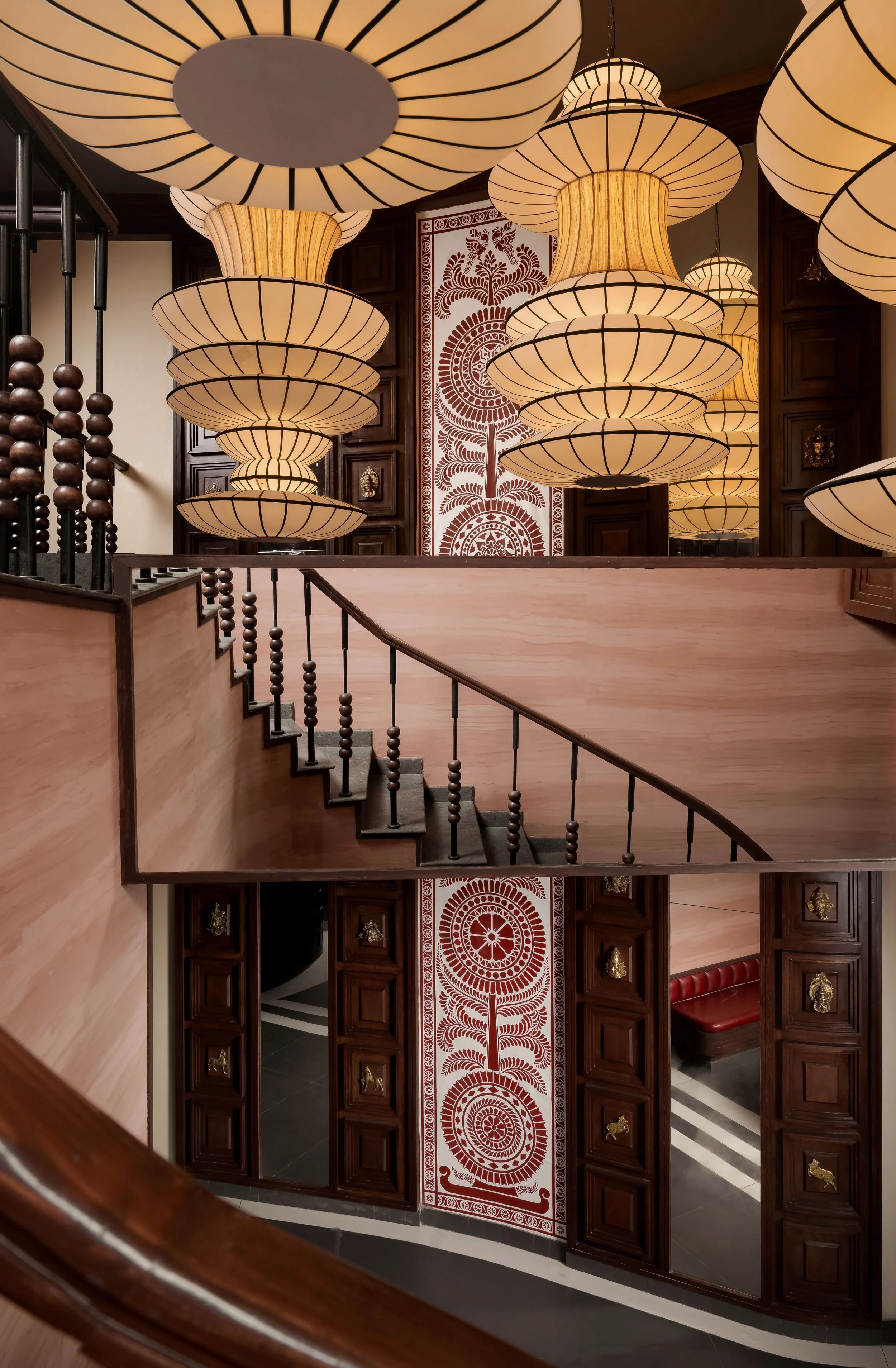
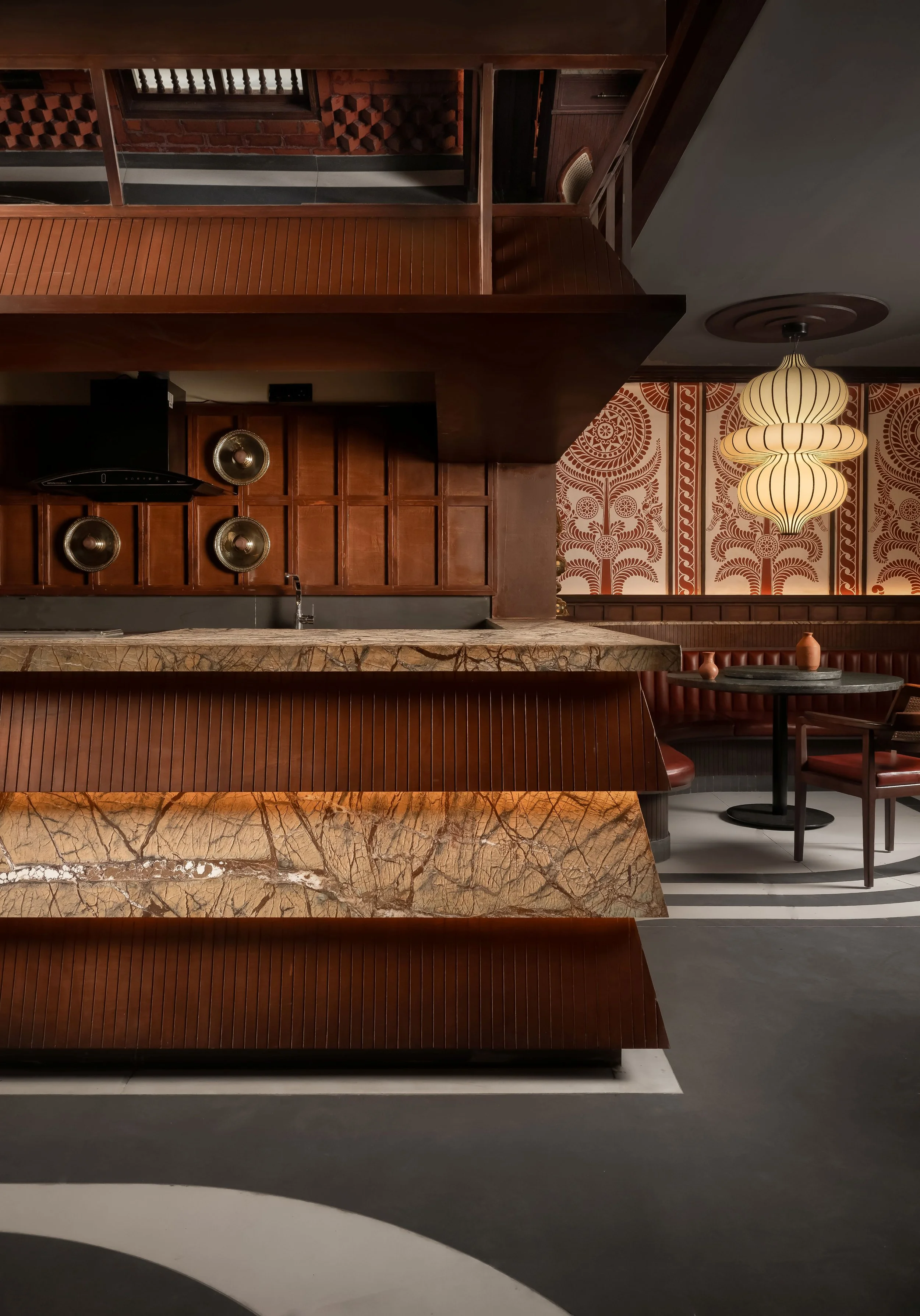
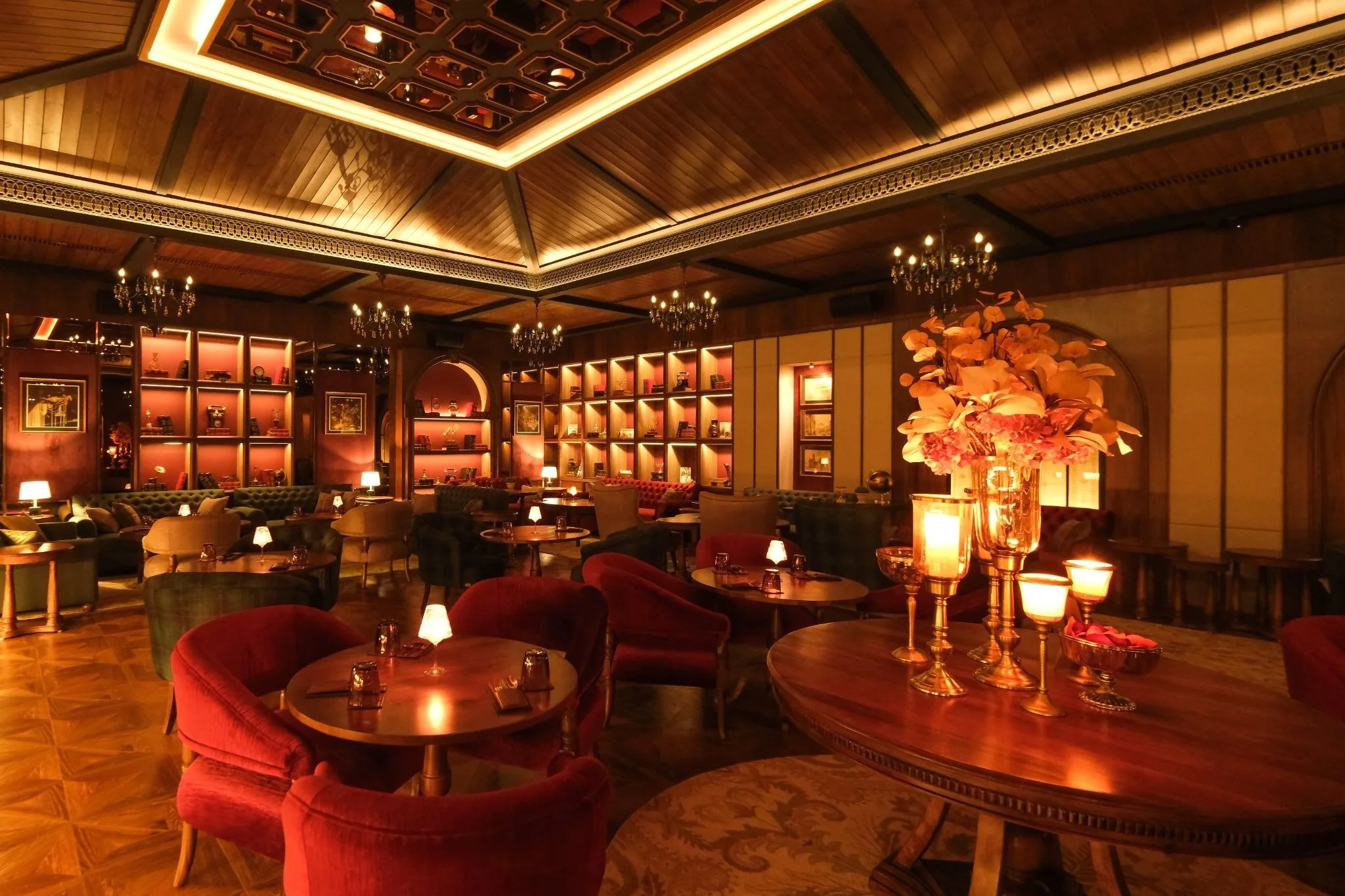
At the heart of this comeback in Jaipur is Room No. 102, tucked discreetly behind a hidden passage inside Devraj Niwas, a jazz-era escape that feels less like a bar and more like stepping into another decade.

At Room No. 102, the night unfolds like a story. Built around secret entryways, playful rituals, vintage glamour, live jazz, and character-led cocktails, the space turns every visit into an experience rather than just a night out. With cinematic interiors, old-world charm, and a thoughtfully curated menu where every pour has a personality, it captures exactly why speakeasies are having such a compelling modern comeback.

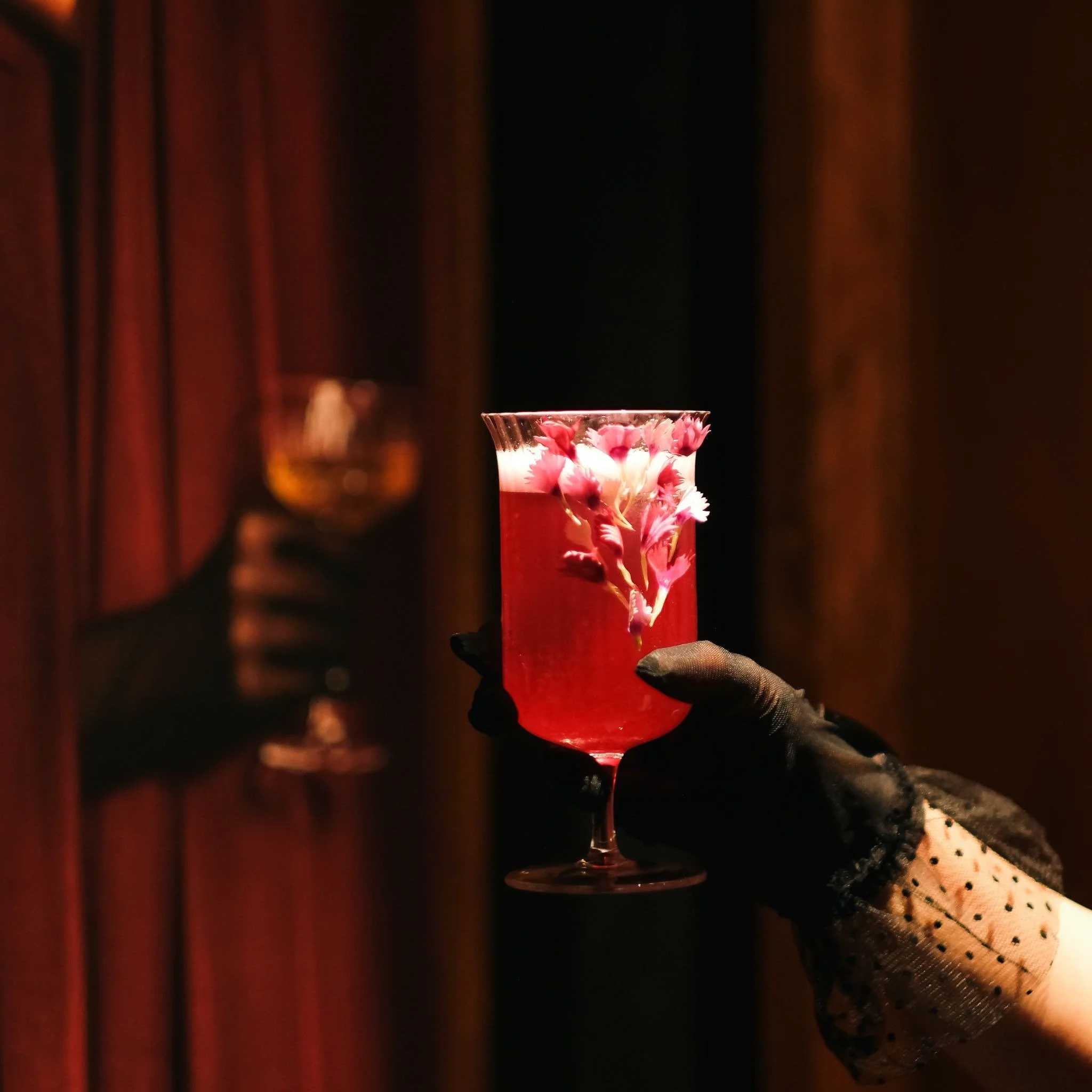
Among its standout pours is The Florist, a delicate mix of Tanqueray No. 10, litchi, buransh, jasmine tea, lime, and kaffir that feels soft, floral, and fleeting in the best way possible. Then there’s The Cartographer, an earthy tequila cocktail layered with roasted bell pepper, cumin, pineapple, and tonic for those who prefer bold, savoury complexity, while The Rogue blends gin, white wine, chilli, and Asian hydrosol into something sharp, elegant, and intentionally unpredictable and Room No. 102 proves that the best nights begin with a little mystery.

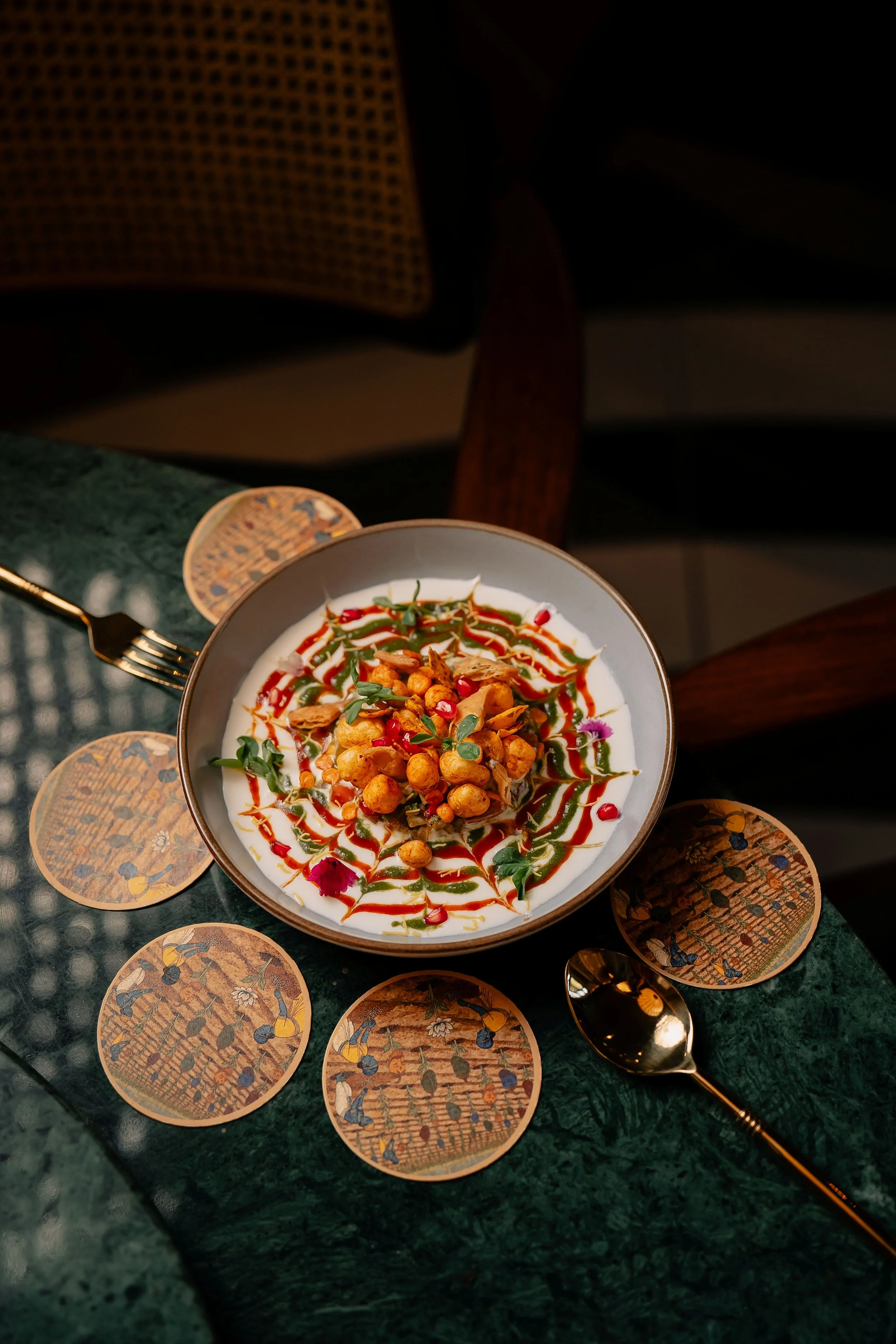
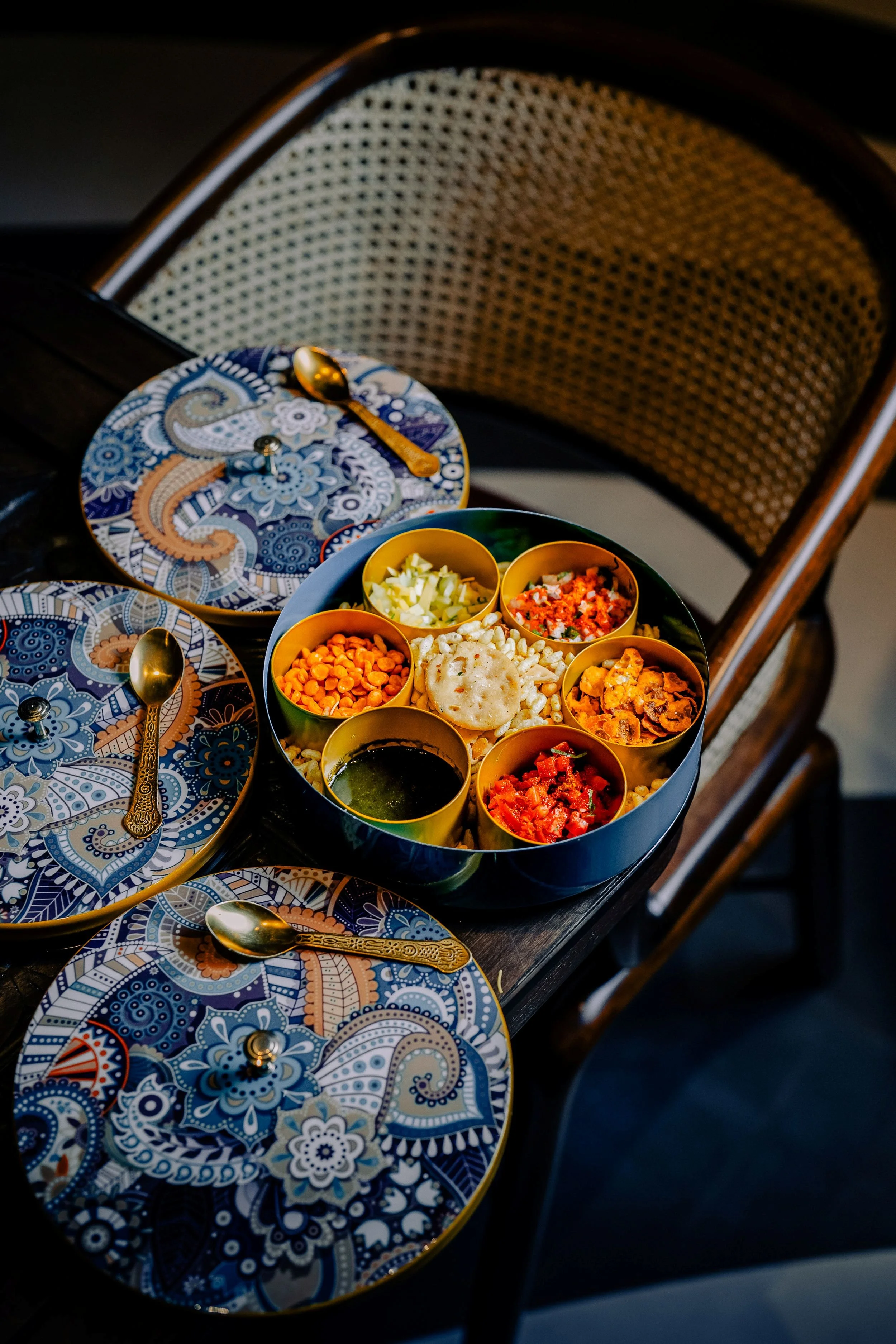
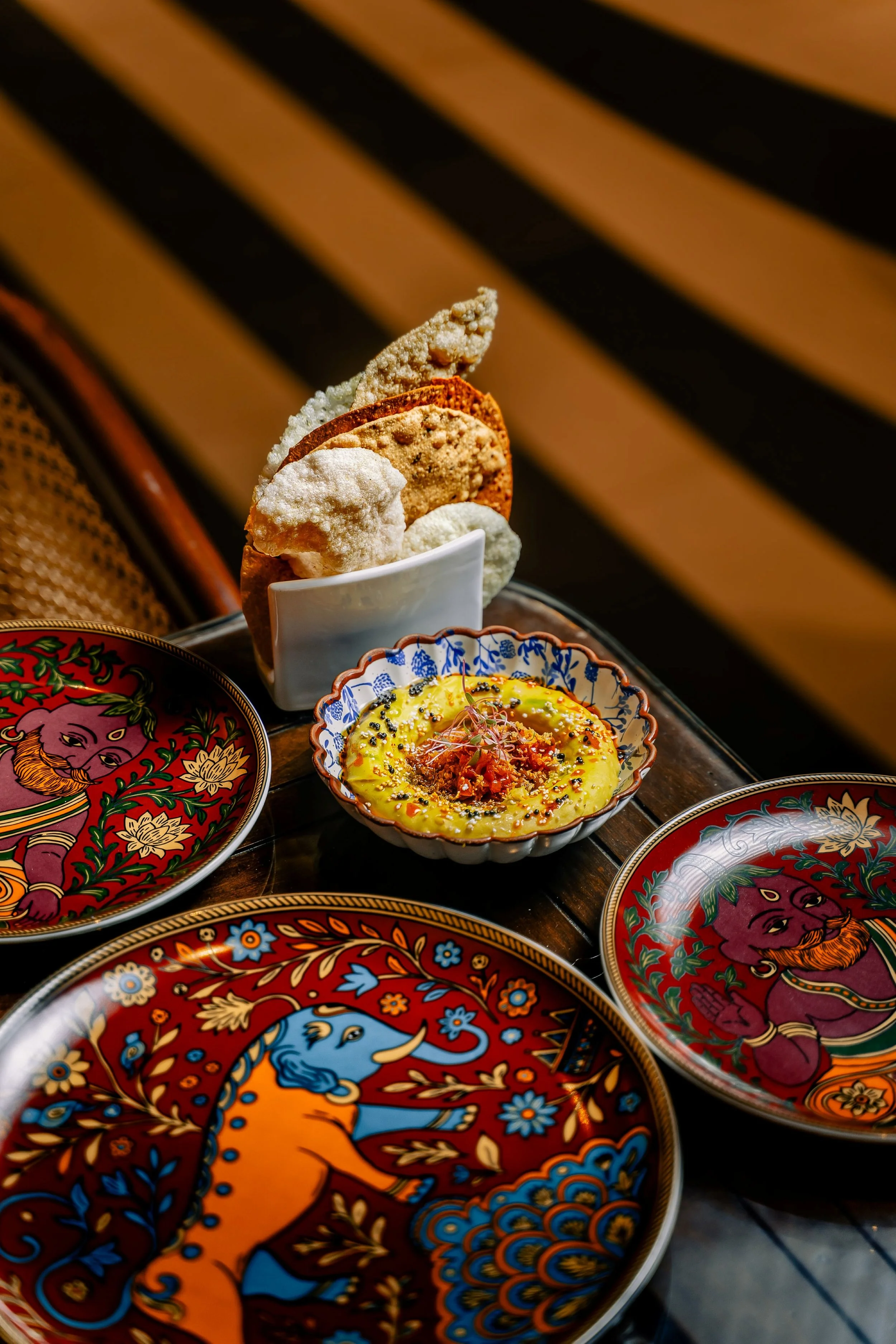
The food follows the same philosophy globally inspired, deeply playful, and designed to move seamlessly with the rhythm of the drinks. Small plates like Crispy Fried Olives, Japanese Chicken Karaage, and Lotus Stem Chips sit alongside dishes such as Avocado Galawat Kebabs, Kachori Ravioli, Pulled Junglee Maas Bao, Broccoli Wasabi Cloud, and Sushi Prawn Tempura. The menu travels effortlessly across cuisines without feeling forced, much like the speakeasy itself layered, curious, and full of surprises.

And that’s exactly why the speakeasy format is having a moment again. It’s no longer just about drinking; it’s about discovery. Guests today want places that feel hidden, cinematic, and emotionally transportive spaces that turn a regular night out into a story worth retelling. Whether it’s decoding a hidden entrance, sipping cocktails named after fictional characters, or lingering over jazz and candlelight long past midnight, Room No. 102 captures the exact kind of escapism modern nightlife is craving right now.

Sterling Delivers Record FY26 Performance with Highest-Ever Q4 Revenue, Strong Profitability & Accelerated Expansion

• Best-ever Q4 Performance - Revenue at ₹1,409 Mn, up 14% YOY
• 25th Consecutive Profitable Quarter – reinforcing Sterling’s disciplined growth model
• Crosses Milestone of 78 Resorts & 3,800+ Rooms across India
• Resort-led growth, operating leverage and strong cash generation drive momentum
• Entering next phase of accelerated value creation with stronger scale, profitability & cash flows

Chennai, May 2026: Sterling Holiday Resorts Ltd., one of India’s leading hospitality companies, reported a record Q4 FY26, delivering the best-ever Q4 Revenue, EBITDA and Profit Before Tax (PBT), while extending its profitable streak to 25 consecutive quarters.

For Q4 FY26, Sterling posted Total Revenue of ₹1,409 million, reflecting a 14% year-on-year (YOY) growth, while EBITDA stood at ₹348 million (10% YOY growth) and PBT at ₹206 million. The company maintained healthy EBITDA margins of 25% despite continued investments in expansion, technology and customer experience enhancements.

For the full year FY26, Sterling reported Revenue of ₹5,487 million and EBITDA of ₹1,701 million while maintaining a healthy EBITDA margin of 31%. PBT stood at ₹1,142 million for the year.

FY2025-26 marks a defining year for Sterling — a decisive inflection point where scale, profitability and balance sheet strength expanded simultaneously and not sequentially. Sterling is now operating at a sweet spot of scale, where incremental growth is increasingly margin and cash accretive.

The resort business is the key engine driving Sterling’s growth, clearly demonstrating the success of the company’s strategic transformation towards a focused hospitality-led operating model.

Sterling’s resort business grew strongly during FY26:

• Resort Revenue grew 15% YOY to ₹4,678 million
• Room Revenue increased 21% YOY
• F&B Revenue grew 14% YOY
• Resort Revenue now contributes 85% of total revenue compared to 79% last year

During Q4 FY26:

• Room Revenue grew nearly 40% to ₹672 million
• Occupancy improved to 64% - up from 58% last year
• ARR increased 12% to ₹6,347
• Total RevPAR increased 16% despite a 20% increase in room inventory

With two record quarters, H2 revenues outperformed H1 by 21%.

Sterling crossed the milestone of 78 resorts, hotels and retreats across 65 destinations, and over 3,800 rooms during FY26, adding nearly 1.5 resorts per month and 31 resorts over the last 24 months.

The company expects to cross 95 resorts and 4,500 rooms in 2027 with more than 20 sign-ups in the pipeline. Sterling remains focused on high-growth Tier 2 and Tier 3 business-cum-leisure corridors.

Sterling continues to maintain a completely debt-free balance sheet with cash reserves growing at a multi-year CAGR of 55% to nearly ₹3,400 million. Operating Free Cash Flow grew 49% year-on-year to ₹1,140 million.

Delivering high growth with strong capital discipline remains a rare and differentiated combination within the hospitality sector.

Sterling continued to strengthen its customer proposition and operating capabilities during the year:

• 30 resorts and 11 restaurants earned TripAdvisor Excellence Awards
• Sterling Kanha and The Doon Diner at Sterling Mussoorie received “Best of the Best” recognition, placing them among the top 1% globally in their category
• Sterling further strengthened governance frameworks and scalable operating systems
• Sterling ONE, the company’s proprietary digital platform powered by Distributed Ledger Technology and AI, now provides direct access to over 7,000 travel partners and 360 corporates

Commenting on the performance, Mr. Vikram Lalvani, Managing Director & CEO, said:

“Q4 FY26 was a record-breaking quarter across all key operating and financial metrics. Sterling delivered its best-ever Q4 Revenue, EBITDA and Profit Before Tax while completing its 25th consecutive profitable quarter.

FY26 has been a defining year for Sterling. We have delivered record revenues, sustained profitability, expanded our resort footprint aggressively and strengthened our balance sheet — all while remaining debt-free.

India’s domestic leisure travel opportunity remains extremely strong and Sterling is well-positioned to capitalize on this opportunity through our expanding network, stronger brand proposition, digital capabilities and customer-centric operating model.”

Awards & Recognitions

• Today’s Traveller Awards 2025: Sterling Holiday Resorts – Fastest Growing Hospitality Brand / Hotel Chain

• TripAdvisor:

  • Sterling Kanha: TripAdvisor “Best of the Best” (3rd consecutive year)

  • 30 Resorts, including 10 for the 3rd time in a row: TripAdvisor Travelers’ Choice Awards

  • The Doon Diner (at Sterling Mussoorie): TripAdvisor “Best of the Best” – Dining

  • 10 restaurants across Sterling resorts: TripAdvisor “Travellers Choice Awards” – Dining

• 2025 CMO Asia – Odisha Leadership Awards: Sterling Puri – Best Family Resort of the Year

• RCI Green Awards (14th edition): Sterling Munnar – Gold – 14th RCI Green Awards

• Agoda.com: Sterling Kodai Lake – Agoda Gold Circle Award 2025

• Booking.com: 33 Resorts – Traveller Review Award 2025

• Hospitality Horizon + NDTV Profit:

  • Sterling Jaisinghgarh Udaipur – Boutique Luxury Awards at Top 50 Hotel Awards

  • Slate & Pearl (at Sterling Kodai Lake) – Top 50 Restaurants of The Year

• Travel + Leisure India – Best Awards 2025: Sterling Ooty – Fern Hill – Best Family Resort

• IRCTC (Indian Railways): Sterling Resorts (at Darjeeling, Gangtok, Kalimpong) – Outstanding Partner in North-East Hotels

• Economic Times: Amo Odisha (at Sterling Puri) – ET Restaurant and Nightlife Awards 2025

• Hospitality Horizon + Mickey Mehta, Spa & Wellness Summit 2025 (Mumbai):

  • Subuthi Spa (at Sterling Lake Palace Alleppey) – Top 10 Resort Spas in India – Excellence in Spa Leadership Award

• Future of L&D Summit & Awards 2025:

  • Sterling Holiday Resorts (L&D / Digital Learning Initiative) – Best in Digital Learning Initiative

  • Sterling Holiday Resorts (L&D / Digital Learning Initiative) – Best Learning Culture in an Organization

Marriott International Executive Vice President and Chief Financial Officer to Speak at the Morgan Stanley Travel & Leisure Conference on June 1; Remarks to be Webcast

Marriott International, Inc.’s (Nasdaq: MAR) Executive Vice President and Chief Financial Officer, Jennifer Mason, will speak at the Morgan Stanley Travel & Leisure Conference, to be held on Monday, June 1, in New York City.  Ms. Mason’s remarks will be at approximately 8:00 a.m., Eastern Time, and will be webcast live.

To access the webcast, please go to http://www.marriott.com/investor, and then click on the link to the “Morgan Stanley Travel & Leisure Conference” under “Events and Presentations.”

The webcast will be available until July 1, 2026, at the same site.

NRAI calls on restaurants to prioritise local sourcing and energy efficiency

The National Restaurant Association of India (NRAI) has encouraged restaurants and food service businesses to adopt measures focused on energy conservation, local sourcing, responsible consumption, and operational efficiency in light of ongoing global supply chain disruptions.

As part of its recommendations to members, NRAI has advised restaurants to prioritize procurement of locally produced vegetables, grains, dairy, meat, seafood, spices, and beverages to reduce dependence on imported ingredients wherever suitable domestic alternatives exist, and promote “Made in India” food products and regional cuisines.

Focus on Energy Conservation and Operational Efficiency

The recommendations further encourage restaurants to optimize delivery routes, shift a portion of intra-city logistics toward EV-based delivery fleets, reduce non-essential generator usage, improve kitchen energy efficiency, and encourage employee carpooling and staff transport pooling.

NRAI has also recommended portion optimization and anti-food-waste initiatives, encouraging consumers to order responsibly and avoid wastage, while promoting healthier preparation methods and responsible consumption practices.

Supporting Domestic Dining and Regional Culinary Traditions

The advisory additionally highlights the importance of supporting domestic dining campaigns, regional culinary festivals, Indian seasonal menus, local food traditions, and domestic travel-linked hospitality partnerships. It also recommends the adoption of LED lighting, smart refrigeration systems, energy-efficient kitchen equipment, optimized air-conditioning usage, rooftop solar installations where feasible, and stronger digital ordering and contactless payment systems.

Strengthening Domestic Supplier Networks

Restaurants have been encouraged to strengthen domestic supplier networks, review dependence on imported products, source from sustainable farming networks and Farmer Producers Organisations, and promote awareness around food waste reduction, energy conservation, responsible consumption, and support for Indian products and local businesses.

NRAI Highlights Need for Collective Industry Action

Highlighting the need for collective industry action, Sagar Daryani, President, NRAI, said, “At a time of global economic uncertainty and supply chain volatility, coordinated voluntary action by the food services industry can contribute towards conserving resources, supporting local sourcing, and strengthening operational stability. The industry has consistently come together during challenging periods, and responsible business practices can collectively make a meaningful impact.”

The association noted that the food services sector is a major consumer of fuel, logistics, edible oils, electricity, imported ingredients, and packaging materials, and that collective industry action can play an important role in resource conservation and operational stability.

Why is K Raheja Corp asking young employees to mentor senior leaders?

K Raheja Corp has launched ‘Reverse Mentoring’, a people-focused learning initiative designed to encourage meaningful dialogue between senior leaders and younger employees across the organisation.

Building a progressive and future-ready workplace

The programme is designed to create a workplace environment where learning flows across different levels of the organisation. Through the initiative, senior leaders gain perspectives on emerging trends, workplace expectations, customer behaviour, technology, digital transformation, AI, communication shifts, and future-ready skills, while younger employees get access to leadership conversations and insight into decision-making processes.

Introduced across the Group’s businesses

The programme has been introduced across the Group’s businesses, including Mindspace REIT, Chalet Hotels, Inorbit Mall, and K Raheja Corp Homes. As part of the program, senior leaders participate as mentees, while mid to junior level employees take on the role of mentors. Leaders identify areas where they want to gain new perspectives, and employees volunteer as mentors based on their knowledge, interests, and experience. The HR team then pairs participants by matching common themes and learning goals.

Structured as a long-term learning initiative

Following the successful completion of its first cohort, Reverse Mentoring will continue as a long-term learning and development initiative within the organisation. Each mentor–mentee pair participates in approximately four to six one-on-one sessions over three to four months. The sessions are informal, flexible, and focused on practical as well as strategic themes that are relevant to the future of work.

Encouraging openness and collaboration

The initiative is aimed at creating a stronger culture of openness, collaboration, and continuous learning. It also gives employees a platform to share their ideas, be heard by senior leadership, and contribute meaningfully to the organisation’s growth journey.

Leadership speaks on the initiative

Speaking on the initiative, Urvi Aradhya, Group CHRO, K Raheja Corp, said, “Through Reverse Mentoring, we are creating a space where leaders can learn directly from the perspectives of younger employees. It helps us bring outside-in thinking, new-age learning, and honest feedback into leadership conversations. At the same time, it gives our younger workforce access to leaders’ time and a better understanding of how decisions are made. This initiative reflects our focus on building a more connected, collaborative, and future-ready organisation where every voice has value.”

Part of a wider learning and development ecosystem

Reverse Mentoring is part of K Raheja Corp’s broader learning and development framework, alongside initiatives such as I-GROW for individual contributors, I-LEAD for early-career managers, leadership programmes including Shikhar and Future-Forward, and initiatives such as Sheroes and PowHER focused on women’s leadership and career growth across the organisation.

India records USD 567 million in hotel investments in 2025, up 67% year-on-year

India’s hospitality sector demonstrated exceptional momentum in 2025, with hotel investments reaching approximately USD 567 million across 28 transactions, a remarkable 67% increase from the USD 340 million recorded in 2024. This surge reflects robust investor confidence in India’s tourism infrastructure and the sector’s fundamental strength across multiple market tiers.

Diverse capital sources drive transaction activity

The investment landscape revealed a sophisticated diversification of capital sources. Institutional Capital and Private Equity firms led transaction activity at 35% of total volume, followed by High Net-worth Individuals (HNIs), family offices, and private hotel owners (27%), listed hotel companies (25%), real estate developers (8%), and owner-operators (5%). This balanced investor composition demonstrates the sector’s appeal across diverse investment philosophies and risk profiles.

Tier II and III cities emerge as growth engines

Tier II and III cities emerged as significant growth engines, capturing approximately 40% of total transaction volume, momentum sustained from the previous year. These markets featured premium assets including luxury resorts in Rishikesh, upper-upscale properties in Goa, and upscale to midscale hotels across emerging urban centers such as Ludhiana, Nashik, Vadodara, Udaipur, and Lonavala.

Industry leaders highlight market momentum

“India’s hotel investment market is reflecting a clear step-up in both investor confidence and market depth, with rising transaction activity supported by a broader mix of institutional and domestic capital. What is particularly encouraging is the continued expansion beyond gateway cities, with Tier II and III markets steadily evolving into more mature, investment-grade destinations backed by improving operating performance and scalability. This shift is meaningfully expanding the investable universe and enabling more strategic capital deployment across geographies. The momentum has carried strongly into 2026, with a robust start to the year underscoring sustained capital appetite. Beyond volumes, we are seeing increasing sophistication in how capital is being deployed, through platform-led strategies and institutional partnerships, signaling a more mature and organized investment landscape. At the same time, strong asset performance has introduced a degree of supply-side discipline, with high-quality hotels being tightly held, making available opportunities more selective and highly sought after,” said Gaurav Sharma, Managing Director, Hotels, India & Senior Director, Hotels Capital Markets, Asia.

“Looking ahead, a supportive policy environment, including land monetization initiatives and tourism-led infrastructure development, is expected to unlock new avenues for investment. While external uncertainties remain a factor to watch, the underlying drivers, resilient domestic demand, infrastructure expansion, and diversified capital sources, provide a strong foundation for continued growth. We expect this to translate into higher transaction activity through the year, with more assets coming to market and increased participation from institutional investors, reinforcing India’s position as a compelling hospitality investment destination,” he added.

Strong operational assets lead market activity

Beyond traditional hotel transactions, 2025 witnessed substantial institutional capital deployment for consolidation and strategic partnerships totaling approximately USD 125 million. The operational performance backdrop supports continued investment activity. Strong hotel performance has created scarcity in tradeable assets as owners increasingly retain high-performing properties. This dynamic has positioned available premium hotels as rare opportunities commanding significant investor attention and premium valuations.

Premium hotel segments dominate transaction volumes

Transaction composition revealed strategic asset preferences. Operational hotels represented 69% of total transaction volume, with under-construction or non-operational properties accounting for 18%, and land transactions including leases comprising 13%. This distribution reflects investor preference for income-producing assets with established operational track records.

Segment analysis showed the luxury category commanding the highest transaction volume share at 42%, followed closely by upscale properties at 41%, indicating strong demand for premium positioning. Upper-upscale (9%), midscale (6%), and economy (2%) segments completed the market distribution.

Branded hotel signings continue to rise

Branded hotel signings reached 51,647 keys across 424 hotels in 2025—a 23% increase over the previous year. Significantly, 71% of these signings by key count were concentrated in Tier 2 and 3 cities, demonstrating the geographic expansion of organized hospitality into India’s emerging urban centers.

Management contracts continued their dominance, increasing from 81% in 2024 to 84% in 2025, while franchise agreements held steady at 14%. Lease and revenue-share arrangements declined from 5% to 2%, reflecting operator preferences for asset-light growth models that optimize returns while minimizing capital requirements.

Greenfield developments and large-format hotels gain momentum

Greenfield development activity reached approximately 33,170 keys in 2025, surpassing 2024’s record by 17%. This sustained pipeline expansion signals developer confidence in long-term sector fundamentals despite broader economic uncertainties.

Large-format hotels of 250+ keys gained momentum, with 29 signings in 2025 compared to 21 the previous year. While concentrated in Tier 1 markets including Mumbai, Bengaluru, Hyderabad, Pune, and Delhi, this format expanded into growing markets such as Guwahati, Visakhapatnam, Indore, and Pushkar, demonstrating geographic diversification of premium supply.

Hospitality investment momentum continues into 2026

First quarter 2026 results underscore accelerating momentum, with transaction volumes reaching approximately USD 185 million—a 58% increase from Q1 2025’s USD 117 million. Notable activity includes Warburg Pincus acquiring a 41% stake in Fleur Hotels (Lemon Tree Hotels subsidiary) with a USD 107 million commitment for portfolio expansion, alongside operating hotels, land monetization transactions, and platform consolidation acquisitions.

Government initiatives and infrastructure expansion support growth

Multiple structural catalysts are expected to support hotel investment activity through 2026. Strong liquidity among listed hotel companies, anticipated capital market entries, and growing interest from Institutional Capital and Private Equity funds are creating favourable conditions for transaction growth.

Government initiatives, including airport land monetisation and auctions in strategic micro-markets such as Yashobhoomi (IICC), Neopolis, Fintech City, and Jewar Airport, are further boosting opportunities. The FY 2027 tourism-focused budget is also expected to support expansion through new cultural destination development and transport infrastructure upgrades.

Goa and emerging markets strengthen hospitality expansion

Goa exemplifies successful conversion dynamics, consistently demonstrating high rates of independent and unbranded properties transitioning into established brand portfolios. Enhanced connectivity through expanded air services and improved road, rail, and water infrastructure positions Goa for continued growth as India’s premier leisure market and year-round tourism destination. Branded hotel openings in 2025 totaled approximately 8,990 keys across 103 hotels, with 64% of keys concentrated in Tier 2 and 3 cities, indicating balanced supply expansion across market segments.

From Meghalaya to Mumbai: How this hospitality group is helping hundreds of young Indians build new careers

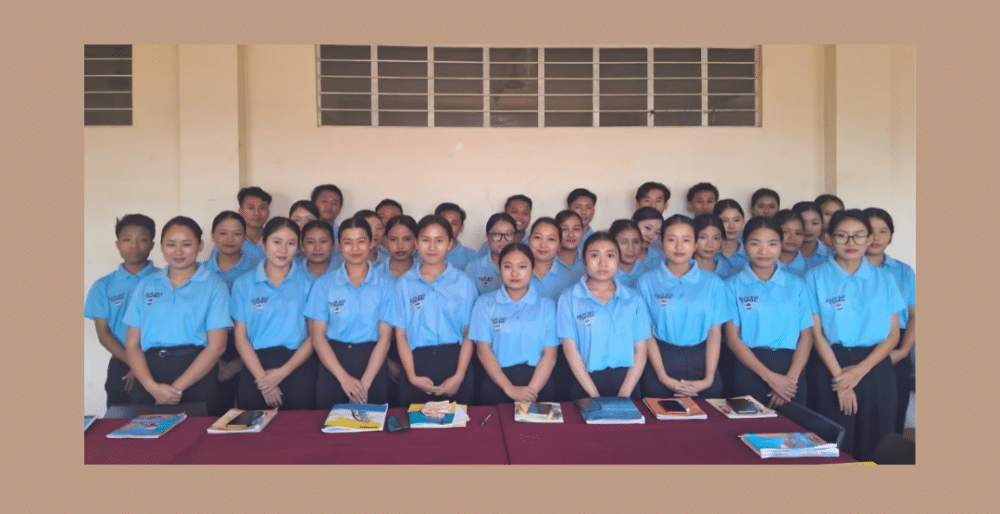
Radisson Hotel Group announced a significant milestone under its Youth Skilling Initiative, having positively impacted over 850 young people across India through its ongoing collaboration with Tourism and Hospitality Skill Council (THSC) and The Job Plus.

The initiative, aimed at improving employability and creating sustainable livelihood opportunities in the hospitality sector, has emerged as one of the largest hospitality-focused skilling interventions for underserved youth in the country.

Driving employability through industry-aligned training

Across the first two completed projects under the initiative, 616 young people have already been trained and certified under the National Skills Qualifications Framework (NSQF), with 501 successfully placed in formal hospitality employment across leading hotel brands in India. More than half of the placed candidates are women, reflecting the programme’s focus on inclusive growth and gender participation.

Leaders speak on the initiative’s impact

“At Radisson Hotel Group, we believe hospitality can be a powerful medium for social and economic transformation. Through our collaboration with THSC and The Job Plus, we are proud to have impacted over 850 young people across eight states, including Nagaland, Meghalaya, Manipur, Jammu & Kashmir, West Bengal, Delhi NCR, Himachal Pradesh, and Telangana. The programme has focused on regions where access to formal skilling and employment opportunities remains limited, and it is encouraging to see rural youth participating in the initiative achieve an 87% placement rate. These outcomes reinforce our commitment to building an inclusive and future-ready hospitality workforce in India,” said Nikhil Sharma, Managing Director & COO, South Asia, Radisson Hotel Group.

“The continued confidence that Radisson Hotel Group has placed in The Job Plus is both affirming and energizing. Over the past two project cycles, we have demonstrated that when skilling is closely aligned with industry demand, it can create a scalable pathway to employment and long-term economic mobility for young people. This renewed commitment enables us to expand our reach and further strengthen a talent pipeline that delivers value to both underserved youth and the hospitality industry,” said Natwar Nagar, Founder, The Job Plus.

“What makes this partnership particularly meaningful is the shared intent to build impact with both scale and accountability. Each project cycle has strengthened our ability to reach young people in geographies that are often disconnected from formal employment opportunities and connect them to industry-recognized training and quality careers. As we move into the next phase, our focus is on expanding this initiative with greater precision, stronger employer integration, and outcomes that continue to deliver measurable value for both communities and the industry,” said Divya Krishan, Chief Growth Officer, The Job Plus.

“CSR initiatives and collaborations reflect our shared commitment towards strengthening the hospitality workforce ecosystem by equipping youth with industry-relevant skills, practical exposure, and meaningful employment opportunities. We are pleased to continue our association with Radisson Hotel Group in creating a positive impact through skill development and industry collaboration. Such partnerships play a vital role in bridging the gap between skilling and employment while supporting the growth of a future-ready hospitality industry,” said Rajan Bahadur, CEO, THSC.

Transforming lives through hospitality careers

The initiative has enabled several inspiring journeys of transformation for young beneficiaries. Abigail Ryntathiang from Shillong, Meghalaya, who came from an economically weak family, enrolled in the programme while awaiting her Class 12 results. Before completing her 45-day training, she secured employment at The Bay Club in Mumbai with a great package, becoming the first person in her family to enter the hospitality industry.

Similarly, Asharani Hamom from Imphal, Manipur, who grew up amidst years of ethnic conflict and uncertainty, joined the programme and relocated to Delhi to pursue a career in hospitality. Today, she works as an F&B Associate at The Leela Palace New Delhi, demonstrating the programme’s role in helping youth build careers beyond geographical and social barriers.

Expanding the next phase of impact

With the third phase of the initiative currently underway, Radisson Hotel Group aims to further expand its impact by enabling more youth across underserved regions to access formal skilling, certification, and long-term employment opportunities within India’s growing hospitality sector.

Four Seasons Hotel Toronto Unveils a Newly Reimagined, State‑of‑the‑Art Fitness Centre

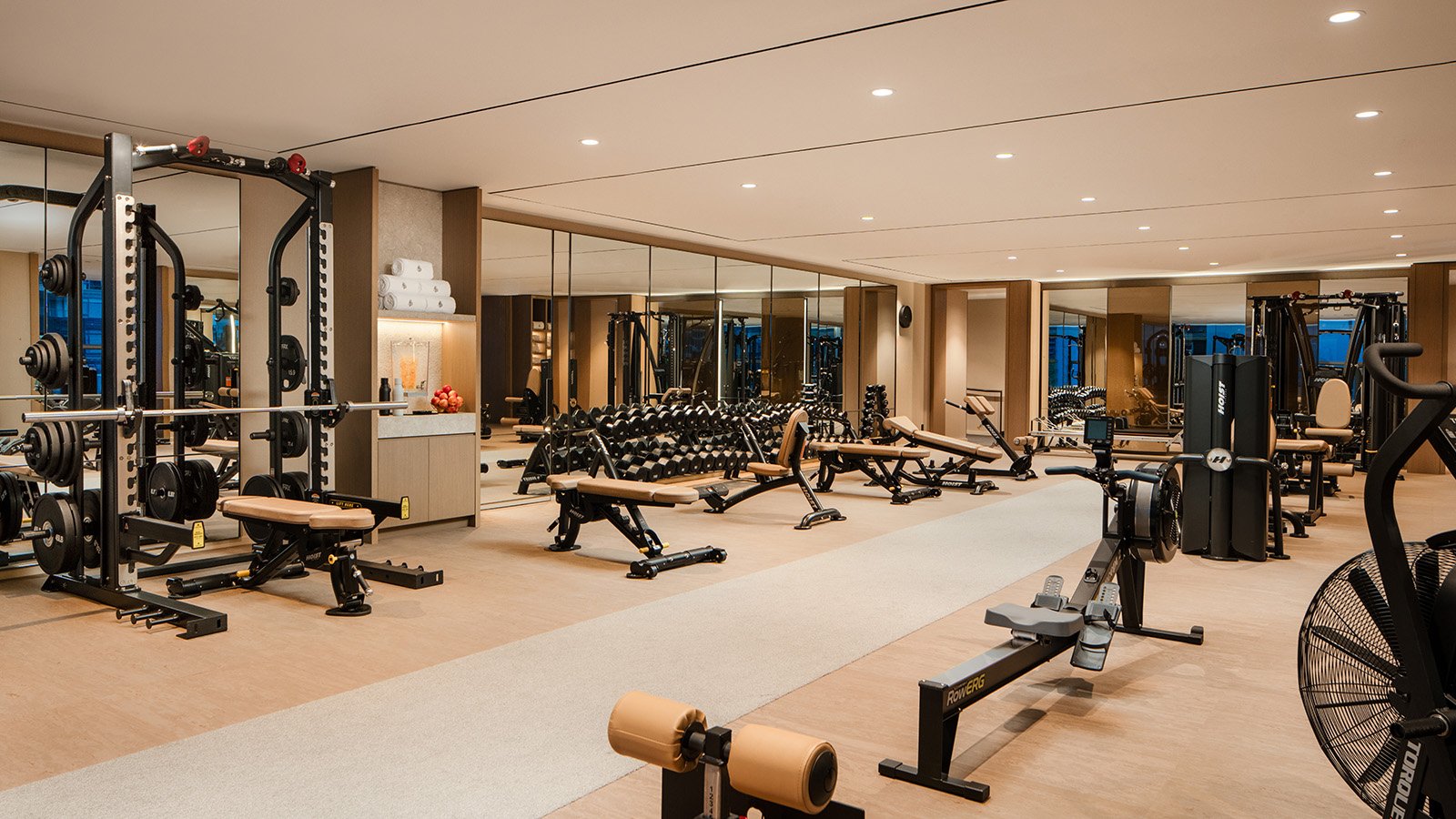
Four Seasons Hotel Toronto unveils its newly transformed Fitness Centre, redefining the standard for wellness within Canada’s flagship Four Seasons property. Complementing Toronto’s only Forbes Five‑Star rated spa, the reimagined 3,500‑square‑foot (325 square metre) facility reflects the Hotel’s ongoing commitment to world‑class wellbeing, offering a space purposefully designed for high performance, elite‑level training, and an unrivalled guest experience. Located on the eighth floor, the 24‑hour Fitness Centre is now open to hotel guests and private residents.

Designed in collaboration with celebrity personal trainer and gym designer Harley Pasternak and Simone Ferkul, Creative Director of Simone Ferkul Projects, the Fitness Centre brings together advanced performance capabilities and the refined craftsmanship synonymous with Four Seasons Hotel Toronto.

The expanded footprint (now a third larger than before) invites an abundance of natural light and introduces a refined sense of spatial harmony. Enhanced transitions between workout zones are complemented by a sophisticated material palette of warm wood, honed stone, and layered lighting, creating an atmosphere that feels both calming and thoughtfully considered. Open sightlines carry guests effortlessly through distinct cardio, strength, and transitional areas, encouraging intuitive movement and an experience that unfolds with ease and elegance.

To meet a comprehensive range of training styles, the Fitness Centre features state-of-the-art Life Fitness cardio equipment, extensive strength offerings from HOIST, and locally sourced pieces from Canadian manufacturer Atlantis. A dedicated turf zone provides space for sled work and functional conditioning, while an expanded dumbbell selection, multiple cable systems, varied bars, and a curated array of kettlebells ensure versatility for every level—from those beginning their wellness journey to seasoned professionals. For more restorative moments, the Private Movement Studio offers a serene setting for stretching, mobility, mat work, and personalised sessions.

“Four Seasons Hotel Toronto continues to set the benchmark for luxury, innovation, and guest experience,” says Chelan Goonetilleke, General Manager, Four Seasons Hotel Toronto. “This new Fitness Centre reflects our commitment to elevating the wellbeing of our guests and residents in ways that feel both personal and authentically Four Seasons.”

Edible spoons: Hospitality’s next big sustainability shift?

Edible spoons are rapidly transitioning from a niche gimmick to a cornerstone of the sustainable hospitality sector, driven by an urgent need to replace single-use plastics (SUPs) with truly circular alternatives. As global awareness of plastic pollution reaches a tipping point, the hospitality industry is increasingly adopting these innovative ideas to align with evolving consumer aspirations for ethical consumption.

Unlike traditional biodegradable plastics that often require industrial composting facilities to break down, edible spoons offer an immediate, absolute zero-waste appeal: they are either consumed by the guest as part of the meal or naturally composted, leaving no trace of microplastics. This “circular” logic addresses the core of the environmental crisis, providing a solution that is as functional as it is ecologically responsible.

By integrating these products, hotels and restaurants are not just following a trend but are participating in a fundamental shift toward regenerative business models that prioritise the health of the planet alongside service excellence.

The push from regulation and changing consumer behaviour

The catalyst for this widespread adoption is twofold, stemming from both stringent regulatory pressures and a growing consumer appetite for novelty and wellness. With international bans on single-use plastics becoming the legal standard in many regions, businesses are forced to seek out biodegradable alternatives that go beyond paper straws, which often fail to meet performance expectations.

Edible spoons, often crafted from a blend of nutrient-dense millets, wheat & corn combination, satisfy this demand by offering a superior structural product. The use of these grains is a deliberate engineering choice; millets, in particular, provide a natural durability that prevents the spoon from becoming soggy too quickly when exposed to moisture or varied temperatures.

Beyond their utility, these spoons tap into the “wellness” trend prevalent in modern hospitality. By offering a snack that is rich in fibre and minerals, brands can enhance guest engagement, transforming a mundane piece of cutlery into a conventional “novelty” item that reinforces the establishment’s commitment to holistic health and environmental hardship.

The economics behind edible spoons

Despite their undeniable appeal, the long-term viability of edible spoons depends on the industry’s ability to navigate significant economic and structural hurdles. Currently, the production cost of an edible spoon sits at approximately $0.10 per unit, a figure that remains considerably higher than the negligible cost of mass-produced plastic.

However, the market is responding with vigour, showing a consistent compound annual growth rate of roughly 12.7%. This trajectory suggests that as manufacturing scales and technology advances, the “green premium” will eventually decrease, making edible spoons a more competitive option for mid-scale and budget-friendly operations.

For now, the higher price point is often justified as a marketing investment, a tangible symbol of a brand’s sustainability values that can drive customer loyalty and justify slightly higher menu prices. As the supply chain matures, the transition from plastic to edible alternatives will likely shift from a luxury choice to an industry-wide standard, supported by a more robust infrastructure of specialised producers & distributors.

The challenges of scale and functionality

Technical refinements and logistical considerations remain the final frontier for edible spoon proponents. While formulations have improved, ensuring the spoons are neither too brittle to handle nor prone to dissolving in hot liquids like soups or coffee requires precise culinary engineering.

Furthermore, the transition introduces new challenges regarding hygiene and shelf life. Unlike plastic, which is virtually inert, edible spoons, being a food product, are susceptible to moisture absorption and microbial infection if not managed correctly. This necessitates specialised, eco-friendly packaging to maintain crispness and safety, adding another layer of complexity to the supply chain.

Nevertheless, the industry’s commitment to continuous improvement is evident. By refining grain ratios and exploring natural moisture barriers, manufacturers are creating products that rival the convenience of plastic while surpassing it in ethics.

In the grander scheme of sustainable hospitality, edible spoons are not just a passing phase; they are a sophisticated response to a global crisis, proving that the most effective way to eliminate waste is to make it disappear entirely.

India’s next hospitality hotspots may be its bus terminals

For decades, bus terminals have quietly powered India’s mobility story, much like the railway system. They have been the lifeline for millions, connecting cities, towns, and hinterlands with unmatched reach and affordability. Yet, despite their central role in daily commuting, most bus terminals have traditionally been built with bare minimum infrastructure, designed for utility rather than experience.

That equation is now changing.

As India works towards its vision of becoming a developed nation by 2047, infrastructure is no longer just about connectivity. It is about quality, efficiency, and user experience. In this shift, bus terminals are being reimagined as modern, integrated transit hubs. And for the hospitality sector, this transformation presents a timely and compelling opportunity.

From Transit Points to Consumption Hubs

The scale of movement across India’s transport ecosystem already tells a powerful story. The metro network has expanded from 248 kilometres across five cities in 2014 to over 1,095 kilometres across 26 cities by 2025, with daily ridership crossing 1.12 crore passengers. On the roads, the intercity bus segment recorded a 25 percent year-on-year growth in H1 FY26, with more than 140 million passengers travelling between April and September 2025 alone. This is not future potential. This is an existing, high-frequency consumer base.

Where consistent footfall exists, hospitality demand naturally follows. Hotels have long leveraged proximity to airports and railway stations. What is changing now is that bus terminals and multimodal hubs are entering the same league. According to a 2025 CBRE South Asia report, transit-oriented real estate potential across India’s top eight cities exceeds 106 million square feet, anchored around metro stations, railway nodes, and inter-state bus terminals.

Crucially, hospitality is no longer being treated as an afterthought in these developments. It is becoming an integral component.

The broader hotel sector trends align with this shift. India added over 42,000 hotel keys in 2024, with greenfield supply more than doubling year-on-year to 28,281 keys. Tier 2 and Tier 3 markets now account for nearly half of all hotel transactions, growing at 14.8 percent compared to 3.4 percent in Tier 1 cities. National branded occupancy touched 68 percent in FY25, while the five-year pipeline has crossed one lakh rooms, expanding into 177 markets, many of them emerging transit and pilgrimage hubs.

Beyond Transit: The Spiritual Tourism Multiplier

An important, though often understated, factor accelerating this trend is the rise of spiritual tourism across India. Cities like Ayodhya, Ujjain, and Varanasi have seen a sharp increase in domestic footfall in recent years, driven by infrastructure upgrades, improved connectivity, and renewed cultural interest.

Much of this movement happens by road.

Pilgrimage circuits and regional tourism routes rely heavily on bus connectivity, bringing large volumes of travellers directly into city-based transit hubs. This has created a new layer of demand for short-stay, clean, and conveniently located accommodation around these terminals.

However, what makes this trend particularly relevant for hospitality is that spiritual tourism is no longer limited to budget travel. The modern pilgrim is increasingly aspirational, often travelling with family, and seeking better quality stays even for short durations. This shift is pushing demand for branded hotels in cities that were earlier considered peripheral from a hospitality standpoint.

Importantly, while spiritual tourism is a strong catalyst, it is part of a larger story. Business travel, regional trade, education mobility, and intercity commuting continue to drive consistent demand across these hubs, making them viable year-round markets rather than seasonal spikes.

The Hospitality Opportunity Around Modern Bus Terminals

What is unfolding on the ground reinforces this shift. Several state governments are actively redeveloping bus terminals into mixed-use destinations with retail, F&B, commercial spaces, and integrated hospitality components. UPSRTC, for instance, is modernising 49 key bus terminals in major cities like Ghaziabad, Lucknow (Gomti Nagar), Prayagraj, Kaushambi, Ayodhya and Lucknow (Amausi) among others through public-private partnerships. These busports will be positioned as large-format urban hubs with state-of-the-art amenities such as shopping malls, food courts, and banquet halls, and will also have hotels in the vicinity, including serviced rooms.

At the same time, hospitality brands are beginning to respond. Branded hotel chains are increasingly evaluating locations near high-traffic bus terminals and multimodal corridors, particularly in Tier 2 and Tier 3 cities where demand is both underpenetrated and growing. These locations offer a steady flow of transit passengers, business travellers, pilgrims, and regional tourists, creating a diversified and resilient demand base.

As India moves towards a $1 trillion tourism economy by 2047, the definition of a hospitality hotspot is expanding. It is no longer limited to central business districts, airports, or established leisure destinations. Increasingly, it includes places where India moves the most.

Bus terminals, once overlooked, are now at the heart of that movement.

For the hospitality sector, the message is clear. The next wave of growth may not just be about where people stay, but where they pass through.

Banyan Tree Samui Launches Banyan Tree Connections: A Private, Immersive Wellbeing Journey for Two

Available at Banyan Tree Samui from May 1, 2026, the Banyan Tree Connections: A Private, Immersive Holistic Wellbeing Journey for Two responds to a growing desire for meaningful connections in an increasingly fragmented world. 

KOH SAMUI, Thailand (April , 2026) – Banyan Tree Samui, an 88 pool villa beachfront property overlooking the Gulf of Thailand, announces the launch of Banyan Tree Connections: A Private, Immersive Wellbeing Journey for Two, now available for bookings for stays from May 1, 2026, onwards.

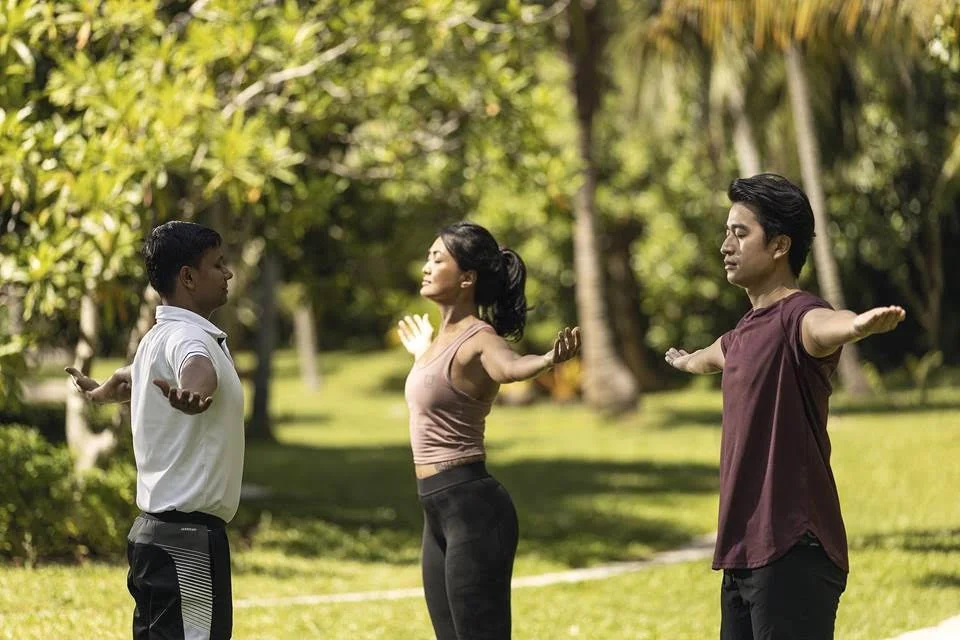
The programme invites guests to slow down and reconnect with themselves, with loved ones, and with the rhythms of nature through a curated series of movement, mindfulness, and shared rituals guided by Banyan Group’s 8 Pillars of Wellbeing philosophy.

“Banyan Tree Connections was created in response to a universal longing for deeper relationships, genuine presence, and time well spent together,” said Ms. Katejiraporn Kaewngarmsa-ard, Hotel Manager at Banyan Tree Samui. “Our tranquil resort, bathed in a lush tropical environment and idyllic for those seeking intimacy and peace of mind, is a natural canvas for a wellbeing journey shared between friends and/or family.”

Banyan Tree Samui invites guests to experience a journey of wellbeing with a loved one or special partner through a personalized program of healthy living activities, each designed to nurture balance, presence and togetherness, with each experience initiated in harmony with the resort’s tropical beachfront setting, the island’s natural beauty, and Thailand’s spiritual culture.

Connections guests will begin their journey at Banyan Tree Samui with a 30-minute wellbeing consultation, undertaken by one of our professionally trained associates, in order to lay out a health and fitness itinerary that caters to each person’s individual targets.

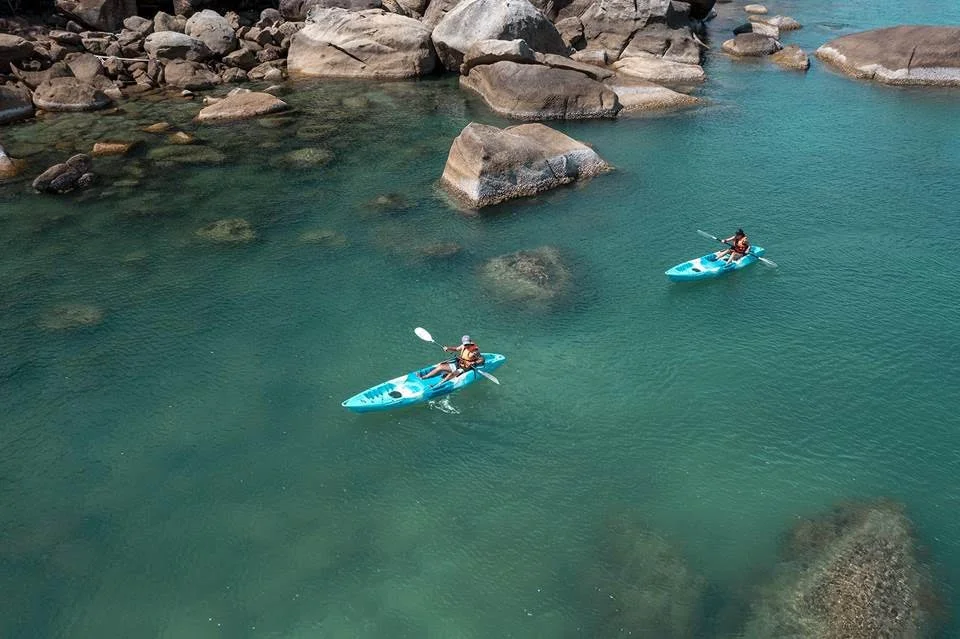
Among the selection of pursuits included in the Connections program that a couple may benefit from are: a 60-minute session of Private Yoga Duo; Sound Healing Meditation; a one-time Herbal Massage Oil & Reflexology Workshop; two joint 60-minute spa treatments; kayaking; an introduction to Thai boxing; a private culinary workshop; and an intimate dinner for two served in style at our private beach.

A Sanctuary for the Senses

Banyan Tree Samui’s 88 spacious pool villas, each with its own private infinity pool, provide a serene and secluded oasis where guests can unwind and reconnect with nature. Designed to seamlessly blend with the surrounding landscape, the villas feature contemporary Thai architecture and are adorned with locally sourced materials and artwork, creating a truly authentic and immersive experience.

The resort hosts three restaurants, including Saffron which was recently listed in the 2025 MICHELIN Guide. Other onsite facilities include a fitness centre, a kids’ club, a meetings and events centre, and a library.

For more information and reservations, visit https://www.banyantree.com/thailand/samui/offers or contact samui@banyantree.com or tel: +66 077 915 333.

Renew & Restore at Four Seasons Hotel Mumbai

As Mumbai settles into the peak of summer in May, with rising temperatures and heavy humidity, the need for a moment of calm and restoration becomes impossible to resist. At Four Seasons Hotel Mumbai, The Spa introduces a thoughtfully curated wellness journey designed to offer a refreshing escape from the city’s heat.

This restorative experience relaxes the body, soothes the mind, and supports overall wellbeing, helping to ease tension, rebalance energy, and create a sense of lightness and renewal, perfectly aligned with the demands of the season.

The 150-minute experience begins with a gentle welcome ritual and calming foot cleanse, setting the tone for relaxation. This is followed by a 90-minute customised massage focused on relieving stress and encouraging deep physical relaxation. A 60-minute personalised facial follows, tailored to refresh the skin and enhance its natural glow.

Mindful breathing and gentle stretches are incorporated throughout the treatment, creating a sense of balance and ease. The experience concludes with a nourishing ritual, leaving guests feeling relaxed and refreshed.

Duration: 150 minutes
Price: INR 15,900 plus taxes per person

For reservations, contact:
Nitin Doiphode, Spa Manager
+91 22698 28000
+91 9987013466

Kalpaney brings its globally inspired vegetarian table to Bengaluru’s Indiranagar

Bengaluru, May 2026: Following the success of its JP Nagar flagship, Kalpaney, the modern vegetarian restaurant, has opened its second outlet in Indiranagar, Bengaluru. The new space marks a significant step in the brand's evolution that stays rooted in its philosophy of reimagining familiar vegetarian food through a global lens, while introducing a more immersive, multi-layered experience suited to the locality’s evolved dining culture.

 The Indiranagar outlet carries forward the warmth and storytelling that defines Kalpaney, while evolving the spatial experience to feel more open and dynamic. A double-height door and soaring ceilings make an immediate impression, architectural choices that are distinctly new to this space, giving the outlet a sense of scale and grandeur that sets it apart. Handcrafted ceramics developed with artisans from Khurja, alongside references to Kalamkari and other Indian art forms, are woven into the interiors, extending the brand's narrative into something more tactile and expansive. The space is designed to create a sense of pause, allowing guests to engage more deeply with the food, the setting, and the people they are dining with.

 Getting nostalgic about the new opening, Avinash Kapoli, Founder of Kalpaney, shared an anecdote and said, “Indiranagar is where Kompany Hospitality first put down roots, it is the neighbourhood that shaped how we think about hospitality, about spaces, and about the kind of experiences worth building. Bringing Kalpaney here felt like a natural completion of that circle; a chance to give back to the community that gave us our foundation, and to build something that truly belongs to this place.”

 The menu reflects the brand's signature balance of nostalgia in flavour and surprise in form. Alongside beloved signatures such as the Garlic Truffle Khichdi, Avocado Carpaccio with Izu Soya, and the Kalpaney Sushi Boat, the Indiranagar outlet introduces new additions, including Mathri Makhana Chaat, Raw Mango Avocado Roll, Jackfruit Dimsum, and Podi Mac & Cheese Arancini. Other must-tries include the Mushroom Galouti with Zafrani Parotta, a nod to Lucknow's galawat ke kebab tradition, and Bhatti ka Paneer with its deep, smoky character. Across the menu, formats span vegetarian sushi presentations, globally inspired small plates, and layered chaats, offering something for every occasion.

 “Every dish at Kalpaney begins somewhere personal, a memory from childhood, a flavour that stayed long after a meal was forgotten. At Indiranagar, that philosophy

remains at the heart of everything we have put on the plate. What has evolved is the conversation those memories are now having with the world, with techniques and influences gathered across borders and kitchens. From Avial Spaghetti to the Podi Mac & Cheese Arancini, every dish is designed to feel familiar and unexpected at once. That tension is where Kalpaney lives,” added Chef Sombir Chaudary, Head Chef, Kalpaney.

 As a no-alcohol concept, Kalpaney's beverage menu is crafted with the same ambition as its food. Mocktails are built on layered flavours, regional ingredients, and thoughtful pairings. Fan favourites Imli ka Khajur, School Days, and Khatta Sharbat continue to anchor the menu, while the programme now welcomes a new addition to the family, kombucha in three distinct flavours, bringing a dynamic, evolving dimension to the drinks experience across both outlets.

 With plans to grow thoughtfully across cities while preserving its core identity, Kalpaney sees the Indiranagar outlet as a meaningful next chapter: experience-driven, curated, and consistent in its philosophy

Qatar celebrates its heritage on International Museum Day 2026

A cultural ecosystem comprising iconic museums and over 80 internationally significant public art installations, positioning the country among the most dynamic and art-oriented in the Gulf, and a key participant in the 2026 Venice Art Biennale.

Mumbai, May 2026 – On the occasion of International Museum Day (May 18th), it is impossible not to highlight Qatar, now one of the most dynamic global art hubs, with a high-profile and continuously evolving museum offering. The journey through art, however, is no longer confined to the enclosed spaces of museums: it increasingly extends into public environments and everyday settings, transforming entire territories into immersive cultural experiences. Against this backdrop, International Museum Day becomes an opportunity to reflect on new ways of experiencing and narrating culture. Among the key players driving this transformation is Qatar itself, which stands out for its integration of internationally renowned museum institutions and public art. Thanks to the commitment of Qatar Museums, the country’s leading arts and cultural authority, a distinctive cultural model has been developed.

This one brings together iconic architecture, globally significant collections and a widespread presence of artworks across the urban landscape. The result is a true open-air museum: a distributed system comprising numerous museums and more than 80 outdoor installations, engaging both visitors and residents in a spontaneous and immersive artistic experience.

 Among Qatar’s most emblematic museum institutions are:

●      Museum of Islamic Art (MIA), designed by I. M. Pei (the architect behind the Louvre Pyramid), is one of the world’s most prestigious museums dedicated to Islamic art. Located on an artificial island overlooking Doha Corniche, it houses a collection spanning more than 1,400 years of history, featuring masterpieces from three continents, including manuscripts, ceramics, textiles, and metal and glass objects. The building itself, inspired by traditional Islamic architecture, stands as a cultural and architectural icon of the country.

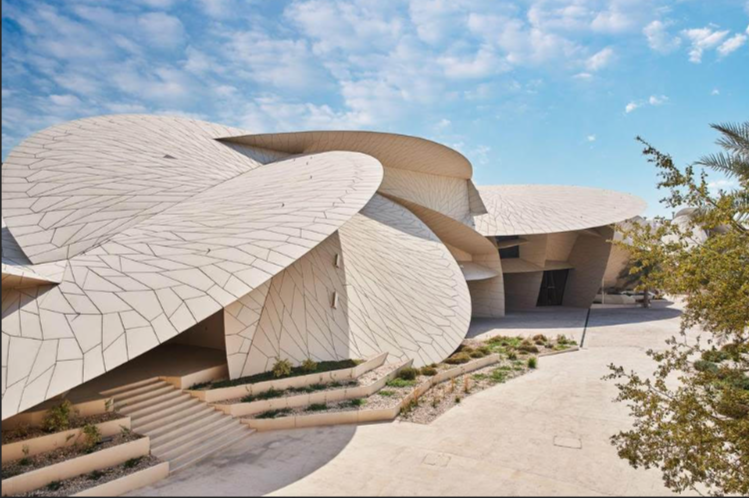
 ●      National Museum of Qatar (NMoQ), designed by architect Jean Nouvel, is distinguished by its striking structure inspired by the “desert rose.” The museum offers an immersive experience that traces Qatar’s history from its geological origins to the present day, through multimedia installations, historical artefacts, and oral testimonies, creating a compelling narrative journey that weaves together memory, identity and future.

 ●      Mathaf: Arab Museum of Modern Art is one of the world’s leading institutions dedicated to modern and contemporary art from the Arab world. Its permanent collection comprises thousands of works documenting the region’s artistic evolution from the 20th century to the present day, complemented by temporary exhibitions, educational programmes and research initiatives that foster cultural dialogue and critical discourse on an international scale.

●      Qatar Olympic and Sports Museum is an innovative space entirely dedicated to the history and values of sport. Through interactive technologies, immersive installations and iconic objects, the museum showcases the great stories of global sport and highlights Qatar’s growing role on the international sporting arena, while offering engaging, participatory experiences that actively involve visitors.

 ●      Msheireb Museums: located within the renewed historic district of Msheireb in the heart of Doha, the Msheireb Museums explore Qatar’s social and economic history. The complex comprises four heritage houses, Bin Jelmood House, Company House, Mohammed Bin Jassim House, and Radwani House, now transformed into exhibition spaces dedicated to key moments in the country’s development.

 ●      Lawh Wa Qalam - M. F. Husain Museum, recently inaugurated, is entirely dedicated to the work of the renowned Indian-born modernist Maqbool Fida Husain, who spent much of his career in Qatar from the 1950s until his passing in 2011. Spanning over 3,000 square metres, the museum houses a highly diverse permanent collection, including paintings, films, tapestries, photographs, poetry and installations. What makes this space even more unique is its architectural design, conceived from a sketch by Husain himself: a work of art that takes shape and becomes reality.

Among the upcoming openings planned in the coming years are the following: Dadu – Children’s Museum of Qatar (Doha), Art Mill Museum (contemporary art, scheduled to open around 2030), Lusail Museum (Orientalist art, designed by Herzog & de Meuron), and Qatar Auto Museum (mobility and automotive culture).

Museums are complemented by cultural spaces, galleries and exhibition centres that contribute to a broad and diversified museum offering, capable of attracting international audiences and fostering intercultural dialogue. Among these, Katara Cultural Village hosts several art galleries and exhibition spaces. Located within Katara’s alleys, the Qatar Museums Gallery presents both local and international artists whose work explores themes centred on humanity. The Katara Art Center (KAC) is an independent platform dedicated to contemporary art and interdisciplinary creative practices.

Public art: Qatar as an open-air museum

The public art programme is one of the most compelling features of the country’s cultural landscape: more than 80 installations are distributed across Doha, the desert and iconic locations such as the international airport.

Created by leading international and regional artists, these works transform public spaces into a true open-air gallery, accessible and experienced on a daily basis. Among the most iconic installations are:

●      East-West/West-East by Richard Serra is located in the Brouq Nature Reserve, in Qatar’s western desert. The installation extends over more than one kilometre across the desert landscape, featuring four monumental steel plates that engage in a dialogue with the horizon.

●      The Miraculous Journey by Damien Hirst is located at Sidra Medicine, a hospital and research centre dedicated to women and children. The monumental installation depicts the stages of foetal development through a sequence of sculptures.

●      Maman by Louise Bourgeois is located at the Qatar National Convention Centre, at the entrance of the convention complex. The sculpture, a giant bronze spider, is one of the artist’s most iconic works.

●      Lamp Bear by Urs Fischer is located inside Hamad International Airport, in the main lobby. It is a monumental sculpture of a yellow teddy bear positioned beneath a lamp, which has become one of the airport’s defining symbols.

●      Doha Mountains by Ugo Rondinone is installed near Hamad International Airport. The work consists of large, vertically stacked, coloured boulders that evoke natural forms and surreal landscapes.

●      Shadows Travelling on the Sea of the Day by Olafur Eliasson is located in northern Qatar’s desert, near Al Zubarah. The installation consists of a series of circular structures that create shifting patterns of light and shadow across the landscape.

●      The Force of Nature II by Lorenzo Quinn is located along the Doha Corniche, the city’s waterfront promenade. The sculpture depicts a suspended female figure commanding the natural elements, symbolising the power of nature.

 Public art represents a central element of the country’s cultural vision, fostering interaction between art and communities and helping to make the artistic experience an integral part of everyday life.

 An international commitment: participation in the 2026 Venice Biennale

The year 2026 also marks a key milestone in Qatar’s international presence. From May 9th to November 22nd 2026, the country will take part in the 61st International Art Exhibition of the Venice Biennale, one of the most prestigious events on the global art calendar. This participation is part of a broader strategy to strengthen international cultural dialogue and coincides with the development of Qatar’s future permanent national pavilion at the Venice Biennale’s Giardini, a symbol of a long-term presence within the global art landscape.

 This trajectory also includes the debut of Art Basel Qatar, held in Doha last February, a new global platform bringing together galleries, artists and collectors from more than 30 countries. Hosted in the creative district of Msheireb, the fair represents a further milestone in the country’s cultural strategy, consolidating its emerging role within the international art landscape.

 Culture as a driver of development

Through sustained investment in cultural infrastructure, educational programmes and international collaborations, Qatar reaffirms culture as a strategic driver for social and economic development, promoting an open, contemporary and inclusive vision of national identity. With an ecosystem that integrates iconic museums and a widespread public art programme, the country is today established as a global cultural laboratory, capable of connecting tradition and contemporaneity and offering new perspectives on the role of art in society.

Banyan Tree Krabi Adds Indian Cuisine Specialist to the Mix

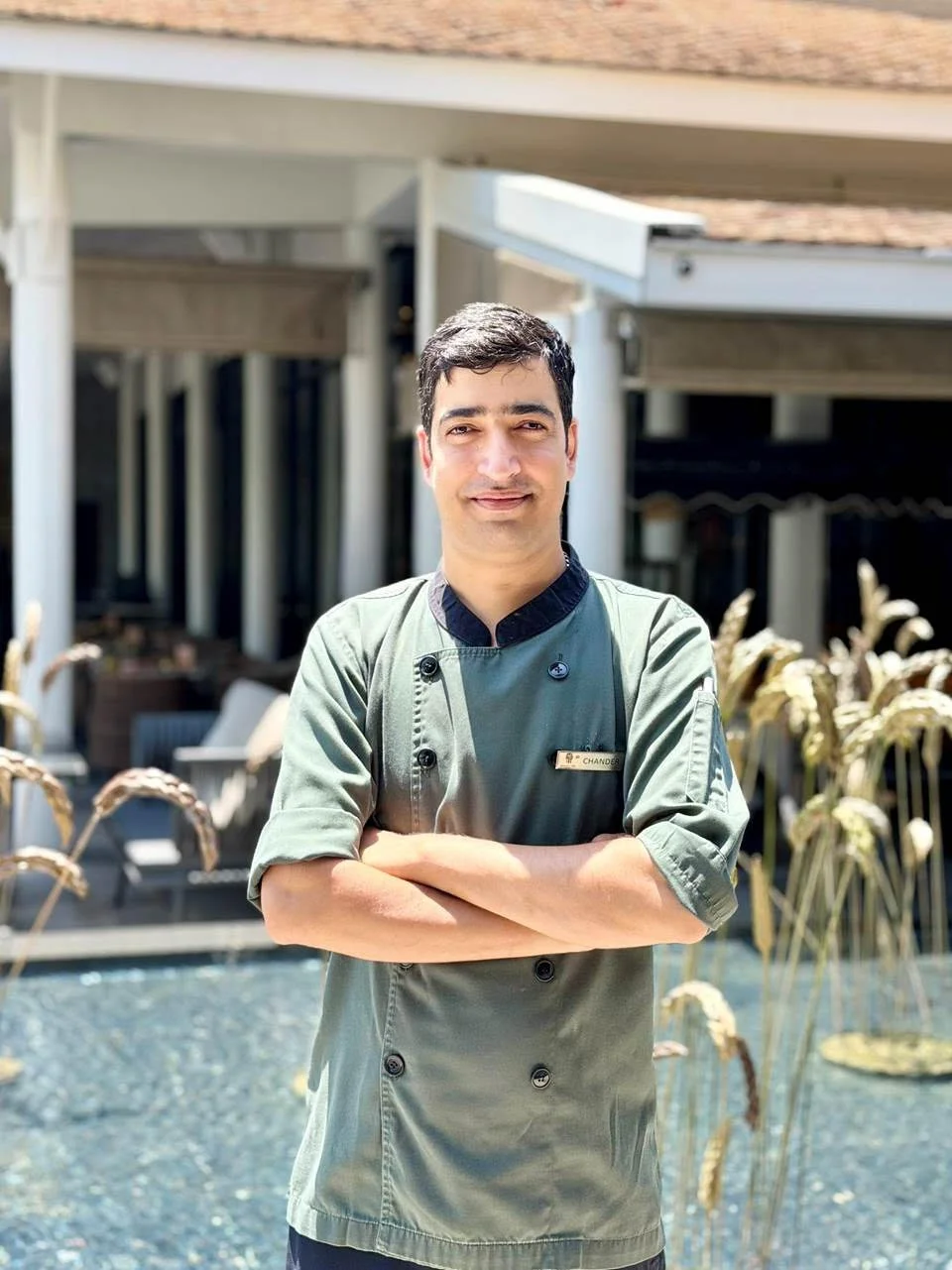
KRABI, Thailand (May , 2026) — A new chef and specialist in Indian cuisine, Mr Chander Prakash, has joined the culinary team at Banyan Tree Krabi, and he fully intends to spice things up in the kitchen.

Chef Chander’s appointment at the Two-Key MICHELIN-listed beachfront resort in Southern Thailand will add a new element of culinary expertise to the hotel’s dining outlet, The Naga Kitchen.

“I have been working in top-class kitchens at hotels and restaurants across India and Thailand for more than 10 years, specialising in North Indian cuisine,” said Chef Chander. “For me, cooking is more than just preparing food — it is about creating memorable dining experiences. I always focus on fresh ingredients, balanced flavors, and attention to detail in every dish. I am especially passionate about Indian curries, biryani, kebabs, tandoori specialties, and Arabic cuisine.”

Chandler said that his culinary journey began with a passion for traditional spices and the art of tandoor cooking. He modestly claims that his specialties include dishes such as dal makhani, Butter Chicken, and Paneer Butter Masala.

Chander comes to Banyan Tree Krabi from the 5-star Sinae Phuket where he was Indian and Arabic Chef, a title he previously held at the Keemala Hotel on the same Thai island. His resumé also includes experiences at the Hotel Germanus Springs hotel in Kodaikanal and De Karavali restaurant in Bangalore where he honed his skills in Tandoor cooking.

“Chef Chander will help us expand our culinary identity with his expertise in authentic Indian cuisine,” said Ms Porntip Narangsiya, Banyan Tree Krabi’s Director of Food & Beverage. “Of course, visitors of all nationalities love Indian food, and we are especially privileged to welcome many guests from India, including large parties for beachfront weddings and celebrations. Now we can also offer an option of delicious Indian cuisine with a modern presentation, in addition to the existing Thai and international fare, and we believe this will create some memorable dining experiences for guests.”

The Resort

Banyan Tree Krabi offers 72 pool suites and villas, among them seven two-bedroom options, one three-bedroom villa, and a majestic seven-bedroom beachfront Presidential Villa. Each of the rooms faces the sea and the sunset as the property tiers into the hillside.

Facilities include two restaurants and a beach bar, a kids’ club, a fitness centre, meeting rooms, and — in harmony with Banyan Tree’s wellbeing branding — a tropical spa with Rainforest hydrotherapy facility.

Banyan Tree Krabi was awarded Two MICHELIN stars by the MICHELIN Guide in 2024 and 2025, and lauded by Fodor’s Travel 2026 as the only hotel in Thailand listed in The 100 Most Incredible Hotels in the World.

For more information or reservations, contact saffron-krabi@banyantree.com or tel: +66 75 811 888.

Chef Chander Prakash joins the culinary team at Banyan Tree Krabi.

The Naga Kitchen

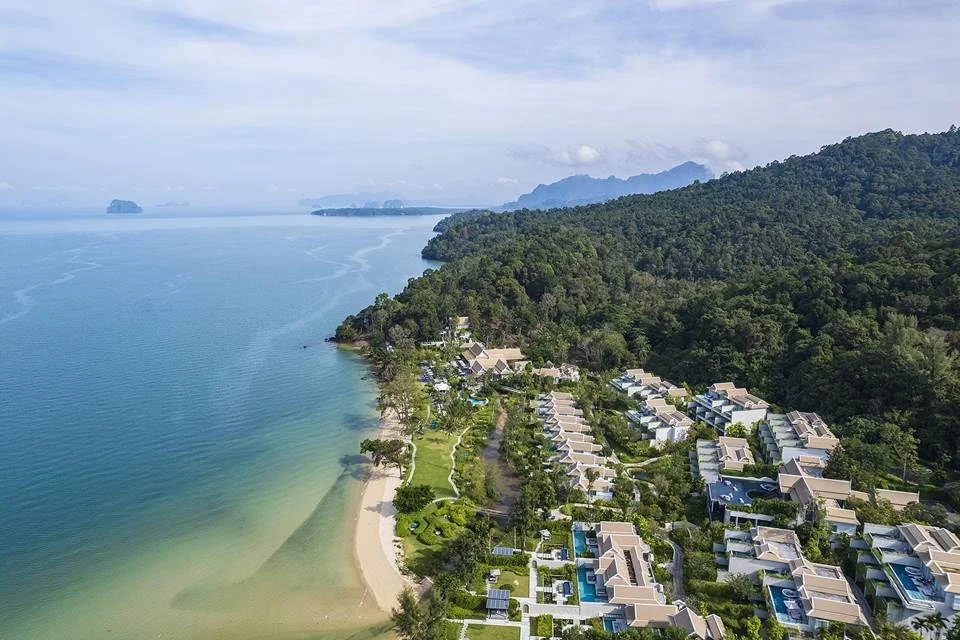
Nestled in a corner of tranquil Tubkaek Beach, all 72 rooms at Banyan Tree Krabi face the Andaman Sea and the sunset.

Ingredient Ideology | Baked Crescents To Relish By: Dr. Kaviraj Khialani: Celebrity Master Chef.

Tempting- Tantalising- Tasty 

A Calzone is an Italian oven-baked folded pizza, often described as a turnover, made with leavened dough. It originated in Naples in the 18th century. It all Started in Naples, originating in 1700's Naples, Italy, calzones were sold on the streets and intended to be eaten on the go. At this time, calzones were actually formed by simply folding an uncooked pizza in half before baking it, hen, America got on board to get in the Cal-Zone. The origin of this delicacy began in Naples, Italy in the early 1700s. If you were to translate 'calzone' from Italian to English, it would mean 'pants leg. ' Pants leg refers to the Italians with the need for a pizza on the go! They are basically an individual pizza all wrapped up. No cheese sliding off or floppy crusts. Just pure deliciousness wrapped up in a pillowy dough. This recipe gives calzones their much-needed due attention.


When calzones were first originated in Naples, they were designed to be eaten by hand, without any utensils. The half-moon shape of a traditional calzone indicates that it was made by simply folding over a single round of pizza crust. Originating in 1700's Naples, Italy, calzones were sold on the streets and intended to be eaten on the go. At this time, calzones were actually formed by simply folding an uncooked pizza in half before baking it. They're also the basis for the frozen food – “Pizza Pockets.” While calzones are more commonly the size of a medium pizza, panzerottis remain small and sandwich-sized. They tend to be about 9″ inches in diameter and semi-circled. Calzones are Italian. Actually, legitimately, 100%-certified, Italian. They originated in Naples as a casual, standing-on-the-street way of eating pizza, and they vary in terms of ingredients and techniques in different regions in Italy. Stromboli is Italian-American. A calzone is like a pizza, but it's not a pizza. That's why it's called something different. Similar to the sandwich/wrap conundrum. But sandwiches, like pizza, are endlessly versatile (toppings, breads, sauces, etc.)


In Italy. Sandwich-sized calzones are often sold at Italian lunch counters or by street vendors, because they are easy to eat while standing or walking. Fried versions of the calzone are typically filled with tomato and mozzarella: these are made in Apulia and are called panzerotti. Calzone fillings are similar to that of toppings on pizza- cured meats like ham, pepperoni, prosciutto, sausage…, vegetables, and various cheeses. This Calzone is more of a classic “Supreme Pizza” but you can use whatever fillings you like best. A true calzone has ricotta cheese and does NOT have any sauce. A calzone is actually a type of pizza, but the big difference is it's inside out! The dough is on the outside and the “toppings” are inside the calzone making it a completely different experience from eating a pizza. 


Essentially a pizza folded over itself, the calzone is like one big hand pie: filling neatly enclosed with dough, so you get browned crust in every bite. You can fill it with any pizza toppings; it should be substantial and fairly dry so the dough doesn't leak or get soggy. And while both have Italian cheese, calzones are made with ricotta (often alongside mozzarella and/or Parmesan) while Stromboli are typically only made with mozzarella. Calzones' fillings do not include sauce; marinara is served on the side for dipping.

You can also make calzones in smaller one-serving sizes, if you prefer, and they can be filled with the ingredients of your choice. Since calzones are equally good served hot or at room temperature, they are perfect for parking-lot picnics, sack lunches or meals on the run.

Here are a few twist of taste - Calzone recipes to try out by all our readers:


Recipe-1] BAKED CHICKEN CRESCENTS

Ingredients:

For the calzone dough:

1 cup whole- wheat flour

½ cup refined flour

Yeast- 1 tsp fresh

Sugar- 1 tsp

Salt- 1 pinch

Warm water as needed to make the dough

Olive oil-2 tsp

For the herbed chicken filling:

Oil- 2 tsp

Garlic-1 tsp chopped

Onion- 1 small chopped

Boiled chopped chicken- 1 cup

Salt and pepper to taste

Sliced black olives- 2-3 tsp

Sliced green olives- 2-3 tsp

White sauce- ½ cup

Fresh cream-2 tbsp.

Grated cheese-2 -3 tbsp.

Fresh parsley- 2 tsp chopped

Mixed herbs- ½ tsp dried

Chopped capsicum-2-3 tsp


Method:

1. To start with the dough for the calzone, in ¼ cup warm water add in the yeast, sugar and mix in 2 tsp of the refined flour and mix, cover and keep aside for 15 mins. 

2. Sieve all the other dry ingredients and keep them aside. Once bubbles appear on the surface of the yeast mixture, add it into a well created in between the flour and dry ingredient mixture and using more warm water and little olive oil make a fairly smooth and stiff dough.

3. Knead it up well, shape it into a round and cover it with a damp duster and place it in a warm place to activate fermentation. It will take around 20-25 mins.

4. Punch back the dough and release the air from it post fermentation and divide the mix into 6- 8 equal portions and shape it into rounds and keep aside.

5. Meantime prepare the chicken filling as well side by side by using all the listed ingredients and cook the mixture for 3-4 mins, remove onto a plate, cool completely and then add in the grated cheese.

6. Roll out each of the dough mixture into an approx. 6-inch diameter round shape, place the filling towards one side, spread out a little cold water to assist in sealing the edges, cover and fold over pinch the edges down using a fork, forming it into a semi-circle kind of shape.

7. Prepare all the calzones the same way, pre-heat the oven to 180 deg celsius and either apply a little milk wash/ egg wash over the calzones, sprinkle a few sesame seeds or so and allow to bake for 15-18 mins, once done carefully remove them and allow to wait on the cooling rack, serve as desired.

Recipe-2] BAKED MUSHROOM AND TOFU CRESCENTS

Ingredients:

For the calzone dough:

1 cup whole- wheat flour

½ cup refined flour

Yeast- 1 tsp fresh

Sugar- 1 tsp

Salt- 1 pinch

Warm water as needed to make the dough

Olive oil-2 tsp

For the mushroom & tofu filling:

Oil- 2 tsp

Garlic-1 tsp chopped

Onion- 1 small chopped

Sliced fresh mushrooms- 1 cup

Tofu- soft/ firm- ½ cup crumbled

Salt and pepper to taste

Sliced black olives- 2-3 tsp

Sliced green olives- 2-3 tsp

White sauce- ½ cup

Tomato ketchup-2 tsp

Fresh cream-2 tbsp.

Grated cheese-2 -3 tbsp.

Fresh parsley- 2 tsp chopped

Mixed herbs- ½ tsp dried

Chopped capsicum-2-3 tsp


Method:

1. To start with the dough for the calzone, in ¼ cup warm water add in the yeast, sugar and mix in 2 tsp of the refined flour and mix, cover and keep aside for 15 mins. 

2. Sieve all the other dry ingredients and keep them aside. Once bubbles appear on the surface of the yeast mixture, add it into a well created in between the flour and dry ingredient mixture and using more warm water and little olive oil make a fairly smooth and stiff dough.

3. Knead it up well, shape it into a round and cover it with a damp duster and place it in a warm place to activate fermentation. It will take around 20-25 mins.

4. Punch back the dough and release the air from it post fermentation and divide the mix into 6- 8 equal portions and shape it into rounds and keep aside.

5. Meantime prepare the mushroom and tofu filling as well side by side by using all the listed ingredients and cook the mixture for 3-4 mins, remove onto a plate, cool completely and then add in the grated cheese.

6. Roll out each of the dough mixture into an approx. 6-inch diameter round shape, place the filling towards one side, spread out a little cold water to assist in sealing the edges, cover and fold over pinch the edges down using a fork, forming it into a semi-circle kind of shape.

7. Prepare all the calzones the same way, pre-heat the oven to 180 deg celsius and either apply a little milk wash/ egg wash over the calzones, sprinkle a few sesame seeds or so and allow to bake for 15-18 mins, once done carefully remove them and allow to wait on the cooling rack, serve as desired.



Recipe-3] BAKED SEAFOOD CALZONE

Ingredients:

For the calzone dough:

1 cup whole- wheat flour

½ cup refined flour

Yeast- 1 tsp fresh

Sugar- 1 tsp

Salt- 1 pinch

Warm water as needed to make the dough

Olive oil-2 tsp

For the seafood filling:

Oil- 2 tsp

Garlic-1 tsp chopped

Onion- 1 small chopped

Medium sized shrimps-1 cup, cleaned

Poached fish/ cooked fish- 1 cup

Salt and pepper to taste

Sliced black olives- 2-3 tsp

Sliced green olives- 2-3 tsp

White sauce- ½ cup

Tomato ketchup-2 tsp

Fresh cream-2 tbsp.

Grated cheese-2 -3 tbsp.

Fresh parsley- 2 tsp chopped

Mixed herbs- ½ tsp dried

Chopped capsicum-2-3 tsp


Method:

1. To start with the dough for the calzone, in ¼ cup warm water add in the yeast, sugar and mix in 2 tsp of the refined flour and mix, cover and keep aside for 15 mins. 

2. Sieve all the other dry ingredients and keep them aside. Once bubbles appear on the surface of the yeast mixture, add it into a well created in between the flour and dry ingredient mixture and using more warm water and little olive oil make a fairly smooth and stiff dough.

3. Knead it up well, shape it into a round and cover it with a damp duster and place it in a warm place to activate fermentation. It will take around 20-25 mins.

4. Punch back the dough and release the air from it post fermentation and divide the mix into 6- 8 equal portions and shape it into rounds and keep aside.

5. Meantime prepare the seafood filling as well side by side by using all the listed ingredients and cook the mixture for 3-4 mins, remove onto a plate, cool completely and then add in the grated cheese.

6. Roll out each of the dough mixture into an approx. 6-inch diameter round shape, place the filling towards one side, spread out a little cold water to assist in sealing the edges, cover and fold over pinch the edges down using a fork, forming it into a semi-circle kind of shape.

7. Prepare all the calzones the same way, pre-heat the oven to 180 deg celsius and either apply a little milk wash/ egg wash over the calzones, sprinkle a few sesame seeds or so and allow to bake for 15-18 mins, once done carefully remove them and allow to wait on the cooling rack, serve as desired.


Recipe-4] BAKED MEAT CRESCENTS

Ingredients:

For the calzone dough:

1 cup whole- wheat flour

½ cup refined flour

Yeast- 1 tsp fresh

Sugar- 1 tsp

Salt- 1 pinch

Warm water as needed to make the dough

Olive oil-2 tsp

For the peppered meat filling:

Oil- 2 tsp

Garlic-1 tsp chopped

Onion- 1 small chopped

Cooked meat/ grilled sliced meat-1 cup

Red chili sauce/green chili sauce- 2 tsp

Salt and pepper to taste

Sliced black olives- 2-3 tsp

Sliced green olives- 2-3 tsp

White sauce- ½ cup

Tomato ketchup-2 tsp

Fresh cream-2 tbsp.

Grated cheese-2 -3 tbsp.

Fresh parsley- 2 tsp chopped

Mixed herbs- ½ tsp dried

Chopped capsicum-2-3 tsp


Method:

1. To start with the dough for the calzone, in ¼ cup warm water add in the yeast, sugar and mix in 2 tsp of the refined flour and mix, cover and keep aside for 15 mins. 

2. Sieve all the other dry ingredients and keep them aside. Once bubbles appear on the surface of the yeast mixture, add it into a well created in between the flour and dry ingredient mixture and using more warm water and little olive oil make a fairly smooth and stiff dough.

3. Knead it up well, shape it into a round and cover it with a damp duster and place it in a warm place to activate fermentation. It will take around 20-25 mins.

4. Punch back the dough and release the air from it post fermentation and divide the mix into 6- 8 equal portions and shape it into rounds and keep aside.

5. Meantime prepare the peppered meat filling as well side by side by using all the listed ingredients and cook the mixture for 3-4 mins, remove onto a plate, cool completely and then add in the grated cheese.

6. Roll out each of the dough mixture into an approx. 6-inch diameter round shape, place the filling towards one side, spread out a little cold water to assist in sealing the edges, cover and fold over pinch the edges down using a fork, forming it into a semi-circle kind of shape.

7. Prepare all the calzones the same way, pre-heat the oven to 180 deg celsius and either apply a little milk wash/ egg wash over the calzones, sprinkle a few sesame seeds or so and allow to bake for 15-18 mins, once done carefully remove them and allow to wait on the cooling rack, serve as desired.


Recipe- 5] CORN AND SPINACH CRESCENTS

Ingredients:

For the calzone dough:

1 cup whole- wheat flour

½ cup refined flour

Yeast- 1 tsp fresh

Sugar- 1 tsp

Salt- 1 pinch

Warm water as needed to make the dough

Olive oil-2 tsp

For the spinach and corn filling:

Oil- 2 tsp

Garlic-1 tsp chopped

Onion- 1 small chopped

Spinach- 1 cup blanched and chopped

American corn- 1 cup boiled

Red chili sauce-1-2 tsp

Chaat masala-1/2 tsp

Salt and pepper to taste

Sliced black olives- 2-3 tsp

Sliced green olives- 2-3 tsp

White sauce- ½ cup

Tomato ketchup-2 tsp

Fresh cream-2 tbsp.

Grated cheese-2 -3 tbsp.

Fresh parsley- 2 tsp chopped

Mixed herbs- ½ tsp dried

Chopped capsicum-2-3 tsp


Method:

1. To start with the dough for the calzone, in ¼ cup warm water add in the yeast, sugar and mix in 2 tsp of the refined flour and mix, cover and keep aside for 15 mins. 

2. Sieve all the other dry ingredients and keep them aside. Once bubbles appear on the surface of the yeast mixture, add it into a well created in between the flour and dry ingredient mixture and using more warm water and little olive oil make a fairly smooth and stiff dough.

3. Knead it up well, shape it into a round and cover it with a damp duster and place it in a warm place to activate fermentation. It will take around 20-25 mins.

4. Punch back the dough and release the air from it post fermentation and divide the mix into 6- 8 equal portions and shape it into rounds and keep aside.

5. Meantime prepare the spinach and corn filling as well side by side by using all the listed ingredients and cook the mixture for 3-4 mins, remove onto a plate, cool completely and then add in the grated cheese.

6. Roll out each of the dough mixture into an approx. 6-inch diameter round shape, place the filling towards one side, spread out a little cold water to assist in sealing the edges, cover and fold over pinch the edges down using a fork, forming it into a semi-circle kind of shape.

7. Prepare all the calzones the same way, pre-heat the oven to 180 deg celsius and either apply a little milk wash/ egg wash over the calzones, sprinkle a few sesame seeds or so and allow to bake for 15-18 mins, once done carefully remove them and allow to wait on the cooling rack, serve as desired.


Recipe-6] VEGGIE BASILICO CRESCENTS

Ingredients:

For the calzone dough:

1 cup whole- wheat flour

½ cup refined flour

Yeast- 1 tsp fresh

Sugar- 1 tsp

Salt- 1 pinch

Warm water as needed to make the dough

Olive oil-2 tsp

For the Veggie basil filling:

Oil- 2 tsp

Garlic-1 tsp chopped

Onion- 1 small chopped

Carrots and beans-1 cup, cut and boiled

Green peas-1/2 cup boiled

Cauliflower-1/2 cup boiled

Red chili sauce-1-2 tsp

Chaat masala-1/2 tsp

Salt and pepper to taste

Sliced black olives- 2-3 tsp

Sliced green olives- 2-3 tsp

White sauce- ½ cup

Tomato ketchup-2 tsp

Fresh cream-2 tbsp.

Grated cheese-2 -3 tbsp.

Fresh basil leaves- 8-10 no

Mixed herbs- ½ tsp dried

Chopped capsicum-2-3 tsp


Method:

1. To start with the dough for the calzone, in ¼ cup warm water add in the yeast, sugar and mix in 2 tsp of the refined flour and mix, cover and keep aside for 15 mins. 

2. Sieve all the other dry ingredients and keep them aside. Once bubbles appear on the surface of the yeast mixture, add it into a well created in between the flour and dry ingredient mixture and using more warm water and little olive oil make a fairly smooth and stiff dough.

3. Knead it up well, shape it into a round and cover it with a damp duster and place it in a warm place to activate fermentation. It will take around 20-25 mins.

4. Punch back the dough and release the air from it post fermentation and divide the mix into 6- 8 equal portions and shape it into rounds and keep aside.

5. Meantime prepare the veggie and basil filling as well side by side by using all the listed ingredients and cook the mixture for 3-4 mins, remove onto a plate, cool completely and then add in the grated cheese.

6. Roll out each of the dough mixture into an approx. 6-inch diameter round shape, place the filling towards one side, spread out a little cold water to assist in sealing the edges, cover and fold over pinch the edges down using a fork, forming it into a semi-circle kind of shape.

7. Prepare all the calzones the same way, pre-heat the oven to 180 deg celsius and either apply a little milk wash/ egg wash over the calzones, sprinkle a few sesame seeds or so and allow to bake for 15-18 mins, once done carefully remove them and allow to wait on the cooling rack, serve as desired.


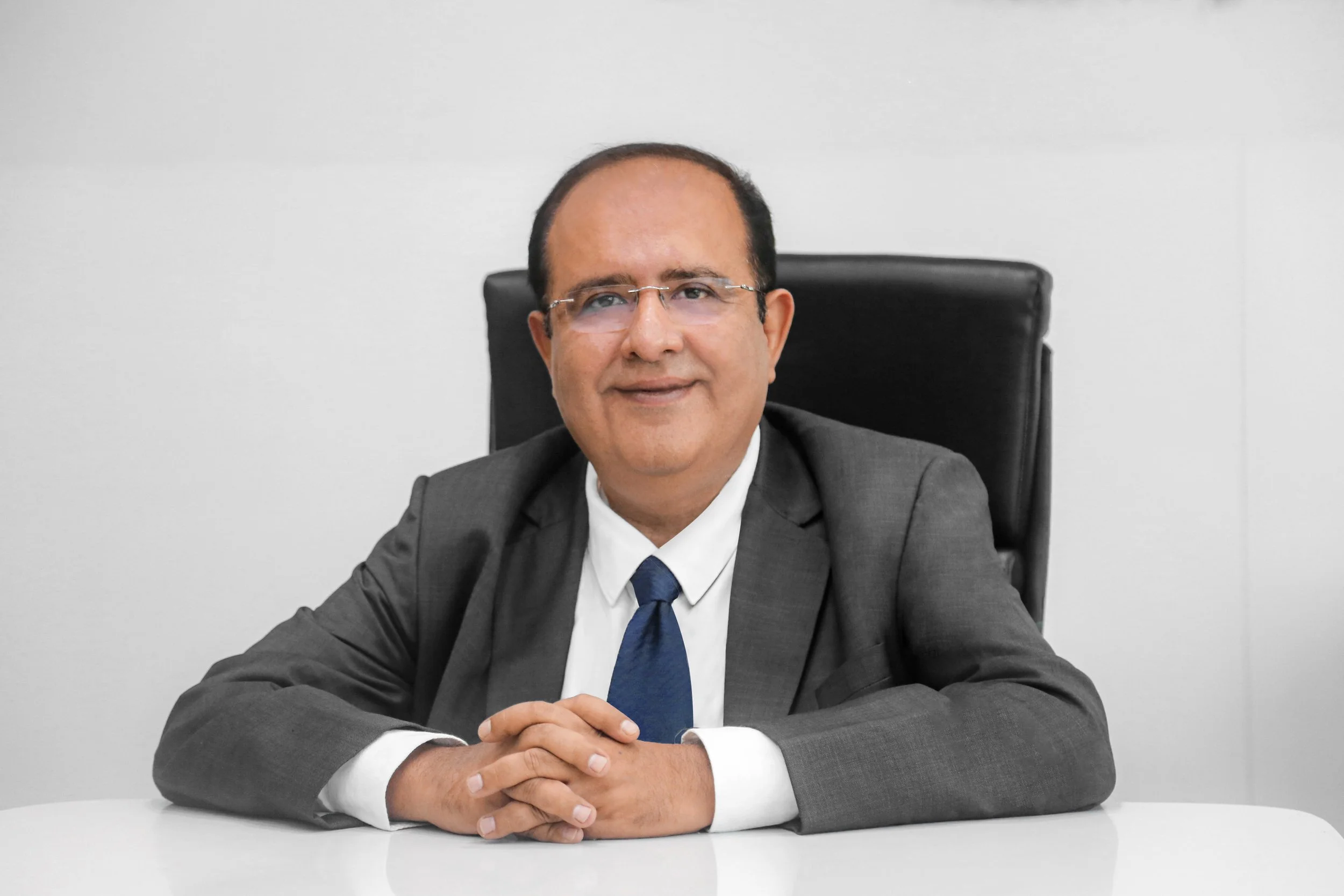
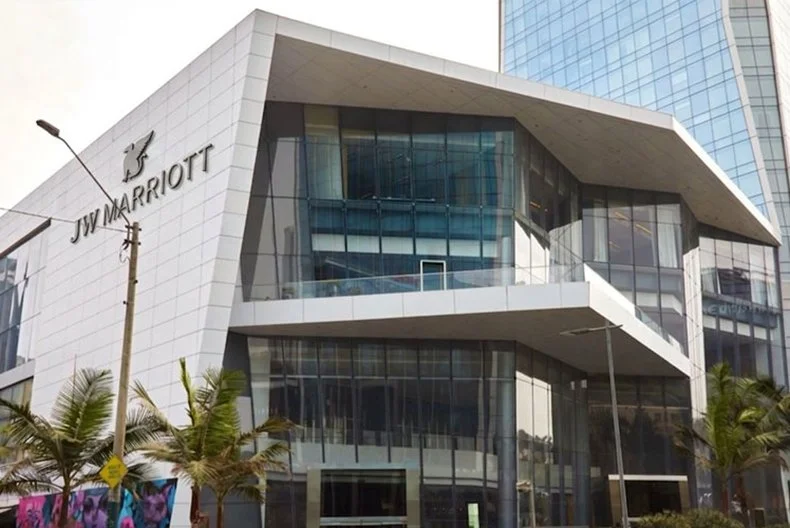
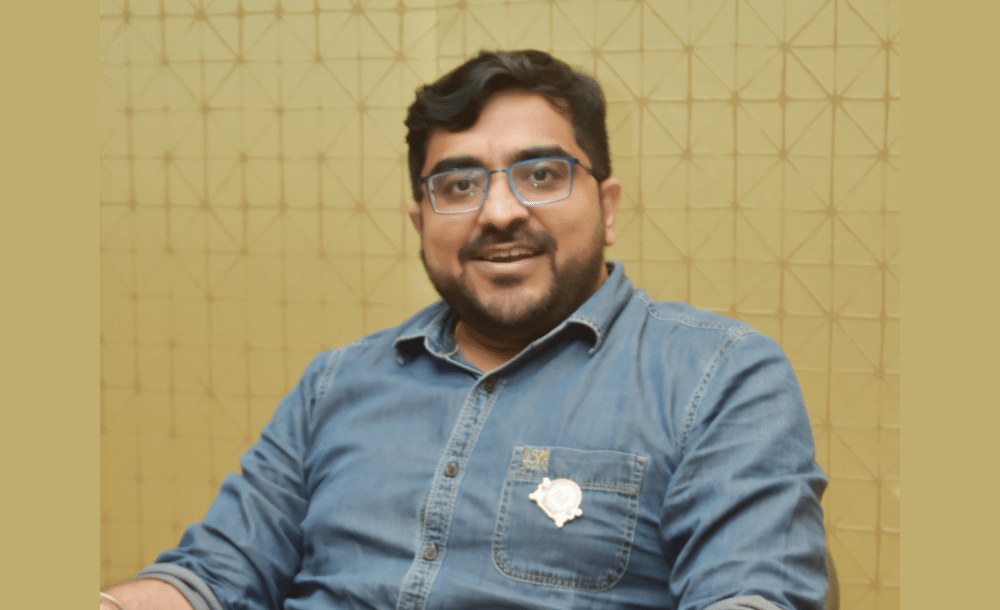
Four Seasons Resort Cabo Del Sol Unveils Luxury Ocean-View Residences and Villas in Exclusive Cabo Del Sol Community

Four Seasons Resort Cabo Del Sol unveils its collection of luxury Villa & Residence Rentals, featuring two- to seven-bedroom accommodations, each designed as an elevated coastal retreat for discerning travellers. Located within the Cabo Del Sol community along Los Cabos’ Golden Corridor, these residences and villas ensure an exclusive guest experience along Mexico’s scenic Baja Peninsula.
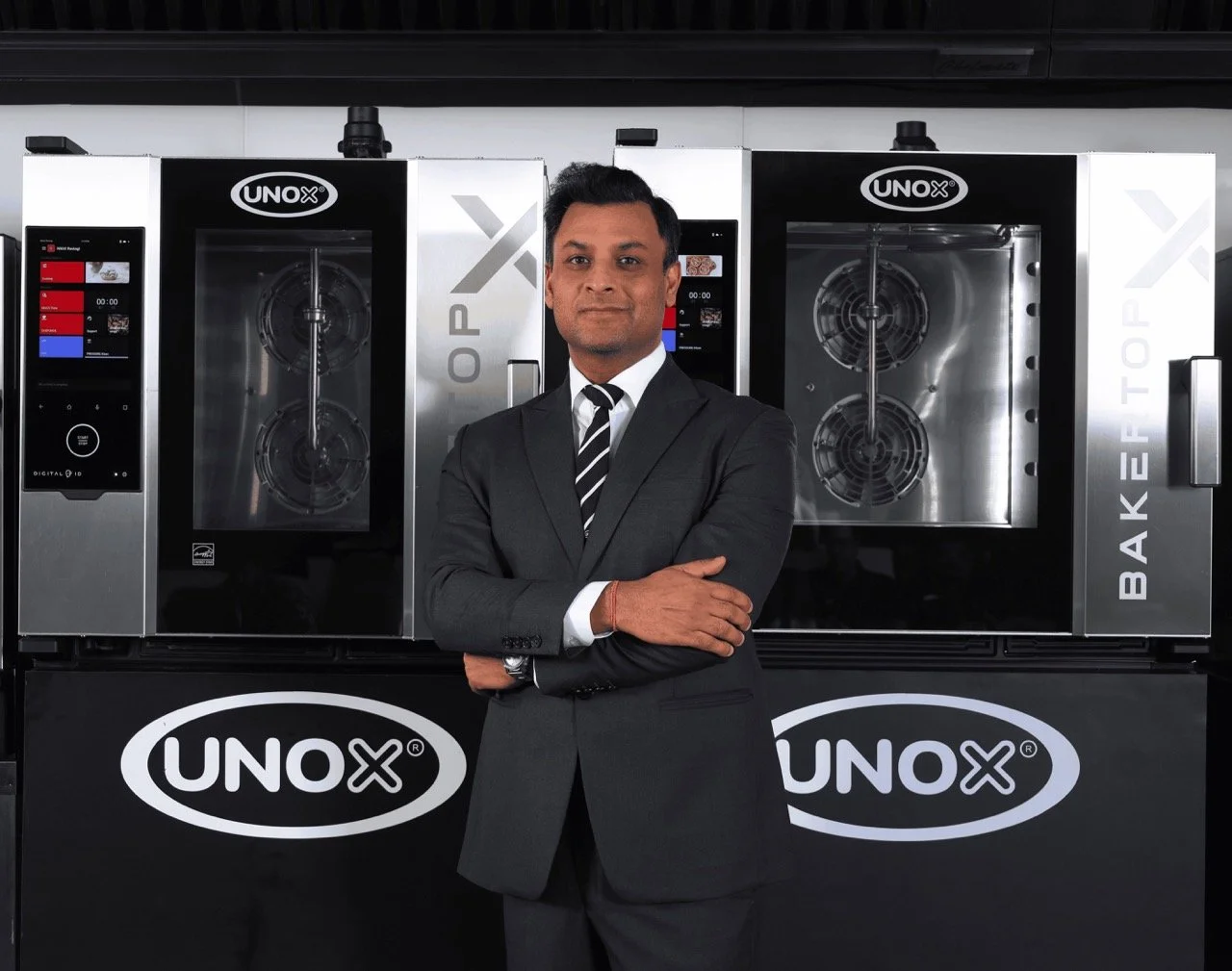
“With the unveiling of our Villa & Residence Rentals, we are excited to offer a transcendent blend of privacy, luxury, and personalised service that Four Seasons guests have come to expect,” says Richard Rabb, General Manager of Four Seasons Resort Cabo Del Sol. “These residences are designed to offer more than just a place to stay—they provide a gateway to unforgettable experiences and adventures in Cabo’s stunning natural landscape, all enhanced by the bespoke care our team is proud to provide.”

For travellers looking to spend time with family in an exclusive setting, get away with their significant other, or celebrate special occasions with friends, the Villa & Residence Rentals at Four Seasons Resort Cabo Del Sol present an unmatched vacation experience blending Mexican heritage with new-world luxury.

The new addition of 61 residences and villas to the worldwide collection of Four Seasons Villa & Residence Rentals features a range from two-bedroom to seven-bedroom configurations including:

  • Ocean-View Seven-Bedroom Estate – 9,188 sq. ft. (853 square metres): This grand seven-bedroom estate is defined by clean architectural lines, artisanal Mexican craftsmanship, and sweeping views of the Sea of Cortez. Expansive glass doors open to a sun-drenched terrace with a private infinity-edge pool, plunge pool, and built-in barbecue, ideal for hosting unforgettable gatherings. Generous living and dining areas feature custom furnishings and contemporary Mexican flair, while a gourmet kitchen anchors the heart of the home. The residence includes four king beds and six queen beds across the bedrooms, each with walk-in closets, as well as six-and-a-half bathrooms finished in stone and natural textures.

  • Six-Bedroom Estate – 8,588 sq. ft. (797 square metres): Inspired by the elegance of a modern Mexican hacienda, this six-bedroom estate offers a refined escape with panoramic views of the Sea of Cortez, perched above the resort and the Cove Club Golf Course. Clean lines and rustic accents meet in open-plan interiors that flow onto a large sun terrace with a private infinity-edge pool, plunge pool, and built-in barbecue. Thoughtful design details include a spacious gourmet kitchen, multiple indoor and outdoor dining areas, and luxurious bathrooms with serene spa-style finishes. The residence accommodates up to 12 guests with three king beds and six queen beds across six-and-a-half bathrooms.

  • Ocean-View Five-Bedroom Rooftop Villa – 7,169 sq. ft. (666 square metres): This expansive rooftop villa features five bedrooms and multiple bathrooms, representing the pinnacle of luxury in Cabo Del Sol. It offers an exquisite rooftop with a private pool and lounge areas, providing panoramic views of the Sea of Cortez. The design emphasizes indoor-outdoor living with a great room leading to a large furnished terrace, perfect for dining al fresco. Inside, the villa boasts a fully equipped gourmet kitchen, enhancing the culinary experience. Elegant interiors are complemented by floor-to-ceiling windows that frame the breathtaking seascape, while the primary bathrooms offer deep soaking tubs and walk-in showers.

  • Oceanfront Five-Bedroom Residence – 5,436 sq. ft. (502 square metres): The five-bedroom, five-and-a-half-bathroom residence offers a refined coastal retreat with sweeping oceanfront views. Designed for seamless indoor-outdoor living, the villa boasts expansive private pool areas, a large furnished terrace with a barbecue, and both indoor and outdoor dining spaces. A fully equipped gourmet kitchen with counter seating, along with optional grocery-stocking and personal chef services, ensures a world-class culinary experience. The interiors are thoughtfully designed with natural materials, creating a harmonious blend of elegance and comfort, while floor-to-ceiling windows frame breathtaking ocean vistas. Primary bathrooms feature deep oval soaking tubs, walk-in showers, double vanities, and private WCs, complemented by three additional en-suite bathrooms and a guest powder room.

  • Ocean-View Four-Bedroom Rooftop Villa – 6,329 sq. ft. (588 square metres): This two-level villa is crowned with a stunning rooftop lounge and pool area designed for sunbathing and starlit swims. The villa comfortably accommodates up to 8 adults or a combination of 4 adults and 4 children, with three king beds and two queen beds. Key features include expansive terraces with sweeping ocean views, indoor and outdoor dining areas, and a fully equipped gourmet kitchen. Bathrooms are luxuriously appointed with deep oval tubs and walk-in showers. The villa blends spacious indoor living areas with extensive outdoor spaces, creating a seamless environment for relaxation and entertainment.

  • Ocean-View Four-Bedroom Villa – 5,145 sq. ft. (478 square metres): This villa seamlessly blends indoor luxury with outdoor tranquillity, featuring glass walls that retract to connect the chic interiors directly with lush tropical terraces. The villa features three king beds and two queen beds, as well as a private pool and plunge pool, a great room, separate dining area, and extensive terraces furnished for relaxation and entertainment. The fully equipped gourmet kitchen and indoor/outdoor dining setups provide a perfect setting for home-cooked meals. Bathrooms are designed with luxury in mind, including two primary bathrooms with both indoor and outdoor showers.

  • Oceanfront Three-Bedroom Presidential Villa – 6,350 sq. ft. (590 square metres): An extraordinary retreat perched along the edge of the Sea of Cortez, the three-bedroom presidential villa is composed of three freestanding pavilions, offering the ultimate in privacy, serenity, and design-driven luxury. Framed by dramatic ocean views, the villa’s centrepiece is a sprawling infinity-edge pool flanked by a sun terrace, outdoor firepit, and al fresco dining for ten. Each bedroom serves as its own sanctuary, complete with a private plunge pool, spa-style bath with indoor and outdoor showers, and elegant furnishings that reflect the textures of Baja. A fully equipped gym and wet bar complete the experience, making this villa an ideal escape for discerning travellers seeking space, sophistication, and seclusion.

  • Ocean-View Three-Bedroom Rooftop Villa – 5,575 sq. ft. (517 square metres): Designed for elevated coastal living, this three-bedroom villa crowns the resort with a spectacular rooftop oasis. An expansive lounge and private pool invite relaxation under the stars, while the lower level opens to sweeping views of the Sea of Cortez from a spacious terrace ideal for al fresco dining. Inside, two king beds and two queen beds comfortably accommodate up to eight guests, with light-filled interiors that blend natural textures and refined Mexican design. A fully equipped gourmet kitchen, indoor and outdoor dining areas, and spa-style bathrooms with deep soaking tubs and walk-in showers round out the villa’s inviting comforts.

  • Ocean-View Three-Bedroom Villa – 4,704 sq. ft. (437 square metres): Sun-drenched and airy, this two-level villa blends effortless comfort with the beauty of Baja's coast. The upper-level houses three serene bedrooms-two with king beds and one with two queen beds-each thoughtfully designed to offer privacy and rest. On the main level, floor-to-ceiling windows open to a private terrace with a plunge pool, hot tub, and barbecue, perfect for leisurely afternoons and al fresco dinners. Indoors, a gourmet kitchen and generous dining areas invite connection and relaxation, while spa-inspired bathrooms with walk-in showers and a deep oval tub offer a peaceful retreat.

  • Ocean-View Two-Bedroom Residence – 4,176 sq. ft. (388 square metres): Positioned just steps from the beach with a private pool, this two-level residence showcases a seamless indoor-outdoor flow that integrates modern Mexican style with traditional design elements. Each of the two spacious bedrooms on the upper level opens onto a furnished balcony, offering magnificent ocean views. The residence comfortably accommodates either four adults or two adults and two children. Features include a primary bathroom with luxury fittings, an additional full bathroom, a guest powder room, and expansive living areas with both indoor and outdoor dining facilities.

Throughout their visit, guests staying in the luxury villas and residences have access to the property amenities, including three swimming pools; eight restaurants and bars including signature restaurants Palmerio, celebrating the French and Italian Rivieras, Cayao, a Nikkei fusion from Chef Richard Sandoval, and Sora, Cabo’s only luxury rooftop bar; the Kids For All Seasons program, Papalote; meetings and events facilities; the El Taller Artisan studio; 360 Baja Adventure Center; state-of-the-art fitness facilities at the Harley Pasternak-designed gym; and Tierra Mar Spa, a sanctuary for holistic healing and revitalisation featuring unique treatments inspired by Baja California and the native Kumai tribe.

At the heart of each stay in the Villas and Residences is the care and attention of a dedicated Villa Host, ready to anticipate needs and create meaningful moments throughout the guest journey. From securing dinner reservations to curating one-of-a-kind excursions, such as whale watching in Magdalena Bay or day trips to the artistic enclave of Todos Santos – Villa Hosts act as trusted local insiders, ensuring each day unfolds with ease.

Back at the villa, guests can gather for intimate dinner parties prepared by Executive Chef Miguel Baltazar and the Four Seasons culinary team, with personalised menus tailored to individual tastes and served al fresco on the terrace alongside ocean breezes and a perfectly paired bottle of wine. Villa Hosts can also arrange private mixology sessions, tequila or mezcal tastings, cooking classes, relaxed barbecue evenings, as well as movie nights – creating opportunities for connection and celebration across every generation. In-villa wellness rituals and spa treatments can also be accommodated, bringing the serenity of Tierra Mar Spa into the comfort of the residence for personalised facials, massages, or body wraps enhanced by the natural rhythms of the sea.

Whether for a long weekend or an extended stay, each villa becomes a private sanctuary, thoughtfully supported by intuitive service and designed for seamless living. With every detail expertly orchestrated, the result is a sense of ease, comfort, and connection, hallmarks of the Four Seasons approach

IHG and Adani Airports partner for five hotels across key Indian airport cities

The partnership includes nearly 1,500 keys across multiple brands, including the India debut of Kimpton Hotels & Restaurants.
Adani Airport Holdings Limited (AAHL) and IHG Hotels & Resorts have signed a landmark managed hotel portfolio agreement to develop five hotels across key airport-linked and high-growth urban destinations in India.

The agreement will add close to 1,500 keys across multiple brands and locations, in line with IHG’s growth plans for India. The development aligns with rising travel demand and the rapid expansion of India’s aviation, tourism and airport-led urban infrastructure sectors.

Portfolio Details

The portfolio includes a Kimpton hotel in Jaipur as well as Holiday Inn and Holiday Inn Express hotels within upcoming hospitality-led mixed-use developments as part of the Adani Airport cities. These hotels are planned across Navi Mumbai, Mangaluru and Thiruvananthapuram. AAHL is also in advanced discussions with IHG to further deepen and expand this partnership.

Kimpton Debuts in India

The partnership also marks the entry of Kimpton Hotels & Restaurants into India. The announcement comes amid continued growth across India’s aviation and tourism sectors, with airport-led developments increasingly emerging as hospitality and commercial hubs driven by rising passenger traffic, domestic tourism and business travel demand

Eco Hotels partners with My Travel Bazaar to expand travel and hospitality services

The collaboration will integrate hotel bookings, airline ticketing and travel services through a B2B-focused platform.

Eco Hotels and Resorts Limited announces a strategic partnership with My Travel Bazaar, marking a significant step forward in enhancing its offerings through an integrated platform for airline booking, hotel reservations, railway ticketing, and end-to-end hospitality and travel experiences. With access to a network of over 20,000 travel agents, this collaboration is set to significantly expand reach and service capabilities in the B2B segment.

Partnership Details

The collaboration was formalized following a productive meeting between Chairman Vinod Kumar Tripathi and the leadership team of My Travel Bazaar, including Co-founder Bhavesh Oza. This partnership brings together two organizations that share a commitment to quality service, customer-centric solutions, and sustainable growth.

With Eco Hotels and Resorts’ focus on eco-conscious hospitality and My Travel Bazaar’s expertise in travel technology and distribution, the alliance aims to create seamless experiences for travelers. From curated stays to efficient travel planning, the partnership is designed to deliver greater convenience, value, and reliability to customers, particularly within the B2B ecosystem.

Official Statement

Commenting on the partnership, Vinod Kumar Tripathi, Chairman of Eco Hotels and Resorts Limited, said: “This partnership with My Travel Bazaar marks an important milestone in our growth journey. By combining our strengths in hospitality with their expertise in travel services and distribution, we aim to create a more integrated and seamless experience for our customers. We believe this collaboration will not only enhance value but also set new benchmarks in service excellence and sustainable growth.”

Embrace Naples’ “Secret Season” This Summer with a Florida Resident Rate at Naples Beach Club, A Four Seasons Resort

Recently recognized by Condé Nast Traveler and Travel + Leisure, the award-winning luxury beachfront resort invites guests to discover a more relaxed side of the Gulf Coast
This summer, Naples Beach Club, A Four Seasons Resort offers Florida residents the opportunity to rediscover the beauty of their own Sunshine State with a limited-time Florida Resident Rate, featuring up to 25 percent savings and a resort credit at one of the Gulf Coast’s most celebrated new luxury destinations.

Naples Beach Club has recently been named to Condé Nast Traveler’s 2026 Hot List and Travel + Leisure’s It List: The 100 Best New Hotels of the Year—distinctions that highlight the property’s arrival as a defining new destination in Florida.

“We are honoured to see Naples Beach Club recognized by leading global travel authorities as one of the world’s most exceptional new hotels,” says Diego Angarita, General Manager, Naples Beach Club, A Four Seasons Resort. “This summer, we are especially pleased to welcome Florida residents to experience the resort in a way that feels both elevated and effortless, whether for a spontaneous getaway or a longer stay by the Gulf.”

Florida Resident Rate Offer and Reservations

Available for a limited time, the Florida Resident Rate is available for select stays from June 1 through November 19, 2026, and provides an opportunity to experience Naples Beach Club with preferred pricing and USD 100 resort credit—perfect for a weekend escape, midweek retreat, or extended summer stay.

A New Standard for Luxury on Florida’s Gulf Coast

Set along more than 1,000 feet (300 metres) of pristine white-sand beach in the heart of Old Naples, Naples Beach Club blends timeless coastal elegance with a contemporary sense of ease. The resort features 220 guest accommodations, including 57 suites, each thoughtfully designed with expansive terraces and seamless indoor-outdoor living, offering front-row views of Naples’ famed sunsets.

Across the resort, a dynamic collection of dining experiences invites guests to gather and connect—from The Merchant Room, the signature oceanfront restaurant by James Beard Award–winning Chef Gavin Kaysen, to HB’s and the iconic Sunset Bar, where golden hour remains a cherished daily ritual.

Wellness, relaxation, and recreation are thoughtfully integrated throughout, with highlights including The Sanctuary, a new 30,000-square-foot (2,800 square metre) wellness destination, as well as oceanside pools, racquet facilities, and vibrant social spaces designed for guests of all ages.

Recognized Among the World’s Best New Hotels

Following visits to nearly 200 properties worldwide, Travel + Leisure editors selected Naples Beach Club for its annual It List, noting its immersive design, expansive amenities, and ability to instantly place guests in “vacation mode.”

Similarly, Condé Nast Traveler included the resort on its prestigious Hot List across the US and UK editions, highlighting it as a standout destination for effortless coastal getaways and praising its balance of modern energy and Old Florida charm.