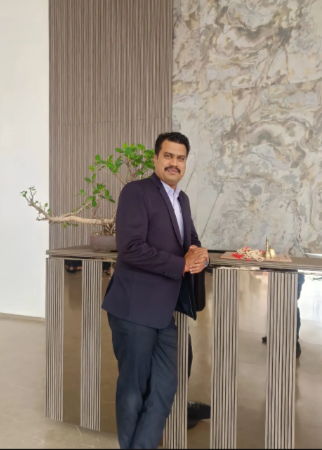
Exclusive Interview | Chef Shriram Rajendran: From Paris to India’s Evolving Foodscape
/“Humility and consistency are the unsung ingredients that make a chef last in this industry.” - Chef Shriram Rajendran
Read More“Humility and consistency are the unsung ingredients that make a chef last in this industry.” - Chef Shriram Rajendran
Read MoreWe don’t just serve meals; we craft moods.
Read MoreTo stay in the game focus on being Simple and Realistic -Amar Nath Pandey
Read More
Chef Hardeep Singh
To thrive in modern Indian cuisine, a chef must blend tradition with innovation, reinvent boldly, and master every detail with precision and craft.
How did it all start? Share your culinary journey with us.
From a young age, I was fascinated by the magic of turning simple ingredients into extraordinary dishes. Helping my mother in the kitchen, I not only learned recipes but also absorbed the rich stories of tradition and culinary curiosity that fueled her cooking. Those early experiences sparked a lifelong passion. As I moved from our home kitchen to culinary school and into professional kitchens, I dove deep into technique, flavor theory, and artistic expression. Working alongside inspiring chefs in fast-paced restaurants, I honed the discipline of the craft while nurturing a spirit of creativity.
Today, my cuisine offers a contemporary take on Indian food—merging regional roots with global methods and elegant plating. Each dish I create is more than a meal; it’s a conversation between cultures, a celebration of identity, and an invitation to connect through flavor and feeling.
What are your earliest memories of the kitchens you worked in?
My most formative culinary memories come from the high-energy, fast-paced environment of my training days, where the sizzle of pans, the sharp directives, and the relentless rhythm of the kitchen became second nature. One moment I’ll never forget was assisting a senior chef with mise en place. What seemed like routine chopping quickly revealed itself as a deeper lesson in discipline, collaboration, and a profound respect for every ingredient. The first time I plated a composed dish—a simple salad—marked a pivotal shift. The meticulous feedback, the focus on presentation, and the understanding that each plate conveys a story ignited my pursuit of precision and creativity. Those early experiences continue to shape the way I guide young chefs and constantly push the boundaries of what’s possible in the kitchen.
A dish your patrons/guests love
One dish that never fails to captivate guests is my Namak Mandi Lamb Chops paired with Black Mutton Curry. Together, they serve as a flavorful bridge—from the rich culinary heritage of undivided Punjab and Peshawar’s love for barbecue to the coastal influences of Maharashtra and the nostalgic flavors of old Bangalore. The lamb chops are a celebration of simplicity—juicy meat wrapped in crisp, rendered fat, marinated just enough to let the natural flavor of the lamb shine. The dish carries with it the essence of Peshawar’s smoky street grills and their deep-rooted barbecue culture. In contrast, the Black Mutton Curry is bold and layered, with Kothmiri spice delivering an umami-rich depth that reflects a fusion of regional
traditions. Both dishes are grounded in familiarity yet finished with a progressive Indian touch. Seeing guests experience the unexpected harmony of these flavors, rooted in history but presented with a modern edge, is incredibly fulfilling.
A dish that you love but do not have on your menu.
A dish that holds a special place in my heart, though it hasn’t made it to my menu yet, is my family’s Atta Chicken. Prepared using time-honored layering techniques and slow-cooked in a dough-sealed vessel, it’s more than a recipe—it’s a culinary heirloom. Each bite tells a story, rich with tradition: tender, marinated chicken infused with saffron, caramelized onions, and deeply aromatic spices. One day, I hope to reimagine it with a modern twist—perhaps through deconstruction or refined plating—to share its legacy with a wider, global audience.
What, according to you, does it take to become a successful chef?
To succeed in the evolving world of modern Indian cuisine, a chef needs to thoughtfully and creatively combine the old and the contemporary; they must be curious enough to reinvent traditions. To ensure that every detail, from ingredients to presentation, is carried out with care, precision, and attention to craft is crucial. Chefs who possess these qualities can endure the rigors of a tough profession. They can adjust to new methods and trends since lifelong learning keeps their knowledge and abilities current. Innovation under pressure characterizes their capacity to flourish and produce in high-stakes, fast-paced settings, while a collaborative mentality allows them to develop via shared experiences and varied viewpoints.
Mastering the technique is only part of it. The real art is in storytelling, conveying emotion, memory, and identity through food.
What advice would you give to a young culinary student?
To young culinary students diving into Indian cuisine with a modern outlook: begin by mastering your fundamentals—knife skills, tempering, doughs, and the art of masalas. Train your palate by exploring regional variations of the same dish, and stay humble by learning from every mistake. Let curiosity guide you into the world of fermentation, ancient grains, and global techniques. Seek out diverse mentors to broaden your perspective, develop patience, and cultivate a personal style. Above all, build a voice that honours tradition while boldly pushing the boundaries of innovation.
Also, embrace feedback, keep an organized mise, and build connections in the industry. Your story is your strength.
What instruments/ equipment/devices you cannot imagine working without?
When crafting progressive Indian dishes, my top five tools are indispensable. A tadka pan is crucial for layering flavor through tempering, often elevated with bold additions like citrus zest or smoked spices. A high-speed grinder or the traditional sil batta helps create dynamic spice blends and pastes with global influences. For precision, a sous-vide circulator is ideal, allowing Indian marinades to infuse proteins deeply. The dosa tawa remains unmatched, not just for dosas but also for achieving perfect textures in crisp lentil tuiles. And for slow-cooked depth, a clay pot or Dutch oven brings out the richness in dishes like biryani or dal, while embracing a modern touch.
These tools allow me to honor tradition while pushing the envelope.
Your favorite ingredient is…
If I had to choose a single spice that defines my culinary personality, it would be cardamom. Its versatility—from the delicate green pods in desserts to the smoky boldness of black cardamom in savory dishes—makes it a cornerstone of both heritage and innovation.
I’ve used it in everything from modern cocktails and foams to infused oils and marinades. It’s a spice that speaks to complexity and nuance—the very essence of progressive Indian cooking.
What books should every chef read?
For anyone passionate about Indian cuisine and its modern evolution, these five books offer invaluable insight and inspiration. “Barkat” by Chef Vikas Khanna beautifully captures the essence of regional flavors and the soul of community kitchens. Madhur Jaffrey’s “The Essentials of Indian Cooking” is essential reading for mastering techniques and understanding spice profiles. Pushpesh Pant’s “India: The Cookbook” provides a comprehensive panorama of India’s diverse culinary heritage, while Mallika Basu’s “Masala: Recipes from India’s Streets, Markets & Railways” delivers vibrant, street-inspired recipes perfect for contemporary reinterpretations. For a deeper dive into a nuanced tradition, Pushpesh Pant’s “Dum: The Bold Flavors of India’s Brahmins” uncovers bold flavors and lesser-known culinary wisdom.
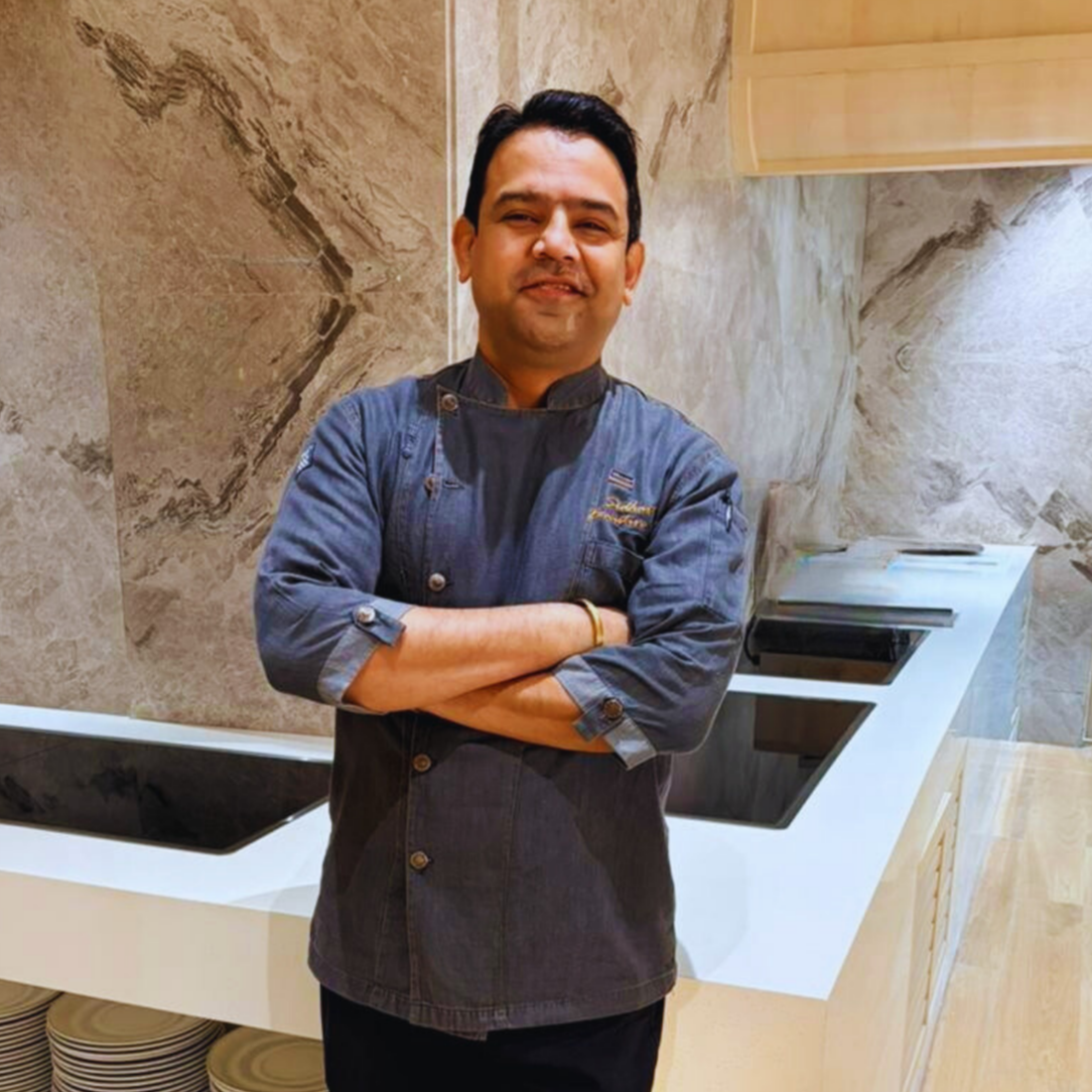
“Success as a chef today is defined by a commitment to constant evolution—you must remain a student of your craft while inspiring your team to grow.”- Chef Sidharth Bhardwaj
Becoming a successful chef requires far more than just knowing how to prepare recipes; it takes discipline, dedication, commitment to excellence, respect for ingredients and culinary traditions
chef Sumit
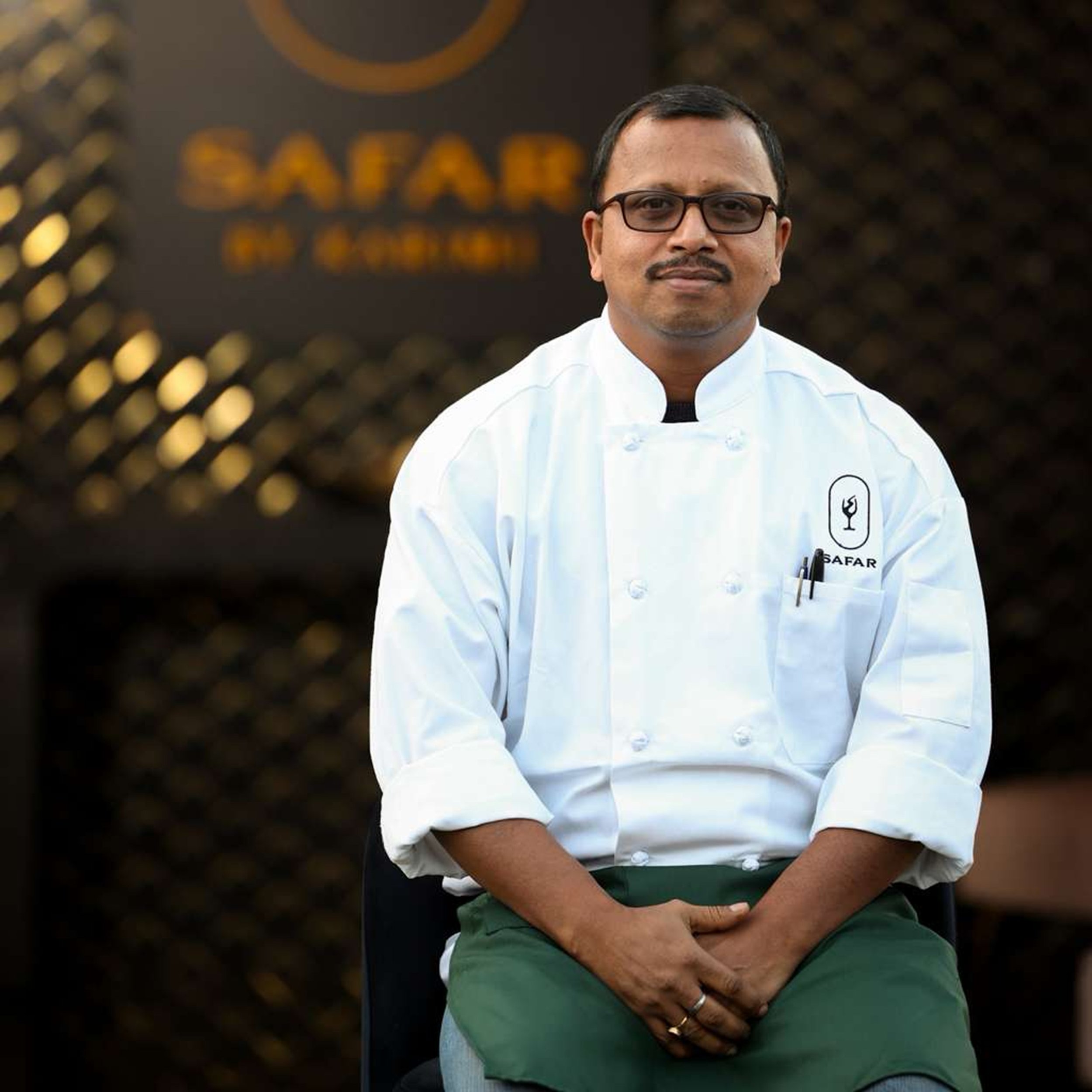
Chef Amarjeet Singh Thakur is a seasoned Indian culinary expert with over 25 years of experience, specialising in traditional tandoor, Mughlai and regional North Indian cuisine. Chef Amarjeet is currently working as Chef de Partie (CDP) – BBQ at SAFAR by Karimi in Cupertino, California, where he brings authentic Indian grilling techniques to a global audience. With multiple recognitions — including “Employee of the Year” and media highlights for his ‘down-to-earth rustic Punjabi cuisine’ — Chef Amarjeet continues to champion traditional Indian cooking methods, especially tandoor and charcoal-based BBQ.
Celebrate every win – no matter how small. Whether it’s a team member getting a 5-star review or a successful upsell, acknowledge it publicly. This creates a positive culture of appreciation and continuous learning.
Read MoreThe session I’d design wouldn’t just teach recipes—it would instill values, build strong foundations, and shape future chefs who are thoughtful, skilled, and proud of their craft.
Read MoreLooking at the hospitality sector, I believe two significant areas need to advance: first, a stronger industry dedication to sustainable practices that extend beyond superficial efforts and truly reduce our environmental impact. This isn't solely about attracting environmentally conscious travelers; it's about our duty to safeguard the places we operate for generations to come.
Read MoreAs events become more immersive and personalized, catering plays a vital role in setting the tone, telling a story, and creating lasting impressions.
We’re seeing catering evolve into a form of event design in itself, where presentation, flavor, service, and ambiance are fully integrated.
Read MoreI truly enjoy mentoring the next generation of hospitality professionals. Whenever I travel to our hotels, I make it a point to engage with the on-ground teams, sharing practical insights and lessons drawn from real-world project challenges and solutions.
Read MoreIt’s not just about the food moreover, it’s about creating an experience that feels authentic and personal. Adventure teaches you to stay calm under pressure and take calculated risks, which helps me make better decisions at BHPL.
Read MoreIn essence, an ideal hospitality professional is someone who combines skill, dedication, and a genuine sense of care.
Read MoreSustainability is not a buzzword—it’s a responsibility. At The Orchid, we align our sales narratives with the hotel’s eco-conscious philosophy.
Read MoreAt dhi Hospitality, we help hotels translate data into practical, forward-thinking strategies, combining analytics with real-world expertise to drive sustainable growth and stronger market positioning.
Read MoreBy combining nature, innovation, and sustainability, your venture can offer luxurious stays that highlight the best of India while contributing to local economies and protecting the environment.
Read MoreConsumers demand personalized dining experiences, customization based on taste preferences, dietary habits, and convenience. Chefs must continuously adapt, fine-tune their skills, and create handcrafted, memorable gourmet flavors. The ability to balance innovation with consistency is key.
Read MoreIn the early days, I was just passionate—I wasn’t yet experienced. I trusted the wrong advisors, hired the wrong teams, spent money where I shouldn’t have, and ignored my gut. The result? A heavy financial hit and a lot of emotional turmoil. But those were also the most powerful years of learning.
Read MoreSuccess isn’t just about talent; it’s about having the right people in your corner.
Read MoreHospitality today is undergoing a significant transformation from product-centric to emotionally resonant experiences. Guests no longer seek mere accommodation; they desire belonging, identity, and emotional connection.Striking the right balance between tradition and innovation is key. Tradition offers familiarity, cultural richness, and authenticity, while innovation introduces creativity, modern techniques, and excitement. Curate experiences that honor the cultural and culinary heritage of each destination.
Read MoreSay cheers to NATURAL & NO to CHEMICALS!
Read Moreeverything hospitality
only hospitality
Where the hills slow you down and hospitality invites you to stay a little longer.
Set against the misty landscapes of Hatgad, just beyond Saputara, this feature explores a resort that is as much about place as it is about property. From mountain-facing rooms and expansive wellness experiences to its distinctive all-vegetarian culinary philosophy, the story examines how Radisson Resort Hatgad Saputara blends contemporary luxury with the quiet rhythm of the Western Ghats. More than a getaway, it is a study in how nature, design, and thoughtful hospitality come together to create a destination that feels both restorative and memorable.
Revel isn’t selling trips, it’s designing life-changing stories.- Mr Sahil Wahid