Business of Experience Perspective – Prajwal Lokesh, Founder & CEO, Chin Lung Brewery

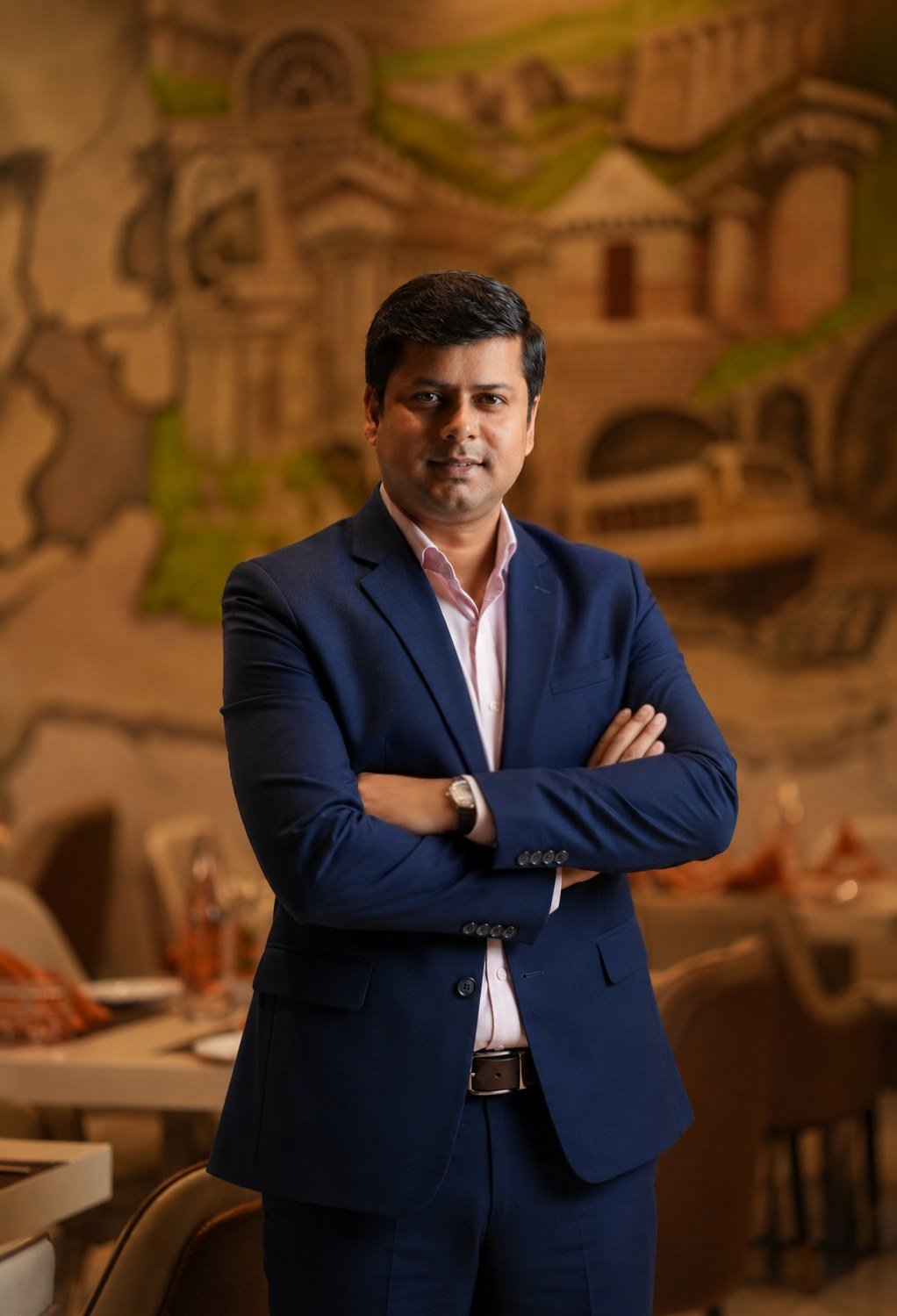
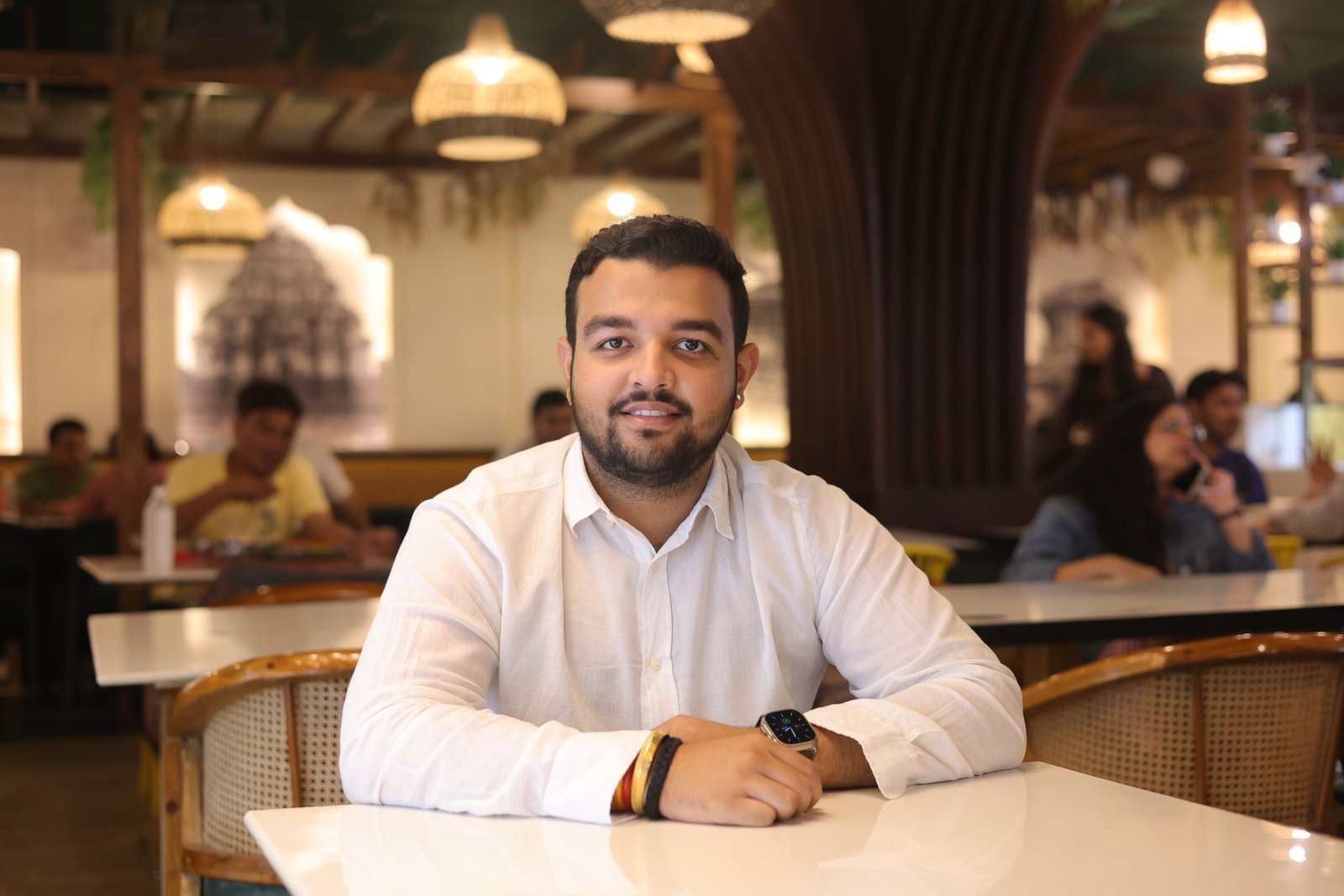
Chin Lung Brewery began as a Bengaluru community bar in 1960 and has grown into a craft brewing brand, opening its largest outlet, a 15,000 sq ft venue in Marathahalli, in 2025. For Hospemag’s Business of Experience series, Founder & CEO Prajwal Lokesh shares how he thinks about guest experience.

**Q: What are the small details that guests may never consciously notice but that fundamentally change an experience?**

The details that have the greatest impact are often the ones guests never consciously register. It could be the way a guest is welcomed, whether the team remembers their usual drink, how quickly a table is cleared without making them feel rushed, or whether the music evolves naturally as the evening progresses. Even things such as lighting, room temperature, table spacing and the pace between courses can influence how comfortable someone feels.

At Chin Lung, we believe hospitality is built through these small signals of attentiveness. A guest should feel looked after without feeling watched. The best service is often intuitive rather than intrusive. It is about understanding when to engage, when to give people their space and when to step in before they have to ask.

These details create a sense of ease, and ease is often what turns a good meal or drink into an experience people remember. When these moments happen consistently, they become part of the character of the place rather than simply being a service protocol.

**Q: Where should technology disappear completely from the guest experience?**

Technology should disappear wherever it begins to interfere with human connection. Hospitality is ultimately about people, conversation and shared experiences, so technology should support the experience in the background rather than become the experience itself.

There are many areas where technology can make operations more efficient, from reservations and inventory management to payments, guest preferences and service coordination. These systems are valuable because they allow teams to be more informed and responsive. However, the guest should not feel that they are interacting with a system when they are meant to be interacting with people.

At the table, technology should never replace attentiveness. A digital ordering system can improve efficiency, but it cannot replicate a bartender understanding what a guest might enjoy or a server recognising when a table needs another drink without interrupting their conversation. The ideal use of technology in hospitality is almost invisible. If it makes the experience smoother without demanding the guest's attention, it is doing its job.

**Q: How do you design for anticipation before the guest even arrives?**

Anticipation begins long before someone walks through the door. It starts with what they see, hear and understand about a place before they visit. The communication around a venue, the way the menu is presented, the visual identity, the reservation journey and even the tone of a confirmation message all contribute to the expectations a guest develops.

But anticipation should not mean overpromising. The experience needs to deliver on the promise created before arrival.

For us, design is not simply about interiors or aesthetics. It is about designing a journey. What does a guest feel when they first hear about the place? What happens when they make a reservation? How are they welcomed? What do they notice when they sit down? How does the energy of the space change through the evening? And, importantly, what do they remember when they leave?

At Chin Lung, we want that journey to feel natural rather than overly choreographed. The objective is to create enough anticipation to make people curious, while leaving enough room for discovery once they arrive.

**Q: What is one experience at your property that could only exist in that particular place?**

Every hospitality space should have something that is inseparable from its location. A successful venue cannot simply be transplanted from one city to another and remain the same, because hospitality is shaped by its surroundings, its people and the community it becomes part of.

For Chin Lung, this is particularly important as we grow. We do not believe that every outlet needs to look or feel identical. Certain principles should remain consistent, particularly the warmth, quality and spirit of the brand, but each location should have its own character.

The most meaningful experiences emerge when a venue responds to the place around it. That could be reflected in the music, the rhythm of service, the food and beverage programme, the people who work there or the way the space interacts with its neighbourhood. What makes a place memorable is often the feeling that it belongs there. We want each Chin Lung to feel like a part of its community rather than a concept that has simply arrived in it.

**Q: What is one thing the hospitality industry still does not understand about creating memorable experiences?**

I think the industry sometimes places too much emphasis on creating memorable moments when what guests actually remember is how consistently a place made them feel.

There is a tendency to think that memorable hospitality requires something dramatic or highly visual. In reality, people often return because of much simpler things. They felt comfortable. Someone remembered them. The service felt effortless. The music was right. They could stay for another drink without feeling rushed. They felt welcome. A memorable experience is therefore not necessarily about creating a story that the guest will tell everyone the next morning. It can be about creating a place they instinctively want to return to.

For Chin Lung, that sense of belonging is particularly important. Our ambition is for guests to eventually stop feeling like customers and start feeling like regulars, even if they have not visited for some time. That is much harder to manufacture than a moment, but it creates a far stronger and more enduring relationship between a hospitality brand and its guests.

**Q: How do you build a culture where employees actively look for opportunities to create better experiences?**

It starts with giving people ownership rather than simply giving them a checklist of tasks. Service standards and processes are important because they create consistency, but great hospitality cannot be reduced to a manual.

Our teams need to understand not only what we expect them to do, but why it matters. When employees understand that remembering a guest's preference, noticing that someone needs assistance or giving a little extra attention can change someone's evening, they begin to recognise opportunities themselves. We also believe the culture has to work from the inside out. It is difficult to ask employees to create warmth for guests if they do not experience trust, respect and support within their own workplace. A strong hospitality culture therefore begins with how we treat our teams.

As we grow, one of our priorities is to protect that sense of ownership. We want our people to feel confident enough to make thoughtful decisions rather than constantly waiting for instructions. The best hospitality often happens in moments that no manager has planned. Ultimately, our teams are not simply serving food and drinks. They are creating an environment where people feel comfortable, recognised and welcome. When that becomes part of the culture rather than just a service standard, better experiences happen naturally.

Business of Experience Perspective – Sumedha Mahajan, Founder, Brakefree Cafe

Sumedha Mahajan is the founder of [Brakefree Cafe](https://www.hospemag.me/cms/brakefree-cafe-a-quiet-new-spot-to-eat-read-and-unwind-in-pali-hill), which sits inside a bookstore in Pali Hill, Bandra. A Forbes-listed author, long-distance runner and former national-level lawn tennis player, she sees hospitality as creating spaces that make people feel better than when they walked in. With Brakefree, she brings together her belief in mindful living, good food and the simple joy of slowing down. For Hospemag’s Business of Experience series, she shares her thoughts on designing experiences that feel genuine, purposeful and memorable.

**Q: What separates a good hospitality experience from a truly memorable one?**

A good experience satisfies you, but a memorable one stays with you. At Brakefree, we want people to remember how they felt in the space, whether it was enjoying their favourite coffee with a book, having an unhurried conversation or simply finding a quiet moment for themselves.

**Q: How do you build a culture where employees actively look for opportunities to create better experiences?**

It starts with making them understand that hospitality is about serving people, not just serving food. At Brakefree, our philosophy of ‘Kaar Seva Bhaav’ encourages the team to look at every interaction as an opportunity to make someone’s day a little better.

**Q: What is the difference between an experience that creates value for the guest and one that simply creates cost for the operator?**

The difference is purpose. If something genuinely improves the guest’s experience, it creates value. If it is done only because it looks impressive or follows a trend, it can quickly become an unnecessary cost.

**Q: How do you turn local culture, food, people and stories into genuine experiences rather than staged attractions?**

You have to let the place speak for itself. At Brakefree, the bookstore is a natural part of the experience. There is no need to manufacture a story when people can genuinely browse books, sit down with coffee and spend time in a way that feels natural.

**Q: Will the future of hospitality be about increasingly elaborate experiences or increasingly simple ones?**

I think there will always be room for both, but simplicity is becoming increasingly valuable. People are constantly surrounded by noise and stimulation. Sometimes, a good coffee, a comfortable space and a book are all you need.

**Q: How much should an experience be scripted, and where should employees have the freedom to improvise?**

The basics should be consistent, but warmth cannot be scripted. Employees should have enough freedom to respond naturally to the person in front of them. That is where genuine hospitality happens.

**Q: How much of the guest experience ultimately depends on the employee delivering it?**

A great deal. You can design a beautiful space and create a thoughtful menu, but the person interacting with the guest brings all of it to life. Hospitality is ultimately human.

**Q: How do you determine whether an experience is generating real business value?**

Of course, sales and repeat visits matter, but I also look at whether people choose to stay longer, return with friends or recommend the space. When people want to come back, you know you have created something meaningful.

**Q: What role will AI play in the future of experience design?**

AI can help us understand preferences, improve efficiency and personalise certain aspects of hospitality. But it cannot replace human warmth. The best use of technology is to support the experience, not become the experience.

**Q: How do you design for anticipation before the guest even arrives?**

By creating a clear sense of what the place stands for. When someone hears that they can walk into a bookstore, pick up a book and enjoy it with their favourite coffee and small bites, they already begin imagining the experience.

**Q: Can experiences be measured in commercial terms, and if so, what should we actually be measuring?**

Yes. Repeat customers, dwell time, average spends, referrals and customer feedback are useful indicators. But hospitality also has a less tangible measure: whether people genuinely enjoyed being there.

**Q: Which moments in the guest journey deserve the most attention?**

The first impression, the welcome and the final interaction are particularly important. But I also think the quiet moments in between matter. Is the guest comfortable? Do they have what they need? Are they enjoying their time without feeling rushed?

**Q: What are the small details that guests may never consciously notice but that fundamentally change an experience?**

The pace of service, the cleanliness, the music, lighting, how a table is set and, most importantly, how someone is spoken to. Guests may not consciously identify these things, but they definitely feel them.

**Q: Has personalisation genuinely improved hospitality experiences, or has it sometimes made them feel more transactional?**

Personalisation works when it feels thoughtful rather than calculated. Remembering someone's preferences can make them feel valued. But if every interaction feels like data being used to sell something, the warmth disappears.

**Q: Has the hospitality industry overused the word ‘experience’ to the point that it has lost some of its meaning?**

Perhaps. Experience has become a very broad word. For me, it is much simpler. It is about how a guest feels during and after their time with you.

**Q: Can genuine warmth and hospitality be trained, or can you only train the behaviours around it?**

You can train behaviours, but genuine warmth comes from within. What you can do as an operator is create a culture where kindness, attentiveness and respect are valued every day.

**Q: What is one shift that you think the industry is underestimating?**

I think we are underestimating the value of slowing down. People are increasingly looking for spaces where they can disconnect from constant stimulation. Hospitality does not always have to entertain us. Sometimes it should simply give us room to breathe.

**Q: What happens when the employee experience and guest experience are out of sync?**

Guests feel it immediately. If employees are stressed, disengaged or unhappy, it eventually reflects in the service. Taking care of your team is therefore not separate from taking care of your guests.

**Q: How important is a property's sense of place in creating an experience that cannot easily be replicated elsewhere?**

It is extremely important. A sense of place gives a property its identity. At Brakefree, being part of a bookstore in Pali Hill is not just our location. It is a fundamental part of what the experience is. You can enjoy a coffee anywhere, but enjoying it while surrounded by books creates a very different feeling.

Designing Meaningful Guest Experiences: Insights from Mr. Gaurav Shiva

Is an experience something you can deliberately design, or does the best of it happen organically?

I believe the best experiences are both designed and allowed to unfold organically. As hoteliers, we can design the environment, anticipate guest needs, create thoughtful touchpoints and ensure that every operational detail works seamlessly. But we cannot script the emotional response of a guest.

Some of the most memorable moments happen spontaneously—a conversation with a member of the team, a thoughtful gesture that comes at exactly the right time, or a guest discovering something unexpected about the destination. Our responsibility is therefore to create the right conditions for those moments to happen.

Good experience design provides the framework; genuine human interaction gives it life. The objective should never be to choreograph every moment, but to remove friction, create possibilities and empower our teams to respond naturally to individual guests.

What role will AI play in the future of experience design?

I see experience design as creating the architecture within which memorable moments can happen, rather than trying to script those moments. A hotel can deliberately design every element that shapes a guest’s journey—the arrival, the physical environment, the service philosophy, the pace of interaction, the sensory details and the way teams anticipate needs.

But the emotional impact of that journey will always remain personal and, to an extent, unpredictable. This is where the leadership of a hotel becomes important. Our responsibility is not simply to create beautiful touchpoints, but to build an ecosystem in which our people have the confidence, information and freedom to respond to what is happening in front of them. A guest may remember the room, the food or the design, but often what stays with them is something that was never part of the original plan—a team member remembering a small preference, an unexpected recommendation or a moment of genuine conversation.

I therefore believe experience design should have both structure and flexibility. The structure ensures consistency and quality; the flexibility allows individuality and spontaneity. When we try to control every interaction, hospitality can start feeling rehearsed. When there is no structure, the experience can become inconsistent. The real craft lies in finding that balance—designing the journey carefully enough to create confidence, while leaving enough space for the human moments that make a stay truly memorable.

Where do you begin when designing a guest experience — with the guest, the destination, the story, or the business objective?

I would begin with the guest, but not simply by asking what the guest wants. The more important question is: what should the guest feel, remember and take away from the experience? That shift in perspective is critical because experience design is not about accumulating amenities or touchpoints; it is about creating a coherent journey with a clear purpose.

From there, I look at three things simultaneously—the guest, the destination and the identity of the hotel. Understanding the guest tells us what is relevant to them; understanding the destination tells us what is distinctive and meaningful; and understanding the hotel’s own identity tells us what we can deliver with credibility and consistency. The business objective then has to sit within this framework, ensuring that the experience is not only desirable but operationally sustainable and capable of creating long-term value.

For a hotel in Mumbai, this becomes particularly interesting because the city itself is such a powerful part of the guest experience. Its diversity, culinary culture, energy, business ecosystem and contrasts offer a wealth of stories and experiences. But the answer is not to simply put “Mumbai” into the hotel through decorative elements or curated activities. The destination needs to influence the experience in a way that feels natural and relevant to the guest.

Where can technology make an experience significantly better?

I think the real opportunity with technology is not simply to digitise existing hospitality processes, but to fundamentally improve how a hotel understands and responds to its guests. The most valuable technology is the kind that allows us to move from being reactive to being anticipatory.

A guest journey generates a tremendous amount of information—from booking patterns and stated preferences to dining choices, frequency of visits and interactions with different hotel services. When this information is brought together responsibly, it can help a hotel understand the guest more holistically and enable teams to personalise the experience with much greater relevance. Instead of offering the same journey to everyone, we can increasingly create experiences that respond to individual needs while maintaining operational consistency.

Technology can also transform what happens behind the guest-facing experience. For a hotel, excellence depends on hundreds of operational decisions happening at the right time—room readiness, housekeeping, maintenance, food production, inventory, staffing and coordination between departments. Intelligent systems can connect these functions, identify patterns and enable teams to act before a small issue becomes a guest-facing problem. That has a direct impact on both efficiency and service quality.

I also believe technology will increasingly change the role of the hotel employee. If automation can take away repetitive administrative tasks and provide teams with better information, our people can spend more time on conversations, problem-solving and personalised service—the areas where human judgement matters most.

Ultimately, technology should not be measured by how much of the guest journey we can digitise. It should be measured by how much better we can make the journey because of it. The strategic opportunity lies in using technology to create greater relevance, anticipation and consistency, while ensuring that the human connection remains at the centre of hospitality.

Can genuine warmth and hospitality be trained, or can you only train the behaviours around it?

I would say that we can train people to deliver service, but we cannot train someone to genuinely care in the same way that we train a technical skill. Over three decades in hospitality, I have come to realise that memorable hospitality is created at the intersection of capability, culture and character.

Every aspect of service has a learnable dimension. We can train a team member on how to welcome a guest, read a situation, communicate effectively, handle a complaint, understand the product, anticipate requirements and maintain consistency. These disciplines are essential because genuine warmth without operational competence can still result in a poor experience. A guest may appreciate the intention, but ultimately expects the hotel to deliver.

The deeper dimension, however, comes from the culture of the organisation. When people feel respected, trusted and empowered, they are far more likely to take ownership of a guest's experience rather than simply perform a prescribed task. This is particularly important in a hotel because hospitality happens across hundreds of small interactions and functions—front office, housekeeping, engineering, food and beverage, security, stewarding and the many teams working behind the scenes. A guest may never see most of these people, but their work collectively determines how the hotel feels.

This is where leadership has a significant role to play. A GM cannot create a culture of hospitality simply through training programmes. It has to be demonstrated consistently in how we treat our own people, how we respond to mistakes, how we recognise initiative and how much trust we place in our teams to make decisions.

I also believe that genuine hospitality comes from giving people permission to be human. A scripted interaction may be technically perfect, but the most memorable moments often come when an employee listens a little longer, notices something that has not been said, takes ownership of a problem or simply makes a guest feel seen.

So, can warmth be trained? We can certainly create the environment, behaviours and leadership systems that encourage it. But genuine care ultimately has to come from within the individual. Our responsibility as hoteliers is to identify people who possess that instinct, develop their capabilities and build a culture where they have the confidence and freedom to express it.

That, to me, is the difference between delivering service and creating hospitality.

Where is the line between storytelling and manufactured authenticity?

The line is crossed when the story becomes more important than the reality behind it. In hospitality, storytelling should not be something created only by the marketing team; it should emerge from the product, the people, the destination and the choices we make as an organisation.

As hoteliers, we need to ask ourselves three questions: Is the story true? Is it reflected in the guest experience? And are we adding genuine value to the culture or community we are representing? If the answer to any of these is no, we need to reconsider the narrative.

Authenticity also does not mean simply recreating the past. The role of a hotel is often to interpret a destination for a contemporary traveller while protecting its essence. We can innovate in how we present a story, but we should never distort its substance for commercial appeal.

Ultimately, a good story should survive without the marketing around it. If the guest can feel the story through the food, people, service and experience itself, it becomes authentic hospitality rather than manufactured authenticity.

Renuka’s Guide to Experiencing Africa Beyond the Safari

1.What are the key types of journeys or experiences you currently curate for travellers across Africa?
Africa with Renuka curates personalised journeys that go beyond conventional safaris, including:
● Bush safaris and game drives, guided walking safaris, night drives and boat safaris
● Gorilla, chimpanzee and golden monkey tracking
● Hiking expeditions to Mount Kilimanjaro and Mount Meru
● Scuba diving and snorkelling along the Indian Ocean coast and islands
● Seasonal rafting and catch-and-release fishing
● Hot-air ballooning, helicopter rides and wilderness sleepouts
● Luxury train journeys
● Coffee plantation and vineyard experiences
● Culinary experiences in Morocco and meaningful cultural interactions
Journeys are curated for solo travellers, couples and families, multi-generational families,
honeymooners and small groups of friends.
2.What kinds of experiences do you offer beyond conventional safaris?
Africa offers a diverse range of experiences beyond the traditional game-drive safari. Depending on the
destination and traveller interests, these can include hiking Mount Kilimanjaro or Mount Meru, scuba
diving and snorkelling along the Indian Ocean, culinary experiences in Morocco, and meaningful
interactions with local communities that can sometimes extend to volunteering.
The idea is to experience Africa through its landscapes, people, cultures and activities, rather than view
it only through the lens of wildlife.

3.How do you typically personalise a journey for each traveller? What do you consider when putting
an itinerary together?
I often see two kinds of travellers drawn to Africa: those for whom an African safari has been a long-
cherished, once-in-a-lifetime dream, and those who have already experienced the continent and return
because they have developed a deeper emotional connection with it. I enjoy curating for both.
My starting point is always understanding the traveller. I look at their previous travel experiences, what
they enjoyed or found disappointing, their food preferences, fitness levels, hobbies, accommodation
preferences and what their everyday routine looks like.

I then build the itinerary around these insights, while also considering destination-specific factors such as
topography, weather, altitude and water levels. Preparing travellers for the realities of the wilderness is
equally important, particularly because wildlife sightings and natural conditions cannot be predicted.
I also encourage travellers to make informed decisions rather than rush into a booking. Depending on
the destination, I recommend planning six to 18 months in advance, as many properties have limited
inventory.
When planning a holiday, the first thing you are pledging is your time. My endeavour is to ensure that
travellers get the best possible value from that time and their resources, while still leaving enough room
for the unexpected.
I also deliberately avoid overloading travellers with facts about wildlife before they arrive. I encourage
them to ask their driver-guide questions on the ground and discover those details for themselves. The
element of wonder is something I like to preserve.

4.Are there any particular destinations, properties or experiences that best represent what Africa with Renuka offers?
Destinations: Raw, remote and rare places that offer a sense of calm even when surrounded by the
wildest of environments. Africa has many such places where the nights unfold under deep, star-filled
skies.
Properties: Places that are intuitively built with local materials and by local hands, where hospitality feels spontaneous and genuine rather than scripted.
Experiences: Those that are moving enough to make me pause — whether it is a wildlife encounter, a
landscape, a cultural interaction or simply a quiet moment in the wilderness.

How Branded Residences Are Redefining What “Home” Means in Urban India

How Branded Residences Are Redefining What “Home” Means in Urban India

Sandeep Ahuja, Managing Director of Atmosphere Living and One Atmosphere, on how branded residences are reshaping urban Indian homes through hospitality-led service, design and operational consistency.

Read More

The Business of Experience: McDaniel, CHA, on Creating Meaningful Guest Experiences in Hospitality

1. How much of an experience is about what happens and how much is about how the guest feels?

The guest remembers the feeling longer than the sequence of events. A perfectly clean room is expected. A technically correct check-in is expected. What sticks is whether somebody noticed you were exhausted, fixed a problem without making you fight for it, remembered why you were there, or simply made the place feel easy. Hotels can become so focused on executing the checklist that we forget the checklist is not the experience. It is the price of admission.

2. Where should technology disappear completely from the guest experience?

Everywhere the guest should be dealing with a person. Technology should remove friction, not hospitality. Use it to eliminate paperwork, speed up requests, organize information and help employees know what they need to know. But if I have to scan three QR codes, download an app and argue with a chatbot to get a towel, we have not innovated. We have outsourced the front desk to the guest.

3. What is one mistake hospitality businesses make when trying too hard to design an experience?

Trying to make every moment memorable. Nobody wants a theatrical production every time they walk through the lobby. Great hospitality creates the conditions for memorable moments and then gives good people enough freedom to recognize them. Some of the best guest experiences I have seen in 38 years were not in a brand standard, an SOP or a marketing deck. An employee simply paid attention.

4. What is the difference between an experience that creates value for the guest and one that simply creates cost for the operator?

The guest has to notice it — or at least feel it. Hotels spend astonishing amounts of money on things that photograph beautifully and contribute almost nothing to the stay. Meanwhile, a fast cup of coffee, a room ready when promised, a bartender who remembers your drink, or an engineer who fixes the air-conditioning quickly can create enormous value at very little cost. Experience is not synonymous with expense.

5. Can AI create meaningful personalization, or will the most memorable moments always require human intuition?

AI can make the employee smarter and faster. It can surface preferences, recognize patterns and remove a lot of administrative work. But knowing that a guest ordered Chardonnay last time is data. Knowing that tonight may not be the night to mention it is hospitality. I am bullish on AI behind the curtain. I am much more cautious about putting it between the guest and the person who should be taking care of them.

6. What will guests expect five years from now that they do not necessarily expect today?

Less friction and more humanity. That sounds contradictory, but I think it is exactly where we are headed. Guests will expect the transactional parts of a hotel stay to become almost effortless. At the same time, as technology becomes more common everywhere else, genuine human attention will become more valuable, not less. The winning hotels will automate the things nobody came to a hotel to experience and protect the things only people can do well.

How to Change Restaurant Technology Without Disrupting the Guest Experience

A practical approach to protecting ordering, payment and fulfillment while a restaurant changes platforms. By Roman Moraru

Introduction

Guests rarely know which systems sit behind a restaurant's ordering experience. What they notice is simple: the menu accuracy, payment success, kitchen execution, and timely fulfillment. Technology migration becomes a guest-experience problem only when one of these connections breaks.

With GloriaFood scheduled to discontinue service on March 31, 2027, affected operators face a clear deadline. The same principles apply whenever a restaurant changes its ordering, POS, payment, loyalty, or delivery platform. The priority must always be protecting the service promise, with the software launch treated as just one part of that work.

1. Start with the Guest Journey

Feature comparisons alone don’t reveal where guest experiences can fail. Teams should map the journey from discovery to fulfillment:

  • Website or QR code entry

  • Menu and modifiers displayed

  • Address or pickup time selection

  • Payment process

  • Confirmation and status updates

Each step depends on accurate data flows—prices, availability, delivery zones, and order management. Mapping these dependencies creates a testable scope and prevents surprises after launch.

2. Define the Service Promise Before Configuration

Operators should agree on what guests must be able to do on day one:

  • Order from the correct location

  • Choose required modifiers

  • See accurate fees

  • Use expected payment methods

  • Receive realistic preparation times

  • Access support when an order changes

A migration guide can help inventory menus and integrations, but the restaurant’s own service model should set acceptance criteria. Design upgrades should never delay stable ordering and fulfillment.

3. Test the Exceptions Guests Remember

Standard orders prove little. The test plan should include:

  • Sold-out items

  • Declined cards

  • Edge-of-zone addresses

  • Scheduled orders

  • Refunds and cancellations

  • Delayed couriers

  • Allergy notes and substitutions

These scenarios reveal whether staff have enough information and authority to recover. Guests forgive explained delays, but unexplained failures erode trust quickly.

4. Train Staff Around Decisions

Training should follow real service decisions, not software screens:

  • Front-of-house: find orders, correct details, explain status

  • Kitchen: identify modifiers, unavailable items, routing issues

  • Dispatchers: reassign couriers, manage delays

  • Managers: pause ordering, issue refunds, escalate incidents

Role-based instructions and rehearsals prepare teams for exceptions and manual fallbacks.

5. Pilot One Controlled Part of the Operation

Start small—one location, one channel, or limited dayparts. Keep the old process available while testing:

  • Orders reach correct kitchen stations

  • Payments settle correctly

  • Staff resolve common exceptions

Track metrics like acceptance times, preparation delays, payment failures, refunds, and delivery issues. Early patterns can be fixed before full rollout.

6. Change Customer Entry Points in Sequence

Restaurants often overlook entry points: website buttons, QR codes, Google links, social accounts, emails, and printed materials. Each must be inventoried, updated, and tested.

Guest communication should be clear:

  • If action is required (new link, account, payment step), explain early.

  • If nothing changes, avoid unnecessary messaging that creates confusion.

7. Watch the First Week Closely

Assign owners for incoming orders, technical issues, and guest complaints. Daily reviews should cover:

  • Failed payments

  • Abandoned orders

  • Unusual preparation times

  • Refund requests

  • Support contacts

Keep the old platform accessible until all orders, payouts, and reports are reconciled. Then retire obsolete links and credentials securely.

8. Judge the Migration by Service Continuity

A successful migration may attract little attention—because everything works. Guests see the menu, pay smoothly, and receive their orders as promised. That quiet continuity is the true measure of success, built on deliberate mapping, testing, training, and monitoring.

Author Bio

Roman Moraru is the founder of Delivety, a food-tech SaaS platform for restaurant ordering and delivery operations. His work focuses on the systems that connect digital ordering, kitchen execution, and last-mile fulfillment.


Kushal Sharma on the Future of Hospitality: Creating Meaningful Experiences Through Simplicity, Personalisation and Human Connection

1.What is one thing the hospitality industry still doesn't understand about creating memorable experiences?

I think sometimes we try too hard to create an experience. We add too many things, when in reality, guests often remember the simplest things.

In Shimla, the weather and the surroundings already give us a lot to work with. A guest coming back from a cold evening may simply want a hot cup of tea, a warm room and some quiet time. That can be more memorable than something elaborate.

For me, good hospitality is about understanding what the guest needs at that particular moment and being ready for it. You cannot always plan these things in advance. A lot of it comes from the team being observant and responding well.

2.What are the small details that guests may never consciously notice but that fundamentally change an experience?

There are many. It can be something as simple as making sure the room is warm before the guest arrives, having an umbrella ready when it starts raining, or helping with luggage because the property is on a slope.

In Shimla, these small things become even more important because of the weather. Rain, cold and fog can change plans very quickly.

Even at breakfast, understanding that some guests may be leaving early for sightseeing and making sure they have something available makes a difference. These are things guests may not specifically mention, but they notice when they are done well.

3.How do you build a culture where employees actively look for opportunities to create better experiences?

I think it starts with giving people the freedom to use their common sense.

You cannot have a rulebook for every situation in a hotel. We encourage our teams to listen to guests and understand what they actually need rather than just following a fixed process.

For example, if a team member knows that a family has a young child, they should be able to communicate that across departments so that everyone can be a little more mindful. It doesn't always need to come from the manager.

A lot of our guest feedback is actually about the team. Guests remember a particular person who helped them, a chef who spoke to them or someone who went out of their way. For us, that is a very important part of hospitality.

4.What is the difference between an experience that creates value for the guest and one that simply creates cost for the operator?

For me, it comes down to whether the guest actually needs or values it.

You can spend a lot of money creating something that looks impressive, but if the guest doesn't really care about it, it doesn't add much value.

In Shimla, we already have the mountains, the weather, the local food and the character of the destination. Our job is not to compete with that. It is to make the most of what is already here.

At the same time, as an operator, we have to look at whether an experience can be delivered consistently. If something is very expensive or difficult to maintain and doesn't really improve the guest experience, then we need to rethink it.

5.How do you create experiences that feel unique to a destination rather than transferable from one hotel to another?

You have to spend time understanding the place you are operating in.

Shimla has its own character. The mountains, the weather, the old architecture, Himachali food and the local way of life are all part of what people come here for.

For us, the hotel should feel connected to that. It could be through the food we serve, the way we talk about the destination with guests, or simply giving them the right recommendations and helping them experience Shimla beyond the hotel.

I don't think you need to force local elements into everything. It has to feel natural. If a guest comes to Shimla and leaves feeling that they actually experienced something of Shimla, rather than just staying at a hotel here, then we have done our job.

6.What will guests expect from hospitality experiences five years from now that they don't necessarily expect today?

I think guests will expect hotels to understand them better without making the experience feel complicated.

Technology will definitely become a bigger part of hotels, especially when it comes to making things faster and easier. But I don't think people will stop valuing human interaction.

In fact, I feel genuine service will become even more important as more things become automated.

Guests will also be more conscious about sustainability. They will want to know that the hotel is being responsible with water, energy, waste and the local environment.

So I think the expectation will be a combination of convenience, personal attention and responsible hospitality.

7.How do you balance creating extraordinary experiences with the realities of cost, labour and operational complexity?

We have to be practical.

Every idea can sound good when you discuss it, but once you actually implement it, you have to look at the manpower, cost, training and whether the team can deliver it consistently.

For us, the first question is always whether it genuinely adds something for the guest. The second is whether we can execute it properly.

This is particularly important in Shimla because weather and logistics can sometimes be unpredictable. You cannot plan everything as if you are operating in a city where everything is easily accessible.

I would rather do a few things properly and consistently than introduce too many experiences that become difficult for the team to maintain.

8.Will the future of hospitality be about increasingly elaborate experiences, or increasingly simple ones?

I don't think it will be one or the other. It will depend on what the guest is looking for.

Sometimes guests want an elaborate experience, especially when they are celebrating something. At other times, they just want a comfortable room, good food, a quiet morning and a beautiful view.

In Shimla, we are fortunate that the destination itself gives guests a lot. You don't always need to fill their day with activities.

Sometimes letting a guest sit with a cup of coffee and enjoy the view is enough. I think hotels will increasingly understand that not every moment needs to be planned or filled with something.

9.What is one shift that you think the industry is underestimating?

I think we are underestimating how much guests still value genuine human interaction.

Hotels have become much more technology-driven, which is a good thing in many ways. But at the end of the day, guests still remember people.

They remember the person who helped them with their luggage, the chef who spoke to them at breakfast, or the team member who remembered something from an earlier conversation.

For us, especially in a destination like Shimla, the people and the place are equally important. The hotel can provide the room and the facilities, but the warmth of the team and the character of the destination are what make the stay feel different.

I think the future is not necessarily about doing more. It is about paying more attention to what guests actually value and doing those things well.

Why Artistic Collaborations Are Becoming Hospitality's Most Enduring Brand Assets By Mr. Jose Ramapuram, Executive Director - Marketing, Evolve Back

A hospitality brand can run a campaign, sign an influencer, and watch a dashboard update by the hour, and still have said nothing that lasts.
Getting noticed is one thing. Being remembered is another.

Artistic collaborations offer hospitality brands a way to build recognition that does not rely on constant repetition. Photography, art, film, and literature can capture the character of a place with a depth that a campaign often cannot, creating stories that remain relevant long after a campaign has ended. For hospitality brands, that distinction is increasingly important because the strongest brand associations are often built over time.

Artists as the Custodians of Narrative

A place, its history, its rhythms and the communities that shape it usually take more time to understand than a single campaign allows. A destination’s spirit is rarely captured in one caption or one shoot. Recognising this helps a hospitality brand choose the right medium for the story it wants to tell.


When hospitality brands collaborate with artists, photographers, filmmakers, and writers, they bring different ways of how a destination can be viewed into the brand's story. A photographer documenting wildlife across seasons can capture a depth that a single campaign shoot rarely can. A filmmaker can observe a local ritual over time, while a writer can uncover stories that usually sit outside the usual travel narrative. What begins as a creative project has the potential to eventually become a body of work that continues to represent the destination and the brand long after it is first published.


How Years of Documentation Became both an historical archive and a marketing asset

Luxury hospitality occupies a distinctive position in this conversation. These properties are rarely anonymous backdrops. They are deeply rooted in landscapes, cultures, and histories that predate their own existence. This gives luxury brands both the opportunity and the responsibility to interpret a place rather than simply occupy it.


That thinking shaped our approach to documenting the landscapes, wildlife, heritage, and communities around our properties in Coorg, Kabini, and Hampi through photography, art, and storytelling. What started as a documentation effort continued for close to two decades. Today, it forms the basis of a collector's coffee table book placed in guest rooms across all three resorts.


A photography series on regional wildlife, a film capturing local rituals, or a literary project exploring a destination's folklore can preserve an identity that belongs to the place itself, not just the brand documenting it. Done well, this kind of work protects something the destination and the brand both depend on.


Building Brand Equity Beyond the Campaign Cycle

There is also a clear business rationale behind this approach. Campaigns have a defined lifespan, while a strong piece of cultural storytelling can continue to find relevance years after it is created. A photograph, film, or artistic collaboration can be revisited by new audiences, become part of a property's identity, and even acquire meaning beyond the original campaign or brief. This longevity translates into genuine brand equity, building emotional recall that transactional marketing struggles to replicate, and forming associations that are felt rather than simply seen.


Guests may not remember the details of a seasonal offer, but a striking photograph or a story tied to their stay is often what stays with them.


However, this approach does require patience. Returns are not always immediate, and impact is harder to measure using conventional marketing metrics. The brands willing to wait gain a body of work that continues to represent them faithfully, independent of trends or algorithms. They cultivate relationships with creative practitioners who bring genuine expertise rather than borrowed relevance. And perhaps most importantly, they position themselves as custodians of the places they inhabit rather than temporary tenants passing through.

The brands that last are not necessarily the ones that communicate the most, but the ones that give people something to come back to. Artistic collaborations offer that possibility. They allow a brand to document, interpret, and celebrate a destination while creating cultural assets that can continue to grow in meaning over time. For luxury hospitality, where a sense of place is central to the experience, that may be the real advantage.


***

The Changing Role of a Chef: From Cooking to Managing an Entire Kitchen Ecosystem-Chef Hemant Singh Bohra 

The notion of a chef standing behind the stove, creating dishes and managing the cooking process is undergoing many changes. In modern times inside the restaurants, the job of a chef is much wider than just cooking delicious food. A chef is becoming more and more like a manager, counselor, planner, and even a guardian of a brand, responsible for the smooth operation of the entire kitchen ecosystem, says Chef Hemant Singh Bohra.

Managing the Kitchen Beyond Cooking

A modern chef must think not only about what is on the plate. There are many responsibilities of a chef which range from menu planning to inventory management to working with suppliers and tracking the cooking process. A chef must have knowledge of the costs of food, purchasing, hygiene, equipment and service time and also to keep the kitchen process running effectively from the beginning to the end of the day.

Keeping the Entire Kitchen Ecosystem in Sync

A kitchen in a restaurant operates as a well-functioning system in which the position of every worker is dependent on another employee. The chef must ensure that the ingredients reach the kitchen on time, that the preparation is finished before the food gets served, and that each working station is ready for taking orders. Interaction between the kitchen, the service, the suppliers and the management of the restaurant is vital, especially during peak hours of business when even a small delay can ruin the whole dining experience.

Balancing Creativity with Costs and Wastage

The chef must invent dishes, which are fresh and interesting for customers on the one hand and inexpensive at the same time. Good menu planning, portioning and use of products will allow minimizing wastage and at the same time producing delicious food.

Developing and Leading a Good Kitchen Team

To have a successful kitchen, it is necessary to have good people. Chefs should not only cook but also train, encourage and supervise their staff in a way that everyone is aware of what he/she should do. There must be good interaction among all employees of the kitchen from cooks to sous chefs. A chef with a competent cooking team can keep the kitchen working without his/her presence at every station. 

Getting Things Done Right!

It is not enough to serve a great dish for a restaurant at once. Visitors want to eat the same thing every time they come to the restaurant. To achieve this, a restaurant should be prepared to cope with every situation. Chefs should have definite recipes, procedures, rules and restrictions while staying cool and calm.

Changing and Forming the Identity of the Restaurant
Another of the many changes that the chef must take into account is connection with the identity of the restaurant. A chef’s food, food principles, idea of presentation and many other important aspects influence the way visitors think about the restaurant. One chef can decide what to cook and what the idea of the restaurant is.


Business of Experience Perspective – Sandeep Kale- GM- Sapphero Resort Shirdi – Development & Pre-opening

Q: How much of an experience is about what happens and how much is about how the guest feels? At Sapphero Resorts Shirdi, we focus on creating a sense of comfort, peace and convenience. From our lush, resort-style surroundings, lavish swimming pool and spacious accommodation to scrumptious meals, well-equipped banquet spaces and complimentary shuttle service to the Sai Baba Temple, every touchpoint is designed to make the guest’s stay relaxed and meaningful. Whether guests are visiting for a spiritual getaway, a family celebration or a grand event, our aim is to ensure they feel comfortable, cared for and connected to their Shirdi experience.

Q: What will guests expect from hospitality experiences five years from now that they don't necessarily expect today? Guests will increasingly expect hospitality to be more personalised, seamless and meaningful. They will want hotels to understand their preferences without making the experience feel intrusive. At the same time, there will be greater demand for experiences that connect guests with the destination and local culture.

Q: Where should technology disappear completely from the guest experience? Guests should not feel that they are constantly interacting with screens or systems when they are looking for hospitality. At Sapphero Resorts Shirdi, technology should support convenience in the background while the guest remains focused on enjoying the stay and their spiritual journey.

Q: How do you create experiences that feel unique to a destination rather than transferable from one hotel to another? The key is to build the experience around the destination rather than simply the hotel. Shirdi is a spiritual destination, and that naturally shapes the experience at Sapphero Resorts. Our location, approximately 2 km from the Shri Sai Baba Temple, along with our complimentary shuttle service, makes the temple visit convenient while allowing guests to return to a peaceful resort environment with lush green gardens and recreational spaces. Our experience is therefore a combination of Shirdi's spiritual significance and the comfort and tranquillity of a resort stay. That connection makes the experience difficult to replicate elsewhere.

Q: Should guests pay separately for experiences, or should they be built into the overall proposition? The core experience should always feel complete and valuable without guests feeling that every memorable moment comes with an additional charge. At the same time, premium dining, celebrations, customised experiences and special event requirements can be offered as optional enhancements for guests looking for something extra.

Q: What is one mistake hospitality businesses make when trying too hard to 'design' an experience? The biggest mistake is over-designing the experience and leaving no room for discovery. Hospitality should create the conditions for memorable moments to happen naturally, rather than scripting every detail. True guest satisfaction often comes from the unexpected—those thoughtful gestures and spontaneous experiences that make a stay unforgettable.

Business of Experience Perspective - Kumar Roushan, Senior GM – Development & Pre-opening, Lord Hotels and Resorts

Q: How much of an experience is about what happens and how much is about how the guest feels? At Lords Hotels and Resorts, we believe the experience is ultimately about how the guest feels. The room, the food, the service and the amenities are important, but they are ultimately the building blocks of the experience. What guests remember is whether they felt welcomed, understood, cared for and comfortable.

A beautifully designed room may impress a guest, but a team member remembering their preference or going the extra mile at the right moment can create a far stronger memory. We would say the experience is perhaps 40% what happens and 60% how it makes the guest feel. The real art of hospitality lies in turning functional moments into emotional ones.

Q: What will guests expect from hospitality experiences five years from now that they don't necessarily expect today? We see growing expectations around wellness, sustainability, local immersion and flexibility. Guests will want to experience the destination rather than simply stay in a hotel within it. At the same time, they will value authenticity more than excessive luxury. Five years from now, the differentiator may not be how much a hotel offers, but how intelligently and meaningfully it brings those offerings together for each guest.

Q: Where should technology disappear completely from the guest experience? Technology should disappear wherever it creates friction rather than removing it. Guests shouldn't have to think about the technology behind a smooth check-in, a well-managed room request or a personalised recommendation.

The best technology in hospitality is often the technology guests don't notice. It should enable our teams to be more responsive and give guests greater choice, rather than replace genuine human interaction. At Lords, we see technology as an enabler, not the experience itself. The moment a guest is thinking about the system instead of enjoying their stay, the technology has become too visible.

Q: How do you create experiences that feel unique to a destination rather than transferable from one hotel to another? The starting point has to be the destination itself. A hotel should not simply bring its standardised experience to a location; it should understand what makes that location special and allow those characteristics to influence the guest journey.

That could come through local cuisine, regional traditions, design, storytelling, people, art or recommendations that take guests beyond the property. For Lords Hotels and Resorts, the objective is to maintain the consistency of our hospitality standards while allowing each destination to have its own personality. Consistency should build trust; locality should create memory.

Q: Should guests pay separately for experiences, or should they be built into the overall proposition? There is a place for both. Some experiences are valuable precisely because they are curated as part of the overall stay and make the guest feel that they are receiving more than just a room. These should be woven naturally into the proposition wherever possible.

At the same time, specialised or highly personalised experiences can be offered as additional choices. The important thing is that the guest should never feel that every meaningful moment has a price attached to it. Hospitality is about creating value beyond the transaction. The best approach is to build a strong core experience and then give guests the freedom to personalise it further.

Q: What is one mistake hospitality businesses make when trying too hard to 'design' an experience? The most powerful hospitality moments are spontaneous—a thoughtful gesture, a conversation with a team member, a local recommendation or simply noticing what a guest needs before they ask. Experience design should create the conditions for those moments to happen, not dictate every moment.

The biggest mistake is trying to make every moment extraordinary. When an experience becomes overly scripted or deliberately orchestrated, it can lose the spontaneity and authenticity that make hospitality truly special. At Lords Hotels and Resorts, we believe the role of hospitality is not to dictate how a moment should unfold, but to create the right setting for memorable moments to happen naturally. Sometimes, the most lasting memories are the ones that were never planned.


Business of Experience Perspective –Sanat Hooja, Partner, The Machan

Q: How much of an experience is about what happens and how much is about how the guest feels? For me, how the guest feels is ultimately the experience. You can design beautiful spaces and create any number of activities, but what people really remember is how a place made them feel.

At The Machan, that could simply be waking up to the forest, watching a sunrise, sitting quietly with a cup of coffee or spending uninterrupted time with someone you love. We live such connected and increasingly hectic lives that sometimes the luxury is simply having the time and space to slow down. Those are often the moments our guests remember most.

Q: What will guests expect from hospitality experiences five years from now that they don't necessarily expect today? I think people will increasingly look beyond the traditional definitions of luxury. A beautiful room, great food and good service will almost become hygiene factors. What guests will value more is privacy, personalisation and experiences that genuinely give them something they don't get in their everyday lives.

For us, that means nature, space, silence and the ability to disconnect. I think the luxury of the future may actually be having fewer distractions rather than more of them.

Q: Where should technology disappear completely from the guest experience? Technology should disappear wherever it starts getting between the guest and the experience they have travelled for.

The Machan is in the middle of a forest, and connectivity is naturally limited. We don't necessarily see that as a disadvantage. If you are sitting under a sky full of stars, listening to birds in the morning or hearing the wind move through the trees, we would rather you experience that than look at it through a screen.

Technology is extremely useful when it makes hospitality more seamless behind the scenes. But once the guest arrives, I think there should be places where it quietly gets out of the way.

Q: How do you create experiences that feel unique to a destination rather than transferable from one hotel to another? I think you have to start with the destination rather than the hotel. At The Machan, the forest came first. The architecture and the experience were designed around it, rather than trying to impose a conventional resort onto the landscape.

That philosophy is reflected in the different Machans. The Starlight Machan has a retractable roof that lets you sleep under the night sky; the Sunset Machan is designed around its views; while the Canopy, Heritage, Jungle and other Machans each interact with the forest differently.

To me, if you could pick up a hotel and put it somewhere else without fundamentally changing the experience, then it probably isn't connected deeply enough to its destination.

Q: Should guests pay separately for experiences, or should they be built into the overall proposition? I don't think there is one answer for every experience. The things that are fundamental to why a guest has chosen to stay with you should be part of the proposition. At The Machan, nature, tranquillity, privacy and the freedom to disconnect aren't add-ons—they are the reason for being here.

There will always be specialised experiences that require additional people, expertise or resources, and it is perfectly reasonable to charge separately for those.

The important thing is that the guest should never feel that every interaction has been designed as another opportunity to charge them.

Q: What is one mistake hospitality businesses make when trying too hard to 'design' an experience? Over-designing it.

I think hospitality can sometimes become so focused on creating an itinerary of "experiences" that we forget to leave space for the guest to discover something for themselves.

Nature does this particularly well. You cannot schedule a spectacular sunset, the sound of rain through a forest or a sky suddenly full of stars. Our role is to create the environment in which those moments can happen and then, sometimes, simply get out of the way.

Some of the best experiences aren't designed at all.