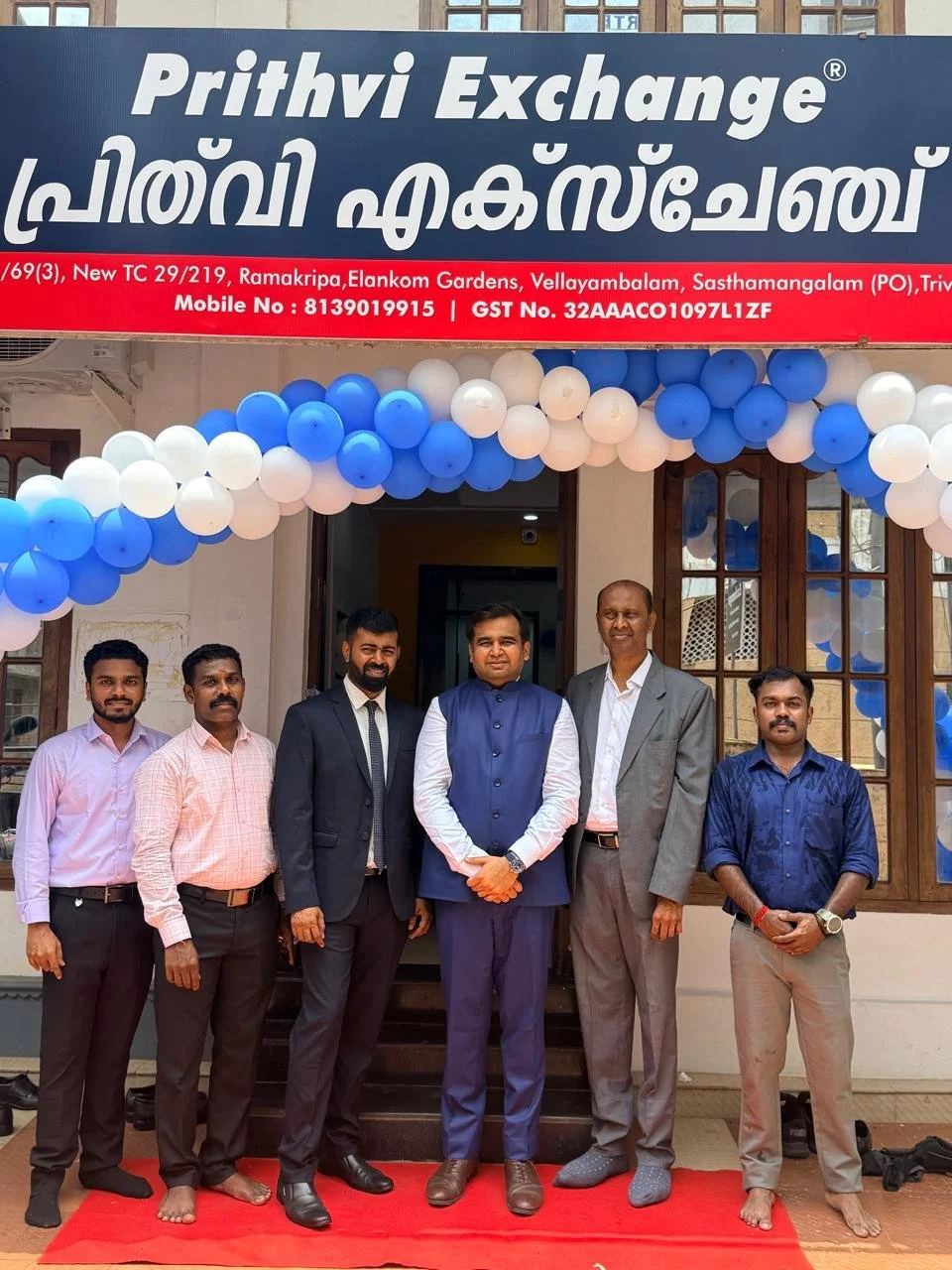
Prithvi Exchange Strengthens Presence in Kerala with New Branch in Trivandrum

Chennai May, 2026– Prithvi Exchange (India) Limited, one of India’s leading foreign exchange providers, announced the opening of its new branch in Trivandrum, Kerala, further expanding its footprint in South India. Strategically located in the prime locality of Vellayambalam, the new branch aims to cater to the increasing demand for organised and reliable forex services in the region, driven by international travel, overseas education, healthcare travel, and global remittances.

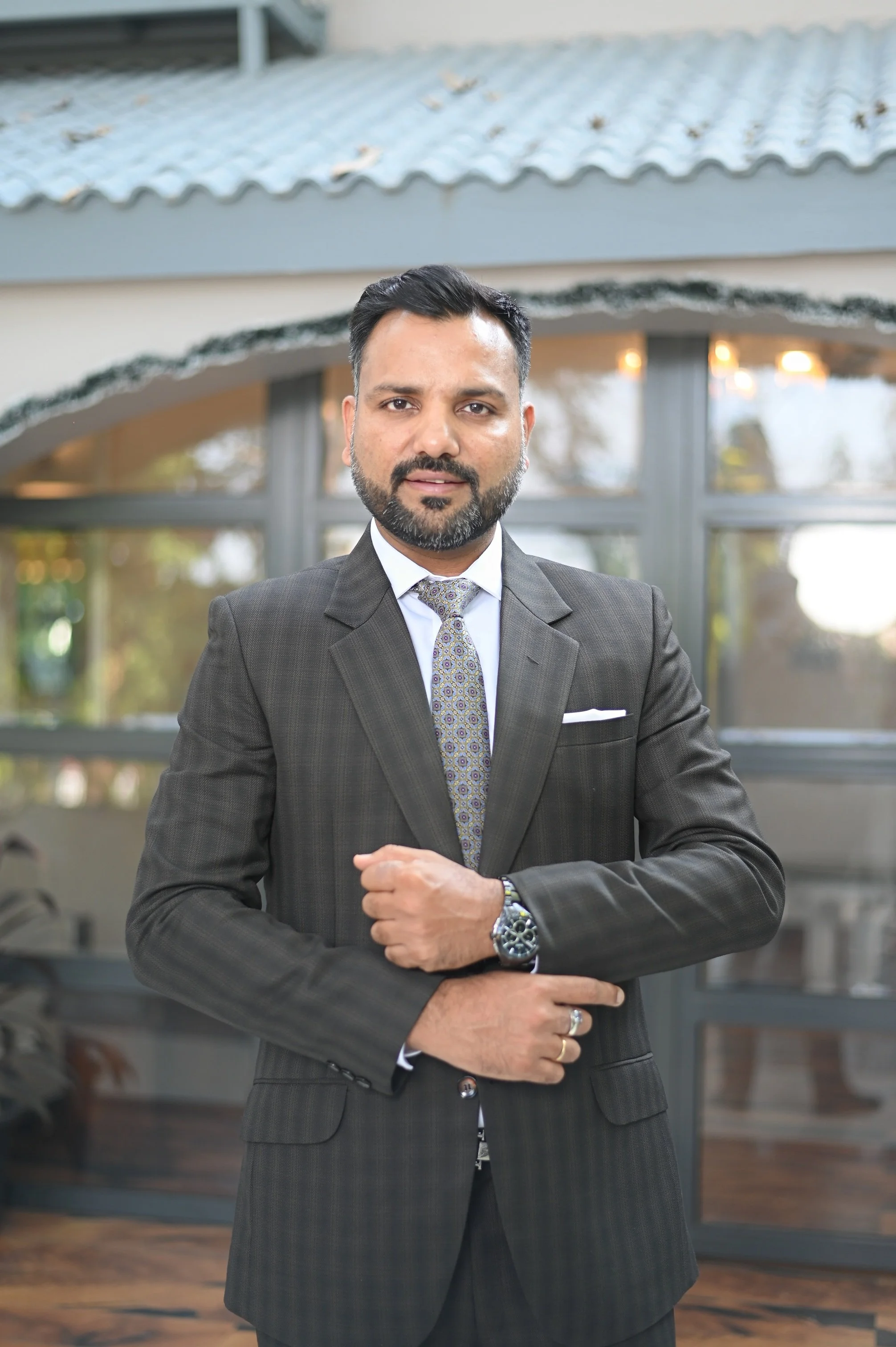
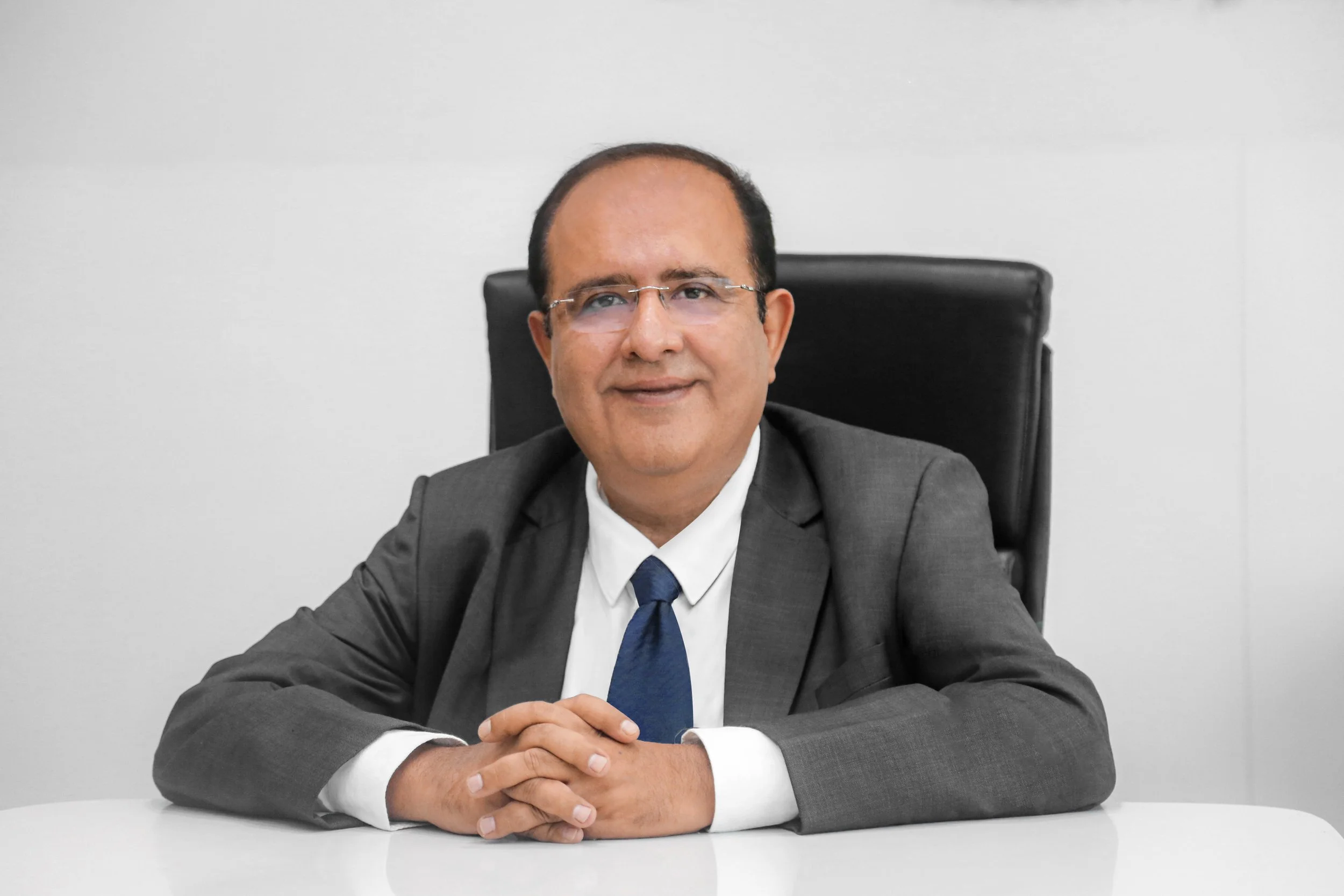
Commenting on the launch, Pavan Kumar Kavad, Managing Director of Prithvi Exchange (India) Limited, said, “Kerala has always been one of India’s strongest remittance-driven economies with a significant number of residents travelling abroad for employment, education, healthcare, and tourism. Trivandrum, being a key administrative, educational, and business hub, presents immense growth opportunities for organised forex services. Through this new branch, we aim to provide customers with seamless, secure, and technology-driven forex solutions backed by trusted service standards.”

The newly opened branch will offer a comprehensive range of forex and remittance services, including:

● Foreign Currency Exchange

● Forex Cards

● Overseas Remittances

● Travel-Related Financial Solutions

Trivandrum branch has been designed to deliver a modern, customer-friendly, and technology-enabled experience for both retail and corporate customers.

The Trivandrum branch further strengthens Prithvi Exchange (India) Limited’s growing nationwide network and reflects the company’s strategic focus on expanding into high-potential cities and regional economic centres where the demand for foreign exchange and cross-border payment solutions continues to rise.

Summit Hotels & Resorts expands into Arunachal Pradesh with Rungkhung Village Resort in Dirang

Siliguri, May , 2026: Marking its continued expansion across the Eastern Himalayan region, Summit Hotels & Resorts has announced Rungkhung Village Resort, a boutique retreat in Dirang under The Signature Collection, further strengthening its presence in emerging high-potential destinations.

Located in the scenic Dirang Valley and overlooking the Kameng River, the property is positioned as a refined mountain retreat offering immersive views of layered valleys, mist-covered hills, and untouched natural surroundings. Designed to blend local Arunachali character with contemporary comfort, the resort caters to leisure travellers seeking slower, experience-led stays.

The boutique property features well-appointed rooms and suites, including Premium View Rooms and Junior Suites, each equipped with private balconies that open to panoramic river and valley views. Interiors are designed with warm tones, soft textures, and modern amenities, creating a comfortable yet contextually rooted stay experience.

Dining is centred around an all-day restaurant offering a mix of multi-cuisine dishes alongside regional Northeast specialities, complemented by a valley-facing setting. The property also includes outdoor spaces such as landscaped gardens, bonfire setups, and relaxation areas that encourage guests to engage with the natural environment.

Guests can access curated local experiences and nature-led activities, reinforcing the destination’s appeal as a peaceful alternative to more crowded hill stations. With its low-density layout and focus on privacy, the retreat is designed to offer a quieter, more immersive stay.

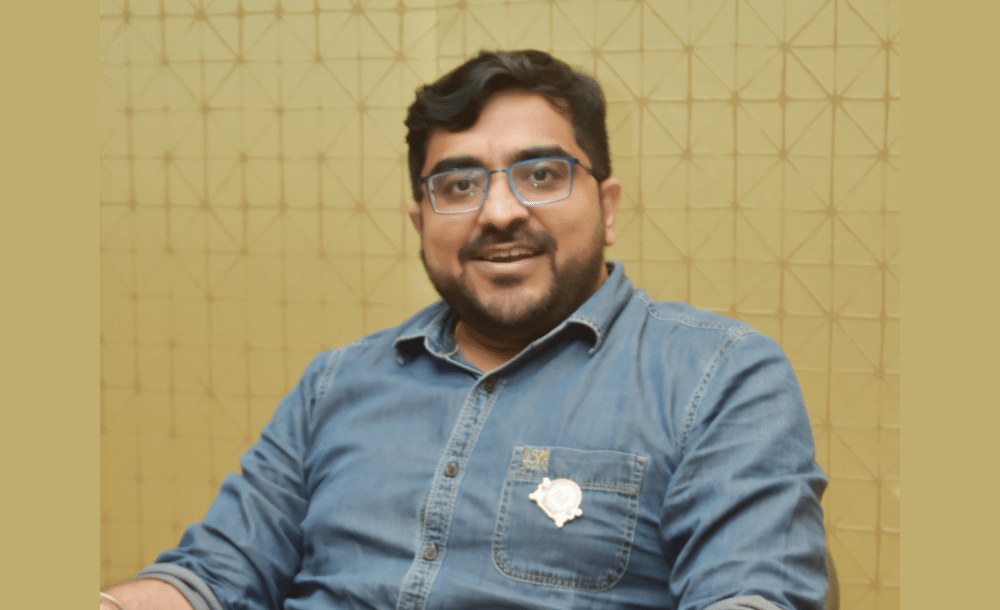
Commenting on the addition, Sumit Mitruka, CEO, Summit Hotels & Resorts, said, “Dirang is an emerging destination with immense natural appeal, and we see growing interest from travellers looking for less crowded, experience-driven locations. Our approach has been to create a property that stays true to the destination while offering the comfort and consistency that guests expect from the Summit brand.”

The addition of Rungkhung Village Resort reflects Summit Hotels & Resorts continued focus on building a strong portfolio of boutique properties across the Eastern Himalayan belt, with an emphasis on location-led hospitality and experiential travel.

The Andamans are getting their biggest high-speed luxury ferry yet

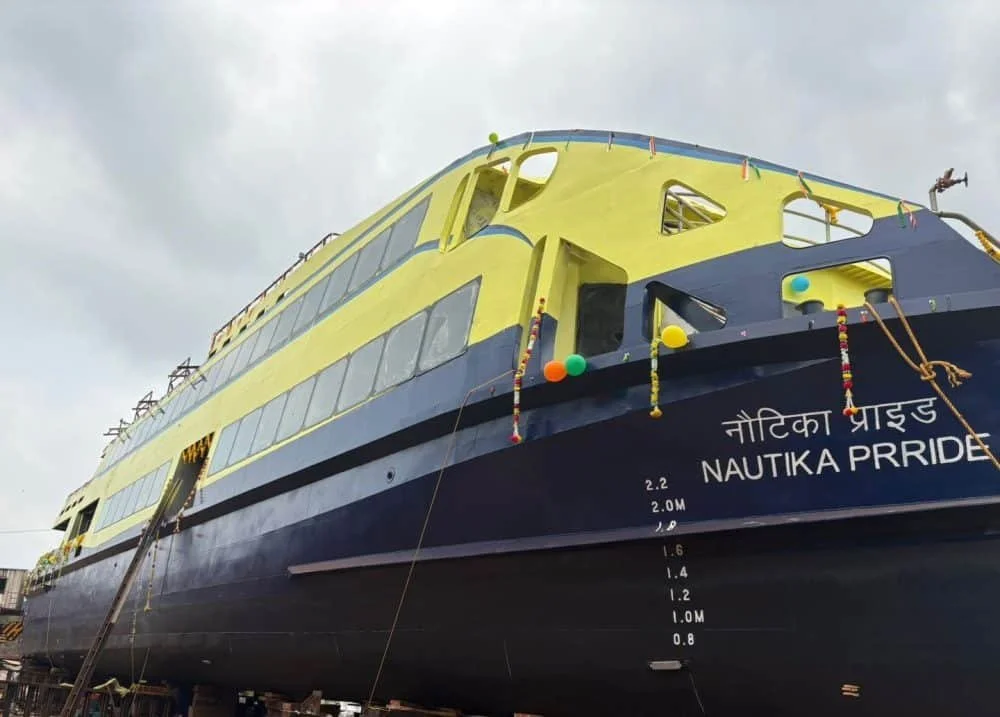
Nautika is preparing to launch Nautika Prride – a next-generation passenger vessel set to redefine maritime travel across the archipelago.

Positioned as a high-speed passenger ferry in the Andamans, Nautika Prride is part of Nautika’s catamaran fleet and has been designed for inter-island travel across the region. Built in India and certified by the Indian Register of Shipping (IRS), the 400-seat catamaran will cruise at speeds of up to 24 knots and operate across the Andaman Islands.

A new era of ferry travel in the Andamans

Nautika Prride has been designed with a focus on passenger comfort and inter-island travel experience. The vessel features spacious seating and interiors across four travel classes – Luxury, Royal, VIP, and Business – allowing travellers to choose between different seating categories and onboard facilities.

The ferry has been designed for leisure and regional travel across the Andaman Islands, including family holidays and island tourism routes.

Engineered for speed, stability & reliability

At the heart of Nautika Prride is a double-hull catamaran platform designed for inter-island travel across the Andaman Islands. The vessel has been developed for open-sea stability and passenger movement across regional ferry routes.

With a cruising speed of 24 knots, Nautika Prride will operate among the faster passenger ferries in the Andaman Islands. The vessel also incorporates dual-hull stability systems and maritime safety mechanisms designed in line with international standards. Nautika Prride, with a seating capacity of 400 passengers, is among the larger passenger ferries operating in the region.

Internationally certified safety standards

Nautika Prride has been approved by the Indian Register of Shipping (IRS) and has been designed in compliance with maritime safety standards, including structural safety systems, evacuation protocols, fire safety mechanisms, and operational safeguards.

Nautika operates under weather-monitoring and sailing protocols in coordination with maritime authorities and regional advisories.

400 seats, four classes, two cafés, and two viewing decks

Designed to accommodate 400 passengers, Nautika Prride includes four travel categories:

• Luxury Class
• Royal Class
• VIP Class
• Business Class

The vessel also features two onboard cafés and viewing decks, along with seating areas and onboard dining facilities for inter-island travel across the Andaman Islands.

A proud Indian vessel built for global standards

Built in India and designed in line with international standards, Nautika Prride reflects developments in Indian maritime engineering and passenger transport infrastructure. The vessel marks an expansion in organised passenger ferry operations across the Andaman Islands.

“Nautika Prride reflects the future of maritime travel in India — faster, safer, more comfortable, and globally benchmarked. With this vessel, we are introducing a completely new standard of passenger experience to the Andaman Islands.”— Anoop Kumar, Director, Nautika.

Marriott Bonvoy Boutiques Debuts Design Shop, A New Era of Hotel-Inspired Living

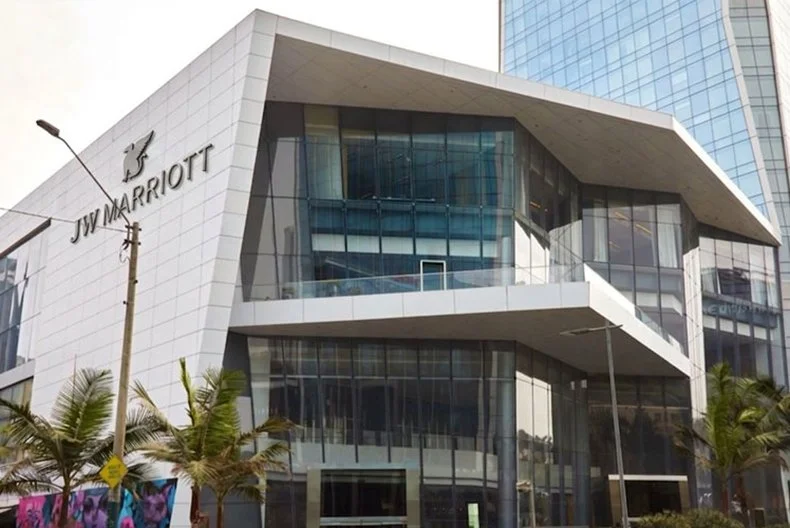
Hotels have become cultural markers, shaping how people want to live, not just travel. Marriott Bonvoy Boutiques brings this shift to life with the launch of Design Shop. The inaugural hotel collections are anchored by W Hotels and Westin Hotels & Resorts, with new destination-themed and brand-led collections to come later in 2026.

“Hospitality doesn’t end at check-out anymore. Design Shop reflects how we’re expanding the role of our hotels and destinations from places you stay to sources of inspiration you choose to live with. Marriott Bonvoy is shaping what modern hospitality looks like from hotel to home,” said Peggy Roe, Executive Vice President and Chief Customer Officer, Marriott International.

W Hotels Living

W Hotels Living debuts with a collection created in collaboration with the architecture and design studio Rockwell Group, inspired by the brand’s newly transformed global flagship, W New York – Union Square, which the studio also redesigned. Drawing from the property’s bold reimagination, the collection reflects a defining expression of the brand’s detail-driven design evolution and draws on the hotel’s rich textures, tones, and energy to bring its distinctly modern spirit into the home. Key pieces include a custom headboard and platform bed in four colorways, an upholstered modern bench, dual-finish nightstands, and a bold floral rug, complemented by sculptural lighting, stylish art, and decorative accents such as glass vases, trays and bookends, that reflect the brand’s signature color-blocking approach, and layered, design-led aesthetic.

Westin Hotels & Resorts Living

As hospitality’s global leader in wellness for more than a decade, Westin Hotels & Resorts Living extends the brand’s long-standing commitment to well-being beyond the stay, offering a thoughtfully designed collection that helps guests create a restorative environment at home. Rooted in Westin’s focus on sleep and restoration, the collection features calming, neutral palettes, natural materials, and timeless silhouettes. Key pieces include an upholstered headboard, minimalist wood nightstands, several earth-inspired rugs, textured and patterned throw pillows, and decorative pieces from catchalls and trays to vases. Designed to complement Westin’s existing Sleep Well essentials from Marriott Bonvoy Boutiques, the collection comes together as a fully layered sleep environment that supports rest and relaxation.

Expanding beyond hotel-inspired collections, Design Shop will also introduce destination-driven drops, beginning in June 2026 with a collection inspired by the French Riviera. Designed for entertaining and everyday living, the assortment will include serving trays, platters, linens, vases, and wine goblets that reflect the region’s relaxed, coastal style. In the fall, JW Marriott Living will debut inspired by the JW Marriott Hotel Tokyo, further extending the series of brand-inspired collections.

Hospitality with a Heart: How The LaLiT is Building Skills, Inclusion and a Stronger Bharat

At a time when hospitality is often measured by scale, occupancy and expansion, The LaLiT Suri Hospitality Group is quietly shaping a different narrative - one rooted in Indian values of inclusion, dignity and community-building. It is a distinctly swadeshi approach to hospitality: luxury that is deeply Indian in spirit, people-first in practice and committed to nation-building beyond business.

Over the years, the Group has touched more than 1 million lives and directly supported over 300,000 individuals through initiatives spanning skilling, education, employment, healthcare and inclusion. It is this philosophy of hospitality with a heart that continues to define The LaLiT’s larger purpose across India.

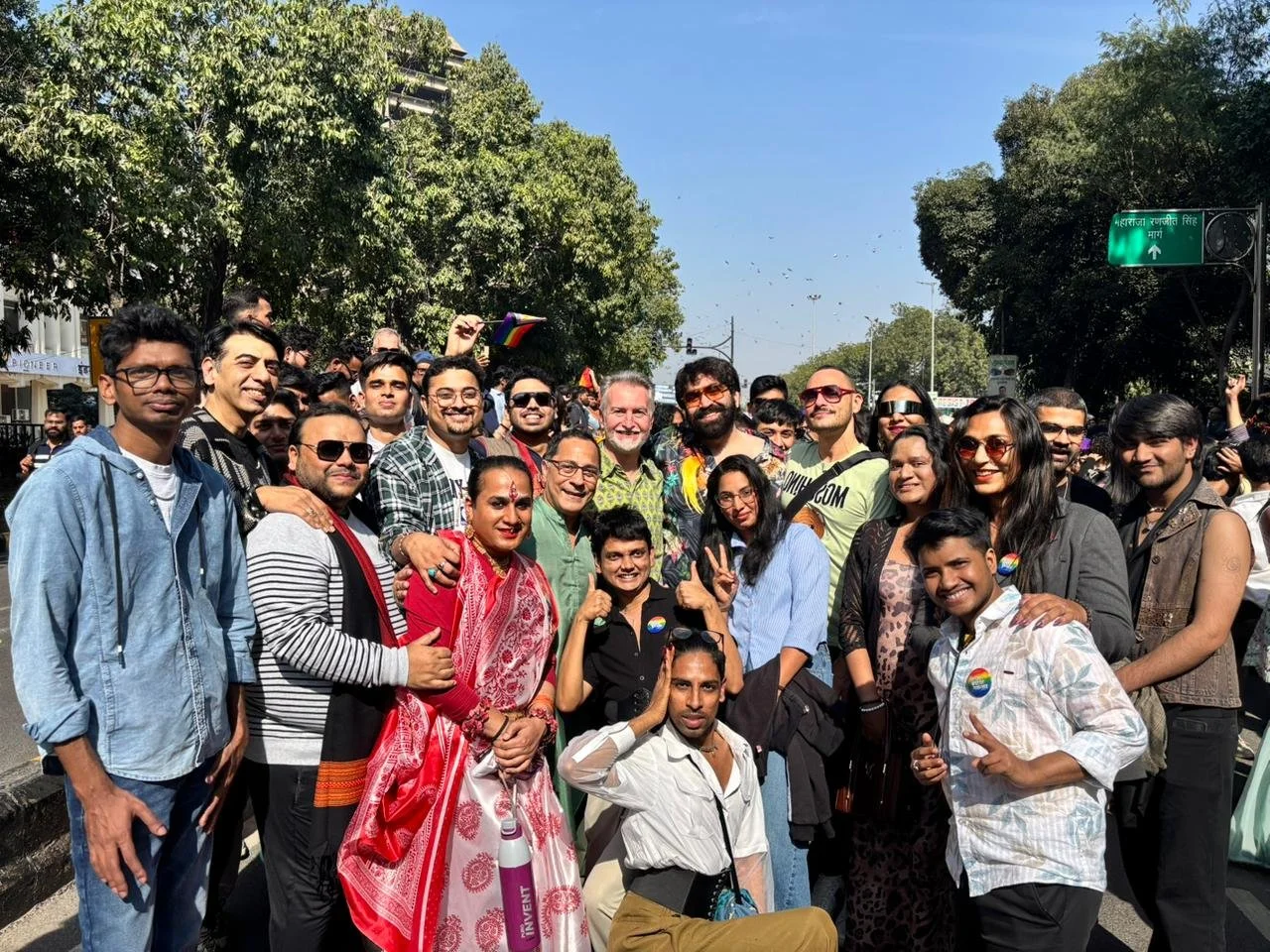
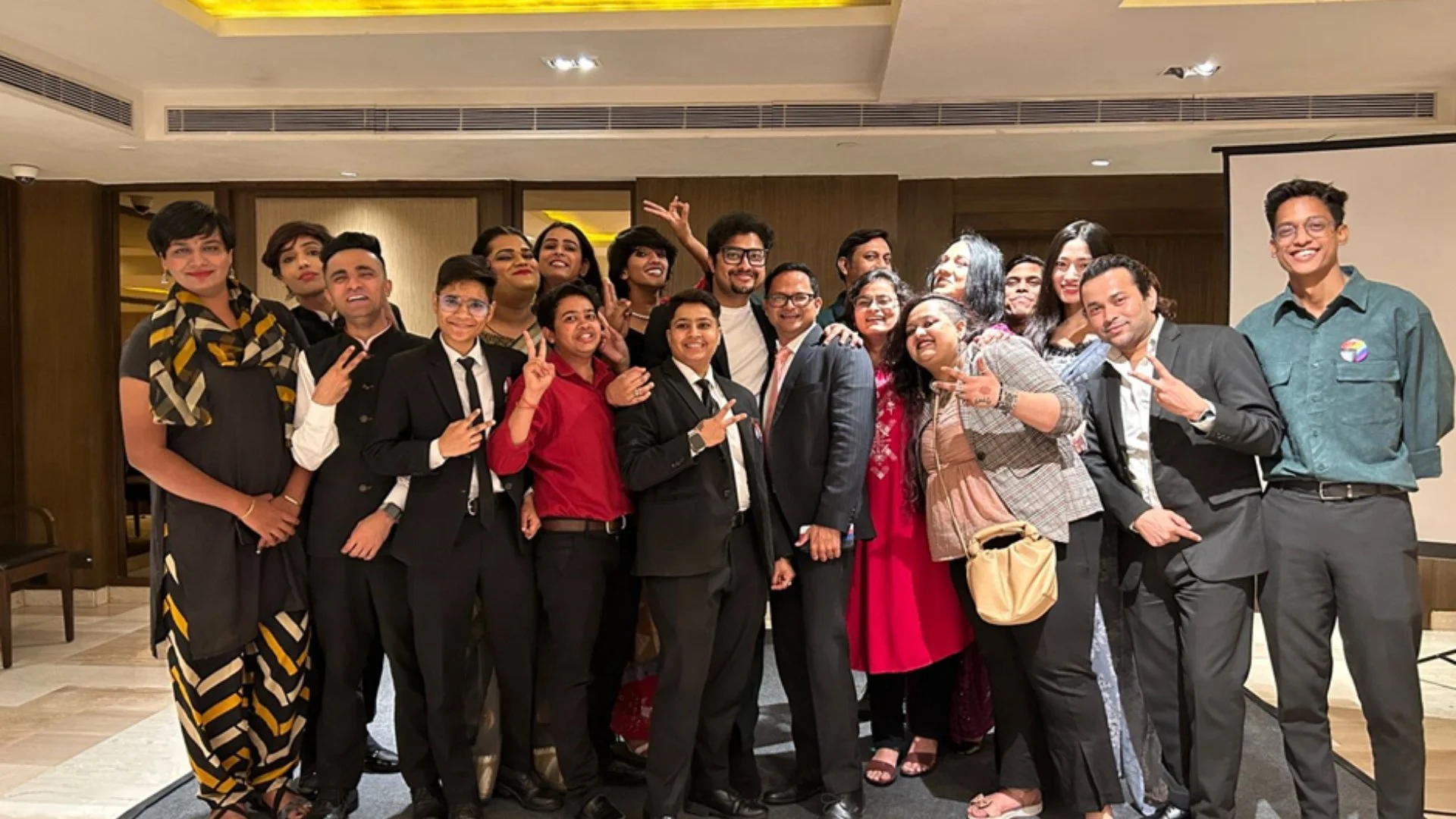
The Group today is India’s largest private-sector employer of transgender persons, with over 250 transgender employees working across roles. Through 13 LGBTQIA+ job fairs, more than 10,000 jobseekers have been reached, leading to over 1,500 direct placements. Alongside this, over 500 persons with disabilities and 50+ acid attack survivors have been supported through focused livelihood and inclusion initiatives.

At the centre of this vision is a strong belief that India’s hospitality growth story must also create opportunities for Bharat. Through destination-led skilling initiatives across Khajuraho, Bekal, Mangar and Goa, The LaLiT has focused on developing local talent linked directly to tourism and hospitality economies. The idea is simple but powerful - create skilled employment within communities instead of forcing migration away from them.

This commitment is also reflected through The LaLiT Suri Hospitality School, which is helping build a future-ready workforce for the industry. Going beyond technical training, the institution focuses on communication, professionalism, empathy and real-world operational exposure - qualities increasingly critical in modern hospitality.

In partnership with the Hotel Association of India (HAI), the school is working to bridge the long-standing gap between hospitality education and industry expectations. The collaboration aims to strengthen skilling pathways, grooming, practical training and industry readiness for young professionals entering the sector.

The Group’s larger skilling ecosystem has already trained over 3,000 LGBTQIA+ individuals through PrideKraft and more than 70 young individuals through the Emerging Queer Leaders in Hospitality programme. In collaboration with the Keshav Suri Foundation, over 350 individuals have undergone vocational and creative workshops, with 200+ placements facilitated. Additionally, 75+ scholarships have been awarded to students across communities, including LGBTQIA+ youth, persons with disabilities and neurodivergent individuals.

The LaLiT’s philosophy has always extended beyond operating hotels. During the pandemic, the Group repurposed hotel infrastructure to support doctors and frontline workers, while also facilitating meal distribution, PPE support and vaccination drives.

In many ways, The LaLiT’s journey reflects a larger Indian idea of hospitality - one where service is not transactional, but humane; where growth is measured not only in revenue, but in livelihoods created and lives uplifted. In an increasingly globalised luxury landscape, it is perhaps this rooted, swadeshi approach to hospitality with a heart that makes the brand stand apart.

IHG Hotels & Resorts inks deal for InterContinental Resort Jaipur Achrol, strengthening the company’s luxury portfolio in India

The 225-key resort will bring world-class hospitality to an emerging leisure destination


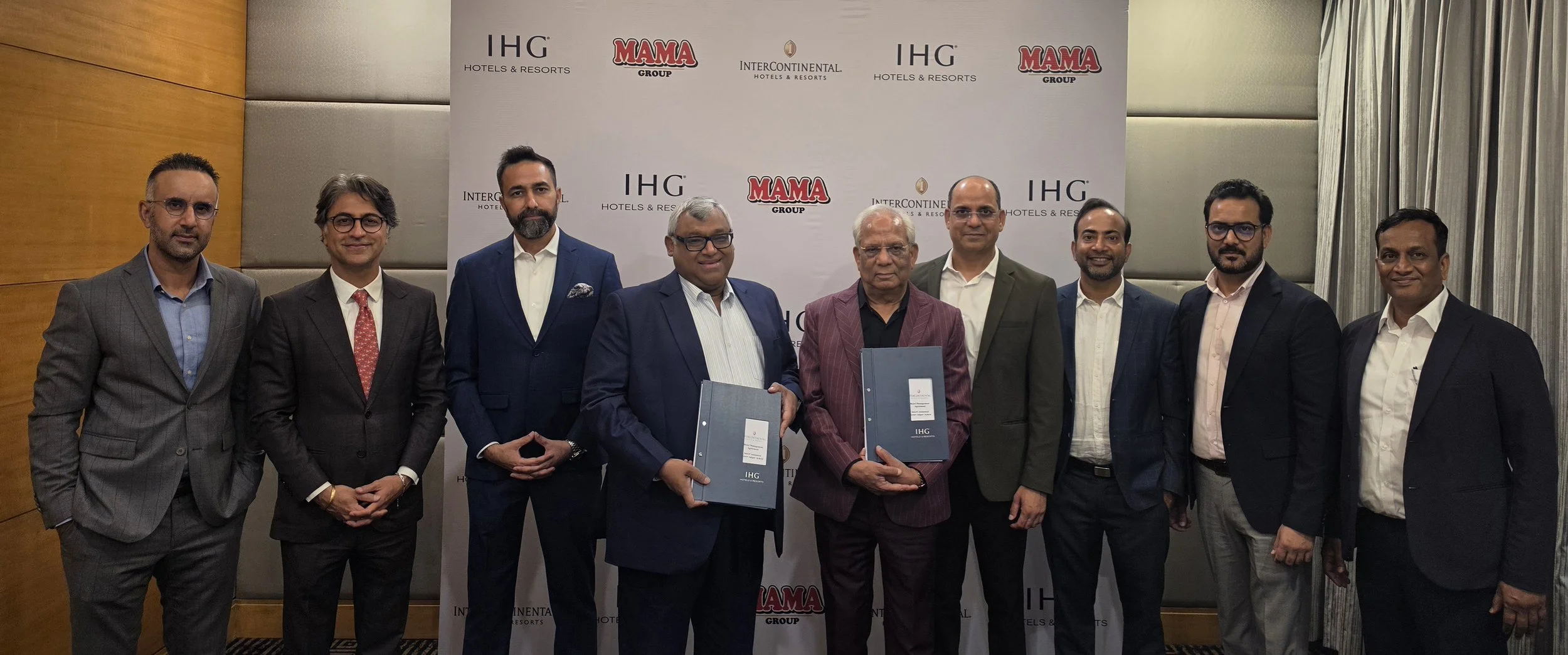
19 May 2026, New Delhi: IHG® Hotels & Resorts, one of the world’s leading hospitality companies, has signed a management agreement with Makson India Hospitality Pvt Ltd. for InterContinental Resort Jaipur Achrol. Scheduled to open in early 2030, the 225-key luxury resort marks another milestone in the company’s strategic expansion across India’s high-growth leisure destinations.

Featuring 36 villas alongside 189 guest rooms, the property is designed to deliver an immersive resort experience and elevated luxury offering. Set across a 16-acre land parcel along the Delhi–Jaipur Road in Achrol, InterContinental Resort Jaipur Achrol will mark the fourth IHG-branded hotel within the larger Jaipur city limits and the second InterContinental hotel in the market.

InterContinental Hotels & Resorts is the world’s first and largest international luxury hotel brand, synonymous with bold exploration, cultural discovery and worldly sophistication. With over 240 hotels open globally and 104 in the pipeline, the brand continues to expand into key destinations around the world.

Commenting on the announcement, Sudeep Jain, Managing Director, South West Asia, IHG Hotels & Resorts said, “We are delighted to partner with Makson India Hospitality Pvt. Ltd. to launch InterContinental Resort Jaipur Achrol. India continues to present significant opportunities in the luxury hospitality segment, driven by growing demand for leisure experiences and destination-led celebrations. This signing reflects our continued commitment to strengthening IHG’s luxury and lifestyle portfolio in the country and reinforces our ambition to be the partner of choice for luxury hospitality in India.”

He further added, “Achrol is emerging as a compelling destination in close proximity to Jaipur, offering a unique combination of heritage, nature, and accessibility. With InterContinental Resort Jaipur Achrol, we aim to create a landmark destination that caters to leisure travellers as well as large-scale social celebrations.”

Jaipur, the capital of Rajasthan and a key part of India’s Golden Triangle tourist circuit, continues to witness strong tourism growth driven by its rich cultural heritage and architectural landmarks including Amer Fort, Jantar Mantar, and the Walled City. The city is also a leading destination for high-profile weddings and events, where demand for upscale venues continues to outpace

Rajan Jhiriwal, Director, Makson India Hospitality Pvt Ltd, said: “We are delighted to partner with IHG Hotels & Resorts to introduce the iconic InterContinental brand to Achrol, Rajasthan. This association represents an important milestone in our group’s long-term vision of creating landmark hospitality assets that meet the highest international standards while remaining deeply rooted in the character, culture, and heritage of their destination.”

Robin Jhiriwal, Director, Makson India Hospitality Pvt Ltd, added: “Our vision is to develop hospitality destinations that deliver enduring value to guests, the community, and all stakeholders. With InterContinental Resort Jaipur Achrol, we aim to create a resort that elevates the region's luxury hospitality landscape while showcasing Rajasthan’s timeless appeal through thoughtful design, authentic experiences, and world-class service.”

InterContinental Resort Jaipur Achrol will feature four dining options including an all-day dining restaurant, a specialty restaurant, a lobby lounge, and a pool bar. The resort will also offer extensive event spaces across two venues, including a ballroom, making it an ideal destination for weddings and social gatherings. Additional facilities will include a club lounge, spa, fitness centre, swimming pool, retail outlets, and ample parking.

With this signing, IHG continues to accelerate its growth in India, particularly in the luxury and lifestyle segment, while strengthening its presence across key leisure destinations in the country.

IHG® currently has 52 hotels operating across six brands in India, including Six Senses, InterContinental Hotels and Resorts®, Crowne Plaza®, voco™ Hotels, Holiday Inn Resort® and Holiday Inn Express®. With a robust pipeline of 98 hotels in development, the company is strategically advancing its ambition to more than triple its estate in the market, targeting over 400 open and in-development hotels within the next five years.

Young Travellers Expected to Account for 60% Seat Share from Delhi Amid Pilgrimage Travel Demand: redBus

Delhi, May, 2026: redBus, the world’s largest online bus ticketing platform, is witnessing a strong surge in intercity travel from Delhi ahead of the pilgrimage travel window. Data from the redBus platform indicates that bus bookings from Delhi are projected to grow by 28% between 1st May till 2nd June 2026 (compared to the same period last year), which includes Ganga Dushera, Nirjala Ekadashi, and summer holiday travel.  

redBus has witnessed surges on certain routes around specific pilgrimage dates. For instance, bookings on routes to Varanasi around Ganga Dussehra dates were approximately 40% higher than average, in 2025. Similarly, around Nirjala Ekadashi, bookings on routes to Khatushyamji were approximately 2X of the average summer bookings. 

The demand this year highlights the strong destination pull of Khatushyamji during Nirjala Ekadashi, with the shrine driving a significant share of bookings from the region. It reflects how key pilgrimage destinations are shaping short-window travel patterns around major religious observances and also reinforces the continued importance of buses as a preferred mode of transport for devotees. Some key destinations, as per bookings on the redBus platform, are:


Top Routes to Pilgrimage Destinations:

  • Delhi-Rishikesh

  • Delhi-Haridwar

  • Delhi-Varanasi

  • Delhi-Khatushyamji

  • Delhi-Katra (jammu and kashmir)

Top Boarding Points by traffic 

  • ISBT Kashmiri Gate

  • Dhaula Kuan

  • Akshardham Metro Station

  • Morigate

  • Anand Vihar

  • Karol Bagh

Travellers’ Preferences

  • Seater buses account for a slightly higher share of bookings at 54%, while sleeper services stand at 46%, reflecting demand across both day and overnight travel formats. 

  • Travellers in the 18–30 age group account for 60% of the seat share, underscoring the strong participation of younger travellers.

  • Male travellers account for 72% of the total, of whom 60% are young travellers (18-30). Female travellers make up 28% of total bookings, of whom 60% are young travellers (aged 18–30). 

Together, these trends indicate a strong rise in pilgrimage-led travel from Delhi around Nirjala Ekadashi, supported by advance travel planning and the growing preference for convenient intercity bus services. As devotees undertake short-duration spiritual journeys during this high-demand religious travel window, redBus continues to strengthen access across key pilgrimage corridors, enabling travellers to plan and complete their journeys with greater ease and reliability. 

Puri, Wayanad and Goa Emerge as Trending Summer Choices for Indian Families, Agoda Reports

India, May 2026 – Digital travel platform Agoda has recorded a rise in family accommodation searches for domestic summer travel compared to last year, with destinations such as Puri, Wayanad and Goa emerging as trending locations for the upcoming school holiday period. Based on accommodation search data for check-ins between May and June 2026, the findings point to growing travel interest in coastal, nature and outdoor-focused getaways compared to last year.

The trend aligns closely with the school holiday window where most schools in Indian states closing through May and June, and is one of the few periods in the year when families can travel together for an extended stretch. This is also reflected in travel planning, with families gravitating toward destinations that offer outdoor activities, relaxation and time together.

Coastal and nature destinations see rising interest 

Odisha’s iconic coastal town, Puri, is drawing interest with a 68% rise in accommodation searches. Home to the Jagannath Temple and the broad sweep of the Bay of Bengal shoreline, Puri offers families a mix of spiritual heritage and beachside leisure that is clearly resonating with summer holiday planners.

Kerala's Wayanad has seen a 40% rise in family accommodation searches compared to last year. A world away from the summer heat of the plains, its wildlife sanctuaries, plantation retreats and cool, mist-wrapped forests offer a distinctive kind of family holiday, one built around nature rather than novelty.

Goa, perennially one of India's most sought-after destinations, has registered a 29% increase in searches. With its wide array of beaches, water parks and broad range of resort stays suited to children of all ages, it continues to draw consistent interest from families planning their summer break.

Hill stations and adventure destinations trends as well

Rishikesh in Uttarakhand recorded a 22% rise in accommodation searches, with families increasingly drawn to its mix of spiritual significance, riverside camps, yoga retreats and outdoor activities such as rafting along the Ganga.

The hill stations of Maharashtra and Tamil Nadu continue to draw interest as well. Mahabaleshwar recorded a 15% increase in family accommodation searches compared to last year, while Ooty saw a 13% rise. Both these destinations offer cool temperatures, scenic viewpoints and well-established hospitality infrastructure that have made them summer staples for generations of Indian travelers.

Gaurav Malik, Country Director, Indian Subcontinent & Indian Ocean Islands, Agoda said,Summer holidays continue to be an important travel period for Indian families, and in 2026 the planning behind these trips has grown increasingly intentional. Families are exploring a broader mix of destinations, from coastal getaways and nature-focused escapes to perennial favorites. This reflects a growing desire among travelers to consider a wider range of options for their vacations. At Agoda, our focus is on enabling exactly that kind of considered planning, bringing together the right combination of stays, flights and activities to make any vacation plan seamless.”

Agoda provides access to over 6 million holiday properties across price points and property types, alongside more than 130,000 flight routes and over 300,000 activities that can be booked together in one place. Running from 7 May to 21 May, Agoda's 21st Birthday Sale will offer up to 60% off on hotel bookings, with a special flash sale of up to 70% on 19 May and exclusive deals on flights and activities. Discover the latest deals on the Agoda mobile app or visit Agoda.com for more information.

Eco Hotels and Resorts Limited Partners with Riya Travels to Expand Global Reach

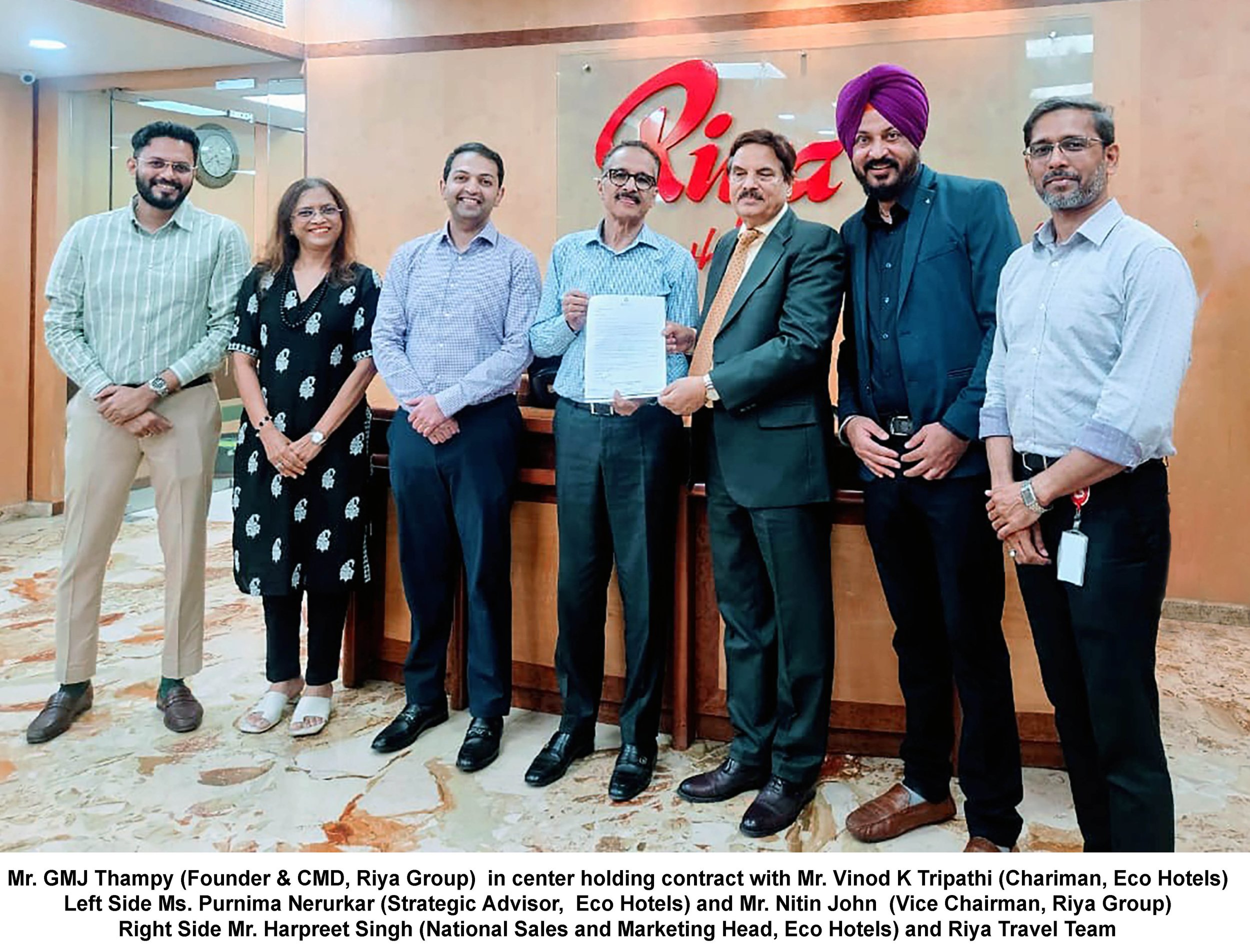
Eco Hotels and Resorts Limited is pleased to announce a strategic partnership with Riya Travel & Tours, one of India’s leading travel and aviation service providers.

This collaboration marks a significant step in Eco Hotels’ growth strategy, enabling the Company to strengthen its distribution network and enhance visibility across domestic and international markets. Through this association, Eco Hotels will gain access to Riya Group’s extensive B2B ecosystem, which supports over 75,000 travel agents via its proprietary platform, Riya Connect.
Additionally, Eco Hotels’ offerings will be integrated with Riya Holidays, the Group’s leisure vertical known for curated travel experiences. This integration is expected to position Eco Hotels” portfolio to a broader and more diverse customer base across Riya’s domestic and global platforms. This partnership aligns with Eco Hotels’ asset-light and distribution-led growth strategy, aimed at maximizing occupancy, improving revenue per available room (RevPAR), and expanding brand reach without significant capital deployment.

Further, with Riya’s extensive presence in the corporate travel space, Eco Hotels will significantly benefit in its MICE and corporate offerings, thereby enhancing banquet business and room occupancy throughout the year.

Commenting on the partnership, Mr. Vinod Kumar Tripathi, Chairman of Eco Hotels and Resorts Limited, said:

“We are delighted to partner with Riya Travels, a trusted leader in the travel distribution ecosystem. This collaboration is a significant step forward in our journey to make sustainable hospitality more accessible to a wider audience. With Riya’s extensive network and technological capabilities, we are confident that Eco Hotels will reach new markets and deliver our eco-conscious hospitality experience to travellers across India and globally. Together, we aim to promote responsible tourism while driving growth and value for all stakeholders.

We also extend our sincere appreciation to Mr. GMJ Thampy, Founder and Chairman & Managing Director of Riya Group, and the entire Riya team for their trust and collaboration. We look forward to building a strong, long-term, and mutually rewarding partnership.”

This strategic alliance underscores Eco Hotels’ commitment to scaling its sustainable hospitality model and strengthening its position in the evolving travel and tourism industry.

The Speakeasy Comeback, Through the Hidden World of Room No. 102, Jaipur

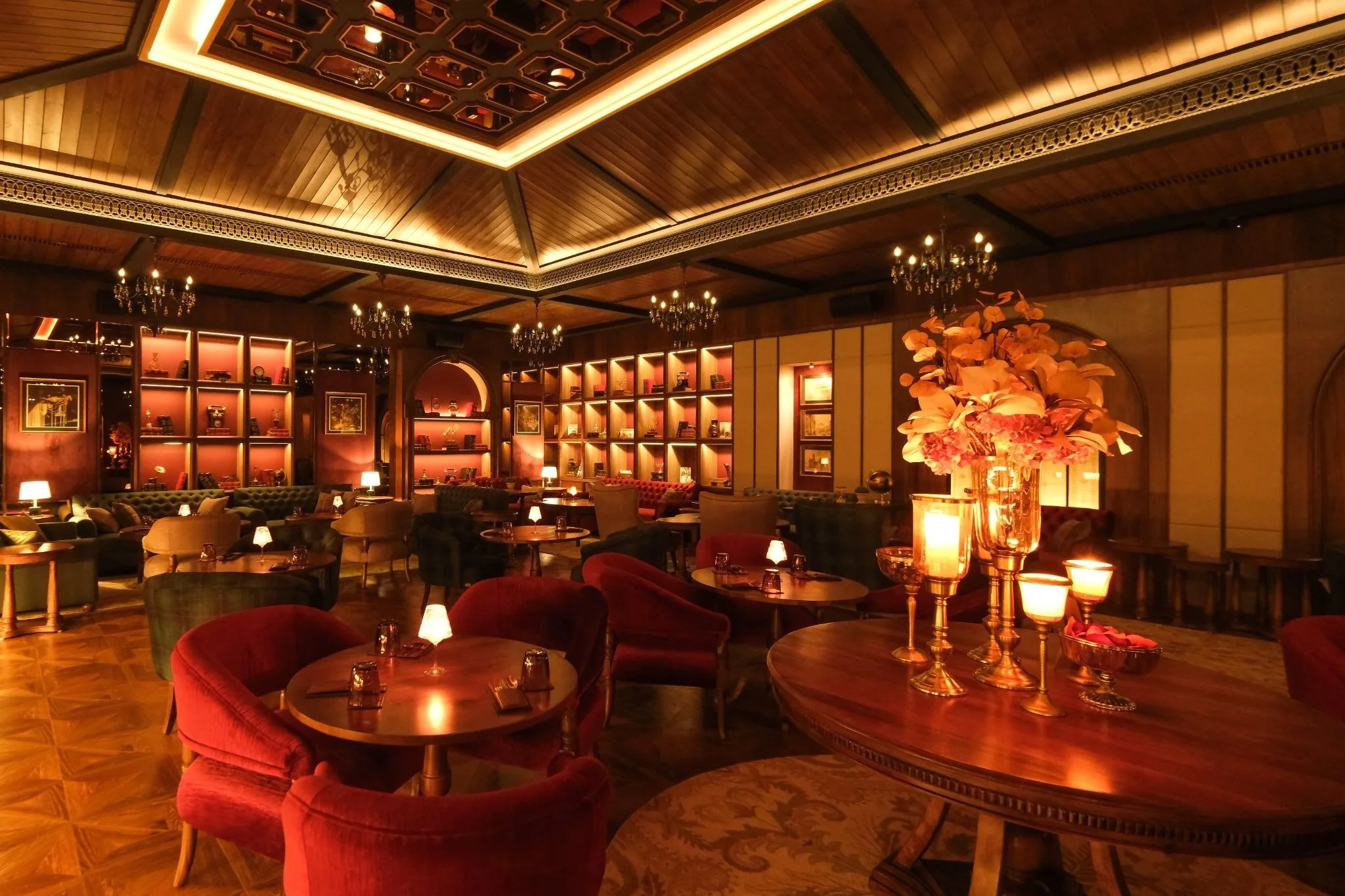
Hidden entrances, whispered clues, secret cocktails, and a sense of delicious mystery through the speakeasy is officially having its big comeback. In an era where diners crave experiences beyond just food and drinks, these immersive, story-led bars are bringing back the thrill of discovery, making a night out feel cinematic, exclusive, and infinitely cooler. From jazz-era hideaways to modern luxe secret bars, India’s speakeasy scene is proving that sometimes, the best places are the ones you’re not meant to find so easily.

At the heart of this comeback in Jaipur is Room No. 102, tucked discreetly behind a hidden passage inside Devraj Niwas, a jazz-era escape that feels less like a bar and more like stepping into another decade.

At Room No. 102, the night unfolds like a story. Built around secret entryways, playful rituals, vintage glamour, live jazz, and character-led cocktails, the space turns every visit into an experience rather than just a night out. With cinematic interiors, old-world charm, and a thoughtfully curated menu where every pour has a personality, it captures exactly why speakeasies are having such a compelling modern comeback.

Among its standout pours is The Florist, a delicate mix of Tanqueray No. 10, litchi, buransh, jasmine tea, lime, and kaffir that feels soft, floral, and fleeting in the best way possible. Then there’s The Cartographer, an earthy tequila cocktail layered with roasted bell pepper, cumin, pineapple, and tonic for those who prefer bold, savoury complexity, while The Rogue blends gin, white wine, chilli, and Asian hydrosol into something sharp, elegant, and intentionally unpredictable and Room No. 102 proves that the best nights begin with a little mystery.

The food follows the same philosophy globally inspired, deeply playful, and designed to move seamlessly with the rhythm of the drinks. Small plates like Crispy Fried Olives, Japanese Chicken Karaage, and Lotus Stem Chips sit alongside dishes such as Avocado Galawat Kebabs, Kachori Ravioli, Pulled Junglee Maas Bao, Broccoli Wasabi Cloud, and Sushi Prawn Tempura. The menu travels effortlessly across cuisines without feeling forced, much like the speakeasy itself layered, curious, and full of surprises.

And that’s exactly why the speakeasy format is having a moment again. It’s no longer just about drinking; it’s about discovery. Guests today want places that feel hidden, cinematic, and emotionally transportive spaces that turn a regular night out into a story worth retelling. Whether it’s decoding a hidden entrance, sipping cocktails named after fictional characters, or lingering over jazz and candlelight long past midnight, Room No. 102 captures the exact kind of escapism modern nightlife is craving right now.

Sterling Delivers Record FY26 Performance with Highest-Ever Q4 Revenue, Strong Profitability & Accelerated Expansion

• Best-ever Q4 Performance - Revenue at ₹1,409 Mn, up 14% YOY
• 25th Consecutive Profitable Quarter – reinforcing Sterling’s disciplined growth model
• Crosses Milestone of 78 Resorts & 3,800+ Rooms across India
• Resort-led growth, operating leverage and strong cash generation drive momentum
• Entering next phase of accelerated value creation with stronger scale, profitability & cash flows

Chennai, May 2026: Sterling Holiday Resorts Ltd., one of India’s leading hospitality companies, reported a record Q4 FY26, delivering the best-ever Q4 Revenue, EBITDA and Profit Before Tax (PBT), while extending its profitable streak to 25 consecutive quarters.

For Q4 FY26, Sterling posted Total Revenue of ₹1,409 million, reflecting a 14% year-on-year (YOY) growth, while EBITDA stood at ₹348 million (10% YOY growth) and PBT at ₹206 million. The company maintained healthy EBITDA margins of 25% despite continued investments in expansion, technology and customer experience enhancements.

For the full year FY26, Sterling reported Revenue of ₹5,487 million and EBITDA of ₹1,701 million while maintaining a healthy EBITDA margin of 31%. PBT stood at ₹1,142 million for the year.

FY2025-26 marks a defining year for Sterling — a decisive inflection point where scale, profitability and balance sheet strength expanded simultaneously and not sequentially. Sterling is now operating at a sweet spot of scale, where incremental growth is increasingly margin and cash accretive.

The resort business is the key engine driving Sterling’s growth, clearly demonstrating the success of the company’s strategic transformation towards a focused hospitality-led operating model.

Sterling’s resort business grew strongly during FY26:

• Resort Revenue grew 15% YOY to ₹4,678 million
• Room Revenue increased 21% YOY
• F&B Revenue grew 14% YOY
• Resort Revenue now contributes 85% of total revenue compared to 79% last year

During Q4 FY26:

• Room Revenue grew nearly 40% to ₹672 million
• Occupancy improved to 64% - up from 58% last year
• ARR increased 12% to ₹6,347
• Total RevPAR increased 16% despite a 20% increase in room inventory

With two record quarters, H2 revenues outperformed H1 by 21%.

Sterling crossed the milestone of 78 resorts, hotels and retreats across 65 destinations, and over 3,800 rooms during FY26, adding nearly 1.5 resorts per month and 31 resorts over the last 24 months.

The company expects to cross 95 resorts and 4,500 rooms in 2027 with more than 20 sign-ups in the pipeline. Sterling remains focused on high-growth Tier 2 and Tier 3 business-cum-leisure corridors.

Sterling continues to maintain a completely debt-free balance sheet with cash reserves growing at a multi-year CAGR of 55% to nearly ₹3,400 million. Operating Free Cash Flow grew 49% year-on-year to ₹1,140 million.

Delivering high growth with strong capital discipline remains a rare and differentiated combination within the hospitality sector.

Sterling continued to strengthen its customer proposition and operating capabilities during the year:

• 30 resorts and 11 restaurants earned TripAdvisor Excellence Awards
• Sterling Kanha and The Doon Diner at Sterling Mussoorie received “Best of the Best” recognition, placing them among the top 1% globally in their category
• Sterling further strengthened governance frameworks and scalable operating systems
• Sterling ONE, the company’s proprietary digital platform powered by Distributed Ledger Technology and AI, now provides direct access to over 7,000 travel partners and 360 corporates

Commenting on the performance, Mr. Vikram Lalvani, Managing Director & CEO, said:

“Q4 FY26 was a record-breaking quarter across all key operating and financial metrics. Sterling delivered its best-ever Q4 Revenue, EBITDA and Profit Before Tax while completing its 25th consecutive profitable quarter.

FY26 has been a defining year for Sterling. We have delivered record revenues, sustained profitability, expanded our resort footprint aggressively and strengthened our balance sheet — all while remaining debt-free.

India’s domestic leisure travel opportunity remains extremely strong and Sterling is well-positioned to capitalize on this opportunity through our expanding network, stronger brand proposition, digital capabilities and customer-centric operating model.”

Awards & Recognitions

• Today’s Traveller Awards 2025: Sterling Holiday Resorts – Fastest Growing Hospitality Brand / Hotel Chain

• TripAdvisor:

  • Sterling Kanha: TripAdvisor “Best of the Best” (3rd consecutive year)

  • 30 Resorts, including 10 for the 3rd time in a row: TripAdvisor Travelers’ Choice Awards

  • The Doon Diner (at Sterling Mussoorie): TripAdvisor “Best of the Best” – Dining

  • 10 restaurants across Sterling resorts: TripAdvisor “Travellers Choice Awards” – Dining

• 2025 CMO Asia – Odisha Leadership Awards: Sterling Puri – Best Family Resort of the Year

• RCI Green Awards (14th edition): Sterling Munnar – Gold – 14th RCI Green Awards

• Agoda.com: Sterling Kodai Lake – Agoda Gold Circle Award 2025

• Booking.com: 33 Resorts – Traveller Review Award 2025

• Hospitality Horizon + NDTV Profit:

  • Sterling Jaisinghgarh Udaipur – Boutique Luxury Awards at Top 50 Hotel Awards

  • Slate & Pearl (at Sterling Kodai Lake) – Top 50 Restaurants of The Year

• Travel + Leisure India – Best Awards 2025: Sterling Ooty – Fern Hill – Best Family Resort

• IRCTC (Indian Railways): Sterling Resorts (at Darjeeling, Gangtok, Kalimpong) – Outstanding Partner in North-East Hotels

• Economic Times: Amo Odisha (at Sterling Puri) – ET Restaurant and Nightlife Awards 2025

• Hospitality Horizon + Mickey Mehta, Spa & Wellness Summit 2025 (Mumbai):

  • Subuthi Spa (at Sterling Lake Palace Alleppey) – Top 10 Resort Spas in India – Excellence in Spa Leadership Award

• Future of L&D Summit & Awards 2025:

  • Sterling Holiday Resorts (L&D / Digital Learning Initiative) – Best in Digital Learning Initiative

  • Sterling Holiday Resorts (L&D / Digital Learning Initiative) – Best Learning Culture in an Organization

Marriott International Executive Vice President and Chief Financial Officer to Speak at the Morgan Stanley Travel & Leisure Conference on June 1; Remarks to be Webcast

Marriott International, Inc.’s (Nasdaq: MAR) Executive Vice President and Chief Financial Officer, Jennifer Mason, will speak at the Morgan Stanley Travel & Leisure Conference, to be held on Monday, June 1, in New York City.  Ms. Mason’s remarks will be at approximately 8:00 a.m., Eastern Time, and will be webcast live.

To access the webcast, please go to http://www.marriott.com/investor, and then click on the link to the “Morgan Stanley Travel & Leisure Conference” under “Events and Presentations.”

The webcast will be available until July 1, 2026, at the same site.

NRAI calls on restaurants to prioritise local sourcing and energy efficiency

The National Restaurant Association of India (NRAI) has encouraged restaurants and food service businesses to adopt measures focused on energy conservation, local sourcing, responsible consumption, and operational efficiency in light of ongoing global supply chain disruptions.

As part of its recommendations to members, NRAI has advised restaurants to prioritize procurement of locally produced vegetables, grains, dairy, meat, seafood, spices, and beverages to reduce dependence on imported ingredients wherever suitable domestic alternatives exist, and promote “Made in India” food products and regional cuisines.

Focus on Energy Conservation and Operational Efficiency

The recommendations further encourage restaurants to optimize delivery routes, shift a portion of intra-city logistics toward EV-based delivery fleets, reduce non-essential generator usage, improve kitchen energy efficiency, and encourage employee carpooling and staff transport pooling.

NRAI has also recommended portion optimization and anti-food-waste initiatives, encouraging consumers to order responsibly and avoid wastage, while promoting healthier preparation methods and responsible consumption practices.

Supporting Domestic Dining and Regional Culinary Traditions

The advisory additionally highlights the importance of supporting domestic dining campaigns, regional culinary festivals, Indian seasonal menus, local food traditions, and domestic travel-linked hospitality partnerships. It also recommends the adoption of LED lighting, smart refrigeration systems, energy-efficient kitchen equipment, optimized air-conditioning usage, rooftop solar installations where feasible, and stronger digital ordering and contactless payment systems.

Strengthening Domestic Supplier Networks

Restaurants have been encouraged to strengthen domestic supplier networks, review dependence on imported products, source from sustainable farming networks and Farmer Producers Organisations, and promote awareness around food waste reduction, energy conservation, responsible consumption, and support for Indian products and local businesses.

NRAI Highlights Need for Collective Industry Action

Highlighting the need for collective industry action, Sagar Daryani, President, NRAI, said, “At a time of global economic uncertainty and supply chain volatility, coordinated voluntary action by the food services industry can contribute towards conserving resources, supporting local sourcing, and strengthening operational stability. The industry has consistently come together during challenging periods, and responsible business practices can collectively make a meaningful impact.”

The association noted that the food services sector is a major consumer of fuel, logistics, edible oils, electricity, imported ingredients, and packaging materials, and that collective industry action can play an important role in resource conservation and operational stability.

Why is K Raheja Corp asking young employees to mentor senior leaders?

K Raheja Corp has launched ‘Reverse Mentoring’, a people-focused learning initiative designed to encourage meaningful dialogue between senior leaders and younger employees across the organisation.

Building a progressive and future-ready workplace

The programme is designed to create a workplace environment where learning flows across different levels of the organisation. Through the initiative, senior leaders gain perspectives on emerging trends, workplace expectations, customer behaviour, technology, digital transformation, AI, communication shifts, and future-ready skills, while younger employees get access to leadership conversations and insight into decision-making processes.

Introduced across the Group’s businesses

The programme has been introduced across the Group’s businesses, including Mindspace REIT, Chalet Hotels, Inorbit Mall, and K Raheja Corp Homes. As part of the program, senior leaders participate as mentees, while mid to junior level employees take on the role of mentors. Leaders identify areas where they want to gain new perspectives, and employees volunteer as mentors based on their knowledge, interests, and experience. The HR team then pairs participants by matching common themes and learning goals.

Structured as a long-term learning initiative

Following the successful completion of its first cohort, Reverse Mentoring will continue as a long-term learning and development initiative within the organisation. Each mentor–mentee pair participates in approximately four to six one-on-one sessions over three to four months. The sessions are informal, flexible, and focused on practical as well as strategic themes that are relevant to the future of work.

Encouraging openness and collaboration

The initiative is aimed at creating a stronger culture of openness, collaboration, and continuous learning. It also gives employees a platform to share their ideas, be heard by senior leadership, and contribute meaningfully to the organisation’s growth journey.

Leadership speaks on the initiative

Speaking on the initiative, Urvi Aradhya, Group CHRO, K Raheja Corp, said, “Through Reverse Mentoring, we are creating a space where leaders can learn directly from the perspectives of younger employees. It helps us bring outside-in thinking, new-age learning, and honest feedback into leadership conversations. At the same time, it gives our younger workforce access to leaders’ time and a better understanding of how decisions are made. This initiative reflects our focus on building a more connected, collaborative, and future-ready organisation where every voice has value.”

Part of a wider learning and development ecosystem

Reverse Mentoring is part of K Raheja Corp’s broader learning and development framework, alongside initiatives such as I-GROW for individual contributors, I-LEAD for early-career managers, leadership programmes including Shikhar and Future-Forward, and initiatives such as Sheroes and PowHER focused on women’s leadership and career growth across the organisation.

India records USD 567 million in hotel investments in 2025, up 67% year-on-year

India’s hospitality sector demonstrated exceptional momentum in 2025, with hotel investments reaching approximately USD 567 million across 28 transactions, a remarkable 67% increase from the USD 340 million recorded in 2024. This surge reflects robust investor confidence in India’s tourism infrastructure and the sector’s fundamental strength across multiple market tiers.

Diverse capital sources drive transaction activity

The investment landscape revealed a sophisticated diversification of capital sources. Institutional Capital and Private Equity firms led transaction activity at 35% of total volume, followed by High Net-worth Individuals (HNIs), family offices, and private hotel owners (27%), listed hotel companies (25%), real estate developers (8%), and owner-operators (5%). This balanced investor composition demonstrates the sector’s appeal across diverse investment philosophies and risk profiles.

Tier II and III cities emerge as growth engines

Tier II and III cities emerged as significant growth engines, capturing approximately 40% of total transaction volume, momentum sustained from the previous year. These markets featured premium assets including luxury resorts in Rishikesh, upper-upscale properties in Goa, and upscale to midscale hotels across emerging urban centers such as Ludhiana, Nashik, Vadodara, Udaipur, and Lonavala.

Industry leaders highlight market momentum

“India’s hotel investment market is reflecting a clear step-up in both investor confidence and market depth, with rising transaction activity supported by a broader mix of institutional and domestic capital. What is particularly encouraging is the continued expansion beyond gateway cities, with Tier II and III markets steadily evolving into more mature, investment-grade destinations backed by improving operating performance and scalability. This shift is meaningfully expanding the investable universe and enabling more strategic capital deployment across geographies. The momentum has carried strongly into 2026, with a robust start to the year underscoring sustained capital appetite. Beyond volumes, we are seeing increasing sophistication in how capital is being deployed, through platform-led strategies and institutional partnerships, signaling a more mature and organized investment landscape. At the same time, strong asset performance has introduced a degree of supply-side discipline, with high-quality hotels being tightly held, making available opportunities more selective and highly sought after,” said Gaurav Sharma, Managing Director, Hotels, India & Senior Director, Hotels Capital Markets, Asia.

“Looking ahead, a supportive policy environment, including land monetization initiatives and tourism-led infrastructure development, is expected to unlock new avenues for investment. While external uncertainties remain a factor to watch, the underlying drivers, resilient domestic demand, infrastructure expansion, and diversified capital sources, provide a strong foundation for continued growth. We expect this to translate into higher transaction activity through the year, with more assets coming to market and increased participation from institutional investors, reinforcing India’s position as a compelling hospitality investment destination,” he added.

Strong operational assets lead market activity

Beyond traditional hotel transactions, 2025 witnessed substantial institutional capital deployment for consolidation and strategic partnerships totaling approximately USD 125 million. The operational performance backdrop supports continued investment activity. Strong hotel performance has created scarcity in tradeable assets as owners increasingly retain high-performing properties. This dynamic has positioned available premium hotels as rare opportunities commanding significant investor attention and premium valuations.

Premium hotel segments dominate transaction volumes

Transaction composition revealed strategic asset preferences. Operational hotels represented 69% of total transaction volume, with under-construction or non-operational properties accounting for 18%, and land transactions including leases comprising 13%. This distribution reflects investor preference for income-producing assets with established operational track records.

Segment analysis showed the luxury category commanding the highest transaction volume share at 42%, followed closely by upscale properties at 41%, indicating strong demand for premium positioning. Upper-upscale (9%), midscale (6%), and economy (2%) segments completed the market distribution.

Branded hotel signings continue to rise

Branded hotel signings reached 51,647 keys across 424 hotels in 2025—a 23% increase over the previous year. Significantly, 71% of these signings by key count were concentrated in Tier 2 and 3 cities, demonstrating the geographic expansion of organized hospitality into India’s emerging urban centers.

Management contracts continued their dominance, increasing from 81% in 2024 to 84% in 2025, while franchise agreements held steady at 14%. Lease and revenue-share arrangements declined from 5% to 2%, reflecting operator preferences for asset-light growth models that optimize returns while minimizing capital requirements.

Greenfield developments and large-format hotels gain momentum

Greenfield development activity reached approximately 33,170 keys in 2025, surpassing 2024’s record by 17%. This sustained pipeline expansion signals developer confidence in long-term sector fundamentals despite broader economic uncertainties.

Large-format hotels of 250+ keys gained momentum, with 29 signings in 2025 compared to 21 the previous year. While concentrated in Tier 1 markets including Mumbai, Bengaluru, Hyderabad, Pune, and Delhi, this format expanded into growing markets such as Guwahati, Visakhapatnam, Indore, and Pushkar, demonstrating geographic diversification of premium supply.

Hospitality investment momentum continues into 2026

First quarter 2026 results underscore accelerating momentum, with transaction volumes reaching approximately USD 185 million—a 58% increase from Q1 2025’s USD 117 million. Notable activity includes Warburg Pincus acquiring a 41% stake in Fleur Hotels (Lemon Tree Hotels subsidiary) with a USD 107 million commitment for portfolio expansion, alongside operating hotels, land monetization transactions, and platform consolidation acquisitions.

Government initiatives and infrastructure expansion support growth

Multiple structural catalysts are expected to support hotel investment activity through 2026. Strong liquidity among listed hotel companies, anticipated capital market entries, and growing interest from Institutional Capital and Private Equity funds are creating favourable conditions for transaction growth.

Government initiatives, including airport land monetisation and auctions in strategic micro-markets such as Yashobhoomi (IICC), Neopolis, Fintech City, and Jewar Airport, are further boosting opportunities. The FY 2027 tourism-focused budget is also expected to support expansion through new cultural destination development and transport infrastructure upgrades.

Goa and emerging markets strengthen hospitality expansion

Goa exemplifies successful conversion dynamics, consistently demonstrating high rates of independent and unbranded properties transitioning into established brand portfolios. Enhanced connectivity through expanded air services and improved road, rail, and water infrastructure positions Goa for continued growth as India’s premier leisure market and year-round tourism destination. Branded hotel openings in 2025 totaled approximately 8,990 keys across 103 hotels, with 64% of keys concentrated in Tier 2 and 3 cities, indicating balanced supply expansion across market segments.

From Meghalaya to Mumbai: How this hospitality group is helping hundreds of young Indians build new careers

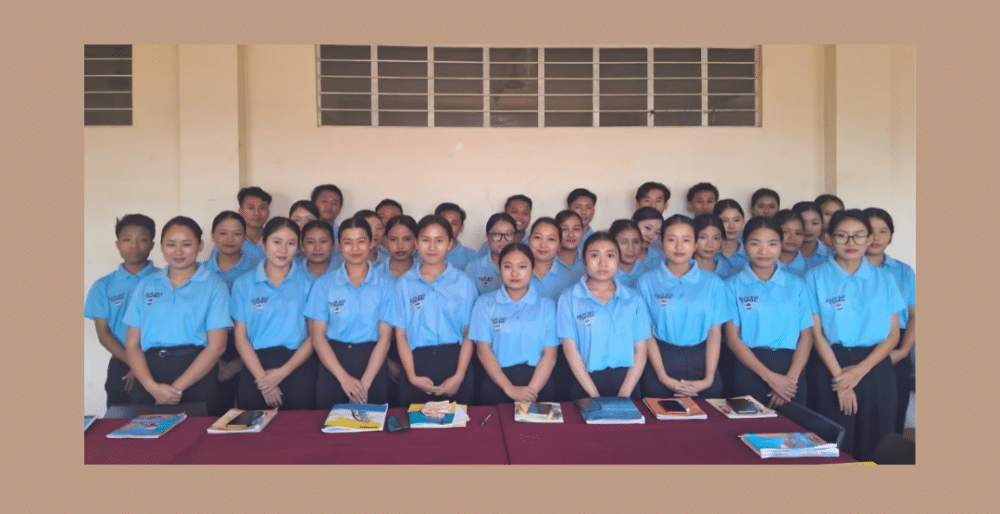
Radisson Hotel Group announced a significant milestone under its Youth Skilling Initiative, having positively impacted over 850 young people across India through its ongoing collaboration with Tourism and Hospitality Skill Council (THSC) and The Job Plus.

The initiative, aimed at improving employability and creating sustainable livelihood opportunities in the hospitality sector, has emerged as one of the largest hospitality-focused skilling interventions for underserved youth in the country.

Driving employability through industry-aligned training

Across the first two completed projects under the initiative, 616 young people have already been trained and certified under the National Skills Qualifications Framework (NSQF), with 501 successfully placed in formal hospitality employment across leading hotel brands in India. More than half of the placed candidates are women, reflecting the programme’s focus on inclusive growth and gender participation.

Leaders speak on the initiative’s impact

“At Radisson Hotel Group, we believe hospitality can be a powerful medium for social and economic transformation. Through our collaboration with THSC and The Job Plus, we are proud to have impacted over 850 young people across eight states, including Nagaland, Meghalaya, Manipur, Jammu & Kashmir, West Bengal, Delhi NCR, Himachal Pradesh, and Telangana. The programme has focused on regions where access to formal skilling and employment opportunities remains limited, and it is encouraging to see rural youth participating in the initiative achieve an 87% placement rate. These outcomes reinforce our commitment to building an inclusive and future-ready hospitality workforce in India,” said Nikhil Sharma, Managing Director & COO, South Asia, Radisson Hotel Group.

“The continued confidence that Radisson Hotel Group has placed in The Job Plus is both affirming and energizing. Over the past two project cycles, we have demonstrated that when skilling is closely aligned with industry demand, it can create a scalable pathway to employment and long-term economic mobility for young people. This renewed commitment enables us to expand our reach and further strengthen a talent pipeline that delivers value to both underserved youth and the hospitality industry,” said Natwar Nagar, Founder, The Job Plus.

“What makes this partnership particularly meaningful is the shared intent to build impact with both scale and accountability. Each project cycle has strengthened our ability to reach young people in geographies that are often disconnected from formal employment opportunities and connect them to industry-recognized training and quality careers. As we move into the next phase, our focus is on expanding this initiative with greater precision, stronger employer integration, and outcomes that continue to deliver measurable value for both communities and the industry,” said Divya Krishan, Chief Growth Officer, The Job Plus.

“CSR initiatives and collaborations reflect our shared commitment towards strengthening the hospitality workforce ecosystem by equipping youth with industry-relevant skills, practical exposure, and meaningful employment opportunities. We are pleased to continue our association with Radisson Hotel Group in creating a positive impact through skill development and industry collaboration. Such partnerships play a vital role in bridging the gap between skilling and employment while supporting the growth of a future-ready hospitality industry,” said Rajan Bahadur, CEO, THSC.

Transforming lives through hospitality careers

The initiative has enabled several inspiring journeys of transformation for young beneficiaries. Abigail Ryntathiang from Shillong, Meghalaya, who came from an economically weak family, enrolled in the programme while awaiting her Class 12 results. Before completing her 45-day training, she secured employment at The Bay Club in Mumbai with a great package, becoming the first person in her family to enter the hospitality industry.

Similarly, Asharani Hamom from Imphal, Manipur, who grew up amidst years of ethnic conflict and uncertainty, joined the programme and relocated to Delhi to pursue a career in hospitality. Today, she works as an F&B Associate at The Leela Palace New Delhi, demonstrating the programme’s role in helping youth build careers beyond geographical and social barriers.

Expanding the next phase of impact

With the third phase of the initiative currently underway, Radisson Hotel Group aims to further expand its impact by enabling more youth across underserved regions to access formal skilling, certification, and long-term employment opportunities within India’s growing hospitality sector.

Four Seasons Hotel Toronto Unveils a Newly Reimagined, State‑of‑the‑Art Fitness Centre

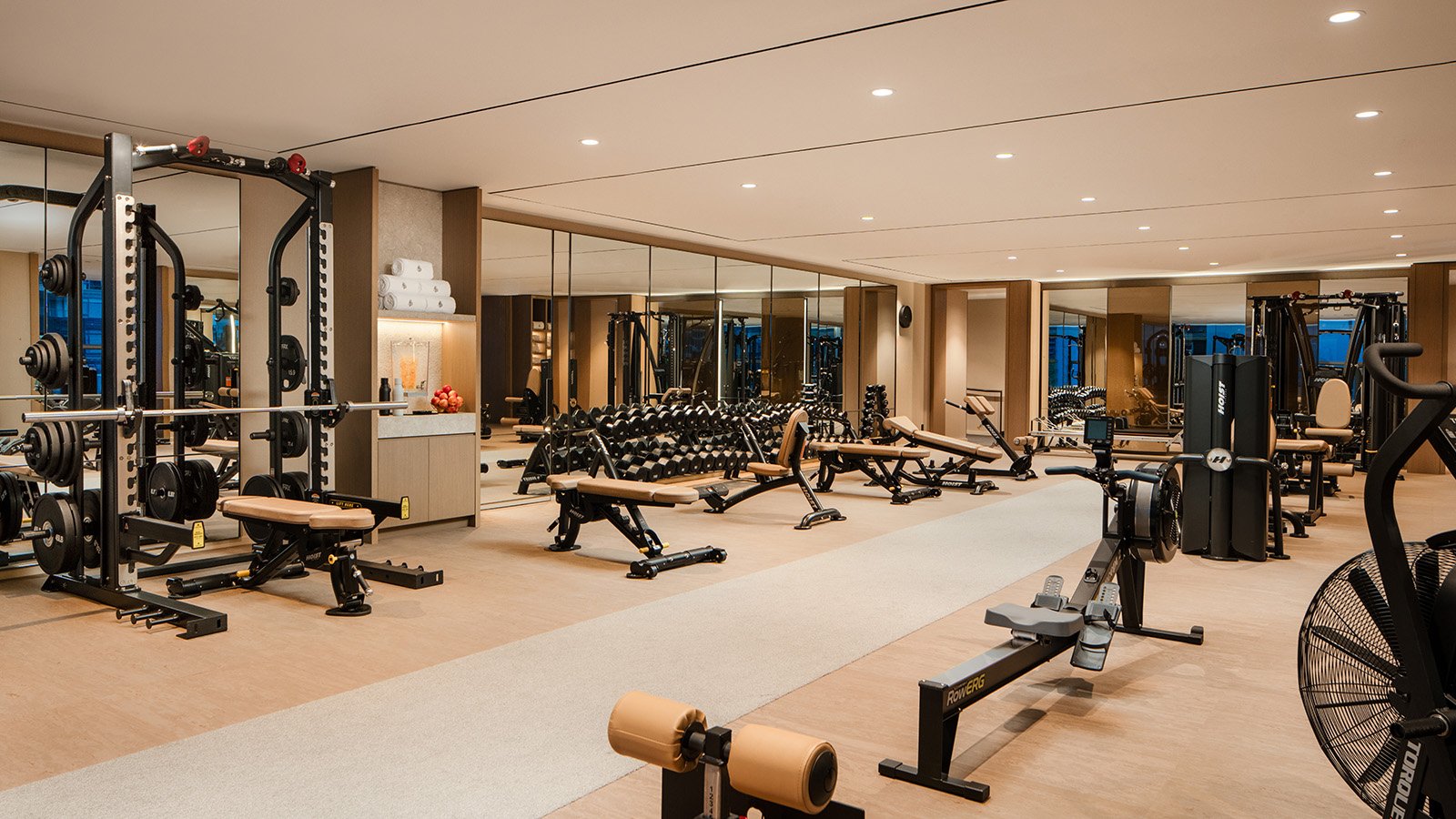
Four Seasons Hotel Toronto unveils its newly transformed Fitness Centre, redefining the standard for wellness within Canada’s flagship Four Seasons property. Complementing Toronto’s only Forbes Five‑Star rated spa, the reimagined 3,500‑square‑foot (325 square metre) facility reflects the Hotel’s ongoing commitment to world‑class wellbeing, offering a space purposefully designed for high performance, elite‑level training, and an unrivalled guest experience. Located on the eighth floor, the 24‑hour Fitness Centre is now open to hotel guests and private residents.

Designed in collaboration with celebrity personal trainer and gym designer Harley Pasternak and Simone Ferkul, Creative Director of Simone Ferkul Projects, the Fitness Centre brings together advanced performance capabilities and the refined craftsmanship synonymous with Four Seasons Hotel Toronto.

The expanded footprint (now a third larger than before) invites an abundance of natural light and introduces a refined sense of spatial harmony. Enhanced transitions between workout zones are complemented by a sophisticated material palette of warm wood, honed stone, and layered lighting, creating an atmosphere that feels both calming and thoughtfully considered. Open sightlines carry guests effortlessly through distinct cardio, strength, and transitional areas, encouraging intuitive movement and an experience that unfolds with ease and elegance.

To meet a comprehensive range of training styles, the Fitness Centre features state-of-the-art Life Fitness cardio equipment, extensive strength offerings from HOIST, and locally sourced pieces from Canadian manufacturer Atlantis. A dedicated turf zone provides space for sled work and functional conditioning, while an expanded dumbbell selection, multiple cable systems, varied bars, and a curated array of kettlebells ensure versatility for every level—from those beginning their wellness journey to seasoned professionals. For more restorative moments, the Private Movement Studio offers a serene setting for stretching, mobility, mat work, and personalised sessions.

“Four Seasons Hotel Toronto continues to set the benchmark for luxury, innovation, and guest experience,” says Chelan Goonetilleke, General Manager, Four Seasons Hotel Toronto. “This new Fitness Centre reflects our commitment to elevating the wellbeing of our guests and residents in ways that feel both personal and authentically Four Seasons.”

Edible spoons: Hospitality’s next big sustainability shift?

Edible spoons are rapidly transitioning from a niche gimmick to a cornerstone of the sustainable hospitality sector, driven by an urgent need to replace single-use plastics (SUPs) with truly circular alternatives. As global awareness of plastic pollution reaches a tipping point, the hospitality industry is increasingly adopting these innovative ideas to align with evolving consumer aspirations for ethical consumption.

Unlike traditional biodegradable plastics that often require industrial composting facilities to break down, edible spoons offer an immediate, absolute zero-waste appeal: they are either consumed by the guest as part of the meal or naturally composted, leaving no trace of microplastics. This “circular” logic addresses the core of the environmental crisis, providing a solution that is as functional as it is ecologically responsible.

By integrating these products, hotels and restaurants are not just following a trend but are participating in a fundamental shift toward regenerative business models that prioritise the health of the planet alongside service excellence.

The push from regulation and changing consumer behaviour

The catalyst for this widespread adoption is twofold, stemming from both stringent regulatory pressures and a growing consumer appetite for novelty and wellness. With international bans on single-use plastics becoming the legal standard in many regions, businesses are forced to seek out biodegradable alternatives that go beyond paper straws, which often fail to meet performance expectations.

Edible spoons, often crafted from a blend of nutrient-dense millets, wheat & corn combination, satisfy this demand by offering a superior structural product. The use of these grains is a deliberate engineering choice; millets, in particular, provide a natural durability that prevents the spoon from becoming soggy too quickly when exposed to moisture or varied temperatures.

Beyond their utility, these spoons tap into the “wellness” trend prevalent in modern hospitality. By offering a snack that is rich in fibre and minerals, brands can enhance guest engagement, transforming a mundane piece of cutlery into a conventional “novelty” item that reinforces the establishment’s commitment to holistic health and environmental hardship.

The economics behind edible spoons

Despite their undeniable appeal, the long-term viability of edible spoons depends on the industry’s ability to navigate significant economic and structural hurdles. Currently, the production cost of an edible spoon sits at approximately $0.10 per unit, a figure that remains considerably higher than the negligible cost of mass-produced plastic.

However, the market is responding with vigour, showing a consistent compound annual growth rate of roughly 12.7%. This trajectory suggests that as manufacturing scales and technology advances, the “green premium” will eventually decrease, making edible spoons a more competitive option for mid-scale and budget-friendly operations.

For now, the higher price point is often justified as a marketing investment, a tangible symbol of a brand’s sustainability values that can drive customer loyalty and justify slightly higher menu prices. As the supply chain matures, the transition from plastic to edible alternatives will likely shift from a luxury choice to an industry-wide standard, supported by a more robust infrastructure of specialised producers & distributors.

The challenges of scale and functionality

Technical refinements and logistical considerations remain the final frontier for edible spoon proponents. While formulations have improved, ensuring the spoons are neither too brittle to handle nor prone to dissolving in hot liquids like soups or coffee requires precise culinary engineering.

Furthermore, the transition introduces new challenges regarding hygiene and shelf life. Unlike plastic, which is virtually inert, edible spoons, being a food product, are susceptible to moisture absorption and microbial infection if not managed correctly. This necessitates specialised, eco-friendly packaging to maintain crispness and safety, adding another layer of complexity to the supply chain.

Nevertheless, the industry’s commitment to continuous improvement is evident. By refining grain ratios and exploring natural moisture barriers, manufacturers are creating products that rival the convenience of plastic while surpassing it in ethics.

In the grander scheme of sustainable hospitality, edible spoons are not just a passing phase; they are a sophisticated response to a global crisis, proving that the most effective way to eliminate waste is to make it disappear entirely.

India’s next hospitality hotspots may be its bus terminals

For decades, bus terminals have quietly powered India’s mobility story, much like the railway system. They have been the lifeline for millions, connecting cities, towns, and hinterlands with unmatched reach and affordability. Yet, despite their central role in daily commuting, most bus terminals have traditionally been built with bare minimum infrastructure, designed for utility rather than experience.

That equation is now changing.

As India works towards its vision of becoming a developed nation by 2047, infrastructure is no longer just about connectivity. It is about quality, efficiency, and user experience. In this shift, bus terminals are being reimagined as modern, integrated transit hubs. And for the hospitality sector, this transformation presents a timely and compelling opportunity.

From Transit Points to Consumption Hubs

The scale of movement across India’s transport ecosystem already tells a powerful story. The metro network has expanded from 248 kilometres across five cities in 2014 to over 1,095 kilometres across 26 cities by 2025, with daily ridership crossing 1.12 crore passengers. On the roads, the intercity bus segment recorded a 25 percent year-on-year growth in H1 FY26, with more than 140 million passengers travelling between April and September 2025 alone. This is not future potential. This is an existing, high-frequency consumer base.

Where consistent footfall exists, hospitality demand naturally follows. Hotels have long leveraged proximity to airports and railway stations. What is changing now is that bus terminals and multimodal hubs are entering the same league. According to a 2025 CBRE South Asia report, transit-oriented real estate potential across India’s top eight cities exceeds 106 million square feet, anchored around metro stations, railway nodes, and inter-state bus terminals.

Crucially, hospitality is no longer being treated as an afterthought in these developments. It is becoming an integral component.
The broader hotel sector trends align with this shift. India added over 42,000 hotel keys in 2024, with greenfield supply more than doubling year-on-year to 28,281 keys. Tier 2 and Tier 3 markets now account for nearly half of all hotel transactions, growing at 14.8 percent compared to 3.4 percent in Tier 1 cities. National branded occupancy touched 68 percent in FY25, while the five-year pipeline has crossed one lakh rooms, expanding into 177 markets, many of them emerging transit and pilgrimage hubs.

Beyond Transit: The Spiritual Tourism Multiplier

An important, though often understated, factor accelerating this trend is the rise of spiritual tourism across India. Cities like Ayodhya, Ujjain, and Varanasi have seen a sharp increase in domestic footfall in recent years, driven by infrastructure upgrades, improved connectivity, and renewed cultural interest.

Much of this movement happens by road.

Pilgrimage circuits and regional tourism routes rely heavily on bus connectivity, bringing large volumes of travellers directly into city-based transit hubs. This has created a new layer of demand for short-stay, clean, and conveniently located accommodation around these terminals.

However, what makes this trend particularly relevant for hospitality is that spiritual tourism is no longer limited to budget travel. The modern pilgrim is increasingly aspirational, often travelling with family, and seeking better quality stays even for short durations. This shift is pushing demand for branded hotels in cities that were earlier considered peripheral from a hospitality standpoint.

Importantly, while spiritual tourism is a strong catalyst, it is part of a larger story. Business travel, regional trade, education mobility, and intercity commuting continue to drive consistent demand across these hubs, making them viable year-round markets rather than seasonal spikes.

The Hospitality Opportunity Around Modern Bus Terminals

What is unfolding on the ground reinforces this shift. Several state governments are actively redeveloping bus terminals into mixed-use destinations with retail, F&B, commercial spaces, and integrated hospitality components. UPSRTC, for instance, is modernising 49 key bus terminals in major cities like Ghaziabad, Lucknow (Gomti Nagar), Prayagraj, Kaushambi, Ayodhya and Lucknow (Amausi) among others through public-private partnerships. These busports will be positioned as large-format urban hubs with state-of-the-art amenities such as shopping malls, food courts, and banquet halls, and will also have hotels in the vicinity, including serviced rooms.

At the same time, hospitality brands are beginning to respond. Branded hotel chains are increasingly evaluating locations near high-traffic bus terminals and multimodal corridors, particularly in Tier 2 and Tier 3 cities where demand is both underpenetrated and growing. These locations offer a steady flow of transit passengers, business travellers, pilgrims, and regional tourists, creating a diversified and resilient demand base.

As India moves towards a $1 trillion tourism economy by 2047, the definition of a hospitality hotspot is expanding. It is no longer limited to central business districts, airports, or established leisure destinations. Increasingly, it includes places where India moves the most.

Bus terminals, once overlooked, are now at the heart of that movement.

For the hospitality sector, the message is clear. The next wave of growth may not just be about where people stay, but where they pass through.

Banyan Tree Samui Launches Banyan Tree Connections: A Private, Immersive Wellbeing Journey for Two

Available at Banyan Tree Samui from May 1, 2026, the Banyan Tree Connections: A Private, Immersive Holistic Wellbeing Journey for Two responds to a growing desire for meaningful connections in an increasingly fragmented world. 

KOH SAMUI, Thailand (April , 2026) – Banyan Tree Samui, an 88 pool villa beachfront property overlooking the Gulf of Thailand, announces the launch of Banyan Tree Connections: A Private, Immersive Wellbeing Journey for Two, now available for bookings for stays from May 1, 2026, onwards.

The programme invites guests to slow down and reconnect with themselves, with loved ones, and with the rhythms of nature through a curated series of movement, mindfulness, and shared rituals guided by Banyan Group’s 8 Pillars of Wellbeing philosophy.

“Banyan Tree Connections was created in response to a universal longing for deeper relationships, genuine presence, and time well spent together,” said Ms. Katejiraporn Kaewngarmsa-ard, Hotel Manager at Banyan Tree Samui. “Our tranquil resort, bathed in a lush tropical environment and idyllic for those seeking intimacy and peace of mind, is a natural canvas for a wellbeing journey shared between friends and/or family.”

Banyan Tree Samui invites guests to experience a journey of wellbeing with a loved one or special partner through a personalized program of healthy living activities, each designed to nurture balance, presence and togetherness, with each experience initiated in harmony with the resort’s tropical beachfront setting, the island’s natural beauty, and Thailand’s spiritual culture.

Connections guests will begin their journey at Banyan Tree Samui with a 30-minute wellbeing consultation, undertaken by one of our professionally trained associates, in order to lay out a health and fitness itinerary that caters to each person’s individual targets.

Among the selection of pursuits included in the Connections program that a couple may benefit from are: a 60-minute session of Private Yoga Duo; Sound Healing Meditation; a one-time Herbal Massage Oil & Reflexology Workshop; two joint 60-minute spa treatments; kayaking; an introduction to Thai boxing; a private culinary workshop; and an intimate dinner for two served in style at our private beach.

A Sanctuary for the Senses

Banyan Tree Samui’s 88 spacious pool villas, each with its own private infinity pool, provide a serene and secluded oasis where guests can unwind and reconnect with nature. Designed to seamlessly blend with the surrounding landscape, the villas feature contemporary Thai architecture and are adorned with locally sourced materials and artwork, creating a truly authentic and immersive experience.

The resort hosts three restaurants, including Saffron which was recently listed in the 2025 MICHELIN Guide. Other onsite facilities include a fitness centre, a kids’ club, a meetings and events centre, and a library.

For more information and reservations, visit https://www.banyantree.com/thailand/samui/offers or contact samui@banyantree.com or tel: +66 077 915 333.