Beyond The Gen Z Myth: Four Distinct Luxury Mindsets Reshaping Travel in Asia Pacific

As Gen Z rises as a defining force in luxury travel, one long-held assumption no longer holds: there is no single Gen Z traveler. A new report from the Luxury Group by Marriott International in Asia Pacific excluding China (APEC), reveals a generation comprising four distinct luxury mindsets, with each redefining luxury on their own terms, from cultural immersion and personal wellbeing to digital disconnection and heritage-driven exploration.

Drawing on insights from 2,800 affluent travelers across eight Asia Pacific markets, including 1,200 Gen Z respondents aged 18 to 29, the report signals a decisive shift. Luxury travel is no longer anchored by demographic factors, but increasingly shaped by intention, identity, and personal meaning.

“Luxury today is no longer defined by a singular standard. It is deeply personal,” said Oriol Montal, Regional Vice President of Luxury, Marriott International Asia Pacific excluding China. “Our research reveals that affluent Gen Z travelers are not just participating in luxury travel. They are reshaping it, driven by a desire for meaning, wellbeing, and authentic connection. As the definition of luxury continues to fragment and evolve, understanding these emerging perspectives will be critical for shaping the next generation of travel experiences.”

From Followers to Architects of Luxury Travel

Today’s affluent Gen Z travelers are no longer passive participants. Rather, they are deliberate architects of their journeys. More than half fund their own trips, while nearly half plan every aspect of their journeys themselves. Immediate family remains their preferred travel companions (51%), while small-group travel has grown by 17%, signaling a shift toward more intimate, shared experiences.

They also bring sophisticated expectations to every journey. Cultural immersion and engagement with local communities influence destination choice for 87% of respondents, while culinary discovery (86%), proximity to nature (86%), and wellness (85%) are key priorities shaping travel decisions.

At the same time, Gen Z travelers expect luxury to be seamless. Time inefficiencies and communication gaps are among their biggest frustrations, underscoring a growing demand for intuitive, frictionless service. Meanwhile, technology is playing an increasingly important role in trip planning, with 23% already using AI tools for travel inspiration and planning.

Four Distinct Luxury Mindsets

The report identifies four Gen Z archetypes whose definitions of luxury diverge significantly:

  1. The Connoisseur Traditionalist (34%)

For this group, luxury remains rooted in the enduring pillars of hospitality: reputation, service, and craftsmanship. They gravitate toward iconic hotels, exceptional service, loyalty recognition, acclaimed dining and meticulously planned itineraries. Notably, 79% consistently stay in luxury hotels, while 91% say brand reputation influences booking decisions. Loyalty remains a powerful driver, with 85% motivated by recognition and rewards. As one of the most organized traveler groups, 66% book trips at least one to two months in advance, underscoring a definition of luxury grounded in precision, trust, and excellence.

  1. The Future Proofer (30%)

For Future Proofers, travel is an investment in long-term wellbeing. Their journeys are shaped by a desire for optimization and balance, with nearly all (97%) engaging in wellness facilities during their stay, while 95% value access to in-house healthcare experts and consider proximity to nature important when choosing a destination. More than half (57%) are willing to spend more on wellness treatments, far exceeding the broader Gen Z average (20%). Their growing influence reflects the evolution of luxury travel toward an indulgence in preventive health, restoration and holistic wellbeing.

  1. The Quiet Luxurist (20%)

In an era of constant connectivity, Quiet Luxurists are choosing absence over access. They are redefining luxury as the ability to disconnect, disappear, and reclaim stillness. All respondents in this profile (100%) say they limit technology use while traveling, compared with 63% of Gen Z overall. Meanwhile, 85% seek out lesser-known destinations, 60% prefer places before they become popular, and 90% value private dining experiences. Favoring boutique hotels, private villas and secluded escapes, they measure luxury not by visibility, but by the freedom to step away.

  1. The Cultural Reclaimer (16%)

For Cultural Reclaimers, luxury travel is closely linked to identity, heritage and meaningful connection. Every respondent in this group takes an active role in planning family trips, with 65% also acting as the primary financial decision-maker. Half say destinations linked to family heritage are very important, significantly above the broader Gen Z average of 33%. They are also highly engaged travelers, with 88% seeking immersive experiences. Their journeys are driven less by social validation, and more by cultural discovery, personal enrichment and strengthening intergenerational bonds.

A Broader Recalibration of Luxury Travel

Beyond Gen Z, the report also signals a broader recalibration of luxury travel across the region. Fueled by a continued appetite for premium travel experiences, affluent travelers are also becoming more selective, taking fewer trips while extending their length of stay. Average international leisure trips are expected to increase in duration from seven to nine nights, reflecting a shift from frequency to depth. As travelers concentrate their time and spending, expectations around personalization, seamless service, and meaningful engagement continue to rise.

As luxury travel enters a new era, the findings point to a fundamental shift: the future of luxury will not be defined by a single aspiration, but by a spectrum of personal values. From the pursuit of stillness to the search for identity, from wellbeing to cultural immersion, Gen Z is transforming luxury into something more nuanced and more intentional.

For the industry, the implication is clear. Success will depend not on creating one definition of luxury, but on understanding many, and delivering experiences that feel deeply personal, emotionally resonant, and unmistakably relevant.
GIGI Bombay Celebrates The Monsoon With Izakaya, A Seasonal Japanese-Inspired Dining Experience

As Mumbai settles into monsoon, GIGI Bombay introduces Izakaya, a limited-edition seasonal menu inspired by the warmth, comfort and convivial spirit of Japan’s iconic taverns. Designed for long lunches, intimate dinners and rain-soaked evenings over cocktails, Izakaya brings together Japanese flavours and European craftsmanship in a way that is distinctly GIGI.

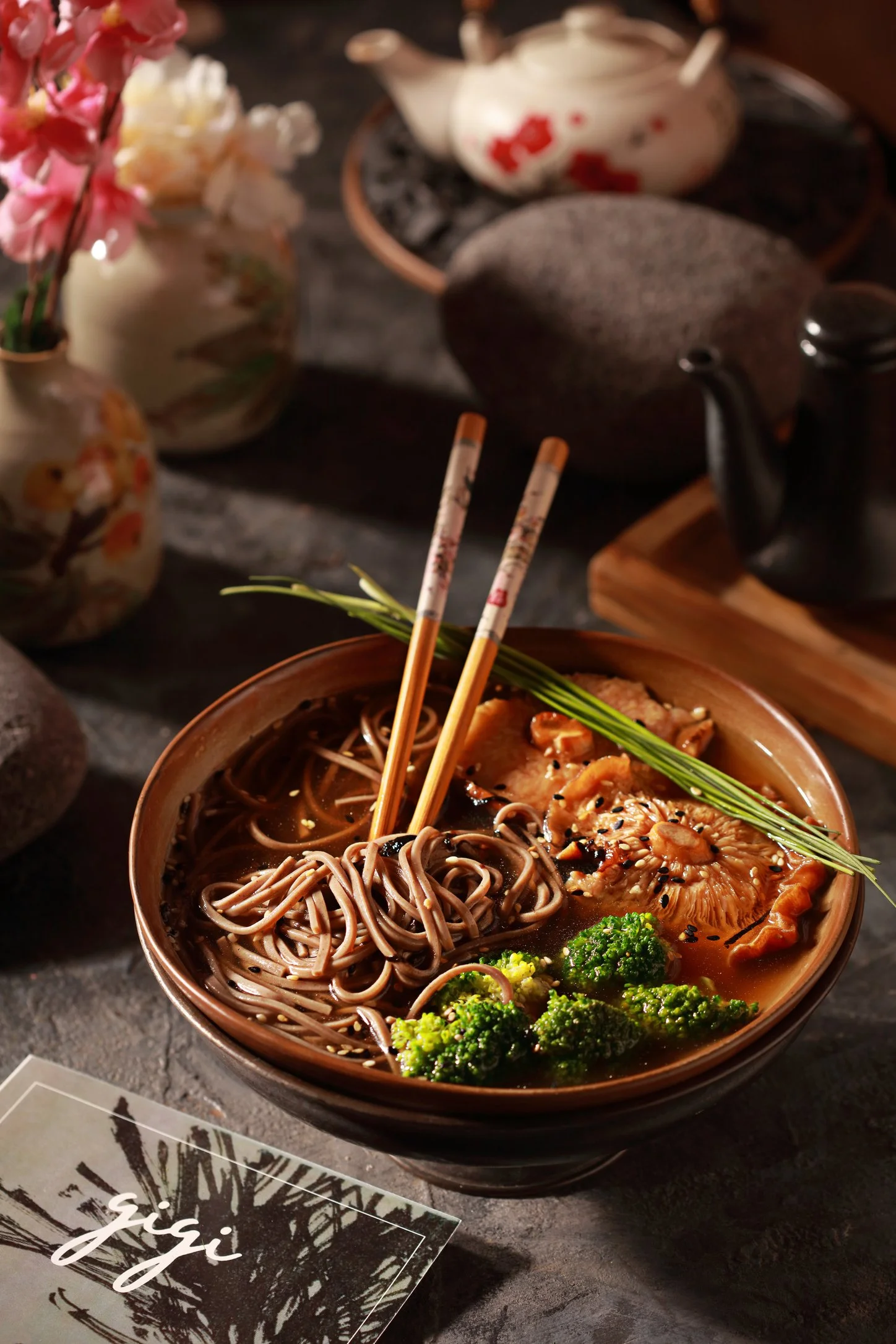
Guests can begin their experience with small plates such as the Asparagus & Parmigiano Okonomiyaki, where a savoury Japanese pancake is paired with charred asparagus, aged Parmigiano, burnt butter soy, and negi. The menu continues with comforting mains including the Smoked Shoyu Shiitake Ramen, a deeply flavourful shoyu broth layered with wild mushrooms, nori, sesame, soba noodles, and fragrant scallion oil, and the Squid Ink Soba, a dramatic and soulful dish of wok-tossed squid ink noodles with prawns, crispy tempura squid, garlic soy butter, shimeji mushrooms, toasted sesame, and spring onions. The Miso Lobster Lasagna marries Japanese and European influences through butter-poached lobster, miso béchamel, layered lasagna sheets, parmesan, mozzarella, orange zest, and chive oil.

The experience is complemented by a collection of Japanese-inspired cocktails including Ikigai, Yūgen, Meisui, and Akai Tsuki, each drawing from Japanese philosophy, nature, and craftsmanship. From whiskey umeshu and chamomile liqueur in Ikigai to the vibrant combination of bourbon, beetroot juice, and peach extract in Akai Tsuki, the drinks are designed to mirror the mood and spirit of the season. Alongside these, thoughtfully crafted mocktails such as Kaori and Seishin feature ingredients like hibiscus tea, peach, passion fruit, green tea, and warm spices to offer a refreshing, non-alcoholic expression of the Izakaya experience.

For dessert, Sakura Kumo Lava offers warm chocolate lava cake with a flowing sakura white chocolate centre, mascarpone cloud cream, berry compote, and cherry blossom crumble to end the experience on a sweet note.

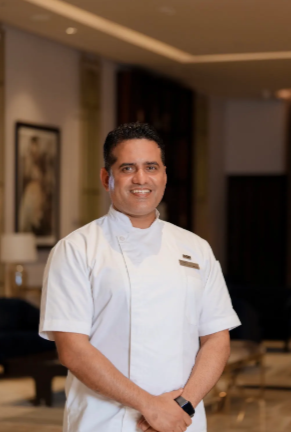
Speaking about Izakaya, Chef Sandarbh Vishwakarma, Brand Chef at GIGI Bombay, says, “Monsoon naturally calls for comfort and warmth. With Izakaya, I wanted to create a menu inspired by the flavours, rituals and convivial spirit of Japanese taverns, bringing together dishes that are perfect for sharing over a rainy evening.”

More than a seasonal menu, Izakaya is GIGI’s invitation to slow down and savour Mumbai’s monsoon through comforting flavours, thoughtful cocktails and the joy of lingering conversations. Launching on 25th June 2026, the menu will be available exclusively through the season and promises an experience that feels both nostalgic and transportive.

The Hari Singapore to Open in 2027

SINGAPORE (JULY , 2026) – Harilela Hotels has set its sights on Singapore as the third home for its acclaimed hotel brand The Hari, complementing the existing properties in London and Hong Kong.

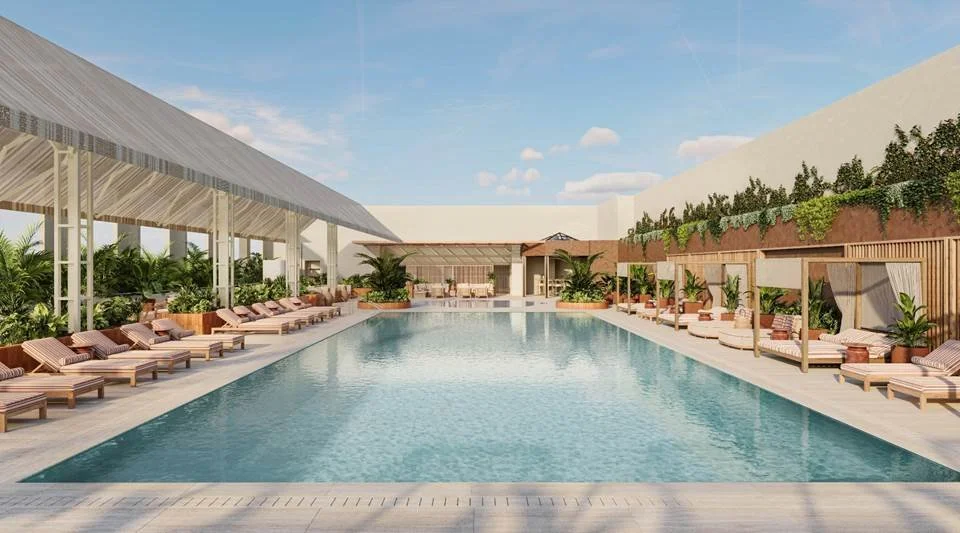
The spring 2027 opening will see the Holiday Inn Singapore Orchard City Centre transformed into a luxury 326-bedroom hotel featuring a rooftop pool, executive lounge, dining and wellness experiences, and the brand’s signature revolving rota of artwork.

British designer Tara Bernerd, whose distinctive vision has shaped both The Hari London and The Hari Hong Kong, will bring her signature approach to The Hari Singapore. Balancing contemporary elegance with a strong sense of place, the design creates layered interiors that feel both sophisticated and welcoming, reflecting the energy and cultural character of Singapore.

“This hotel, like our sister properties in Belgravia and Wan Chai, will embody relaxed elegance punctuated by eccentricity, wit, culture and genuine heartfelt hospitality,” said the brand’s founder, Dr. Aron Harilela. “Singapore is key to our ambition to evolve The Hari in major international destinations.

Grounded in the Harilela family’s commitment to exemplary hospitality, each of The Hari hotels is a celebration of culture, design and impeccable service.

ITC Hotels Unveils Lakeview Bhimtal in Uttarakhand

Strengthening its presence with its 12th property in the region 

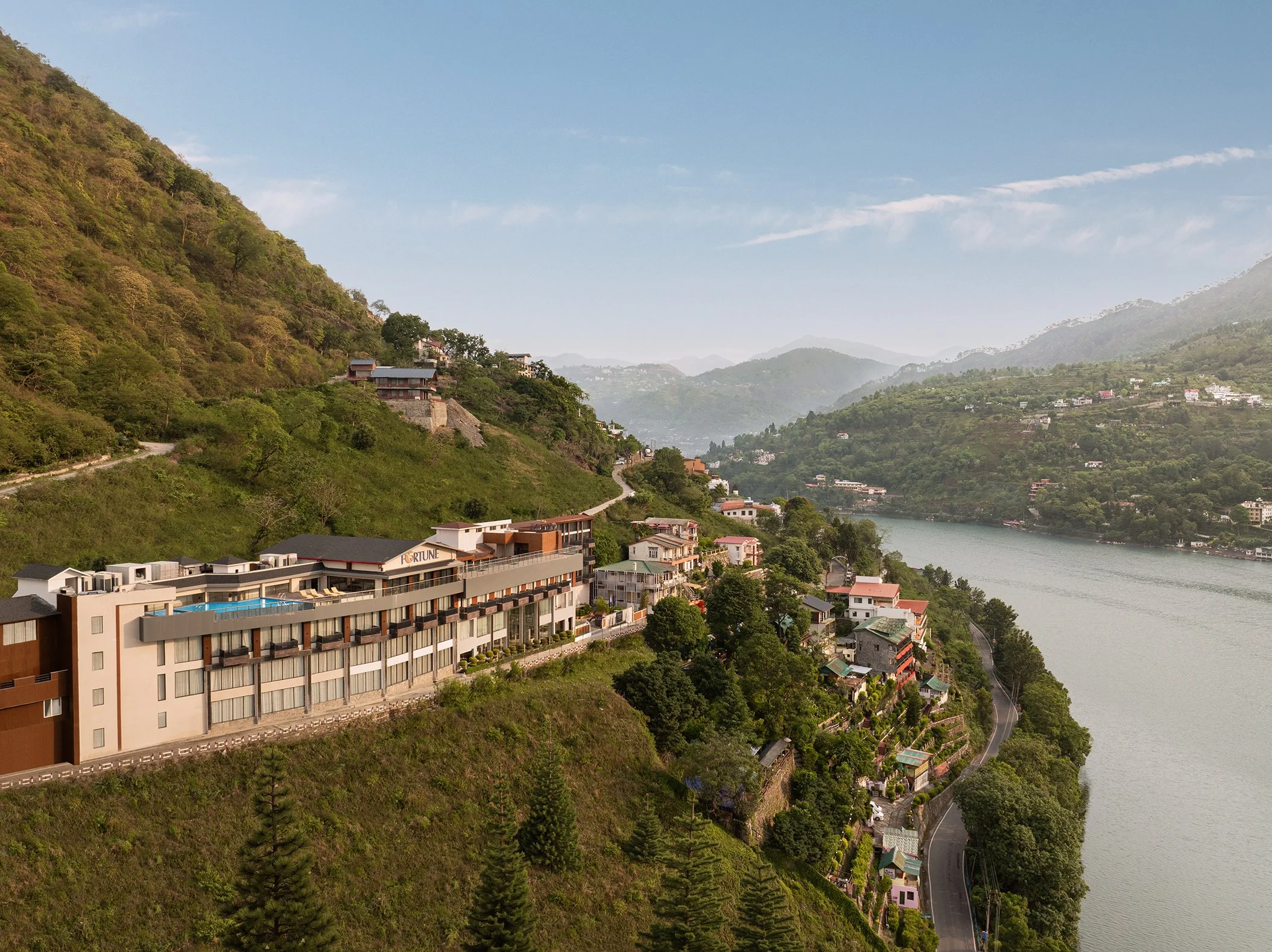
Bhimtal, July 2026: ITC Hotels Limited (ITCHL) announces the opening of 63-key Fortune Lakeview Bhimtal, a scenic lakeside retreat overlooking the serene waters of Bhimtal Lake in Uttarakhand.

Commenting on the launch, Anil Chadha, Managing Director, ITC Hotels Limited, said: “Uttarakhand holds a special place in our portfolio, and the opening of our 12th hotel in the region speaks of our confidence in its growing appeal among travellers seeking meaningful experiences. Fortune Lakeview Bhimtal marks a happy milestone in our expansion journey around India’s high-growth and emerging leisure markets”.

Featuring thoughtfully designed rooms and suites, many offering panoramic views of the lake and surrounding Himalayan hills, the hotel provides an ideal base to explore the Kumaon region, with easy access to Nainital, Sataal, Naukuchiatal and Kainchi Dham.

Additionally, the hotel offers versatile banqueting and conferencing facilities for up to 200 guests, making it ideal for corporate off-sites, leadership retreats, intimate weddings and social celebrations. A dedicated boardroom caters to meetings, presentations and strategy sessions, while the lakeside setting creates a memorable backdrop for gatherings of every kind.

Guests can unwind with a range of wellness and recreational facilities, including an all-weather swimming pool, a fully equipped gymnasium and a soon-to-open spa.

For the food enthusiasts, the hotel offers distinctive dining experiences. Zodiac, the all-day dining restaurant, brings together local Kumaoni flavours and international favourites, while Neptune Bar offers a curated selection of wines, spirits and brews in a relaxed setting. The soon-to-open rooftop restaurant, Nakshatra, will elevate the experience further with open-air dining, sweeping lake views and starlit evenings.

Beyond the serene lake that lends the town its charm, visitors can enjoy a range of outdoor experiences, from boating and kayaking on Bhimtal Lake to scenic nature walks through pine and oak forests. The surrounding hills offer excellent opportunities for trekking, mountain biking, birdwatching, and photography, with breathtaking views of the Himalayas and lush valleys. Adventure enthusiasts can explore nearby paragliding sites, camping retreats, and off-road trails, while destinations such as Naukuchiatal, Sattal, and Mukteshwar provide additional options for kayaking, ziplining, rock climbing, and wildlife spotting. Whether it's a peaceful morning hike, a sunset by the lake, or an adrenaline-filled day in the mountains, Bhimtal offers a refreshing blend of relaxation and outdoor adventure throughout the year.

Hemant Dwivedi, Owner of Fortune Lakeview Bhimtal, added, “The opening of Fortune Lakeview Bhimtal marks an exciting milestone for us. As one of Uttarakhand’s most sought-after leisure destinations, Bhimtal appeals to discerning travellers seeking immersive experiences amidst nature. Together with ITC Hotels, we are committed to creating a distinctive hospitality offering that blends the destination’s charm with world-class service.

Fortune Lakeview Bhimtal aims to contribute to Bhimtal’s tourism growth, generate meaningful employment, and emerge as a preferred choice for leisure stays, weddings and corporate retreats."

Conveniently located within driving distance of Delhi NCR, and easily accessible via Kathgodam Railway Station and Pantnagar Airport, the hotel is well connected to key markets across Western Uttar Pradesh, including Bareilly, Moradabad, Rampur and Bijnor.

With its blend of modern comforts, destination-inspired experiences and signature hospitality, Fortune Lakeview Bhimtal is poised to become a preferred retreat for travellers seeking meaningful stays amidst the natural beauty of Uttarakhand—an experience that is truly unhurried by the lake, where every moment invites relaxation, connection and discovery.

With this opening, ITCHL expands its Uttarakhand portfolio to 12 properties, comprising hotels in Mussoorie, Haridwar, Rishikesh, Haldwani, Ranikhet, Jim Corbett, Nainital and Bhimtal, along with upcoming destinations in Selaqui and Mukteshwar.

Air India begins deploying B777-300ER with upgraded cabin interiors on flights to Melbourne from 1 July

Delhi-Melbourne flights will now operate with Boeing 777-300ER featuring upgraded cabin interiors
Introducing First Class cabins on Delhi-Melbourne flights 

Air India will deploy its B777-300ER aircraft featuring upgraded cabin interiors on flights between Delhi and Melbourne, effective 1 July, replacing the existing aircraft. This marks a significant enhancement in premium seat capacity on the route, comfort, and on-board experience, including the introduction of First Class on the route.

Configured in a three-class layout, Air India’s upgraded Boeing 777-300ER features 08 First Class suites, 40 fully flat Business Class beds, and 280 Economy Class seats, representing a substantial increase in premium capacity compared to the existing B787-8 on this route, which features 18 Business Class and 241 Economy Class seats.

The deployment brings a more consistent and elevated long-haul product to Air India’s Melbourne services, aligned with the airline’s ongoing transformation into a world-class global carrier.

Elevated Onboard Experience

Air India guests to Melbourne will now benefit from a wide range of enhancements including:

  • Luxurious private suites in First Class, offering leather-upholstered seats that convert into fully flat beds, privacy doors, an elevated on-ground and dining experience, and personalised service.

  • Significantly upgraded Business Class product, with fully flat beds offering enhanced comfort, space, and privacy, alongside improved soft product elements.

  • Wi-Fi internet connectivity, introduced on this route for the first time, enabling guests to stay connected with work or loved ones throughout their flight.

  • Refreshed food & beverage offering, including thoughtfully curated menus featuring the best of global cuisine alongside Indian favourites, complemented by a selection of premium wines and spirits.

  • Enhanced inflight entertainment, with a richer and more diverse content library across movies, TV shows, music, and more, catering to global tastes

Seamless experience on ground and in air

The aircraft upgrade complements Air India’s broader investments in elevating the end-to-end customer journey. This includes access to the airline’s new flagship Maharaja Lounge at Delhi Airport for eligible premium customers, offering a refined pre-flight experience with upgraded dining, seating, and service.

Together, these enhancements reflect Air India’s continued focus on modernising its fleet, upgrading its product offering, and delivering a seamless, high-quality experience across touchpoints.

Connecting India with Australia and beyond

Australia remains a key international market for Air India, with strong and growing demand for both business and leisure travel. The introduction of the Boeing 777-300ER on the Delhi–Melbourne route underscores the airline’s commitment to strengthening connectivity while offering a more competitive and globally benchmarked product.

Air India currently operates 4x weekly non-stop flights between Delhi and Melbourne and is scheduled to operate 7x weekly services on the route from 01 September 2026. The airline’s Delhi-Melbourne service also provides travellers with convenient, same-terminal connections via Delhi to destinations across Europe, including London Heathrow, Frankfurt, Paris, Rome, Milan, Zurich, among others.

Air India also operates non-stop flights between Delhi and Sydney, enabling similar seamless onward connections to and from destinations in the UK and rest of Europe. 

A Mindful Monsoon Escape: Embrace Wellness Amid Nature at Swastik Wellbeing Sanctuary

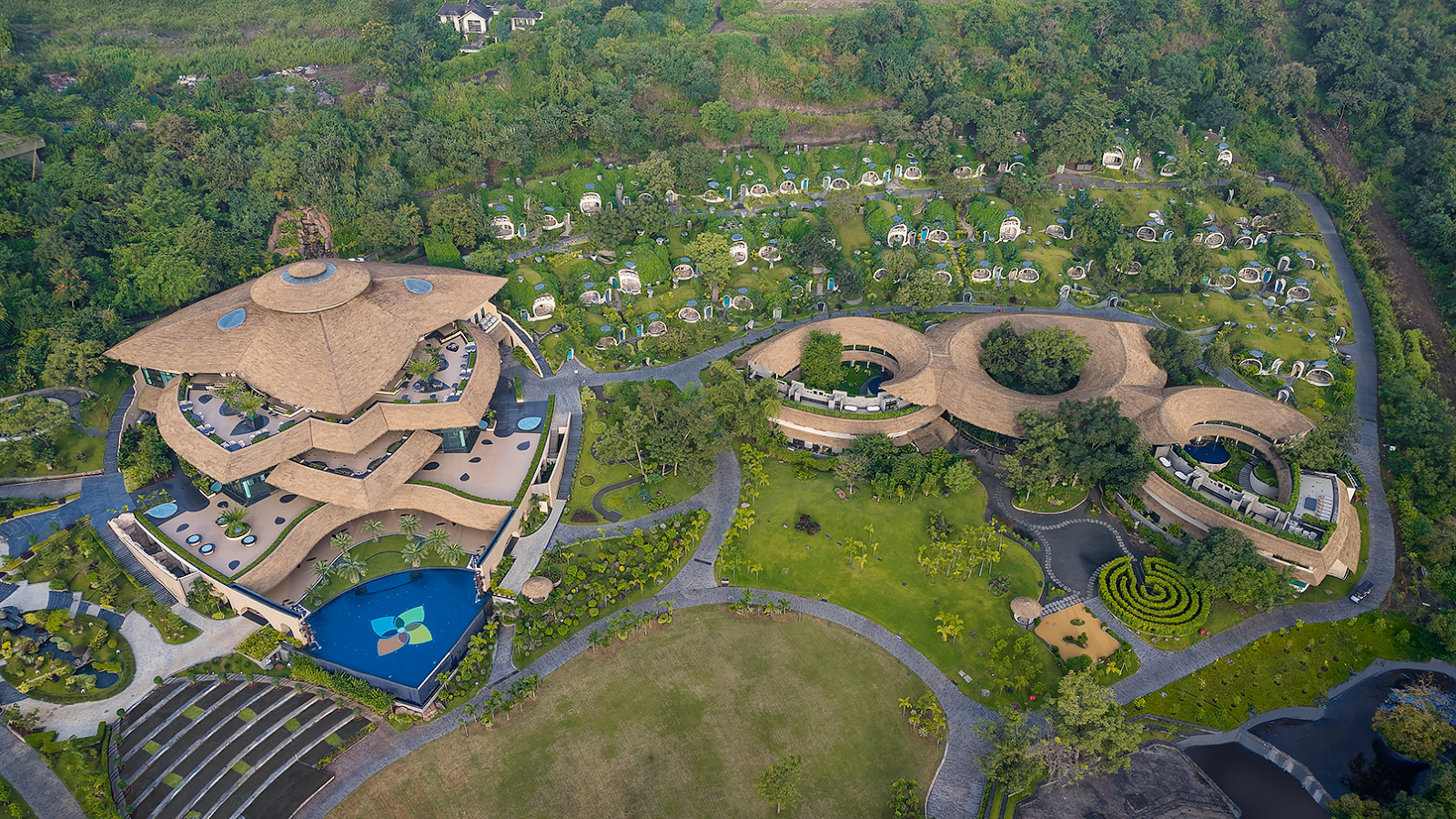
As the monsoon transforms the landscape into a lush green haven, it's the perfect time to slow down, reconnect with nature, and prioritise wellbeing. Nestled across 51 serene acres overlooking the tranquil Khadakwasla waters near Pune, Swastik Luxury Wellbeing Sanctuary offers an immersive wellness retreat where the calming rhythm of the rains enhances every experience.

Rooted in ancient wisdom and complemented by modern wellness practices, the sanctuary offers personalised Healing and Wellness programmes designed to address lifestyle concerns including weight management, gut health, diabetes care, sleep optimisation, cardiac wellness, women's health, fertility, stress management, digital detox, longevity, Panchakarma, and babymoon. For those simply seeking a restorative getaway, the Wellness Holiday offers the freedom to unwind with nourishing cuisine, mindful movement, deep rest, and peaceful moments surrounded by monsoon-kissed landscapes—without the rigidity of fixed schedules.

Taj Mahal, New Delhi hosts a Rendezvous with India’s master storyteller Laksh Maheshwari, ‘A Journey to Find Joy’

Conversations and more curated by The Chambers, India's very first exclusive business club

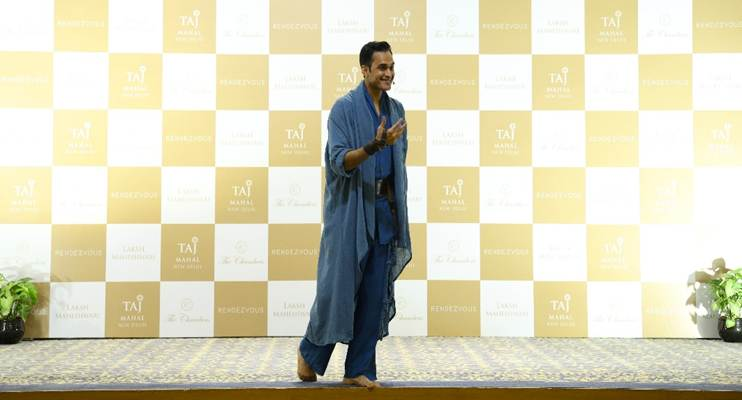
Laksh Maheshwari at Rendezvous presented by The Chambers, Taj Mahal, New Delhi

New Delhi,  July 2026: The Chambers, India’s premier exclusive business club, hosted a Rendezvous with master storyteller Laksh Maheshwari at Taj Mahal, New Delhi. Titled ‘A Journey to Find Joy’, the soul-stirring evening brought together members for an intimate and emotionally resonant experience, inviting them to reflect on the true meaning of Khushiyaan.

Set against the backdrop of Lutyens’s Delhi, the evening unfolded as a deeply immersive journey into human experience marked by Maheshwari’s signature blend of humour and emotional depth. His narratives, layered with wit and vulnerability, evoked moments of laughter, nostalgia and introspection in equal measure. The experience was elevated by a prelude of cocktails and canapés, culminating in a curated bowl meal experience.

Speaking on the occasion, Dr. Anmol Ahluwalia, Area Director-Operations and General Manager, Taj Mahal, New Delhi said, “At Taj Mahal, New Delhi, our endeavour is to create experiences that are both culturally enriching and distinctly personal. The Chambers allows us to bring this vision to life through thoughtfully curated engagements that celebrate artistry, dialogue and meaningful connection. The Rendezvous with Laksh Maheshwari is a reflection of that philosophy.”

Rendezvous — a series of ultra-exclusive experiences curated for our esteemed members of The Chambers, is thoughtfully designed to engage and inspire, bringing together bespoke, niche experiences that are both enriching and memorable.

Hotelogix introduces Multi-Property Manager to strengthen group-level oversight for expanding hotel chains

Delhi, July/2026: Hotelogix, a leading provider of cloud-based hospitality technology solutions, announced the launch of its Multi-Property Manager, a solution built to help corporate teams at the head offices of growing hotel groups and chains achieve centralized portfolio-wide visibility and efficient operational control.

As hotel groups expand across locations, leadership teams often face common operational challenges, including fragmented visibility as key operational data reside across multiple systems or locations, making it difficult for corporate teams in all departments such as operations, revenue, distribution, marketing, etc., to track group-wide performance in real time, respond quickly and identify growth opportunities.

Hotelogix’s Multi-Property Manager addresses this need by providing the corporate teams with centralized control to manage their tasks effectively and efficiently across their portfolio. They can also dig deeper and gain more control of any property via single sign-on. Each department is well served with actionable centralised reports at group level and real time. This helps in managing the whole group more smartly and effectively

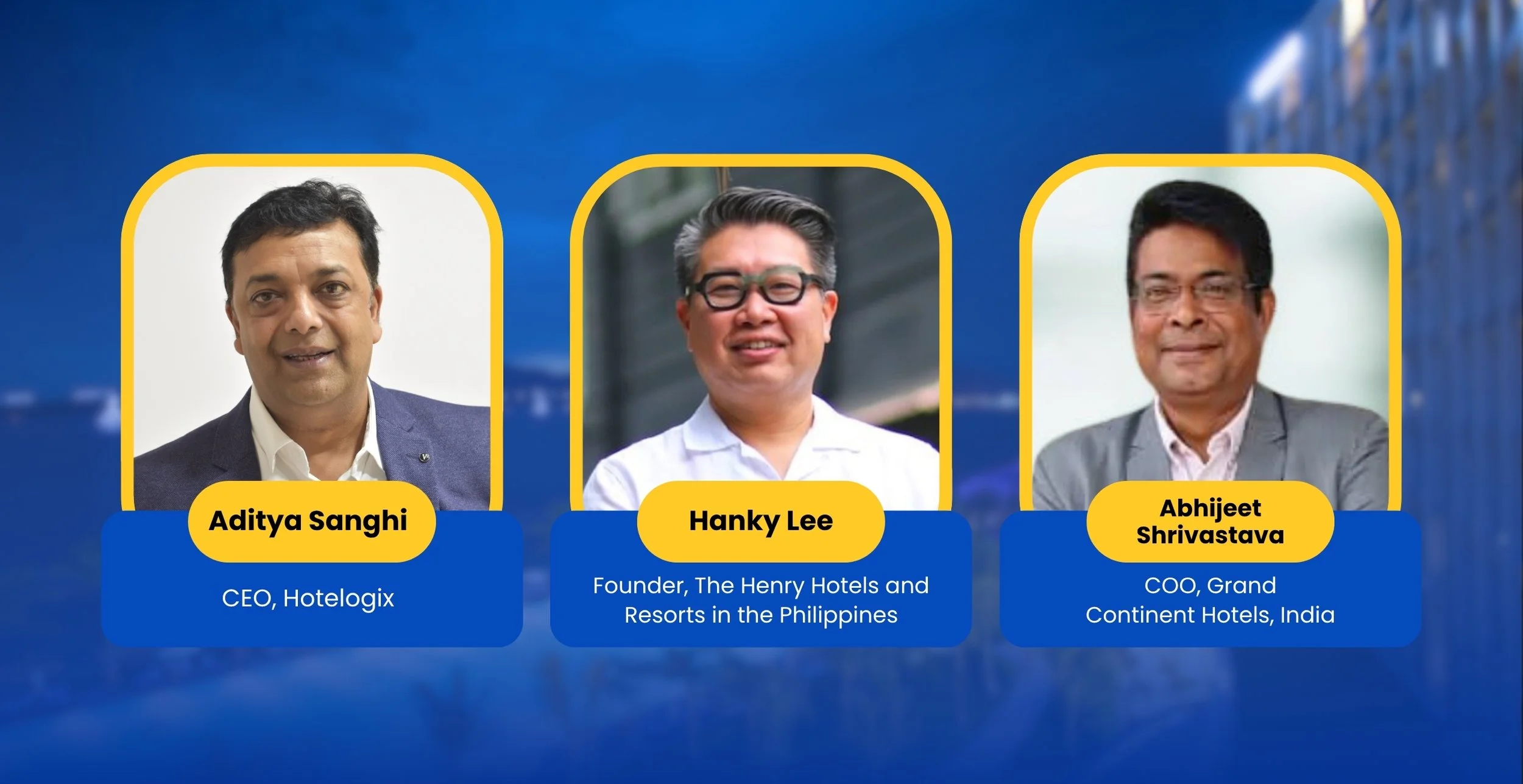
"Hotel groups today struggle with centralization of their business and manually collate their data at the corporate level to gain a group-wide view of their business. At best, they have no tools to help their corporate teams gain total control over the group's processes," said Aditya Sanghi, CEO of Hotelogix. "Acting as a central command center, our multi-property manager breaks down these barriers, empowering hotel leaders to unify data, centralize processes, and unlock the full potential of their portfolio."

With Hotelogix’s Multi-Property Manager, a single sign-on, corporate team can gain portfolio-wide visibility into revenue, occupancy, ARR, RevPAR, room nights, and availability. They can also centrally manage OTA allotments, configure travel agent and corporate profiles, and define user access. While the central reservation team can have clarity on property-level availability to tighten control over bookings, management can forecast future demand with visibility into business-on-books to optimize staffing and guest satisfaction. Additionally, cluster and group managers can stay on top of their business while on the go with the Multi-property Mobile PMS App.

“For a hotel group like ours, the ability to see group-level data in one place is transformative. Hotelogix’s Multi-Property Manager helps us benchmark performance, forecast demand, and optimize operations with better control over processes," said Abhijeet Shrivastava, Chief Operating Officer at Grand Continent Hotels Ltd. Headquartered in Bangalore, Grand Continent Hotels Ltd. operates 25 properties with 1200+ rooms, serving value-conscious travellers, with 13 directly managed properties (12 in India and 1 in Dubai) and the rest affiliated to another Indian group. They are rapidly expanding their footprint in India.

Commenting on this, Hanky Lee, Founder of The Henry Hotels and Resorts in the Philippines, said, “As we manage more hotels and resorts across the archipelago, we are looking forward to using Hotelogix’s Multi-Property Manager to see each property’s performance in real-time.” The Henry Hotels and Resorts manages 12 properties and is working on expanding its portfolio count.

Hotelogix's industry-first, enterprise-grade multi-property management system, along with the 250+ growing groups it works with in emerging markets, will benefit from this release.

STAAH opens up new business channels across B2C, B2B segments for Bizzgrow Hotels

The group’s three properties — Silvotel in Indore, Hotel Skylon and Hotel Epsilon in Ahmedabad and The Hotel Bliss in Patna — have integrated STAAH’s Channel Manager into their system and clocked a boost in productivity, operations and revenue

Mumbai: July , 2026 – STAAH, an access company which is a leading global hospi-tech solutions firm, has enabled the properties of Bizzgrow Hotels in Ahmedabad, Patna and Indore to streamline their online distribution model by enabling the group to connect to new channels of business in B2C and B2B segment.

The properties have successfully integrated STAAH’s Channel Manager solution, enhancing their connectivity, expanding market reach, improving visibility across platforms, and driving higher booking volumes.

“Before we integrated STAAH’s Channel Manager, we had not tapped into several potential business channels in these cities, which was affecting the revenue across these locations. Now, we’ve gained momentum in productivity for all our hotels and are exploring new opportunities in the market that we never had access to before,” said Abhijeet Deshmukh, MD – Bizzgrow Hotels 

For hospitality groups with multiple properties, STAAH’s Channel Manager seamlessly aligns their bookings across OTA platforms  and the website through a single interface, ensuring real-time updates of rates, availability and guest data. As a result, hoteliers avoid over bookings and are able to enjoy the advantages of dynamic pricing.

STAAH’s Channel Manager also minimises manual involvement, cutting down the risks of human errors and enhances operational efficiency, thereby allowing the staff to remain focused on enhancing guest experiences, and hoteliers to drive higher revenue.

“For many groups like Bizzgrow Hotels, broadening their customer base and creating new business opportunities in the B2C and B2B segments is one of the most challenging aspects of the business. At STAAH, we invest a lot of time and effort in training our team to offer the most professional onboarding and training services to our clients, handholding them through every aspect of the transition,”

said Shoaib Ali – National Sales Head India, STAAH.

Where Privacy Meets Forest Luxury: Aahana Resort & Spa, Jim Corbett Becomes a Coveted Address for High-Profile Weddings

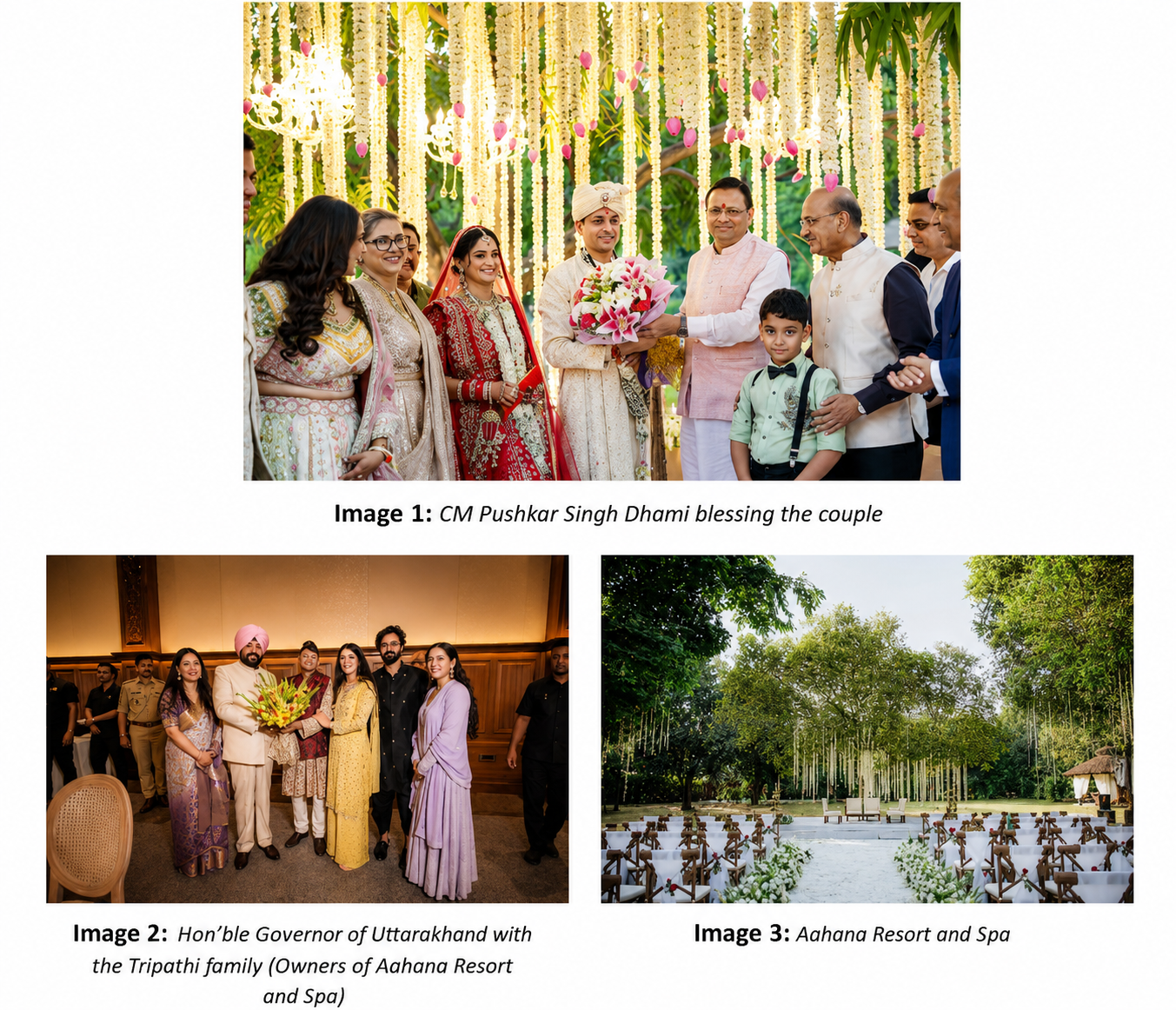
Aahana Resort & Spa, Jim Corbett continues to find favour with India’s most discerning families, most recently hosting the wedding celebrations of the Hon’ble Chief Justice of Uttarakhand’s daughter, graced by the presence of the Hon’ble Chief Minister of Uttarakhand, Shri Pushkar Singh Dhami, and distinguished members of the judiciary.                                                                       

New Delhi, June 2026: Set against the forests of Jim Corbett, Aahana Resort & Spa, Jim Corbett recently hosted the wedding celebrations of Ms. Megha Gupta, daughter of the Hon’ble Chief Justice of Uttarakhand, Justice Manoj Kumar Gupta, marking another significant milestone in the resort’s journey as one of the country’s most trusted addresses for private luxury weddings.

The celebration was graced by the presence of the Hon’ble Chief Minister of Uttarakhand, Shri Pushkar Singh Dhami, Governor of Uttarakhand Lt. Gen. (Retd.) Gurmit Singh along with close to 30 to 35 members of the judiciary, including senior figures from the Supreme Court of India and various High Courts. Their presence lent rare stature to the occasion and underscored the confidence Aahana has built among families whose celebrations call for discretion, care and impeccable execution.

The wedding unfolded as a forest-led celebration, with nature woven into the rituals, décor, dining and guest experience. The festivities began beneath Aahana’s banyan tree, regarded in Indian tradition as a symbol of longevity and new beginnings, setting the tone for a celebration rooted in blessing, family and place. Across the resort’s open-air venues, lawns, forest-framed spaces and Uttarakhand’s largest pillarless ballroom, the wedding brought together the intimacy of nature-led rituals with the scale and refinement expected of a high-profile celebration.

Conscious luxury remained central to the experience. Décor drew from the surrounding wilderness, while the culinary offering featured produce grown within Aahana’s in-house organic gardens, served farm-to-table across the festivities. Thoughtful planning, mindful use of resources and intuitive hospitality allowed the celebration to retain its grandeur while staying true to the resort’s nature-led philosophy. As part of the festivities, the couple and their families also planted a tree within the resort grounds, marking the occasion with a lasting symbol of growth, continuity and new beginnings.

Speaking about their decision to host the celebrations at Aahana, the Gupta family said, “Aahana’s connection with nature and its values were central to our choice of venue. The setting allowed us to create a wedding that felt both meaningful and responsible. The tree plantation ceremony by the couple and our families was a particularly special moment, one that will continue to hold meaning for years to come.”

Speaking on the occasion, Ayu Tripathi, Director, Aahana Resort & Spa, Jim Corbett, said, “The most memorable celebrations are the ones that feel deeply connected to the place they are set in. The Gupta family’s vision for this wedding resonated strongly with our own approach to hospitality and meaningful experiences. Set amidst the forests of Jim Corbett, the celebration brought together luxury and responsibility in a way that felt true to the destination. We were honoured to host the family and be part of such a special occasion.”

The wedding clearly speaks to Uttarakhand’s growing prominence as a destination for celebrations that seek more than conventional grandeur. As Devbhoomi, the land of the gods, the state carries a natural sense of blessing, purity and belonging, making it especially meaningful for weddings and personal milestones. Within this evolving tourism landscape, Aahana Resort & Spa, Jim Corbett continues to contribute to the state’s luxury hospitality narrative through high-profile weddings, wellness-led stays, Spa L’OCCITANE, private pool villas, farm-to-table dining, expansive lawns, forest-inspired outdoor venues and one of Uttarakhand’s largest pillarless ballrooms.

India’s Hotels Are Now a Rs 36,564 Crore Capital Market. A New NOESIS Report Maps It.

A new report from NOESIS Hotel Advisors studies around 125 hotel deals, 37,847 keys and Rs 36,564 crore of disclosed value. Its message to owners and investors is simple. In hospitality, the math decides everything.

MUMBAI, July2026:  NOESIS Hotel Advisors has released a new report titled The Art and Science of Buying and Selling Hotels. The report studies around 125 hotel transactions in India covering 37,847 keys and Rs 36,564 crore of disclosed deal value. Its point is direct. The Indian hotel is no longer just a business that hotel companies run. It has become a real investment asset. The buyers now include developers, family offices, institutional investors, lenders, landowners and a new wave of first generation owners.

Key numbers from the report

Transactions analysed

Around 125

Keys covered

37,847

Disclosed deal value

Rs 36,564 crore

Average value per key

Around Rs 0.97 crore

Largest buyer group

Institutional investors at Rs 21,812 crore

Value in multi city portfolios

Rs 15,095 crore

Source: NOESIS internal database of disclosed hotel transactions.

The numbers explain why money is moving into hotels. Across the deals studied, the average works out to about Rs 0.97 crore per key. That average hides the real story. Luxury hotels made up only 29 deals yet accounted for Rs 22,033 crore of value, at about Rs 1.68 crore per key. Budget hotels were the opposite. 48 deals moved 14,903 keys at about Rs 0.38 crore per key. Institutional investors alone were behind Rs 21,812 crore of the value. Large multi city portfolios accounted for Rs 15,095 crore, which shows that size on its own has become something investors will pay for.

The report speaks to every part of the hotel business. For an owner with a single hotel, it shows that the same asset can mean very different things to different buyers, so price per key alone tells you little. For a developer, it lays out six clear ways to enter, from buying a running hotel to taking on a distressed asset, a half built project, a part stake or a piece of land with hotel potential. For a family office or a wealthy investor, it turns rising incomes and growing travel into a clear way to take part without repeating other people’s mistakes. For an operator or a lender, it is a reminder that brand fit, capital structure and feasibility decide the next ten years of a hotel long before the first guest walks in.

“For most of the last two decades India treated hotels as a passion business. That time is over,” said Nandivardhan Jain, Founder and CEO of NOESIS. “A hotel is a working business that sits inside real estate. Its value comes from the cash it earns, not from the size of its lobby. Owners who understand this are building real wealth. Owners who do not are simply paying for someone else’s future purchase.”

The report draws on real NOESIS assignments. In one case in South India, a promoter who had put around Rs 110 crore into a 140 room hotel came to the firm to raise money to finish construction. On a closer look it was not a funding problem at all. The hotel had been built too large for its market and carried too much debt. The honest advice was to sell and protect the equity. The deal was finally closed at around Rs 94 crore. A Jaipur case went the other way. By turning a weekend resort into a wedding destination under the right brand, the owner lifted room rates and grew the property from around 70 rooms to 145.

A buyer pays only for what the business can support.

Nandivardhan Jain, Founder and CEO, NOESIS

“Most hotels in this country are still built on emotion, not evidence,” Jain said. “A buyer will never pay for an oversized building, vanity or a brand the owner simply likes. A buyer pays only for what the business can support. That one line explains most of the trouble we are called in to fix.”

NOESIS calls the report a working guide rather than market commentary. It covers the full life of a hotel deal. Market study, choosing the right asset, the true full cost of buying, structuring the debt and equity, the first hundred days after takeover, getting an asset ready to sell and a final due diligence checklist that turns every warning sign into a clear decision before any money moves.

“India still has too few quality hotel rooms and capital has finally noticed,” Jain said. “This is the best window in ten years to buy the right hotel or to sell a good one at the right price. The mistake is to buy or sell without doing the math first.”

NOESIS has invited hotel owners thinking about a sale and investors looking at a purchase to request the report and a private, no obligation view on their asset or deal.

Hospitality jobs evolve faster than ever, Glion strengthens the bridge between academia and industry

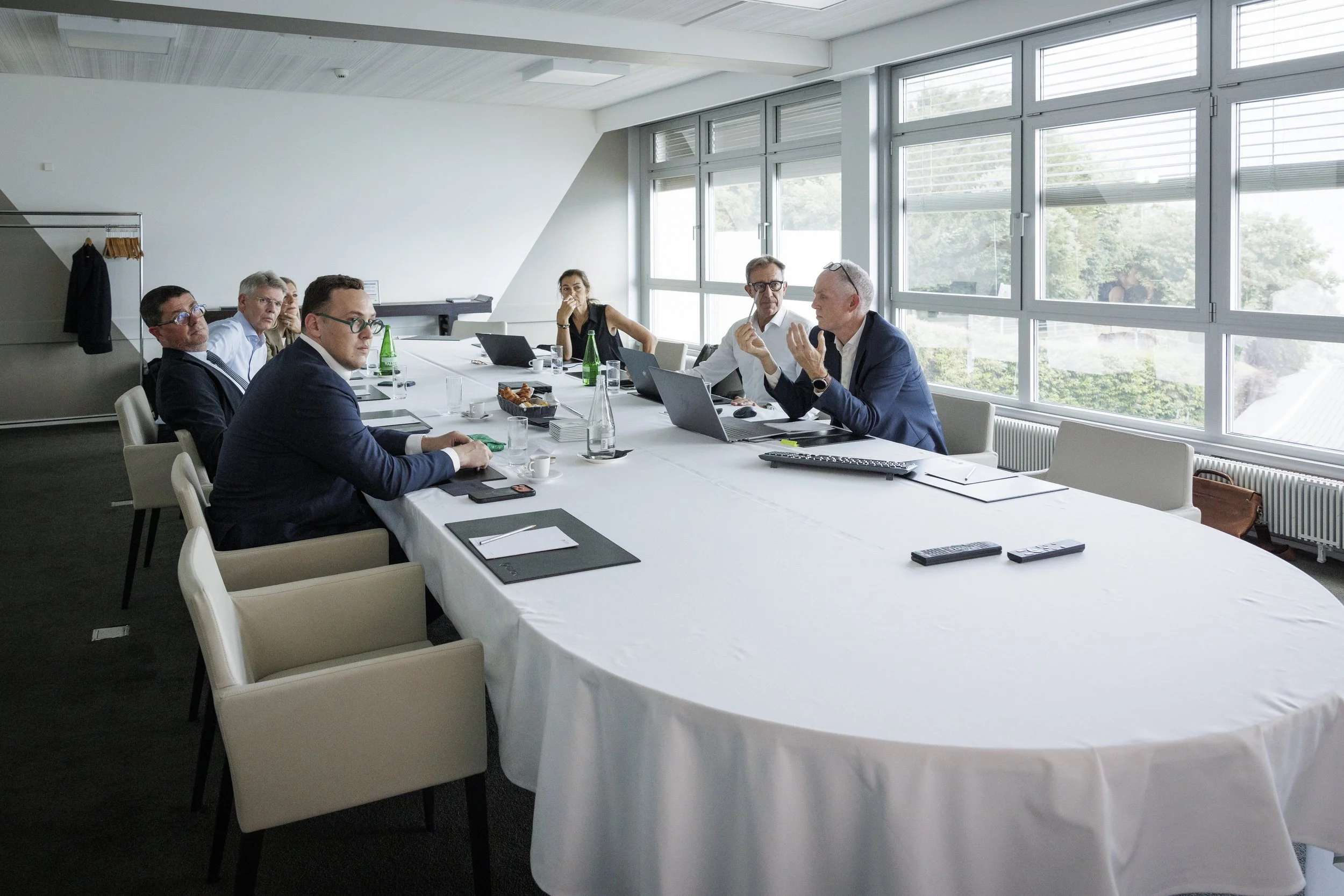
India– 2026 – Glion Institute of Higher Education welcomed the members of its Hospitality & Luxury Industry Council (HLIC), established in 2025, for their third official gathering, the second on its Montreux campus, bringing together senior leaders from some of the world's most influential hospitality, luxury and experience-driven brands.

The meeting took place against the backdrop of profound transformation across the global workforce. According to the World Economic Forum's Future of Jobs Report 2025, 22% of today's jobs are expected to be disrupted by 2030, while 39% of today's core skills will change and 59% of the global workforce will require reskilling or upskilling. For higher education institutions, anticipating these shifts has become a strategic imperative.

Created to strengthen the dialogue between academia and industry, the Council serves as a strategic platform for identifying the trends, leadership challenges and emerging skills that will shape the future of hospitality and luxury.

A strategic bridge between academia and industry

For Glion, the Hospitality & Luxury Industry Council reflects a clear ambition: ensuring that education remains closely connected to the realities, opportunities and transformations shaping the industry.

"The hospitality and luxury sectors are evolving at an unprecedented pace. New technologies, changing consumer expectations, sustainability imperatives and talent challenges are transforming the way organizations operate and compete. The Hospitality & Luxury Industry Council ensures that Glion remains deeply connected to these transformations and continues to prepare students for the realities of tomorrow's industry. By bringing together some of the most respected voices across hospitality and luxury, we are creating a platform for meaningful dialogue that will directly contribute to the relevance, quality and future evolution of our academic programs." - Philippe Vignon, Managing Director, Glion Institute of Higher Education

More than an advisory body, the Council is designed as a long-term observatory of industry evolution. The insights generated through its discussions directly contribute to the continuous development of Glion's academic portfolio and reinforce the institution's commitment to preparing future leaders for an increasingly complex, international and experience-driven world.


Bringing together leaders from across the luxury ecosystem

One of the Council's distinguishing features is the diversity of expertise represented around the table. Its members span luxury hospitality, travel, design, retail, guest experience, talent development and education, reflecting the increasingly interconnected nature of the hospitality and luxury industries.

This cross-sector perspective mirrors the evolving careers of Glion graduates. Today, more than half pursue careers beyond traditional hotels and restaurants, moving into luxury retail, real estate, consulting, finance, events and other premium service industries. By bringing together leaders from these sectors, the Council helps ensure that Glion's programs remain aligned with the full breadth of opportunities offered by today's experience economy.

The Hospitality & Luxury Industry Council currently includes:

  • Grisha Davidoff, Owner & CEO, Utopian Hotels (Lisbon)

  • Gaëlle Devins, Chief Customer Officer & Member of the Executive Board, Breitling (Grenchen)

  • Amanda Hyndman, Chief Operating Officer, Mandarin Oriental Hotel Group (Hong Kong)

  • Sybille de Margerie, President & CEO, Sybille de Margerie Interior Design (Paris)

  • Nicholas Northam, former Executive Vice President International, Aimbridge Hospitality (London)

  • Anthony Torkington, Managing Director, Relais & Châteaux (Paris)

  • Jeffrey Wielgopolan, Service Director, Meadowood Estate Napa Valley (California)

Together, these leaders bring decades of international experience, providing Glion with direct access to the perspectives shaping the future of hospitality and luxury worldwide.

« One of the most significant changes we've witnessed over the past decade is the growing diversity of career opportunities available to our graduates. More than half of our graduates now build their careers beyond traditional hotels and restaurants, in sectors such as luxury retail, events, real estate, consulting or finance. Keeping a constant dialogue with industry leaders is therefore essential. It enables us to understand how roles are evolving, which skills employers are looking for, and how we can continuously adapt our programs so that our graduates remain relevant, not only for their first job, but throughout their careers. » - Jacquie Lutz, Head of Career and Alumni Services & Industry Relations, Glion Institute of Higher Education


Identifying the trends that will shape the next decade

Council members participated in a collaborative workshop structured around five strategic pillars: Financial & Asset Acumen, Technology & AI, The Human Aspect, Talent Management, and Sustainability & Responsible Business, the session encouraged experts to collectively examine the forces redefining the industry.

As AI is already transforming every layer of the hospitality and luxury value chain, from operational efficiency and data-driven decision-making to guest personalization and service innovation. Yet, while technology is reshaping business models, it also reinforces the value of distinctly human capabilities.

Across all five pillars, a clear consensus emerged: the future of luxury hospitality will depend on leaders who combine technological fluency with emotional intelligence, empathy, cultural awareness and exceptional interpersonal skills. These reflections reinforce Glion's conviction that preparing a future-ready workforce requires a seamless integration between academia and industry. Alongside AI, innovation and leadership, students develop their capabilities through real-world consulting projects and up to 18 months of professional experience across three internships during the Bachelor degree, ensuring they graduate with the adaptability, operational expertise and strategic mindset required to lead an industry evolving faster than ever.

-

About Glion Institute of Higher Education   

Founded in 1962, Glion Institute of Higher Education is a Swiss institution offering bachelor’s, master’s and executive degrees in hospitality, luxury and finance to an international student body across three campuses in Switzerland and London, UK.    

Glion ranks number three among the world’s top higher education institutions for hospitality and leisure management in the 2026 QS World University Rankings by Subject. It also holds number three globally in employer reputation, highlighting its strong industry recognition and ability to meet employer expectations.   


Part of the Sommet Education network, world leader in education and training in hospitality, luxury and culinary arts. Glion has received official recognition from the Swiss Accreditation Council (SAC) as a Swiss University of Applied Sciences Institute. In addition, Glion is also accredited by the New England Commission of Higher Education (NECHE).  

For more information, visit https://www.glion.edu/     

Roswyn, A Morgans Originals Hotel Debuts in Mumbai

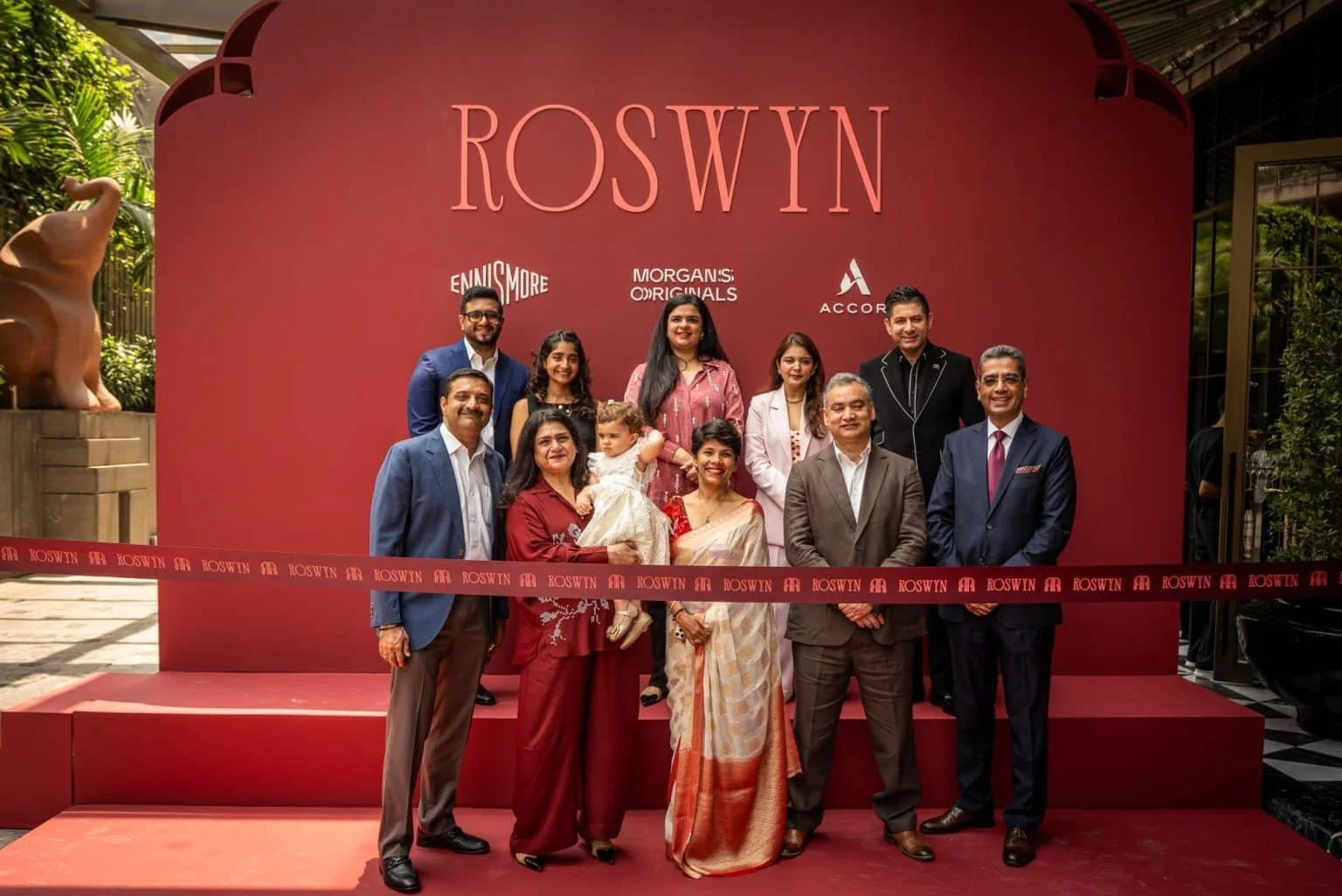
Roswyn, a Morgans Originals hotel, has officially debuted in Mumbai, marking Ennismore’s first Morgans Originals property in India. Located near Chhatrapati Shivaji Maharaj International Airport, the hotel introduces a lifestyle-led hospitality concept with 109 spacious suites, distinctive design, and curated dining and wellness experiences.

Mumbai, 2026 – Ennismore, in partnership with Accor, has announced the opening of Roswyn, India’s first Morgans Originals hotel, located adjacent to Chhatrapati Shivaji Maharaj International Airport. The launch marks a significant milestone in bringing globally relevant, lifestyle-led hospitality to India.

Roswyn offers 109 suites, each starting at 80 sq. m, designed as living spaces with lounge areas, kitchenettes, home bars, and dedicated study corners. The property is crafted to reflect the rhythm of city life, blending convenience with cultural character. Paris-based designer Daphné Desjeux has infused Mumbai-inspired elements into the interiors, including embroidered portraits, “Bombay”-marked ceramic plates, and shoreline-inspired photography.

Food and beverage form the heart of Roswyn’s experience. Fi’lia, the hotel’s Italian restaurant, serves Neapolitan-style pizzas, hand-rolled pastas, and seasonal menus rooted in generational traditions. Black Lacquer, a Japanese listening bar, celebrates vinyl music culture, offering sake, shochu, highballs, and signature cocktails in a setting that transitions from intimate conversations to vibrant nightlife. The hotel also features The Third Room, a social workspace for meetings, networking, and informal gatherings.

Lifestyle and wellness facilities include a Technogym-powered fitness centre, infinity pool, Tiny Town children’s zone, and Blu Xone, a longevity-focused wellness concept introduced for the first time in India.

Commenting on the launch, Louis Abboud, Chief Growth Officer, Ennismore, said: “Lifestyle hospitality today is about creating culturally relevant destinations that become part of a city’s everyday rhythm. India is one of the most dynamic hospitality markets globally, and Roswyn marks our first Morgans Originals hotel in the country, with more distinctive projects to follow.”

Ranju Alex, CEO, Accor South Asia, added: “With Roswyn, we are not just introducing a new hotel, but a vibrant destination designed to integrate seamlessly into Mumbai’s cultural fabric. This opening underscores our commitment to expanding our lifestyle portfolio in India.”

The hotel is led by Rajiv Kapoor, General Manager of Fairmont Mumbai and Roswyn, alongside Annam Lubana, Hotel Manager, who bring a leadership style focused on clarity, consistency, and intuitive service.

Roswyn represents a new chapter in India’s hospitality landscape, combining Morgans Originals’ design-led ethos with Ennismore’s vision for lifestyle-driven experiences.


IHCL Expands Ginger Footprint with New Hotels in Bihar and Agra

Indian Hotels Company Limited (IHCL), South Asia’s largest hospitality company, has announced the opening of two new Ginger hotels, further strengthening the brand’s presence in both commercial and tourism-driven markets. The new properties are located in Siwan, Bihar, and Agra, Uttar Pradesh.

Ginger Siwan, situated on Chapra Road, offers 30 well-appointed rooms designed to meet the needs of business travelers and the growing trade activity in the region. The hotel features Ginger’s signature all-day dining restaurant, Qmin, serving a mix of local and international cuisine, along with meeting spaces to support corporate gatherings and events.

Ginger Agra, located on Fatehabad Road near the city’s iconic attractions including the Taj Mahal, brings 70 stylish rooms equipped with modern amenities. Guests can enjoy dining at Qmin, which offers Indian, Mughlai, and global dishes, and relax at the bar. The hotel also provides banquet halls and meeting venues, catering to both social and corporate events.

Commenting on the expansion, Deepika Rao, Executive Vice President – Hotel Openings & New Businesses, IHCL, said: “These new hotels reflect IHCL’s commitment to scaling Ginger across high-demand destinations. By entering Siwan, a growing commercial hub, and Agra, a world-renowned tourist city, we are strategically balancing our expansion between business centers and cultural hotspots.”

With these additions, Ginger continues to strengthen its position as a leading mid-scale brand in India, offering affordable yet stylish stays that appeal to both business and leisure travelers.

Eight Continents Brings Hanric to Varkala, Deepening Its India Hospitality Footprint

New Delhi, 2026: Eight Continents Hotels & Resorts, a UK-based luxury hospitality and hotel management group redefining emotique hotels through distinctive design, cultural authenticity, and personalised experiences, has announced the launch of Hanric, Varkala, marking a strategic expansion of the Hanric by Eight Continents brand along India's southern coastline. The opening further strengthens Eight Continents' presence in experiential hospitality across India and reflects the Group's continued focus on growing its portfolio across high-potential travel markets.

Located in the heart of Varkala, the newly developed property has been designed to offer travellers a contemporary stay experience inspired by the destination's distinctive coastal character. Renowned for its dramatic cliffside views, pristine beaches, vibrant culture, and growing wellness tourism appeal, Varkala has emerged as one of India's most sought-after coastal getaways, attracting visitors seeking a blend of relaxation, exploration, and authentic local experiences.

Hanric, Varkala features 32 well-appointed rooms, a restaurant, bar, and banquet facilities, creating a versatile hospitality offering for leisure travellers, intimate celebrations, and social gatherings. Combining modern comforts with warm hospitality, the hotel provides guests with an ideal base to experience the natural beauty and unique charm of Kerala's coastline.

At Hanric, Varkala, Eight Continents Hotels & Resorts will leverage its expertise in curating memorable guest experiences, driving operational excellence, and building destination-led hospitality offerings, ensuring the property evolves into a preferred stay destination within the region.

Speaking on the launch, Ms. Richa Adhia, Managing Director, Eight Continents Hotels & Resorts, said: "The launch of Hanric, Varkala marks an important milestone in the growth of the Hanric by Eight Continents brand. Varkala's growing popularity as a coastal getaway makes it a natural fit for our vision of creating distinctive hospitality experiences rooted in place and culture. Through this property, we aim to offer travellers an authentic connection to the destination while further strengthening our presence in India's growing experiential hospitality landscape."

This launch reflects Eight Continents' continued focus on expanding its presence in markets that offer strong tourism potential and growing demand for experience-led travel. With a diverse portfolio of brands including Treetop, Hanric, Stamps, Ocho Homes, and Signature Collection, Eight Continents Group currently operates across India, the United Kingdom, and East Africa. Its growing footprint spans Belfast, Guernsey, Zanzibar, Kasauli, Udaipur, Sariska, Jodhpur, Pushkar, and Varkala, reflecting a strong focus on building a design-led hospitality portfolio across emerging and established travel markets.


FOO Arrives in Indiranagar, Bringing Its Signature Contemporary Asian Experience to Bengaluru's Most Vibrant Neighbourhood

Marking its third Bengaluru launch yet, FOO brings its much-loved Asian tapas, signature cocktails, and vibrant hospitality to Indiranagar, at the heart of one of Bengaluru's most dynamic dining and social neighbourhoods.


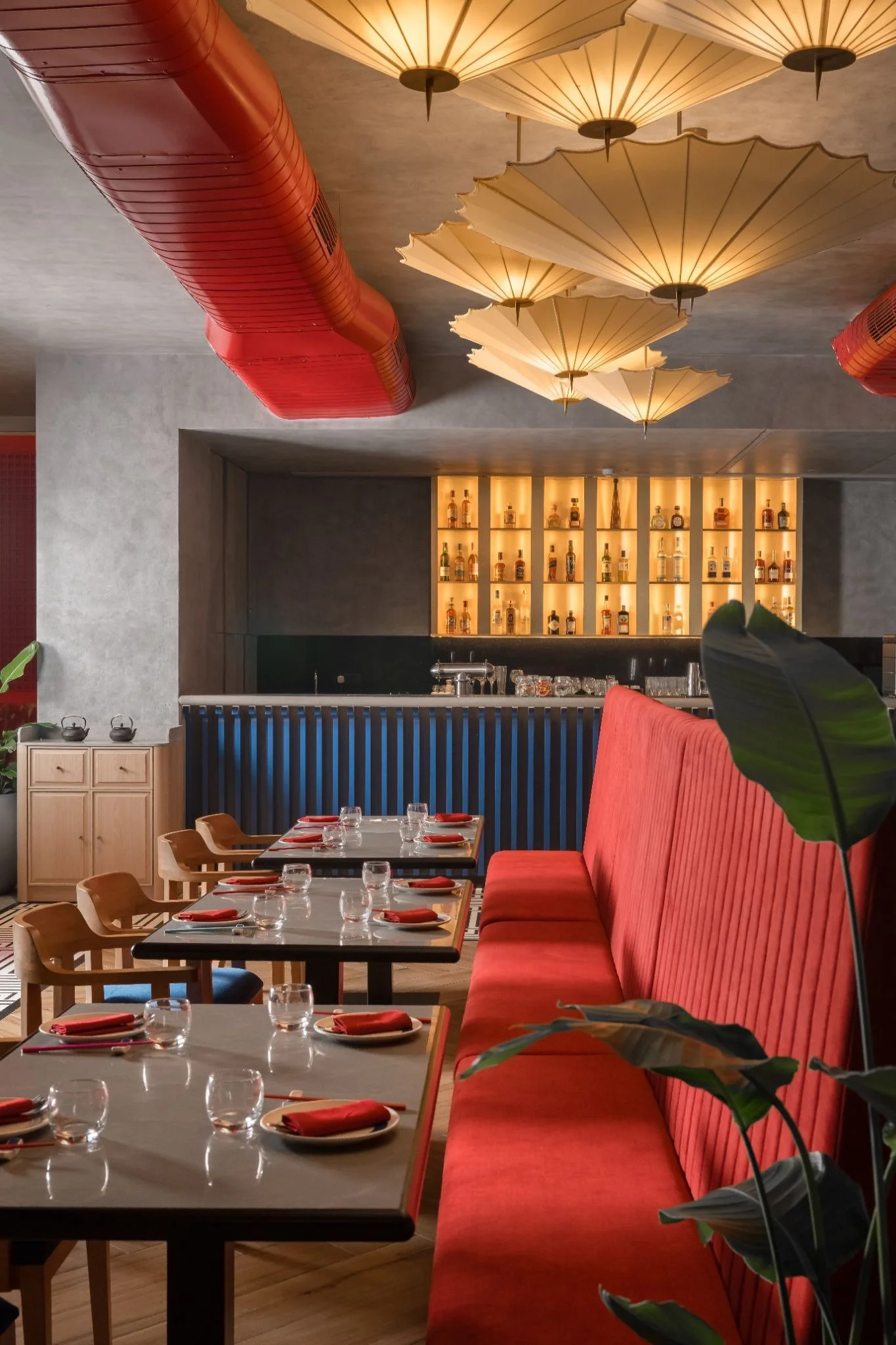
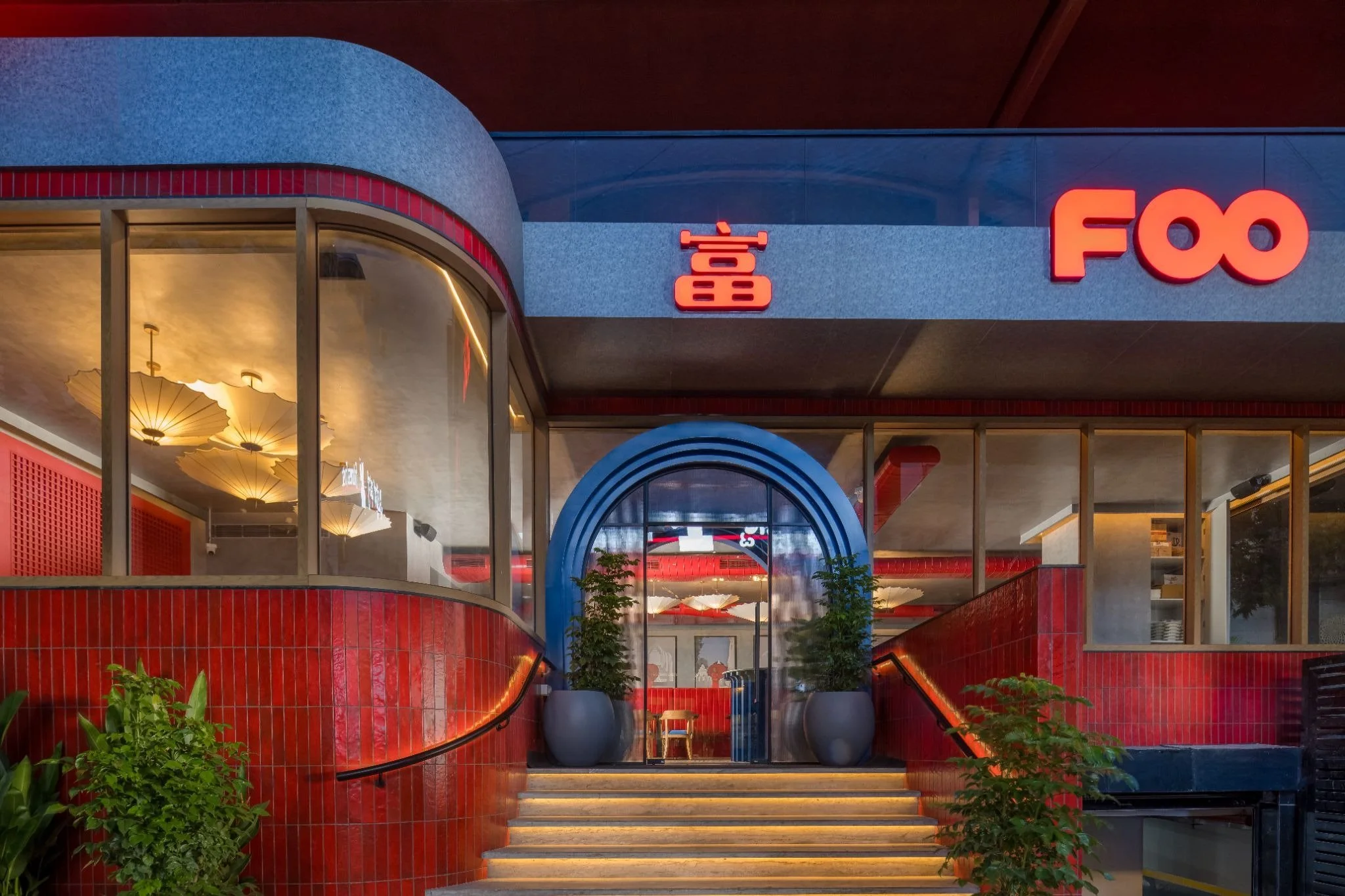
Bengaluru, June 2026: FOO, one of India's most loved contemporary Asian dining destinations, has opened the doors to its newest restaurant in Indiranagar, marking its most significant Bengaluru launch yet. Situated in one of the city's most dynamic neighbourhoods, known for its vibrant dining scene, culture, and nightlife, FOO Indiranagar has been designed as more than just a restaurant; it's a space where great food, lively conversations, and memorable experiences come together. 

The launch of FOO Indiranagar also marks the Bengaluru debut of Foo Brew, the brand's signature Japanese rice beer and a natural extension of FOO's flavour-forward approach to contemporary Asian dining. Light, crisp, and exceptionally refreshing, it has been crafted to pair effortlessly with Asian flavours, making it the perfect accompaniment to everything from sushi and dim sum to FOO's bold small plates. Its arrival in Bengaluru adds a distinctive new dimension to the FOO experience, offering guests a beverage designed specifically to complement the menu while bringing something entirely new to the city's dining landscape. A thoughtfully curated sake selection and refreshing non-alcoholic offerings round out the experience, ensuring there's something for every guest and every occasion.   

Speaking about the launch, Ryan Tham and Keenan Tham, Founders, Pebble Street Hospitality, shared: "Indiranagar is one of those neighbourhoods that people naturally gravitate towards. It's energetic, welcoming, constantly evolving, and deeply connected to Bengaluru's dining culture. With FOO Indiranagar, we wanted to create a space that feels like it belongs here — somewhere people can drop in for a quick meal, gather with friends over multiple rounds of food and drinks, or spend an entire evening making memories. We're excited to become a part of the neighbourhood and see how the city makes the space its own."

FOO Indiranagar represents the brand's continued commitment to Bengaluru, a city that has embraced FOO's vibrant dining philosophy with enthusiasm. Bringing together bold Pan-Asian flavours, design-forward interiors, inventive cocktails, and an atmosphere built around connection and community, the new restaurant is poised to become a destination for both loyal FOO patrons and first-time guests alike.

Fact Sheet:
Address:
Ground Floor, 608, 12th Main Road, 7th Cross, HAL 2nd Stage, Indiranagar, Bengaluru, Karnataka 560008
Timings: 12pm-1am
Price: Rs 2500 for two
Reservations: +91 91520 12241 | +91 91520 12242
Instagram: @fooindia 

IHM Ranchi Hosts ‘Coffee with GMs’ Under SMART Class Series; Hospitality Leaders Share Success Mantras with Students

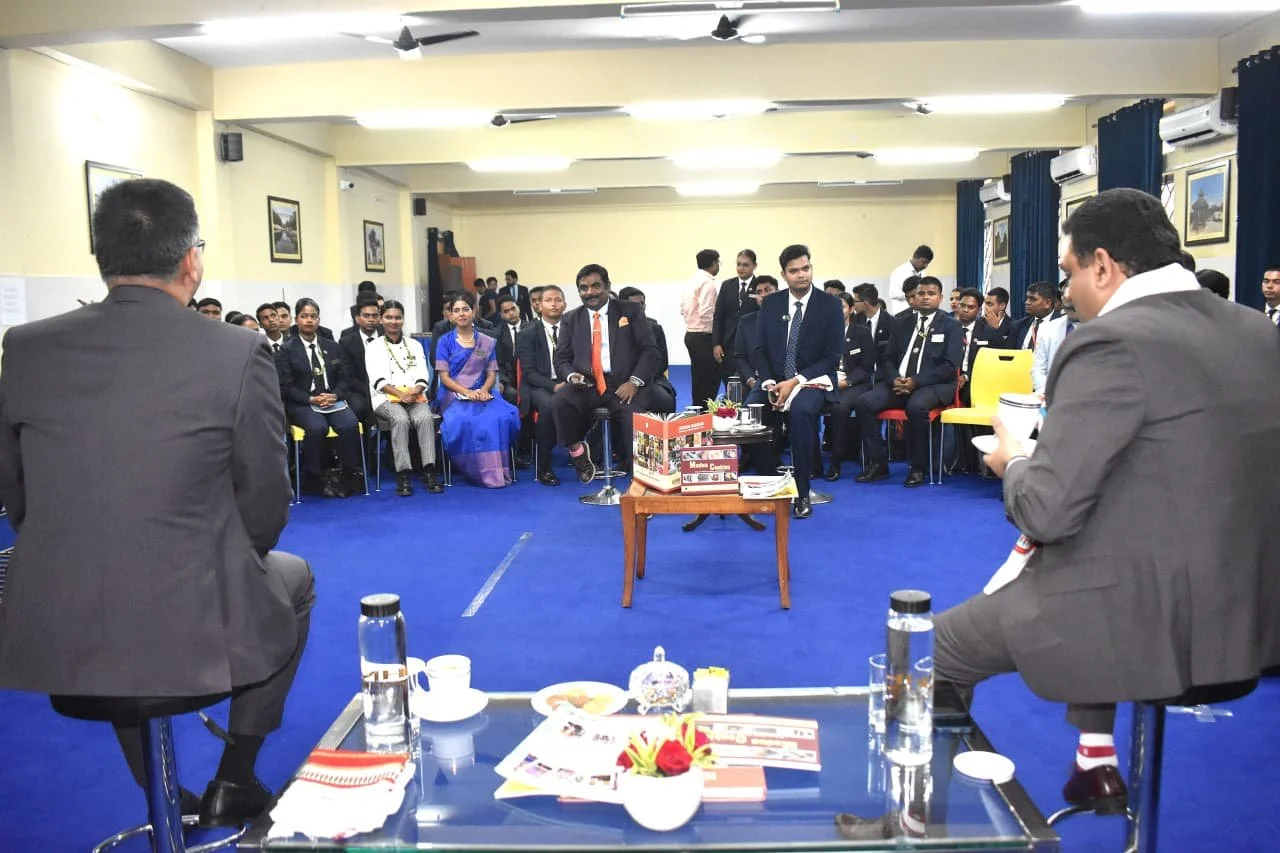
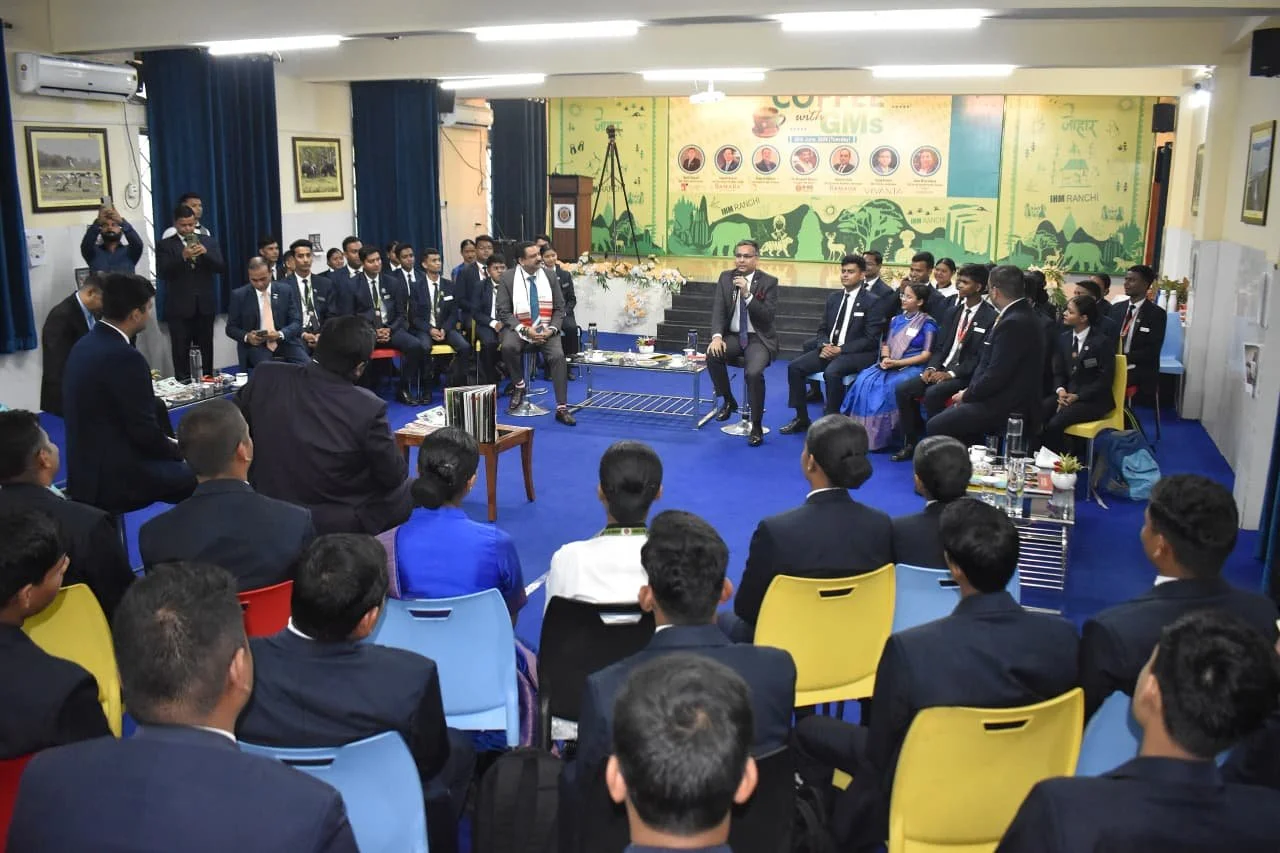
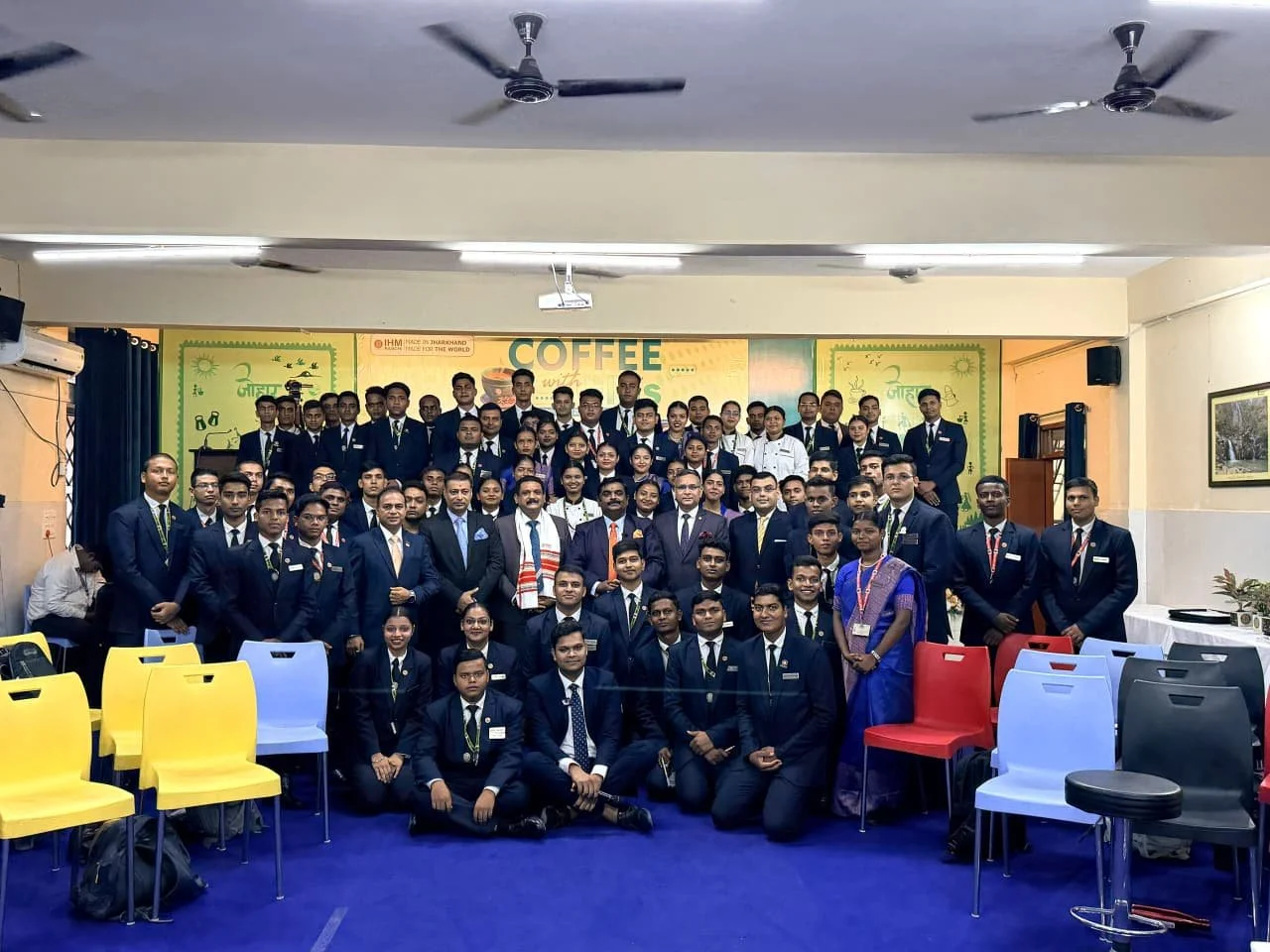
As part of its SMART Class Series aimed at bridging the gap between academia and industry, Institute of Hotel Management (IHM), Ranchi, organized a unique and interactive session titled “Coffee with GMs” for third-year students on 30th June 2026. IHM Ranchi’s yearly series of SMART classes are designed to provide students with direct exposure to hospitality industry leaders and equip them with the skills, perspectives, and leadership qualities required to succeed in the dynamic world of hospitality.

Coffee with GMs is one of the initiatives of IHM Ranchi which serves as a valuable platform for interaction between students and some of the most accomplished professionals in the hotel industry.

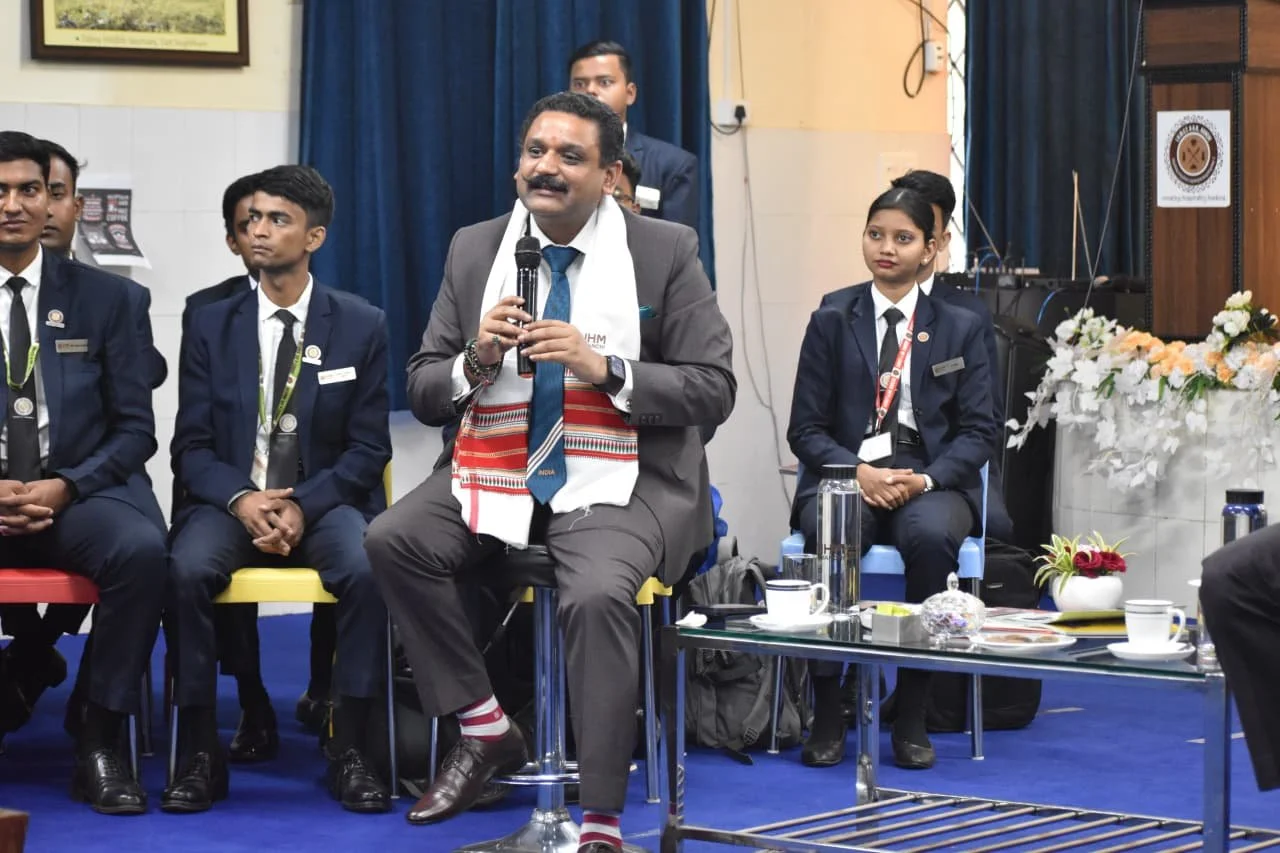
This year the distinguished panel of General Managers included Mr. Rohit Tiwari, General Manager, Trident Bhubaneswar; Mr. Yogesh Kumar, General Manager, Ramada by Wyndham Ranchi; Mr. Prateek Mohan, General Manager, Grand Mirage, a Member of Radisson Individuals, Dhanbad; Mr. Vijay Kumar, General Manager, Vivanta; and Mr. Alok Bhardwaj, General Manager, Le Lac Sarovar Portico Ranchi. In his welcome address, Dr. Bhupesh Kumar emphasized that IHM Ranchi’s objective is not only to develop skilled hospitality professionals but also to nurture confident, responsible, and future-ready leaders capable of representing the Indian hospitality industry on a global platform. He highlighted that regular engagement with industry experts under the SMART Class Series enables students to gain valuable insights into real-world workplace challenges, industry expectations, and emerging trends.

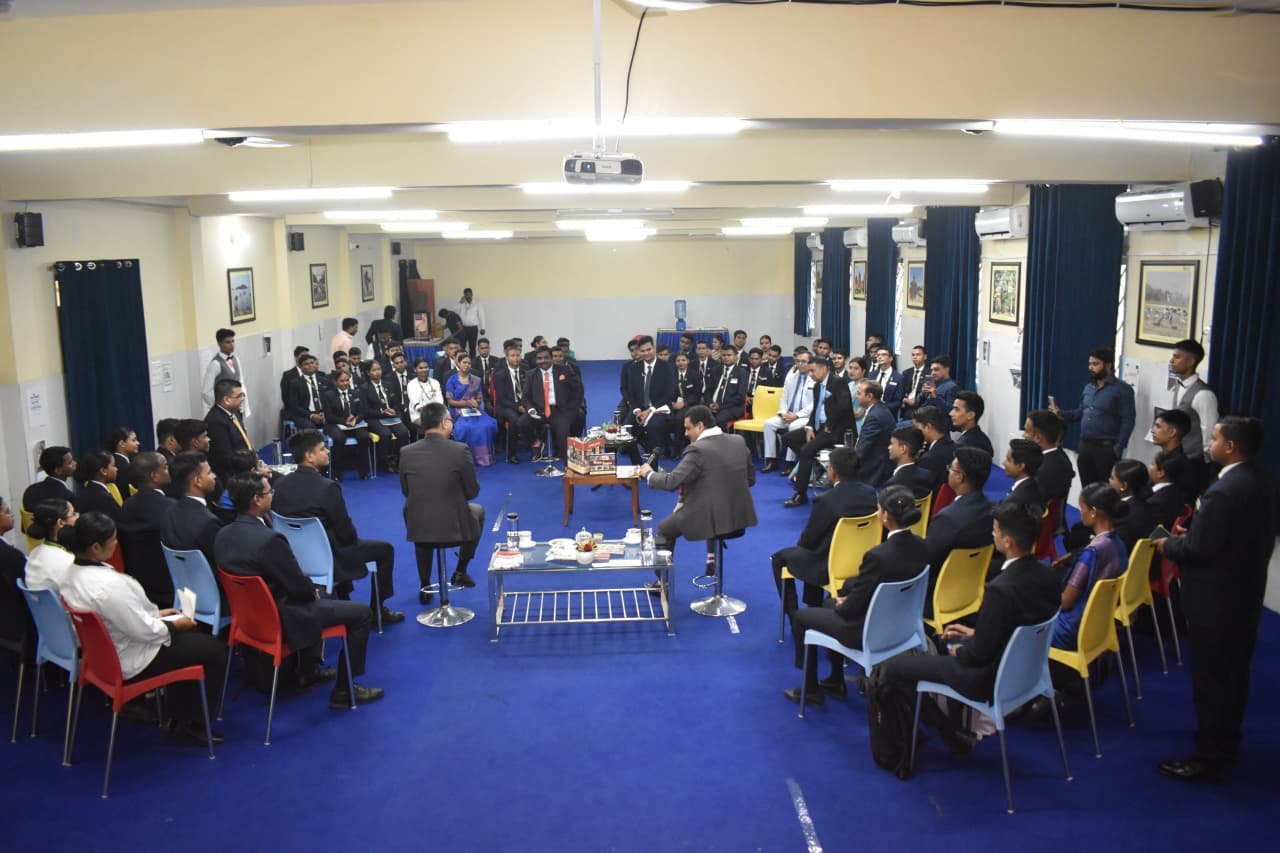
Unlike a conventional lecture, “Coffee with GMs” was conceptualized as an informal and interactive discussion forum where students could engage directly with senior hospitality leaders. The General Managers shared their personal journeys, career experiences, challenges, and success stories, offering students practical insights into professional growth and leadership development. The experts stressed that success in the hospitality industry goes beyond technical expertise and requires strong communication skills, confidence, positive attitude, discipline, perseverance, and a continuous willingness to learn. Discussions also covered contemporary industry trends, effective management practices, leadership styles, conflict resolution, budgeting and financial management, team leadership, decision-making, hotel operations, and the challenges associated with launching and managing hospitality establishments.

The panelists emphasized that leadership ability, problem-solving skills, confidence, attitude, and interpersonal behavior are critical attributes for a successful hospitality professional. They highlighted that while technical competence is essential, effective communication and a positive approach to work are what truly distinguish between an ordinary and extra ordinary hospitality professionals.

Sharing their experiences, the General Managers encouraged students to view failures and challenges as opportunities for learning and growth. Mr. Rohit Tiwari highlighted communication skills, general awareness, and attitude as the foundation of success. Mr. Yogesh Kumar emphasized patience, SMART work, and maintaining a healthy work-life balance. Mr. Prateek Mohan underscored the importance of emotional intelligence, punctuality, and accountability. Mr. Vijay Kumar stated that confidence is one of the most important qualities in the hospitality industry and reminded students that “the guest is equivalent to God.” Mr. Alok Bhardwaj highlighted confidence, presentation skills, alertness, positive thinking, and lifelong learning as essential ingredients for professional success.


 The session was jointly moderated by Mr. Aditya Bikram Bajaj, an alumnus of IHM Ranchi (Batch 2021–24), and Dr. Bhupesh Kumar, Principal, IHM Ranchi.

The event witnessed enthusiastic participation from students, who actively interacted with the industry leaders and sought guidance on various career-related aspects. The programme continued during the Lunch and informal interaction of 3rd year student with these industry stalwarts. Students described the session as highly inspiring, informative, and beneficial for their future careers.

“Coffee with GMs” once again demonstrated IHM Ranchi’s commitment to providing industry-oriented learning experiences and preparing students to become future leaders of the hospitality sector through meaningful engagement with accomplished professionals.

What if airports became destinations? Adani is investing ₹20,000 crore to make it happen

The first phase will span six airports, integrating hotels, retail, entertainment, convention and commercial infrastructure.

Adani Airport City Limited (AACL) has unveiled an ambitious programme to develop integrated airport cities across its airport network, bringing together hospitality, retail, entertainment, convention and commercial infrastructure within seamlessly connected, walkable urban districts.

Investment plans

The development represents an investment of more than ₹20,000 crore in the first phase. Approximately 22 million sq. ft. will be developed across Mumbai, Navi Mumbai, Ahmedabad, Lucknow, Jaipur and Guwahati.

The development encompasses a land bank of over 655 acres across six airports in five states, including nearly 440 acres in Mumbai and Navi Mumbai alone. Nearly 70 per cent of the planned investment will be concentrated in Mumbai and Navi Mumbai, reflecting the Mumbai Metropolitan Region’s (MMR) position as India’s leading commercial, financial and aviation gateway.

Integrated developments

The developments are designed as integrated, walkable urban districts where travellers, businesses and local communities can access hotels, offices, retail, dining, entertainment and convention facilities within environments seamlessly integrated with airport, Metro and city transport infrastructure.

Leadership comments

Jeet Adani, Director, AAHL, said: “Around the world, the most successful airport districts have become centres of commerce, tourism and urban growth. As India’s aviation market expands, airports have an opportunity to create value far beyond aviation. We are creating a network of integrated urban destinations where airports become catalysts for investment, employment, better passenger experiences and the long-term growth of the cities they serve.”

The development is inspired by globally successful airport districts such as Singapore’s Changi, Dubai International, Amsterdam’s Schiphol and Seoul’s Incheon, bringing an airport-led development model to India’s rapidly expanding aviation market.

“These developments are being designed with leading global design and engineering partners and informed by emerging trends in hospitality, retail, workplaces and entertainment,” Adani added. “Our objective is to create vibrant districts that combine connectivity with experience, generating economic activity, employment and long-term value for the communities around them.”

Airport City model

Unlike conventional real estate developments, the Airport City model is designed around connectivity and experience. Rather than functioning as standalone developments, the districts are being planned as natural extensions of the airport ecosystem. By integrating hotels, workplaces, retail, entertainment and convention facilities within a single master-planned environment, the developments aim to create vibrant, walkable destinations that contribute to the economic vitality of the surrounding cities.

Hospitality partnerships

As part of the initiative, AAHL has signed hotel management agreements with IHG Hotels & Resorts for five luxury and premium hotels, including the debut of the Kimpton brand in India. The company is also engaging with leading domestic and international partners across hospitality, food and beverage, retail and entertainment.

Sustainability

Sustainability is a key pillar of the programme. All Airport City projects have received Leadership in Energy and Environmental Design (LEED) Gold pre-certification from the U.S. Green Building Council (USGBC), reflecting a focus on resource efficiency, sustainable design, walkability and high-quality public spaces.

Project partners

At the launch event today, AACL felicitated its partners across master planning and architecture, including Kohn Pedersen Fox (KPF), Benoy and Znera Space; construction, design and build, including Larsen & Toubro (L&T), Tata Projects Ltd and PSP Projects Ltd; and consulting and project management, including CBRE, JLL and Cushman & Wakefield

From Zo House Bangalore to Y Combinator: How an 18-year-old built a $7,239 MRR startup in 72 hours

The founder is among several Zo House residents accepted into Y Combinator's 2026 startup cohorts.

Discussions around startups often focus on funding, accelerators and mentorship, while the role of a founder’s living environment receives less attention. Zo House, which describes itself as India’s first permanent hacker house network, provides residential spaces designed for startup founders.

Y Combinator founders

Savio Martin, one of the youngest Indian founders ever accepted into Y Combinator (Spring 2026 batch, at 18 years and 10 months), first caught the world’s attention when his side project SimpleClaw hit $7,239 MRR within 72 hours of launch, trended on X with 1.3 million impressions, and scaled to $40K MRR. That velocity earned him a spot at YC, where he chose Zo House Bangalore as his base for the batch. It was inside that ecosystem that he built Result (result.dev), a unified platform that takes a founder from idea to incorporated company with product, finances, taxes, and marketing in one place, featured by Y Combinator on June 10, 2026.

The pattern continued into the very next batch, Harish Ashok, 17, a Zo House Bangalore resident, has been accepted into Y Combinator Summer 2026, where he is building Markov, a platform creating reinforcement learning environments that teach AI to use computers. Also from the Zo World ecosystem, Shubham Palriwala and Parth Ajmera, co-founders of Agnost AI, infrastructure for self-improving AI agents already working with Google and Exa AI, have been accepted into the same batch.

Zo House model

Zo House was built on a foundational belief: that the physical space a founder inhabits shapes the quality and speed of what they build. Unlike co-working spaces that offer desks or accelerators that offer programming, Zo House offers something harder to manufacture: a permanent community of builders who live, think, and ship together. The people in the next room are not colleagues. They are co-founders, future investors, and the kind of peers whose daily intensity raises your own baseline.

Leadership comment

“India has world-class founders. What it has lacked is world-class founder infrastructure, the kind of environment where ambition compounds because of who you are surrounded by every single day. Zo House exists to build exactly that,” said Aviral Gupta, CEO of Zostel and Zo World.

Expansion plans

Zo House Bangalore is the first location in Zo World’s planned network of permanent hacker houses across India. The model is designed as a long-term residential community for startup founders rather than short-term accommodation.

The expansion comes as India sees a growing number of early-stage founders building startups for global markets, with Zo House offering a dedicated living and collaborative environment for entrepreneurs.

The Art of Exceptional Pizza Finds a Home at Poppy Udaipur

In a city known for its heritage and evolving culinary culture, Poppy Udaipur has become a standout dining destination, especially for its artisanal approach to Italian food.

Located in a restored heritage bungalow, Poppy is built on a simple idea made with craft, patience, and intention. This is most visible in its pizza programme, where fermentation, technique, and quality ingredients come together to create consistently well-executed dishes.

Signature pizzas include the Pomodori Pepe (sun-dried tomato pesto), Almond Florentine Pie, Ecstasy (aubergine pesto), and The Italian Grandma (a six-cheese pizza with a hint of spice). Each pizza is designed to feel distinct in flavour, while staying rooted in classic Italian style.

Poppy’s Italian offering extends beyond pizza. The oven section features dishes like the Smoked Scamorza Doughball, Smoked Chicken Pepperoni Panuozzo, and Stuffed Garlic Breads. The menu also includes hand-rolled artisanal pastas such as Radiatori, Mafaldine, Girelle, Gnocchi, and Ravioli, highlighting texture-driven, comfort-led Italian cooking.

Alongside this, Poppy brings equal focus to rare and authentic Rajasthani cuisine from the Bedla family legacy. Key dishes include Smoky Laal Maas, Banjara Aaloo, Gobhi Lal Shorba, and Hari Mirch ka Paneer recipes that are rich, regional, and rarely found on restaurant menus across India.

This dual identity Italian craft and Rajasthani heritage—defines Poppy’s menu. Every section feels intentional, and every dish is designed to make guests curious about what comes next.

Over time, Poppy has grown into one of Udaipur’s most recommended restaurants, driven largely by word-of-mouth, travel discovery, and returning guests.

“Every dish is built with intention—whether it’s pizza, pasta, or traditional Rajasthani food. Our focus is on flavour, balance, and making sure guests always want to explore more of the menu,” shares the team at Poppy.

As Udaipur continues to grow as a culinary destination, Poppy stands out for bringing together two distinct cuisines under one roof—crafted Italian food and authentic regional Indian cooking—both executed with equal depth and care.