FitsAir hosts webinar to underscore improved direct connectivity benefits between Ahmedabad and Colombo

Ahmedabad, August 2026: India’s leading destination representation firm, Red Dot Representations, recently partnered with FitsAir to bring the travel trade closer to Sri Lanka through an exclusive webinar underscoring the airline’s new direct connectivity between Ahmedabad and Colombo. The webinar also shed light on the innumerable travel and experience opportunities one can dive into in the island nation without spending time in layovers.

The webinar, held on 21st August 2026, introduced travel partners to the new Ahmedabad–Colombo route and showcased how the direct connection can make Sri Lanka more accessible for travellers from Gujarat. The session also provided insights into the destination’s large-scale tourism potential that attracts families, honeymooners, MICE, etc., for its spotless beaches, cultural attractions, wildlife, hospitality and local experiences.

During the webinar, the team also highlighted the range of experiences available to Indian travellers in Sri Lanka. From relaxing by the island’s tropical coastline and exploring its cultural heritage to discovering its wildlife and enjoying its hospitality and cuisine, the session presented Sri Lanka as a destination offering considerably more than a conventional beach holiday.
With FitsAir operating the Ahmedabad–Colombo service three times a week, travellers from Gujarat now have a more convenient direct option to reach Sri Lanka. The enhanced connectivity is expected to open up opportunities across leisure travel, experiential holidays, MICE and destination celebrations, while making the island a more accessible short-haul international destination for the Gujarat market.

From Night Manager to Diplomatic Administration: The Unusual Career Path of a Hospitality Professional

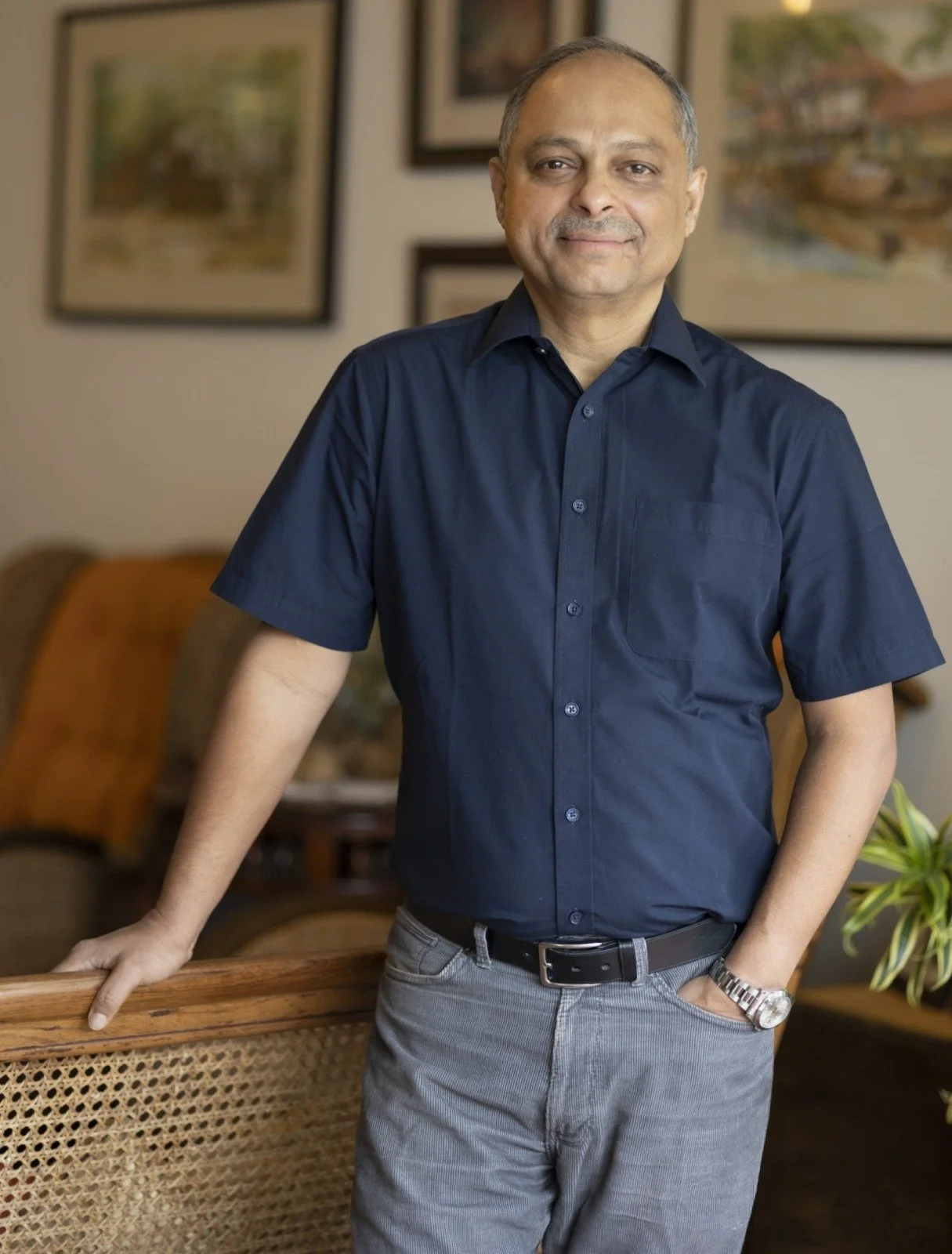
At first glance, luxury hospitality and diplomatic administration may seem like two completely different worlds. One revolves around hotels, guests, service standards and operations; the other around administration, protocol, international relations and discretion. Yet, for Anton Aristov, the transition from one to the other has revealed how closely these environments are connected — and how many of the skills developed in hospitality can remain relevant long after leaving the hotel industry.

Anton’s career began in international hospitality, where he worked with Marriott and Hilton before moving into a Night Manager role at Four Seasons Hotel St. Petersburg. Over more than five years in hospitality, he worked across hotel operations, guest experience, team leadership and service development. His experience included managing teams, developing training programs, improving operational processes and working with guests in high-pressure situations. At Four Seasons, for example, he developed three operational manuals that helped reduce training errors by 25%, redesigned deposit workflows that contributed to a 22% increase in revenue, and introduced daily 15-minute Front Desk training sessions that contributed to a 10% improvement in service quality. But the most important lessons of hospitality were not found in procedures or performance figures. They were found in the moments between them.

Working as a Night Manager was particularly formative. During the night, hotel teams operate with fewer resources and less immediate access to senior management. Unexpected situations still happen, guests still have complex requests, and operational decisions still need to be made — often independently and under pressure. The experience teaches a professional to remain calm, make decisions with incomplete information and understand that the guest experience depends on hundreds of details that may never be visible to the guest.

It also changes the way one understands service. In luxury hospitality, standards are essential. They create consistency and provide employees with a framework for delivering a reliable experience. But standards alone cannot create exceptional hospitality. A guest should not feel that a service interaction is simply the execution of a procedure. They should feel understood.

That distinction became increasingly important to Anton. A guest may appreciate a perfectly prepared room, but what they remember may be something much smaller: a preference an employee remembered, a thoughtful gesture at the right moment, a staff member recognizing that they needed privacy rather than conversation, or a cultural detail that was handled with sensitivity. Luxury hospitality is therefore not necessarily about doing more. It is about understanding what matters to a particular person and knowing when and how to act. This understanding of people became one of the most transferable skills in Anton’s career.

Today, he works in international diplomatic administration, managing administrative processes, budgets, contractors, documentation, banking operations and organizational projects within an international environment. From the outside, this may look like a complete departure from hospitality. But in practice, many of the principles remain remarkably similar.

Discretion is one example. In luxury hotels, employees are regularly trusted with personal information, sensitive requests and private moments in guests’ lives. Professionalism means understanding what should remain private. In an international administrative environment, that principle becomes even more important. Trust is built through accuracy, confidentiality and the ability to understand the boundaries of one’s role.

Protocol is another common thread. In hospitality, protocol can determine how a VIP guest is welcomed, how a special occasion is handled or how an interaction should be adapted to a guest’s position and cultural background. In an international environment, the stakes may be different, but the fundamental principle is the same: context matters.

A gesture that is perfectly appropriate in one culture may be misunderstood in another. The way a person is addressed, the amount of personal space they expect, the way a meeting is structured or even the appropriate level of informality can influence how an interaction is perceived. Hospitality teaches professionals to observe these differences every day, often without explicitly calling it cultural intelligence.

This is perhaps one of the most valuable lessons that hospitality can offer professionals outside the industry: people do not experience service in the same way.

There is no universal definition of excellent service. The same interaction can make one guest feel cared for and another feel uncomfortable. Some guests appreciate conversation and personal attention; others value privacy. Some expect the employee to anticipate every need; others prefer to ask when something is required. Cultural background, personality, previous experiences and the purpose of the journey all influence these expectations.

For Anton, moving into an international environment reinforced this idea. Cultural intelligence is not knowing facts about different nationalities. It is the ability to recognize that your own assumptions may not be universal — and to adapt accordingly.

At the same time, the transition has also provided a perspective on what hospitality itself can learn from international and diplomatic environments. Personalization, for example, is sometimes interpreted in hotels as adding more services or collecting more information about guests. But genuine personalization is often much simpler. It is understanding what a person actually needs and respecting what they do not need. Sometimes the most sophisticated service is not an additional amenity, but knowing when not to intervene.

This is particularly relevant to luxury hospitality, where the industry continues to search for ways to create memorable experiences. Technology, design and personalization can all contribute to the guest journey, but none of them can replace human judgement. A perfectly designed digital experience cannot compensate for an employee who does not understand the person standing in front of them. The same applies to leadership.

During his hotel career, Anton saw that service standards only become meaningful when employees understand the purpose behind them. Training cannot teach people what to say or do. It needs to help them understand why a particular action matters and when a standard should be adapted to the situation.

This was the thinking behind the training programs he developed during his hotel career. At Hilton, he introduced an “Art of Hospitality” training program focused on the human side of service, contributing to a 10% increase in guest satisfaction and a 20% reduction in staff turnover. At Four Seasons, short daily Front Desk training sessions created a continuous learning environment rather than relying solely on formal training sessions. The principle is simple: great service is delivered by people who understand the purpose of the service.

This is also why Anton does not view his move into international administration as leaving hospitality behind. Instead, he sees hospitality as a professional foundation. Marriott provided an understanding of international hotel operations and commercial discipline. Hilton reinforced the importance of people development, consistency and service culture. Four Seasons deepened his understanding of luxury, discretion and personalized service. Working as a Night Manager developed independence, decision-making and the ability to manage unexpected situations under pressure. International administration added another dimension: cultural awareness, protocol and a different understanding of responsibility. Together, these experiences have created a skill set that extends well beyond the hotel industry.

Hospitality professionals often think of career progression as a vertical path: Front Office Agent to Supervisor, Manager, Director and eventually Hotel Manager or General Manager. But the skills developed along the way are much broader than the job titles suggest. Leadership, negotiation, problem-solving, crisis management, cultural intelligence and attention to detail are transferable to almost any international organization.

That is perhaps the most unusual lesson of Anton’s career. Hospitality does not necessarily have to be where a professional ends up. It can be where they learn how to work with people. And those skills can travel much further than the hotel itself.

For Anton, the journey from Marriott and Hilton to Four Seasons, and eventually to international diplomatic administration, has demonstrated that hospitality is not an industry. It is a way of understanding people. And sometimes, the most valuable thing a hospitality career gives a professional is not a destination within the hotel industry, but a set of skills that allows them to build meaningful experiences wherever their career takes them.


Hotel Association of India (HAI) to Host 7th Hoteliers' Conclave in New Delhi

New Delhi, August 2026: The 7th HAI Hoteliers’ Conclave will be held on 18 September 2026 at Taj Palace, New Delhi. The event organised by the Hotel Association of India endeavors to bring together policymakers, tourism authorities and leading voices from the hospitality industry to discuss the sector’s evolving role in India’s growth story.

Themed ‘Re-engineering Hospitality’, the Conclave aims to examine how the sector has transformed in recent years on account of changes among others in consumer behavior, technological advancements, practices in sustainability and to discuss how the sector should evolve in the extremely uncertain, volatile and complex future.

India is the world’s fourth-largest economy and also the fastest-growing, expected to become the world's third largest with a projected GDP of $7.3 trillion by 2030. India Vision of 2047 of a Viksit Bharat is founded in Atmanirbharta. India Tourism Vision 2047 is of a tourism economy of US 3 trillion, targeting to attract 100 million foreign travellers, 20 billion domestic visits and featuring among the top five tourism destinations globally. Hotels are a key sector for tourism growth and development. They also contribute significantly to GDP and employment while adding to the local infrastructure and elevating the standard of living.

The discussions will also explore how India can tap the full potential of the hotel sector in terms of contribution to tourism, employment, economic growth and nation-building. Leading hotel groups – both Indian and International will attend the event.

It will be inaugurated by Shri Gajendra Singh Shekhawat, Honourable Minister of Tourism. Other dignitaries at the Conclave include Shri Bhuvnesh Kumar IAS, Secretary (Tourism), Government of India; Shri Amitabh Kant, India’s G20 Sherpa & former CEO of NITI Aayog; Suman Billa, Additional Secretary & DG Tourism, Govt of India, and cricket legend Shri Kapil Dev.

Event Discussions will explore the key forces shaping India’s tourism and hospitality landscape, including leadership, artificial intelligence, new-age F&B, talent acquisition, inclusion, women in hospitality, MICE, and wedding tourism.

The 7th HAI Hoteliers’ Conclave will serve as a platform for meaningful dialogue on the future of Indian hospitality and the opportunities for the sector to become more resilient, inclusive, sustainable and globally competitive.

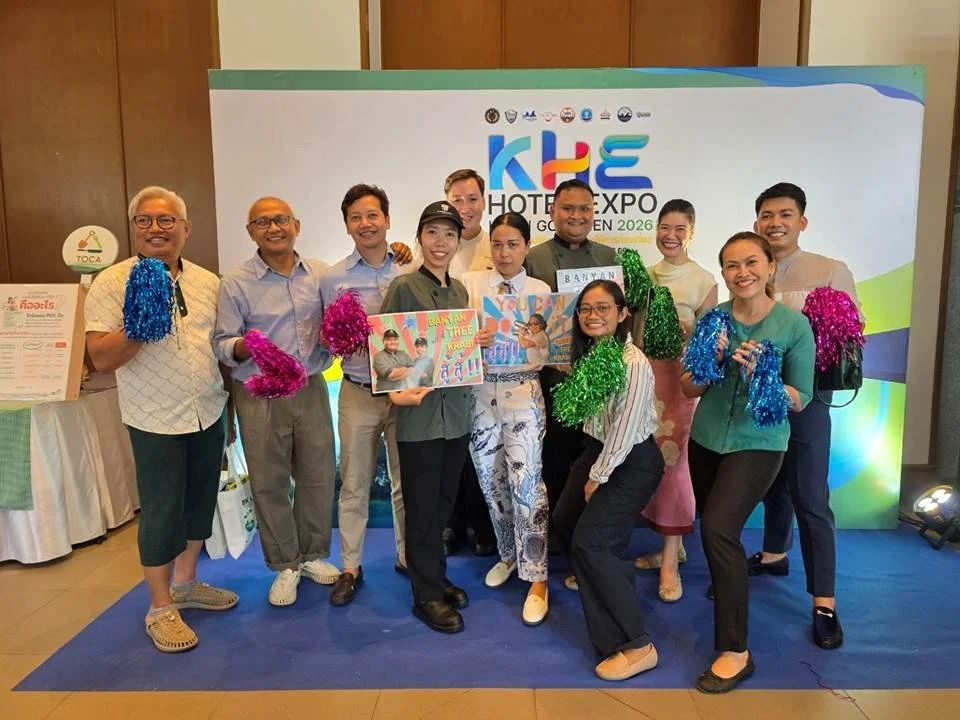
Banyan Tree Krabi Wins at Sustainable Green Awards Expo

KRABI, Thailand (Aug., 2026) — Banyan Tree Krabi, one of Thailand’s torchbearers in the fields of sustainability and eco-friendliness, proved its credentials once again when it took home first prize in Barista Mixology and second place in the culinary category at the “Hotel Expo Krabi Go Green 2026” challenge in Krabi on 24 July, 2026.

The winning drink in the mixology contest was a harmonious blend of locally-grown coffee mixed with seasonal fruits, concocted by Dawadee Songprasert, affectionately known as Khun Dao, of Banyan Tree Krabi’s beachfront Kredkaew Bar.

She said her “Soil to Soul” entry was inspired by Krabi's rich natural resources and the hotel’s commitment to sustainability, adding that her creation also follows a zero-waste concept. “We reuse coffee grounds and mango peels to make a cordial, giving these ingredients a second life,” she said.

The mocktail was blended with roselle, mangosteen and natural honey, infused with coconut oil, all of which are locally produced.

Additionally, the resort’s culinary team took second place in the “Local Taste Competition” with a recipe of Chargrilled Prawns with Tom Yum Emulsion, showcasing local ingredients and the authentic flavors of southern Thai cuisine.

Speaking at a press conference ahead of the event, the Deputy Governor of Krabi Province said the development of qualitative tourism along with the conservation of natural resources was of great importance to Krabi as its strove towards becoming a green tourism destination.

Krabi in southern Thailand is renowned for its natural wonders, including the iconic towering karst cliffs that jut from the Andaman Sea, hidden lagoons, limestone caves, and islands ringed with white-sand beaches. The region and its dramatic scenery was recently the backdrop for Hollywood blockbuster Jurassic World: Rebirth and previously hosted Leonardo DiCaprio and the crew of hit movie The Beach.

Banyan Tree Krabi has been at the forefront of the local ecological movement and has been recognized with several significant national and international accolades, including a Green Hotel Award - Gold Certification, presented by Thailand’s Department of Environmental Quality Promotion. Last year, it won a Thailand Tourism Sustainability Award in the category of Health & Wellness Tourism at the national Thailand Tourism Awards 2025.

The Award-winning Resort

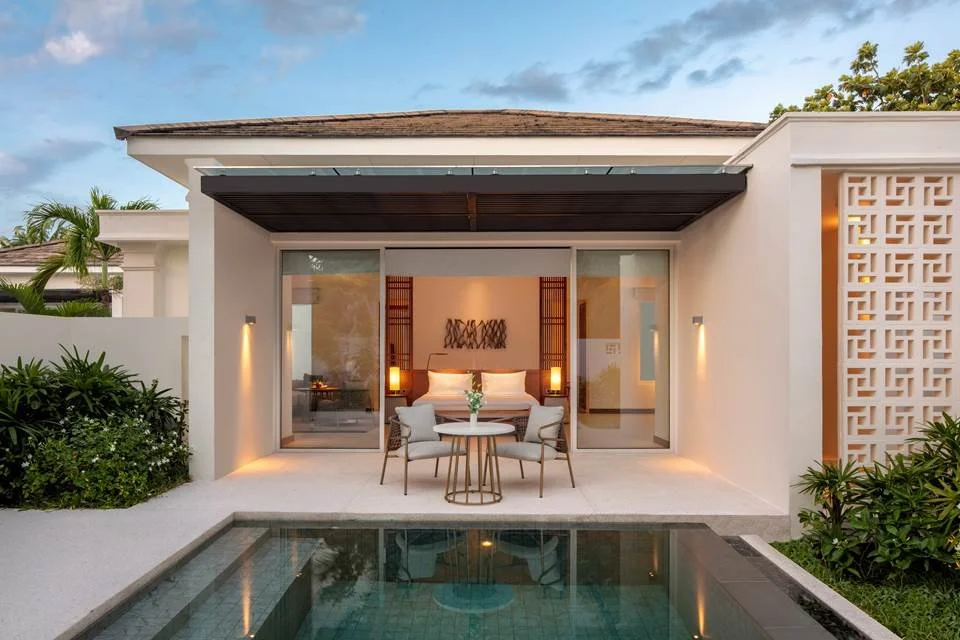
Banyan Tree Krabi offers 72 pool suites and villas, among them seven two-bedroom options, one three-bedroom villa, and a majestic seven-bedroom beachfront Presidential Villa. Each of the rooms faces the sea and the sunset as the property tiers into the hillside.

Facilities include two restaurants and a beach bar, a kids’ club, a fitness centre, meeting rooms, and — in harmony with Banyan Tree’s wellbeing branding — a tropical spa with Rainforest hydrotherapy facility.

Banyan Tree Krabi was awarded Two MICHELIN stars by the MICHELIN Guide in 2024 and 2025, and lauded by Fodor’s Travel 2026 as the only hotel in Thailand listed in The 100 Most Incredible Hotels in the World.

Jivraj9 Tea Group Donates Ventilator Worth ₹12 Lakh at New Sheth P. T. Multispeciality Hospital

·       Strengthening the hospital’s critical-care infrastructure & its ability to provide advanced respiratory support to patients in need.

·       By supporting an essential piece of critical-care infrastructure, the company aims to contribute to the hospital’s long-term capacity to respond to patients requiring respiratory assistance.

·       The ventilator will form part of the hospital’s ongoing critical-care capabilities & can support patients whenever the need arises.

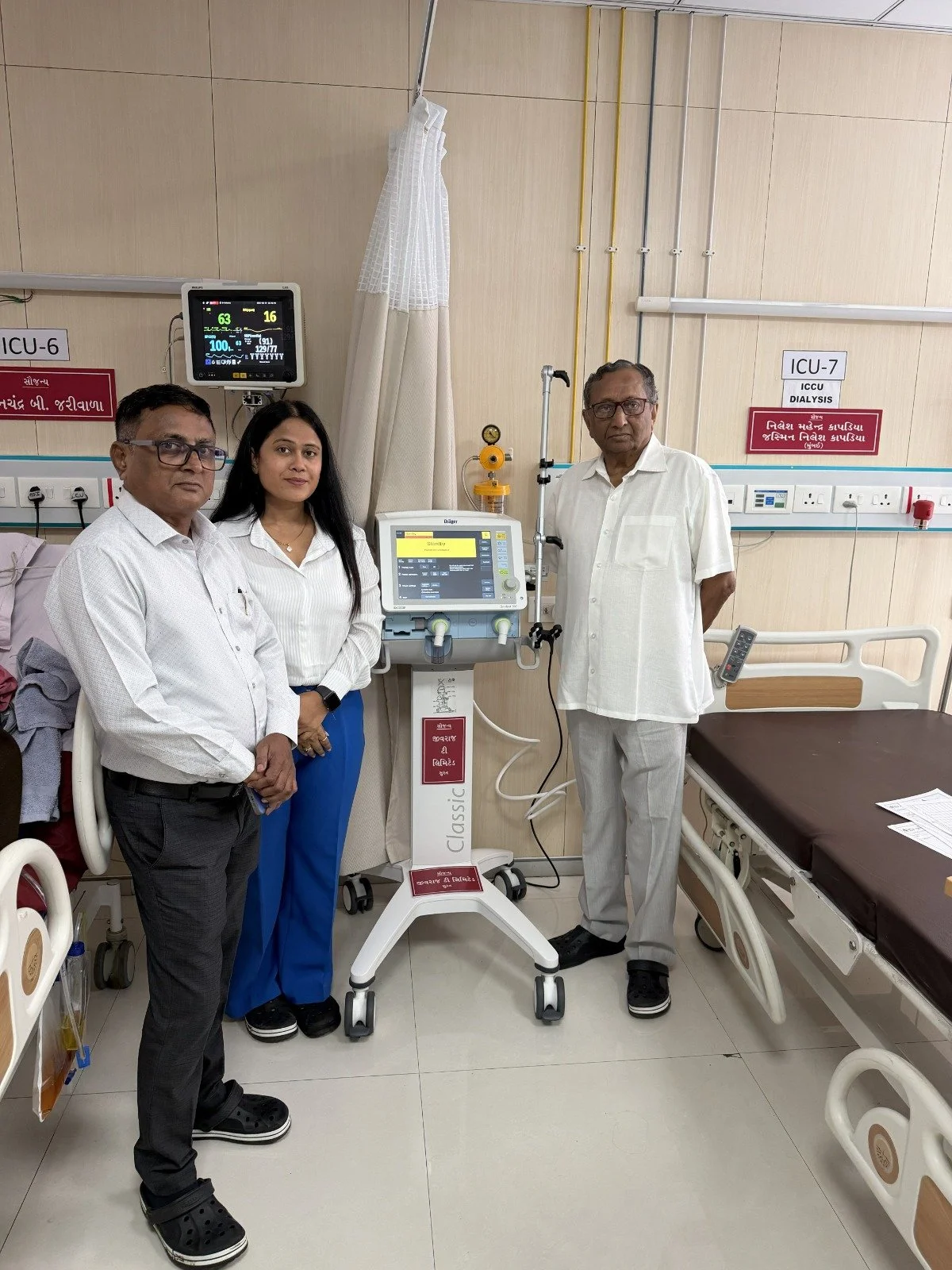
Surat, August 2026: Jivraj9 Tea Group has donated a ventilator worth ₹12 lakh to New Sheth P. T. Multispeciality Hospital, Surat, strengthening the hospital’s critical-care infrastructure and its ability to provide advanced respiratory support to patients in need.

For Jivraj9 Tea Group, the significance of the contribution extends beyond the value of the equipment. By supporting an essential piece of critical-care infrastructure, the company aims to contribute to the hospital’s long-term capacity to respond to patients requiring respiratory assistance. The ventilator will form part of the hospital’s ongoing critical-care capabilities and can support patients whenever the need arises.

Speaking about the contribution, Rushabh Shah, Executive Director, Jivraj9 Tea Group, said, “When you have the opportunity to contribute to society, the question is not only how much you give, but what your contribution can continue to do after you have given it. We wanted our contribution to create capability. A ventilator becomes part of a hospital’s infrastructure and can be called upon whenever a patient needs critical respiratory support. For us, that makes this ₹12 lakh contribution meaningful not because of the equipment itself, but because of the lives it can potentially support over its useful life.”

Sunil K. Modi, President, New Sheth P. T. Multispeciality Hospital, said, “In healthcare, strengthening capacity is as important as providing care. Every addition to critical-care infrastructure expands a hospital’s ability to respond to patients who require intensive support. We are grateful to Jivraj9 Tea Group for recognising this need and contributing a ventilator worth ₹12 lakh. The equipment will strengthen our ability to provide critical care and support patients who require advanced respiratory assistance.”

The initiative reflects Jivraj9 Tea Group’s broader approach to community development, with a focus on contributions that strengthen essential institutions and their ability to serve communities over the long term. Healthcare infrastructure, in particular, plays a critical role in ensuring that medical institutions are better equipped to respond when patients require specialised and immediate care.

For Jivraj9 Tea Group, the ventilator represents more than a ₹12 lakh contribution. It is a tangible addition to critical-care capacity; one that can remain available to support patients and healthcare professionals whenever advanced respiratory support is required.

Maharashtra Government Steps Up Efforts to Ensure Safety of Tourists Stranded in Nepal: Minister of Tourism Shambhuraj Desai

Mumbai, August 2026: The Maharashtra government is making every possible effort to ensure the safety of tourists from the state who are stranded in Nepal amid the severe situation caused by flash floods. Seven tourists from Maharashtra are currently stranded in Nepal. Authorities have managed to establish contact with four of them, two each from Mumbai and Pune, and confirmed that all four are safe. Efforts are underway to establish contact with the remaining three tourists, the Hon'ble Minister of Tourism, Shri Shambhuraj Desai, said.

The state government has made a toll-free helpline 1070 and the State Control Room number 022-69107600 available for Maharashtra residents stranded in Nepal. The State Control Room is operating round the clock. Based on information received from citizens and their families, the authorities are co-ordinating with the concerned agencies and taking the necessary action.

Flash floods and landslides in Nepal have disrupted roads, bridges and communication networks in several areas, making it difficult to establish contact with stranded tourists. Against this backdrop, Maharashtra’s disaster management authorities are closely monitoring the situation. Information on citizens and tourists from Maharashtra currently in Nepal is being collected, and ongoing efforts are underway to assess their safety and provide assistance as needed.

The Hon'ble Minister of Tourism, Shri Shambhuraj Desai, has directed the concerned authorities to maintain continuous co-ordination and extend all necessary assistance to the stranded tourists. The Maharashtra Tourism Department, the Disaster Management Department, and the respective district administrations are working in close co-ordination to ensure that Maharashtra residents receive timely assistance during emergencies abroad.

In view of the seriousness of the situation in Nepal, citizens have been urged not to panic and to contact official authorities for assistance. They have also been advised not to believe or circulate unverified information or rumours. Information received from the families of stranded tourists is being verified by the concerned authorities, following which further assistance and rescue measures are being undertaken.

Meanwhile, reports indicate that a large number of Indian citizens and tourists are stranded across Nepal following the flash floods. In response, the Maharashtra government is co-ordinating with the Central Government, the Indian Embassy and the concerned authorities in Nepal to take all necessary steps to ensure the safety of Maharashtra residents.

Establishing contact with the remaining three tourists and confirming their safety remains the state government’s top priority. The government machinery is working continuously to reach the stranded tourists and ensure that all possible assistance is provided to them, the Minister of Tourism, Shri Shambhuraj Desai, said.

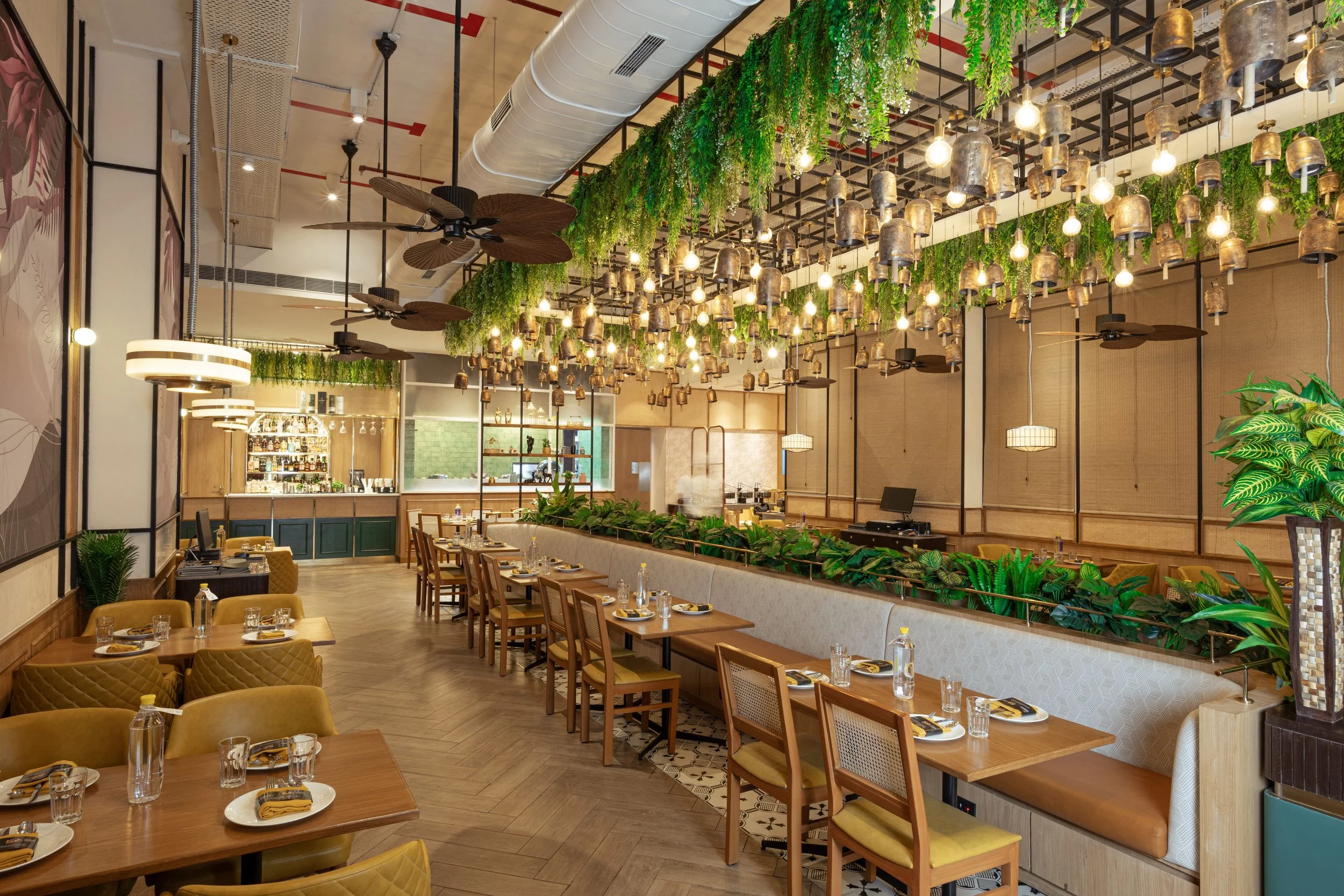
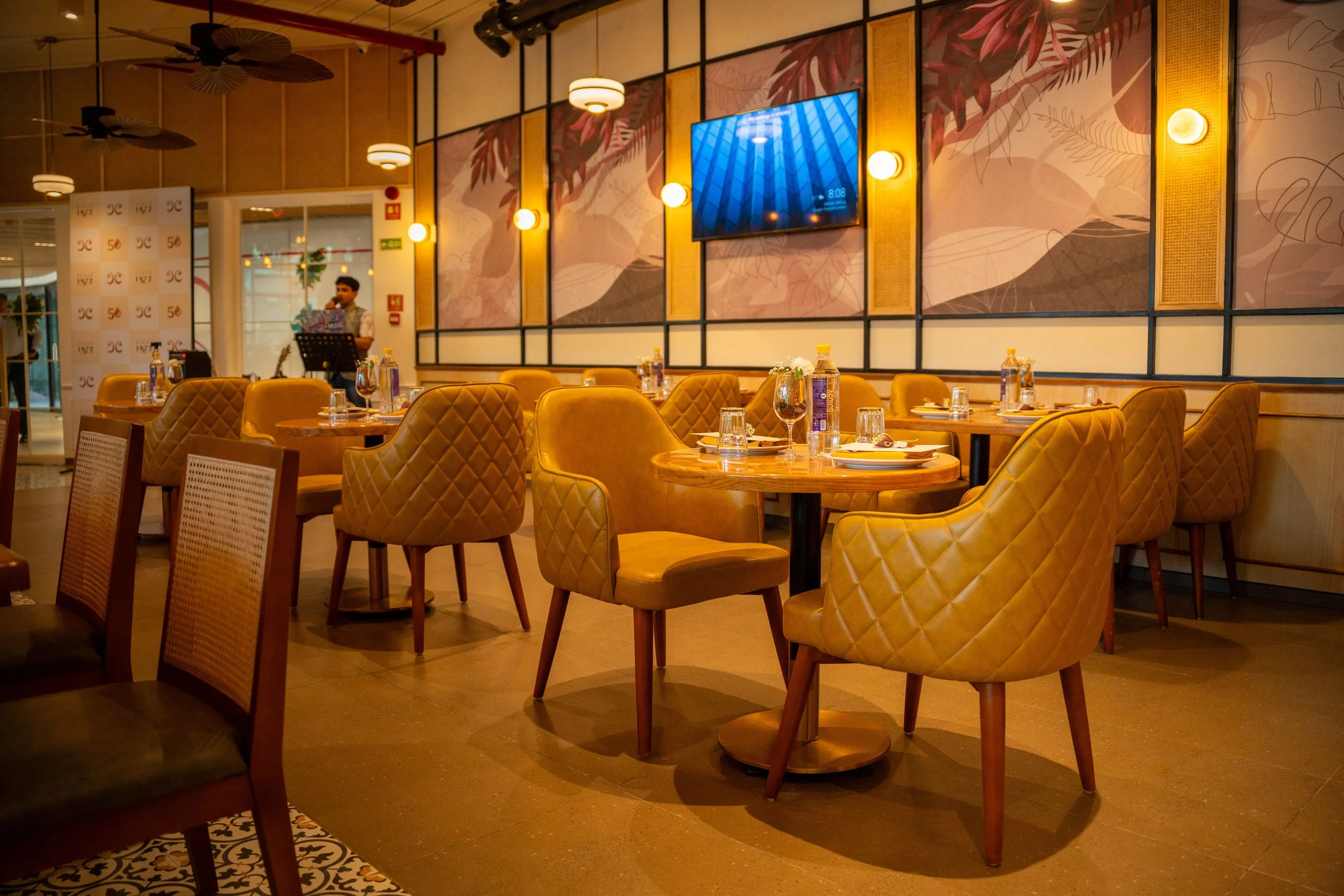
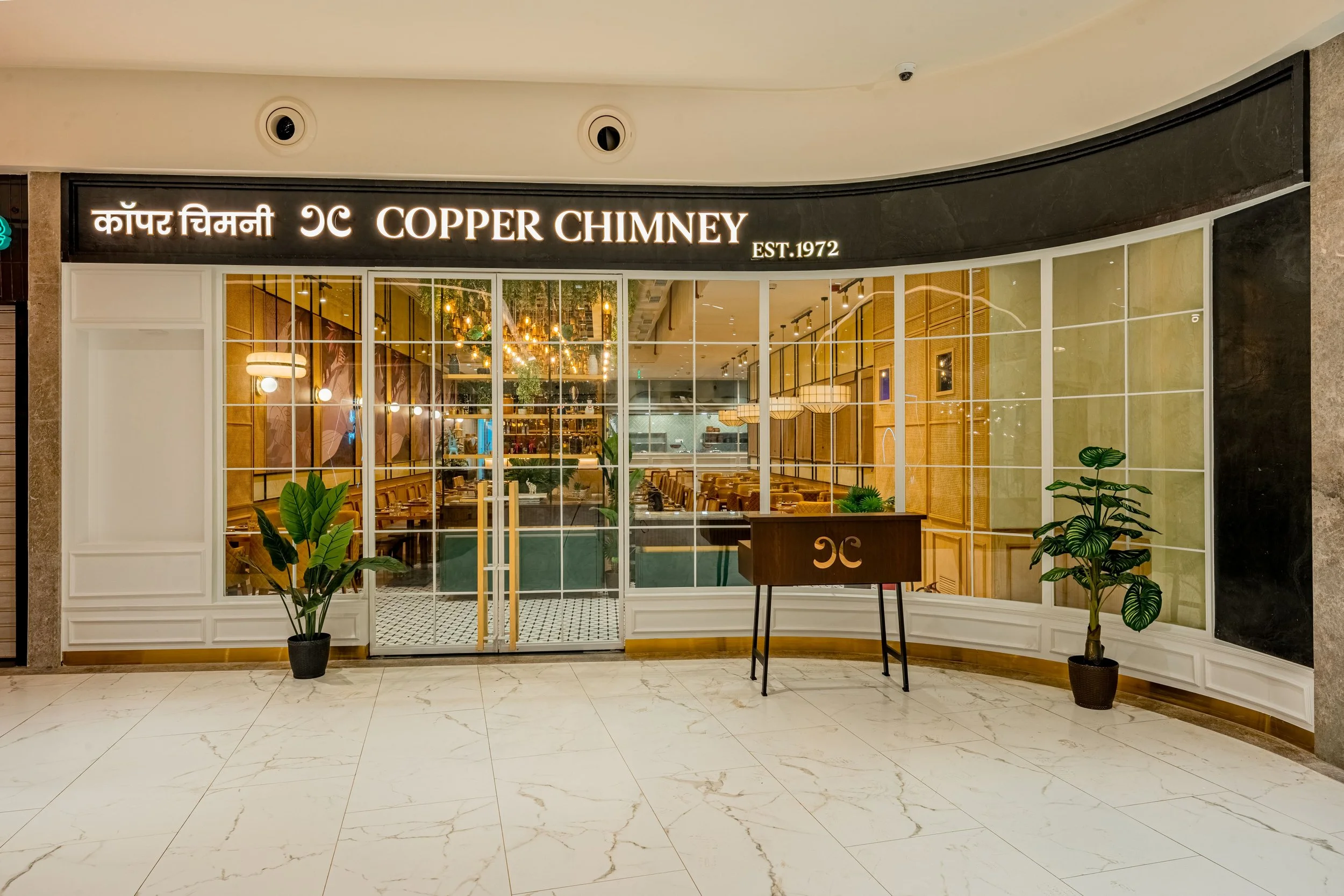
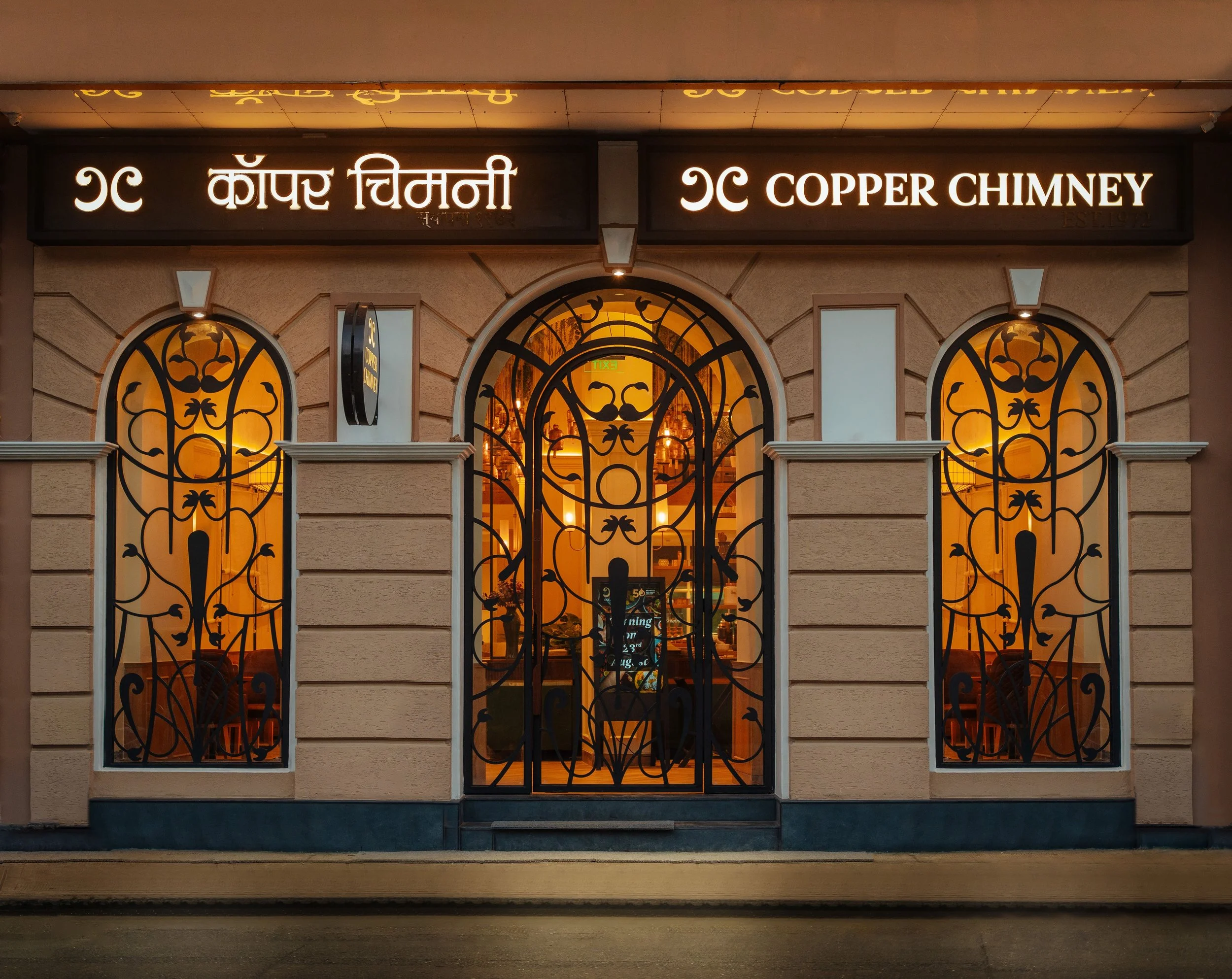
Copper Chimney Sets Sights on 100+ Restaurants by 2033 as the 50-Year-Old Brand Enters Its Next Chapter

Under Reetesh Shukla’s leadership, the Charcoal Concepts brand (part of K Hospitality) has grown from three restaurants to a 22 outlet network in 2026 with a plan to grow around 10-12 outlets each year. It is re-engineering its expansion model for greater consistency, efficiency and national scale.

Mumbai, August 2026: Fifty years after Copper Chimney first established itself as a name synonymous with North Indian dining, the iconic restaurant brand is entering its most ambitious phase yet with plans to cross 100 restaurants business by 2033.

At the centre of this next phase is Reetesh Shukla, Vice President & Business Head of brand Copper Chimney, part of Charcoal Concepts - who has been driving the brand’s transformation since joining K Hospitality in 2018. What began as a three-restaurant business has grown into a 22+ restaurant network, with the next phase focused on expansion, stronger unit economics, technology, people and operational scale.

The growth strategy comes at a time when India’s restaurant industry is undergoing a significant reset, with brands increasingly balancing expansion ambitions against rising real-estate, construction and operating costs. For Copper Chimney, this has meant going beyond simply opening more restaurants and re-engineering the underlying model that enables the brand to scale.

As part of this exercise, Copper Chimney has reworked its capex model, reducing build costs by approximately 25%, while sharpening unit economics and integrating technology and backend systems to support a larger network. The brand has also invested in structured learning and development initiatives aimed at building the talent pipeline required for its next phase of growth.

“The opportunity with Copper Chimney is not to simply preserve a 50-year-old brand, but to build the systems that allow its legacy to travel into the next 50 years,” says Reetesh Shukla, Vice President & Business Head of Copper Chimney, K Hospitality. “We have a brand with enormous equity and consumer trust. The challenge is to make that equity relevant to a new generation while building a business that is operationally stronger, more capital-efficient and ready to scale across markets.”

Building the next generation of Copper Chimney

The expansion blueprint is built around a combination of new markets, hyper densification of restaurants in key metro cities, people growth, technology and backend integration, with the brand looking beyond traditional metro markets to identify opportunities across India as well as international markets. A key focus will be the evolution of India’s Tier 2 and Tier 3 restaurant markets, where consumer aspirations are increasingly intersecting with demand for trusted brands and familiar, authentic dining experiences.

For Copper Chimney, this creates an opportunity to take its proposition of North Indian food to a wider audience while retaining the culinary identity and familiarity that have been central to the brand since its inception. The strategy also reflects a broader shift taking place across Indian casual dining towards premiumisation alongside value, authentic and comforting food, technology-led operations and greater capital discipline. Rather than treating heritage and growth as opposing forces, Copper Chimney is looking to use its five-decade consumer equity as the foundation for a more contemporary restaurant business.

From three restaurants to a national growth story

Shukla’s mandate has been to approach Copper Chimney not simply as a heritage brand to be protected, but as a business to be fundamentally re-engineered for its next stage.

With more than 26 years of experience spanning hospitality, food retail, consulting and international markets, Shukla has worked across the brand’s expansion strategy, operating model and organizational capabilities. The result is a business that has moved from three restaurants in 2018 to a 22+ outlet network today, with the next milestone firmly in sight: 100+ restaurants and a business by 2028 as part of the multi-brand F & B business of Charcoal concepts which operates brands like Bombay brasserie, Wagamama India, Bombay Borough, Jossh apart from Copper Chimney across India, London, Dubai and Colombo.

As Copper Chimney enters its sixth decade, the ambition is therefore not nostalgia-driven. It is about answering a more contemporary restaurant-industry question: how can a legacy brand retain the trust and authenticity built over five decades while developing the systems, economics and relevance required to scale for the next fifty years? For Copper Chimney, the answer lies in disciplined expansion, operational transformation and a renewed focus on what made the brand endure in the first place, while building it for the consumer and restaurant landscape of tomorrow.

OMO Launches the Ferment Lab and OMO For Later - Deepening its Exploration of Time, Seasonality and Preservation

A new chapter in OMO's exploration of fermentation, bringing its philosophy of preservation, seasonality and craft from the kitchen to everyday life.

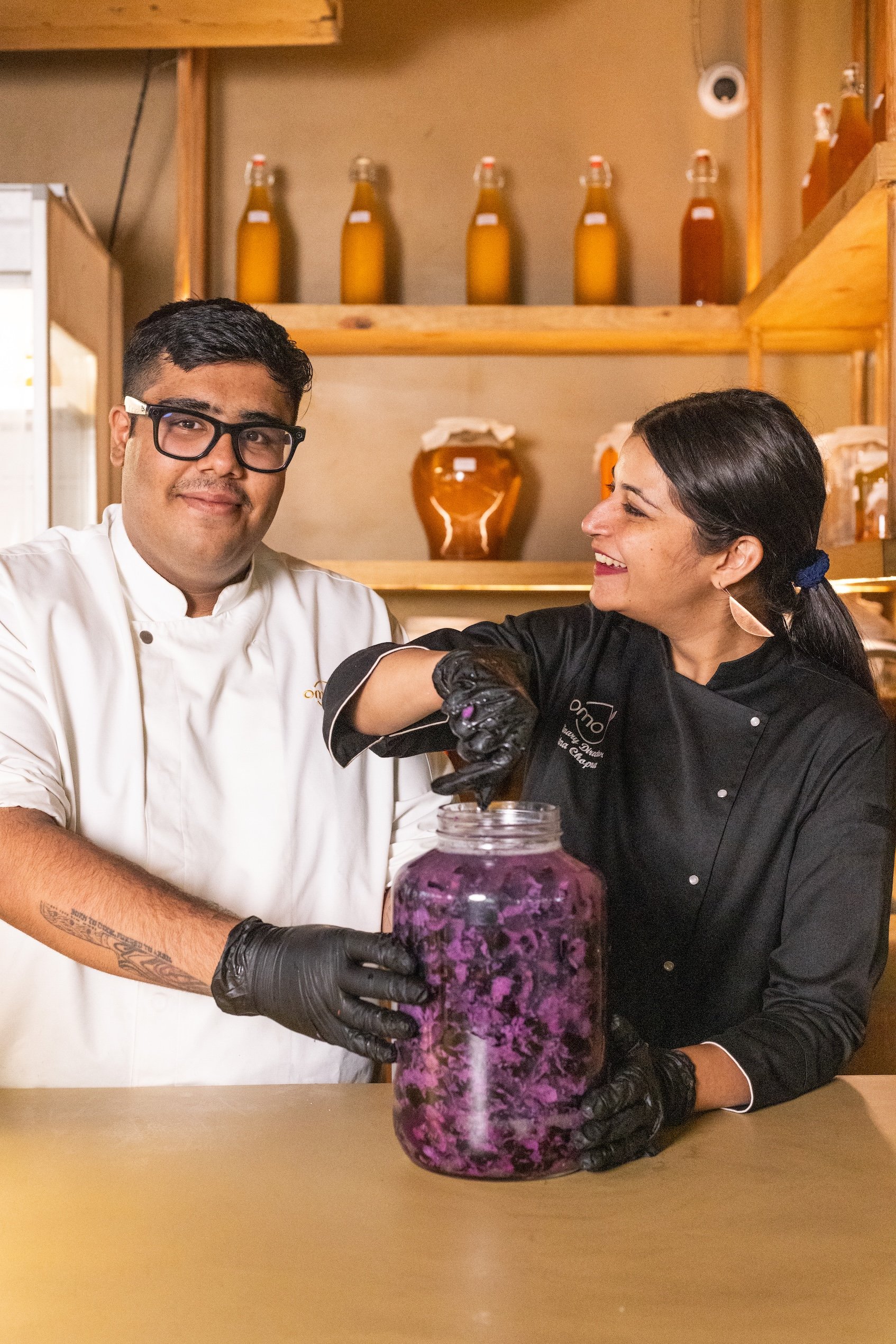
Gurgaon, August 2026: OMO, the contemporary produce-forward restaurant at DLF Galleria, Gurgaon, introduces The Live Alchemy and OMO For Later, two new initiatives that build on a philosophy that has quietly shaped the restaurant since its inception. Rooted in the belief that time is as important an ingredient as anything that arrives in the kitchen, the Ferment Lab brings together OMO's ongoing exploration of fermentation, while OMO For Later extends that work beyond the restaurant through a thoughtfully curated collection of ferments, preserves, beverages and pantry staples. Together, they reflect OMO's commitment to seasonality, preservation and ingredient-led cooking.

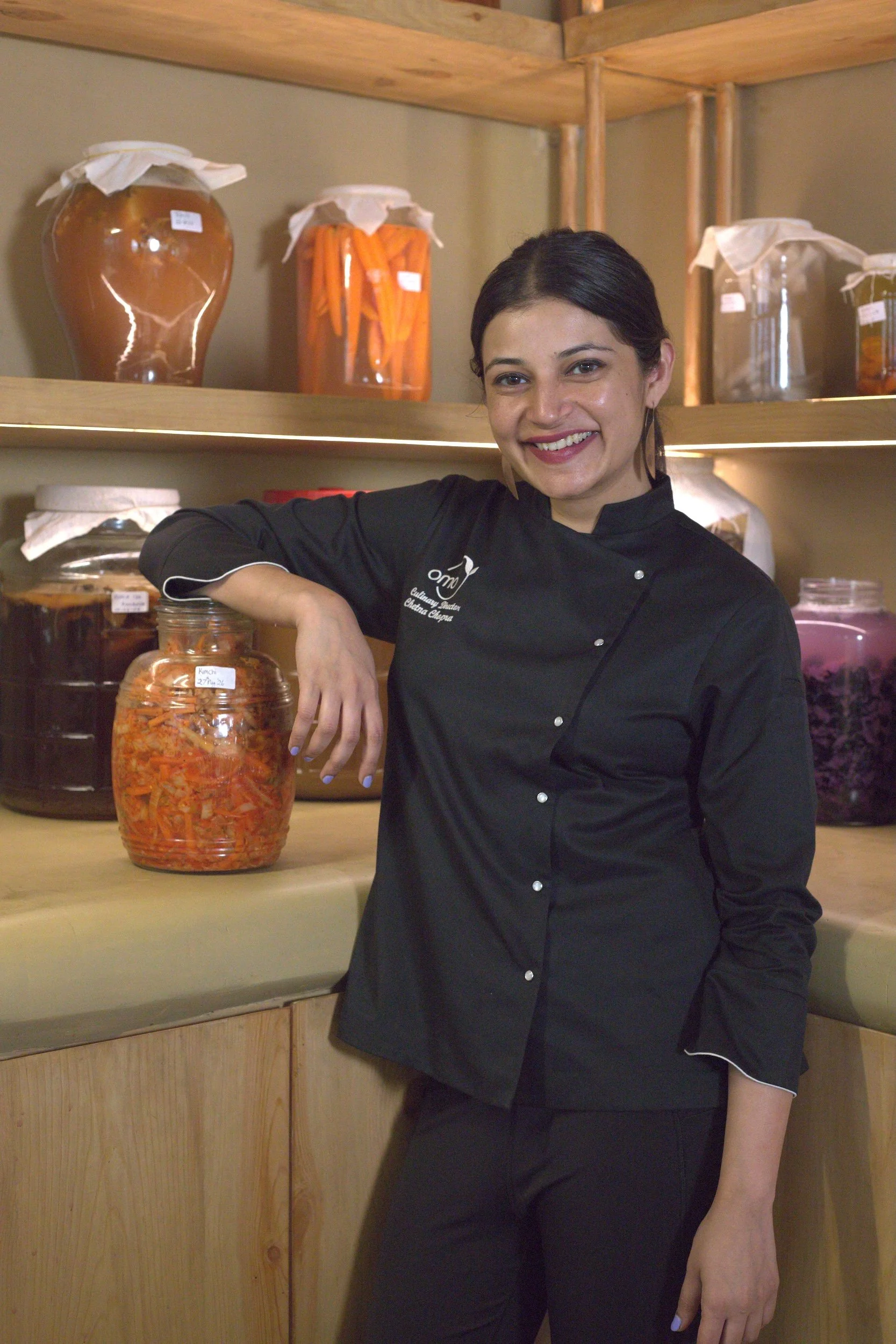
Since opening its doors, OMO has championed an ingredient-led approach to cooking under the leadership of Chef Chetna Chopra, Culinary Director, OMO. Her travels across India and interactions with growers, artisans and local communities have shaped a culinary philosophy rooted in seasonality, preservation and a deep respect for provenance. These influences continue to define OMO's cuisine, where vegetables take centre stage and techniques such as fermentation, preservation and live-fire cooking are used to unlock flavour, minimise waste and celebrate India's diverse food traditions.

For Chef Chetna Chopra, the Ferment Lab is less a new chapter and more a continuation of a lifelong curiosity. "I've always been interested in what happens when ingredients are given time. Some of the most exciting flavours emerge when you're willing to wait. Growing up, fermentation was everywhere around us, in pickles, batters, preserves and drinks that quietly carried seasons forward and ensured nothing went to waste. At OMO, fermentation has never existed as a separate idea. It has always been part of how we cook, how we preserve, how we build flavour and how we connect with ingredients. The Ferment Lab is simply a way of sharing that journey more openly. It is also an opportunity to learn from and celebrate the incredible fermentation traditions that already exist across India."

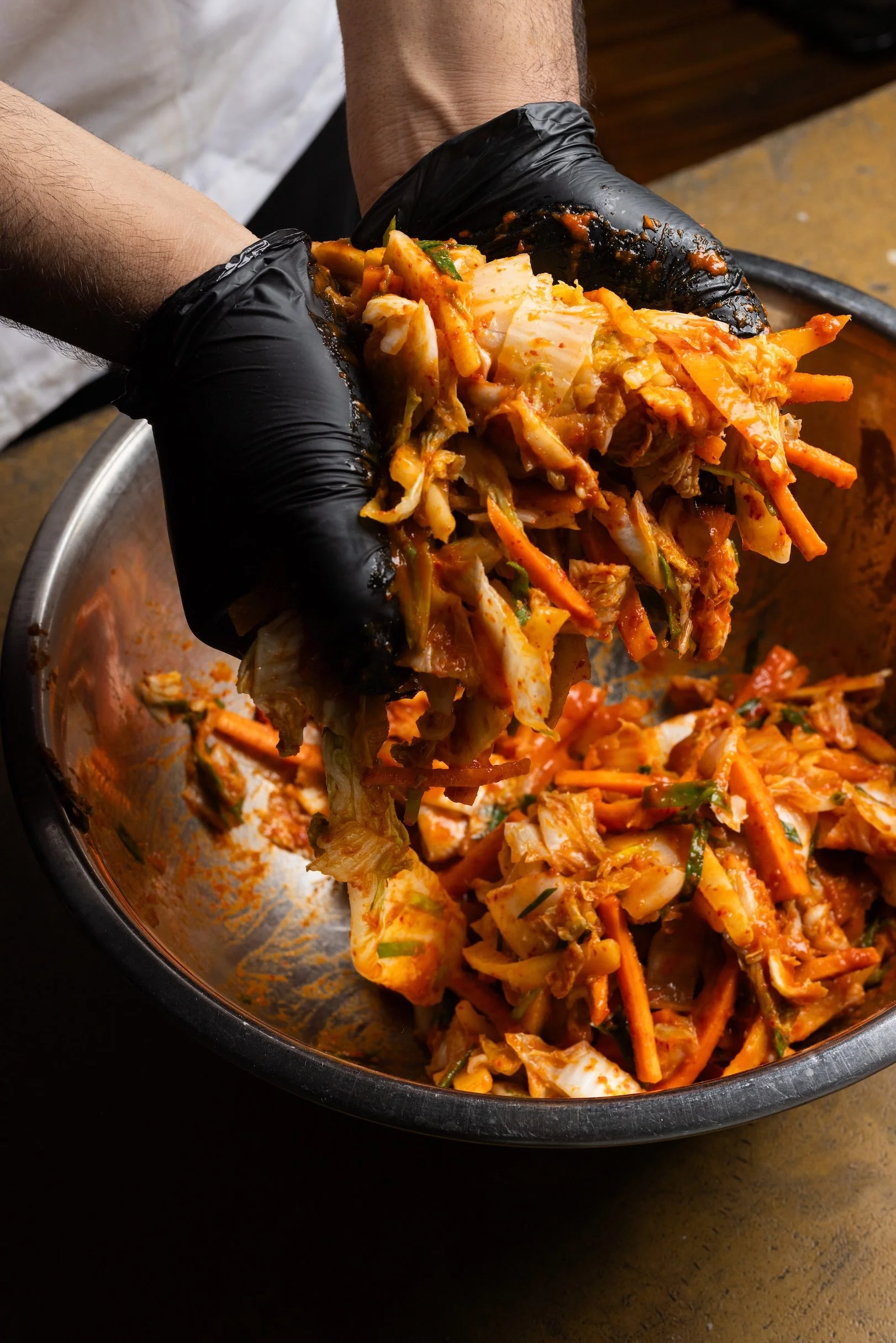
For OMO, fermentation is not an additional layer but a philosophy embedded at the heart of the kitchen. The Ferment Lab functions as the R&D ground for the entire kitchen ecosystem, a space where every element of the menu from condiments to centrepiece dishes, is shaped by ongoing experimentation with time, flavour and preservation. 

The Lab also carries a strong zero-waste ethos, built around upcycling ingredients that would otherwise be discarded from the kitchen. Banana peels are transformed into a Mexican-inspired Tepache, while the stems of oyster mushrooms are fermented to lend umami depth to OMO's in-house hot sauce turning kitchen trim into some of the restaurant's most distinctive flavours.

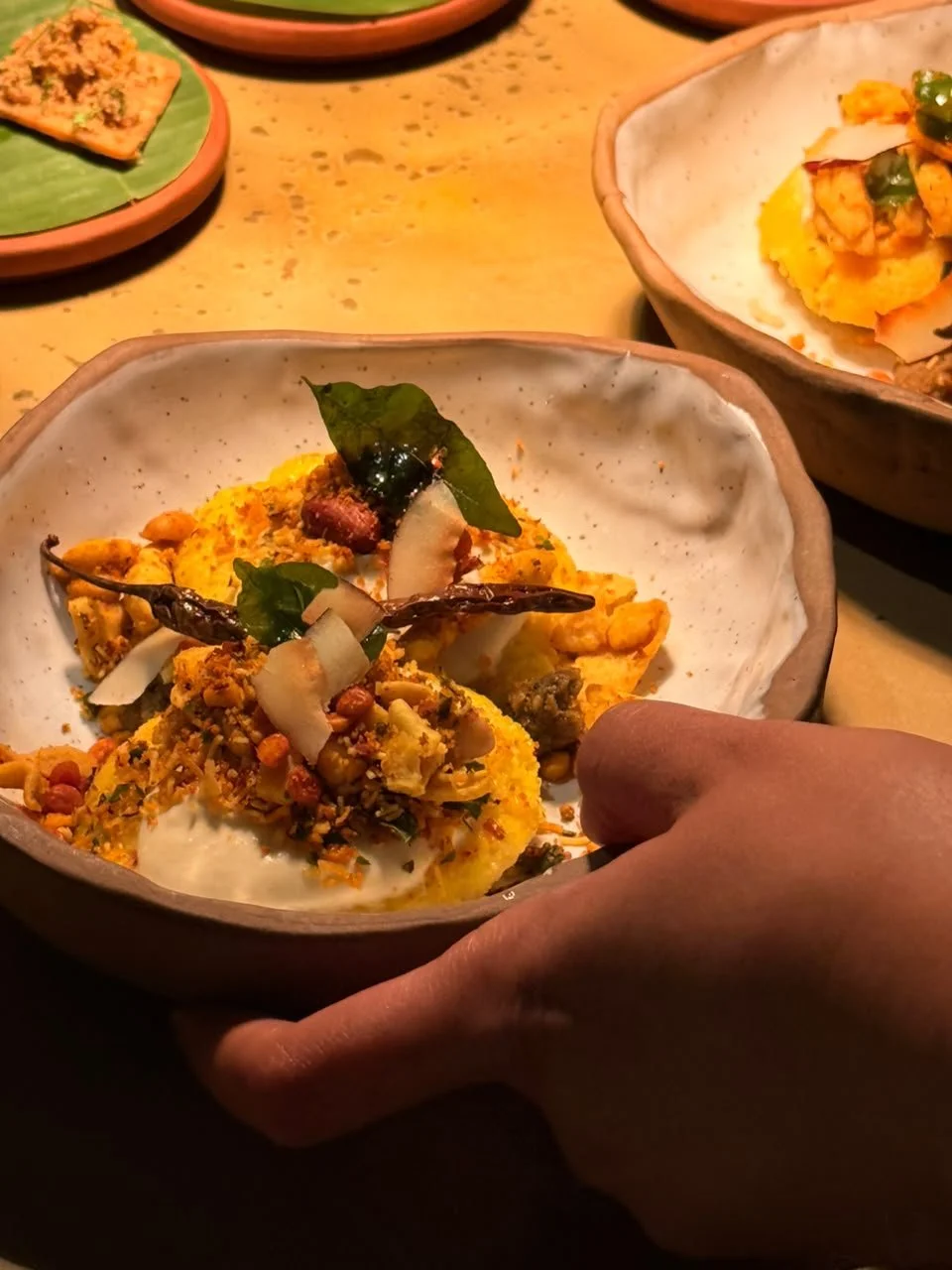
The Ferment Lab brings this philosophy to life through ongoing research, experimentation and collaboration including field trips across India to learn directly from local fermentation traditions, most recently an R&D trip to Darjeeling, which brought back the millet-based fermented drink Tongba.Its work is reflected across the OMO menu through house-brewed kombuchas, rice ferments, fruit wines, ginger beers, preserves and condiments developed in-house. Seasonal creations such as Sticky White Rice Ferment, Black Sticky Rice Ferment, Wild Ginger Beer, Bael Kanji, Jamun Wine and Tongba sit alongside dishes including the Black Rice Kimchi Fried Rice, Avocado Dosa with fermented tomato sesame chutney, Watermelon Aguachile, Tender Coconut Ceviche, Naga Chilli Cauliflower and Mango Caldin Curry.Through the Live Alchemy Bar, guests can further explore these techniques through tastings, workshops, collaborations and conversations centred around fermentation, seasonality and indigenous food traditions.

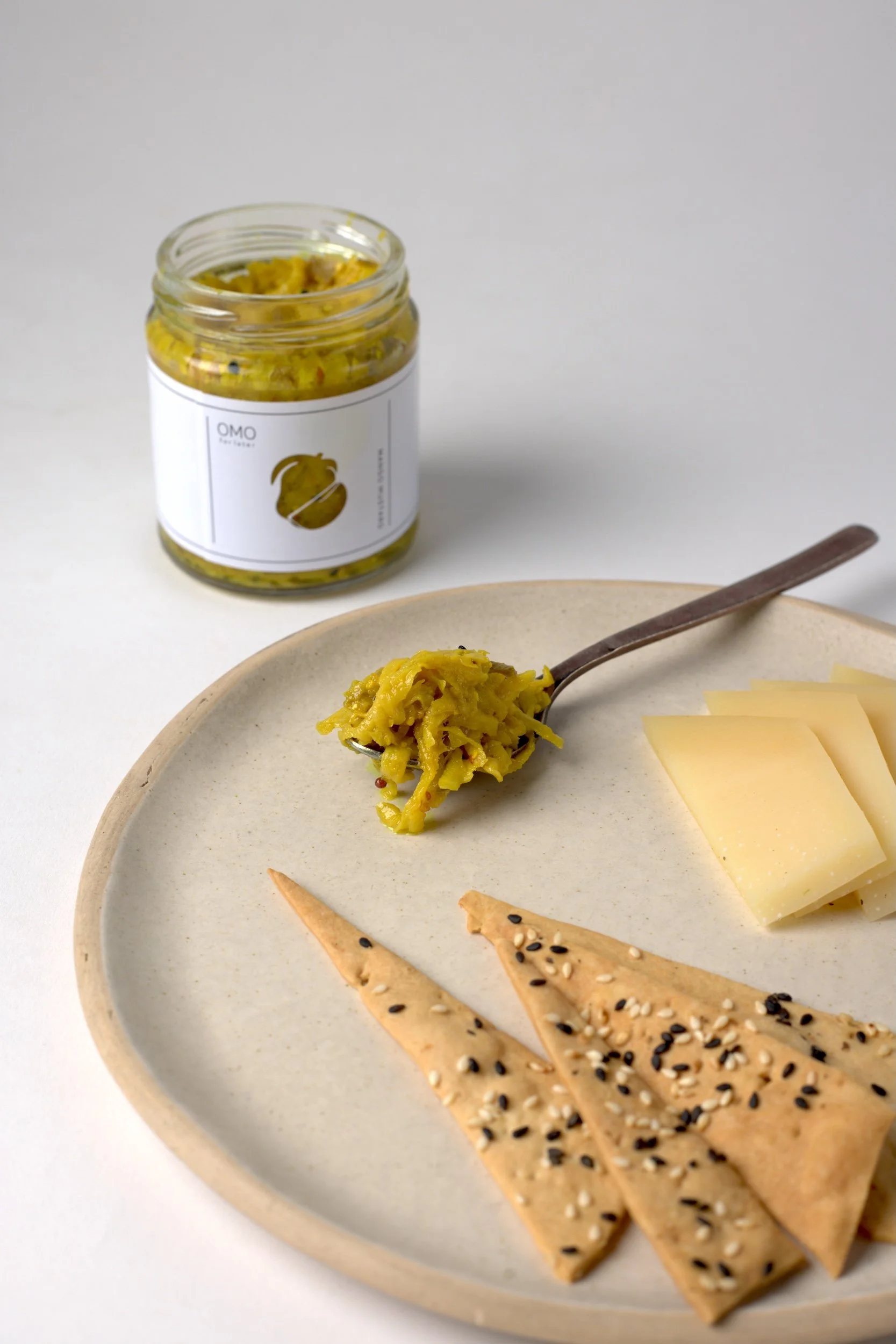
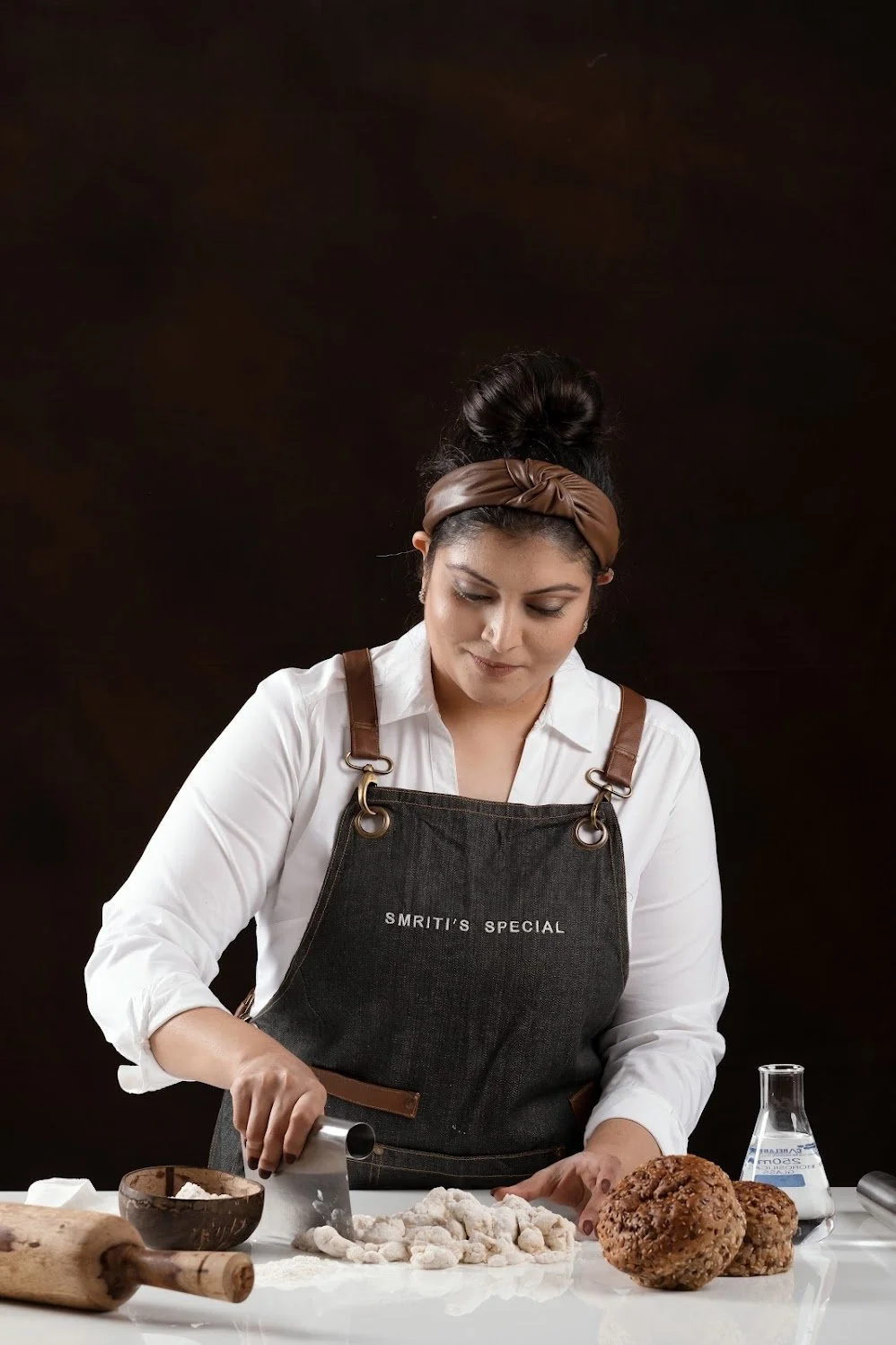
Launched alongside the Ferment Lab, OMO For Later is OMO's first retail offering, bringing the restaurant's ingredient-led philosophy into homes through a curated collection of ferments, preserves, condiments and beverages. The first collection includes seasonal kombuchas such as Mango & Turmeric, Pineapple & Mint, Pomegranate & Rose, Orange & Gondhoraj Lime and Kashmiri Plum Umeboshi, alongside chutneys, relishes, flavoured butters, fermented crackers, homemade turmeric sourdough bread, Mango Shorshe (a Bengal-inspired spicy, sweet and salty raw mango relish) and OMO's signature Naga Chilli Hot Sauce. Designed as an extension of the OMO kitchen, OMO For Later allows guests to continue their relationship with OMO beyond the dining table, bringing its flavours, pantry staples and preservation practices into everyday life.

7 Southeast Asian Destinations to Travel to With Your Sibling This Long Weekend for Raksha Bandhan

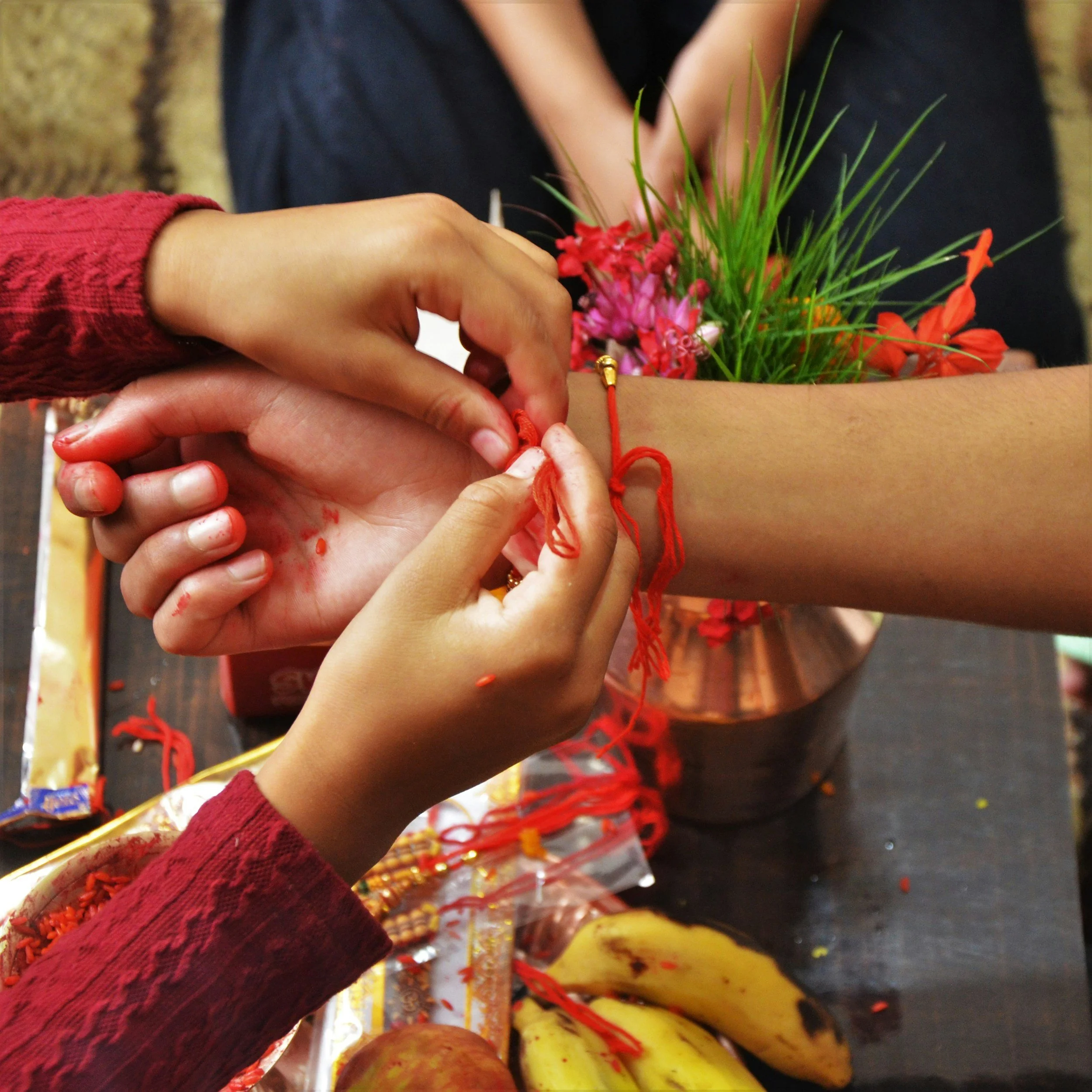
Raksha Bandhan is all about celebrating the unique bond you share with your sibling, and what better way to mark the occasion than with a memorable getaway? With Raksha Bandhan falling on a Friday this year, it creates an effortless long weekend; the ideal window to step away from the everyday routine, explore somewhere new, and make lasting memories together.

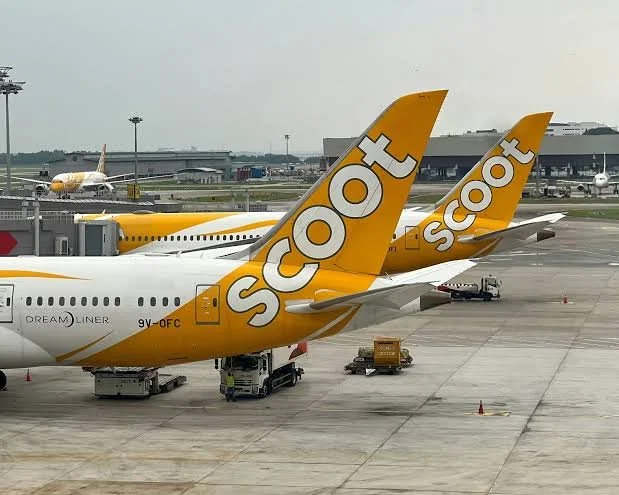
Instead of just exchanging gifts at home, why not turn this extended time off into an international adventure? Southeast Asia offers an incredible mix of culture, food, and shared experiences, making it the perfect backdrop for the ultimate sibling trip. Whether you want to explore new places or dive into vibrant city life, carriers like Scoot make it seamless to hop across borders from India and turn this break into an unforgettable journey.

Here are seven Southeast Asian destinations to consider for your next sibling escape for this long weekend:

1. Singapore - The “explore beyond the usual” sibling trip

If you and your sibling prefer getting off the standard tourist track, Singapore has plenty of room for discovery. Start with a food crawl through Katong’s local joints before crossing over to Sentosa for beach time and heavy hitters like Universal Studios or AJ Hackett. Come evening, wander through Haji Lane's indie storefronts and Kampong Gelam's heritage streets for a few offbeat photos. It’s an easy mix of neighborhood culture and island thrills, and with

Pro tip: Planning that quick sibling getaway just got a whole lot easier! Scoot is stepping up its connectivity for travelers in Tiruchirappalli, scaling up to 14 weekly flights starting December 2026.

2. Bangkok, Thailand - The “eat, shop, repeat” trip

If your shared love language is street food and market hauls, Bangkok delivers the ultimate "eat, shop, repeat" getaway. Kick things off on Yaowarat Road with a friendly sibling competition to see who can hunt down the best pad thai, mango sticky rice, or charcoal-grilled seafood. Spend the afternoon weaving through Chatuchak’s massive maze of market stalls or cooling off inside a local air-conditioned mall, grabbing local snacks along the way. Finally, wind down your day at King Power Mahanakhon or a high-rise rooftop spot, taking in panoramic city views over dinner.

3. Koh Samui, Thailand – The "Island Recharge" Sibling Break

If your ideal sibling escape is all about balancing calm mornings with lively evenings, this Thai island delivers the ultimate recharge. Kick things off with a cultural morning visit to Koh Samui's iconic Big Buddha Temple, before setting off in the afternoon on a speedboat island-hopping adventure or chasing tropical waterfalls. Finally, wind down your island day by grabbing sunset cocktails right on the beach and experiencing the destination's vibrant nightlife together.

4. Bali (Denpasar), Indonesia - The “adventure meets chill” sibling getaway

If you and your sibling can never seem to agree on a travel style; one craving adventure while the other just wants to unwind, Bali makes the ultimate meeting ground! Kick off the morning with a hit of adrenaline; rafting down the Ayung River, tearing through Ubud on ATVs, or catching the early mountain air near Mount Batur. Afterwards, hit the brakes in central Ubud to wander the Art Market and the Tegallalang Rice Terraces. Finish up in Seminyak or Jimbaran Bay for coastal seafood right as the sun dips. The thrill-seeker gets their fix, and the relaxed traveler gets to unwind.

5. Belitung (Indonesia): The Offbeat Island Explorers' Escape

If your idea of the perfect sibling trip involves skipping the tourist crowds altogether, Belitung is a hidden gem waiting to be explored. Spend your days hopping between pristine granite-boulder beaches, swimming in crystal-clear waters, and taking a short boat ride to climb the iconic 19th-century lighthouse on Lengkuas Island. In the afternoon, head inland to visit the striking turquoise waters of Kaolin Lake before sampling local island cuisine at a seaside warung. It’s a scenic, and unique island retreat for siblings who love off-the-beaten-path adventures. With it being one of Scoot’s newest destination additions, it makes this pristine island getaway even more easily accessible!

6. Kota Kinabalu, Malaysia – The “nature & culture” sibling escape

If you and your sibling are the kind who can never settle on just one type of holiday, Kota Kinabalu gives you a little bit of everything. Start your day early with panoramic sunrise views from Signal Hill, followed by a stroll through Gaya Street Market to browse local crafts and sample Sabah’s street-food favourites. Then, swap the city for the sea with an island-hopping adventure across Tunku Abdul Rahman Marine Park, be it snorkelling in crystal-clear waters, lounging on tropical beaches and soaking up the sunshine together. Back in the city, explore the waterfront as the sun sets before ending the day with a seafood feast. If you have another morning, head out for a scenic trip to the nearby Mari Cultural Village to experience Sabah’s indigenous traditions before squeezing in one last local meal. It’s an easy mix of culture, adventure, food and island time - perfect for siblings who want to make a short getaway feel like a proper holiday.

7. Phu Quoc, Vietnam - The “tropical reset & adventure” trip

For siblings who want to pack a little adventure into their tropical escape, Phu Quoc is the perfect playground. Start with a slow morning on one of the island’s powder-soft beaches, followed by island-hopping trip through the turquoise waters of the An Thoi archipelago. Spend the afternoon turning up the fun at VinWonders Phu Quoc, Vietnam’s largest theme park, before heading south for one of the island’s most memorable experiences: a ride on the world’s longest three-way cable car, with sweeping views across the sea and scattered islands below. Back on land, explore the colourful night market for local seafood and island treats, or catch the sunset before calling it a day. With beaches to unwind on, adventures to chase and plenty to discover together, Phu Quoc makes a short sibling getaway feel anything but ordinary.

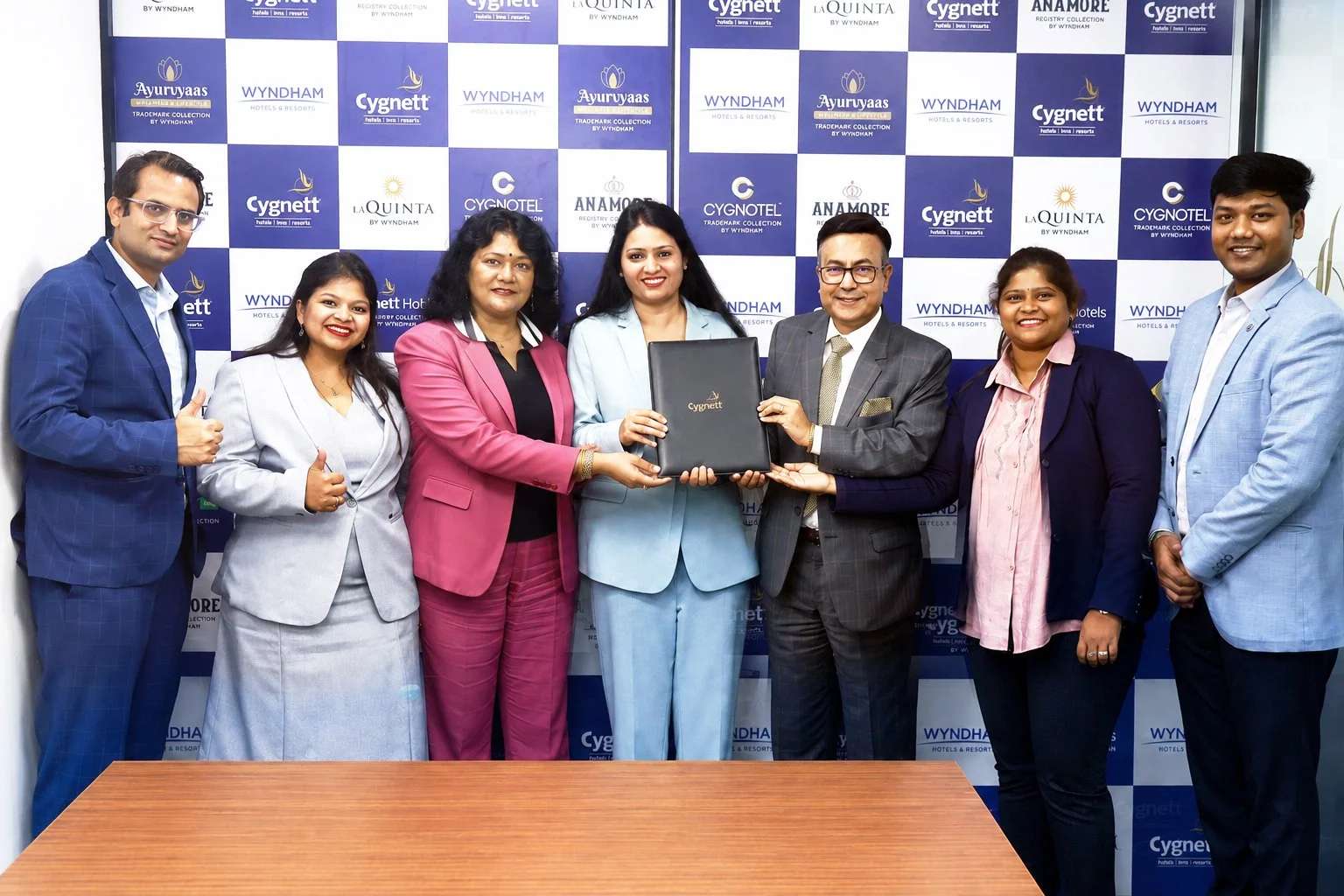
Cygnett Expands Cozzet into Odisha with 50-Room Gopalpur Beach Hotel

Brownfield signing strengthens Cygnett’s presence in India’s fast-growing emerging leisure micro-markets

New Delhi, August , 2026: Cygnett Hotels & Resorts has announced the signing of Cozzet VICASA Gopalpur, a 50-room brownfield hotel located approximately 800 metres from Gopalpur Sea Beach and scheduled to open in March 2027. Several rooms will offer sea views, strengthening the property’s appeal as a coastal leisure destination.

The signing aligns with Cygnett’s strategy of expanding through brownfield conversions and asset-light management opportunities across high-potential Tier II, Tier III, and emerging micro-markets, supported by rising domestic travel and demand for professionally branded accommodation.

India's hospitality growth is increasingly moving beyond major metropolitan markets. According to HVS ANAROCK's India Hospitality Industry Overview 2025, Tier III and IV markets accounted for 44% of hotel keys signed and 55% of properties signed during 2025, highlighting the growing importance of emerging destinations.

Located on Odisha's southern coastline, Gopalpur is an emerging coastal leisure micro-market, combining beach tourism, weekend travel and access to the region’s natural and cultural attractions. The hotel will target leisure travellers, families, weekend guests, weddings and small corporate groups.

Commenting on the signing, Mr. Sarbendra Sarkar, Founder & Managing Director, Cygnett Hotels & Resorts, said, India's hospitality growth is increasingly being driven by emerging cities, pilgrimage centres and leisure micro-markets. Gopalpur fits strongly into this strategy. Through brownfield conversions such as Cozzet VICASA Gopalpur, we can bring quality existing assets into a professional brand, distribution and operating ecosystem while creating long-term value for hotel owners.

A Contemporary Coastal Stay

The upcoming Cozzet VICASA Gopalpur will feature 50 guest rooms, including sea-view rooms, approximately 2,500 sq. ft. of banquet and event space accommodating around 180–200 guests, and a rooftop restaurant offering regional delicacies and global cuisine in a relaxed coastal setting.

Cozzet: Smart, Safe & Sensible Hospitality

Positioned in the value-driven hospitality segment, Cozzet by Cygnett is built around the philosophy of "Smart, Safe & Sensible" hospitality, combining clean and comfortable rooms, modern amenities and dependable service at an accessible price point. The relatively low penetration of branded economy accommodation in India provides substantial headroom for organised brands across emerging cities and destinations.

Cozzet by Cygnett currently has a development pipeline exceeding 600 keys, with hotels at various stages of development and pre-opening across destinations including Noida, Ayodhya, Amritsar, Jaipur and Arunachal Pradesh.

The Gopalpur signing reinforces Cygnett’s strategy of building a scalable network across regional business centres, pilgrimage destinations, coastal leisure markets and other underserved micro-markets where demand for quality branded accommodation is expanding.

Nisha Sachin Honoured as “Hotel HR Manager of the Year – Upscale” at FHRAI Hospitality Awards 2026

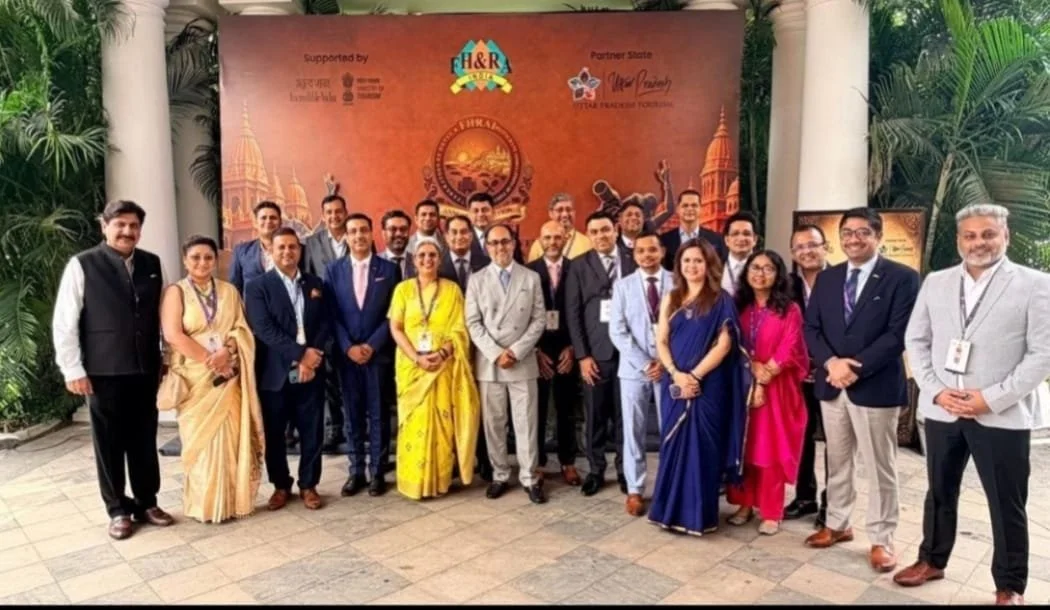
Varanasi, August 2026: Nisha Sachin, Associate Director – People & Culture at Radisson Gurugram, Udyog Vihar, has been honoured with the prestigious “Hotel HR Manager of the Year – Upscale” award at the FHRAI Hospitality Awards 2026, held during the 56th FHRAI Annual Convention in Varanasi.

The award recognises Nisha’s contribution to shaping people practices, strengthening employee engagement, developing talent, and creating a culture where people and business grow together. Her approach to Human Resources goes beyond traditional HR functions, with a strong focus on building capable teams, nurturing leadership, enabling learning, and creating meaningful employee experiences.

With extensive experience across key areas of Human Resources—including talent acquisition, learning and development, performance management, employee engagement, compensation and benefits, employee relations, payroll and compliance—Nisha has played an integral role in driving people-centric initiatives at Radisson Gurugram, Udyog Vihar.

Her leadership has contributed to several notable achievements, including the property’s exceptional 99% score in the Radisson Hotel Group Global Engagement Survey, reflecting a strong culture of engagement, trust and enablement.

Speaking about the recognition, Nisha said, “This award is deeply meaningful to me because HR is ultimately about people—their aspirations, their growth and the environment we create for them to succeed. I accept this recognition with immense gratitude to everyone who has been part of my journey. It is a reflection of the collective efforts of my team, colleagues, mentors and leaders who have continuously supported and challenged me to grow.”

She further added, “I believe the future of hospitality will be shaped by organisations that invest in their people. When employees feel valued, empowered and inspired, they create extraordinary experiences for guests. My endeavour will always be to build workplaces where people can learn, contribute, grow and take pride in what they do.”

The FHRAI Hospitality Awards are among the prominent recognitions in India's hospitality industry, celebrating individuals and organisations that have demonstrated excellence and made a meaningful contribution to the sector.

For Nisha, the recognition marks another significant milestone in a career dedicated to people, culture and hospitality, while reinforcing her belief that sustainable business success begins with putting people at the heart of the organisation.

FMCG Brand Coração Do Vale Redefines Luxury Gifting By Unveiling Its Arts Edition at Gifts World Expo 2026

New Delhi, August , 2026: Coração do Vale, Portugal’s extra premium virgin olive oil, marketed and distributed in India by Leads Brand Connect, recently unveiled its Coração Do Vale Art Editions at Gifts World Expo 2026 in Delhi and Bengaluru. The  limited-edition collector’s item aims to reimagine the luxury gifting by bringing together the best of fine art, heritage craftsmanship, and exceptional olive oil.

Each bottle for Coração Do Vale Art Editions has been designed in collaboration with celebrated artists whose work is rooted in the same values that defines Coração Do Vale,  nature, culture, heritage, and the pursuit of craft at its highest form. The Art Edition highlights how storytelling and artistic collaborations are redefining premium gifting. It reflects the brand’s underlying philosophy that a gift at its finest should carry beauty and a meaningful story.

Commenting on the launch of Coração Do Vale Art Editions, Richa Khandelwal, Managing Director, Leads Brand Connect, said, “We are extremely delighted to unveil Coração Do Vale Art Editions at the Gifts World Expo 2026. Each bottle is designed to be a keepsake, blurring the lines between fine art, luxury gifting, and premium gourmet products. This artistic collection is a true reflection of the belief that artists and master olive oil producers share a common spirit. They are creators and are driven by an uncompromising dedication to their medium. We were extremely honoured to have these artists with us to create unique pieces inspired by Coração Do Vale's founding philosophy.”

The brand believes it is one of the first FMCG company to launch such an initiative, using product packaging not just as a branding tool but as a medium to celebrate and promote emerging artistic talent.

The two artists, Bareilly-born Khushi, 21, and Lisbon-born Sara Alves’ paintings  adorn the bottles and they also reflect the cross-culture collaboration between India and Portugal.  Khushi graduated from LASALLE College of the Arts, Singapore, in 2026. Working primarily through painting, drawing and mixed media, her practice investigates feminist theory, horror and mythology as tools for confronting systems of power, memory and identity.

Drawing from personal experiences, family folklore and literary narratives, Khushi’s work explores the intersections of gender, the body and culture. Using the visual language of the grotesque, abjection and speculative fiction, she reimagines mythological and folkloric figures to question patriarchal structures and the social construction of femininity.

Sara work’s between Poland and Portugal and her work is primarily situated within landscape painting, figurative art and neo-surrealism. Her practice is rooted in painting and drawing, occasionally expanding into other media. Her landscape project emphasizes the use of colour and underpainting to explore themes of inhabiting a place and wandering through landscapes as a form of embodied travel. Working mainly with oil pastels, she uses a underpainting technique built from bright colours layered beneath her compositions, evoking influences from her Portuguese background alongside the environments she encounters. Her projects span multiple locations, including Portugal (mainland and islands), Poland and Cabo Verde.

Coração Do Vale has redefined gourmet indulgence for India’s discerning consumers, chefs, and celebrities. Its introduction to India is also a symbol of cultural offering as oil remains the soul of every Indian meal, used in celebration and in remembrance. Positioned as a celebrity gourmet essential, Coração do Vale is not just an ingredient but a lifestyle statement. From finishing haute cuisine dishes to elevating everyday meals, its versatile flavour profile enhances salads, pastas, soups, grilled meats, and even artisanal breads.

Azerai La Residence, Hue Offers ‘Festival Package’ for Hue Wonderverse Fest 2026

Hue’s largest-ever heritage and music festival is expected to draw more than 500,000 visitors

HUE, Vietnam (Aug. , 2026) – Azerai La Residence, Hue, the luxury heritage hotel in central Vietnam, has rolled out a stay package ahead of Hue Wonderverse Fest 2026, an upcoming cultural event expected to attract more than half a million visitors later this month.

The three-day festival, held from Aug. 30 to Sept. 1, will blend music, art, interactive media and laser performances into an international-scale multi-sensory experience. Organisers envision it becoming an annual cultural event that promotes Hue’s heritage, creative economy and tourism.

“Wonderverse Fest will bring extraordinary energy to the city, and we are delighted to welcome guests who wish to experience it while staying in a setting of quiet elegance,” said Minh Phan Trong, General Manager of Azerai La Residence, Hue. “Our location and our Festival Package make it easy to immerse yourself in the vibrant energy of the festival and return to calm, refined surroundings overlooking the Perfume River after each unforgettable day.”

Azerai’s “Hue Festival Package” (valid through Oct. 31, priced at VND 10,890,000) includes a two-night stay with daily breakfast for two, one curated dining experience, a 45-minute spa journey, signature afternoon tea, and 15% savings on food and beverage. The package also aligns with the broader Hue Festival 2026 programme.

Hue Wonderverse Fest is a 15-minute walk from the hotel or a short car ride.

In addition to the Festival Package, Azerai La Residence, Hue is celebrating two of the city’s most cherished cultural treasures this season: the culinary legacy of bún bò Huế and the beauty of the annual lotus harvest. These experiences offer guests a taste of the traditions that continue to define Hue’s identity.

Record-Setting Bun Bo Hue

Complementing the city’s cultural momentum, Azerai recently celebrated Hue’s culinary heritage with a record-setting event serving bún bò Huế, the iconic dish of the former imperial capital. Azerai La Residence, Hue’s Executive Chef Nguyen Dong Hai joined fellow culinary artisans in the event under the “Hue – The Capital of Gastronomy” programme, where more than 300 diners gathered to enjoy the dish.

The beloved noodle soup is also among the most popular dishes at Le Parfum, the hotel’s signature restaurant, where guests can enjoy Chef Hai’s interpretation of this Hue culinary classic.

“Bún bò Huế is far more than a recipe. It carries the stories and spirit of the Imperial City,” said Minh. “We are proud that Chef Hai could help share this living heritage with both the local community and international friends.”

Lotus Afternoon Tea

Guests at Azerai La Residence, Hue can also enjoy a limited-time Lotus Afternoon Tea, inspired by Hue’s lotus season. Priced at VND 360,000++ for two, the experience pairs Imperial Hue Lotus Tea with delicate pastries in the hotel’s Art Deco surroundings.

“The Lotus Afternoon Tea invites guests to pause and savour the gentle beauty of Hue’s summer along the Perfume River,” Minh said. “It is a simple yet memorable way to connect with the season’s grace.”

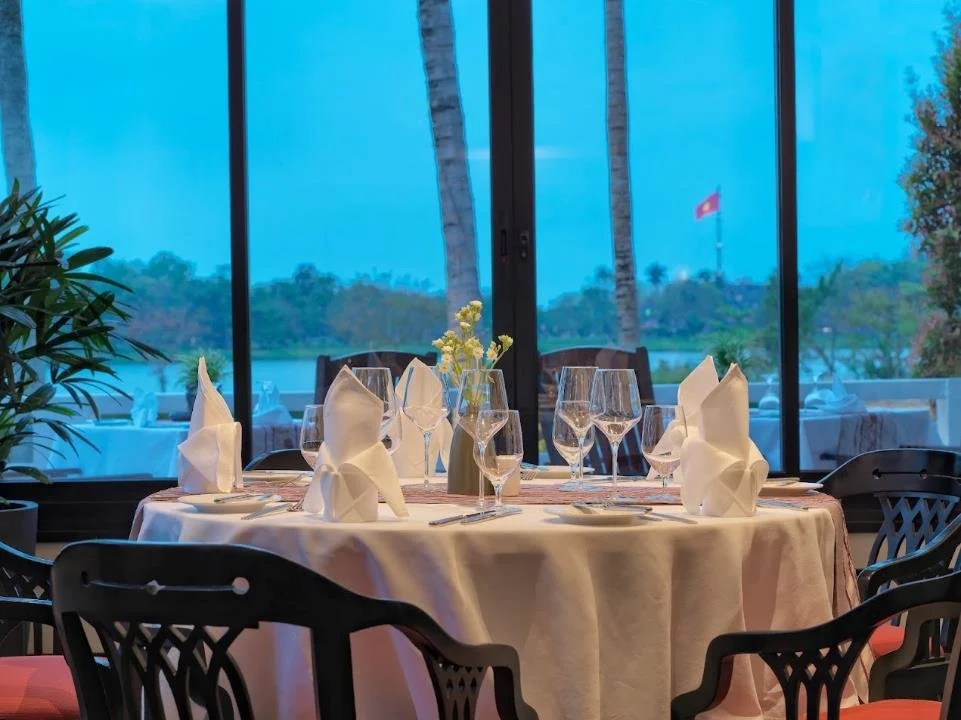
Azerai La Residence, Hue is a 122-room luxury hotel centred on a 1930 colonial mansion originally part of the French Resident Supérieur’s residence. Its distinctive façade—long horizontal lines and nautical flourishes—exemplifies streamline moderne Art Deco architecture.

The property forms part of legendary hotelier Adrian Zecha’s Azerai portfolio, along with the seaside resort Azerai Ke Ga Bay in southern Vietnam.

Azerai La Residence, Hue was recently named one of the world’s “500 Best Hotels” by Travel + Leisure magazine, one of only 12 properties in Vietnam to receive the honour.

Fairmont Mumbai and Le Florence India Hosted India’s First Longevity Summit 2026 with AIWO, Connecting Global Science, Biohacking and Emerging Longevity Technologies

Two-day summit launched by Fairmont Mumbai brought together global experts, healthcare pioneers, wellness innovators and emerging longevity technologies to explore the future of healthspan

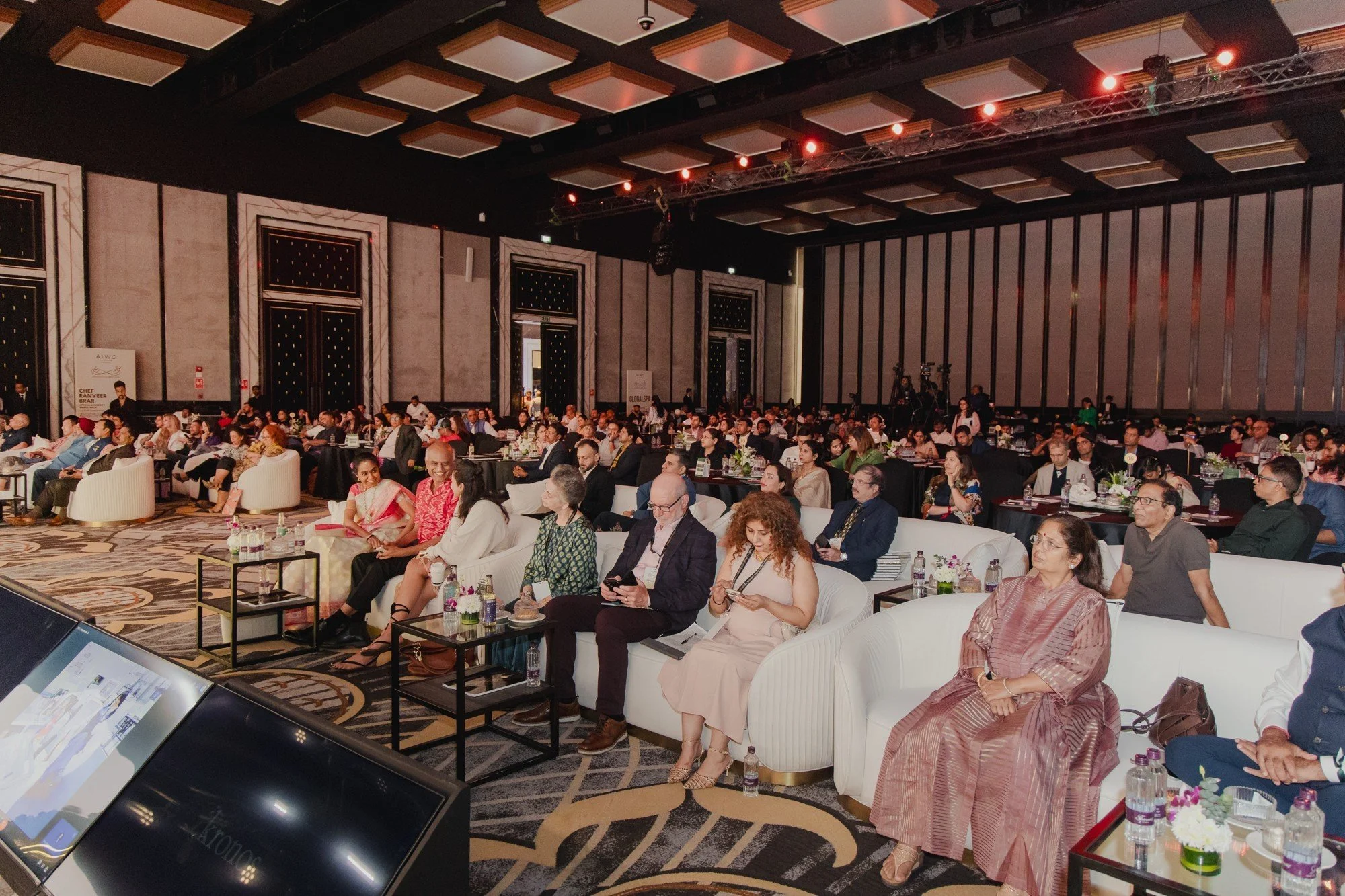
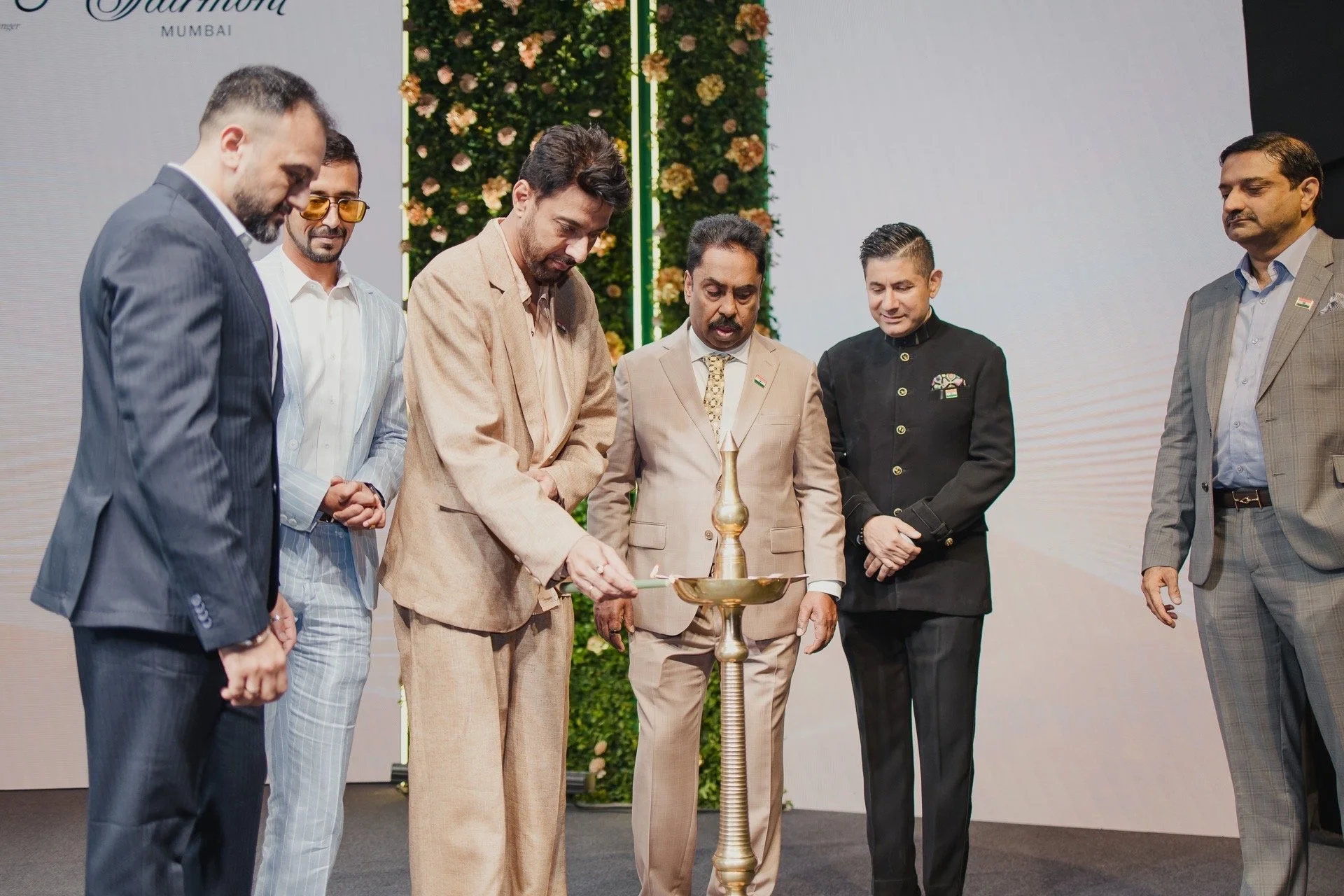
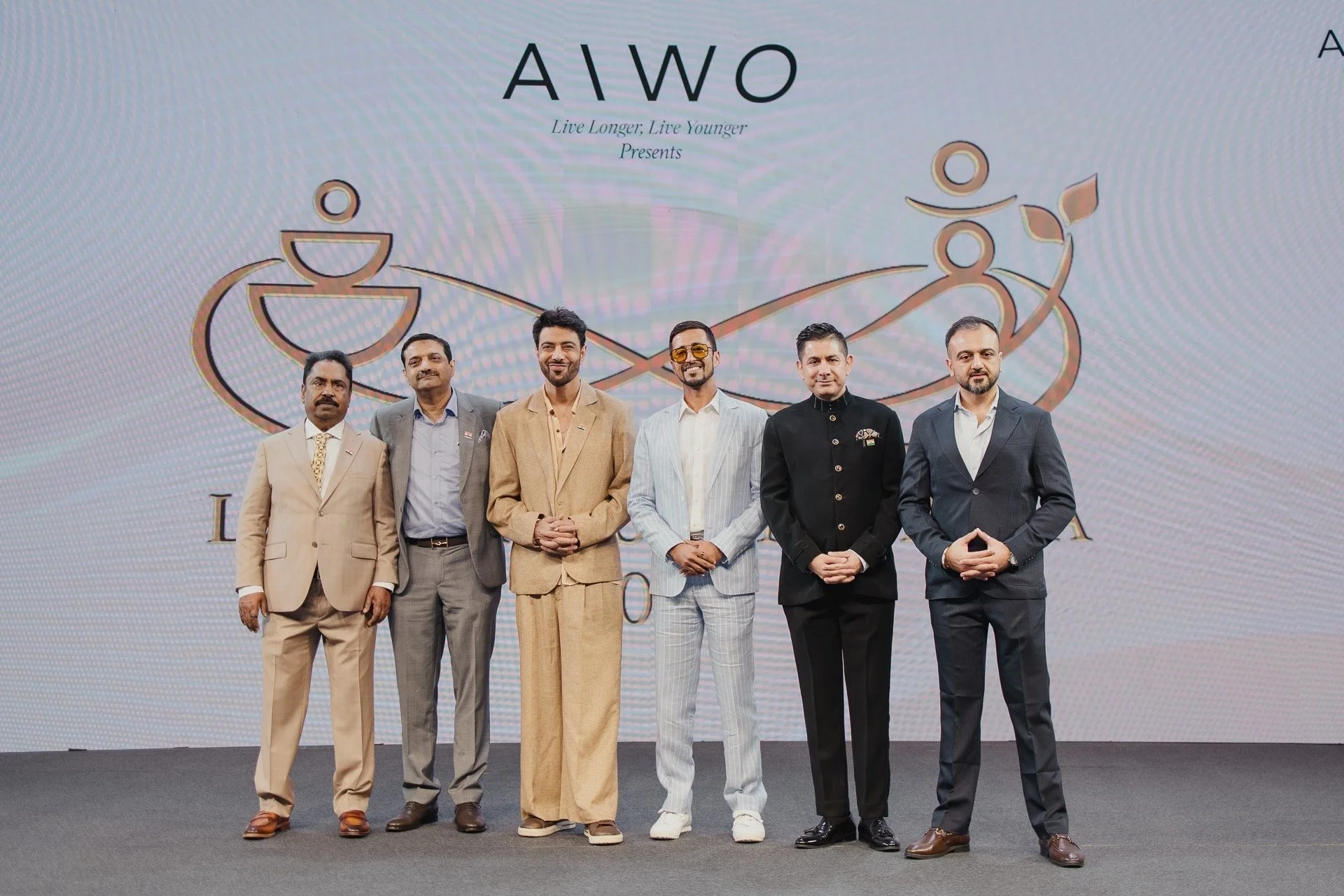
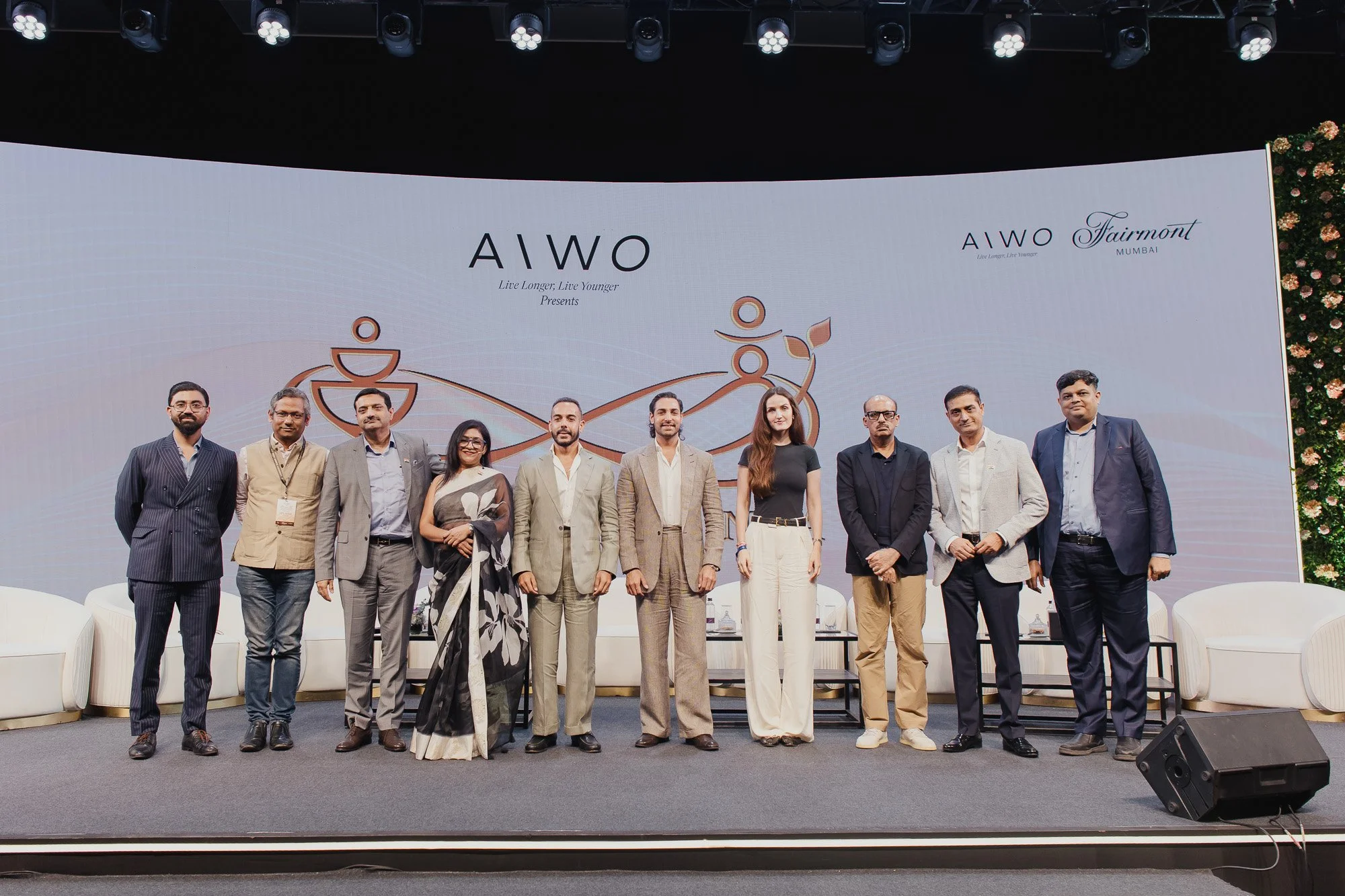
MUMBAI, India, August , 2026: The inaugural Longevity Summit India 2026 unfolded over two immersive days at Fairmont Mumbai, bringing together 1,000+ delegates from India and across the global longevity ecosystem for a convergence of science, healthcare, wellness, technology and conscious living. Presented by Le Florence India in partnership with Fairmont Mumbai, with AIWO as the Title Sponsor, Maharashtra Tourism as the State Partner, and DecodeAge as the Wellness Partner, the summit brought together international experts, leading doctors, scientists, biohackers, wellness practitioners, founders, investors and thought leaders through global panels, expert talks, fireside conversations, experiential zones, longevity trails and interactive practices. Far beyond a conventional conference, the experience transformed Fairmont Mumbai into an immersive landscape of longevity, from underwater meditation, Watsu, ice plunges, yoga and sound experiences to explorations of biological age, metabolic health, brain performance, emotional resilience, and human connection. Even the culinary experience was designed around wellbeing, with colour-coded Yellow, Green and White food zones, each focused on supporting different functions of the body, from digestion and metabolic health to heart health.

At its core, the summit explored a question increasingly shaping the future of healthcare: how do we not simply live longer, but extend healthspan, preserve vitality and improve the quality of the years we live? The programme brought together preventive healthcare, geroscience, human optimisation, performance engineering of the body, bio-optimisation and functional enhancement, examining the interconnected systems that influence how we age, perform and experience life.

The summit’s philosophy was reflected in its Five Bodies Framework: Earth, Water, Air, Fire and Flow, offering a more holistic, systems-based lens on longevity. Rather than viewing health through isolated biomarkers or individual interventions, the framework examined how multiple physiological and psychological systems interact to influence resilience, vitality, and long-term healthspan.

The conversation around longevity also extended into how people live and age, with senior living emerging as an important part of the wider ecosystem. The summit saw the launch of Shremoha, a premium senior independent living platform formed in July 2026 through a strategic partnership between Shrem Group and Emoha, part of Age Care Labs. Unveiled through the thought leadership panel “The New Luxury of Longevity: How Senior Living is Becoming the World’s Most Powerful Platform for Healthy Ageing,” Shremoha brings together geriatric-grade personalised care, preventive health, wellness, and hospitality-led living to support greater independence, purpose and dignity among India’s seniors.

Nitan Chhatwal, MD, Shrem Group and Co-founder of Shremoha, said,

“Senior living is no longer the destination after ageing; it is a platform for longevity. With Shremoha, we are bringing hospitality, wellness and geriatric care together to create communities built around independence, purpose and possibility.”

Saumyajit Roy, Co-founder & CEO, Emoha Elder Care and Co-founder of Shremoha, said,

“The future of senior living is not about care alone, but about creating places where people can live with purpose, independence and meaningful connections. Shremoha brings our experience in elder care together with hospitality and community design to build exactly that.”

The idea of longevity extending beyond healthcare into the environments in which people live, recover and experience wellbeing was also central to Fairmont Mumbai’s role in the summit. By bringing health, hospitality, food, recovery, and experiential wellness together under one roof, the property became part of a larger conversation around how wellness-led hospitality is evolving.

Rajiv Kapoor, General Manager, Fairmont Mumbai, said,

“What made the summit meaningful was bringing science, healthcare, wellness and hospitality together in one space. Guests could experience these ideas first-hand, making the conversation around longevity tangible.”

For Le Florence India, the summit represented an opportunity to bring India’s longstanding relationship with wellbeing into dialogue with the rapidly evolving global fields of longevity science, bio-optimisation, and preventive health.

Vikramjeet Sharma, Managing Director, Le Florence India, said,

“India has always had a deep relationship with wellbeing, and longevity is giving us a new language to understand it through science and technology. We wanted to create a platform where India could engage with and contribute to this global conversation.”

Across the two days, the programme explored regenerative medicine, stem cells, peptides, microbiome health, biological age, sleep, and heart health, consciousness, and other vital markers of human performance. Emerging frontiers including flow states, cardiac coherence, and the intersection of AI, physics, and medicine further expanded the conversation around the future of vitality science.

The summit also marked an important step in connecting India to the global longevity ecosystem, with 40+ global speakers, clinicians and wellness experts, including Prof. Dato' Sri Dr. Mike Chan, Siim Land, Dr. Chris Kacher and Dr. Gino Yu, creating an exchange between international expertise and India’s emerging community of healthcare, wellness, technology and conscious-living leaders.

One of the summit’s most intriguing highlights was its water-based longevity experiences, including Guided Underwater Meditation with Dr. Arpit Bansal, an early-morning experience at Fairmont Mumbai’s swimming pool where participants used weights and oxygen masks to enter a deeply immersive state beneath the water. Watsu with Svitlana Vishenska brought therapeutic bodywork into the experience, while Blue Mind practices, breathwork, and ice baths further explored the relationship between water, recovery, nervous-system regulation, and mental wellbeing.

Dr. Arpit Bansal, Scientific Chair, Longevity Summit India 2026, said,

“Longevity cannot be reduced to one number, test or intervention. It is about understanding how our physical health, brain, gut, emotions and sense of purpose work together to shape wellbeing.”

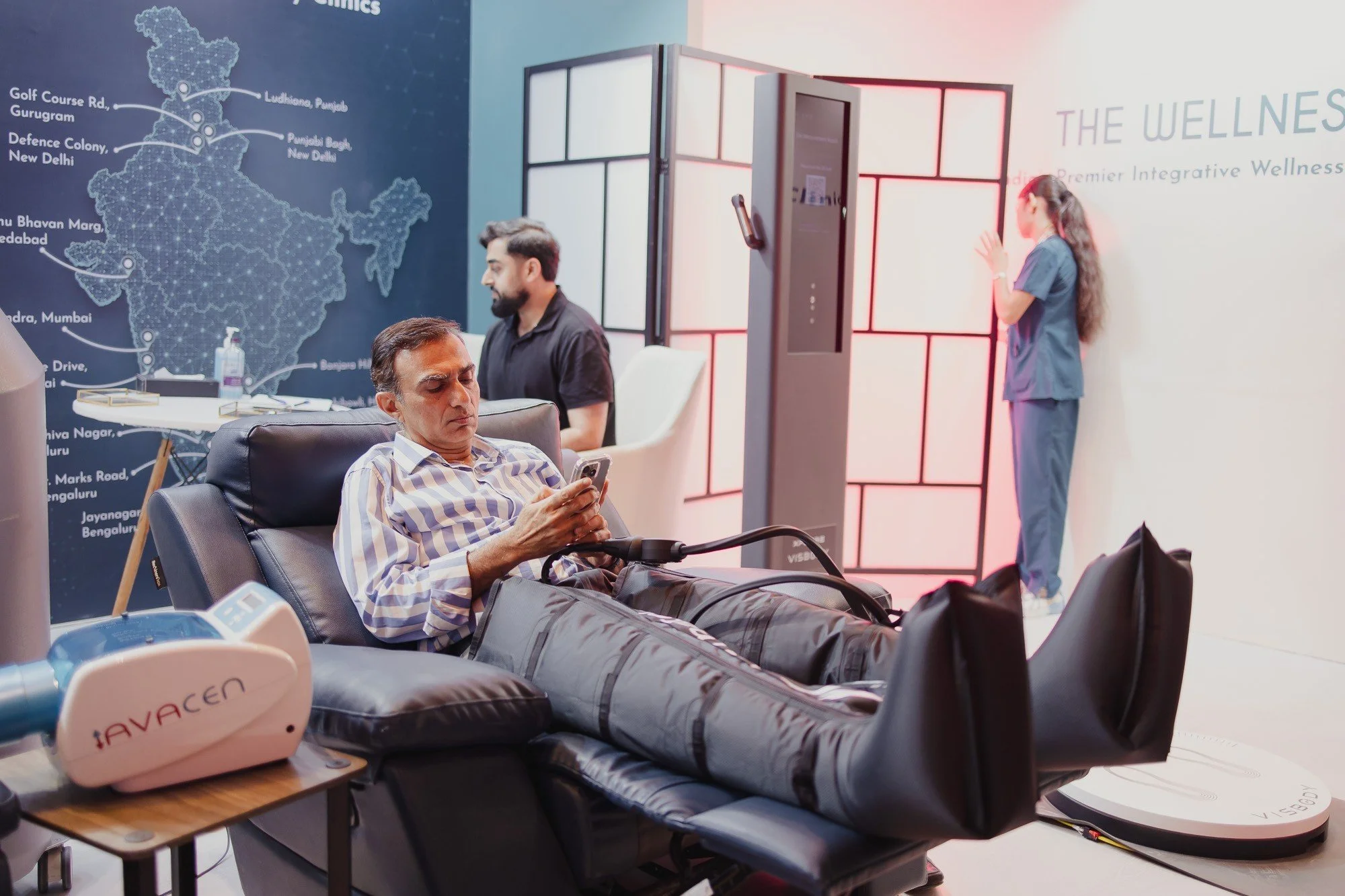
Bringing this philosophy beyond the stage, the summit gave delegates the opportunity to experience longevity through emerging technologies, therapies and practices, with 10+ experience zones exploring areas such as Gut Health, Genomic Health, AI-Powered Health, Peptides and Longevity, Frequency Technologies and Biohack Gadgets, alongside advanced recovery and wellness interventions. Curated experiences by players like Meotech allowed delegates to engage directly with these innovations, while BluXone, Fairmont Spa and Longevity showcased Hyperbaric Oxygen, Molecular Hydrogen, Intermittent Hypoxic Training, and Intermittent Vacuum Therapy, bringing personalised recovery protocols into the hospitality environment. Carna AI’s AI Body Scan offered a technology-led approach to health assessment, translating complex body data into a more accessible and personalised view of individual health.

The experience zones also explored emerging frontiers of longevity. The Wellness Co. showcased Hyperbaric Oxygen Therapy, Normatec Compression Therapy, and Body Composition Analysis, while H2 House of Health’s Hydrogen Therapy introduced hydrogen-based wellness into the conversation. HPO Tech showcased a range of technology-led therapies, further reflecting the growing intersection of health, technology and personalised wellbeing.

For C. Sivasankaran, Founder, AIWO, the emergence of this ecosystem represents an important moment for India as consumers become increasingly interested in understanding and actively managing their health.

C. Sivasankaran, Founder, AIWO, said,

“India is at an important point in its relationship with longevity, with a growing appetite for better health and an opportunity to build an ecosystem around it. Bringing the right people, ideas and technologies together is where that ecosystem begins.”

With AIWO as Title Sponsor, the summit underscored the growing role of technology in the evolution of preventive healthcare, personalised health assessment, and human performance. The convergence of diagnostics, data, AI, and emerging wellness technologies is opening new possibilities around how individuals understand their bodies, identify risks earlier and make more informed decisions around long-term health.

Yet, alongside technology and science, the summit consistently returned to a simpler question: what does it actually mean to live well?

That question was reflected in the summit’s culinary programming. Food was positioned not simply as an indulgence or a nutritional input, but as one of the most accessible forms of everyday health intervention. At Fairmont Mumbai, the Yellow, Green and White food zones translated the science of nutrition into an accessible experience, with each zone focused on different functions of the body, from digestion and metabolic health to cardiovascular wellbeing.

Chef Ranveer Brar, Culinary Ambassador for Longevity, said,

“Longevity isn’t simply about adding years to life; it’s about staying capable, curious and connected through those years. Food is one of the most powerful choices we make every day, and India’s traditional food wisdom has much to contribute to this conversation.”

Ultimately, Longevity Summit India 2026 marked a defining step in bringing geroscience, preventive healthcare, bio-optimisation, and human performance into India’s evolving longevity landscape. By connecting global scientific advances with India’s deep-rooted understanding of wellbeing, the summit placed human vitality and biological resilience at the centre of the conversation around the future of health.

The summit was supported by a network of partners that reflected the breadth of the longevity ecosystem, including AIWO as Title Sponsor; DecodeAge, The Wellness Co. and BrainTap as Wellness Sponsors; Global Spa as Lifestyle Partner; and Evavo as Knowledge Partner.

Sofitel Legend Metropole Hanoi Unveils ‘Indochina and After’ Art Exhibition

Special showcase forms part of the hotel’s ‘125 Years of a Legend’ celebrations

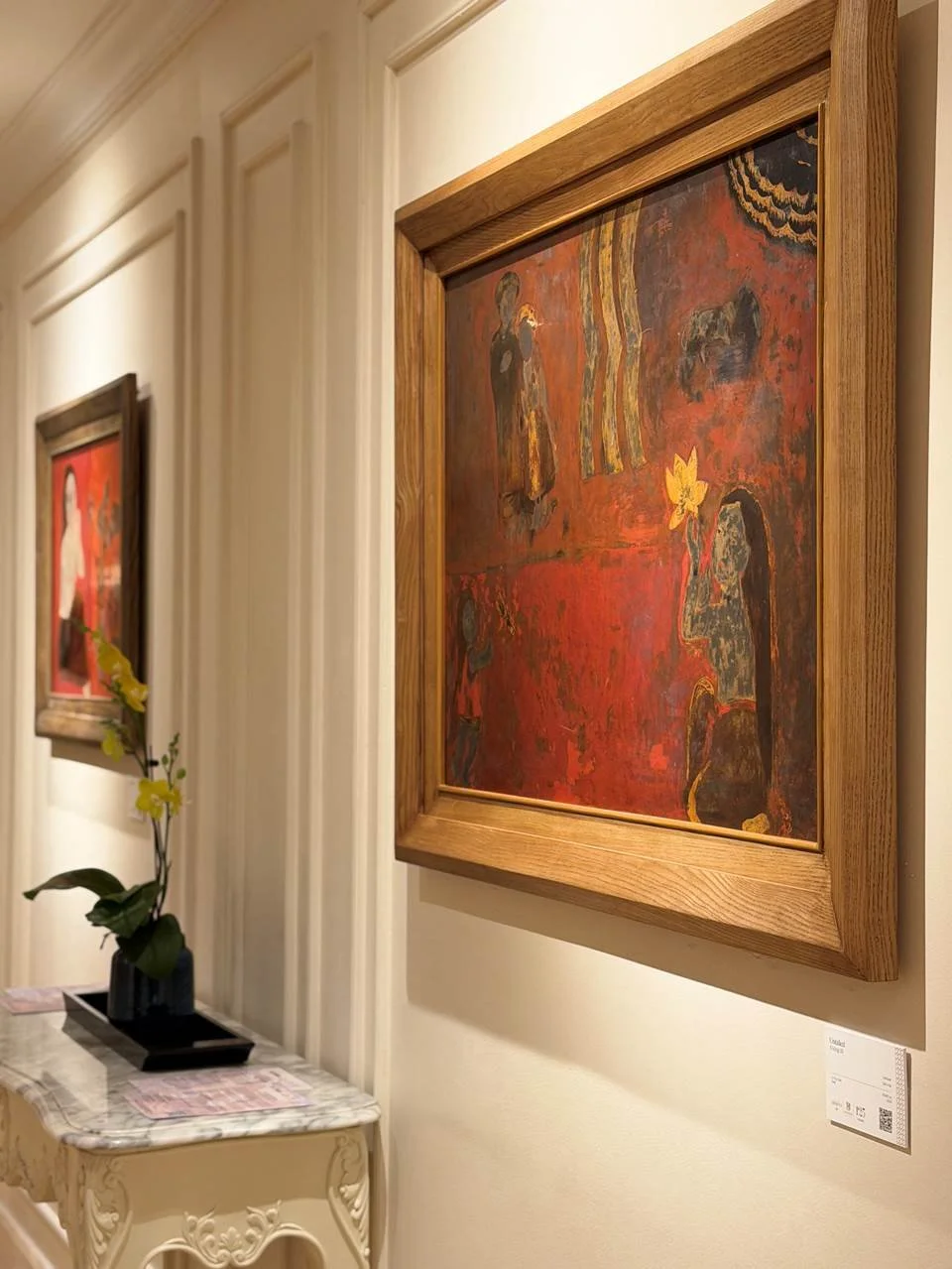
HANOI, Vietnam (Aug. , 2026) – As part of its 125th anniversary celebrations, Sofitel Legend Metropole Hanoi, in collaboration with The Muse Artspace, presents “Indochina and After,” an exhibition exploring the continuing evolution of Vietnamese art from the Indochina era to contemporary practice.

For 125 years, Sofitel Legend Metropole Hanoi has stood as a living legend in the heart of Vietnam’s capital, welcoming business leaders, celebrated personalities and heads of state, while serving as a meeting place for history, culture and art. The exhibition continues this spirit, opening a dialogue between heritage and contemporary creativity within the hotel’s timelessly elegant setting, while adding a cultural highlight to the hotel’s anniversary programme throughout 2026.

Inspired by the question of what followed the legacy of Indochina-era art, the exhibition does not regard Indochina as an endpoint in history. Instead, it turns to later generations of artists who draw on Vietnamese cultural roots to develop their own visual languages and express these values through a contemporary lens.

On view from Aug. 17 to Oct. 8 in the hotel’s Opera Wing lobby, the exhibition brings together three distinguished Vietnamese artists: Phan Cam Thuong, Ly Truc Son and Do Thi Kim Doan, each presenting a distinctive perspective and artistic practice.

The exhibition’s curator, Van Vi, said: “The three artists meet at one shared point: their ability to transform Vietnamese cultural values into a visual language for the present.”

Artist and cultural scholar Phan Cam Thuong presents a series of lacquer paintings inspired by Vietnam’s ancient cultural heritage. In these works, memory and traditional symbols are distilled through imagery, materiality and visual rhythm.

Ly Truc Son, who spent many years working in France and Germany, developed his painterly language through engagement with the aesthetic spirit of Indochina. His paintings move beyond local boundaries, connecting Vietnamese art with broader currents of modern painting.

Do Thi Kim Doan presents her “Garden Corner” series, capturing the quiet beauty of everyday Vietnamese family life in lacquer works rich in emotion and depth.

George Koumendakos, General Manager of Sofitel Legend Metropole Hanoi, said: “Art and culture have always been integral to the identity of Sofitel Legend Metropole Hanoi. As we celebrate our 125th anniversary, we are proud to present ‘Indochina and After’ as an expression of our longstanding commitment to preserving heritage while creating a space where contemporary creativity can continue to flourish and inspire.”

Presented as one of the highlights of the hotel’s “125 Years of a Legend” programme, the exhibition honours the enduring artistic legacy of the Indochina period through a contemporary perspective. It brings the richness of Vietnamese art and culture to both local audiences and international visitors.

Veeba expands its portfolio with Veeba Heritage, enters chutney category

New range brings regional Indian flavours into convenient, ready to use formats, available across quick commerce, D2C and modern trade

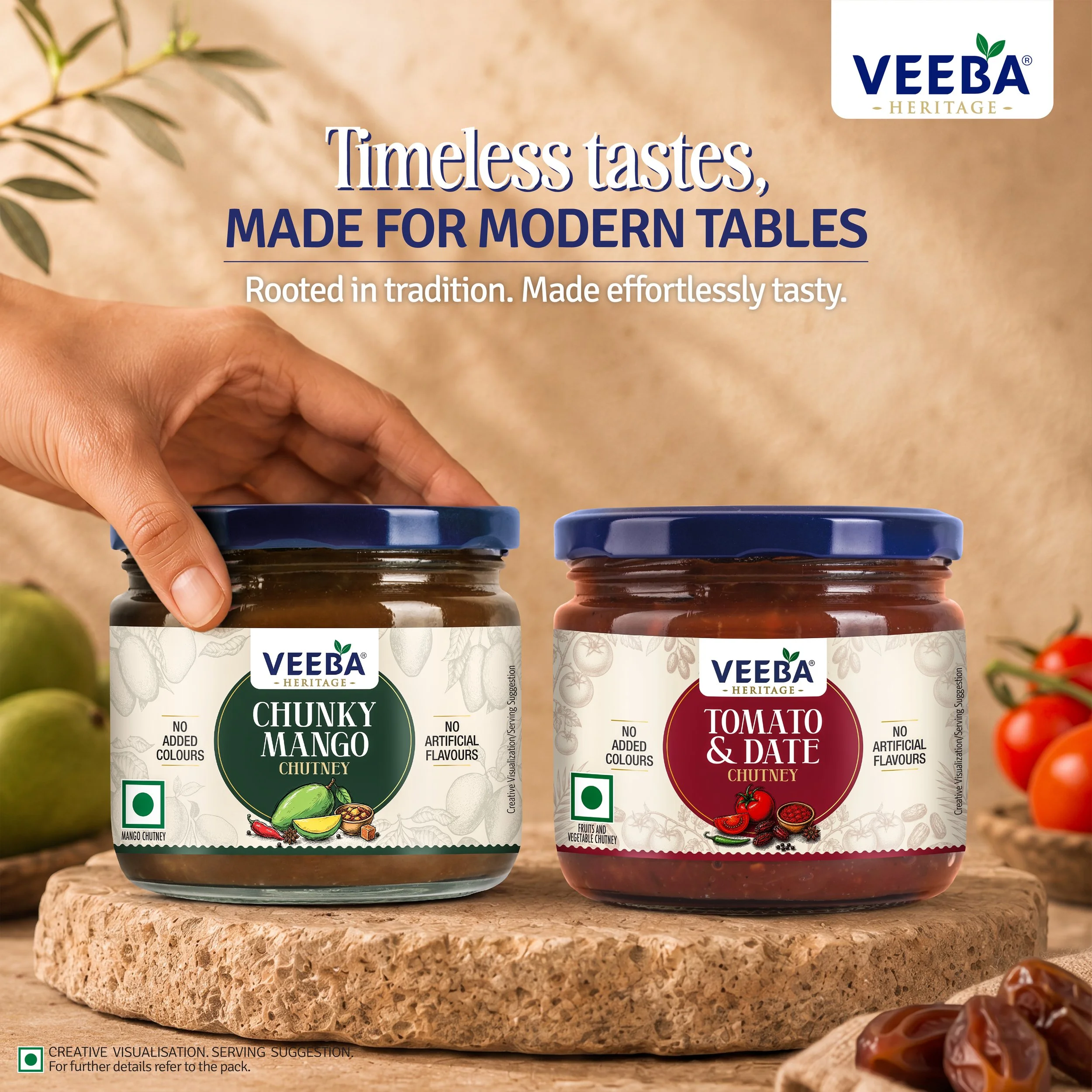
New Delhi, August, 2026: Veeba, a leading Indian brand in sauces, mayonnaise, dressings and condiments, has expanded its portfolio with the launch of Veeba Heritage, marking its entry into the chutney category. The new range brings familiar Indian flavours inspired by regional culinary traditions into convenient, ready to use formats. The initial range comprises Chunky Mango Chutney and Tomato Date Chutney.

Veeba Heritage builds on the brand’s expertise in condiments while moving into a distinctly Indian taste space. Inspired by the diversity of India’s culinary traditions, the range brings together flavour profiles shaped by local ingredients, techniques and regional food cultures, adapted for contemporary eating habits.

Available across leading quick commerce platforms, Veeba’s D2C channels and modern trade outlets nationwide, Veeba Heritage is designed to bring these familiar flavours to modern tables in a format that fits seamlessly into everyday meals.

Viraj Bahl, Founder and Managing Director, VRB Consumer Products, said, “One of the most remarkable things about food in India is how dramatically the palate can change every hundred kilometres. The same ingredient is understood differently across regions, shaped by local produce, techniques and ideas of balance. That depth and diversity gives us an extraordinary culinary heritage to draw from. With Veeba Heritage, our ambition is to bring some of these distinctive expressions to modern tables in a format that is relevant to how people eat today.

The launch is being supported by a digital campaign that explores the thinking behind the range, bringing consumers closer to the flavours, culinary traditions and contemporary eating occasions that inspired the products.

With Veeba Heritage, the brand is beginning to explore a category deeply rooted in India’s food culture. The launch of the first two products sets the foundation for a wider range as Veeba looks to bring more of India’s distinctive culinary traditions into convenient formats for modern consumers.

Haldiram’s finds the words siblings often leave unsaid in its Raksha Bandhan film, “Keh Do Dil Ki Baat, Haldiram’s Ke Saath”

The campaign celebrates the unique language of sibling love - where teasing, arguments and everyday gestures often say more than words ever could

Delhi, August 2026: Siblings have a language of their own constant teasing, pointless arguments, pulling each other’s leg, stealing food and, often, pretending not to care. But when it comes to saying something heartfelt, that can suddenly feel like the hardest thing to do. This familiar truth sits at the heart of Haldiram’s Raksha Bandhan campaign, built around the thought “Keh Do Dil Ki Baat, Haldiram’s Ke Saath.”

Instead of portraying sibling love through grand gestures, the campaign captures the little things that make the relationship real—the jokes, fights, irritation, checking in and, most importantly, the feelings that often remain unsaid.

The Raksha Bandhan film explores this emotional shorthand between siblings, where affection can hide behind a sarcastic comment, an apology that never gets spoken or a compliment that feels too embarrassing to say. It celebrates a relationship where saying “I love you” may feel unnatural, but showing up for each other comes instinctively. With a more contemporary and relatable lens on Raksha Bandhan, Haldiram’s celebrates not just the ritual of tying a rakhi, but the bond built over years of growing up together—and the unique language only siblings understand.

Food naturally becomes part of this conversation. Rooted in Indian celebrations and togetherness, Haldiram’s uses mithai and snacks as the backdrop to these everyday moments, creating a natural space for conversations that might otherwise remain unsaid.

For Haldiram’s, “Keh Do Dil Ki Baat, Haldiram’s Ke Saath” extends its association with food and togetherness into a more emotional and conversational space, recognising that siblings don’t always express love with words—they simply have their own way of showing it.

As Divya Batra, VP – Marketing, Haldiram’s says,  “Sibling relationships have a very unique way of expressing love. You may not always say the nice things out loud, but they show up in the little things—through arguments, checking in on each other, sharing food, or simply being there when it matters. With ‘Keh Do Dil Ki Baat, Haldiram’s Ke Saath’, we wanted to capture that truth in a way that feels familiar and real. Raksha Bandhan gives us a beautiful opportunity to say some of the things we usually leave unsaid, and we felt Haldiram’s could play a small role in helping start that conversation.”

Taking the campaign beyond the film, Haldiram’s has also created a virtual Mithai Shop on Zepto. Consumers receive an interactive leaflet with their Zepto order, which they can scan to access Haldiram’s virtual Mithai Shop and order mithai for their loved ones in minutes. And perhaps that is the most relatable part of the idea: sometimes, the people closest to us are exactly the ones we find hardest to say things to.

This Raksha Bandhan, Haldiram’s is simply asking siblings to say it anyway.

Pairing agriculture with tourism - Maharashtra Tourism Department urges beneficiaries to tap into the Agro-Tourism Policy

Mumbai : The Maharashtra Tourism Department is rolling out its Agro-Tourism Policy with a clear goal to raise farmers' incomes, energise the rural economy, and create new employment opportunities by connecting farming with tourism. Under the policy, registered agro-tourism centres can access a range of government concessions, training programs, registration support, and financial benefits. The department is encouraging farmers and rural residents across the state to make the most of this opportunity.

Centres that register under the policy receive an official certificate from the Tourism Department. That certificate carries real weight as it helps operators secure bank loans and qualify for concessions on GST and electricity charges. Registered centres also get priority access to the Water Conservation Department's farm pond scheme, along with benefits under various central and state government schemes covering greenhouses, orchards, and vegetable cultivation.

The Honourable Minister of Tourism Shri Shambhuraj Desai said, "The Agro-Tourism Policy is a significant step toward rural development, the financial empowerment of farmers, and the promotion of sustainable tourism. We've seen a strong response from across the state, with farmers building real economic strength through agro-tourism. Its effective rollout has given fresh momentum to rural employment and local development. I'd encourage more farmers, farmer producer organisations, and agro-entrepreneurs to come forward and benefit from it. The government remains committed to strengthening the role agro-tourism plays in the state's overall tourism growth."

Individual farmers, farmer co-operative societies, Krishi Vigyan Kendras, agricultural colleges, agricultural universities, and partnership firms or companies set up by farmers are all eligible to establish agro-tourism centres. Once registered, operators receive training in food safety, hygiene, hospitality, publicity, marketing, and visitor management.

A minimum of one acre of farmland is required to set up an agro-tourism centre. If the centre plans to host school trips, that requirement rises to five acres. Under the policy, centres are also required to provide visitors with clean drinking water, sanitation facilities, meals, safe accommodation, and eco-friendly amenities. Information and registration are available on the Tourism Department's official website, www.maharashtratourism.gov.in.

Agro-tourism is giving farmers new ways to earn beyond traditional farming. Along with agriculture, they are taking up activities like greenhouses, dairy farming, fisheries, nurseries, animal husbandry, nature tourism, and wine tourism. These activities are creating additional income and generating more jobs in rural areas. At the same time, it offers urban tourists a chance to experience farming, rural culture, and nature firsthand. The scheme is proving to be an important driver of sustainable development and tourism growth in Maharashtra's rural areas.

The Agro-Tourism Policy is bringing agriculture and tourism together in a co-ordinated way. It is doing important work on multiple fronts like raising farmers' incomes, driving rural employment generation, and strengthening sustainable tourism across Maharashtra.

Awas Country Club Launches in Alibaug, Bringing a New Expression of Private, Wellness-Led Living to the Region

A patrons-only country club that brings together residence-style living, wellness, leisure and hospitality amidst the quiet of mature mango groves.

There is a certain luxury in having nowhere to be. No itinerary to follow, no plans to keep, just the freedom to let the day unfold on its own. Mornings begin slowly, afternoons disappear by the pool, children wander off to play, parents linger over lunch, and somehow, everyone finds their way back to the same table by evening.

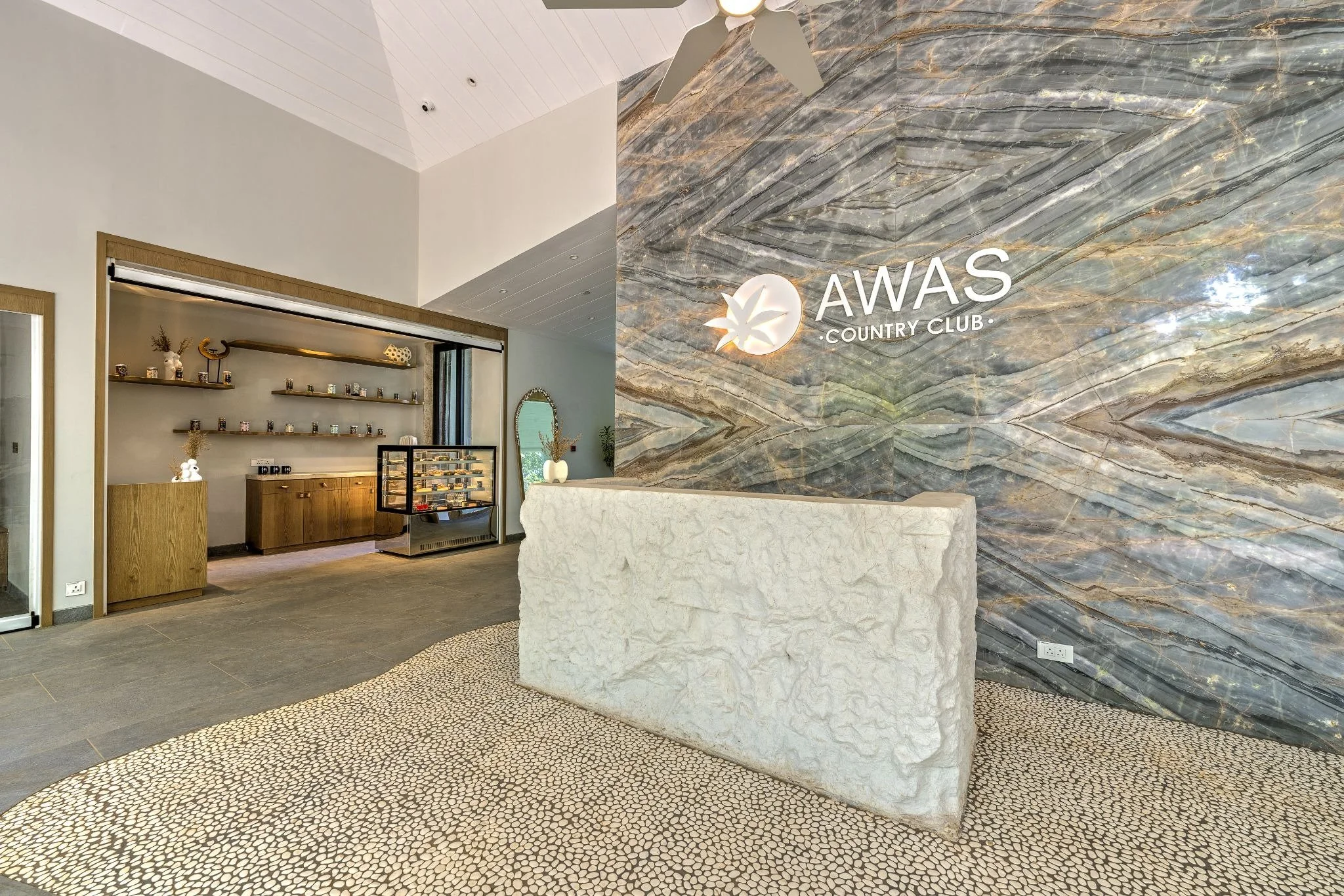
It is this idea of unhurried, shared living that sits at the heart of Awas Country Club, a new patrons-only private club in Alibaug. Set amidst mature mango groves and landscaped greens, Awas has been conceived as “not a resort, something quieter” - a place that feels closer to having a home away from home, but with everything taken care of.

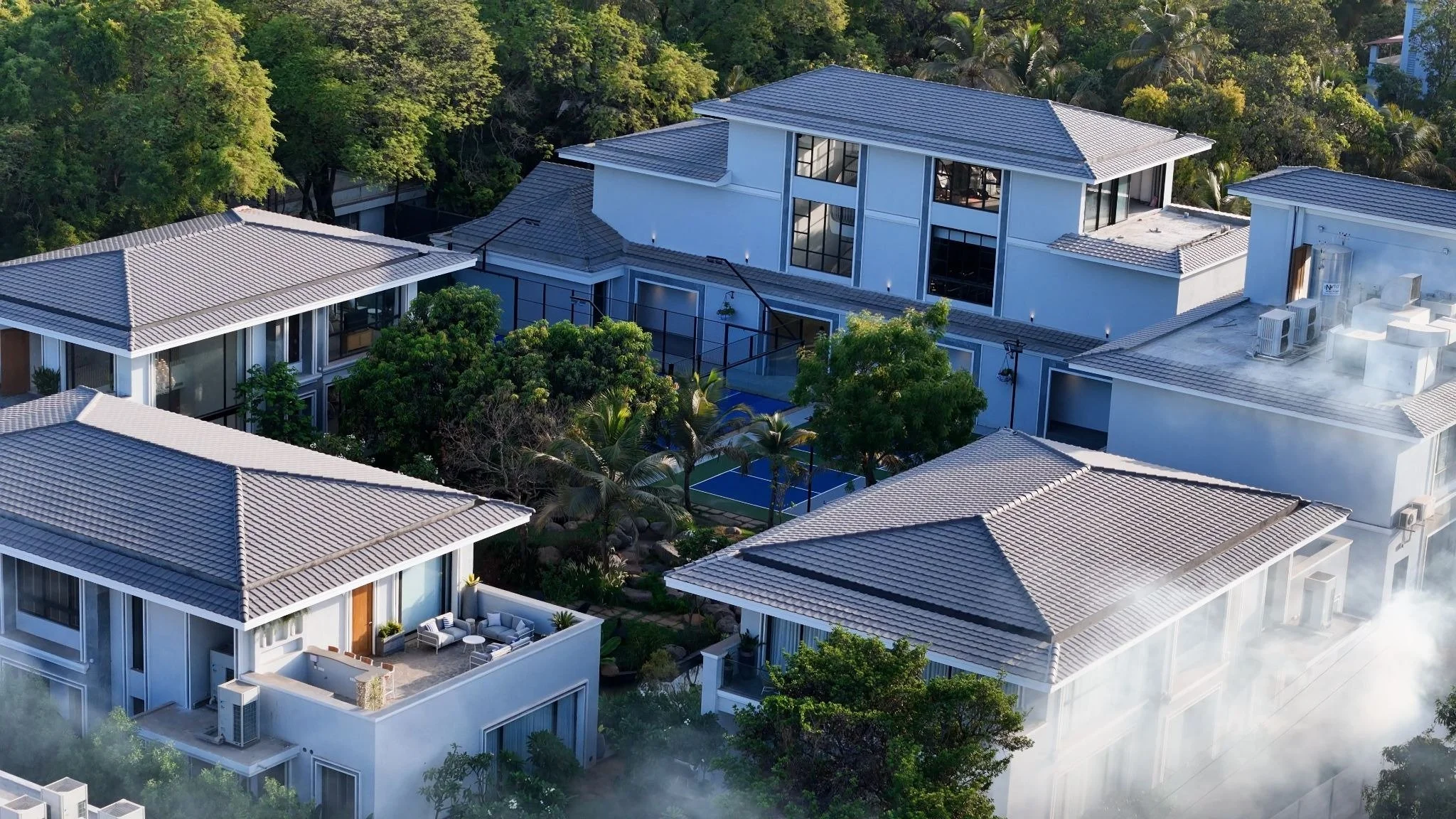
An extension of Sun-n-Sand’s six-decade hospitality legacy, Awas brings the brand’s longstanding experience in hospitality into a private country club format. Three expansive 4,700 sq. ft. five-bedroom villas form the residential core of the property, offering the space and ease of residence-style living, while the clubhouse extends that experience with spaces for dining, wellness, recreation and entertainment, all within one private estate.

That philosophy is reflected in the scale of the club itself. With just three expansive villas and access reserved for patrons and their guests, Awas has been intentionally kept intimate and low-density. The limited number of villas allows the club to retain a sense of privacy and ease, while giving patrons the freedom to settle into the space at their own pace.

That same freedom carries into the way the day unfolds, with individuals able to find their own rhythm between rest, movement and everything in between. The dedicated wellness wing offers treatment rooms, a Himalayan salt therapy room and relaxation lounge for those looking to slow down, while the high-performance gym, yoga and Pilates studio and golf simulator cater to more active pursuits. Pickleball, padel and tennis bring a more energetic, social side to the day. Together, these experiences reflect Awas’s belief that movement and recovery can sit naturally alongside one another - a philosophy captured in “Where Luxury Meets Longevity.”

Food and shared experiences form another natural rhythm of life at the club. Drift, the multi-cuisine restaurant, serves from breakfast through dinner, with private dining options available for more intimate occasions.The freeform pool offers an easy setting for long afternoons, while the private theatre, karaoke and games room bring families and friends together after dark. At the rooftop bar, evenings take on a slower pace, while Waves provides a more considered setting for larger celebrations and special occasions.

For families, especially those travelling across generations, the beauty lies in not having to do the same thing at the same time. A grandparent can spend the morning at the spa, younger members of the family can head to the courts, while someone else lingers over breakfast or by the pool. They can each spend the day differently, and still come together later over a meal, a film or an evening gathering. The five-bedroom villas make staying together easy, while the club gives each generation enough space to make the experience their own. It is this balance of activity and ease that shapes the experience at Awas.

The setting plays an equally important role in shaping that experience. The property sits within mature mango groves, with landscaped greens, shaded pathways and open spaces woven into the experience. Handcrafted interiors and a coastal sensibility keep the spaces warm and tactile, allowing the landscape to remain as much a part of Awas as the architecture.

At a time when luxury travel is increasingly moving away from packed itineraries and towards the value of time itself, Awas offers something refreshingly simple: the freedom to slow down, stay a little longer, and leave already looking forward to coming back.

Shremoha Launches as India’s Premium Longevity Living Platform, Announces Two Senior Living Partnerships in Pune and Gurugram

The partnerships with Tru Realty for Kekarav in Pune and KREEVA in Gurugram mark the beginning of Shremoha’s vision to create integrated longevity ecosystems for India’s evolving senior population.”

A strategic partnership between Shrem Group and Emoha, a part of Age Care Labs gives rise to Shremoha, a new senior living platform founded on a bold vision: to create India’s first Intentional Blue Zone — a national institution where growing older in India means living magnificently.

Mumbai, August 2026: Shremoha, India’s premium senior independent living platform, was officially launched at the Longevity Summit India 2026 held at Fairmont Mumbai. This marked a significant step in the evolution of senior living in India. Formed in July 2026 through a strategic partnership between Shrem Group and Emoha, a part of Age Care Labs—the parent company of Emoha and Epoch Elder Care—Shremoha aims to redefine senior living by establishing new gold standards in geriatric-grade personalised care, preventive health and wellness within hospitality-led longevity ecosystems designed to help young elders live with greater independence, purpose and dignity.

As part of the launch, Shremoha announced its first two flagship development partnerships – Kekarav by TRU Realty in Pune and KREEVA in Gurugram – marking its entry into two of India's fastest-growing markets for premium senior living. The projects are designed for independent seniors seeking a premium, active and socially connected lifestyle while having access to wellness, hospitality and support services that can evolve with their needs.

Speaking about the two projects, Saumyajit Roy, Co-founder & CEO, Emoha Elder Care and Co-founder of Shremoha, said, "Shremoha is the first expression of a vision we have believed in for a long time—that the future of senior living is not about care alone but about creating places where people can continue to live with purpose, independence and meaningful human connections. Through our years of taking care of elders at Emoha, we have understood what seniors truly value. Shremoha brings those learnings together with hospitality and thoughtful community design to build environments where life continues to flourish. Our first projects in Pune and Gurugram are only the beginning of this larger journey." 

Nitan Chhatwal, MD Shrem Group and Co-founder of Shremoha, said, “Senior living is no longer the destination after ageing. It is the platform that enables longevity. With Shremoha, our vision is to build communities that are designed not around limitations but around possibility—where hospitality, wellness, thoughtful design and operational excellence come together to create a richer way of living. We believe India has an opportunity to set a new global benchmark for longevity living, and Shremoha is our commitment towards building that future."

The launch took place during the Longevity Summit India 2026, where Shremoha was unveiled following a thought leadership panel titled "The New Luxury of Longevity: How Senior Living is Becoming the World's Most Powerful Platform for Healthy Ageing". The discussion brought together leaders from real estate, hospitality, healthcare and geriatric care to examine how senior living is evolving globally—from a real estate and care proposition into integrated longevity ecosystems that combine preventive healthcare, movement, nutrition, purpose, community and technology-enabled care. 

The first two partnerships reflect this philosophy across two distinct markets. Both projects will combine geriatric-grade personalised care with a hospitality-led independent living experience, offering preventive health and wellness programmes, curated dining, resident-led experiences and integrated support designed to evolve with residents’ changing needs.

Commenting on the strategic alliance, Sujay Kalele, Managing Director, TRU Realty, said, “We are thrilled to partner with Shremoha to bring a world-class senior living experience to the vibrant community of Kekarav Township at Bavdhan, Pune. This collaboration perfectly aligns with our vision of creating thoughtfully designed, life-enriching spaces that prioritise comfort, community and well-being. By combining TRU Realty’s development expertise with Shremoha’s dedicated focus on senior care, we aim to deliver 250 thoughtfully designed residences that set a new benchmark for active, independent and secure senior living in Pune.” 

Commenting on the partnership, Dr Gautam Kanodia, Founder, KREEVA, said, “We are pleased to welcome Shremoha as our senior care partner for our upcoming multigenerational project in Sector 70A, Gurugram. For us, multigenerational living is about bringing generations closer while giving each one the independence, comfort, dignity and care they deserve. With Emoha’s expertise in senior care, we look forward to creating an environment where families can live, connect and thrive together. This partnership reflects our belief that the homes of tomorrow should be designed not just for every stage of life but for every generation.”
With Kekarav in Pune and KREEVA in Gurugram, Shremoha is establishing its presence across two key urban markets. The destinations are envisioned as thoughtfully designed communities where residents can pursue active lifestyles, build social connections and participate in meaningful experiences while benefiting from an ecosystem of hospitality, wellness and care.
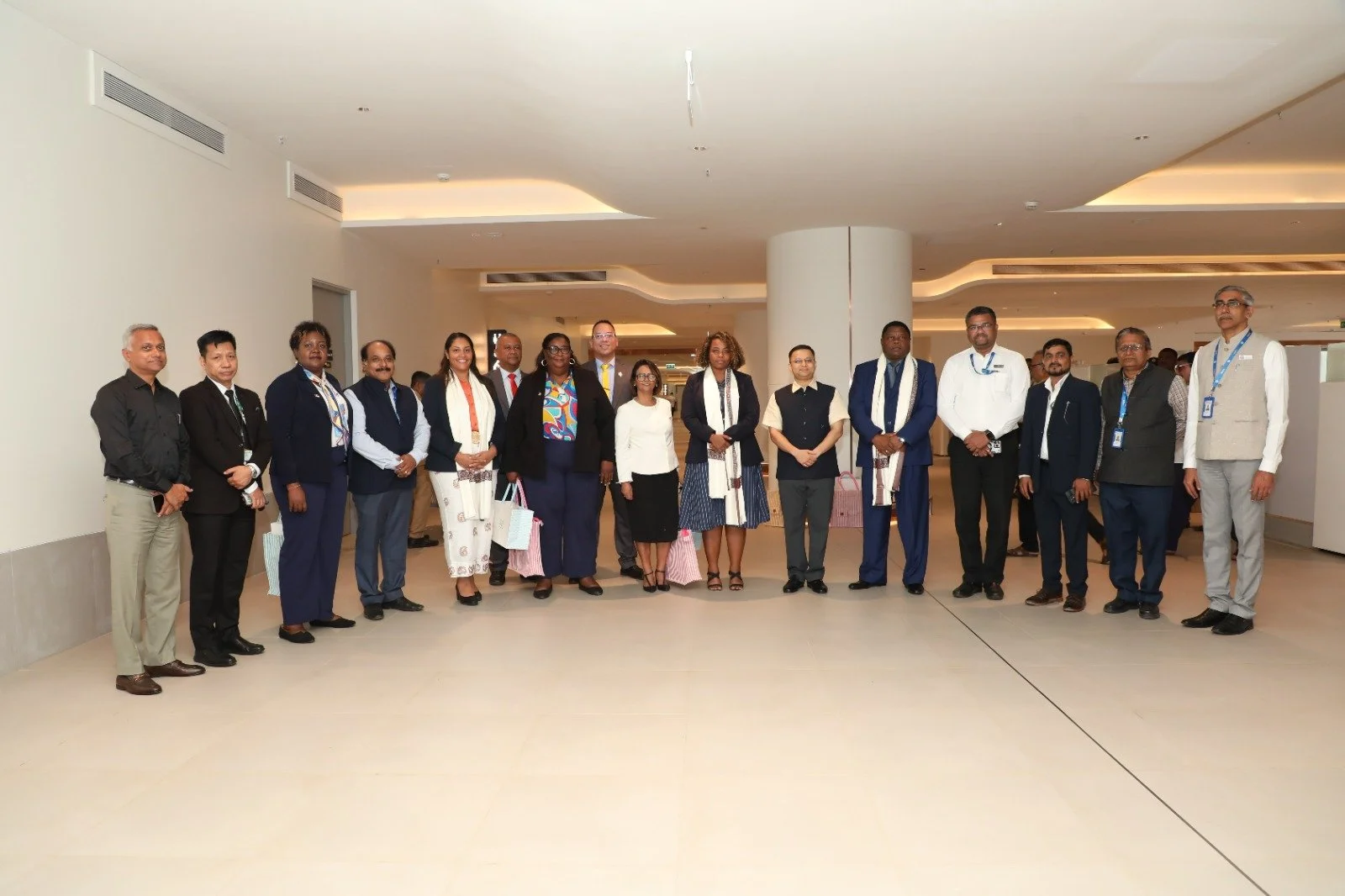
With its premium senior independent living proposition, Shremoha aims to establish a new benchmark for senior living in India, one that brings together healthspan, independence, community, hospitality and purpose. Through Kekarav, KREEVA and its evolving portfolio, the platform seeks to create a new generation of communities where seniors can continue to live actively, independently and meaningfully.