This ₹100 crore deal marks Imagicaaworld’s next big expansion move

Imagicaaworld Entertainment Limited has approved a strategic investment of up to ₹100 crore in Shanku’s Water Park in Mehsana, Gujarat, near Ahmedabad. The investment is part of the company’s expansion strategy in regional leisure markets across India. Located near Ahmedabad, Gandhinagar, and Mehsana, the park serves multiple regional catchment areas and is positioned within Gujarat’s organised family entertainment and tourism sector.

The park spans over 25 acres with more than 25 attractions

The park spans over 25 acres and includes more than 25 rides and attractions. Located in Mehsana, Gujarat, Shanku’s has connectivity to Ahmedabad, Gandhinagar, and surrounding regions. The park has also undergone renovation and infrastructure upgrades, including updated water filtration systems.

The investment includes operations and management support

The investment will be made through a mix of equity and debt, including capital allocated for future expansion on adjoining land. Imagicaaworld will also provide Operations & Management services across park operations, guest experience, safety systems, F&B, and revenue management under the agreement.

Imagicaaworld continues expansion beyond destination parks

These developments mark Imagicaa’s strategic expansion beyond destination parks into scalable, high-margin formats. The company recently announced its Q4FY26 results where revenue from operations stood at ₹91.9 crore with a significant increase in footfalls by 5% year-on-year to 6.21 lakh visitors, while continuing to witness steady consumer demand across its existing parks.

Leadership comments on the development

Commenting on the development, Jai Malpani, Managing Director, Imagicaaworld Entertainment Limited, said, “This transaction represents an important milestone in Imagicaaworld’s growth strategy as we deepen our footprint in Gujarat, one of India’s fastest growing leisure and tourism markets. Gujarat has a strong consumer base, rising discretionary spending, and significant long-term potential for organized entertainment destinations. Shanku’s Water Park is a well-established destination with high-quality infrastructure, strong regional recall, and significant growth potential. Strategically located within a one-hour radius of Ahmedabad and GIFT City, this asset sits at the crossroads of commercial growth and weekend tourism. Through this partnership structure, we aim to leverage Imagicaaworld’s operational expertise and brand capabilities to further enhance guest experiences, drive footfalls, and create long-term value for stakeholders.”

Jaipur as a Culinary Destination: The Restaurants Putting the Pink City on India's Food Map

Jaipur may be known for its palaces, heritage trails, and postcard-perfect pink facades, but the city’s food scene is quietly becoming one of India’s most exciting culinary playgrounds. From hidden speakeasies and design-led cafés to all-day dining spots, Jaipur’s new wave of hospitality is blending storytelling, culture, and seriously good food. If you needed another reason to plan that Jaipur escape, this might just be it.

ROOM NO.102 

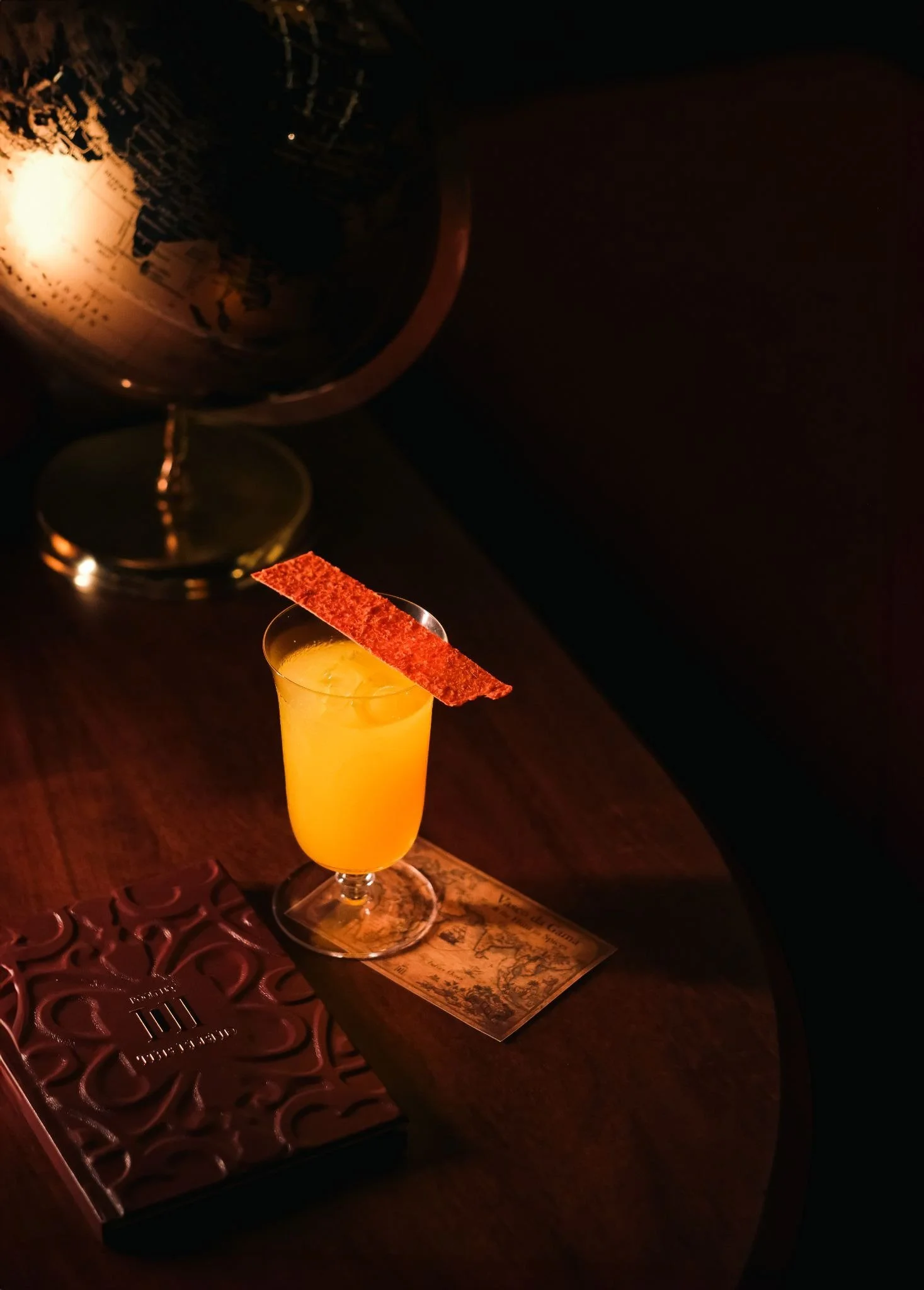
If Jaipur’s culinary evolution had a wildcard, it would be Room No. 102. Hidden behind a secret passage inside Devraj Niwas, this immersive speakeasy feels like stepping into another era altogether. Think vintage glamour, live jazz, cinematic corners, and cocktails with actual personalities like The Florist, a delicate floral mix of Tanqueray No. 10, litchi, buransh and jasmine tea, or The Rogue, a bold, unpredictable blend of gin, white wine and chilli. But beyond the mystery lies a food program that’s equally playful and globally inspired, with standout bites like Japanese Chicken Karaage, Pulled Junglee Maas Bao, and the cult-favourite Kachori Ravioli that cleverly reimagine familiar flavours. Making it the perfect escape from Jaipur’s summer heat once the sun goes down, Room No. 102 is for travellers who want a night that feels less like a standard bar outing and more like a story worth retelling.

SWINTON HOUSE, JAIPUR  

The Swinton House brings a slower, more refined side to Jaipur’s growing food narrative, where heritage charm meets a distinctly contemporary culinary point of view. Set within an intimate, transportive space, it’s the kind of destination that invites you to linger over standout plates like the Laal Maas Uttappam, Ghee Roast Prawns Toast, and the indulgent Baked Mishti Doi Cheesecake, while the bar keeps things equally compelling with classics like the Espresso Martini and Tommy’s Margarita. In a city increasingly embracing destination dining, Swinton stands out for turning hospitality into an experience rather than just a meal making summer here feel less like a rushed city break and more like an old-world escape with exceptional food and cocktails.

JACOB’S BREW HOUSE

For those who believe good coffee deserves a destination of its own, Jacob’s Brew House is Jaipur’s answer. This design-led specialty café pairs precision coffee with strong architectural storytelling, while keeping the energy modern and effortlessly cool. Beyond its expertly brewed coffee program, the menu keeps things equally compelling with dishes like the Thecha Avocado Toast, Truffle Malai Broccoli, and indulgent Brown Butter Ravioli, while the beverage menu offers crowd-pleasers like the Spanish Latte and refreshing signature coolers. With its all-day café format, craft-driven approach, and visually rich setting, Jacob’s is the kind of place that feels made for leisurely summer mornings, coffee catch-ups, and travellers who judge cities by their café scenes.

Sapaad Launches “Sapaad Signals,” One of the Industry’s First Pre-Loss Intelligence Systems for Restaurants

A real-time intelligence system monitors 18 live EBITDA-critical KPIs across outlets and enables action during live service

New AI-powered intelligence layer helps restaurants detect operational leakages in real time before losses hit the P&L

The tool can help restaurant sector save INR 18,000 Crores annually

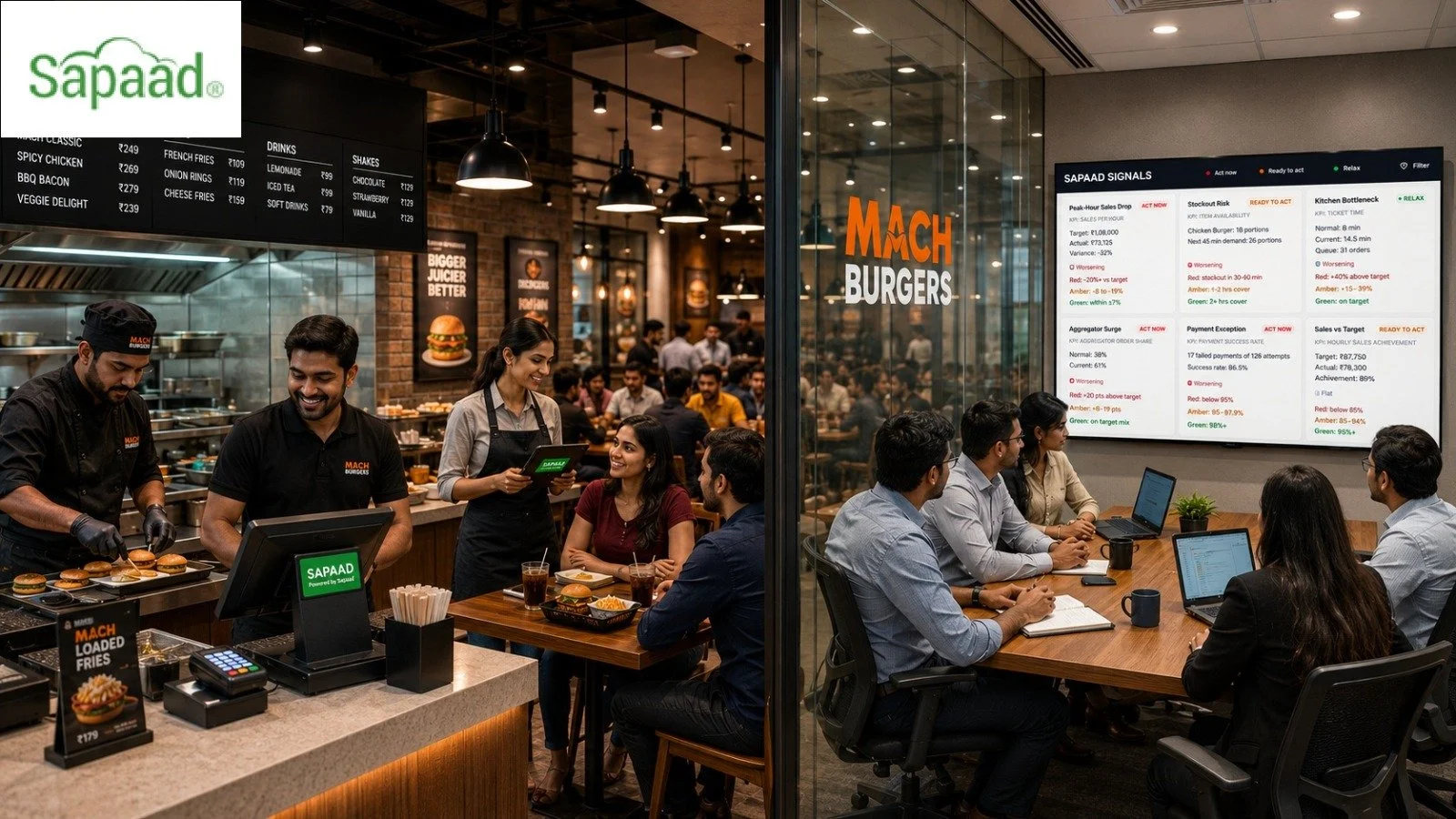
New Delhi,  May 2026: Sapaad, a bootstrapped, cloud-native Unified Commerce platform for restaurant operations with a growing footprint across India and global markets, today announced the launch of Sapaad Signals, one of the industry’s first pre-loss intelligence systems designed specifically for restaurants. Built inside Sapaad’s Ask Vantage, an AI-powered revenue intelligence platform, the new system enables restaurant operations to detect and respond to margin leakage during live service operations rather than after losses have already occurred.

The launch addresses one of the food service industry’s most persistent operational challenges, delayed visibility into problems that directly affect profitability. From void fraud and discount misuse to stockouts, labour inefficiencies and declining upsell performance, restaurants routinely discover operational issues hours or days after they occur, often when recovery is no longer possible.

Unlike conventional restaurant intelligence systems that rely on fragmented integrations and delayed reporting pipelines, Sapaad Signals operates on a live, unified data architecture developed over the past 12 years. The platform draws continuously from POS transactions, inventory movements, labour schedules, customer behaviour and promotion to generate actionable intelligence in under six seconds. According to the company, early deployments have helped restaurants recover up to 11% additional revenue through real-time interventions.

Speaking on the launch, Vishnu Vardhan Madabhushi, Founder & CEO, Sapaad, said, “The restaurant industry has historically relied on retrospective reporting systems that identify problems only after losses have already occurred. By the time most operators identify a problem, the revenue is already lost. Every stockout, discount misuse, voided bill, and labour imbalance silently destroys margins during live service.

Sapaad Signals changes that permanently. We have built one of the industry’s first pre-loss intelligence systems for restaurants, a live operational command layer that detects revenue leakage as it happens and enables teams to act before profitability is impacted.

As restaurants scale across cloud kitchens, multi-brand formats, and high-growth markets, operational complexity is rising faster than ever. In an industry estimated to lose nearly INR 18,000 crore annually to preventable inefficiencies, real-time intelligence is no longer a competitive advantage, it is becoming essential infrastructure for survival and growth.”

Sapaad Signals delivers alerts in under six seconds from transaction capture and operates continuously across all active outlets without batch processing delays. The company states that restaurants using real-time intervention models can potentially recover up to 11 per cent in otherwise preventable revenue leakage.

Sapaad Signals has been developed to eliminate this gap by continuously monitoring live operational data and surfacing actionable alerts while restaurant teams can still intervene. Unlike traditional analytics dashboards or reporting systems that provide retrospective analysis, Sapaad Signals functions as a live operational intelligence layer built on constantly connected restaurant workflows, enabling intervention inside the shift window itself.

The system continuously draws data from across Sapaad’s unified platform, including POS transactions, inventory movement, labour schedules, promotions and customer behaviour. It monitors 18 EBITDA-critical KPIs simultaneously across all outlets and generates human-readable alerts whenever operational metrics move outside defined control ranges.

Examples of live operational alerts include identifying unusual void activity during peak hours, detecting overlapping promotional campaigns causing margin erosion, warning of imminent stockouts for high-performing menu items, flagging food cost drift and monitoring declining upsell conversion rates. The platform categorises operational urgency into simple action states such as “Act now”, “Ready to act” and “Relax”, enabling restaurant managers to prioritise intervention during service hours without relying on analysts or manual reporting.

The launch also reflects a broader industry shift towards unified operational infrastructure. Many restaurant businesses continue to operate across fragmented technology stacks where billing, inventory, labour, promotions and delivery systems function independently, slowing operational response and reducing visibility. Sapaad states that the architecture behind Signals is only possible because its platform was designed as a fully unified commerce ecosystem from the beginning, allowing operational data to remain continuously connected and immediately actionable.

Sapaad Signals activates instantly on existing Sapaad data without additional integrations, hardware or setup requirements and is now available for all Ask Vantage subscribers across India and international markets.

International Tea Day 2026: 6 Tea Rituals That Are Redefining How India Drinks Its Daily Cup

Tea has always occupied a deeply familiar space in Indian households as a habit, hospitality and comfort. But increasingly, it is also being tied to wellness, mindfulness and slower living.

Across urban India, consumers are beginning to move beyond purely functional caffeine consumption and towards teas that feel more experiential, ingredient-conscious and ritual-driven. From floral infusions and loose-leaf blends to artisanal chai masalas, the category is quietly evolving alongside larger shifts in food and wellness culture.

Ahead of International Tea Day on May 21, here are some of the biggest ways India’s tea habits are changing.

1. Botanical Teas Are Becoming Part of Everyday Wellness Routines

Floral and herb-led teas are steadily moving from niche wellness shelves into mainstream consumption. Ingredients like hibiscus, butterfly pea flower, lavender and rose are increasingly being associated with calmness, balance and mindful consumption, especially among younger consumers looking to reduce dependence on sugary or heavily caffeinated beverages.

Wellness-focused brands such as Anahata Organic are among those experimenting with botanical ingredients and loose-leaf formats that align with this growing preference for slower, more intentional beverage rituals that help being calm.

2. Tea Is Being Viewed Through a Functional Lens

Much like the broader health-food category, tea is increasingly being consumed for perceived wellness benefits beyond refreshment alone. Digestion-friendly ingredients, calming herbs and immunity-linked spices are becoming more visible across modern tea blends and café menus alike.

This shift reflects how consumers today are looking for beverages that fit into larger self-care and wellness routines rather than simply serving as quick energy fixes.

3. Traditional Indian Flavours Are Seeing a Contemporary Revival

Even as global tea trends influence Indian consumers, familiar local ingredients remain central to evolving preferences. Cinnamon, ginger, lemongrass, cardamom and tulsi continue to dominate consumer comfort zones but are now appearing in more contemporary formats ranging from artisanal infusions to premium loose-leaf blends. The growing popularity of these ingredients also points to a larger demand for products that feel rooted in familiarity while still catering to modern wellness sensibilities.

4. Masala Chai Is Quietly Premiumising

India’s relationship with masala chai remains unchanged, but the format itself is evolving. Consumers are increasingly exploring regional chai blends, small-batch spice mixes and café-style brewing experiences at home. Brands such as Galaji Spices are leaning into this demand through spice-forward chai masalas that prioritise aroma, depth and traditional flavour profiles over instant convenience.

Across artisanal food brands and online marketplaces, chai masalas are increasingly being positioned as premium pantry staples rather than purely everyday commodities. This reflects the larger premiumisation trend currently shaping India’s food and beverage space.

5. Loose-Leaf Tea Is Becoming a Lifestyle Category

The rise of mindful living and slower routines has also contributed to renewed interest in loose-leaf tea culture. For many consumers, brewing tea is becoming less transactional and more experiential, tied to routines around journaling, reading, work breaks or digital detoxing. This shift is also influencing packaging, gifting and presentation within the tea industry, particularly among younger urban buyers looking for products that combine utility with aesthetics.

6. Social Media Is Influencing Tea Consumption Too

Visually distinctive teas, from deep blue butterfly pea infusions to colourful fruit-and-herb blends, are increasingly resonating with consumers accustomed to experience-led food trends online. As beverages become more intertwined with lifestyle and visual culture, teas that offer novelty, storytelling and sensory appeal are gaining stronger traction, especially within premium wellness retail spaces.

As International Tea Day highlights the cultural importance of tea globally, India’s evolving tea landscape reflects a broader consumer shift: one where everyday beverages are increasingly expected to offer comfort, wellness and ritual all at once.

Apeksha Niranjan Honoured with Rotary Vocational Excellence Award 2025–26

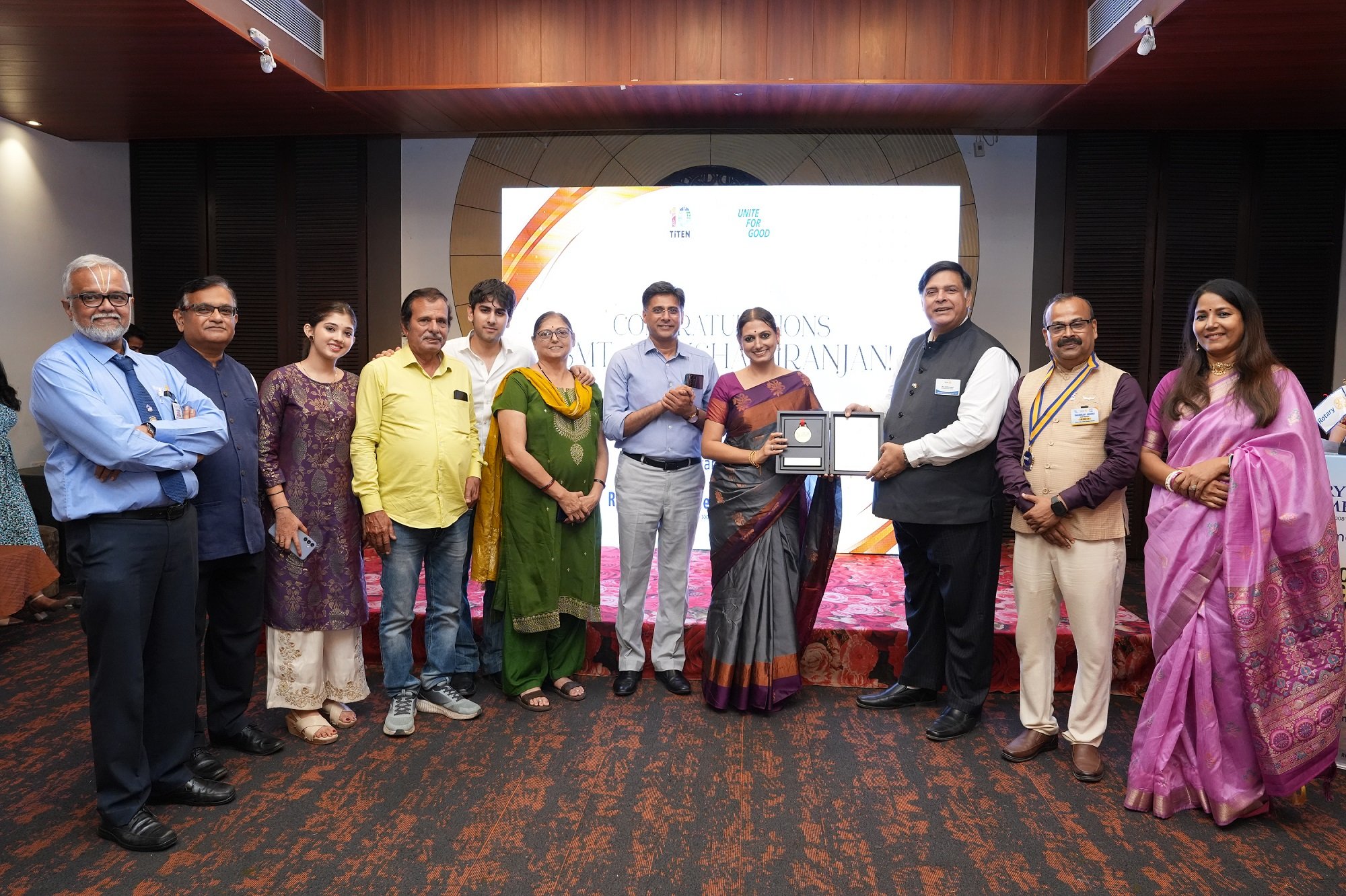
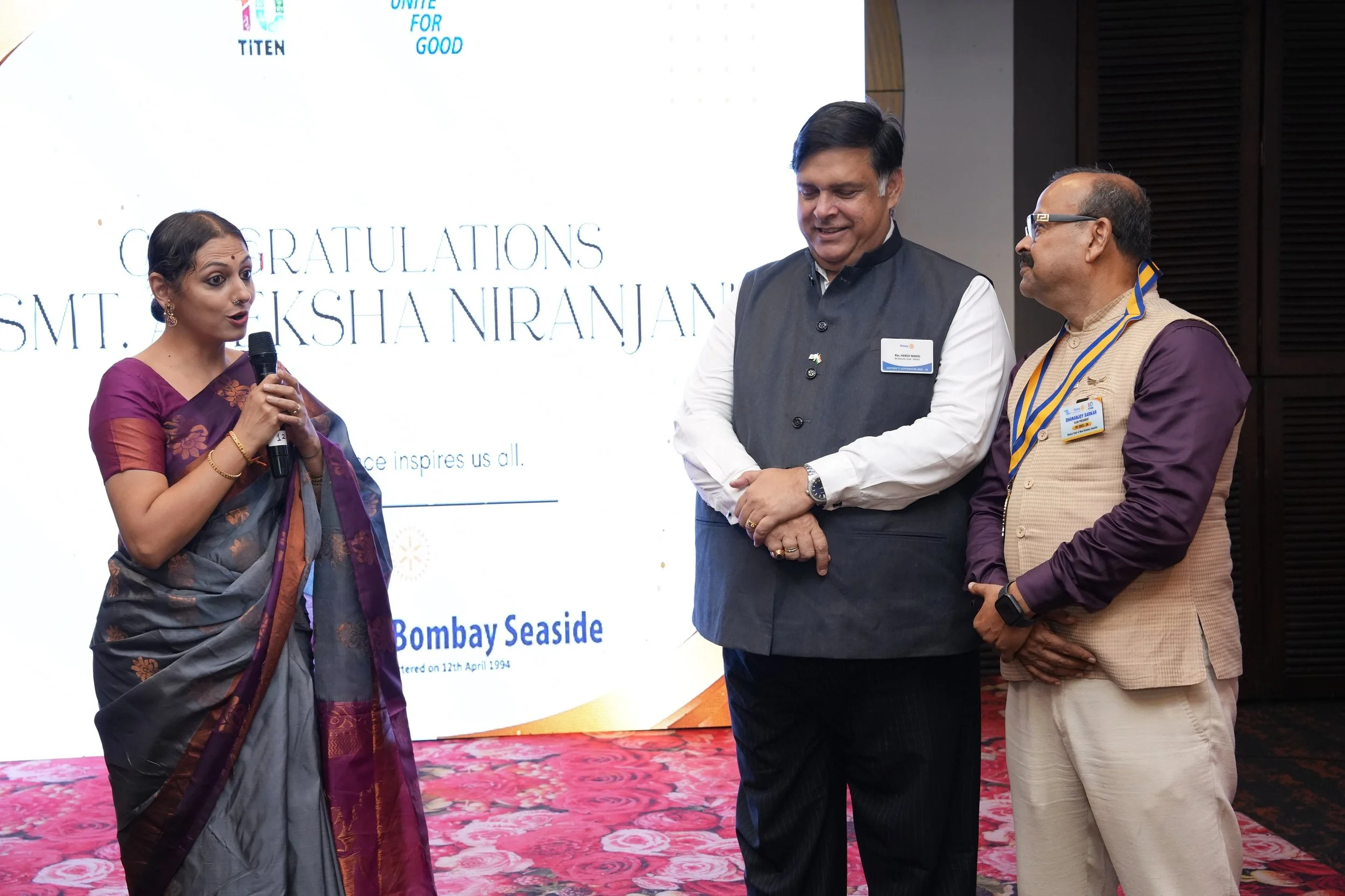
lassical Artist Apeksha Niranjan was honoured with the prestigious Rotary Vocational Excellence Award 2025–26 by the Rotary Club of New Bombay Seaside in recognition of her contribution to the field of classical dance and cultural arts.

Recently the award was presented at the Vocational Excellence Awards ceremony at Upper Deck Banquets, Haware Centurion Mall, Seawoods, Navi Mumbai. The initiative celebrates distinguished individuals from diverse fields who have demonstrated excellence, commitment, and meaningful impact through their work.

Known for her dedication to Bharatanatyam and her efforts towards preserving and promoting Indian classical art forms, Apeksha Niranjan was among the select awardees recognised during the evening.

Expressing her gratitude, Apeksha Niranjan said, I am truly grateful to the Rotary Club of New Bombay Seaside for this recognition. Classical dance has been an integral part of my journey, and receiving this honour is both humbling and encouraging. Awards like these motivate artists to continue contributing towards preserving and celebrating our cultural heritage.

She further added, It feels special to be recognised on a platform that celebrates not just professional achievement, but also impact and dedication towards society.

The evening brought together notable personalities and professionals from different walks of life, celebrating excellence, service, and inspiration within the community.

Eco Hotels And Resorts Limited Expands into India’s Spiritual Tourism Market with New Hotel in Ayodhya

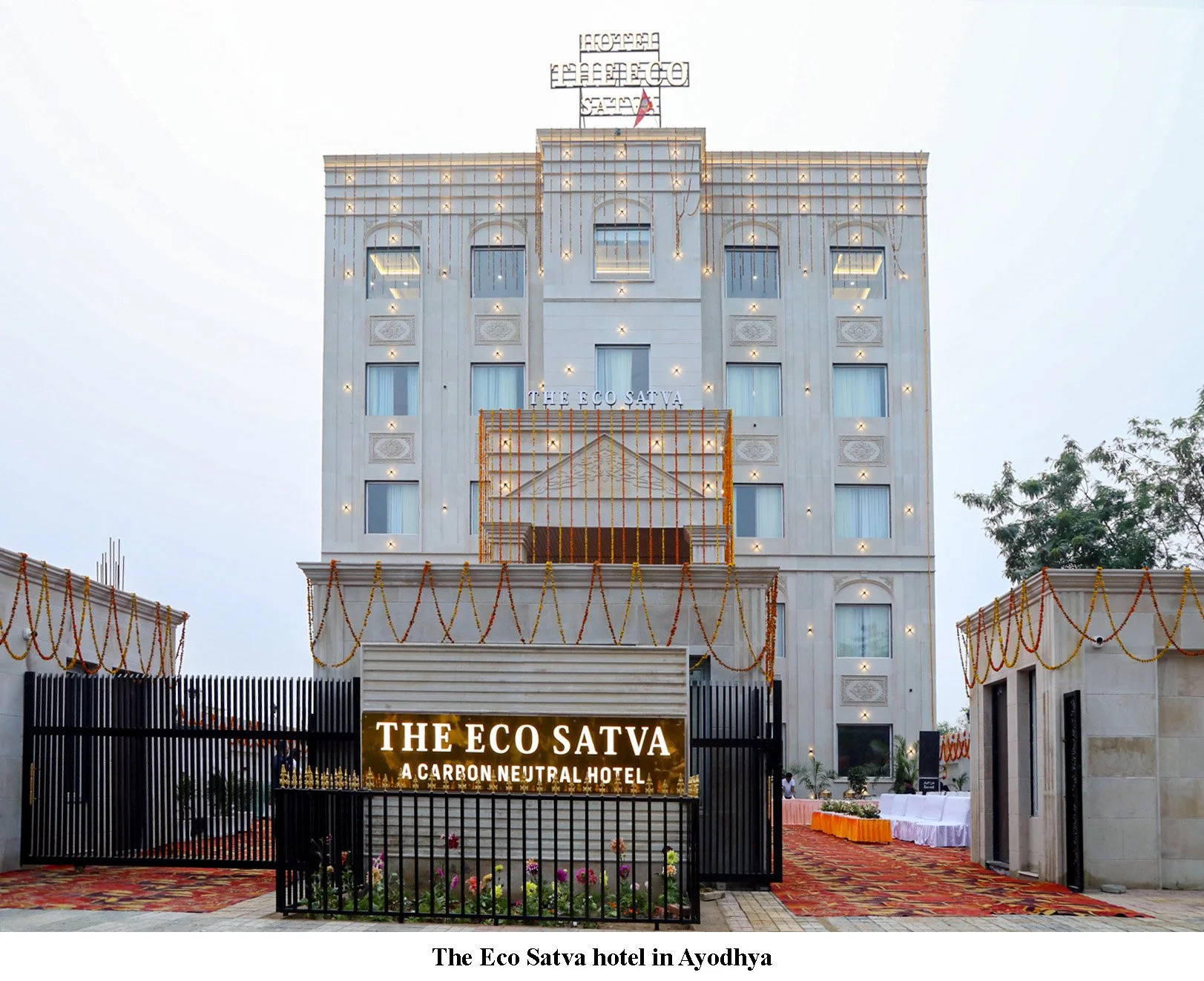
Eco Hotels And Resorts Limited, a sustainable hospitality company committed to responsible tourism, recently announced the launch of its newly completed hotel property in Ayodhya, marking a strategic expansion into one of India’s fastest-growing religious tourism markets.

Anchored by the iconic Shri Ram Janmabhoomi Temple, Ayodhya has rapidly emerged as a global pilgrimage hub, with visitor numbers rising from 57.5 million in 2023 to over 160 million in 2024, and more than 230 million devotees in the first half of 2025. Supported by enhanced infrastructure, pilgrim amenities, and strong connectivity, the city continues to attract domestic and international travelers. This growth is generating significant opportunities for local MSMEs, artisans, transport services, and employment, fostering a vibrant economic ecosystem around Ayodhya’s spiritual heritage.

The company’s new property is strategically positioned to serve this expanding market, offering 33 well-appointed rooms, a restaurant on the top floor, landscaped lawn, and swimming pool for a premium yet comfortable stay. Guests can enjoy satvik cuisine emphasizing fresh, vegetarian, and culturally authentic meals. “Sahar—Back to the Roots” restaurant serves food without onion and garlic and also offers Glutin free breakfast. Located just 5 kilometers from the Shri Ram Janmabhoomi Temple with direct highway access, the hotel ensures convenient connectivity for pilgrims and cultural travellers. Its sustainable practices, including efficient resource management and responsible energy use reflect the company’s ongoing commitment to environmentally conscious hospitality.

The launch also reflects the growing demand for quality hospitality infrastructure in emerging pilgrimage destinations across India. With Ayodhya witnessing unprecedented tourist inflow, the need for professionally managed hotels that combine comfort, accessibility, and responsible practices has become increasingly important. Eco Hotels & Resorts aims to address this gap by offering a thoughtfully designed property that caters to pilgrims, leisure travellers, and group tours while maintaining high standards of service, sustainability, and operational efficiency.

Speaking on the launch, Vinod Kumar Tripathi, Chairman of Eco Hotels And Resorts Limited, said: "Ayodhya represents one of India’s most dynamic tourism markets. Launching our hotel here is a strategic step in expanding our footprint in spiritual and cultural destinations. We aim to deliver a premium hospitality experience while implementing eco-conscious practices that respect both the environment and the city’s cultural heritage."

With this property, the company strengthens its presence in Uttar Pradesh’s tourism economy and expands its portfolio of eco-friendly hospitality assets, including brands such as The Eco, The Eco Grand, EcoXpress, The Eco Boutique and EcoValue.

India BusTrack by redBus reports 147 Million Passengers Travel in 6 months; showing a 24% increase

●       This report focuses on the Andhra Pradesh - Telangana region

●       Young travellers between 18-36 shape intercity bus demand, contributing to 69% of bookings on redBus. 62% of bus journeys originate in small cities and towns

National, May , 2026: redBus, the world’s largest online bus ticketing platform, has released the latest edition of its India BusTrack Report, a comprehensive tracker of intercity bus travel trends across passengers, regions and private operators in India. The report spotlights the evolving scale and momentum of India’s intercity bus sector for the period from October 2025 to March 2026 and the corresponding period in the previous years.

Intercity buses carried 147.19 million passengers from October 2025 to March 2026 in India, reflecting a 24% increase in passenger volumes compared to the same period in the previous years. Gross ticketing value increased by 20% to ₹142.16 billion. The number of active private operators also rose to more than 6,800 reflecting the widening operator base and strengthening network depth across India’s intercity routes. These numbers pertain to all Indian private operators, not just redBus.

The edition further highlights evolving traveller preferences across India’s intercity bus sector. Sleeper and hybrid buses accounted for 86% of all journeys, while AC buses accounted for 72%, reflecting sustained demand for comfort-led and longer-distance travel.

 Key Highlights from the Report:

 Insights from overall Indian intercity bus industry

Data pertains to all private bus inventory connected to redBus platform; just redBus sales

 ●       Route Expansion: Unique routes grew by 31%, while towns connected increased by 12% over April–September 2025, underscoring the continued expansion of organised intercity bus travel and deeper connectivity across India’s smaller towns and cities.

●       Service Preference: AC services comprised 72% of journeys, underscoring travellers’ growing preference for comfort-led intercity travel.

●       Long-Haul Mobility: Nearly 2/3 (64%) of routes were over 250 km

●       Seat Booking Trends : Maharashtra & Goa accounted for the highest share of total seat bookings at 16%, followed by Tamil Nadu (including Pondicherry) at 14%. Andhra Pradesh & Telangana together contributed 11%, and Karnataka also contributed 11%.

●       Occupancy Trends: Pan-India bus occupancy stood at 77%, with Andhra Pradesh and Telangana recording a higher occupancy than the national average at 83%.

Insights based on redBus bookings

 ●       Core Traveller Cohort: Young travellers dominated bookings, with the 18–36 age group accounting for 69%; increasingly, there is a growing contribution of Gen Z, travellers. Male passengers comprised 66% of travellers.

●       Geographical Distribution of Bookings: Smaller cities and towns continued to drive digital bus ticketing, with 62% of bus journeys originating in small cities and towns

Insights from Andhra Pradesh-Telanga

 ●       Within region travel dominates: Intra-regional travel accounts for 69% of the total travel, while inter-regional travel contributes 31%

●       Higher seat prices: The average ticket price for bus journey in this region is INR 1016; higher than the all India average of INR 966

●       Bus occupancy: This region has the highest bus occupancy at 83%; while all India occupancy is at 77%

“This edition of India BusTrack covers the second half of the last financial year from October 1, 2025 to March 31, 2026. During this period, the intercity bus market grew by 24% in terms of passengers travelled, compared to the same period last year. Digitization has been rapid and the active bus operator count has increased to 6858. Due to the digitisation of many short route bus services, the average seat price (ASP) has dropped 3% this year to Rs.966. The industry recorded a healthy 77% occupancy during this period.

In this edition of BusTrack, the spotlight is on Andhra Pradesh and Telangana, two robust markets that have strongly driven the growth of India’s intercity bus industry. Interestingly, both states have consistently shown higher than national bus occupancy at around 83% since the latter half of 2025. The region also recorded a higher average seat price of Rs. 1,016, compared to the national average of Rs. 966. This indicates high customer demand and potential for bus operators looking to expand” said Prakash Sangam, CEO, redBus.

The full report will be available on the redBus blog, featuring detailed insights into industry growth, regional trends, route networks, passenger behaviour and booking patterns.

 Access it here:  https://www.redbus.in/blog/redbus-india-bustrack-report-october-2025-to-march-2026/

Dining Beneath the Ocean: Bubble at Meyyafushi Maldives

Immersive Underwater Dining with Oceanic Views, Marine Wonders, and Magical Proposal Experiences
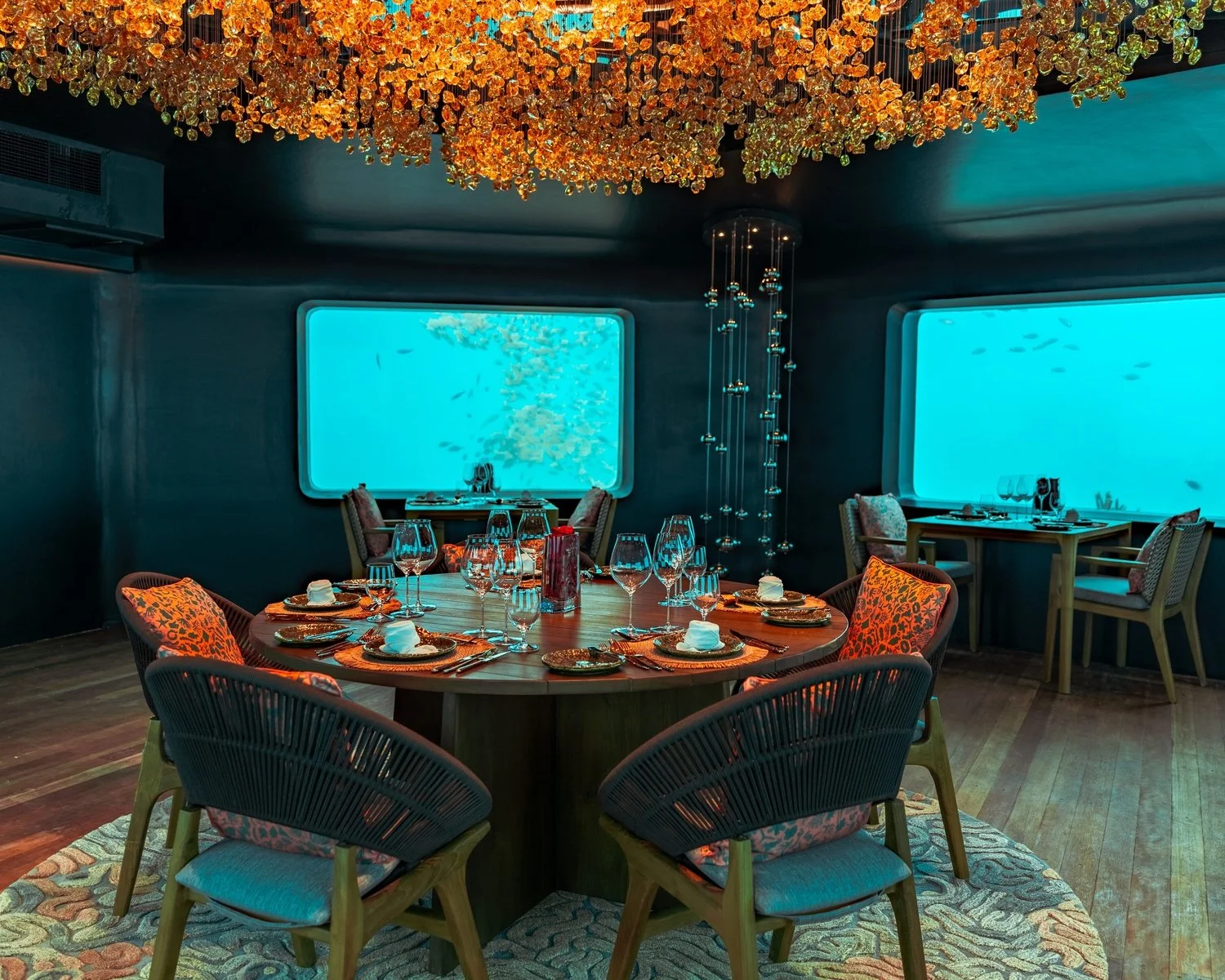
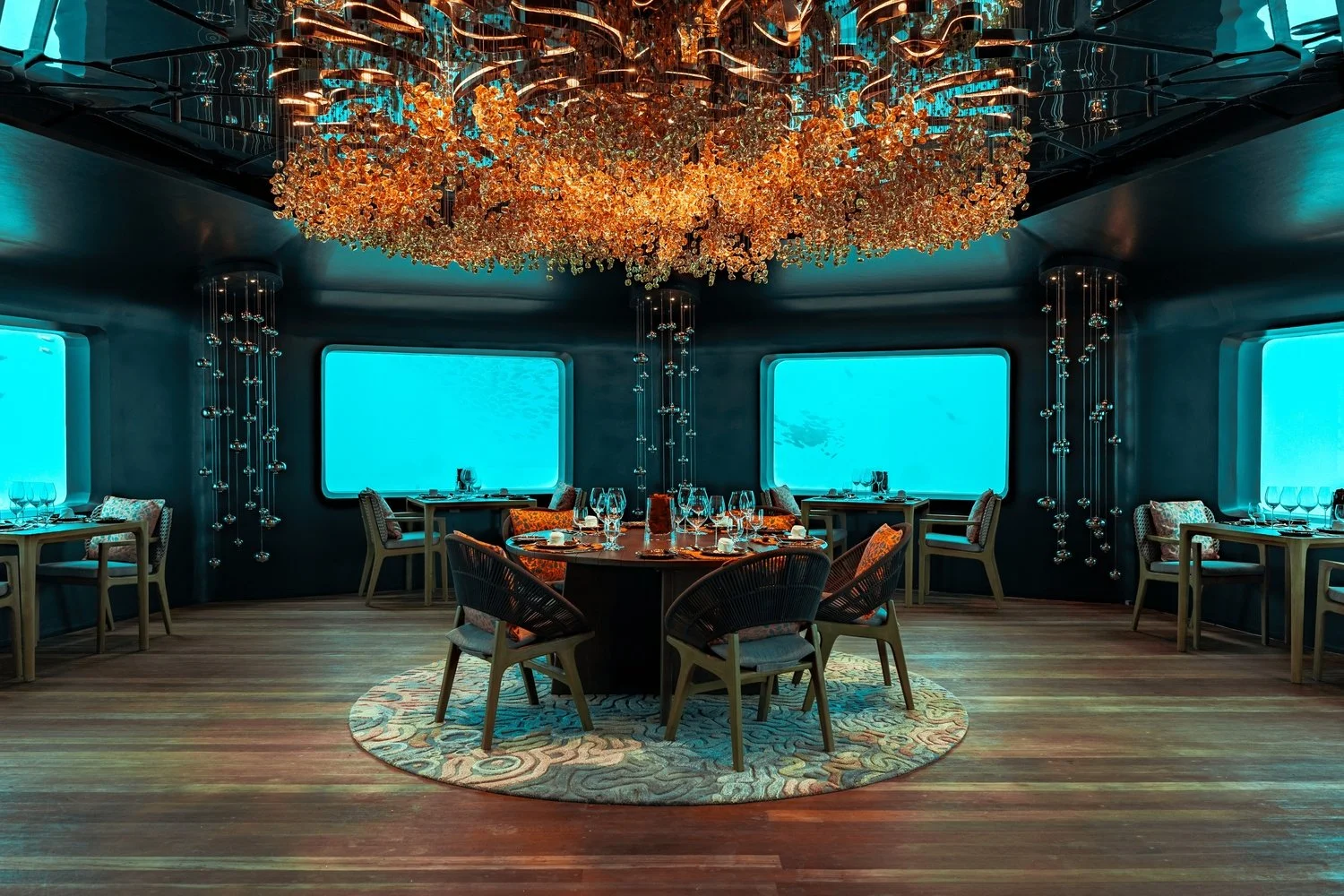
MALÉ, REPUBLIC OF MALDIVES May , 2026- Meyyafushi Maldives introduces a new chapter in immersive luxury with Bubble, its extraordinary underwater dining destination that invites guests to celebrate life’s most memorable moments beneath the turquoise waters of the Indian Ocean. From intimate proposals and romantic anniversaries to bespoke private celebrations, Bubble transforms every occasion into an unforgettable underwater experience surrounded by the breathtaking beauty of the Maldivian reef. To make proposals even more extraordinary, guests can curate personalised moments where professional divers appear outside the underwater restaurant holding customised proposal placards, creating a magical and cinematic memory unlike any other.

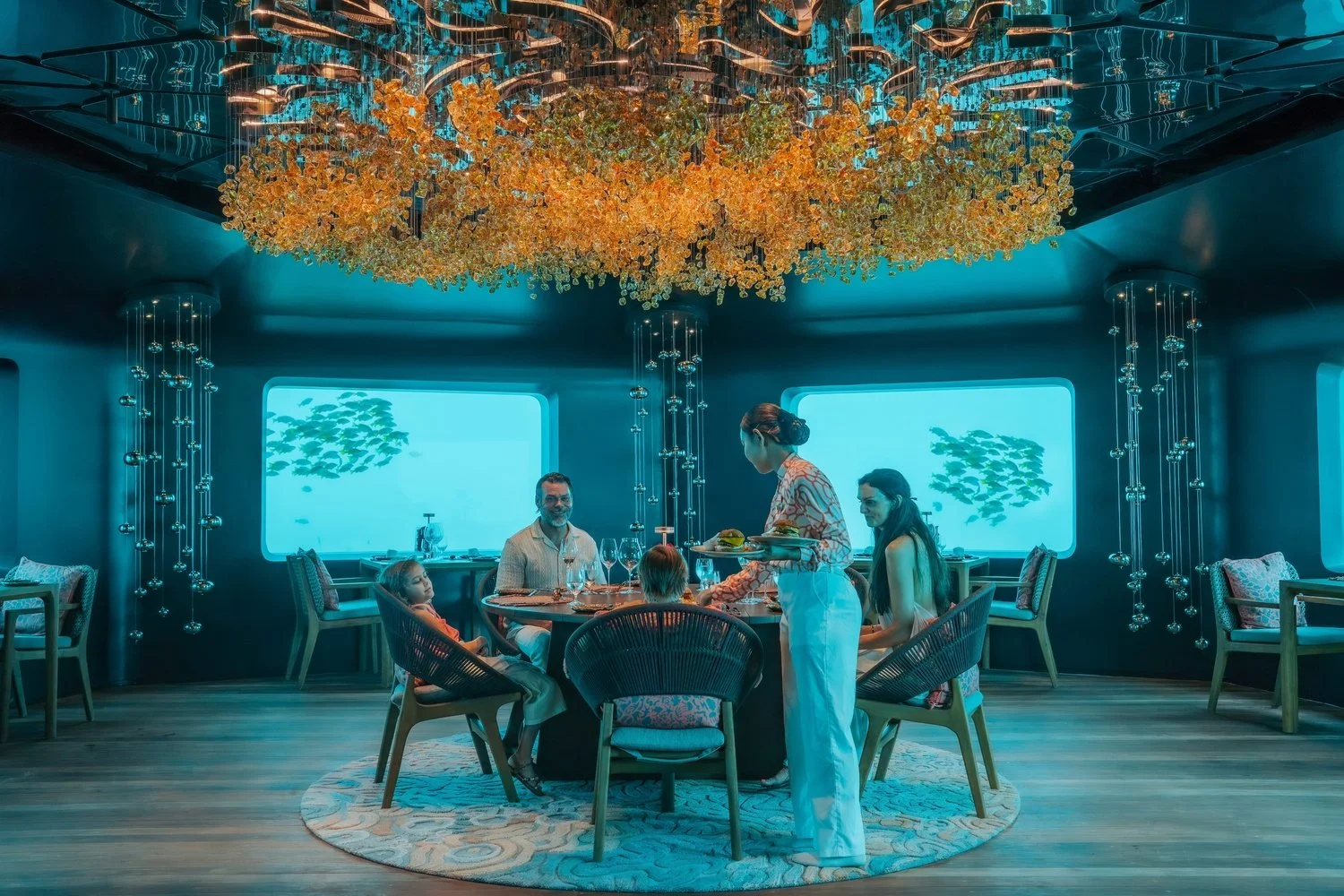
Marking a first for the destination, Bubble is now the only underwater restaurant in the Maldives to serve breakfast, offering guests the rare opportunity to begin their day amidst panoramic ocean views and the mesmerising marine life of the lagoon. Designed to simulate the feeling of snorkelling beneath the ocean’s surface while enjoying the comfort of a luxury dining experience, Bubble creates a truly magical connection with the underwater world.

As guests dine, they are immersed in an ever-changing aquatic spectacle featuring nurse sharks gliding gracefully through the lagoon, vibrant coral formations, schools of tropical fish weaving through the reef, and even occasional sightings of octopus, making every meal both remarkable and deeply fascinating.

Open for breakfast, lunch, and dinner, the restaurant features intimate seating and sweeping underwater vistas, creating an atmosphere that is elegant, exclusive, and deeply personal. Whether it is a sunrise breakfast, a candlelit dinner proposal, or a celebration shared with loved ones, Bubble offers a setting unlike anywhere else in the world.

The culinary philosophy at Bubble draws inspiration from the Indian Ocean and global gastronomy, with menus crafted using the freshest local produce and seafood, elevated through contemporary techniques and refined presentation. Thoughtfully curated vegetarian and Jain dining options are also available, ensuring a personalised and inclusive culinary journey for every guest.

Adding to its exclusivity, Bubble is also open to guests staying at their sister-property- Fushifaru Maldives, allowing travellers from the neighbouring luxury resort to experience this one-of-a-kind underwater dining destination and its extraordinary culinary offerings.

Speaking on this offering, Mr. Ahmed Siaar, Cluster General Manager of Meyyafushi Maldives and Fushifaru Maldives said, “At Meyyafushi, we believe true luxury lies in creating moments that stay with our guests long after they leave the island. Bubble is more than a restaurant, it is an immersive experience designed to evoke wonder, intimacy, and a deeper connection with the extraordinary marine beauty of the Maldives. Introducing the country’s only underwater breakfast experience makes this journey even more special for travellers seeking something truly unforgettable.”

Known for its secluded charm and personalised hospitality, Meyyafushi Maldives continues to redefine experiential luxury through thoughtfully curated offerings that celebrate the natural beauty, serenity, and exclusivity of the Maldives.

The New Corporate Traveler Checklist: What Actually Matters on a Work Trip Today

Business travel has quietly changed. It’s no longer just about getting from point A to point B with a boarding pass and a packed schedule. Today’s corporate traveler is juggling meetings, time zones, and the need to stay switched on — without burning out along the way. The result? A new checklist. One that’s less about policy, and more about how the journey feels. Here’s what really matters now:

1. Plans That Don’t Fall Apart When Meetings Move

If there’s one thing every business traveler knows, it’s this: plans change. Meetings get pushed, calls run over, and sometimes you need to leave earlier — or later — than expected. Flexible bookings aren’t a luxury anymore; they’re essential. The ability to make quick changes without penalties or endless back-and-forth makes all the difference when schedules are in flux.

2. Travel That Just… Works

No one wants to spend time navigating clunky booking systems or chasing approvals while on the move. A seamless experience — from booking to boarding to reporting — means fewer distractions and more headspace to focus on the work that matters. When everything runs smoothly in the background, the journey feels lighter.

3. Airports That Feel Like a Pause, not a Pressure Point

Airports used to be about rushing. Now, they’re one of the few moments to reset between packed schedules. Lounge access, priority check-ins, and a bit of quiet space can turn transit time into something genuinely useful — whether that’s catching up on emails or simply recharging before the next meeting.

4. Value That Goes Beyond the Ticket Price

For both companies and travelers, value today isn’t just about cost — it’s about what you get around the fare. Thoughtful perks, meaningful savings, and benefits that actually improve the journey are what set a good travel program apart from a great one.

5. Rewards That Feel Personal

Frequent travel can be demanding, so it helps when it gives something back. Loyalty programmes that benefit not just the organization, but also the individual traveler, add a layer of motivation — turning work trips into something that feels a little more rewarding over time.

Business travel today is as much about experience as it is about efficiency. And increasingly, travelers are choosing programmes that recognize that balance.

With offerings like Malaysia Airlines’ MHcorporate, the focus is shifting towards journeys that are flexible, seamless and designed around how people actually travel today — not just how they’re expected to.

The Lind Hotels Helps Reshape Lifestyle Travel in the Philippines

Brand continues refining guest experience while helping elevate homegrown hotel scene

BORACAY, Philippines (May, 2026) – Independent Filipino hospitality brands are beginning to reshape lifestyle travel in the Philippines—and The Lind Hotels is helping lead the shift.

Long overshadowed by larger regional markets dominated by international operators, the Philippines is increasingly gaining recognition for a new generation of homegrown hospitality brands focused on design, wellness, personalised service, and experience-led stays.

Among the companies helping drive that momentum is The Lind Hotels, an independently developed Filipino hospitality group that has steadily built a reputation through lifestyle-led destinations, strong culinary programming, wellness, and a distinctly Filipino approach to hospitality.

“Our philosophy is that Philippine hospitality can resonate globally while still remaining proudly Filipino,” said Pierre Henrichs, COO of The Lind Hotels. “Authenticity, warmth, creativity, and emotional connection are what travellers increasingly remember most.”

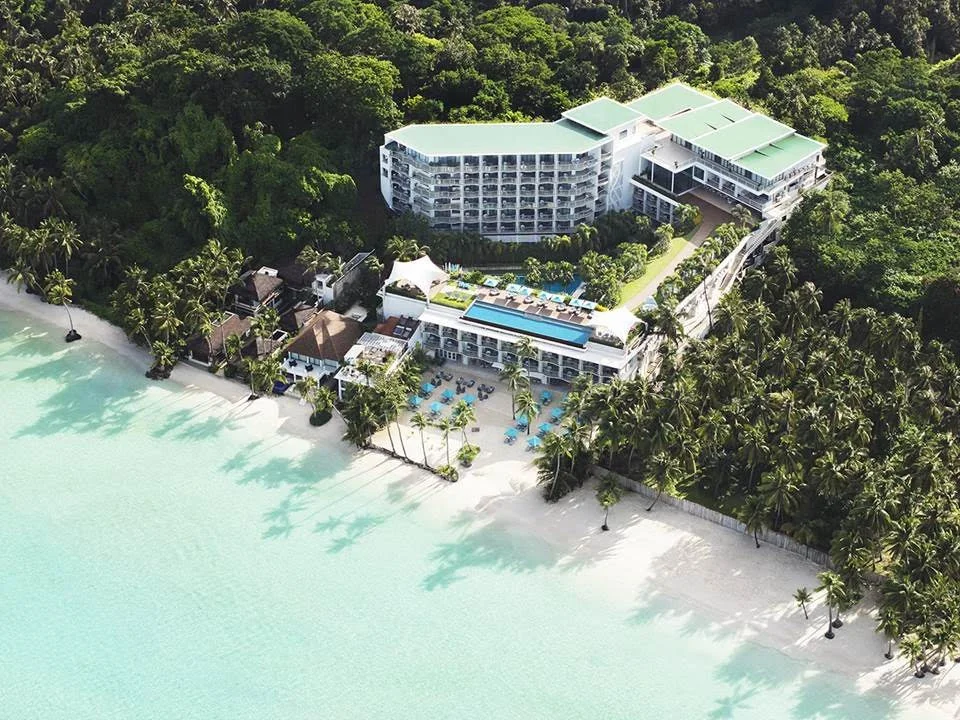
At the centre of the group’s success is The Lind Boracay, located on White Beach Station 1, widely regarded as Boracay’s most exclusive stretch of shoreline. The property is distinguished not only by its rare direct beachfront access, but also by an evolving guest experience that places intuitive hospitality and meaningful guest connection at the heart of the stay.

A defining milestone came in 2025 when the MICHELIN Guide made its Philippine debut. In a landmark moment for both the company and the wider industry, The Lind Boracay became the first and only hotel in Boracay to be featured by the guide, positioning the independent Filipino brand alongside internationally recognised hospitality names.

A key part of the resort’s evolution is its long-standing collaboration with The Spa Wellness, one of the Philippines’ pioneering wellness operators and the country’s first spa brand to receive Superbrand status. An accredited member of the International Spa Association (ISPA), The Spa Wellness brings an established wellness philosophy into the resort environment, helping shape a more holistic guest experience centred around restoration, balance, and meaningful care.

Over the past decade, the group has continued refining every aspect of the guest journey, from food and beverage and wellness to lifestyle programming and personalised service.

The company’s recent evolution forms part of a broader reassessment undertaken during its tenth anniversary year, when The Lind Hotels also introduced a refreshed brand identity centred around human connection, meaningful hospitality, and more experience-driven travel.

The rebrand marked a return to the company’s core philosophy: fostering stronger people-to-people relationships across teams, travel partners, suppliers, and guests, while placing greater emphasis on the guest journey from the very first stage of trip planning through to the stay itself.

“As part of our ten-year milestone, we went back to the drawing board and asked ourselves where we were ten years ago and where we are today,” Henrichs said. “The entire brand has been refreshed. More than anything, we wanted to return to the human side of hospitality and focus on genuine connection at every touchpoint of the guest experience. Hospitality is about continual improvement and adapting to what modern travellers are looking for.”

Looking ahead, the company’s future developments in Coron and Siargao reflect both confidence in Philippine tourism and growing international demand for more meaningful, nature-driven, and experience-led travel.

At a time when travellers are increasingly prioritising authenticity over standardisation, brands like The Lind Hotels are helping demonstrate that world-class hospitality experiences can be created in the Philippines while remaining closely connected to local culture, people, and place.

“We believe the Philippines has the potential to become one of the world’s great hospitality destinations,” Henrichs said. “There is incredible warmth here, extraordinary natural beauty, and a growing confidence among Filipino brands to create experiences that feel globally relevant while still remaining distinctly local.”

The Lind Boracay occupies a prime location on Boracay’s world famous White Sand beach

 Warm, intuitive service and connections between staff and guests are a priority at The Lind Boracay

 The Lind Hotels has big expansion plans with properties in Coron and Siargao coming soon

Ecoscapes Landscaping Collaborates on Landscape Design for Taj Hampi

 May, 2026 Bengaluru, India — Ecoscapes Landscaping has announced its association with the upcoming Taj Hampi project, a luxury hospitality destination spread across approximately 11 acres in Hampi, Karnataka. The project’s landscape vision is inspired by the geography, ecology, and cultural heritage of the Vijayanagara Kingdom, with nearly 2.5 acres dedicated to immersive and sustainability-led landscape design.

The project is being developed under the Taj brand by Indian Hotels Company Limited, with acclaimed architect Shimul Javeri Kadri of SJK Architects leading the architectural vision and Prasad Deshpande of Dhruv Desh Ventures representing the promoter side. International landscape architect John Pettigrew is also actively associated with Ecoscapes Landscaping, bringing global hospitality landscape expertise from projects across the world.

Inspired by Hampi’s historic landscapes and water systems, the project incorporates a central Kalyani/Kund-inspired water feature, floating stepping stones, native vegetation, natural granite finishes, and reused site boulders. The landscape strategy focuses on native and climate-responsive species such as Neem, Kadamba, Agaves, cactus varieties, and fountain grasses to create a sustainable and low-maintenance environment.

With sustainability at its core, the project integrates water-efficient irrigation systems, local craftsmanship, and ecologically sensitive planning to create a hospitality experience deeply rooted in the cultural and natural identity of Hampi.

Commenting on the project, Suraj Nayak, Founder & MD, Ecoscapes Landscaping, said:“Landscaping today goes far beyond aesthetics, it is about creating environments that are contextual, sustainable, and emotionally connected to the land. At Taj Hampi, our vision was to create a landscape experience that feels deeply rooted in the region’s ecology and cultural history while delivering a contemporary luxury hospitality experience. Every design decision, from the water systems and native planting palette to the reuse of natural boulders, has been guided by the intent to preserve the site’s natural identity and create a timeless sense of place.”

John Pettigrew, Principal Landscape Architect, Ecoscape Landscaping, added: “Hampi possesses a uniquely powerful landscape character shaped by its terrain, stone formations, and historical water systems. Our approach was to work with the site as naturally as possible by integrating local materials, native planting, and layered outdoor experiences that feel authentic to the region. The objective was not just to create a visually striking landscape, but to craft an immersive environment that reflects the spirit and ecological sensitivity of the place.” 

Shimul Javeri Kadri, Principal Architect, SJK Architects, Mumbai, said: “The architectural and landscape language of Taj Hampi has been envisioned as an extension of the site’s natural and historical context. The collaboration with Ecoscapes has helped shape outdoor spaces that are sensitive to Hampi’s terrain, materiality, and cultural memory while creating a seamless hospitality experience integrated with nature.”

Prasad Deshpande, Owner, Dhruv Desh Ventures, added: “Taj Hampi has been conceptualised as a destination that celebrates the richness of Hampi’s heritage while offering a world-class luxury experience. The landscape plays a critical role in shaping that identity, and the focus on sustainability, native ecology, and local craftsmanship aligns strongly with our long-term vision for the project.”

With hospitality increasingly embracing sustainability-led and experience-driven design, the Taj Hampi project reflects the growing importance of landscape architecture in creating immersive destinations that balance luxury, ecology, and cultural authenticity.

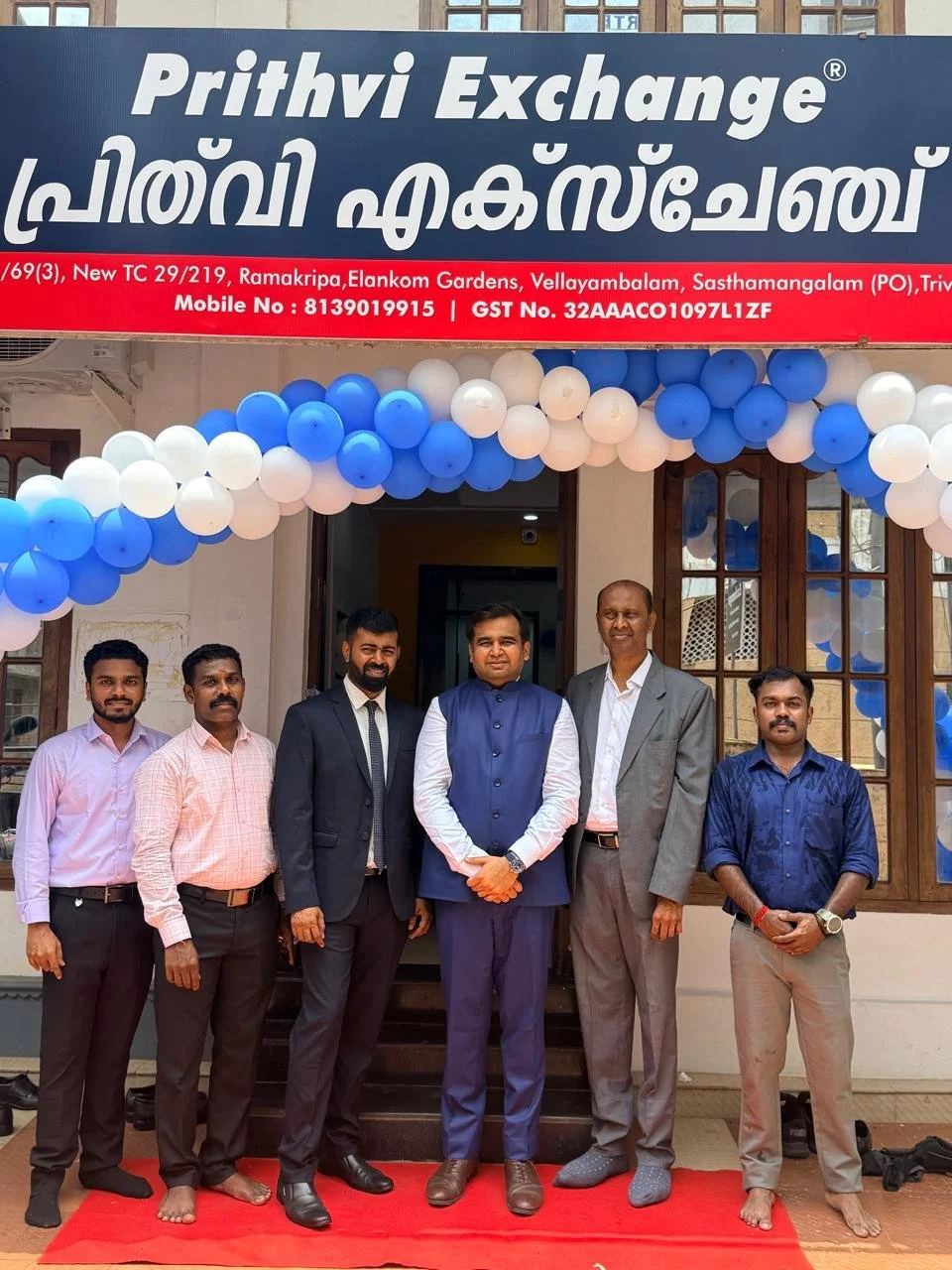
Prithvi Exchange Strengthens Presence in Kerala with New Branch in Trivandrum

Chennai May, 2026– Prithvi Exchange (India) Limited, one of India’s leading foreign exchange providers, announced the opening of its new branch in Trivandrum, Kerala, further expanding its footprint in South India. Strategically located in the prime locality of Vellayambalam, the new branch aims to cater to the increasing demand for organised and reliable forex services in the region, driven by international travel, overseas education, healthcare travel, and global remittances.

Commenting on the launch, Pavan Kumar Kavad, Managing Director of Prithvi Exchange (India) Limited, said, “Kerala has always been one of India’s strongest remittance-driven economies with a significant number of residents travelling abroad for employment, education, healthcare, and tourism. Trivandrum, being a key administrative, educational, and business hub, presents immense growth opportunities for organised forex services. Through this new branch, we aim to provide customers with seamless, secure, and technology-driven forex solutions backed by trusted service standards.”
The newly opened branch will offer a comprehensive range of forex and remittance services, including:

● Foreign Currency Exchange

● Forex Cards

● Overseas Remittances

● Travel-Related Financial Solutions

Trivandrum branch has been designed to deliver a modern, customer-friendly, and technology-enabled experience for both retail and corporate customers.

The Trivandrum branch further strengthens Prithvi Exchange (India) Limited’s growing nationwide network and reflects the company’s strategic focus on expanding into high-potential cities and regional economic centres where the demand for foreign exchange and cross-border payment solutions continues to rise.

Summit Hotels & Resorts expands into Arunachal Pradesh with Rungkhung Village Resort in Dirang

Siliguri, May , 2026: Marking its continued expansion across the Eastern Himalayan region, Summit Hotels & Resorts has announced Rungkhung Village Resort, a boutique retreat in Dirang under The Signature Collection, further strengthening its presence in emerging high-potential destinations.

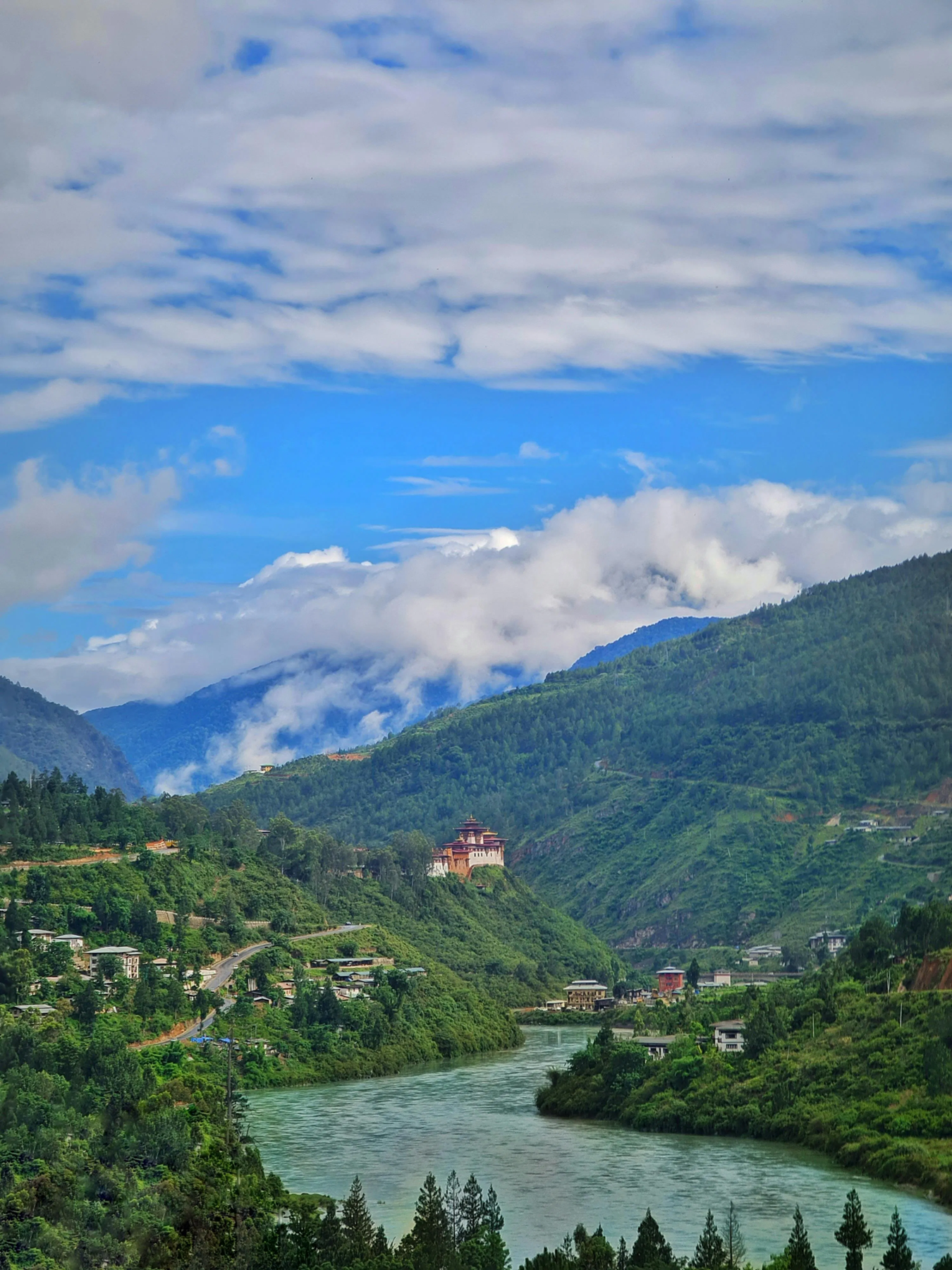
Located in the scenic Dirang Valley and overlooking the Kameng River, the property is positioned as a refined mountain retreat offering immersive views of layered valleys, mist-covered hills, and untouched natural surroundings. Designed to blend local Arunachali character with contemporary comfort, the resort caters to leisure travellers seeking slower, experience-led stays.

The boutique property features well-appointed rooms and suites, including Premium View Rooms and Junior Suites, each equipped with private balconies that open to panoramic river and valley views. Interiors are designed with warm tones, soft textures, and modern amenities, creating a comfortable yet contextually rooted stay experience.

Dining is centred around an all-day restaurant offering a mix of multi-cuisine dishes alongside regional Northeast specialities, complemented by a valley-facing setting. The property also includes outdoor spaces such as landscaped gardens, bonfire setups, and relaxation areas that encourage guests to engage with the natural environment.

Guests can access curated local experiences and nature-led activities, reinforcing the destination’s appeal as a peaceful alternative to more crowded hill stations. With its low-density layout and focus on privacy, the retreat is designed to offer a quieter, more immersive stay.

Commenting on the addition, Sumit Mitruka, CEO, Summit Hotels & Resorts, said, “Dirang is an emerging destination with immense natural appeal, and we see growing interest from travellers looking for less crowded, experience-driven locations. Our approach has been to create a property that stays true to the destination while offering the comfort and consistency that guests expect from the Summit brand.”

The addition of Rungkhung Village Resort reflects Summit Hotels & Resorts continued focus on building a strong portfolio of boutique properties across the Eastern Himalayan belt, with an emphasis on location-led hospitality and experiential travel.

The Andamans are getting their biggest high-speed luxury ferry yet

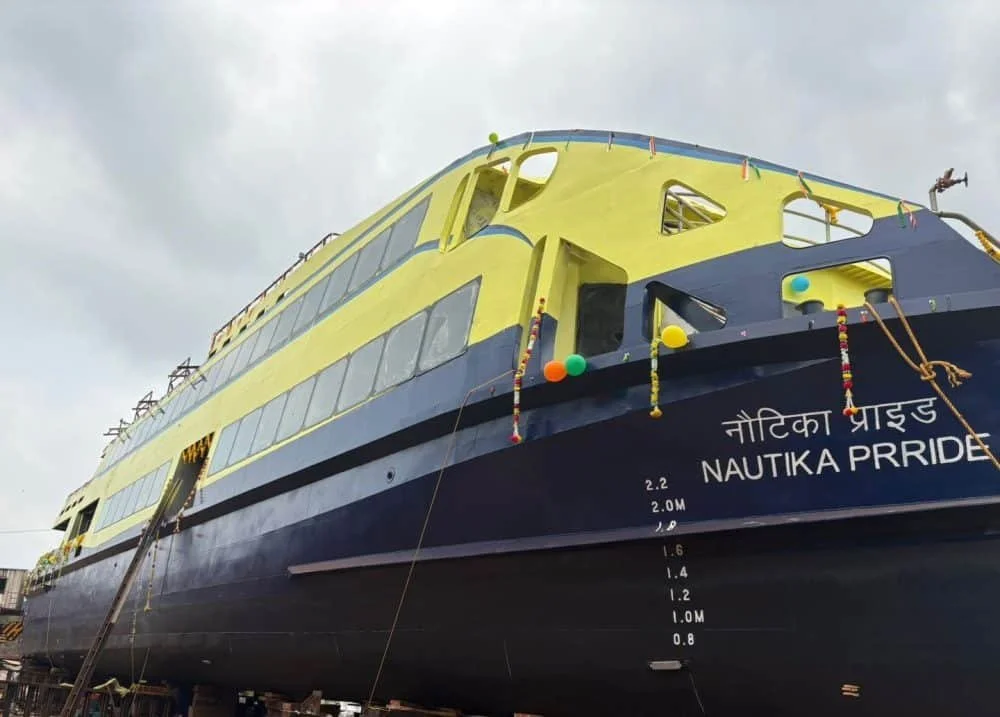
Nautika is preparing to launch Nautika Prride – a next-generation passenger vessel set to redefine maritime travel across the archipelago.

Positioned as a high-speed passenger ferry in the Andamans, Nautika Prride is part of Nautika’s catamaran fleet and has been designed for inter-island travel across the region. Built in India and certified by the Indian Register of Shipping (IRS), the 400-seat catamaran will cruise at speeds of up to 24 knots and operate across the Andaman Islands.

A new era of ferry travel in the Andamans

Nautika Prride has been designed with a focus on passenger comfort and inter-island travel experience. The vessel features spacious seating and interiors across four travel classes – Luxury, Royal, VIP, and Business – allowing travellers to choose between different seating categories and onboard facilities.

The ferry has been designed for leisure and regional travel across the Andaman Islands, including family holidays and island tourism routes.

Engineered for speed, stability & reliability

At the heart of Nautika Prride is a double-hull catamaran platform designed for inter-island travel across the Andaman Islands. The vessel has been developed for open-sea stability and passenger movement across regional ferry routes.

With a cruising speed of 24 knots, Nautika Prride will operate among the faster passenger ferries in the Andaman Islands. The vessel also incorporates dual-hull stability systems and maritime safety mechanisms designed in line with international standards. Nautika Prride, with a seating capacity of 400 passengers, is among the larger passenger ferries operating in the region.

Internationally certified safety standards

Nautika Prride has been approved by the Indian Register of Shipping (IRS) and has been designed in compliance with maritime safety standards, including structural safety systems, evacuation protocols, fire safety mechanisms, and operational safeguards.

Nautika operates under weather-monitoring and sailing protocols in coordination with maritime authorities and regional advisories.

400 seats, four classes, two cafés, and two viewing decks

Designed to accommodate 400 passengers, Nautika Prride includes four travel categories:

• Luxury Class
• Royal Class
• VIP Class
• Business Class

The vessel also features two onboard cafés and viewing decks, along with seating areas and onboard dining facilities for inter-island travel across the Andaman Islands.

A proud Indian vessel built for global standards

Built in India and designed in line with international standards, Nautika Prride reflects developments in Indian maritime engineering and passenger transport infrastructure. The vessel marks an expansion in organised passenger ferry operations across the Andaman Islands.

“Nautika Prride reflects the future of maritime travel in India — faster, safer, more comfortable, and globally benchmarked. With this vessel, we are introducing a completely new standard of passenger experience to the Andaman Islands.”— Anoop Kumar, Director, Nautika.

Marriott Bonvoy Boutiques Debuts Design Shop, A New Era of Hotel-Inspired Living

Hotels have become cultural markers, shaping how people want to live, not just travel. Marriott Bonvoy Boutiques brings this shift to life with the launch of Design Shop. The inaugural hotel collections are anchored by W Hotels and Westin Hotels & Resorts, with new destination-themed and brand-led collections to come later in 2026.

“Hospitality doesn’t end at check-out anymore. Design Shop reflects how we’re expanding the role of our hotels and destinations from places you stay to sources of inspiration you choose to live with. Marriott Bonvoy is shaping what modern hospitality looks like from hotel to home,” said Peggy Roe, Executive Vice President and Chief Customer Officer, Marriott International.

W Hotels Living

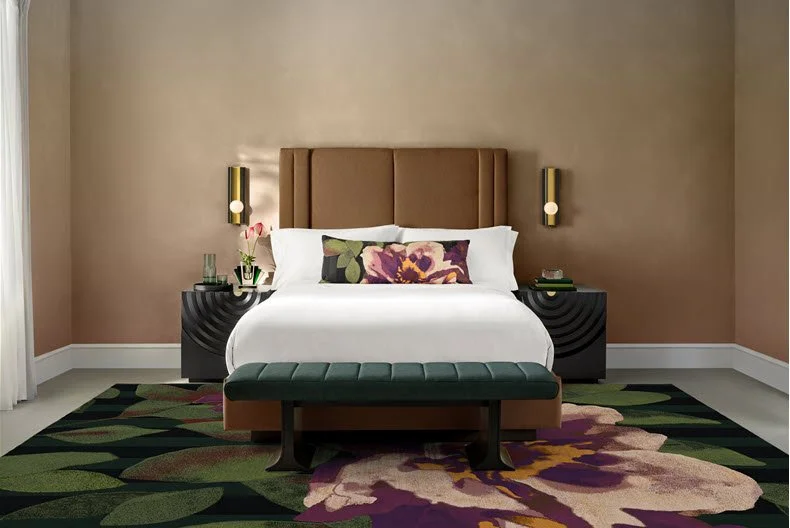
W Hotels Living debuts with a collection created in collaboration with the architecture and design studio Rockwell Group, inspired by the brand’s newly transformed global flagship, W New York – Union Square, which the studio also redesigned. Drawing from the property’s bold reimagination, the collection reflects a defining expression of the brand’s detail-driven design evolution and draws on the hotel’s rich textures, tones, and energy to bring its distinctly modern spirit into the home. Key pieces include a custom headboard and platform bed in four colorways, an upholstered modern bench, dual-finish nightstands, and a bold floral rug, complemented by sculptural lighting, stylish art, and decorative accents such as glass vases, trays and bookends, that reflect the brand’s signature color-blocking approach, and layered, design-led aesthetic.

Westin Hotels & Resorts Living

As hospitality’s global leader in wellness for more than a decade, Westin Hotels & Resorts Living extends the brand’s long-standing commitment to well-being beyond the stay, offering a thoughtfully designed collection that helps guests create a restorative environment at home. Rooted in Westin’s focus on sleep and restoration, the collection features calming, neutral palettes, natural materials, and timeless silhouettes. Key pieces include an upholstered headboard, minimalist wood nightstands, several earth-inspired rugs, textured and patterned throw pillows, and decorative pieces from catchalls and trays to vases. Designed to complement Westin’s existing Sleep Well essentials from Marriott Bonvoy Boutiques, the collection comes together as a fully layered sleep environment that supports rest and relaxation.

Expanding beyond hotel-inspired collections, Design Shop will also introduce destination-driven drops, beginning in June 2026 with a collection inspired by the French Riviera. Designed for entertaining and everyday living, the assortment will include serving trays, platters, linens, vases, and wine goblets that reflect the region’s relaxed, coastal style. In the fall, JW Marriott Living will debut inspired by the JW Marriott Hotel Tokyo, further extending the series of brand-inspired collections.

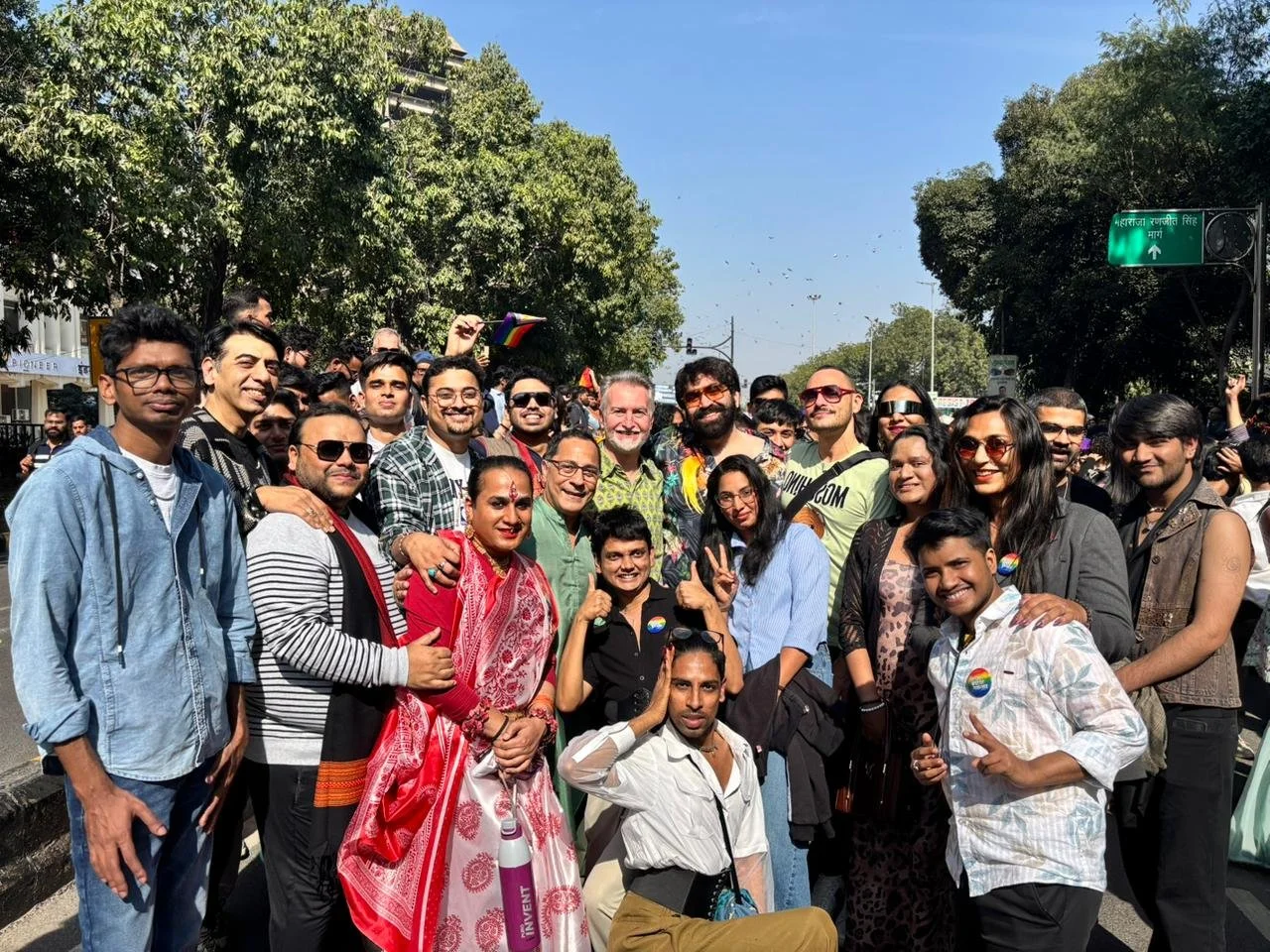
Hospitality with a Heart: How The LaLiT is Building Skills, Inclusion and a Stronger Bharat

At a time when hospitality is often measured by scale, occupancy and expansion, The LaLiT Suri Hospitality Group is quietly shaping a different narrative - one rooted in Indian values of inclusion, dignity and community-building. It is a distinctly swadeshi approach to hospitality: luxury that is deeply Indian in spirit, people-first in practice and committed to nation-building beyond business.

Over the years, the Group has touched more than 1 million lives and directly supported over 300,000 individuals through initiatives spanning skilling, education, employment, healthcare and inclusion. It is this philosophy of hospitality with a heart that continues to define The LaLiT’s larger purpose across India.

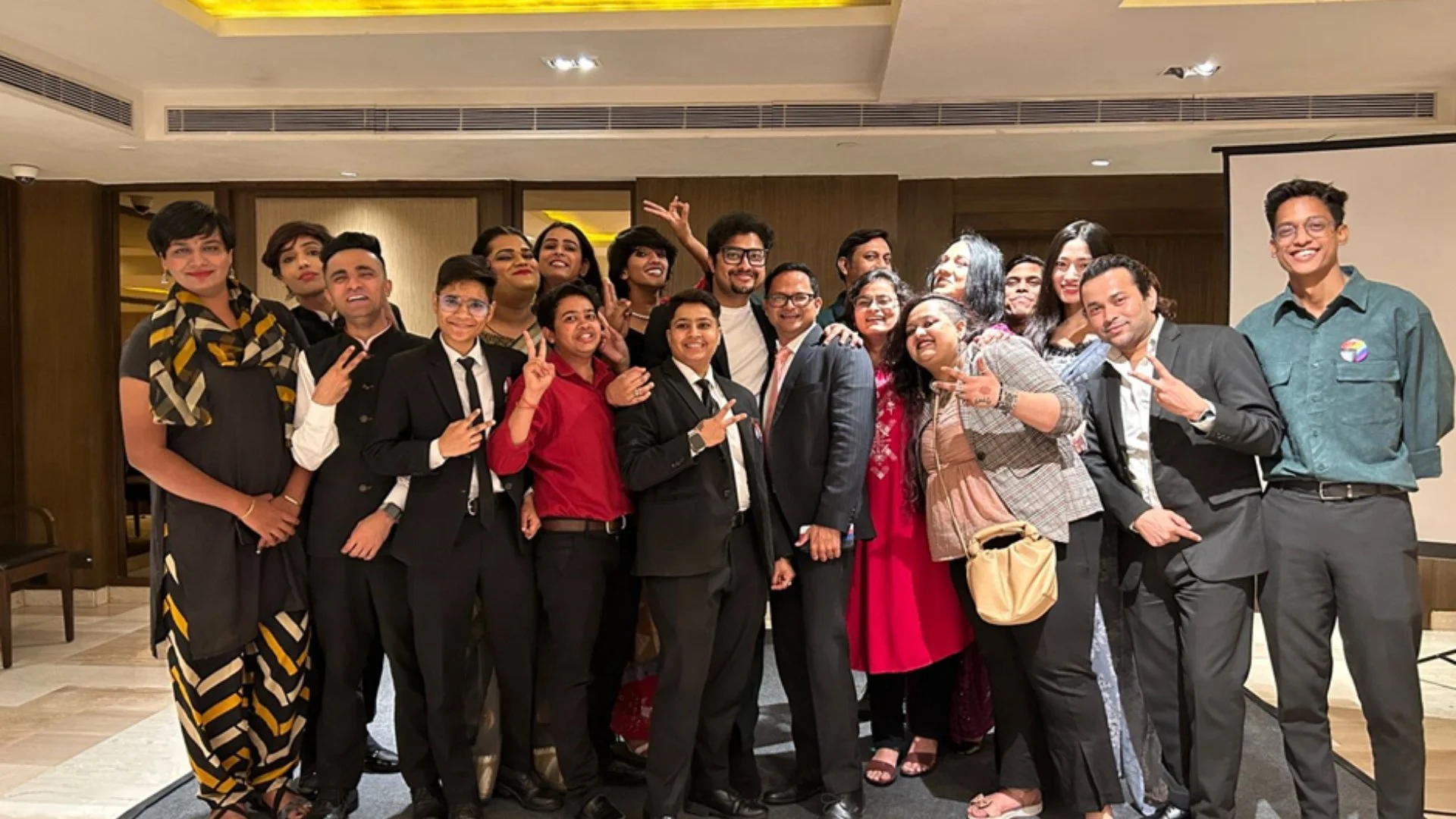
The Group today is India’s largest private-sector employer of transgender persons, with over 250 transgender employees working across roles. Through 13 LGBTQIA+ job fairs, more than 10,000 jobseekers have been reached, leading to over 1,500 direct placements. Alongside this, over 500 persons with disabilities and 50+ acid attack survivors have been supported through focused livelihood and inclusion initiatives.

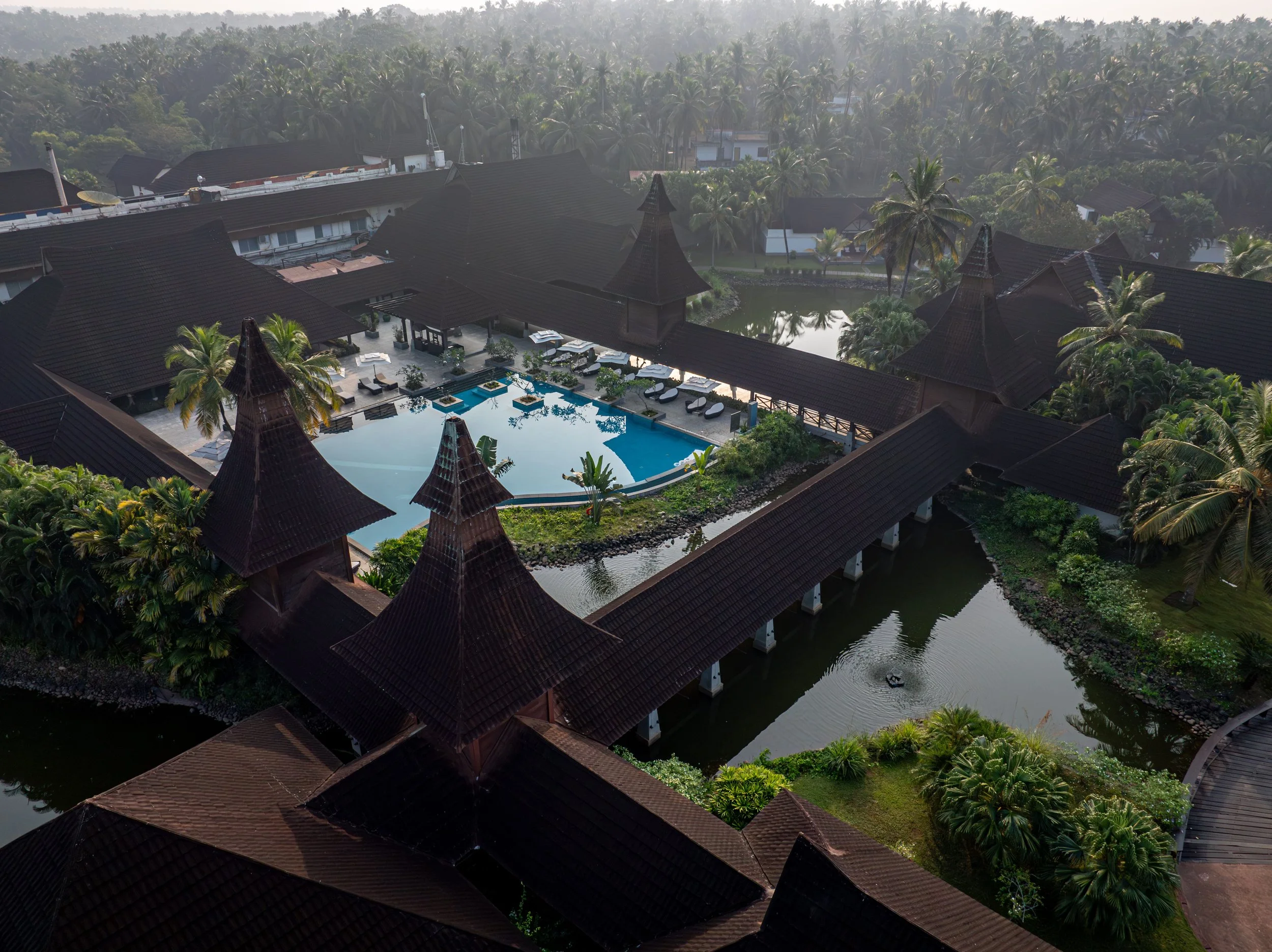
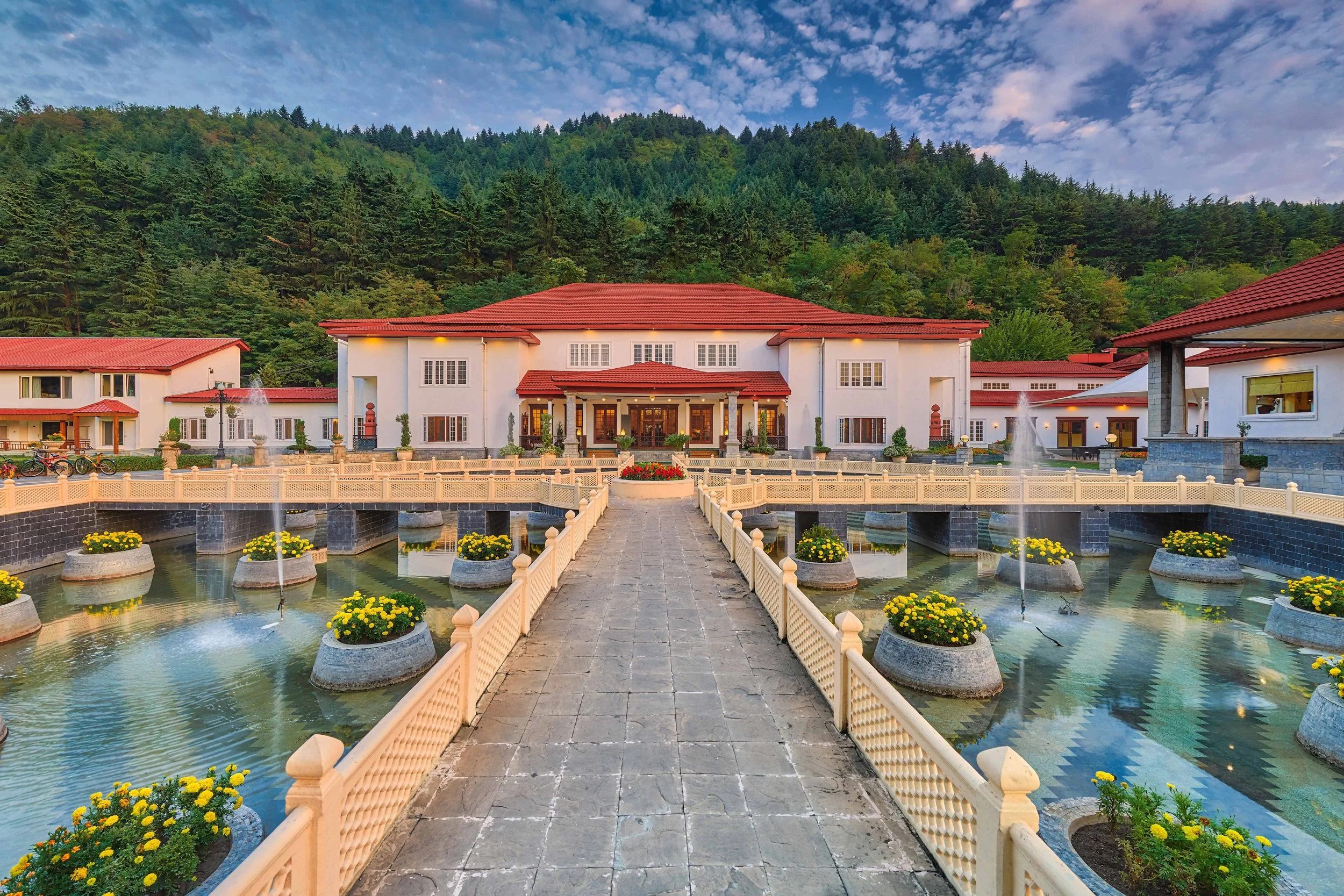
At the centre of this vision is a strong belief that India’s hospitality growth story must also create opportunities for Bharat. Through destination-led skilling initiatives across Khajuraho, Bekal, Mangar and Goa, The LaLiT has focused on developing local talent linked directly to tourism and hospitality economies. The idea is simple but powerful - create skilled employment within communities instead of forcing migration away from them.

This commitment is also reflected through The LaLiT Suri Hospitality School, which is helping build a future-ready workforce for the industry. Going beyond technical training, the institution focuses on communication, professionalism, empathy and real-world operational exposure - qualities increasingly critical in modern hospitality.

In partnership with the Hotel Association of India (HAI), the school is working to bridge the long-standing gap between hospitality education and industry expectations. The collaboration aims to strengthen skilling pathways, grooming, practical training and industry readiness for young professionals entering the sector.

The Group’s larger skilling ecosystem has already trained over 3,000 LGBTQIA+ individuals through PrideKraft and more than 70 young individuals through the Emerging Queer Leaders in Hospitality programme. In collaboration with the Keshav Suri Foundation, over 350 individuals have undergone vocational and creative workshops, with 200+ placements facilitated. Additionally, 75+ scholarships have been awarded to students across communities, including LGBTQIA+ youth, persons with disabilities and neurodivergent individuals.

The LaLiT’s philosophy has always extended beyond operating hotels. During the pandemic, the Group repurposed hotel infrastructure to support doctors and frontline workers, while also facilitating meal distribution, PPE support and vaccination drives.

In many ways, The LaLiT’s journey reflects a larger Indian idea of hospitality - one where service is not transactional, but humane; where growth is measured not only in revenue, but in livelihoods created and lives uplifted. In an increasingly globalised luxury landscape, it is perhaps this rooted, swadeshi approach to hospitality with a heart that makes the brand stand apart.

IHG Hotels & Resorts inks deal for InterContinental Resort Jaipur Achrol, strengthening the company’s luxury portfolio in India

The 225-key resort will bring world-class hospitality to an emerging leisure destination


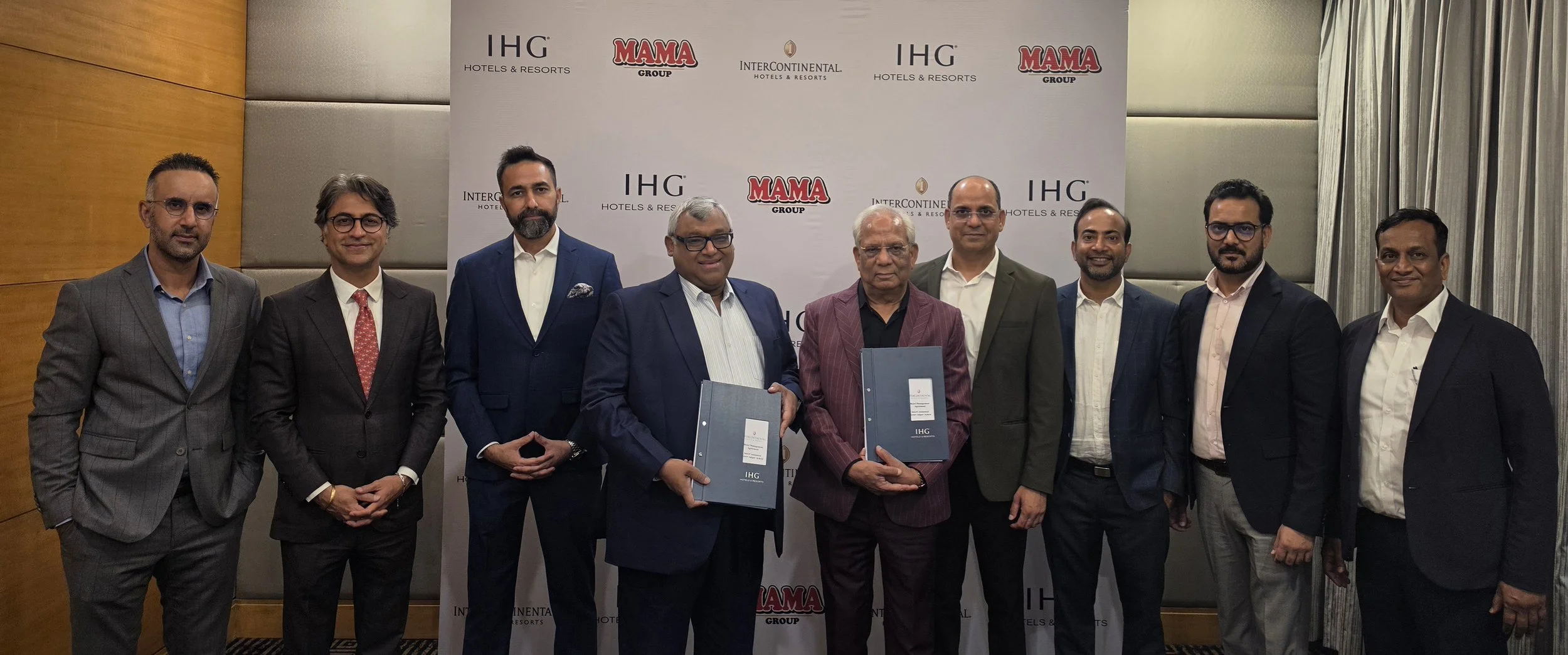
19 May 2026, New Delhi: IHG® Hotels & Resorts, one of the world’s leading hospitality companies, has signed a management agreement with Makson India Hospitality Pvt Ltd. for InterContinental Resort Jaipur Achrol. Scheduled to open in early 2030, the 225-key luxury resort marks another milestone in the company’s strategic expansion across India’s high-growth leisure destinations.

Featuring 36 villas alongside 189 guest rooms, the property is designed to deliver an immersive resort experience and elevated luxury offering. Set across a 16-acre land parcel along the Delhi–Jaipur Road in Achrol, InterContinental Resort Jaipur Achrol will mark the fourth IHG-branded hotel within the larger Jaipur city limits and the second InterContinental hotel in the market.

InterContinental Hotels & Resorts is the world’s first and largest international luxury hotel brand, synonymous with bold exploration, cultural discovery and worldly sophistication. With over 240 hotels open globally and 104 in the pipeline, the brand continues to expand into key destinations around the world.

Commenting on the announcement, Sudeep Jain, Managing Director, South West Asia, IHG Hotels & Resorts said, “We are delighted to partner with Makson India Hospitality Pvt. Ltd. to launch InterContinental Resort Jaipur Achrol. India continues to present significant opportunities in the luxury hospitality segment, driven by growing demand for leisure experiences and destination-led celebrations. This signing reflects our continued commitment to strengthening IHG’s luxury and lifestyle portfolio in the country and reinforces our ambition to be the partner of choice for luxury hospitality in India.”

He further added, “Achrol is emerging as a compelling destination in close proximity to Jaipur, offering a unique combination of heritage, nature, and accessibility. With InterContinental Resort Jaipur Achrol, we aim to create a landmark destination that caters to leisure travellers as well as large-scale social celebrations.”

Jaipur, the capital of Rajasthan and a key part of India’s Golden Triangle tourist circuit, continues to witness strong tourism growth driven by its rich cultural heritage and architectural landmarks including Amer Fort, Jantar Mantar, and the Walled City. The city is also a leading destination for high-profile weddings and events, where demand for upscale venues continues to outpace

Rajan Jhiriwal, Director, Makson India Hospitality Pvt Ltd, said: “We are delighted to partner with IHG Hotels & Resorts to introduce the iconic InterContinental brand to Achrol, Rajasthan. This association represents an important milestone in our group’s long-term vision of creating landmark hospitality assets that meet the highest international standards while remaining deeply rooted in the character, culture, and heritage of their destination.”

Robin Jhiriwal, Director, Makson India Hospitality Pvt Ltd, added: “Our vision is to develop hospitality destinations that deliver enduring value to guests, the community, and all stakeholders. With InterContinental Resort Jaipur Achrol, we aim to create a resort that elevates the region's luxury hospitality landscape while showcasing Rajasthan’s timeless appeal through thoughtful design, authentic experiences, and world-class service.”

InterContinental Resort Jaipur Achrol will feature four dining options including an all-day dining restaurant, a specialty restaurant, a lobby lounge, and a pool bar. The resort will also offer extensive event spaces across two venues, including a ballroom, making it an ideal destination for weddings and social gatherings. Additional facilities will include a club lounge, spa, fitness centre, swimming pool, retail outlets, and ample parking.

With this signing, IHG continues to accelerate its growth in India, particularly in the luxury and lifestyle segment, while strengthening its presence across key leisure destinations in the country.

IHG® currently has 52 hotels operating across six brands in India, including Six Senses, InterContinental Hotels and Resorts®, Crowne Plaza®, voco™ Hotels, Holiday Inn Resort® and Holiday Inn Express®. With a robust pipeline of 98 hotels in development, the company is strategically advancing its ambition to more than triple its estate in the market, targeting over 400 open and in-development hotels within the next five years.

Young Travellers Expected to Account for 60% Seat Share from Delhi Amid Pilgrimage Travel Demand: redBus

Delhi, May, 2026: redBus, the world’s largest online bus ticketing platform, is witnessing a strong surge in intercity travel from Delhi ahead of the pilgrimage travel window. Data from the redBus platform indicates that bus bookings from Delhi are projected to grow by 28% between 1st May till 2nd June 2026 (compared to the same period last year), which includes Ganga Dushera, Nirjala Ekadashi, and summer holiday travel.  

redBus has witnessed surges on certain routes around specific pilgrimage dates. For instance, bookings on routes to Varanasi around Ganga Dussehra dates were approximately 40% higher than average, in 2025. Similarly, around Nirjala Ekadashi, bookings on routes to Khatushyamji were approximately 2X of the average summer bookings. 

The demand this year highlights the strong destination pull of Khatushyamji during Nirjala Ekadashi, with the shrine driving a significant share of bookings from the region. It reflects how key pilgrimage destinations are shaping short-window travel patterns around major religious observances and also reinforces the continued importance of buses as a preferred mode of transport for devotees. Some key destinations, as per bookings on the redBus platform, are:


Top Routes to Pilgrimage Destinations:

  • Delhi-Rishikesh

  • Delhi-Haridwar

  • Delhi-Varanasi

  • Delhi-Khatushyamji

  • Delhi-Katra (jammu and kashmir)

Top Boarding Points by traffic 

  • ISBT Kashmiri Gate

  • Dhaula Kuan

  • Akshardham Metro Station

  • Morigate

  • Anand Vihar

  • Karol Bagh

Travellers’ Preferences

  • Seater buses account for a slightly higher share of bookings at 54%, while sleeper services stand at 46%, reflecting demand across both day and overnight travel formats. 

  • Travellers in the 18–30 age group account for 60% of the seat share, underscoring the strong participation of younger travellers.

  • Male travellers account for 72% of the total, of whom 60% are young travellers (18-30). Female travellers make up 28% of total bookings, of whom 60% are young travellers (aged 18–30). 

Together, these trends indicate a strong rise in pilgrimage-led travel from Delhi around Nirjala Ekadashi, supported by advance travel planning and the growing preference for convenient intercity bus services. As devotees undertake short-duration spiritual journeys during this high-demand religious travel window, redBus continues to strengthen access across key pilgrimage corridors, enabling travellers to plan and complete their journeys with greater ease and reliability. 

Puri, Wayanad and Goa Emerge as Trending Summer Choices for Indian Families, Agoda Reports

India, May 2026 – Digital travel platform Agoda has recorded a rise in family accommodation searches for domestic summer travel compared to last year, with destinations such as Puri, Wayanad and Goa emerging as trending locations for the upcoming school holiday period. Based on accommodation search data for check-ins between May and June 2026, the findings point to growing travel interest in coastal, nature and outdoor-focused getaways compared to last year.

The trend aligns closely with the school holiday window where most schools in Indian states closing through May and June, and is one of the few periods in the year when families can travel together for an extended stretch. This is also reflected in travel planning, with families gravitating toward destinations that offer outdoor activities, relaxation and time together.

Coastal and nature destinations see rising interest 

Odisha’s iconic coastal town, Puri, is drawing interest with a 68% rise in accommodation searches. Home to the Jagannath Temple and the broad sweep of the Bay of Bengal shoreline, Puri offers families a mix of spiritual heritage and beachside leisure that is clearly resonating with summer holiday planners.

Kerala's Wayanad has seen a 40% rise in family accommodation searches compared to last year. A world away from the summer heat of the plains, its wildlife sanctuaries, plantation retreats and cool, mist-wrapped forests offer a distinctive kind of family holiday, one built around nature rather than novelty.

Goa, perennially one of India's most sought-after destinations, has registered a 29% increase in searches. With its wide array of beaches, water parks and broad range of resort stays suited to children of all ages, it continues to draw consistent interest from families planning their summer break.

Hill stations and adventure destinations trends as well

Rishikesh in Uttarakhand recorded a 22% rise in accommodation searches, with families increasingly drawn to its mix of spiritual significance, riverside camps, yoga retreats and outdoor activities such as rafting along the Ganga.

The hill stations of Maharashtra and Tamil Nadu continue to draw interest as well. Mahabaleshwar recorded a 15% increase in family accommodation searches compared to last year, while Ooty saw a 13% rise. Both these destinations offer cool temperatures, scenic viewpoints and well-established hospitality infrastructure that have made them summer staples for generations of Indian travelers.

Gaurav Malik, Country Director, Indian Subcontinent & Indian Ocean Islands, Agoda said,Summer holidays continue to be an important travel period for Indian families, and in 2026 the planning behind these trips has grown increasingly intentional. Families are exploring a broader mix of destinations, from coastal getaways and nature-focused escapes to perennial favorites. This reflects a growing desire among travelers to consider a wider range of options for their vacations. At Agoda, our focus is on enabling exactly that kind of considered planning, bringing together the right combination of stays, flights and activities to make any vacation plan seamless.”

Agoda provides access to over 6 million holiday properties across price points and property types, alongside more than 130,000 flight routes and over 300,000 activities that can be booked together in one place. Running from 7 May to 21 May, Agoda's 21st Birthday Sale will offer up to 60% off on hotel bookings, with a special flash sale of up to 70% on 19 May and exclusive deals on flights and activities. Discover the latest deals on the Agoda mobile app or visit Agoda.com for more information.

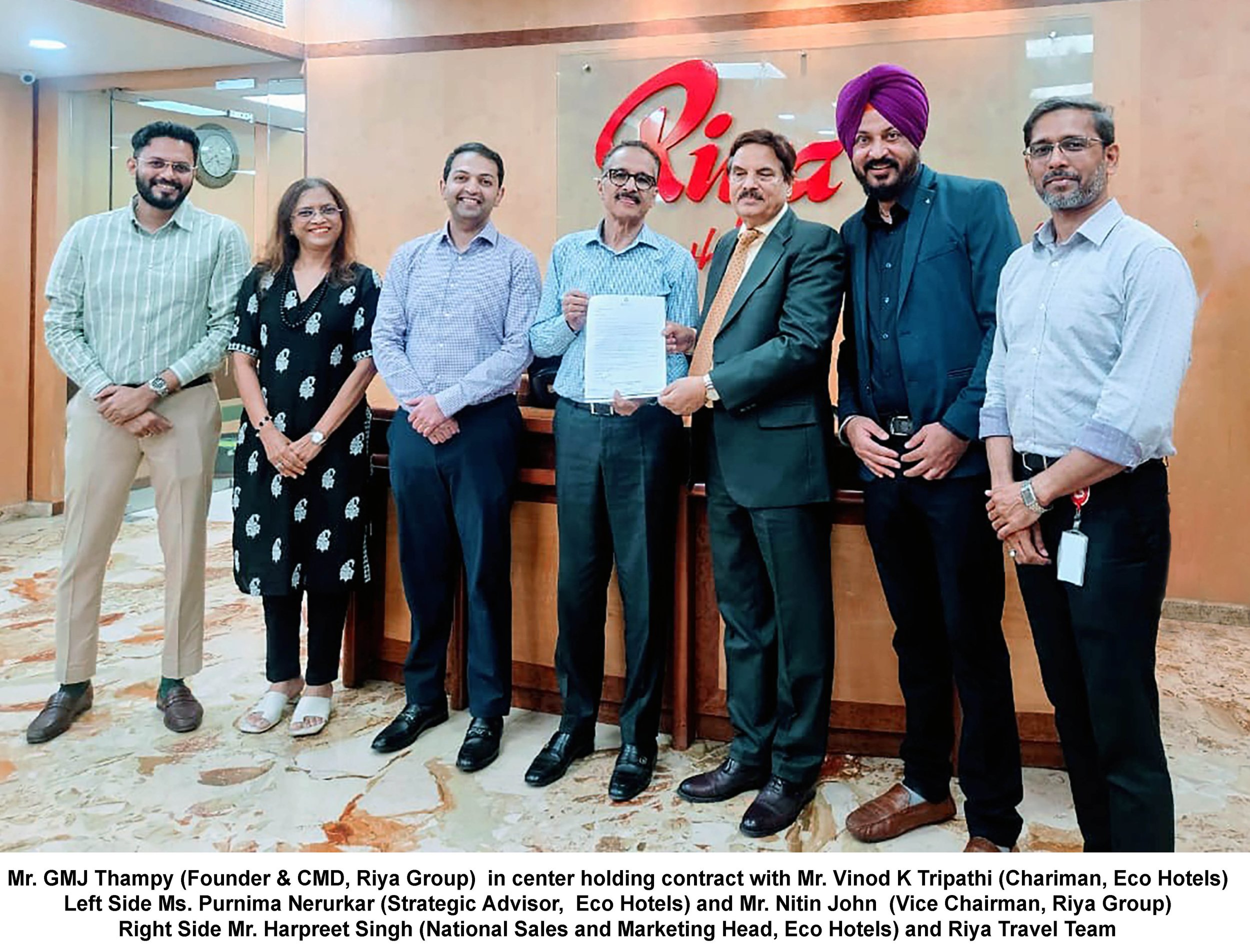
Eco Hotels and Resorts Limited Partners with Riya Travels to Expand Global Reach

Eco Hotels and Resorts Limited is pleased to announce a strategic partnership with Riya Travel & Tours, one of India’s leading travel and aviation service providers.

This collaboration marks a significant step in Eco Hotels’ growth strategy, enabling the Company to strengthen its distribution network and enhance visibility across domestic and international markets. Through this association, Eco Hotels will gain access to Riya Group’s extensive B2B ecosystem, which supports over 75,000 travel agents via its proprietary platform, Riya Connect.
Additionally, Eco Hotels’ offerings will be integrated with Riya Holidays, the Group’s leisure vertical known for curated travel experiences. This integration is expected to position Eco Hotels” portfolio to a broader and more diverse customer base across Riya’s domestic and global platforms. This partnership aligns with Eco Hotels’ asset-light and distribution-led growth strategy, aimed at maximizing occupancy, improving revenue per available room (RevPAR), and expanding brand reach without significant capital deployment.

Further, with Riya’s extensive presence in the corporate travel space, Eco Hotels will significantly benefit in its MICE and corporate offerings, thereby enhancing banquet business and room occupancy throughout the year.

Commenting on the partnership, Mr. Vinod Kumar Tripathi, Chairman of Eco Hotels and Resorts Limited, said:

“We are delighted to partner with Riya Travels, a trusted leader in the travel distribution ecosystem. This collaboration is a significant step forward in our journey to make sustainable hospitality more accessible to a wider audience. With Riya’s extensive network and technological capabilities, we are confident that Eco Hotels will reach new markets and deliver our eco-conscious hospitality experience to travellers across India and globally. Together, we aim to promote responsible tourism while driving growth and value for all stakeholders.

We also extend our sincere appreciation to Mr. GMJ Thampy, Founder and Chairman & Managing Director of Riya Group, and the entire Riya team for their trust and collaboration. We look forward to building a strong, long-term, and mutually rewarding partnership.”

This strategic alliance underscores Eco Hotels’ commitment to scaling its sustainable hospitality model and strengthening its position in the evolving travel and tourism industry.